
Reykjavik Budget Guide 2026: Complete Cost Breakdown
Reykjavik stands as one of Europe’s most expensive capitals, but strategic planning transforms Iceland’s dramatic landscapes and vibrant cultural scene into an affordable reality. This comprehensive budget breakdown reveals actual 2026 costs for accommodation, meals, transportation, and attractions, alongside proven money-saving strategies that reduce daily expenses by 30-40% without compromising the Reykjavik experience.
Key Takeaways for Reykjavik Budget Planning 2026
- Daily Budget Reality 2026: Budget-conscious travelers spending 72,900-96,640 ISK ($560-745) per person for three days including guesthouse or budget hotel accommodation achieve comfortable Reykjavik exploration with museums, pools, and quality dining through strategic grocery-restaurant mix.
- Accommodation Strategy: Booking 6-12 months ahead for summer 2026 visits secures rates 20-30% below last-minute prices, with hostels from 5,300 ISK ($40) nightly and mid-range hotels averaging 17,000-32,000 ISK ($130-245).
- Food Cost Management: The lunch-focused dining strategy exploiting Reykjavik’s 11:30-14:00 lunch specials reduces restaurant costs by 50-60% versus dinner pricing, with quality bistro lunches at 2,000-3,500 ISK ($15-25) versus 5,000-7,000 ISK ($40-55) dinner equivalent.
- Reykjavik City Card Mathematics: The 72-hour card at 9,500 ISK ($78) delivers maximum value with three museum visits plus three thermal pools plus nine bus rides totaling 17,190 ISK ($133) in separate costs, creating 7,690 ISK ($59) savings or 45% discount—calculation: (17,190-9,500)÷17,190 = 45%.
- Off-Season Advantage 2026: November-April visits slash accommodation costs by 28-44% with hotels dropping from summer peaks of 32,000 ISK ($245) to winter lows of 18,000-23,000 ISK ($140-180)—calculation: (32,000-23,000)÷32,000 = 28% and (32,000-18,000)÷32,000 = 44%—while maintaining full access to museums, pools, and most attractions.
- Grocery Shopping Impact: Self-catering at Bónus supermarkets reduces daily food costs from 10,000-15,000 ISK ($75-115) restaurant-only budgets to 3,000-5,000 ISK ($23-38) per person, creating cumulative savings of 49,000-70,000 ISK ($380-540) on week-long visits—calculation: (10,000-3,000) to (15,000-5,000) = 7,000-10,000 daily × 7 days.
People Also Ask About Reykjavik Budget 2026
How much does a day in Reykjavik cost in 2026?
A day in Reykjavik costs 10,800-11,450 ISK ($83-88) per person excluding accommodation for budget-conscious travelers in 2026. This daily total breaks down to transportation 1,300-1,950 ISK ($10-15) via city buses, meals 5,010 ISK ($39) combining grocery breakfast 650 ISK and dinner 1,560 ISK with restaurant lunch 2,800 ISK, attractions 1,890 ISK ($15) for amortized museum and pool visits, and miscellaneous costs 2,600 ISK ($20) for coffee and snacks. Mid-range travelers spending 20,030-22,630 ISK ($155-175) daily add restaurant dinners, additional museum visits, and occasional taxis, while luxury budgets exceeding 30,000 ISK ($230) incorporate fine dining and premium tours. Accommodation costs separately average 5,300-11,000 ISK ($40-85) nightly for budget options, 17,000-32,000 ISK ($130-245) for mid-range hotels, and 32,500-60,000+ ISK ($250-465+) for luxury properties.
What’s the cheapest way to eat in Reykjavik in 2026?
The cheapest way to eat in Reykjavik in 2026 combines grocery shopping at Bónus supermarkets with strategic use of lunch specials, reducing daily food costs to 3,000-5,000 ISK ($23-38) per person. Start mornings with grocery-bought skyr yogurt, bread, and coffee totaling 500-650 ISK ($4-5), then exploit restaurant lunch offers between 11:30-14:00 when bistros serve quality meals for 2,000-3,500 ISK ($15-25) versus 5,000-7,000 ISK ($40-55) dinner equivalents at the same establishments. Dinner becomes grocery-assembled sandwiches, instant soup, or simple pasta costing 1,500-2,000 ISK ($12-15), with iconic Bæjarins Beztu hot dogs at 590 ISK ($4.50) providing budget-friendly portable meals. Gas station food halls like N1 and Olis offer surprisingly decent hot meals, soup, and sandwiches at 1,500-2,500 ISK ($12-20), while Icelandic Street Food’s unlimited-refill lamb soup at 2,290 ISK ($18) delivers exceptional value for hearty appetites.
Is the Reykjavik City Card worth it in 2026?
The Reykjavik City Card becomes worth purchasing in 2026 when visiting two or more museums plus using city buses daily, with the 72-hour card at 9,500 ISK ($78) breaking even against approximately 13,500 ISK ($105) in separate admission and transport costs. Calculate value by totaling planned museum visits where National Museum admission costs 2,400 ISK ($19), National Gallery 2,400 ISK ($19), and Settlement Exhibition 2,400 ISK ($19), plus bus fares at 650 ISK ($5) per ride multiplied by estimated trips, versus card price for matching duration. The card delivers maximum value for culture enthusiasts visiting 4-6 museums over three days while using buses 6-10 times, creating savings of 4,000-8,000 ISK ($30-62) or 30-40%. Skip the card if planning only one museum visit with minimal bus use, or if staying within the walkable downtown core—direct-pay admission and walking becomes more economical below the two-museum threshold.
When is the cheapest time to visit Reykjavik in 2026?
The cheapest time to visit Reykjavik in 2026 spans November through April excluding Christmas-New Year weeks, when accommodation costs drop 28-44% below summer peaks with hotels falling from 32,000 ISK ($245) July rates to 18,000-23,000 ISK ($140-180) January-March pricing. November and February deliver optimal value combining low prices with operational infrastructure, as most museums, pools, restaurants, and city services maintain full schedules unlike extreme winter months. May and September-October shoulder seasons offer 15-25% savings versus June-August while providing better weather than deep winter, with hotels averaging 21,000-26,000 ISK ($160-200) and longer daylight hours. Summer June-August commands premium pricing but delivers midnight sun, all tours operating, and warmest temperatures—worth the cost increase for travelers prioritizing weather and daylight over budget considerations.
Extended multi-day tours – 5+ days
Featured Reykjavik Multi-Day Tour Packages

3 days
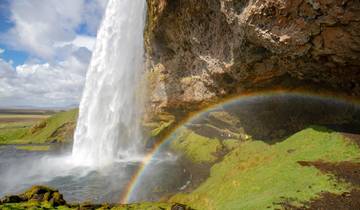
3 Days Self Drive Stopover in Iceland
- ✓ Comprehensive Reykjavik tour
- ✓ Expert local guides included
- ✓ All accommodation arranged
- ✓ Transportation provided
5 days
5 Days Land of Midnight Sun
- ✓ Comprehensive Reykjavik tour
- ✓ Expert local guides included
- ✓ All accommodation arranged
- ✓ Transportation provided

3 days
Hidden Highlands: 3-Day Landmannalaugar & Grænihryggur Hiking Tour
- ✓ Comprehensive Reykjavik tour
- ✓ Expert local guides included
- ✓ All accommodation arranged
- ✓ Transportation provided
3 days
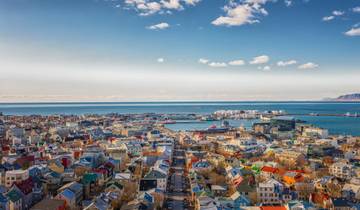
Three Days in Iceland: Reykjavik & Snæfellsnes Peninsula
- ✓ Comprehensive Reykjavik tour
- ✓ Expert local guides included
- ✓ All accommodation arranged
- ✓ Transportation provided
Multi-day tour packages powered by TourRadar. Prices and availability subject to change.
Introduction to Reykjavik Budget Planning 2026
Reykjavik’s reputation as an expensive destination stems from legitimate economic realities—Iceland’s isolated island geography, harsh climate limiting agriculture, and heavy import dependence create costs 40-50% above Western European averages and approximately double Southern European destinations like Spain or Portugal. The capital city amplifies these national price patterns with urban premiums adding 20-30% to accommodation and dining versus rural Iceland, while wages reflecting Iceland’s high living standards drive service costs upward. Understanding this cost structure proves essential for effective budget planning, as naive expectations of Central European pricing lead to unpleasant financial surprises and compromised experiences.
Yet Reykjavik’s high baseline costs respond dramatically to strategic planning rather than random spending. The city’s compact 101 downtown district concentrates major attractions within 2-kilometer walking radius, eliminating expensive taxi dependence while enabling efficient sightseeing schedules. Iceland’s transparent pricing culture publishes costs online rather than hiding fees, allowing accurate pre-trip budgeting. The dramatic seasonal price variation creates 40-50% swings between peak summer and off-season winter rates, offering budget flexibility unavailable in year-round constant-price destinations. Municipal infrastructure including geothermal pools, excellent museums, and efficient bus systems operates at subsidized rates below private alternatives, providing value anchors within the expensive landscape.
The 2026 cost environment builds upon established patterns while introducing specific considerations for the coming year. Icelandic króna exchange rates against major currencies remain relatively stable, with 1 USD buying approximately 130 ISK as of early 2026, though inflation running 4-6% annually continues gradual upward price drift. Tourism volumes recovering to 2019 levels sustain strong accommodation demand, maintaining pressure on summer hotel pricing while keeping off-season discounts attractive. The Reykjavik City Card system expanded museum partnerships and pool access in late 2025, enhancing value propositions for culture-focused visitors. Public bus fares increased 3-5% in mid-2024 reaching current 650 ISK ($5) single-ride pricing, likely holding steady through 2026 before next adjustment.
Effective Reykjavik budgeting in 2026 requires understanding cost categories and their relative flexibility. Accommodation represents the largest controllable expense, ranging from 5,300 ISK ($40) hostel dormitories to 60,000+ ISK ($465+) luxury hotels, with 6-12 month advance booking delivering 20-30% savings. Food costs occupy second position with widest variation potential—disciplined grocery shopping combined with lunch-focused restaurant strategy reduces daily food budgets from 15,000 ISK ($115) all-restaurant spending to 4,000-6,000 ISK ($30-45) mixed approach. Transportation remains relatively fixed within city limits given efficient bus system at 650 ISK ($5) per ride, though walking eliminates this category for downtown-focused itineraries. Attraction costs vary dramatically between free architectural viewing and 10,000+ ISK ($75+) premium tours, with museum passes and thermal pools providing value sweet spots.
This comprehensive guide dissects each cost category with actual 2026 pricing, strategic recommendations, and mathematical breakdowns enabling informed decisions. The self-contained sections below address accommodation strategies, food cost management, transportation optimization, attraction budgeting, and integrated daily cost examples. Whether targeting ultra-budget backpacker minimums around 40,000 ISK ($305) for three days or comfortable mid-range experiences at 85,000-105,000 ISK ($650-805) for three days, understanding Reykjavik’s cost structure and available strategies transforms expensive reputation into manageable reality.
Understanding Reykjavik’s Cost Structure 2026
Reykjavik’s elevated cost base originates from Iceland’s fundamental economic geography rather than tourism exploitation, creating price patterns that affect both visitors and residents. The island’s location 300 kilometers from Greenland and 1,000 kilometers from mainland Europe necessitates importing 85% of consumer goods, with shipping costs, tariffs, and intermediary markups adding 30-50% to baseline product prices. Iceland’s harsh climate and limited arable land restrict domestic agriculture to specialty products, requiring food imports for most supermarket inventory including produce, grains, and processed foods. High labor costs reflecting Iceland’s strong unions and elevated living standards push service prices upward—restaurant meals incorporate wages often double Eastern European equivalents, while hotel staffing costs drive accommodation pricing.
The króna exchange rate mechanism adds volatility to visitor costs depending on home currency strength. Americans benefit from favorable USD-ISK positioning with 1 USD buying 125-135 ISK through 2025-2026, while Euro zone travelers find less advantageous 1 EUR to 140-150 ISK rates and British visitors face challenged 1 GBP to 165-175 ISK conversion. These exchange dynamics mean Reykjavik feels 10-15% more expensive for European visitors versus Americans under current conditions, though all currencies face Iceland’s high baseline. Credit card acceptance reaches near-universal penetration including smallest vendors, eliminating currency exchange fees for most transactions—though travelers should verify their home bank’s foreign transaction fee policies before departure.
Seasonal pricing variation in Reykjavik exceeds most European capitals due to concentrated tourism demand and limited supply flexibility. Summer peak season June-August sees accommodation rates climb 40-60% above shoulder periods, with some hotels doubling winter pricing during July high season. This seasonal pressure reflects Iceland’s tourism concentration into short summer window when weather permits highland access and midnight sun draws photographers, coupled with fixed hotel inventory unable to expand quickly. Shoulder seasons May and September-October offer sweet spots delivering 70-80% of summer experience at 15-25% below peak pricing. Winter November-April slashes costs dramatically with hotels dropping 40-50% below summer rates, though weather limitations and reduced daylight hours represent genuine tradeoffs rather than pure savings.
Reykjavik’s compact geography creates cost advantages offsetting some price elevation. The 101 postal district covering downtown concentrates Hallgrímskirkja church, Harpa concert hall, National Museum, Settlement Exhibition, Old Harbor, and 80% of tourist restaurants within 2-kilometer radius, enabling full-day sightseeing on foot without transportation costs. Geothermal energy abundance keeps heating and hot water costs minimal, with thermal pools charging 1,380 ISK ($11) for hours of bathing versus premium spa pricing elsewhere. Municipal museums operate under city subsidies maintaining admission around 2,400 ISK ($19) below private gallery equivalents, while the comprehensive Reykjavik City Card leverages these public institutions for visitor value.
Understanding Reykjavik’s cost drivers enables realistic budgeting rather than unpleasant surprises. Expect grocery prices 20-30% above Western European equivalents and 50-70% above Southern European markets, with restaurant meals commanding premiums justified by labor costs and ingredient imports. Accommodation represents largest flexibility area with hostel-to-luxury range spanning 5,300-60,000+ ISK ($40-465+) nightly, while transportation costs remain relatively controlled given efficient public systems. The key to budget management involves strategic category choices—saving dramatically on accommodation and food enables splurging on selective premium experiences like helicopter tours or fine dining, while balanced budgets achieve comfortable Reykjavik exploration at 12,000-18,000 ISK ($95-140) daily plus accommodation.
Accommodation Costs Reykjavik 2026
Accommodation in Reykjavik ranges from 5,300 ISK ($40) hostel dormitories to 60,000+ ISK ($465+) luxury hotel suites nightly, with mid-range hotel sweet spot delivering quality comfort at 17,000-32,000 ISK ($130-245) depending on season and location. Budget hostels dominate the economy segment with dormitory beds averaging 5,300-7,800 ISK ($40-60) in well-reviewed properties like Kex Hostel and Loft Hostel, increasing to 9,100-11,700 ISK ($70-90) for superior locations or premium facilities. Private rooms in hostels climb to 19,500-23,400 ISK ($150-180) nightly, occasionally exceeding budget hotel rates—couples should compare carefully before assuming hostel private rooms deliver savings. Budget hotels and guesthouses occupy the 10,500-19,500 ISK ($81-150) range, offering basic but clean accommodations often including kitchenettes enabling food cost savings.
Mid-range hotels representing the comfort category span 17,000-32,000 ISK ($130-245) nightly for quality properties with modern amenities, convenient downtown locations, and often complimentary breakfast. Summer peak June-August pushes this category toward upper range at 26,000-32,000 ISK ($200-245), while shoulder seasons May and September-October achieve 21,000-26,000 ISK ($160-200), and winter November-April drops to 18,000-23,000 ISK ($140-180). Three-star hotel guest ratings average 8.5/10 according to aggregated reviews, delivering genuine value within Iceland’s expensive landscape. Four-star properties commanding 18,700 ISK ($144) average pricing offer only marginal quality improvements over well-selected three-star alternatives rated 8.7/10 at 17,400 ISK ($134) average—the data suggests mid-range sweet spot targets upper three-star tier rather than entry four-star segment.
Luxury accommodations begin around 32,500 ISK ($250) nightly for five-star city hotels, escalating to 51,500-60,000+ ISK ($400-465+) for premium properties and exceeding 130,000 ISK ($1,000) for ultra-luxury options like Blue Lagoon’s Retreat Hotel. The Reykjavik Edition’s striking harbor location and The Reykjavik Residence boutique suites deliver exceptional luxury experiences justifying premium pricing for travelers prioritizing accommodation quality. Heritage properties and design hotels command premiums even within luxury category, with distinctive architecture or historical significance adding 10-20% to comparable modern equivalents.
Location within Reykjavik influences accommodation pricing by 15-25%, with premium downtown 101 district properties commanding highest rates while peripheral areas like Kópavogur and Hafnarfjörður offer 20-30% savings at expense of walkability. The 101 postal code covering Laugavegur shopping street, Hallgrímskirkja vicinity, and Old Harbor delivers maximum convenience—walkers eliminate bus costs while enjoying evening restaurant access. Slightly peripheral but still walkable areas including Hlemmur and eastern downtown provide 10-15% savings with minimal convenience sacrifice. True suburban locations requiring consistent bus use suit budget-focused visitors willing to trade central access for lower nightly rates.
Booking timing critically impacts accommodation costs, with advance reservations 6-12 months ahead for summer visits securing 20-30% savings versus last-minute booking. Reykjavik’s limited hotel inventory creates genuine scarcity during peak season, with best-value properties selling out by April for July-August dates. Shoulder season allows 3-6 month booking windows maintaining good selection, while winter permits flexible last-minute arrangements often capturing additional discounts. Cancellation policies favor booking early with free cancellation, then monitoring for rare price drops—though genuine discounts below advanced-booking rates rarely materialize in constrained Reykjavik market.
Food and Dining Expenses Reykjavik 2026
Food expenses in Reykjavik range from 3,000 ISK ($23) daily for disciplined grocery self-catering to 15,000+ ISK ($115+) for restaurant-only dining, with strategic mixed approach achieving quality meals at 5,000-7,500 ISK ($40-60) per person daily. Restaurant meal costs break into distinct tiers—iconic Bæjarins Beztu hot dogs cost 590 ISK ($4.50) each creating ultra-budget portable meals, fast food burgers with fries average 1,690-2,080 ISK ($13-16), casual restaurant lunch specials span 2,000-3,500 ISK ($15-25), mid-range dinner mains command 4,990-7,800 ISK ($40-60), and fine dining experiences begin around 9,100 ISK ($70) per person before alcohol. This pricing hierarchy creates strategic opportunity—exploiting lunch-focused dining captures restaurant quality at 40-50% below dinner equivalents.
The lunch special strategy leverages Reykjavik restaurants’ 11:30-14:00 promotional pricing designed to fill midday tables, with quality bistros offering 2,000-3,500 ISK ($15-25) set lunches at establishments charging 5,000-7,800 ISK ($40-60) for comparable dinner portions. Salka Valka serves lunch soup with bread for 2,700 ISK ($21) and lunch mains to 5,350 ISK ($41), while Icelandic Street Food’s legendary lamb soup with unlimited refills costs 2,290 ISK ($18) delivering exceptional value for hearty appetites. Kopar restaurant’s lunch offerings start 4,990 ISK ($38) versus dinner fish dishes from 4,990-9,790 ISK ($38-75), while Pósthús Food Hall presents diverse cuisine 3,490 ISK ($27) per main course. Budget travelers eating one quality lunch daily at 2,500-3,500 ISK ($20-25) plus grocery breakfast and dinner achieve satisfying food experience at total 5,000-6,500 ISK ($40-50) daily cost.
Grocery shopping at Bónus supermarkets—identifiable by bright yellow pig logo—delivers Iceland’s lowest food prices, with discount chain Krónan offering close second and Nettó providing third option. Self-catering breakfast assemblies cost 500-650 ISK ($4-5) per person combining bread, cheese, skyr yogurt, and instant coffee purchased in grocery quantities, versus 1,950-3,250 ISK ($15-25) restaurant breakfast equivalents. Dinner grocery shopping creates simple meals for 1,500-2,000 ISK ($12-15)—pasta with sauce, instant soup with bread, or sandwich components—totaling 2,000-2,650 ISK ($16-20) for breakfast and dinner combined. Adding one 2,500-3,500 ISK ($20-25) restaurant lunch creates mixed-strategy daily food cost of 4,500-6,150 ISK ($35-48) per person, substantially below 10,000-15,000 ISK ($75-115) all-restaurant spending.
Gas station food halls represent surprising value within Reykjavik’s expensive landscape, with N1 and Olis chains serving hot meals, soup, and sandwiches at 1,500-2,500 ISK ($12-20). These convenient options suit road-trippers and time-pressed visitors seeking quick sustenance above fast food quality at below sit-down restaurant pricing. Noodle Station delivers steaming Asian-inspired soup bowls around 2,290 ISK ($18), while Domino’s Pizza medium pies cost 3,890 ISK ($30) representing typical fast food pricing tier. Traditional Icelandic restaurant meals exploring unique cuisine range from Icelandic Fish and Chips at 2,200-2,480 ISK ($17-19) to Snaps Bistro’s fish of the day at 5,490 ISK ($42) and beef ribeye at 7,870 ISK ($61).
Alcohol costs in Reykjavik reflect heavy taxation designed to control consumption, with beer in bars averaging 1,300-1,690 ISK ($10-13) per pint during regular hours and happy hour specials dropping to 1,040 ISK ($8) roughly. State-run Vínbúðin liquor stores monopolize alcohol sales above 2.25% ABV, charging 4,000-8,000 ISK ($30-60) per wine bottle, though duty-free shopping at Keflavík Airport upon arrival offers 30-50% savings making advance purchase sensible for budget-conscious drinkers. The Appy Hour mobile application maps Reykjavik happy hour schedules, enabling strategic timing for reduced alcohol costs during 15:00-18:00 typical promotional windows.
Transportation Costs Reykjavik 2026
Transportation within Reykjavik costs 650 ISK ($5) per single bus ride or zero for walkers covering the compact 101 downtown district, with unlimited-ride options and strategic route planning minimizing expenses. The Strætó public bus system operates 27 routes throughout the Capital Region with single fares at 650 ISK ($5) valid for 75 minutes including transfers, purchased via contactless payment, the Klappið mobile app, or Klapp Ten disposable cards bundled at slight discount. Fare capping mechanisms automatically limit costs to maximum three rides daily or nine rides weekly regardless of actual trips taken, converting frequent riders to effective day-pass equivalent without separate purchase. Children ages 12-17, seniors, and disabled passengers receive 50% fare reductions to 325 ISK ($2.50) per ride, while children under 12 ride free.
Walking strategies eliminate transportation costs entirely for downtown-focused itineraries, with Reykjavik’s 2-kilometer radius 101 district containing Hallgrímskirkja church, National Museum, Settlement Exhibition, Harpa concert hall, Old Harbor, Laugavegur shopping street, and majority of tourist restaurants within 15-25 minute walks between points. The flat terrain and well-maintained sidewalks enable comfortable walking year-round, though winter visitors require appropriate footwear for icy conditions. Peripheral attractions including Perlan museum and Laugardalslaug thermal pool necessitate bus rides or 40-minute walks, representing decision points between 650 ISK ($5) bus convenience versus free walking exercise.
The Reykjavik City Card includes unlimited city bus access among its benefits, eliminating separate transportation budgeting for cardholders. The 24-hour card at 5,500 ISK ($45), 48-hour card at 7,700 ISK ($64), and 72-hour card at 9,500 ISK ($78) incorporate bus value alongside museum admissions and pool access. Travelers planning four or more bus rides daily achieve transportation savings through card purchase even excluding other benefits—four rides at 650 ISK ($5) total 2,600 ISK ($20) versus card’s proportional daily cost of 2,750-3,167 ISK ($21-24). However, walkers covering downtown exclusively may find card’s transportation component underutilized.
Airport transfers between Keflavík International Airport and Reykjavik cost 2,280 ISK ($15) per person on Strætó bus route 55, operating 75-minute journeys calling at Hafnarfjörður and central Reykjavik stops. The budget-conscious bus option contrasts with private shuttle services like Gray Line’s Airport Direct charging 3,510 ISK ($27) per person for faster 45-minute direct transfer to Reykjavik Terminal, with 15% return-trip discount reducing combined cost to 5,980 ISK ($46) per adult. Taxis from airport to downtown Reykjavik command approximately 18,000-23,400 ISK ($140-180) making them economical only for groups of three-four splitting costs.
Taxi transportation within Reykjavik starts at 950 ISK ($7) base fare plus 456 ISK ($3.50) per kilometer, creating 2,600-3,900 ISK ($20-30) typical costs for cross-downtown trips. The compact city geography makes walking or buses more economical for solo travelers and couples, though taxis become time-efficient for late-night returns from bars or restaurants when bus service reduces frequency. Ride-hailing applications function in Reykjavik with pricing comparable to traditional taxis, offering payment convenience without significant cost savings.
Attraction and Activity Costs 2026
Attraction costs in Reykjavik span free architectural appreciation to 48,750+ ISK ($375+) premium tour experiences, with museum sweet spot delivering quality culture at 2,400-3,000 ISK ($19-23) per admission. Free attractions include Hallgrímskirkja church exterior viewing, Harpa concert hall public spaces, Sun Voyager sculpture, Old Harbor walking, Tjörnin pond, and downtown architectural exploration—enabling full-day sightseeing at zero cost for budget-focused visitors. Hallgrímskirkja tower ascent costs 1,300 ISK ($10) providing panoramic city views, while Harpa guided tours charge approximately 3,250 ISK ($25) for architectural insights.
Museum admission pricing clusters around 2,400 ISK ($19) for major institutions including National Museum of Iceland, National Gallery, Settlement Exhibition, and Reykjavik City Museum properties. These subsidized municipal museums deliver exceptional value relative to Iceland’s overall cost structure, with comprehensive exhibitions justifying 2-3 hour visits per venue. Private museums command slightly higher pricing—Saga Museum charges approximately 3,900 ISK ($30), while Perlan’s Wonders of Iceland exhibition costs around 5,200 ISK ($40) for interactive natural history displays. The Icelandic Phallological Museum presents unique subject matter at approximately 2,600 ISK ($20) admission.
Thermal pool access represents quintessential Reykjavik value at 1,380 ISK ($11) per visit to municipal geothermal pools including Sundhöllin, Laugardalslaug, and six other public facilities. These heated outdoor pools maintain 27-29°C main pools plus 36-40°C hot pots, sauna access, and changing facilities for hours of bathing at fraction of international spa equivalents. Children ages 6-17 and seniors 67+ receive discounted admission, while children under 6 enter free. The thermal pools serve dual purposes—genuine Icelandic cultural immersion observing local bathing customs plus relaxation value matching higher-priced alternatives.
Day tour pricing from Reykjavik escalates rapidly into premium territory, with Golden Circle tours averaging 9,100-14,300 ISK ($70-110) for full-day group excursions visiting Þingvellir National Park, Gullfoss waterfall, and Geysir geothermal area. South Coast tours exploring Reynisfjara black sand beach and Seljalandsfoss waterfall command similar 11,700-16,900 ISK ($90-130) pricing, while Northern Lights tours season-dependent cost 9,100-13,000 ISK ($70-100). Glacier hiking, ice cave exploration, and helicopter tours enter luxury territory at 19,500-48,750+ ISK ($150-375+) per person, justified by specialized equipment and guides but representing selective splurge decisions within overall budgets.
Whale watching tours from Reykjavik’s Old Harbor cost approximately 13,000-16,250 ISK ($100-125) for 3-4 hour excursions with 90% success rates during summer months, declining to 60-70% winter sighting probability. Puffin watching boat tours charge similar rates for seasonal May-August operations when Atlantic puffins inhabit Icelandic coastal cliffs. Blue Lagoon admission near Keflavík Airport—though technically outside Reykjavik—commands 10,400-19,500 ISK ($80-150) depending on package level, with advance booking essential given daily visitor caps.
Reykjavik City Card Value Analysis 2026
The Reykjavik City Card costs 5,500 ISK ($45) for 24 hours, 7,700 ISK ($64) for 48 hours, or 9,500 ISK ($78) for 72 hours in 2026, delivering free museum admission, thermal pool access, and unlimited bus travel that breaks even at approximately two museum visits plus moderate transportation use. The card grants free entry to National Museum 2,400 ISK ($19), National Gallery 2,400 ISK ($19), Settlement Exhibition 2,400 ISK ($19), all Reykjavik City Museum properties, all Reykjavik Art Museum locations, and additional cultural venues totaling 15+ included sites. Thermal pool access adds seven municipal geothermal facilities at 1,380 ISK ($11) each, while unlimited Strætó bus travel within capital area provides transportation value scaling with usage intensity.
Break-even mathematics for the 72-hour card demonstrates value proposition: visiting National Museum 2,400 ISK ($19), Settlement Exhibition 2,400 ISK ($19), and one Reykjavik Art Museum location 2,400 ISK ($19) totals 7,200 ISK ($56) in admission savings alone. Adding three thermal pool visits at 1,380 ISK ($11) each contributes 4,140 ISK ($32), while nine bus rides over three days at 650 ISK ($5) per trip add 5,850 ISK ($45). This moderate-use scenario totals 17,190 ISK ($133) in separate-purchase equivalent value versus 9,500 ISK ($78) card cost, creating 7,690 ISK ($59) savings or 45% discount—calculation: (17,190-9,500)÷17,190. Conservative usage visiting just two museums, one pool, and six bus rides achieves 10,080 ISK ($78) value—calculation: (2,400×2)+(1,380×1)+(650×6)—versus 9,500 ISK ($78) cost for modest 580 ISK ($4) savings or 6%.
Maximum card value extraction requires intensive cultural itinerary visiting 4-6 museums over three days, swimming 2-3 times, and using buses 8-12 times for attraction-to-attraction transit. This aggressive approach generates 20,000-26,000 ISK ($155-200) in separate-purchase equivalent value from 9,500 ISK ($78) investment, delivering 10,500-16,500 ISK ($80-125) savings or 52-63% discounts. The card particularly suits rainy-weather backup plans when indoor museums and thermal pools provide all-day entertainment regardless of conditions, plus culture enthusiasts naturally inclined toward museum-heavy itineraries. Families with children benefit from card’s unlimited museum re-entry allowing flexible schedules with breaks, though children under 18 enter most museums free regardless.
Skip the Reykjavik City Card when planning only one museum visit with minimal bus use, or when accommodation location enables walking to all planned attractions. Direct-pay admission at one museum 2,400 ISK ($19) plus 2-3 bus rides 1,300-1,950 ISK ($10-15) totals just 3,700-4,350 ISK ($28-33) versus 5,500 ISK ($45) minimum card cost, creating negative 1,150-1,800 ISK ($9-14) value. Similarly, itineraries focused on free attractions like Hallgrímskirkja, Harpa, and harbor walking, or budgets prioritizing expensive day tours over city museums, fail to justify card purchase. The break-even threshold sits reliably at two paid museum admissions plus 3-4 bus rides as minimum usage level for positive return.
Card activation flexibility allows strategic timing—the consecutive-hour validity period begins first use rather than purchase time, enabling mid-day Tuesday activation for maximum three-day coverage through Thursday evening. Avoid Monday activation when many museums close or operate reduced hours, instead targeting Tuesday-Thursday or Friday-Sunday windows for full venue access. Pick up the physical card by exchanging digital voucher at any included museum, using that first museum visit as simultaneous card retrieval and initial attraction, then continuing to additional venues.
Sample Daily Budget Breakdowns 2026
Ultra-budget travelers achieve Reykjavik exploration at approximately 4,400-4,630 ISK ($34-36) daily plus 5,300-7,800 ISK ($40-60) hostel dormitory accommodation in 2026. Breakfast costs 500 ISK ($4) with grocery-bought skyr, bread, and instant coffee. Lunch combines Bæjarins Beztu hot dog 590 ISK ($4.50) with grocery sandwich components 650 ISK ($5), total 1,240 ISK ($9.50). Dinner features instant noodle soup with bread from Bónus totaling 900 ISK ($7). Transportation via walking eliminates bus costs. Daily activities focus on free attractions including Hallgrímskirkja exterior, Harpa public spaces, Old Harbor, and Sun Voyager sculpture, adding one thermal pool visit every 2-3 days averaging 460-690 ISK ($3.50-5.30) daily amortized cost. Coffee treat 520 ISK ($4) and snack allowance 780 ISK ($6) complete the budget. Total daily excluding accommodation: 4,400-4,630 ISK ($34-36)—calculation: 500+1,240+900+0+(460 to 690)+520+780.
Budget-conscious comfortable travelers spend approximately 10,800-11,450 ISK ($83-88) daily plus 13,000-19,500 ISK ($100-150) guesthouse or budget hotel accommodation. Breakfast combines grocery items 650 ISK ($5). Lunch exploits restaurant lunch special at quality bistro 2,800 ISK ($22). Dinner from Bónus groceries including simple pasta or soup costs 1,560 ISK ($12). Transportation via Strætó bus for 2-3 rides totals 1,300-1,950 ISK ($10-15). Activities include one museum admission 2,400 ISK ($19) every other day averaging 1,200 ISK ($9.25) daily, plus thermal pool visit every other day averaging 690 ISK ($5.30) daily. Two coffees at 1,040 ISK ($8) and miscellaneous snacks 1,560 ISK ($12) complete spending. Total daily excluding accommodation: 10,800-11,450 ISK ($83-88)—calculation: 650+2,800+1,560+(1,300 to 1,950)+1,200+690+1,040+1,560.
Mid-range travelers enjoy comfortable Reykjavik experience at 20,030-22,630 ISK ($155-175) daily plus 21,000-32,000 ISK ($160-245) mid-range hotel accommodation. Breakfast included in hotel eliminates morning cost. Lunch features mid-range restaurant meal 3,900 ISK ($30). Dinner at quality restaurant with main course, drink, and shared appetizer totals 7,800-9,100 ISK ($60-70). Transportation combines walking with occasional bus or taxi for 1,300-2,600 ISK ($10-20). Activities include museum admission 2,400 ISK ($19), thermal pool 1,380 ISK ($11), or partial day-tour cost amortized. Coffee shop visits twice daily 1,300 ISK ($10) and snack allowance 1,950 ISK ($15) complete budget. Total daily excluding accommodation: 20,030-22,630 ISK ($155-175)—calculation: 0+3,900+(7,800 to 9,100)+(1,300 to 2,600)+2,400+1,380+1,300+1,950.
Three-day Reykjavik stay budget calculations demonstrate cumulative costs across experience tiers. Ultra-budget three days: accommodation 15,900-23,400 ISK ($120-180) for dormitory 3 nights, food 7,920 ISK ($61) for groceries—calculation: (500+1,240+900)×3, transportation zero via walking, attractions 1,380-2,760 ISK ($11-21) for 1-2 thermal pool visits, miscellaneous 3,900 ISK ($30) for coffee and snacks—calculation: (520+780)×3, creating grand total 29,100-37,980 ISK ($224-292). Budget-conscious three days: accommodation 39,000-58,500 ISK ($300-450) for 3 nights, food 15,030 ISK ($116)—calculation: (650+2,800+1,560)×3, transportation 3,900-5,850 ISK ($30-45) for 6-9 bus rides, attractions 7,170-9,960 ISK ($55-77) for 3-4 museum and pool visits—calculation: mix of 2,400 and 1,380 entries, miscellaneous 7,800 ISK ($60)—calculation: (1,040+1,560)×3, creating grand total 72,900-96,640 ISK ($560-745). Mid-range three days: accommodation 63,000-96,000 ISK ($485-740) for 3 nights, food 34,500-39,300 ISK ($265-305)—calculation: (3,900+7,800 to 3,900+9,100)×3, transportation 3,900-7,800 ISK ($30-60), attractions 11,340 ISK ($87)—calculation: (2,400+1,380)×3, miscellaneous 9,750 ISK ($75)—calculation: (1,300+1,950)×3, creating grand total 122,490-164,190 ISK ($945-1,265).
Money-Saving Strategies Reykjavik 2026
Advanced booking 6-12 months ahead for summer visits delivers the single largest accommodation savings at 20-30% below last-minute rates, with best-value hotels selling out by April for July-August dates. Monitor hotel prices after initial booking using free-cancellation policies, though genuine last-minute discounts rarely materialize in constrained Reykjavik market. Consider apartment rentals with kitchens enabling grocery self-catering—the cumulative food savings of 3,000-6,000 ISK ($23-46) daily over 5-7 days quickly offsets any accommodation premium for kitchen-equipped units versus hotel rooms.
The lunch-focused dining strategy exploits Reykjavik’s dramatic price difference between midday and evening restaurant service, with identical establishments charging 40-50% less for lunch portions. Identify target restaurants offering dinner-quality cuisine, then visit during 11:30-14:00 lunch windows capturing 2,000-3,500 ISK ($15-25) pricing versus 5,000-7,800 ISK ($40-60) dinner equivalents. Combine one quality restaurant lunch daily with grocery breakfast and dinner, reducing total food costs to 4,500-6,500 ISK ($35-50) per person versus 10,000-15,000 ISK ($75-115) all-restaurant spending—creating 5,500-8,500 ISK ($42-65) daily savings or 16,500-25,500 ISK ($125-195) over three days.
Bónus supermarket shopping requires understanding store locations and timing. The flagship downtown Bónus operates limited hours compared to 24-hour convenience stores charging 20-30% premiums, making strategic morning or early-evening shopping runs worthwhile for budget maximization. Bring reusable bags as plastic bags incur mandatory fees. Focus on Icelandic dairy products especially skyr yogurt representing genuine value at local pricing, while accepting elevated costs for imported produce and processed foods as unavoidable. Buy alcohol at Keflavík Airport duty-free upon arrival for 30-50% savings versus Vínbúðin state liquor store pricing.
Off-season visit timing November-April delivers 28-44% accommodation savings versus summer peak—calculation: (32,000-23,000)÷32,000 = 28% and (32,000-18,000)÷32,000 = 44%—with mid-range hotels dropping from 32,000 ISK ($245) July rates to 18,000-23,000 ISK ($140-180) winter pricing. This dramatic seasonal differential creates opportunity for travelers flexible on timing and accepting weather tradeoffs. November and February provide optimal off-season value with operational infrastructure and manageable daylight hours, while extreme December-January darkness suits only Northern Lights-focused visits. Shoulder season May and September-October splits difference at 15-25% below peak pricing with superior weather versus deep winter.
Walking eliminates transportation costs entirely for visitors based in downtown 101 district, with Hallgrímskirkja, National Museum, Settlement Exhibition, Harpa, Old Harbor, and Laugavegur all within 2-kilometer radius requiring 15-25 minute walks between points. Invest in quality waterproof walking shoes rather than taxi convenience, redirecting saved transportation budget toward enhanced dining or attraction experiences. For peripheral destinations, calculate break-even between 650 ISK ($5) single bus fare versus Reykjavik City Card’s unlimited riding—travelers making 4+ daily bus trips for 2-3 consecutive days achieve value through card purchase even excluding museum benefits.
Free attraction focus maximizes cultural exposure at zero cost. Hallgrímskirkja church provides architectural wonder without admission fee for exterior viewing and nave access, with optional 1,300 ISK ($10) tower ascent. Harpa concert hall welcomes public exploration of striking glass architecture and harbor-view public spaces. The Old Harbor area delivers working-port atmosphere, mountain views, and historic character through free walking. Sun Voyager sculpture and Tjörnin pond provide signature Reykjavik photography without cost. Combined free attractions enable full-day sightseeing itineraries without admission expenses, alternating with paid museum days for budget-balanced cultural immersion.
Seasonal Cost Variations 2026
Summer peak season June-August commands premium pricing across all categories, with accommodation costs 40-60% above winter baseline and moderate day-tour availability inflation. Mid-range hotels averaging 21,000-26,000 ISK ($160-200) shoulder season rates climb to 26,000-32,000 ISK ($200-245) July-August peak, while luxury properties escalate from 32,500 ISK ($250) shoulder pricing to 45,500-58,500+ ISK ($350-450+) summer rates. This seasonal premium reflects Iceland’s concentrated tourism demand into short summer window when midnight sun attracts photographers and highland roads open permitting interior access. Restaurant pricing remains relatively stable year-round with minimal seasonal variation, though popular establishments experience longer wait times and advance-reservation requirements during summer crush.
Shoulder seasons May and September-October deliver optimal value-weather balance, combining 70-80% of summer experience at 15-25% below peak pricing. May brings lengthening daylight hours, migrating birds including puffins arriving, and greening landscapes, while September-October offers autumn colors, reliable weather, and reduced crowds. Accommodation rates during these periods average 21,000-26,000 ISK ($160-200) for mid-range hotels representing meaningful 20-25% savings versus July-August while maintaining comfortable temperatures and long daylight. Day tour operators maintain full schedules during shoulder months with occasional discounted pricing from reduced demand, creating opportunities for tour-focused visitors to capture 10-15% savings on expensive excursions.
Winter low season November-April slashes accommodation costs dramatically to 28-44% below summer peaks—calculation: (32,000-23,000)÷32,000 = 28% and (32,000-18,000)÷32,000 = 44%—with mid-range hotels dropping to 18,000-23,000 ISK ($140-180) and luxury properties becoming accessible at 26,000-39,000 ISK ($200-300) versus summer’s 45,500-58,500+ ISK ($350-450+). These substantial winter discounts reflect genuine demand decrease as daylight hours shrink—December-January experiences only 4-5 hours daily daylight, limiting sightseeing schedules and creating claustrophobic atmosphere for some visitors. However, winter enables Northern Lights viewing impossible during summer’s midnight sun, with September-March aurora season peaking December-February. Museum, pool, and restaurant operations continue full winter schedules, making city-focused cultural itineraries viable despite weather constraints.
Optimal budget timing targets November or February for maximum accommodation savings with manageable conditions. November provides 7-8 hours daylight, operational infrastructure, and lowest annual hotel rates before Christmas premium. February delivers similar pricing with gradually increasing daylight and established winter rhythm—locals report February as preferred winter month combining darkest-period conclusion with spring anticipation. Avoid late December through early January when Christmas-New Year period drives accommodation premiums 30-40% above typical winter rates, eliminating seasonal savings advantage. March-April shoulder offers transitional benefits with improving weather, increasing daylight, and winter pricing lingering through mid-March before spring premium escalation.
Weekly and Extended Stay Budgets 2026
Week-long Reykjavik stays enable deeper exploration beyond typical three-day visits while introducing accommodation and food savings through volume negotiation and optimized strategies. Seven-night ultra-budget calculation: hostel dormitory 37,100-54,600 ISK ($285-420), grocery-focused food with 2-3 restaurant lunches 24,700-32,500 ISK ($190-250), walking-based transportation zero, selective attractions including three museums and four thermal pools 11,700-14,040 ISK ($90-108), coffee and miscellaneous 9,100-11,700 ISK ($70-90), totaling 82,600-112,840 ISK ($635-870) for seven days. Budget-conscious week totals: budget hotel or guesthouse 91,000-136,500 ISK ($700-1,050), mixed grocery-restaurant food 42,250-54,600 ISK ($325-420), bus transportation 6,500-9,100 ISK ($50-70) for 10-14 rides, museums and pools 18,200-23,400 ISK ($140-180), miscellaneous 14,300-18,200 ISK ($110-140), creating seven-day total 172,250-241,800 ISK ($1,325-1,860).
Mid-range week-long budget: quality hotel 147,000-224,000 ISK ($1,130-1,725), restaurant-focused dining with grocery breakfast 72,800-91,000 ISK ($560-700), mixed walking-bus-occasional taxi transport 9,100-14,300 ISK ($70-110), comprehensive attractions including museums, pools, and 1-2 day tours 45,500-65,000 ISK ($350-500), dining extras and miscellaneous 19,500-26,000 ISK ($150-200), totaling 294,000-420,300 ISK ($2,260-3,235) for seven days. These week-long budgets demonstrate economies of scale—daily costs decrease 8-12% versus three-day equivalents through strategic shopping, rhythm establishment, and fixed-cost spreading.
Extended Reykjavik stays beyond seven days suit remote workers, sabbatical travelers, or slow-travel enthusiasts willing to establish temporary residence rhythms. Two-week stays benefit from apartment rentals with kitchen facilities, weekly public market shopping at Kolaportið flea market for specialty foods, establishment of favorite neighborhood restaurants offering regular-customer discounts, and comprehensive exploration of peripheral attractions and day-trip destinations. Monthly stays enter local-life territory with supermarket membership cards, gym passes, and community integration reducing costs toward Icelandic resident equivalents rather than tourist premiums—though accommodation remains substantially above long-term rental rates available to legal residents.
Group and Family Budget Considerations 2026
Group travel to Reykjavik creates per-person cost reductions through shared accommodation and occasional bulk purchasing, with couples achieving 15-25% savings versus solo travelers and families of four reducing per-person costs by 25-35%. Two-person accommodation costs split mid-range hotel rooms typically priced per room rather than per person—a 26,000 ISK ($200) hotel room costs 13,000 ISK ($100) per person for couples versus solo travelers absorbing full rate. Family rooms or apartments accommodating four persons range 39,000-58,500 ISK ($300-450), creating per-person costs of 9,750-14,625 ISK ($75-112.50) representing substantial savings versus individuals booking separate rooms.
Children’s pricing variations influence family budgets significantly. Museum admission offers free entry for children under 18 at most major institutions, eliminating this cost category entirely for families versus adults paying 2,400 ISK ($19) per person. Thermal pools charge children ages 6-17 at 690 ISK ($5) versus adult 1,380 ISK ($11) pricing, with under-6 children entering free. Bus fares follow similar pattern with ages 12-17 paying 325 ISK ($2.50) half-fare and under-12 riding free, creating transportation savings for families versus adult groups. Restaurant pricing typically charges children at approximately 60-75% of adult menu pricing, though grocery self-catering eliminates this differential entirely.
Reykjavik City Card economics shift for families—cards must be purchased for adults at full price 5,500-9,500 ISK ($45-78) depending on duration, while children under 18 already receive free museum admission rendering card’s primary value proposition (museum access) irrelevant for kids. However, children require cards for included bus travel and thermal pool access, making family decision complex. Calculate carefully by pricing out planned bus rides and pool visits for children separately versus card cost—families making 10+ bus trips with 2-3 pool visits may justify children’s cards, while minimal transit usage makes direct-pay more economical.
Group dining offers limited savings in Reykjavik’s a la carte restaurant culture versus family-style or buffet environments. However, grocery shopping scales efficiently with bulk purchases of staple items reducing per-person costs as household size increases. A family of four preparing grocery breakfasts and dinners achieves approximately 1,560-1,950 ISK ($12-15) per person daily food costs versus 2,600-3,250 ISK ($20-25) for couples shopping smaller quantities—the difference compounds over week-long stays creating 7,280-9,100 ISK ($56-70) per person savings or 29,120-36,400 ISK ($224-280) family total.
Payment Methods and Currency Tips 2026
Credit and debit cards achieve near-universal acceptance in Reykjavik including smallest vendors, street food stands, and public transportation, making cashless travel entirely viable. Visa and Mastercard dominate with broadest acceptance, while American Express functions at major hotels and restaurants but experiences occasional rejection at smaller establishments. Contactless payment penetration reaches saturation levels enabling tap-to-pay transactions for amounts under 5,000 ISK ($38), with PIN required for higher-value purchases. The Klappið bus app accepts international cards directly, as do museum ticketing systems and most tour operators—eliminating cash dependency for typical tourist transactions.
Currency exchange becomes largely irrelevant given credit card dominance, though some travelers prefer holding 5,000-10,000 ISK ($38-77) cash reserve for emergencies or rare cash-only situations. ATM withdrawal from Icelandic banks using international debit cards provides best exchange rates, incurring modest 1.5-3% foreign transaction fees depending on home bank policies versus 4-7% penalties at currency exchange kiosks. Travelers should verify their card issuer’s foreign transaction fee structure before departure—premium travel credit cards offering 0% foreign fees eliminate this cost entirely, while standard cards may charge 2-3% on all overseas purchases creating cumulative expense on expensive Reykjavik spending.
Dynamic currency conversion represents a trap to avoid—when payment terminals offer option to charge in home currency versus Icelandic króna, always select króna to receive better exchange rates. The home-currency conversion option embeds inflated exchange markup benefiting processors at traveler expense, typically costing 3-5% additional versus standard bank exchange rates. This practice appears at hotels, restaurants, and tour companies, requiring vigilance to decline “helpful” home-currency charging.
Tipping culture in Reykjavik differs dramatically from American norms, with service charges included in all prices and tipping neither expected nor customary. Restaurant bills reflect total amount due without additional gratuity expectations—travelers adding 15-20% American-style tips overpay substantially. Exceptional service can be acknowledged with 5-10% discretionary addition, though Icelandic servers do not depend on tips for living wages given mandatory service charges and strong labor protections. Taxi drivers, hotel staff, and tour guides similarly do not expect tips beyond rounding up to nearest convenient amount for change convenience.
Comparison to Other Nordic Capitals 2026
Reykjavik ranks as most expensive Nordic capital by 10-20% margins versus Copenhagen, Oslo, and Stockholm in accommodation and dining categories, though gaps narrow in specific comparison points. Mid-range Reykjavik hotels averaging 21,000-32,000 ISK ($160-245) exceed Copenhagen equivalents at approximately $140-220 and Stockholm pricing around $130-210, reflecting Iceland’s import dependencies and limited competition. Restaurant meal costs demonstrate similar patterns with Reykjavik mid-range dinners at 5,000-7,800 ISK ($40-60) surpassing Copenhagen $35-50 and Stockholm $30-45 comparable establishments, though premium fine dining achieves rough parity across capitals at $80-120+ range.
Public transportation costs favor mainland Nordic capitals substantially, with Copenhagen and Stockholm offering comprehensive metro systems at approximately $3-4 per ride versus Reykjavik’s bus-only network at 650 ISK ($5) per trip. Oslo’s similar bus-focused system charges roughly $4 per ride, while Copenhagen and Stockholm metro coverage enables tourists to avoid taxi dependence more easily than Reykjavik’s limited route network. However, Reykjavik’s extreme compactness creates walkability advantage—downtown 101 district packs tourist attractions more densely than sprawling Copenhagen or Stockholm, enabling zero-transportation sightseeing impossible in larger Nordic capitals.
Museum and cultural attraction pricing places Reykjavik favorably within Nordic context despite expensive reputation. Reykjavik municipal museums at 2,400 ISK ($19) admission compare attractively to Copenhagen National Museum at approximately $20, Stockholm Vasa Museum at roughly $18, and Oslo Viking Ship Museum around $15—demonstrating Nordic-wide pattern of subsidized cultural institutions maintaining accessible pricing. The comprehensive Reykjavik City Card at 9,500 ISK ($78) for 72 hours delivers superior value versus Copenhagen Card at approximately $140 for 72 hours or Stockholm Pass around $160 for three days, though these mainland passes include additional transportation network coverage justifying partial premium.
Grocery shopping costs favor mainland Nordic capitals by 15-25% margins reflecting Iceland’s import dependence, with basic staples like bread, dairy, and produce charging noticeable premiums versus Copenhagen, Stockholm, or Oslo supermarket equivalents. However, the absolute difference remains modest in daily budget impact—an extra $5-8 daily grocery premium over week-long stay totals $35-55 differential, meaningful but not transformative within overall Nordic-level expensive baseline. Restaurant pricing gaps prove more consequential with Reykjavik’s 20-25% premium over Copenhagen and 30-40% excess versus Stockholm compounding across multiple meals.
Budget Pitfalls to Avoid 2026
Last-minute summer accommodation booking represents single costliest error, with July-August hotel rates escalating 40-60% versus advance-purchase pricing while best-value properties sell out entirely by April-May. Travelers arriving without reservations face severely limited selection at inflated walk-in rates often exceeding 45,500 ISK ($350) nightly for mediocre quality, versus 26,000-32,000 ISK ($200-245) advance-booked mid-range alternatives. The constrained Reykjavik hotel inventory creates genuine scarcity during peak season rather than artificial urgency—procrastination costs real money and comfort. Book summer visits 6-12 months ahead without exception, utilizing free-cancellation policies if plans change.
All-restaurant dining without grocery supplementation inflates food budgets by 60-100% versus mixed strategy, with travelers eating three restaurant meals daily spending 10,000-18,000 ISK ($75-140) versus 4,500-7,500 ISK ($35-60) for grocery breakfast-dinner plus restaurant lunch approach. The cumulative waste over week-long stay reaches 38,500-73,500 ISK ($295-565) representing several quality day tours or significant accommodation upgrade. Simple grocery shopping for breakfast items and dinner components requires minimal time investment while delivering maximum budget impact—even luxury travelers benefit from grocery breakfast routine.
Purchasing Reykjavik City Card without usage planning creates negative value when actual museum visits and bus rides fail to reach break-even threshold. Travelers visiting only one museum with minimal transportation use waste 2,400-5,200 ISK ($19-40) buying unnecessary card versus direct-pay admission. Before purchasing, list specific planned museum visits, thermal pool sessions, and anticipated bus trips, then calculate separate-purchase costs comparing to card price—if planned usage falls below two museum admissions plus 3-4 bus rides, skip the card regardless of perceived value proposition. Conversely, failing to buy card when planning intensive museum itinerary wastes equivalent savings through stubborn direct-payment.
Taxi dependence for downtown Reykjavik transportation squanders 5,000-10,000 ISK ($40-75) weekly versus walking or bus alternatives, with solo travelers particularly vulnerable to unnecessary cab rides. The 2-kilometer downtown radius enables comfortable walking between virtually all tourist attractions in 15-25 minutes per leg—excellent walking shoes prevent expensive taxi habit while providing exercise and street-level city appreciation. Reserve taxis for genuine time constraints or peripheral destinations beyond reasonable walking distance, not routine downtown shuttling driven by laziness or navigation uncertainty.
Ignoring weather preparation necessitates emergency clothing purchases at Reykjavik’s expensive retailers, with inadequate rain gear forcing $60-120 jacket acquisitions versus $30-50 pre-trip shopping at home. Iceland’s variable maritime climate produces rapid weather changes requiring quality waterproof layers year-round—the “if you don’t like the weather, wait five minutes” local saying reflects genuine meteorological volatility. Pack comprehensive rain protection, warm mid-layers, and windproof outer shell before departure, avoiding expensive last-resort Reykjavik shopping for essential items available cheaper elsewhere.
Sustainable and Ethical Budget Travel 2026
Budget travel in Reykjavik aligns naturally with sustainable practices through walking, public transportation, grocery shopping at local markets, thermal pool usage over energy-intensive heated spas, and municipal museum support. The compact downtown geography makes carbon-intensive taxi use entirely optional, with walking and Strætó buses providing low-emission alternatives for all attractions. Grocery self-catering reduces restaurant packaging waste while supporting Icelandic dairy producers—skyr yogurt, local cheese, and Icelandic bread come from domestic sources versus imported alternatives dominating processed foods sections.
Thermal pool selection offers sustainability choice between municipal geothermal facilities and commercial spa developments. Reykjavik’s seven public pools harness natural geothermal heat requiring minimal additional energy input, charging 1,380 ISK ($11) admission reflecting true operational costs. The Blue Lagoon’s engineered environment and 10,400-19,500 ISK ($80-150) premium pricing funds commercial infrastructure beyond simple geothermal capture—though environmental impact remains modest given Iceland’s renewable energy abundance. Budget considerations favor municipal pools regardless, creating sustainability-economy alignment.
Restaurant selection enables supporting Icelandic ingredients and sustainable practices while managing costs. Establishments emphasizing local lamb, fish, dairy, and greenhouse vegetables contribute to domestic agriculture rather than import dependence, with many Reykjavik bistros highlighting Icelandic-source ingredients on menus. These locally-focused restaurants often operate at mid-range rather than luxury pricing, making sustainability accessible to moderate budgets. Conversely, fast-food chains and international franchises rely on imported ingredients while charging comparable prices to local alternatives—budget travelers supporting Icelandic businesses achieve both goals simultaneously.
Tour operator selection balances budget constraints with sustainability certifications and small-group sizing. Major Golden Circle and South Coast tours operate 40-50 passenger coaches maximizing per-person efficiency but creating crowding at attractions, while premium small-group alternatives limiting 15-19 participants deliver sustainability benefits at 30-50% price premiums. Budget-conscious travelers can choose larger group tours while practicing leave-no-trace principles, respecting fragile environments, and avoiding overcrowded attraction peak hours through early or late-day scheduling.
Frequently Asked Questions About Reykjavik Budget 2026
How much money should I budget for three days in Reykjavik in 2026?
Budget 72,900-96,640 ISK ($560-745) per person for three comfortable days in Reykjavik in 2026 including budget-conscious accommodation, mixed grocery-restaurant meals, city transportation, and moderate museum-pool activities. This comprehensive calculation breaks down to accommodation 39,000-58,500 ISK ($300-450) for three nights in guesthouse or budget hotel, food 15,030 ISK ($116) combining grocery breakfasts and dinners with restaurant lunches, transportation 3,900-5,850 ISK ($30-45) for 6-9 bus rides, attractions 7,170-9,960 ISK ($55-77) covering 3-4 museum admissions and thermal pool visits, and miscellaneous 7,800 ISK ($60) for coffee and snacks. Ultra-budget travelers reduce this to 29,100-37,980 ISK ($224-292) through hostel dormitories, exclusive grocery meals, walking-based transport, and minimal paid attractions, while mid-range visitors reach 122,490-164,190 ISK ($945-1,265) for quality hotels, restaurant-focused dining, and comprehensive cultural activities.
Can I visit Reykjavik on 50 dollars per day in 2026?
Visiting Reykjavik on $50 daily proves extremely challenging and requires severe compromises including hostel dormitory accommodation, nearly exclusive grocery self-catering, complete walking-based transportation, and minimal paid attractions. A realistic $50 daily breakdown allocates approximately $30-35 to hostel dormitory bed, leaving $15-20 for all food, activities, and miscellaneous expenses—achievable only through grocery breakfast-lunch-dinner totaling $12-15 plus free attraction focus. This ultra-budget approach sacrifices restaurant dining experiences, museum visits, thermal pool access, and day tour participation that define quality Reykjavik exploration. More realistic comfortable budget floor sits at $80-100 daily enabling hostel or budget hotel accommodation, one restaurant lunch, selective museum visits, and enhanced overall experience without constant deprivation, while $140-180 daily delivers genuine comfort with mid-range hotels and balanced spending across categories.
What’s the best neighborhood to stay in Reykjavik for budget travelers in 2026?
Downtown 101 postal district delivers best value for budget travelers in Reykjavik 2026 despite slightly higher accommodation costs, with compact geography enabling walking to all major attractions eliminating transportation expenses while providing evening restaurant access. The 101 area encompasses Laugavegur shopping street, Hallgrímskirkja vicinity, Old Harbor, and central bus hub, positioning visitors within 15-20 minute walks of National Museum, Settlement Exhibition, Harpa, thermal pools, and dining options—saving 3,900-5,850 ISK ($30-45) weekly on bus fares versus peripheral locations. Secondary budget-friendly areas include Hlemmur district and eastern downtown fringe offering 10-15% accommodation savings with maintained walkability to downtown core, versus true suburban locations in Kópavogur or Hafnarfjörður delivering 20-30% lower hotel rates but requiring consistent bus dependence that negates savings while consuming time. Prioritize walkability over marginal accommodation savings given Reykjavik’s compact attractions clustering.
Does Reykjavik get cheaper in winter and is it worth visiting off-season?
Reykjavik accommodation costs drop 28-44% in winter November-April versus summer peak—calculation: (32,000-23,000)÷32,000 = 28% and (32,000-18,000)÷32,000 = 44%—with mid-range hotels falling from 32,000 ISK ($245) July rates to 18,000-23,000 ISK ($140-180) January-March pricing, creating substantial savings for budget-conscious travelers accepting weather and daylight tradeoffs. Winter visits deliver Northern Lights viewing opportunities impossible during summer’s midnight sun, access to all museums and thermal pools operating full schedules, excellent restaurant availability without summer waits, and authentic local-life immersion beyond tourist season. However, December-January experiences only 4-5 hours daily daylight limiting sightseeing schedules, while weather unpredictability and road closures restrict day-tour options. November and February offer optimal off-season value with 7-8 hours daylight, operational infrastructure, lowest annual accommodation rates, and manageable conditions—worth visiting for budget-focused travelers prioritizing savings over guaranteed weather, or Northern Lights enthusiasts accepting darkness for aurora opportunities.
Are there any free things to do in Reykjavik or is everything expensive?
Reykjavik offers substantial free attractions enabling full-day sightseeing at zero cost, contradicting the city’s expensive reputation for selective categories. Free highlights include Hallgrímskirkja church exterior and nave access providing architectural wonder, Harpa concert hall public spaces and glass architecture, Sun Voyager sculpture overlooking bay, Old Harbor walking among working boats and mountain views, Tjörnin pond with waterfowl and surrounding historic buildings, Laugavegur shopping street architectural appreciation, and comprehensive downtown architectural exploration. Walking routes connecting these free attractions create cohesive zero-cost itineraries alternating with paid museum days for budget balance. Additionally, many museums offer free admission specific days annually including Culture Night mid-August and Museum Night during Winter Lights Festival, while children under 18 enter most museums free year-round—families achieve museum access without adult admission costs by timing visits strategically.
How much does alcohol cost in Reykjavik and what are the best money-saving strategies?
Alcohol costs in Reykjavik reflect heavy taxation with bars charging 1,300-1,690 ISK ($10-13) per beer during regular hours, wine bottles at state-run Vínbúðin stores averaging 4,000-8,000 ISK ($30-60), and cocktails commanding 1,950-2,600+ ISK ($15-20+) creating expensive drinking environment. Budget-conscious strategies include purchasing alcohol at Keflavík Airport duty-free upon arrival for 30-50% savings versus Vínbúðin pricing within legal limits of six alcohol units tax-free, downloading Appy Hour mobile app mapping Reykjavik bar happy hours typically 15:00-18:00 when beers drop to approximately 1,040 ISK ($8), avoiding weekend peak pricing when bars eliminate happy hours, and pre-drinking at accommodation before evening outings. Alternatively, accept minimal alcohol consumption during Reykjavik visit given pricing realities—the cumulative savings of skipping 2-3 drinks nightly over three-day stay reaches 15,600-20,800 ISK ($120-160) redirectable toward enhanced dining, accommodation, or day tours delivering better overall experience value.
Is the Blue Lagoon included in a Reykjavik budget or should I skip it?
The Blue Lagoon near Keflavík Airport operates independently from Reykjavik city budget at 10,400-19,500 ISK ($80-150) admission depending on package level, representing selective splurge decision rather than essential Reykjavik experience. Budget-conscious travelers allocating 72,900-96,640 ISK ($560-745) for three-day Reykjavik stays should generally skip Blue Lagoon to preserve budget balance, instead visiting Reykjavik municipal thermal pools at 1,380 ISK ($11) delivering authentic Icelandic geothermal bathing at 85-90% lower cost—calculation: (19,500-1,380)÷19,500 = 93% savings with mid-range pool. The Blue Lagoon’s milky-blue engineered lagoon, upscale spa facilities, and stunning volcanic landscape create premium experience justifying cost for travelers budgeting specifically for this attraction or willing to sacrifice other expenses—but represents poor value proposition for strict budget priorities. Consider Blue Lagoon as standalone excursion with dedicated 13,000-26,000 ISK ($100-200) budget allocation including admission and transportation, or eliminate entirely focusing Reykjavik time and budget on city attractions, museums, pools, and urban experiences.
What’s the cheapest way to get from Keflavík Airport to Reykjavik in 2026?
Strætó public bus route 55 provides cheapest Keflavík Airport transfer at 2,280 ISK ($15) per person for 75-minute journey calling at Hafnarfjörður and Reykjavik stops, operating approximately every 1-2 hours with schedule varying by time of day. This budget option saves 1,230 ISK ($12) per person versus Gray Line Airport Direct shuttle at 3,510 ISK ($27) delivering faster 45-minute direct transfer, and approximately 15,720-21,120 ISK ($125-165) versus taxis commanding 18,000-23,400 ISK ($140-180) for downtown Reykjavik. The Strætó route 55 accepts contactless payment or advance mobile tickets, operates year-round with heated buses, and provides adequate luggage space making budget-friendly option practical rather than merely cheap. Travelers prioritizing time over money select Gray Line shuttle, while groups of three-four calculate taxi per-person cost splitting 18,000 ISK ($140) four ways to 4,500 ISK ($35) per person—sometimes competitive with shuttle pricing. Solo budget travelers and couples should default to Strætó bus 55 given dramatic cost advantage outweighing modest time difference.
Should I exchange money before going to Reykjavik or use ATMs there?
Skip currency exchange entirely and rely on credit-debit cards for virtually all Reykjavik transactions given near-universal card acceptance including smallest vendors, with optional 5,000-10,000 ISK ($38-77) ATM cash withdrawal upon arrival for emergency backup. Reykjavik’s comprehensive card acceptance penetrates street food stands, public buses via Klappið app, museums, pools, and taxi services—making cash largely obsolete for typical tourist activities. Icelandic bank ATMs provide best króna acquisition rates for necessary cash, incurring 1.5-3% foreign transaction fees depending on home bank versus 4-7% penalties at airport exchange kiosks or hotel concierge services. Travelers should verify their credit card’s foreign transaction fee policy before departure—premium travel cards offering 0% foreign fees eliminate this cost entirely saving 2-3% on all Reykjavik spending versus standard cards charging foreign transaction premiums. Always decline dynamic currency conversion when payment terminals offer home-currency charging—select króna to receive better exchange rates avoiding 3-5% embedded conversion markup.
What’s a realistic food budget per person per day in Reykjavik 2026?
Realistic Reykjavik food budgets range from 3,000-5,000 ISK ($23-38) daily for disciplined grocery self-catering through 5,000-7,500 ISK ($40-60) for strategic mixed grocery-restaurant approach, to 10,000-18,000 ISK ($75-140) for restaurant-focused dining across breakfast-lunch-dinner. The strategic mixed approach delivers optimal value-experience balance through grocery breakfast of skyr, bread, and coffee costing 500-650 ISK ($4-5), quality restaurant lunch exploiting 11:30-14:00 promotional pricing at 2,500-3,500 ISK ($20-25), and grocery dinner of soup, pasta, or sandwiches totaling 1,500-2,000 ISK ($12-15), plus daily coffee and snack allowance 1,300-1,950 ISK ($10-15). This mixed strategy totals 5,800-8,100 ISK ($45-62) daily enabling restaurant quality without excessive expense. Pure grocery approach reduces costs to 3,000-5,000 ISK ($23-38) but sacrifices Icelandic restaurant culture entirely—acceptable for ultra-budget priorities but missing culinary dimension. Restaurant-only spending at 10,000-18,000 ISK ($75-140) daily provides convenience and full dining access but wastes budget potential better allocated to accommodation upgrades or day tours.