
Best Day Trips from Porto 2026: Douro Valley, Braga & Aveiro
Porto serves as the perfect gateway to northern Portugal’s most captivating destinations, each offering distinct experiences within easy reach of the city. These three premier day trips combine UNESCO World Heritage sites, terraced wine country, baroque masterpieces, and coastal charm into unforgettable excursions that reveal Portugal’s cultural and natural diversity beyond Porto’s historic streets.
Key Takeaways: Porto Day Trips 2026
- Transportation Access 2026: All three destinations connect to Porto via frequent, affordable public transport, with train tickets ranging €4-24 one-way depending on destination and service class, making independent exploration both practical and economical
- Douro Valley Wine Country: Portugal’s oldest wine region offers train journeys through terraced vineyards for €10-24 one-way, with guided wine tours including tastings, lunch, and river cruises ranging €100-160 per person for full-day experiences
- Braga Religious Heritage: Portugal’s oldest city features the UNESCO-listed Bom Jesus sanctuary accessible via €4 train from Porto plus €2 historic funicular, combining baroque architecture, sacred staircases, and panoramic hilltop views
- Aveiro Coastal Charm: The “Portuguese Venice” sits just €4 and one hour from Porto, offering traditional moliceiro boat tours through art nouveau-lined canals for €10-15, plus access to Costa Nova’s iconic striped beach houses
- Time Investment 2026: Each destination works perfectly as a full-day excursion from Porto, with Braga and Aveiro manageable in 6-8 hours total (including travel), while Douro Valley rewards 8-10 hours for wine estate visits and scenic appreciation
- Seasonal Considerations: Spring and early autumn offer optimal conditions across all three destinations, with Douro Valley particularly spectacular during September harvest season, while summer brings peak crowds but extended operating hours and guaranteed sunshine
People Also Ask About Porto Day Trips 2026
Which Porto day trip offers the best value in 2026?
Aveiro delivers exceptional value as a Porto day trip in 2026, combining affordable access (€4 train ticket one-way), inexpensive on-site experiences (€10-15 moliceiro boat tours), and the freedom to explore independently without guided tour costs. The round-trip journey costs €8 by train with hour-long scenic travel each direction, while a moliceiro canal cruise, walking tour of art nouveau architecture, visit to Costa Nova beach village, and sampling ovos moles sweets totals approximately €20-30 per person for a full day of distinctive Portuguese coastal culture. Braga offers comparable value with similarly priced transport and the remarkable bonus of the UNESCO Bom Jesus sanctuary being completely free to enter, requiring payment only for the optional €2 funicular ride.
Can you visit Douro Valley from Porto without a car in 2026?
The Douro Valley functions perfectly as a car-free day trip from Porto in 2026 through multiple public transport options. Regional trains depart São Bento station hourly throughout the day, reaching Peso da Régua in approximately 2 hours for €10-12 one-way and continuing to Pinhão in 2.5 hours for €20-24 round trip, with the scenic route following the Douro River through terraced vineyards. Buses operated by Rede Expressos offer similar journey times for €8-12 one-way from Campo 24 de Agosto terminal. The limitation without a car involves reaching individual quintas from train stations, typically requiring taxis (€10-30 depending on distance) or pre-arranged winery shuttles, which makes guided tours (€100-160 including transportation, tastings, and lunch) an attractive alternative for visitors prioritizing multiple estate visits over maximum budget flexibility.
How much time should I allocate for a Braga day trip from Porto in 2026?
A comprehensive Braga day trip from Porto in 2026 requires 7-8 hours total, allowing 4-5 hours in Braga proper after accounting for 1-1.25 hours travel each direction by train. This timeframe accommodates the cathedral (45 minutes), historic center exploration (1-1.5 hours), lunch (1 hour), and the Bom Jesus sanctuary visit (1.5-2 hours including funicular ride and grounds). Departing Porto at 9:00-9:30 AM positions you in Braga by 10:15-11:00 AM, with the return journey departing Braga at 5:00-6:00 PM for arrival back in Porto by 6:15-7:15 PM. Travelers combining Braga with nearby Guimarães in a single day should allocate 10-11 hours total, though this compressed itinerary limits time at each destination to highlights only and works better as separate day trips for thorough exploration.
What’s the best season for Porto day trips in 2026?
Late spring (May-June) and early autumn (September-October) represent optimal seasons for Porto day trips in 2026, offering mild temperatures ranging 18-25°C, lower tourist volumes compared to peak summer, and destination-specific advantages across all three locations. The Douro Valley shines particularly in September during grape harvest season when quintas buzz with vendima activity and early autumn light bathens terraced slopes in golden tones, though May-June provides lush green landscapes and wildflowers. Aveiro and Braga function excellently year-round given their compact walkable centers and covered attractions, with winter (November-February) bringing occasional rain but drastically reduced crowds and hotel rates dropping 30-40% below summer peaks. Summer (July-August) guarantees sunshine and extended operating hours but delivers peak prices, fully-booked accommodations requiring advance reservations, and midday temperatures occasionally exceeding 35°C in inland Douro Valley.
Extended multi-day tours – 5+ days
Featured Porto Multi-Day Tour Packages
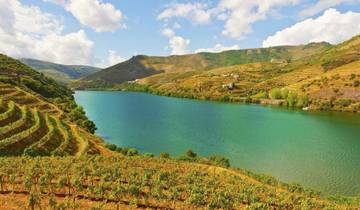
5 days
Gems of Porto & the Douro Valley with Douro River Cruise – 5 Days in Portugal
- ✓ Comprehensive Porto tour
- ✓ Expert local guides included
- ✓ All accommodation arranged
- ✓ Transportation provided
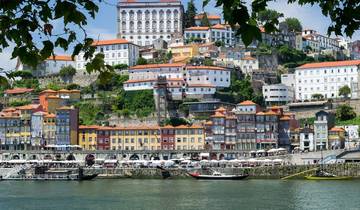
5 days
5 Day Porto Including Aveiro, Costa Nova, Douro Valley Cruise, Braga & Guimaraes
- ✓ Comprehensive Porto tour
- ✓ Expert local guides included
- ✓ All accommodation arranged
- ✓ Transportation provided
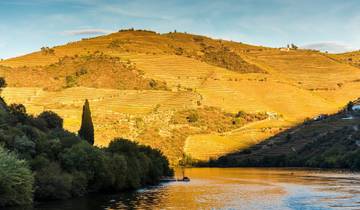
2 days
Porto Discovery Tour
- ✓ Booking needs min. 2 travelers
6 days
Wine and Gastronomy in the Heart of Portugal
- ✓ Booking needs min. 2 travelers
Multi-day tour packages powered by TourRadar. Prices and availability subject to change.
Introduction: Exploring Northern Portugal from Porto in 2026
Porto’s strategic position in northern Portugal places three of the country’s most compelling destinations within 90 minutes of the city center, creating exceptional day trip opportunities that reveal Portugal’s cultural depth beyond the Douro riverfront. The Douro Valley, Braga, and Aveiro each offer distinct experiences that complement rather than duplicate Porto’s attractions, forming a trio of excursions that collectively showcase UNESCO wine country, baroque religious architecture, and coastal Portuguese charm accessible through Portugal’s reliable and affordable public transport network.
The Douro Valley stretches east from Porto into Portugal’s oldest demarcated wine region, where centuries-old quintas produce port and table wines on dramatically terraced hillsides carved into schist slopes above the meandering Douro River. Recognized as a UNESCO World Heritage Cultural Landscape since 2001, the valley combines working wine estates offering tastings and tours with scenic train journeys along riverside tracks, historic villages preserving traditional architecture, and viewpoints revealing the sculpted terrain that defines northern Portugal’s wine country. Day trips from Porto access the valley’s heart around Peso da Régua and Pinhão, where the highest concentration of visitor-friendly quintas, boat cruises, and wine tourism infrastructure supports both independent travelers and guided tour participants.
Braga, founded over 2,000 years ago and Portugal’s oldest city, represents the nation’s religious center while maintaining vibrant contemporary culture alongside its ecclesiastical heritage. The baroque Bom Jesus do Monte sanctuary crowns a forested hillside 5 kilometers outside the city center, where Portugal’s most photographed sacred staircase ascends 116 meters through a progression of chapels, fountains, and sculptural groups representing the spiritual journey toward salvation. The UNESCO World Heritage site combines with Braga’s historic center—home to Portugal’s oldest cathedral, pedestrian squares lined with cafés and boutiques, and remarkably preserved architecture spanning Roman through baroque periods—to create a day trip balancing spiritual heritage with urban exploration in one of Portugal’s most underrated cities.
Aveiro occupies Portugal’s central coast 75 kilometers south of Porto, where a lagoon system creates the network of canals that earned the city its “Portuguese Venice” nickname. Art nouveau buildings line waterways plied by colorful moliceiro boats, traditional flat-bottomed vessels originally designed for seaweed harvesting now converted to tourist canal cruises. The compact historic center rewards walking tours discovering tiled facades, the Aveiro Museum’s religious art collection, and the distinctive ovos moles egg-yolk sweets produced in convents for centuries. Beyond the city proper, Costa Nova beach village sits 10 kilometers west, where rows of wooden houses painted in vertical candy stripes create Portugal’s most photogenic coastal streetscape.
Public transport connections make all three destinations practical for independent day trips from Porto, with frequent train and bus services operating throughout the day at prices rarely exceeding €25 round-trip. The choice between destinations depends on personal interests—wine enthusiasts gravitating toward Douro Valley estates, history and architecture lovers selecting Braga’s baroque masterpieces, and coastal scenery seekers choosing Aveiro’s waterways—though all three merit inclusion in any extended Porto visit. This comprehensive guide provides the transportation logistics, on-site navigation, attraction details, and practical strategies needed to maximize each destination as a rewarding day trip from Porto in 2026.
Douro Valley Day Trips 2026: Wine Country Access and Experiences
The Douro Valley wine region extends approximately 100 kilometers east of Porto along the Douro River, with the section between Peso da Régua and Pinhão offering the greatest concentration of visitor-accessible quintas, scenic viewpoints, and wine tourism infrastructure. The Alto Douro Wine Region, designated a UNESCO World Heritage Cultural Landscape in 2001, encompasses centuries of viticultural tradition where steep schist slopes were transformed into terraced vineyards supporting both port production and increasingly acclaimed table wines. Day trips from Porto access this heart of wine country through multiple transportation options ranging from scenic train journeys to comprehensive guided tours, with independent travelers and tour participants experiencing different facets of the valley’s offerings.
Getting to Douro Valley from Porto in 2026
Regional trains operated by Comboios de Portugal (CP) provide the most scenic route into the Douro Valley, departing from São Bento station in central Porto and following the Douro River eastward through the valley. The Linha do Douro railway ranks among Europe’s most beautiful train routes, with tracks hugging the riverside through 170 kilometers of terraced vineyards, traditional villages, and dramatic river bends. Trains depart approximately every two hours throughout the day, with the journey to Peso da Régua requiring 2-2.5 hours and continuing to Pinhão in approximately 2.5-3 hours total travel time. A round-trip ticket to Pinhão costs €20-24 for adults, while Régua round-trips total €16-20, with tickets purchased at São Bento station ticket offices or online through the CP website at www.cp.pt.
Buses operated by Rede Expressos depart Porto’s Campo 24 de Agosto terminal with four daily services to Peso da Régua, requiring 2-3 hours depending on traffic conditions. One-way tickets cost €8-12, making the bus comparable in price to the train while offering no scenic advantages and less frequent departure times. Buses serve travelers primarily when train schedules don’t align with desired departure or return times, with the main advantage being four additional daily service options beyond the train timetable. Neither trains nor buses directly serve individual wine estates, requiring taxis, Uber, or pre-arranged quinta shuttles for the final connection from Régua or Pinhão stations to specific wineries.
Guided day tours from Porto eliminate transportation logistics while providing structured wine country experiences including multiple quinta visits, tastings, lunch, and often a river cruise component. Full-day tours typically cost €100-160 per person, departing Porto around 8:00-8:30 AM and returning by 6:00-7:00 PM after visiting 2-3 wine estates, enjoying a traditional Portuguese lunch, and taking a scenic boat ride on the Douro River. Tour prices generally include round-trip transportation in air-conditioned vehicles, entrance fees and tastings at quintas, a multi-course lunch with wine, and English-speaking guides providing wine region history and viticulture context. Private tours for 2-4 people start around €490 total (approximately €245 per couple), offering customized itineraries, flexible timing, and the ability to visit specific estates of interest rather than following group tour standard routes.
Self-driving provides maximum flexibility for visiting remote quintas and scenic viewpoints inaccessible by public transport, with the drive from Porto to Peso da Régua requiring 1.5-2 hours via the A4 motorway. The challenge involves navigating the narrow, winding N222 road that follows the Douro River through the valley—spectacular scenery but demanding concentration, especially on summer weekends when tourist traffic increases. Designated drivers sacrifice wine tasting opportunities, making self-driving most suitable for groups where one member abstains or for visitors prioritizing photography and scenic stops over maximizing quinta visits and tastings.
Peso da Régua: Douro Valley’s Main Hub in 2026
Peso da Régua functions as the Douro Valley’s administrative center and primary transportation hub, where the train station, bus terminal, and boat cruise departure points concentrate in the compact riverside town. The Museu do Douro occupies a restored 18th-century riverside warehouse, presenting the region’s wine-making history through interactive exhibits, historical artifacts, and a significant archive documenting centuries of Douro viticulture. Admission costs €6 for adults, with the museum open Tuesday-Sunday 10:00 AM-6:00 PM and offering rooftop views across the river valley. The museum provides valuable context for understanding the Douro region before visiting individual quintas, making it a logical first stop for independent travelers arriving by train or bus.
The riverside promenade extends along the Douro waterfront, lined with cafés and restaurants where lunch costs €12-20 for traditional Portuguese dishes including bacalhau (salt cod), grilled fish, and regional meat preparations. Solar do Vinho do Porto, the official Port Wine Institute tasting room, offers guided tastings representing wines from across the Douro region, with sessions costing €10-15 per person. The waterfront also serves as the departure point for Douro River cruises, with one-hour scenic cruises costing €15-20 per person and full-day cruises to Pinhão (including return bus transportation) ranging €80-150 depending on services included.
Régua’s practical advantages for day-trippers include more frequent return train services to Porto compared to Pinhão (important for avoiding long waits at smaller stations) and greater restaurant variety for lunch. The town itself offers limited sightseeing beyond the museum and riverside area, with most visitors using Régua primarily as a transportation hub while focusing their time on quinta visits in the surrounding countryside. Several accessible wine estates sit within short taxi rides (€10-20) from Régua station, including Quinta de Pacheca, Quinta da Avessada, and Quinta de Santa Eufémia, all offering tours and tastings with advance booking recommended during peak summer months.
Pinhão: Heart of Douro Wine Country 2026
Pinhão represents the Douro Valley’s picturesque heart, a small riverside village surrounded by some of the region’s most prestigious wine estates and dramatic terraced landscapes. The train station itself qualifies as a destination, with its platform walls adorned by stunning azulejo tile panels depicting the grape harvest, wine production, and Douro River scenes in intricate blue-and-white Portuguese tilework. The 25-panel collection creates one of Portugal’s most photographed train stations, worth exploring even for visitors not arriving by rail.
The village occupies both banks of the Douro River, connected by a graceful iron bridge, with the compact center housing a handful of restaurants, wine shops, and viewpoints overlooking terraced quintas rising in all directions. Lunch in Pinhão costs €15-25 at riverside restaurants serving regional specialties, though advance reservations prove essential during summer weekends when limited seating fills quickly. The village functions more as a base for quinta visits than a destination in itself, with the surrounding estates constituting Pinhão’s primary attractions.
Quinta da Roeda, Quinta do Bomfim, and Quinta de la Rosa rank among the most accessible estates from Pinhão village, all offering tours and tastings with advance booking. Walking distances from the train station reach up to 2 kilometers for the closest quintas, making taxi transport (approximately €5-10 from the station) practical for reaching estates efficiently. Tour costs vary by quinta and tasting level, typically ranging €15-30 for basic vineyard tours with tastings of 3-5 wines, while premium experiences including older ports and reserve wines cost €40-60 per person. Most quintas require advance booking via email or phone, with walk-in availability limited during peak summer season.
The São Leonardo da Galafura viewpoint sits approximately 8 kilometers from Pinhão, offering the Douro Valley’s most celebrated panorama where the river snakes through terraced vineyards covering every visible hillside. The miradouro requires taxi transport (€20-25 round-trip including waiting time) or inclusion in guided tours, with no public transport access. The 15-20 minute stop provides photographers with the iconic Douro landscape view featured in countless wine region images and tourism materials.
Planning Your Douro Valley Day Trip Strategy 2026
Successful independent Douro Valley day trips from Porto require strategic planning around train schedules, quinta opening hours, and realistic time allocation for each component. The 9:20 AM departure from São Bento to Pinhão (arriving approximately 11:45 AM) combined with the 6:14 PM return train creates an optimal framework for a day trip, providing approximately 6.5 hours in the valley. This timeframe accommodates lunch (1 hour), two quinta visits with tours and tastings (3 hours total), brief village exploration (30 minutes), and transportation between locations (1-2 hours), leaving modest buffer time rather than rushed transitions.
Travelers prioritizing multiple quinta visits should pre-book all tours and tastings before arriving, confirming exact opening times and arranging taxi pickups between estates. Many quintas offer tours at scheduled times (typically 11:00 AM, 2:00 PM, and 4:00 PM) rather than continuous access, requiring alignment with the specific properties’ schedules. Independent travelers planning to visit just one or two quintas near Pinhão station can often arrange same-day visits during off-peak seasons (October-May), though summer advance booking prevents disappointment.
Guided tours eliminate scheduling complexity while ensuring efficient use of limited day-trip time, with tour operators handling all transportation logistics and pre-booking quinta access. The trade-off involves following group schedules rather than individual pace and visiting the tour operator’s partner quintas rather than selecting specific estates of personal interest. For first-time Douro visitors seeking comprehensive regional introduction without transportation hassles, guided tours deliver strong value despite higher costs compared to independent travel.
Budget-conscious travelers can experience the Douro Valley meaningfully through the train journey itself (€20-24 round trip to Pinhão), lunch in Pinhão or Régua (€15-25), and one quinta tour with tasting (€15-30), totaling approximately €50-80 per person for a full day trip. This approach sacrifices the multiple estate visits and river cruise components of guided tours while preserving the essential elements of Douro Valley wine country experience. The scenic train journey along the river provides substantial value as a sightseeing experience independent of quinta visits, making the Linha do Douro itself a worthy attraction for travelers more interested in landscapes than extensive wine tasting.
Braga Day Trips 2026: Portugal’s Spiritual Capital and Baroque Masterpiece
Braga stands as Portugal’s oldest city and religious center, where over 2,000 years of continuous settlement created layers of Roman, medieval, and baroque architecture now preserved in the compact historic center. The city’s primary draw for day-trippers combines the UNESCO World Heritage Bom Jesus do Monte sanctuary—Portugal’s most spectacular baroque religious complex—with the historic center’s cathedral, pedestrian squares, and remarkably intact pre-industrial urban fabric. Day trips from Porto work exceptionally well given Braga’s proximity (just 50 kilometers northeast), frequent transport connections, and concentration of major attractions within walkable distances, allowing comprehensive exploration in 6-8 hours including round-trip travel time.
Transportation from Porto to Braga in 2026
Regional trains operated by Comboios de Portugal connect Porto and Braga with hourly departures throughout the day from both São Bento and Campanhã stations, requiring 54-75 minutes depending on the specific service. Urban train tickets cost €3.60 one-way for adults (€7.20 round trip) using the rechargeable Andante smart card, which requires an initial €0.50 purchase and must be validated at yellow pedestals before boarding. The journey passes through northern Portugal’s green countryside, following river valleys and small towns en route to Braga station, which sits approximately 1 kilometer east of the historic center along Avenida Dr. Lourenço Peixinho.
Alfa Pendular high-speed trains offer a faster alternative, covering the Porto-Braga route in just 38 minutes from Campanhã station, though tickets cost €16-22 depending on class and advance purchase timing. The significant price premium (roughly 5-6 times regional train fares) for saving 20-30 minutes makes the Alfa Pendular impractical for most day-trippers, with the regional service providing perfectly adequate speed while preserving budget flexibility. The high-speed option appeals primarily to business travelers or visitors on extremely tight schedules where the time savings justify the additional expense.
Buses operated by FlixBus and Rede Expressos depart from Porto’s Campo 24 de Agosto terminal hourly throughout the day, requiring 45-50 minutes to reach Braga’s Centro Coordenador de Transportes bus station. One-way tickets cost €4-8 depending on the operator and booking timing, placing buses in the same price range as trains while offering slightly faster journey times. The bus station sits adjacent to the train station approximately 1 kilometer from the historic center, with both terminals sharing the same access routes into Braga proper. Buses make sense primarily when train schedules don’t align with desired departure times or as a backup option during occasional railway engineering work that disrupts train service.
The walk from either the train or bus station to Braga’s historic center follows Avenida Dr. Lourenço Peixinho westward for 1 kilometer, passing through modern commercial districts before reaching the medieval core around the cathedral. The 12-15 minute walk provides initial city orientation and passes supermarkets useful for purchasing drinks or snacks. Taxis and Uber operate from both transport terminals for travelers preferring direct delivery to the cathedral or hotel, with fares of €5-8 to central locations.
Braga Historic Center Exploration 2026
Braga Cathedral (Sé de Braga) anchors the historic center as Portugal’s oldest cathedral, with construction beginning in 1089 and subsequent centuries adding Gothic, Manueline, and baroque elements to the original Romanesque structure. The cathedral complex includes multiple chapels, the Treasury Museum housing religious art and artifacts, and the Gothic-style choir loft with elaborate carved woodwork. Combined tickets for the cathedral, chapels, and museum cost €5, with the complex open daily 9:00 AM-6:30 PM (reduced hours November-March). The cathedral merits 45-60 minutes for thorough exploration, making it a natural first stop after arriving from the train or bus station.
The pedestrianized Rua do Souto connects the cathedral with Praça da República, Braga’s main square, lined with cafés and shops occupying elegant baroque and neoclassical buildings. The route passes the 18th-century Raio Palace, now housing a museum, and the arcade-fronted Congregados Basilica. The compact historic center rewards walking exploration, with narrow medieval lanes opening onto small squares, tiled building facades, and glimpses of the city’s Roman heritage including sections of ancient walls integrated into later construction.
Lunch in Braga’s historic center costs €10-18 for traditional Portuguese meals at restaurants along Rua do Souto and surrounding pedestrian streets, with midday menus (menu do dia) offering multi-course lunches at especially favorable prices. Local specialties include bacalhau à Braga (Braga-style salt cod) and papas de sarrabulho, a traditional pork and blood pudding dish. The concentration of cafés around Praça da República makes the square ideal for afternoon coffee breaks, with Portuguese pastries (pastéis de nata, travesseiros) costing €1-2 per item.
The Biscainhos Museum occupies an 18th-century baroque palace approximately 300 meters from the cathedral, displaying period furniture, decorative arts, and an impressive garden with baroque fountains and tile work. Admission costs €3, with the museum open Tuesday-Sunday 10:00 AM-6:00 PM. The museum adds historical context to Braga’s baroque flowering but remains optional for day-trippers prioritizing maximum time at Bom Jesus sanctuary, given the 30-45 minutes needed for thorough exploration.
Bom Jesus do Monte Sanctuary 2026: UNESCO World Heritage Experience
The Sanctuary of Bom Jesus do Monte crowns a forested hillside 5 kilometers east of Braga’s historic center, where Portugal’s most celebrated baroque staircase ascends 116 meters through a progression of chapels, fountains, and allegorical sculptures representing the journey toward salvation. UNESCO designated Bom Jesus a World Heritage site in 2019, recognizing the complex’s exceptional baroque architecture and the cultural landscape created by the sacred mountain sanctuary. The sanctuary itself—including the church, staircases, gardens, and grounds—requires no entrance fee, making this one of Portugal’s most significant cultural monuments freely accessible to all visitors.
Bus line 2 operated by TUB (Transportes Urbanos de Braga) connects the city center with Bom Jesus, departing from stops along Avenida da Liberdade near the cathedral every 30-40 minutes throughout the day. One-way tickets cost €1.65 purchased directly from the driver, with the 20-minute journey terminating at the base of the sacred staircase near the funicular station. Return buses operate on the same schedule, with the last bus typically departing Bom Jesus around 7:30 PM (summer) or 6:30 PM (winter). Uber or Bolt rides from the city center to Bom Jesus cost €6-8 and take approximately 10 minutes, providing convenient point-to-point transport for travelers with limited time or arriving after bus service ends.
The Bom Jesus funicular represents Portugal’s oldest water-powered funicular railway, operating since 1882 and providing scenic transport up the hillside as an alternative to climbing the staircase. One-way tickets cost €1.50 and round-trips €2.50, with two carriages operating on counterbalanced cable system powered by water tanks. The funicular runs every 30 minutes from approximately 9:00 AM-8:00 PM (summer season) or 9:00 AM-6:00 PM (winter season), with the 3-minute journey offering views across the baroque staircase and Braga valley below. Many visitors ride the funicular uphill and walk down the staircase, preserving energy while still experiencing the architectural progression of chapels and fountains on descent.
The sacred staircase divides into three sections representing the pilgrimage journey: the Stairway of the Five Senses, the Stairway of the Three Virtues, and the final ascent to the church. The baroque staircase features 577 steps total, though the dramatic zigzag section most frequently photographed contains the Stairway of the Five Senses with its elaborate fountains representing sight, smell, hearing, taste, and touch. Walking the entire staircase requires 20-30 minutes ascending at comfortable pace, with numerous opportunities to pause at chapels, rest on benches, or photograph the architectural details and valley views emerging as elevation increases.
The church crowning the summit presents an elegant neoclassical facade completed in the 18th century, its relatively austere exterior contrasting with the baroque exuberance of the staircase approach. The interior contains elaborate carved woodwork and religious paintings, though many visitors find the exterior gardens, viewpoints, and the staircase itself more compelling than the church interior. The hilltop grounds include landscaped gardens, artificial lake, and several pathways offering forest walks and additional viewpoints across Braga and the surrounding Minho countryside.
Allocating 1.5-2 hours at Bom Jesus allows time for the funicular or staircase ascent, exploring the summit grounds and church interior, and descending via the staircase to appreciate the baroque architecture and fountain details more readily visible when walking downhill. Photography enthusiasts often spend 2-3 hours capturing the staircase from various angles, the tile-decorated chapel interiors, and the changing light on the white granite steps and fountains throughout the day.
Optimal Day Trip Itinerary for Braga 2026
A recommended Braga day trip from Porto follows this sequence for efficient coverage of major attractions: Depart Porto São Bento on the 9:00 AM regional train, arriving Braga approximately 10:00 AM. Walk to the historic center (15 minutes) and explore Braga Cathedral and Treasury (45-60 minutes), departing the cathedral around 11:45 AM. Take bus line 2 to Bom Jesus (departing noon), arriving at the sanctuary base around 12:20 PM. Explore Bom Jesus sanctuary (1.5-2 hours), descending via staircase to catch the return bus around 2:00-2:30 PM. Return to Braga historic center by 3:00 PM for lunch at a traditional restaurant (1 hour). Explore Praça da República area and pedestrian streets (1 hour), then depart Braga on the 5:30-6:00 PM train, arriving Porto approximately 7:00-7:15 PM.
This framework provides 7 hours in Braga including travel time between the historic center and Bom Jesus, with approximately 5-5.5 hours of actual sightseeing time distributed among the city’s major attractions. The schedule builds in buffer time rather than back-to-back transitions, accommodating slower walkers, extended photography stops, or additional coffee breaks without creating stress. Travelers can compress the itinerary by reducing Bom Jesus time to 1 hour (funicular both ways, brief church and grounds visit) to allow 2 hours for lunch and historic center exploration, though this pace sacrifices the meditative quality of walking the sacred staircase.
Combined Braga and Guimarães day trips attempt to visit both cities in one day from Porto, a common tour package promoted by operators. The compressed schedule typically allocates 2-2.5 hours in each city, sufficient for highlight visits (Bom Jesus in Braga, castle in Guimarães) but eliminating opportunities for unhurried exploration, sit-down lunches, or meaningful time in either historic center. The combination works primarily for first-time visitors content with brief introductions to both cities, while travelers seeking genuine engagement with either destination should dedicate separate full days rather than accepting the “two cities in one day” compromise that satisfies neither adequately.
Aveiro Day Trips 2026: Canals, Art Nouveau, and Coastal Charm
Aveiro occupies Portugal’s central coast 75 kilometers south of Porto, where a complex lagoon system creates the network of canals that earned the city its “Portuguese Venice” comparison. Art nouveau architecture lines the waterways, reflecting the early 20th-century prosperity brought by salt production, fishing, and trade through Aveiro’s port. The compact historic center concentrates attractions within easy walking distance, while Costa Nova beach village sits 10 kilometers west, creating a day trip combining urban canal exploration with coastal Portuguese scenery.
Getting from Porto to Aveiro in 2026
Urban trains operated by Comboios de Portugal connect Porto and Aveiro with departures every 30 minutes throughout the day from São Bento station, requiring 1 hour 15 minutes for the 75-kilometer journey along Portugal’s Atlantic coast. One-way tickets cost €3.95 using the rechargeable Andante card (€7.90 round trip), making Aveiro Portugal’s most affordable coastal day trip destination from Porto. The train route follows the coastline south through Espinho and Ovar, offering occasional ocean glimpses and passing through traditional fishing villages before arriving at Aveiro station approximately 1 kilometer east of the historic center.
Intercidades express trains cover the Porto-Aveiro route in just 34-40 minutes from Campanhã station, though tickets cost €12-18 depending on class and advance booking—roughly three times the urban train fare for saving 35-40 minutes travel time. The express service appeals primarily to business travelers rather than day-trippers, with the modest time savings rarely justifying the significant price increase for leisure visitors operating on flexible schedules.
Buses operated by FlixBus, Rede Expressos, and other carriers depart Porto’s Campo 24 de Agosto terminal hourly throughout the day, requiring 55 minutes to 1 hour 20 minutes depending on traffic conditions and the specific route. One-way tickets cost €3-6, placing buses in the same price range as trains while offering no particular advantages in journey time or convenience. The bus station sits adjacent to the train station approximately 1 kilometer from the historic center, with both terminals sharing the same pedestrian routes into Aveiro proper.
The walk from Aveiro station to the historic center follows Avenida Dr. Lourenço Peixinho westward for 1 kilometer, passing through modern commercial districts before reaching the canal-front areas. The 12-15 minute walk provides initial city orientation and passes cafés, supermarkets, and shops. Taxis and Uber operate from the transport terminals for direct delivery to the canal district or hotel, with fares of €4-6 to central locations.
Aveiro Historic Center and Canal District 2026
The Central Canal forms Aveiro’s historic and commercial heart, where colorful moliceiro boats moor along the waterfront beside art nouveau buildings decorated with elaborate tile work and wrought-iron balconies. The canal district concentrates the city’s most photogenic architecture and serves as the primary area for walking exploration, with pedestrian streets extending from both canal banks through the compact historic center. Art nouveau enthusiasts should specifically note the buildings along Rua Dr. Barbosa de Magalhães and Rua de Coimbra, where early 20th-century facades display the floral motifs, curved lines, and decorative tilework characteristic of the style.
Moliceiro boat tours depart from multiple points along the Central Canal, offering 45-minute cruises through Aveiro’s waterway system aboard the traditional flat-bottomed boats originally designed for harvesting moliço seaweed from the lagoon. Standard shared boat tours cost €10-15 per person depending on the operator and season, with boats typically departing every 30-45 minutes from 9:00 AM-6:00 PM during summer months (reduced frequency and hours October-March). The canal cruise passes under bridges, alongside art nouveau buildings, past the traditional salt pans that once drove Aveiro’s economy, and through the fishing quarter, with guides providing commentary in Portuguese and English about the city’s history and lagoon ecosystem.
Advance booking proves unnecessary for moliceiro tours during most of the year, with tickets purchased directly from kiosks along the canal moments before departure. Summer weekends (July-August) can see waits of 30-60 minutes during peak afternoon hours, making morning departures (9:00-11:00 AM) or late afternoon cruises (4:00-6:00 PM) strategic choices for minimizing queues. Private boat tours for small groups cost €80-120 total for 45-60 minute cruises, allowing customized timing and routes rather than following the standard circuit.
The Museu de Aveiro occupies the former Convent of Jesus, a 15th-century religious complex containing the elaborate tomb of Princess Santa Joana and an exceptional collection of religious art including baroque azulejo panels, carved woodwork, and gilt altarpieces. Admission costs €5 for adults, with the museum open Tuesday-Sunday 10:00 AM-6:00 PM (closed Mondays). The museum merits 45-60 minutes for thorough exploration, making it an excellent rainy-day option or cultural counterpoint to the outdoor emphasis of canal walks and boat rides.
Ovos moles represent Aveiro’s signature sweet, a confection of egg yolks and sugar originally made in convents and now sold throughout the city in distinctive fish, shell, and barrel shapes. The sweet treats cost €1-3 per piece at specialized confectionery shops including Oficina do Doce and Maria da Apresentação da Cruz, both of which maintain traditional production methods. Sampling ovos moles constitutes an essential Aveiro experience, though the intense sweetness and rich egg yolk flavor prove polarizing—some visitors consider them Portugal’s finest conventional sweet, while others find them overwhelmingly sweet after a single taste.
Costa Nova Beach Village 2026
Costa Nova sits 10 kilometers west of Aveiro on the barrier island separating the Ria de Aveiro lagoon from the Atlantic Ocean, where rows of wooden houses painted in vertical candy stripes create Portugal’s most Instagram-famous coastal streetscape. The palheiros (originally fishermen’s warehouses) now serve primarily as summer residences and tourist accommodations, their distinctive red, blue, green, and yellow stripes photographed from every angle by visitors strolling the beachfront road. The beach itself extends for kilometers along pristine Atlantic coast, backed by dunes and offering swimming, surfing, and coastal walks depending on season and conditions.
Bus service connects Aveiro city center with Costa Nova via BUGA line, departing from stops near the train station approximately every hour throughout the day during summer season (June-September) and every 2 hours off-season. One-way tickets cost €2-3, with the 25-30 minute journey following the lagoon westward before crossing onto the barrier island. The last return bus typically departs Costa Nova around 7:00-8:00 PM during summer, requiring verification of current schedules to avoid missing the final service back to Aveiro.
Taxis and Uber from Aveiro historic center to Costa Nova cost €12-18 one-way, making private transport practical for groups of 3-4 where per-person costs approximate bus fares while providing schedule flexibility and time savings. Many visitors opt for taxi outbound to Costa Nova (allowing immediate access without waiting for the next bus departure) and return by bus, balancing convenience with economy.
Allocating 1.5-2 hours at Costa Nova allows time for walking the striped house district, photographing the distinctive architecture, beach time if weather permits, and perhaps a drink or ice cream at one of the beachfront cafés. The village offers limited activities beyond the photogenic houses and beach—primarily a destination for architecture photography and coastal atmosphere rather than extended exploration. Visitors can easily spend 3-4 hours at Costa Nova when combining beach swimming and sunbathing during summer months, though this extended stay typically sacrifices time in Aveiro proper and works better for multi-day visits to the region.
Praia da Barra and Aveiro Lighthouse 2026
Praia da Barra sits adjacent to Costa Nova on the barrier island, home to Portugal’s tallest lighthouse at 62 meters height. The Aveiro Lighthouse opens for public visits on Wednesday afternoons 2:00-5:00 PM, allowing ascent of 271 steps to the observation platform for panoramic views across the lagoon, ocean, and surrounding coastal landscape. Admission costs €2, with the visit requiring 30-45 minutes including the climb and time at the summit viewpoint. The lighthouse visit merits inclusion in Wednesday Aveiro day trips for travelers interested in maritime heritage and willing to accommodate the specific opening schedule, though the limited hours make it impractical for most visitors.
The beach at Praia da Barra attracts families given the generally calmer conditions compared to more exposed Atlantic beaches, with the lagoon mouth providing partial protection from ocean swells. Beach facilities including lifeguards operate June-September, with restaurants, cafés, and summer beach bars lining the waterfront road. The beach merges seamlessly with Costa Nova’s beach to the south, creating several kilometers of sandy Atlantic coastline accessible for walking regardless of swimming season.
Optimal Aveiro Day Trip Itinerary 2026
A recommended Aveiro day trip from Porto follows this efficient sequence: Depart Porto São Bento on the 9:00 AM urban train, arriving Aveiro approximately 10:15 AM. Walk to the canal district (15 minutes) and take a moliceiro boat tour (departing 10:45-11:00 AM, returning 11:45 AM). Explore the historic center on foot (1 hour), walking art nouveau streets and visiting the cathedral. Take the noon bus to Costa Nova, arriving 12:30 PM for 1.5 hours exploring the striped houses and beach area. Return to Aveiro on the 2:00 PM bus, arriving 2:30 PM for late lunch at a canal-side restaurant (1 hour). Walk the remaining historic center areas and shop for ovos moles (45 minutes), then depart Aveiro on the 5:00 PM train, arriving Porto approximately 6:15 PM.
This schedule provides 6.75 hours in Aveiro including the Costa Nova excursion, with approximately 5.5 hours of actual sightseeing time distributed among the city’s major experiences. The framework builds in modest buffer time while maintaining logical progression through attractions and meal times. Travelers can extend the stay by taking a later return train (7:00-8:00 PM departures available), allowing 2-3 additional hours for extended Costa Nova beach time, Museu de Aveiro visit, or more leisurely canal-side dining.
Budget-conscious day-trippers can experience Aveiro comprehensively for €25-35 per person total: round-trip train €8, moliceiro boat tour €12, bus to Costa Nova round-trip €5, and lunch €12-15 for traditional Portuguese meal at a local restaurant. This modest total makes Aveiro Portugal’s most economical quality day trip from Porto, delivering UNESCO wine country ambiance, distinctive architecture, and coastal scenery at prices comparable to a nice dinner for two in Porto’s Ribeira district.
Comparative Analysis: Choosing Your Porto Day Trip in 2026
The choice among Douro Valley, Braga, and Aveiro depends on personal interests, budget priorities, and weather conditions, with each destination offering distinct advantages for different traveler profiles. Wine enthusiasts and photography-focused visitors gravitate toward the Douro Valley despite higher costs, history and architecture lovers select Braga’s baroque masterpieces and UNESCO sanctuary, while budget-conscious travelers and families often choose Aveiro’s combination of affordability, compact scale, and photogenic canal scenery. All three destinations function successfully as day trips from Porto, though the Douro Valley rewards overnight stays for visitors seeking extended wine estate exploration beyond day-trip time constraints.
Cost Comparison Across Destinations 2026
Aveiro emerges as the most affordable day trip option, with round-trip train transport costing €8, the primary attraction (moliceiro boat tour) priced at €10-15, and lunch available for €12-18 at traditional restaurants. A comprehensive Aveiro day including Costa Nova bus excursion totals €25-35 per person for independent travelers covering all major experiences. Braga occupies the middle cost tier, with round-trip train tickets at €7, the Bom Jesus funicular adding €2, lunch costing €10-18, and the cathedral/museum combination ticket €5. A full Braga day including all major attractions totals €30-40 per person for budget-conscious visitors or €40-55 for travelers adding museum visits and higher-end dining.
The Douro Valley represents the premium day trip option, with round-trip train tickets to Pinhão costing €20-24, lunch €15-25, quinta tours and tastings €15-30 each, and taxi transport between stations and estates adding €20-40 depending on distances. Independent Douro Valley day trips typically cost €70-100 per person when including two estate visits, lunch, and transport, while guided tours at €100-160 per person provide comprehensive experiences with transportation, multiple tastings, lunch, and river cruises included in a single price. The Douro Valley’s higher costs reflect the premium wine tourism experience and greater transportation challenges compared to Braga and Aveiro’s compact, walkable centers accessible via affordable public transport.
Weather Considerations and Seasonal Variations 2026
Aveiro and Braga function well year-round given their compact historic centers, covered attractions, and public transport connections operating regardless of weather conditions. Rainy days shift Aveiro focus toward the Museu de Aveiro, covered shopping streets, and café culture rather than canal walks and Costa Nova beach excursions, while Braga substitutes cathedral and museum time for Bom Jesus outdoor staircase exploration during poor weather. Winter months (November-February) bring occasional rain and cooler temperatures (8-15°C typical) but drastically reduced tourist crowds and hotel rates dropping 30-40% below summer peaks.
The Douro Valley proves more weather-dependent given the emphasis on outdoor vineyard visits, scenic viewpoints, and terrace dining overlooking the river valley. Summer heat (often exceeding 35°C in July-August) creates challenging midday conditions for walking between estates and outdoor tastings, making morning and late afternoon the optimal periods for quinta visits. September represents the Douro Valley’s peak season, combining grape harvest activity, ideal temperatures (20-28°C), and the dramatic color changes as vineyard leaves turn golden-red before falling. Spring (April-June) provides lush green landscapes and wildflowers covering hillsides between vine rows, though occasional rain showers require flexibility in outdoor plans.
Transportation Logistics and Time Management 2026
Braga and Aveiro offer superior transportation flexibility compared to the Douro Valley, with frequent urban train departures throughout the day allowing spontaneous schedule adjustments. Missing a train simply means waiting 30-60 minutes for the next service, while compact city centers minimize walking distances and time spent navigating between attractions. The Douro Valley’s less frequent regional train schedule (approximately every 2 hours) requires more precise planning, with missed connections potentially extending day trips by 2-3 hours or forcing expensive taxi returns to Porto.
Independent travelers should note that Douro Valley day trips demand more advance planning (booking quinta tours, researching taxi options, confirming train times) compared to Braga and Aveiro’s more forgiving spontaneity where attractions operate continuous hours and require no reservations. This planning overhead makes guided Douro tours especially appealing for visitors who prefer comprehensive experiences without logistics research, while Braga and Aveiro reward spontaneous exploration and last-minute decision-making about which attractions to prioritize based on weather, energy levels, and personal interest upon arrival.
Combining Multiple Destinations: Multi-Day Strategies 2026
Visitors spending 5-7 days in Porto should strongly consider experiencing all three destinations as separate day trips rather than attempting rushed combinations. Each destination merits 6-8 hours minimum for satisfying exploration, with attempts to visit multiple locations in single days inevitably sacrificing the unhurried pace that makes day trips rewarding. A logical sequence dedicates day one to Braga (least weather-dependent, compact itinerary), day two to Aveiro (moderate complexity, coastal atmosphere), and day three to the Douro Valley (most complex logistics, highest costs, best saved for confirmed good weather).
Overnight stays in the Douro Valley transform the region from day trip to primary destination, allowing extended quinta visits, multiple wine estate tours, sunset river cruises, and relaxed dining at vineyard restaurants overlooking terraced slopes. Hotels and quintas with guest rooms throughout the valley offer accommodation ranging from €80-150 for mid-range comfort to €200-400 for luxury wine estate properties. The overnight approach particularly suits wine enthusiasts seeking immersive experiences beyond day-trip time constraints and travelers celebrating special occasions where the additional expense matches the significance of the experience.
Combining Braga and Guimarães in a single day remains theoretically possible given their proximity (22 kilometers apart), though the compressed schedule limits each city to 2-3 hours maximum after accounting for inter-city transportation and round-trip travel from Porto. This combination works primarily for tour participants following pre-planned schedules emphasizing highlights over depth, while independent travelers generally find greater satisfaction in full-day visits to each city separately. Guimarães merits full-day exploration in its own right as Portugal’s UNESCO-listed birthplace, with its medieval castle, historic center, and cultural significance deserving more than a 2-hour highlight tour wedged into a Braga day trip.
Practical Considerations for Porto Day Trips 2026
Portuguese train and bus systems operate reliably with rare delays, making published schedules trustworthy for planning purposes. Purchasing train tickets at station counters rather than online avoids the passport verification requirements and technical complications of CP’s online booking system, with no price advantages for advance purchase on regional services where seats aren’t reserved. The exception involves Alfa Pendular high-speed trains and advance-purchase promotions, though these rarely apply to the regional services serving Braga, Aveiro, and Douro Valley from Porto.
The rechargeable Andante card used for Porto urban trains costs €0.50 initial purchase and remains valid indefinitely with credit added as needed, making the card worth keeping for future trips even if days or weeks separate individual day excursions. The card works for Porto metro, urban trains, and some bus services, providing integrated ticketing across northern Portugal’s public transport network. Tickets must be validated at yellow or red pedestals located on station platforms before boarding, with periodic conductor checks during journeys requiring presentation of the validated card.
Lunch timing requires strategic consideration for Portuguese schedules, where restaurants typically serve lunch 12:30-3:00 PM with kitchens closing promptly at the 3:00 PM cutoff. Arriving at restaurants after 2:30 PM often means limited menu availability or outright refusal to seat new customers, while the noon-12:30 PM period catches establishments before their lunch rush with faster service and fuller menu selection. Day trip itineraries should account for Portuguese meal schedules rather than attempting to eat significantly outside standard lunch hours, as many restaurants outside tourist centers maintain rigid service times reflecting local custom rather than accommodating foreign visitor preferences.
Summer sun protection proves essential for Douro Valley day trips and Costa Nova beach excursions, with high-SPF sunscreen, hats, and sunglasses preventing the sunburn and heat exhaustion that ruins trips for unprepared visitors. The Douro Valley’s inland location and terraced landscape reflecting heat from schist slopes creates significantly higher temperatures than Porto’s Atlantic-moderated climate, while Costa Nova’s beach exposure intensifies sun effects. Carrying water bottles and planning rest breaks in shaded areas during midday heat makes summer visits more comfortable, particularly during July-August heat waves when afternoon temperatures regularly exceed 35°C in the Douro region.
Photography Opportunities and Tips 2026
The Douro Valley delivers Portugal’s most dramatic landscape photography opportunities beyond Porto itself, with the terraced vineyards creating repeating geometric patterns across hillsides, traditional quintas providing architectural interest, and the Douro River snaking through the valley bottom tying compositions together. The São Leonardo da Galafura viewpoint offers the region’s iconic panorama combining all these elements, while the train journey itself provides continuous opportunities for landscape photography through carriage windows. Morning light (8:00-10:00 AM) and late afternoon (5:00-7:00 PM) create the most dramatic shadows defining terrace layers and vineyard textures, with midday sun flattening the landscape into less photogenic scenes despite clearer skies.
Bom Jesus do Monte ranks among Portugal’s most photographed monuments, with the baroque staircase zigzagging up the hillside offering countless composition possibilities from various angles and elevations. The classic shot captures the staircase from below emphasizing its monumental scale, while photographs from upper sections looking down reveal the geometric patterns created by the zigzag design and fountain alignments. The tile-decorated chapels flanking the staircase provide colorful detail opportunities, while the church crowning the summit creates a dramatic end point for compositions framing the entire architectural progression. Afternoon light illuminates the staircase facade most effectively, though the monument photographs successfully throughout the day given its predominantly white granite construction reflecting available light.
Aveiro’s photogenic elements concentrate along the Central Canal where moliceiro boats create foreground interest against art nouveau building backdrops, particularly at the Ponte dos Laços (Lovers’ Bridge) where views incorporate both canal directions and multiple architectural styles. Costa Nova’s striped houses photograph most successfully during morning hours (8:00-11:00 AM) when east-facing facades receive direct sun highlighting the colorful vertical stripes, with afternoon light creating shadows that flatten the distinctive patterns. The beachfront road allows walking the entire length of the striped house district, providing numerous composition options mixing houses, beach, and ocean elements.
Accessibility Considerations 2026
Aveiro offers the most accessible day trip experience for visitors with mobility limitations, combining level terrain throughout the historic center, wheelchair-accessible moliceiro boats with assistance available for boarding, and step-free access to the train station and major walking routes. The pedestrianized streets feature smooth paving rather than traditional cobblestones, while canal-side walkways provide level circulation throughout the waterfront district. The Museu de Aveiro includes elevator access to upper floors and accessible restroom facilities, making the museum suitable for wheelchair users and visitors with walking difficulties.
Braga presents moderate accessibility challenges given the historic center’s cobblestone streets and occasionally steep gradients near the cathedral, though the main pedestrian routes remain navigable with care. The cathedral complex includes steps limiting full accessibility, while the Bom Jesus sanctuary poses significant challenges given the staircase-centered design. The funicular provides accessible hilltop access avoiding the 577-step climb, though transferring between wheelchairs and funicular carriages requires assistance and may prove impossible for some visitors depending on individual mobility and equipment. Visitors should contact the sanctuary in advance regarding specific accessibility needs, as alternative vehicle access to the summit exists for authorized users.
The Douro Valley presents the greatest accessibility challenges among the three destinations, with most quintas featuring terraced vineyard access requiring stair navigation and limited wheelchair-accessible facilities given the historic building stock and hillside locations. Guided tours specifically marketed for accessible travelers exist but require advance booking and often cost premiums compared to standard tours. The train journey itself provides accessible carriages on most services, though Pinhão and Régua stations feature platforms requiring assistance for wheelchair users to board and disembark safely.
Food and Dining Experiences 2026
The Douro Valley excels in wine-paired dining experiences, with many quintas offering multi-course lunches featuring regional specialties alongside estate wines in settings overlooking vineyard terraces. These quinta lunches typically cost €35-60 per person for 3-4 courses with wine pairings, representing premium pricing justified by setting, wine quality, and cuisine preparation rather than simply meal value. Pinhão and Régua provide more economical lunch options at riverside restaurants, where traditional Portuguese menus including grilled fish, roasted meats, and regional rice dishes cost €15-25 per person for multi-course meals with house wine.
Braga showcases Minho region cuisine emphasizing hearty preparations including caldo verde soup, rojões (pork cubes with potatoes), and arroz de pica no chão (chicken rice). The historic center concentrates traditional restaurants serving authentic regional dishes without tourist menu modifications, with midday menus (menu do dia) offering exceptional value at €8-12 for soup, main course, dessert, and drink. Taberna Belga and Bira dos Namorados represent local favorites combining quality traditional food with reasonable prices and atmospheric medieval-building settings.
Aveiro’s culinary identity centers on the lagoon’s seafood and the distinctive ovos moles sweets, though the city also serves as an excellent introduction to Portuguese caldeirada (fish stew) and grilled seafood platters featuring the day’s fresh catch. Canal-side restaurants target tourists with predictable menus and premium prices, while stepping one block inland reveals neighborhood establishments serving identical dishes at 20-30% lower prices without sacrificing quality. The essential Aveiro food experience involves sampling ovos moles at a traditional confectionery, though visitors should purchase small quantities initially given the intensely sweet flavor that divides opinion sharply between enthusiasts and detractors.
Frequently Asked Questions About Porto Day Trips 2026
Is the Douro Valley worth visiting as a day trip or should I stay overnight?
The Douro Valley functions successfully as a day trip from Porto for visitors seeking introduction to the wine region, scenic train journey, and 1-2 quinta visits within the approximately 6-hour window available after subtracting round-trip travel time. Day trips work particularly well for travelers with limited Porto vacation days, those primarily interested in landscapes and photography over extensive wine tasting, and budget-conscious visitors avoiding accommodation costs. Overnight stays transform the experience for wine enthusiasts seeking 3-4 estate visits, extended tastings of older ports and reserve wines, sunset river cruises, and relaxed vineyard dinners that day-trip schedules preclude. The overnight approach suits celebrations, romantic getaways, and serious wine tourism where the additional expense and time investment match the depth of interest in Douro viticulture and culture.
Which day trip works best for families with young children?
Aveiro emerges as the most family-friendly Porto day trip, combining short travel time (just over 1 hour by train), compact walkable scale minimizing child fatigue, and engaging experiences including moliceiro boat rides, beach time at Costa Nova, and sweet treats (ovos moles) appealing to younger visitors. The flat terrain throughout the historic center accommodates strollers easily, while the casual atmosphere and outdoor emphasis suit children’s energy levels better than museum-heavy itineraries. Braga works well for families with children aged 8+ who can appreciate the Bom Jesus staircase climb and baroque architecture, while the Douro Valley’s wine-tasting emphasis and longer journey times make it less suitable for families with young children unless traveling by private car allowing flexible schedules and activity mixing.
Can I visit all three destinations using a single multi-day pass?
No single pass covers all three destinations, as the routes involve different fare zones and ticketing systems within Portugal’s regional rail network. The rechargeable Andante card works for Porto-Braga and Porto-Aveiro urban train services (both falling within the Porto urban network zones), but Douro Valley trains require separate tickets purchased individually for each journey. Day passes and multi-day tourist cards marketed in Porto typically cover only Porto metro and city buses, excluding the regional train services to Braga, Aveiro, and the Douro Valley. The most economical approach involves loading credit onto an Andante card for Braga and Aveiro trips while purchasing separate tickets for Douro Valley journeys, with total multi-day costs rarely exceeding €50-60 for round trips to all three destinations over a week-long Porto stay.
What happens if I miss the last train back to Porto?
Missing the last train from Braga (typically departing 10:45-11:00 PM) or Aveiro (similar late evening schedules) rarely creates serious problems, as Uber and Bolt operate until midnight or later with rides costing €35-45 from Braga and €50-60 from Aveiro to central Porto. The Douro Valley presents greater challenges, with last trains from Pinhão departing around 6:14 PM and taxi costs from Pinhão to Porto reaching €100-150 for the 100-kilometer journey. Visitors should confirm current final departure times when arriving at each destination, as schedules occasionally change for engineering work or seasonal adjustments, with station staff providing definitive information about last services of the day.
Do I need to book wine tastings in the Douro Valley in advance?
Advance booking proves essential for most Douro Valley quintas during peak summer season (June-September), particularly for weekend visits when popular estates fill tour capacities days or weeks ahead. Many quintas offer scheduled tour times (11:00 AM, 2:00 PM, 4:00 PM typical) rather than continuous walk-in access, making advance reservations necessary to secure preferred time slots that align with day-trip schedules and train connections. Off-season months (October-May) provide greater walk-in flexibility at many estates, though advance booking via email or phone remains advisable to confirm operating hours, tour availability, and whether reservations are required. Independent travelers should contact quintas at least 3-5 days before visiting to avoid disappointment, while guided tour participants benefit from operators’ pre-existing quinta relationships ensuring access regardless of season.
Are Porto day trip destinations accessible for non-Portuguese speakers?
All three destinations function smoothly for English-speaking visitors, with tourist-facing businesses including restaurants, hotels, transport services, and attractions staffed by English-speaking personnel or providing English signage and materials. Moliceiro boat tours in Aveiro typically provide multilingual commentary (Portuguese, English, Spanish, French), while Douro Valley quinta tours operate in English upon request or by default for international visitors. Train station ticket offices, tourist information centers, and museum staff generally speak functional English, though learning basic Portuguese pleasantries (obrigado/obrigada for thank you, por favor for please, bom dia for good morning) enhances interactions and demonstrates cultural respect. Navigation proves straightforward given clear train station signage, well-marked attractions, and the prevalence of English on restaurant menus in tourist areas.
What should I do if weather forecasts predict rain on my planned day trip day?
Braga handles rain most successfully among the three destinations, with the cathedral, Treasury Museum, and historic center churches providing hours of indoor exploration while the Bom Jesus sanctuary remains accessible via funicular with the church interior offering shelter and the covered sections of the staircase allowing partial outdoor experience even during showers. Aveiro shifts focus toward the Museu de Aveiro, covered shopping arcades, and café culture when rain eliminates canal walks and Costa Nova beach visits, though moliceiro boat tours often operate during light rain with passengers provided rain protection. The Douro Valley suffers most from poor weather, as rain compromises vineyard views, outdoor quinta tastings, viewpoint visits, and the scenic train journey’s primary appeal of terraced landscape visibility through carriage windows. Travelers with schedule flexibility should consider postponing Douro Valley trips when extended rain threatens, while Braga and Aveiro function adequately as all-weather destinations with adjusted itineraries emphasizing covered attractions.
Can I bring a bicycle on trains for these day trips?
Portuguese regional trains allow bicycles with some restrictions depending on service type and capacity. Urban trains to Braga and Aveiro generally permit bicycles during off-peak hours (avoiding weekday rush hours 7:00-9:30 AM and 5:30-8:00 PM), with bikes carried in designated areas and subject to conductor discretion if trains appear full. The Douro Valley’s regional trains have more limited bicycle capacity, with the scenic Linha do Douro route often crowded during summer months when bicycle transport may be refused. Temporary engineering works on the Douro line (notably the November 2025-March 2026 replacement bus services between Caíde and Régua) explicitly exclude bicycles, scooters, and wheelchairs from replacement buses due to capacity constraints. Visitors planning bicycle day trips should verify current policies with station staff before traveling and consider alternative transport for bicycles (such as car racks) when bicycle access proves unreliable or prohibited.
What’s the best day trip choice for a first-time visitor to Porto with only one day available?
Braga represents the optimal single day trip choice for first-time Porto visitors, combining UNESCO World Heritage significance (Bom Jesus sanctuary), Portugal’s oldest city and cathedral, accessible public transport (€7 round trip, hourly trains), and comprehensive experiences achievable in a single 7-8 hour excursion. The combination of baroque architecture, religious heritage, and historic urban fabric provides the most distinctively Portuguese experience complementing Porto’s own attractions without duplicating them, while the compact scale and straightforward logistics minimize stress and transportation complexity. Aveiro serves as an excellent alternative for coastal scenery enthusiasts or visitors seeking more relaxed atmosphere over historical depth, while the Douro Valley merits the single day trip slot only for dedicated wine lovers and vineyard landscape enthusiasts willing to invest higher costs and accept more complex logistics for their singular day trip experience.
Should I buy a guidebook specifically for these day trip destinations?
Dedicated guidebooks for Braga, Aveiro, and the Douro Valley provide limited additional value beyond quality online resources and this comprehensive guide, given the compact scale of each destination and concentration of major attractions within easy navigation distances. General Portugal guidebooks allocate 10-20 pages to each destination, sufficient for day-trip planning and on-site orientation without requiring destination-specific publications. The exception involves serious wine tourism planning for the Douro Valley, where specialized wine region guides and quinta directories offer estate-by-estate details, tasting room descriptions, and wine style explanations exceeding general guidebook scope. Most day-trippers find smartphone access to updated train schedules, restaurant reviews, and Google Maps more useful than printed guidebooks, though travelers preferring physical references should choose comprehensive Portugal guides covering all three destinations rather than destination-specific publications.