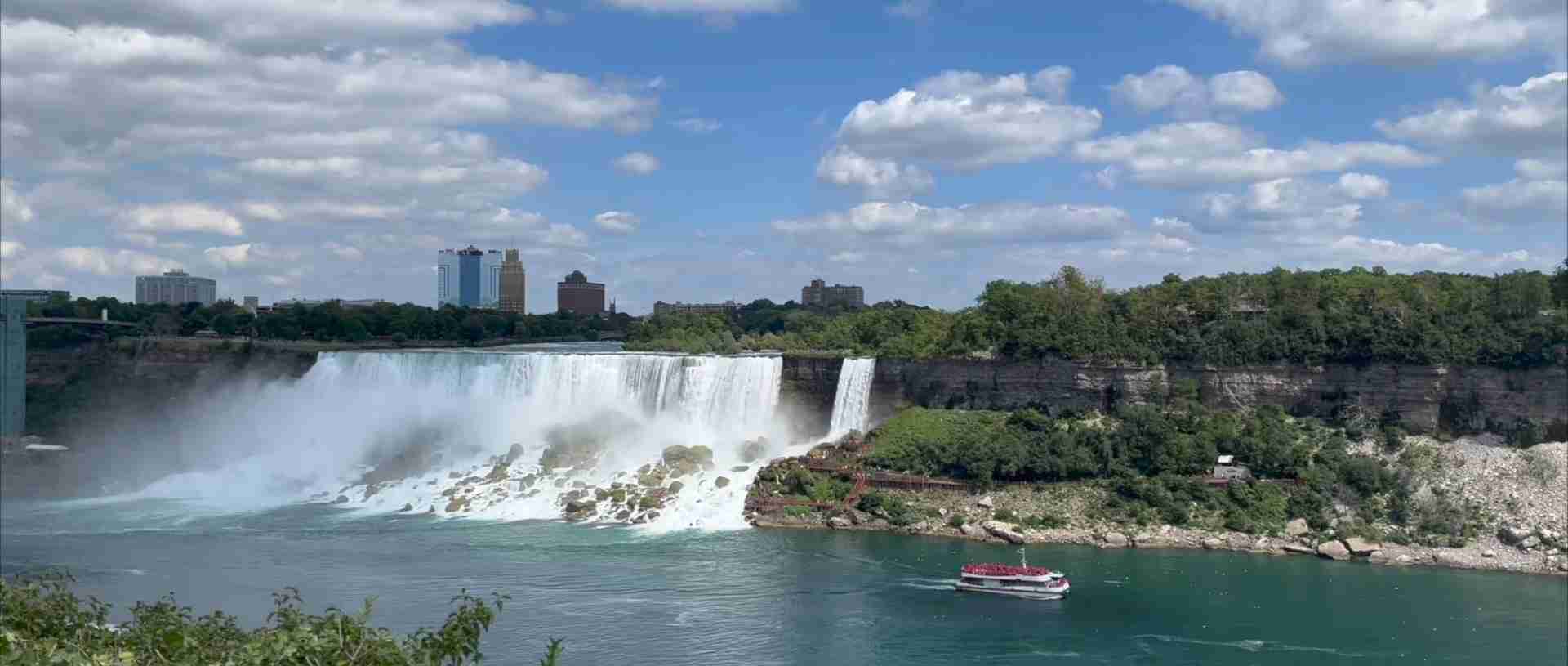
Niagara Falls Day Trip from Toronto 2026: Complete Travel Planning Guide
A day trip from Toronto to Niagara Falls delivers Canada’s most spectacular natural wonder within a 90-minute journey, offering world-class boat tours, behind-the-falls experiences, and breathtaking viewpoints accessible through multiple transportation options ranging from budget intercity buses to scenic train journeys. This comprehensive guide provides everything needed to plan, budget, and maximize your 2026 Niagara Falls day trip with current pricing, transportation schedules, and strategic timing recommendations.
Key Takeaways for Your Niagara Falls Day Trip 2026
- Transportation Costs 2026: GO Train roundtrip costs $32 including unlimited WEGO bus access, Megabus starts from $7 one way, and driving requires approximately 90 minutes with $15-25 parking fees at the falls
- Essential Attractions Pricing: Niagara City Cruises boat tour costs $43 adults and $28 children plus HST, Journey Behind the Falls runs $30, while the Niagara Parks Wonder Pass bundles four major attractions at $65 delivering up to $75 savings when using all included experiences versus individual ticket purchases totaling $140
- Optimal Day Trip Budget 2026: Expect $120-175 per person for a complete day including roundtrip GO Train transport ($32), major attractions ($65 Wonder Pass), and meals ($23-78), with departure between 7-8 AM and return by 9-10 PM maximizing falls time
- Seasonal Considerations: Niagara City Cruises operates May through December only, with peak summer crowds (July-August) requiring advance booking while shoulder seasons (May-June, September-October) offer better value, smaller crowds, and pleasant weather
- Strategic Planning Advantage: Pre-purchasing attraction tickets and GO Train passes online saves queue time, arriving at Table Rock Centre by 10 AM secures optimal boat tour timing before midday crowds, and downloading offline maps prevents data roaming charges
- Transportation Flexibility 2026: Multiple daily departures accommodate varied schedules, with GO Transit offering year-round weekend service, Megabus providing 15+ daily departures, and rental cars enabling wine country extensions though parking costs offset convenience
People Also Ask About Niagara Falls Day Trips from Toronto 2026
How long does it take to get from Toronto to Niagara Falls in 2026?
Travel time from Toronto to Niagara Falls ranges from 90 minutes to 2.5 hours depending on transportation mode and traffic conditions in 2026. Driving via the QEW (Queen Elizabeth Way) takes 90 minutes under optimal conditions, though weekday morning rush hour (7-9 AM) and afternoon periods (3-6 PM) extend this to 2-2.5 hours. Megabus and FlixBus complete the journey in approximately 95 minutes during off-peak times, operating direct service from Toronto Union Station to Niagara Falls Bus Terminal. GO Transit trains require 2 hours 25 minutes, departing from Union Station and arriving at Niagara Falls GO station where passengers transfer to WEGO buses reaching Table Rock Centre in 10-15 additional minutes. For day trips, departing Toronto between 7-8 AM avoids peak congestion and maximizes falls exploration time, with return journeys after 7 PM similarly encountering lighter traffic.
What’s the best transportation option from Toronto to Niagara Falls for day trips in 2026?
GO Transit’s train service combined with WEGO bus access represents the optimal day trip transportation in 2026, offering stress-free travel at $32 roundtrip including unlimited local bus transportation throughout Niagara Falls and Niagara Parks. The service eliminates driving fatigue, parking hassles ($15-25 at falls), and traffic unpredictability while providing comfortable seating, onboard WiFi, and scenic Lake Ontario views. Children 12 and under ride GO Transit free, making family economics particularly favorable. Megabus serves budget-conscious travelers at $7-20 one way with frequent departures (15+ daily), though journey times vary with traffic and the bus terminal sits 4 kilometers from Table Rock Centre requiring additional WEGO bus connections. Driving suits travelers extending visits to Niagara-on-the-Lake wineries or preferring maximum schedule flexibility, though fuel costs ($25-35 roundtrip), parking fees, and navigation through tourist congestion reduce convenience advantages over transit alternatives.
Can you do Niagara Falls as a day trip from Toronto in 2026?
Niagara Falls functions excellently as a Toronto day trip in 2026, providing 7-9 hours at the falls when departing Toronto by 8 AM and returning after 7 PM. This timeframe accommodates the essential experiences including Niagara City Cruises boat tour (20 minutes), Journey Behind the Falls (45 minutes), walking the Table Rock promenade and viewing platforms (60 minutes), lunch with falls views (60-90 minutes), and exploration of Clifton Hill entertainment district or Queen Victoria Park (60-120 minutes). Strategic morning arrivals (by 10 AM) secure optimal boat tour conditions before midday crowds peak, while afternoon hours allow relaxed dining and secondary attraction visits. The compact geography concentrates major attractions within the Table Rock Centre area, with free WEGO bus service (included with GO Train package) connecting outlying sites. Overnight stays enhance the experience by adding evening illumination viewing and wine country excursions, though day trips deliver comprehensive falls exposure satisfying most first-time visitors within realistic energy and budget constraints.
How much does a Niagara Falls day trip from Toronto cost in 2026?
A complete Niagara Falls day trip from Toronto costs $120-175 per person in 2026 depending on dining choices and attraction selections. Budget-conscious visitors spend approximately $120 per person covering GO Train roundtrip transport ($32), Niagara Parks Wonder Pass ($65 including boat tour and Journey Behind the Falls), quick-service lunch ($15), and coffee or snacks ($8). Mid-range day trips run $140-150 per person adding casual dining lunch ($25-35) and Skylon Tower observation deck access ($19). Enhanced experiences reach $160-175 including sit-down restaurant meals ($35-45) and additional attractions beyond the Wonder Pass. Transportation alternatives modify costs, with Megabus roundtrip ($14-40) reducing total expenses by approximately $10-20 though requiring additional WEGO bus fares ($9.50 day pass), while driving adds $15-25 parking plus $25-35 fuel offsetting GO Train savings. These estimates exclude shopping, Clifton Hill arcade entertainment, and wine purchases in Niagara-on-the-Lake, which introduce variable additional costs based on individual interests and spending patterns.
Extended multi-day tours – 5+ days
Featured Niagara Falls Multi-Day Tour Packages
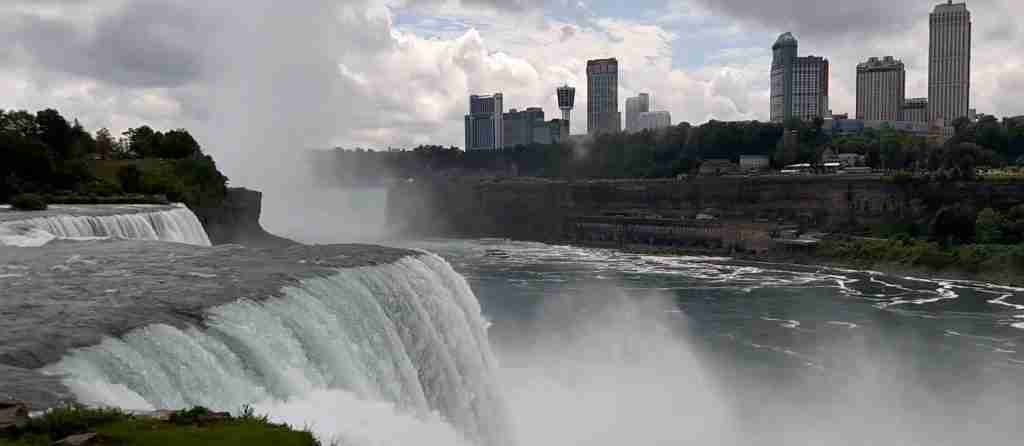
3 days
Niagara Falls 3-Day Discovery Tour
- ✓ Comprehensive Niagara Falls experience
- ✓ Expert local guides included
- ✓ All accommodation included
- ✓ Transportation provided
5 days
Niagara Falls 5-Day Highlights Experience
- ✓ Comprehensive Niagara Falls experience
- ✓ Expert local guides included
- ✓ All accommodation included
- ✓ Transportation provided
7 days
Niagara Falls 7-Day Cultural Journey
- ✓ Comprehensive Niagara Falls experience
- ✓ Expert local guides included
- ✓ All accommodation included
- ✓ Transportation provided
10 days
Niagara Falls 10-Day Complete Adventure
- ✓ Comprehensive Niagara Falls experience
- ✓ Expert local guides included
- ✓ All accommodation included
- ✓ Transportation provided
Multi-day tour packages powered by TourRadar. Prices and availability subject to change.
Introduction: Planning Your Niagara Falls Day Trip from Toronto in 2026
Niagara Falls stands as Ontario’s most accessible natural wonder, positioned just 130 kilometers from downtown Toronto along the scenic Queen Elizabeth Way corridor connecting Lake Ontario to Lake Erie. The 650,000 cubic feet of water plummeting over Horseshoe Falls every second creates North America’s most powerful waterfall system, drawing 14 million annual visitors to experience the thundering cascade from Canadian viewing platforms offering superior sightlines compared to American side alternatives. Toronto’s proximity enables comprehensive day trips departing as late as 8 AM and returning by 10 PM, providing 8-9 hours exploring Table Rock Centre attractions, Clifton Hill entertainment, Queen Victoria Park gardens, and optional Niagara-on-the-Lake wine country extensions.
Multiple transportation modes accommodate varied budgets and preferences in 2026. GO Transit’s seasonal train service delivers the most relaxed experience at $32 roundtrip including unlimited WEGO bus connections throughout Niagara Falls, eliminating driving stress and parking complications while children 12 and under ride free. Budget-conscious travelers favor Megabus or FlixBus services starting from $7 one way with 15+ daily departures, though journey times fluctuate with highway traffic conditions. Driving provides maximum flexibility for wine country detours and customized schedules, requiring 90-minute QEW highway transit under optimal conditions though weekday rush hours and summer weekend congestion extend this substantially. Organized tours bundle transportation with guided commentary and attraction admissions, appealing to first-time visitors prioritizing convenience over independent exploration.
Strategic planning maximizes day trip value and minimizes common frustrations. Pre-purchasing Niagara Parks Wonder Pass ($65) online bundles essential attractions including Niagara City Cruises boat tour and Journey Behind the Falls while saving $35 versus individual ticket purchases and eliminating ticket booth queues during peak periods. Morning arrivals by 10 AM secure optimal boat tour conditions before midday crowds and afternoon wind intensification, with the 20-minute Horseshoe Falls approach delivering maximum impact as the first major activity. The Table Rock Centre concentration of top attractions within 500-meter walking distances enables efficient time utilization, while free WEGO bus service connects outlying Whirlpool Rapids, Butterfly Conservatory, and Niagara-on-the-Lake locations for travelers extending beyond core waterfall viewing.
Seasonal timing significantly influences experience quality and costs. Peak summer season (July-August) brings maximum crowds, longest attraction queues, and highest organized tour pricing though guaranteed warm weather and full operational hours. Shoulder seasons (May-June, September-October) deliver ideal conditions combining moderate crowds, comfortable temperatures, full attraction accessibility, and reduced accommodation costs for travelers converting day trips into overnight stays. The Niagara City Cruises boat tour operates only May through December, making winter visits (November-March) budget-optimal though limiting signature waterfall approach experiences. Festival of Lights (November-January) partially compensates winter attraction closures through spectacular evening illumination displays, though frigid temperatures and reduced operational hours restrict day trip appeal during December-February months.
This comprehensive 2026 guide provides verified current pricing, detailed transportation comparisons, sample itineraries optimized for different interests and budgets, money-saving strategies reducing costs without compromising essential experiences, and practical logistics covering parking, dining, photography timing, and common visitor mistakes. Whether planning a romantic couples retreat, family adventure, or solo exploration, strategic preparation transforms the 130-kilometer journey from Toronto into a seamless day trip delivering Canada’s most iconic natural wonder without requiring overnight accommodation investments.
Transportation Options from Toronto to Niagara Falls 2026
Selecting the optimal transportation method balances cost, convenience, schedule flexibility, and travel time preferences. Each mode offers distinct advantages serving different traveler priorities and group configurations, from solo budget explorers to families requiring child-friendly comfort to couples prioritizing scenic relaxation.
GO Transit Train Service with WEGO Bus Access 2026
GO Transit operates year-round train service from Toronto Union Station to Niagara Falls GO station with enhanced weekend frequency during peak season (May-September). The GO+WEGO combo ticket costs $32 roundtrip and includes unlimited WEGO bus transportation throughout Niagara Falls and Niagara Parks for 24 hours, representing exceptional value for day trippers. Children 12 and under ride GO Transit free systemwide, though the package includes WEGO bus access at reduced child rate of $9 covering the incremental local transportation component. Journey time runs approximately 2 hours 25 minutes with stops at Port Credit, Oakville, and Burlington GO stations, arriving at Niagara Falls GO station in the city’s northern section approximately 4 kilometers from Table Rock Centre.
Upon arrival at Niagara Falls GO station, passengers transfer to WEGO buses reaching Table Rock Centre in 10-15 minutes via the Green Line serving Niagara Parks locations. The included 24-hour WEGO access provides unlimited rides on all three WEGO routes (Red, Blue, Green lines) connecting Table Rock Centre, Clifton Hill, Whirlpool Rapids, Butterfly Conservatory, Queenston Heights, and Niagara-on-the-Lake, eliminating individual fare costs that would otherwise total $3 per ride or $9.50 for day passes. This integrated transit package particularly benefits families where free child GO Train tickets combined with comprehensive local bus access creates substantial savings versus driving and parking.
GO Transit trains feature comfortable forward-facing seats, onboard WiFi (GO Wi-Fi Plus), accessible washrooms, bicycle accommodation (two bikes per coach on weekday trips, special bike coaches on weekend summer departures), and electrical outlets. The scenic route follows the Lake Ontario shoreline through Burlington and Oakville, providing pleasant views compared to highway driving. Free parking at Port Credit, Oakville, and Burlington GO stations enables suburban Toronto residents to avoid Union Station navigation, though spaces fill quickly on summer weekends requiring early arrival or alternative station selection.
Advance online booking through the GO Transit website or PRESTO app streamlines boarding and enables specific departure time selection. Weekend service operates multiple departures accommodating varied schedule preferences, with typical morning options departing Union Station between 7-10 AM and return journeys from Niagara Falls running until evening hours. Real-time service updates via the GO Transit app inform passengers of delays or schedule modifications, particularly important during peak summer weekends when train capacity reaches maximum loads.
Intercity Bus Services: Megabus and FlixBus 2026
Megabus provides the most frequent intercity bus service with 15+ daily departures from Toronto Union Station Bus Terminal to Niagara Falls Bus Terminal. One-way fares start from $7 for advance bookings on off-peak departures, with typical pricing ranging $10-20 depending on booking timing and travel date demand. Journey time averages 95 minutes under optimal traffic conditions, though weekday rush hours and summer weekend congestion extends this to 2-2.5 hours. The direct service eliminates transfers, departing from Toronto’s Union Station Bus Terminal and arriving at Niagara Falls Bus Terminal on Bridge Street.
FlixBus operates similar service with slightly fewer daily departures, offering comparable pricing starting from $5-8 for advance bookings. Both carriers provide onboard WiFi, electrical outlets, comfortable reclining seats, and luggage allowance (one carry-on, one checked bag standard). The Niagara Falls Bus Terminal sits approximately 4 kilometers north of Table Rock Centre, requiring WEGO bus connections (Red or Green lines, $3 per ride or $9.50 day pass) or taxi/rideshare ($10-15) to reach the falls viewing areas. This additional connection adds 15-20 minutes transit time and $10-20 daily cost to the bus fare, reducing the overall savings compared to GO Transit’s integrated package.
The primary advantage of intercity buses centers on schedule flexibility with departures running every 2-3 hours throughout the day, enabling customized timing versus GO Transit’s more limited weekend schedule. Early bird pricing rewards advance booking (1-2 weeks prior) with $7-10 one-way fares, though last-minute purchases can reach $20-30 one way during peak demand periods. Return trip flexibility allows open-return tickets on some fare types, accommodating spontaneous schedule adjustments based on weather or energy levels. Budget-conscious solo travelers and couples achieve significant savings using buses compared to driving (no parking fees, no fuel costs) or GO Transit when traveling without free-riding children.
Megabus and FlixBus departure points at Toronto Union Station Bus Terminal (81 Bay Street, second floor) provide easy connections from TTC subway (Union Station) and GO Transit trains. Arriving 20-30 minutes before scheduled departure ensures smooth boarding, with digital tickets scanned from smartphones eliminating paper ticket requirements. Bus gate assignments appear on terminal screens 15-20 minutes before departure, with boarding proceeding 10 minutes before scheduled time.
Driving from Toronto to Niagara Falls 2026
Driving the Queen Elizabeth Way (QEW) from Toronto to Niagara Falls covers 130 kilometers requiring 90 minutes under optimal traffic conditions. The route follows Gardiner Expressway westbound from downtown Toronto transitioning to QEW past Long Branch, continuing through Burlington and St. Catharines before exiting at Highway 420 toward Niagara Falls. Weekend departures before 9 AM and weekday mid-morning starts (9:30-11 AM) avoid the heaviest traffic, with Friday afternoon departures (after 3 PM) encountering significant congestion through Burlington bottlenecks potentially adding 30-45 minutes travel time.
Parking near Table Rock Centre and major attractions costs $15-25 for full-day access depending on lot proximity to viewing platforms. Niagara Parks operates official lots including Falls Parking (Lot A) at 6635 Niagara Parkway directly adjacent to Table Rock Centre charging premium rates ($20-25 for 4-8 hours) but offering steps-away convenience. Private operators along Murray Street and Falls Avenue provide competitive rates ($15-20) requiring 5-10 minute walks to main attractions. Mobile payment apps and contactless credit cards expedite parking lot entry/exit, with most facilities offering pay-by-phone options eliminating physical pay stations.
Fuel costs for the 260-kilometer roundtrip run approximately $25-35 depending on vehicle efficiency (calculating average 8-10 liters per 100 km at $1.50-1.60 per liter 2026 gasoline prices). Adding parking fees ($15-25) brings total driving costs to $40-60, comparable to two adults using GO Transit though eliminating transit schedule constraints. Families of three or more achieve superior economics versus individual train tickets, particularly when children exceed the 12-and-under free transit threshold.
The primary advantages of driving include schedule independence enabling early departures (6-7 AM) for sunrise photography or late returns (10-11 PM) after evening illumination, vehicle-based storage for purchased wine or souvenirs, climate-controlled comfort during variable weather, and easy access to Niagara-on-the-Lake wine country requiring additional 20-minute drive beyond falls. Real-time navigation apps (Google Maps, Waze) provide traffic condition updates and alternative routing around accidents or congestion, essential for reliable arrival timing during peak summer weekends.
Rental cars from Toronto provide driving access for visitors without personal vehicles, with rates running $60-90 per day including basic insurance. Major rental agencies operate locations at Toronto Pearson Airport and downtown Toronto, requiring advance booking for summer weekend availability. Adding rental costs substantially increases total day trip expenses beyond transit options, though multi-day trips amortizing rental fees across multiple days improve economics.
Organized Bus Tours from Toronto 2026
Guided bus tours bundle transportation with narrated commentary, attraction admissions, and structured itineraries eliminating independent planning requirements. Standard day trips from Toronto cost $70-120 per person including roundtrip coach transportation, Niagara City Cruises boat tour, Journey Behind the Falls admission, and guided commentary covering falls history, geology, and regional highlights. Premium packages running $140-200 add Skylon Tower observation deck access, wine country stops, lunch inclusions, and small-group sizes (12-16 passengers maximum) versus standard coach tours accommodating 40-50 passengers.
Tours typically depart Toronto hotel districts or Union Station between 8-9 AM, arriving at Niagara Falls by 10:30-11 AM after scenic QEW drive with photo stops at viewpoints. Structured itineraries allocate 4-5 hours at the falls including scheduled boat tour boarding, behind-the-falls exploration, and 60-90 minutes free time for independent lunch and additional exploration. Return journeys depart Niagara Falls 3:30-4:30 PM, arriving Toronto by 6:30-7:30 PM depending on traffic conditions.
The guided experience benefits first-time visitors unfamiliar with falls geography, providing historical context, optimal photography locations, and insider tips from experienced guides. Attraction admission inclusions eliminate ticket booth queues and simplify budgeting with single up-front cost covering primary experiences. The trade-off involves reduced schedule flexibility, mandatory group pacing, and limited free exploration time compared to independent travel allowing customized timing and activity selection.
Reputable tour operators include Viator-verified providers, TripAdvisor Travelers’ Choice winners, and Niagara Parks authorized partners ensuring quality standards and falls access expertise. Advance online booking (1-2 weeks prior) secures preferred dates during peak season, with free cancellation policies (typically 24-72 hours before departure) providing flexibility for weather or schedule changes. Reviews on TripAdvisor and Google emphasize guide knowledge, group size, and free time allocation as key differentiators between competing operators.
Niagara Falls Attractions and Costs 2026
Understanding individual attraction pricing enables strategic budgeting and optimal value maximization through bundled passes. The following costs represent official 2026 Niagara Parks pricing for Canadian-side attractions, quoted in Canadian dollars before 13 percent HST application.
Niagara City Cruises Boat Tour 2026
Niagara City Cruises operates Canada’s official boat tour approaching the base of Horseshoe Falls from May through December 2026. Adult tickets cost $43 and children ages 3-12 pay $28 (check official niagaraparks.com site for current rates as pricing may vary). The 20-minute voyage departs from the base of Clifton Hill, accessible via elevator descent from Table Rock Centre or outdoor stairs from Niagara Parkway. Each passenger receives a complimentary red recyclable poncho providing modest mist protection, though expect significant water exposure during the Horseshoe Falls approach where boats venture within 50 meters of the 2,800 cubic meters per second flow.
The cruise itinerary navigates past American Falls, Bridal Veil Falls, and into the dense spray zone directly beneath Canadian Horseshoe Falls where boat engines combat powerful currents and downdrafts. Onboard audio commentary (available in multiple languages) explains falls formation, power generation history, and daredevil barrel-riding attempts while the catamaran positions for optimal viewing angles. Upper open-air decks provide unrestricted photography opportunities, though cameras and phones require waterproof protection or rain covers during the falls approach. Lower enclosed cabin areas offer drier viewing through windows, suitable for visitors preferring minimal water exposure.
Operational hours extend 9 AM to 5 PM during shoulder seasons (May-June, September-October) with expanded 9 AM to 8 PM hours during peak summer (July-August) accommodating evening illumination cruises. Winter closure (January-April) results from ice conditions on Lake Erie preventing safe navigation. Timed ticketing during peak season (July-August weekends) allows online advance booking specifying one-hour boarding windows, reducing wait times versus general admission tickets requiring queue joining upon arrival. Advance online purchase through niagaraparks.com provides guaranteed access during sold-out periods and enables priority boarding lanes bypassing same-day ticket counters.
Journey Behind the Falls 2026
Journey Behind the Falls provides behind-the-cascade perspectives through tunnel access descending 125 feet through bedrock to observation portals and platforms. Admission costs $30 for both adults and children over age 3 (children under 3 enter free at all Niagara Parks attractions). The experience begins at Table Rock Welcome Centre adjacent to Horseshoe Falls viewing platform, with elevator descent through 130-year-old tunnels carved during early tourism development. Total visit duration runs 45-60 minutes including tunnel exploration, two observation portal viewings, and upper observation deck time.
The tunnels (approximately 8 feet wide and 7 feet tall) extend 200 feet into the bedrock behind Horseshoe Falls, terminating at two observation portals cutting directly through rock face. These openings position visitors literally behind the falling water curtain, experiencing the thunderous roar, constant vibration, and perpetual mist from one-fifth of Earth’s fresh water cascading overhead. The raw power proves visceral and overwhelming, creating sensory experiences impossible to replicate through standard viewing platform perspectives. Upper observation deck (accessed after tunnel exit) provides eye-level views of Horseshoe Falls’ crest where 750,000 gallons per second begin their 188-foot plunge.
Protective ponchos (similar to boat tour issue) help manage mist exposure though expect moisture accumulation during extended portal viewing. Strollers cannot enter the tunnels due to space constraints, with secure stroller parking provided at the entrance. The facility operates daily year-round including winter months when frozen formations create spectacular ice buildup visible through observation portals. Timed ticketing (one-hour windows) available for online advance purchase, though general admission tickets typically encounter shorter queues versus peak-period boat tour waits.
Niagara Parks Wonder Pass 2026
The Wonder Pass bundles four major Niagara Parks attractions at $65, providing approximately $35 savings versus individual ticket purchases totaling $100-120. Included attractions comprise Niagara City Cruises boat tour ($43 value), Journey Behind the Falls ($30 value), Niagara Takes Flight ($33 value), and Niagara Parks Power Station ($33 value), with 48-hour validity allowing two-day utilization for travelers converting day trips into overnight stays. The pass includes unlimited Falls Incline Railway access (connecting Niagara Parkway to Table Rock Centre) and WEGO bus transportation throughout the 48-hour period, adding further value beyond attraction admissions.
Day trippers realistically utilize 2-3 bundled attractions given time constraints, making the Wonder Pass economically sensible for visitors planning boat tour ($43) plus Journey Behind the Falls ($30) combinations saving $8 even without accessing additional inclusions. The 48-hour validity reduces pressure to complete all attractions within a single exhausting day, accommodating relaxed pacing with morning boat tour, afternoon behind-the-falls exploration, and next-day power station visit for overnight visitors. Purchase directly through niagaraparks.com online advance booking or at any Niagara Parks Welcome Centre, with digital mobile tickets eliminating physical pass pickup requirements.
Additional Attractions Pricing 2026
Skylon Tower observation deck provides panoramic views 775 feet above Niagara Falls, costing approximately $19 for general observation access. Dining at the revolving restaurant includes complimentary observation deck access, creating value opportunities for visitors combining meals with aerial perspectives. White Water Walk ($17) offers boardwalk access along Niagara River rapids downstream from falls. Butterfly Conservatory ($18) houses 2,000 tropical butterflies in climate-controlled rainforest environment. Whirlpool Aero Car ($17) provides historic cable car transportation above whirlpool rapids. Individual attraction costs accumulate quickly, reinforcing Wonder Pass value for visitors planning 2-3 paid experiences beyond free viewing platforms.
Free Attractions and Viewing Areas 2026
Numerous free experiences deliver spectacular falls perspectives without admission costs, enabling budget-conscious visitors to enjoy comprehensive waterfall exposure while allocating paid admission budgets selectively toward unique experiences like boat tours and behind-the-falls access.
Table Rock Welcome Centre viewing platform positions visitors directly adjacent to Horseshoe Falls brink where 90 percent of Niagara River flow plunges 188 feet. This free platform (directly above Journey Behind the Falls entrance) provides the closest possible land-based proximity to the falling water curtain, offering unobstructed photography and overwhelming sensory immersion in the falls’ power. Protective railings enable safe observation while mist spray creates natural cooling during summer months and photogenic rainbow formations during afternoon sun angles.
Queen Victoria Park extends along Niagara Parkway from Horseshoe Falls north past American Falls and Bridal Veil Falls, offering landscaped gardens, walking paths, and multiple free viewing platforms. The 154-acre park features seasonal floral displays (spring tulips, summer roses, fall chrysanthemums) creating beautiful foreground interest for waterfall photography. Numerous benches and lawn areas accommodate picnicking, with designated picnic pavilions providing covered seating during variable weather. The riverside promenade connects Table Rock Centre to Clifton Hill via scenic 1.5-kilometer paved path suitable for strollers and wheelchairs.
Niagara Parkway itself functions as one of the world’s most scenic drives, termed the “Grand River Road” by Winston Churchill. The route extends 56 kilometers from Fort Erie to Niagara-on-the-Lake, passing multiple heritage sites, gardens, and river overlooks. Multiple free parking pullouts enable scenic stops without time-limit parking pressure, particularly attractive for photographers requiring specific lighting conditions or extended composition experimentation. The Parkway accommodates cyclists through dedicated bike lanes, with rental options available at multiple Niagara Parks locations for visitors arriving via transit.
Evening illumination of Niagara Falls (year-round, beginning at dusk) transforms the cascades through colored LED lighting visible from all free viewing platforms. The nightly display cycles through rainbow color progressions creating dramatically different moods and photography opportunities. Friday and Sunday evenings (late May through early September, plus special holiday dates) include fireworks displays choreographed to music, viewed optimally from Queen Victoria Park lawns or Table Rock viewing areas. These free evening spectacles rival paid attraction experiences in impact and memorability, particularly for visitors staying until after sunset.
Dining Options and Costs at Niagara Falls 2026
Restaurant options span from quick-service vendors to fine dining with falls views, accommodating varied budgets and time constraints. Strategic dining choices balance cost control with experience quality, avoiding tourist trap premium pricing while maximizing waterfall backdrop enjoyment.
Budget-Friendly Dining Options 2026
Table Rock House Restaurant (operated by Niagara Parks) offers quick-service lunch options including burgers, sandwiches, poutine, and salads ranging $12-18 per person. The ground-floor location at Table Rock Welcome Centre provides convenient proximity to major attractions, though seating capacity limits during peak lunch hours (12-2 PM) create crowding and extended ordering queues. Outdoor patio seating (weather permitting) offers superior ambiance versus indoor cafeteria-style areas. Tim Hortons locations on Lundy’s Lane (2 kilometers from falls) deliver familiar Canadian chain pricing with breakfast sandwiches $5-8, lunch wraps $8-12, and coffee $2-4, requiring brief WEGO bus ride or vehicle access.
Picnic provisions from grocery stores create maximum budget efficiency for time-flexible visitors. Sobeys (5930 Dunn Street, 2 kilometers from falls) stocks pre-made sandwiches $6-9, salads $5-8, fresh fruit $3-6, and beverages $2-4, with Queen Victoria Park picnic tables providing free spectacular seating. This approach reduces meal costs to approximately $8-15 per person while eliminating restaurant wait times, though requires morning grocery stop (adding 30-45 minutes day trip time) and sacrifice of hot meal options.
Mid-Range Casual Dining 2026
Fallsview restaurants along Murray Street and Victoria Avenue offer casual dining with partial or full falls views, pricing entrees $18-32 per person. The Keg Steakhouse + Bar Fallsview (5875 Falls Avenue) combines waterfall perspectives with quality chain restaurant standards, lunch running $25-35 per person for burger/sandwich entrees plus beverage. Reservations recommended during summer peak hours, though off-peak times (before 11:30 AM or after 2 PM lunch service) typically accommodate walk-ins. Rainforest Cafe on Clifton Hill provides family-friendly themed environment with moderate pricing ($20-30 per person) though limited falls views from interior location.
Clifton Hill entertainment district concentrates numerous casual chains including Boston Pizza, Montana’s BBQ & Bar, and Kelsey’s, offering familiar menus and predictable quality at $20-30 per person. These establishments trade falls proximity for lower costs compared to Fallsview premium locations, situated within 5-10 minute walk from Table Rock viewing areas via Queen Victoria Park paths. Early dinner timing (4-5 PM) often features special pricing or reduced appetizer rates, extending budget flexibility while maintaining restaurant dining experiences.
Upscale Dining with Falls Views 2026
Skylon Tower Revolving Dining Room provides the most dramatic dining perspective, positioned 775 feet above Niagara Falls with slow 360-degree rotation completing full revolution during meal service. Lunch buffet costs approximately $50-65 per person (including observation deck access), while dinner service runs $70-95 per person. The premium pricing delivers unmatched aerial perspectives and eliminates separate observation deck admission ($19), creating relative value for visitors prioritizing spectacular views over budget minimization. Reservations required during peak summer season, book 1-2 weeks advance through skylon.com.
Table Rock House Restaurant upper-level dining room (separate from ground-floor quick service) offers direct Horseshoe Falls views through floor-to-ceiling windows, lunch pricing $35-50 per person and dinner $55-75 per person. Niagara Parks operates this venue ensuring quality standards and authentic Canadian regional cuisine emphasis. The location directly at Table Rock Centre eliminates transportation between dining and major attractions, maximizing efficient time utilization particularly valuable during limited day trip schedules. Queen Victoria Place Restaurant (adjacent to parking lot) provides similar falls-view dining at slightly reduced pricing ($30-45 lunch, $50-65 dinner) with outdoor terrace seating available during favorable weather.
Sample Day Trip Itineraries 2026
Strategic itinerary planning maximizes experience quality while maintaining realistic energy levels and budget constraints. These sample schedules accommodate different interests, group types, and spending priorities.
Classic First-Timer Itinerary (Budget-Conscious)
7:15 AM: Depart Toronto Union Station via GO Transit (advance ticket purchase $32 roundtrip including WEGO access)
9:45 AM: Arrive Niagara Falls GO station, transfer to WEGO Green Line bus reaching Table Rock Centre by 10:05 AM
10:15 AM: Journey Behind the Falls ($30) exploration — arrive early avoiding midday crowds, allocate 45 minutes for tunnel viewing and upper observation deck photography
11:05 AM: Table Rock Welcome Centre free viewing platform — spend 30 minutes photographing Horseshoe Falls from brink perspective, absorb sensory immersion without admission costs
11:40 AM: Niagara City Cruises boat tour ($43) — board for 20-minute voyage approaching falls base, complete Wonder Pass primary experiences
12:10 PM: Quick lunch at Table Rock House quick service ($12-15) — indoor cafeteria or outdoor patio depending on weather and seating availability
1:00 PM: Walk Queen Victoria Park promenade north toward American Falls — enjoy landscaped gardens, multiple free viewpoints, and less crowded viewing angles compared to Horseshoe Falls concentration
2:15 PM: Clifton Hill exploration — browse entertainment district, street performances, and retail shops (optional arcade entertainment $15-25 if budget allows)
3:30 PM: Return to Table Rock Centre area, final photography session capitalizing on afternoon light angles for different falls perspectives
4:45 PM: WEGO Green Line bus return to Niagara Falls GO station
5:25 PM: Depart Niagara Falls GO station via GO Transit return service
7:50 PM: Arrive Toronto Union Station
Total cost per person: approximately $120 covering GO Train transport ($32), Journey Behind the Falls ($30), Niagara City Cruises ($43), lunch ($15), with free viewing platforms and park exploration filling majority of day without additional expenses.
Enhanced Mid-Range Itinerary (Comprehensive Experience)
7:45 AM: Depart Toronto Union Station via GO Transit ($32 roundtrip with WEGO access)
10:15 AM: Arrive Table Rock Centre after GO train and WEGO bus connections
10:30 AM: Purchase Niagara Parks Wonder Pass ($65) at Table Rock Welcome Centre, securing combined admission savings
10:45 AM: Niagara City Cruises boat tour — prioritize as first paid attraction capitalizing on optimal morning conditions before afternoon wind strengthening and crowd peak
11:25 AM: Table Rock viewing platform free exploration — 30 minutes photographing and experiencing falls intensity from brink
12:00 PM: Lunch at Fallsview casual dining restaurant ($25-35 per person) — falls-view seating enhancing meal experience with spectacular backdrop
1:30 PM: Journey Behind the Falls — 45 minutes tunnel exploration and observation portal viewing
2:30 PM: Queen Victoria Park walking path — leisurely 30-minute stroll through gardens with multiple photography stops
3:15 PM: Skylon Tower observation deck ($19) — aerial perspective completing comprehensive falls viewing angles from base (boat tour), behind (tunnels), brink (Table Rock), and above (tower)
4:15 PM: Clifton Hill entertainment district or retail shopping — 45 minutes flexible exploration based on group interests
5:15 PM: Final Table Rock area visit capturing late afternoon light for concluding photography session
5:45 PM: WEGO bus return to Niagara Falls GO station
6:25 PM: Depart via GO Transit return service
8:50 PM: Arrive Toronto Union Station
Total cost per person: approximately $140-150 covering GO Train transport ($32), Wonder Pass ($65), Skylon Tower ($19), casual dining lunch ($25-35), creating comprehensive falls experience with all major attraction types represented.
Extended Wine Country Itinerary (Driving Required)
7:00 AM: Depart Toronto via personal vehicle or rental car, QEW to Niagara Falls arriving 8:30 AM
8:45 AM: Park at Table Rock Centre area (Falls Parking $20-25 all-day), immediate access to primary attractions
9:00 AM: Journey Behind the Falls — arrive at opening avoiding all queues, complete 45-minute experience in near-empty conditions
9:50 AM: Table Rock viewing platform photography — spectacular early morning light creating optimal falls illumination
10:30 AM: Niagara City Cruises boat tour — board before midday rush creating relaxed boarding experience
11:10 AM: Drive to Niagara-on-the-Lake (20 minutes via Niagara Parkway scenic route) — historic town exploration and wine country immersion
11:40 AM: Niagara-on-the-Lake village walking tour — 45 minutes browsing historic shops, galleries, and picturesque streets
12:30 PM: Winery lunch at estate restaurant ($35-50 per person) — combine quality dining with wine tasting and vineyard views
2:00 PM: Visit 2-3 wineries for tastings — allocate 45 minutes each winery including tasting flights ($8-15 per person) and potential wine purchases
4:15 PM: Return drive to Niagara Falls (20 minutes) via Niagara River Parkway
4:45 PM: Queen Victoria Park relaxation — final falls viewing from park benches or lawns, unwinding before return journey
5:30 PM: Depart Niagara Falls for Toronto return drive
7:00 PM: Arrive Toronto (traffic dependent)
Total cost per person: approximately $145-180 covering fuel and parking divided among two ($23-30 per person), Journey Behind the Falls ($30), boat tour ($43), winery lunch ($35-50), wine tastings ($15-25), wine purchases (variable), delivering wine country integration impossible via transit options.
Money-Saving Strategies for Niagara Falls Day Trips 2026
Strategic planning reduces costs without compromising essential experiences, reallocating savings toward upgraded dining or additional attractions based on individual priorities.
Transportation Cost Optimization
GO Transit’s children-12-and-under free policy creates substantial family savings versus individual child tickets on intercity buses or proportional driving costs. A family of four (two adults, two children ages 8 and 10) pays only $64 roundtrip GO Transit versus $112-160 Megabus roundtrip (four individual tickets $14-20 each one way, doubled for roundtrip), while gaining included WEGO bus access worth additional $38 for four day passes ($9.50 each). Without WEGO inclusion, Megabus family would need to add local bus costs bringing total to $150-198. The comprehensive GO package delivers $85-135 family savings while eliminating local transportation planning complexity.
Advance booking (1-2 weeks prior) secures lowest intercity bus fares, with Megabus and FlixBus promotional pricing dropping to $7-10 one way compared to $18-25 last-minute purchases. Early-morning and late-evening bus departures typically cost less than mid-morning options though require early rising or extended days reducing convenience for some travelers. Flexible return tickets accommodate spontaneous schedule adjustments based on weather or energy levels, avoiding change fees though costing slightly more than fixed-time bookings.
Car-pooling among groups of three or more makes driving most economical, amortizing fuel ($25-35) and parking ($15-25) across multiple passengers. Total driving costs ($40-60) divided by three passengers yields $13-20 per person, undercutting GO Transit while providing schedule flexibility and wine country access capability. Rental car economics improve substantially for multi-day trips where daily rates ($60-90) spread across 2-3 days reducing per-day costs.
Attraction Bundling and Free Alternatives
The Niagara Parks Wonder Pass ($65) includes four major attractions: Niagara City Cruises ($43), Journey Behind the Falls ($30), Niagara Takes Flight ($33), and Niagara Parks Power Station ($33). Purchasing all four individually would cost approximately $140, creating a savings of $75. Even visitors utilizing only the two most popular attractions (boat tour and Journey Behind the Falls, totaling $73 individually) within the 48-hour validity window gain $8 savings while acquiring complimentary access to Falls Incline Railway and WEGO buses. The pass makes economic sense for any visitor planning 2+ paid attractions, with the 48-hour window reducing pressure to complete everything within a single exhausting day.
Free viewing platforms deliver 80 percent of waterfall visual impact without admission costs, enabling budget-conscious visitors to experience falls power while selectively allocating paid admission budgets toward truly unique experiences. Table Rock viewing platform, Queen Victoria Park promenade, and multiple Niagara Parkway overlooks provide spectacular perspectives included with parking fees only. Visitors satisfied with visual waterfall exposure without physical immersion (boat mist, behind-falls positioning) achieve comprehensive falls experiences spending only transportation and meal costs.
Evening illumination and fireworks (Friday and Sunday evenings, May-September) create spectacular free entertainment rivaling paid attraction experiences. Visitors extending day trips past sunset access these displays from any viewing platform without admission fees, combining waterfall power with color-changing LED effects and pyrotechnic displays. Strategic timing enables afternoon attraction visits transitioning to free evening illumination viewing, maximizing experience diversity within single-day timeframes.
Dining Cost Control
Picnic lunches from grocery store provisions reduce meal costs to $8-15 per person versus $20-35 restaurant dining, saving $50-80 for a family of four during a single meal. Queen Victoria Park’s abundant picnic tables and lawn areas provide spectacular free seating, eliminating the need for falls-view restaurant premium pricing while maintaining excellent dining ambiance. Morning grocery stops (adding 30-45 minutes) at Sobeys or other chains near falls stock sandwich ingredients, pre-made options, fruit, and beverages at standard supermarket pricing far below tourist district restaurant rates.
Early or late dining timing (before 11:30 AM, after 2 PM lunch service, before 5 PM dinner service) reduces restaurant crowding enabling walk-in seating without reservations and sometimes accessing special pricing or promotions. Many restaurants offer reduced appetizer pricing during off-peak hours, stretching dining budgets while maintaining restaurant experiences versus quick-service alternatives. Tim Hortons locations slightly removed from immediate falls area (Lundy’s Lane, 2 kilometers distance) provide familiar Canadian chain pricing substantially below tourist-district premiums, requiring brief WEGO bus ride or vehicle access.
Skylon Tower revolving restaurant lunch versus dinner saves $20-30 per person while including complimentary observation deck access, delivering premium falls-view dining at reduced costs compared to dinner service. The lunch buffet ($50-65 per person) combines all-you-can-eat variety with aerial perspective and included observation deck access ($19 value when purchased separately), creating relative value for visitors prioritizing upscale dining experiences.
Seasonal Considerations for Niagara Falls Day Trips 2026
Choosing optimal timing balances weather conditions, crowd levels, operational hours, and seasonal pricing variations affecting overall experience quality and costs.
Peak Summer Season (July-August)
Maximum crowds concentrate during July and August when warm weather guarantees comfortable outdoor exploration and full operational hours extend from early morning through evening. Niagara City Cruises operates 9 AM to 8 PM accommodating evening illumination boat tours, while extended daylight (sunset after 8:30 PM) enables comprehensive itineraries without darkness constraints. These advantages trade against substantial crowds at major attractions, with boat tour queues reaching 60-90 minutes during weekend afternoons and Journey Behind the Falls experiencing similar congestion. Advance online ticket purchase with timed entry windows (selecting morning slots before 11 AM) mitigates worst crowding though requires planning discipline.
Accommodation costs peak during summer for travelers converting day trips into overnight stays, with Fallsview hotels charging $250-450 per night compared to $120-180 during shoulder seasons. Organized tour pricing similarly increases $10-20 per person reflecting higher demand. Restaurant reservations become essential at popular venues, particularly for weekend dinner service where walk-ins face extended waits or complete unavailability. The June Wedding Season and Independence Day (July 1 Canada Day, July 4 US Independence Day) create mini-peak periods within the already busy summer season, though August following school restart delivers slightly reduced crowds compared to July peak.
Shoulder Seasons (May-June, September-October)
Optimal conditions combine during May-June and September-October when moderate crowds, pleasant weather, and full attraction accessibility converge. Daytime temperatures range 15-25°C enabling comfortable outdoor walking without summer heat intensity or winter cold challenges. Niagara City Cruises operates full season (May opening, operating through December) with reduced crowd pressure compared to July-August peak, creating 15-30 minute typical boat tour waits versus summer’s 60-90 minute queues. Journey Behind the Falls and other major attractions maintain full operational hours without summer crowding or winter closures.
Accommodation pricing drops 30-40 percent versus summer rates, with Fallsview hotels charging $150-250 per night compared to $250-450 summer pricing. Organized tours reduce pricing $15-25 per person reflecting lower seasonal demand. Restaurant reservations remain recommended for popular venues though walk-in availability improves substantially, particularly for lunch service and weekday visits. The reduced pressure enables spontaneous schedule flexibility where summer requires advance planning.
May and early June deliver spring gardens at peak bloom in Queen Victoria Park, with tulip displays creating spectacular color complementing waterfall photography. September-October fall foliage throughout Niagara Parkway and wine country vineyards provides beautiful natural color contrasts, particularly attractive for scenic drives and photography-focused visits. September grape harvest season in Niagara-on-the-Lake wine country creates additional activity and interest for visitors extending beyond core falls viewing.
Winter Season (November-March)
Niagara City Cruises winter closure (January-April) eliminates the signature boat tour experience, substantially reducing winter appeal for first-time visitors prioritizing comprehensive falls exposure. Journey Behind the Falls continues year-round operation, with winter ice formations creating spectacular frozen landscapes visible through observation portals and from upper deck. The frozen mist accumulation around Horseshoe Falls viewing areas creates dramatic ice formations photographed extensively during winter months, appealing particularly to landscape photographers seeking unique seasonal perspectives.
Festival of Lights (November-January) partially compensates attraction closures through spectacular evening illumination displays, light installations throughout Queen Victoria Park, and enhanced fireworks schedules during holiday periods. Winter accommodation pricing drops to lowest annual levels ($90-150 per night Fallsview hotels) making overnight stays most budget-friendly, though day trip appeal reduces given shorter daylight hours (sunset before 5 PM December-January) and boat tour unavailability. Organized tours maintain reduced winter schedules with modified itineraries substituting indoor attractions for closed boat tours, pricing dropping to $50-80 per person.
Extreme cold periods (January-February) bring temperatures below -15°C creating challenging outdoor conditions for extended viewing platform time, though dramatically enhancing frozen waterfall aesthetics. Visitors must dress appropriately with heavy winter coats, insulated boots, gloves, and face protection for any outdoor activity lasting more than brief photo stops. Indoor attractions (Journey Behind the Falls, Niagara Parks Power Station, Butterfly Conservatory) gain relative importance during winter visits, providing climate-controlled waterfall-related experiences when outdoor exposure proves uncomfortable.
Practical Tips for Niagara Falls Day Trips 2026
Strategic preparation addresses common visitor challenges, optimizing time utilization and preventing frustration from avoidable mistakes.
Photography Considerations
Morning light (9-11 AM) provides optimal illumination for Horseshoe Falls photography from Canadian viewing platforms, with sun angle avoiding harsh shadows and backlighting issues affecting afternoon shots. The boat tour benefits from morning sun creating better rainbow formation in the falls mist, with afternoon wind intensification sometimes making boat approaches rougher and spray more unpredictable. Wide-angle lenses (16-35mm full-frame equivalent) capture the falls’ immense scale, while polarizing filters reduce water surface glare and enhance sky contrast.
Waterproof camera protection proves essential for boat tour photography, with options including underwater camera housings, waterproof bags, or simple ziplock bags providing basic moisture barriers. Smartphones require particularly careful protection as water damage voids warranties, with dedicated waterproof cases ($15-35) providing peace of mind during mist exposure. The boat tour’s 20-minute duration allows ample photography time during approaches and retreats from Horseshoe Falls, with the heaviest spray lasting approximately 2-3 minutes at closest approach enabling camera protection during this period if necessary.
Tripods prove impractical during peak season due to crowded viewing platforms prohibiting extended setup time in prime positions. Handheld stabilization (image stabilization lenses, high shutter speeds 1/500 second or faster) produces sharp results while maintaining mobility. Evening illumination photography requires tripods for longer exposures (1-4 seconds) capturing color-changing LED effects, with quieter shoulder season periods enabling easier tripod positioning compared to summer crowds.
What to Bring and Wear
Comfortable walking shoes prove essential with 5-8 kilometers typical daily walking distances covering Table Rock Centre, Queen Victoria Park promenade, Clifton Hill exploration, and multiple attraction visits. Waterproof footwear (rain boots, water-resistant hiking shoes) helps during heavy mist exposure near viewing platforms and following boat tour lower-level boardwalk areas where drainage creates wet conditions. Ponchos provided on boat tours and at Journey Behind the Falls protect upper bodies though pants and shoes receive substantial water exposure, with some visitors bringing spare socks and shoes for post-boat tour comfort.
Layered clothing accommodates variable conditions moving between outdoor viewing areas, indoor attractions, and climate-controlled restaurants. Summer visits require sun protection (sunscreen SPF 30+, hats, sunglasses) given extended outdoor exposure on sunny days, with waterfall mist providing cooling but not sun protection. Weather variability demands flexibility, with sudden thunderstorms common during summer months requiring rain jackets or umbrellas beyond boat tour ponchos. Winter visits require heavy insulation (down jackets, insulated boots, winter gloves, hats covering ears) for extended outdoor viewing tolerance.
Small backpacks or crossbody bags enable hands-free mobility while carrying essentials (water bottles, snacks, camera equipment, weather layers). Security restrictions at Journey Behind the Falls prohibit bags exceeding 56 cm × 36 cm × 23 cm, with larger items requiring return to vehicles or lockers. Reusable water bottles reduce costs versus bottled water purchases ($3-5 tourist pricing), with refill stations available at Table Rock Centre and throughout Queen Victoria Park.
Mobile Connectivity and Apps
Cellular coverage throughout Niagara Falls area remains excellent with all major Canadian carriers, though US visitors require international roaming activation or Canadian SIM cards avoiding expensive roaming charges. Free WiFi at Table Rock Welcome Centre, major restaurants, and some WEGO buses provides limited connectivity for travelers avoiding data charges, though coverage proves intermittent requiring offline map downloads for reliable navigation.
The Niagara Parks mobile app provides real-time attraction wait times, operational status updates, interactive maps, and mobile ticket purchasing eliminating physical ticket booth visits. The WEGO bus app tracks real-time vehicle locations, arrival predictions, and route information optimizing local transit connections. Google Maps offline downloads for Niagara Falls area ensure navigation capability without data connectivity, particularly important for driving visitors exploring beyond core attraction zones.
Common Mistakes to Avoid
Arriving after 11 AM during peak summer weekends creates maximum crowd exposure with 60-90 minute boat tour waits and packed viewing platforms reducing photography opportunities. Morning departures from Toronto (7-8 AM) position visitors at Table Rock Centre by 10 AM, securing first major attraction completion before crowds peak at midday. Attempting too many attractions within day trip constraints leads to rushing between locations without properly experiencing any individual site, with strategic selection of 2-3 paid attractions plus free viewing platforms creating more satisfying pacing than attempting comprehensive coverage.
Inadequate waterproof protection frustrates visitors during boat tours and Journey Behind the Falls, with provided ponchos covering torsos but leaving lower bodies exposed. Bringing complete rain gear or accepting water exposure as part of experience prevents disappointment, with spare clothing in vehicles providing post-attraction comfort. Underestimating walking distances between attractions causes fatigue, particularly for families with young children or visitors with mobility limitations. WEGO bus utilization reduces walking loads while GO Transit package inclusion provides free transportation throughout Niagara Parks making bus usage economically sensible.
Failure to pre-purchase attraction tickets during peak season creates extended ticket booth queuing wasting valuable day trip time. Online advance purchase through niagaraparks.com enables mobile ticket scanning at attraction entrances, bypassing ticket counters entirely and securing timed entry windows during sold-out periods. Neglecting lunch planning leads to default tourist district restaurant choices where menu prices run 30-50 percent premium versus slightly removed locations, with brief WEGO bus rides or advance picnic preparation substantially reducing meal costs.
Extending Your Niagara Visit: Niagara-on-the-Lake 2026
Niagara-on-the-Lake sits 20 kilometers north of Niagara Falls along Niagara River Parkway, offering historic colonial architecture, boutique shopping, theater performances, and Ontario’s premier wine country concentration. Day trip extensions add 3-4 hours minimum allowing village exploration and 1-2 winery visits, realistically requiring driving (personal vehicle or rental car) as primary transportation given limited transit connections and time constraints. The Niagara-on-the-Lake shuttle service (operating May-October) connects with WEGO bus system though irregular schedules and limited frequency challenge tight day trip timeframes.
Wine Country Exploration
Over 40 wineries operate within 10 kilometers of Niagara-on-the-Lake village, specializing in cool-climate Rieslings, Chardonnays, and ice wines produced from frozen grapes harvested during January-February. Tasting room experiences cost $8-15 per person for flight tastings (4-6 wines), with fees typically waived for bottle purchases. Estate winery restaurants combine vineyard views with locally-sourced cuisine, lunch pricing $35-50 per person and dinner $65-90 per person creating upscale dining alternatives to Niagara Falls tourist district options.
Popular wineries accessible without advance reservations include Peller Estates (comprehensive tour and tasting programs $20-35), Jackson-Triggs (modern facility with frequent tasting schedules), and Inniskillin (pioneering Canadian ice wine producer offering specialized ice wine experiences $15-25). Peak season (July-September) brings substantial crowds particularly during weekends, with advance reservations recommended for estate restaurant dining and premium tasting experiences. Many wineries offer complimentary tastings during winter shoulder season (November-March) attracting local traffic and enhancing visitation value.
Historic Village of Niagara-on-the-Lake
The village’s preserved 19th-century architecture concentrates along Queen Street, featuring boutique shops, art galleries, specialty food vendors, and heritage buildings housing restaurants and inns. Fort George National Historic Site ($12.50 adults) recreates British military fortification from War of 1812, offering guided tours and period reenactments during summer months. The Shaw Festival Theatre Company operates three venues presenting George Bernard Shaw works and contemporary plays (April-October), with ticket prices $40-120 creating cultural entertainment options beyond waterfall viewing.
Walking the village requires 45-60 minutes covering primary shopping districts and heritage sites, with additional time allocated for cafe breaks, gallery browsing, or waterfront parkland relaxation along Niagara River. Free street parking accommodates most visitors during weekdays and shoulder seasons, though summer weekends bring congestion requiring paid lot utilization ($5-10) or residential side street parking with walking distance tolerance. The compact village layout enables easy pedestrian navigation without vehicle repositioning once parked.
Sample Day Trip Budgets by Traveler Type 2026
Comprehensive budget planning accounts for all expenses from Toronto departure through return arrival, enabling realistic financial preparation across different spending approaches and group configurations.
Budget-Conscious Solo Traveler
GO Transit roundtrip transport including WEGO access: $32. Journey Behind the Falls admission: $30. Niagara City Cruises boat tour: $43. Quick-service lunch at Table Rock House: $15. Coffee and snack: $8. Total per person daily cost: approximately $128, utilizing free viewing platforms for majority of waterfall viewing, avoiding premium dining and secondary attractions, maximizing Wonder Pass value if purchased instead ($65 versus $73 individual attractions) reducing total to $120.
Couple Mid-Range Experience
GO Transit roundtrip transport (two adults): $64. Niagara Parks Wonder Pass (two adults): $130. Skylon Tower observation deck (two adults): $38. Casual dining lunch with falls view: $60-70 for two including beverages and gratuity. Clifton Hill arcade entertainment: $20-30. Total per couple: approximately $310-330, divided to $155-165 per person, delivering comprehensive major attraction coverage with quality dining and entertainment additions.
Family of Four (Children Ages 8 and 12)
GO Transit roundtrip transport (two adults, two children free): $64. Attractions (two adults Wonder Pass at $65 each, two children individual tickets – boat tour $28 each, Journey Behind the Falls $30 each): total $246 for family. Quick-service lunch for family: $55-65. Ice cream treats: $20. Clifton Hill entertainment: $40-60. Total family cost: approximately $445-455, divided to $111-114 per person, though children’s free GO Transit and Wonder Pass bundling for adults creates cost efficiencies for families.
Driving Day Trip for Three Adults (Wine Country Extension)
Fuel and parking divided among three: $20-25 per person. Journey Behind the Falls (three adults): $90 total, $30 each. Niagara City Cruises (three adults): $129 total, $43 each. Winery lunch: $40-55 per person. Wine tastings (two wineries): $16-30 per person. Wine purchases (optional): Variable. Total per person: approximately $150-185 excluding wine purchases, demonstrating driving’s economic advantage for groups of three or more particularly when wine country access justifies vehicle requirement.
Frequently Asked Questions About Niagara Falls Day Trips from Toronto 2026
Do I need a passport for a Niagara Falls day trip from Toronto?
Canadian residents visiting Niagara Falls on the Canadian side require no passport or identification beyond normal photo ID for attraction purchases or transportation boarding. The falls straddle the US-Canada border, with Canadian viewing platforms and major attractions located entirely within Ontario requiring no border crossing. Visitors wishing to experience American-side perspectives in Niagara Falls State Park must cross Rainbow Bridge requiring valid passports for both US entry and Canada re-entry. Bridge pedestrian toll costs $1 (US or Canadian funds accepted), with vehicle toll $4.75 US dollars. Canadian citizens and permanent residents require only passports for US entry, while international visitors must verify US visa requirements before attempting border crossing.
What time should I leave Toronto for a Niagara Falls day trip in 2026?
Optimal Toronto departure between 7-8 AM positions visitors at Table Rock Centre by 9:30-10:30 AM depending on transportation mode selected. GO Transit’s morning trains depart Union Station around 7:15-8:15 AM, with 2.5-hour journey time including WEGO bus transfer arriving attractions by 10 AM. This timing secures boat tour and Journey Behind the Falls completion before midday crowds peak, capitalizes on superior morning light for photography, and allows relaxed pacing without rushed attraction hopping. Earlier departures (6-7 AM) suit photographers prioritizing sunrise conditions or travelers maximizing falls time before afternoon wine country extensions. Later departures (9-10 AM) work for visitors accepting larger crowds in exchange for more comfortable morning schedules, though peak season weekends make 11 AM or later arrivals significantly more crowded.
Is one day enough for Niagara Falls from Toronto?
One day proves entirely sufficient for comprehensive Niagara Falls experience covering all essential attractions and viewpoints. The compact geography concentrates major sites within Table Rock Centre area, with Niagara City Cruises boat tour (20 minutes), Journey Behind the Falls (45 minutes), free viewing platforms (60-90 minutes total), and Queen Victoria Park exploration (30-60 minutes) consuming 3-4 hours core waterfall time. This leaves 3-4 additional hours for lunch, Clifton Hill browsing, Skylon Tower observation, or wine country extension before return transit. First-time visitors prioritizing waterfall viewing over secondary attractions find day trips completely satisfying, with overnight extensions benefiting primarily travelers adding wine country comprehensive coverage, evening illumination photography, or relaxed multi-day pacing avoiding single-day compressed schedules.
Can I visit both the Canadian and American sides in one day?
Crossing to American side adds 2-3 hours minimum including border transit time (typically 30-60 minutes each direction including queue time and passport control), Rainbow Bridge pedestrian crossing (20 minutes walking), and Niagara Falls State Park exploration. This extension proves challenging within day trip constraints already allocating 3 hours Toronto transit, making comprehensive two-nation coverage ambitious unless accepting reduced time at each side. Canadian viewing platforms provide superior Horseshoe Falls perspectives given geometry advantages, while American side offers closer American Falls and Bridal Veil Falls access plus Cave of the Winds boardwalk experience beneath Bridal Veil Falls. First-time day trippers maximize experience quality focusing Canadian side completely, with American side addition valuable for repeat visitors or overnight stay travelers spreading coverage across multiple days.
What’s included in the GO Transit Niagara Falls package for 2026?
The GO+WEGO combo ticket costs $32 roundtrip (adults) and includes GO Transit train service from Toronto Union Station (or Port Credit, Oakville, Burlington stations) to Niagara Falls GO station plus unlimited WEGO bus transportation throughout Niagara Falls and Niagara Parks for 24 hours. Children 12 and under ride GO Transit free, with the package adding only $9 per child for WEGO bus access component. The 24-hour WEGO validity covers all three WEGO routes (Red, Blue, Green lines) connecting Table Rock Centre, Clifton Hill, hotels, Whirlpool Rapids, Butterfly Conservatory, and Niagara-on-the-Lake shuttle connection. This integrated ticket eliminates separate local transit fare payments ($3 per ride, $9.50 for day pass) that would otherwise add $10-20 per person daily for travelers making 4-6 WEGO connections between attractions and dining locations.
Are there luggage storage options at Niagara Falls for day trippers?
Table Rock Welcome Centre operated by Niagara Parks provides paid luggage storage service accommodating backpacks, small suitcases, and personal belongings during attraction visits. Rates run approximately $5-8 per item for day storage, with security-monitored facility ensuring safe keeping while eliminating carrying burdens during boat tours, behind-the-falls exploration, and walking activities. The storage location directly at primary attraction concentration point provides maximum convenience, accepting items during operational hours (typically 9 AM-6 PM standard season, extended during peak summer). Niagara City Cruises boarding area prohibits large backpacks and suitcases due to safety and space constraints on boats, making storage essential for travelers carrying overnight bags or substantial day packs.
What attractions are wheelchair accessible at Niagara Falls?
All major Niagara Parks attractions maintain full wheelchair accessibility including Journey Behind the Falls (elevator access to tunnels and viewing areas), Niagara City Cruises (wheelchair-accessible boarding and lower deck accommodation), Table Rock viewing platforms (level access from parking areas), and WEGO buses (low-floor accessibility with wheelchair ramps or lifts). Queen Victoria Park paved paths accommodate wheelchairs throughout the riverside promenade connecting major viewpoints, though some secondary trails and observation areas feature steps or unpaved surfaces challenging mobility device navigation. Accessible parking spaces concentrate near Table Rock Centre in Falls Parking Lot A, providing closest proximity to primary attractions. Wheelchair rentals available at Table Rock Welcome Centre for visitors requiring mobility assistance, with advance reservation recommended during peak season ensuring availability.
How late can I stay at Niagara Falls during a day trip?
Evening illumination beginning at dusk (9 PM summer, 6 PM winter) creates spectacular free viewing extending day trip appeal past sunset. GO Transit return trains typically depart Niagara Falls GO station around 7-9 PM during weekend service, with latest departures arriving Toronto Union Station by 10:30-11 PM. This schedule enables illumination viewing (30-60 minutes after dusk) before catching return transport, though fireworks nights (Friday and Sunday evenings May-September) bring extended crowds and more challenging WEGO bus boarding for return to GO station. Megabus and FlixBus operate return trips until 9-10 PM providing additional flexibility, while drivers control departure timing completely though midnight returns after 10-11 hours away risk fatigue-related safety concerns.
What’s the best month to visit Niagara Falls from Toronto in 2026?
September represents optimal conditions combining moderate crowds (post-summer school restart), pleasant temperatures (15-23°C typical), full attraction accessibility including Niagara City Cruises boat tour, reduced accommodation pricing versus summer peak, and beautiful fall foliage throughout Niagara Parkway and wine country. Early June provides similar advantages with spring garden peak bloom in Queen Victoria Park and comfortable pre-summer heat temperatures. May and October extend shoulder season benefits though cooler temperatures (10-18°C) require weather flexibility and additional layering. July and August guarantee warm weather and maximum operational hours though bring peak crowds, highest pricing, and substantial attraction queues making advance planning essential. Winter months (November-March) suit only budget-focused repeat visitors comfortable with boat tour closure and cold weather challenges.
Can I bring food and drinks into Niagara Parks attractions?
Outside food and beverages are prohibited inside paid attractions including Journey Behind the Falls, Niagara City Cruises boats, and Niagara Parks Power Station due to facility policies and safety regulations. Queen Victoria Park, Table Rock viewing platforms, and all free outdoor areas welcome picnicking with numerous picnic tables, benches, and lawn areas providing spectacular settings for packed lunches or grocery store provisions. This enables significant meal cost savings ($8-15 per person picnic versus $20-35 restaurant dining) while maintaining excellent dining ambiance with waterfall backdrop. Small bottled water typically permitted within attractions for hydration purposes, though food items and large beverage containers face restrictions requiring consumption before entry or return to vehicles.