
Toledo Day Trip from Madrid 2026: Complete UNESCO Planning Guide
Key Takeaways
- High-speed AVE trains connect Madrid to Toledo in just 33 minutes with departures every 30 minutes throughout the day, making the UNESCO city Spain’s most accessible cultural day trip
- Toledo’s entire historic center holds UNESCO World Heritage status for exceptional preservation of Christian, Jewish, and Muslim architectural heritage spanning eight centuries
- Complete day trip costs range €73-92 per person including round-trip AVE tickets, cathedral admission, major monuments, meals, and local transportation
- Six to eight hours in Toledo provides adequate time for cathedral exploration, Jewish Quarter synagogues, El Greco museums, Alcázar fortress, and atmospheric medieval street wandering
- Advance train booking 7-15 days before travel reduces transportation costs by 20-30% compared to same-day purchases while guaranteeing preferred departure times
- Early morning arrival (9-10 AM) optimizes sightseeing by avoiding afternoon heat in summer and capturing optimal photography light throughout historic quarters
Planning Your Toledo Day Trip in 2026
Toledo represents Spain’s most compelling single-day cultural destination, combining extraordinary UNESCO-recognized heritage with exceptional accessibility from Madrid. The medieval city perches dramatically on granite outcrop surrounded on three sides by the Tagus River gorge, creating natural fortress protecting architecture and urban fabric preserved since medieval golden age.
The 2026 travel season brings enhanced visitor infrastructure while maintaining Toledo’s authentic character—restored walkways improve access to viewpoints, updated cathedral lighting reveals artistic details previously obscured in darkness, and expanded English language materials facilitate independent exploration. Despite improvements, the city retains genuine Spanish atmosphere with residents outnumbering tourists in many quarters and traditional crafts continuing in family workshops.
Understanding Toledo requires recognizing its unique three-culture heritage. Christian, Jewish, and Muslim communities coexisted here for centuries before the Reconquista completed Christian dominance, creating architectural fusion visible throughout the city. Gothic cathedral rises near Mudéjar churches featuring Islamic-style decoration, while former synagogues reveal Hebrew inscriptions alongside horseshoe arches borrowed from mosque architecture. This cultural complexity distinguishes Toledo from single-tradition medieval cities elsewhere in Europe.
Day trip logistics favor independent travelers comfortable navigating foreign cities. The compact historic center concentrates major attractions within 1.5 kilometers diameter, eliminating local transportation needs once you reach the upper town. Clear signage in Spanish and English marks major monuments, though the labyrinthine medieval streets reward spontaneous wandering and discovery. Budget-conscious travelers booking advance train tickets and selecting menu del día lunches enjoy comprehensive Toledo experience for under €80 per person.
People Also Ask About Toledo Day Trip from Madrid 2026
How long does it take to get from Madrid to Toledo in 2026?
High-speed AVE trains reach Toledo from Madrid in 33 minutes, departing from Atocha station every 30 minutes throughout the day. The journey covers 71 kilometers through Castilian plains landscape at speeds reaching 250 km/h. Traditional regional trains require 90 minutes but operate limited schedules and cost similar amounts, making AVE the clear choice for efficiency. Factor additional 20-30 minutes for Madrid metro connections to Atocha and local bus from Toledo station to historic center, totaling approximately 90 minutes door-to-door from central Madrid accommodation.
Is Toledo worth visiting from Madrid in 2026?
Toledo absolutely merits day trip priority from Madrid, offering concentrated cultural richness unmatched by other accessible destinations. The UNESCO World Heritage city presents exceptional medieval architecture, world-class El Greco art collections, atmospheric Jewish Quarter, and dramatic hilltop location—all within manageable one-day exploration timeframe. The €73-92 total cost per person represents outstanding value for experiencing Spain’s historical capital with nearly 2,000 years of documented significance. Travelers with multiple Madrid days should prioritize Toledo alongside the Prado Museum as essential Spanish cultural experiences.
What is the best time to visit Toledo from Madrid in 2026?
Spring months (April-May) and fall period (September-October) provide optimal Toledo conditions combining comfortable temperatures (15-25°C), moderate crowds, and excellent photography light. Weekday visits Tuesday through Thursday encounter fewer tourists and shorter cathedral queues than Friday through Sunday. Summer months (June-August) face intense heat (32-38°C) and maximum visitor numbers, though early morning arrivals before 10 AM and late afternoon cathedral visits after 5 PM mitigate both challenges. Winter (December-February) offers minimal crowds and atmospheric lighting but brings cold temperatures and occasional rain requiring weather-appropriate clothing.
How much does a Toledo day trip from Madrid cost in 2026?
Budget Toledo day trips cost €73-92 per person covering all essential expenses in 2026. Breakdown includes: round-trip AVE train tickets €21-27 (check renfe.com for current rates as pricing varies), Cathedral Primada admission €12.50, Jewish Quarter synagogues €6 combined, Santo Tomé church €3, Museo del Greco €3 (free Saturday afternoon/Sunday morning), Alcázar fortress €5, menu del día lunch €15-20, local bus transport €2.80, coffee and snacks €5-8. Advance train booking and strategic timing for free museum hours reduce costs to €60-70, while adding guided tours or premium dining increases to €110-140 per person.
Extended multi-day tours – 5+ days
Featured Toledo Multi-Day Tour Packages
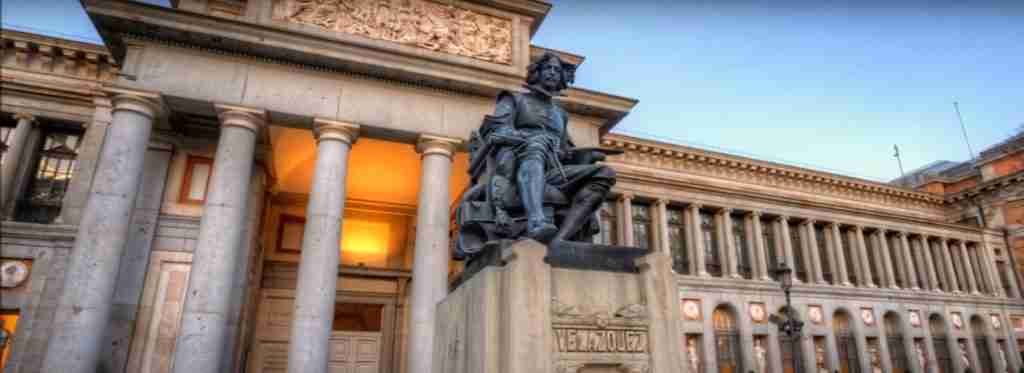
3 days
Toledo 3-Day Discovery Tour
- ✓ Comprehensive Toledo experience
- ✓ Expert local guides included
- ✓ All accommodation included
- ✓ Transportation provided
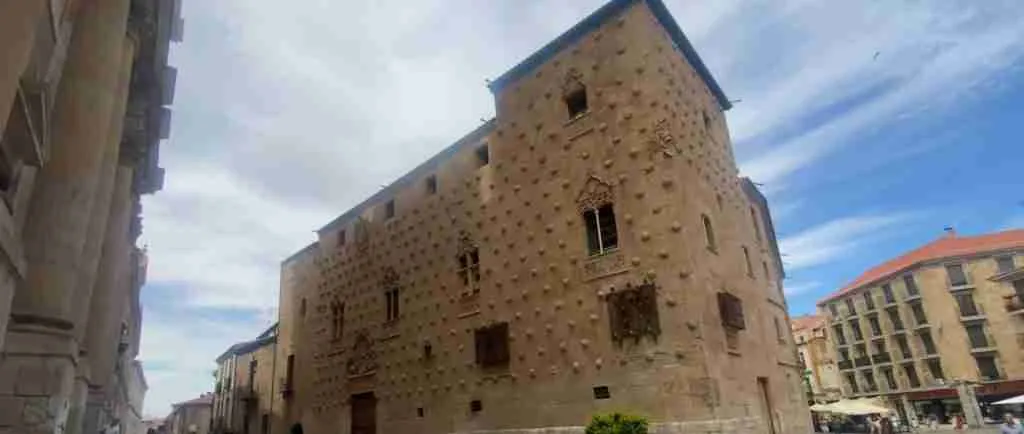
5 days
Toledo 5-Day Highlights Experience
- ✓ Comprehensive Toledo experience
- ✓ Expert local guides included
- ✓ All accommodation included
- ✓ Transportation provided
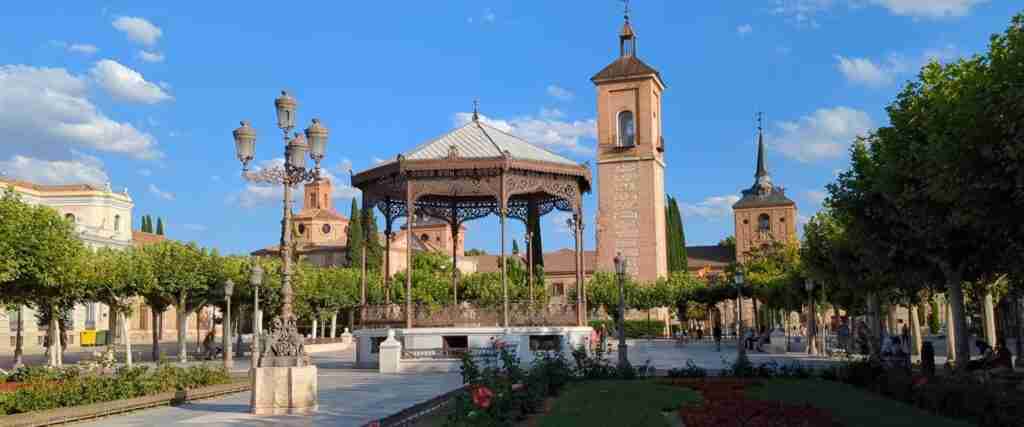
7 days
Toledo 7-Day Cultural Journey
- ✓ Comprehensive Toledo experience
- ✓ Expert local guides included
- ✓ All accommodation included
- ✓ Transportation provided
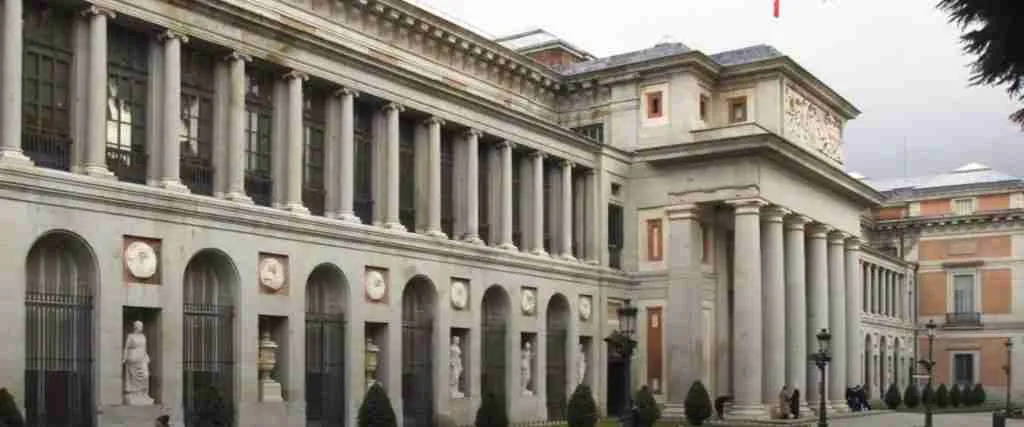
10 days
Toledo 10-Day Complete Adventure
- ✓ Comprehensive Toledo experience
- ✓ Expert local guides included
- ✓ All accommodation included
- ✓ Transportation provided
Multi-day tour packages powered by TourRadar. Prices and availability subject to change.
Essential Planning Information 2026
Transportation from Madrid to Toledo 2026
Spain’s RENFE high-speed rail network provides primary Toledo access through AVE trains connecting Madrid Atocha station to Toledo’s modern station in 33 minutes. Departures operate every 30 minutes from approximately 6:50 AM to 9:30 PM, creating flexibility for travelers scheduling day trips around other Madrid activities or personal preferences regarding early versus late starts.
AVE ticket pricing operates on dynamic structure similar to airlines—costs vary based on departure time, booking advance, and travel date demand. Round-trip tickets range €21-27 for economy class (Turista) when booked 7-15 days ahead, increasing to €35-42 for same-day purchases during peak periods. Check renfe.com for current official rates as pricing may vary based on demand and seasonal factors.
Promo and Promo+ fares deliver lowest costs but include strict restrictions—no refunds, no changes, specific trains only. These tickets sell out first, appearing 60-90 days before travel dates. Flexible fares cost 20-30% more but allow modifications until departure time, providing insurance for uncertain schedules. Business class (Preferente) adds €15-25 per journey for leather seats, complimentary beverages, and Atocha station lounge access—unnecessary luxury for 33-minute journey.
Booking methods include renfe.com website (Spanish and English), RENFE mobile app (iOS/Android with offline ticket storage), Trainline.com (authorized reseller with €1-3 booking fee but easier international payment processing), and station ticket kiosks or windows. Mobile tickets eliminate paper needs—passengers scan QR codes at platform gates and during onboard verification.
Madrid’s Atocha station requires navigation understanding. The massive complex contains historic tropical garden hall, modern AVE platforms, and Cercanías suburban levels. AVE passengers check departure boards for specific platform (andén) numbers assigned 15-20 minutes before departure. Escalators and elevators connect street level to AVE platforms. Security screening examines bags through X-ray similar to airports—arrive 15-20 minutes before departure allowing queue time.
Toledo station sits 2 kilometers northeast of historic center, connected by city buses #5, #61, #62 (€1.40, 10-minute journey) or taxi (€6-8, 5 minutes). Buses depart from station forecourt with stops including Plaza de Zocodover central square. The alternative 20-minute uphill walk provides exercise and initial city views but challenges travelers with heavy bags or limited mobility in summer heat.
Return trains to Madrid operate identical frequency and pricing as outbound service. Last AVE departure leaves Toledo around 9:30-10:00 PM, arriving Madrid approximately 10:30 PM. This late option allows dinner in Toledo before return, though most day-trippers depart earlier (6-8 PM) after full day exploration. Verify exact final departure time via renfe.com as schedules adjust seasonally.
Alternative bus service from Madrid’s Plaza Elíptica operates via ALSA company at lower cost (€5-7 each way) but requires 90 minutes journey time compared to 33 minutes by train. The bus arrives closer to historic center, potentially saving local transportation costs. Budget travelers with flexible schedules consider bus outbound, train return combining economy with afternoon energy conservation—or vice versa.
Toledo Combined Tickets and Discount Cards 2026
Toledo Card tourist pass bundles train transportation with major monument admissions, offering convenience and modest savings for comprehensive visits. The standard card costs approximately €45 including round-trip AVE train, cathedral entry, and select museum admissions. Compare this against individual purchases: train €21-27, cathedral €12.50, museums €15-20, totaling €48-60 separately. Savings prove minimal (€3-15) but single purchase simplifies planning and eliminates queue time at individual ticket windows.
The Bracelet of the Toledo Monuments (Pulsera de los Monumentos) provides access to seven sites including Mosque of Cristo de la Luz, Church of the Jesuits, and Church of Santo Tomé for combined €10 versus €15-18 purchasing separately. The bracelet purchases at participating monuments and tourist information offices. Travelers visiting 3+ included sites achieve worthwhile savings.
Free admission opportunities reduce cultural costs significantly. Many Toledo museums offer free entry Saturday afternoons (typically 4 PM to closing) and Sunday mornings (typically until 2 PM or 3 PM). Museo del Greco participates (€3 saved), Museum of Santa Cruz (normally €3-4), and various smaller municipal museums. Verify specific hours on official tourism website toledoturismo.com as times vary by institution and season.
The Cathedral Primada does not participate in free admission programs—€12.50 entry applies consistently. However, admission includes excellent audio guide in multiple languages explaining architectural details, artistic masterpieces, and historical significance that would otherwise require hiring separate guide. The self-paced audio tour allows spending 45-90 minutes based on personal interest depth.
Students, seniors (65+), and groups receive reduced admission at most monuments. Present valid student ID or passport proving age. Discounts typically reduce prices by 25-50%. Children under 12 enter most sites free or at minimal cost when accompanying adults. Large families benefit from group rates at some locations—inquire at ticket windows about available discounts.
Optimal Day Trip Timing and Itinerary Pacing 2026
Early morning departure from Madrid (7-8 AM AVE trains) maximizes Toledo exploration time and captures optimal light for photography. Arriving Toledo by 9 AM allows cathedral visit at opening (10 AM weekdays, 2 PM Sundays) before tour groups arrive mid-morning. The early timing also provides cooler temperatures for summer travel and better restaurant availability for lunch reservations.
Six to eight hours in Toledo proves adequate for major highlights: Cathedral (90 minutes), Jewish Quarter including both synagogues (90 minutes), El Greco sites (60-90 minutes), Alcázar fortress (60 minutes), lunch (90 minutes), and atmospheric wandering through medieval streets (60-90 minutes). This pacing allows comprehensive coverage without exhausting rush or extensive monument time.
Flexible scheduling accommodates personal interests. Art enthusiasts extend time at Cathedral masterpieces and El Greco museums, reducing fortress visit to 30 minutes or skipping entirely. Photography lovers dedicate afternoon hours to lighting conditions and viewpoint exploration. History buffs add Museum of Santa Cruz for archaeological collections or Museum of the Visigothic Councils for ancient artifacts.
Lunch timing follows Spanish custom—restaurants begin menu del día service around 1:30 PM with peak demand 2:30-3:30 PM. Arriving 1:45-2:15 PM secures tables without waits while maintaining midday schedule break during hottest hours (important June-August). The three-course meal provides main nutrition allowing light breakfast before departure and minimal dinner after Madrid return.
Afternoon cathedral visits (4-6 PM) encounter lighter crowds than morning hours as day-trippers depart and tour groups finish itineraries. The angled late-day sun through stained glass creates different lighting effects than morning visits. Summer evening hours extend until 6:30 PM allowing extended afternoon exploration.
Return train selection balances remaining energy with Madrid evening plans. The 6-7 PM departures suit travelers ready for rest after full day walking. The 8-9 PM trains accommodate those wanting Toledo sunset and dinner before return. Calculate backwards from desired Madrid arrival time—add 33 minutes journey, 15 minutes station arrival buffer, 10-20 minutes local transport from historic center to station.
Toledo UNESCO World Heritage Highlights 2026
Cathedral Primada: Gothic Masterpiece 2026
The Cathedral of Saint Mary stands as Toledo’s architectural centerpiece and Spain’s third-largest cathedral, begun in 1226 under Ferdinand III and substantially completed by 1493 though additions continued into the 18th century. UNESCO designation recognizes exceptional Gothic architecture fused with Mudéjar elements and containing unparalleled art collections spanning six centuries.
The massive structure dominates Toledo’s skyline with asymmetrical towers—the northern tower rises 90 meters while the southern reaches only 80 meters due to construction challenges. The facade features three elaborate portals with sculptural programs depicting biblical narratives, saints, and Last Judgment scenes. The central Portal of Forgiveness opens only for special ceremonies, directing visitors to lateral entrances.
Interior dimensions overwhelm: 120 meters length, 60 meters width, vaults soaring 44 meters at crossing. Five naves separate by 88 columns creating forest-like atmosphere of vertical stone and filtered light through medieval stained glass. The plan follows Latin cross configuration common to Gothic cathedrals but incorporates unusual features including asymmetrical choir placement and chapel additions that blur original geometric clarity.
The Cathedral admission costs €12.50 including audio guide with explanations in Spanish, English, French, German, Italian, Portuguese, and Japanese. The audio tour numbers correspond to wall plaques throughout the building, allowing self-paced exploration focused on personal interests. Audio guide highlights architectural evolution, artistic masterpieces, historical events, and symbolic religious meanings that casual observation might miss.
The Choir (Coro) occupies nave center in traditional Spanish cathedral arrangement, blocking processional views but creating intimate prayer space. The elaborate walnut choir stalls carved by Rodrigo Alemán and Alonso Berruguete depict biblical scenes, mythological figures, and satirical representations. The lower stalls show grotesque figures and animals while upper stalls present religious narratives. The wooden carving achieves extraordinary detail revealing individual facial expressions and fabric textures.
The Main Chapel (Capilla Mayor) behind ornate wrought-iron screens contains massive gilt altarpiece (retablo mayor) rising from floor to vault. Created by multiple artists over decades, the polychrome sculpture and painting represent biblical scenes in Gothic and Renaissance styles. The central panel features Assumption of Mary, with Christ’s life depicted in surrounding panels. Gold leaf covers much of the surface, creating shimmering effect when candles and electric lighting illuminate the work.
The Treasury (Tesoro) houses the Cathedral’s most valuable objects including the enormous Custodia de Arfe—processional monstrance standing three meters tall, weighing 160 kilograms, crafted from gold, silver, and precious stones by Enrique de Arfe in 1517-1524. The Gothic-Renaissance masterpiece features elaborate architectural elements including towers, sculptures, and enamel work. The piece processes through Toledo streets during Corpus Christi festival each June, requiring multiple men to carry its weight.
The Chapter House (Sala Capitular) displays Mudéjar ceiling decoration combining Islamic geometric patterns with Christian content. The walls feature portraits of all Toledo archbishops from first century San Eugenio through modern times, creating visual history of the powerful archdiocese. The elaborate gilt ceiling from 1510 represents Renaissance meeting Mudéjar tradition in uniquely Spanish fusion.
Multiple art collections throughout the cathedral include works by El Greco (“The Disrobing of Christ” in Sacristy), Goya, Caravaggio, Titian, Rubens, and Van Dyck among others. The Sacristy ceiling features Luca Giordano fresco of “Our Lady presenting the Chasuble to Saint Ildefonsus.” Individual chapels contain Renaissance tombs, baroque altarpieces, and Gothic sculpture requiring hours for comprehensive appreciation.
The Cathedral requires 75-120 minutes minimum for meaningful visit depending on art interest and reading audio guide content. Summer afternoon visits (after 4 PM) encounter fewer crowds. Photography permitted in most areas without flash, though some chapels prohibit images. Dress code enforces modest coverage—shoulders and knees covered, no tank tops or short shorts, though enforcement varies.
Jewish Quarter and Sephardic Heritage 2026
Toledo’s Jewish Quarter (Judería) occupies western sections of historic center, preserving narrow medieval street patterns and two exceptional synagogues surviving the 1492 expulsion that ended five centuries of Jewish community presence. The quarter represents Spain’s most significant Jewish heritage site alongside Girona and Córdoba, revealing sophisticated culture that flourished under Christian and Muslim rule before Catholic Monarchs demanded conversion or exile.
The Synagogue of El Tránsito stands as finest surviving example of Mudéjar synagogue architecture, constructed 1355-1357 by Samuel ha-Levi Abulafia, treasurer to King Peter of Castile. The building exemplifies medieval Toledo’s cultural fusion—Jewish patron, Muslim craftsmen, Christian kingdom tolerance creating architectural masterpiece combining traditions.
Exterior simplicity contrasts with elaborate interior plasterwork covering walls and ceiling. Geometric patterns, floral motifs, and Hebrew inscriptions praise God and commemorate ha-Levi patronage in intricate stucco decoration. The prayer hall measures 23 meters by 9.5 meters with stunning coffered ceiling of Lebanese cedar. The women’s gallery overlooks main space from elevated position following Jewish worship separation customs.
Hebrew inscriptions line upper walls, including Psalms passages and dedication texts naming Samuel ha-Levi. The inscriptions provided rare medieval Hebrew epigraphy examples following 1492 expulsion when most Jewish texts faced destruction. Scholars study the inscriptions for Hebrew language evolution and medieval Jewish community details.
The Sephardic Museum occupies adjacent rooms displaying Jewish artifacts, historical documents, traditional clothing, religious objects, and documentation of Spanish Jewish history from Roman times through expulsion and diaspora. Exhibits explain Jewish festivals, lifecycle ceremonies, Kabbalah mystical tradition, and Ladino language (Judeo-Spanish) preserved by expelled communities across Mediterranean. Museum admission combines with synagogue entry for €3 total.
Santa María la Blanca Synagogue, constructed in 1180, predates El Tránsito by nearly two centuries. The building shows pure Almohad architecture with Christian and Jewish elements—28 octagonal columns support horseshoe arches creating five-aisle space resembling mosque more than synagogue. The white-painted columns and arches create distinctive aesthetic giving the building its name.
Capital decoration features elaborate plasterwork with pinecone motifs rather than representational figures, respecting both Islamic and Jewish restrictions on figurative religious art. The building functioned as synagogue until 1405 conversion to church, later serving military barracks and warehouse before 20th-century restoration as cultural monument. Entry costs €3, combined with El Tránsito totals €6.
The Jewish Quarter streets preserve medieval character through narrow passages, small plazas, and merchant house facades. Traditional artisan workshops continue metalwork and damascene crafts (gold/silver inlay on black steel) that medieval Jewish craftsmen developed. Modern shops sell mezuzahs, menorahs, and Judaica alongside tourist souvenirs, maintaining contemporary Jewish connection to historic quarter.
Calle de Samuel Levi and Calle de los Reyes Católicos mark main Jewish Quarter routes connecting synagogues and leading to viewpoints overlooking Tagus River gorge. The streets wind irregularly following topography and property boundaries rather than grid patterns, creating atmospheric exploration where each turn reveals architectural details and unexpected vistas.
El Greco Museums and Artistic Legacy 2026
Domenikos Theotokopoulos, known as El Greco (The Greek), spent his productive mature years in Toledo from 1577 until death in 1614. The Cretan-born artist trained in Venice and Rome before relocating to Spain, developing distinctive style featuring elongated figures, dramatic lighting, and intense spirituality that influenced modern art while confounding contemporary critics expecting Renaissance naturalism.
The Museo del Greco occupies reconstructed 16th-century house near Samuel ha-Levi Synagogue, displaying substantial El Greco collection in period setting approximating the artist’s working environment. The museum owns later El Greco works showing mature style development including “View and Plan of Toledo” (one of few pure landscapes), portraits of Toledo citizens, and religious paintings commissioned by local churches and nobility.
Museum highlights include the Apostolate series—individual portrait paintings of Christ and the twelve apostles showing El Greco’s distinctive approach to sacred figures. Each apostle receives individualized character through facial expressions, hand gestures, and symbolic attributes, while maintaining stylistic consistency in elongated proportions and mystical atmosphere. The paintings reveal El Greco’s synthesis of Byzantine icon tradition, Venetian color, and personal vision.
The museum’s recreated 16th-century rooms feature period furniture, ceramics, and decorative arts helping visitors understand Toledo’s Golden Age domestic life and the context in which El Greco created masterpieces. Gardens incorporate plants typical of Spanish Renaissance cultivation including citrus, roses, and herbs used for cooking and medicine.
Admission costs €3 general entry (free Saturday afternoons 4 PM to closing and Sunday mornings until 3 PM). The museum requires 45-75 minutes for thorough visit including all galleries, temporary exhibitions, and gardens. Audio guides available for additional €2 providing detailed artwork analysis and historical background.
The Church of Santo Tomé, located steps from Museo del Greco, houses El Greco’s acknowledged masterpiece—”The Burial of the Count of Orgaz” (1586-1588). The enormous painting (4.8 meters by 3.6 meters) remains in its original location above the count’s tomb, allowing appreciation in intended architectural and liturgical context rather than decontextualized museum setting.
The composition divides between earthly burial scene (lower section) and heavenly reception (upper section). Saints Augustine and Stephen, dressed in elaborate ecclesiastical vestments, miraculously lower the count’s body into tomb while Toledo nobility and clergy witness the event. Heaven opens above revealing Christ, Virgin Mary, John the Baptist, angels, and saved souls including the count’s ascending spirit. El Greco included contemporary Toledo figures as witnesses, creating portrait gallery of 16th-century Spanish society.
Technical mastery appears in textile rendering, metallic armor reflection, and dramatic lighting creating supernatural atmosphere. The painting synthesizes El Greco’s artistic influences while demonstrating unique vision that makes his work instantly recognizable. Admission to Santo Tomé costs €3 specifically for this single painting—the church otherwise functions as active parish with separate worship access.
The Cathedral Sacristy contains El Greco’s “The Disrobing of Christ” (1577-1579), his first major Toledo commission. The crowded composition shows Jesus moments before crucifixion, surrounded by soldiers, executioners, and crowd. The Virgin Mary and holy women appear lower left despite Gospel accounts not mentioning their presence—El Greco’s devotional addition rather than literal biblical narrative. Cathedral admission includes this work among many artistic treasures.
Additional El Greco paintings scattered across Toledo churches include works at San Román (Museum of Visigothic Councils), Hospital Tavera, and various parish churches. Comprehensive El Greco tour requires multiple days and advance research on current locations and viewing hours. Day-trippers focus on Museo del Greco and Santo Tomé as essential El Greco experiences demonstrating artistic range and technical brilliance.
Alcázar Fortress and Army Museum 2026
The Alcázar dominates Toledo’s highest point, its massive square fortress visible from every approach. The structure’s defensive position controlled access to the walled city since Roman times, with successive rulers—Visigoths, Muslims, Christians—building and rebuilding fortifications on this strategic site. The current building dates primarily to 1535-1551 Charles V renovation creating Renaissance palace within medieval fortress walls.
Military significance continued into modern times—the Alcázar served as infantry academy in the 19th century and witnessed fierce fighting during Spanish Civil War (1936-1939). Nationalist forces held the fortress under two-month Republican siege in 1936, sustaining heavy damage before relief. The siege became propaganda symbol for both sides, with substantial casualties among military defenders, civilian refugees, and attacking forces.
Post-war reconstruction rebuilt damaged sections while preserving some Civil War destruction as historical testament. The Alcázar now houses the Army Museum (Museo del Ejército), Spain’s national military collection displaying weapons, armor, uniforms, paintings, and military equipment spanning from medieval period through 20th-century conflicts.
Museum galleries occupy multiple floors organized chronologically and thematically. Medieval arms and armor include Toledo swords demonstrating the city’s renowned steel-making tradition. Renaissance firearms show technological evolution from matchlock to flintlock mechanisms. Napoleonic Wars section displays French invasion artifacts and Spanish resistance materials. Colonial exhibits cover Spain’s overseas military presence in Americas, Philippines, and North Africa.
The Civil War galleries present balanced perspective on Spain’s traumatic 1936-1939 conflict including artifacts from both sides—Republican and Nationalist uniforms, weapons, propaganda posters, personal letters. The sensitive subject receives documentary treatment acknowledging complex historical debates without promoting single interpretation. The museum’s location in siege site adds powerful emotional resonance to exhibited materials.
Rooftop terraces accessible via museum route provide exceptional 360-degree panoramas of Toledo and surrounding landscape. Views encompass Cathedral towers, Tagus River gorge, medieval walls, Cigarrales hillside estates, and distant plains. Photography opportunities excel especially late afternoon when sun illuminates city’s golden stone architecture against darkening eastern sky. The terraces alone justify entry price for travelers interested in cityscape photography.
Library rooms preserve historical military texts, manuscripts, and cartography including rare early maps of Spanish territories and illustrated manuscripts depicting siege warfare and fortification design. Scholars access materials by appointment, while visitors view selected displayed documents in climate-controlled cases.
Admission costs €5 including all galleries, temporary exhibitions, and rooftop terraces. Audio guides add €3 providing detailed explanations of key exhibits and historical context. The museum requires 60-90 minutes minimum for representative coverage, though military history enthusiasts easily spend 3+ hours examining extensive collections. Free on Sundays (verify current policy as this changes periodically).
Sample 2026 Toledo Itineraries
Essential Highlights: Full Day Toledo Itinerary 2026
7:30 AM – Depart Madrid accommodation. Take metro or taxi to Atocha station allowing 20-30 minutes transport time plus 15-minute station arrival buffer for platform location and security screening.
8:15 AM – Depart Madrid Atocha on AVE train to Toledo (€21-27 round-trip per instructions). Early departure avoids peak commuter hours on Madrid metro and captures morning light for Toledo photography. Breakfast service available onboard—coffee and croissant €5-7.
8:50 AM – Arrive Toledo station. Take city bus #5, #61, or #62 to Plaza de Zocodover (€1.40, 10 minutes). Buses depart from station forecourt with clear signage. Alternative 20-minute uphill walk provides exercise and city views but challenges in summer heat.
9:15 AM – Begin at Alcázar fortress (€5 admission). Early arrival allows exploration before crowds arrive and captures optimal morning light for rooftop panorama photography. Spend 60 minutes examining Army Museum galleries and enjoying 360-degree terrace views of Toledo’s UNESCO cityscape. The elevated position provides geographic orientation for upcoming walking tour.
10:30 AM – Walk downhill to Cathedral Primada at opening time (10 AM weekdays, 2 PM Sundays—verify current schedule). Purchase admission (€12.50 including audio guide) and begin comprehensive visit of Spain’s Gothic masterpiece. Allow 90 minutes minimum exploring Main Chapel, Choir, Treasury’s Custodia de Arfe, Chapter House, Sacristy with El Greco painting, and numerous artistic chapels. Audio guide explains architectural details and artistic significance enhancing appreciation beyond visual observation.
12:15 PM – Exit Cathedral and walk through surrounding historic streets toward Jewish Quarter. The route passes traditional craft shops, medieval gates, and atmospheric narrow passages preserving authentic medieval urban fabric. Stop for mid-morning coffee and pastry at local cafe (€3-5) while resting before continued walking.
12:45 PM – Visit Synagogue of El Tránsito and Sephardic Museum (€3 combined admission). Spend 45 minutes exploring finest surviving Mudéjar synagogue with intricate plasterwork, Hebrew inscriptions, and museum exhibits documenting Spanish Jewish history from prosperity through 1492 expulsion. The climate-controlled interior provides welcome break from summer heat.
1:45 PM – Lunch at traditional Toledo restaurant. Menu del día provides three-course meal including bread and wine for €15-20. Local specialties include carcamusas (pork stew with peas and tomato), venison, partridge, and Manchego cheese from nearby La Mancha region. Vegetarian options typically feature local vegetables and legume dishes. The extended Spanish lunch break (1:30-4 PM) allows relaxed dining matching local rhythm.
3:15 PM – Continue to Santa María la Blanca Synagogue (€3 admission). The white horseshoe arches and Almohad architecture create mosque-like atmosphere revealing medieval Toledo’s cultural fusion. Spend 30 minutes appreciating architectural elegance and photographing distinctive interior.
4:00 PM – Walk to Church of Santo Tomé to view El Greco’s “The Burial of the Count of Orgaz” (€3 admission). The masterpiece remains in original location allowing appreciation in intended context. Study the composition dividing earthly burial scene from heavenly reception, identifying El Greco’s distinctive elongated figures and mystical lighting. Allow 20-30 minutes for careful observation.
4:45 PM – Visit nearby Museo del Greco (€3 admission, free Saturday afternoon/Sunday morning). The reconstructed 16th-century house displays substantial El Greco collection in period setting. Highlights include Apostolate series and “View and Plan of Toledo” landscape. Gardens provide quiet rest area. Spend 45-60 minutes exploring galleries and grounds.
6:00 PM – Free time for shopping Toledo specialties including damascene jewelry (gold/silver inlay on black metal), marzipan, and sword replicas. Visit artisan workshops observing traditional metalwork techniques unchanged since medieval period. Browse atmospheric streets discovering hidden plazas, architectural details, and photographic compositions. Many shops close 2-5 PM for siesta, reopening for evening trade.
7:00 PM – Walk or take bus to viewpoint for sunset photography. Mirador del Valle across Tagus River provides classic panoramic Toledo silhouette (taxi €8-10 round-trip with wait time). Alternatively, rooftop bars in historic center offer drinks with cathedral and Alcázar views. Golden hour illuminates stone architecture dramatically against darkening sky.
8:00 PM – Return to Plaza de Zocodover area. Take bus #5, #61, #62 to train station or taxi (€6-8, 5 minutes). Evening AVE departures operate hourly until approximately 9:30 PM, allowing flexible return timing based on remaining energy and dinner plans.
8:30 PM – Depart Toledo for Madrid. Arrive Atocha 9:05 PM, connecting to metro or taxi for accommodation.
Cost Summary: AVE train €21-27 round-trip, Alcázar €5, cathedral €12.50, El Tránsito synagogue €3, Santa María la Blanca €3, Santo Tomé €3, Museo del Greco €3, lunch €15-20, local transport €2.80, coffee/snacks €5-8. Total day cost: €73-92 per person (excluding accommodation). Budget options reduce total to €60-70 through free museum hours and economical lunch selections.
Art and Architecture Focus Itinerary 2026
8:00 AM – Depart Madrid Atocha, arrive Toledo 8:35 AM. Early start maximizes museum time and captures optimal photography light.
9:00 AM – Begin at Museo del Greco at opening time (€3, free Saturday afternoon/Sunday morning). Spend extended 90 minutes studying El Greco collection, period rooms, and gardens without rushing. Focus on artistic techniques, Byzantine influences, Venetian color, and spiritual intensity distinguishing El Greco from Renaissance contemporaries.
10:45 AM – Walk to Church of Santo Tomé (€3) for extended contemplation of “The Burial of the Count of Orgaz.” Allow 45 minutes carefully studying composition, identifying figures, appreciating technical mastery of textile rendering and metallic reflection. Sketch or photograph details (without flash) for later study.
11:45 AM – Visit Synagogue of El Tránsito (€3) focusing on Mudéjar plasterwork techniques, geometric patterns, Hebrew epigraphy, and architectural fusion of Islamic and Jewish traditions. Spend 60 minutes in synagogue and museum examining decorative details and cultural context.
1:00 PM – Light lunch near Jewish Quarter. Quick bocadillo (sandwich) and drink €6-10, or tapas portions €12-15 allowing afternoon museum time rather than extended meal break.
2:00 PM – Cathedral Primada comprehensive art tour (€12.50). Dedicate 2+ hours examining Main Chapel altarpiece, El Greco’s “Disrobing of Christ” in Sacristy, Choir sculptural details, paintings by Goya, Caravaggio, and other masters throughout chapels. Use audio guide for detailed artwork analysis. Photograph (without flash) architectural details and artistic compositions for reference.
4:30 PM – Museum of Santa Cruz (free admission) displays archaeology, fine arts, and decorative arts collections in former 16th-century hospital building. The Renaissance architecture merits attention alongside exhibited El Greco works, Flemish tapestries, and medieval religious sculpture. Spend 75 minutes touring galleries.
6:00 PM – Atmospheric walk through medieval streets photographing architectural details, building facades, doorways, and street compositions in late afternoon light. Focus on Mudéjar elements, Gothic features, Renaissance courtyards visible through open doors and gates.
7:30 PM – Return Madrid evening train after immersive art and architecture day.
Cost Summary: Train €21-27, Museo del Greco €3 (or free), Santo Tomé €3, El Tránsito €3, cathedral €12.50, Santa Cruz free, light lunch €10-15, transport €2.80. Total: €55-64 per person (excluding accommodation). Art enthusiasts gain maximum cultural value through focused extended museum time.
Photography and Sunset Overnight Extension 2026
2:00 PM – Arrive Toledo mid-afternoon allowing immediate hotel check-in and rest before evening photography session. Afternoon arrival avoids morning tourist rush while positioning for optimal sunset and evening shooting.
3:30 PM – Scout photography locations in good daylight. Walk city walls accessible sections, identify Cathedral and Alcázar viewpoints, locate narrow street compositions, find architectural detail opportunities. Note sun angles and lighting directions for evening return.
5:00 PM – Visit Alcázar rooftop (€5) for panoramic cityscape orientation and late afternoon lighting. The elevated position reveals Toledo’s topography—how buildings cascade down hilltop, how Tagus River surrounds three sides, how medieval walls follow natural defensive contours.
6:30 PM – Position at Mirador del Valle viewpoint across river for golden hour and sunset. The west-facing perspective captures Toledo silhouette backlit by setting sun, then front-lit as sun drops below western horizon. Bring tripod for long exposures as light fades. Allow 90 minutes for changing light conditions from golden hour through blue hour after sunset.
8:15 PM – Evening walk through illuminated historic center. Cathedral, Alcázar, gates, and major monuments receive architectural lighting after dark creating dramatic compositions. Narrow streets lit by traditional lanterns provide atmospheric night photography. Tripod essential for low-light exposures. The dramatically reduced tourist presence after 8 PM allows unobstructed compositions.
9:30 PM – Dinner at traditional restaurant. Evening hours reveal local dining culture as Spanish families and couples fill establishments. Tapas hopping between multiple bars costs €15-25 per person, full dinner €25-35.
7:00 AM (next day) – Dawn photography session. Position at Mirador del Valle or accessible city walls for sunrise illuminating Toledo from east. Morning light reveals golden stone color and creates long shadows emphasizing architectural relief. The early hour guarantees solitude at popular viewpoints.
9:00 AM – Return to hotel for breakfast and checkout.
10:30 AM – Morning interior photography at Cathedral (€12.50) and synagogues (€6 combined). Interior lighting challenges require tripod (where permitted) or high ISO settings. Stained glass windows photograph best with backlighting from exterior sun creating colored light patterns on stone floors and columns.
1:00 PM – Depart Toledo for Madrid after comprehensive 24-hour photography session capturing Toledo in multiple light conditions and minimal tourist presence.
Cost Summary: Train €21-27 round-trip, accommodation €60-90 (mid-range hotel), Alcázar €5, cathedral €12.50, synagogues €6, meals €35-50, transport €4. Total: €143-195 per person. Photography enthusiasts justify overnight extension through accessing optimal lighting conditions impossible during day-trip timeframe.
Dining and Food Recommendations 2026
Traditional Toledo Cuisine and Local Specialties 2026
Toledo’s culinary traditions reflect Castilian inland location—game meats, hearty stews, sheep cheese, and preparations preserving medieval cooking methods adapted to modern palates. The convergence of Christian, Jewish, and Muslim influences historically created distinctive dishes now considered regional classics.
Carcamusas represents Toledo’s signature stew—pork meat braised with peas, tomatoes, and white wine, typically served in earthenware cazuela (clay pot). The dish originated as hunters’ meal using wild boar, modernizing to domestic pork while maintaining traditional preparation. Restaurants serve carcamusas as main course (€12-16) or tapa portion (€4-6). Best versions feature tender meat in thick savory sauce requiring bread for soaking remaining liquid.
Venison (ciervo), partridge (perdiz), and wild boar (jabalí) appear on traditional restaurant menus reflecting Castilian hunting culture. Partridge stewed with beans (perdiz estofada con judías) combines game bird with local legumes in wine-based sauce. Venison preparations include roasted loin, stews, and seasonal variations with wild mushrooms. Expect €18-26 for game main courses at established restaurants.
Cochifrito features lamb pieces fried with garlic, typical of central Spain sheep-raising regions. The preparation creates crispy exterior while maintaining tender interior, served with seasonal vegetables or potatoes. Local lamb quality exceeds typical expectations based on perfect grass-fed pasture conditions surrounding Toledo.
Manchego cheese from neighboring La Mancha region accompanies most meals as appetizer or dessert course. The firm sheep-milk cheese ranges from young (fresco, 2 weeks aging) through semicured (3-4 months) to cured (6+ months). Older cheeses develop complex flavors and harder texture, typically served with quince paste (membrillo) balancing saltiness with sweetness. Manchego portions cost €6-10 depending on age and size.
Marzipan (mazapán) stands as Toledo’s most famous sweet, produced since medieval times when almond cultivation supported confectionery production. Traditional marzipan uses only almonds, sugar, and egg white without artificial additives. Artisan shops create elaborate marzipan shapes including fruits, animals, and religious figures particularly popular during Christmas season. Purchase directly from historic convents where cloistered nuns continue centuries-old recipes, ringing doorbell for anonymous sale through rotating window (torno). Expect €15-25 per kilo for quality marzipan.
Menu del día represents outstanding value at lunch (typically 1:30-4 PM serving period). Fixed-price three-course meals include first course choice (soup, salad, pasta), second course (meat, fish), dessert or coffee, bread, and wine or soft drink. Prices range €12-20 at neighborhood restaurants frequented by locals, €15-25 at tourist-area establishments. The same food ordered á la carte at dinner costs 50-80% more, making lunch the economical main meal.
Restaurant Recommendations by Budget 2026
Budget Dining (Under €15 per person): Neighborhood bars and cafeterias around Plaza de Zocodover and side streets offer menu del día €12-15. Bar Ludeña (Plaza de la Magdalena) serves traditional tapas and raciones (large portions) at local prices. Cafeteria-Restaurante Palacio (Calle Alfonso X El Sabio) provides simple menu del día in casual atmosphere. Bocadillos (sandwiches) at standing bars cost €4-7—efficient quick lunch allowing maximum sightseeing time.
Mid-Range Dining (€20-35 per person): Restaurante Adolfo (Calle Hombre de Palo) offers contemporary interpretations of traditional Castilian cuisine in historic building. Menu del día €22-28, dinner á la carte €35-45. Taberna El Botero (Ciudad 5) features extensive tapas selection and local wines in atmospheric medieval interior. Ordóñez (Plaza del Ayuntamiento) balances traditional recipes with modern presentation, popular with Spanish visitors indicating authentic quality.
Premium Dining (€40+ per person): La Orza (Calle Descalzos) presents innovative Castilian-international fusion in elegant setting. Tasting menus €55-75 showcase seasonal ingredients and creative preparations. Hierbabuena (Callejón San José) occupies intimate space serving refined versions of regional classics using premium ingredients. Cigarral del Ángel (outside city walls) provides panoramic views accompanying upscale menu focusing on local game and seasonal vegetables.
Reservations prove unnecessary for lunch menu del día at most restaurants—simply arrive during serving hours. Dinner reservations recommended for premium restaurants particularly Friday-Sunday. Many restaurants close Sunday evenings and Mondays, verify specific opening hours before planning meals.
Practical Toledo Day Trip Tips 2026
Money and Payment Methods 2026
Credit and debit cards receive wide acceptance at Toledo restaurants, hotels, shops, and major monuments. Visa and Mastercard work everywhere, American Express accepted less universally. Contactless payments operate at most establishments for purchases under €50. However, cash remains useful for small purchases, tipping, and dealing with occasional technical issues or establishments preferring cash to avoid processing fees.
ATMs throughout Toledo historic center dispense euros, typically charging €3-5 international withdrawal fees. Major Spanish banks (Santander, BBVA, CaixaBank) operate ATMs near Plaza de Zocodover and main tourist routes. Withdraw larger amounts less frequently to minimize per-transaction fees. Inform your home bank of Spain travel dates preventing security blocks on foreign transactions.
Budget approximately €80-100 cash for day trip covering lunch, minor admissions, coffee breaks, souvenirs, and buffer for unexpected needs. Major expenses (train tickets, cathedral admission, museums) purchase via credit card in advance or at venues, but small shops and traditional bars may request cash for purchases under €10.
Tipping customs in Spain remain modest. Round restaurant bills to next euro or leave 5-10% for exceptional service. Table service includes bread and service charge in listed prices—no obligation to tip beyond satisfaction gesture. Bar service for simple drinks requires no tip, though small coins (€0.50-1) appreciated for complex cocktails or extended service. Taxi drivers appreciate rounding fare up to next euro but don’t expect percentage-based tips.
Language and Communication 2026
Spanish dominates Toledo with English spoken variably. Train station staff, major monument ticket sellers, and tourist-area restaurant servers manage basic English. Museums provide English information materials and audio guides. However, neighborhood restaurants, artisan shops, and local services operate primarily in Spanish, requiring basic phrase knowledge or translation app assistance.
Essential Spanish phrases for day trip navigation: “¿Dónde está…?” (Where is…?), “¿Cuánto cuesta?” (How much costs?), “La cuenta, por favor” (The check, please), “¿Tiene menú en inglés?” (Do you have menu in English?), “No hablo español” (I don’t speak Spanish), “¿Habla inglés?” (Do you speak English?). Spanish speakers appreciate foreign visitor attempts at their language even with imperfect grammar—effort matters more than accuracy.
Google Translate app with offline Spanish download provides emergency communication tool when language barriers arise. The camera function translates menu text in real-time, helpful for deciphering traditional restaurant menus written entirely in Spanish with regional specialties not appearing in standard dictionaries.
Safety and Health Considerations 2026
Toledo maintains very low crime rates with minimal violent incidents. Petty theft (pickpocketing, bag snatching) occurs occasionally in crowded tourist areas particularly around Plaza de Zocodover and Cathedral entrance during peak season. Standard precautions prevent problems: keep valuables in front pockets or secure bags, avoid displaying expensive cameras unnecessarily, maintain awareness in crowds, use hotel safes for passports and excess cash.
The medieval streets feature uneven cobblestones, steep gradients, and occasional unexpected steps. Comfortable broken-in walking shoes with good ankle support prevent trips and fatigue. Avoid new shoes causing blisters and high heels creating trip hazards on irregular surfaces. The historic center involves considerable walking—expect covering 6-10 kilometers during comprehensive day visit.
Summer heat (June-August reaching 32-38°C) requires hydration and sun protection. Carry refillable water bottle (fountains throughout historic center provide drinking water), wear wide-brim hat or cap, apply high-SPF sunscreen repeatedly, and schedule intensive outdoor exploration for cooler morning and late afternoon hours. Many visitors underestimate central Spain summer intensity, suffering heat exhaustion from inadequate preparation.
Pharmacies (farmacias) throughout Toledo provide over-the-counter medications, first aid supplies, and advice for minor health issues. Pharmacists often speak some English and help with medication equivalents for common needs. Prescription medications from home should carry sufficient quantity for entire trip plus buffer—verify medication legality in Spain for controlled substances.
European Health Insurance Card (EHIC) for EU citizens provides reciprocal emergency medical care access. Non-EU visitors should verify travel insurance coverage including medical emergencies. Public hospitals provide emergency care regardless of insurance status, though payment expected for non-emergency services.
FAQ: Toledo Day Trip from Madrid 2026
Can I see everything in Toledo in one day?
One day allows comprehensive coverage of Toledo’s primary highlights—Cathedral, Jewish Quarter synagogues, El Greco museums, Alcázar fortress, and atmospheric medieval streets—but cannot encompass every monument and museum in the UNESCO-designated historic center. Strategic planning and early arrival (9-10 AM) provides 6-8 hours exploration time adequate for first-time visitors. Art enthusiasts, architecture students, or travelers seeking deeper cultural immersion benefit from overnight stays allowing extended museum time, sunset photography, and discovering lesser-known churches and viewpoints beyond standard day-trip circuits.
Should I book a guided tour or explore Toledo independently?
Independent exploration offers flexibility, cost savings (€30-50 per person versus €65-95 for group tours), and personalized pacing allowing extended time at preferred sites and quick departure from less interesting locations. The compact historic center, clear signage, and available audio guides facilitate successful self-guided visits. However, guided tours provide expert historical and cultural commentary enriching understanding beyond casual observation, particularly valuable for complex three-religion heritage and El Greco artistic context. Consider hybrid approach—book independent train tickets but reserve 2-hour private guide (€140-180 for up to 6 people, effectively €25-30 per person for couples or small groups) for Jewish Quarter walking tour combining economy with expertise.
What should I wear for a Toledo day trip?
Comfortable broken-in walking shoes with good support prove essential for Toledo’s cobblestone streets, uneven surfaces, and hilly topography. Dress modestly for cathedral entry—shoulders and knees covered, no tank tops or short shorts, though enforcement varies. Summer visits require light breathable clothing, wide-brim hat, and high-SPF sunscreen for 32-38°C heat. Winter trips need warm jacket, scarf, and weatherproof outer layer for 5-12°C temperatures and occasional rain. Layered clothing allows adaptation to variable indoor/outdoor conditions throughout day. Backpack or crossbody bag carries water bottle, snacks, camera, and purchases more comfortably than shoulder bags during extended walking.
Is Toledo accessible for travelers with mobility limitations?
Toledo’s medieval architecture presents significant accessibility challenges—steep hills, cobblestone streets, stairs, and narrow passages predate modern accessibility requirements. The Cathedral offers elevator access to main level but not choir or upper sections. Most synagogues and churches involve steps. The Alcázar provides elevator to major sections though some exhibits require stairs. However, many major monuments remain viewable even with limited mobility through focusing on accessible sections. City buses provide low-floor access between train station and Plaza de Zocodover. Taxis navigate historic center periphery reaching monument entrances though narrowest streets prohibit vehicles. Travelers with moderate limitations benefit from advance research on specific monument accessibility and realistic expectations about coverage achievable within individual constraints.
Can I store luggage in Toledo if arriving from another Spanish city?
Toledo train station provides locker facilities (€3-5 per day) accommodating standard suitcases, allowing travelers incorporating Toledo between other Spanish destinations to explore city without carrying bags. However, locker availability fluctuates during peak periods—arrive early morning for best selection. Many museums prohibit large bags in galleries, requiring coat check deposit. Plan accordingly based on luggage size and intended museum visits. Hotels sometimes allow non-guest luggage storage for nominal fee if arranged in advance. Alternative: some Madrid hotels hold luggage for returning guests, allowing early checkout, Toledo day trip, Madrid return for bag retrieval before continuing travel.
What Toledo souvenirs represent authentic local crafts?
Damascene jewelry and metalwork represent Toledo’s most distinctive traditional craft—gold and silver wire inlaid into black oxidized steel creating intricate patterns. Artisan workshops throughout Jewish Quarter produce earrings, pendants, brooches, and decorative objects using techniques unchanged since medieval times. Quality pieces cost €30-200 depending on complexity and precious metal content. Avoid mass-produced damascene flooding tourist shops—seek workshops allowing observation of craftsmen at work. Toledo sword replicas honor the city’s medieval arms manufacturing fame, available from decorative letter openers (€25-50) to museum-quality full-size reproductions (€300-1000+). Marzipan from historic convents or established confectioners travels well and provides edible reminder of Toledo’s culinary heritage (€15-25 per kilo).
How much walking does a Toledo day trip involve?
Comprehensive Toledo exploration typically covers 6-10 kilometers walking depending on specific monuments visited and amount of atmospheric wandering through medieval streets. The historic center’s compact 1.5-kilometer diameter suggests short distances, but hilly topography, circuitous medieval street patterns, and elevation changes between monuments substantially increase actual walking compared to map distances. Cathedral to Jewish Quarter requires 800 meters but involves uphill/downhill segments. Alcázar fortress occupies highest point requiring climbs from lower areas. Comfortable broken-in walking shoes and moderate fitness level prove essential. Travelers concerned about distance or fitness can selectively reduce coverage focusing on must-see highlights (Cathedral, one synagogue, Santo Tomé) or employ taxis for uphill segments while walking downhill routes.
Is Toledo too crowded in summer 2026?
Summer months (June-August) see maximum tourist numbers at Toledo with concentrated crowds at Cathedral, Jewish Quarter, and Santo Tomé church particularly 11 AM-3 PM. However, strategic timing mitigates crowding significantly—early morning arrival before 10 AM allows cathedral visit before tour groups arrive; late afternoon museum visits (4-6 PM) encounter departing day-trippers; Tuesday through Thursday see lighter crowds than Friday through Sunday. The extensive historic center provides numerous quiet streets and lesser-known churches maintaining peaceful atmosphere even during peak season. Travelers particularly sensitive to crowds benefit from shoulder seasons (April-May, September-October) combining comfortable weather with reduced visitor numbers, or winter visits sacrificing ideal weather for nearly solitary monument experiences.
Can children enjoy Toledo or is it too cultural/educational?
Toledo engages children through medieval atmosphere—fortress, walls, narrow mysterious streets—appealing to imaginative play. The Alcázar Army Museum displays armor, weapons, and military equipment interesting to many children. Sword shops demonstrate traditional metalworking captivating young visitors. However, extensive cathedral visit and El Greco museums prove challenging for children lacking interest in art history. Consider shortened itinerary focusing on Alcázar (60 minutes), quick cathedral walk (30 minutes without audio guide), city walls, and afternoon treats (marzipan shops). Many restaurants welcome families, offering children’s menus (menú infantil) at reduced prices. Weekday visits avoid weekend family crowds at restaurants and monuments. Realistic expectations about attention spans and interests prevent frustration while allowing parents to appreciate cultural highlights.
What’s the best month to visit Toledo from Madrid in 2026?
May and September-October represent optimal Toledo months balancing weather, crowds, and costs. May features pleasant temperatures (18-25°C), wildflowers in surrounding countryside, and manageable tourist numbers before summer peak. September provides post-summer moderate weather with grape harvest in nearby vineyards adding cultural interest. October offers comfortable conditions (15-22°C), autumn colors, and reduced crowds as school terms resume. April proves slightly unpredictable weather-wise with occasional rain but beautiful springtime conditions when dry. Avoid July-August heat extremes (32-38°C) unless early morning starts and afternoon museum retreats suit your schedule. Winter months (December-February) deliver minimal crowds and atmospheric lighting but require cold-weather clothing and acceptance of shorter daylight hours limiting photography opportunities.