
Best Day Trips from Lucerne 2026: Complete Excursion Guide
Lucerne’s central location makes it Switzerland’s ideal base for exploring the country’s most spectacular Alpine destinations, from glacier-covered peaks accessible by rotating cable cars to medieval capital cities reachable within an hour by train. This guide covers transportation logistics, current pricing, and strategic planning for the twelve best day trips from Lucerne in 2026, helping you maximize your Swiss experience without changing accommodations.
Key Takeaways: Lucerne Day Trips 2026
- Mountain Excursions Dominate: Six of the twelve best day trips involve Alpine peaks accessible by cogwheel trains, cable cars, or gondolas, with Mount Pilatus, Mount Rigi, and Mount Titlis offering the most dramatic glacier and summit experiences within 90 minutes of Lucerne.
- Swiss Travel Pass Maximum Value: Holders travel free to Mount Rigi, receive 50% discounts on Mount Pilatus and Mount Titlis cable cars, and access unlimited train travel to Bern, Interlaken, and Engelberg, making the pass economical for travelers planning three or more excursions.
- Peak Season Reservations Required: Jungfraujoch requires mandatory seat reservations CHF 10 ($11) during May-October 2026, while Mount Pilatus and Mount Rigi operate first-come-first-served boarding year-round with sufficient capacity for most visitors.
- Budget Range Per Excursion: Budget-conscious travelers spend CHF 30-50 ($33-55) for train-only destinations like Bern and Basel, mid-range excursions to mountain peaks cost CHF 90-125 ($99-137) with transport and admission, while premium experiences including Jungfraujoch reach CHF 240-260 ($264-286) without passes.
- Weather Contingency Essential: Mountain visibility changes hourly in the Alps, so maintain scheduling flexibility by purchasing same-day tickets after checking webcams at pilatus.ch, rigi.ch, and jungfrau.ch rather than booking mountain excursions weeks in advance.
- Optimal Departure Windows: First cable cars and trains departing 8:00-9:00 AM reach mountain summits before peak crowds arrive around 11:00 AM, while afternoon departures to Bern and Basel allow full-day urban exploration with return trains running until 11:00 PM nightly.
People Also Ask About Best Day Trips from Lucerne 2026
Which mountain peak offers the best day trip from Lucerne in 2026?
Mount Pilatus delivers the most dramatic and varied experience for first-time visitors to Lucerne in 2026, combining a scenic 70-minute boat cruise across Lake Lucerne, the world’s steepest cogwheel railway climbing at 48% gradient, and the Dragon Ride cable car descending the opposite mountain face, all completing a spectacular circuit returning to central Lucerne in 5-6 hours total. The Golden Round Trip ticket costs CHF 120 ($132) for adults in 2026, with 50% discounts available for Swiss Travel Pass holders reducing the price to CHF 60 ($66), check pilatus.ch for current official rates. Mount Rigi offers gentler Alpine scenery ideal for families and hikers seeking accessible trails at lower elevations, while Mount Titlis provides year-round glacier access and extreme activities including Europe’s highest suspension bridge, though it requires traveling first to Engelberg adding 90 minutes total transit time versus Pilatus’s direct departure from Lucerne’s waterfront.
How much does a day trip to Jungfraujoch from Lucerne cost in 2026?
A complete day trip to Jungfraujoch from Lucerne costs CHF 295-325 ($324-357) per person for independent travelers purchasing standard tickets in 2026, combining Lucerne-Interlaken return train fares CHF 55-65 ($60-71) with Interlaken-Jungfraujoch mountain railway tickets CHF 240-260 ($264-286) depending on season, plus mandatory seat reservations CHF 10 ($11) during May-October peak period. Swiss Travel Pass holders reduce total costs to approximately CHF 190-210 ($209-231) by traveling free between Lucerne and Interlaken and receiving 25% discounts on the Jungfraujoch segment. The excursion requires 10-12 hours including four hours minimum at Europe’s highest railway station at 3,454 meters elevation, making early morning departures essential to maximize summit time before afternoon weather deterioration common in the Bernese Alps.
Can I visit both Mount Pilatus and Mount Rigi in one day from Lucerne in 2026?
Combining Mount Pilatus and Mount Rigi in a single day from Lucerne remains technically possible in 2026 but creates an exhausting itinerary allowing only 60-90 minutes at each summit, eliminating time for hiking, dining, or absorbing the Alpine experience each mountain deserves. The most efficient sequence departs Lucerne 8:00 AM for Pilatus via the cable car route from Kriens requiring no boat schedule constraints, descends by 11:30 AM, transfers immediately to Vitznau for the Rigi cogwheel train reaching Rigi Kulm by 1:30 PM, then returns to Lucerne by 5:00 PM after abbreviated summit visits at both peaks. This compressed schedule costs CHF 165-190 ($181-209) combining both mountain railways without passes. Most experienced Switzerland travelers instead dedicate separate half-days to each mountain, departing early for summit breakfast on Pilatus one morning and late afternoon ascents to Rigi for sunset panoramas another evening, creating memorable experiences impossible during rushed dual-mountain marathons.
What are the best non-mountain day trips from Lucerne for rainy weather in 2026?
Bern stands as the premier indoor-focused day trip from Lucerne during inclement weather in 2026, offering Switzerland’s UNESCO-listed medieval Old Town with six kilometers of covered arcades sheltering shops and cafes, plus world-class museums including the Zentrum Paul Klee, Bern Historical Museum, and Einstein Museum all accessible within 15-minute walks from Bern Hauptbahnhof station. Trains depart Lucerne hourly taking exactly 60 minutes for CHF 30-35 ($33-38) one-way, with frequent return services until 11:00 PM allowing flexible scheduling around weather improvements. Basel provides excellent alternatives with the Kunstmuseum Basel housing Switzerland’s largest art collection and the historic city center exploring from covered tram connections, though the slightly longer 75-minute train journey from Lucerne makes Bern more convenient for standard day trips. Zurich offers unlimited indoor shopping, dozens of museums, and extensive covered walkways connecting the Hauptbahnhof to Bahnhofstrasse retail district, requiring only 45-50 minutes by direct train making it viable even for half-day rainy morning escapes from Lucerne.
Extended multi-day tours – 5+ days
Featured Lucerne Multi-Day Tour Packages
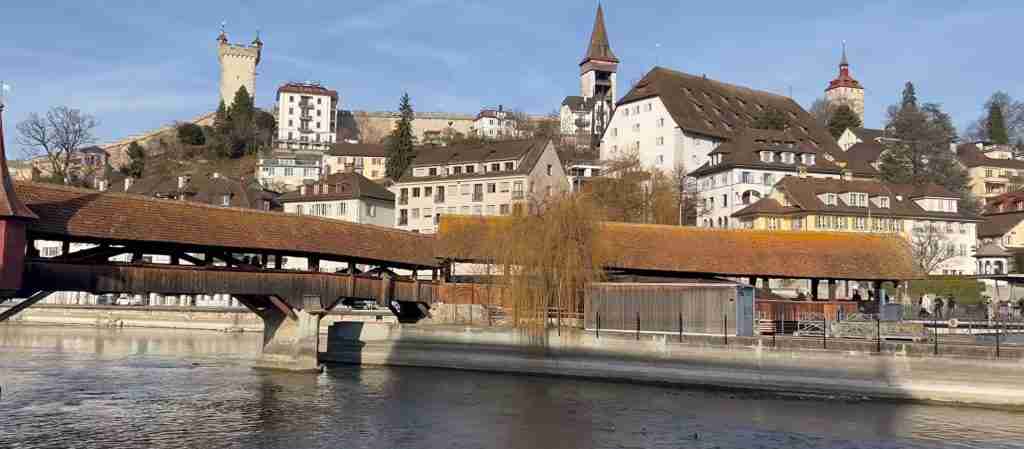
3 days
Lucerne 3-Day Discovery Tour
- ✓ Comprehensive Lucerne experience
- ✓ Expert local guides included
- ✓ All accommodation included
- ✓ Transportation provided
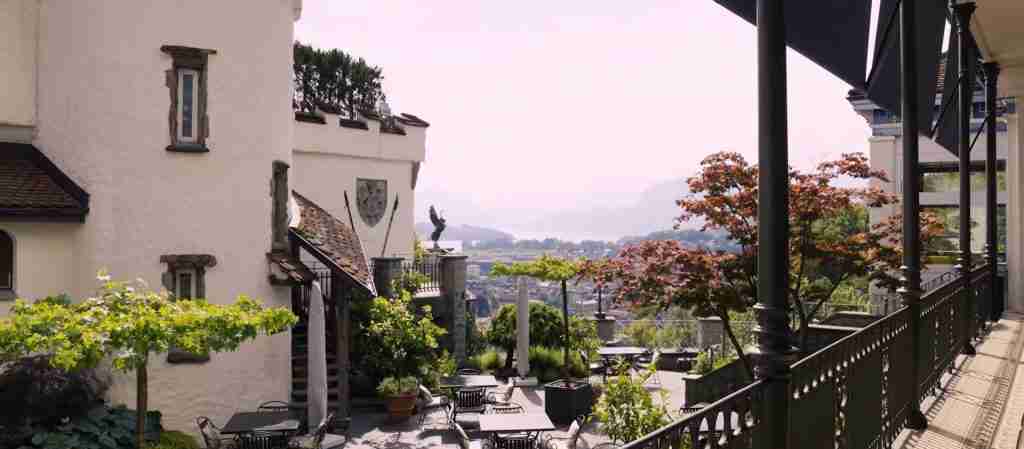
5 days
Lucerne 5-Day Highlights Experience
- ✓ Comprehensive Lucerne experience
- ✓ Expert local guides included
- ✓ All accommodation included
- ✓ Transportation provided
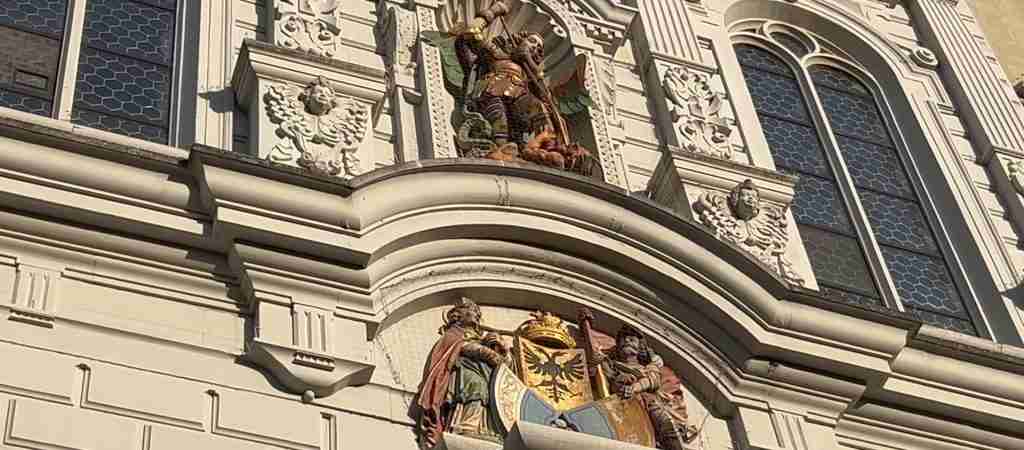
7 days
Lucerne 7-Day Cultural Journey
- ✓ Comprehensive Lucerne experience
- ✓ Expert local guides included
- ✓ All accommodation included
- ✓ Transportation provided
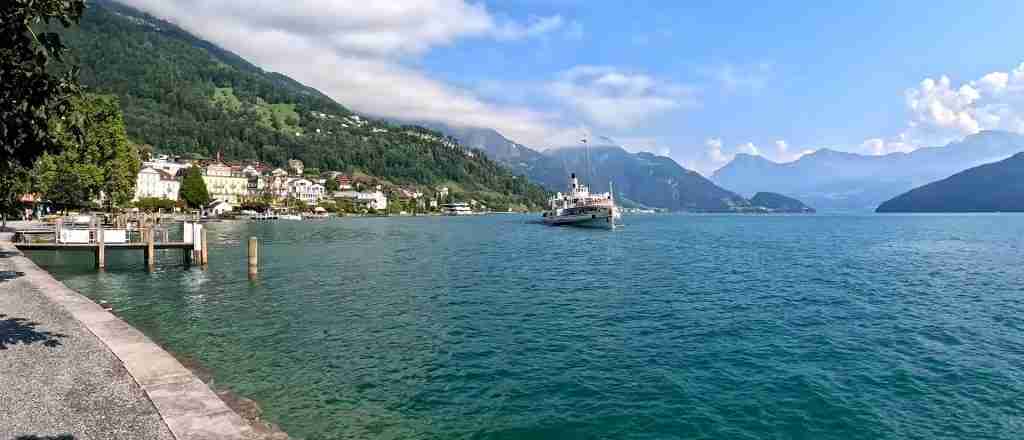
10 days
Lucerne 10-Day Complete Adventure
- ✓ Comprehensive Lucerne experience
- ✓ Expert local guides included
- ✓ All accommodation included
- ✓ Transportation provided
Multi-day tour packages powered by TourRadar. Prices and availability subject to change.
Introduction: Lucerne’s Strategic Position for Swiss Day Trips 2026
Lucerne occupies Switzerland’s geographic heart, positioning travelers within 90 minutes of the country’s most celebrated Alpine peaks, historic cities, and natural wonders through one of Europe’s most efficient railway networks. Where other Swiss cities require careful base changes to access diverse landscapes, Lucerne-based visitors board direct trains and boats reaching glacier summits, medieval capitals, and Rhine Valley vineyards before returning to the same hotel each evening. This central location eliminates the logistical complexity and packing fatigue that plague multi-city itineraries while preserving access to Switzerland’s full geographic diversity from a single comfortable base.
The dozen day trips detailed in this guide range from 45-minute train rides to urban destinations through six-hour mountain circuits combining boats, cogwheel railways, and cable cars ascending above 3,000 meters elevation. Three mountain peaks qualify as world-class destinations individually worthy of dedicated Switzerland trips: Mount Pilatus operates the world’s steepest cogwheel railway, Mount Rigi earned its “Queen of the Mountains” designation through 150 years of tourism history, and Mount Titlis maintains Switzerland’s only year-round glacier park accessible by rotating cable car. Yet all three remain viable same-day excursions from Lucerne alongside medieval Bern, cosmopolitan Zurich, and the Jungfrau region’s dramatic high-Alpine terrain.
Successful day trip planning from Lucerne in 2026 requires understanding the distinction between weather-dependent mountain excursions demanding clear visibility and all-weather urban destinations delivering value regardless of conditions. This guide provides current pricing with Swiss Travel Pass discounts clearly identified, exact transportation logistics including departure frequencies and journey durations, and strategic timing advice maximizing summit time while avoiding the mid-morning tour bus crowds that overwhelm popular Alpine destinations between 11:00 AM and 2:00 PM daily during peak season. Whether seeking dramatic Alpine landscapes, cultural immersion in Swiss cities, or efficient access to multiple UNESCO World Heritage Sites, Lucerne’s central position delivers Switzerland’s highlights without the accommodation changes that fragment most European itineraries.
Mount Pilatus: World’s Steepest Cogwheel Railway 2026
Mount Pilatus rises 2,132 meters above Lucerne delivering Switzerland’s most dramatic summit experience accessible as a half-day excursion, combining lake steamers, the world’s steepest rack railway climbing 48% gradients, and modern cable cars in a circular route departing and returning to central Lucerne within five hours. The mountain dominates Lucerne’s southern horizon, its distinctive rocky summit visible from the city center and most hotel windows, making it the natural first mountain excursion for visitors seeking immediate Alpine immersion without extended travel time.
The Golden Round Trip represents Pilatus’s signature experience in 2026, beginning with a scenic 70-minute boat cruise across Lake Lucerne from the Lucerne Bahnhofquai pier adjacent to the main railway station to Alpnachstad village on the southern lakeshore. From Alpnachstad, the historic Pilatus Railway climbs 1,635 vertical meters over 4.6 kilometers of track, its maximum 48% gradient requiring specialized rack-and-pinion technology preventing any other railway from claiming steeper inclines. The 30-minute ascent passes through Alpine meadows before transitioning to exposed rock faces, with the gradient so extreme that seating faces perpendicular to track direction, positioning passengers to look straight down the mountain during descent. The cogwheel railway operates mid-May through mid-November only, closing during winter snow conditions that would make the steep exposed trackbed dangerous.
At Pilatus Kulm summit station, visitors find multiple viewing platforms, two restaurants, and a historic hotel offering overnight stays for sunrise photography enthusiasts. The panorama extends across six Swiss cantons, 73 Alpine peaks, and Lake Lucerne’s distinctive cross-shape formed by its four arms meeting in Lucerne’s harbor. Several hiking trails descend partway down the mountain, including the 30-minute walk to Pilatus Tomlishorn at 2,132 meters marking the true summit accessible to reasonably fit visitors in hiking boots. The Dragon Path traces legendary routes where medieval residents believed dragons with healing powers resided in Pilatus’s caves, with interpretive signs explaining the folklore that kept locals away from the mountain until modern tourism arrived in the 1800s.
Descent follows the northern mountain face via the Dragon Ride cable car, a modern gondola completing the journey from Pilatus Kulm to Fräkmüntegg mid-station in eight minutes with floor-to-ceiling windows providing unobstructed views over Lucerne and surrounding peaks. From Fräkmüntegg, a second gondola descends to Kriens, a small town on Lucerne’s outskirts connected to the city center by frequent public buses completing the circular route. This routing allows experiencing both mountain faces in a single excursion impossible when ascending and descending the same route, with the Golden Round Trip deliberately sequencing boat-train-cable car to showcase changing landscapes and transportation modes.
The Silver Round Trip offers identical routing except substituting a regular train for the scenic boat between Lucerne and Alpnachstad, reducing costs approximately 20% while increasing scheduling flexibility. Regular trains depart Lucerne Hauptbahnhof every 30 minutes for the 18-minute journey to Alpnachstad, versus boats departing 3-4 times daily requiring coordination with published schedules. For time-constrained visitors or those visiting during spring and autumn when boat services reduce frequency, the Silver Round Trip delivers the same summit experience with simpler logistics. Some visitors reverse the standard routing, ascending via cable car from Kriens and descending by cogwheel train, which allows earlier summit arrival before mid-morning crowds but sacrifices the dramatic effect of approaching Pilatus’s steep southern face from lake level.
Golden Round Trip tickets cost CHF 120 ($132) for adults in 2026, with the Silver Round Trip priced at CHF 94 ($103), check pilatus.ch for current official rates as pricing may vary. Swiss Travel Pass holders receive 50% discounts on the mountain railway and cable car sections, reducing the Golden Round Trip to CHF 60 ($66) and Silver Round Trip to CHF 42 ($46), while the boat segment travels free with the pass making the Golden option more economical for pass holders than independent ticketing. The route operates year-round via cable car only during winter months when the cogwheel railway closes, with winter visitors ascending and descending entirely by cable car from Kriens side. Operating hours extend 8:30 AM through 5:30 PM during summer high season, with last ascents typically 4:00 PM allowing sufficient summit time before final descents.
Optimal timing departs Lucerne by 9:00-9:30 AM boat or 8:30 AM cable car, reaching Pilatus Kulm between 10:30-11:00 AM ahead of the mid-day tour group wave arriving after 11:30 AM. Allow 90-120 minutes at the summit for hiking, dining, and photography, descending by 1:00-2:00 PM to complete the circuit returning to Lucerne by 3:00-4:00 PM. Weather checking proves essential before committing to any mountain excursion, with pilatus.ch operating live webcams updating every few minutes showing current summit visibility and cloud conditions. Days featuring morning fog over Lucerne often clear by mid-morning at Pilatus’s 2,000+ meter elevation, making afternoon ascents viable when dawn appears unpromising, though summit temperatures remain 10-15°C cooler than city levels requiring warm layers even during summer months.
Mount Rigi: Queen of Mountains and Hiking Paradise 2026
Mount Rigi extends between Lake Lucerne, Lake Zug, and Lake Lauerz as a broad massif reaching 1,798 meters at Rigi Kulm summit, earning its “Queen of the Mountains” designation through gentler terrain and more extensive hiking trail networks compared to the dramatic rocky peaks surrounding it. Europe’s first mountain railway opened on Rigi in 1871, establishing Swiss Alpine tourism traditions that spread across the country and making Rigi historically significant beyond its scenic attributes. The mountain’s rounded profile and moderate elevation create more accessible hiking conditions than higher peaks while still delivering panoramic views spanning 13 lakes and over 600 Alpine summits from properly positioned viewpoints.
The Classic Round Trip from Lucerne begins with a scenic boat journey across Lake Lucerne to either Vitznau on the northern lakeshore or Weggis slightly westward, both villages serving as valley stations for mountain railways ascending Rigi’s slopes. Most visitors prefer the Vitznau route featuring the historic red cogwheel trains climbing directly to Rigi Kulm summit in 30 minutes, their nostalgic character and slower pace allowing better photography opportunities than modern cable cars. The Weggis alternative ascends first by aerial cable car to Rigi Kaltbad spa resort mid-station, then connects to cogwheel trains continuing to the summit, this routing allowing spa visits at Rigi Kaltbad’s mineral baths designed by renowned Swiss architect Mario Botta.
Boat departures from Lucerne’s Bahnhofquai operate hourly during summer months taking 60-75 minutes to Vitznau and 45 minutes to Weggis, with schedules coordinating to connect smoothly with mountain railway departures minimizing waiting time at lakeshore stations. During winter months boat frequency reduces to 3-4 daily sailings, though mountain railways maintain year-round operation for ski and snowshoe enthusiasts accessing Rigi’s gentle winter terrain. The boat journey itself qualifies as a highlight rather than mere transportation, passing lakeside villages including Weggis with its Mediterranean-style palm trees and Vitznau’s historic hotels where 19th century European aristocracy established Swiss mountain tourism traditions.
Rigi Kulm summit station sits just below the 1,798-meter peak, with a paved five-minute walk reaching the true summit marked by a large cross and 360-degree viewing platform. The panorama extends from Germany’s Black Forest visible on clear days to the north, across the entire Swiss Plateau dotted with cities and lakes, and south to the full Bernese Alps including Eiger, Mönch, and Jungfrau. Sunrise and sunset visits attract photographers year-round, with the historic Hotel Rigi Kulm offering overnight accommodation for those seeking dawn’s first light without the early morning logistics of traveling from Lucerne. Several mountain restaurants cluster near the summit providing traditional Swiss cuisine at typical mountain pricing CHF 18-30 ($20-33) for mains.
Rigi’s extensive trail network totals 120 kilometers across the massif, with routes suitable for all fitness levels from flat panoramic walks to steep descents through Alpine meadows. The Känzeli Lake View Trail ranks as the most popular, following gentle terrain from Rigi Kulm to the Känzeli viewpoint in 30-45 minutes with spectacular lake vistas throughout. The Flower Trail showcases Alpine botanical diversity during June and July when mountain meadows bloom with endemic species, while the classic Rigi-Scheidegg to Kräbel traverse combines 90 minutes of moderate hiking with cable car assistance for tiring segments. Winter transforms Rigi into a sledding paradise, with marked toboggan runs descending from Rigi Kulm to Kaltbad stretching seven kilometers as Switzerland’s longest illuminated night-sledding track operating until 11:00 PM during peak winter season.
The Classic Round Trip ticket combining boat and mountain railway costs CHF 123 ($135) for adults in 2026, with Swiss Travel Pass holders traveling completely free on all boats, trains, and cable cars making Rigi the most economical mountain excursion for pass holders. The mountain-only day pass excluding boats costs CHF 72 ($79) for visitors approaching by car or arriving from directions other than Lucerne. Children under 16 accompanied by parents travel free with Swiss Family Card included with most rail passes, making Rigi particularly economical for families compared to other mountain destinations charging child rates. The Rigi Day Pass allows unlimited travel on all mountain railways and cable cars throughout the operating day, enabling visitors to explore multiple stations and hiking trailheads without additional tickets.
Strategic timing begins with the 9:12 AM boat from Lucerne reaching Vitznau by 10:27 AM for immediate cogwheel train connection to Rigi Kulm, arriving at the summit by 11:00 AM ahead of peak crowds. Spending 2-3 hours at elevation allows one moderate hike plus summit time for lunch and photography before descending via the Weggis cable car route for scenic variety. The descent reaches Weggis by 2:30-3:00 PM, connecting with afternoon boats returning to Lucerne by 4:00 PM completing a leisurely full circuit. Alternatively, afternoon departures from Lucerne at 2:12 PM or 3:12 PM suit visitors seeking sunset mountain experiences, though boat schedules reduce after 5:00 PM requiring attention to final departure times to avoid being stranded at mountain stations.
Weather flexibility proves easier on Rigi than higher peaks thanks to lower elevation and less exposure to dramatic Alpine weather patterns. Fog occasionally blankets Lake Lucerne while Rigi’s summit remains clear above the clouds, creating surreal “sea of clouds” conditions popular with photographers. The mountain’s gentle terrain and extensive indoor facilities including heated railway stations and multiple restaurants make it suitable for visiting in marginal weather conditions that would compromise experiences on more exposed peaks like Pilatus. Live webcams at rigi.ch show current conditions from multiple mountain stations, allowing informed decisions before beginning the journey.
Jungfraujoch: Top of Europe High Alpine Experience 2026
Jungfraujoch reaches 3,454 meters elevation as Europe’s highest railway station, providing access to permanent glaciers, high-Alpine terrain, and the Aletsch Glacier stretching 23 kilometers as the Alps’ longest ice river visible from Jungfraujoch’s viewing platforms. The railway station itself represents a remarkable engineering achievement, with most of the route tunneling through solid rock inside the Eiger and Mönch mountains, the final seven kilometers traveling entirely underground before emerging at the summit complex. This iconic Swiss destination requires substantial commitment from Lucerne visitors with total journey time reaching 10-12 hours including minimum four hours at elevation to justify the considerable expense and logistics, making it suitable primarily for travelers spending multiple days in Lucerne or those willing to dedicate an entire day to this single excursion.
The journey begins with hourly trains departing Lucerne for the two-hour scenic ride to Interlaken Ost station, passing through the Golden Pass route via Brünig Pass with views over Lake Lungern and the surrounding Bernese Oberland peaks. From Interlaken Ost, the route splits with two options ascending to Jungfraujoch: the modern Eiger Express cable car route via Grindelwald completing the ascent in approximately 90 minutes, or the classic cogwheel railway via Lauterbrunnen and Kleine Scheidegg requiring two hours but traveling through more traditional Alpine scenery. The Eiger Express opened in 2020 as a modern efficient alternative, featuring state-of-the-art gondolas ascending from Grindelwald Terminal directly to Eigergletscher station in 15 minutes, eliminating the previous requirement for two train changes at Grindelwald and Kleine Scheidegg.
Most first-time visitors choose the classic routing ascending via Lauterbrunnen and descending via Grindelwald to experience both mountain faces, though reverse sequencing works equally well. The Lauterbrunnen route departs Interlaken Ost traveling 20 minutes through the flat valley floor before beginning the steep ascent past Wengen resort to Kleine Scheidegg station at 2,061 meters, a scenic mountain pass offering the first dramatic views of the Eiger North Face rising 1,800 meters directly above the station. From Kleine Scheidegg, the famous Jungfrau Railway begins its final ascent, traveling mostly through tunnels carved inside the Eiger and Mönch with two brief stops at stations blasted inside the mountain providing windows overlooking the 1,800-meter vertical Eiger North Face.
Jungfraujoch summit complex features multiple levels connected by elevators and corridors, with the main attractions including the Sphinx Observatory reached by high-speed elevator ascending to an outdoor terrace at 3,571 meters providing 360-degree panoramas across the Bernese Alps. The Aletsch Glacier stretches southwest from this viewpoint, its massive ice flow descending from Jungfraujoch’s saddle through the valley below creating dramatic crevasse patterns visible from the elevated position. The Ice Palace tunnels 30 meters below the glacier surface through carved corridors and chambers decorated with ice sculptures, maintaining year-round temperatures around -3°C requiring warm clothing even during summer visits. The Plateau terrace provides at-grade outdoor access to permanent snow allowing summer snowball fights and sledding using rental equipment available at the summit.
Summit facilities include two restaurants serving full meals CHF 20-35 ($22-38) and several snack bars offering lighter options CHF 10-18 ($11-20), plus extensive souvenir shops and a chocolate shop demonstrating Lindt chocolate production. The Swiss flag photo opportunity at the outdoor terrace remains the most popular, requiring patience during busy periods as hundreds of visitors queue for the same shot. Altitude effects manifest at 3,454 meters with reduced oxygen levels approximately 65% of sea level concentration, causing shortness of breath and mild headaches in unacclimatized visitors, particularly those ascending rapidly from Lucerne’s 435-meter elevation. Walking slowly and avoiding vigorous activity for the first 30 minutes at altitude allows most visitors to adapt without serious discomfort.
Round-trip tickets from Interlaken to Jungfraujoch cost CHF 240-260 ($264-286) depending on season in 2026, with peak-season rates May-October and slightly reduced prices November-April, check jungfrau.ch for current official rates. Mandatory seat reservations cost an additional CHF 10 ($11) per person during the peak May-October period, guaranteeing space on specific trains up and down. Swiss Travel Pass holders receive 25% discounts reducing the Interlaken-Jungfraujoch segment to approximately CHF 177 ($194), while traveling free between Lucerne and Interlaken, making the total excursion cost around CHF 187 ($205) versus CHF 300+ ($330+) for independent travelers. The Tell Pass and Berner Oberland Pass offer similar discounts for regional travel.
A complete Jungfraujoch day trip from Lucerne follows this timeline: depart Lucerne by 7:00-7:30 AM train, reach Interlaken Ost by 9:00-9:30 AM, board mountain railway by 9:30 AM, arrive Jungfraujoch by 11:30 AM-12:00 PM, remain at summit until 2:30-3:00 PM allowing four hours at elevation, begin descent by 3:00 PM, reach Interlaken by 5:00-5:30 PM, board return train to Lucerne by 6:00 PM, arrive Lucerne by 8:00 PM completing a 13-hour excursion. This demanding schedule explains why many visitors base themselves in Interlaken rather than Lucerne specifically to access Jungfraujoch with less transit time, though Lucerne-based travelers willing to commit a full day find the excursion viable with proper planning and early starts.
Weather criticality reaches maximum importance for Jungfraujoch visits given the substantial expense and journey time potentially wasted during poor visibility. The jungfrau.ch website operates multiple summit webcams updating every 10 minutes showing current conditions, while weather forecasts specifically for 3,500-meter elevations appear on meteoswiss.ch providing more accurate predictions than standard city forecasts. Cloud formations change rapidly in high Alpine environments, making morning checks insufficient for afternoon conditions, though statistical patterns show early morning typically providing clearest visibility before afternoon clouds develop. Winter visits encounter more stable weather patterns with extended high-pressure periods creating days of perfect visibility, though extreme cold temperatures -15 to -25°C require serious winter clothing even inside the partially-heated summit complex.
Interlaken and Bernese Oberland Exploration 2026
Interlaken functions as the gateway to the Bernese Oberland’s dramatic Alpine landscape, positioned between Lake Thun and Lake Brienz with the Jungfrau, Mönch, and Eiger massif creating a spectacular southern backdrop visible from the town’s main street. While Interlaken itself offers limited historic attractions beyond its role as a 19th-century resort town, its strategic position provides access to multiple Alpine valleys, mountain railways, and scenic villages justifying a full-day excursion from Lucerne for visitors seeking varied Bernese Oberland experiences beyond single-destination mountain visits. The town serves as a major transportation hub with trains departing every 30 minutes to Lauterbrunnen, Grindelwald, and other mountain destinations, making it possible to explore multiple locations in one day using Interlaken as a central transfer point.
The Luzern-Interlaken Express operates hourly direct services departing Lucerne for the scenic two-hour journey over Brünig Pass, passing five Alpine lakes including the photogenic Lake Lungern surrounded by steep mountain walls and the turquoise Lake Brienz stretching 14 kilometers along the final approach to Interlaken. This railway ranks among Switzerland’s most scenic short routes, with panoramic windows in modern rolling stock specifically designed for sightseeing rather than commuter efficiency. The route reaches maximum elevation at Brünig Pass before descending through a series of tunnels emerging along Lake Brienz’s northern shore, the train hugging cliffs high above the lake with continuous water views during the final 30 minutes approaching Interlaken Ost station.
Interlaken offers two main stations: Interlaken Ost serving mountain railways to Grindelwald and Lauterbrunnen, and Interlaken West connecting to Thun, Bern, and western Switzerland. The town center stretches between these stations along Höheweg promenade, a pedestrian-friendly street lined with hotels, restaurants, and outdoor outfitters selling hiking gear and Swiss souvenirs. The Höhematte park occupies central space preserving open meadows for unobstructed views toward the Jungfrau massif, popular for paragliding landing zones and summer evening concerts. Harder Kulm funicular ascends from town center to a scenic viewpoint 1,322 meters above Interlaken, requiring 10 minutes uphill travel for panoramic overlooks across both lakes with the Alpine backdrop, tickets cost CHF 36 ($40) return and the attraction operates year-round weather permitting.
Grindelwald village sits 30 minutes by train from Interlaken at the base of the Eiger North Face, its dramatic mountain backdrop making it Switzerland’s most photographed Alpine village and a popular independent destination for hiking, skiing, and mountain railway excursions. The Grindelwald-First cable car ascends to First summit at 2,168 meters offering hiking trails, mountain restaurants, and adventure activities including a cliff walk and mountain cart descents, though accessing First adds CHF 64 ($70) for the cable car beyond basic train travel from Interlaken. Lauterbrunnen valley extends south from Interlaken as a U-shaped glacial valley famous for its 72 waterfalls cascading from vertical cliffs including Staubbach Falls plunging 297 meters as Switzerland’s third-highest free-falling waterfall visible from Lauterbrunnen village’s main street.
A strategic day trip from Lucerne combines Interlaken with one mountain destination rather than attempting multiple Alpine locations, allowing proper time at elevation while still experiencing Interlaken’s resort atmosphere. One effective routing departs Lucerne by 8:00 AM, reaches Interlaken by 10:00 AM for two hours exploring Höheweg and ascending Harder Kulm, travels onward to Grindelwald for late lunch and village exploration, then returns through Interlaken by 5:00 PM for the direct train back to Lucerne arriving by 7:00 PM. This itinerary requires Swiss Travel Pass or Berner Oberland Pass to manage multiple mountain railways economically, as individual tickets for each segment total CHF 90-120 ($99-132) versus pass coverage.
Independent train travel costs CHF 30 ($33) one-way from Lucerne to Interlaken in 2026, with return fares doubling to CHF 60 ($66) for standard tickets. Swiss Travel Pass holders travel free on this route, making Interlaken an attractive day trip for pass holders seeking scenic train journeys and flexible exploration without additional expense. The Luzern-Interlaken Express operates with normal InterRegio rolling stock rather than premium panoramic carriages, though the route’s scenic quality remains exceptional through standard windows. Some trains feature special GoldenPass branding continuing beyond Interlaken toward Montreux, though the Lucerne-Interlaken segment travels on conventional track rather than the narrow-gauge sections requiring different rolling stock west of Interlaken.
Weather considerations for Interlaken differ from high-mountain destinations since the town sits at 568 meters elevation below the worst Alpine weather patterns. Rain and clouds affect the town regularly, though surrounding mountains may remain clear above the weather inversion layer, making weather-checking at specific destination elevations more important than Interlaken’s town-level conditions. The strategy of traveling to Interlaken as a base for evaluating mountain weather and choosing destinations the same morning based on webcam visibility works well for flexible travelers, as mountain railways depart every 30 minutes throughout the day allowing spontaneous decisions rather than advance reservations. This approach wastes no time or expense if conditions prove unsuitable for high-elevation excursions, as Interlaken itself and lower-elevation valleys like Lauterbrunnen remain attractive during partial weather.
Mount Titlis and Engelberg Alpine Resort 2026
Mount Titlis reaches 3,238 meters as central Switzerland’s highest accessible summit, featuring year-round glacier access via the world’s first rotating cable car completing 360-degree turns during the final five-minute ascent from Trübsee mid-station. The mountain distinguishes itself from Pilatus and Rigi through extreme elevation allowing permanent snow and ice conditions enabling summer skiing, the Titlis Cliff Walk suspension bridge extending 100 meters across a 500-meter vertical drop as Europe’s highest pedestrian bridge, and the Ice Flyer chairlift gliding directly over glacier surfaces providing intimate perspectives impossible from enclosed cable cars. Engelberg village at the mountain’s base functions as a full resort town with medieval monastery, cheese dairy, and independent attractions justifying extended stays beyond simple cable car ascents.
Reaching Titlis from Lucerne requires first traveling to Engelberg by regional train departing hourly from Lucerne Hauptbahnhof for the scenic 48-minute journey through the Sarner valley and over a low pass entering the high valley where Engelberg spreads across flat terrain surrounded by vertical mountain walls. The train journey itself ranks among Switzerland’s most attractive short routes, following Lake Sarner’s eastern shore before climbing through forests emerging at Engelberg’s 1,000-meter elevation with dramatic views toward Titlis’s glacier-covered mass dominating the valley head. From Engelberg station, the valley station for Titlis cable cars sits 10 minutes away by foot through the village, or free shuttle buses operate every 20 minutes coordinated with train arrivals.
The cable car system ascends in three stages beginning with a modern eight-passenger gondola from Engelberg valley station to Trübsee at 1,800 meters, requiring 20 minutes travel time with intermediate stop at Gerschnialp. Trübsee station provides the first high-Alpine experience with an emerald mountain lake popular for summer swimming despite frigid temperatures, several restaurants, and winter toboggan runs when snow covers the area November through April. The second stage uses a larger aerial cable car ascending from Trübsee to Stand at 2,450 meters, this segment providing increasingly dramatic glacier views as the cable crosses steep exposed terrain where avalanche protection galleries shield the cable supports. The final stage features the famous Rotair rotating cable car, its floor rotating continuously during the five-minute ascent allowing passengers to experience full 360-degree panoramas without moving their position, reaching Titlis summit station at 3,020 meters.
The summit complex clusters multiple attractions within the climate-controlled main building and surrounding glacier terrain. The Glacier Cave descends below the ice surface through a 150-meter tunnel carved into permanent glacier ice, illuminated with blue lights enhancing the surreal environment and displaying ice formations impossible to witness from surface level. The Ice Flyer chairlift departs from the summit building traveling low over the glacier surface with legs dangling just meters above crevasses and snow fields, the 10-minute round-trip providing intimate glacier perspectives and access to Glacier Park featuring snow tubing and other winter sports activities operating year-round thanks to permanent snow coverage. The Cliff Walk suspension bridge extends from the summit station across a vertical rock face to a far platform, the 100-meter span suspended with cables minimizing the bridge deck creating the sensation of walking through empty air with 500-meter vertical drops visible through metal grating beneath your feet.
Multiple restaurants serve visitors from simple cafeterias to the Panorama Restaurant offering table service with glacier views through floor-to-ceiling windows. Prices reflect extreme elevation logistics with basic sandwiches CHF 12 ($13) and hot meals CHF 20-32 ($22-35), though the convenience of avoiding descent for lunch justifies the premium for most visitors. An outdoor terrace allows experiencing the -5 to +5°C summit temperatures depending on season, with proper winter clothing essential even during July and August when Lucerne swelters in 30°C heat. Altitude effects prove less severe than Jungfraujoch’s 3,454 meters, though rapid ascent from Engelberg’s 1,000 meters to Titlis’s 3,020 meters in just 45 minutes leaves insufficient acclimatization time for sensitive individuals.
Cable car tickets from Engelberg to Titlis summit cost CHF 92 ($101) for adults in 2026 including the Ice Flyer chairlift, with separate Ice Flyer tickets available for CHF 12 ($13) if traveling with passes excluding this segment, check titlis.ch for current official rates. Swiss Travel Pass holders receive 50% discounts on the entire cable car journey reducing total costs to approximately CHF 46 ($51), making Titlis economical for pass holders though not free like Mount Rigi. The Lucerne Travel Pass covers Titlis completely including all cable car stages and Ice Flyer, though this specialized pass suits primarily travelers spending 4-7 days in the Lucerne region completing multiple mountain excursions. Operating hours extend 8:30 AM through 5:00 PM during summer high season with last ascents typically 4:00 PM, while winter hours reduce to 9:00 AM through 4:00 PM during December through March.
A complete day trip from Lucerne follows this schedule: depart Lucerne by 8:00 AM train, arrive Engelberg by 8:48 AM, walk or shuttle to cable car by 9:00 AM, reach Titlis summit by 10:00 AM, spend 2-3 hours at elevation for glacier activities and cliff walk, descend by 1:00 PM, explore Engelberg village including monastery and cheese dairy until 3:00 PM, return to Lucerne by 4:00 PM completing a full but manageable eight-hour excursion. The earlier start compared to Pilatus reflects Titlis’s longer access time requiring the train journey versus Pilatus’s boat departure directly from Lucerne waterfront, though the extra logistics deliver access to higher elevation, permanent glaciers, and year-round winter sports impossible on lower peaks.
Weather checking at titlis.ch shows multiple webcams including one inside the rotating cable car providing real-time visibility conditions before beginning the journey. Titlis’s extreme elevation creates weather independent from valley conditions, with Engelberg experiencing rain while the summit remains clear above clouds, though inverse situations occur when high-altitude storms shroud peaks while valleys stay sunny. The rotating cable car and Ice Flyer operate in most conditions but close during extreme winds exceeding 100 km/h, announcements appearing on the website when any attractions shut down. Winter visits encounter the most stable weather patterns with high-pressure periods creating weeks of perfect visibility, though summit temperatures regularly drop below -15°C requiring serious cold-weather gear beyond what most tourists pack for Swiss city travel.
Bern: Switzerland’s Medieval Capital Day Trip 2026
Bern functions as Switzerland’s capital city and home to the federal government while preserving its UNESCO-listed medieval Old Town built on a peninsula carved by the Aare River’s dramatic bend creating natural defensive boundaries that shaped the city’s compact historic core. The entire Old Town earned World Heritage designation in 1983 based on its extraordinary preservation of medieval urban planning, with six kilometers of arcaded walkways protecting pedestrians from weather while connecting shops, restaurants, and civic buildings continuously since the 1400s. This covered infrastructure makes Bern Switzerland’s premier rainy-day destination from Lucerne, delivering full-day exploration regardless of weather conditions that would compromise mountain excursions.
Trains depart Lucerne hourly for the direct 60-minute journey to Bern Hauptbahnhof, Switzerland’s most efficient intercity route thanks to recently upgraded track allowing sustained speeds above 160 km/h across the relatively flat terrain between the two cities. Standard one-way tickets cost CHF 32 ($35) in 2026, with Swiss Travel Pass holders traveling free making Bern an economical addition to any Switzerland itinerary including the pass. The Hauptbahnhof sits just outside the Old Town’s eastern edge, requiring only five minutes walking to reach the Zytglogge clock tower marking the Old Town’s primary landmark and central navigation point. Trains operate from 6:00 AM through 11:00 PM enabling flexible day trip scheduling from early morning departures through late evening returns, unusual flexibility compared to mountain excursions constrained by cable car operating hours.
The Zytglogge astronomical clock tower rises from the main street crossing the Old Town’s spine, its elaborate 1530 mechanism performing hourly shows with mechanical figures parading before the clock face four minutes before each hour. The interior tour accessed through timed tickets reveals the medieval clockwork still functioning after 500 years, though English tours operate only twice daily requiring advance booking during summer months. From the Zytglogge, the UNESCO-protected streets extend west toward the Federal Parliament building and cathedral, with the covered arcades preserving dry walking regardless of weather while showcasing Swiss specialty shops, chocolatiers, cheese merchants, and watch boutiques interspersed with modern retail.
The Bundeshaus (Federal Parliament) offers free guided tours when parliament sessions allow, its Renaissance Revival architecture housing Switzerland’s unique political system where even the president serves as merely first among equals within the seven-member Federal Council. The building’s prominent riverside position with terrace overlooking the Aare River provides one of Bern’s most photographed views, particularly effective during evening light when the river’s turquoise color intensifies. The adjacent Bundesplatz hosts twice-weekly farmers markets Tuesday and Saturday mornings featuring regional produce, cheeses, and prepared foods, these markets providing authentic Swiss cultural experiences away from tourist-focused venues.
Bern Historical Museum ranks among Switzerland’s most important institutions, combining medieval artifacts, cultural exhibitions, and the attached Einstein Museum documenting the physicist’s Bern years when he developed relativity theory while working in the city’s patent office. Admission costs CHF 16 ($18) for combined access to both museums, requiring 2-3 hours to explore properly. The Zentrum Paul Klee designed by architect Renzo Piano houses the world’s largest collection of Paul Klee’s works in a modern structure outside the Old Town, accessible by direct tram from Bern station in 15 minutes, admission CHF 20 ($22). The Bern Cathedral (Münster) rises as Switzerland’s tallest church tower at 100 meters, with the climb to the viewing platform costing CHF 6 ($7) and providing panoramic overlooks across the medieval roofscape and surrounding Alps when visibility permits.
The BärenPark (Bear Park) sits below Old Town along the Aare River providing modern naturalistic habitats for Bern’s heraldic symbol, the bears that give the city its name and appear on its coat of arms. Admission remains free with viewing platforms above the riverside habitat allowing observation of the resident bears year-round except during winter hibernation when the park closes temporarily. The Rosengarten (Rose Garden) occupies hillside terrain on the Old Town’s opposite bank, its 220 rose varieties creating impressive displays from June through September while the elevated position delivers Bern’s most scenic cityscape photography angles with the medieval core, cathedral spire, and Alps forming layered backgrounds.
A strategic full-day itinerary departs Lucerne by 8:00-9:00 AM, arrives Bern by 9:00-10:00 AM, explores the Old Town arcades for two hours visiting Zytglogge and browsing shops, tours the Bern Historical Museum with Einstein Museum through early afternoon, crosses to Rosengarten for cityscape photography and coffee, returns to Old Town for late lunch at traditional restaurants serving Bernese specialties CHF 22-35 ($24-38), then explores the Federal Parliament area and riverside walks before departing Bern by 6:00-7:00 PM arriving back in Lucerne by 7:00-8:00 PM. This relaxed pace allows proper absorption of Bern’s atmosphere without the rushed feel compromising many day trips, while the covered arcades enable the same routing during rain that would devastate mountain excursions.
Dining in Bern showcases Bernese Oberland regional cuisine distinct from German Swiss standards found in Zurich, with specialties including Berner Platte (mixed meat platter with local sausages), Älplermagronen (Alpine-style macaroni with cheese and onions), and Meringue with double cream originating in nearby Meiringen village. Restaurant prices align with Swiss urban standards at CHF 22-38 ($24-42) for main courses in tourist areas, with marginally lower costs in residential neighborhoods away from the Old Town core. The covered arcades house numerous cafes offering pastries and coffee CHF 6-10 ($7-11) providing rest stops during extended walking tours.
Zurich Cosmopolitan Swiss Metropolis Half-Day Trip 2026
Zurich functions as Switzerland’s largest city and primary international gateway while maintaining its historic core along the Limmat River, the combination of medieval architecture, contemporary culture, and efficient public transport making it accessible as a half-day excursion from Lucerne despite its substantial urban scale. The 45-minute direct train connection operates every 30 minutes from early morning through late evening, enabling morning departures for full-day exploration or afternoon visits focusing on Zurich’s concentrated downtown area between the Hauptbahnhof and Lake Zurich waterfront. This route carries Switzerland’s highest passenger volume creating the country’s most frequent intercity service ideal for spontaneous travel without schedule constraints.
Trains depart Lucerne for Zurich following the northern lakeshore briefly before cutting inland across agricultural lowlands, reaching sustained speeds above 160 km/h on Switzerland’s fastest conventional railway corridor. Standard tickets cost CHF 26 ($29) one-way in 2026, with Swiss Travel Pass holders traveling free making this route economical for pass owners exploring multiple Swiss cities. The journey time’s brevity relative to the cities’ size makes Zurich viable for partial-day visits impossible with more distant destinations, allowing morning departures from Lucerne returning by afternoon or late-day trips for evening dining and culture returning to Lucerne by 10:00-11:00 PM on the last trains.
Zurich Hauptbahnhof ranks as Europe’s busiest railway station by daily train movements, its central position placing visitors at the head of Bahnhofstrasse within seconds of exiting platforms. This famous shopping street extends 1.4 kilometers from the station to Lake Zurich’s waterfront as one of the world’s most expensive retail districts, with luxury boutiques, watch dealers, and Swiss brands lining the pedestrian-friendly avenue interspersed with modern tram lines. Walking the full length requires 15-20 minutes of steady pace, though window shopping and boutique browsing easily extends this to two hours given the concentration of Swiss luxury goods unavailable at Lucerne’s smaller scale.
The Altstadt (Old Town) spreads across both banks of the Limmat River with medieval guildhalls, churches, and narrow alleys climbing hillsides from the water’s edge. The east bank Niederdorf quarter remains the most atmospheric with cobblestone streets, traditional restaurants, and night life venues creating energy particularly during evening hours. The Grossmünster cathedral rises on the east bank as Zurich’s most recognizable landmark, its twin towers accessible for CHF 5 ($6) delivering city panoramas from the tower galleries. The west bank Lindenhof quarter occupies higher terrain with Roman ruins, the Lindenhof viewpoint park, and luxury residential streets climbing steep grades above the commercial core.
The Kunsthaus Zurich houses Switzerland’s most important art collection beyond Basel, with particular strengths in Swiss artists including Ferdinand Hodler, Alberto Giacometti, and contemporary works spanning modernism through present day. Admission costs CHF 23 ($25) with the museum requiring 2-3 hours for basic collection coverage. The Swiss National Museum occupies a castle-like structure immediately adjacent to the Hauptbahnhof, its exhibits covering Swiss cultural history from prehistoric settlements through modern confederation, admission CHF 13 ($14). Lake Zurich’s waterfront provides summer promenade space with public beaches, boat docks for lake cruises, and numerous outdoor restaurants creating Mediterranean atmosphere during warm months.
Food and dining in Zurich spans the full range from global cuisine reflecting the city’s international character to traditional Swiss restaurants preserving regional recipes. The Zeughauskeller occupies a former arsenal building near Paradeplatz serving hearty Swiss German specialties CHF 25-40 ($28-44) in a historic hall atmosphere. Kronenhalle remains Zurich’s most famous traditional restaurant with original artworks by Chagall, Picasso, and Miro decorating dining rooms, main courses CHF 45-75 ($50-82) reflecting its reputation and location on Bellevueplatz. The Niederdorf quarter offers casual options including fondue restaurants, international cuisine, and budget-friendly cafes CHF 18-30 ($20-33) suitable for lunch during day trips.
A strategic Zurich half-day trip departs Lucerne by 9:00 AM arriving Zurich 9:45 AM, walks Bahnhofstrasse to the lake by 11:00 AM, explores the Altstadt and Grossmünster until 1:00 PM, lunches in Niederdorf by 2:00 PM, then departs Zurich by 3:00-4:00 PM reaching Lucerne by 4:00-5:00 PM completing a six-hour excursion. This abbreviated schedule captures Zurich’s highlights without the museum time or extended exploration possible during overnight stays, though the frequent train service enables travelers to extend stay spontaneously if initial impressions warrant additional hours. The alternative of afternoon/evening visits departs Lucerne 3:00-4:00 PM, arrives Zurich for early dinner and evening atmosphere in Niederdorf, returns on the 10:00-11:00 PM trains reaching Lucerne by midnight for a sophisticated urban evening away from Alpine settings.
Rhine Falls: Europe’s Largest Waterfall Excursion 2026
Rhine Falls cascades 23 meters over 150-meter width as Europe’s most powerful waterfall measured by volume, discharging average 373 cubic meters per second through the falls year-round with spring snowmelt peaks reaching 700 cubic meters per second creating thunderous displays impossible at taller but narrower cascades. The falls sit near Schaffhausen in Switzerland’s far north requiring 90 minutes travel from Lucerne combining trains and short bus connections, though the site’s dramatic power and accessibility from multiple viewing platforms justifies the journey for visitors seeking natural spectacles beyond mountain peaks. The attraction operates year-round with facilities remaining open during winter when ice formations create otherworldly additions to the normal water dynamics.
Reaching Rhine Falls requires first traveling from Lucerne to Zurich by direct train taking 45 minutes, then transferring to regional services continuing north toward Schaffhausen with a final stop at Neuhausen am Rheinfall station situated 5 minutes walking from the falls’ southern viewing areas. Total journey time reaches 90-100 minutes depending on connections, with hourly service patterns throughout the day making schedule coordination straightforward. Return routing follows the same pattern enabling visitors to remain at the falls for 2-3 hours while still completing the full excursion in 6-7 hours total including all transportation. Standard train tickets cost CHF 36 ($40) one-way from Lucerne requiring CHF 72 ($79) return fare, while Swiss Travel Pass holders travel free on all segments making this excursion economical for pass owners despite the extended routing.
The falls divide into several channels by rocky outcrops and islands, with the most dramatic water flow concentrated in the central basin where the main river volume plunges creating a permanent mist cloud visible from kilometer distances. Two castles occupy opposite banks: Schloss Laufen on the south bank provides elevated platforms directly above the falls’ basin offering the most dramatic perspectives, while Schlössli Wörth on the north bank sits at lower elevation with boat dock access for waterfall basin cruises. The admission fee structure charges separately for castle grounds and boat tours, with Schloss Laufen panorama deck costing CHF 5 ($6) and boat cruises to the central rock basin adding CHF 8-15 ($9-16) depending on route length.
Multiple viewing platforms enable varied perspectives impossible from single vantage points. The Känzeli platform at Schloss Laufen extends over the falls’ edge placing visitors in the spray zone with water passing directly below the steel and glass platform, creating immersive experiences rivaling any European waterfall. The Fischnetz platform follows a suspended walkway across the cliff face at water level providing side views showing the power dynamics as rapids concentrate flow into the main basin. The central rock basin accessed by tour boats allows standing at the falls’ heart surrounded by water crashing from multiple directions, the boats approaching within meters of the main cascade before pausing for photograph opportunities with passengers thoroughly soaked despite provided rain ponchos.
A belvedere path encircles the falls connecting both banks via a railway bridge upstream enabling visitors to experience north and south perspectives during single visits. The northern Schlössli Wörth offers adventure park attractions including a zip line across the river above the falls CHF 10 ($11) and children’s playground facilities making it family-focused, while the southern Schloss Laufen targets serious photographers and waterfall enthusiasts seeking optimal perspectives. Both sides feature restaurants with terrace seating overlooking the cascade, standard Swiss prices CHF 18-32 ($20-35) for mains though the dramatic setting justifies the premium over off-site dining.
Optimal visiting occurs during spring snowmelt May through June when discharge rates peak creating maximum power displays, though summer months maintain sufficient flow for impressive visits. Winter flow reduces to 250 cubic meters per second minimum creating more exposed rock formations and occasional ice structures forming in the spray zone, these ice sculptures photographing dramatically during subfreezing conditions. The site’s relatively low 400-meter elevation ensures access regardless of Alpine weather affecting mountain excursions, making Rhine Falls an excellent alternative during storms closing high-elevation destinations.
The town of Schaffhausen lies 4 kilometers north of the falls connected by frequent local buses, its medieval Old Town featuring elaborate oriel windows and painted building facades worth exploring if time permits after falls visits. The journey from Neuhausen am Rheinfall station to Schaffhausen requires 10 minutes by bus or 35 minutes walking along a riverside path making it viable for travelers seeking urban exploration alongside natural attractions. Schaffhausen offers additional museums and historic sites filling 1-2 hours, extending the Rhine Falls excursion into a full-day outing combining natural and cultural elements.
Basel Art and Architecture City Exploration 2026
Basel occupies Switzerland’s northwest corner at the Rhine River’s major bend where Switzerland, Germany, and France converge, this tri-national position creating unique cultural influences distinguishing Basel from German Swiss cities while its status as Switzerland’s art capital hosting Art Basel and maintaining over 40 museums makes it exceptional for visitors seeking world-class cultural institutions beyond Zurich’s commercial focus. The Rhine flowing through Basel’s center creates natural divisions between Grossbasel (Greater Basel) containing the historic Old Town and museum quarter, and Kleinbasel (Lesser Basel) hosting the contemporary art district and waterfront promenades popular for summer swimming in the swift Rhine current.
Direct trains depart Lucerne for Basel SBB station every hour requiring 65-75 minutes travel across the Swiss Plateau’s northwestern section, with morning departures typically completing the journey in 65 minutes while afternoon services occasionally extend to 75 minutes due to intermediate stops at smaller stations. Standard one-way tickets cost CHF 35 ($38) in 2026, while Swiss Travel Pass holders travel free making Basel economical for pass owners seeking Swiss cities beyond tourist-focused mountain destinations. Basel SBB station sits in the southern city limits requiring 10-minute tram rides to reach the Old Town core and museum quarter, though the station itself functions as Switzerland’s major rail crossing point with France and Germany creating interesting transit dynamics including foreign rail services sharing platforms with Swiss trains.
The Kunstmuseum Basel ranks as Switzerland’s most important art museum, housing the world’s oldest public art collection dating to 1661 alongside comprehensive holdings spanning Renaissance masters through contemporary installations. The museum occupies two buildings: the main Kunstmuseum on St. Alban-Graben houses Old Masters including Holbein’s collection, while the new Neubau wing across the street focuses on contemporary and modern art. Combined admission costs CHF 26 ($29) with both buildings requiring 3-4 hours for proper coverage given the collection’s depth. The Fondation Beyeler in nearby Riehen suburb showcases Impressionist and Modern masters in a building designed by Renzo Piano, requiring 25 minutes by tram from Basel center with admission CHF 30 ($33), the museum consistently ranking among Europe’s finest small collections.
The Old Town centers on the Marktplatz with its bright red sandstone Rathaus (City Hall) featuring elaborate Renaissance frescoes and tower accessible for city views. The Basel Münster (cathedral) rises above the Rhine on the Pfalz terrace, its 800-year-old Romanesque and Gothic architecture creating Basel’s most recognizable landmark visible from multiple city angles. The Pfalz terrace provides Rhine panoramas and summer gathering space popular with locals watching river traffic and sunset. The Mittlere Brücke (Middle Bridge) connects both river banks as Basel’s oldest bridge continuously occupied since 1225, its central position making it the natural division between upstream and downstream Rhine districts.
Basel’s Museum of Cultures holds exceptional ethnographic collections, the Fondation Beyeler Riehen Modern art facility remains architecturally significant beyond its collection, and the Vitra Design Museum located just across the German border in Weil am Rhein showcases contemporary design and architecture in buildings designed by Frank Gehry and other major architects. This museum density creates overwhelming choices for single-day visits requiring advance planning to identify priority institutions rather than attempting comprehensive coverage impossible without multiple days. The Basel Card sold at tourist offices provides unlimited public transport and museum discounts for CHF 35 ($38) per day, economical for visitors planning multiple museum entries during single-day visits.
Basel’s dining reflects Swiss, German, and French influences given its border position, with specialties including Basler Läckerli spiced cookies sold in historic shops, extensive outdoor dining along both Rhine banks during summer, and upscale restaurants serving regional specialties CHF 28-48 ($31-53). The Kleinbasel district offers more casual international cuisine and nightlife venues popular with younger crowds and students attending Basel University. Rhine swimming culture during summer months sees Basel residents floating downstream in waterproof bags called Wickelfisch, joining the current for 30-minute drifts from upstream points to downtown exits where changing facilities wait, this local tradition creating distinctive summer atmosphere unavailable during cooler months.
A strategic Basel day trip departs Lucerne by 8:00 AM, arrives Basel 9:00 AM, visits the Kunstmuseum until noon, lunches near Marktplatz by 1:00 PM, explores the Old Town and Münster through mid-afternoon, walks Rhine promenades, then departs Basel by 5:00-6:00 PM arriving Lucerne by 6:00-7:00 PM completing a full but achievable 10-11 hour excursion. This schedule accommodates one major museum plus Old Town exploration fitting Basel’s scale as a secondary city smaller than Zurich yet maintaining significant cultural depth. The alternative of focusing entirely on art with visits to both Kunstmuseum Basel and Fondation Beyeler requires morning departures by 7:00 AM to allow sufficient time at both institutions plus transit between them before evening returns to Lucerne.
Lake Lucerne Boat Cruises and Lakeside Villages 2026
Lake Lucerne creates Switzerland’s most complex lake geography with four distinct arms meeting at Lucerne harbor, each arm penetrating different valleys creating the characteristic cross-shape visible from elevated viewpoints on Pilatus and Rigi. The Lake Lucerne Navigation Company operates Switzerland’s largest historic paddle steamer fleet, with five coal-fired steamships built 1901-1928 maintained in operational condition alongside modern motor vessels serving scheduled routes connecting Lucerne with 33 lakeside villages and mountain railway stations. These boat services function as working public transportation fully integrated with Swiss rail passes while simultaneously providing scenic cruising experiences rivaling dedicated tour boats, making Lake Lucerne navigation uniquely combining utility and tourism.
The Flüelen route extends from Lucerne harbor through the lake’s southeastern Urnersee arm to Flüelen village at the lake’s far end, a 2.5-hour journey each direction showcasing dramatic mountain scenery including views toward the Rütli Meadow where Swiss Confederation founding legends originate. This route operates year-round with 2-3 daily departures, reduced winter schedules maintaining only morning and afternoon sailings versus hourly summer frequencies during peak season. Round-trip tickets cost CHF 74 ($81) for standard class, while Swiss Travel Pass holders travel free making the cruise an excellent pass use maximizing value through multi-hour boat journeys without additional expense. First-class upgrade adds CHF 30 ($33) providing access to premium seating and table service dining in the ship’s historic restaurants.
The Vitznau-Weggis route serves practical transportation for Mount Rigi visitors while creating scenic 60-75 minute cruises suitable for travelers seeking shorter lake experiences without committing full days to Flüelen’s extended routing. These services operate with high frequency during summer months, hourly departures coordinating with Rigi railway schedules making boat-mountain combinations seamless. The route passes Meggen village with its Villa Schwyzerhüsli popular for wedding photography, continues to Vitznau’s grand hotels preserving Belle Époque architecture, then crosses to Weggis with its Mediterranean microclimate supporting palm trees rare at this latitude. Stand-alone round-trip tickets cost CHF 28 ($31), while Swiss Travel Pass coverage makes the route free for pass holders using it independently from mountain excursions.
Paddle steamer sailings warrant specific planning given their historic significance and limited operating schedules, with the five steamships rotating through Lake Lucerne routes maintaining at least one daily paddle steamer departure on major routes during summer months. These vessels burn 400 kilograms of coal daily feeding their steam engines and side-mounted paddle wheels, the open engine room visible to passengers showing the brass and steel machinery in operation creating a living museum atmosphere impossible on modern motor vessels. Premium dining aboard the paddle steamers transforms transportation into destination experiences, with the first-class dining salons serving multi-course meals CHF 55-85 ($60-93) while steaming through lake scenery, advance reservations essential during peak summer season.
Shorter circular cruises operate specifically as tourist experiences rather than point-to-point transportation, with one-hour panorama cruises departing Lucerne several times daily touring the immediate harbor area and nearby Meggen peninsula without proceeding to distant villages. These brief cruises cost CHF 28 ($31) providing lake experiences for travelers with limited time or those seeking gentle water activities between museum visits and urban exploration. Sunset dinner cruises extending 2-3 hours operate June through September offering the most atmospheric lake experiences, though prices reach CHF 95-145 ($105-159) reflecting premium timing and included meals beyond standard transportation fares.
Multiple villages merit shore visits combining boat transportation with local exploration. Weggis maintains its resort atmosphere with lakeside promenades, cable car access to Rigi Kaltbad spa, and multiple hotels ranging from budget guesthouses to five-star historic properties. Vitznau hosts grand hotels including the Park Hotel Vitznau reopened after complete renovation as Switzerland’s most luxurious lakeside resort, its position at the Rigi cogwheel railway’s valley station making it convenient for combining mountain and water activities. Brunnen occupies the Urnersee’s western shore with Swiss military significance as a strategic position during confederation history, its lakeside square hosting Switzerland’s largest flagpole at 40 meters commemorating national identity.
Strategic lake cruise day trips combine boat transportation with specific destinations rather than pure circular cruising, maximizing the transportation utility while absorbing scenic value during the journey. One effective pattern takes the morning boat to Flüelen requiring 2.5 hours, explores Flüelen village for 90 minutes including lunch at lakeside restaurants CHF 22-35 ($24-38), then returns by train via the Gotthard Panorama Express route to Lucerne completing the circle using different transportation modes. This mixed boat-train approach creates full-day excursions seeing both lake and mountain valleys while avoiding the repetition of identical routing both directions during pure round-trip boat journeys.
Stanserhorn CabriO Cable Car and Panorama Experience 2026
Stanserhorn reaches 1,898 meters as a modest peak northeast of Lucerne distinguishing itself through the world’s only double-decker open-top cable car ascending to its summit, the CabriO system’s innovative design allowing passengers to ride the upper deck completely exposed to Alpine air while traveling upward at cable car speeds impossible in traditional open gondolas or chairlifts. This unique transportation technology combined with 360-degree summit panoramas spanning Lake Lucerne, central Swiss Alps, and German Black Forest when visibility permits creates an exceptional half-day excursion within 40 minutes total travel from Lucerne combining regional trains and cable cars to reach this distinctive peak experience.
The journey begins with regional trains departing Lucerne every 30 minutes for Stans station requiring 18 minutes covering the flat valley distance to this small town at Stanserhorn’s base. From Stans station, a short walk or local bus reaches the valley station where the experience begins with a nostalgic funicular railway built 1893 climbing to Kälti mid-station. This first stage preserves its historic character with wooden carriages and steep gradients, operating as working heritage railway rather than museum piece making the ride authentically part of the overall experience. From Kälti, the revolutionary CabriO cable car departs every 20 minutes ascending to Stanserhorn summit station in seven minutes, its distinctive design featuring enclosed lower deck and completely open upper deck allowing 85 passengers total between both levels.
The open upper deck provides unobstructed 360-degree exposure during the entire ascent, wind rushing past at cable car speeds while passengers brace against railings absorbing the unusual sensation of traveling through air without cabin protection. This exposed ride creates substantially different psychological experiences compared to traditional enclosed gondolas, the direct Alpine air contact and lack of protective glass placing riders into the mountain environment rather than observing through barriers. Weather considerations become critical since upper deck exposure means direct sun, wind, and precipitation, with rain making the open deck uncomfortable though lower enclosed levels remain available for all passengers without separate ticketing.
Stanserhorn summit hosts multiple attractions beyond the viewpoint itself. The summit restaurant serves traditional Swiss cuisine CHF 18-35 ($20-38) with large outdoor terraces popular during fair weather, the building designed to integrate into the rocky summit rather than dominating it. The Rondo revolving restaurant rotates once per hour providing continuously changing perspectives without leaving your table, this rotating dining concept common at Swiss mountain peaks but Stanserhorn’s version particularly well-executed with good food quality justifying the premium seating. A circular trail around the summit takes 30 minutes exploring various viewpoints including the scientific station operating as high-altitude research facility studying climate patterns and Alpine ecology.
The panorama extends across remarkable diversity given the modest 1,898-meter elevation significantly lower than Pilatus, Rigi, and Titlis. Lake Lucerne spreads below with its distinctive four-armed cross shape entirely visible from this northeastern vantage point unavailable from peaks on the lake’s opposite sides. The Bernese Alps including Eiger, Mönch, and Jungfrau rise 60 kilometers distant forming dramatic southern horizon, while Pilatus and Rigi appear as nearby neighbors showing their full mountain masses from external perspectives impossible when standing on their own summits. Clear days extend visibility to the German Black Forest 150 kilometers north and French Vosges Mountains northwest, making Stanserhorn one of Switzerland’s most expansive viewpoints despite its moderate elevation.
Round-trip tickets including funicular and CabriO cable car cost CHF 76 ($83) for adults in 2026, with Swiss Travel Pass holders receiving 50% discounts reducing total fare to CHF 38 ($42), check stanserhorn.ch for current official rates. This moderate pricing compared to higher peaks makes Stanserhorn economical even without passes, while the unique CabriO experience justifies the cost through technology unavailable elsewhere in Switzerland. Operating hours run 8:30 AM through 5:30 PM during summer season with last ascents 4:30 PM, winter hours reduce to 9:00 AM through 4:00 PM December through March when snow covers the summit though cable cars operate year-round except during extreme winds.
A complete half-day excursion departs Lucerne by 9:00 AM train, reaches Stans by 9:20 AM, rides funicular and CabriO arriving summit by 10:00 AM, spends 2-3 hours at elevation for hiking, dining, and photography, descends by 1:00 PM, returns to Lucerne by 2:00 PM completing a five-hour excursion easily combined with afternoon activities in Lucerne or evening mountain visits elsewhere. This compressed timeline makes Stanserhorn ideal for travelers with limited days in Lucerne seeking mountain experiences without full-day commitments, or as weather backup when higher peaks remain cloud-covered but Stanserhorn’s lower elevation sits above the weather inversion layer providing clear visibility while taller peaks disappear in storms.
The marmot population around Stanserhorn summit creates wildlife viewing opportunities, these large ground squirrels common throughout the area and accustomed to human presence allowing close photography though feeding remains prohibited. The scientific research station operating on the summit studies these marmots alongside climate monitoring and Alpine plant ecology, occasional public tours explaining the research when staff availability permits though most visits focus on scenery rather than scientific aspects. The combination of unique CabriO transportation, wildlife opportunities, and comprehensive panoramas makes Stanserhorn particularly appealing to families and visitors seeking variety beyond pure mountain scenery.
Transportation Logistics and Swiss Travel Pass Value 2026
Efficient day trip execution from Lucerne depends entirely on understanding Swiss public transportation’s integration, the Swiss Travel Pass’s coverage specifics, and advance planning distinguishing fixed-schedule boats from frequent trains. Switzerland’s national railway SBB operates on exact published schedules available via the official SBB Mobile app showing real-time departure platforms, track assignments, and connection times updated continuously, this digital infrastructure eliminating guesswork and enabling precise planning impossible in countries with less reliable public transport systems. Every station displays electronic departure boards showing next several trains with platform numbers, making navigation straightforward even for first-time visitors unable to read German timetables.
The Swiss Travel Pass provides unlimited travel on SBB trains, lake boats, and most public buses, plus discounts ranging from 25%-50% on mountain railways and cable cars not fully covered by the pass. Understanding exactly what travels free versus what requires supplemental tickets prevents budget surprises during multi-mountain itineraries. Mount Rigi travels completely free for pass holders including boats, trains, and cable cars making it the most economical mountain excursion. Mount Pilatus and Mount Titlis require purchasing discounted mountain railway segments at 50% reduced fares, pass coverage ending where mountain-specific infrastructure begins. Jungfraujoch covers free travel between Lucerne and Interlaken plus 25% discounts on the mountain railway segment, substantial savings given the CHF 240-260 full mountain railway fare.
Consecutive-day passes come in 3, 4, 6, 8, or 15-day durations costing USD 275-665 for second class adult tickets in 2026, with pricing increasing for longer durations and first-class upgrades. Break-even analysis for Lucerne-based travelers shows three mountain excursions (Pilatus, Rigi, Titlis) plus two urban trips (Bern, Zurich) generates approximately USD 200-240 value making 3-day passes economical while longer passes benefit travelers completing 4-5+ excursions during their stay. The pass includes Lucerne’s city buses and boats, Swiss Museum of Transport admission at significant discount, and Rhine Falls access via included trains, these additional values accumulating beyond obvious mountain railway applications.
Seat reservations prove mandatory only for Jungfraujoch during May-October peak season costing CHF 10 ($11) per person protecting against being stranded at intermediate stations when trains fill completely. All other mountain destinations and city trains operate first-come-first-served with sufficient capacity except during extreme peak days around Christmas and Easter when tour groups temporarily overwhelm systems. Early morning departures avoid crowds reliably at all destinations, with 8:00-9:00 AM cable car and train ascents reaching summits well ahead of the 11:00 AM-1:00 PM tourist wave arriving after leisurely hotel breakfasts and later starts.
Luggage storage operates at Lucerne Hauptbahnhof with both self-service lockers CHF 7-12 ($8-13) per day and staffed baggage check CHF 12 ($13) per item, enabling travelers to leave luggage during day trips rather than carrying bags up mountains or through cities. The self-service lockers range from small backpack sizes to large suitcase capacity, accessible 24 hours with credit card payment. Staffed baggage check operates 6:00 AM through 10:00 PM daily with slightly higher rates but guaranteed space when lockers fill during peak periods. Both services accept same-day storage making them practical for travelers checking out of Lucerne hotels morning before evening train departures to next destinations.
Mobile ticketing through the SBB Mobile app enables paperless travel with QR code tickets displayed on smartphones, conductors scanning these codes directly without requiring printed paper tickets. This system works seamlessly for Swiss residents and international visitors, though internet connectivity becomes essential to display tickets when conductors check during journeys, making paper backup tickets prudent for travelers with limited mobile data or unreliable phone batteries. Swiss Travel Pass remains physical card format shipped to international addresses before trips begin, requiring advance purchase 2-3 weeks before travel to ensure delivery versus last-minute in-Switzerland purchases from major stations at premium rates.
Real-time service updates appear via the SBB Mobile app including weather-related cable car closures, track work causing alternative routing, and severe delays affecting connections. Switzerland’s infrastructure reliability means delays rarely exceed 5-10 minutes except during major incidents, though mountain cable cars close more frequently during high winds affecting exposed sections like Pilatus’s mountain ridge crossing. The weather-checking workflow combines meteorological forecasts from meteoswiss.ch, destination webcams at individual mountain websites, and SBB operational status ensuring informed decisions before beginning journeys rather than discovering closed attractions after reaching valley stations.
Weather Strategies and Seasonal Timing 2026
Weather patterns dominate Swiss day trip planning with Alpine visibility changing dramatically hour-by-hour while valley cities remain unaffected by summit storms, requiring strategic decision-making distinguishing weather-dependent mountain excursions from all-weather urban destinations suitable as backup options when clouds prevent mountain ascents. The temptation to book mountain excursions days in advance contradicts local weather unpredictability, Swiss residents typically deciding mountain destinations same morning after checking webcams and forecasts rather than committing to specific peaks without knowing visibility conditions on actual travel days.
Meteoswiss.ch provides Switzerland’s official weather forecasting with mountain-specific predictions at elevation intervals rather than generic city forecasts useless for determining 2,000-3,000 meter summit conditions. These forecasts show predicted cloud bases critical for mountain visibility, with bases above 2,500 meters indicating excellent high-peak conditions while bases at 1,500 meters suggest limiting visits to lower elevations or abandoning mountain plans entirely for urban alternatives. Wind forecasts become essential for exposed peaks and cable car operations, with sustained winds above 60 km/h frequently closing cable cars while lower peaks with modern enclosed gondolas continue operating.
Webcams operated by individual mountains update every 5-15 minutes showing current visibility from multiple angles, making these real-time references more valuable than forecast predictions issued previous evening. The workflow of checking webcams during breakfast, evaluating multiple mountains’ current conditions, then selecting the clearest destination matches how Swiss residents approach mountain weather rather than predetermined advance planning. Pilatus.ch, rigi.ch, titlis.ch, and stanserhorn.ch each maintain 2-4 webcams showing valley stations, mid-stations, and summits enabling assessment of visibility at different elevations since clouds frequently blanket valleys while summits remain clear above weather inversions.
Morning fog over Lucerne dissipates by mid-morning 60% of the time during May-October, making afternoon mountain ascents viable when dawn appears unpromising. This phenomenon results from overnight temperature inversions trapping moisture at lower elevations while higher peaks remain clear, the fog layer typically sitting 800-1,200 meters providing clear conditions above 1,500 meters elevation. Conversely, afternoon cloud development builds regularly during summer months as valley heating generates convective clouds engulfing peaks after 2:00 PM, these patterns favoring early morning mountain ascents completing summit time before afternoon deterioration. Understanding these daily cycles informs timing decisions beyond simple forecast consultation.
Seasonal patterns show May-June and September-October delivering the most stable weather with extended high-pressure periods creating week-long clear stretches ideal for flexible day trip planning. July-August encounter more variable conditions with afternoon thunderstorms common though mornings typically clear, making these months suitable for travelers accepting weather variability in exchange for warm temperatures and full operating schedules. December-February provide the most reliable mountain clarity during high-pressure periods when Arctic air masses settle across Switzerland creating weeks of brilliant sunshine and extreme cold, though low sun angles reduce daylight to 8 hours requiring earlier starts than summer months.
Rain strategies for Lucerne-based travelers prioritize Bern and Basel’s covered arcades providing weather-protected urban exploration impossible at mountain destinations. The Swiss Museum of Transport in Lucerne functions as excellent full-day rainy weather backup with extensive indoor exhibits requiring no outdoor walking, admission CHF 32 ($35) with Swiss Travel Pass discounts. Zurich’s shopping districts and museums provide weather-independent activities accessible within 45 minutes from Lucerne. The strategic approach maintains weather flexibility by avoiding advance mountain railway bookings, purchasing tickets same-day after confirming conditions, and keeping one weather-backup city visit in reserve for inevitable poor weather days during multi-day Lucerne stays.
Snow conditions affect mountain accessibility differently by elevation, with Mount Titlis operating year-round thanks to permanent glacier coverage while Pilatus’s cogwheel railway closes November-May during snow periods making that section accessible only via cable car from Kriens during winter months. Rigi and Stanserhorn operate continuously with winter converting these mountains into sledding and snowshoe destinations rather than hiking peaks. The transition seasons of late October and April-May encounter the most variable conditions with unpredictable snow affecting trails and visibility, making these months less ideal for mountain-focused visits though urban destinations remain unaffected by Alpine weather patterns.
Budget Planning and Cost Management 2026
Day trip costs from Lucerne vary dramatically based on destination type and Swiss Travel Pass ownership, with budget travelers reaching urban destinations like Bern for CHF 64 ($70) round-trip train fare plus CHF 20-30 ($22-33) meals creating CHF 90-100 ($99-110) daily totals, while mountain excursions to Pilatus or Titlis require CHF 90-120 ($99-132) transportation plus CHF 25-40 ($28-44) mountain dining generating CHF 120-165 ($132-181) totals, and premium destinations like Jungfraujoch reach CHF 300+ ($330+) for independent travelers without passes making it Switzerland’s most expensive single-day excursion.
Swiss Travel Pass economics change these calculations entirely, with pass holders traveling free to Bern, Zurich, Basel, and Rhine Falls eliminating transportation costs while mountain destinations reduce to discounted supplemental segments costing CHF 30-60 ($33-66) for Pilatus and Titlis or CHF 177 ($194) for Jungfraujoch. A 3-day Swiss Travel Pass costing USD 275 breaks even after approximately three mountain excursions plus two city trips, making passes economical for travelers completing 4-5+ destinations during multi-day Lucerne stays while providing transportation value security against Switzerland’s high individual ticket prices. The pass transforms budget planning from per-excursion ticket purchasing to upfront pass investment covering unlimited transportation with supplemental mountain railway costs clearly defined.
Mountain dining prices reflect logistical challenges transporting supplies via cable car, with summit restaurants charging CHF 18-35 ($20-38) for hot meals compared to CHF 15-25 ($16-28) at equivalent valley restaurants. Self-catering by carrying packed lunches purchased at valley supermarkets reduces dining costs to CHF 8-12 ($9-13) per person, though most Swiss peaks prohibit picnicking at mountain restaurants requiring customers using terrace facilities to purchase food and beverages on-site. The strategy of hearty valley breakfast before ascending, light summit snack, then returning for substantial late lunch in Lucerne manages costs while respecting mountain restaurant business models depending on tourist spending for survival at expensive-to-operate high-altitude locations.
Hidden costs include mandatory seat reservations for Jungfraujoch CHF 10 ($11), optional cable car sections like Stanserhorn’s CabriO adding to basic costs, and tourist activities at summits such as Rhine Falls boat tours CHF 15 ($16) or Mount Titlis Ice Flyer supplement CHF 12 ($13) when not included in base tickets. These extras accumulate quickly without advance research, particularly at commercial mountains where multiple attractions tempt visitors beyond basic admission. Pre-planning by reviewing destination websites identifies all potential expenses enabling accurate daily budgets rather than discovering supplemental charges after reaching locations when refusing optional activities becomes psychologically difficult despite budget constraints.
Currency exchange considerations favor using Swiss Francs rather than Euros though many tourism businesses accept Euros at poor exchange rates inflating costs 5-10% versus proper CHF transactions. Credit cards provide best exchange rates automatically converting at daily interbank rates without manual currency exchange fees charged by airport kiosks and city center exchange offices typically costing 3-8% margins. ATM withdrawals in Swiss Francs deliver cash at reasonable rates for small purchases at mountain huts and village cafes not accepting cards, though most Swiss infrastructure now operates cashless including all trains, boats, and major mountain railways.
Group discounts and family passes significantly reduce costs for travelers with children, as most Swiss mountain railways offer family tickets covering two adults plus unlimited children under 16 for approximately 1.5 times the standard adult fare. The Swiss Travel Pass family benefit allows children under 16 to travel completely free with parents possessing valid passes, eliminating child ticket costs entirely and making family travel substantially more affordable than adult-only groups. Youth under 25 receive discounts on most Swiss rail travel even without passes, though adult passes often prove more economical than youth discounts when planning multiple mountain excursions during Switzerland visits.
Frequently Asked Questions: Lucerne Day Trips 2026
Can I visit Jungfraujoch and Mount Pilatus in one day from Lucerne?
Combining Jungfraujoch and Mount Pilatus in a single day from Lucerne proves technically possible but creates an exhausting 16-18 hour itinerary allowing minimal time at either destination while maximizing transportation hours, making this combination inadvisable for travelers seeking quality mountain experiences rather than rushing between peaks. The optimal sequence would depart Lucerne by 6:00 AM train for Jungfraujoch, complete the summit visit by 2:00 PM, return through Interlaken reaching Lucerne by 4:00 PM, then immediately board Pilatus cable cars from Kriens requiring coordination with operating hours closing at 5:00-5:30 PM depending on season. This compressed schedule allows perhaps 2-3 hours at Jungfraujoch and 60 minutes at Pilatus, sacrificing the relaxed pace making Swiss mountain experiences memorable for marathon logistics better suited to completing a checklist than absorbing Alpine environments. Swiss residents never combine these destinations in single days, instead dedicating separate full days to each mountain allowing proper time for hiking, dining, and photography without transportation pressure. Travelers with limited Switzerland time achieve better experiences visiting one mountain thoroughly rather than two mountains superficially, with the time savings redirected toward Lucerne’s own attractions or additional rest days preventing exhaustion during extended European trips.
Do I need to book mountain railways and cable cars in advance for 2026?
Most mountain railways and cable cars from Lucerne operate first-come-first-served boarding without advance reservations required except Jungfraujoch’s mandatory seat reservations during May-October peak season costing CHF 10 ($11) per person protecting against being stranded at intermediate stations when trains reach capacity. Mount Pilatus, Mount Rigi, Mount Titlis, and Stanserhorn all accommodate same-day ticket purchases at valley stations with sufficient capacity except during extreme peak days around Christmas holidays and Easter week when tour groups temporarily overwhelm systems. Swiss residents typically purchase mountain tickets the same morning after confirming weather conditions rather than booking days in advance when visibility remains uncertain, this flexible approach preventing wasted tickets during cloudy days when summit visibility disappears making expensive ascents pointless. The major ticket vendors including sbb.ch and individual mountain websites like pilatus.ch sell advance tickets primarily for visitor convenience rather than capacity management, with pricing identical whether purchased weeks ahead or same morning eliminating financial incentives for advance booking. First cable cars and cogwheel trains departing 8:00-9:00 AM reliably avoid crowds at all destinations even without reservations, while mid-morning 10:00 AM-12:00 PM departures encounter tour group peaks though capacity remains available for independent travelers without advance bookings. The single exception of mandatory Jungfraujoch reservations during summer months requires online booking at jungfrau.ch or SBB ticket counters when finalizing travel dates, these reservations guarantee specific departure times up and down preventing the disappointment of reaching Grindelwald or Lauterbrunnen then discovering all day’s trains fully booked.
Which day trips work best during rainy weather in 2026?
Bern provides Lucerne’s premier rainy-day alternative with its UNESCO-listed Old Town featuring six kilometers of covered arcades protecting pedestrians throughout the historic core, allowing complete city exploration including shops, restaurants, and major civic buildings without exposure to weather while remaining only 60 minutes from Lucerne by direct train. The arcades date from the 1400s built specifically for weather protection, creating continuous shelter from Bern Hauptbahnhof through Zytglogge clock tower to the Federal Parliament district, this infrastructure making Bern superior to other Swiss cities lacking comparable covered walkways. Basel offers excellent museum density with the Kunstmuseum Basel, Fondation Beyeler, and Museum of Cultures providing world-class indoor attractions filling entire days, though Basel requires 75 minutes travel versus Bern’s 60 minutes making it slightly less convenient for spontaneous rainy-day pivots. Zurich functions as shopping-focused rainy alternative with the covered Bahnhofstrasse corridor and extensive underground shopping connecting multiple department stores and the main station, though cultural attractions remain more dispersed requiring outdoor walking between museums and historic sites. The Swiss Museum of Transport in Lucerne itself serves as excellent weather backup when even short train rides to other cities seem unappealing, its comprehensive collection of vehicles, airplanes, and interactive exhibits requiring 4-5 hours indoor coverage accessible via 10-minute bus ride from Lucerne center. Rhine Falls near Schaffhausen remains partially viable during light rain as the waterfall’s power creates its own impressive display regardless of weather, though viewing platforms become slippery and outdoor walking proves uncomfortable during heavy precipitation, making it acceptable only during brief showers rather than sustained storms.
How much time should I allow at mountain summits in 2026?
Mountain summit duration varies by peak elevation, available activities, and personal hiking interests, with minimum recommendations of 90 minutes at Pilatus or Rigi allowing basic viewing and dining, 2 hours at Titlis accommodating glacier activities and Ice Flyer chairlift, and 4 hours at Jungfraujoch justified by the expensive ticket costs and extensive facilities warranting thorough exploration. Pilatus and Rigi both offer short hiking options extending summit stays to 3-4 hours for moderately fit visitors seeking trails beyond viewing platforms, with Rigi’s extensive 120-kilometer trail network particularly rewarding for hikers willing to descend partway by foot before riding cable cars from mid-stations. Titlis’s glacier environment and extreme elevation discourage extended hiking due to crevasse dangers and altitude effects, making 2-3 hours optimal for most visitors completing Ice Flyer, Cliff Walk, and Glacier Cave circuit without excessive high-altitude exposure. Jungfraujoch requires 4-5 hours minimum justifying the CHF 240-260 ($264-286) expense, allowing proper time for the Sphinx Observatory, Ice Palace, outdoor snow activities, dining, and photography without rushed transitions between attractions, though some visitors remain 6-7 hours when weather permits maximizing the investment in Europe’s most expensive mountain railway ticket. The strategy of ascending early reaching summits by 10:00-11:00 AM provides flexible departure options based on weather development, allowing extended stays during perfect conditions or earlier descents if afternoon clouds arrive, this scheduling flexibility impossible for visitors ascending mid-day with limited remaining hours before final cable cars descend. Swiss residents often pack light meals extending summit time without restaurant expense, though respecting mountain restaurant policies requiring customers using terrace facilities to purchase beverages even when eating packed lunches, this compromise supporting mountain infrastructure while managing costs.
Can I use Euros for mountain railways and restaurants in 2026?
Swiss mountain railways, cable cars, and most tourist facilities officially accept Euros alongside Swiss Francs though exchange rates typically inflate costs 5-15% versus proper Swiss Franc transactions, making Euro usage expensive for budget-conscious travelers despite convenience for visitors arriving from Eurozone countries without Swiss currency. Automatic ticket machines at valley stations frequently reject Euro coins and banknotes limiting payment options to credit cards or Swiss Francs, while staffed ticket counters accept Euros but apply unfavorable conversion rates typically 1-to-1 when the actual rate hovers around 0.92-0.96 Euros per Swiss Franc creating hidden premiums. Mountain restaurants accept Euros more readily though menu prices stated in Swiss Francs convert at poor rates generating 10% higher costs than equivalent Swiss Franc payments, with some establishments posting dual pricing showing both currencies at closer-to-market rates though this remains uncommon at smaller mountain huts. The strategic approach withdraws Swiss Francs from ATMs in Lucerne before beginning mountain excursions, as ATM transactions provide interbank exchange rates automatically converting from home currency accounts at daily rates without manual exchange margins charged by airport kiosks and city exchange offices. Credit cards deliver optimal exchange rates for large purchases like cable car tickets and restaurant meals, automatically converting at daily interbank rates superior to cash exchange whether using Francs or Euros, though some remote mountain facilities charge credit card surcharges of 2-3% partially offsetting the exchange rate advantage. Eurozone residents visiting Switzerland briefly sometimes choose Euro cash convenience over optimal exchange rates accepting the modest premium for avoiding ATM withdrawals and currency conversion, this trade-off reasonable for short visits when total expenses remain moderate though longer stays benefit from proper Swiss Franc management eliminating cumulative currency conversion losses.
What’s the best day trip from Lucerne for first-time Switzerland visitors in 2026?
Mount Pilatus represents the optimal first mountain experience for Lucerne-based visitors seeking dramatic Alpine scenery combined with efficient logistics, the Golden Round Trip circular routing via boat, cogwheel railway, and cable car delivering varied transportation modes and comprehensive lake-plus-mountain perspectives impossible from single-mode excursions while completing the circuit in 5-6 hours allowing afternoon return to Lucerne for evening activities. The route’s elegant choreography beginning with leisurely boat cruise across Lake Lucerne sets a relaxed pace contrasting with immediate cable car ascents at other mountains, this gradual introduction allowing acclimatization to mountain environments while the historic cogwheel railway climbing at 48% gradient creates the journey’s dramatic centerpiece that first-time visitors remember as Switzerland’s defining mountain experience. Pilatus’s moderate 2,132-meter elevation proves less challenging than Titlis’s 3,020-meter extremes while delivering fully satisfying Alpine panoramas spanning six Swiss cantons and 73 peaks, making it accessible to visitors uncomfortable with extreme altitude exposure while still providing authentic high-mountain atmosphere. The 50% Swiss Travel Pass discount reducing total costs to approximately CHF 60 ($66) positions Pilatus as economical compared to Jungfraujoch’s CHF 200+ ($220+) expenses even with pass benefits, allowing first-time visitors to experience Swiss mountain infrastructure without extreme financial commitment before deciding whether additional mountain excursions justify their costs during remaining Switzerland days. Alternative first-mountain candidates include Mount Rigi for gentler terrain and complete Swiss Travel Pass coverage appealing to families with children or elderly travelers seeking accessible peaks, or Stanserhorn when seeking unique CabriO cable car experience and 360-degree summit panoramas rivaling higher peaks. The deciding factors balance dramatic scenery, transportation variety, operating season flexibility, and total costs, with Pilatus delivering the best combination for most first-time Switzerland visitors seeking comprehensive Alpine introduction from Lucerne’s convenient central location.
How early should I start day trips to avoid crowds in 2026?
Departing Lucerne by 8:00-8:30 AM for mountain destinations positions travelers at summits by 10:00-11:00 AM ahead of the tour group wave arriving after 11:30 AM following leisurely hotel breakfasts and later starts, this 90-minute advantage creating dramatically different summit experiences with empty viewing platforms and restaurant seating versus mid-day crowds overwhelming facilities during peak 11:30 AM-2:00 PM periods. The first cable cars and cogwheel trains typically depart valley stations 8:00-8:30 AM during summer season, meaning 7:00-7:30 AM hotel departures from Lucerne allow boarding these initial ascents reaching mountain summits before even second or third ascents arrive. Mount Pilatus’s first boats depart Lucerne at 8:45 AM during summer reaching Alpnachstad by 10:00 AM for immediate cogwheel train connections arriving at Pilatus Kulm by 10:30 AM, this timing delivering two hours of relative solitude before mass arrivals begin. Titlis’s early ascent requires the 7:15 AM train from Lucerne reaching Engelberg by 8:03 AM allowing first cable car boarding around 8:30 AM with summit arrival by 9:15 AM, providing three hours of near-empty glacier activities before tour buses arrive. Rigi’s flexible boat schedule enables 8:00-9:00 AM departures from Lucerne with summit arrivals by 9:30-10:30 AM reliably preceding peak crowds thanks to the mountain’s extensive trail network dispersing visitors across multiple locations reducing perceived crowding even during busy periods. Urban destinations like Bern and Zurich experience minimal crowding regardless of timing since city infrastructure scales to handle peak loads unlike limited mountain summit spaces, making 9:00-10:00 AM arrivals perfectly reasonable for city-focused day trips without crowd-avoidance pressure. The strategy of early mountain starts followed by late morning or afternoon urban visits creates optimal scheduling using morning hours for weather-dependent peaks when conditions typically remain clearest, reserving afternoon hours for weather-independent cities when mountain clouds often develop reducing summit visibility making the timing pattern strategically sound beyond simple crowd avoidance.
What happens if weather prevents mountain cable car operations during my visit?
Mountain cable car closures due to high winds or severe weather occur unpredictably throughout the year though most frequently during winter storms and spring/autumn transition periods, with operators posting real-time status on official websites and the SBB Mobile app showing service disruptions before travelers depart Lucerne allowing same-day destination pivots rather than discovering closures after reaching valley stations. Most Swiss mountain railways operate refund policies for tickets purchased the same day when weather prevents completion of advertised routes, with refunds typically processing automatically for tickets bought through sbb.ch or official mountain websites within 24-48 hours, though some operators require returning to ticket counters for manual refund processing rather than automated systems. The Swiss Travel Pass absorbs weather-related closure risk completely since pass holders invest upfront in unlimited transportation rather than individual tickets, making closures merely inconvenient requiring destination changes rather than financial losses, this insurance function representing one of the pass’s underappreciated benefits beyond pure cost calculations. Partial closures frequently occur when extreme weather affects only the final summit section leaving lower cable car stages operational, allowing reduced-altitude experiences at mid-stations like Pilatus Fräkmüntegg or Titlis Trübsee providing partial mountain atmosphere and moderate views though not the complete summit experience justifying full ticket prices, operators typically offering partial refunds or future-visit credit when only partial routing operates. The strategic response combines morning weather monitoring across multiple mountain webcams identifying which peaks remain operational, maintaining backup urban destinations like Bern requiring zero weather-dependent infrastructure, and accepting that 10-20% of mountain-focused Switzerland trips encounter one or more weather days preventing intended excursions, this statistical reality making over-scheduling risky versus building extra flexibility allowing alternative activities when conditions prove unsuitable for mountain ascents. Travel insurance policies rarely cover weather-related service disruptions since these qualify as predictable risks rather than emergencies, making self-insurance through flexible planning and backup options more practical than seeking insurance coverage for routine Alpine weather variability.
Is Lucerne a better base than Interlaken for day trips in 2026?
Lucerne provides superior overall positioning for diverse Swiss day trip experiences compared to Interlaken’s specialized focus on Jungfrau region mountain access, with Lucerne delivering convenient reach to Mount Pilatus, Mount Rigi, Mount Titlis, and multiple urban destinations within 60-90 minutes while Interlaken optimizes specifically for Jungfraujoch, Grindelwald, and Lauterbrunnen valley access at the expense of longer connections to other Swiss regions. Lucerne’s central Swiss location enables day trips spanning from Rhine Falls north to Italian-influenced Ticino south and from French-speaking regions west to Austrian border areas east, this geographic centrality impossible from Interlaken’s position deep in the Bernese Oberland’s mountain valleys where westward and southward routes require backtracking through narrow valley corridors limiting efficient destination access. The practical comparison shows Lucerne reaching Bern in 60 minutes versus Interlaken’s 50 minutes, Zurich in 45 minutes versus Interlaken’s 2+ hours, and Basel in 75 minutes versus Interlaken’s 2.5 hours, these time differences accumulating across multi-city itineraries making Lucerne substantially more efficient for travelers seeking cultural diversity alongside mountain experiences. Interlaken’s singular advantage concentrates on Jungfraujoch access reducing total journey time by 90 minutes each direction compared to Lucerne-based travelers, making Interlaken optimal for visitors prioritizing multiple Bernese Oberland mountain excursions over broader Swiss exploration. The hotel infrastructure and dining scene favor Lucerne significantly, its historic Old Town, Chapel Bridge, and lakefront promenades creating authentic Swiss city atmosphere versus Interlaken’s purpose-built tourist resort character lacking organic urban fabric, this qualitative difference making evening hours and non-excursion time more satisfying in Lucerne for travelers valuing destination character beyond pure logistical efficiency. The recommended approach bases in Lucerne for 4-5 days completing Pilatus, Rigi, Titlis, plus urban day trips, then potentially transfers to Interlaken for 2 nights specifically targeting Jungfraujoch and Lauterbrunnen valley exploration, this split-base strategy optimizing each location’s specific advantages while avoiding either location’s weaknesses.
Can I complete Rhine Falls and Basel in one day from Lucerne?
Combining Rhine Falls and Basel creates an efficient northern Switzerland day trip from Lucerne completing both destinations in 10-11 hours while maintaining reasonable pacing rather than rushed marathon scheduling, the route’s geographic logic flowing naturally from Lucerne through Zurich to Rhine Falls near Schaffhausen then westward to Basel before returning to Lucerne completing a logical circuit rather than backtracking. The optimal routing departs Lucerne by 8:00 AM, reaches Rhine Falls by 9:30 AM allowing 2 hours for waterfall viewing and optional boat tours, continues to Basel by 12:30 PM for lunch and afternoon museum visits or Old Town exploration, then returns to Lucerne by 6:00-7:00 PM completing the circuit. This schedule allocates proper time at Rhine Falls avoiding the common mistake of brief 45-minute stops insufficient for walking both banks and exploring multiple viewing platforms, while still preserving 4-5 hours in Basel enabling one major museum plus Old Town stroll rather than superficial city sampling. The transportation logistics require connecting through Zurich twice creating four train segments total, though Swiss rail efficiency makes connections straightforward with 5-10 minute platform changes at Zurich Hauptbahnhof guided by clear electronic signage and SBB Mobile app directions preventing navigation confusion. Swiss Travel Pass holders complete this combined excursion at zero direct cost beyond optional boat tour at Rhine Falls CHF 15 ($16) and museum admissions CHF 20-30 ($22-33) in Basel, making the day trip extraordinarily economical for pass holders versus the cumulative CHF 85-95 ($93-104) independent ticket costs without passes. The alternative of dedicating separate days to Rhine Falls and Basel allows deeper exploration at each destination though requires two full days versus one combined day, this trade-off depending on overall Switzerland itinerary length and whether travelers prioritize comprehensive single-location coverage versus efficient multi-location sampling during limited vacation time. First-time Switzerland visitors generally prefer the combined approach experiencing both destinations briefly over specialist strategies dedicating full days to individual locations, while return visitors often choose dedicated days enabling thorough museum coverage in Basel or extended hiking around Rhine Falls area impossible during compressed combination visits.