Best Day Trips from Jackson Hole 2026: Complete Excursion Guide
Jackson Hole sits at the gateway to two of America’s most iconic national parks, surrounded by dramatic mountain ranges and volcanic landscapes that create extraordinary day trip opportunities throughout 2026. This guide covers verified routes, current costs, seasonal timing strategies, and insider logistics for maximizing your excursions from this mountain valley base.
Key Takeaways for Jackson Hole Day Trips 2026
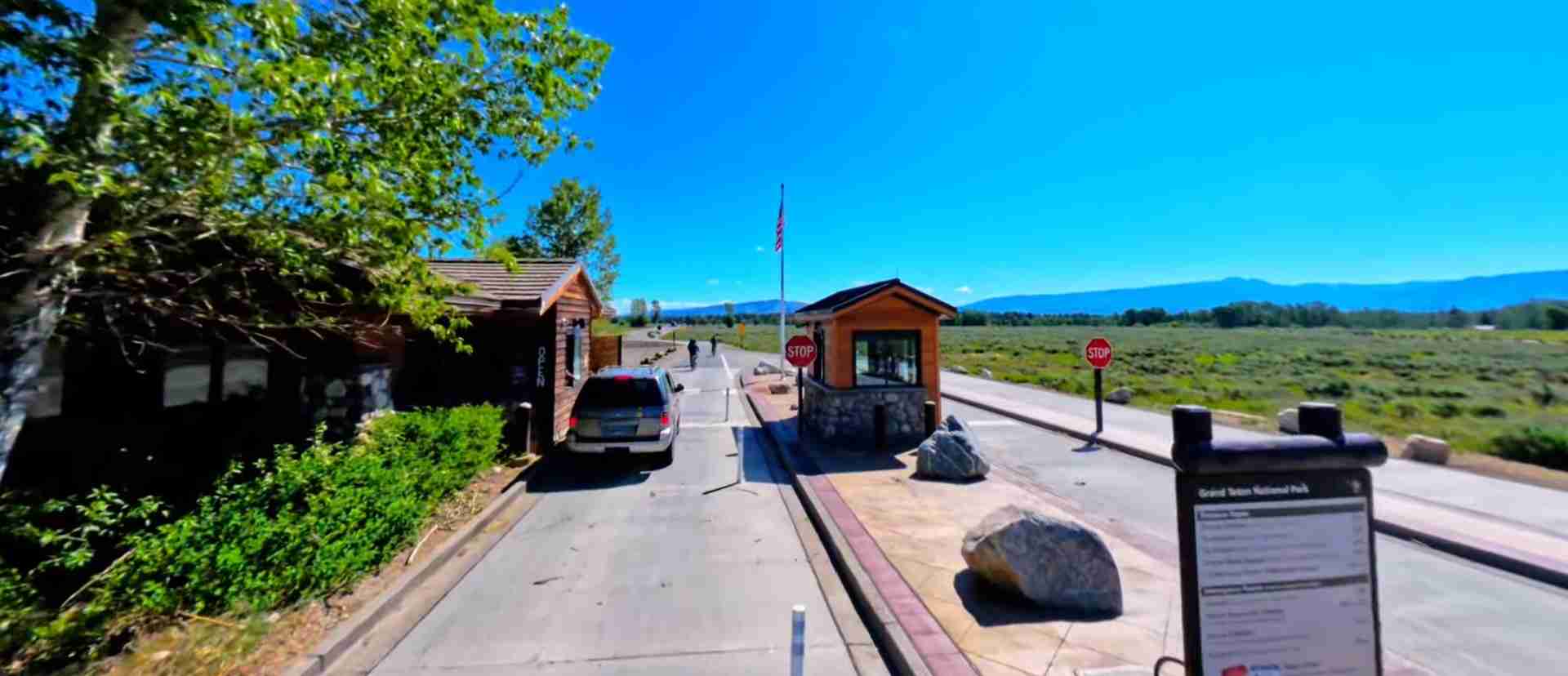
- Park Access Economics 2026: US residents pay $35 per vehicle for seven-day access to Grand Teton or Yellowstone, while the $80 America the Beautiful annual pass covers both parks plus all other federal recreation areas nationwide. International visitors face a new $100-per-person surcharge per park in addition to standard entrance fees starting January 2026.
- Grand Teton Proximity Advantage: Grand Teton National Park begins just seven miles north of Jackson, making it feasible for sunrise wildlife viewing, midday scenic drives, and sunset photography all within a single day without guided tours or extended travel time.
- Yellowstone Full-Day Commitment: The 60-mile drive from Jackson to Yellowstone’s South Entrance requires 90 minutes each direction, meaning self-drive visitors spend approximately three hours on highway travel alone before experiencing any park attractions.
- Guided Tour Value Proposition 2026: Full-day Yellowstone tours from Jackson cost $200-280 per person and include round-trip transportation, expert naturalist guides, park entrance fees, lunch, and strategic timing to witness Old Faithful eruptions and wildlife activity patterns that independent visitors frequently miss.
- Teton Village Aerial Access: The Jackson Hole Aerial Tram ascends 4,139 vertical feet in 12 minutes for $55 per person, providing immediate alpine access for hiking, paragliding, and panoramic Teton Range photography without multi-hour mountain approaches.
- Seasonal Operational Windows 2026: Yellowstone’s interior roads begin opening in mid-April and close progressively from November through mid-March based on snowpack, while Grand Teton’s Teton Park Road typically opens by early May and remains accessible through October.
People Also Ask About Jackson Hole Day Trips 2026
Can you do Yellowstone as a day trip from Jackson Hole in 2026?
Yellowstone works as a long day trip from Jackson Hole covering approximately 180 miles round-trip with strategic route planning. Departing Jackson by 6:30 AM allows arrival at Yellowstone’s South Entrance around 8:00 AM, providing seven to eight hours for park exploration before the return drive. This timeframe accommodates Old Faithful, Grand Prismatic Spring, the Grand Canyon of the Yellowstone, and wildlife viewing in Hayden Valley when following the Lower Loop circuit. Guided tours departing Jackson at 6:00 AM maximize this schedule by eliminating navigation decisions and parking searches, while providing expert commentary on thermal features and wildlife behavior patterns that enhance the experience beyond self-guided visits.
How much does a day trip to Yellowstone from Jackson Hole cost in 2026?
Self-drive Yellowstone day trips from Jackson Hole cost $35 per vehicle for park entrance plus approximately $30-40 for fuel round-trip in a standard sedan, totaling $65-75 for up to four occupants sharing one vehicle. Guided full-day tours range $200-280 per person and include round-trip transportation, naturalist guide expertise, park entrance fees, deli lunch at scenic locations like Firehole River or Tower Falls, and use of professional-grade binoculars and spotting scopes for wildlife observation. Half-day private tours covering Grand Teton, Old Faithful, and Grand Prismatic Spring start at $325 per person for groups of one to four, with additional passengers adding $150 each.
What is the best day trip from Jackson Hole for first-time visitors in 2026?
Grand Teton National Park represents the optimal first-time day trip from Jackson Hole, offering dramatic mountain scenery, abundant wildlife, and multiple activity options within 20 minutes of downtown Jackson. The classic circuit includes sunrise at Schwabacher Landing for moose and beaver activity, mid-morning exploration of Jenny Lake with optional boat shuttle to Hidden Falls and Inspiration Point, afternoon wildlife viewing at Oxbow Bend and Willow Flats, and sunset photography at Mormon Row with the Teton Range backdrop. This route requires no advance reservations, accommodates flexible timing based on weather and wildlife sightings, and provides representative Wyoming mountain experiences without the extended highway driving that Yellowstone demands.
How far in advance should I book Jackson Hole day trip tours for 2026?
Peak summer tours from mid-June through early September typically sell out two to four weeks in advance, particularly for small-group wildlife safaris limited to eight to twelve participants. Shoulder season tours in May, late September, and October offer more availability with one to two weeks advance booking generally sufficient. Private tours accommodate last-minute scheduling more readily, though wildlife-focused departures during June and September prime viewing weeks fill fastest regardless of group size. Winter wildlife tours viewing elk, bighorn sheep, and bison against snow-covered Tetons maintain consistent availability with five to seven days advance notice typically adequate.
Extended multi-day tours – 5+ days
Featured Park Yellowstone National Park Multi-Day Tour Packages
4 days
Yellowstone & Grand Teton 4 Day / 3 Night Wildlife Adventure
- ✓ Comprehensive Park Yellowstone National Park tour
- ✓ Expert local guides included
- ✓ All accommodation arranged
- ✓ Transportation provided
5 days
5 Day- Yellowstone and Grand Teton National Park in Depth- Hotel Based
- ✓ Comprehensive Park Yellowstone National Park tour
- ✓ Expert local guides included
- ✓ All accommodation arranged
- ✓ Transportation provided
4 days
4 day Yellowstone and Tetons in depth tour from Salt Lake City Small Groups Tour
- ✓ Comprehensive Park Yellowstone National Park tour
- ✓ Expert local guides included
- ✓ All accommodation arranged
- ✓ Transportation provided
6 days
Yellowstone Camping Explorer
- ✓ Comprehensive Park Yellowstone National Park tour
- ✓ Expert local guides included
- ✓ All accommodation arranged
- ✓ Transportation provided
Multi-day tour packages powered by TourRadar. Prices and availability subject to change.
Introduction to Jackson Hole Day Trip Planning 2026
Jackson Hole occupies a unique position in American national park geography, functioning as the only significant population center situated between two crown jewel parks while remaining smaller than gateway communities like West Yellowstone, Gardiner, or Jackson Lake Lodge. This creates both advantages and constraints for day trip planning that differ fundamentally from park-based accommodations. Visitors staying in Jackson sacrifice proximity to Yellowstone’s interior features in exchange for superior dining, shopping, and evening entertainment options unavailable within park boundaries.
The 2026 season brings significant changes to international visitor fees that affect tour economics and self-drive calculations. The new $100-per-person surcharge at both Yellowstone and Grand Teton means non-US residents visiting both parks on a single trip face $200 in surcharges alone before accounting for the standard $35 vehicle entrance fee per park. This policy shift makes the $250 international America the Beautiful annual pass more economically viable for visitors planning multiple park days, though the pass does not waive the $100 surcharge at designated high-visitation parks.
Weather volatility characterizes the Greater Yellowstone Ecosystem throughout the year, with temperature swings of 30 to 40 degrees between morning and afternoon common even in July and August. Jackson Hole sits at 6,237 feet elevation, while Yellowstone’s interior plateau ranges from 7,500 to 8,500 feet, creating conditions where summer morning temperatures near freezing transition to afternoon highs in the 70s and 80s. This elevation-driven climate pattern necessitates layered clothing regardless of season, as visitors experience multiple climate zones during a single day trip ascending from valley floor to alpine summits.
Cellular service remains extremely limited throughout both Grand Teton and Yellowstone National Parks, with reliable coverage existing only in developed areas like Jackson Lake Lodge, Old Faithful, and Canyon Village. Visitors planning self-drive excursions should download offline maps, pre-save reservation confirmations, and inform companions of itinerary details before departing Jackson where full cellular connectivity ends. This communication gap affects not only navigation but also real-time updates on road closures, wildlife jams, and weather alerts that influence day trip success.
Grand Teton National Park Day Trips 2026
Grand Teton National Park begins seven miles north of Jackson town center, making it the most accessible national park experience from any major gateway community in the American West. The 26-mile John D. Rockefeller Jr. Memorial Parkway connects Jackson to Yellowstone’s South Entrance, with nearly the entire route traversing Grand Teton National Park boundaries. This geography means visitors driving to Yellowstone inevitably experience Grand Teton scenery, though few maximize the opportunity by incorporating strategic Grand Teton stops into Yellowstone-focused itineraries.
Classic Grand Teton Scenic Loop 2026
The quintessential Grand Teton day trip follows a 42-mile loop combining US Highway 26/89/191 along the valley floor with Teton Park Road hugging the mountain base. Starting from Jackson, northbound travelers on Highway 26/89/191 encounter Moose Junction after 12 miles, where Teton Park Road branches west toward the dramatic peaks. This interior route passes Jenny Lake, String Lake, Leigh Lake, and continues to Jackson Lake Lodge before rejoining the main highway at Moran Junction.
Timing this loop for optimal lighting and wildlife activity requires strategic hour selection. Sunrise visits to Schwabacher Landing between 5:30 AM and 7:00 AM provide still-water reflections of the Teton Range with frequent moose, beaver, and great blue heron activity along the beaver ponds. The dirt access road to Schwabacher Landing turns west from Highway 26/89/191 approximately four miles north of Moose Junction, marked by small National Park Service signage easily missed when traveling at highway speeds.
Jenny Lake represents Grand Teton’s most developed recreational hub, offering boat shuttles, ranger-led hikes, and the trailhead for Hidden Falls and Inspiration Point. The Jenny Lake boat shuttle operates from late May through late September, charging $20 per person round-trip or $12 one-way for the ten-minute crossing that eliminates two miles of lakeside hiking. Shuttle departures run every 15 to 20 minutes during peak summer hours from 7:00 AM to 7:00 PM, with reduced frequency in shoulder seasons.
Hidden Falls and Inspiration Point accessed via boat shuttle require a 0.5-mile uphill hike from the west boat dock to the falls, continuing another 0.5 miles and 200 vertical feet to Inspiration Point’s panoramic overlook. This 2.2-mile round-trip from the boat dock accommodates moderate fitness levels and typically requires 90 minutes including photography stops. Visitors choosing to hike the entire loop around Jenny Lake’s south shore add 5.2 miles to the journey, creating a 7.4-mile round-trip that consumes four to five hours.
Wildlife Viewing Strategies Grand Teton 2026
Grand Teton National Park supports exceptional wildlife diversity within close proximity to Jackson, with strategic location knowledge dramatically increasing sighting success rates. Oxbow Bend, located one mile east of Jackson Lake Junction on Highway 26/89/191, provides the park’s most reliable moose viewing area. The meandering oxbow creates slow-water habitat where aquatic vegetation attracts moose throughout daylight hours, with peak activity occurring during early morning and late evening periods.
Willow Flats, situated along the road between Jackson Lake Junction and Colter Bay, offers consistent elk and occasional bear sightings from May through October. The expansive willow meadows visible from pullouts along this four-mile stretch create prime habitat for both species, with grizzly bears frequenting the area during spring when elk calves provide vulnerable prey. Visitors should maintain minimum 100-yard distances from bears and 25 yards from elk, using vehicle interiors as wildlife observation blinds rather than approaching on foot.
The Antelope Flats Road corridor between Moose Junction and Kelly provides pronghorn antelope viewing year-round, with the historic Mormon Row structures offering iconic Teton Range photography compositions. Bison herds frequent the Antelope Flats area particularly during summer months, often creating traffic slowdowns as animals cross the paved road between grazing areas. The juxtaposition of weathered barns against the cathedral-like peaks attracts photographers during golden hour periods when horizontal light enhances the mountain textures.
Guided Grand Teton Half-Day Tours 2026
Half-day Grand Teton wildlife safaris departing Jackson at sunrise or three hours before sunset emphasize animal activity during optimal viewing windows. These four-hour excursions cost $145-190 per person and include hotel pickup, naturalist guide expertise, park entrance fees, professional optics for wildlife observation, and bottled water. Sunrise tours departing 30 to 60 minutes before dawn depending on season focus on Schwabacher Landing, Oxbow Bend, and Willow Flats, where moose, elk, bison, and occasional bears appear most active.
Sunset tours departing mid-afternoon concentrate on the same wildlife hotspots while incorporating Mormon Row photography and potentially the Chapel of the Transfiguration near Moose. The timing accommodates dramatic evening light on the Teton Range while animals emerge from midday bedding areas to resume feeding activity. Small-group tours limit participants to eight to twelve people, ensuring window seats for all passengers and allowing guides to adjust routes based on real-time wildlife reports from other guides and park rangers.
Full-day Grand Teton tours expand the half-day itinerary to include Jenny Lake exploration, Signal Mountain summit drive for panoramic perspectives, and extended time at multiple viewpoints for photography and interpretation. These eight-hour experiences cost $195-245 per person and include picnic lunch at scenic locations chosen based on weather and crowding conditions. The extended timeframe permits hiking options like the Taggart Lake loop or portions of the Cascade Canyon trail beyond Hidden Falls.
Yellowstone National Park Day Trips from Jackson 2026
Yellowstone National Park’s Lower Loop accessed via the South Entrance from Jackson encompasses the park’s most iconic thermal features and primary wildlife corridors. The 96-mile Lower Loop circuit beginning at the South Entrance includes West Thumb Geyser Basin, Old Faithful, Grand Prismatic Spring, the Grand Canyon of the Yellowstone, and Hayden Valley, representing the quintessential Yellowstone experience condensed into a single route. Completing this circuit with adequate time at each major stop requires 10 to 12 hours including the three-hour round-trip highway drive from Jackson.
Self-Drive Yellowstone Day Trip Logistics 2026
The 60-mile drive from Jackson to Yellowstone’s South Entrance follows US Highway 26/89/191 north through Grand Teton National Park, requiring 75 to 90 minutes under normal traffic conditions. Visitors must purchase separate entrance passes for both Grand Teton and Yellowstone when traveling this route, as the parks maintain distinct fee collection systems despite their geographic proximity. The South Entrance gate typically opens by mid-May and remains operational through early November, with exact dates varying annually based on snowpack and road conditions.
Old Faithful Geyser anchors most Yellowstone day trips from Jackson, erupting approximately every 90 minutes with predictions posted at the Old Faithful Visitor Education Center and available through the NPS Yellowstone app. The geyser shoots water 106 to 185 feet skyward during eruptions lasting 1.5 to 5 minutes, with the prediction window typically accurate within 10 minutes. Arriving at Old Faithful 20 to 30 minutes before predicted eruption time allows boardwalk exploration of surrounding thermal features while securing favorable viewing positions.
Grand Prismatic Spring in the Midway Geyser Basin showcases Yellowstone’s most photographed thermal feature, measuring 370 feet in diameter with vivid orange, yellow, and green thermophilic bacteria creating concentric color bands around the deep blue center. The boardwalk viewing platform at spring level provides close proximity but limited perspective for appreciating the full color spectrum. The Grand Prismatic Overlook Trail accessed via a parking area one mile south on the one-way Fairy Falls Drive climbs 0.6 miles and 105 vertical feet to an elevated viewpoint revealing the spring’s complete circular shape and color gradations.
Wildlife Corridors and Safety Protocols 2026
Hayden Valley between Fishing Bridge and Canyon Village concentrates Yellowstone’s most accessible wildlife viewing along a six-mile corridor where bison herds number in the hundreds during summer months. The valley’s broad meadows provide clear sightlines for spotting grizzly bears, wolves, and elk alongside the omnipresent bison. Wildlife jams frequently halt traffic for extended periods as animals cross the road or graze near the pavement, with visitor behavior during these events presenting significant safety concerns.
National Park Service regulations mandate 100-yard minimum distance from bears and wolves, and 25 yards from bison, elk, and other large mammals. Bison injure more Yellowstone visitors than any other animal species, with charges occurring when tourists approach too closely for photography or attempt to touch calves. The animals’ placid appearance belies their ability to sprint 35 miles per hour and their unpredictable aggression when feeling threatened. Remaining inside vehicles during wildlife observation provides the safest viewing platform while allowing animals to move naturally through their habitat.
Grizzly bear activity peaks during spring months from late April through June when bears emerge from hibernation and concentrate along Yellowstone’s northern valleys. The Hayden Valley, Lamar Valley, and areas near Fishing Bridge experience frequent bear sightings during this period, with bears foraging for winter-killed bison and elk carcasses. Summer grizzly activity becomes more dispersed as bears move to higher elevations seeking whitebark pine nuts, ground squirrels, and army cutworm moths on alpine talus slopes.
Canyon Area and Waterfall Viewing 2026
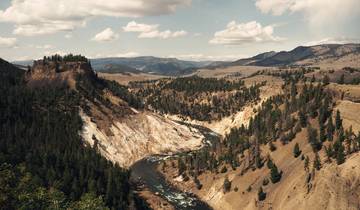
The Grand Canyon of the Yellowstone carved by the Yellowstone River extends 20 miles downstream from Canyon Village, with the most dramatic section accessible via multiple overlook points along the canyon’s north and south rims. Artist Point on the south rim provides the classic vista of the Lower Falls plunging 308 feet into the yellow-walled canyon, with the overlook accessible via a short paved walk from the parking area. Uncle Tom’s Trail descending 328 steps to a platform near the base of Lower Falls offers an alternative perspective requiring moderate fitness for the return climb.
Lookout Point and Red Rock Point on the north rim present different angles on both Upper Falls and Lower Falls, with Red Rock Point requiring a 0.7-mile round-trip hike from the Lookout Point parking area. The Brink of the Lower Falls trail descends a steep 0.7-mile path with 600-foot elevation loss to a railing overlooking the waterfall’s lip, where visitors feel the mist and hear the thundering water at intimate proximity. The return climb taxes cardiovascular fitness at 7,700 feet elevation, with multiple switchbacks requiring slow, steady pacing.
Guided Full-Day Yellowstone Tours from Jackson 2026
Comprehensive Yellowstone day tours departing Jackson at 6:00 AM optimize the limited daylight hours available for the Lower Loop circuit. These 12-hour excursions cost $200-280 per person and include round-trip transportation in climate-controlled vehicles, expert naturalist guides, all park entrance fees, deli lunch served at scenic riverside locations, professional-grade optics for wildlife viewing, and bottled water throughout the day. The early departure ensures arrival at Old Faithful before mid-morning crowds and maximizes wildlife activity observation during prime morning hours.
Professional guides provide geological interpretation of Yellowstone’s supervolcano formation, thermal feature mechanics, and wildlife behavior patterns that enhance understanding beyond simple observation. They navigate to optimal viewpoints timed with predicted Old Faithful eruptions and adjust routes based on real-time wildlife reports from other guides working the park. Small-group tours limit participation to 8 to 14 passengers, ensuring window seats and allowing flexibility to linger at productive wildlife sightings or skip crowded locations.
Tour operators authorized by the National Park Service as commercial concessionaires include Jackson Hole Wildlife Safaris, Jackson Hole Eco Tour Adventures, and Yellowstone Safari Tours, among others. These companies employ biologists, geologists, and naturalists who combine scientific expertise with local knowledge developed through years of daily park work. The guide quality differential between authorized educational tour operators and basic sightseeing services justifies the price premium through substantially enhanced interpretation and strategic location knowledge.
Teton Village and Aerial Tram Access 2026
Teton Village sits 12 miles northwest of Jackson town center at the base of Jackson Hole Mountain Resort, accessed via State Highway 390 through a scenic drive past the National Museum of Wildlife Art and along the base of the Gros Ventre Range. The village functions as Jackson Hole’s ski resort hub during winter while transforming into a hiking and mountain activity center throughout summer months from early June through late September.
Jackson Hole Aerial Tram Experience 2026
The Jackson Hole Aerial Tram ascends 4,139 vertical feet from Teton Village at 6,311 feet elevation to the Rendezvous Mountain summit at 10,450 feet in a continuous 12-minute ride. Summer sightseeing tickets cost $55 per person and include access to the Bridger Gondola and Sweetwater Gondola from June 6 through September 12, 2026, check official resort website for current rates. The tram cabins accommodate approximately 100 passengers and depart every 15 minutes during peak summer operations from 9:00 AM to 5:00 PM, with extended evening hours during July and August.
The summit presents 360-degree panoramic views encompassing the Teton Range, the Gros Ventre Range, Jackson Hole valley, and portions of the Snake River corridor stretching toward Idaho. Weather conditions at 10,450 feet differ dramatically from valley conditions, with temperatures typically 15 to 25 degrees cooler and wind speeds significantly higher than at base elevation. Visitors should pack insulating layers including windbreaker shells even during July and August when valley temperatures reach the 80s, as summit conditions frequently remain in the 50s with substantial wind chill.
Corbet’s Cabin at the tram summit serves breakfast items, gourmet waffles, coffee, and hot chocolate from a historic ski patrol building converted into a high-altitude café. The famous Belgian waffles topped with fresh berries and whipped cream cost $14 and represent a summit tradition for visitors who appreciate the novelty of breakfast at 10,450 feet with Teton Range views. The cabin provides indoor seating sheltered from wind, though outdoor picnic tables attract guests during calm weather periods.
Summit Hiking and Alpine Access 2026
The Rendezvous Mountain summit offers immediate access to Bridger-Teton National Forest trail networks extending across the ridgeline and descending into Granite Canyon. The Cody Bowl trail loops 2.4 miles around the summit area with minimal elevation gain, providing alpine wildflower viewing during July and early August when snowmelt completes. More ambitious hikers can descend the Granite Canyon trail 12 miles to the valley floor near Teton Village, creating a one-way downhill route with 4,500-foot elevation loss requiring four to six hours.
The Grand Teton Skywalk viewing platform cantilevered beyond the ridgeline provides unobstructed vistas and dramatic photography angles impossible from the main summit area. The elevated platform extends approximately 15 feet beyond the ridgeline edge, creating the illusion of floating above the valley while Grand Teton peak dominates the northern skyline 15 miles distant. Visitors uncomfortable with heights can avoid the skywalk while still accessing standard viewing areas around the tram building and outdoor patios.
Wildlife encounters on the summit include yellow-bellied marmots, pika, and occasional bighorn sheep traversing the rocky slopes above treeline. Birds including Clark’s nutcrackers, mountain chickadees, and occasionally golden eagles frequent the summit environment. The treeless alpine zone at this elevation supports specialized plant communities adapted to intense ultraviolet radiation, persistent winds, and brief growing seasons compressed into eight to ten weeks between snowmelt and first autumn storms.
Evening Gondola Rides and Sunset Viewing 2026
The Bridger Gondola operates evening rides from 6:00 PM to 9:00 PM during peak summer season, providing access to The Deck restaurant at mid-mountain elevation 9,095 feet. Evening gondola access is complimentary for visitors holding same-day tram sightseeing tickets, bike park passes, or Via Ferrata tour reservations. Sunset viewing from The Deck combines mountain vistas with food and beverage service in an outdoor setting where live music often accompanies the evening atmosphere during July and August weekends.
The Deck serves appetizers, entrées, and full bar service with menu pricing typical of mountain resort restaurants ranging $18-35 for main courses. Reservation recommendations apply for dinner service, while the bar area operates on a first-come basis. The west-facing aspect provides direct views of sunset behind the Teton Range, with the golden hour typically occurring between 7:30 PM and 8:30 PM during midsummer months when daylight extends past 9:00 PM.
Snake River Float Trips and Water Activities 2026
The Snake River flows south through Jackson Hole from its headwaters in Yellowstone National Park, creating a broad valley corridor that defines the region’s geography and provides exceptional scenic float opportunities. Two distinct float experiences characterize the Snake River near Jackson: gentle scenic floats through Grand Teton National Park and whitewater rafting sections through Snake River Canyon south of Jackson.
Scenic Float Trips Grand Teton Section 2026
Scenic Snake River floats through Grand Teton National Park travel a calm-water 10 to 13-mile section from Pacific Creek or Deadmans Bar to Moose Landing, passing directly below the Teton Range with opportunities for moose, bald eagle, osprey, beaver, and river otter sightings. These three-hour float trips cost $85-110 per adult and include wetsuit tops during cold-water periods, life jackets, experienced river guides, and light snacks. Multiple departure times throughout the day accommodate various schedules, with early morning and late afternoon floats providing optimal wildlife activity and photographic lighting.
The wide, braided channel character creates shallow riffles interspersed with deeper pools where trout hold in current seams and eddies. River guides interpret the ecology of riparian cottonwood forests, explain glacial geology visible in the Teton Range formations, and identify bird species including sandhill cranes, great blue herons, and various waterfowl occupying the river corridor. The gentle current requires no paddling from participants, allowing full attention to scenery and wildlife observation while guides control raft position using oars.
Water temperatures in the Snake River remain cold throughout summer, ranging from 45 to 55 degrees even during August as glacial melt and snowpack drainage dominate the river’s hydrograph. Rain gear and layered clothing protect against spray and temperature fluctuations during the float, with morning departures particularly cool before solar warming affects air temperature. Most outfitters provide dry bags for protecting cameras and personal items from incidental water exposure.
Snake River Canyon Whitewater Rafting 2026
Whitewater rafting sections of the Snake River begin south of Jackson near Hoback Junction where the river enters an eight-mile canyon containing Class II and III rapids. Half-day whitewater trips cost $95-130 per person and include wetsuit rental, safety gear, professional guides, and transportation to and from Jackson-area hotels. The rafting season typically extends from late May through early September depending on water levels, with peak flows during June creating the most challenging rapid conditions.
Rapids in Snake River Canyon include named features like Rope, Oar, Champagne, Lunch Counter, Kahuna, and Big Kahuna, with difficulty ratings varying based on water volume. High water during peak runoff increases rapid size and technical challenge, while late summer lower flows create more exposed rocks requiring precise navigation. The canyon’s dramatic walls rise several hundred feet above the river, creating a scenic corridor distinct from the broad valley character upstream near Jackson.
Commercial rafting outfitters licensed by the Forest Service to operate in Snake River Canyon include Mad River Boat Trips, Dave Hansen Whitewater and Scenic River Trips, Barker-Ewing Scenic Float Trips, and Jackson Hole Whitewater among others. These companies maintain high safety standards through guide training programs, quality equipment maintenance, and conservative decision-making regarding water conditions. Minimum age requirements typically range from six to eight years old depending on water levels and individual outfitter policies.
National Elk Refuge Winter Wildlife Viewing 2026
The National Elk Refuge bordering Jackson’s northern edge provides winter habitat for approximately 5,000 to 7,000 elk from November through April, representing one of the largest elk concentrations in North America. The 24,700-acre refuge maintains supplemental feeding programs during severe winter conditions to prevent elk from starving when deep snow buries natural forage. This management strategy creates reliable wildlife viewing opportunities during months when most other Jackson Hole outdoor activities cease due to winter conditions.
Horse-Drawn Sleigh Rides Winter 2026
Horse-drawn sleigh rides operating from mid-December through March transport visitors directly into elk herds for close-range observation and photography. These 45-minute excursions cost $35 for adults and $25 for children ages 5-12, departing from the National Elk Refuge visitor center north of Jackson. Multiple sleigh departures throughout daylight hours accommodate demand during peak holiday periods and weekends, though advance reservations strongly recommended particularly between Christmas and New Year when Jackson experiences maximum visitation.
The large wooden sleighs pulled by draft horse teams carry approximately 20 passengers through the refuge’s interior where elk congregate in groups ranging from dozens to hundreds of animals. Approaching within 30 to 50 yards of elk becomes routine during these guided experiences, allowing observation of antler characteristics, social behaviors, and individual animal conditions impossible from roadside viewing. Naturalist guides provide interpretation covering elk biology, migration patterns, refuge management practices, and the complex relationship between wildlife conservation and ranching interests in Jackson Hole.
Summer Refuge Access and Birding 2026
Summer access to the National Elk Refuge occurs primarily via Curtis Canyon Road and the Elk Refuge Road system open to bicycles and pedestrians from May through October. While elk migrate to higher elevations during summer months, the refuge wetlands attract significant waterfowl populations including trumpeter swans, Canada geese, various duck species, sandhill cranes, and wading birds. Birding enthusiasts target the refuge during spring and fall migration periods when species diversity peaks.
The refuge visitor center located on Highway 26 north of Jackson operates year-round with exhibits explaining elk ecology, refuge history, and the broader Greater Yellowstone Ecosystem. Rangers staff the center during summer months providing interpretive programs, issuing backcountry permits for refuge hiking, and distributing maps showing access points and seasonal closures designed to protect nesting birds and elk calving areas.
Extended Day Trip Considerations 2026
Several destinations within three to four hours driving distance from Jackson Hole merit consideration for travelers with rental vehicles and full days available for exploration beyond the immediate park vicinity. These longer excursions sacrifice some return-to-Jackson convenience for experiences unavailable closer to the valley.
Craters of the Moon National Monument
Craters of the Moon National Monument and Preserve in south-central Idaho showcases an 83-square-mile volcanic landscape formed by lava flows between 15,000 and 2,000 years ago. The monument sits 185 miles and approximately 3 hours 20 minutes west of Jackson via US Highway 26 through Idaho Falls and Arco. This distance pushes the practical limits of day trip feasibility, requiring departures from Jackson by 6:00 AM to allow adequate exploration time before returning that evening.
The monument’s seven-mile loop road provides access to volcanic features including lava tubes, spatter cones, cinder cones, and vast aa and pahoehoe lava fields creating an otherworldly landscape. Cave exploration requires free permits available at the visitor center, granting access to Indian Tunnel, Dewdrop Cave, Boy Scout Cave, and Beauty Cave among others. Surface temperatures on black volcanic rock during summer afternoons can exceed 120 degrees, making early morning visits essential for comfortable hiking conditions.
Fossil Butte National Monument
Fossil Butte National Monument near Kemmerer, Wyoming preserves Eocene epoch lake bed fossils including pristine fish, crocodile, turtle, and rare bird specimens from 50 million years ago. The monument lies 120 miles south of Jackson via Highway 89 through Alpine Junction and the Star Valley, requiring approximately two hours driving time each direction. The remote location attracts minimal visitation compared to Yellowstone and Grand Teton, providing solitude rare among national park units.
Fossil quarry tours led by paleontologists operate during summer months on limited schedules, typically several times per week with advance registration required. The visitor center displays exceptional fossil specimens and explains the ancient lake ecosystem that created preservation conditions allowing such detailed fossilization. Hiking trails climb the butte to viewpoints overlooking the Green River Basin and the Uinta Mountains visible on clear days.
Seasonal Timing Strategies for Day Trips 2026
Jackson Hole experiences four distinct seasons with dramatically different day trip opportunities, constraints, and crowd levels throughout the annual cycle. Understanding seasonal patterns allows strategic timing of visits to maximize desired experiences while avoiding periods when weather, road closures, or excessive crowding diminish enjoyment.
Spring Season May Through Early June 2026
Spring represents shoulder season in Jackson Hole with park roads gradually opening as snowpack melts, wildlife giving birth to young, and wildflower blooms beginning at lower elevations. Grand Teton’s Teton Park Road typically opens by early May, though higher elevation trailheads may remain snow-covered into June. Yellowstone’s interior roads open progressively from mid-April through late May, with the Dunraven Pass road over Mount Washburn frequently the last route to clear snow.
Grizzly bear activity peaks during May and early June as bears emerge from hibernation and forage intensively in valley bottoms. This creates exceptional viewing opportunities in Hayden Valley and along Yellowstone’s northern valleys where winter-killed bison and elk provide substantial food sources. Newborn bison calves, elk calves, and moose calves appear during late May and June, attracting both wildlife watchers and predators to concentrated birthing areas.
Spring weather volatility brings frequent precipitation systems with snow possible at any elevation through late May. Temperature swings from freezing mornings to 60-degree afternoons require flexible layering systems. Crowd levels remain moderate through early June before summer vacation traffic increases substantially after mid-June when school dismissals occur nationwide.
Summer Peak Season Mid-June Through August 2026
Summer peak season from mid-June through August brings maximum visitation to both Grand Teton and Yellowstone, with all facilities operating full schedules and all roads accessible. Old Faithful eruption viewing requires arriving 30 to 45 minutes before predicted times to secure viewing positions during midday periods when crowds peak. Popular trailheads including those at Jenny Lake fill parking areas by 8:00 AM, necessitating early starts or alternative transportation to avoid parking frustration.
Wildlife disperses to higher elevations during summer months as snowmelt opens alpine areas and valley heat drives animals toward cooler mountain environments. Moose remain accessible along waterways and in willow thickets throughout summer, while elk largely disappear from valley floors until autumn. Bison herds concentrate in Hayden Valley and Lamar Valley where open grasslands provide abundant grazing.
Afternoon thunderstorms develop regularly during July and August, particularly over mountain areas where orographic lifting triggers convection. These storms typically build between 2:00 PM and 4:00 PM, bringing lightning, brief heavy rain, and occasional hail. Morning activities generally avoid precipitation, making sunrise excursions advantageous beyond just wildlife activity considerations.
Fall Season September Through October 2026
September and October provide arguably the finest conditions for Jackson Hole day trips, combining reduced crowds, dramatic autumn colors, elk rutting activity, and generally stable weather patterns. Aspen groves throughout Grand Teton and at mid-elevations in Yellowstone display golden foliage during late September and early October, creating spectacular photographic opportunities against evergreen forest backdrops.
Elk rutting season peaks from mid-September through mid-October as bull elk bugle to attract cows and challenge rival bulls for mating dominance. The dramatic vocalizations echo across valley floors during dawn and dusk hours, with bulls displaying aggressive behaviors that create dynamic observation opportunities. Concentrations occur along Antelope Flats Road near Mormon Row, in the town of Jackson itself at the golf course, and throughout Yellowstone’s northern valleys.
Road closures begin affecting Yellowstone access during October as park managers prepare infrastructure for winter. Yellowstone’s interior roads typically close to regular vehicles between late October and early November, ending day trip access from Jackson until the following spring. Grand Teton’s Teton Park Road usually remains open through October, allowing continued access to Jenny Lake and other mountain base locations until early November.
Winter Season November Through April 2026
Winter transforms Jackson Hole day trip options entirely, with Yellowstone’s interior roads closed to wheeled vehicles from early November through mid-April. The only winter Yellowstone access from Jackson occurs via guided snowcoach or snowmobile tours entering through the South Entrance, with these specialized excursions costing $300-400 per person for full-day experiences. Grand Teton National Park roads remain partially open during winter, with Highway 26/89/191 maintained year-round providing valley floor access.
The National Elk Refuge becomes the primary wildlife attraction during winter months, with horse-drawn sleigh rides operating from mid-December through March providing intimate elk viewing experiences. Winter wildlife tours focusing on Grand Teton National Park and the National Elk Refuge cost $175-220 per person for half-day excursions targeting bighorn sheep, elk, bison, and occasional wolf or moose sightings against snow-covered Teton Range backdrops.
Transportation and Driving Considerations 2026
Vehicle rental and personal transportation logistics significantly influence day trip feasibility and costs when operating from a Jackson Hole base. Understanding fuel costs, parking constraints, and alternative transportation options allows accurate trip budgeting and scheduling.
Fuel Costs and Vehicle Requirements 2026
Gasoline prices in Jackson typically run $0.30-0.50 per gallon higher than national averages due to the remote location and limited competition among fuel retailers. The round-trip distance from Jackson to Old Faithful via the South Entrance totals approximately 180 miles, consuming 6 to 7.5 gallons in a vehicle averaging 24-30 miles per gallon highway fuel economy. At Jackson-area gas prices near $4.20 per gallon, this equates to roughly $25-32 in fuel costs for the Yellowstone day trip.
Winter driving requires four-wheel-drive or all-wheel-drive vehicles equipped with appropriate tires for snow and ice conditions. Rental agencies operating in Jackson include Budget, Hertz, Avis, and local companies like Jackson Hole Rent-A-Car, with daily rental rates ranging $75-150 for economy to mid-size SUVs during summer months. Winter rates often increase $20-40 daily due to higher demand and mandatory winter tire installations.
Parking Strategies Yellowstone and Grand Teton 2026
Parking availability at popular destinations within both parks becomes severely constrained between 10:00 AM and 4:00 PM during peak summer season. The Old Faithful area provides approximately 1,500 parking spaces across multiple lots, which fill completely during midday periods from late June through August. Arriving before 9:00 AM or after 5:00 PM generally ensures parking availability, though this timing may conflict with eruption predictions requiring flexibility.
Jenny Lake parking lot accommodates roughly 400 vehicles and reaches capacity by 8:00 AM on busy summer days. The nearby String Lake parking area provides an alternative access point for Jenny Lake activities, though it adds 1.5 miles of walking to reach the boat dock and main trailheads. Visitors unable to secure Jenny Lake parking can utilize the overflow area at the Craig Thomas Discovery and Visitor Center near Moose, accessing Jenny Lake via the free park shuttle bus operating during peak season.
Alternative Transportation Options 2026
Commercial tour operators eliminate parking concerns, navigation decisions, and driving fatigue while adding professional interpretation and wildlife-spotting expertise. The $200-280 per person cost for full-day Yellowstone tours from Jackson includes all transportation, effectively offsetting rental car daily rates, fuel costs, and park entrance fees while adding the value of guide knowledge and guaranteed window seating for photography.
The park shuttle system in Grand Teton operates between the Craig Thomas Discovery and Visitor Center near Moose and Jenny Lake from late May through September, providing free transportation that reduces parking pressure and personal vehicle use within the park. Shuttle departures run every 20 to 30 minutes during peak hours, with bicycles accommodated on front-mounted racks allowing one-way cycling routes between shuttle stops.
Packing and Preparation Essentials 2026
Successful day trips from Jackson Hole require thoughtful packing addressing the region’s elevation, weather variability, wildlife safety protocols, and limited service availability in remote areas. Essential items prevent common problems that otherwise diminish trip quality or create safety concerns.
Clothing and Weather Protection
The layering system proven effective in mountain environments combines moisture-wicking base layers, insulating mid-layers, and weatherproof outer shells that together accommodate temperature ranges from 30s to 80s within a single day. Morning departures for sunrise wildlife viewing often encounter temperatures in the 30s and 40s even during July and August, while afternoon conditions may reach the 70s or 80s at valley elevations. Removing and adding layers as conditions change maintains comfort without requiring excessive packing volume.
Rain gear including waterproof jacket and pants protects against frequent afternoon thunderstorms during summer months and persistent precipitation systems common during spring and fall shoulder seasons. The combination of elevation, low humidity, and intense solar radiation at altitude creates sunburn risk even on overcast days, making sunscreen, lip balm with SPF protection, and wide-brimmed hats essential regardless of apparent cloud cover.
Food and Water Planning
Limited food service within Grand Teton and Yellowstone National Parks necessitates carrying substantial food supplies for all-day excursions. The Jackson Lake Lodge and Old Faithful area provide full-service restaurants, though meal costs range $18-30 per person for lunch and waiting times during peak periods may extend 30 to 45 minutes. Packing coolers with sandwiches, snacks, and beverages allows flexible meal timing at scenic locations while avoiding crowded facilities and high prices.
Water requirements at altitude exceed lowland norms, with dehydration developing rapidly during physical activity in the dry mountain air. Carrying two to three liters of water per person for full-day trips prevents dehydration-related headaches, fatigue, and altitude sickness symptoms. Insulated containers maintain water temperature during hot afternoons when drinking warm water becomes unpleasant.
Wildlife Safety Equipment
Bear spray represents essential safety equipment when hiking in both Grand Teton and Yellowstone, with the spray available for purchase at outdoor retailers in Jackson or at visitor centers within the parks. The 9-ounce canisters cost approximately $50 and should be carried in belt holsters or chest-mounted systems allowing access within two seconds. Bear spray expires after three to four years, with expiration dates marked on canisters requiring verification before backcountry use.
Binoculars or spotting scopes dramatically enhance wildlife viewing success by allowing detailed observation while maintaining safe distances from animals. Quality binoculars in the 8×42 or 10×42 configuration provide adequate magnification for most situations while remaining compact enough for day pack transport. Many guided tours provide professional-grade optics for participant use, eliminating the need for personal binocular investment.
Photography Considerations and Optimal Timing 2026
Jackson Hole and the adjacent national parks offer extraordinary photography opportunities spanning wildlife, landscapes, thermal features, and night skies. Understanding lighting conditions, optimal timing for specific subjects, and technical considerations for mountain environments enhances photographic results substantially.
Landscape Photography Golden Hours
The Teton Range orientation running north-south creates distinctly different lighting conditions on east and west faces throughout the day. Sunrise illuminates the east faces visible from Schwabacher Landing, Oxbow Bend, and the Snake River Overlook south of Moran Junction, while casting the west faces into shadow. Conversely, sunset light strikes the west faces visible from Teton Village and the Aerial Tram summit, creating the iconic golden glow on the cathedral-like peaks.
Weather patterns in the Greater Yellowstone Ecosystem frequently produce dramatic cloud formations that enhance landscape photography beyond simple clear-sky conditions. Lenticular clouds forming over the Teton Range during periods of strong upper-level winds create stunning visual elements, while clearing storms provide dynamic skies with shafts of light illuminating specific features against dark cloudbanks. Monitoring weather forecasts allows anticipation of these photogenic conditions rather than simply hoping for clear skies.
Wildlife Photography Techniques and Ethics
Telephoto lenses in the 300mm to 600mm range prove essential for wildlife photography while maintaining safe distances from animals. The combination of wildlife unpredictability and minimum distance regulations means that approaching closer represents both dangerous and illegal behavior. Modern teleconverters can extend lens reach by 1.4x or 2.0x factors, turning a 400mm lens into effective 560mm or 800mm focal length at the cost of some light-gathering ability.
Wildlife photography ethics require prioritizing animal welfare over photograph acquisition, meaning photographers withdraw when animals display stress behaviors including frequent glancing toward photographers, stopping feeding activities, or moving away from optimal habitat. Creating wildlife jams by stopping vehicles in roadways blocks traffic and habituates animals to human presence in ways that ultimately increase human-wildlife conflicts. Skilled wildlife photographers position themselves at productive locations and wait patiently for animals to appear naturally rather than pursuing or approaching animals displaying avoidance behaviors.
Budget Planning for Jackson Hole Day Trips 2026
Comprehensive day trip budgeting from Jackson Hole requires accounting for transportation, park fees, food, activities, and optional guided tour costs that vary substantially based on choices between self-drive and guided experiences.
Self-Drive Day Trip Costs 2026
Budget-conscious travelers executing self-drive day trips to Yellowstone face the following core expenses per vehicle: $35 park entrance fee (or $80 America the Beautiful annual pass amortized across multiple visits), $25-32 fuel costs for 180-mile round-trip, and $30-50 for food purchased and consumed at picnic areas rather than park restaurants. This totals approximately $90-120 per vehicle for basic Yellowstone access, equating to $23-30 per person when four adults share transportation costs.
Grand Teton self-drive day trips reduce transportation costs due to shorter distances, with fuel expenses totaling approximately $8-12 for trips focused on Jenny Lake, Mormon Row, and Oxbow Bend circuits from Jackson. The park entrance fee remains $35 per vehicle or is covered by the America the Beautiful annual pass. Combined with self-catered food costs of $15-25 per person, Grand Teton day trips range $30-45 per person for groups sharing vehicle expenses.
Guided Tour Investment Analysis 2026
Full-day guided Yellowstone tours at $200-280 per person initially appear expensive compared to self-drive costs of $23-30 per person. However, the tour price includes round-trip transportation eliminating rental car daily rates of $75-150, fuel costs of $25-32, park entrance fees of $35, provided lunch valued at $15-20, and professional guide expertise that substantially enhances wildlife sighting success and thermal feature interpretation. When accounting for these components, the incremental cost for professional guiding services ranges $50-100 per person.
Half-day Grand Teton wildlife safaris at $145-190 per person provide maximum value for visitors prioritizing wildlife photography and animal behavior observation. The four-hour timeframe concentrates on prime sunrise or sunset wildlife activity windows that self-drive visitors often miss due to inconvenient timing, while guide expertise in locating animals and predicting their movements increases sighting quality dramatically compared to random roadside observation.
Frequently Asked Questions About Jackson Hole Day Trips 2026
Do I need separate park passes for Grand Teton and Yellowstone if I drive from Jackson to Yellowstone?
Yes, Grand Teton National Park and Yellowstone National Park maintain separate entrance fee systems despite their geographic proximity. The route from Jackson to Yellowstone’s South Entrance traverses Grand Teton National Park for approximately 40 miles, requiring a $35 Grand Teton entrance fee. Upon reaching Yellowstone’s South Entrance, visitors must purchase an additional $35 Yellowstone entrance fee or present a previously purchased pass. The $80 America the Beautiful annual pass covers both parks plus all other federal recreation areas, making it economically advantageous for visitors planning three or more park entry days during a calendar year.
What time should I leave Jackson to see Old Faithful erupt during a day trip in 2026?
Departing Jackson by 6:30 AM allows arrival at Old Faithful around 8:00 AM, providing time to check predicted eruption schedules at the visitor center and explore surrounding thermal features before the first convenient eruption. Old Faithful erupts approximately every 90 minutes with predictions typically accurate within 10 minutes, meaning arrival timing need not precisely coincide with specific eruption windows. The 90-minute drive from Jackson to Yellowstone’s South Entrance plus an additional 22 miles and 30 minutes to Old Faithful requires careful time calculation. Early departures maximize available park time and position visitors at Old Faithful before mid-morning crowds fill parking areas and viewing platforms.
Can I visit both Grand Teton and Yellowstone in one day from Jackson Hole?
Visiting both parks in a single day is technically possible but compromises the quality of experience in both locations. The route from Jackson to Old Faithful inherently passes through Grand Teton National Park, allowing brief stops at Mormon Row, Oxbow Bend, or Jackson Lake during the drive north. However, meaningful exploration of Grand Teton’s hiking trails, boat access to Hidden Falls, or extended wildlife observation at productive locations becomes impractical when also attempting to visit Yellowstone’s major features. Most visitors achieve better results by dedicating separate days to each park or accepting that Grand Teton becomes primarily a scenic driving corridor during Yellowstone-focused trips.
Are guided tours worth the cost compared to driving myself to Yellowstone from Jackson in 2026?
Guided tours provide substantial value through wildlife expertise, strategic timing of locations, thermal feature interpretation, and elimination of navigation and parking concerns. Professional naturalist guides possess detailed knowledge of animal behavior patterns, seasonal movements, and current sighting locations that casual visitors cannot replicate through guidebook research alone. Tours also time Old Faithful visits to coincide with eruptions, select optimal viewpoints at the Grand Canyon of the Yellowstone based on current lighting conditions, and adjust routes when wildlife activity emerges at unexpected locations. For visitors prioritizing education, wildlife photography, and stress-free logistics, guided tours deliver value exceeding the price differential versus self-drive options.
What wildlife can I expect to see on a day trip from Jackson Hole in summer 2026?
Grand Teton summer wildlife sightings routinely include moose along waterways and in willow thickets, bison herds on Antelope Flats, pronghorn antelope in sagebrush meadows, and occasional black bears in forested areas. Oxbow Bend and Willow Flats provide reliable moose viewing during morning and evening hours. Yellowstone summer wildlife centers on bison herds in Hayden Valley numbering hundreds of animals, with elk present but less visible than during spring or fall. Grizzly bears appear sporadically throughout Yellowstone’s northern valleys, while black bears frequent roadside areas particularly during June when they forage on emerging vegetation. Wolf sightings occur primarily in Lamar Valley and require dawn departures from Jackson to reach the valley during peak wolf activity hours.
How cold does it get at the top of the Jackson Hole Aerial Tram in summer 2026?
The Rendezvous Mountain summit at 10,450 feet typically experiences temperatures 15 to 25 degrees cooler than Jackson valley floor conditions, with substantial wind chill during periods of strong westerly flow. Summer valley temperatures in the 75-to-85-degree range translate to summit conditions of 50 to 65 degrees, while morning tram rides during cool valley conditions of 55 degrees may encounter summit temperatures in the 30s to 40s. Wind speeds at the exposed summit frequently reach 15 to 25 miles per hour, creating wind chill that makes conditions feel significantly colder than thermometer readings suggest. Visitors should pack insulating layers including windproof shells even during apparent warm weather periods.
Do I need to make reservations for day trips from Jackson Hole in 2026?
Self-drive day trips to Grand Teton and Yellowstone require no advance reservations for park entry, though popular trailhead parking at locations like Jenny Lake fills by 8:00 AM during peak summer season. The Jenny Lake boat shuttle operates on a first-come, first-served basis without reservations, meaning early arrival proves essential during busy periods. Guided tours should be booked two to four weeks in advance for peak summer departures from mid-June through early September, with wildlife-focused tours during prime viewing weeks in June and September filling earliest. Winter sleigh rides at the National Elk Refuge benefit from advance reservations particularly during holiday periods from Christmas through New Year when Jackson experiences maximum visitation.
What is the best day trip from Jackson Hole for families with young children in 2026?
Grand Teton National Park provides the optimal family day trip from Jackson combining minimal driving time, flexible schedules accommodating children’s needs, and diverse activities at multiple difficulty levels. The Jenny Lake boat shuttle eliminates most hiking distance to Hidden Falls while providing a 20-minute boat ride children generally enjoy. Shorter trail options including the Taggart Lake loop at 3 miles and the Schwabacher Landing beaver pond walk at 0.5 miles accommodate limited endurance while offering wildlife viewing opportunities. The close proximity to Jackson allows returning to hotel accommodations for afternoon rest periods or early departures when children tire, unlike Yellowstone day trips where the three-hour round-trip highway drive constrains schedule flexibility.
Can I do a day trip from Jackson Hole without a car in 2026?
Guided tour companies provide the primary car-free option for day trips from Jackson, with hotel pickup and drop-off included in tour prices. These tours accommodate visitors without personal vehicles while delivering superior wildlife viewing and interpretation compared to most self-drive experiences. The town of Jackson itself offers limited public transportation options, with START Bus providing local routes but no service to national park destinations. Bicycle rentals in Jackson enable car-free exploration of the nearby Cache Creek trail system and pathways along Flat Creek, though bike access to Grand Teton requires strong fitness levels for the 12-mile ride to Moose Junction and subsequent park interior distances.
What should I do if I encounter a bear during a day trip from Jackson Hole?
Bear encounters require calm, non-threatening responses that allow the bear to retreat or pass without perceiving humans as threats. If a bear is visible at a distance greater than 100 yards, visitors should observe from their current position without approaching, making noise to announce human presence while giving the bear space to move away. If a bear approaches closer than 100 yards, visitors should prepare bear spray for deployment, speak calmly to identify themselves as humans, and back away slowly while facing the bear without direct eye contact. Running triggers predatory chase responses and should never occur during bear encounters. If a bear charges, most charges are bluff behaviors where the bear stops short of contact, though visitors should deploy bear spray when bears close to within 30 feet while continuing the spray until the bear retreats.