Best Day Trips from Banff 2026: Complete Excursion Guide
Banff’s spectacular location delivers access to alpine lakes, glacial valleys, towering waterfalls, and pristine wilderness within easy day-trip distance. Visitors discover world-famous destinations like Lake Louise and Moraine Lake alongside hidden gems in Yoho National Park and the dramatic Icefields Parkway, each offering distinct landscapes and experiences. Strategic planning around shuttle reservations, seasonal accessibility, and current transportation options ensures successful excursions to these iconic Rocky Mountain destinations.
Key Takeaways About Banff Day Trips 2026
- Lake Louise & Moraine Lake Access Requires Advance Planning 2026: Moraine Lake Road closed to personal vehicles year-round. Parks Canada shuttle reservations open April 15, 2026 at 8am MDT for the June 1 – October 13 operating season. Alternative access through Roam Transit Reservable Super Pass $30 or guided tours $149-189. Shuttle system eliminates parking stress while guaranteeing access to both lakes.
- Free National Park Entry During Summer 2026 Peak Season: Canada Strong Pass provides free admission to all Parks Canada sites June 19 – September 7, 2026. Outside this period, daily passes cost $11 adult while annual Discovery Pass $77 pays for itself after seven visits. All day trips require valid Parks Canada pass except during free admission dates.
- Icefields Parkway to Jasper Delivers World-Class Alpine Highway: The 232-kilometer (144-mile) scenic corridor between Lake Louise and Jasper ranks among the world’s top drives. Major stops include Peyto Lake, Columbia Icefield, Athabasca Falls, and Sunwapta Falls. Self-drive requires full day while guided tours $200-300 handle navigation and interpretation.
- Yoho National Park Offers Uncrowded Alpine Beauty: British Columbia’s Yoho National Park sits 45 minutes west of Banff via Trans-Canada Highway. Emerald Lake and Takakkaw Falls (Canada’s second-tallest waterfall at 373 meters) provide stunning alternatives to Banff’s busier attractions. Access roads open mid-June through mid-October weather permitting.
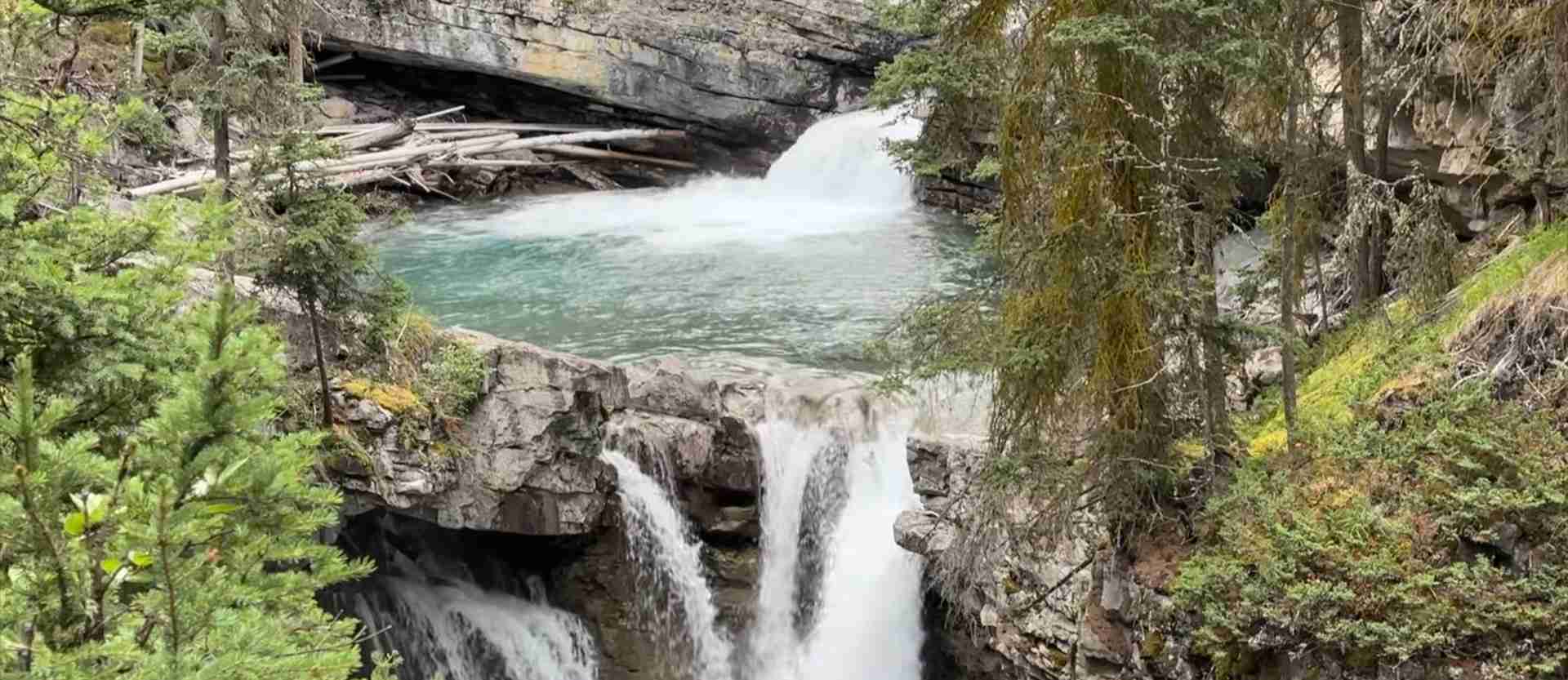
- Johnston Canyon Accessible Year-Round with Seasonal Character: Summer hiking showcases flowing waterfalls along suspended catwalks while winter transforms the canyon into frozen wonderland. Lower Falls requires 1.2-kilometer hike, Upper Falls extends to 2.7 kilometers. Free access with Parks Canada pass, guided winter ice walks $100-130 include transportation and equipment.
- Optimal Day Trip Timing Balances Crowds and Conditions: Early morning departures (before 8am) avoid peak congestion at popular destinations. Mid-week visits encounter fewer crowds than weekends. Shoulder seasons (May, September-early October) deliver excellent weather with reduced visitor numbers, though some high-elevation roads remain closed until mid-June.
People Also Ask About Banff Day Trips 2026
How Do I Access Moraine Lake and Lake Louise in 2026?
Moraine Lake Road closed to personal vehicles year-round in 2026. Three primary access methods serve both lakes. Parks Canada shuttles run June 1 – October 13, 2026 from Lake Louise Park & Ride with reservations opening April 15, 2026 at 8am MDT. Adult shuttle tickets cost $8, seniors $4, youth 17 and under ride free. Roam Transit Reservable Super Pass ($30) provides all-day access to Roam routes plus Parks Canada’s Lake Connector shuttle between both lakes. Guided tours ($149-189 for half-day excursions) include guaranteed access, transportation from Banff accommodations, and professional interpretation. Shuttle reservations book quickly during peak season — reserve well in advance or consider guided tours for hassle-free access.
What’s the Best Day Trip from Banff for First-Time Visitors in 2026?
Lake Louise and Moraine Lake combination ranks as the essential first-time day trip from Banff. Both UNESCO World Heritage lakes display iconic turquoise waters framed by dramatic mountain peaks within easy reach. Half-day guided tours ($149-189) visit both lakes with 30-minute stops at each, eliminating shuttle coordination stress. Alternative approach uses Parks Canada shuttles or Roam Transit Super Pass for flexible independent exploration. Morning departures (8am or earlier) encounter better light for photography and smaller crowds. The 55-kilometer drive from Banff takes one hour along Trans-Canada Highway, with both lakes accessible via shuttle connection from Lake Louise Park & Ride.
Can I Drive the Icefields Parkway from Banff to Jasper and Return in One Day?
The Icefields Parkway makes an ambitious but achievable day trip covering 464 kilometers (288 miles) round-trip from Banff to Jasper and back. The route requires minimum 12-14 hours including driving time (six hours minimum) plus stops at major viewpoints. Essential stops include Bow Lake, Peyto Lake overlook, Columbia Icefield Glacier Discovery Centre, Athabasca Falls, and Sunwapta Falls. Early departure (6am or earlier) maximizes daylight and reduces time pressure. Gas stations exist only at Saskatchewan River Crossing (halfway point) with premium pricing — fill tank in Banff before departure. One-way options eliminate backtracking: stay overnight in Jasper or book shuttle services back to Banff. Guided day tours ($200-300) handle driving while passengers enjoy scenery, though these typically turn around at Columbia Icefield rather than reaching Jasper.
Are Banff Day Trips Possible Without a Car in 2026?
Public transit, Parks Canada shuttles, and guided tours make car-free day trips entirely feasible from Banff in 2026. Roam Transit provides direct service from Banff to Lake Louise (Route 8X) for $13 adult, connecting to Parks Canada shuttles for Moraine Lake access. Johnston Canyon accessible via Roam Route 9 (May-September daily, October-April weekends only). Yoho National Park and Icefields Parkway require guided tours or private shuttle services when traveling without vehicle. Comprehensive guided day tours ($149-300 depending on destination and duration) include hotel pickup, transportation, professional guides, and guaranteed access to restricted areas. Pre-book all shuttle reservations and tour spots during peak summer season (July-August) as availability limits quickly.
Extended multi-day tours – 5+ days
Featured Banff National Park Multi-Day Tour Packages
3 days
Banff National Park 3-Day Discovery Tour
- ✓ Comprehensive Banff National Park experience
- ✓ Expert local guides included
- ✓ All accommodation included
- ✓ Transportation provided
5 days
Banff National Park 5-Day Highlights Experience
- ✓ Comprehensive Banff National Park experience
- ✓ Expert local guides included
- ✓ All accommodation included
- ✓ Transportation provided
7 days
Banff National Park 7-Day Cultural Journey
- ✓ Comprehensive Banff National Park experience
- ✓ Expert local guides included
- ✓ All accommodation included
- ✓ Transportation provided
10 days
Banff National Park 10-Day Complete Adventure
- ✓ Comprehensive Banff National Park experience
- ✓ Expert local guides included
- ✓ All accommodation included
- ✓ Transportation provided
Multi-day tour packages powered by TourRadar. Prices and availability subject to change.
Introduction to Banff Day Trip Opportunities 2026
Banff National Park’s central location within the Canadian Rockies positions visitors within reach of extraordinary alpine landscapes, each distinctive in character and appeal. The concentrated geography places world-famous destinations like Lake Louise and Moraine Lake, dramatic glacier-carved valleys along the Icefields Parkway, pristine British Columbia wilderness in Yoho National Park, and year-round canyon beauty at Johnston Canyon all within two-hour radius of Banff townsite.
The 2026 season introduces both opportunities and planning requirements that distinguish this year from previous visits. Canada Strong Pass provides free admission to all Parks Canada sites from June 19 through September 7, 2026, eliminating entry costs during peak summer months. This unprecedented access democratizes visits to premium destinations while concentrating visitor numbers during the free admission window. Conversely, shuttle reservation systems for Lake Louise and Moraine Lake require advance planning beginning April 15, 2026, with popular dates booking within hours of release.
Transportation infrastructure shapes day trip feasibility more than raw distance. Moraine Lake’s vehicle restrictions mean shuttles, transit passes, or guided tours serve as the only practical access methods during operating season. The Icefields Parkway’s 232-kilometer length between Lake Louise and Jasper demands realistic time allocation — rushed day trips sacrifice the very scenery that defines the route’s appeal. Johnston Canyon’s year-round accessibility via public transit makes it the most convenient car-free option, while Yoho National Park’s Trans-Canada Highway location keeps it within easy self-drive range.
Strategic timing multiplies day trip success. Early morning departures (6-8am) secure better parking at self-drive destinations, encounter optimal photography light, and avoid midday congestion. Mid-week visits (Tuesday-Thursday) face smaller crowds than weekends across all destinations. Shoulder seasons (May, September-early October) balance excellent weather against reduced visitor pressure, though high-elevation roads like Yoho Valley Road to Takakkaw Falls remain closed until mid-June and close again in mid-October.
This guide examines each major day trip destination from Banff with 2026-specific access requirements, current pricing, seasonal considerations, and practical planning frameworks. Whether pursuing the iconic lakes that define Rocky Mountain imagery, seeking uncrowded alternatives in neighboring parks, or experiencing glacier-fed landscapes along Canada’s most scenic highway, informed planning transforms ambitious day trip ideas into successful mountain adventures.
Lake Louise and Moraine Lake Day Trip 2026
Lake Louise and Moraine Lake represent the Canadian Rockies’ most photographed landscapes, displaying turquoise waters fed by glacial meltwater that creates their distinctive color. Both lakes sit within Banff National Park’s UNESCO World Heritage designation approximately 55 kilometers northwest of Banff townsite along Trans-Canada Highway. The 2026 season maintains vehicle restrictions at Moraine Lake while expanding shuttle services and alternative access options that require advance planning and reservation coordination.
Access Methods and Shuttle Reservations 2026
Moraine Lake Road closed to personal vehicles year-round following implementation of permanent access restrictions. Parks Canada shuttles operate June 1 through October 13, 2026 (weather dependent) with service from Lake Louise Park & Ride located at Lake Louise Ski Resort. Shuttle reservations open April 15, 2026 at 8am Mountain Daylight Time through Parks Canada Reservation Service online or by calling 1-877-737-3783. Initial release allocates 40% of seasonal capacity, with remaining 60% released at 8am MDT two days before each departure date.
Parks Canada shuttle pricing reflects affordability: adults $8, seniors 65+ $4, youth 17 and under free. Check Parks Canada official website for current rates as pricing may vary. The shuttle fee includes Lake Connector service between Lake Louise and Moraine Lake at no additional charge, enabling visitors to see both lakes on single reservation. Shuttles depart Lake Louise Park & Ride every 30 minutes from 6:30am to 6pm, with Lake Connector running 7am to 7pm. Round-trip time approximately four hours allows adequate exploration of both destinations.
Roam Transit Reservable Super Pass ($30) provides alternative access through integrated public transit. This pass includes unlimited travel on all Roam Transit routes plus reserved seats on Route 8X from Banff to Lake Louise and complimentary Lake Connector shuttle access. Advance online purchase required at Roam Transit website. The Super Pass benefits travelers staying in Banff who want flexible scheduling beyond Parks Canada shuttle departure times, though both systems experience high demand during July and August.
Guided tours eliminate shuttle coordination entirely while adding professional interpretation. Half-day Lake Louise and Moraine Lake tours range $149-189 adult, $149-169 child depending on operator and inclusions. Tours depart Banff accommodations morning (8am) or afternoon (1pm) with 4-4.5 hour duration. Services include hotel pickup and drop-off, professional guide, transportation in climate-controlled vehicles, and guaranteed access to both lakes with 30-minute stops at each. Morning tours operate June-September only while afternoon tours run April-November weather permitting. Book at least one week ahead during peak season as small-group tours (typically 24 seats maximum) sell out quickly.
What to See and Do at Each Lake 2026
Lake Louise presents grand mountain scenery anchored by Victoria Glacier’s white expanse rising above turquoise water. The lakeshore trail extends from Fairmont Chateau Lake Louise along the lake’s north shore for easy walking with mountain views. Ambitious hikers tackle Plain of Six Glaciers trail (5.3 kilometers one-way) or Lake Agnes/Big Beehive circuit for elevated perspectives. Canoe rentals operate from the boathouse near the chateau during summer months at premium rates. The lake itself measures 2.4 kilometers long by 500 meters wide at 1,750 meters elevation, remaining frozen from November through May with full summer thaw typically complete by late June.
Moraine Lake occupies the Valley of Ten Peaks at 1,885 meters elevation, providing even more dramatic mountain backdrop than Lake Louise. The Rockpile viewpoint (short 500-meter trail from parking area) delivers the iconic perspective featured on former Canadian $20 bills and countless tourism photographs. Shoreline trail loops 1.5 kilometers around the lake’s perimeter for alternative angles. Canoe rentals cost $160 per hour at Moraine Lake Lodge boathouse when available. Larch Valley and Sentinel Pass trails depart from lake area for serious hikers willing to commit half-day minimum to alpine terrain. The lake’s smaller size (1.2 kilometers long) concentrates crowds at the Rockpile viewpoint — arrive during morning or late afternoon shuttle slots when possible.
Seasonal Considerations and Best Times 2026
Peak turquoise color emerges mid-June through September when glacial meltwater flows strongest. Early season (June) sees lingering snow at trailheads and colder temperatures but fewer crowds and dramatic spring runoff waterfalls. Mid-summer (July-August) guarantees warmest weather, fullest color, and maximum crowds requiring advance shuttle reservations often booking weeks ahead. September delivers autumn gold in larch trees (mid-September through early October) with reduced visitor numbers and still-reliable weather. October access continues until mid-month (typically around Canadian Thanksgiving) before Moraine Lake Road closes for winter. Lake Louise remains accessible year-round though frozen from November through May.
Photography light favors morning visits when sun illuminates Victoria Glacier at Lake Louise and strikes Valley of Ten Peaks at Moraine Lake from ideal angles. Afternoon visits encounter more challenging backlighting though sunset hours (after most shuttles cease) provide golden hour opportunities for those using final departure times or staying at Moraine Lake Lodge. Cloud cover benefits glacier photography by diffusing harsh midday light — overcast days produce vibrant lake colors without harsh shadows.
Planning Your Lake Louise and Moraine Lake Day Trip 2026
Independent shuttle users book Parks Canada shuttle reservations on April 15, 2026 for peak season dates, monitoring two-day-ahead releases for remaining availability. Plan minimum four-hour round-trip from Banff including one hour driving to Lake Louise Park & Ride, shuttle time, and lake visits. Bring layers as temperatures at 1,750-1,885 meters elevation run 5-10°C cooler than Banff townsite. Pack lunch or snacks as limited food services exist at Lake Louise (Fairmont Chateau Lake Louise restaurants) and Moraine Lake Lodge (seasonal cafe) with premium pricing.
Guided tour participants receive confirmation details including exact pickup time and location when booking. Most tours include hotel pickup 15 minutes before stated departure time, with drop-off at same location or downtown Banff at tour conclusion. Tours provide interpretive commentary, handle shuttle coordination, and allocate time at each lake based on weather and group preferences. Additional stops along Bow Valley Parkway typically included depending on tour operator.
Weather contingencies matter for mountain destinations. Rain gear protects against afternoon thunderstorms common July-August. Bear spray recommended for trail hiking though not required for lakeshore walks with heavy visitor traffic. Valid Parks Canada pass required in addition to shuttle reservations (free during June 19 – September 7, 2026 Canada Strong Pass period, otherwise $11 daily adult). Washroom facilities exist at Park & Ride, Lake Louise lakeshore, and Moraine Lake parking areas.
Icefields Parkway and Columbia Icefield Day Trip 2026
The Icefields Parkway stretches 232 kilometers (144 miles) between Lake Louise and Jasper through the heart of the Canadian Rockies, connecting Banff and Jasper national parks via Highway 93 North. This designated scenic corridor passes over 100 ancient glaciers, emerald lakes, dramatic waterfalls, and towering peaks that collectively create one of the world’s most spectacular mountain drives. The Columbia Icefield marks the approximate midpoint, offering glacier access and interpretive experiences that anchor full-day or multi-day Parkway explorations.
Route Overview and Major Stops 2026
The Parkway begins at Lake Louise intersection with Trans-Canada Highway, immediately ascending into high alpine terrain characterized by sharp peaks and glacier-carved valleys. Driving time requires minimum three hours one-way without stops — realistic day trips allocate 12-14 hours round-trip from Banff to accommodate stops, meals, and Columbia Icefield activities. The route operates year-round though winter conditions (November-April) require winter tires and bring avalanche closures that can delay travel.
Bow Lake (33 kilometers north of Lake Louise) provides the first major stop with roadside parking, short shoreline trail, and backdrop of Crowfoot Glacier’s distinct shape. Peyto Lake viewpoint (6 kilometers further) requires 10-minute uphill walk from parking lot but rewards effort with stunning elevated perspective of bright turquoise water in distinctive fox-head shape. These two lakes typically consume 45 minutes combined including parking, walking, and photography.
Columbia Icefield Discovery Centre (105 kilometers from Lake Louise) serves as the Parkway’s primary destination with interpretive exhibits, restaurants, and ticket sales for glacier activities. The center sits at 2,000 meters elevation along the Athabasca Glacier’s terminus. Columbia Icefield Adventure ($120 adult) combines Ice Explorer glacier bus tour with Glacier Skywalk glass-floored observation platform extending over Sunwapta Valley. Check official website for current rates as pricing may vary. Tours operate May through October weather permitting. Advance online booking strongly recommended during July-August peak season as walk-up availability cannot be guaranteed.
Athabasca Falls (30 kilometers south of Jasper) thunders through narrow gorge carved in limestone bedrock. Multiple viewing platforms and interpretive trails require 30-45 minutes. Sunwapta Falls (10 kilometers south of Athabasca Falls) displays powerful cascades fed by Athabasca Glacier meltwater. Both waterfalls run strongest during June-July peak melt season.
Wildlife Viewing and Natural Features Along the Parkway 2026
The Parkway corridor concentrates diverse wildlife populations drawn to valley-bottom habitat. Black bears and grizzly bears feed on roadside vegetation during spring and early summer (May-July), particularly near treeline areas and berry patches. Mountain goats frequent rocky cliffs and mineral licks especially around the Big Bend area north of Saskatchewan River Crossing. Elk, mule deer, and bighorn sheep appear year-round though most visible during early morning and evening hours.
Wildlife viewing requires strict protocols to maintain both visitor safety and animal welfare. Parks Canada mandates minimum distances of 30 meters (three bus lengths) from elk, deer, and sheep, 100 meters from bears. Wildlife jams occur frequently during peak season when vehicles stop to observe animals — pull completely off roadway and remain inside vehicle. Never approach, feed, or otherwise interact with wildlife. Binoculars or telephoto lenses enable close viewing while maintaining safe distances.
Glacial features dominate the landscape with dozens visible from roadway. Saskatchewan Glacier (Canada’s largest outlet glacier from Columbia Icefield) appears as massive white expanse west of Saskatchewan River Crossing. Weeping Wall (70 kilometers north of Lake Louise) displays hundreds of small waterfalls and seeps flowing from cliff face during summer melt. Mistaya Canyon (71 kilometers north of Lake Louise) demonstrates erosive power of glacial meltwater through narrow carved gorge accessible via short trail from parking area.
Self-Drive Versus Guided Tour Options 2026
Self-drive exploration provides maximum flexibility for stop duration and timing while enabling overnight stays in Jasper or along the route. Rental vehicles from Banff or Calgary accommodate Parkway trips with full insurance coverage and winter tire requirements (November-March mandatory, recommended shoulder seasons). Gas stations exist only at Saskatchewan River Crossing midpoint and Jasper townsite — fill tank in Lake Louise or Banff before departure. Saskatchewan River Crossing fuel prices run 20-30% above Banff rates due to remote location and limited competition.
Cell phone coverage remains sparse throughout most of the Parkway with reliable service only near Lake Louise, Saskatchewan River Crossing, and approaching Jasper. Download offline maps via Google Maps or GPS navigation apps before departure. Parks Canada publishes official Icefields Parkway map available at visitor centers or online showing all major stops, facilities, and emergency phone locations.
Guided day tours ($200-300 adult depending on inclusions) eliminate driving responsibility while providing professional interpretation throughout the journey. Tours typically depart Banff 7-8am, reach Columbia Icefield by midday for included Ice Explorer or Glacier Skywalk experience, then return to Banff by 6-7pm. Small-group sizes (typically 14-24 passengers) allow for questions and photo stops at guide’s discretion. Tours include hotel pickup and drop-off, climate-controlled transportation, and occasional light snacks or lunch depending on operator. One-way tours enabling travel from Banff to Jasper (or reverse) cost $250-400 with luggage transport and flexibility to continue journey without backtracking.
Best Timing and Seasonal Considerations 2026
Summer season (June-September) provides most reliable weather, full accessibility to all stops, and operating hours for Columbia Icefield activities. June and early July deliver peak wildflower displays and strongest waterfall flows from glacial melt. Late September through early October introduces autumn colors as larch trees turn golden, creating spectacular contrast against evergreen forests and white peaks. These shoulder seasons also reduce traffic and tour bus congestion compared to July-August peak.
Winter Parkway travel (November-April) transforms the landscape into snow-covered wilderness with unique frozen waterfalls and ice formations. Winter requires winter tires, emergency supplies (blanket, food, water, flashlight), and realistic expectations for closure potential during severe storms. Athabasca Falls and other major viewpoints remain accessible though Ice Explorer glacier tours cease operation mid-October through April.
Morning departures from Banff (6-7am) enable arrival at Peyto Lake and Bow Lake during optimal photography light while reducing likelihood of afternoon thunderstorms common during July-August. Wildlife activity peaks during dawn and dusk hours — early starts increase bear and ungulate sighting probability. Afternoon and evening sun creates challenging backlighting for photography at many locations, though sunset hours (8-9pm in summer) provide gorgeous golden-hour light.
Yoho National Park Day Trip 2026
Yoho National Park occupies 1,310 square kilometers of British Columbia’s Rocky Mountains immediately west of the Alberta border, making it British Columbia’s counterpart to Banff and Jasper national parks. The park lies 45 minutes from Banff via Trans-Canada Highway, placing premier destinations like Emerald Lake and Takakkaw Falls within easy day-trip range. Yoho receives significantly fewer visitors than Banff’s most popular sites despite comparable scenery, creating opportunities for uncrowded alpine experiences just across the provincial boundary.
Emerald Lake: Pristine Alpine Beauty 2026
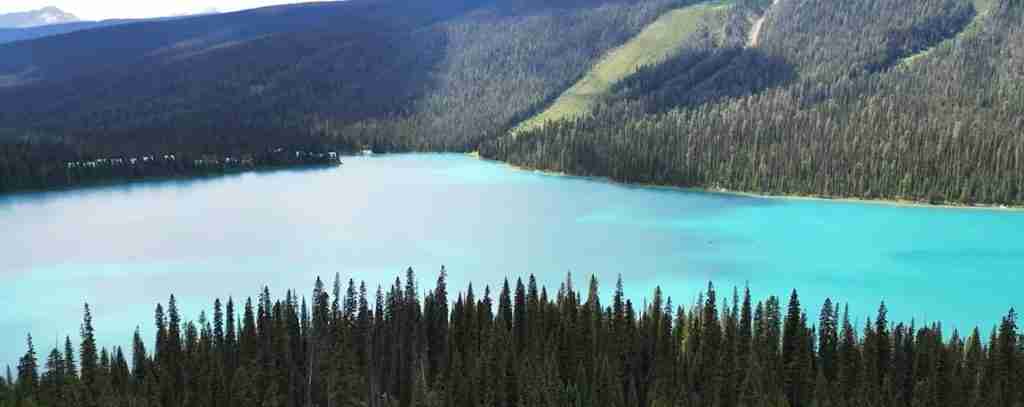
Emerald Lake displays vivid turquoise-green water (hence its name) at 1,302 meters elevation surrounded by forest and mountain peaks. Access requires 10-kilometer drive north from Field along Emerald Lake Road (open year-round though possibly snow-covered November-May). The lake remains accessible when Moraine Lake shuttle reservations are fully booked or during shoulder seasons when Moraine Lake Road is closed, making it valuable alternative for travelers seeking iconic Rocky Mountain lake scenery.
The lakeshore trail loops 5.2 kilometers around Emerald Lake’s perimeter with minimal elevation gain suitable for all fitness levels. The circuit requires approximately 1.5-2 hours at moderate pace with numerous photo opportunities and benches positioned along the route. Canoe rentals operate from Emerald Lake Lodge boathouse during summer season (typically late June through September) at $100 per hour. This pricing undercuts Moraine Lake’s $160 per hour rate while providing similar alpine lake paddling experience with fewer crowds.
Emerald Lake Lodge offers the park’s only lakeside accommodation along with dining at Mount Burgess Dining Room and Cilantro Cafe. Day visitors access lodge facilities including washrooms and the cafe for meals or beverages. The Natural Bridge geological formation sits 4 kilometers south along Emerald Lake Road, where Kicking Horse River has carved tunnel through limestone bedrock creating natural bridge. This quick stop requires only 10-15 minutes from roadside parking and pairs easily with Emerald Lake visit.
Takakkaw Falls: Canada’s Second-Tallest Waterfall 2026
Takakkaw Falls plunges 373 meters (1,224 feet) down sheer rock face fed by Daly Glacier meltwater, ranking as Canada’s second-tallest waterfall. The falls’ name derives from Cree language meaning “wonderful” — an accurate description of the thundering cascade visible and audible from parking area. Access requires 17-kilometer drive from Field along Yoho Valley Road, which opens mid-June through mid-October (exact dates weather dependent). The road includes tight switchback turns unsuitable for vehicles over 7 meters (23 feet) length or any trailers.
The walk from parking lot to falls base requires approximately 15 minutes on paved then gravel path covering 800 meters with minimal elevation change. The falls display peak flow during June and July when glacial melt runs strongest, creating powerful mist that drifts through the valley and often produces rainbows in afternoon sun. August and September flow rates decrease though the falls remain impressive through operating season. Late September and October see minimal flow as glacier melt slows with cooler temperatures.
The Iceline Trail begins at Takakkaw Falls parking lot for serious day hikers seeking high alpine terrain and glacier views. This strenuous 20-kilometer circuit gains 1,090 meters elevation and requires 8-10 hours to complete. More moderate Twin Falls trail extends 8.6 kilometers one-way with 425 meters gain to additional waterfalls in Little Yoho Valley. Both hikes require proper equipment, weather awareness, and bear safety protocols as they venture into true backcountry terrain.
Yoho National Park Access and Planning 2026
Yoho National Park requires valid Parks Canada pass identical to Banff National Park admission. Free entry applies June 19 – September 7, 2026 during Canada Strong Pass period. Outside free dates, daily passes cost $11 adult, $10 senior, free youth under 18. Discovery Pass ($77 adult annual) covers Yoho, Banff, Jasper, and other Parks Canada sites nationwide. Purchase passes at park entrance gates, visitor centers, or online through Parks Canada website.
Driving time from Banff to Field measures approximately 85 kilometers (53 miles) requiring 1 hour 20 minutes via Trans-Canada Highway. From Field, Emerald Lake Road extends 10 kilometers north while Yoho Valley Road to Takakkaw Falls heads 17 kilometers northeast. Total driving distance for Banff-Emerald Lake-Takakkaw Falls-Banff circuit measures approximately 235 kilometers (146 miles) requiring minimum 4-5 hours including stops. Realistic day trips allocate 6-8 hours for photography, short hikes, and meal breaks.
Guided Yoho National Park tours ($150-200 adult) operate from Banff with full-day itineraries combining Emerald Lake, Natural Bridge, Takakkaw Falls, and occasionally Wapta Falls or additional stops. Tours include hotel pickup and drop-off, professional guide, climate-controlled transportation, and guaranteed access without vehicle coordination. Book minimum one week ahead during July-August as small-group tours sell out during peak season.
Field serves as Yoho’s service center with visitor center (information, washrooms, maps), gas station, few restaurants including Truffle Pigs Bistro, and limited grocery supplies. No services exist along Emerald Lake Road or Yoho Valley Road — pack snacks, water, and emergency supplies before departing Field. Cell phone service remains limited throughout Yoho except near Trans-Canada Highway corridor and Field townsite.
Seasonal Timing and Weather Considerations 2026
Yoho Valley Road to Takakkaw Falls typically opens mid-June and closes mid-October based on snow conditions and avalanche risk. Parks Canada publishes current road status on official website and at Field Visitor Centre. Early season (June) brings maximum waterfall flow and wildflower displays but lingering snow on trails and colder temperatures. Mid-summer (July-August) provides warmest conditions, full accessibility, and peak visitor numbers though still less crowded than Banff’s signature attractions.
September and early October deliver autumn colors, particularly golden larches at higher elevations, with significantly reduced crowds and still-reliable weather. Late October through May sees winter closure of Yoho Valley Road while Emerald Lake Road remains open but often snow-covered requiring winter tires. The lake itself may freeze during November-May, transforming landscape but limiting activities.
Afternoon thunderstorms occur frequently during July and August, particularly after hot mornings. Early departures from Banff (7-8am) enable arrival at destinations before midday storm development. Rain gear advisable July-October. Morning light favors Takakkaw Falls photography as afternoon sun creates backlighting challenges. Emerald Lake displays vibrant color under overcast skies when diffused light eliminates harsh shadows and enhances water’s natural green tint.
Johnston Canyon Day Trip 2026
Johnston Canyon occupies a deep limestone gorge along Johnston Creek approximately 25 kilometers northwest of Banff on Bow Valley Parkway (Highway 1A). The canyon’s unique appeal stems from suspended steel catwalks bolted into vertical rock walls, creating dramatic walkway dozens of meters above the creek while maintaining accessibility for visitors of varied fitness levels. Year-round access makes Johnston Canyon viable during any season, with summer waterfall hiking and winter ice walk experiences each offering distinctive character.
Summer Hiking Experience 2026
The Lower Falls trail extends 1.2 kilometers (0.75 miles) one-way from parking area with 65 meters (213 feet) elevation gain along well-maintained path and catwalk system. Walking time requires 20-30 minutes each direction at moderate pace. The Lower Falls cascade through narrow canyon slot with viewing platform positioned directly beside the falls plus short tunnel providing close-up perspective. This section remains accessible to most visitors including families with children ages 6 and up.
The Upper Falls continuation adds 1.5 kilometers and 70 meters additional elevation gain beyond Lower Falls, bringing total round-trip distance to 5.4 kilometers (3.4 miles) with 135 meters gain. The Upper Falls tower 30 meters above viewing platform with impressive volume during peak flow season (June-July). Round-trip time to Upper Falls requires 2-2.5 hours allowing for stops and photography. Trail continues beyond Upper Falls to Ink Pots (additional 3 kilometers each way) displaying five cold mineral springs that never freeze, suitable for serious day hikers willing to commit half-day minimum.
Summer trail conditions vary from paved sections near parking area to natural surfaces with occasional mud or standing water. Standard hiking footwear with grip soles recommended. The catwalks range from ground level to approximately 10 meters (30 feet) height, maintained with railings though those with severe height fears may find sections challenging. Crowds concentrate during July-August weekends when trail sees hundreds of visitors — early morning departures (7-8am) or evening visits avoid peak congestion.
Winter Ice Walk Experience 2026
Johnston Canyon transforms November through April into frozen wonderland with waterfalls solidified into pillars of blue ice, icicles coating canyon walls, and creek flowing beneath snow and ice layer. The ice walk follows same catwalks as summer route but snow and ice covering creates distinctly different experience requiring proper equipment. Ice cleats or microspikes mandatory for safe travel — rental available at outdoor shops in Banff and Canmore for approximately $15 per day or purchase $30-50 for personal set.
Self-guided winter access remains free with valid Parks Canada pass (free June 19 – September 7, 2026 during Canada Strong Pass period, otherwise $11 daily adult, $10 senior, free youth). Washrooms at parking lot remain open year-round. Arrive early (before 9am) or late (after 3pm) during weekends to secure parking as the lot fills quickly during peak winter season (December-March). Roam Transit Route 9 provides public transit access from Banff May-September daily and October-April weekends only, making winter weekday visits require personal vehicle or guided tour transportation.
Guided winter ice walk tours ($100-130 adult) operate November through April from multiple Banff operators. Tours include hotel pickup and drop-off, professional guide, ice cleats, hiking poles, and often hot chocolate at tour conclusion. Duration runs 4 hours total including 2-2.5 hours actual walking time to Upper Falls. Morning departures (8:30am) or afternoon slots (1:30pm) accommodate different schedules. Evening ice walks (departing 5-6pm depending on sunset time) provide unique experience with headlamps illuminating frozen canyon features. Minimum age typically 8 years for guided tours as younger children struggle with sustained hiking on icy terrain.
Access and Transportation Options 2026
Johnston Canyon lies 25 kilometers northwest of Banff via two route options. Bow Valley Parkway (Highway 1A) provides scenic 30-minute drive with single lane each direction, wildlife viewing opportunities, and lower speed limits. Trans-Canada Highway 1 to Castle Junction exit then backtrack on Highway 1A covers same distance in slightly less time via four-lane highway. Both routes remain open year-round with winter conditions requiring winter tires and cautious driving during snow or ice.
Parking lot at Johnston Canyon Day-Use Area accommodates approximately 150 vehicles but fills by 9-10am during summer weekends and winter days with favorable weather. Overflow parking exists along roadway though Parks Canada regulations prohibit stopping or parking in certain zones. Day-use parking fees apply $11 per day during peak season (May-October) as part of overall Parks Canada admission structure. Winter parking included with valid park pass.
Roam Transit Route 9 serves Johnston Canyon May through September daily and October through April weekends only. Bus departs Banff Railway Station and stops at Banff High School before continuing to Johnston Canyon with approximately 35-minute travel time. Adult fare $5 one-way or included with Roam day pass $10. Check Roam Transit website for current schedules as departure times vary seasonally. Guided tours handle all transportation from Banff hotels, eliminating parking concerns and schedule coordination.
Best Timing and Photography Considerations 2026
Canyon orientation means sunlight penetrates to creek level only during midday hours (11am-2pm) in summer. Morning and evening visits encounter shaded conditions producing blue tones in photographs though avoiding harsh midday light. Overcast days benefit canyon photography by providing even illumination without extreme contrast. Waterfall flow peaks June-July during peak glacier melt, producing maximum power and mist. Late summer and autumn (August-October) show reduced flow but easier trail conditions with less mud.
Winter ice formation reaches maximum development January through March when sustained cold temperatures build thick ice columns and extensive icicle formations. December and early January display incomplete freezing with mixed ice and flowing water sections. Late March and April show deteriorating ice as spring temperatures initiate melt — this period carries increased risk from falling ice chunks and unstable formations. Professional ice climbers frequent Upper Falls during peak winter months, creating spectacle for observers though climbing areas remain off-limits to non-climbers without proper training and equipment.
Lesser-Known Day Trip Options from Banff 2026
Beyond the marquee destinations of Lake Louise, Moraine Lake, Icefields Parkway, Yoho National Park, and Johnston Canyon, Banff’s geography enables access to additional worthy day trip destinations that see substantially fewer visitors while delivering impressive landscapes and experiences. These alternatives suit travelers seeking solitude, photographers chasing uncrowded compositions, or those whose preferred destinations face shuttle booking challenges or weather closures.
Kananaskis Country: Alberta’s Mountain Playground
Kananaskis Country encompasses 4,000 square kilometers of Alberta Crown land southeast of Banff operated as multi-use recreation area rather than national park. This distinction means fewer regulations, dog-friendly trails, and mountain biking opportunities unavailable in national park boundaries. The region lies 45-90 minutes southeast of Banff via Trans-Canada Highway with major hubs at Canmore, Kananaskis Village, and Spray Lakes area.
Kananaskis Conservation Pass required for vehicle access to provincial recreation sites costs $15 daily or $90 annual per vehicle. Purchase online through Alberta Parks website or at self-serve kiosks at trailheads and parking areas. This pass differs from Parks Canada pass and covers access to Kananaskis Country, Spray Valley Provincial Park, and Peter Lougheed Provincial Park.
Popular day trip destinations include Grassi Lakes (easy 2-kilometer hike to twin turquoise lakes), Rawson Lake in Peter Lougheed Provincial Park (moderate 8-kilometer round-trip to alpine lake), and Spray Lakes viewpoint along Spray Lakes Road accessing stunning reservoir surrounded by peaks. Kananaskis Village base area provides dining, lodging, and trail access with developed infrastructure resembling Banff townsite but substantially fewer crowds. The region receives heaviest use during July-August weekends while mid-week and shoulder season visits encounter few other hikers.
Lake Minnewanka: Banff’s Largest Lake
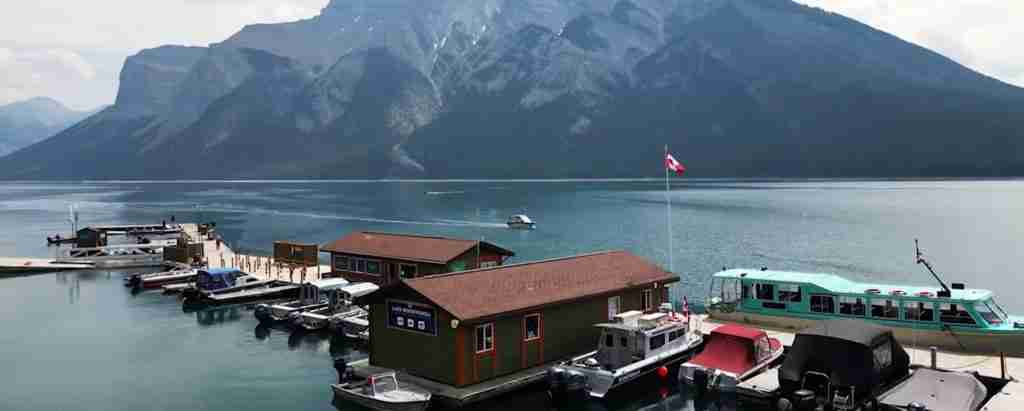
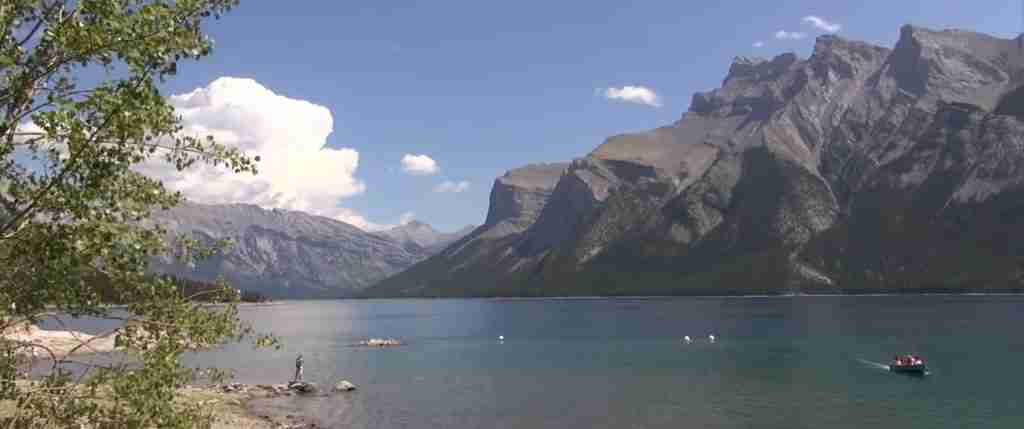
Lake Minnewanka sits 15 kilometers northeast of Banff townsite as the park’s largest lake at 21 kilometers length. The lake name derives from Stoney Nakoda language meaning “Lake of the Water Spirit” reflecting indigenous connections to the area. Modern Lake Minnewanka resulted from 1941 dam construction that raised water level and flooded the original resort village — today accessible only to scuba divers exploring underwater ghost town remains.
The lakeshore trail extends 15 kilometers one-way along north shore with multiple turnaround points enabling hikes of 2-30 kilometers depending on ambition. The initial 2-kilometer section sees heaviest traffic while beyond first viewpoint (approximately 45-minute walk) encounters dramatically reduced numbers. Wildlife sightings common along this trail include bighorn sheep, elk, deer, and occasional bears especially during early morning and evening hours.
Lake Minnewanka Boat Tours operate June through September offering 1-hour scenic cruises ($85 adult) with interpretive commentary about lake history, geology, and wildlife. Check official website for current rates as pricing may vary. Tours depart multiple times daily from Lake Minnewanka Day-Use Area with advance booking recommended during peak season. Sunset cruises (July-August only) provide photography opportunities during golden hour light.
The Two Jack Lakeside Trail connects Lake Minnewanka to smaller Two Jack Lake via easy 3-kilometer path suitable for families. Two Jack Lake offers sandy beach, picnic areas, and mountain reflections in calm water during morning hours. Parking lots at both lakes fill during summer weekends requiring early arrival or mid-week visits.
Sunshine Meadows: Accessible Alpine Hiking
Sunshine Meadows occupy high alpine plateau at 2,220 meters elevation along the Continental Divide separating Alberta and British Columbia. The meadows display extraordinary wildflower diversity during July and August when hundreds of species bloom simultaneously across subalpine terrain. Access requires gondola or shuttle bus from Sunshine Village ski area parking lot (18 kilometers west of Banff via Trans-Canada Highway then Sunshine Road).
White Mountain Adventures operates shuttle service June through September transporting hikers from Sunshine Village parking lot to Sunshine Meadows via 6-kilometer gravel road unsuitable for passenger vehicles. Shuttle cost $50 adult round-trip includes transportation only. Check official website for current rates as pricing may vary. Advance booking required as shuttle capacity limited. Alternative involves hiking 6 kilometers each way up access road gaining 550 meters elevation — challenging approach that most visitors avoid in favor of shuttle convenience.
Once at meadows, network of interconnected trails enables 2-10 kilometer hikes across rolling alpine terrain with minimal additional elevation gain. Rock Isle Lake loop (4 kilometers) ranks as most popular route visiting multiple small alpine lakes. Grizzly and Larix lakes extend exploration to 8 kilometers total with additional mountain views. All trails marked clearly though alpine weather changes rapidly — bring warm layers, rain gear, and sun protection for exposed terrain above treeline.
Guided interpretive hikes operate daily during peak season with naturalist guides explaining alpine ecology, wildflower identification, and geological features. These 3-hour tours cost $125 adult including shuttle transportation. The meadows’ high elevation means cooler temperatures than Banff townsite — expect 5-10°C lower readings even during summer. Snow patches may linger into early July in shaded areas. Late August through September brings autumn colors as alpine vegetation transitions before winter.
Practical Considerations for Banff Day Trips 2026
Weather and Seasonal Planning
Mountain weather patterns dictate day trip success more than calendar dates. Summer season (June-September) provides most reliable conditions though afternoon thunderstorms develop regularly during July and August, particularly after hot mornings. Lightning danger becomes significant in exposed locations including Icefields Parkway viewpoints, alpine lakes, and above-treeline hiking trails. Monitor weather forecasts via Parks Canada website, Environment Canada alerts, or BanffNow real-time information system. Early departures (6-8am) enable completion of outdoor activities before afternoon storm development peaks around 2-4pm.
Shoulder seasons (May, late September, October) balance excellent weather potential against variable conditions including possible snow at higher elevations and road closures. Yoho Valley Road to Takakkaw Falls and Moraine Lake Road typically remain closed until mid-June, limiting options during May visits. Autumn (September-October) delivers brilliant golden larch colors at higher elevations, reduced crowds, and often spectacular weather stability though shorter daylight hours compress available exploration time.
Winter day trips (November-April) require winter tires (mandatory in British Columbia, strongly recommended in Alberta), emergency supplies including blanket, food, water, flashlight, and first aid kit. Icefields Parkway remains open year-round but avalanche control closures can delay travel hours or occasionally full days during severe storms. Check road conditions via 511 Alberta (dial 511 from phone) or DriveBC website before departure. Johnston Canyon ice walk and winter scenery along accessible routes compensate for reduced destination options during cold months.
Bear Safety and Wildlife Protocols
Black bears and grizzly bears occupy Banff National Park and surrounding regions year-round with highest activity during spring (May-June) and berry season (July-August). Parks Canada mandates minimum safe distances of 100 meters (approximately 10 bus lengths) from bears, 30 meters (3 bus lengths) from elk, deer, sheep, and other large mammals. Approaching, feeding, or attempting to attract wildlife violates federal regulations and carries fines up to $25,000.
Bear spray recommended for backcountry hiking and trail use in areas with limited visibility or known bear activity. Spray canisters ($50-70) available at outdoor retailers in Banff and Canmore, with some accommodations offering complimentary loan programs. Carry spray in accessible holster rather than buried in pack. Practice deployment technique before trail use. Spray works effectively within 7-10 meter range during charging attack but requires proper aim and timing to succeed.
Group hiking (minimum 4 people) significantly reduces bear encounter risk as larger groups make more noise and appear more threatening to bears. Make noise deliberately via conversation, periodic loud calls, or bear bells attached to pack especially in areas with limited sightlines including dense forest, creek corridors, and berry patches. Never approach or photograph wildlife at close range — zoom lenses enable satisfying images while maintaining safe distances that protect both visitors and animals.
Food, Water, and Emergency Preparedness
Limited services exist along most day trip routes beyond immediate Banff or Lake Louise areas. Pack adequate food for full-day outings as restaurants at destinations charge premium prices with limited selection. Johnston Canyon, Yoho National Park, and Icefields Parkway between Saskatchewan River Crossing and Jasper offer no food services except at specific lodges or facilities. Bring picnic lunch, snacks, and extra energy bars in case weather or route delays extend time away from Banff.
Water sources exist at trailheads and major facilities though backcountry hiking requires water purification tablets or filter for creek water. Carry minimum 2 liters per person for summer day trips, more during hot weather or strenuous hiking. Dehydration affects mountain visitors quickly at altitude and lower humidity levels despite cool temperatures.
Cell phone coverage remains sparse outside immediate Banff and Canmore areas. Icefields Parkway, Yoho Valley Road, Bow Valley Parkway, and backcountry trails often lack signal. Download offline maps via Google Maps or Parks Canada app before departure. Inform someone of day trip plans including intended destination, expected return time, and vehicle description. Parks Canada emergency phone stations exist at major parking areas along Icefields Parkway though these cannot be assumed available in all locations.
Photography Equipment and Techniques
Mountain landscape photography benefits from wide-angle lens (16-35mm equivalent) for expansive vistas and moderate telephoto (70-200mm) for wildlife and distant mountain details. Polarizing filter reduces glare from water surfaces and deepens blue sky saturation. Tripod enables long exposures for waterfall silky-water effects and sharp images during low-light conditions though adds weight and bulk to day pack.
Golden hour light (first hour after sunrise, last hour before sunset) produces warm tones and long shadows that enhance mountain landscapes. Summer sunrise occurs approximately 5:30am, sunset around 9:30pm creating generous windows though both times shift earlier during shoulder seasons. Midday harsh overhead light challenges landscape photography though benefits wildlife shots by illuminating animals clearly. Overcast conditions provide even lighting preferable for forest scenes and waterfalls where contrast becomes problematic under direct sun.
Composition techniques include foreground interest elements (rocks, flowers, ice formations) to anchor wide-angle landscapes, rule-of-thirds placement for horizon lines and primary subjects, and leading lines from trails or rivers directing viewer attention through frame. Experiment with multiple angles and perspectives rather than accepting first viewpoint — moving 10 meters sideways or changing elevation by few meters often transforms ordinary shot into compelling image.
Frequently Asked Questions About Banff Day Trips 2026
Do I need advance reservations for all Banff day trips in 2026?
Moraine Lake access requires either Parks Canada shuttle reservations (opening April 15, 2026), Roam Transit Super Pass purchase, or guided tour booking due to permanent vehicle restrictions. Lake Louise remains accessible without reservation though parking fills early requiring shuttle use or very early arrival (before 7am). Johnston Canyon, Yoho National Park, Icefields Parkway, and other destinations accept visitors without reservations though parking constraints during peak season (July-August weekends) make early arrival advisable. Columbia Icefield Adventure activities benefit from advance online booking as walk-up availability cannot be guaranteed during peak times.
What’s the most cost-effective way to visit multiple destinations from Banff in 2026?
Self-drive with Parks Canada Discovery Pass ($77 annual) enables unlimited access to Banff, Yoho, Jasper, and other national parks for full year. This pass pays for itself after seven daily visits ($11 each) making it economical for trips exceeding one week. Roam Transit Reservable Super Pass ($30) provides single-day access to all routes including Lake Louise and Moraine Lake Lake Connector. Guided tours ($149-300 per day depending on destination) cost more than self-drive but eliminate vehicle rental, gas, parking stress, and navigation responsibilities. Free admission during Canada Strong Pass period (June 19 – September 7, 2026) removes entry costs though shuttle reservations and activity fees still apply.
How early should I start day trips from Banff to avoid crowds?
Departures by 6-7am consistently beat crowd arrival at popular destinations. Lake Louise parking fills by 8am during summer, Johnston Canyon by 9am on weekends, Emerald Lake by 10am during peak season. Early starts also capture optimal photography light, reduce afternoon thunderstorm exposure, and increase wildlife viewing probability. Afternoon departures (1-2pm) encounter peak congestion but enable sleeping later for those prioritizing rest over optimal conditions. Evening visits (after 4pm) work for destinations with late daylight but reduce time available for activities and photography.
Can I see Lake Louise and Moraine Lake plus another destination in single day?
Lake Louise and Moraine Lake combination with Johnston Canyon makes realistic single-day itinerary. Morning Parks Canada shuttle (departing 6:30-8am) to both lakes provides 3-4 hours total time including Lake Connector transfer. Return to Banff by midday enables afternoon Johnston Canyon visit via personal vehicle or Roam Transit with completion by 5-6pm. Lake Louise/Moraine Lake combined with Yoho National Park Emerald Lake also works using morning shuttle reservation followed by afternoon drive to Yoho (45 minutes from Banff). Icefields Parkway requires full day and cannot realistically combine with other major destinations due to distance and stop requirements.
What should I do if my preferred shuttle date to Moraine Lake is fully booked?
Parks Canada releases 60% of shuttle capacity at 8am MDT two days before each departure date — monitor this release for last-minute availability. Roam Transit Reservable Super Pass ($30) provides alternative access route via Lake Louise with Lake Connector shuttle included. Guided tours ($149-189) maintain separate access permits and book their own allocations often when Parks Canada shuttles show sold out. Consider shifting travel dates to mid-week (Tuesday-Thursday) when demand runs lower than weekends. Visit Emerald Lake in Yoho National Park as uncrowded alternative displaying similar turquoise alpine lake scenery without reservation requirements.
Is it possible to do Icefields Parkway day trip from Banff without car?
Guided Icefields Parkway tours ($200-300) provide car-free option with hotel pickup and drop-off, professional guide, climate-controlled transportation, and included Columbia Icefield activities. Tours typically operate May through October with daily departures during peak season. One-way tours enabling Banff-to-Jasper or Jasper-to-Banff travel eliminate backtracking while transporting luggage. SunDog Tours and Brewster Sightseeing operate scheduled motor coach service along Icefields Parkway with photo stops though these function more as transportation than sightseeing tours. No public transit serves the Parkway corridor — guided tours or personal vehicle represent only practical options.
What’s the best backup plan if weather closes my planned day trip destination?
Johnston Canyon remains accessible year-round as weather-protected option since canyon walls provide shelter from precipitation. Banff townsite museums (Whyte Museum $13 adult, Buffalo Nations Museum $18 adult) offer indoor alternatives with Canadian Rockies history and indigenous cultural exhibits. Banff Gondola ($75 adult) operates except during severe wind or lightning, providing mountain summit access in enclosed cabin. Banff Upper Hot Springs ($10 adult admission) functions in rain or cool weather. Cave and Basin National Historic Site ($8 adult) presents indoor interpretive exhibits about Banff’s origin as Canada’s first national park. Check official websites for current rates as pricing may vary. Multiple backup options enable productive days despite weather preventing original destination plans.
Are Banff day trips suitable for families with young children?
Lake Louise and Moraine Lake lakeshore walks require minimal hiking with flat terrain suitable for strollers along paved sections. Parks Canada shuttles accommodate young children (free under 18) though require carrying or wearing children during shuttle boarding and travel. Johnston Canyon Lower Falls (1.2 kilometers each way) manages well with children ages 6+ who can sustain 45-minute hike though catwalk height may concern some families. Upper Falls extends distance and difficulty unsuitable for children under 8. Emerald Lake loop trail (5.2 kilometers) works for older children accustomed to sustained walking but proves lengthy for younger ages. Guided tours typically set minimum ages 3-8 depending on activity and operator. Infant carriers (front or back pack) enable trail access with babies though restrict parents’ mobility on narrow catwalks or steep sections.
How does altitude affect day trip activities from Banff?
Banff townsite sits at 1,383 meters (4,537 feet) elevation with day trip destinations ranging 1,302 meters (Emerald Lake) to 2,220 meters (Sunshine Meadows). Most visitors experience no altitude issues at these moderate elevations though those ascending from sea level may notice slight breathlessness during exertion. Adequate hydration (minimum 2 liters daily), moderate activity pace, and avoiding alcohol first 24 hours minimize adjustment challenges. Serious altitude sickness remains rare below 2,500 meters though individuals with heart or respiratory conditions should consult physicians before mountain travel. Columbia Icefield activities reach approximately 2,000 meters — cooler temperatures and increased sun intensity require warm layers and sunscreen rather than posing altitude risk for most healthy visitors.
What’s the latest in the season I can visit major Banff day trip destinations in 2026?
Lake Louise remains accessible year-round though freezes November through May eliminating summer lake scenery. Moraine Lake Road closes mid-October (typically around Canadian Thanksgiving) through late May preventing access regardless of shuttle availability. Yoho Valley Road to Takakkaw Falls closes mid-October through mid-June based on snow and avalanche conditions. Johnston Canyon operates year-round with winter ice walk becoming the primary draw November through April. Icefields Parkway remains open year-round though Columbia Icefield Adventure activities cease mid-October through April and winter conditions create challenging driving. Late September through early October provides latest reliable access to high-elevation destinations before winter closures while maintaining decent weather probability and autumn color displays. Confirm current road status via Parks Canada website before late-season travel.