
Banff 3-Day Itinerary 2026: Perfect First Visit
Banff National Park demands strategic planning for first-time visitors navigating limited shuttle availability, dynamic attraction pricing, and vast mountain terrain spanning 6,641 square kilometers. This optimized three-day itinerary balances iconic landmarks with practical logistics, positioning you at turquoise alpine lakes before crowds arrive, securing advance reservations where mandatory, and maximizing value during Canada’s free admission period from June 19 through September 7, 2026.
Key Takeaways for Your Banff 3-Day Adventure 2026
- Budget Planning 2026: Expect $575-745 CAD ($415-535 USD) per person for three days including accommodation ($180-300 per person for two nights sharing mid-range hotel), meals ($210-300), Banff Gondola ticket ($74-94), Parks Canada shuttle ($8), and transportation, with free park admission June 19-September 7 saving $34 CAD per person through the Canada Strong Pass initiative
- Advance Reservations Essential 2026: Book Moraine Lake and Lake Louise shuttles starting April 15 at 8am MDT through Parks Canada reservation system, secure Banff townsite hotels 6-9 months ahead for July-August visits, and reserve Banff Gondola tickets online for preferred time slots as summer weekends sell out weeks in advance
- Free Admission Summer 2026: All visitors enter Banff National Park free June 19-September 7, 2026, eliminating the standard $11 CAD daily pass requirement and saving $34 on a three-day visit, though camping fees and activity tickets remain at regular rates
- Moraine Lake Access 2026: Private vehicles cannot access Moraine Lake Road year-round, requiring Parks Canada shuttle reservations ($8 CAD adult round-trip including Lake Connector between both lakes) or commercial operators like Moraine Lake Bus Company ($35-105 CAD) departing from Lake Louise Park & Ride
- Optimal Visit Timing 2026: June and September deliver ideal conditions with shoulder-season hotel savings of 30-40%, Lake Louise and Moraine Lake fully accessible, mild weather for hiking, and significantly reduced crowds compared to July-August peak when accommodation rates reach $450-500 per night
- Transportation Strategy 2026: Roam Transit System Wide Day Pass ($30 CAD) provides unlimited local transit plus Lake Louise round-trip including Parks Canada Lake Connector access, eliminating rental car costs, parking fees, and navigation stress across Banff’s mountain road network
People Also Ask About Banff 3-Day Itinerary 2026
How much does a 3-day Banff trip cost in 2026?
A three-day Banff visit costs $575-745 CAD ($415-535 USD) per person for mid-range comfort including accommodation, meals, transportation, and one major attraction. Hotel accommodation represents $180-300 per person (two sharing mid-range hotel at $90-150 per night for two nights), meals total $210-300 ($70-100 daily for restaurant dining), Banff Gondola costs $74-94, Parks Canada shuttle runs $8, and local transportation adds $30-60. Budget travelers using camping and self-catering reduce costs to $240-360 per person, while luxury experiences with premium hotels and fine dining reach $1,500-2,400 per person. Park admission is free June 19-September 7, 2026, saving $34 per person for three days. All figures assume two people sharing accommodation costs.
Can you see Banff in 3 days in 2026?
Three days captures Banff’s essential highlights including Lake Louise, Moraine Lake, Banff Gondola summit views, downtown exploration, and multiple scenic hikes, though this timeline requires advance shuttle reservations and strategic pacing. Day one covers Lake Louise and Moraine Lake via Parks Canada shuttle system, day two explores Banff townsite attractions including the gondola and Bow Falls, and day three tackles Johnston Canyon or Icefields Parkway depending on interests. This itinerary prioritizes major landmarks over comprehensive exploration, skipping secondary destinations like Lake Minnewanka, Cave and Basin, or extended backcountry trails. First-time visitors departing satisfied with iconic photo opportunities while recognizing Banff rewards longer stays for deeper immersion.
Do I need to book shuttles in advance for Banff 2026?
Parks Canada shuttle reservations to Lake Louise and Moraine Lake require advance booking starting April 15, 2026 at 8am MDT through the Parks Canada reservation system, as walk-up availability is extremely limited during summer months. The system releases 40% of shuttle capacity on April 15 for the entire season, with remaining 60% released two days before each departure date at 8am MDT. Shuttle tickets cost $8 adult, $4 senior, free for youth 17 and under, and include the Lake Connector allowing same-day visits to both lakes. Commercial alternatives like Moraine Lake Bus Company and Via Via accept bookings months in advance but cost $35-105 per person. Banff Gondola and other attractions accept walk-ups but online advance purchase guarantees preferred time slots and occasionally offers lower rates than on-site ticket windows.
What’s the best month to visit Banff in 2026?
September delivers optimal Banff conditions for first-time visitors in 2026, combining accessible high-season attractions with 30-40% lower accommodation costs, minimal crowds, stable weather, and spectacular fall foliage along hiking trails. Moraine Lake remains fully operational through mid-October, hotels drop from $450-500 peak rates to $250-350 per night, and trail systems encounter fraction of July-August traffic. June runs close second with wildflower displays, snow-free trails, and shoulder pricing before summer peak, though Moraine Lake Road opens June 1 weather-permitting. July-August guarantee lake access and longest daylight but command highest prices and most intense crowding. May presents budget opportunities but Moraine Lake remains closed and high-elevation trails hold snow.
Extended multi-day tours – 5+ days
Featured Banff National Park Multi-Day Tour Packages
3 days
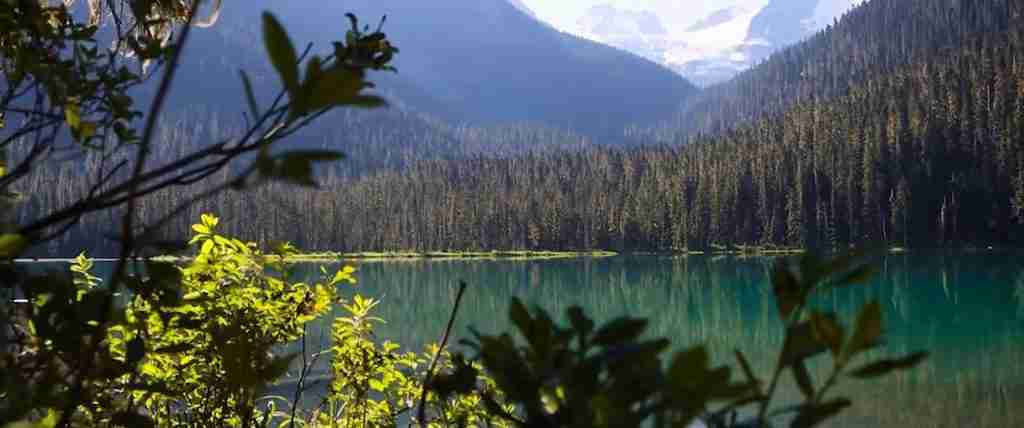
Banff National Park 3-Day Discovery Tour
- ✓ Comprehensive Banff National Park experience
- ✓ Expert local guides included
- ✓ All accommodation included
- ✓ Transportation provided
5 days
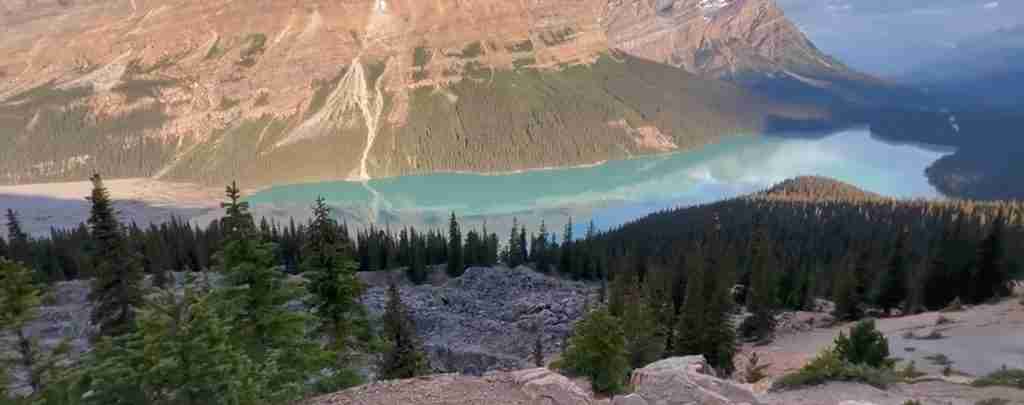
Banff National Park 5-Day Highlights Experience
- ✓ Comprehensive Banff National Park experience
- ✓ Expert local guides included
- ✓ All accommodation included
- ✓ Transportation provided
7 days
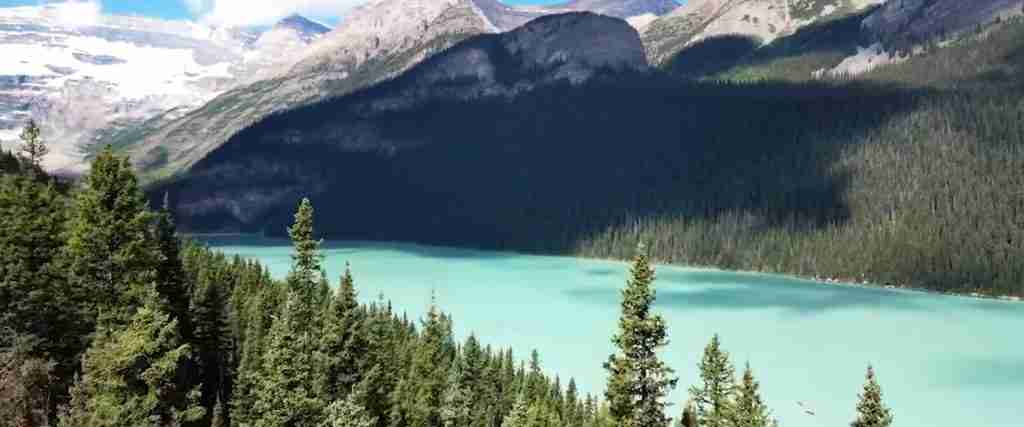
Banff National Park 7-Day Cultural Journey
- ✓ Comprehensive Banff National Park experience
- ✓ Expert local guides included
- ✓ All accommodation included
- ✓ Transportation provided
10 days
Banff National Park 10-Day Complete Adventure
- ✓ Comprehensive Banff National Park experience
- ✓ Expert local guides included
- ✓ All accommodation included
- ✓ Transportation provided
Multi-day tour packages powered by TourRadar. Prices and availability subject to change.
Introduction: Strategic Planning for Your 2026 Banff Adventure
Banff National Park represents Canada’s flagship mountain destination, attracting over four million annual visitors to turquoise alpine lakes, glacier-carved valleys, and 1,600 kilometers of hiking trails spanning North America’s most accessible Rocky Mountain terrain. This UNESCO World Heritage Site delivers unmatched natural grandeur concentrated within manageable driving distances, positioning Lake Louise 58 kilometers northwest of Banff townsite, Moraine Lake 14 kilometers beyond via restricted-access road, and major trailheads distributed along well-maintained highways serving both independent travelers and transit riders.
The 2026 season introduces significant access changes reshaping trip planning fundamentals. Parks Canada’s permanent Moraine Lake Road vehicle closure eliminates private car access, requiring all visitors to secure advance shuttle reservations or book commercial operators for this iconic destination. Simultaneously, the Canada Strong Pass offers free park admission June 19 through September 7, eliminating the standard $11 daily entry fee and delivering $34 savings across three-day visits. These modifications demand adjusted strategies: shuttle reservations opening April 15 at 8am MDT fill rapidly for prime July-August dates, while the free admission window creates concentrated visitation requiring earlier morning departures to major attractions.
Three days establishes the minimum timeline capturing Banff’s essential experiences without perpetual rushing. Day one targets Lake Louise and Moraine Lake via Parks Canada shuttle system, maximizing morning light on turquoise waters before midday crowds. Day two explores Banff townsite including gondola ascent to Sulphur Mountain’s 2,281-meter summit, downtown shopping and dining, and Bow Falls viewpoint. Day three ventures to Johnston Canyon’s suspended walkways and waterfalls or samples the Icefields Parkway’s dramatic scenery depending on interests and energy levels. This framework prioritizes photographic icons and accessible highlights while acknowledging Banff rewards extended stays for wildlife viewing, backcountry exploration, and deeper immersion in alpine ecosystems.
First-time visitors navigate competing priorities between landmark collection and meaningful engagement. The temptation runs strong to maximize destination count, racing between Lake Louise, Moraine Lake, Peyto Lake, Johnston Canyon, and Banff Gondola in frantic sequence producing Instagram coverage but shallow experience. Superior approach allocates generous time at fewer locations, permitting sunrise patience at Moraine Lake’s rocky shore, leisurely Lakeshore Trail walks at Lake Louise, and unhurried boardwalk exploration atop Sulphur Mountain. Three well-paced days following this strategic itinerary outperform five rushed days cramming excessive attractions into impossible schedules.
Budget considerations shape planning decisions across accommodation, dining, and activity choices. Mid-range travelers spending $575-745 per person balance hotel comfort with restaurant meals and one premium attraction like the Banff Gondola. Budget-conscious visitors reducing costs to $240-360 per person leverage camping, grocery-store meal preparation, and free hiking activities. Luxury seekers investing $1,500-2,400 per person access Fairmont Banff Springs elegance, fine dining at venues like Eden or The Bison, and guided experiences including helicopter tours or wildlife safaris. All budget tiers navigate identical logistics regarding shuttle reservations, park access, and weather variables.
Seasonal timing dramatically impacts feasibility, costs, and experience quality. Peak summer months of July and August guarantee lake accessibility and longest daylight but command premium accommodation rates reaching $450-500 per night and generate maximum trail crowding. Shoulder seasons of June and September deliver 30-40% hotel savings, reduced visitor density, and equally spectacular scenery, though June risks occasional trail snow at higher elevations and September shortens daylight for evening activities. The Canada Strong Pass free admission period spanning June 19 through September 7 attracts concentrated visitation, particularly weekends, requiring earlier morning starts to major attractions. Winter transforms Banff into world-class ski destination but closes Moraine Lake Road entirely and limits hiking options.
This comprehensive itinerary provides hour-by-hour guidance through three optimized days, detailing shuttle logistics, activity sequencing, dining recommendations, and backup options for weather disruptions. Each day structures morning priority activities when crowds remain light and afternoon flexibility accommodating fatigue or spontaneous discoveries. Cost breakdowns specify exact expenses for mid-range, budget, and luxury approaches. Practical sections address transportation decisions, advance reservation protocols, packing essentials for mountain weather, and photography timing for optimal natural lighting. Implementation of this framework produces balanced Banff introduction capturing iconic landmarks while avoiding common first-timer mistakes around shuttle access, timing, and unrealistic daily mileage expectations.
Essential Pre-Trip Planning for Banff 2026
Successful Banff visits require completing critical reservations and bookings months before arrival, as limited capacity at accommodations, shuttles, and popular activities fills rapidly during 2026’s anticipated high-visitation season. The reservation timeline follows predictable patterns: Banff townsite hotels for July-August require booking 6-9 months in advance, Parks Canada shuttle reservations open April 15 at 8am MDT with 40% of seasonal capacity released immediately, camping at popular frontcountry campgrounds like Tunnel Mountain requires reservations 90 days ahead, and Banff Gondola tickets benefit from advance online purchase guaranteeing preferred time slots. Failure to secure these foundational elements forces expensive last-minute alternatives or schedule compromises undermining trip objectives.
Parks Canada Shuttle Reservations 2026
Moraine Lake and Lake Louise shuttle access represents the single most critical reservation for 2026 Banff visits, as Moraine Lake Road remains permanently closed to private vehicles and Lake Louise Lakeshore parking fills by 6am during summer peak. Parks Canada operates shuttle service from Lake Louise Park & Ride at the Lake Louise Ski Resort, departing every 30 minutes from 6:30am through 6pm with final return shuttle at 7:30pm. The system releases 40% of shuttle capacity on April 15, 2026 at 8am MDT for the entire June 1 through October 12 operating season, with remaining 60% released on rolling two-day advance basis at 8am MDT. Adult tickets cost $8 round-trip, seniors pay $4, and youth 17 and under ride free. Each shuttle reservation includes the Lake Connector service enabling same-day visits to both Lake Louise and Moraine Lake without additional fees.
The Parks Canada reservation website at reservation.pc.gc.ca requires account creation before April 15 launch date, with GCKey login offering most reliable authentication method versus social media options experiencing periodic technical issues. Reservations can alternatively be made by telephone at 1-877-737-3783 though phone bookings incur $6 service fee versus $3 online fee. System crashes and slow loading commonly occur during initial release minutes on April 15, requiring patience and repeated refresh attempts. Visitors seeking July-August prime dates should log in 10-15 minutes before 8am MDT to position ahead of demand surge.
Commercial shuttle alternatives provide backup options when Parks Canada capacity fills, though at significantly higher costs. Moraine Lake Bus Company operates from Lake Louise Village for sunrise departures and from Lake Louise Park & Ride for standard daytime service, charging $35-105 per person depending on departure time with sunrise shuttles commanding premium rates. Via Via offers guided shuttle tours from Banff and Canmore including Moraine Lake and Lake Louise combinations for $85-105 per person with narrated commentary and flexible departure times. Mountain Park Transportation and Ten Peaks Shuttles provide additional commercial options. These services accept advance bookings through respective websites, filling their capacity independently from Parks Canada system.
Accommodation Booking Timeline 2026
Banff townsite hotels for July-August visits require reservations 6-9 months in advance to secure reasonable rates and preferred locations, with properties along Banff Avenue within walking distance of restaurants and shops filling first. Mid-range hotels like Banff Inn, Red Carpet Inn, and Peaks Hotel charge $250-350 per night during summer peak, dropping to $180-280 during June and September shoulder seasons. Budget-conscious travelers find hostel dormitories at HI Banff Alpine Centre starting $45-65 per bed, while luxury seekers at Fairmont Banff Springs or Rimrock Resort pay $450-650 per night. Canmore hotels 20 minutes east along Trans-Canada Highway offer 20-35% savings versus comparable Banff properties while maintaining easy park access via Highway 1.
Campground reservations through Parks Canada’s system open 90 days in advance for popular frontcountry sites like Tunnel Mountain, Two Jack Lake, and Lake Louise. Full-service sites with flush toilets, showers, and electrical hookups cost $43-50 per night, while basic sites with pit toilets and hand pumps run $28-35. The online reservation system at reservation.pc.gc.ca operates on first-come-first-served basis when capacity releases, typically filling prime summer weekends within hours of availability. Reservation fees add $12 per booking. Walk-up camping remains possible at less popular campgrounds but risks being turned away during peak season.
Transportation and Rental Car Considerations 2026
Calgary International Airport serves as primary gateway to Banff, located 128 kilometers east along Trans-Canada Highway with 90-minute drive time. Brewster Express operates airport shuttle service costing $75-95 per person one-way, $140-170 round-trip, with multiple daily departures requiring 2-4 week advance booking during summer peak. Rental cars from Calgary airport enable independent schedule flexibility at $60-95 daily for compact vehicles, $85-140 for SUVs, though winter visits November-March require $20-30 daily winter tire supplements. Week-long rentals reduce effective daily rates 10-20% compared to 3-day bookings.
The rental car decision balances flexibility against parking challenges and transit alternatives. Rental vehicles provide spontaneous exploration along Bow Valley Parkway, access to trailheads lacking shuttle service, and independence from fixed shuttle schedules. However, parking at Lake Louise Lakeshore fills by 6am requiring 5am arrival for guaranteed spots, Moraine Lake Road remains completely closed to private vehicles, and downtown Banff paid parking charges $3-5 per hour with limited street availability. Roam Transit’s System Wide Day Pass at $30 per person includes unlimited local routes plus Lake Louise round-trip access, connecting Banff Gondola, Johnston Canyon, Lake Minnewanka, and Parks Canada Lake Connector shuttle to Moraine Lake without parking stress.
Activity and Attraction Advance Booking 2026
Banff Gondola tickets benefit from online advance purchase through banffjaspercollection.com, guaranteeing preferred departure times and occasionally offering lower rates than on-site windows. Dynamic pricing varies by date and demand, ranging $74-94 for adults with children 5 and under riding free. Summer weekends and holiday periods sell out weeks ahead, while midweek dates maintain better availability. The gondola operates year-round with extended hours during peak summer season.
Guided activities including wildlife tours, ice walks, and helicopter flights require 2-4 week advance booking through operators like Discover Banff Tours, Banff Adventures, and Rockies Heli. Popular experiences like Johnston Canyon icewalk tours in winter and wildlife viewing safaris fill capacity rapidly. Restaurant reservations at upscale venues including Eden, The Bison, and Sky Bistro atop Sulphur Mountain should be secured 1-2 weeks ahead for dinner service, though lunch and casual dining accept walk-ins with potential wait times.
Day 1: Lake Louise and Moraine Lake Experience 2026
Day one prioritizes Banff National Park’s two most photographed destinations through strategic morning positioning, Parks Canada shuttle coordination, and generous time allocation avoiding rushed transitions between locations. Lake Louise and Moraine Lake deliver the turquoise alpine water imagery defining Canadian Rockies visual identity, each requiring 2-3 hours for photography, shoreline walks, and reflective appreciation beyond quick photo-stop approach. This day demands earliest wake-up of the three-day itinerary, with departure from Banff accommodation by 5:30am for Lake Louise Park & Ride shuttle check-in ensuring prime light and minimal crowds at Moraine Lake.
Morning: Moraine Lake Priority Access (5:30am-11:00am)
Departure from Banff townsite accommodation at 5:30am allows 6:15am arrival at Lake Louise Park & Ride located at Lake Louise Ski Resort, 58 kilometers northwest via Trans-Canada Highway requiring 45-50 minutes drive time. Parks Canada shuttle check-in requires arrival 15-20 minutes before scheduled departure time for boarding pass collection and passenger loading. First shuttle departures at 6:30am position visitors at Moraine Lake by 6:50am, capturing optimal morning light on the Valley of the Ten Peaks reflected in glacier-fed turquoise water before 9am crowds obscure shoreline photography angles.
Moraine Lake’s elevation at 1,884 meters produces morning air temperatures 5-10 degrees Celsius cooler than Banff townsite, requiring layered clothing including fleece or down jacket regardless of valley forecasts. The Rockpile Trail ascends 25 meters above lake level via 15-minute climb over boulder-strewn path, delivering the classic elevated viewpoint featured on former Canadian $20 bills. Morning light from east illuminates glacier-carved peaks surrounding the lake, with optimal photography window spanning 7:00am-9:00am before direct sun creates harsh contrast shadows. Alternative shoreline walks along the lake’s eastern edge provide intimate water-level perspectives and fewer photographer crowds competing for tripod positions.
The Lakeshore Trail extends 2.7 kilometers each way along Moraine Lake’s eastern shore to the lake’s far end, requiring 40-60 minutes one-way at casual pace over relatively level terrain suitable for all fitness levels. This path provides constantly changing perspectives on the Ten Peaks, opportunities for wildlife sightings including ground squirrels and occasional black bears, and quieter contemplation away from the congested Rockpile area. Early morning timing increases wildlife encounter probability while reducing human traffic on narrow trail sections. Return to shuttle pickup area by 10:45am allows 11:00am shuttle departure to Lake Louise via Parks Canada Lake Connector service included with initial shuttle reservation.
Moraine Lake Lodge operates the lakeside café serving hot beverages, pastries, and light breakfast items from 7:30am through early afternoon, though prices reflect captive location premium. Pack breakfast items from Banff grocery stores for budget-conscious approach, consuming them along shoreline trails or at picnic tables near shuttle drop-off area. Vault toilets near parking lot provide only facilities at Moraine Lake, with no running water available.
Late Morning to Afternoon: Lake Louise Exploration (11:15am-3:30pm)
Lake Connector shuttle delivers passengers from Moraine Lake to Lake Louise Lakeshore parking area in 20 minutes, with 11:15am arrival providing mid-morning positioning at Banff National Park’s most visited destination. Lake Louise spans 2.4 kilometers long by 500 meters wide at 1,750 meters elevation, fed by meltwater from Victoria Glacier visible at the lake’s far end. The iconic Fairmont Chateau Lake Louise dominates the eastern shore, its castle-like architecture framing countless photographs though interior dining and afternoon tea service requires advance reservations.
The Lakeshore Trail follows Lake Louise’s northern edge for 2 kilometers to the base of Victoria Glacier’s terminal moraine, requiring 30-40 minutes one-way over wide gravel path accommodating heavy foot traffic. Early afternoon timing produces direct sunlight on glacier and surrounding peaks, though the lake’s turquoise intensity peaks during morning hours when diffused light penetrates water column more effectively. The trail’s first kilometer to viewpoint past the Chateau remains crowded through midday, while the second kilometer toward glacier terminus encounters fewer visitors willing to extend walking distance. Return shuttle flexibility allows adjustment of Lake Louise visit duration based on energy levels and photographic satisfaction.
The Lake Louise Visitor Centre adjacent to the parking area operates daily with Parks Canada staff providing trail condition updates, wildlife activity reports, and general park information. Restroom facilities, water bottle filling stations, and small gift shop occupy the building. Fairmont Chateau Lake Louise offers multiple dining options ranging from casual Lakeside Lounge to upscale Fairview Bar & Restaurant, though lunch service requires advance reservations during peak season. Alternative lunch strategy involves returning to Lake Louise Village 4 kilometers downhill via free Village Shuttle, accessing grocery store, cafés, and restaurants at significantly lower prices than lakeside captive dining.
Late Afternoon: Return to Banff and Downtown Exploration (4:00pm-7:00pm)
Parks Canada return shuttle from Lake Louise Lakeshore to Lake Louise Park & Ride departs multiple times hourly through 7:30pm, with 4:00pm departure allowing 4:20pm vehicle retrieval and 5:15pm return to Banff townsite. Alternative Roam Transit Route 8X operates between Lake Louise and Banff for visitors using public transportation exclusively, requiring approximately 60 minutes travel time with multiple daily departures. The late afternoon arrival in Banff provides opportunity for downtown exploration including Banff Avenue shopping district, Cascade Gardens stroll, and early dinner at one of 100+ restaurants concentrated within walking distance of central accommodations.
Banff Avenue spans from the Bow River bridge southward for eight blocks, lined with outdoor equipment retailers, art galleries, souvenir shops, and restaurants representing diverse cuisine options. Casual dining at venues like Eddie Burger + Bar ($15-25 per person), Melissa’s Missteak ($20-35), or Park Distillery ($18-30) delivers satisfying meals without fine-dining premium prices. Budget-conscious travelers find grocery options at Nesters Market and IGA for next-day trail lunch preparation. The evening hours between 6pm-8pm offer pleasant downtown strolling temperatures after daytime heat, with alpenglow illuminating surrounding peaks visible from multiple street vantage points.
Day 1 Cost Summary 2026
Hotel accommodation $90 per person (two sharing mid-range hotel at $180 per night), Parks Canada shuttle $8, breakfast before departure $15, Moraine Lake café snack $8, Lake Louise lunch $25, Banff dinner $45, groceries and supplies $12. Total Day 1: approximately $205 per person.
Day 2: Banff Townsite and Sulphur Mountain Summit 2026
Day two concentrates within Banff townsite boundaries and immediate surroundings, eliminating long-distance highway driving while accessing the town’s premier attraction, natural landmarks, and downtown amenities through walkable distances and short transit rides. The Banff Gondola ascent to Sulphur Mountain’s 2,281-meter summit provides 360-degree panoramic views spanning six mountain ranges, complemented by interpretive exhibits, restaurants, and boardwalk exploration. This more relaxed schedule following day one’s early morning shuttle logistics allows 7:30am-8:00am wake-up and flexible afternoon pacing adjusted to energy levels and weather conditions.
Morning: Banff Gondola Summit Experience (8:30am-12:30pm)
Banff Gondola base terminal sits 5 kilometers south of downtown Banff along Mountain Avenue, accessible via Roam Transit Route 1 departing from Banff Avenue transit hub every 15-20 minutes during summer season. Early morning positioning by 8:30am-9:00am provides optimal timing ahead of midday crowds, cooler summit temperatures for comfortable boardwalk hiking, and superior photographic light angles before harsh overhead sun. The eight-minute gondola ascent transports passengers 700 vertical meters from 1,583-meter base elevation to 2,281-meter Sulphur Mountain summit, with enclosed four-person cabins offering 360-degree windows during scenic climb above treeline.
Gondola tickets purchased online in advance guarantee preferred departure windows and occasionally offer modest savings versus on-site ticket purchase. Adult tickets range $74-94 depending on date and demand through dynamic pricing system, with seniors receiving reduced rates and children 5 and under riding free. Summit facilities include two restaurants (upscale Sky Bistro requiring advance reservations and casual Northern Lights Alpine Kitchen), interpretive centre explaining Banff’s geology and wildlife, theater showing park history films, and multiple observation decks with mounted telescopes for peak identification.
The Sulphur Mountain Boardwalk extends 1 kilometer along the ridgeline to Sanson’s Peak at 2,255 meters, requiring 20-30 minutes one-way over wooden walkway providing 360-degree mountain panoramas. This wheelchair-accessible path delivers the summit’s most spectacular photography opportunities, particularly northward views of Banff townsite nestled in Bow Valley with Cascade Mountain rising beyond. Early morning timing produces crisp visibility before afternoon haze accumulates, though summit weather changes rapidly requiring windbreaker and warm layers regardless of valley conditions. Return gondola operates continuously throughout operating hours, allowing flexible summit duration adjusted to interests and stamina.
Afternoon Option A: Bow Falls and Hoodoos Trail (1:00pm-4:00pm)
Bow Falls presents Banff’s most accessible waterfall viewpoint, located 2 kilometers southeast of downtown via paved riverside trail or 10-minute walk from Bow Falls parking area. The Bow River cascades over 9-meter limestone ledge, creating broad curtain falls particularly impressive during June peak snowmelt flows. Multiple viewpoint platforms provide photography angles from both upstream and downstream positions, with the iconic Fairmont Banff Springs Hotel visible across river valley creating classic compositional element. Bow Falls Trail continues beyond falls overlook for 1 kilometer to Hoodoos viewpoint, showcasing eroded limestone pillars sculpted by millennia of glacial meltwater and freeze-thaw cycles.
The complete Bow Falls to Hoodoos loop measures approximately 5 kilometers round-trip from downtown Banff, requiring 90-120 minutes at casual pace over predominantly flat riverside terrain. This self-guided walk passes beneath Bow River Bridge, follows paved paths through riparian forest, and delivers continuously changing river perspectives without significant elevation gain. Wildlife sightings regularly include elk grazing riverside meadows, bighorn sheep on rocky slopes, and diverse bird species along wetland sections. The trail accommodates all fitness levels and remains accessible year-round, though winter ice conditions require traction devices.
Afternoon Option B: Cave and Basin National Historic Site (1:00pm-4:00pm)
Cave and Basin represents Banff National Park’s founding location, where discovery of thermal hot springs in 1883 led directly to national park designation. The site operates as museum and interpretive centre explaining park history, Indigenous connections to hot springs, and thermal water geology. Indoor exhibits explore park creation politics, early tourism development, and contemporary conservation challenges. The historic cave features thermal pool where original sulphur springs emerge, while outdoor boardwalk systems traverse active thermal wetlands supporting unique plant species adapted to warm water conditions.
Admission costs $9 CAD for adults, free for youth 17 and under, with senior discounts available. The site sits 3 kilometers southwest of downtown Banff, accessible via Roam Transit Route 1 or 15-minute walk along Cave Avenue. Budget 90-120 minutes for complete indoor exhibit review, cave exploration, and boardwalk loop. Swimming is prohibited in thermal pools at this historic site, though nearby Banff Upper Hot Springs offers soaking opportunities when reopened from maintenance closures currently scheduled for early 2026 completion. The Cave and Basin grounds include picnic areas, interpretive signage about thermal ecology, and viewpoints over Bow Valley.
Evening: Downtown Dining and Optional Nightlife (6:00pm-9:00pm)
Banff’s restaurant scene concentrates along Banff Avenue and side streets within three-block radius of central core, offering cuisine diversity from pub fare to fine dining across 100+ establishments. Mid-range dinner options include The Bison Restaurant & Terrace for locally sourced Canadian cuisine ($25-45 per entrée), Three Ravens Restaurant & Wine Bar at Banff Park Lodge ($28-48), and Tooloulou’s Cajun-Creole specialties ($22-38). Budget-conscious dining finds Banff Ave Brewing Co. for pizza and craft beer ($15-25), Eddie Burger + Bar for elevated comfort food ($15-28), and Nourish Bistro for vegetarian-focused plates ($18-30).
Evening activities beyond dining include live music venues like Wild Bill’s Legendary Saloon presenting country-western performances, Rose & Crown Pub offering traditional British atmosphere, and St. James’s Gate Irish Pub hosting regular entertainment. Banff Centre for Arts and Creativity presents concerts, theater productions, and art exhibitions requiring advance ticket purchase. The downtown area remains walkable through evening hours with well-lit streets and active pedestrian traffic through 10pm during summer season. Most accommodations sit within 10-15 minutes walk of restaurant concentrations, eliminating transportation concerns for evening activities.
Day 2 Cost Summary 2026
Hotel accommodation $90 per person (two sharing mid-range hotel at $180 per night), Banff Gondola ticket $84, breakfast $18, summit snack $12, Cave and Basin admission $9, dinner $40, local transit $4. Total Day 2: approximately $260 per person.
Day 3: Johnston Canyon or Icefields Parkway Exploration 2026
Day three presents strategic choice between two dramatically different experiences: Johnston Canyon’s accessible waterfall trail system offering guaranteed scenic rewards with minimal time investment, or Icefields Parkway’s epic mountain highway delivering superlative scenery requiring full-day commitment. The Johnston Canyon option suits travelers prioritizing downtown Banff’s shopping and dining in afternoon hours, families with children appreciating shorter trail distances, or visitors departing Banff by evening flight requiring flexibility. The Icefields Parkway alternative appeals to landscape photography enthusiasts, adventurous travelers comfortable with 230-kilometer round-trip driving, and those willing to sacrifice downtown time for wilderness immersion.
Option A: Johnston Canyon Trail System (7:30am-12:30pm)
Johnston Canyon showcases suspended steel catwalks clinging to limestone canyon walls above Johnston Creek’s turquoise pools and cascading waterfalls, creating Banff’s most popular moderate hiking trail attracting 200,000+ annual visitors. The Lower Falls section measures 1.1 kilometers one-way from trailhead, requiring 20-30 minutes over paved pathway and catwalks to reach 10-meter waterfall viewpoint. Upper Falls extends additional 1.6 kilometers beyond Lower Falls, gaining 120 meters elevation to reach 30-meter main waterfall after 45-60 minute climb from Lower Falls junction. The complete round-trip to Upper Falls and return spans 5.4 kilometers requiring 2.5-3 hours at casual pace including photography stops.
Johnston Canyon sits 23 kilometers northwest of Banff townsite along Bow Valley Parkway, accessible via Roam Transit Route 9 operating during summer season with multiple daily departures. Early morning arrival by 7:30am-8:00am provides optimal crowd avoidance, as trail congestion intensifies through midday hours when narrow catwalk sections create bottlenecks. The canyon’s shaded environment maintains cooler temperatures than exposed mountain trails, though morning humidity from waterfall mist requires water-resistant outer layers. Wildlife encounters commonly include American dippers diving in creek pools, squirrels along walkways, and occasional black bears foraging canyon slopes requiring proper food storage and noise generation.
Ink Pots represent advanced hiking extension 5.8 kilometers beyond Upper Falls, accessing seven cold mineral springs creating vivid blue-green pools in alpine meadow at 1,645 meters elevation. This challenging extension adds 11.6 kilometers round-trip and 215 meters elevation gain from Upper Falls junction, requiring additional 3-4 hours for fit hikers comfortable with sustained climbing. Most first-time visitors optimize time allocation by limiting ambitions to Upper Falls, preserving afternoon energy for downtown Banff exploration or travel departure logistics.
Option A Afternoon: Downtown Banff Shopping and Relaxation (2:00pm-6:00pm)
Afternoon hours following Johnston Canyon return provide opportunity for downtown Banff shopping along Banff Avenue, visiting galleries and boutiques, or relaxing at accommodation before evening departure. Outdoor equipment retailers including Monod Sports, Mountain Magic Equipment, and Altitude Sports offer comprehensive Canadian Rockies gear spanning hiking boots, technical clothing, and camping supplies. Art galleries showcase wildlife paintings, landscape photography, and Indigenous artwork from regional artists. The Whyte Museum of the Canadian Rockies presents permanent collections documenting mountain culture and heritage through art, artifacts, and archival photographs, with $8 adult admission and free entry for youth.
Banff Visitor Centre at 224 Banff Avenue operates as information hub providing trail condition updates, wildlife activity reports, and Parks Canada program schedules. The adjacent Friends of Banff bookstore stocks field guides, maps, and regional literature. Banff Public Library offers free WiFi, reading spaces, and community bulletin boards. Cascade Gardens across from the administration building provide manicured walking paths through alpine plantings with Cascade Mountain backdrop for sunset photography. These low-key afternoon activities avoid excessive physical exertion following morning hike while maximizing remaining Banff hours before departure.
Option B: Icefields Parkway Day Trip (7:00am-6:00pm)
The Icefields Parkway extends 232 kilometers from Lake Louise northwest to Jasper, ranking among the world’s most scenic mountain highways with continuous glacier views, turquoise lakes, and abundant wildlife. A comprehensive day trip from Banff covers the southern 130-kilometer section to Columbia Icefield, requiring 2 hours driving each direction plus multiple stops at viewpoints and short trails. This ambitious itinerary demands early 7:00am departure from Banff accommodation, packed lunch for roadside consumption, and comfort with 6-hour vehicle time across the day.
Key stops along the southbound route include Bow Lake with Crowfoot Glacier backdrop, Peyto Lake viewpoint requiring 15-minute uphill walk to turquoise lake panorama, and Waterfowl Lakes providing serene alpine scenery. The Columbia Icefield area features the Athabasca Glacier tongue extending toward highway, Columbia Icefield Discovery Centre, and Ice Explorer tours onto glacier surface costing $120 per person with advance online booking required. The Glacier Skywalk glass-floored observation platform extends over Sunwapta Valley, delivering vertigo-inducing views 280 meters above valley floor. Return journey follows identical route with afternoon light angles providing fresh photography perspectives on morning locations.
This Icefields Parkway option produces longest and most physically demanding day of the three-day itinerary, offsetting scenic rewards against fatigue accumulation. Weather remains unpredictable at 2,000+ meter elevations along the parkway, with afternoon thunderstorms and temperature drops common even during summer months. Fuel availability exists only at Saskatchewan River Crossing 77 kilometers from Lake Louise, requiring full tank before departure. Wildlife including black bears, grizzly bears, elk, and mountain goats appear regularly along roadside requiring cautious driving and proper viewing distance maintenance.
Day 3 Cost Summary Option A (Johnston Canyon)
Breakfast $15, trail snacks $8, lunch $25, Roam Transit $4, afternoon activities $15, dinner $40. Total Day 3 Option A: approximately $110 per person.
Day 3 Cost Summary Option B (Icefields Parkway)
Breakfast $15, rental car fuel $40 per person (shared), packed lunch $15, Ice Explorer tour $120, Glacier Skywalk $35, snacks $10, dinner $45. Total Day 3 Option B: approximately $280 per person.
Complete 3-Day Budget Breakdown 2026
Understanding comprehensive costs enables realistic budget planning and prevents mid-trip financial surprises. Three-day Banff visits cost $575-745 per person for mid-range comfort, $240-360 for budget camping approach, or $1,500-2,400 for luxury experience. These totals assume two people sharing accommodation costs, with solo travelers paying full room rates increasing budgets significantly.
Three-Day Total Cost Calculation 2026
Day 1 costs approximately $205 per person, Day 2 costs approximately $260 per person. Day 3 Option A costs approximately $110 per person, while Day 3 Option B costs approximately $280 per person. Three-day totals: Day 1 plus Day 2 plus Day 3 Option A equals approximately $575 per person. Day 1 plus Day 2 plus Day 3 Option B equals approximately $745 per person.
Accommodation Costs Three Nights 2026
Mid-range hotels in Banff townsite charge $180-300 per night during July-August peak season, totaling $180-300 per person for two nights assuming two-person room sharing ($90-150 per person per night). June and September shoulder seasons reduce rates 30-40% to $120-200 per night. Budget hostels at HI Banff Alpine Centre offer dormitory beds $45-65 per night, requiring $90-130 per person for two nights. Luxury hotels like Fairmont Banff Springs cost $450-650 per night, totaling $450-650 per person for two nights shared occupancy ($225-325 per person per night). Camping at Parks Canada campgrounds runs $28-43 per night, totaling $56-86 for two nights regardless of tent occupancy.
Meal Costs Three Days 2026
Restaurant dining averages $70-100 per person daily, totaling $210-300 across three days for breakfast ($15-25), lunch ($20-35), and dinner ($35-60) at mid-range establishments. Budget self-catering using grocery stores reduces food costs to $25-40 per person daily, totaling $75-120 for three days. Hybrid approaches combining restaurant dinners with grocery breakfast and lunch run $50-75 daily, totaling $150-225 across three days. Fine dining at upscale venues increases daily food budgets to $120-180 per person.
Transportation Costs 2026
Roam Transit System Wide Day Pass at $30 per person provides unlimited local routes plus Lake Louise round-trip including Parks Canada Lake Connector access to Moraine Lake, eliminating rental car expenses. Three daily passes total $90 per person across the itinerary. Rental cars cost $60-95 per day plus fuel expenses of approximately $15-25 daily, totaling $225-360 per person for three days assuming two-person cost sharing. Parks Canada shuttle to Lake Louise and Moraine Lake costs $8 per person included in transit pass approach. Calgary airport transfers add $75-95 per person one-way via Brewster Express.
Activity and Attraction Costs 2026
Banff Gondola represents major paid attraction at $74-94 per person. Cave and Basin admission costs $9 per adult. Ice Explorer tour on Icefields Parkway runs $120 per person. Most hiking trails including Johnston Canyon, Bow Falls, and lakeshore walks remain free beyond park entry. Park admission is free June 19-September 7, 2026, saving $34 per person for three days outside this window when daily passes cost $11 or Discovery Pass runs $77 for annual access.
Three-Day Total Cost Ranges 2026
Budget camping approach: accommodation $86 (camping for two nights), meals $120 (self-catering), transportation $90 (Roam Transit passes), park entry $0 (visiting during free admission period), minimal paid activities. Total: $240-360 per person.
Mid-range hotel approach: accommodation $180-300 (two sharing mid-range hotel two nights), meals $210-300 (restaurant dining), transportation $90 (Roam Transit passes), Banff Gondola $84, Cave and Basin $9, Parks Canada shuttle $8, park entry $0 (visiting during free admission period). Total: $575-745 per person.
Luxury approach: accommodation $450-650 (two sharing luxury hotel two nights), meals $360-540 (fine dining), rental car $225, Banff Gondola $84, Icefields Parkway activities $155, park entry $0 (visiting during free admission period). Total: $1,500-2,400 per person.
Weather and Packing Essentials for Banff 2026
Banff’s mountain climate produces dramatic daily temperature swings and rapid weather changes requiring layered clothing systems adaptable to shifting conditions. Summer daytime highs in Banff townsite at 1,383 meters elevation reach 20-25°C (68-77°F), dropping to 5-10°C (41-50°F) overnight. Lake Louise and Moraine Lake at 1,750-1,880 meters experience temperatures 5-10 degrees cooler than townsite, while Sulphur Mountain summit at 2,281 meters produces wind chill making conditions feel 10-15 degrees colder than valley readings. Morning starts at 6:30am for shuttle departures encounter near-freezing temperatures during June and September shoulder seasons despite afternoon warmth.
Essential Clothing Layers 2026
Base layers including moisture-wicking synthetic or merino wool shirts provide foundation for temperature regulation across activity levels. Mid-layers of fleece or lightweight down jacket add insulation for cool mornings and summit conditions. Waterproof-breathable shell jacket protects against afternoon thunderstorms common during July-August. Long pants in quick-dry synthetic fabric suit trail hiking better than denim retaining moisture and restricting movement. Pack both shorts and long pants accommodating temperature variations across the day.
Footwear requires ankle-supporting hiking boots with aggressive tread for rocky trails like Johnston Canyon catwalks and Moraine Lake Rockpile. Break in new boots before trip to prevent blisters on multi-kilometer hikes. Athletic shoes suffice for downtown Banff walking and paved paths. Sandals or lightweight shoes serve hotel room comfort. Wool or synthetic hiking socks prevent blisters better than cotton varieties retaining moisture.
Critical Equipment and Accessories 2026
Sun protection remains essential at high elevations with thin atmosphere providing minimal UV filtering. SPF 30+ sunscreen, wide-brimmed hat, and sunglasses protect exposed skin during hours at Lake Louise and Moraine Lake. Insect repellent containing DEET or picaridin deters mosquitoes and blackflies prevalent during June-July in forested areas. Reusable water bottle minimum 1 liter capacity maintains hydration on trails lacking water sources. Small daypack 20-30 liters carries layers, snacks, water, and camera equipment during daily excursions.
Bear spray represents recommended safety equipment for backcountry hiking, available for rent $10 per day from outdoor retailers in Banff. Front-country trails including Johnston Canyon and Lake Louise lakeshore paths experience sufficient traffic making bear spray less critical though still advisable. Trail snacks including energy bars, nuts, and dried fruit maintain energy levels across multi-hour hikes. First aid kit with adhesive bandages, pain relievers, and blister treatments addresses common trail injuries.
Photography Equipment Recommendations 2026
DSLR or mirrorless cameras with wide-angle zoom lenses (16-35mm) capture expansive mountain landscapes, while telephoto zooms (70-200mm) compress distance for dramatic peak compositions. Smartphone cameras produce excellent results for casual documentation, though dedicated cameras provide superior low-light performance for sunrise shooting. Polarizing filter reduces water surface glare on lakes, enhancing turquoise color intensity. Lightweight tripod enables long-exposure waterfall photography and sharp landscape images in marginal light. Extra camera batteries combat cold-weather power drain reducing capacity.
Photography Tips and Optimal Timing 2026
Successful Banff photography requires understanding light quality changes throughout the day, positioning strategies for iconic viewpoints, and backup planning for weather disruptions. Mountain landscapes favor diffused light during early morning and late afternoon hours, avoiding harsh midday sun creating excessive contrast shadows. Moraine Lake’s legendary turquoise intensity peaks during morning hours when indirect light penetrates water column, while afternoon direct sun washes out color saturation. Lake Louise produces excellent photography throughout the day though morning calm water surfaces enhance reflection clarity.
Moraine Lake Photography Strategy 2026
The Rockpile viewpoint represents Moraine Lake’s classic vantage point, requiring 15-minute boulder scramble gaining 25 meters elevation above lake surface. Arrive by 7:00am-7:30am for prime positioning before crowds occupy limited boulder perches. Morning east light illuminates the Valley of the Ten Peaks reflected in lake surface, with optimal shooting window spanning 7:00am-9:00am before direct sun creates contrast challenges. Composition typically places turquoise water in lower frame third, peaks occupying middle third, and sky completing upper third. Polarizing filter enhances water color and reduces surface glare.
Alternative shoreline perspectives from lake’s eastern edge provide intimate foreground elements including weathered logs, rocks, and alpine flowers unavailable from elevated Rockpile position. Morning mist rising from water surface during cool temperatures creates atmospheric effects impossible to predict or reproduce on subsequent visits. Cloudy conditions often produce superior Moraine Lake photography compared to bluebird days, as diffused light enhances turquoise saturation while eliminating harsh shadow contrast. Rain-soaked rocks along shore intensify color vibrancy creating dramatic foreground leading lines.
Lake Louise Photography Approaches 2026
Lakeshore viewpoints immediately adjacent to Fairmont Chateau Lake Louise deliver postcard-perfect compositions including hotel architecture, turquoise water, and Victoria Glacier backdrop. Morning light before 10:00am produces calm water conditions ideal for reflection photography, though the lake faces southwest creating slight backlighting challenges during early hours. Afternoon light from 2:00pm-5:00pm provides direct illumination on glacier and surrounding peaks, though afternoon breezes typically disturb water surface eliminating reflection opportunities.
The shoreline trail extending toward glacier terminus offers constantly changing perspectives unavailable from congested hotel viewpoint area. Walk 500 meters along north shore trail to reach quieter compositions placing Victoria Glacier prominently while minimizing human elements. Telephoto lenses compress distance between glacier and viewer, creating dramatic ice-field imagery impossible with wide-angle coverage. Cloudy conditions produce exceptional Lake Louise results by reducing contrast range and intensifying turquoise water color through diffused lighting.
Sulphur Mountain Summit Photography 2026
Banff Gondola summit boardwalk provides 360-degree photography opportunities spanning six mountain ranges, Banff townsite, and Bow Valley. Arrive during first morning gondola departures by 8:30am-9:00am for clear visibility before afternoon haze accumulates and lower sun angles creating longer shadows enhancing terrain definition. The boardwalk extends 1 kilometer to Sanson’s Peak providing continuously evolving foreground elements including weathered observatory building, mountain ridgelines, and distant glaciers. Wide-angle lenses capture expansive panoramas while telephoto lenses isolate distant peaks compressed by atmospheric perspective.
Wildlife Viewing Safety and Ethics 2026
Banff National Park protects 53 mammal species including grizzly bears, black bears, elk, bighorn sheep, mountain goats, wolves, and cougars. Wildlife encounters occur regularly along trails, roadways, and within Banff townsite boundaries, requiring knowledge of safe viewing distances and appropriate responses to animal behavior. Parks Canada regulations mandate 100-meter minimum distance from bears, wolves, and cougars, with 30-meter spacing for elk, deer, and other large mammals. Violations risk $25,000 fines and potential wildlife destruction when animals become habituated to human proximity and food sources.
Bear Safety Protocol 2026
Black bears and grizzly bears inhabit Banff National Park, with both species appearing along trails, roadways, and occasionally in town. Making noise while hiking alerts bears to human presence, preventing surprise encounters triggering defensive reactions. Travel in groups of 4+ people significantly reduces bear encounter risks compared to solo hiking. Bear spray worn in accessible hip holster provides last-resort defense if bear approaches within 10 meters despite deterrent efforts. Never run from bears as this triggers chase response; instead back away slowly while facing animal and speaking calmly.
Bear activity concentrates during berry season July-September when animals forage intensively building fat reserves for winter hibernation. Trail closures occur regularly when bears frequent specific areas, with current restrictions posted at trailheads and Parks Canada website. Morning and evening hours present highest bear activity periods as animals move between feeding sites. Proper food storage in bear-proof containers or vehicles prevents habituation, while cooking away from sleeping areas in backcountry reduces campsite attraction. Immediately report aggressive bear behavior or animals near trails to Parks Canada dispatch at 403-762-1470.
Elk Behavior and Safety 2026
Elk represent Banff’s most commonly observed large mammal, frequently grazing roadside meadows, townsite parks, and hotel grounds. Bulls become aggressive during September-October rutting season, charging perceived threats including pedestrians and vehicles. Cows with calves during May-June calving season attack when separated from offspring. Maintain 30-meter minimum distance from all elk regardless of season or apparent calm behavior. Never position between mother and calf or between bull and female elk during rut.
Elk grazing near trails sometimes block passage, requiring wide detours maintaining safe spacing. Wait patiently for animals to move rather than attempting to pass nearby. Downtown Banff encounters elk regularly along Banff Avenue and residential streets, with animals showing minimal fear of humans increasing danger through false sense of safety. Parks Canada wildlife officers monitor problem animals and close areas experiencing repeated aggressive encounters.
Alternative Itinerary Options for 2026
The primary three-day itinerary optimizes first-time visitor experiences through strategic attraction sequencing and practical logistics. However, alternative approaches accommodate different interests, fitness levels, seasonal timing, and budget constraints while maintaining comprehensive Banff introduction across three days.
Budget-Focused Alternative Using Camping and Self-Catering
Camping at Tunnel Mountain or Two Jack Lake campgrounds ($28-43 per night) reduces accommodation costs 75-85% versus mid-range hotels, enabling three-day trips for $240-360 per person including camping fees, self-catered meals from grocery stores, transit passes, and minimal paid activities. Day one follows standard Lake Louise and Moraine Lake shuttle sequence with packed breakfast and lunch from Banff grocery stores purchased previous evening. Day two substitutes free hiking trails like Cascade Amphitheatre or Sulphur Mountain Trail for paid gondola ticket, accessing identical summit views via 5.5-kilometer trail gaining 655 meters elevation over 2-3 hours. Day three explores Johnston Canyon using Roam Transit, with packed lunch consumed at Upper Falls. This budget approach sacrifices hotel comfort and restaurant dining variety while maintaining access to identical natural attractions.
Winter Season Alternative December-March
Winter visits transform Banff into skiing and snowboarding destination, though Moraine Lake Road remains completely closed and high-elevation hiking trails become inaccessible. Day one accesses Lake Louise ski resort via Roam Transit Route 8X, providing skiing options across 4,200 acres of terrain with equipment rentals available base-side. Day two rides Banff Gondola accessing summit views enhanced by snow-covered peaks, followed by skating at Banff Recreation Centre or snowshoeing around Vermilion Lakes. Day three visits Johnston Canyon for ice walk guided tour observing frozen waterfalls, or soaks at Banff Upper Hot Springs when reopened from maintenance (expected early 2026). This winter itinerary requires different packing including ski clothing, warmer layers, and winter boots.
Photography-Intensive Alternative
Serious landscape photographers benefit from modified schedule prioritizing optimal light conditions over attraction quantity. Day one begins 5:00am departure reaching Moraine Lake for 6:30am first shuttle, allocating 4-5 hours at single location for sunrise photography, changing light angles, and patient composition refinement before noon Lake Louise transition. Day two shoots Vermilion Lakes sunrise at 6:30am-8:00am accessing multiple ponds along short trail system, visits Banff Gondola during midday hours for summit panoramas, then captures Bow Falls and Castle Mountain during golden hour 7:00pm-8:30pm. Day three explores Icefields Parkway stopping at Bow Lake, Peyto Lake, and Saskatchewan River Crossing, shooting from dawn through afternoon for light variety across locations. This photography-focused approach produces superior image portfolio while sacrificing casual sightseeing and downtown shopping opportunities.
Weather Backup Plans and Rainy Day Options 2026
Mountain weather changes rapidly in Banff with afternoon thunderstorms common July-August and multi-day storm systems occasionally disrupting outdoor plans. Effective backup strategies maintain trip satisfaction despite weather challenges while avoiding dangerous exposure to lightning, hypothermia, and trail hazards during adverse conditions.
Rainy Weather Indoor Activities
The Whyte Museum of the Canadian Rockies provides comprehensive indoor cultural experience exploring mountain heritage through art collections, archival photographs, and rotating exhibitions. Adult admission costs $8 with 2-3 hours sufficient for thorough exhibit review. Cave and Basin National Historic Site offers mostly indoor education about park history and thermal springs, with covered walkways protecting from rain. Banff Centre for Arts and Creativity presents galleries, performances, and workshops requiring advance ticket purchase. Downtown shopping along Banff Avenue’s indoor retail corridors occupies hours browsing outdoor equipment, art galleries, and souvenir shops.
Banff Gondola operates through rain and fog though summit visibility deteriorates significantly during storms. The ride itself provides shelter with covered summit facilities including restaurants and interpretive center justifying ticket cost even without outdoor boardwalk views. Call ahead or check online for current visibility conditions before purchasing tickets during marginal weather.
Partial Clear Weather Strategies
Mountain weather often produces morning fog clearing by midday, or afternoon storms following sunny mornings. Flexible scheduling accommodates these patterns through late starts when forecasts predict morning clouds dissipating by 11am-12pm, or early completions finishing major objectives before predicted afternoon thunderstorms. Johnston Canyon’s forested environment and canyon walls provide partial weather protection during light rain, maintaining reasonable hiking conditions when exposed alpine trails become unpleasant. Bow Falls and downtown Banff exploration tolerate drizzle better than all-day mountain excursions.
Extended Storm System Response
Multi-day storms occasionally settle over Banff creating 2-3 consecutive days of rain, snow, or fog. When forecasts predict extended poor weather coinciding with your visit, consider shifting itinerary to include Calgary day trips, shopping at CrossIron Mills outlet mall 30 minutes from Banff, or exploring nearby Canmore’s restaurants and breweries. The Fairmont Banff Springs hotel welcomes visitors for touring historic architecture, afternoon tea service (advance reservations required), and multiple dining options regardless of weather. Alternative strategy delays Banff arrival by 1-2 days, exploring Calgary attractions like Heritage Park Historical Village or Glenbow Museum before weather improves for mountain activities.
Transportation Deep Dive: Rental Car vs Public Transit 2026
The rental car versus public transit decision fundamentally shapes trip logistics, costs, and flexibility. Both approaches enable comprehensive three-day Banff itineraries though each produces distinct advantages and limitations requiring evaluation against personal preferences, budget constraints, and itinerary priorities.
Public Transit Advantages 2026
Roam Transit System Wide Day Pass at $30 per person delivers unlimited travel across all local routes plus Lake Louise round-trip including Parks Canada Lake Connector access to Moraine Lake, totaling $90 per person for three days versus $225-360 for rental car costs including fuel. Public transit eliminates parking challenges at congested destinations including Lake Louise Lakeshore, downtown Banff metered spaces, and Banff Gondola lots charging $3-5 hourly. Environmental benefits reduce carbon emissions supporting sustainable tourism goals. Transit riders avoid navigation stress, allowing passengers to enjoy scenery while drivers handle mountain roads. Alcohol consumption at restaurants poses no concerns when returning via transit.
Free hotel parking remains unavailable at many downtown Banff properties, adding $10-25 daily to accommodation costs for rental car users. Transit-based visitors walk additional distances between bus stops and destinations, naturally increasing daily step counts and activity levels. Mobile apps including Transit and Google Maps provide real-time Roam schedule tracking and route planning simplifying system navigation for first-time users.
Rental Car Advantages 2026
Rental vehicles provide schedule flexibility unavailable through fixed transit timetables, enabling spontaneous stops at viewpoints along Bow Valley Parkway, early morning wildlife viewing before shuttle operations commence, and late evening returns exceeding final bus departures. Grocery shopping becomes practical with vehicle storage for multiple days of supplies versus transit limitations carrying bags. Icefields Parkway exploration requires rental car as no public transit serves this 232-kilometer route. Camera equipment, extra clothing layers, and hiking gear remain accessible in locked vehicles rather than carried perpetually in backpacks. Groups of 3-4 people sharing rental costs reduce per-person expenses below transit pass rates.
Weather flexibility allows earlier departures escaping predicted afternoon storms or delayed starts waiting for morning fog clearance impossible with pre-booked shuttle time windows. Trailheads lacking transit service including Cascade Amphitheatre, C Level Cirque, and remote Bow Valley Parkway locations remain inaccessible without private vehicles. Departure day logistics simplify with rental cars accommodating final morning activities before Calgary airport return versus transit schedule coordination.
Optimal Hybrid Approach 2026
Sophisticated travelers combine public transit for congested destinations with rental car for remote locations, booking vehicles for specific days rather than entire trip duration. Rent car for day three Icefields Parkway exploration while using Roam Transit days one and two for Lake Louise, Moraine Lake, Banff Gondola, and Johnston Canyon. This hybrid strategy captures both approaches’ benefits while minimizing costs and parking challenges. Car-sharing services including Zipcar operate in Banff providing hourly rentals for short excursions without multi-day commitments.
Food and Dining Strategy for 2026
Banff’s restaurant scene spans fast-food chains to fine dining establishments, with prices reflecting resort-town economics and captive-market positioning. Strategic dining choices significantly impact three-day budgets, with restaurant costs totaling $210-300 per person versus $75-120 for self-catering approaches using grocery stores.
Budget-Conscious Dining Options 2026
Grocery shopping at Nesters Market or IGA on Banff Avenue provides self-catering supplies including bread, deli meat, cheese, yogurt, fruit, and trail snacks at prices 10-15% higher than Calgary supermarkets but 60-70% below restaurant equivalents. Pack breakfast items consumed in hotel rooms before daily departures, assemble trail lunches from grocery ingredients, and prepare simple dinners using camp stoves at campgrounds or hotel kitchenettes when available. Budget meals total $25-40 daily per person versus $70-100 for restaurant dining.
Casual restaurants deliver mid-range pricing without fine-dining premium costs. Banff Ave Brewing Co. serves pizza and burgers $15-25 per person, Eddie Burger + Bar offers elevated comfort food $15-28, and Nourish Bistro specializes in vegetarian cuisine $18-30. These establishments accommodate walk-ins during lunch hours while dinner service may require 15-30 minute waits during peak season. Fast-food chains including McDonald’s, Subway, and Tim Hortons provide familiar budget options along Banff Avenue for quick meals $8-15 per person.
Mid-Range Restaurant Recommendations 2026
The Bison Restaurant & Terrace emphasizes locally-sourced Canadian ingredients with bison, elk, and Alberta beef entrées $28-48 per person. Three Ravens Restaurant & Wine Bar at Banff Park Lodge provides upscale casual atmosphere with diverse menu spanning seafood to steaks $25-45 per person. Park Distillery combines craft spirits with pub-style food $22-38 per person in rustic mountain lodge setting. Melissa’s Missteak offers varied menu from burgers to prime rib $20-42 per person with generous portions. Advance reservations recommended for dinner service at popular venues, while lunch hours typically accommodate walk-ins.
Fine Dining Experiences 2026
Eden at Rimrock Resort delivers contemporary fine dining featuring locally-sourced ingredients, wine pairings, and mountain views, with prix fixe menus $95-140 per person plus beverages. The Bison’s upstairs Grizzly House fondue experience provides interactive dining with cheese and meat fondues $45-65 per person. Sky Bistro atop Sulphur Mountain accessed via Banff Gondola offers lunch and dinner with 360-degree summit views, requiring advance reservations and separate gondola tickets. 1888 Chop House at Fairmont Banff Springs presents classic steakhouse atmosphere with Alberta beef and seafood $50-85 per person. These upscale venues demand advance reservations 1-2 weeks ahead during peak season.
Practical Tips and Local Knowledge 2026
Successful Banff visits benefit from insider knowledge accumulated through experience avoiding common first-timer mistakes around timing, reservations, packing, and expectations.
Cell Phone Coverage and WiFi Access
Cell phone coverage remains reliable throughout Banff townsite and along Trans-Canada Highway corridor including Lake Louise, though remote trailheads and backcountry locations lack service. Major Canadian carriers including Rogers, Telus, and Bell provide coverage, while US visitors using AT&T and Verizon typically receive roaming service for additional fees. Most hotels, restaurants, and Parks Canada visitor centers offer free WiFi, with downtown Banff providing decent connectivity for navigation apps and restaurant research. Download offline maps through Google Maps before arriving at trailheads lacking coverage.
ATMs and Currency Exchange
Canadian currency in the form of cash and credit cards serves all transactions, with most establishments accepting Visa and Mastercard though American Express encounters occasional limitations. ATMs operate throughout downtown Banff Avenue with typical $3-5 withdrawal fees for foreign cards. Currency exchange services at banks charge less favorable rates than pre-trip conversion through home financial institutions. Credit cards offering no foreign transaction fees (1-3% typical) provide best value for US visitors, with exchange rate conversions appearing automatically on billing statements.
Tipping Customs and Service Charges
Restaurant servers expect 15-20% gratuity on pre-tax bill totals, with 18% representing standard for satisfactory service. Bills sometimes include automatic gratuities for groups 6+ people requiring careful review to avoid double-tipping. Bartenders receive $1-2 per drink. Hotel housekeeping appreciates $2-5 per night left in room. Taxi drivers and shuttle operators receive 10-15% of fare. Tour guides for organized activities expect $5-10 per person for half-day experiences, more for full-day tours.
Safety Considerations and Emergency Services
Dial 911 for emergency medical, fire, or police response throughout Banff National Park. Mineral Springs Hospital at 305 Lynx Street provides 24-hour emergency services. Parks Canada dispatch at 403-762-1470 handles wildlife conflicts, trail emergencies, and park-related incidents. Cell phone coverage enables 911 calls from most developed areas though backcountry locations may lack service requiring satellite communication devices for extended trips. Purchase travel insurance covering medical evacuation, trip cancellation, and emergency services before departure as Canadian healthcare charges full rates to non-residents.
Extending Your Stay: 4-7 Day Itinerary Options 2026
Visitors with 4-7 days available discover deeper Banff immersion beyond three-day introduction, accessing secondary destinations, extended hiking trails, and relaxed pacing reducing daily stress. Additional days enable Jasper National Park excursions along Icefields Parkway, Yoho National Park exploration including Emerald Lake and Takakkaw Falls, Lake Minnewanka boat cruise, and backcountry overnight camping at alpine destinations.
Day 4 Option: Yoho National Park Exploration
Yoho National Park sits immediately west of Lake Louise across British Columbia border, featuring Emerald Lake’s vibrant turquoise waters, Takakkaw Falls cascading 373 meters as Canada’s second-highest waterfall, and Natural Bridge geological formation. Full-day Yoho circuit requires rental car covering 150 kilometers round-trip from Banff with stops at multiple locations. Emerald Lake circumference trail measures 5.2 kilometers requiring 90 minutes at casual pace around pristine water reflecting surrounding peaks. Takakkaw Falls parking lot sits 15 kilometers up narrow Yoho Valley Road from Trans-Canada Highway, with final approach requiring tight switchback navigation unsuitable for large RVs. Budget 7-8 hours for comprehensive Yoho exploration including travel time from Banff.
Day 5 Option: Lake Minnewanka and Local Hikes
Lake Minnewanka represents Banff’s largest lake at 21 kilometers long, offering 90-minute narrated boat cruises $72 per adult departing multiple times daily mid-May through September. Roam Transit Route 6 provides summer access from Banff townsite, operating limited schedule requiring advance timing research. The lake’s shoreline trail extends 15 kilometers one-way to Aylmer Lookout, though most visitors explore the first 3-4 kilometers offering excellent mountain views without full-day commitment. Cascade Amphitheatre trail from Cascade Ponds gains 655 meters over 8 kilometers to stunning alpine basin, requiring 4-6 hours round-trip for fit hikers seeking challenging workout beyond Johnston Canyon crowds.
Day 6-7 Option: Jasper National Park Extension
Jasper National Park extends north of Banff along Icefields Parkway, requiring 230 kilometers travel from Banff townsite to Jasper townsite representing 3-hour drive minimum. Two-day Jasper extension includes Icefields Parkway scenic stops at Columbia Icefield, Athabasca Falls, and Sunwapta Falls en route, with overnight accommodation in Jasper townsite providing access to Maligne Lake, Maligne Canyon, and Miette Hot Springs. This extension demands rental car, overnight Jasper accommodation booking, and comfort with extended highway driving through remote mountain terrain. Return to Banff on day seven allows evening Calgary departure or additional Banff downtown time before trip conclusion.
Frequently Asked Questions About Banff 3-Day Itinerary 2026
Is 3 days enough time in Banff?
Three days provides sufficient time for first-time visitors to experience Banff’s major highlights including Lake Louise, Moraine Lake, Banff Gondola, Johnston Canyon, downtown exploration, and multiple scenic viewpoints while maintaining reasonable daily pacing without exhaustion. This timeline captures iconic photo opportunities and accessible attractions though skips secondary destinations like Lake Minnewanka, extensive backcountry hiking, Yoho National Park, and Icefields Parkway comprehensive exploration. Visitors departing after three days leave satisfied with comprehensive introduction while recognizing Banff rewards longer stays for deeper engagement with wilderness, wildlife viewing, and less-crowded trail systems. Budget 5-7 days for thorough exploration including day trips to neighboring parks and relaxed schedules accommodating weather disruptions or spontaneous discoveries.
Should I rent a car or use public transit in Banff 2026?
Public transit via Roam System Wide Day Pass ($30 per person) provides comprehensive access to Lake Louise, Moraine Lake via Parks Canada Lake Connector, Banff Gondola, Johnston Canyon, and all downtown destinations while saving $135-270 per person versus rental car costs including fuel across three days. Transit eliminates parking challenges at congested locations and supports sustainable tourism goals. However, rental cars deliver schedule flexibility, enable Icefields Parkway exploration impossible via transit, provide spontaneous viewpoint stops, and accommodate groups of 3-4 people sharing costs below per-person transit rates. Optimal approach uses transit days one and two for major shuttle-dependent destinations while renting car day three for remote locations or Icefields Parkway if desired. Solo travelers and couples prioritizing budget choose transit, while groups and adventure-seekers valuing flexibility prefer rental vehicles.
When should I book Moraine Lake shuttle for 2026?
Parks Canada shuttle reservations open April 15, 2026 at 8am MDT releasing 40% of seasonal capacity for June 1 through October 12 operating period, with remaining 60% released on rolling two-day advance basis at 8am MDT. Prime July-August weekend dates fill within hours of April 15 release requiring immediate action when reservations open. Create Parks Canada reservation account using GCKey authentication before April 15, log in 10-15 minutes before 8am MDT, and prepare for slow website performance during initial demand surge. Visitors with flexible schedules find better availability on weekday dates or shoulder season June and September periods encountering less competition. Commercial shuttle operators including Moraine Lake Bus Company and Via Via provide backup alternatives at $35-105 per person when Parks Canada capacity fills, accepting advance bookings through respective websites months ahead.
What should I pack for Banff in summer 2026?
Essential packing includes layered clothing system with moisture-wicking base layer, fleece or down mid-layer, waterproof-breathable shell jacket protecting against afternoon thunderstorms common July-August, long pants and shorts accommodating temperature swings, ankle-supporting hiking boots with aggressive tread for rocky trails, and sun protection including SPF 30+ sunscreen, wide-brimmed hat, and sunglasses critical at high elevations. Temperatures range 5-25°C (41-77°F) with dramatic elevation-dependent variations, requiring warm layers for 6:30am shuttle departures and summit conditions atop Sulphur Mountain 10-15 degrees cooler than valley readings. Additional essentials include reusable 1-liter water bottle, small daypack 20-30 liters, insect repellent for June-July mosquitoes, camera equipment for landscape photography, and bear spray recommended for backcountry hiking available for $10 daily rental. Pack both hiking footwear and casual shoes for downtown restaurants and hotels.
Can I visit Lake Louise and Moraine Lake in one day 2026?
Lake Louise and Moraine Lake visits combine efficiently into single day using Parks Canada shuttle system including Lake Connector service enabling same-day access to both lakes without additional fees beyond initial $8 adult shuttle ticket. Optimal sequencing prioritizes Moraine Lake via 6:30am-7:00am shuttle departure capturing morning light on turquoise water and Valley of the Ten Peaks before 9am crowds, followed by 11:00am Lake Connector transfer to Lake Louise for late morning and afternoon exploration including Lakeshore Trail walks, Fairmont Chateau grounds, and optional dining. This approach allocates 3-4 hours at Moraine Lake for photography, Rockpile Trail climb, and shoreline walks, then 2-3 hours at Lake Louise before 4:00pm-5:00pm return shuttle to Lake Louise Park & Ride. Alternative commercial operators including Via Via offer single-day tours visiting both lakes with guided narration and flexible timing at $85-105 per person.
Is Banff expensive to visit in 2026?
Banff ranks among Canada’s most expensive destinations with mid-range three-day visits costing $575-745 per person including accommodation ($180-300 for two nights sharing hotel), meals ($210-300 at restaurants), transportation ($90 for Roam Transit passes), and major attraction tickets like Banff Gondola ($74-94). Budget travelers using camping ($56-86 for two nights) and self-catering ($75-120 meals) reduce costs to $240-360 per person, while luxury approaches with premium hotels and fine dining reach $1,500-2,400 per person. Hotel rates represent largest expense component, commanding $250-500 per night during July-August peak versus $180-280 during June and September shoulders offering 30-40% savings. Park admission free June 19-September 7, 2026, saves $34 per person for three days otherwise costing $11 daily. Strategic timing, camping instead of hotels, self-catering meals, and focusing on free hiking activities enable budget-conscious Banff experiences below $400 per person for three days.
What’s the best month to visit Banff in 2026?
September delivers optimal Banff conditions balancing accessible summer attractions with shoulder-season advantages including 30-40% lower hotel rates ($250-350 per night versus $450-500 July-August peak), dramatically reduced crowds at major destinations, stable weather with minimal afternoon thunderstorms, and spectacular fall foliage along hiking trails. Moraine Lake operates through mid-October enabling full September access, while Lake Louise remains open year-round. June represents strong alternative with wildflower displays, snow-free trails by month-end, and similar shoulder pricing before summer surge, though Moraine Lake Road opens weather-dependent around June 1 requiring verification. July-August guarantee complete facility operations and longest daylight but command highest accommodation costs and most intense trail congestion. May presents budget opportunities with lowest rates but Moraine Lake remains closed and high-elevation trails hold snow. October risks early winter storms and Moraine Lake closure mid-month.
Do I need bear spray in Banff 2026?
Bear spray represents recommended safety equipment for backcountry hiking and remote trail systems where bear encounters occur regularly, available for $10 per day rental from outdoor retailers in Banff townsite including Monod Sports and Mountain Magic Equipment. Front-country trails including Johnston Canyon, Lake Louise lakeshore paths, Bow Falls, and Banff Gondola access experience sufficient human traffic reducing bear encounter probability, making spray less critical though still advisable for cautious visitors. Parks Canada requires all backcountry overnight campers to carry bear spray and store food in bear-proof containers. Black bears and grizzly bears inhabit Banff National Park with both species potentially appearing along trails, roadways, and occasionally in town. Making noise while hiking through conversation or periodic calls alerts bears to human presence preventing surprise encounters, while traveling in groups of 4+ people significantly reduces attack risks. Immediately report aggressive bear behavior or animals near trails to Parks Canada dispatch at 403-762-1470.
Are there free activities in Banff 2026?
Banff National Park offers extensive free activities centered on hiking trail network spanning 1,600 kilometers, wildlife viewing along roadways and near Bow River, downtown Banff Avenue strolling and window shopping, Cascade Gardens walking paths, Bow Falls viewpoint, Vermilion Lakes scenic drive and walking trails, and Fenland Trail loop through wetland habitat. Park admission free June 19-September 7, 2026, during Canada Strong Pass period eliminating standard $11 daily entry fee. Johnston Canyon trail access costs nothing beyond park admission and Roam Transit fare ($2 local route or included in $30 System Wide Day Pass), while Lake Louise and Moraine Lake lakeshore walking trails require only shuttle reservation fees ($8 adult Parks Canada shuttle). Photography, picnicking, ranger-led interpretive programs during summer months, and self-guided nature exploration consume days without paid activity expenses. Budget travelers focusing on free hiking and wildlife viewing while camping and self-catering meals experience comprehensive Banff introduction for $240-360 per person across three days.
Can I swim in Lake Louise or Moraine Lake 2026?
Swimming remains technically permitted in Lake Louise and Moraine Lake though frigid glacier-fed water temperatures ranging 4-8°C (39-46°F) even during peak summer months make extended swimming impractical and potentially dangerous due to hypothermia risks. The lakes lack designated swimming beaches, lifeguard supervision, or changing facilities. Brief wading along shorelines provides refreshing mountain lake experience without full immersion dangers, though even ankle-deep water produces numbing cold within minutes. Banff Upper Hot Springs scheduled to reopen early 2026 following maintenance provides soaking opportunities in 37-40°C (99-104°F) thermal mineral water with spectacular mountain views, though swimming represents different experience from hot springs soaking. Lake Minnewanka offers warmer water temperatures during July-August compared to Lake Louise and Moraine Lake, though still remains uncomfortably cold for most swimmers preferring heated pool facilities at hotels and Banff Recreation Centre.