
Best Chiang Mai Tours 2026: Elephants, Temples & Cooking Classes
Chiang Mai’s tour landscape delivers exceptional value combining ethical elephant encounters, hands-on cooking instruction, temple exploration, and mountain adventures at prices far below Western equivalents. This verified 2026 guide breaks down top-rated tours across all categories with specific pricing ฿1,200-฿5,800, booking strategies, and quality indicators separating excellent experiences from tourist traps. Whether prioritizing animal welfare at elephant sanctuaries, mastering pad thai at organic farm schools, or reaching Thailand’s highest peak at Doi Inthanon, strategic tour selection maximizes both value and authentic cultural immersion.
Key Takeaways for Chiang Mai Tours 2026
- Ethical Elephant Sanctuaries 2026: Top-rated no-riding facilities charge ฿1,700-฿2,500 half-day, ฿2,400-฿3,500 full-day including hotel pickup, lunch, and English guides; Elephant Nature Park (฿2,500) represents gold standard while smaller sanctuaries like Elephant Freedom Project (฿1,700-฿2,400) offer intimate experiences
- Cooking Class Prices 2026: Thai Farm Cooking School and similar programs cost ฿1,200-฿1,500 half-day (5 dishes), ฿1,800-฿2,500 full-day (6-8 dishes) including market visits, organic farm tours, individual cooking stations, and recipe books
- Doi Inthanon Tours 2026: Full-day national park excursions range ฿1,500-฿2,500 covering waterfalls, Thailand’s highest peak, Twin Royal Pagodas, hill tribe villages, lunch, and transport; park entry ฿300 additional unless included in package
- Temple Tour Options 2026: Half-day Doi Suthep temple visits cost ฿600-฿1,200 via organized tours or ฿40-60 per person via shared songthaew; private temple circuits including Wat Phra Singh and Wat Chedi Luang run ฿2,200+ for customized itineraries
- Booking Strategy 2026: Book elephant sanctuaries and popular cooking schools 1-2 weeks ahead during peak season (November-February); same-day availability common for temple tours and Doi Inthanon trips during low season; verify ethical practices through independent reviews before committing
- Tour Value Assessment 2026: Premium tours averaging ฿2,000-3,000 justify costs through small group sizes (6-12 people), expert English-speaking guides, comprehensive inclusions (meals, entry fees, insurance), and time efficiency versus independent travel; budget options sacrifice convenience but enable significant savings
People Also Ask About Chiang Mai Tours 2026
What Are the Best Elephant Sanctuaries in Chiang Mai 2026?
Elephant Nature Park represents Chiang Mai’s most established ethical sanctuary charging ฿2,500 for full-day visits including hotel pickup, vegetarian lunch, and time with 75+ rescued elephants in natural forest environment. Smaller highly-rated alternatives include Elephant Freedom Project (฿1,700 half-day, ฿2,400 full-day) offering jungle walks and 6 elephants in Mae Wang area, Karen Elephant Retreat (฿1,700-฿2,400) providing hands-off observation experiences, and Blue Tao Elephant Village (฿1,700) featuring waterfall walks with elephants near Doi Inthanon. All top sanctuaries prohibit riding, enforce no-touch or minimal-touch policies, employ mahouts using only positive reinforcement, and demonstrate transparent rescue histories. Avoid facilities advertising riding, shows, painting, or other unnatural behaviors regardless of “sanctuary” labels. Book directly through sanctuary websites or verified tour operators; hotel concierges often promote unethical operations paying highest commissions. Advance booking 1-2 weeks recommended during November-February peak season.
How Much Do Cooking Classes Cost in Chiang Mai 2026?
Half-day cooking classes in Chiang Mai cost ฿1,200-฿1,500 in 2026, including hotel pickup, market tour, instruction for 5 dishes, all ingredients, lunch consumption of prepared food, and digital recipe book. Full-day programs charge ฿1,800-฿2,500 teaching 6-8 dishes with extended market time and farm tours at organic locations. Thai Farm Cooking School, Chiang Mai’s most popular option since 2001, charges ฿1,200 half-day for market visit, organic farm tour, individual cooking stations, and 5-dish instruction (curry paste, curry, stir-fry, soup, dessert). Zabb E Lee and Grandma’s Home charge similar ฿1,200-฿1,500 rates. Classes operate morning sessions (8:30 AM pickup, 12:30 PM return) and afternoon sessions (12:30 PM pickup, 6:00 PM return). Most schools limit groups to 10-15 participants ensuring personalized instruction. Booking 3-7 days ahead recommended during high season; same-day often available low season. All major schools offer vegetarian menu options and accommodate dietary restrictions with advance notice.
Are Chiang Mai Tours Worth the Money in 2026?
Yes, organized Chiang Mai tours deliver exceptional value in 2026 when compared to independent travel logistics, particularly for elephant sanctuaries, cooking classes, and Doi Inthanon National Park. A ฿2,400 elephant sanctuary tour versus independent visit saves ฿600-800 in songthaew costs, eliminates 3-4 hours driving winding mountain roads, provides expert guides explaining elephant behavior and conservation, and guarantees ethical treatment standards difficult to verify independently. Cooking classes at ฿1,200-1,500 include ฿300-400 worth of ingredients, professional instruction impossible to replicate alone, market education, and takeaway recipes justifying the premium over simple restaurant meals. Doi Inthanon tours at ฿1,500-2,500 cover 200+ kilometers driving, multiple entrance fees (฿300 park, ฿100 pagodas), lunch, and guide services costing ฿3,000-4,000 to arrange privately. Temple tours offer less value given Old City walkability and ฿30-50 songthaew access to Doi Suthep. Budget travelers save money through independent temple visits, scooter rentals, and self-guided exploration, but sacrifice time efficiency and expert interpretation. Premium tours justify higher costs through small groups (6-12 vs 20-30), English fluency, and personalized attention.
How Do I Book Tours in Chiang Mai 2026?
Book Chiang Mai tours 2026 through three primary methods with varying advantages. Direct booking via tour operator websites (Elephant Nature Park, Thai Farm Cooking School, specific sanctuary sites) typically offers best prices, confirms authentic operators, enables dietary preference communication, and provides direct customer service. International platforms like GetYourGuide, Viator, and Klook add ฿200-500 markup but offer consolidated reviews, flexible cancellation, credit card payment options, and 24/7 English support. Street agencies and hotel concierges in Chiang Mai charge highest commissions (฿500-1,000 above direct rates) while promoting operators paying largest kickbacks rather than quality providers. Booking timeline varies by activity: elephant sanctuaries require 7-14 days advance during November-February peak season, 2-3 days shoulder season, sometimes same-day low season; cooking schools need 3-7 days peak season, 1-2 days off-peak; temple tours and Doi Inthanon trips often accommodate same-day bookings year-round. Verify ethical credentials through independent Trip Advisor reviews, animal welfare organization endorsements, and detailed operational transparency before committing. Read cancellation policies carefully as weather-dependent activities like mountain treks may restrict refunds.
Extended multi-day tours – 5+ days
Featured Chiang Mai Multi-Day Tour Packages
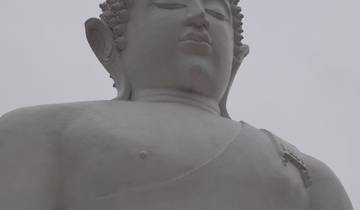
5 days
5 Days in Northern Thailand: Temples, Elephants & Mountains
- ✓ Comprehensive Chiang Mai tour
- ✓ Expert local guides included
- ✓ All accommodation arranged
- ✓ Transportation provided

4 days
Chiang Mai Independent Short Break (3 destinations)
- ✓ Comprehensive Chiang Mai tour
- ✓ Expert local guides included
- ✓ All accommodation arranged
- ✓ Transportation provided
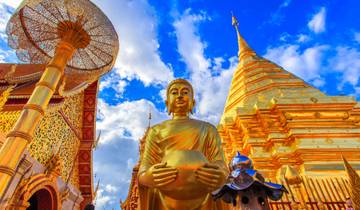
7 days
Northern Thailand Discovery 7 Days
- ✓ Comprehensive Chiang Mai tour
- ✓ Expert local guides included
- ✓ All accommodation arranged
- ✓ Transportation provided
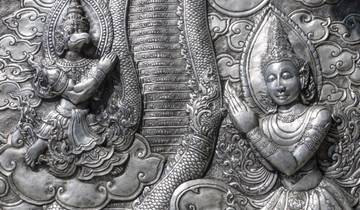
3 days
Chiang Mai City Package
- ✓ Comprehensive Chiang Mai tour
- ✓ Expert local guides included
- ✓ All accommodation arranged
- ✓ Transportation provided
Multi-day tour packages powered by TourRadar. Prices and availability subject to change.
Introduction to Chiang Mai Tour Planning 2026
Chiang Mai’s organized tour industry serves over 3 million annual visitors seeking hassle-free access to Northern Thailand’s natural and cultural attractions. The city’s compact size, concentration of tour operators, and competitive pricing create optimal conditions for quality experiences at ฿1,200-5,800 daily expenditure. Tours eliminate common independent travel frustrations including language barriers, complex logistics, unreliable public transport, and difficulty verifying ethical animal facilities. The trade-off involves reduced flexibility, fixed schedules, group dynamics, and premium costs over DIY alternatives.
Tour categories divide into four primary segments each serving distinct interests and budgets. Elephant sanctuary experiences (฿1,700-฿3,500) prioritize animal welfare through observation-based programming at facilities rescuing elephants from tourism and logging industries. Cooking classes (฿1,200-฿2,500) combine culinary instruction with cultural education through market visits and organic farm exploration. Temple and cultural tours (฿600-฿2,500) range from basic Doi Suthep transport to comprehensive multi-temple circuits with guide interpretation. Nature and adventure programs (฿1,500-฿4,000) access waterfalls, national parks, zip-lining, and trekking impossible via public transport. Understanding category pricing, inclusions, and quality indicators enables informed selection matching personal priorities.
Ethical considerations shape tour choices particularly regarding elephant tourism. Chiang Mai hosts over 70 elephant facilities with widely varying animal welfare standards. Legitimate sanctuaries prohibit riding, employ positive reinforcement training, maintain transparent rescue histories, and prioritize elephant autonomy over tourist interaction. Red flags include riding opportunities, elephant shows or tricks, excessive direct contact, bulls chained separately, and vague facility backgrounds. Independent verification through Trip Advisor reviews, social media research, and animal welfare organization recommendations separates ethical operators from exploitation disguised as conservation. The premium for verified ethical experiences (฿2,400-3,500 vs ฿1,200-1,800 questionable facilities) represents meaningful investment in animal welfare.
Booking platforms present three distinct options with varying trade-offs. Direct operator websites offer best pricing (typically ฿200-500 below aggregators), authentic ethical verification, dietary accommodation communication, and support local businesses. International booking platforms (GetYourGuide, Viator, Klook, Trip.com) add convenience through consolidated reviews, flexible cancellation, credit card payments, 24/7 English customer service, and advance planning from home. Street agencies and hotel concierges charge highest markups (฿500-1,000 over direct) while promoting operators paying largest commissions regardless of quality. Budget-conscious travelers prioritize direct booking; convenience-focused visitors accept platform premiums for service guarantees.
Seasonal timing significantly impacts tour availability, pricing, and experience quality. Peak season November-February brings 30-40% higher demand requiring 1-2 week advance booking for popular elephant sanctuaries and cooking schools. Cool weather (20-28°C) creates optimal conditions for outdoor activities and comfortable full-day excursions. Hot season March-May sees reduced demand, same-day booking availability, but challenging temperatures (35-40°C) for midday activities and severe air quality during burning season. Rainy season June-October offers 20-30% discounts, minimal crowds, lush landscapes, though daily afternoon showers disrupt schedules and some mountain roads become challenging. Temple tours and city cooking classes operate year-round with minimal seasonal impact while nature tours (Doi Inthanon, waterfalls, trekking) experience weather-driven variation.
Ethical Elephant Sanctuary Tours Chiang Mai 2026
Elephant sanctuary tours represent Chiang Mai’s most sought-after and ethically complex activity with prices ranging ฿1,700-฿5,800 depending on facility, duration, and program structure. Genuine sanctuaries rescue elephants from tourism and logging industries, prohibit riding and shows, employ positive reinforcement methods, maintain transparent backgrounds, and prioritize elephant welfare over visitor experience. Half-day programs (4-5 hours) cost ฿1,700-฿2,000 including hotel pickup, observation time, feeding, bathing supervision, and lunch. Full-day experiences (7-8 hours) charge ฿2,400-฿3,500 adding jungle walks, extended interaction, and multiple sanctuary visits. Overnight programs (฿5,000-฿8,000) include accommodation, evening activities, and deeper immersion though these remain less common.
Elephant Nature Park established Chiang Mai’s ethical elephant tourism model in 1995, rescuing 75+ elephants from abusive situations and pioneering hands-off observation approach. Full-day visits cost ฿2,500 including air-conditioned transport from Chiang Mai hotels, English guide, vegetarian buffet lunch, and approximately 5 hours with elephants in 250-acre natural forest setting. Programs emphasize observation over interaction with visitors watching elephants forage, bathe, socialize, and rest in herds without forced performances or excessive human contact. The sanctuary prohibits riding, bull hooks, chains (except nighttime roaming prevention), and trained behaviors. Founder Lek Chailert’s international recognition and transparent operations establish Elephant Nature Park as gold standard despite premium pricing. Book minimum 1-2 weeks ahead during peak season via elephantnaturepark.org; 2-3 days often sufficient during low season. The sanctuary operates multiple affiliated projects throughout Northern Thailand offering varied experiences at similar pricing and ethical standards.
Elephant Freedom Project offers intimate alternative at ฿1,700 half-day, ฿2,400 full-day located in Mae Wang area 1.5 hours from Chiang Mai. The facility cares for 6 retired elephants from logging and tourism with focus on jungle walks allowing elephants natural foraging behavior. Programs include preparing elephant food supplements, feeding sessions, jungle trek with elephants (highlight activity), mud spa observation, and riverside bathing. Group sizes limited to 10-12 visitors enabling closer observation than larger operations. English-speaking guides explain individual elephant histories and personalities. Half-day program runs 8:00 AM-2:00 PM or 12:00 PM-6:00 PM pickup. Full-day adds extended jungle time and additional feeding sessions. Book via elephantfreedomproject.com or through Elephant Nature Park website as affiliated project. Independent reviews consistently praise relaxed atmosphere, knowledgeable staff, and genuine elephant contentment versus commercial operations.
Karen Elephant Retreat provides hands-off observation experiences at ฿1,700-฿2,400 in Mae Wang area emphasizing minimal human interference with elephant natural behaviors. The facility cares for rescued elephants in mountain forest setting with programs focused on watching elephants forage, bathe, and interact without structured activities or excessive tourist contact. Visitors prepare fruit baskets, observe from respectful distance, and enjoy jungle setting without bathing or direct interaction typical at other facilities. This approach suits travelers prioritizing animal autonomy over hands-on experiences. Small group sizes (8-10 maximum) and Karen hill tribe guide interpretation provide cultural education alongside elephant observation. Programs include lunch, transport, and insurance. Book through asianelephantprojects.com. The retreat’s “pure observation” model represents emerging best practice in ethical elephant tourism moving beyond even minimal-contact approaches.
Blue Tao Elephant Village offers unique waterfall walk experiences at ฿1,700 for half-day, full-day programs near Doi Inthanon National Park. The sanctuary specializes in jungle waterfall walks where visitors observe elephants cooling in plunge pools, coating mud, scratching trees, and foraging naturally without structured bathing or feeding activities. Programs include cooking elephant dietary supplements, filling feeding tubes (elephants self-serve), and 1-1.5 hour waterfall trek observing elephants in forest environment. Post-walk foot spa and restaurant with elephant viewing (elephants feeding 4 meters away) provide relaxing conclusion. Morning program runs 8:00 AM-3:00 PM, afternoon 12:30 PM-7:30 PM. The facility’s hands-off approach and natural setting appeal to visitors seeking authentic elephant behavior observation. Book via blueelephantthailandtours.com. Distance from Chiang Mai (1.5 hours) reduces crowds compared to closer facilities.
Elephant Jungle Sanctuary operates multiple camps throughout Chiang Mai region at varying price points generally ฿1,500-฿2,500 depending on specific location and program. The organization represents Chiang Mai’s largest ethical elephant operator with several hundred rescued elephants across facilities. Programs include preparing food, feeding elephants, mud spa participation, river bathing, and educational sessions about elephant rescue and care. Critics note that despite no-riding policy, the level of structured interaction, contained enclosures during tourist sessions, and trained elephant behaviors raise questions about truly “hands-off” approach compared to pure observation models. Supporters appreciate accessibility, English-speaking guides, and family-friendly programming. Reviews are mixed with some praising friendly staff and fun experience while others question ethical standards relative to stricter sanctuaries. Book via elephantjunglesanctuary.com or aggregator platforms. Verify specific camp location and operational model as standards vary across Elephant Jungle Sanctuary’s multiple facilities.
Ethical verification checklist for evaluating any elephant facility before booking includes: no riding offered under any circumstances; no shows, painting, or trained tricks; transparent individual elephant rescue stories publicly available; observation of natural behaviors (foraging, bathing, socializing) without constant mahout direction; positive reinforcement training only (no bull hooks, hitting, or harsh commands visible); elephants choosing to participate in activities versus forced interaction; adequate space for roaming and natural behaviors; herd structure maintained (not isolated individuals); clear revenue allocation toward elephant care and rescue operations; independent third-party verification or animal welfare organization endorsement. Facilities meeting all criteria justify premium pricing ฿2,000-3,500. Operations failing multiple points warrant skepticism regardless of “sanctuary” marketing. Social media research, recent Trip Advisor reviews, and video evidence provide independent verification beyond operator claims.
Cooking Class Experiences Chiang Mai 2026
Thai cooking classes represent Chiang Mai’s second most popular organized activity after elephant sanctuaries, with prices ranging ฿1,000-฿2,500 depending on duration, location, and menu complexity. Half-day programs (4-5 hours) cost ฿1,200-฿1,500 teaching 5 dishes with market tours, individual cooking stations, ingredient provision, lunch consumption of prepared food, and digital recipe books. Full-day courses (7-8 hours) charge ฿1,800-฿2,500 expanding to 6-8 dishes with extended market time, farm tours at rural locations, and more elaborate menu options. All reputable schools include hotel pickup and drop-off within Chiang Mai city, eliminating transportation logistics. Classes accommodate all skill levels from complete beginners to experienced home cooks seeking Northern Thai technique refinement.
Thai Farm Cooking School operates as Chiang Mai’s original organic farm-based program since 2001, charging ฿1,200 half-day for market-to-table experiences 17 kilometers from city center. Morning sessions (8:30 AM hotel pickup, 12:30 PM return) and afternoon options (12:30 PM pickup, 6:00 PM return) begin with Ruamchook Market tour where instructors explain ingredient selection, Northern Thai spices, and market culture. Transport to organic farm follows with garden tour showcasing lemongrass, Thai basil varieties, galangal, kaffir lime, and vegetables grown without chemicals. Each participant receives individual cooking station with gas burner, wok, mortar and pestle, cutting board, and full ingredient sets. The 5-dish menu spans categories: curry paste from scratch (red, green, or yellow), curry (choose from 8 options), stir-fry (pad thai, pad see ew, or alternatives), soup (tom yum, tom kha, or options), and dessert (mango sticky rice or alternatives). Instructors demonstrate each dish then participants cook simultaneously receiving individual guidance. Meal consumption occurs in open-air pavilion overlooking fish ponds and gardens. Digital recipe book with photos and instructions arrives via email post-class. Book via thaifarmcooking.com requiring 24-hour advance payment via PayPal or office visit; high demand necessitates 5-7 day advance booking peak season. Maximum class size 12-15 ensures personalized attention. Vegetarian and vegan menu adaptations available with advance request.
Zabb E Lee Thai Cooking School offers similar ฿1,200 half-day programming with strong social media reputation and enthusiastic instructor energy. Classes begin with market tour, proceed to school location with individual stations, and teach 5 dishes spanning curry, stir-fry, soup, and dessert categories. Instructor Raatta earns consistent praise for humor, clear instruction, and infectious enthusiasm creating fun atmosphere. The school emphasizes hands-on practice over demonstration with participants cooking every dish themselves. Menu variety enables couples/friends to choose different dishes creating 10 total preparations to share and taste. Digital recipe book with step-by-step photos arrives post-class. Free hotel pickup and drop-off included. Book via zabb-e-lee.com or aggregator platforms; 3-5 days advance recommended peak season. Class sizes remain small (10-12 maximum) maintaining quality instruction. The school’s viral social media presence attracts younger travelers seeking Instagram-worthy cooking content alongside culinary education.
Grandma’s Home Cooking School specializes in Northern Thai traditional recipes at ฿1,200-1,500 depending on program choice. The school offers standard Thai cuisine classes plus unique Northern Thai specialty programs teaching regional dishes like sai oua (Northern sausage), nam prik ong (tomato-chili dip), and Lanna-specific preparations using different techniques than central Thai cooking. Organic farm setting enables ingredient harvesting for participants. Unique aspects include charcoal grill lighting instruction, traditional millstone flour grinding, and coconut grating demonstrations connecting participants to historical preparation methods. English-speaking instructors balance traditional knowledge with modern teaching approaches. Six-dish Northern Thai program costs ฿1,500, standard 5-dish curriculum ฿1,200. Book via grandmascookingschool.com; 3-5 days advance booking recommended. The school suits travelers specifically interested in Northern Thai regional cuisine versus standard central Thai dishes taught at most programs.
Smile Organic Farm Cooking School operates 45 minutes from Chiang Mai near San Kamphaeng Hot Springs offering farm-to-table experiences at ฿1,200-1,500. The school emphasizes customizable menus where participants select desired dishes rather than fixed curriculum, enabling focus on specific skills or favorite foods. No fixed menu approach requires advance communication of preferences. Organic garden tours showcase vegetables, herbs, and fruits grown on-site without pesticides. Individual cooking stations with full ingredient provision maintain standards of larger programs. English-speaking instructors provide personalized guidance. Peaceful countryside setting appeals to travelers seeking escape from city energy. Book via smileorganicfarmcookingschool.com; flexible scheduling enables same-day booking during low season though 2-3 days advance safer peak season. The customization option suits groups with diverse interests or dietary requirements needing menu adaptation.
Cooking class booking strategy varies by season and preferences. Peak season (November-February) requires 5-7 days advance reservation for popular schools like Thai Farm and Zabb E Lee; 2-3 days often sufficient for smaller programs. Low season (June-October) enables 1-2 day or occasional same-day booking though weekends remain busier. Direct school websites offer best pricing and communication for dietary restrictions or special requests. Aggregator platforms add ฿200-300 but provide cancellation flexibility and consolidated reviews. Verify menu options match desired dishes before booking as Northern Thai specialties (khao soi, sai oua) appear on some programs but not others. Morning sessions (8:30 AM start) suit early risers avoiding midday heat; afternoon programs (12:30 PM start) benefit late sleepers. All major schools accommodate vegetarian, vegan, and allergy-based menu modifications with 24-hour advance notice. Class sizes range 10-15 participants; private classes available at premium ฿3,000-4,000 for 2 people. Post-class food consumption represents significant value—5-dish preparation creates substantial meal equivalent to ฿400-600 restaurant spending plus educational component and recipe retention.
Temple and Cultural Tours Chiang Mai 2026
Temple tour pricing and value vary significantly between budget transport-only options (฿40-600) and comprehensive guided cultural programs (฿1,200-2,500). Chiang Mai’s compact Old City concentrates major temples within 1.5-kilometer walking distance making organized tours less essential than elephant sanctuaries or cooking classes. However, guided programs add historical context, religious explanation, photography assistance, and transportation to mountain temples requiring vehicles. Tour selection depends on individual priorities regarding guide interpretation versus independent exploration and budget consciousness.
Doi Suthep temple access via shared songthaew represents budget option at ฿40-60 per person one-way from Chiang Mai University area. Red songthaews depart when full (10-12 passengers) creating variable waiting times 15-45 minutes. The winding 30-minute mountain ascent deposits visitors at temple base requiring 306-step naga staircase climb or ฿20 funicular. Temple entry costs ฿30. Return songthaews depart similarly when full from temple parking area. Total cost ฿110-140 per person (฿80-120 transport, ฿30 entry) with 3-4 hours total time including waiting and temple visit. This independent approach maximizes budget efficiency but eliminates guide interpretation, requires physical stair climbing, and involves uncertain departure timing. Suitable for budget backpackers comfortable with unstructured schedules and basic temple understanding without historical context.
Half-day Doi Suthep guided tours cost ฿600-1,200 adding air-conditioned transport, English guide, temple interpretation, and often additional stops at Wat Pha Lat or Hmong village. Programs run 4 hours including hotel pickup, mountain drive, temple explanation covering 1383 founding, Buddhist significance, architectural details, and city viewpoint interpretation. Guides assist with photography, explain proper temple behavior, and answer cultural questions impossible for independent visitors. Some tours include Monk’s Trail hiking to Wat Pha Lat hidden forest temple creating active component. Book via GetYourGuide, Viator, or local operators; same-day booking usually available year-round. The ฿400-800 premium over independent songthaew justifies through convenience, air conditioning, guide knowledge, and time efficiency (no waiting for full songthaews). Suitable for travelers prioritizing comfort and cultural education over budget minimization.
Sunrise Doi Suthep spiritual tours offer unique 4:00-5:00 AM temple experiences at ฿1,200-1,800 witnessing monk morning chanting ceremonies, alms-giving participation, and sunrise viewing before day-trip crowds arrive. Former-monk guides provide insider Buddhist perspectives impossible during regular visits. Programs include hotel pickup 3:30-4:00 AM, temple arrival for 5:30-6:00 AM ceremonies, participation in merit-making activities, breakfast, and return by 10:00-11:00 AM. The premium pricing reflects specialized timing and expert spiritual interpretation. Reviews praise peaceful atmosphere, authentic monk interaction, and photographic golden hour lighting. Book via Viator or specialized spiritual tour operators; 2-3 days advance recommended as small group sizes (6-10) sell out. Suitable for Buddhist practitioners, spiritual travelers, and photographers seeking non-touristy temple experience.
Old City temple circuits combine multiple sites in walking or tuk-tuk tours at ฿800-1,500 for half-day programs. Typical itineraries visit Wat Phra Singh (฿20 entry), Wat Chedi Luang (variable entry), Wat Phan Tao (free), Silver Temple Wat Sri Suphan (฿50), and 2-3 additional temples with guide interpretation connecting architectural evolution, Lanna Kingdom history, and religious significance. Tuk-tuk transport between temples adds authentic local transport component. Programs run 3-4 hours starting morning (8:00 AM) or afternoon (1:00 PM). Guides explain temple etiquette, point out significant artistic details, and facilitate monk chat opportunities at participating temples. Book through Klook, GetYourGuide, or Chiang Mai local tour operators. The guided approach justifies premium over independent walking (free) through cultural context, hidden details explanation, and efficient routing maximizing temple visits within limited timeframe. Suitable for first-time visitors wanting comprehensive Old City overview with educational component.
Private customized temple tours offer maximum flexibility at ฿2,200-3,500 for 4-6 hours enabling personalized itinerary, photography stops, pace control, and specialized interests accommodation. Private guide and vehicle serve 1-6 participants (rate remains same regardless of group size) making this economical for 3+ people. Custom itineraries combine major sites (Doi Suthep, Wat Phra Singh, Wat Chedi Luang) with lesser-known temples (Wat Lok Molee, Wat Umong forest temple, Wat Suan Dok meditation center) matching specific architecture interests, photography goals, or meditation practice. Guides adjust pace for children, elderly, or photography enthusiasts requiring extended time. Book through Chiang Mai Tour Center, local private guides, or hotel concierges. The premium cost justifies through personalized service, schedule control, and family/group dynamics optimization impossible in fixed-schedule group tours.
Temple tour value assessment depends heavily on independent travel comfort level and cultural learning priorities. Budget-conscious travelers save ฿500-1,000 through independent temple walking combining free smartphone guides, self-directed exploration, and songthaew transport to Doi Suthep. This approach requires confidence navigating without English signage, accepting limited historical context, and managing logistics. Mid-range ฿800-1,500 group tours deliver solid value through guide interpretation, convenient transport, and efficient routing creating educational experience impossible independently. Premium ฿1,800-3,500 private or specialized tours justify cost for families needing pace control, serious photographers requiring time and positioning, or spiritual practitioners seeking authentic monk interaction. The key distinction involves weighing cultural education value versus pure temple viewing—those prioritizing learning benefit from guided programs while visual appreciation alone supports independent approach.
Doi Inthanon National Park Tours 2026
Doi Inthanon National Park day tours represent Chiang Mai’s premier nature excursion accessing Thailand’s highest peak (2,565 meters), mountain waterfalls, royal pagodas, and hill tribe villages in full-day programs costing ฿1,500-฿2,500. Independent access via private car requires 3-4 hours driving curving mountain roads each direction plus navigation challenges making organized tours practical for most visitors. Tour packages include air-conditioned transport, English guide, lunch, and sometimes park entry fees (฿300) and pagoda fees (฿100). Programs run 10-11 hours with 7:00-8:00 AM hotel pickup and 5:00-6:00 PM return covering 200+ kilometers round-trip.
Standard Doi Inthanon full-day tours cost ฿1,500-฿1,800 covering primary park highlights: Wachirathan Waterfall (Diamond Waterfall, park’s largest), Twin Royal Pagodas (King and Queen chedis built 1987-1992), Thailand’s highest summit viewpoint, Ang Ka Luang Nature Trail (360-meter elevated boardwalk through cloud forest), Karen or Hmong hill tribe market village, and lunch at local restaurant. Tours follow efficient routing maximizing sites within single day though limited individual stop time (20-30 minutes per location) suits overview-focused travelers versus in-depth explorers. Park entry ฿300 and pagoda entry ฿100 typically excluded from base price requiring separate payment unless specified “including all fees.” Book through GetYourGuide, Viator, Klook, or local Chiang Mai operators. Small group tours (12-15 people maximum) operate via minibus with assigned seating. Same-day booking often available except peak season weekends and holidays (New Year, Songkran) when the park experiences significant Thai domestic tourism creating traffic congestion.
Premium Doi Inthanon tours including park and pagoda fees cost ฿2,200-฿2,500 eliminating entrance payment hassle and clearly communicating total costs upfront. These programs match standard itineraries but incorporate ฿400 fees within package pricing. Tour operators purchasing bulk park passes may receive slight discounts passed to customers. The all-inclusive approach benefits travelers preferring single-payment simplicity over multiple fee transactions. Verify fee inclusion explicitly when booking as “from ฿1,500” marketing may exclude ฿400 entry costs revealed at park gates. Compare total price including entries (฿1,500 + ฿400 = ฿1,900) versus all-inclusive packages (฿2,200-2,500) to assess actual value differences.
Doi Inthanon hiking tours add Kew Mae Pan Nature Trail or Pha Dok Siew Waterfall treks at ฿1,800-฿2,500 targeting active travelers seeking mountain trekking beyond viewpoint tourism. Kew Mae Pan trail (2.8 kilometers, 2-3 hours) provides spectacular mountain ridge walking with westward vistas, cloud forest ecosystems, and occasional wildlife sightings including rare Chinese gorals. The trail operates November-May only, closing June-October for environmental recovery. Local guide hiring (฿220) mandatory at trailhead purchased separately from tour price. Pha Dok Siew waterfall trek (2 hours) descends through rice terraces and forest to hidden waterfall with swimming opportunities. Tours incorporating hikes typically reduce other stops maintaining 10-11 hour total duration. The hiking component suits moderately fit travelers comfortable with 2-3 hours walking at elevation; trails feature well-maintained paths though some steep sections. Book hiking-specific tours through GetYourGuide, Viator, or specialized trekking operators; verify trail conditions during rainy season as paths become muddy and challenging.
Private Doi Inthanon tours enable customized itineraries at ฿3,200-5,000 for 1-6 people (fixed price regardless of group size) making this economical for families or groups of 3+. Private vehicle and guide allow pace control, extended photography stops, trail selection flexibility, and interests accommodation (birding, photography, culture). Customization options include sunrise summit visits (requiring 4:00 AM departure), Mae Klang Luang village extended time, additional waterfall stops (Mae Ya, Sirithan), coffee farm visits, or combining Doi Inthanon with other destinations (Sticky Waterfall, elephant sanctuary). Book via thainationalparks.com private tour service, Chiang Mai Tour Center, or hotel concierge arrangements. Private tours justify premium for photographers requiring golden hour timing, families with young children needing bathroom breaks and snack stops, or serious hikers wanting trail time versus rushed group schedules.
Combination tours pairing Doi Inthanon with elephant sanctuaries create full-day value packages at ฿3,500-฿5,000 though marathon 12-14 hour schedules challenge stamina. These programs typically allocate 3-4 hours elephant sanctuary (feeding, bathing, observation), 6-7 hours Doi Inthanon highlights (waterfalls, summit, pagodas), lunch at both locations, and transport managing 300+ kilometer total routes. Early departure (6:00-7:00 AM) and late return (7:00-8:00 PM) maximize daylight hours. Reviews are mixed with some appreciating efficiency and value while others report exhaustion and rushed experiences insufficient for either activity. The combination suits travelers with extremely limited Chiang Mai time (1-2 days) prioritizing quantity over quality. Those with 3+ days benefit from separate dedicated tours enabling deeper engagement with each experience.
Doi Inthanon tour value assessment weighs convenience against cost and schedule constraints. Independent travel via scooter rental (฿248 daily) plus fuel (฿200-300) and park fees (฿400) totals ฿850-950 while requiring 4+ hours driving winding mountain roads with steep grades, sharp curves, and altitude changes challenging inexperienced riders. Private car hire runs ฿3,000-4,000 requiring driver capability and navigation confidence. Organized tours at ฿1,500-2,500 eliminate driving stress, provide expert guide interpretation, include lunch, and enable relaxation during 2-hour each-way transport. The ฿600-1,500 premium over DIY justifies through time efficiency, guide knowledge (ecology, culture, photography), and safety considerations given challenging mountain roads. Solo travelers benefit most from organized tours while groups of 3+ may find private tours economically competitive offering customization benefits. The park’s distance (70 kilometers each direction), elevation changes, and site dispersion make this Chiang Mai’s most tour-appropriate natural attraction.
Additional Popular Tours Chiang Mai 2026
Beyond elephant sanctuaries, cooking classes, temples, and Doi Inthanon, several specialized tours serve niche interests at varying price points complementing comprehensive Chiang Mai itineraries. These programs range from adventure activities (zip-lining, rafting) to cultural immersion (hill tribe villages, meditation) to regional day trips (Chiang Rai, Pai), with costs spanning ฿1,200-฿4,000 depending on complexity and distance. Strategic selection fills gaps in self-guided exploration while maintaining budget discipline.
Chiang Rai day trips visit the famous White Temple (Wat Rong Khun), Blue Temple (Wat Rong Suea Ten), and Black House (Baan Dam Museum) in full-day excursions costing ฿2,000-฿3,500. Tours depart 7:00-8:00 AM requiring 3 hours driving each direction to cover 180 kilometers. White Temple entry increased January 1, 2026 to ฿200 for foreign visitors (Thais free) while Blue Temple and Black House maintain free admission. Comprehensive tours include all three temples plus Mae Kachan Hot Springs rest stop and sometimes Golden Triangle borderland viewing Thailand-Myanmar-Laos convergence. Lunch at local restaurants factors into most packages. Return arrival 7:00-8:00 PM completes 12-13 hour marathon day. White Temple’s intricate white stucco and mirrored mosaic architecture created by artist Chalermchai Kositpipat justifies trip despite distance. Book via GetYourGuide, Viator, Klook, or Chiang Mai operators. The long driving time challenges stamina though air-conditioned buses enable rest. Suitable for travelers with 4+ Chiang Mai days seeking unique temple architecture impossible to experience elsewhere. Those with limited time (2-3 days) prioritize Chiang Mai-area activities over distant temples requiring full-day commitment.
Sticky Waterfall (Bua Tong Waterfall) tours capitalize on unique limestone deposits enabling barefoot climbing directly up waterfall cascade at ฿1,200-฿1,800 half-day programs. The waterfall’s grippy calcium carbonate surface allows vertical walking impossible at conventional waterfalls. Tours run 4-5 hours including 1-hour drive north from Chiang Mai, 1.5-2 hours waterfall time climbing multiple tiers, and return transport. Entry fee ฿20 for private vehicles. Programs operate morning (8:00 AM pickup, 12:00 PM return) or afternoon (12:00 PM pickup, 5:00 PM return). Combination tours pair Sticky Waterfall with elephant sanctuaries at ฿2,500-3,500 creating 7-8 hour full-day schedules. Independent scooter access costs ฿250-300 (rental plus fuel) enabling flexible timing and budget savings ฿900-1,500 over organized tours. The waterfall suits families, active travelers, and those seeking unique photo opportunities. Best visited November-May when water flow stays moderate; rainy season creates excessive flow increasing difficulty and danger. Tours book through standard platforms; same-day availability common except peak season weekends.
Zip-lining and adventure parks offer adrenaline activities at ฿2,500-฿3,500 for 3-4 hour experiences including hotel transport, equipment, insurance, and lunch. Flight of the Gibbon, Chiang Mai’s original zip-line operation since 2009, features 18 zip-line platforms, abseil stations, and sky bridges through rainforest canopy. Jungle Flight runs 33 platforms including Thailand’s longest zip-line (1,000+ meters) and steepest incline creating extreme experience. Programs run morning and afternoon sessions. Safety equipment (harness, helmet, gloves) and English-speaking guides addressing technique and safety protocols standard across reputable operators. Weight limits (usually 120 kilograms maximum) and age restrictions (minimum 4-7 years depending on operator) apply. Book via operator websites or aggregators; 2-3 days advance recommended peak season. Adventure activities justify premium pricing through specialized equipment, safety systems, insurance requirements, and remote forest locations impossible to access independently. Suitable for active travelers seeking physical challenge and adrenaline complementing cultural temple touring.
Hill tribe trekking programs range ฿2,000-฿4,000 for 1-3 day experiences visiting Karen, Hmong, Lahu, or Akha villages in mountain regions surrounding Chiang Mai. Day treks (฿2,000-2,500) include jungle hiking, village visits, traditional lunch, and sometimes waterfall swimming combining nature and culture. Multi-day treks (฿3,500-5,000 for 2-3 days) add overnight village homestays, multiple tribe visits, and extended jungle trekking creating immersive experience. Ethical considerations involve choosing operators ensuring fair village compensation, respecting traditions versus exploiting “human zoo” tourism, and supporting authentic cultural exchange rather than performed shows. Reputable operators work directly with villages establishing revenue-sharing agreements benefiting communities. Verify through independent reviews and detailed itinerary transparency. The cultural sensitivity required and physical hiking demands suit adventurous travelers comfortable with basic accommodations and genuine interest in hill tribe cultures versus casual tourism. Book via specialized trekking companies or verified tour platforms.
Meditation and wellness retreats at temples like Wat Suan Dok and Wat Umong offer free or donation-based programs teaching Buddhist meditation techniques. Wat Suan Dok operates 1-day retreats Monday and Friday, 2-day retreats Tuesday-Wednesday, and monthly 4-day intensive programs teaching vipassana and samatha meditation under monk instruction. One-day programs request voluntary donations (suggested ฿200-500); overnight retreats include simple accommodations and vegetarian meals. International Buddhist Center provides English instruction making these accessible for Western practitioners. Monk Chat programs at Wat Chedi Luang and Wat Suan Dok offer free casual Buddhist discussion and English practice with monks daily. These programs deliver exceptional value for spiritual seekers while requiring commitment to meditation schedules and temple protocols (modest dress, silence during meditation, vegetarian meals). Suitable for Buddhist practitioners, yoga teachers seeking meditation training, or curious travelers wanting authentic temple experience versus tourist temple hopping. No booking required for drop-in programs; contact temples directly for overnight retreats requiring registration.
Frequently Asked Questions About Chiang Mai Tours 2026
What Tours Should I Book in Advance in Chiang Mai 2026?
Book elephant sanctuary tours and cooking classes 7-14 days advance during peak season (November-February) as top facilities like Elephant Nature Park and Thai Farm Cooking School sell out entirely. Shoulder season (October-November, February-March) requires 3-5 days notice while low season (June-September) often accommodates 1-2 day or same-day booking. Temple tours, Doi Inthanon trips, and adventure activities rarely require advance booking except during Thai national holidays (New Year, Songkran mid-April) when domestic tourism peaks. Sunrise tours and specialized programs (meditation retreats, private tours) benefit from 3-5 days advance reservation ensuring guide availability and small group allocation. Combination tours pairing multiple activities (elephant sanctuary plus cooking class, Doi Inthanon plus waterfall) require longer lead times given complex logistics. Direct operator website booking typically enables fastest confirmation while aggregator platforms add processing time. Last-minute travelers prioritize temple tours, Doi Inthanon visits, and zip-lining which accommodate walk-up or next-day booking year-round. WhatsApp and email booking directly with operators often yields quicker response than platform messaging systems.
Are Group Tours or Private Tours Better Value in Chiang Mai 2026?
Small group tours (8-15 people) deliver best value for solo travelers and couples providing English guides, organized logistics, and social interaction at ฿1,200-2,500 per person. Private tours (฿2,200-5,000 fixed price for 1-6 people) become economical for groups of 3+ people where per-person costs drop below group rates while gaining customization benefits, pace control, and family dynamics accommodation. Example comparison: Doi Inthanon group tour ฿1,800 per person (couple pays ฿3,600 total) versus private tour ฿3,200 fixed (couple pays ฿1,600 each, family of 4 pays ฿800 each). Private tours justify premium through personalized itineraries matching specific interests (photography stops, hiking trails, village time), schedule flexibility (early starts, extended stops), and elimination of large group dynamics. Group tours maximize budget efficiency while providing social experiences meeting fellow travelers. Solo travelers always benefit from group rates given private tour fixed pricing. Families with children, elderly travelers needing frequent breaks, serious photographers, and those with specialized interests (birding, cultural deep-dives) justify private tour investment. Budget backpackers, social travelers, and those comfortable with fixed schedules prioritize group programs.
What Is Included in Chiang Mai Tour Prices 2026?
Standard tour inclusions in Chiang Mai 2026 encompass hotel pickup and drop-off within city center (3-5 kilometer radius), air-conditioned transport, English-speaking guide, and accident insurance required by Tourism Authority of Thailand. Most cooking classes include all ingredients, individual cooking stations, recipe books, and meal consumption representing ฿400-600 additional value. Elephant sanctuary tours provide lunch (vegetarian buffets common), drinking water, and mahout clothing for bathing activities. Common exclusions requiring separate payment include temple entry fees (฿20-50 per temple), national park fees (Doi Inthanon ฿300), special attraction entries (Twin Pagodas ฿100), and personal expenses (snacks, souvenirs, tips). Verify “including all fees” versus “entrance fees extra” when comparing prices as ฿400-500 excluded fees significantly impact true cost. Lunch inclusion varies by tour type—most full-day programs include restaurant meals while half-day temple tours often exclude lunch. Tips remain optional though ฿100-200 per person appreciated for excellent guides. Photography fees and video charges eliminated at most temples and parks though some Buddhist sites restrict photography inside main halls. Travel insurance typically excluded requiring separate traveler purchasing. Group size limits (usually 8-15 people) maintain quality though occasionally tours combine multiple small groups into larger buses during peak season reducing personalized service.
Can I Do Chiang Mai Tours as a Solo Traveler in 2026?
Yes, solo travelers easily join Chiang Mai group tours without single supplements or special arrangements at standard per-person rates. Most tour operators encourage solo participants creating social environment meeting fellow travelers through shared experiences. Small group sizes (8-15 people) typical of Chiang Mai tours facilitate conversation and connections versus massive 40-person bus tours in other destinations. Cooking classes particularly suit solo travelers as individual cooking stations enable hands-on participation regardless of group dynamics. Elephant sanctuaries, temple tours, and Doi Inthanon trips accommodate solo participants seamlessly with guide attention distributed across group. Private tours charge fixed rates making these expensive for solo travelers ($2,200-5,000 for single person) unless budget permits premium personalized service. Some operators offer “join-in” options where solo travelers pay proportional share of private tour when others book same date creating small group at private tour quality. Solo female travelers report excellent safety in Chiang Mai tours given group environments, professional operators, and Thailand’s generally safe tourism infrastructure. Hostels and guesthouses facilitate tour booking and social connections with other solo travelers coordinating activities. Solo travelers maximize value through group tours (cooking classes, elephant sanctuaries, Doi Inthanon) while pursuing independent temple exploration via walking and songthaews.
What Should I Wear on Chiang Mai Tours 2026?
Temple tours require modest dress covering shoulders and knees—pack lightweight pants or long skirts plus shirts with sleeves avoiding tank tops, shorts, and revealing clothing. Most temples provide sarongs for borrowing if dressed inappropriately though free loaner quality varies. Comfortable walking shoes essential as temple touring involves extended standing and stair climbing; flip-flops acceptable though arch support preferable for elderly or those with foot issues. Elephant sanctuary tours recommend old clothes accepting mud and water damage—swimwear under clothing enables participation in elephant bathing while provided mahout clothing (pants, shirt) protects personal clothes. Water shoes or old sneakers useful for waterfall walking and elephant bathing. Cooking classes need closed-toe shoes (kitchen safety) and comfortable clothes accepting oil splatter and spices though aprons usually provided. Doi Inthanon tours require layers as summit temperatures range 8-15°C year-round versus 25-30°C Chiang Mai valleys—pack light jacket or sweater. Rain jacket or umbrella essential June-October rainy season for all outdoor tours. Sun protection (hat, sunscreen, sunglasses) necessary year-round given tropical latitude. Bring daypack for water bottles, cameras, and personal items versus large backpacks prohibited on some tour vehicles. Zip-lining requires closed-toe athletic shoes; flip-flops and sandals prohibited for safety. Meditation retreats follow strict dress codes—loose pants, long skirts, conservative tops in neutral colors avoiding bright patterns, jewelry, and perfumes. Verify specific tour requirements when booking as specialized activities (trekking, rafting, adventure sports) impose safety-related clothing restrictions.
Are Chiang Mai Tours Suitable for Children and Families 2026?
Most Chiang Mai tours accommodate children with varying age appropriateness and family-friendly modifications. Elephant sanctuaries welcome children of all ages though hands-on bathing activities typically require 5+ years for safety and independent participation; some facilities offer reduced rates for children under 12. Cooking classes accept children 8+ years old who can safely use knives and burners under supervision; younger children observe or perform simple tasks while parents cook. Temple tours suit families given flexible schedules and moderate walking though long stair climbs at Doi Suthep challenge very young children. Doi Inthanon tours accommodate families well with scenic viewpoints, short nature walks, and waterfall opportunities though 10-11 hour duration tests young children’s patience requiring snacks, entertainment, and bathroom break patience. Zip-lining and adventure activities maintain minimum age (typically 4-7 years) and weight restrictions (maximum 120 kilograms) verified during booking. Private tours offer maximum family-friendliness enabling pace control, bathroom breaks, snack stops, and activity modifications matching children’s capabilities. Multi-day trekking and overnight programs challenge families with young children given basic accommodations and physical demands. Family discounts remain uncommon though children often receive modest park entry reductions (half-price at Doi Inthanon for ages 3-14). Inform tour operators of children’s ages during booking enabling appropriate vehicle sizing, equipment provision, and activity modification. Families with multiple children find private tours economical given fixed pricing while solo families benefit from group tour per-person rates.
What Happens If Weather Cancels My Chiang Mai Tour 2026?
Weather-related cancellation policies vary by tour type and operator though most Chiang Mai tours operate year-round with modified arrangements. Temple tours proceed regardless of weather given covered temple buildings protecting from rain; outdoor walking portions may shorten during heavy downpours. Elephant sanctuaries operate daily including rainy season as elephants bathe naturally in rain though programs may adjust timings avoiding heaviest afternoon showers June-October. Cooking classes continue unaffected occurring in covered facilities with market tours shortened during rain. Doi Inthanon tours generally proceed with rain jackets and umbrellas though waterfalls appear more dramatic with higher flow; severe weather or road closures trigger rescheduling or refunds. Zip-lining cancels during lightning storms and high winds for safety; operators offer alternative dates or refunds less processing fees. Kew Mae Pan Nature Trail at Doi Inthanon closes entirely June-October regardless of weather creating season-based availability rather than daily weather cancellation. Most reputable operators refund or reschedule tours cancelled due to unsafe weather conditions (flooding, severe storms, air quality hazards during burning season) though “uncomfortable weather” (light rain, clouds) typically proceeds with protective equipment provision. Travel insurance covering tour cancellations due to weather events or personal illness recommended for expensive multi-day programs. Review cancellation policies during booking noting differences between weather-related operator cancellation (full refund), customer cancellation (24-48 hour notice required, processing fees apply), and force majeure events (COVID-19 restrictions historically triggered refunds though policies evolve). Rainy season (June-October) brings daily afternoon showers creating predictable patterns—morning tours more reliable than afternoon programs though cloud forest fog at Doi Inthanon appears most dramatic during rainy season.
How Do I Tip Guides on Chiang Mai Tours 2026?
Tipping remains optional in Thailand though ฿100-300 per person appreciated for excellent guide service on full-day tours, ฿50-100 for half-day programs. Suggested tipping ranges: elephant sanctuary guides ฿200-300 for full-day exceptional care and education, ฿100-150 half-day; cooking class instructors ฿100-200 for engaging teaching and personalized assistance; Doi Inthanon guides ฿200-300 for full-day knowledge and photography assistance; temple tour guides ฿100-150 half-day; drivers receive ฿50-100 separate from guides on tours with dedicated driver-guide separation. Group coordination simplifies tipping—one person collects contributions distributing to guide at tour conclusion. Cash tips in Thai baht preferred versus credit card processing or foreign currency. Tips remain truly optional without expectation though guides working full days with small groups providing educational value and personalized service warrant gratuity recognition. Poor service, unfriendly demeanor, or safety concerns warrant reduced or eliminated tips; inform tour operators of substandard experiences beyond simple tipping reduction. Some cultures don’t practice tipping making tourists uncomfortable—Thai guides understand cultural differences and never pressure gratuities. Luxury private tours often include suggested gratuity guidelines in booking confirmations eliminating uncertainty. Budget tours with minimal guide interaction (transport-only temple runs) require minimal tipping ฿50-100 acknowledging basic service. Exceptional guides investing personal energy, sharing insider knowledge, and creating memorable experiences deserve generous tipping ฿300-500 full-day reflecting added value. The key distinction involves tipping for excellence versus routine service—Thai guides accept optional tipping culture without negative reactions to variable amounts.
Can I Customize Tour Itineraries in Chiang Mai 2026?
Private tours offer maximum customization enabling itinerary modifications, pace adjustments, and specialized interests accommodation at ฿2,200-5,000 fixed pricing. Inform tour operators during booking of specific desires: extended photography stops at particular temples, sunrise timing at Doi Inthanon summit, additional waterfall visits, hill tribe village extended time, specific cooking class dishes, elephant sanctuary focus on observation versus interaction. Professional operators create customized itineraries matching preferences within timeframe and geographical constraints. Group tours follow fixed itineraries with minimal flexibility beyond minor timing adjustments and optional activity inclusion/exclusion. Some operators offer “semi-private” options where 2-6 people book private tour quality at reduced per-person rates creating middle ground between rigid group schedules and full private cost. Customization common requests include photography-focused pacing (golden hour timing, composition assistance), family modifications (bathroom breaks, child-friendly activities, pace reduction), special interests (birding, specific Buddhist practices, traditional crafts), dietary restrictions (vegan cooking classes, allergy accommodations), and accessibility needs (reduced walking, wheelchair access). Communicate customization requirements clearly during booking rather than expecting day-of modifications. Physically impossible requests (Chiang Rai White Temple plus Doi Inthanon in one day) receive realistic counter-proposals from experienced operators. Flexibility varies by operator—established companies with diverse vehicle fleet and guide network accommodate customization easier than small operators with fixed resources. Cost additions apply for significant route changes, specialized guides (former monks for temple tours, naturalist guides for Doi Inthanon), or extended hours beyond standard programs.
What Is the Best Time of Day for Different Chiang Mai Tours 2026?
Morning tours (8:00-9:00 AM starts) suit Doi Inthanon trips reaching summit before afternoon clouds obscure views, temple visits avoiding midday heat and afternoon tour bus crowds at Doi Suthep, and elephant sanctuaries witnessing active morning feeding and bathing behaviors. Afternoon programs (12:00-1:00 PM starts) work for cooking classes enabling lunch consumption of prepared food, second-wave temple touring after morning crowds depart, and waterfall visits during warm weather encouraging swimming. Sunrise tours (4:00-5:00 AM starts) deliver magical Doi Suthep monk ceremonies and Doi Inthanon summit fog-shrouded landscapes impossible during regular hours. Sunset programs showcase Doi Suthep golden hour lighting and panoramic Chiang Mai city views though fewer operators offer evening temple access. Hot season (March-May) strongly favors early morning tours starting 7:00-8:00 AM avoiding 35-40°C midday temperatures making afternoon activities uncomfortable. Cool season (November-February) enables flexible timing as 20-28°C temperatures remain pleasant throughout day. Rainy season (June-October) benefits morning scheduling before typical 2:00-6:00 PM afternoon showers though cloud forest fog at Doi Inthanon appears most dramatic during rainy periods. Cooking classes operate both morning and afternoon sessions with minimal practical differences beyond meal timing (lunch versus dinner consumption). Full-day tours (Doi Inthanon, Chiang Rai, combination programs) depart 7:00-8:00 AM maximizing daylight hours for extensive itineraries. Photography-focused tours coordinate timing with golden hours—sunrise 6:00-7:30 AM, sunset 5:30-6:30 PM varying by season. Consider personal chronotype—early risers benefit from sunrise programs and 8:00 AM starts while late risers prefer afternoon scheduling avoiding 4:00-5:00 AM pickups. Multi-tour days require strategic scheduling—temple walking morning, cooking class afternoon maintains energy across full day without overwhelming schedules.