Chiang Mai Elephant Sanctuary Guide: Ethical Experiences
Chiang Mai has emerged as Thailand’s premier destination for ethical elephant encounters, offering travelers the opportunity to observe rescued elephants in natural sanctuary environments. Understanding the difference between genuine sanctuaries and exploitative attractions is essential for supporting elephant welfare while experiencing meaningful interactions with these magnificent animals.
Key Takeaways
- True ethical sanctuaries never offer elephant riding, performances, forced bathing, or use bullhooks, instead allowing elephants to live naturally with minimal human interference
- Observation-based experiences represent the highest ethical standard, where visitors watch elephants from respectful distances without direct physical interaction
- Sanctuary costs range from ฿1,500 to ฿5,800 per person depending on program type and duration, with most including transportation, meals, and educational components
- Rescued elephants at legitimate sanctuaries come from documented sources including logging operations, circus entertainment, unethical riding camps, and land mine injuries
- Large natural habitats of several acres per elephant with access to water, forested areas, and social groups indicate proper sanctuary conditions
- Research and transparency distinguish genuine sanctuaries from “ethics-washing” operations that use sanctuary language for marketing while maintaining exploitative practices
People Also Ask About Chiang Mai Elephant Sanctuaries
What makes an elephant sanctuary truly ethical?
An ethical elephant sanctuary operates under strict no-riding, no-performance, and no-forced-interaction policies, providing rescued elephants with large natural habitats where they can exhibit normal behaviors without human interference. Genuinely ethical sanctuaries can document each elephant’s rescue origin from logging operations, circus entertainment, unethical riding camps, or injury situations. These facilities prioritize elephant welfare over profit by limiting visitor numbers, maintaining large forested areas with water access, allowing natural social groupings, and never using bullhooks or chains for control. The highest ethical standard is the observation-only model where visitors watch elephants from respectful distances without physical contact, though some sanctuaries permit limited feeding or walking alongside elephants using gentle, non-coercive methods.
Is bathing elephants at sanctuaries ethical?
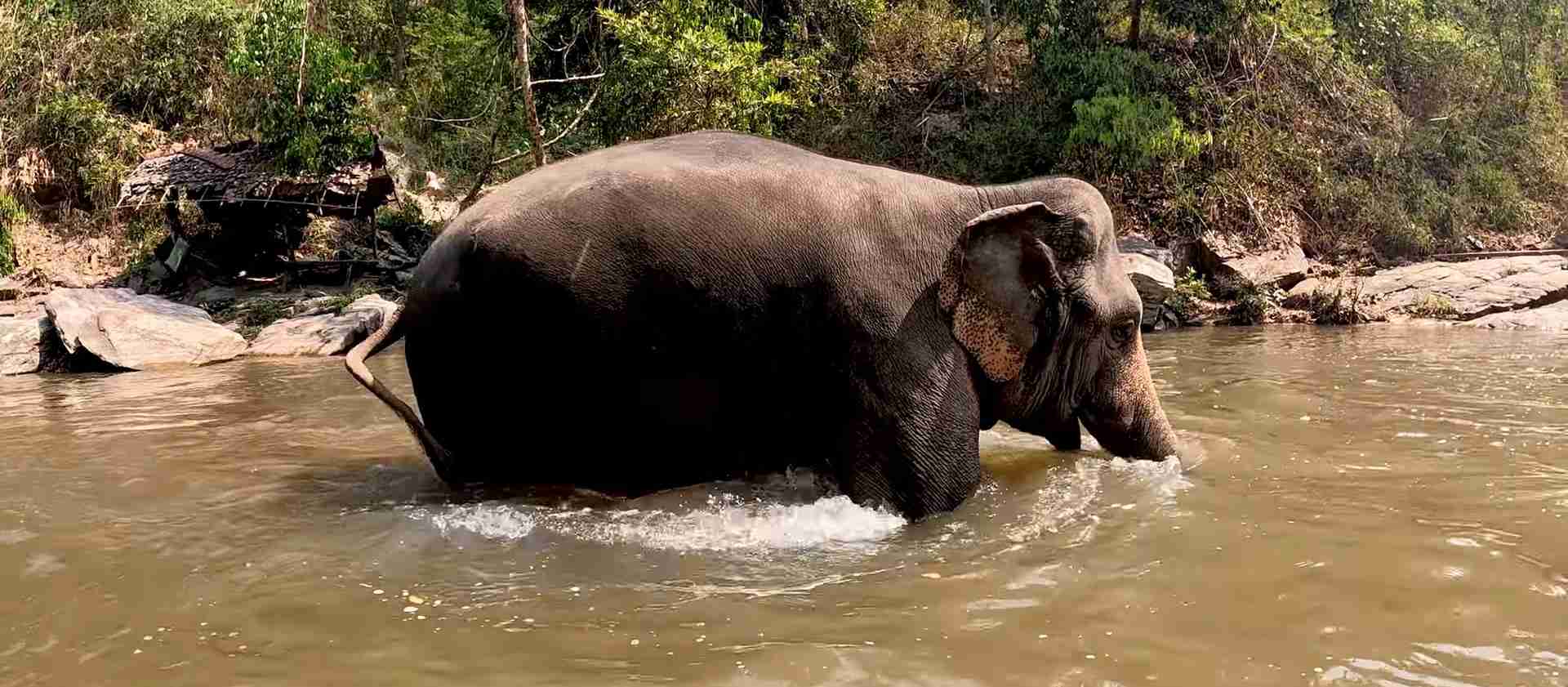
Bathing elephants is increasingly recognized as unethical because it forces unnatural behaviors on elephants for tourist entertainment rather than allowing them to bathe naturally when and how they choose. Elephants in water for prolonged periods experience stress, often defecating and urinating in response, which creates unsanitary conditions and increases infection risk for both animals and visitors. The activity requires elephants to remain in designated bathing areas during scheduled tourist sessions rather than bathing freely according to their natural rhythms. Many sanctuaries that once offered bathing experiences have eliminated these programs as understanding of elephant welfare has evolved. The most ethical sanctuaries allow visitors to observe elephants bathing naturally in rivers or mud wallows without human participation, respecting the animals’ autonomy and natural behavior patterns.
How much do ethical elephant sanctuary visits cost in Chiang Mai?
Ethical elephant sanctuary experiences in Chiang Mai cost ฿1,500 to ฿5,800 per person depending on program duration and activities included. Half-day programs at facilities like Elephant Nature Park cost ฿2,500 for adults, while full-day experiences with additional activities range ฿3,500 to ฿6,000. Budget-friendly options like Maerim Elephant Sanctuary offer full-day programs for ฿1,600. All programs typically include hotel pickup within a 5-kilometer radius of Old City Chiang Mai, English-speaking guides, mahout clothing, meals or snacks, and insurance coverage. Overnight programs providing extended elephant observation and cultural immersion with Karen hill tribe families cost more but offer deeper educational experiences. Prices reflect the sanctuary’s operational model, with genuine rescue-focused facilities investing visitor fees directly into elephant care, veterinary services, and habitat maintenance rather than profit maximization.
Which Chiang Mai elephant sanctuary should I visit?
Elephant Nature Park stands as Chiang Mai’s most established ethical sanctuary, founded in the 1990s by elephant rights advocate Lek Chailert and operating on 250 acres with observation-focused programs at ฿2,500 for half-day visits. ChangChill offers hands-off jungle trekking experiences where visitors observe free-roaming elephants in their natural habitat without guaranteed sightings, emphasizing the elephants’ freedom over tourist convenience. Burm and Emily’s Elephant Sanctuary (BEES) provides intimate observation experiences in Mae Chaem district, approximately 2.5 hours from Chiang Mai, specializing in caring for elderly and retired elephants. Kindred Spirit Elephant Sanctuary focuses on reintroducing captive elephants to natural forest living with homestay options in Karen hill tribe villages. Your choice depends on your priorities: Elephant Nature Park for established infrastructure and comprehensive education, ChangChill for authentic hands-off wilderness encounters, BEES for elderly elephant care observation, or Kindred Spirit for cultural immersion combined with elephant conservation.
Extended multi-day tours – 5+ days
Featured Chiang Mai Multi-Day Tour Packages
5 days
5 Days in Northern Thailand: Temples, Elephants & Mountains
- ✓ Comprehensive Chiang Mai tour
- ✓ Expert local guides included
- ✓ All accommodation arranged
- ✓ Transportation provided

4 days
Chiang Mai Independent Short Break (3 destinations)
- ✓ Comprehensive Chiang Mai tour
- ✓ Expert local guides included
- ✓ All accommodation arranged
- ✓ Transportation provided

7 days
Northern Thailand Discovery 7 Days
- ✓ Comprehensive Chiang Mai tour
- ✓ Expert local guides included
- ✓ All accommodation arranged
- ✓ Transportation provided
3 days
Chiang Mai City Package
- ✓ Comprehensive Chiang Mai tour
- ✓ Expert local guides included
- ✓ All accommodation arranged
- ✓ Transportation provided
Multi-day tour packages powered by TourRadar. Prices and availability subject to change.
Introduction
The transformation of elephant tourism in Chiang Mai represents one of Southeast Asia’s most significant wildlife conservation success stories. Two decades ago, elephant riding camps dominated northern Thailand’s tourism landscape, where elephants endured the brutal “phajaan” crushing process that breaks their spirit through physical and psychological trauma. Baby elephants were separated from mothers and subjected to pain-based training methods to make them submissive to human commands for performances and rides. The exploitation was so normalized that few travelers questioned the practice.
Today, Chiang Mai leads Thailand’s ethical elephant movement, with genuine sanctuaries providing permanent homes for elephants rescued from logging operations, circus entertainment, and unethical tourism attractions. These facilities prioritize elephant welfare over profit, creating environments where rescued elephants can live naturally in large forested habitats with access to water, proper nutrition, veterinary care, and social groups. The shift has been driven by increased awareness of elephant welfare issues, international advocacy from organizations like World Animal Protection, and growing demand from conscious travelers seeking authentic, non-exploitative wildlife encounters.
However, the emergence of ethical tourism has created a new challenge: “ethics-washing,” where commercial operators use sanctuary language and marketing buzzwords while maintaining exploitative practices behind the scenes. With over 70 elephant facilities in the Chiang Mai region and no strict Thai regulations on who can use the term “sanctuary,” travelers face genuine difficulty distinguishing authentic elephant havens from deceptive operations. Understanding the specific criteria that define ethical elephant care, recognizing red flags that indicate exploitation, and researching individual facilities thoroughly have become essential skills for responsible travelers.
This guide provides comprehensive information for identifying and visiting genuinely ethical elephant sanctuaries in Chiang Mai. You will learn the historical and cultural significance of elephants in Thailand, the specific welfare standards that separate ethical from unethical operations, detailed profiles of Chiang Mai’s most respected sanctuaries, practical preparation advice, and strategies for avoiding exploitative attractions disguised as sanctuaries. The information equips you to make informed choices that support elephant welfare, contribute to conservation efforts, and create meaningful experiences without causing harm to these remarkable animals.
Understanding Elephants in Thai Culture and History
Elephants hold profound cultural significance in Thailand as national symbols embodying wisdom, strength, and good fortune deeply interwoven with religious, historical, and social identity. The Asian elephant serves as Thailand’s official national animal, appearing on royal emblems, temple art, and throughout Buddhist iconography as a representation of mental strength and spiritual purity. In Buddhist tradition, Queen Maya dreamed of a white elephant entering her womb before giving birth to Siddhartha Gautama (the Buddha), establishing elephants as sacred creatures associated with divinity and enlightenment. The gentle nature of elephants is viewed as an embodiment of core Buddhist teachings on compassion and mindfulness.
For centuries, elephants worked alongside humans in the logging industry, transporting massive teak logs through Thailand’s mountainous forests where mechanized equipment could not operate. These working elephants developed close bonds with their mahouts (elephant caretakers), who spent their entire lives caring for individual elephants in traditional Karen hill tribe communities. The relationship between mahout and elephant represented a cultural partnership respected in northern Thai society. However, Thailand’s 1989 logging ban eliminated the primary employment for thousands of captive elephants and their mahouts, creating an economic crisis that pushed many elephants into tourism work.
The transition from logging to tourism had devastating consequences for elephant welfare. Owners with no income source from traditional logging work turned to elephant riding camps, circus-style performances, and street begging in cities. Elephants trained for gentle logging work through gradual conditioning suddenly faced the phajaan crushing process to make them submissive enough for tourist riding and trick performances. Baby elephants became particularly valuable for tourism because visitors preferred photographing and riding young, smaller elephants. This demand incentivized breeding programs focused on profit rather than conservation, separating calves from mothers far earlier than natural weaning periods.
The cultural reverence for elephants created a cognitive dissonance where Thais simultaneously honored elephants as sacred symbols while exploiting them economically for tourist entertainment. Many people genuinely believed they were preserving Thai elephant traditions by offering riding experiences, not recognizing the harm caused by saddle chairs carrying tourists on elephant spines never designed for such loads. The phajaan crushing process was defended as necessary training rather than acknowledged as torture. Street elephants in Bangkok and Pattaya were viewed as unfortunate economic realities rather than animal abuse.
Elephant Nature Park’s founding in the 1990s by Lek Chailert marked the beginning of Thailand’s ethical elephant movement. Chailert, a Thai conservationist who witnessed elephant abuse firsthand, created a model demonstrating that elephant tourism could be profitable while prioritizing welfare. Her work educated international audiences about phajaan, the physical damage caused by riding, and the psychological trauma of performance training. The sanctuary’s success proved that travelers would pay premium prices for observation-based experiences, eliminating the economic justification for exploitation.
The ethical elephant movement has gained momentum over the past decade as awareness spread through social media, travel blogs, and animal welfare advocacy. Major tour operators including Intrepid Travel, G Adventures, and World Expeditions removed elephant riding from their itineraries. TripAdvisor stopped selling tickets to riding attractions. These industry shifts reflected growing consumer demand for ethical wildlife encounters, creating financial incentives for traditional camps to transition toward sanctuary models. The transformation has been gradual and incomplete, with many facilities adopting partial reforms while maintaining some exploitative elements, but the trajectory toward higher welfare standards continues.
Understanding this cultural and historical context helps travelers appreciate why ethical elephant sanctuaries matter. These facilities are not simply tourist attractions but represent active resistance to centuries of exploitation normalized by economic necessity and cultural tradition. Visiting ethical sanctuaries supports the continued existence of alternative business models that prove elephant conservation and tourism can coexist without cruelty. The presence of rescued elephants living naturally in sanctuary environments demonstrates to Thai communities and the tourism industry that elephant welfare and financial sustainability are compatible goals.
What Makes a Sanctuary Truly Ethical
Genuinely ethical elephant sanctuaries adhere to strict welfare standards that prioritize elephant wellbeing over tourist entertainment or profit maximization. The gold standard criteria established by World Animal Protection and leading conservation organizations include five non-negotiable elements: no riding of any kind, no performances or unnatural tricks, no forced interactions including bathing, no use of bullhooks or other pain-based control tools, and unrestricted movement within large natural habitats. Facilities meeting these standards represent the highest level of ethical elephant care currently achievable for captive elephants in Thailand.
No Riding Policy: Ethical sanctuaries never offer elephant riding because elephants’ spines are not designed to carry loads on their backs. The vertebrae structure differs fundamentally from horses or camels, with spinal processes extending upward rather than creating a weight-bearing surface. Even bareback riding where one person sits on the elephant’s neck area causes cumulative musculoskeletal damage over time. Research from Chiang Mai University found that while carrying up to 15 percent of body weight does not significantly affect elephant gait in short-term studies, the authors noted that long-term impacts remain unclear and that elephants show stress responses to carrying humans. The saddle chairs used in traditional riding camps distribute 200 to 400 kilograms across the elephant’s back, causing chronic pain, spinal deformities, and permanent tissue damage. Ethical sanctuaries recognize that any riding, regardless of duration or method, prioritizes human entertainment over elephant welfare.
No Performances or Tricks: Teaching elephants to paint pictures, play musical instruments, kick soccer balls, balance on small platforms, or perform other circus-style tricks requires training methods that rely on negative reinforcement and punishment. The phajaan crushing process traditionally used to make elephants perform involves separating babies from mothers, physical beatings, food and water deprivation, and psychological torture through isolation and sleep deprivation. Even “gentler” modern training techniques use bullhooks, electric prods, and food withholding to compel elephants to execute unnatural behaviors on command. Ethical sanctuaries allow elephants to exhibit only natural behaviors including foraging, bathing in mud or water, social interaction with other elephants, and exploration of their habitat. Any facility offering scheduled elephant shows or tricks fails basic ethical standards regardless of claims about humane training methods.
No Forced Bathing or Direct Interaction: The highest ethical standard represented by observation-only sanctuaries prohibits all direct physical contact between visitors and elephants. This approach recognizes that even seemingly benign activities like feeding or walking alongside elephants can cause stress, disrupt natural behaviors, and reinforce human dominance over the animals. Forced bathing, where elephants must enter water on schedule for tourist participation, is particularly problematic because it treats elephants as entertainment props rather than autonomous beings with their own preferences. Elephants experiencing stress in water frequently defecate and urinate, creating unsanitary conditions that increase disease transmission risk. The slippery conditions also pose injury dangers for both elephants and visitors. Ethical sanctuaries that permit limited visitor interaction do so only when elephants initiate contact voluntarily, guides maintain strict supervision, and interactions never interfere with natural elephant behaviors or social dynamics.
No Bullhooks or Control Devices: Bullhooks are sharp, pointed tools designed to inflict pain on sensitive areas of elephants’ skin, particularly behind the ears, on the feet, and around the trunk. Traditional mahouts used bullhooks to control elephants through fear and pain, establishing dominance through violence. Ethical sanctuaries never use bullhooks, chains as control mechanisms, or any tools designed to cause pain or intimidation. Mahouts at genuine sanctuaries work as elephant guardians and companions rather than controllers, using positive reinforcement, voice commands, and patient relationship-building to guide elephants when necessary for medical care or safety. The presence of bullhooks during visitor hours, elephants with fresh wounds consistent with bullhook use, or guides carrying pointed implements indicates exploitative practices regardless of sanctuary marketing claims.
Natural Habitat Requirements: Ethical sanctuaries provide elephants with large forested areas to explore and forage naturally rather than confining them to small concrete enclosures between tourist sessions. Minimum space requirements include several acres per elephant, though the most ethical facilities offer hundreds of acres where elephants can roam freely. Natural habitats must include water sources for drinking, bathing, and swimming; diverse vegetation for natural foraging; shade and shelter from weather; and sufficient space for social groups to interact without crowding. Research from Chiang Mai University identified small confinement as a significant welfare concern, causing musculoskeletal problems from inadequate movement and social isolation from separation from other elephants. Visitors should observe whether elephants have visible access to natural foraging areas, whether they move freely or remain chained to posts, and whether habitat size appears sufficient for the number of elephants present.
Verified Rescue Origins: Ethical sanctuaries can provide detailed histories of each elephant’s rescue, including documentation of where they came from and why they needed sanctuary placement. Common rescue sources include logging operations where elephants worked transporting teak logs, circus entertainment where elephants performed tricks, unethical riding camps where elephants carried tourists, and land mine injuries particularly affecting elephants from Myanmar border regions. Genuine rescue facilities either purchase elephants to remove them permanently from exploitation or rent elephants from owners with contractual guarantees preventing return to abusive work. Facilities that simply rent elephants month-to-month without rescue focus, purchase young elephants from breeding operations, or cannot document elephant origins likely operate primarily for profit rather than welfare.
Limited Visitor Numbers: Responsible sanctuaries cap daily visitors to prevent elephant stress from constant human presence and noise. Group sizes typically range from 6 to 15 people per session, with multiple groups staggered throughout the day to avoid overwhelming elephants with crowds. Facilities that pack 50 or more tourists into single viewing sessions, run continuous back-to-back groups without rest periods for elephants, or prioritize maximizing visitor capacity over elephant comfort demonstrate profit motivation incompatible with genuine welfare focus. Limited visitor numbers also enable more educational experiences, as guides can answer questions thoroughly and ensure all participants understand proper behavior around elephants.
Transparency and Education: Ethical sanctuaries operate with full transparency about their practices, funding sources, and elephant care protocols. They welcome questions about their operations, provide detailed information about each elephant’s history and health status, and openly discuss the challenges of captive elephant care. Educational programs focus on teaching visitors about elephant behavior, conservation issues, the history of elephant exploitation in Thailand, and how to identify unethical attractions. Facilities that deflect questions about their practices, refuse to discuss elephant origins, or focus solely on entertainment value rather than education likely have welfare issues they prefer to hide.
Observation-Only Versus Limited Interaction Models
The ethical elephant community has debated the appropriate level of visitor-elephant interaction, with perspectives ranging from strict observation-only advocacy to acceptance of limited, carefully managed contact. Understanding these different approaches helps travelers choose experiences aligning with their personal ethical values while supporting facilities working within their stated welfare philosophies.
The observation-only model represents the highest ethical standard according to World Animal Protection and In Defense of Animals. This approach prohibits all direct physical contact between visitors and elephants, including feeding, touching, walking directly alongside, or bathing. Visitors observe elephants from safe distances, watching them forage, socialize, bathe naturally, and exhibit species-typical behaviors without human interference. Facilities following this model include ChangChill in Chiang Mai, where visitors trek through forest areas hoping to spot free-roaming elephants, and Somboon Legacy near Bangkok, where observation platforms allow visitors to watch elephant herds from elevated positions. The philosophy behind observation-only experiences is that even seemingly benign interactions reinforce human dominance over elephants and can cause stress invisible to untrained observers. True sanctuary means allowing elephants to live as naturally as possible with minimal human involvement beyond necessary care.
The limited interaction model, practiced by facilities including Elephant Nature Park and some Elephant Jungle Sanctuary locations, permits specific visitor activities deemed minimally stressful when properly managed. These may include preparing food for elephants, feeding elephants treats like bananas or sugarcane under guide supervision, walking in the same general area as elephants during designated times, and observing elephants while they bathe naturally in rivers without tourist participation in the bathing. Advocates of this approach argue that limited interaction creates emotional connections inspiring visitors to become elephant conservation advocates, and that the educational value of proximity justifies carefully managed, low-stress contact. Facilities following this model maintain strict protocols including prohibiting visitors from initiating contact with elephants, requiring guides to monitor all interactions for elephant stress signals, and immediately ending any activity if elephants show discomfort or disinterest.
The debate between these models reflects broader questions about captive animal management. Observation-only advocates argue that human entertainment should never be a factor in elephant care decisions, and that the possibility of visitor-caused stress, however small, outweighs any educational benefits of contact. Limited interaction advocates counter that completely separating visitors from elephants may reduce emotional engagement, making visitors less likely to support conservation financially or advocate against exploitation. They note that many rescued elephants have spent their entire lives in human contact and that gentle interaction with visitors under mahout supervision may provide mental stimulation rather than stress.
Both models can be ethical if implemented with genuine commitment to elephant welfare over profit. The critical factors are whether elephants have the freedom to avoid interactions they dislike, whether visitor numbers remain small enough to prevent stress from crowding, whether guides understand elephant behavior well enough to identify subtle stress signals, and whether the facility would modify or eliminate activities if evidence emerged of negative elephant impacts. Travelers uncomfortable with any physical contact can prioritize observation-only sanctuaries, while those accepting limited interaction should research facilities thoroughly to confirm they follow strict interaction protocols and maintain elephants’ autonomy to engage or withdraw from visitor presence.
Major Ethical Elephant Sanctuaries in Chiang Mai
Elephant Nature Park: Chiang Mai’s Pioneering Sanctuary
Elephant Nature Park operates on 250 acres located 60 kilometers from Chiang Mai city center, providing permanent home to dozens of rescued elephants saved from logging, circus entertainment, and riding camps. Founded in the 1990s by Lek Chailert, Thailand’s most prominent elephant rights advocate, the sanctuary pioneered the ethical elephant tourism model in Southeast Asia. Chailert’s work documenting the phajaan crushing process and advocating for elephant welfare has influenced international conservation policy and inspired the creation of similar sanctuaries throughout Thailand and neighboring countries.
The sanctuary welcomes visitors through half-day and full-day programs emphasizing observation and education over direct interaction. Half-day morning programs run from 7:30 AM to 1:00 PM, and half-day afternoon programs operate from 12:00 PM to 5:00 PM, both costing ฿2,500 for adults with children aged 3 to 11 at 50 percent discount. Full-day programs provide extended time observing elephant behaviors throughout different periods of the day. All programs include transportation from Chiang Mai hotels or the sanctuary office, English-speaking guides, and educational presentations about elephant conservation and welfare issues. The sanctuary’s size and established infrastructure make it particularly suitable for visitors with mobility limitations, families with young children, or anyone seeking a comprehensive introduction to ethical elephant tourism.
Elephant Nature Park maintains strict no-riding and no-bathing policies, instead allowing visitors to watch elephants interact naturally in large forested areas and bathe in the river without tourist participation. The afternoon program’s highlight features the entire elephant herd walking down to the river at day’s end, creating spectacular viewing opportunities against mountain scenery. Educational components include detailed information about each elephant’s rescue story, explanations of elephant social structures and communication methods, and discussions of ongoing conservation challenges facing Asian elephants.
The sanctuary’s popularity requires booking well in advance, particularly during November through March peak tourist season. The facility often sells out weeks ahead, so travelers should book immediately upon finalizing Chiang Mai travel dates rather than waiting until arrival. This advance booking requirement reflects genuine popularity rather than artificial scarcity, as the sanctuary limits daily visitors to maintain appropriate elephant-to-human ratios for welfare purposes.
Elephant Nature Park has expanded its mission beyond Chiang Mai through the Asian Elephant Projects network supporting similar facilities throughout Thailand. The organization provides training, funding, and operational guidance to help traditional elephant camps transition from riding-based tourism to ethical sanctuary models. This broader conservation impact means that visiting Elephant Nature Park supports not only the specific elephants at the Chiang Mai facility but also the development of elephant welfare standards throughout Southeast Asia.
ChangChill: Hands-Off Wilderness Encounters
ChangChill operates in Chiang Mai’s forested mountains, offering completely hands-off elephant observation experiences where visitors trek through jungle areas to find free-roaming elephants living as naturally as captivity allows. The sanctuary’s name translates to “relaxed elephants,” reflecting its core philosophy that elephants should live according to their own schedules and preferences rather than tourist demands. This approach means that elephant sightings are never guaranteed, as the animals roam freely across large territories and may or may not be near visitor trekking routes on any given day.
The facility distinguished itself by voluntarily transitioning from riding and bathing programs to ethical observation-only models in 2017 with support from World Animal Protection. This transformation demonstrated that even established facilities benefiting financially from interactive programs could successfully pivot to higher welfare standards when management committed to elephant wellbeing over profit maximization. ChangChill now serves as a case study for the sanctuary conversion process, showing other camps that ethical transitions are economically viable.
Visitor experiences at ChangChill begin with educational briefings about elephant behavior, conservation challenges, and the importance of respecting elephant autonomy. Guides then lead small groups on jungle treks, sharing information about elephants and pointing out signs of elephant presence including footprints, fresh dung, and vegetation damage from feeding. The trekking nature of visits means moderate physical fitness is helpful, though guides adjust routes based on group capabilities. When elephants are located, visitors observe from safe distances without approaching or attempting interaction.
The four elephants currently at ChangChill were rescued from tourism and logging industries, with mahouts providing detailed histories of each animal’s background and personality. These mahouts work as elephant guardians and information sources rather than controllers, spending full days accompanying individual elephants through forest areas without using bullhooks or chains. Visitors can speak with mahouts to learn about elephant behaviors, social dynamics, and the daily realities of elephant care in sanctuary environments.
ChangChill’s hands-off approach appeals particularly to travelers prioritizing absolute minimal interference with elephant autonomy, even if this means shorter or less guaranteed viewing opportunities. The sanctuary attracts conservation-focused visitors willing to trade interactive experiences for the knowledge that their visit imposed no stress on elephants beyond brief observation. This visitor profile creates a self-selecting community of ethically-minded travelers, making the experience educational through conversations with fellow visitors as well as sanctuary staff.
Burm and Emily’s Elephant Sanctuary (BEES): Elderly Elephant Care
Burm and Emily’s Elephant Sanctuary operates in the picturesque Mae Chaem district approximately 2.5 hours from Chiang Mai city center, specializing in providing retirement homes for elderly elephants who endured decades of logging work or tourist trekking. Founded in 2011 by Burm Pornchai Rinkaew and Emily Rose McWilliam after Emily witnessed devastating living conditions at tourist camps, the sanctuary created a space allowing old elephants to spend their final years in peace and comfort rather than continuing to work until death.
BEES follows a completely hands-off observation model where visitors watch elephants living naturally in valley environments surrounded by mountains and dense vegetation. The sanctuary focuses on “letting elephants be” rather than structuring their days around tourist schedules or activities. This approach means that elephant behaviors vary daily based on the animals’ own choices about where to forage, when to rest, and how to interact with their social group rather than following predetermined routines.
Volunteer programs at BEES run Monday through Sunday, offering extended stays where participants assist with sanctuary maintenance, food preparation, and elephant observation rather than direct elephant contact. These programs attract visitors seeking deeper understanding of elephant care beyond single-day tourist visits, providing insights into the daily work of maintaining sanctuary environments and the behavioral patterns of individual elephants over time. The volunteer structure also creates opportunities to learn from Burm and Emily directly about their sanctuary philosophy and the challenges of ethical elephant care.
The sanctuary’s remote location in Mae Chaem valley creates stunning natural settings for elephant observation but requires longer travel times from Chiang Mai than facilities closer to the city. This distance effectively limits visitor numbers, as only travelers willing to commit to half-day or full-day programs including significant travel time will make the journey. The reduced visitor pressure benefits elephants by ensuring they encounter humans less frequently and predictably than at more accessible sanctuaries.
BEES has experienced both the rewards and challenges of the sanctuary model, including the case of Mae Kam, their first elephant rented from a local mahout. After three years at the sanctuary, the owner decided to reclaim Mae Kam for riding work, highlighting the vulnerability of rented elephant arrangements where sanctuaries lack permanent ownership. This incident underscored the importance of purchasing elephants outright to guarantee their permanent retirement, though this requires substantially more funding than rental agreements. The sanctuary’s transparency about such challenges demonstrates commitment to honest discussion of ethical elephant care complexities rather than presenting sanitized narratives.
Elephant Jungle Sanctuary Chiang Mai: Multi-Location Network
Elephant Jungle Sanctuary operates four locations in Northern Thailand, including multiple camps in the Chiang Mai area, forming one of Thailand’s largest ethical elephant care networks. Founded in 2014 as a joint initiative between Karen hill tribe members and Chiang Mai locals concerned about elephant welfare, the organization has grown to care for numerous rescued elephants across its facilities. The multi-location structure allows the organization to rescue more elephants than single-site operations while maintaining appropriate elephant-to-habitat ratios at each camp.
The sanctuary offers various program lengths including half-day visits, full-day experiences, and overnight stays combining elephant observation with cultural immersion. Half-day programs typically include preparing food for elephants, feeding them treats under supervision, walking in the same general areas as elephants, and observing elephants bathing naturally in mud or water. Full-day programs add extended time for observation and education, plus Thai lunch featuring traditional northern cuisine. Overnight programs provide stays in basic accommodations near sanctuary locations, allowing visitors to observe elephants during early morning and evening periods when they are most active.
Elephant Jungle Sanctuary’s approach includes some limited interaction elements including feeding and walking near elephants, placing it in the carefully managed interaction category rather than strict observation-only. The organization maintains that these interactions, when properly supervised and limited in duration, create emotional connections inspiring visitors to become elephant advocates while avoiding the stress caused by riding, performances, or forced bathing. Guides receive training in elephant behavior and stress recognition, with protocols requiring immediate cessation of any activity if elephants show discomfort signals.
The sanctuary provides free transfer service for visitors staying within 5 kilometers of Chiang Mai’s Old City, with small surcharges for pickups from more distant accommodations. Bookings must be made at least 12 hours before scheduled programs for overnight experiences and full-day visits, or at least 2 hours for shorter programs. The relatively short booking windows reflect the sanctuary’s established operations and consistent visitor demand.
Additional activities at some Elephant Jungle Sanctuary locations include tie-dye workshops, elephant poo paper making workshops, and opportunities to take handmade souvenirs home. These craft activities use materials produced sustainably from elephant waste, creating educational experiences about elephant digestion and environmental sustainability while generating supplemental income supporting elephant care costs.
Kindred Spirit Elephant Sanctuary: Forest Reintroduction Focus
Kindred Spirit Elephant Sanctuary operates in Sankampaeng district dedicated to reintroducing captive elephants to natural forest habitats and promoting ethical tourism emphasizing elephant autonomy over visitor entertainment. Visitors at Kindred Spirit see elephants roaming freely through forest environments, living as naturally as captivity permits without human intervention beyond necessary care and protection. The sanctuary’s reintroduction focus means that elephants spend minimal time in visitor areas, instead foraging and socializing in extensive forest territories.
The sanctuary offers homestay programs where guests stay with local Karen hill tribe families in basic accommodations, providing genuine cultural experiences alongside elephant observation. These homestays create direct economic benefits for indigenous communities, supporting traditional lifestyles while providing incentives for forest conservation and elephant protection. The cultural component distinguishes Kindred Spirit from sanctuaries focusing exclusively on elephant encounters, appealing to travelers interested in understanding the human communities historically connected to elephant care.
Kindred Spirit’s Karen family homestays feature simple accommodations reflecting traditional hill tribe living standards, with basic sleeping areas, shared facilities, and home-cooked meals using local ingredients and traditional recipes. Visitors should arrive prepared for rustic conditions without modern amenities like air conditioning or WiFi, embracing the opportunity for cultural immersion rather than expecting tourist-oriented comfort. The experience provides insights into Karen hill tribe perspectives on elephants, forests, and conservation that urban-based sanctuary programs cannot offer.
The sanctuary’s emphasis on forest reintroduction creates longer-term conservation value beyond providing retirement homes for individual elephants. By demonstrating that captive elephants can readapt to natural behaviors in large forested areas, Kindred Spirit contributes to discussions about whether sanctuary elephants might eventually transition to protected wild areas. While full rewilding of adult captive elephants faces significant challenges including lack of survival skills and absence of suitable release habitat, the research value of observing elephants in semi-wild conditions advances conservation science understanding.
Living Green Elephant Sanctuary: Community Support Focus
Living Green Elephant Sanctuary operates three camps caring for 20 elephants, founded in 2016 with focus on providing safe, ethical environments for rescued elephants while supporting underprivileged communities in border villages. The sanctuary’s dual mission of elephant welfare and community development creates broader social impact beyond animal care, addressing the economic factors that originally drove elephant exploitation. By employing local community members, providing resources to border villages, and supporting education about wildlife conservation, Living Green works to eliminate the economic necessity for elephant abuse.
The sanctuary began with two elephants, Boon-Me and Thu-Meh, whose mistreatment inspired the founders to create better lives for rescued elephants. This origin story, starting small with individual elephants rather than large-scale operations, reflects the grassroots nature of many genuine sanctuary initiatives. The growth to 20 elephants across three camps demonstrates successful expansion while maintaining welfare focus, as each camp maintains appropriate elephant density for available habitat.
Visitor programs at Living Green include full-day immersive experiences combining elephant observation with organic farm cooking classes, providing multi-faceted experiences appealing to travelers interested in food, culture, and wildlife. The cooking component uses produce from sanctuary farms, demonstrating sustainable agriculture practices and providing elephants with supplemental food sources beyond wild foraging. Activities include feeding elephants, walking alongside them in natural habitat, observing bathing behaviors, creating herbal medicine balls for elephant health, and participating in basic health checks under veterinary supervision.
Living Green markets itself as “the best elephant sanctuary in Chiang Mai,” a claim reflecting confidence in their ethical standards and visitor experience rather than comparative superiority verifiable through objective criteria. Travelers should evaluate such marketing statements by researching specific practices, reading recent visitor reviews, and assessing whether the sanctuary meets established ethical criteria rather than accepting self-proclaimed “best” status at face value.
The sanctuary’s combination of elephant care, cooking experiences, and community support creates differentiated offerings for travelers seeking comprehensive northern Thailand experiences rather than solely elephant-focused itineraries. This approach recognizes that many visitors allocate limited time to Chiang Mai and value efficient combinations of activities over single-purpose day trips.
Understanding Sanctuary Costs and Programs
Ethical elephant sanctuary programs in Chiang Mai cost ฿1,500 to ฿5,800 per person depending on program duration, activities included, and sanctuary operational model. Half-day programs typically range ฿1,500 to ฿2,500, full-day experiences cost ฿3,500 to ฿6,000, and overnight programs with extended elephant observation and homestay accommodations reach the upper price range. These prices reflect genuine operational costs including elephant food (adult elephants consume 200-300 kilograms of vegetation daily), veterinary care, mahout salaries, habitat maintenance, transportation, and visitor amenities.
Elephant Nature Park’s half-day programs cost ฿2,500 for adults, with children aged 3 to 11 at 50 percent discount and babies under 2 at 25 percent, representing mid-range pricing for established, high-quality facilities. The sanctuary’s pricing reflects its position as Chiang Mai’s most recognized ethical elephant destination, with decades of operation, extensive infrastructure including visitor centers and educational facilities, and comprehensive programs developed through years of experience. Visitors paying these rates receive transportation from central Chiang Mai, English-speaking guides trained in elephant behavior and conservation, educational presentations, and opportunities to observe dozens of elephants in well-maintained natural habitats.
Budget-friendly options exist for cost-conscious travelers willing to accept simpler facilities or newer operations still building reputations. Maerim Elephant Sanctuary offers full-day programs for ฿1,600, providing elephant observation, feeding opportunities, and jungle walks at roughly one-third the cost of premium sanctuary experiences. Lower prices may indicate newer facilities with fewer elephants and simpler infrastructure, or remote locations with lower overhead costs, rather than compromised ethical standards. However, travelers should research thoroughly to confirm that budget sanctuaries maintain proper welfare practices rather than cutting corners on elephant care to offer attractive pricing.
Premium-priced programs exceeding ฿5,000 per person typically include additional components such as overnight accommodations in lodge-style facilities, multiple sanctuary location visits across consecutive days, specialized activities like making elephant food or participating in health checks, or combination packages pairing elephant experiences with other activities including cooking classes, waterfall visits, or ATV adventures. These comprehensive programs appeal to travelers seeking intensive multi-day elephant immersion or efficient activity combinations fitting limited Chiang Mai schedules.
All reputable sanctuary programs include several standard components in their base pricing: hotel pickup and return within Chiang Mai city center or a 5-kilometer radius of Old City, with small surcharges for more distant locations; English-speaking guides providing elephant information and ensuring visitor safety; traditional mahout clothing for wearing during sanctuary visits; meals or snacks depending on program duration, typically including lunch for full-day programs; and basic insurance coverage for visitor injuries or emergencies during sanctuary activities. The inclusion of these elements means that advertised sanctuary prices represent total costs without hidden fees, unlike some tour operations that list low base prices then add mandatory surcharges for transportation, food, or guide services.
Transportation arrangements vary by sanctuary distance from Chiang Mai. Facilities within an hour’s drive like Elephant Jungle Sanctuary and Elephant Nature Park provide hotel pickups in the early morning with returns in late afternoon or early evening. Remote sanctuaries like BEES in Mae Chaem district require longer travel times, with pickups sometimes starting as early as 6:30 AM for full-day programs. Visitors staying far from Old City should confirm pickup availability and any location-based surcharges when booking to avoid transportation surprises on visit day.
Booking timelines differ by facility based on popularity and operational capacity. Elephant Nature Park often requires reservations weeks in advance, particularly during November through March high season, selling out far ahead due to international reputation and limited daily visitor capacity. Newer or less-promoted sanctuaries may accept bookings with 12 to 24 hours notice, though advance booking remains advisable to guarantee availability and allow sanctuaries to coordinate transportation logistics efficiently. Visitors finalizing Chiang Mai itineraries should book elephant sanctuary visits immediately rather than waiting until arrival, particularly for stays during peak tourism months.
Payment methods accepted vary by sanctuary, with established operations like Elephant Nature Park offering online booking through websites with credit card processing, while smaller sanctuaries may require email contact, bank transfers, or payment upon arrival. International travelers should confirm accepted payment methods when booking to ensure they can complete reservations from abroad rather than discovering on arrival that sanctuaries only accept Thai baht cash or domestic bank transfers.
Cancellation policies typically follow the Thai tourism industry standard of full refunds for cancellations at least 24 hours before scheduled visits, no refunds for same-day cancellations or no-shows, and partial refunds for cancellations 2 to 7 days ahead depending on sanctuary policy. Weather rarely affects sanctuary operations, as programs continue during light rain with visitors provided ponchos, though severe storms may trigger cancellations with full refunds. Visitors should clarify specific cancellation terms when booking to understand financial exposure if travel plans change.
The cost differential between ethical sanctuaries and unethical riding camps has narrowed significantly as sanctuary tourism has become mainstream. Traditional riding camps once charged ฿500 to ฿1,000 for elephant rides, making them appealing budget options for price-sensitive travelers. Today, many riding operations have added “sanctuary” programs at ฿2,000 to ฿3,000 to capture ethical tourism demand while maintaining riding programs for less-informed visitors. This price convergence means that cost alone no longer effectively distinguishes ethical from unethical operations, requiring travelers to research specific practices rather than assuming higher prices guarantee better welfare.
Red Flags Indicating Unethical Operations
Identifying red flags that indicate exploitative elephant facilities disguised as sanctuaries is essential for avoiding unintentional support of animal abuse. Thai regulations do not restrict who can use the term “sanctuary,” allowing commercial riding camps to rebrand themselves as sanctuaries without changing underlying practices. The proliferation of “ethics-washing” operations using conservation language while maintaining exploitative activities makes careful evaluation critical for responsible travelers.
Elephant Riding or Trekking: Any facility offering elephant riding, whether with saddle chairs or bareback, fails basic ethical standards regardless of marketing claims about humane methods or traditional practices. Elephants’ spinal structures are not designed to carry weight on their backs, and all riding causes cumulative musculoskeletal damage. Facilities claiming that bareback riding with one person on the neck is harmless misrepresent current welfare science. The presence of riding options, even if marketed separately from sanctuary programs, indicates the facility prioritizes profit over welfare and should be avoided entirely. Some operations offer both sanctuary observation programs and riding options for different visitor groups, a dual model revealing that ethical claims serve marketing purposes rather than genuine welfare commitment.
Elephant Shows and Performances: Elephants painting pictures, playing musical instruments, kicking soccer balls, balancing on small platforms, or performing any circus-style tricks indicate training methods based on negative reinforcement and punishment. Natural elephant behaviors do not include creating art, playing instruments, or executing coordinated performances on human command. Teaching these unnatural behaviors requires phajaan crushing or similar trauma-based training breaking elephants’ spirits and making them submissive through fear. Facilities featuring elephant shows, regardless of claims about gentle training or elephants enjoying performances, demonstrate fundamental misunderstanding of or disregard for elephant welfare. The presence of scheduled performance times, amphitheater-style viewing areas, or promotional materials featuring elephants executing tricks are definitive red flags requiring immediate disqualification.
Forced or Scheduled Bathing: Operations requiring elephants to enter water on fixed schedules for tourist participation fail to respect elephant autonomy and natural behavior. Ethical sanctuaries allow elephants to bathe when and how they choose, in mud or water, without human involvement beyond observation. Facilities advertising bathing experiences where tourists scrub elephants, splash water on them, or participate in elephant bath time treat elephants as entertainment props rather than autonomous beings. The stress elephants experience during forced bathing often manifests as defecation and urination in water, creating unsanitary conditions harmful to both elephants and visitors. Promotional photos showing tourists in water directly touching or washing elephants indicate unethical practices regardless of sanctuary branding.
Bullhook Visibility: Bullhooks (ankuses) are sharp, pointed tools designed to inflict pain on sensitive elephant skin, used traditionally to control elephants through fear and violence. The visible presence of bullhooks during visitor hours, guides carrying pointed implements while interacting with elephants, or elephants with fresh wounds consistent with bullhook use indicate coercive control methods incompatible with ethical care. Even if bullhooks are not actively used during visitor viewing times, their presence suggests they are employed when tourists are absent. Ethical sanctuaries never keep bullhooks on premises, relying instead on positive reinforcement, voice commands, and patient relationship-building between mahouts and elephants.
Elephant Chaining: Elephants chained to posts or trees, whether during visitor hours or overnight, experience movement restriction causing psychological stress and physical harm including foot and leg injuries from constant pulling against chains. Ethical sanctuaries do not chain elephants, instead providing large fenced natural habitats where elephants move freely. Some sanctuaries argue that chaining is necessary overnight to prevent elephants from wandering into neighboring agricultural land and causing crop damage, but this justification reveals inadequate habitat fencing rather than legitimate welfare necessity. Visitors observing any elephants chained during their visit, learning through conversation with staff that elephants are chained when visitors are absent, or seeing physical evidence of chaining including worn areas around legs or posts with attached chains should disqualify the facility regardless of other positive attributes.
Concrete Enclosures: Elephants confined to small concrete pens between tourist sessions suffer from inadequate movement, lack of natural foraging opportunities, and social isolation if held individually. Natural habitat requirements for ethical elephant care include several acres of forested land per elephant with access to vegetation for browsing, water for drinking and bathing, and space for social interaction. Facilities where elephants live on concrete pads, in barn-style enclosures, or in small fenced areas without significant vegetation demonstrate prioritization of operational convenience over elephant welfare. The confinement often reflects high elephant density, where facilities crowd more elephants into limited space than habitat can support, maximizing profit per land area at elephant welfare expense.
Baby Elephant Displays: Calves separated from mothers, elephant breeding programs focused on producing babies for tourist appeal, or opportunities to pose for photos with baby elephants indicate welfare violations. Natural elephant development involves staying with mothers for at least 3 to 5 years, learning social behaviors and survival skills through extended maternal care. Facilities separating calves earlier than natural weaning to make them more dependent on human handlers, to enable easier tourist interaction, or to allow mothers to breed again sooner prioritize profit over elephant welfare. The presence of multiple baby elephants at a facility, promotional materials featuring baby elephant encounters, or opportunities to bottle-feed calves reveal breeding operations designed for tourism rather than conservation.
Vague or Inconsistent Rescue Stories: Ethical sanctuaries can provide detailed histories of each elephant’s rescue including specific origins (logging operation in specific province, circus that closed in specific year, riding camp that transitioned to sanctuary model), dates of arrival at sanctuary, and ongoing health or behavioral issues resulting from previous abuse. Facilities offering vague explanations (“rescued from bad conditions,” “saved from tourism”), refusing to discuss elephant origins, or providing inconsistent stories when asked multiple times likely rent elephants from owners rather than permanently rescuing them. The rental model creates financial incentives for elephant exploitation, as owners rent to highest bidders regardless of welfare standards, and elephants may cycle between facilities depending on seasonal demand and rental price variations.
Aggressive or High-Pressure Marketing: Facilities using aggressive street promotion in tourist areas, high-pressure sales tactics encouraging immediate booking without research time, or “too good to be true” pricing significantly below market rates warrant skepticism. Genuine sanctuaries focused on welfare rather than profit maximization rely on word-of-mouth recommendations, online reviews, and educational outreach rather than aggressive marketing. Operations employing street promoters who approach tourists directly, offer suspiciously low prices to undercut competitors, or pressure immediate booking decisions often compensate for poor reputations or substandard facilities that cannot attract visitors through legitimate channels.
Absence from Recognized Ethical Lists: Sanctuaries not mentioned in guides by World Animal Protection, Responsible Thailand, or other established animal welfare organizations should be researched extensively before booking. While absence from ethical lists does not automatically indicate problems (new facilities may not yet have attracted advocacy organization attention), it removes the credibility verification that recognized organizations provide. Travelers considering unlisted sanctuaries should examine recent visitor reviews closely, ask detailed questions about practices, and potentially visit in person before booking to assess conditions directly.
Preparing for Your Sanctuary Visit
Proper preparation ensures comfortable, safe, and meaningful sanctuary experiences while demonstrating respect for elephants and sanctuary environments. Physical, logistical, and behavioral preparation maximizes educational value and minimizes stress for both visitors and elephants.
Physical Preparation and Fitness: Sanctuary visits involve moderate physical activity including walking on uneven terrain, standing for extended periods, and navigating jungle paths or muddy areas. Visitors should possess basic fitness levels enabling comfortable walking for 1 to 3 hours with rest breaks, though sanctuaries accommodate various fitness levels by adjusting walking routes and duration. Individuals with mobility limitations should contact sanctuaries in advance to discuss accessibility, as some facilities offer wheelchair-accessible observation areas while others require hiking unsuitable for limited mobility. Heat and humidity in northern Thailand demand adequate hydration, with visitors drinking substantial water before, during, and after programs.
Clothing and Gear: Comfortable, modest clothing suitable for outdoor activity in tropical climate is essential. Long, lightweight pants protect against mosquitoes and jungle vegetation while remaining cool in heat. Closed-toe shoes with good traction prevent slips on muddy or uneven paths, with sandals or flip-flops inadequate for forest walking. Many sanctuaries provide traditional mahout clothing for wearing during visits, but visitors should bring appropriate base layers. Hats and sunglasses protect against tropical sun exposure during outdoor observation periods. Visitors should avoid bright colors or strong fragrances that might startle elephants, opting for neutral-colored, unscented clothing. Swimwear is unnecessary at ethical sanctuaries, as visitors do not participate in elephant bathing.
Insect Protection and Sun Safety: Mosquitoes and other insects are prevalent in forest sanctuary environments, particularly during early morning and evening hours when elephants are most active. Effective insect repellent containing DEET or picaridin should be applied before arrival and reapplied throughout the day. Visitors concerned about chemical repellents may choose natural alternatives, though effectiveness varies. Sunscreen with high SPF protects against intense tropical sun exposure during outdoor observation periods, requiring reapplication every 2 hours or after sweating. Combined insect repellent and sunscreen products offer convenience but may be less effective than separate applications of dedicated products.
Photography Equipment and Etiquette: Cameras and smartphones capture sanctuary experiences and elephant behaviors, providing lasting memories and opportunities to share conservation messages with friends and family. Visitors should bring fully charged devices with adequate storage capacity, as elephant observation offers numerous photo opportunities throughout programs. However, photography should never interfere with elephant welfare or natural behaviors. Visitors must follow guide instructions about when photography is appropriate, maintaining safe distances rather than approaching elephants for close-up shots. Flash photography startles elephants and should never be used. The goal is documenting the experience rather than obtaining perfect photographs at elephant welfare expense.
Behavioral Guidelines Around Elephants: Respectful behavior around elephants ensures visitor safety while minimizing elephant stress. Visitors must never approach elephants unless guides explicitly permit and supervise interaction, maintaining safe distances and allowing elephants to initiate any contact. Loud noises including shouting, screaming with excitement, or sudden movements startle elephants and should be avoided. Visitors should speak quietly, move calmly, and follow all guide instructions immediately. Running near elephants, attempting to touch without permission, or positioning oneself between elephants and their preferred paths creates dangerous situations for both visitors and animals. Children require close supervision to prevent inadvertent elephant disturbance through excited behavior.
What to Bring: Essential items include water bottles (many sanctuaries have refill stations but personal bottles ensure constant hydration), prescribed medications visitors require during program hours, personal identification and copies of travel insurance information, small amounts of Thai baht cash for purchasing sanctuary souvenirs or snacks not included in program prices, and mobile phones for photography and emergency contact. Valuables should remain at accommodations rather than being brought to sanctuaries, as outdoor environments and active movement create loss or damage risks.
What to Leave Behind: Plastic bags, single-use water bottles, and other waste-generating items should be minimized or eliminated, as sanctuaries prioritize environmental sustainability and plastic waste harms elephant habitats. Strong fragrances including perfume, cologne, or scented lotions may disturb elephants’ sensitive smell detection. Alcohol or drugs must never be consumed before or during sanctuary visits, as impairment endangers both visitors and elephants. Drones require special permission from sanctuary management and are generally prohibited due to noise and elephant stress.
Health Considerations: Visitors should be current on routine vaccinations including tetanus, as outdoor activity in jungle environments carries minor injury risks. While elephant-transmitted diseases affecting humans are rare, basic hygiene including thorough handwashing after any elephant contact prevents potential pathogen transmission. Visitors with serious allergies should bring necessary medications including epipens, as sanctuary locations may be distant from immediate medical care. Travel insurance covering adventure activities and animal encounters provides financial protection for unlikely injury scenarios.
Questions to Ask Guides: Sanctuary visits offer opportunities to learn about elephant behavior, conservation, and care. Visitors should ask guides about individual elephant histories and how they came to the sanctuary, elephant social structures and relationships between specific animals in the herd, daily elephant routines including feeding, bathing, and resting patterns, conservation challenges facing Asian elephants in Thailand and broader Southeast Asia, and how visitor fees support sanctuary operations and elephant care. Guides appreciate genuine interest and thoughtful questions, using visitor curiosity as educational opportunities rather than viewing questions as interruptions.
Managing Expectations: Elephant behavior is unpredictable and varies daily based on factors including weather, social dynamics, and individual elephant moods. Visitors may not observe all behaviors hoped for during programs, particularly at observation-only sanctuaries where elephant autonomy means they may remain far from viewing areas. The experience value lies in supporting ethical elephant care and observing natural behaviors when they occur rather than expecting guaranteed close encounters or specific activities. Visitors approaching sanctuaries with flexible expectations and genuine interest in elephant welfare rather than entertainment demands receive the most meaningful and satisfying experiences.
Best Time for Sanctuary Visits
Elephant sanctuary visits in Chiang Mai remain possible year-round, though seasonal variations in weather, tourist density, and elephant behavior influence optimal timing for different traveler preferences. Understanding these patterns helps visitors select periods aligning with their priorities regarding comfort, cost, crowd levels, and elephant viewing conditions.
November Through February (Cool Dry Season): This period represents Chiang Mai’s peak tourist season, offering the most comfortable weather conditions with daytime temperatures ranging 20 to 28 degrees Celsius, minimal rainfall, and lower humidity than other months. Cool mornings and evenings create pleasant conditions for outdoor sanctuary activities without excessive heat stress. Clear skies provide excellent photography lighting and visibility for elephant observation. However, this comfortable weather coincides with maximum international tourism, meaning sanctuaries experience highest visitor numbers and advance booking requirements extend several weeks ahead. Visitors arriving without reservations often find popular sanctuaries fully booked. Prices may increase during December and January peak periods at some facilities. The tourist density also means larger group sizes at sanctuaries accepting multiple groups simultaneously, potentially reducing intimate elephant observation opportunities.
March Through May (Hot Dry Season): Temperatures peak during these months, regularly exceeding 35 degrees Celsius during midday hours with intense sun exposure and low humidity. The heat makes outdoor activity physically demanding, requiring adequate hydration, sun protection, and acceptance of sweating throughout sanctuary programs. However, visitor numbers decline compared to cool season, creating opportunities for more intimate sanctuary experiences with smaller groups and better availability. Elephants remain active primarily during early morning and late afternoon, spending midday hours in shade or water, which may influence optimal program timing. Visitors comfortable with tropical heat can access discounted accommodation rates in Chiang Mai and enjoy reduced tourist density at all attractions. The hot dry conditions also mean minimal rain interference with outdoor sanctuary activities.
June Through October (Rainy Season): Monsoon season brings frequent afternoon rainfall, high humidity, and temperatures moderated somewhat by cloud cover and precipitation. Rain creates muddy conditions on sanctuary trails and may cause temporary activity modifications, though programs typically continue with visitors provided ponchos or rain gear. The green, lush jungle environments during rainy season offer beautiful photography opportunities and comfortable morning temperatures before afternoon storms. Tourist numbers drop significantly during these months, creating excellent availability at sanctuaries and throughout Chiang Mai. Accommodation prices decline, and attractions remain uncrowded. Elephants often enjoy mud wallowing during rainy season, providing engaging observation opportunities. Visitors accepting weather unpredictability and prepared for wet conditions can experience sanctuaries during their least crowded periods while supporting facilities during economically slower months.
Time of Day Considerations: Elephants exhibit activity patterns varying by time of day regardless of season. Morning hours before 10 AM typically feature active foraging and social behavior as elephants wake and begin feeding. Midday heat prompts rest in shaded areas or water, with less dramatic observable behavior. Late afternoon and evening hours bring renewed activity as temperatures cool and elephants prepare for evening routines. Half-day programs should ideally target early morning or late afternoon periods rather than midday slots. Full-day programs allow observation across different activity periods, providing comprehensive understanding of daily elephant behavioral patterns.
Weekly Patterns: Weekends, particularly Saturdays, experience higher domestic Thai tourism at sanctuaries near Chiang Mai, as Bangkok residents and regional visitors make weekend trips. Weekday visits, especially Tuesday through Thursday, typically encounter smaller crowd sizes and quieter sanctuary environments. This pattern varies by sanctuary, with internationally-focused facilities like Elephant Nature Park maintaining consistent demand throughout weeks while smaller domestic-oriented sanctuaries show clearer weekend peaks.
Thai Holiday Periods: Major Thai holidays including Songkran (Thai New Year in mid-April), Chinese New Year (January or February), and extended holiday weekends bring domestic tourism surges creating reservation challenges and crowding at popular sanctuaries. International travelers should research Thai holiday calendars when planning visits and book sanctuaries well in advance during these periods or select alternative dates to avoid peak domestic tourism.
Supporting Elephant Conservation Beyond Sanctuary Visits
Visiting ethical elephant sanctuaries provides direct financial support to individual facilities and rescued elephants, but travelers can extend their conservation impact through additional actions that address broader threats to Asian elephant populations and promote higher welfare standards throughout Thailand’s tourism industry.
Sharing Accurate Information: Social media posts, blog entries, and conversations with fellow travelers about ethical elephant tourism amplify conservation messages beyond individual visits. Explaining the welfare issues with riding, bathing, and performances educates others who may not realize these activities cause harm. Sharing specific recommendations for verified ethical sanctuaries helps conscious travelers identify appropriate facilities among the dozens of options claiming sanctuary status. Travelers should focus on factual information about welfare issues and ethical criteria rather than simply posting elephant photos, using their experiences to advocate for elephant protection through informed tourism choices.
Reviewing Facilities Honestly: Detailed, honest reviews on platforms including TripAdvisor, Google Reviews, and specialized travel sites help other visitors identify genuinely ethical sanctuaries while warning against exploitative operations. Reviews should describe specific practices observed including elephant living conditions, presence or absence of chains and bullhooks, guide knowledge and educational quality, and whether facilities meet published ethical criteria. Positive reviews support ethical sanctuaries by building reputations attracting visitors, while detailed negative reviews warning about welfare violations prevent others from unwittingly supporting abuse. Review writers should focus on observable facts rather than subjective impressions, providing actionable information for facility evaluation.
Reporting Welfare Violations: Travelers witnessing animal abuse, elephants in poor health conditions, or facilities misrepresenting themselves as ethical sanctuaries while maintaining exploitative practices can report to organizations including World Animal Protection, Wildlife Friends Foundation Thailand, or Tourism Authority of Thailand. Reports should include specific facility names and locations, dates of visits, detailed descriptions of welfare violations observed, and photo or video documentation if safely obtained. While reporting may not produce immediate results, documentation helps advocacy organizations identify problem facilities for investigation and builds evidence supporting regulatory reforms.
Supporting Sanctuary Fundraising: Many ethical sanctuaries operate as nonprofit organizations or social enterprises dependent on visitor fees and donations to cover elephant care costs exceeding revenue from tourism programs. Sanctuary websites typically offer donation options supporting specific needs including veterinary care, habitat improvements, rescue of additional elephants, or educational programs. Travelers can contribute financially beyond visit fees to help sanctuaries rescue more elephants or improve care for existing residents. Some sanctuaries offer sponsorship programs where donors support individual elephants with monthly contributions receiving regular updates about sponsored animals’ health and activities.
Volunteering Time and Skills: Extended volunteer programs at some sanctuaries allow visitors with flexible schedules to contribute labor assisting with elephant care, habitat maintenance, educational program development, or administrative tasks. Volunteers typically pay program fees covering accommodation, food, and training while working full days on sanctuary tasks. The arrangement benefits sanctuaries by providing dedicated assistance beyond single-day visitor programs while offering volunteers deep immersion in elephant care and conservation work. Professionals with specialized skills including veterinary medicine, education, marketing, web development, or fundraising can sometimes arrange skill-based volunteering contributing expertise sanctuaries need but cannot afford to hire.
Avoiding All Unethical Elephant Attractions: The most powerful action travelers can take is completely avoiding facilities offering riding, performances, forced bathing, or other exploitative activities. Every tourist purchasing tickets to riding camps or shows creates demand perpetuating elephant abuse. Conversely, empty riding camps and canceled shows demonstrate that these business models are no longer viable, creating economic pressure for operators to transition to ethical sanctuary models. Travelers should research all animal tourism activities thoroughly, declining any experiences failing ethical welfare standards regardless of local guides’ recommendations or bargain pricing.
Advocating for Industry Changes: Contacting tour operators, booking platforms, hotels, and travel agencies to request removal of unethical elephant attractions from offered itineraries applies consumer pressure encouraging industry-wide reforms. Many major companies including TripAdvisor and leading tour operators have eliminated elephant riding from their offerings in response to customer advocacy and negative publicity. Continued pressure on smaller companies, regional operators, and accommodation providers recommending unethical facilities can accelerate the tourism industry’s transition toward higher welfare standards.
Learning About Broader Conservation Issues: Asian elephant conservation extends far beyond tourism industry welfare issues to include habitat loss from deforestation and agricultural expansion, human-elephant conflict in areas where elephants raid crops threatening farmer livelihoods, poaching for ivory trade despite legal protections, and climate change impacts on forest ecosystems. Travelers educating themselves about these broader challenges and supporting conservation organizations working on habitat protection, conflict mitigation, and anti-poaching enforcement contribute to long-term elephant survival beyond addressing tourism welfare issues.
Cultural Sensitivity and Responsible Tourism
Visiting elephant sanctuaries in northern Thailand involves interaction with Karen hill tribe communities and mahouts whose cultural traditions include deep historical connections to elephants. Approaching these experiences with cultural sensitivity and respect ensures meaningful exchanges while avoiding the condescending attitudes or cultural ignorance that can characterize poorly-managed tourism.
Karen hill tribe communities have lived in northern Thailand’s mountainous regions for centuries, maintaining traditional lifestyles based on subsistence agriculture, forest resource use, and spiritual practices connecting humans, nature, and animals. Elephants have been integral to Karen culture as working partners in logging and agriculture, spiritual symbols representing wisdom and power, and economic assets supporting family livelihoods. The relationship between Karen families and elephants differs fundamentally from Western pet ownership, instead resembling partnerships where elephants work and families provide care in mutually beneficial arrangements.
The logging ban’s elimination of traditional elephant work created severe economic hardship for Karen communities depending on elephant-based income. Many families faced impossible choices between selling elephants, allowing them to work in exploitative tourism operations, or struggling to feed and care for elephants without income to cover costs. Ethical sanctuaries address this economic crisis by employing Karen mahouts at fair wages, purchasing or renting elephants to remove them from exploitation, and supporting traditional communities through sustainable eco-tourism creating alternative income sources.
Visitors to sanctuaries operating in or near Karen villages should approach cultural interactions with humility and genuine interest rather than treating communities as tourist attractions. Simple respectful behaviors include greeting community members politely in Thai or Karen language using phrases guides teach, asking permission before photographing people rather than treating them as exotic subjects, purchasing handicrafts or agricultural products from community members at fair prices supporting local economies, and listening respectfully to stories about traditional elephant care and Karen cultural practices. Avoiding behaviors that demean or objectify community members requires conscious effort for many Western tourists accustomed to photographing everything freely.
Understanding the mahout profession helps visitors appreciate the knowledge and skill required for elephant care. Mahouts develop deep individual relationships with elephants, learning their personalities, health conditions, preferences, and behavioral patterns through years of daily contact. The work involves comprehensive understanding of elephant behavior, communication, nutrition, health monitoring, and social dynamics far exceeding casual animal handling. Mahouts at ethical sanctuaries work as elephant guardians and advocates rather than controllers, using positive relationships and patient conditioning rather than force or fear. Visitors should respect mahout expertise by following their guidance, asking questions about elephant care, and recognizing the complexity of the profession rather than assuming anyone can interact with elephants safely.
Language barriers often limit direct communication between international visitors and Karen community members or mahouts, with English-speaking guides serving as translators and cultural interpreters. This translation layer means visitors receive filtered information shaped by guides’ language skills and cultural understanding. Visitors seeking deeper engagement can learn basic Thai or Karen phrases expressing gratitude, showing respect, and asking simple questions, creating opportunities for direct interaction beyond guide-mediated exchanges. Even limited language ability demonstrates respect for local culture and genuine interest in meaningful connection.
Homestay programs at sanctuaries including Kindred Spirit offer opportunities for cultural immersion in Karen family life, providing insights into daily routines, traditional practices, and community values impossible to gain through brief sanctuary visits. Homestay guests should approach these experiences with realistic expectations about comfort levels, understanding that basic accommodations reflect authentic Karen living standards rather than tourist-oriented facilities. Participating respectfully in daily activities, sharing meals with families, and expressing genuine interest in cultural practices creates meaningful exchanges benefiting both visitors and host communities.
Economic benefits from ethical elephant tourism should reach local communities rather than concentrating in the hands of outside investors or Chiang Mai-based tourism companies. Travelers can support community economics by choosing sanctuaries with clear community partnerships, purchasing products directly from Karen artisans and farmers, tipping guides and mahouts appropriately, and selecting homestay options that direct revenue to families rather than hotel accommodations enriching corporate operators. These conscious economic choices ensure that tourism provides sustainable livelihoods for communities protecting elephants and forests.
Frequently Asked Questions
How many elephant sanctuaries are there in Chiang Mai?
Over 70 elephant facilities operate in the Chiang Mai region, though only a fraction meet genuine ethical sanctuary standards. The term “sanctuary” is unregulated in Thailand, allowing riding camps and exploitative operations to use sanctuary language for marketing purposes while maintaining abusive practices. The large number of facilities claiming sanctuary status creates genuine difficulty for travelers attempting to identify ethical operations among dozens of choices. Visitors should evaluate facilities based on specific practices including no-riding policies, natural habitat provision, and verified rescue origins rather than accepting sanctuary claims at face value. Organizations including World Animal Protection, Responsible Thailand, and Save Elephant Foundation maintain vetted lists of facilities meeting ethical criteria, providing more reliable guidance than general internet searches returning both ethical and unethical operations.
Can I visit elephant sanctuaries from Bangkok?
Yes, though Chiang Mai in northern Thailand offers significantly more ethical sanctuary options than the Bangkok region. Travelers based in Bangkok can visit sanctuaries including Somboon Legacy in Kanchanaburi province or Wildlife Friends Foundation Thailand rescue center, both within 2 to 3 hours of Bangkok. Alternatively, visitors can take short flights or overnight trains to Chiang Mai specifically for sanctuary visits, combining elephant experiences with exploration of northern Thailand’s cultural attractions, temples, and nature. Many travelers structure Thailand itineraries to include both Bangkok for urban experiences and Chiang Mai for ethical elephant tourism and cultural immersion.
Are elephant sanctuaries safe for children?
Ethical elephant sanctuaries welcome families with children, offering educational experiences teaching young visitors about wildlife conservation and animal welfare while observing elephants in natural environments. Most sanctuaries accept children with minimum ages ranging from 3 to 5 years old, with some programs excluding children entirely due to safety considerations or elephant stress concerns. Parents should select sanctuaries with family-friendly policies and programs designed for young visitors, ensuring age-appropriate activities and close supervision. Children must understand and follow behavioral guidelines including staying close to parents, following guide instructions immediately, moving calmly around elephants, and never approaching elephants without adult permission. The educational value of showing children ethical wildlife tourism from early ages helps shape lifelong conservation awareness and respect for animals.
What happens to elephants at night in sanctuaries?
Nighttime elephant care varies by sanctuary based on facility size, elephant behavior patterns, and surrounding environment. The most ethical sanctuaries with extensive fenced territories allow elephants to roam freely throughout nights, foraging, bathing, and socializing according to their natural rhythms without human interference. Some sanctuaries guide elephants to designated night areas providing shelter from weather while maintaining freedom of movement within large fenced sections. Mahouts at certain facilities accompany individual elephants into forested areas for overnight periods, allowing elephants to forage wild foods while preventing crop damage in adjacent agricultural lands. Chaining elephants overnight, a practice some sanctuaries employ to prevent wandering onto neighboring properties, is controversial within the welfare community. While sanctuaries argue that chaining is a practical necessity in areas without complete perimeter fencing, animal advocates view any chaining as unacceptable welfare compromise. Visitors should ask sanctuaries directly about nighttime protocols to understand how facilities manage elephants outside visitor hours.
Can elephants in sanctuaries ever return to the wild?
Returning adult elephants from sanctuaries to wild populations faces severe challenges making large-scale rewilding unrealistic under current conditions in Thailand. Captive elephants lack survival skills including efficient foraging in wild environments, predator awareness, navigation across large territories, and social integration into wild herds with established hierarchies. Thailand’s remaining wild elephant habitat faces intense human pressure from agricultural expansion, infrastructure development, and existing wild populations, leaving minimal space for reintroduced elephants. Human-elephant conflict in areas where elephants raid crops creates hostile conditions for any elephants attempting to live near agricultural lands. While rewilding individual elephants might be possible in specific cases involving large protected areas and extensive rehabilitation programs, sanctuary care represents a more realistic long-term solution for most rescued elephants. Sanctuary births offer better rewilding potential, as elephant calves born in semi-wild sanctuary conditions can develop more natural behaviors than adults trained for tourism work, though suitable release habitat remains scarce.
How do sanctuaries afford elephant care without riding revenue?
Ethical sanctuaries generate revenue through observation-based tourism programs where visitor fees replace riding income while maintaining or exceeding financial sustainability. The transition from riding to ethical tourism initially appeared economically risky because riding camps charged relatively low fees while serving high visitor volumes. However, ethical sanctuaries demonstrated that conscious travelers pay premium prices for observation experiences when facilities provide quality education, comfortable amenities, and meaningful elephant encounters without exploitation. A single half-day sanctuary visit at ฿2,500 generates more revenue per visitor than traditional riding at ฿500 to ฿1,000, while the observation model creates fewer operating costs related to elephant health problems from riding stress. Additional revenue sources including overnight programs, specialized volunteer placements, direct donations, international grants from conservation organizations, merchandise sales, and educational partnerships diversify income beyond single-day visitor fees. The economic success of established sanctuaries like Elephant Nature Park has proven that ethical elephant tourism supports financial sustainability while providing superior elephant welfare compared to exploitative alternatives.
What should I do if I see elephant abuse during my visit?
If you witness animal abuse including visible elephant injuries, use of bullhooks causing pain, elephants chained in small spaces, or staff mistreating animals, you should document the abuse through photos or video if safe to do so, note specific facility names and locations with dates and times of observations, leave the facility immediately rather than continuing participation supporting abusive operations, and report the abuse to animal welfare organizations including World Animal Protection, Wildlife Friends Foundation Thailand, or Save Elephant Foundation. Confronting facility staff directly about abuse is usually ineffective and may create unsafe situations, so visitors should prioritize documentation and reporting to organizations equipped to investigate and advocate for intervention. Many travelers feel uncomfortable abandoning paid programs early, but continuing participation in facilities engaging in abuse directly supports exploitation and sends message that the business model works. Visitors should also leave detailed negative reviews on travel platforms warning other tourists about welfare violations, helping prevent future visitors from unknowingly supporting abusive operations.
Are there elephant sanctuaries in other parts of Thailand?
Yes, ethical elephant sanctuaries operate in multiple Thai regions beyond Chiang Mai, though northern Thailand remains the primary concentration due to historical elephant working traditions in logging and proximity to Myanmar border areas where many elephants are rescued. The Kanchanaburi region west of Bangkok hosts several ethical facilities including Elephants World and Somboon Legacy, both offering observation-based programs similar to Chiang Mai sanctuaries. Phuket in southern Thailand is home to Phuket Elephant Sanctuary, operated by Save Elephant Foundation as a sister project to Elephant Nature Park. Sukhothai province features Boon Lott’s Elephant Sanctuary (BLES), a small intimate facility founded by British conservationist Katherine Cooper where elephants roam freely over 600 acres of forested land. Krabi and Koh Lanta in southern Thailand have ChangChill sanctuary locations offering hands-off experiences. Travelers visiting different Thai regions can incorporate ethical elephant encounters into diverse itineraries rather than limiting wildlife experiences to single northern Thailand visits.
What is the phajaan or crushing process?
Phajaan, known as “the crush,” is a brutal training method used to break elephants’ spirits and make them submissive to human control for riding and performing. The process separates baby elephants from their mothers at 2 to 3 years old, far earlier than natural weaning around 5 years. Elephants are confined in small wooden structures where they cannot move, subjected to physical beatings with clubs and bullhooks, deprived of adequate food and water, and tortured psychologically through sleep deprivation, loud noises, and isolation from other elephants. The systematic abuse continues for days or weeks until elephants’ resistance breaks and they become compliant to human commands through fear and trauma. While defenders of phajaan have claimed it represents traditional mahout training methods, animal welfare science recognizes the process as torture causing severe psychological trauma and physical injury. Most ethical sanctuaries care for elephants who underwent phajaan earlier in their lives, with behavioral effects including fear responses, anxiety, and difficulty trusting humans. The conservation movement’s exposure of phajaan through documentary films and advocacy campaigns has significantly reduced its use as awareness of animal welfare issues has grown.
How long do elephants live and what happens as they age?
Asian elephants live 60 to 70 years in optimal conditions, with lifespans comparable to humans allowing multi-generational relationships between individual elephants and mahout families. Elephants experience age-related health issues including arthritis limiting mobility, dental problems affecting eating ability as molars wear down, vision deterioration, and increased vulnerability to diseases. Elderly elephants require specialized care including modified diets accommodating dental limitations, veterinary monitoring for age-related conditions, reduced work expectations, and social support from younger elephants. Sanctuaries like BEES specifically focus on providing retirement homes for elderly elephants who worked for decades in logging or tourism, allowing them to spend final years in comfort rather than continuing exploitation until death. The end-of-life care sanctuaries provide represents significant financial cost, as elderly elephants may require expensive veterinary treatments and consume substantial food despite generating no economic return through work. Visitor fees supporting sanctuaries caring for elderly elephants enable these facilities to maintain ethical commitments to lifetime care regardless of elephants’ productivity, contrasting with commercial operations that dispose of elephants when they become too old for profitable work.