
Gran Canaria Travel Guide 2026: Risco Caído, Beaches & Sacred Mountains
Key Takeaways:
- Gran Canaria combines UNESCO World Heritage sacred mountains with world-class beaches and year-round sunshine
- Risco Caído Cultural Landscape costs €6-8 for guided access in 2026, with limited daily visitor quotas requiring advance booking
- Beach diversity spans from golden Las Canteras to dramatic Maspalomas dunes, all accessible via comprehensive public transport
- Island accommodation ranges €60-120 per night for quality options, with significant savings during spring and autumn shoulder seasons
- Complete Gran Canaria experience combines sacred mountain exploration, coastal relaxation, and authentic Canarian culture across 5-7 days
- Strategic 2026 planning enables access to restricted archaeological sites while avoiding peak summer crowds and premium pricing
Discovering Gran Canaria’s Unique Character in 2026
Gran Canaria stands apart from typical beach destinations through its extraordinary combination of UNESCO World Heritage sacred mountains, volcanic landscapes, and coastal diversity compressed into a compact island. The 2026 travel season brings enhanced access to the Risco Caído and Sacred Mountains Cultural Landscape while maintaining the island’s legendary beach variety and year-round subtropical climate.
The island’s UNESCO recognition in 2019 transformed Gran Canaria from a pure beach destination into a cultural heritage powerhouse. The Sacred Mountains protect aboriginal cave sanctuaries, astronomical temples carved into volcanic rock, and ancient granaries perched on impossible cliffs. These archaeological treasures sit just 90 minutes from golden beach resorts, creating a travel experience unmatched in the Atlantic.
Gran Canaria’s circular geography allows visitors to experience dramatic climate and landscape transitions within single-day journeys. The northern green zone captures Atlantic moisture creating lush valleys and forests, while the southern arid zone delivers the endless sunshine that made the island famous. Central volcanic peaks reach 1,949 meters at Pico de las Nieves, offering alpine hiking just 40 kilometers from sea-level beaches.
Planning your 2026 Gran Canaria adventure requires understanding the island’s dual nature: restricted sacred sites demanding advance reservations versus accessible beaches welcoming spontaneous exploration. This guide provides the comprehensive framework for experiencing both dimensions while optimizing costs, timing, and logistics for an unforgettable Canarian journey.
People Also Ask About Gran Canaria 2026
How much does it cost to visit Gran Canaria in 2026?
A complete Gran Canaria experience costs €85-140 per person daily in 2026, excluding accommodation. Risco Caído guided tours cost €6-8 per person with mandatory advance booking through official channels. Beach access remains free across the island, while museum entries range €3-6. Transportation via comprehensive bus network (Guaguas Globales) costs €1.40 per ride or €8.50 for unlimited daily passes. Meals range €12-18 for casual dining, €25-40 for quality restaurants featuring Canarian specialties. Budget travelers achieve €60-80 daily totals through strategic planning and public transport reliance, while comfort-focused visitors spend €120-160 with rental cars, guided experiences, and premium dining. Accommodation adds €60-120 per night for quality mid-range options, with significant shoulder season discounts available during April-May and September-October 2026.
When is the best time to visit Gran Canaria in 2026?
April-May and September-October 2026 deliver optimal Gran Canaria conditions balancing weather quality, crowd levels, and pricing advantages. Spring months offer perfect hiking temperatures (18-24°C) for sacred mountain exploration while beaches remain comfortably warm without summer intensity. September-October extends summer beach season with reduced tourist density and 15-20% lower accommodation rates compared to peak July-August pricing. Winter months (November-March) provide excellent value with mild 20-22°C temperatures perfect for cultural exploration, though Atlantic swells increase beach wave activity. Summer (June-August) guarantees optimal beach conditions but brings maximum crowds and premium pricing across accommodation and tours. Risco Caído visits succeed year-round due to cave protection from weather extremes, making sacred mountain access feasible regardless of season selection.
Do you need advance bookings for Risco Caído in 2026?
Risco Caído Cultural Landscape requires mandatory advance reservations in 2026 due to strict daily visitor quotas protecting fragile archaeological sites. The UNESCO site limits access to preserve aboriginal cave paintings and astronomical temples, with guided tours departing at scheduled times throughout the day. Book 2-4 weeks ahead during peak season (July-August, December-January), or 1-2 weeks for shoulder periods (April-June, September-October). Official booking channels through grancanaria.com provide guaranteed access with certified archaeological guides. Walk-up availability remains extremely limited even during low season due to conservation protocols. Tours last 3-4 hours covering multiple sacred sites, with morning departures (9:00-10:00 AM) offering optimal lighting for cave photography and cooler hiking temperatures.
What’s the best area to stay in Gran Canaria in 2026?
Las Palmas de Gran Canaria provides the optimal 2026 base combining cultural authenticity, beach access, and transportation connectivity. The capital’s Las Canteras beach delivers 3 kilometers of golden sand with excellent swimming conditions, while the historic Vegueta district offers authentic Canarian dining, colonial architecture, and evening atmosphere. Accommodation ranges €60-100 per night for quality mid-range hotels with beach proximity. Puerto de Mogán suits travelers prioritizing southern sunshine and calm waters, with charming marina atmosphere and direct beach access at €80-140 per night. Maspalomas attracts pure beach vacationers seeking dramatic dune landscapes and resort amenities at €70-130 nightly rates. Each zone connects via efficient bus networks enabling day trips to Risco Caído sacred sites regardless of base location selection.
Extended multi-day tours – 5+ days
Featured Gran Canaria Multi-Day Tour Packages
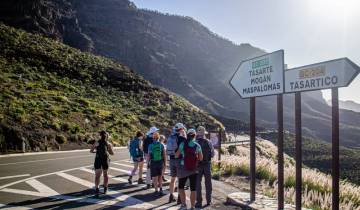
8 days
Canary Islands Walking – Gran Canaria
- ✓ Comprehensive Gran Canaria tour
- ✓ Expert local guides included
- ✓ All accommodation arranged
- ✓ Transportation provided

6 days
Gran Canaria: From Sand Dunes to Mountain Peaks
- ✓ Booking needs min. 2 travelers

10 days
Gran Canaria: From the Mountains to the Ocean
- ✓ Booking needs min. 2 travelers
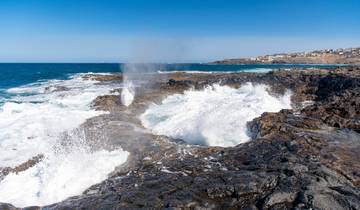
8 days
Gran Canaria: Island of Contrasts
- ✓ Booking needs min. 2 travelers
Multi-day tour packages powered by TourRadar. Prices and availability subject to change.
Essential Planning Information 2026
Understanding Gran Canaria’s Geography and Zones
Gran Canaria’s circular island structure creates distinct geographical zones radiating from volcanic central peaks. The northern region captures Atlantic moisture producing the green zone with laurel forests, deep barrancos (ravines), and agricultural terraces. Las Palmas anchors this humid zone with year-round vegetation and occasional winter rain.
The southern arid zone delivers the famous Canarian sunshine with minimal annual rainfall and desert-like landscapes. Maspalomas, Playa del Inglés, and Puerto Rico dominate this region with resort developments taking advantage of reliable weather. The southern coast receives 320+ days of sunshine annually with temperatures ranging 22-28°C year-round.
Central highlands create Gran Canaria’s dramatic interior characterized by pine forests, volcanic calderas, and aboriginal cave systems. Risco Caído and the Sacred Mountains Cultural Landscape occupies this zone, with peaks reaching nearly 2,000 meters altitude. The interior experiences cooler temperatures and occasional winter snow above 1,600 meters, creating hiking conditions distinct from coastal environments.
Western coastlines present dramatic cliffs, secluded coves, and fishing villages maintaining traditional Canarian character. This zone offers intermediate weather between humid north and arid south, with towns like Agaete and Puerto de las Nieves providing authentic cultural experiences and direct access to interior hiking routes.
Current Costs and Pricing Breakdown for 2026
Gran Canaria delivers Mediterranean destination quality at Atlantic pricing advantages. Risco Caído guided access costs €6-8 per person in 2026, with official tours departing from Artenara and Tejeda visitor centers (check grancanaria.com for current rates and availability). The UNESCO site pricing includes certified archaeological guides, site access permits, and interpretive materials explaining aboriginal culture and astronomical significance.
Public transportation via Guaguas Globales provides island-wide coverage at €1.40 per ride or €8.50 for unlimited daily travel passes. The comprehensive bus network connects Las Palmas with all major beaches, mountain villages, and tourist zones, operating frequent schedules from 6:00 AM to 11:00 PM on primary routes. Rental cars cost €25-45 daily for economy vehicles, offering flexibility for sacred mountain exploration and remote beach access.
Museum admission ranges €3-6 for quality cultural institutions including Casa de Colón (Columbus House) in Las Palmas, Museo y Parque Arqueológico Cueva Pintada in Gáldar, and Centro de Interpretación Risco Caído. Beach access remains completely free across the island’s 60+ beaches and natural swimming areas.
Meal costs reflect authentic Canarian value with casual restaurants serving complete menú del día (daily menu) at €12-18 including starter, main course, dessert, and beverage. Quality sit-down restaurants featuring fresh seafood and traditional Canarian specialties range €25-40 per person with wine. Supermarket provisions cost €40-60 for weekly shopping providing breakfast supplies and picnic ingredients for beach days.
Accommodation pricing varies significantly by zone and season. Las Palmas mid-range hotels cost €60-100 per night for doubles with good locations near Las Canteras beach. Southern resort areas (Maspalomas, Puerto Rico) range €70-130 for similar quality, with premium increases during peak summer weeks. Rural casa rural accommodations in mountain villages offer €50-80 nightly rates providing authentic Canarian hospitality and strategic access to sacred sites.
Climate Patterns and Seasonal Considerations
Gran Canaria’s subtropical location 150 kilometers off African coast creates year-round mild temperatures and reliable sunshine. The island’s “continent in miniature” nickname reflects dramatic microclimates compressed into compact geography, with northern zones receiving 600mm annual rainfall versus southern areas getting just 100mm.
Summer months (June-August) deliver peak beach conditions with 28-30°C temperatures, minimal rainfall, and consistent northeast trade winds moderating heat. The southern coast experiences optimal swimming conditions during this period, though accommodation prices reach annual highs and popular beaches face maximum crowd density. Sacred mountain hiking becomes challenging during midday hours, requiring early morning departures for Risco Caído visits.
Spring season (March-May) offers ideal conditions for balanced exploration combining beach relaxation with mountain hiking. Temperatures range 20-25°C with moderate rainfall in northern zones creating lush landscapes and blooming wildflowers across highland trails. This period provides excellent value with 20-30% lower accommodation rates compared to summer peaks while maintaining comfortable beach swimming.
Autumn months (September-November) extend summer beach season with reduced tourist presence and shoulder-season pricing. Ocean temperatures peak in September-October following summer warming, creating optimal swimming conditions with fewer crowds. This period suits sacred mountain exploration with clear skies, moderate temperatures, and excellent visibility for archaeological photography.
Winter season (December-February) delivers mild 20-22°C temperatures perfect for cultural exploration and hiking activities. Northern zones experience occasional rain showers refreshing landscapes and filling island reservoirs. Southern beaches maintain reliable sunshine with slight temperature drops making beach days pleasant though swimming requires acclimatization to cooler 19-20°C ocean temperatures. Winter represents peak season for European visitors escaping cold climates, bringing moderate price increases but avoiding summer’s extreme crowding.
Risco Caído Sacred Mountains: UNESCO Cultural Landscape 2026
Understanding the Sacred Mountain Complex
The Risco Caído and Sacred Mountains Cultural Landscape encompasses 18,000 hectares of central Gran Canaria protecting exceptional aboriginal heritage. UNESCO designation in 2019 recognized the site as outstanding testimony to pre-Hispanic island culture, featuring cave dwellings, astronomical temples, granaries, and sacred spaces carved into volcanic rock between 800-1500 CE.
Risco Caído itself represents the landscape’s crowning achievement: a ceremonial cave incorporating sophisticated astronomical alignments tracking solar and lunar cycles. The cave interior features carved symbols and light phenomena occurring during equinoxes and solstices, demonstrating advanced aboriginal astronomical knowledge. The temple functions as a calendar marking agricultural cycles and religious ceremonies essential to ancient Canarian society.
The broader sacred landscape includes cliff-face granaries called agadir storing communal grain supplies in inaccessible locations, defended settlements occupying strategic mountain positions, and necropolis areas revealing burial practices and social organization. Archaeological evidence demonstrates continuous aboriginal occupation spanning seven centuries until Spanish conquest in 1483.
The landscape’s exceptional preservation results from Gran Canaria’s volcanic geology creating durable rock suitable for cave excavation and protection from weathering. Remote mountain locations deterred modern development while isolation preserved archaeological integrity enabling comprehensive study of aboriginal Canarian culture.
Visiting Risco Caído in 2026
Access to Risco Caído requires participation in official guided tours departing from designated visitor centers in Artenara and Tejeda. The tours cost €6-8 per person with mandatory advance booking through grancanaria.com or authorized local operators. Daily visitor quotas limit group sizes to 12-15 people protecting fragile cave paintings and archaeological features from degradation.
Standard tours last 3-4 hours combining moderate hiking (2-3 kilometers) with extended stops at multiple sacred sites. Guides provide detailed explanations of aboriginal culture, astronomical alignments, and archaeological discoveries illuminating pre-Hispanic Canarian society. Morning departures (9:00-10:00 AM) offer optimal lighting conditions for cave interior photography and cooler temperatures for uphill sections.
The route begins at elevation 1,200-1,400 meters requiring moderate fitness for steep sections and uneven volcanic terrain. Proper hiking footwear, sun protection, and water supplies (1-2 liters per person) prove essential for comfortable participation. The tour reaches Risco Caído cave temple approximately 90 minutes into the route, allowing 45-60 minutes for guided explanation and photography before returning via alternate path.
Visitor facilities include interpretive centers at Artenara and Tejeda providing historical context, archaeological exhibitions, and pre-tour orientation. These centers open daily 9:00 AM – 5:00 PM with free admission for general exhibitions. Advanced booking systems operate through online platforms requiring credit card payment and email confirmation, with cancellation policies allowing full refunds 48+ hours before scheduled tours.
Additional Sacred Sites in the Cultural Landscape
The broader UNESCO zone encompasses numerous accessible sacred sites complementing the flagship Risco Caído experience. Cueva Pintada in Gáldar ranks among the most significant pre-Hispanic sites in the Atlantic, featuring extraordinary geometric cave paintings in pristine condition. The museum complex costs €6 admission providing guided access to excavated aboriginal settlement and interpretive exhibitions explaining Canarian culture. The site operates Tuesday-Sunday 10:00 AM – 6:00 PM with English language tours available at scheduled times.
Bentayga Sacred Mountain near Tejeda offers free hiking access to cliff-top aboriginal sanctuary with spectacular 360-degree views across Gran Canaria’s volcanic interior. The 2-kilometer trail climbs 300 meters to reach cave shrines, granary structures, and defensive positions demonstrating aboriginal engineering sophistication. Interpretive signs explain archaeological features and cultural significance, making the site accessible for independent exploration.
Roque Nublo presents Gran Canaria’s iconic volcanic monolith rising 1,813 meters with sacred significance to aboriginal culture. The moderate 3-kilometer hiking trail departs from La Goleta reaching the base of the rock formation in 45-60 minutes. The site offers free access year-round with sunrise and sunset visits providing extraordinary lighting and photographic opportunities across the sacred landscape.
The Cenobio de Valerón near Santa María de Guía preserves an extraordinary cliff-face granary complex with 300+ storage chambers carved into volcanic rock. Free admission provides self-guided access to viewing platforms overlooking the archaeological site, with interpretive panels explaining the granary’s function within aboriginal social organization. The strategic cliff position prevented unauthorized access while facilitating communal grain storage supporting entire valleys.
Gran Canaria’s Beach Diversity: From Golden Sands to Volcanic Formations
Las Canteras: Urban Beach Excellence
Las Canteras beach delivers world-class urban beach experiences stretching 3 kilometers along Las Palmas northern waterfront. The beach combines golden sand, excellent swimming conditions, and comprehensive beachfront promenade infrastructure making it Gran Canaria’s most accessible coastal attraction. Natural volcanic reef called La Barra protects the beach creating calm swimming areas even during Atlantic swell periods.
The beach divides into distinct zones serving different activities and preferences. The southern Playa Chica section features protected calm waters ideal for families with young children and less confident swimmers. Central sections provide optimal swimming and bodyboarding conditions with moderate wave action. Northern La Puntilla area attracts surfers during Atlantic swell events with consistent break formation and sandy bottom safety.
Beachfront amenities include free public showers, clean bathroom facilities, seasonal lifeguard coverage (June-September), wheelchair-accessible ramps, and umbrella-sunbed rentals at €8-12 daily rates. The Paseo de Las Canteras promenade provides 3 kilometers of pedestrian walkway lined with restaurants, cafes, and shops creating vibrant beach atmosphere extending into evening hours.
Las Canteras serves as ideal base for Gran Canaria exploration combining beach access with urban conveniences and cultural attractions. The beach sits just 500 meters from historic Vegueta district, 15 minutes by bus from airport connections, and provides direct access to island-wide Guaguas Globales network enabling day trips to sacred mountains and southern beaches.
Maspalomas Dunes: Natural Monument and Beach Complex
Maspalomas stands as Gran Canaria’s most iconic natural landscape combining 400 hectares of Sahara-style dunes, protected wetland ecosystem, and 6 kilometers of pristine golden beach. The dune field achieves heights of 10-15 meters creating dramatic desert landscape just meters from Atlantic surf, protected as Special Nature Reserve since 1987.
The beach extends from Maspalomas lighthouse eastward to Playa del Inglés creating continuous coastal experience with distinct character zones. Western sections near the dunes offer naturist-friendly areas with clothing-optional designation and LGBT+ welcoming atmosphere. Central Maspalomas beach provides family-oriented facilities with sunbed rentals, water sports operators, and restaurant access. Eastern Playa del Inglés transitions into resort beach atmosphere with comprehensive tourist infrastructure.
The Charca de Maspalomas lagoon separates dune field from coastal development creating brackish wetland attracting resident and migratory bird species. Walking circuits around the lagoon provide nature observation opportunities and photographic perspectives of dunes against Atlantic backdrop. The ecosystem maintains protected status limiting development and preserving natural processes shaping this extraordinary landscape.
Beach access operates 24 hours with free admission to both sand and dune areas. Sunrise and sunset periods offer optimal temperatures and dramatic lighting for dune exploration and beach photography. Commercial operators provide sunbed-umbrella sets at €12-18 daily rates, water sports activities including jet skiing (€50-70 per 20 minutes), and parasailing experiences (€60-80 per person).
Hidden Beaches and Secluded Coves
Gran Canaria’s 236 kilometers of coastline hide numerous secluded beaches and volcanic coves offering escape from resort crowds. These hidden gems require extra effort reaching via hiking trails or rough access roads but deliver authentic coastal experiences and exceptional natural beauty.
Güigüí beach ranks among the island’s most spectacular hidden treasures accessible only by boat or challenging 2.5-hour coastal hike. The remote western beach features dramatic cliffs, black volcanic sand, and complete isolation from development. The demanding trail departs from Tasartico requiring good fitness and early morning starts avoiding midday heat. Return boats operate from Güigüí to Puerto de las Nieves (€25-30 per person) enabling one-way hiking and boat return combinations.
Playa de Güi-Güi Chico provides slightly easier access via 90-minute hike from Tasartico with similar rewards of isolation and natural beauty. The beach offers protected swimming in turquoise waters, natural shade from overhanging cliffs, and zero commercial development. Weekend visits attract local families aware of the hidden gem, while weekday exploration provides near-private beach experiences.
El Puertillo near Arucas delivers accessible hidden beach experience with natural rock pools, calm swimming conditions, and authentic fishing village atmosphere. The volcanic coastline creates protected swimming areas sheltered from Atlantic swells, popular with local families but unknown to most tourists. Beachfront restaurants serve fresh seafood at excellent prices (€18-28 for grilled fish with Canarian sides) with terrace seating overlooking the rocky coast.
Playa de Sardina del Norte offers similar authentic beach village character near Gáldar with black volcanic sand, excellent local seafood restaurants, and reliable sunshine due to northwestern exposure. The beach provides free access, natural shade from coastal cliffs, and calm swimming conditions protected by offshore reefs. The village maintains traditional Canarian character with minimal tourist development and genuine local atmosphere.
Accommodation Strategies for Gran Canaria 2026
Las Palmas: Capital City Base Options
Las Palmas provides optimal accommodation value combining cultural authenticity, beach proximity, and transportation connectivity. Mid-range hotels near Las Canteras beach range €60-100 per night for doubles with good locations and modern amenities. These properties deliver swimming pool facilities, air conditioning, breakfast options, and walking distance to beach and restaurant districts.
The Vegueta historic district offers characterful accommodation in colonial buildings converted to boutique hotels and guesthouses. Rates range €55-90 per night for atmospheric properties featuring traditional Canarian architecture, central patios, and authentic cultural immersion. These locations sacrifice beach proximity but provide evening access to historic center’s dining scene and cultural attractions.
Budget travelers find excellent hostel options in Las Palmas ranging €18-30 for dormitory beds or €45-65 for private rooms. These properties concentrate near Las Canteras providing social atmosphere, communal kitchens, and organized activities facilitating connections with fellow travelers. Quality hostels maintain high cleanliness standards and professional management comparable to budget hotels.
Apartment rentals through booking platforms provide cost-effective options for extended stays or groups. One-bedroom apartments near Las Canteras cost €45-75 nightly with weekly discounts reducing rates 15-20%. These properties include kitchen facilities enabling grocery shopping and meal preparation significantly reducing daily food costs compared to restaurant-only budgets.
Southern Resort Zone: Maspalomas and Playa del Inglés
The southern resort corridor delivers comprehensive tourist infrastructure with accommodation options spanning budget apartments to luxury beachfront complexes. Mid-range hotels range €70-130 per night during peak season with significant shoulder-season discounts April-May and September-October reducing rates 20-35%.
All-inclusive resort packages provide predictable budgeting with meals, beverages, and facilities included in single rates. These properties cost €90-160 per person nightly based on double occupancy, offering value for beach-focused vacations minimizing off-property expenses. Quality varies significantly requiring careful review verification and recent guest feedback consultation before booking.
Puerto Rico and Puerto de Mogán suit travelers prioritizing calm waters and marina atmosphere over extensive beach lengths. Accommodation ranges €80-140 per night for quality options with pool access and sea views. These zones deliver family-friendly environments with protected swimming conditions ideal for young children and less confident swimmers.
Southern zone location trades authentic Canarian culture for resort conveniences and reliable sunshine. Budget 60-90 minutes public transport time reaching Las Palmas cultural attractions or Risco Caído sacred mountain access from southern bases. Rental car strategies overcome this limitation enabling flexible exploration while maintaining southern sunshine and beach proximity.
Mountain Village Rural Accommodation
Central mountain villages offer authentic Canarian casa rural accommodation combining cultural immersion with strategic sacred site access. Properties in Tejeda, Artenara, and Agaete range €50-80 per night for atmospheric rural houses featuring traditional architecture and spectacular mountain views.
These accommodations position guests within 30-45 minutes of Risco Caído departure points enabling early morning tour participation without long drives. Mountain location provides evening access to authentic village restaurants serving traditional Canarian cuisine at excellent prices (€15-25 for complete meals) while experiencing genuine local culture beyond tourist zones.
Rural properties typically include kitchen facilities, outdoor terraces with panoramic views, and traditional architectural details like wooden balconies and stone construction. Many operate as working farms or family properties with hosts providing insider knowledge about hiking routes, hidden viewpoints, and local festivals enhancing cultural understanding beyond standard tourist experiences.
Mountain accommodation trades beach convenience for cultural authenticity and cooler temperatures providing welcome relief during summer heat. Budget 45-60 minutes driving to southern beaches or utilize strategic day trip planning combining morning sacred site exploration with afternoon beach visits via efficient routing through the island’s comprehensive road network.
Transportation and Getting Around Gran Canaria 2026
Public Transportation Network
Gran Canaria’s Guaguas Globales bus network provides comprehensive island coverage connecting all major towns, beaches, and tourist attractions. The modern fleet operates frequent schedules on primary routes with reduced service to remote villages and mountain areas. Single ride fares cost €1.40 for standard zones with unlimited day passes available at €8.50 providing excellent value for multi-destination exploration.
Line 1 connects Las Palmas with Maspalomas via coastal highway providing direct beach resort access every 30 minutes during daytime hours. The 60-minute journey costs standard €1.40 single fare enabling cost-effective transport between capital and southern beaches. Express services reduce travel time to 45 minutes during peak periods operating limited stops at major tourist zones.
Interior mountain routes operate reduced frequencies requiring schedule consultation for sacred site access planning. Line 18 serves Tejeda from Las Palmas providing access to Risco Caído departure points with 2-3 daily departures. Return services operate afternoon schedules requiring coordination with tour timing to ensure connection availability after sacred mountain visits.
Bus stations in Las Palmas and Maspalomas provide comprehensive route information, schedule displays, and ticket sales. The San Telmo station in Las Palmas serves as primary hub with connections to all island destinations departing from organized platforms. Real-time arrival information displays assist with connection planning and schedule verification during actual travel days.
Rental Car Flexibility and Considerations
Rental cars provide maximum flexibility for sacred mountain exploration, hidden beach access, and multi-destination itineraries combining coastal and interior zones. Economy vehicles cost €25-45 daily depending on season and advance booking timing, with weekly rates reducing daily costs 15-20% compared to short-term rentals.
The island’s compact size enables complete circumnavigation in single days with driving distances rarely exceeding 90 minutes between opposite coasts. Well-maintained highways connect major towns while interior mountain roads require attention to curves, gradients, and narrow village streets. GPS navigation systems prove essential for remote beach access and mountain village routes with limited signage clarity.
Parking availability varies significantly by location with Las Palmas requiring paid parking in central zones (€1.50-2.50 per hour) while southern resorts and mountain villages provide free street parking. Beach access points include designated parking areas with daily rates €3-6 during summer season, free during shoulder periods. Sacred site visitor centers provide free parking for tour participants during scheduled visits.
Fuel costs average €1.35-1.50 per liter for unleaded gasoline with stations readily available in populated areas but sparse in remote mountain regions. Budget €40-60 weekly fuel costs for moderate driving including coastal exploration and interior mountain access. Rental vehicles operate on full-to-full fuel policies requiring return with full tanks avoiding expensive pre-purchase or refueling fees.
Airport Connections and Inter-Island Transport
Gran Canaria Airport (LPA) serves as primary gateway located 18 kilometers south of Las Palmas. Bus Line 60 provides direct airport-capital connections departing every 30 minutes from 6:00 AM – 11:30 PM with €2.30 single fares and 45-minute journey times. Taxis cost €30-35 for the same route operating 24-hour service with official fare meters.
Southern resort transfers utilize Line 66 operating direct airport connections to Maspalomas, Playa del Inglés, and Puerto Rico. The service operates every 30-40 minutes during daytime hours with €4.50 single fares and 50-60 minute journey times depending on final destination. Private transfer services cost €40-60 for sedan vehicles or €55-75 for minivans accommodating families with luggage.
Inter-island ferry connections operate from Las Palmas port linking Gran Canaria with Tenerife, Fuerteventura, and Lanzarote. The fast ferry services cost €35-55 per person for standard seating with 90-120 minute crossing times depending on destination. Vehicle transport adds €45-70 enabling multi-island road trips combining Gran Canaria sacred mountains with Lanzarote volcanic landscapes or Tenerife’s Teide National Park.
Inter-island flights provide rapid connections with 30-40 minute flight times between islands. Binter Canarias and Canaryfly operate frequent schedules with fares ranging €35-80 depending on advance booking and route selection. These flights enable efficient day trip combinations visiting multiple islands during single Canary Islands vacations, though sacred mountain exploration benefits from dedicated Gran Canaria focus allowing proper time for archaeological site access.
Sample Gran Canaria Itineraries 2026
5-Day Sacred Mountains and Beaches Combination
Day 1 – Las Palmas Arrival and Beach Introduction
Arrive Gran Canaria Airport and transfer to Las Palmas accommodation via Line 60 bus (€2.30, 45 minutes). Check into mid-range hotel near Las Canteras beach (€75 per night) and spend afternoon exploring the 3-kilometer beach and waterfront promenade. Evening walking tour through historic Vegueta district discovering colonial architecture and Columbus connections.
Airport transfer €2.30, lunch €15-22, dinner €25-35, gelato €4-6. Total day cost: €46-65 per person (excluding accommodation €75).
Day 2 – Risco Caído Sacred Mountain Experience
Early morning pickup for pre-booked Risco Caído guided tour (€6-8 per person, 3-4 hours). The tour departs Artenara visitor center exploring aboriginal cave temples and astronomical sanctuaries with certified archaeological guide. Afternoon drive through mountain villages including Tejeda and Cruz de Tejeda viewpoint. Return to Las Palmas for authentic Canarian dinner.
Risco Caído tour €6-8, rental car €35, fuel €10, lunch in mountains €12-18, dinner €20-30, snacks €6-10. Total day cost: €89-111 per person (excluding accommodation).
Day 3 – Cueva Pintada and Northern Beaches
Morning visit to Cueva Pintada museum in Gáldar (€6 admission) exploring exceptional aboriginal cave paintings and excavated settlement. Afternoon beach time at Playa de Sardina del Norte experiencing authentic fishing village atmosphere and calm swimming conditions. Beachfront seafood lunch featuring fresh grilled fish.
Cueva Pintada €6, fuel €8, beach lunch €18-28, dinner €22-32, beach snacks €8-12. Total day cost: €62-86 per person (excluding accommodation).
Day 4 – Maspalomas Dunes and Southern Beaches
Drive to Maspalomas exploring iconic dune system and 6-kilometer beach complex. Morning hike through protected dunes photographing Sahara-style landscapes. Afternoon swimming at Maspalomas beach with optional water sports activities. Sunset viewing from Maspalomas lighthouse marking transition from beach to evening dining.
Fuel €12, beach sunbed rental €12-18, lunch €15-22, water sports (optional) €50-70, dinner €28-38, drinks €10-15. Total day cost: €77-105 per person without water sports, €127-175 with activities (excluding accommodation).
Day 5 – Hidden Beaches and Mountain Villages
Western coast exploration visiting Puerto de las Nieves fishing village and Agaete valley. Optional boat trip to remote Güigüi beach (€25-30) or hiking to Playa de Güi-Güi Chico (2-3 hours, free). Afternoon coffee break in Agaete valley villages before return drive through interior mountains. Final evening in Las Palmas with celebratory dinner.
Fuel €15, boat trip (optional) €25-30, lunch €18-25, coffee breaks €8-12, farewell dinner €35-50, snacks €8-12. Total day cost: €84-114 per person without boat, €109-144 with boat tour (excluding accommodation).
5-Day Budget Summary: €358-481 per person excluding accommodation. With accommodation €733-856 for complete 5-day Gran Canaria experience combining sacred mountains, beach diversity, and authentic cultural immersion.
7-Day Complete Gran Canaria Cultural and Natural Heritage
Extended 7-day itinerary incorporates comprehensive sacred site access, complete beach variety exploration, mountain village overnight stays, and multiple UNESCO cultural landscape visits. Budget €520-680 per person excluding accommodation, or €870-1,120 with mid-range lodging including mountain village casa rural experiences and coastal hotel combinations.
Additional days focus on: Bentayga Sacred Mountain hiking, Cenobio de Valerón granary complex, Roque Nublo volcanic monolith, western coast hidden beaches, traditional Canarian villages, and extended time for photography, relaxation, and cultural immersion beyond scheduled tour activities.
Canarian Cuisine and Dining Strategies 2026
Traditional Canarian Specialties
Canarian cuisine combines Spanish influences with African, Latin American, and aboriginal heritage creating distinctive island gastronomy. Papas arrugadas (wrinkled potatoes) served with mojo sauce represent the quintessential Canarian dish featuring small local potatoes boiled in heavily salted water developing distinctive wrinkled skin. The accompanying mojo comes in two varieties: mojo verde (green, herb-based) and mojo rojo (red, paprika-based).
Fresh seafood dominates coastal restaurant menus with daily catches grilled simply or prepared in traditional Canarian styles. Vieja (parrotfish), sama (sea bream), and cherne (wreckfish) rank among local favorites typically grilled whole and served with papas arrugadas and mojo. Prices range €18-28 per person for quality fish restaurants in authentic fishing villages, €35-50 in tourist resort areas.
Gofio, ground roasted grain forming aboriginal Canarian staple, appears in numerous traditional dishes and desserts. The nutrient-dense flour incorporates into soups, escaldón (gofio with fish broth), and mousse de gofio desserts. Traditional restaurants serve gofio-based specialties providing authentic taste of pre-Hispanic Canarian cuisine adapted through centuries of cultural evolution.
Canarian cheeses, particularly queso de flor made with thistle flower rennet, achieve protected designation status and international recognition. Local cheese boards cost €12-18 featuring multiple varieties paired with local wines and mojo sauces. Markets across the island sell artisanal cheeses at €8-15 per kilogram enabling economical picnic supplies for beach days and mountain hikes.
Restaurant Categories and Budget Planning
Budget conscious travelers find excellent value in local menú del día offerings available at traditional restaurants during lunch hours. Complete three-course meals with beverage cost €12-18 providing substantial portions of Canarian specialties. These menus change daily based on available ingredients and chef selections, offering authentic dining experiences at fraction of tourist restaurant pricing.
Mid-range restaurants serving quality Canarian cuisine with atmosphere and service cost €25-40 per person with wine. These establishments concentrate in Las Palmas Vegueta district, mountain villages, and authentic fishing villages along northern and western coasts. Reservations prove advisable for weekend dinners and popular establishments during peak season.
Fine dining experiences featuring creative Canarian cuisine and local ingredients range €50-80 per person with wine pairings. Las Palmas hosts several Michelin-recommended establishments combining traditional flavors with contemporary techniques. These restaurants suit special occasion dining and culinary exploration beyond everyday meal budgets.
Self-catering through supermarkets and local markets provides maximum budget control with weekly shopping costs €40-60 per person. The Mercado de Vegueta in Las Palmas and local municipal markets offer fresh produce, cheeses, cured meats, and bakery items at excellent prices enabling picnic creation and apartment meal preparation. Beach picnics combining market provisions with scenic coastal settings create memorable economical dining experiences.
Wine and Local Beverages
Gran Canaria’s volcanic soils produce distinctive wines achieving international recognition and protected designation status. The Monte Lentiscal wine region near Santa Brígida cultivates indigenous grape varieties creating unique volcanic wines available at estate wineries and restaurants island-wide. Wine tasting experiences cost €15-25 per person including multiple varieties and vineyard tours.
Restaurants serve local wines by glass (€3-5) or bottle (€15-28) providing excellent value compared to imported selections. The distinctive volcanic minerality reflects Gran Canaria’s geology creating wines perfect for pairing with local seafood and traditional dishes.
Ron miel (honey rum) represents Canarian specialty liqueur combining local rum with island honey. The sweet digestif appears on every restaurant menu at €4-6 per glass or bottles available at €12-18 for gifting. The distinctive flavor profile suits after-dinner sipping and provides authentic taste of Canarian beverage traditions.
Tropical fruits grown in Gran Canaria’s microclimates appear in fresh juices, smoothies, and desserts. Papaya, mango, and avocado cultivation thrives in protected valley areas with restaurants featuring these ingredients in innovative preparations showcasing island agricultural diversity beyond tourism and beaches.
Money-Saving Strategies for Gran Canaria 2026
Advance Booking Benefits and Discounts
Accommodation booking 2-3 months ahead yields 15-25% savings compared to last-minute rates during peak summer season. Booking platforms offer free cancellation policies allowing price monitoring and rebooking at lower rates if prices drop. Shoulder season travel (April-May, September-October) delivers automatic 20-35% accommodation discounts without sacrificing weather quality or beach conditions.
Rental car advance reservations 3-4 weeks before arrival produce 20-30% savings versus airport counter rates. Weekly rentals reduce daily costs 15-20% compared to short-term bookings. Fuel-efficient economy vehicles minimize operational costs while providing adequate performance for island exploration including mountain road gradients.
Flight monitoring during flash sales and promotional periods captures significant savings on European connections to Gran Canaria. Budget carriers operate competitive routes from UK, Germany, and Scandinavia with promotional fares €50-120 return during sales events. Midweek flights (Tuesday-Thursday) typically cost 15-25% less than weekend departures.
Strategic Transportation and Activity Savings
Public bus network utilization versus rental cars saves €150-200 weekly while providing environmental benefits and eliminating parking concerns. The comprehensive Guaguas Globales coverage reaches all major beaches and tourist attractions with frequent service enabling flexible exploration. Unlimited day passes (€8.50) deliver maximum value for multi-destination exploration days.
Free beach access across Gran Canaria’s 60+ beaches eliminates entrance fees enabling unlimited coastal exploration without daily costs. Pack beach supplies from supermarkets avoiding expensive beachfront vendors selling drinks, snacks, and equipment at premium tourist pricing. Simple beach bag provisioning reduces daily costs €15-25 per person.
Self-guided sacred site exploration at free-access locations like Bentayuga Sacred Mountain, Roque Nublo, and Cenobio de Valerón granaries supplements paid Risco Caído tour reducing overall cultural site costs. These locations provide genuine archaeological experiences with interpretive materials enabling independent learning without guided tour expenses.
Accommodation and Dining Cost Optimization
Apartment rentals with kitchen facilities enable grocery shopping and meal preparation reducing dining costs 40-60% compared to restaurant-only budgets. Supermarket shopping costs €40-60 weekly providing breakfast supplies, picnic ingredients, and simple dinners balancing budget control with occasional restaurant meals for authentic Canarian cuisine experiences.
Lunch versus dinner restaurant timing captures better value through menú del día offerings unavailable during evening service. The same restaurants serving €35-45 dinner entrees provide €12-18 three-course lunch menus including beverage. Strategic lunch restaurant dining plus simple apartment dinners optimizes budget while maintaining quality food experiences.
Free walking tours through Las Palmas historic districts, beach promenades, and coastal paths provide cultural enrichment and orientation without tour operator costs. These self-guided explorations using downloadable maps and guides enable flexible timing and personalized interests while eliminating per-person tour fees averaging €25-40 for commercial equivalents.
Booking and Reservations for 2026 Visits
Sacred Site Access and Official Channels
Risco Caído Cultural Landscape requires advance booking through official grancanaria.com platform or authorized local operators certified for archaeological site access. The booking system operates credit card payments with email confirmation and detailed pre-tour information including meeting points, equipment recommendations, and fitness requirements.
Book 2-4 weeks ahead during peak season (July-August, December-January) ensuring tour availability and preferred departure timing. Shoulder season visits (April-June, September-October) require 1-2 weeks advance booking providing flexibility while guaranteeing access. Last-minute availability remains extremely limited even during low season due to daily visitor quotas protecting archaeological sites.
Cueva Pintada museum in Gáldar accepts walk-up visitors during low season but benefits from advance booking during busy periods ensuring English language tour timing. Online reservations through museum website provide guaranteed admission and preferred tour schedule selection eliminating arrival uncertainty and potential wait times.
Accommodation Booking Timing and Strategies
Summer peak season (July-August) demands 2-3 months advance booking securing preferred accommodation zones and pricing. Popular Las Palmas hotels near Las Canteras beach and southern resort properties fill early requiring flexible backup options or early commitment to specific properties. Free cancellation policies enable price monitoring and rebooking if rates drop.
Shoulder seasons (April-May, September-October) allow shorter 3-4 weeks advance booking maintaining good selection while monitoring for promotional rates. These periods deliver optimal value/quality balance with 20-35% lower rates than summer peaks without weather compromise for beach activities and sacred mountain exploration.
Mountain village casa rural properties operate limited inventory requiring advance booking regardless of season. These authentic accommodations fill through word-of-mouth and returning guests making early reservation essential for cultural immersion experiences and strategic sacred site proximity.
Transportation Reservations and Logistics
Rental car booking 3-4 weeks before arrival optimizes inventory selection and pricing. Major international brands operate Gran Canaria Airport locations providing pick-up/drop-off convenience and 24-hour availability. Verify insurance coverage, fuel policies, and additional driver costs during booking process avoiding counter surprises.
Inter-island ferry advance booking proves essential during peak season and holiday periods ensuring vehicle transport availability for multi-island combinations. The fast ferry services operate dynamic pricing rewarding early bookings with 15-25% savings compared to walk-up rates. Book 2-3 weeks ahead during summer securing preferred departure timing and seating categories.
Airport transfer services through pre-booked private operators provide reliable alternatives to public transport or taxis. These services cost €40-60 for sedan vehicles operating door-to-door convenience with flight monitoring and delayed arrival accommodation. Advanced booking guarantees availability during late evening arrivals when public transport operates reduced schedules.
Practical Tips for Gran Canaria 2026 Travelers
Climate Preparation and Packing Essentials
Gran Canaria’s year-round mild temperatures require minimal seasonal wardrobe adjustments though specific activity planning demands appropriate gear. Beach-focused trips need standard summer clothing, swimwear, sun protection (SPF 30+ sunscreen, hats, sunglasses), and comfortable walking shoes for promenade strolls and town exploration.
Sacred mountain hiking demands proper footwear with ankle support and grip suitable for volcanic terrain and steep gradients. Trails at 1,200-1,800 meters altitude experience cooler temperatures than coastal zones requiring light jacket layers even during summer months. Water bottles (1-2 liters capacity) prove essential for 3-4 hour sacred site tours lacking water source access.
Northern zone exploration benefits from light rain jacket during winter months (November-March) when occasional Atlantic weather systems bring brief showers. Southern zones maintain desert-dry conditions year-round requiring minimal rain preparation but demanding excellent sun protection for beach and outdoor activities.
Language and Cultural Considerations
Spanish serves as official language throughout Gran Canaria with English widely spoken in tourist areas, hotels, and major restaurants. Las Palmas and southern resorts operate extensive English-language services while mountain villages and authentic fishing towns require basic Spanish phrases for effective communication.
Learning essential Spanish courtesies (buenos días, gracias, por favor, la cuenta) enhances cultural interactions and demonstrates respect for local customs. Restaurant servers, shop owners, and transportation staff appreciate attempted Spanish communication even when English support proves available.
Canarian Spanish incorporates distinct pronunciation and vocabulary variations from Iberian Spanish. The soft pronunciation of ‘s’ sounds and use of ustedes for informal ‘you’ plural reflects Latin American influences and aboriginal heritage. These linguistic nuances add cultural dimension without impeding communication for Spanish speakers from other regions.
Safety and Health Considerations
Gran Canaria maintains excellent safety standards with low crime rates and comprehensive tourist infrastructure. Standard urban precautions apply in Las Palmas regarding valuables, late-night awareness, and bag security in crowded areas. Beach belongings require supervision during swimming as opportunistic theft targets unattended items.
Ocean swimming conditions vary significantly by beach and season. Las Canteras natural reef protection creates calm swimming year-round while Atlantic-facing beaches experience strong currents and wave action during swell events. Red flag warnings indicate dangerous conditions requiring swimming avoidance regardless of personal capabilities.
Sun exposure intensity requires diligent protection with high SPF sunscreen (30-50+), regular reapplication, and midday shade seeking during beach activities. The subtropical latitude combined with year-round sun exposure creates burn risk even during winter months when temperatures feel moderate but UV intensity remains high.
Emergency services operate European standard 112 emergency number connecting to police, medical, and fire services with multilingual operators. Public hospitals in Las Palmas provide comprehensive healthcare with European Health Insurance Card (EHIC) coverage for EU citizens or travel insurance for non-EU visitors recommended for medical emergency protection.
Photography Guide: Capturing Gran Canaria’s Sacred and Coastal Beauty
Sacred Mountain Photography Techniques
Risco Caído cave temples present challenging low-light conditions requiring specific photography approaches. Modern smartphone cameras handle cave interiors adequately when using Night Mode features stabilizing exposures. DSLR and mirrorless photographers achieve optimal results with wide-aperture lenses (f/1.8-2.8), high ISO capabilities (1600-3200), and tripod stabilization where permitted.
The astronomical alignments creating light phenomena during equinoxes and solstices provide extraordinary photographic opportunities. Advance planning around March 21 and September 21 positions visitors during optimal cave illumination when sunlight penetrates shaft openings creating dramatic light beams. These rare events require advance Risco Caído tour booking 2-3 months ahead due to limited access and high demand.
Exterior sacred landscape photography benefits from golden hour timing (6:30-8:00 AM, 6:00-7:30 PM) when low sun angle illuminates volcanic rock formations and mountain relief. Early morning light provides crystal clarity before afternoon haze develops across interior mountain zones. Sunset photography captures dramatic color on western-facing cliffs and volcanic peaks.
Beach and Coastal Photography Strategies
Maspalomas dunes achieve stunning visual impact during first and last light when low sun creates dramatic shadows across sand ridges. Sunrise photography (7:00-8:30 AM) finds empty dunes before daily visitors arrive, providing clean compositions without human presence. The golden hour timing transforms sand from flat afternoon brightness into dimensional landscape with texture and depth.
Las Canteras urban beach benefits from evening blue hour photography (sunset + 30 minutes) capturing illuminated promenade against darkening sky. The city lights reflect on wet sand during low tide creating mirror effects and dynamic foreground interest. Long exposure techniques (10-30 seconds) smooth wave motion and blur pedestrian movement creating artistic coastal interpretations.
Hidden beach coves like Güigüí demand wide-angle lenses (14-24mm) capturing dramatic cliff contexts surrounding small sand areas. The remote locations provide pristine natural settings without modern development intrusions enabling pure landscape photography. Polarizing filters reduce water surface reflections revealing turquoise color depth and underwater rock formations.
Cultural and Architectural Photography
Las Palmas Vegueta district delivers colonial architecture and historic street scenes ideal for cultural documentation. Narrow streets benefit from early morning or late afternoon lighting avoiding harsh midday shadows. The Casa de Colón courtyard provides classic Canarian architecture example with wooden balconies, tropical plants, and colonial details.
Market photography at Mercado de Vegueta captures authentic Canarian culture through produce displays, vendor interactions, and local shopping scenes. Respectful approach and vendor permission prove essential before photographing people and businesses. The covered market provides excellent diffused lighting for color-rich food photography without harsh direct sun.
Mountain village architecture in Tejeda, Artenara, and Fataga showcases traditional Canarian construction with white-washed walls against dramatic volcanic backdrops. Elevated viewpoints photograph clustered villages against mountain relief creating classic Canarian landscape compositions combining human settlement with rugged natural environment.
Planning Your 2026 Gran Canaria Visit
Seasonal Timing Optimization
April-May represents optimal timing balancing perfect hiking weather, comfortable beach conditions, reduced crowds, and 20-30% lower accommodation costs compared to summer peaks. Sacred mountain exploration benefits from mild 18-24°C temperatures while beaches provide pleasant swimming without summer intensity. Wildflower blooming across highland trails creates photographic opportunities unavailable during other seasons.
September-October extends summer beach season with reduced tourist density and shoulder-season pricing advantages. Ocean temperatures peak following summer warming creating ideal swimming conditions while air temperatures moderate from summer highs. This period suits beach-focused trips with cultural exploration balance without extreme heat challenges affecting sacred mountain hiking.
June-August delivers guaranteed optimal beach weather with maximum sunshine hours and minimal rainfall probability. Sacred mountain exploration requires early morning timing avoiding midday heat at elevation. This peak season brings maximum crowds, premium accommodation pricing, and necessary advance booking for popular hotels and tours, though beach infrastructure operates full capacity with comprehensive services.
November-March offers excellent value for culture-focused visits prioritizing sacred sites, museums, and historic districts over beach activities. Mild 20-22°C temperatures prove perfect for hiking and exploration while beach swimming requires cold water tolerance. European winter visitors escaping cold climates create moderate demand maintaining reasonable pricing without summer extremes.
Itinerary Duration Recommendations
Minimum 5 days enables basic sacred mountain and beach combination covering Risco Caído tour, Las Canteras beach time, and 1-2 additional beach or cultural sites. This duration provides genuine taste of Gran Canaria’s diversity without rushed schedules though limits comprehensive island exploration.
Optimal 7-day itinerary incorporates thorough sacred landscape access, complete beach variety sampling, mountain village overnight experiences, and flexible time for spontaneous discoveries. This duration balances structured planning with relaxation opportunities while enabling northern hidden beaches, western coast exploration, and multiple UNESCO site visits.
Extended 10-day visits allow deep cultural immersion through rural accommodation experiences, repeated sacred site visits at different times, comprehensive beach sampling from hidden coves to major resorts, and day trip potential to neighboring Canary Islands. This duration suits photographers, hikers, and cultural enthusiasts seeking thorough understanding beyond standard tourist experiences.
Budget Planning Framework
Budget-conscious travelers achieve €60-85 daily costs through strategic choices: public transport reliance (€8.50 unlimited day passes), apartment accommodation with kitchen facilities (€45-65 nightly), supermarket shopping for breakfasts and picnics, selective restaurant dining (menú del día lunch strategy), free beach access, and self-guided sacred site exploration at Bentayuga and Roque Nublo.
Mid-range comfort costs €120-160 daily including rental car flexibility (€35-45 daily), quality mid-range hotels (€75-100 nightly), balanced restaurant dining (€25-40 dinner), paid sacred site access including Risco Caído and Cueva Pintada, occasional water sports or activities, and premium beach amenities like sunbed rentals.
Luxury experiences reach €200-300+ daily incorporating premium beachfront accommodation (€150-250+ nightly), rental car upgrades or private drivers, fine dining emphasis (€50-80+ dinners), private guided sacred site tours, water sports and activities, spa services, and comprehensive tour operator experiences eliminating logistical planning requirements.
2026 Updates and Current Information
Sacred Site Access Evolution
The Risco Caído Cultural Landscape continues developing visitor infrastructure balancing archaeological protection with public access. The 2026 season operates established booking protocols through grancanaria.com with guided tour requirements and daily visitor quotas unchanged from initial UNESCO implementation. Site protection measures ensure long-term preservation while maintaining meaningful public engagement with aboriginal heritage.
Additional sacred sites beyond flagship Risco Caído receive enhanced interpretation and accessibility improvements. Bentayuga Sacred Mountain and Roque Nublo trails maintain free access with upgraded interpretive signage explaining archaeological significance and cultural context. These developments enhance self-guided experiences without requiring paid tour participation.
Sustainable Tourism Initiatives
Gran Canaria advances sustainable tourism protocols protecting natural and cultural heritage while maintaining quality visitor experiences. Beach clean-up programs operate year-round with volunteer opportunities for engaged travelers seeking contribution beyond consumption. The Maspalomas dune ecosystem implements enhanced protection measures limiting human impact zones while maintaining access to this iconic landscape.
Public transportation expansion continues improving frequency and coverage reducing rental car dependence and environmental impact. The Guaguas Globales network introduces additional electric buses serving popular tourist routes while maintaining affordable pricing encouraging sustainable transport choices. These developments align with broader Canary Islands sustainability goals balancing tourism economy with environmental stewardship.
Digital Services and Planning Tools
Official tourism websites provide comprehensive planning resources including updated sacred site booking systems, transportation schedules, accommodation availability, and current pricing information. The grancanaria.com platform centralizes tourist information eliminating need for multiple booking sources while ensuring authentic official channel access avoiding third-party markups.
Mobile applications for public transport provide real-time bus arrival information, route planning tools, and digital ticketing options. These services enhance visitor experience through reliable information access and simplified logistics reducing language barriers and orientation challenges for first-time island visitors.
Frequently Asked Questions About Gran Canaria 2026
Is Gran Canaria worth visiting compared to other Canary Islands?
Gran Canaria delivers unique combination features unavailable on other Canary Islands. The UNESCO Sacred Mountains Cultural Landscape provides archaeological significance unmatched elsewhere in the archipelago, while beach diversity from golden Las Canteras to dramatic Maspalomas dunes exceeds Tenerife’s limited coastal variety. The compact island size enables complete exploration within week-long visits without the extensive driving distances required across larger Tenerife. Lanzarote offers superior volcanic landscapes but lacks Gran Canaria’s beach variety and sacred mountain cultural heritage. Fuerteventura excels for pure beach experiences but provides minimal cultural attractions or interior mountain diversity. Gran Canaria achieves optimal balance across natural beauty, cultural significance, beach variety, and logistical convenience making it worthy premier Canary Islands destination for comprehensive visitor experiences.
How difficult are the Risco Caído sacred mountain tours?
Risco Caído tours require moderate fitness for 2-3 kilometer hiking including steep volcanic terrain and elevation changes. The routes begin at 1,200-1,400 meters altitude with uphill sections demanding cardiovascular conditioning though not technical climbing skills. Standard tour pace accommodates varied fitness levels with regular stops for archaeological explanations and photography. Proper hiking footwear proves essential for volcanic rock surfaces and uneven paths, while water supplies (1-2 liters per person) maintain hydration during 3-4 hour tours. The difficulty compares to moderate mountain hiking rather than casual beach walking, though participants without serious mobility limitations succeed with reasonable preparation and appropriate expectations. Morning tour timing avoids midday heat making summer visits manageable despite elevation exposure.
Can you visit Gran Canaria on a tight budget?
Gran Canaria accommodates budget travelers through strategic planning and smart choices. Public transportation via Guaguas Globales costs €8.50 for unlimited daily travel accessing all major beaches and tourist sites. Apartment rentals with kitchen facilities start at €45-65 nightly enabling grocery shopping and meal preparation reducing food costs 40-60%. Free beach access across 60+ beaches eliminates daily entrance fees while supermarket provisions cost €40-60 weekly for complete supplies. Sacred sites like Bentayuga, Roque Nublo, and Cenobio de Valerón offer free access complementing the €6-8 Risco Caído paid tour. Budget restaurants serve menú del día lunches at €12-18 for three-course meals with beverage. Combining these strategies achieves €60-85 daily costs excluding accommodation, or €105-150 total with budget lodging, delivering authentic Gran Canaria experiences without premium pricing.
What’s the difference between Las Palmas and southern resort areas?
Las Palmas delivers authentic Canarian urban culture combining city life, historic districts, excellent Las Canteras beach, and genuine local atmosphere versus southern resort zones built primarily for tourism. The capital provides superior restaurant variety, cultural attractions, colonial architecture, and evening entertainment while maintaining quality beach access. Accommodation costs €60-100 for mid-range options versus southern €70-130 rates, with superior public transport connectivity enabling easy island-wide exploration. Southern resorts (Maspalomas, Playa del Inglés, Puerto Rico) offer guaranteed sunshine, resort amenities, all-inclusive options, and beach-focused environments with less cultural depth. Las Palmas attracts independent travelers seeking authentic experiences while southern zones suit sun-focused vacations, families wanting resort facilities, and visitors prioritizing reliable weather over cultural immersion. Both areas provide quality experiences serving different travel preferences and priorities.
Is a rental car necessary for Gran Canaria exploration?
Rental cars provide maximum flexibility though comprehensive public bus coverage makes car-free exploration feasible. The Guaguas Globales network connects all major beaches, tourist sites, and towns with frequent service on primary routes. Las Palmas, southern beaches, and coastal towns achieve easy access via bus at €1.40 per ride or €8.50 unlimited daily passes. Sacred mountain access requires more complex bus scheduling with reduced frequencies to interior villages though remains achievable with planning. Hidden beach access to remote coves like Güigüí demands hiking regardless of transport mode. Rental cars excel for maximum freedom, spontaneous routing changes, combined coastal and interior exploration, and time efficiency visiting multiple distant sites within single days. Budget €25-45 daily car rental versus €8.50 daily bus passes, with fuel adding €6-10 daily for moderate driving. Choose based on desired flexibility, budget parameters, and itinerary complexity balancing scheduled transport versus independent exploration preferences.
What’s the best base location for first-time Gran Canaria visitors?
Las Palmas provides optimal first-time visitor base combining beach access, cultural attractions, authentic atmosphere, and transportation connectivity. Las Canteras beach delivers 3 kilometers of quality sand with excellent swimming, while Vegueta historic district offers colonial architecture and evening dining. The capital’s central location enables day trips to Risco Caído sacred sites, southern Maspalomas dunes, and hidden northern beaches via efficient public transport. Accommodation costs €60-100 per night for mid-range quality with good locations. The authentic Canarian atmosphere provides cultural immersion beyond resort tourism while maintaining comprehensive visitor services and English language support. Alternative Puerto de Mogán suits travelers prioritizing southern sunshine and calm waters willing to sacrifice cultural depth for reliable beach weather, though requiring longer travel times for sacred mountain access and northern attractions. Las Palmas achieves superior balance for comprehensive island exploration and authentic cultural experiences.
How many days do you need in Gran Canaria?
Minimum 5 days covers essential highlights including Risco Caído sacred mountain tour, Las Canteras beach experience, Maspalomas dunes visit, and one additional cultural site or hidden beach. This duration provides genuine island taste without rushed schedules though limits comprehensive exploration. Optimal 7 days enables thorough sacred landscape access, complete beach variety sampling, mountain village overnight experience, and flexible time for spontaneous discoveries including hidden coves, local markets, and cultural events. Extended 10-day visits allow deep immersion through rural accommodation, repeated sacred site visits, comprehensive beach sampling, and potential day trips to neighboring Tenerife or Lanzarote. Choose duration based on travel style, budget flexibility, and desired depth balancing structured sightseeing versus relaxation and spontaneous exploration opportunities.
What should you pack for Gran Canaria sacred mountain visits?
Sacred mountain tours require proper hiking footwear with ankle support and grip suitable for volcanic terrain and steep gradients. Trails at 1,200-1,800 meters altitude experience cooler temperatures than coastal zones requiring light jacket layers even during summer months. Water bottles (1-2 liters capacity) prove essential for 3-4 hour tours lacking water source access. Sun protection including SPF 30+ sunscreen, hat, and sunglasses remains critical despite elevation. Small backpack carries water, snacks, extra clothing layer, camera equipment, and phone for emergency contact. Wear moisture-wicking clothing suitable for moderate physical activity with temperature regulation capabilities. Avoid cotton fabrics retaining moisture in favor of technical hiking materials. Bring fully charged phone for photography and emergency contact with tour guides. Pack light rain shell during winter months (November-March) when brief showers occasionally affect highland zones.
Are Gran Canaria beaches suitable for families with young children?
Gran Canaria offers numerous family-friendly beaches with calm conditions and child-appropriate facilities. Las Canteras northern Playa Chica section provides protected shallow waters behind natural volcanic reef creating safe swimming for young children. Southern Puerto de Mogán and Anfi del Mar beaches deliver artificial calm conditions through breakwater protection ideal for toddlers and non-swimmers. These beaches include nearby restaurants, clean bathroom facilities, lifeguard coverage during summer season, and gentle water entry without strong currents. Avoid Atlantic-facing beaches during swell events when wave action creates dangerous conditions unsuitable for children. Maspalomas beach suits older children comfortable with moderate surf though requires supervision. The island’s beach diversity enables families to select appropriate conditions matching children’s ages, swimming abilities, and confidence levels while maintaining quality facilities and services throughout major beaches.
What’s the best way to experience authentic Canarian culture beyond tourist areas?
Authentic cultural immersion requires venturing beyond resort zones into mountain villages, traditional fishing towns, and local neighborhoods. Stay overnight in casa rural accommodation in Tejeda, Artenara, or Agaete experiencing family hospitality and traditional village life. Visit municipal markets like Mercado de Vegueta observing local shopping patterns and fresh produce selection. Dine at village restaurants in Fataga, Santa Lucía, or El Puertillo where menus serve local families rather than tourists. Attend local fiestas celebrating patron saints with traditional music, dancing, and Canarian specialties (check tourism office calendars). Learn basic Spanish enabling conversations with village shop owners, restaurant servers, and accommodation hosts. Purchase artisanal products directly from producers at village cooperatives supporting local economy while obtaining quality cheeses, wines, and handicrafts. Use public transport experiencing daily Canarian life versus isolated rental car touring. These approaches provide genuine cultural engagement beyond superficial tourist encounters creating meaningful understanding and memorable authentic experiences.