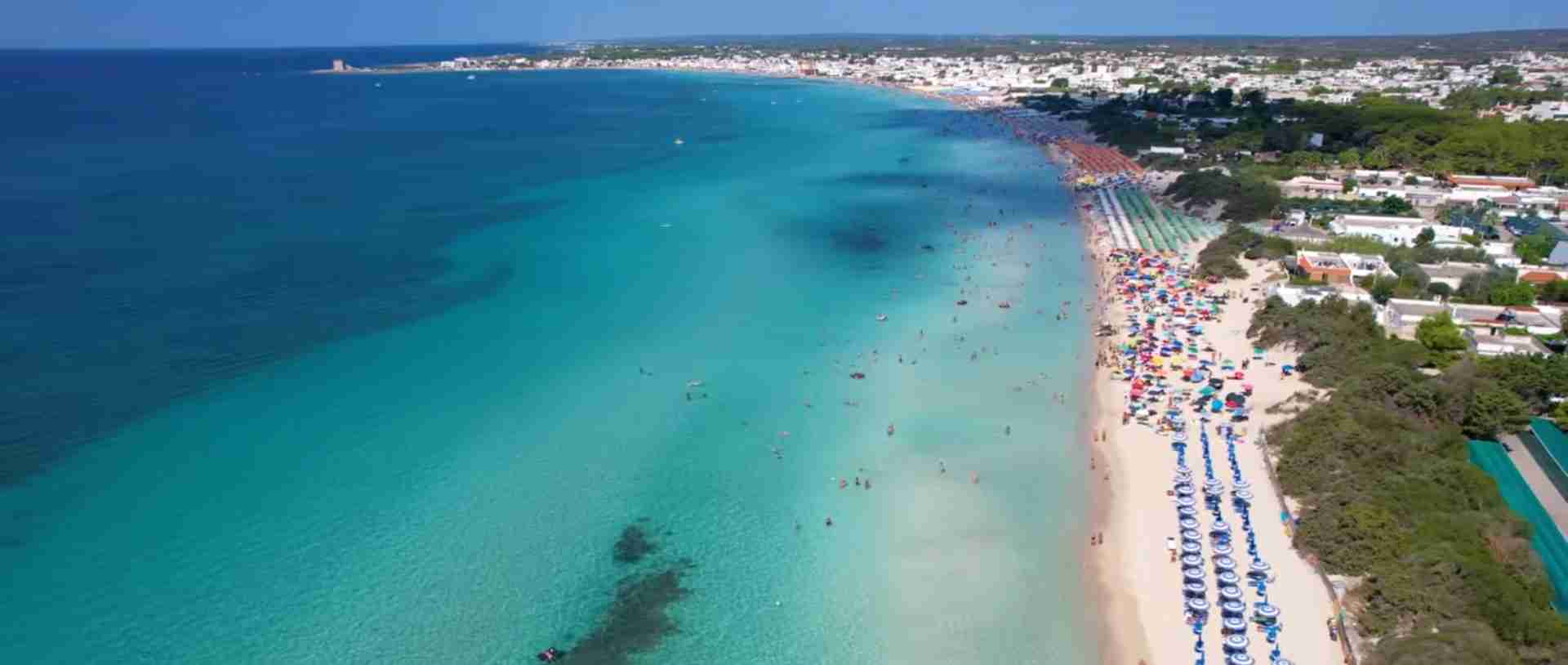
Best Beaches in Puglia 2026: Complete Coastal Guide
Key Takeaways
- Puglia offers 800+ kilometers of diverse coastline spanning both Adriatic and Ionian seas with pristine beaches, dramatic cliffs, and crystal-clear waters perfect for 2026 summer travel
- Beach access ranges from free public beaches to exclusive lidos charging €15-35 per day for sunbed and umbrella service, with significant savings possible through advance online booking
- Peak summer season (July-August 2026) sees beaches at maximum capacity requiring early arrival by 8-9 AM, while shoulder months (June, September) offer better value and fewer crowds
- Transportation to remote coastal areas requires careful planning – rental cars provide maximum flexibility at €35-55 per day, while regional buses serve major beach destinations at €3-8 per journey
- Strategic base location selection determines beach access efficiency – Polignano a Mare, Otranto, and Gallipoli position visitors within 30-45 minutes of multiple stunning coastal destinations
- Water quality across Puglia beaches consistently earns Blue Flag certification with exceptional visibility, making the region ideal for snorkeling, swimming, and underwater photography throughout the 2026 season
Introduction to Puglia’s Coastal Paradise in 2026
Puglia’s coastline represents one of Italy’s most spectacular and diverse beach destinations, stretching over 800 kilometers along both the Adriatic and Ionian seas. The region’s geographical positioning creates distinctly different coastal experiences – the Adriatic side features long sandy stretches and dramatic limestone cliffs, while the Ionian coast showcases pristine white sand beaches and turquoise waters reminiscent of Caribbean destinations. For 2026 travelers seeking authentic Italian beach experiences without the overwhelming crowds of more famous coastal regions, Puglia delivers exceptional value combined with stunning natural beauty.
The coastal landscape varies dramatically throughout the region, from the towering white cliffs of Gargano National Park in the north to the gentle sandy beaches of Salento in the south. Polignano a Mare’s famous Lama Monachile beach sits nestled between dramatic rock formations, creating one of Italy’s most photographed coastal scenes. The Salento peninsula offers particularly diverse beach options within compact distances – visitors can experience both Adriatic and Ionian coastlines within a 30-minute drive, each offering distinctly different swimming conditions and beach atmospheres.
Beach infrastructure across Puglia ranges from completely wild and undeveloped stretches to well-organized stabilimenti balneari (beach clubs) offering full amenities. The lido system dominates many popular beaches, particularly near major towns, where private operators manage sections of coastline with organized sunbed arrangements, restaurants, showers, and water sports facilities. Free public beach access remains available at most locations, though arriving early becomes essential during peak summer months to secure comfortable positioning.
Water quality throughout Puglia’s coastline maintains exceptional standards, with numerous beaches earning Blue Flag certification for cleanliness and environmental management. The crystal-clear waters provide excellent visibility for snorkeling and swimming, with underwater visibility often reaching 15-20 meters during calm conditions. Sea temperatures range from refreshing 22-24°C in June to warm 26-28°C in August, creating ideal swimming conditions throughout the summer season.
People Also Ask About Puglia Beaches 2026
What are the most beautiful beaches in Puglia in 2026?
The most stunning beaches in Puglia for 2026 include Punta Prosciutto near Porto Cesareo, featuring Caribbean-like turquoise waters and white sand; Baia dei Turchi near Otranto, offering pristine natural beauty within a protected pine forest setting; Torre dell’Orso with its distinctive twin rock formations and golden sand; Polignano a Mare’s Lama Monachile beach, dramatically positioned between towering cliffs; and Pescoluse (Maldive del Salento), showcasing the region’s finest white sand beaches along the Ionian coast. Each destination offers distinct characteristics – Punta Prosciutto excels for shallow, family-friendly waters; Baia dei Turchi provides secluded natural settings; Torre dell’Orso combines excellent facilities with scenic beauty; Polignano delivers dramatic landscapes perfect for photography; and Pescoluse offers the region’s most tropical beach atmosphere.
How much does beach access cost in Puglia in 2026?
Beach access costs in Puglia for 2026 vary significantly based on location and services. Free public beach access remains available at most coastal areas, requiring no entrance fees. Organized lidos (stabilimenti balneari) charge €15-25 per day for front-row sunbed and umbrella sets during peak season, with prices dropping to €8-15 for rear positions or shoulder season visits. Premium beach clubs near Polignano a Mare or exclusive Salento locations charge €25-35 per day for superior positioning and enhanced amenities including restaurants, showers, and water sports facilities. Many lidos offer multi-day packages providing 10-20% discounts – a five-day pass costs €70-100 versus €100-125 for individual daily payments. Advanced online booking through beach club websites secures better rates and guaranteed positioning during July-August peak demand. Budget-conscious travelers save substantially by arriving at free public sections early morning (before 9 AM) to claim optimal spots without fees.
When is the best time to visit Puglia beaches in 2026?
The optimal period for Puglia beach visits in 2026 spans June and September, offering the best balance of weather, water temperature, and crowd management. June delivers warm 25-28°C air temperatures with pleasantly refreshing 22-24°C water, substantially fewer tourists than peak season, and lower accommodation rates. September maintains summer warmth with 26-29°C temperatures and warmer 25-27°C seas, provides excellent weather reliability, and features significantly reduced crowds as schools resume. July-August represents peak season with guaranteed hot weather (30-35°C) and warmest water (26-28°C) but brings maximum crowds, highest prices, and necessary advance booking for quality beach positioning. Early October extends the season for hardy swimmers, offering quiet beaches and budget accommodation but cooler 23-24°C water temperatures. May provides beautiful weather for coastal exploration but water temperatures (19-21°C) remain too cool for extended swimming for most visitors.
Do you need a car to visit Puglia beaches in 2026?
A rental car provides optimal flexibility for exploring Puglia’s diverse coastline in 2026, particularly for accessing remote beaches and moving between different coastal zones within single days. Rental cars cost €35-55 per day for compact vehicles suitable for coastal navigation, with weekly rates providing better value at €200-300. Many of Puglia’s most beautiful beaches – including Baia dei Turchi, Punta Prosciutto, and Torre Sant’Andrea – sit several kilometers from public transportation routes, requiring either private vehicles or expensive taxis (€25-45 one-way) for access. Regional buses serve major beach destinations near Otranto, Gallipoli, and Monopoli at €3-8 per journey but operate limited schedules requiring careful planning and often necessitating beach visits lasting several hours due to infrequent return services. Bicycle rentals (€15-25 per day) work well for exploring beaches near accommodation bases within 5-10 kilometer radius. Strategic accommodation selection near multiple beach options reduces transportation dependency – staying in Polignano a Mare, Otranto, or Gallipoli positions visitors within walking distance or short taxi rides of several excellent beaches.
Extended multi-day tours – 5+ days
Featured Puglia Multi-Day Tour Packages

3 days
Puglia 3-Day Discovery Tour
- ✓ Comprehensive Puglia experience
- ✓ Expert local guides included
- ✓ All accommodation included
- ✓ Transportation provided

5 days
Puglia 5-Day Highlights Experience
- ✓ Comprehensive Puglia experience
- ✓ Expert local guides included
- ✓ All accommodation included
- ✓ Transportation provided

7 days
Puglia 7-Day Cultural Journey
- ✓ Comprehensive Puglia experience
- ✓ Expert local guides included
- ✓ All accommodation included
- ✓ Transportation provided

10 days
Puglia 10-Day Complete Adventure
- ✓ Comprehensive Puglia experience
- ✓ Expert local guides included
- ✓ All accommodation included
- ✓ Transportation provided
Multi-day tour packages powered by TourRadar. Prices and availability subject to change.
Essential Planning Information for 2026 Beach Visits
Understanding Puglia’s Coastal Geography
Puglia’s coastline divides into several distinct geographical zones, each offering unique beach experiences and characteristics. The Gargano promontory in northern Puglia features dramatic limestone cliffs, hidden coves, and the stunning Tremiti Islands offshore. This area showcases some of Italy’s most spectacular coastal scenery but requires more effort to access, with winding mountain roads and limited public transportation. The central Adriatic coast from Monopoli through Polignano a Mare to Ostuni combines accessible sandy beaches with dramatic cliff formations and cave systems. This zone offers excellent infrastructure, easy access from major towns, and diverse beach options within short driving distances.
The Salento peninsula, forming Puglia’s heel, provides the region’s most diverse coastal experiences within the most compact area. The Adriatic side features golden sand beaches with gradually sloping entries ideal for families, while the Ionian coast showcases the famous white sand beaches with Caribbean-like turquoise waters. The southern tip around Santa Maria di Leuca marks the meeting point of the two seas, creating unique water conditions and spectacular cliff-top viewpoints. The Ionian coast from Gallipoli northward features some of Puglia’s longest and widest beaches, offering ample space even during peak season.
Coastal orientation significantly impacts beach conditions throughout the day and season. East-facing Adriatic beaches receive morning sunshine and afternoon shade from coastal cliffs, making them ideal for avoiding the hottest afternoon hours. West-facing Ionian beaches enjoy afternoon and evening sun, perfect for sunset viewing and extended beach days. Wind patterns differ between coasts – the Adriatic typically experiences calmer morning conditions with afternoon breezes, while the Ionian can be more variable depending on prevailing winds. Understanding these patterns helps optimize beach selection based on weather forecasts and personal preferences.
Beach Types and Access in 2026
Puglia beaches fall into several distinct categories, each offering different experiences, facilities, and access requirements. Organized lidos dominate popular beaches near major towns, featuring ordered rows of sunbeds and umbrellas with full amenities including showers, changing rooms, restaurants, bars, and often water sports facilities. These establishments operate May through September, charging daily fees for sunbed and umbrella sets. Front-row positioning provides optimal water access and views but commands premium pricing, while rear sections offer the same amenities at reduced costs. Most lidos accept both walk-in customers and advance reservations, with online booking securing preferred positioning during high-season visits.
Free public beach sections exist at most coastal areas, typically located beside or between organized lidos. These spaces allow visitors to position personal towels, umbrellas, and beach chairs without fees. Access remains completely open, though arriving before 9 AM becomes essential during July-August peak season to secure comfortable spots. Public sections typically lack amenities beyond basic access – visitors bring their own shade, refreshments, and equipment. Some public beaches feature basic facilities including parking, outdoor showers, and seasonal snack bars, while completely wild beaches offer no infrastructure whatsoever.
Beach clubs and premium lidos provide elevated experiences with designer furniture, gourmet restaurants, cocktail service, and exclusive atmospheres. These establishments target luxury travelers willing to pay €25-35 daily for superior comfort, service, and ambiance. Many feature distinctive design aesthetics, from minimalist modern to traditional Mediterranean styles, creating Instagram-worthy settings. Premium locations near Polignano a Mare, Ostuni, and exclusive Salento addresses attract fashion-conscious Italian and international visitors. Reservations become essential for weekend visits, while weekday access may accommodate walk-ins depending on demand.
Transportation and Access Strategies for 2026
Reaching Puglia’s diverse beaches requires strategic transportation planning based on accommodation location, desired beach variety, and budget considerations. Rental cars provide maximum flexibility for exploring multiple coastal zones and accessing remote beaches. Major international rental companies operate from Bari and Brindisi airports, with local agencies offering competitive rates in beach towns. Compact cars suit narrow coastal roads and limited parking situations at popular beaches. GPS navigation proves essential for finding unmarked beach access roads and managing the region’s occasionally confusing coastal route systems.
Parking availability varies dramatically between beach destinations. Popular beaches near major towns feature paid parking lots charging €5-10 per day, filling rapidly during peak season mornings (by 10 AM July-August). Remote beaches often provide free roadside parking, though space limitations require early arrival. Some premium beach clubs include parking in daily fees or offer validated parking at nearby lots. Blue parking zones in coastal towns require payment through parking meter apps or physical meters, with enforcement throughout beach season. Strategic timing – arriving before 9 AM or after 4 PM – substantially improves parking availability at all locations.
Public transportation serves major beach destinations through regional bus networks, offering budget-conscious alternatives to car rental. FSE (Ferrovie del Sud Est) operates bus routes connecting inland towns with coastal destinations, while local municipal buses serve beaches near Gallipoli, Otranto, and Monopoli. Single journey tickets cost €3-8 depending on distance, with day passes (€8-12) offering better value for multiple trips. Bus schedules concentrate service during morning outbound (8-10 AM) and late afternoon return (5-7 PM) periods, requiring beach visits lasting 6-8 hours minimum. Limited schedules make bus transportation less practical for beach-hopping or spontaneous coastal exploration.
Current Costs and Pricing Breakdown for 2026
Budgeting for Puglia beach experiences in 2026 requires understanding the various cost components and spending categories. Lido sunbed and umbrella sets cost €15-25 per day at standard establishments during peak season, €8-15 in shoulder months (June, September), and €10-18 for rear positioning or smaller beach operations. Check specific lido websites for current official rates as pricing varies by location and season. Premium beach clubs charge €25-35 daily for front-row positioning with enhanced amenities. Multi-day packages offer savings – five-day passes cost €70-100 versus individual daily rates totaling €100-125.
Transportation costs factor significantly into beach visit budgets. Rental cars cost €35-55 per day for compact vehicles, with better weekly rates of €200-300 including insurance and GPS. Fuel costs approximately €1.90-2.10 per liter, with typical beach day driving (50-100 kilometers) consuming €15-25 in fuel. Parking fees at organized beach lots cost €5-10 daily. Public bus tickets range €3-8 per journey depending on distance, making buses economical for single-beach visits but less practical for exploring multiple locations. Taxis to remote beaches cost €25-45 one-way from major towns, limiting their practicality for daily beach visits.
Food and beverage expenses at beaches vary by venue type and personal preferences. Lido restaurants serve full lunches at €12-22 per person for pasta or seafood dishes, with beachside bars offering sandwiches (€6-10), salads (€8-14), and drinks (€3-6). Premium beach clubs charge €15-30 for lunch with cocktails reaching €10-15. Budget-conscious visitors save substantially by bringing picnic supplies from town supermarkets – fresh bread, local cheeses, tomatoes, and fruit cost €10-15 for two people versus €30-40 for restaurant meals. Water bottles (€1-2 in supermarkets versus €3-4 at beach vendors) represent another significant saving opportunity.
Best Adriatic Coast Beaches for 2026
Polignano a Mare: Lama Monachile and Cala Porto
Lama Monachile beach in Polignano a Mare ranks among Italy’s most photographed coastal locations, dramatically positioned between towering limestone cliffs in the town’s historic center. The small pebble and sand beach sits just 150 meters long but offers spectacular natural scenery with crystal-clear turquoise waters and fascinating rock formations. Access requires descending approximately 100 steps from the old town, with the descent manageable but challenging for visitors with mobility limitations. Free public beach space accommodates limited numbers, making early arrival (before 9 AM) essential during summer months to secure comfortable positioning.
The beach’s compact size creates intimate atmosphere but limits capacity – maximum 200-300 visitors can comfortably position on the narrow strip between cliffs and water. This natural limitation means overcrowding becomes problematic during July-August peak season, with optimal visit timing shifting to early morning (8-11 AM) or late afternoon (4-7 PM) when day-trippers depart. Water depth increases quickly from shore, creating excellent conditions for swimming and snorkeling but requiring supervision for young children. The dramatic cliff walls provide natural shade during late afternoon hours, extending comfortable beach time during hot summer days.
Nearby Cala Porto offers a quieter alternative just 500 meters south of Lama Monachile, accessible via coastal path or road descent. This smaller cove features similar cliff scenery with easier water entry and slightly less crowding. Both beaches lack organized facilities – visitors bring personal shade and refreshments, with numerous cafes and restaurants in Polignano’s old town just minutes away. The combination of dramatic scenery, clear waters, and easy town access makes these beaches ideal for half-day visits combined with Polignano’s historic center exploration, dining, and gelato experiences.
Torre dell’Orso: Family-Friendly Golden Sand
Torre dell’Orso beach, located 20 kilometers south of Lecce near the Adriatic coast, features one of Puglia’s finest stretches of golden sand backed by coastal pine forest. The beach extends approximately 800 meters, providing ample space for both free public areas and organized lido sections. Two distinctive rock formations called “Due Sorelle” (Two Sisters) rise from the sea at the beach’s northern end, creating memorable photo opportunities and snorkeling destinations. The gently sloping sandy entry makes Torre dell’Orso particularly suitable for families with young children, with water remaining shallow for 20-30 meters from shore.
Infrastructure at Torre dell’Orso accommodates various preferences and budgets. Multiple lidos operate along the beach offering sunbed and umbrella sets at €12-20 per day depending on positioning and season, with facilities including showers, changing rooms, bars, and restaurants. Free public beach sections occupy both ends of the bay, providing substantial space for visitors preferring to bring personal equipment. Parking lots behind the beach charge €5-8 per day, filling by mid-morning (10 AM) during peak season but offering better availability in June and September.
The beach’s pine forest backdrop provides natural shade for afternoon breaks and picnic areas, with walking paths connecting to nearby scenic viewpoints and the historic Torre dell’Orso watchtower. Water clarity remains exceptional for Adriatic standards, with underwater visibility reaching 10-15 meters during calm conditions. The combination of soft sand, clear shallow water, adequate facilities, and beautiful natural setting creates ideal conditions for full-day family beach experiences. The beach’s east-facing orientation means morning sunshine and afternoon shade from the coastal ridge, perfect for avoiding the hottest hours while extending comfortable beach time.
Castro Marina: Cliff Swimming and Caves
Castro Marina on the Adriatic coast offers a completely different beach experience centered on cliff swimming and coastal cave exploration rather than traditional sandy beaches. The small town’s coastline features dramatic limestone formations creating natural swimming platforms and small pebble coves tucked between rock faces. The famous Zinzulusa Cave, one of Puglia’s most spectacular sea caves, sits just 1.5 kilometers south of Castro’s harbor, accessible by boat tours (€10-15 per person) operating daily during summer months from the marina.
Swimming at Castro Marina centers on the organized lidos built on platforms carved into the coastal cliffs, offering a unique alternative to traditional sand beaches. These establishments provide sunbeds positioned on concrete and wood platforms with ladder access directly into deep, crystal-clear water. Daily rates cost €12-18 for sunbed sets with access to showers, changing rooms, and clifftop bars. The dramatic setting between towering cliffs and azure water creates spectacular scenery, though the platforms suit confident swimmers comfortable with deep water entry rather than families with young children requiring shallow gradual access.
The small pebble beaches in Castro’s coves offer more traditional beach experiences, though space remains limited and rocky terrain requires water shoes for comfortable entry. Free access to these beaches requires careful timing – arrive before 9 AM during peak season to secure comfortable positioning among the rocks. Castro Marina excels as a destination for snorkeling enthusiasts, with the rocky coastline supporting diverse marine life and exceptional underwater visibility (15-20 meters) during calm conditions. The combination of cave exploration, cliff swimming, and historic town atmosphere creates memorable experiences for visitors seeking alternatives to standard beach resort environments.
Best Ionian Coast Beaches for 2026
Punta Prosciutto: Caribbean Waters Near Porto Cesareo
Punta Prosciutto, located 10 kilometers south of Porto Cesareo on the Ionian coast, consistently ranks among Puglia’s most beautiful beaches with its shallow turquoise waters and pristine white sand creating Caribbean-like conditions. The beach extends approximately 1.5 kilometers, featuring both free public sections and organized lidos with diverse positioning options. Water depth remains remarkably shallow – visitors can wade 50-70 meters from shore with water only waist-deep, creating perfect conditions for families with young children and non-confident swimmers while providing stunning turquoise water colors from offshore sandbar formations.
Infrastructure at Punta Prosciutto balances development with natural beauty preservation. Several lidos operate along the beach offering sunbed and umbrella sets at €15-25 per day depending on positioning, with facilities including restaurants, bars, showers, and water sports equipment rentals. The beach’s width (60-80 meters at most sections) provides substantial space for free public beach positioning, particularly at the northern and southern ends away from lido concentration. Parking lots behind the coastal dunes charge €5-10 per day, with capacity issues during July-August weekends requiring early arrival (before 9:30 AM) to secure spaces.
The beach’s protected location within the Torre Colimena coastal area ensures generally calm water conditions, though southwest winds can create waves during afternoon hours in summer. The white sand composition and clear waters make Punta Prosciutto ideal for photography, with the intense turquoise colors particularly vivid during mid-morning to early afternoon hours when sunlight penetrates the shallow waters. The combination of stunning natural beauty, excellent swimming conditions, and adequate facilities while maintaining relatively natural surroundings makes Punta Prosciutto essential for Salento beach itineraries, though popularity requires strategic timing and advance planning during peak summer season.
Pescoluse: The Maldives of Salento
Pescoluse beach, marketed as “Maldive del Salento” (Maldives of Salento), justifies its tropical nickname with pristine white sand, crystal-clear turquoise waters, and palm-like vegetation creating the region’s most exotic beach atmosphere. Located on the Ionian coast between Gallipoli and Santa Maria di Leuca, the beach extends approximately 3 kilometers with multiple access points serving different sections. The wide beach (70-100 meters depth) provides exceptional space even during peak season, though the most scenic central sections near the “Maldive Beach” lido fill rapidly during July-August mornings.
Beach organization at Pescoluse ranges from premium beach clubs to simple lidos and extensive free public areas. The famous Maldive Beach establishment offers sunbed and umbrella sets at €20-30 per day for prime positioning with designer furniture, restaurant service, and DJ entertainment during peak season weekends. More affordable lidos charge €12-18 for standard setups with basic amenities. Free beach access remains abundant at both ends of the beach, with visitors bringing personal shade and equipment. The soft white sand and gradual water entry create ideal conditions for all swimming abilities, with water remaining shallow (1-1.5 meters deep) for 40-50 meters offshore.
Parking at Pescoluse requires careful planning during high season. Multiple dirt parking areas behind the beach charge €5-10 per day, filling completely by 10-11 AM on peak season days. Arriving before 9 AM secures parking and optimal beach positioning in both lido and free sections. The beach’s southwest-facing orientation provides full afternoon sunshine ideal for tanning and sunset viewing, though bringing substantial shade becomes essential for extended stays during hot summer days. Water sports operations offer equipment rental including kayaks (€10-15 per hour), stand-up paddleboards (€12-18 per hour), and pedal boats (€15-20 per hour), adding activity options to swimming and sunbathing.
Baia dei Turchi: Protected Natural Paradise Near Otranto
Baia dei Turchi (Bay of the Turks), located 8 kilometers north of Otranto, offers one of Puglia’s most pristine and protected beach environments, nestled within a natural amphitheater of Mediterranean pine forest and macchia vegetation. The beach extends approximately 300 meters featuring soft white sand and remarkably clear turquoise waters rivaling the finest Caribbean destinations. The protected location within the Alimini Lakes natural area maintains the beach in relatively undeveloped condition, with limited commercial infrastructure preserving natural character while providing basic visitor amenities.
Access to Baia dei Turchi requires a pleasant 10-minute walk through shaded pine forest from the parking area, with the gentle path manageable for most fitness levels though potentially challenging for visitors with significant mobility limitations or heavy beach equipment. The walk contributes to the beach’s preserved character by limiting overcrowding and deterring casual visitors seeking immediate access. Parking costs €5-8 per day with capacity for approximately 200 vehicles, filling rapidly during July-August (by 10 AM) but offering better availability during June and September shoulder months.
The beach features a small seasonal lido offering sunbed and umbrella rentals at €15-20 per day with basic bar service, though the majority of the beach remains free public space where visitors position personal equipment. The limited commercialization means bringing adequate personal shade, water, and refreshments becomes essential for comfortable all-day visits. The shallow, gradually deepening water with sandy bottom creates excellent conditions for families and confident swimmers alike, while the clear visibility (12-18 meters) attracts snorkelers exploring the rocky areas at both ends of the bay. The combination of stunning natural beauty, crystal-clear waters, and preserved environment makes Baia dei Turchi a highlight for visitors prioritizing natural beach experiences over facility convenience.
Planning Your 2026 Beach Season in Puglia
Monthly Conditions and Strategic Timing for 2026
June 2026 offers optimal conditions for visitors seeking warm weather without overwhelming crowds or peak-season pricing. Air temperatures range 25-28°C with water reaching swimmable 22-24°C, perfect for beach activities without extreme heat. Accommodation rates run 30-40% below July-August peaks, with greater availability and flexibility for last-minute bookings. Beach clubs and lidos operate full services with significantly fewer visitors, eliminating the need for early-morning beach positioning battles. The extended daylight hours (sunrise 5:30 AM, sunset 8:15 PM) provide ample time for beach visits combined with cultural exploration and evening activities. June’s only limitation comes from occasional early-summer rain systems affecting 2-3 days per month, though forecasting allows flexible planning around weather patterns.
July-August 2026 represents peak beach season with guaranteed hot weather (30-35°C), warmest water temperatures (26-28°C), and maximum crowds requiring advance planning for optimal experiences. Popular beaches reach capacity by 9-10 AM, with parking lots filling even earlier during weekends. Accommodation costs peak with 50-100% premiums over shoulder season rates, requiring booking 2-3 months ahead for preferred locations. The intense summer heat makes beach time essential for comfortable days, with most visitors following morning beach sessions (8 AM-1 PM), afternoon rest periods (1-5 PM), and evening beach returns (5-8 PM) patterns. The reliable weather and extended beach season make peak summer ideal for visitors requiring schedule certainty and prioritizing swimming conditions over crowd management or budget optimization.
September 2026 provides exceptional value for flexible travelers able to visit after traditional summer vacation period ends. Temperatures remain warm (26-29°C) with seawater maintaining summer warmth (25-27°C), often warmer than June conditions. Crowds diminish substantially starting September 5-7 as European schools resume, creating significantly better beach experiences without constant positioning battles. Accommodation rates drop 30-50% from peak season while weather reliability remains high. The combination of excellent conditions, reduced crowds, and better value makes early-to-mid September ideal for visitors prioritizing overall experience quality. Late September (after September 20) sees some beach facilities reducing operations or closing entirely, though free public beaches and major lido operations continue serving visitors through month’s end.
Regional Base Selection Strategies for 2026
Selecting strategic accommodation bases dramatically impacts beach access efficiency and daily planning success in 2026. Polignano a Mare serves as the ideal base for exploring the central Adriatic coast, positioning visitors within 30-minute drives of diverse beach options from Monopoli through Ostuni. The town itself offers spectacular Lama Monachile beach for quick morning or evening dips, while nearby Cala Porto provides quieter alternatives. Polignano’s accommodation options range from €80-180 per night for hotels and vacation rentals, with excellent restaurant scenes and historic atmosphere creating appealing evening returns from beach days. The town’s location 35 kilometers south of Bari airport provides convenient arrival/departure access while positioning perfectly for Adriatic coast exploration.
Otranto in the Salento peninsula serves as optimal base for accessing both Adriatic and Ionian beaches within compact driving distances. The town sits just 8 kilometers from Baia dei Turchi, 15 kilometers from Torre dell’Orso, and 25 kilometers from Lecce’s nearby beaches, while Ionian destinations including Punta Prosciutto remain within 45-minute drives. Otranto itself offers several beaches including the organized Baia dei Turchi south of town and free public beaches along the waterfront promenade. Accommodation ranges €70-150 per night with charming historic center, excellent seafood restaurants, and beautiful harbor atmosphere. The combination of strategic positioning, appealing town character, and diverse nearby beach options makes Otranto particularly effective for week-long Salento beach explorations.
Gallipoli on the Ionian coast provides direct access to the region’s finest white sand beaches while offering vibrant nightlife and restaurant scenes for evening entertainment. The old town sits on a small island connected by bridge to the modern new town, creating unique character and atmosphere. Nearby beaches include the stunning Punta della Suina just 5 kilometers south, Lido Pizzo and Baia Verde 3 kilometers south, and Pescoluse 30 kilometers south for day trip excursions. Accommodation costs €70-160 per night depending on season and quality level, with significant variety from historic old town properties to modern beachfront apartments. Gallipoli works particularly well for visitors prioritizing Ionian coast beaches and seeking lively evening atmospheres after beach days.
Sample 2026 Beach Itineraries and Daily Planning
A five-day Salento beach exploration based in Otranto maximizes diverse coastal experiences while maintaining comfortable pacing. Day one focuses on nearby Baia dei Turchi, arriving at the parking area by 9 AM to secure space before the 10-minute forest walk to the beach. Parking €8, optional lido sunbed and umbrella €18, packed lunch from Otranto supermarket €12, snorkeling exploration of rocky cove areas. Return to Otranto late afternoon (5 PM) for rest, shower, and evening passeggiata along the waterfront promenade followed by dinner at local seafood restaurant €35-45 per person. Total day cost: €73-83 per person excluding accommodation.
Day two explores Torre dell’Orso’s family-friendly golden sand beach with 25-minute morning drive from Otranto arriving 9 AM for parking and beach positioning. Parking €8, lido setup €15, lunch at beachside restaurant €18, afternoon gelato €4, drinks €6. The full day beach experience includes swimming to Due Sorelle rock formations, afternoon break in pine forest shade, and returning to Otranto late afternoon. Evening pizza dinner €15-20 per person. Total day cost: €66-71 per person excluding accommodation.
Day three combines morning beach time at Otranto’s local waterfront (free public beach) with afternoon excursion to Santa Maria di Leuca’s dramatic cliff viewpoints and sunset watching. Free beach morning, packed lunch €12, fuel for 60-kilometer round trip drive €10, Leuca lighthouse visit €5, aperitivo at cliff-top bar €12, return dinner in Otranto €25-35. Total day cost: €64-74 per person excluding accommodation.
Day four ventures to Punta Prosciutto on the Ionian coast, requiring 55-minute drive from Otranto. Early departure (8:30 AM) secures parking before peak crowds arrive. Parking €8, lido setup €20 for premium positioning in Caribbean-like turquoise waters, lunch at beach restaurant €22, afternoon snacks €8. Extended beach day with return to Otranto early evening, light dinner €20-28. Total day cost: €78-86 per person excluding accommodation.
Day five explores Pescoluse’s Maldive del Salento beaches with 50-minute drive from Otranto, arriving 8:45 AM for parking and early beach positioning in free public section. Parking €8, personal umbrella and towels (no lido costs), packed lunch and snacks €15, afternoon gelato €4, kayak rental €12 for one hour of coastal exploration. Full day at Puglia’s most tropical beach atmosphere with return early evening, farewell dinner featuring local seafood specialties €40-55. Total day cost: €79-94 per person excluding accommodation.
Accommodation €100-150 per night (mid-range Otranto hotel or apartment with parking), rental car €40 per day including insurance and fuel, full five-day beach exploration total: €502-560 per person including accommodation, or €360-408 excluding accommodation. The itinerary balances organized lido experiences with free public beach days, combines famous destinations with local favorites, and includes diverse coastal environments from cliff swimming to Caribbean-like beaches.
Money-Saving Strategies for 2026 Beach Visits
Accommodation and Transportation Optimization
Strategic accommodation selection dramatically impacts overall beach vacation budgets for 2026 visits. Vacation rental apartments with kitchens provide substantial savings through self-catering breakfast and packed beach lunches versus daily restaurant meals. A week-long apartment rental costs €500-800 in mid-range Salento locations versus €700-1,200 for comparable hotel stays, while enabling breakfast costs of €15-20 per couple versus €20-30 at hotel buffets. Grocery shopping at local supermarkets (Conad, Dok, Lidl) for beach picnic supplies costs €30-40 daily for two people versus €60-80 for restaurant meals, generating €200-280 weekly savings offsetting higher accommodation costs while providing better food quality and flexibility.
Booking accommodation during shoulder season months (June 1-20, September 1-30) rather than peak season (July-August) reduces costs 30-50% while maintaining excellent beach conditions. A mid-range Otranto apartment costing €180-200 per night during July-August peak drops to €100-140 in shoulder season – for week-long stays this represents €560-840 savings. Booking through direct property websites rather than major booking platforms sometimes provides 5-10% discounts through elimination of platform commission fees. Multi-week bookings often generate additional discounts, with two-week reservations receiving 10-15% reductions from weekly rates.
Transportation costs optimization requires comparing rental car total expenses (rental fee, fuel, parking, insurance) against alternative options for specific itineraries. For visitors planning to explore multiple beach areas, a week-long rental at €200-300 plus €100-150 fuel costs proves economical compared to taxis (€25-45 per trip) or organized tours (€50-80 per day). However, visitors focusing on beaches near a single base town may find car rental unnecessary – buses, bicycles, and occasional taxis cost substantially less for limited-range daily transportation. Sharing rental car costs between two couples generates significant per-person savings, making car rental attractive even for less extensive beach explorations.
Beach Access and Daily Spending Optimization
Choosing free public beach areas instead of organized lidos generates the largest single category savings for budget-conscious beach visitors in 2026. Bringing personal beach umbrellas (€15-25 purchase, or free if apartment includes), beach mats (€8-12), and cooling equipment eliminates daily lido fees of €15-25 per person. For week-long beach vacations, this equipment investment pays for itself in 2-3 days while providing complete flexibility for beach location changes. The strategy requires arriving at popular free beach sections before 9 AM to secure comfortable positioning with adequate space, particularly during July-August peak season.
Packing daily beach lunches and snacks from supermarket purchases dramatically reduces food costs compared to beachside restaurant meals. A typical beach day picnic costs €12-18 per person for fresh bread, local cheese, tomatoes, fruit, and beverages versus €25-35 for restaurant lunch and drinks. Weekly savings total €90-120 per person, financing substantial portions of accommodation or transportation costs. Reusable water bottles filled from accommodation taps or fountains eliminate beach vendor water purchases (€3-4 per bottle) saving additional €20-30 weekly while reducing plastic waste.
Strategic timing of beach visits optimizes both spending and experience quality. Arriving at beaches early morning (before 9 AM) secures optimal free beach positioning while avoiding parking fees at certain locations offering free early-bird parking. Departing beaches by 4-5 PM avoids late-afternoon crowds and positions visitors for early-evening discounted aperitivo opportunities (€8-12 for drinks plus free substantial snack buffets) replacing dinner expenses. Beach clubs often offer substantial lunch discounts during 12:30-1:30 PM periods versus peak 2-3 PM service, with similar dishes costing €12-15 versus €18-22 at standard times.
Water Sports and Beach Activities for 2026
Snorkeling and Diving Opportunities
Puglia’s crystal-clear waters and diverse underwater environments create exceptional snorkeling conditions throughout the 2026 beach season. The rocky coastlines near Castro Marina, Polignano a Mare, and Santa Cesarea Terme offer the region’s best snorkeling with underwater visibility reaching 15-20 meters during calm conditions. The limestone cliff bases support diverse marine ecosystems including colorful fish species, octopus, sea urchins, and occasional ray sightings in deeper zones. Snorkeling equipment rental costs €8-12 per day at beach clubs or dive shops, though purchasing basic masks and snorkels (€20-35) makes sense for extended visits with frequent snorkeling opportunities.
Several marine protected areas enhance snorkeling experiences through fish population concentration and underwater feature preservation. The Porto Cesareo Marine Protected Area covers extensive Ionian coastline including Punta Prosciutto, with designated snorkeling zones marked by buoys and information signs. The protected waters showcase healthy seagrass meadows (posidonia oceanica) supporting diverse marine life visible in just 2-3 meters of water. Torre Guaceto Nature Reserve northeast of Brindisi offers similar protected snorkeling with pristine underwater environments and excellent fish populations. Both areas prohibit fishing and boat anchoring, maintaining exceptional underwater visibility and marine health.
Organized diving centers operate from major coastal towns offering PADI-certified diving courses, guided dives, and equipment rental for certified divers. Single guided dives cost €40-55 including equipment, with packages of 5-10 dives providing 15-20% discounts. Popular dive sites include the underwater caves near Castro Marina, the shipwrecks off Gallipoli and Otranto, and the deep-water drop-offs along the Adriatic cliffs. Discover Scuba Diving introductory experiences allow non-certified participants to experience breathing underwater in controlled conditions, costing €70-90 for 2-3 hour sessions including basic instruction and supervised shallow-water diving.
Kayaking, Paddleboarding, and Beach Sports
Stand-up paddleboarding (SUP) gains increasing popularity on Puglia beaches throughout the 2026 season, with rental equipment widely available at organized beach clubs and water sports centers. Hourly rentals cost €12-18 with half-day rates (4 hours) at €35-45 providing better value for enthusiasts planning extended sessions. The calm protected waters at Punta Prosciutto, Pescoluse, and Torre dell’Orso create ideal beginner conditions with minimal wave action and shallow depth providing confidence. More experienced paddlers explore the dramatic coastlines near Polignano a Mare and Castro Marina, accessing small coves and cave entrances unreachable from land.
Kayak rentals enable coastal exploration and access to remote beaches without driving, with single kayaks costing €10-15 per hour and double kayaks €15-20 per hour. Half-day rentals (€35-50) allow extensive coastal exploration including visits to sea caves, swimming stops at deserted coves, and photography opportunities from water perspectives. Guided kayak tours operate from several locations including Polignano a Mare (coastal cave exploration, €45-60 for 3 hours) and the Tremiti Islands (full-day island circumnavigation, €70-90 including lunch). The tours provide equipment, instruction, and safety supervision while accessing locations difficult or impossible to reach independently.
Beach volleyball, beach soccer, and beach tennis facilities exist at many organized lidos and public beaches, with equipment rental and court access typically free or included in lido daily fees. Some beaches host informal tournament days during summer weekends, welcoming participants of all skill levels. Windsurfing and kitesurfing conditions vary significantly between Adriatic and Ionian coasts – the Ionian shores near Gallipoli offer more consistent wind conditions for these sports, with equipment rental (€40-60 per hour) and instruction available from specialized centers. The Adriatic side provides better conditions for less wind-dependent activities including swimming, paddleboarding, and kayaking due to generally calmer water.
Photography and Instagram Strategies for 2026
Best Photo Opportunities and Timing
Puglia’s beaches offer extraordinary photography opportunities combining natural beauty, distinctive architecture, and unique coastal formations. Lama Monachile beach in Polignano a Mare provides Italy’s most iconic beach photograph with dramatic limestone cliffs framing the small beach and turquoise cove. The optimal photography time occurs mid-morning (9-11 AM) when sunlight illuminates the cliff faces and water without creating harsh shadows, though sunset golden hour (7-8:30 PM June-August) produces warm atmospheric lighting. The classic viewpoint sits above the beach on the Largo Ardito promenade, accessible by walking through the old town and following waterfront paths.
The Due Sorelle rock formations at Torre dell’Orso create distinctive photographic subjects, best captured from the beach with wide-angle lenses including both formations and the surrounding bay in composition. Early morning light (7-9 AM) before beach crowds arrive produces the cleanest compositions without people, while afternoon backlighting (4-6 PM) creates dramatic silhouettes. For variation, the viewpoint above the beach (short walk up coastal path from parking area) provides elevated perspectives capturing the full beach curve, turquoise water gradients, and twin rock formations in single frames.
Punta Prosciutto’s shallow turquoise waters photograph best during mid-morning to early afternoon (10 AM-2 PM) when overhead sun maximizes the brilliant turquoise color created by sunlight penetrating shallow water over white sand bottom. Wade 30-40 meters offshore where water remains ankle to knee-deep while appearing vibrant turquoise, creating striking compositions with subtle horizon lines and minimal visual distractions. Pescoluse beaches offer similar conditions with the advantage of palm-like vegetation adding tropical elements to compositions. Bringing waterproof phone cases or underwater camera housings enables unique perspectives with half-submerged compositions showing both underwater sand patterns and above-water beach scenes.
Drone Photography Regulations and Opportunities
Drone photography regulations in Italy require careful adherence to national aviation authority (ENAC) rules and local restrictions specific to Puglia’s beaches in 2026. Recreational drone operations require registration with ENAC for drones weighing over 250 grams, with operators obtaining A1-A3 certificates through online training and examination. Beach flying faces additional restrictions – drones cannot fly directly over people, with minimum separation distances of 5 meters horizontally (A1 category drones under 900 grams) or 30-50 meters (A2-A3 categories). Popular crowded beaches during peak season effectively prohibit safe legal flying due to separation requirements from beachgoers.
Early morning flights (6-8 AM) before beaches fill with visitors provide optimal opportunities for legal compliant aerial photography, capturing empty beaches with stunning natural lighting and colors. The dramatic cliff coastlines near Polignano a Mare, Castro Marina, and Santa Maria di Leuca offer spectacular aerial perspectives showcasing the limestone formations, hidden coves, and turquoise water contrasts impossible to capture from ground level. Always check for temporary flight restrictions (TFR) before launching – some protected areas and archaeological sites impose complete drone bans, with violations potentially resulting in significant fines.
Many of Puglia’s most spectacular aerial beach photographs come from licensed professional drone pilots operating with commercial certifications and comprehensive insurance coverage. Hiring local drone photographers for sunset or family beach photo sessions costs €80-150 for 1-2 hour shoots delivering edited high-resolution images, providing legal worry-free access to aerial perspectives. Several photography tour companies offer combined ground and aerial photography experiences at major beach destinations, handling all equipment and regulatory compliance while teaching photography techniques and composition strategies.
Practical Logistics for 2026 Beach Visits
Beach Safety and Emergency Information
Beach safety standards across Puglia maintain high levels with most organized lidos employing lifeguards during operational hours (typically 9 AM-6 PM June-September). Lifeguard stations display colored flag systems indicating water conditions – green flags signal safe swimming, yellow flags indicate caution due to waves or currents, and red flags prohibit water entry due to dangerous conditions. Free public beaches generally lack lifeguard coverage, making personal judgment of conditions essential. The generally calm Mediterranean conditions create low risk for most swimmers, though undertow can develop during strong wind conditions particularly on exposed Ionian coast beaches.
Portuguese man-of-war jellyfish occasionally appear in Puglia waters during late summer months, though encounters remain relatively rare compared to other Mediterranean regions. The painful stings require immediate treatment – rinse with seawater (not freshwater), remove tentacles with protected hands, and apply heat or ice depending on medical protocols. Beach establishments maintain first aid kits and staff trained in basic medical response, while more serious medical situations require calling 118 (Italy’s emergency number) for ambulance transport to nearest hospital. Sun exposure represents the most common health risk – Italian sun intensity requires high-SPF sunscreen (30-50+), regular reapplication, and shade breaks during peak afternoon hours.
Water shoes provide valuable protection for rocky beach entries and sea urchin zones common along cliff coastlines. The protective footwear costs €8-15 at beach shops or sports stores, preventing painful foot injuries from rocks and urchins while enabling comfortable exploration of rocky coastal areas. Parents with young children benefit from inflatable arm floats and life jackets (available for purchase €10-20 or sometimes for borrow at lidos) providing extra safety in gradually deepening waters. Most beaches lack significant hazards, though supervision remains essential for children near water and awareness of increasing depth offshore proves important at all swimming locations.
Beach Etiquette and Environmental Responsibility
Italian beach etiquette expectations differ somewhat from other European beach cultures, with understanding local norms enhancing comfort and avoiding social friction. Arriving at organized lidos requires paying for sunbed access before positioning on beach – attempting to use free beach areas immediately adjacent to paid lido sections causes conflict with lido operators enforcing their designated zones. Respecting space between groups matters significantly on crowded beaches – maintaining 2-3 meter distances between setups shows consideration and avoids encroaching on others’ beach areas. Topless sunbathing remains acceptable but less common than historically, with most Italian women keeping tops on at public beaches while some northern European visitors embrace topless tanning.
Noise management shows respect for other beach visitors – playing music from speakers rather than headphones creates disturbance, with volume keeping reasonable and music turned off by 6-7 PM as beach crowds thin. Many Italian families bring portable radios playing music at low volume which seems widely accepted, but loud parties or disruptive behavior draws complaints. Smoking regulations ban cigarettes from some beaches with designated smoking areas, though enforcement varies – using portable ashtrays prevents cigarette butt pollution when smoking is permitted. Throwing cigarette butts in sand represents extremely poor form universally condemned by locals and visitors alike.
Environmental protection consciousness increases across Puglia’s beaches with visitors expected to remove all trash including small items like food wrappers, bottle caps, and cigarette butts. Many beaches provide recycling separation bins – using them correctly demonstrates environmental awareness. Avoid disturbing natural features including removing rocks, shells, or driftwood which serve ecological functions. Coral and marine life protection prohibits removing any sea creatures or plants from the water – observe and photograph but leave everything in place. The stunning natural beauty that makes Puglia’s beaches special requires active protection from all visitors through conscientious behavior and environmental stewardship.
Frequently Asked Questions About Puglia Beaches
Are Puglia beaches suitable for families with young children?
Puglia offers numerous excellent family-friendly beaches with shallow, gently sloping water entries ideal for young children. Torre dell’Orso, Punta Prosciutto, and Pescoluse feature particularly suitable conditions with water remaining shallow for 30-50 meters from shore, allowing children to play safely in ankle to waist-deep water while parents maintain easy supervision. The soft sand at these locations enables comfortable play and sandcastle building without rocky obstacles. Many organized lidos welcome families with child-specific amenities including playgrounds, kids’ pools, changing facilities, and child-friendly restaurant menus. The calm summer water conditions create safe swimming environments with minimal waves or currents at most beaches. Parents should still maintain constant supervision, particularly as water gradually deepens offshore, and consider flotation devices for non-swimming children exploring deeper areas.
Do I need to book beach clubs in advance for 2026?
Advance booking for beach clubs becomes essential during July-August peak season, particularly for weekends and at the most popular locations including Polignano a Mare, premium Pescoluse beach clubs, and exclusive Salento addresses. Booking 1-2 weeks ahead secures preferred positioning and guarantees access during peak demand periods. Many beach clubs accept reservations through websites or phone, often requiring €10-20 deposits subtracted from daily fees. During shoulder season months (June, September), advance booking proves less critical except for weekend visits, with most lidos accommodating walk-in customers during weekday periods. Premium beach clubs with limited capacity and exclusive atmospheres require advance reservations throughout the season. For free public beaches, advance planning becomes irrelevant – arrive early (before 9 AM) to secure optimal positioning without booking systems or fees.
What should I bring to Puglia beaches?
Essential beach items include high-SPF sunscreen (30-50+) with frequent reapplication, large beach towels or mat for comfortable positioning, personal shade umbrella if using free beaches, refillable water bottles (minimum 1 liter per person), hat and sunglasses for sun protection, and waterproof phone case for photography. Comfortable sandals or water shoes protect feet on hot sand and rocky areas. Bring cash for parking, beach entrance fees, and waterfront purchases as some smaller establishments don’t accept cards. Snorkeling equipment enhances experiences at rocky coastlines, while small cooler bags keep drinks and snacks fresh. Beach toys for children, books or entertainment for adults, and waterproof bags for wet items complete well-prepared beach kits. Resist overpacking – most organized lidos provide sunbeds, umbrellas, and shower facilities, making extensive personal equipment unnecessary except at free beaches requiring complete self-sufficiency.
How do I find quiet, uncrowded beaches in Puglia?
Discovering quieter Puglia beaches requires targeting less-promoted locations, strategic timing, and willingness to drive to remote areas. Baia dei Turchi near Otranto maintains relatively lower crowds than nearby Torre dell’Orso due to the 10-minute walk from parking to beach deterring casual visitors. Small beaches near Castro Marina, Santa Cesarea Terme, and along the coastal road between Otranto and Santa Maria di Leuca receive fewer visitors than famous destinations. The Gargano coast in northern Puglia features numerous secluded coves requiring hiking or boat access, ensuring limited crowds. Visiting famous beaches during early morning (arrive before 9 AM) or late afternoon (after 4 PM) avoids peak crowding during the 10 AM-4 PM period when most visitors concentrate. Weekday visits throughout July-August see substantially fewer crowds than weekends when Italian families make day trips. September after schools resume dramatically reduces crowds while maintaining excellent beach conditions.
Can I visit Puglia beaches in spring or fall?
Late spring (mid-May through June) and early fall (September) provide excellent weather for beach visits with some limitations compared to peak summer. May offers warm air temperatures (22-26°C) ideal for beach time but water temperatures (19-21°C) remain cool for extended swimming for most visitors, though suitable for quick dips and confident cold-water swimmers. June delivers comfortable 25-28°C temperatures with swimmable 22-24°C water, representing the season’s beginning with increasing facility operations. September maintains summer warmth (26-29°C) with the warmest seawater (25-27°C) of the year, providing possibly the best overall conditions when considering weather, water temperature, and reduced crowds together. October extends the season for beach walks and sunny weather (22-25°C) but cooling water (22-23°C) limits swimming appeal. Beach facilities operate reduced schedules outside June-September, with many lidos and beach clubs closing entirely by late October through April.
Are there any nude beaches in Puglia?
Puglia maintains relatively conservative beach culture with official nude beaches remaining rare compared to other European regions. Several remote beaches develop informal nude sunbathing areas through visitor practice rather than official designation, typically at isolated coves requiring hiking or boat access where distance from developed areas provides privacy. The far ends of long beaches away from main access points sometimes accommodate nude sunbathers, though this remains unofficial and potentially subject to complaints if visible to general beach users. Topless sunbathing remains more accepted, particularly at less-crowded beaches, though less prevalent than historically. Visitors interested in nude sunbathing should research current informal locations through online beach forums and travel communities rather than assuming any particular beach permits the practice. Most mainstream Puglia beaches expect conservative swimwear with families and traditional Italian beach culture predominating throughout the region.
What are the water temperatures throughout the summer?
Puglia seawater temperatures follow predictable seasonal patterns through the 2026 summer season. June begins with refreshing 22-24°C water requiring brief adjustment periods for comfortable swimming but quickly reaching pleasant levels once body acclimates. July sees temperatures rising to warm 24-26°C creating comfortable extended swimming conditions. August peaks at 26-28°C providing the warmest water of the year, sometimes approaching 29°C during particularly hot periods with calm conditions. September maintains or even exceeds August warmth, with water temperatures often holding at 25-27°C through mid-month as accumulated summer heating maximizes during early fall. The Ionian coast generally runs 1-2°C warmer than Adriatic shores due to shallower depths and different current patterns. These warm summer temperatures make Puglia ideal for water-based activities including swimming, snorkeling, and water sports throughout the June-September season without wetsuit requirements.
How do I get from Bari or Brindisi airports to beach destinations?
Transportation from Puglia’s main airports to beach destinations requires planning based on destination, budget, and luggage considerations. Rental car pickup at Bari or Brindisi airports provides maximum flexibility for beach touring, with costs at €35-55 per day for compact cars suitable for coastal driving. Major international companies (Hertz, Europcar, Budget, Avis) maintain airport desks with advance online booking securing better rates than walk-up rentals. The rental car option proves most economical for groups of 3-4 people splitting costs and provides essential flexibility for exploring multiple beach locations. Direct airport shuttle services connect major beach destinations with advance booking (€35-60 per person from Bari to Polignano or Monopoli, €40-70 from Brindisi to Otranto or Gallipoli), offering door-to-door service without vehicle rental commitment. Regional buses serve major towns from airports at budget-friendly rates (€5-15) but require careful schedule research and take substantially longer with multiple stops. Private taxis provide direct transfers at premium rates (€80-120 from Bari to Polignano, €60-90 from Brindisi to Otranto).