
Best Bari Tours 2026: UNESCO Heritage & Cultural Experiences
This comprehensive guide examines the full spectrum of tour options available from Bari in 2026, analyzing each category’s strengths, typical pricing, and booking considerations. Whether you’re seeking UNESCO World Heritage immersion, culinary discovery, architectural exploration, or cultural authenticity, understanding the tour landscape allows you to select experiences that align with your interests, budget, and travel style while maximizing the value of your time in this captivating corner of southern Italy.
Key Takeaways: Bari Tours 2026
- UNESCO Access: Guided tours to Castel del Monte (€15-18 entry) and Alberobello trulli (€2 entry) provide expert context and hassle-free transportation from Bari
- Tour Pricing 2026: Half-day Bari old town tours cost €25-40 per person, full-day UNESCO excursions range €65-95, and private experiences start at €180-250 for personalized exploration
- Booking Strategy: Reserve UNESCO site tours 2-3 weeks ahead during summer peak season (June-August), and book old town walking tours 3-5 days in advance for optimal group sizes
- Best Value Options: Combination tours covering Castel del Monte plus Alberobello cost €75-90 and provide comprehensive Puglia UNESCO heritage in a single day with included transportation
- Cultural Immersion: Food tours through Bari Vecchia (€60-85) and cooking classes (€70-95) offer authentic experiences beyond standard sightseeing, including market visits and family-run establishments
- Free Alternatives: Self-guided walks through Basilica San Nicola, Castello Svevo, and the old town waterfront provide quality experiences at no cost, though UNESCO sites require separate travel arrangements
Introduction: Planning Your Bari Tour Experiences in 2026
Bari serves as the gateway to Puglia’s remarkable UNESCO World Heritage sites and cultural treasures, offering travelers exceptional tour experiences that range from intimate old town walking explorations to comprehensive excursions visiting the region’s most significant heritage locations. The city’s strategic position along the Adriatic coast makes it the ideal base for discovering both urban cultural sites and the magnificent UNESCO-designated monuments scattered across the surrounding countryside, including the enigmatic Castel del Monte and the unique trulli houses of Alberobello.
Tour options in 2026 reflect Bari’s dual identity as both a destination in its own right and a launching point for regional exploration. The atmospheric Bari Vecchia (old town) rewards visitors with maze-like medieval streets, Romanesque architecture, and authentic local life that unfolds in public squares and traditional workshops. Beyond the city walls, professional tour operators provide organized excursions to UNESCO sites that would prove challenging to visit independently, combining expert commentary with efficient transportation and strategic timing to maximize the experience.
The 2026 tour landscape in Bari emphasizes small-group experiences and cultural immersion over mass tourism. Food-focused tours have gained prominence, reflecting Puglia’s exceptional culinary heritage and the growing interest in authentic gastronomic experiences. Walking tours through the old town typically limit groups to 12-15 participants to maintain intimacy and allow meaningful interaction with local artisans, while UNESCO excursions operate with 8-20 person groups that balance social experience with personalized attention from knowledgeable guides.
Tour pricing structures in 2026 demonstrate clear value propositions across different experience levels. Budget-conscious travelers find excellent options in the €25-40 range for half-day Bari city tours, while those seeking comprehensive UNESCO heritage coverage invest €65-95 for full-day excursions with included transportation, entry fees, and expert guidance. Private tour options starting at €180-250 cater to travelers desiring customized itineraries, flexible scheduling, and dedicated guide attention, particularly valuable for families, special interest groups, or those with mobility considerations.
The booking timeline for 2026 tours requires strategic planning, particularly during the peak summer season when demand for both Bari city tours and regional UNESCO excursions reaches annual highs. Tours to Castel del Monte and Alberobello fill quickly during June through August, necessitating reservations 2-3 weeks in advance to secure preferred dates and optimal departure times. Old town walking tours and food experiences maintain more availability but still benefit from 3-5 day advance booking to ensure participation in the highest-rated tours with the most experienced guides.
People Also Ask About Bari Tours 2026
What is the best tour from Bari in 2026?
The full-day Castel del Monte and Alberobello combination tour represents the best comprehensive experience from Bari in 2026, priced at €75-90 per person (check tour operators for current rates). This tour visits both of Puglia’s most significant UNESCO World Heritage sites in a single efficiently planned day, with morning departure around 8:30-9:00 AM and return to Bari by 6:00-6:30 PM. The experience includes roundtrip transportation in climate-controlled vehicles, entry fees to Castel del Monte (€15) and time to explore Alberobello’s trulli district independently or with guide commentary, depending on the tour operator.
The tour’s structure dedicates approximately 90 minutes at Castel del Monte for exploration of this mysterious 13th-century octagonal fortress, followed by a traditional Puglian lunch stop in a countryside restaurant (lunch costs €15-25, sometimes included in premium tour packages). The afternoon focuses on Alberobello, where 2-3 hours allow thorough exploration of the Rione Monti and Aia Piccola districts, both filled with the distinctive cone-shaped trulli houses that have made this town a UNESCO site and international icon of Puglia.
What elevates this combination tour above single-site options is the comprehensive cultural context provided by knowledgeable guides who connect Puglia’s architectural heritage to its historical development, explaining how both sites reflect different aspects of the region’s rich past. The tour eliminates the complexity of independent travel to these locations, which would require separate bus tickets (€10-15 total), careful schedule coordination, and navigation of rural areas where public transportation runs infrequently. Tour participants benefit from insider knowledge about optimal photo viewpoints, lesser-known trulli clusters, and the architectural significance of Castel del Monte’s mathematical precision.
Small-group tours limited to 8-15 participants provide the best balance of social interaction and personalized attention, while private tour versions (€350-450 for groups up to 4 people) offer ultimate flexibility for customized timing, additional stops, and extended exploration at sites of particular interest. Booking 2-3 weeks ahead during summer peak season (June-August) secures spots on the highest-rated tours with the most experienced guides, while shoulder season visits (April-May, September-October) often allow 5-7 day advance reservations with equal quality experiences and smaller group sizes.
How much do Bari city tours cost in 2026?
Bari old town walking tours cost €25-40 per person for 2-3 hour experiences in 2026, with food-focused tours ranging €60-85 per person for 3-4 hour experiences including tastings. Check individual tour operators for current official rates as pricing varies by season and group size. Group walking tours through Bari Vecchia at the lower end of this range (€25-30) provide excellent value with professional guides leading groups of 10-15 participants through the medieval quarter’s most significant sites, including Basilica San Nicola, Piazza del Ferrarese, and the maze-like residential streets where local life unfolds.
Mid-range tours priced €35-40 typically incorporate additional elements beyond standard sightseeing, such as visits to artisan workshops where pasta-making traditions continue, brief stops at family-run bakeries producing traditional focaccia barese, or access to normally closed church interiors with significant Romanesque architecture. These enhanced experiences justify the premium pricing through deeper cultural immersion and exclusive access that independent visitors cannot easily arrange.
Food tours represent a distinct category with higher pricing reflecting the inclusion of multiple tastings and culinary experiences. The standard Bari food tour format (€60-75) includes 6-8 tasting stops over 3-3.5 hours, sampling focaccia, panzerotti, fresh pasta, regional cheeses, cured meats, and typical Puglian street food. Premium food tours (€80-85) add wine pairings, market visits with interaction with vendors, and participation in pasta-making demonstrations at traditional workshops.
Private Bari city tours start at €180-200 for up to 4 participants, offering personalized itineraries, flexible scheduling, and dedicated guide attention particularly valuable for families with children, travelers with specific interests (photography, architecture, religious heritage), or those seeking experiences tailored to mobility needs. The per-person cost becomes competitive with group tours when traveling with 3-4 people, while providing significantly enhanced customization and pacing control.
Specialized thematic tours command premium pricing based on their niche focus. Photography tours concentrating on the old town’s architectural details and street scenes cost €45-55 per person for 2.5 hour experiences with guidance on optimal lighting, composition, and access to elevated viewpoints. Religious heritage tours exploring Bari’s significance in early Christianity and the cult of Saint Nicholas run €40-50 per person for 2-3 hour comprehensive explorations of basilicas, reliquaries, and pilgrimage traditions. Evening tours featuring the old town’s atmospheric lighting and aperitivo culture range €35-45 per person for 2 hour experiences that conclude with drinks and appetizers at traditional bars.
Do you need to book Bari tours in advance for 2026?
Yes, advance booking is necessary for most Bari tours in 2026, with recommended reservation timelines varying by tour type and season. UNESCO excursions to Castel del Monte and Alberobello require 2-3 week advance booking during peak summer months (June-August) when daily tours often reach capacity, while shoulder season visits (April-May, September-October) allow 7-10 day advance reservations with good availability. Old town walking tours and food experiences benefit from 3-5 day advance booking to secure spots with the highest-rated guides and optimal departure times, though same-day or next-day availability exists during quieter periods.
The advance booking requirement stems from practical operational factors rather than artificial scarcity. Small-group tours limiting participants to 8-15 people (the optimal size for UNESCO excursions) or 10-12 people (typical for old town walks) fill quickly as travelers increasingly prioritize quality experiences over mass tourism. Tour operators commit to specific daily departures based on confirmed reservations, meaning last-minute bookings may result in tour cancellations if minimum participant thresholds aren’t met, particularly during shoulder season when daily demand fluctuates.
Peak season booking pressure intensifies during several key periods in 2026. The late spring period (mid-May through June) sees high demand from European travelers taking advantage of pleasant weather before peak summer heat, while the summer core (July-August) attracts international visitors despite higher temperatures. The September-early October window draws sophisticated travelers seeking the ideal balance of excellent weather, harvest season culinary experiences, and diminished crowds, creating a secondary peak that requires advance planning comparable to summer months.
Booking channels influence both pricing and availability. Direct bookings through tour operator websites often provide best rates and most comprehensive information about specific guides, group size policies, and cancellation terms. Major booking platforms (GetYourGuide, Viator, TripAdvisor Experiences) aggregate multiple operators and facilitate easy comparison, though they add service fees that increase total costs by 10-15% compared to direct bookings. Hotel concierges arrange tours but typically work with limited operator networks and may charge convenience premiums of €5-10 per person.
Cancellation policies in 2026 reflect industry standards with most operators offering full refunds for cancellations made 48-72 hours before tour departure, reduced to 50% refunds for 24-48 hour notice, and no refunds for same-day cancellations. Premium operators and private tours may extend full refund windows to 5-7 days, recognizing that travelers making advance bookings deserve flexibility for changed circumstances. Weather cancellations initiated by operators due to unsafe conditions result in automatic full refunds or rebooking options, though this scenario rarely affects Bari tours given the region’s generally favorable climate.
Are food tours in Bari worth it in 2026?
Yes, Bari food tours provide exceptional value in 2026 at €60-85 per person for 3-4 hour experiences, offering efficient sampling of Puglian culinary traditions, insider access to family-run establishments, and cultural context that would require days of independent research to replicate. The typical food tour format includes 6-8 tasting stops strategically selected to showcase the breadth of Bari’s gastronomic heritage, from morning market visits to afternoon bakery stops to evening aperitivo experiences, with total food value consumed during the tour often matching or exceeding the tour cost itself.
The culinary immersion begins in the old town’s morning markets where vendors sell fresh produce, seafood, and regional specialties that have sustained local cuisine for centuries. Guides facilitate interaction with vendors, explaining seasonal products, traditional preparation methods, and the agricultural calendar that governs Puglian cooking. Tastings at this stage include fresh ricotta, seasonal vegetables prepared as typical appetizers, and perhaps raw seafood if you’re adventurous, providing authentic market experiences that independent visitors struggle to access without language skills and cultural knowledge.
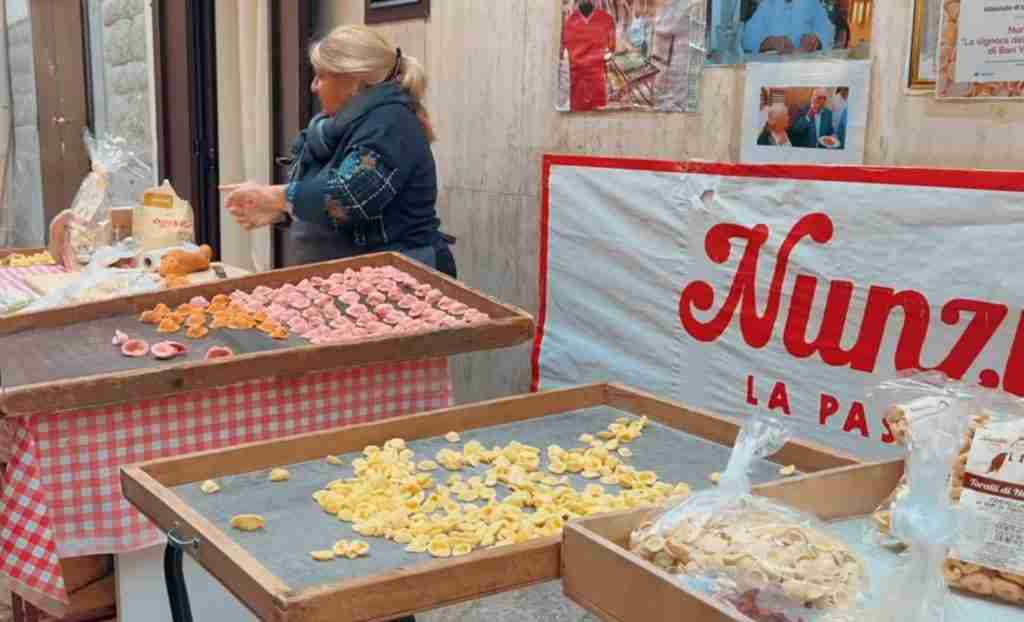
Signature Bari specialties receive detailed attention during focused stops at establishments that have perfected specific items. Focaccia barese, the distinctive flat bread topped with tomatoes and olives, comes from bakeries that have been producing it for multiple generations using wood-fired ovens and traditional techniques. Panzerotti, the fried calzone-like pockets filled with mozzarella and tomato, are sampled from legendary producers in the old town where locals line up daily. Orecchiette pasta, handmade by elderly women working in the streets of Bari Vecchia, can be observed in production and tasted fresh or purchased to take home.
The educational component distinguishes quality food tours from simple restaurant crawls. Expert guides explain the Arabic influences on Puglian cuisine, the importance of olive oil in regional cooking (with tastings of local varieties), the role of seafood in coastal communities, and the preservation techniques that developed before refrigeration. This cultural context transforms eating into learning, connecting food to history, geography, agriculture, and social traditions in ways that deepen appreciation for each bite.
Food tour value becomes especially apparent when considering the alternative of independent culinary exploration. Identifying the best focaccia bakery among dozens of options, finding the family-run pasta shops hidden in old town alleyways, accessing the morning market at optimal times, and understanding what to order and how to interact with vendors requires extensive research, multiple visits, and often language skills. The food tour condenses this learning curve into a single comprehensive experience, essentially providing a crash course in Puglian food culture while simultaneously satisfying lunch or dinner requirements.
The social dimension adds unexpected value, as food tours attract like-minded travelers interested in culinary culture and authentic experiences. Group sizes of 8-12 participants facilitate conversation and shared discovery, often leading to restaurant recommendations, future travel tips, and occasionally lasting friendships. Solo travelers particularly benefit from this built-in social structure, transforming what might otherwise be lonely meals into convivial shared experiences.
Extended multi-day tours – 5+ days
Featured Bari Multi-Day Tour Packages

3 days
Bari 3-Day Discovery Tour
- ✓ Comprehensive Bari experience
- ✓ Expert local guides included
- ✓ All accommodation included
- ✓ Transportation provided

5 days
Bari 5-Day Highlights Experience
- ✓ Comprehensive Bari experience
- ✓ Expert local guides included
- ✓ All accommodation included
- ✓ Transportation provided

7 days
Bari 7-Day Cultural Journey
- ✓ Comprehensive Bari experience
- ✓ Expert local guides included
- ✓ All accommodation included
- ✓ Transportation provided
10 days
Bari 10-Day Complete Adventure
- ✓ Comprehensive Bari experience
- ✓ Expert local guides included
- ✓ All accommodation included
- ✓ Transportation provided
Multi-day tour packages powered by TourRadar. Prices and availability subject to change.
UNESCO Heritage Tours 2026: Castel del Monte & Alberobello
Castel del Monte Tour Options 2026
Castel del Monte tours from Bari cost €55-75 per person for half-day excursions in 2026, including roundtrip transportation and guided exploration of this enigmatic 13th-century fortress. Check tour operators for current official rates as pricing varies by season and included services. The standard tour format departs Bari around 9:00-9:30 AM with return by 1:30-2:00 PM, dedicating approximately 90 minutes at the site for comprehensive exploration of the octagonal structure’s mathematical precision, astronomical alignments, and mysterious symbolism that has fascinated scholars for centuries.
Entry to Castel del Monte costs €15 for adults (€2 for EU citizens aged 18-25, free for under 18 and over 65), with tickets often included in tour packages or available for separate purchase if you prefer independent exploration after arrival with the group. The fortress sits atop an isolated hill in the Murge plateau, 56 kilometers from Bari, making organized tours practical alternatives to complex public transportation that would require bus changes, careful timing, and navigation of rural areas with limited services.
The castle’s UNESCO World Heritage designation stems from its unique architecture that demonstrates extraordinary sophistication for the medieval period. Emperor Frederick II commissioned this octagonal masterpiece in the 1240s, incorporating mathematical precision, astronomical alignments, and symbolic geometry that continue to generate scholarly debate about its intended purpose. Each of the eight towers forms a perfect octagon, rooms are arranged in precise mathematical relationships, and doorways align with specific astronomical phenomena including solstices and equinoxes.
Guided tours provide essential context that transforms the visit from architectural viewing into cultural education. Expert guides explain the mathematical principles governing the structure’s design, the astronomical knowledge reflected in its orientation, the engineering innovations that allowed such precise construction in the 13th century, and the historical significance of Frederick II’s court as a center of learning that brought together Islamic, Byzantine, and Western European intellectual traditions. Without this commentary, the empty stone rooms reveal little of the fortress’s profound significance.
Photography opportunities abound both inside and outside the castle. The exterior facades photographed against Puglia’s blue skies create iconic images, particularly during golden hour when warm light enhances the honey-colored stone. Interior spaces feature remarkable architectural details including ribbed vaults, carved capitals, and doorways that frame views through multiple rooms creating dramatic perspective compositions. The hilltop location provides panoramic views across the Murge landscape that reward landscape photographers willing to explore the perimeter.
Premium tours priced at €70-75 add value through enhanced experiences such as smaller group sizes (6-8 participants instead of 15-20), extended time at the site for thorough exploration and photography, stops at viewpoints for landscape photography, or brief visits to nearby towns with medieval architecture. Private Castel del Monte tours cost €280-350 for up to 4 participants, offering flexible departure times, personalized pacing, and the ability to customize the itinerary with additional stops based on your interests.
Alberobello Trulli Tours 2026
Alberobello tours from Bari cost €50-70 per person for half-day excursions in 2026, providing access to the world’s most significant concentration of trulli, the distinctive cone-shaped limestone dwellings that earned this town UNESCO World Heritage status. Check tour operators for current official rates as pricing varies by included services and group sizes. Tours depart Bari around 9:00 AM or 2:00 PM with 4-5 hour total duration, dedicating 2.5-3 hours in Alberobello for exploration of the Rione Monti and Aia Piccola districts where over 1,500 trulli create an extraordinarily preserved architectural landscape.
The trulli’s unique construction method employs dry-stone technique without mortar, stacking limestone slabs in precise patterns to create self-supporting conical roofs that have weathered centuries of use. This building tradition developed for practical reasons including easy disassembly to avoid taxes on permanent structures, excellent thermal properties keeping interiors cool in summer and warm in winter, and efficient use of local limestone abundant in the region. The technique represents a remarkable example of vernacular architecture adapted perfectly to local conditions and materials.
Tour experiences vary based on operator approach and group size. Standard group tours (15-20 participants) follow established routes through the main trulli districts with guide commentary explaining construction techniques, historical development, and current preservation efforts. Enhanced tours (8-12 participants) incorporate visits to trulli interiors that have been converted to museums, traditional craft workshops, or family homes where residents share stories of growing up in these unique dwellings. Premium experiences include trulli stays where overnight accommodation in converted trulli provides immersive architectural experience.
The Rione Monti district contains the largest concentration of trulli with over 1,000 structures clustered along steep hillside streets. This area has become somewhat commercialized with shops and restaurants occupying many trulli, but the architectural ensemble remains extraordinary and provides convenient access to interiors for those interested in seeing traditional furnishings and space arrangements. The narrow streets create endless photographic compositions, particularly during morning hours when angled sunlight emphasizes the conical forms and whitewashed walls glow against blue skies.
Aia Piccola offers a more residential atmosphere with approximately 400 trulli where local families continue traditional living patterns. This district attracts travelers seeking authentic experiences and quieter exploration away from the commercial bustle of Rione Monti. Walking these residential streets provides glimpses of daily life, clotheslines strung between trulli, vegetable gardens tucked into small plots, and elderly residents who remember when the trulli weren’t tourist attractions but simply home.
Entry to Alberobello itself is free with public streets and exterior viewing accessible to all visitors. Museum trulli charge €1.50-2 entry for interior access showing traditional furnishings and explaining construction details. The Trullo Sovrano, the only two-story trullo, costs €1.50 to enter and provides the best example of how families arranged living spaces within the unique architectural constraints. Tours often include or recommend these small entry fees to enhance understanding of trulli life.
Combined UNESCO Tours 2026: Maximum Value
Combined Castel del Monte and Alberobello tours represent the best value for comprehensive Puglia UNESCO heritage coverage in 2026, priced at €75-90 per person for full-day excursions (check tour operators for current official rates). These tours depart Bari around 8:30-9:00 AM and return by 6:00-6:30 PM, visiting both World Heritage sites with sufficient time for thorough exploration while eliminating the complexity and cost of arranging separate excursions. The combination saves €30-40 compared to booking individual half-day tours to each site, while the full-day format provides natural rhythm with morning cultural immersion at Castel del Monte, midday lunch break featuring regional cuisine, and afternoon discovery of Alberobello’s trulli districts.
The typical itinerary structure dedicates 90 minutes at Castel del Monte (approximately 10:00-11:30 AM) for guided tour and independent exploration of the octagonal fortress, followed by transfer to a traditional restaurant in the countryside for lunch (12:00-1:00 PM). The afternoon focuses on Alberobello with arrival around 1:30 PM and departure at 4:00-4:30 PM, allowing 2.5-3 hours for comprehensive coverage of both main trulli districts, photo opportunities, and perhaps brief shopping for local crafts or food products.
Lunch arrangements vary by tour operator with three common approaches. Some tours include a set menu lunch in the package price, featuring traditional Puglian antipasti, fresh pasta (typically orecchiette or cavatelli), a main course of grilled meat or vegetables, and local wine. Other tours designate a lunch stop but leave meal costs to participants, recommending specific restaurants and providing time for independent dining (expect €15-25 per person for a full meal with wine). Premium tours may incorporate special lunch experiences such as agriturismo visits where farm families prepare meals using estate-grown ingredients, or cooking demonstrations where participants help prepare traditional dishes before eating.
The full-day format provides advantages beyond simple cost savings. Guides can develop more comprehensive narratives connecting the two sites through Puglia’s historical development, architectural traditions, and cultural evolution. The extended time together allows for more personal interaction with guides who can answer detailed questions, recommend evening activities in Bari, and provide insider tips for the remainder of your Puglia visit. Fellow tour participants become traveling companions rather than brief acquaintances, often sharing contact information and future travel plans.
Transportation quality significantly impacts the full-day experience given the extended time in vehicles (approximately 2.5-3 hours total driving). Standard tours use comfortable air-conditioned coaches or minibuses with professional drivers navigating Puglia’s rural roads. Premium tours may offer smaller luxury vehicles (Mercedes Sprinter vans) with enhanced comfort, or even private car service for ultimate comfort and flexibility. The driving segments provide opportunities to view the Puglian countryside, olive groves, vineyards, and rural architecture that characterize this agricultural region.
Small-group combined tours limited to 8-12 participants cost €85-90 and provide optimal balance of social interaction and personalized attention from knowledgeable guides. Private combined tours cost €450-550 for up to 4 participants, offering complete flexibility for timing, pace, additional stops, and customized commentary based on your specific interests whether architectural, historical, photographic, or cultural. Private tours prove particularly valuable for families with children who benefit from flexible pacing, photographers seeking optimal lighting conditions at each site, or travelers with mobility considerations requiring customized accessibility arrangements.
Bari Old Town Walking Tours 2026
Classic Old Town Tours 2026
Classic Bari old town walking tours cost €25-35 per person for 2-3 hour experiences in 2026 that explore the medieval Bari Vecchia district’s architectural treasures, cultural landmarks, and atmospheric streetscapes. Check tour operators for current official rates as pricing varies by group size and included elements. These foundational tours introduce visitors to the old town’s maze-like layout, significant basilicas, historic squares, and the distinctive character of southern Italy’s most authentic medieval quarter where traditional life continues largely unaffected by tourism.
The standard route includes Basilica San Nicola, the magnificent Romanesque church housing the relics of Saint Nicholas (yes, the original Santa Claus) that has attracted pilgrims since the 11th century. Entry is free, and guides explain the architectural significance of the church’s fortress-like exterior, the elaborate Baroque ceiling inside, and the crypt where Saint Nicholas’s bones rest in a silver altar that remains a pilgrimage destination for both Catholic and Orthodox Christians. The basilica represents the spiritual and architectural heart of Bari, its construction having established the Romanesque style that would influence church building across southern Italy.
Castello Svevo (Swabian Castle) anchors the seafront edge of the old town, a massive medieval fortress begun by the Normans and expanded by Emperor Frederick II in the 13th century. The castle’s exterior provides dramatic photographic opportunities with stone walls rising directly from the waterfront, while the interior (entry €3, sometimes included in tour packages) contains archaeological excavations revealing layers of historical occupation and occasional art exhibitions in the Renaissance-era rooms. Guides explain the castle’s military significance in controlling the Adriatic coast and its role in various powers’ strategies for dominating southern Italy.
The residential streets of Bari Vecchia reveal the old town’s most charming and authentic character. Narrow lanes barely wide enough for single-file walking wind between whitewashed houses decorated with hanging laundry, potted plants, and religious shrines. Elderly women sit in doorways making orecchiette pasta by hand, a tradition that continues daily and provides both income from selling pasta to tourists and connection to culinary heritage. Guides know which streets host the pasta-making activity, optimal times for viewing (typically morning and early afternoon), and appropriate etiquette for photographing the women (always ask permission, small purchases appreciated).
Piazza del Ferrarese and Piazza Mercantile serve as the old town’s social centers where local life concentrates around outdoor cafes, seafood restaurants, and evening passeggiata (the traditional evening stroll that remains central to Italian social culture). The squares feature historic architecture including the Colonna della Giustizia (Column of Justice) where debtors were once tied and publicly humiliated, and the Sedile, the former meeting hall for city nobles. Evening tours particularly emphasize these squares when locals gather, creating vibrant social scenes that showcase contemporary Italian culture in a medieval setting.
Specialized Old Town Tours 2026
Specialized Bari old town tours focus on specific themes and cost €35-50 per person for 2-3 hour experiences in 2026 that provide deeper exploration of particular aspects of the medieval quarter’s rich heritage. Religious heritage tours examine Bari’s significance in early Christianity beyond the famous Basilica San Nicola, visiting lesser-known churches that contain important artworks, architectural features, and historical associations. These tours appeal to travelers with interest in religious history, art history, or Byzantine and Romanesque architecture.
Photography tours cater to amateur and serious photographers seeking to capture the old town’s extraordinary visual character under optimal lighting conditions and with expert guidance on composition, angles, and timing. Tours depart during golden hour (approximately 6:30-7:30 AM in summer, 4:30-5:30 PM year-round) when angled light creates dramatic shadows, illuminates the whitewashed walls with warm tones, and provides the soft directional lighting that elevates architectural photography. Guides lead participants to elevated viewpoints, hidden courtyards, and atmospheric alleyways that casual visitors miss.
Street food tours (€45-50) combine old town walking with focused culinary sampling, stopping at traditional establishments for tastings of focaccia barese, panzerotti, sgagliozze (fried polenta), and other street foods that have sustained locals for generations. These tours operate primarily during late morning or early afternoon when the relevant vendors are active, visiting family-run businesses that have perfected specific items through decades of daily production. The street food format provides more casual dining experiences than full food tours, focusing on quick authentic bites rather than restaurant meals.
Artisan workshop tours (€40-45) emphasize the traditional crafts that continue in the old town including pottery making, wood carving, religious icon painting, and traditional textile work. Guides introduce participants to master craftspeople working in small studios and shops, explaining techniques, historical context, and the challenges of maintaining traditional crafts in modern economy. These tours often include opportunities to try basic techniques yourself or purchase directly from artisans at fair prices without commercial markup.
Evening aperitivo tours (€35-40) showcase the old town’s social culture as day transitions to night, visiting traditional bars and wine shops for Puglian wine tastings paired with regional appetizers. The format embraces the Italian aperitivo tradition where pre-dinner drinks come with complimentary food, creating casual social experiences in atmospheric settings. These tours work particularly well for solo travelers seeking social interaction or couples wanting romantic evening experiences in medieval surroundings.
Private Walking Tours 2026: Customized Experiences
Private Bari old town walking tours cost €180-250 for up to 4 participants in 2026, offering personalized itineraries, flexible pacing, and dedicated guide attention that transforms standard sightseeing into customized cultural immersion. The per-person cost becomes competitive with group tours when traveling with 3-4 people (€45-63 per person), while providing significantly enhanced experiences through complete customization of route, timing, focus areas, and depth of coverage at sites matching your specific interests.
The customization potential extends across multiple dimensions. Photography enthusiasts arrange departure times for optimal lighting and focus exclusively on visual composition, spending extended time at particularly photogenic locations while bypassing standard tourist stops of limited visual interest. History buffs request deep dives into specific historical periods with extended time at relevant sites and detailed discussions of historical events, political developments, or architectural evolution. Food lovers combine old town walking with extended market visits, pasta-making workshop participation, or tastings at multiple specialized food shops.
Families with children benefit enormously from private tour flexibility. Guides adapt commentary to age-appropriate levels, incorporate interactive elements that maintain young travelers’ engagement, allow frequent breaks for gelato or bathroom visits, and adjust pacing based on energy levels and attention spans. The ability to pause, rest, or cut visits short without impacting other travelers removes the stress of group tour participation with children while still providing professional guidance and cultural education.
Mobility considerations make private tours invaluable for travelers with physical limitations. Guides design routes avoiding the old town’s many stairways and steep inclines, identify locations where you can rest, arrange transportation for portions that would require extensive walking, and adjust tour duration based on physical capacity. This personalized approach allows travelers with mobility challenges to experience the old town comprehensively rather than attempting self-guided visits that might prove overwhelming or impossible.
The extended access to expert local knowledge represents perhaps the greatest value of private tours. Guides answer detailed questions about topics ranging from real estate prices in the old town to contemporary political issues affecting Bari to recommendations for restaurants, beaches, and activities beyond the tour itself. This extended conversation transforms guides into personal Bari consultants whose local expertise helps optimize your entire visit, not just the specific tour hours.
Food & Culinary Tours 2026
Traditional Food Tours 2026
Traditional Bari food tours cost €60-75 per person for 3-3.5 hour experiences in 2026 that combine old town walking with comprehensive tastings of Puglian culinary specialties. Check tour operators for current official rates as pricing varies by included tastings and group sizes. These tours typically include 6-8 tasting stops strategically selected to showcase the breadth of local food culture, from morning market visits to afternoon bakery experiences to early evening aperitivo, with total food value consumed during the tour often equaling or exceeding the tour cost.
The morning market component introduces participants to the ingredients that form the foundation of Puglian cooking. Fresh produce vendors display seasonal vegetables, fruits, and herbs with guides explaining the agricultural calendar, traditional preparation methods, and the importance of seasonal eating in Mediterranean cuisine. Seafood stalls feature the daily catch from the Adriatic including octopus, squid, sea urchin, and various fish species, with guides identifying different varieties and explaining traditional recipes. Cheese and cured meat vendors offer tastings of regional specialties including burrata (the cream-filled mozzarella invented in Puglia), caciocavallo (aged cow’s milk cheese), and capocollo (cured pork neck).
Focaccia barese receives special attention as Bari’s signature bread, a distinctive flatbread topped with cherry tomatoes, olives, and olive oil that locals eat for breakfast, snacks, or light meals. Tours visit renowned bakeries where wood-fired ovens produce focaccia throughout the day using recipes and techniques passed through multiple generations. The difference between mass-produced focaccia and authentic artisanal versions becomes immediately apparent through the superior flavor, texture, and quality of ingredients in traditional preparations.
Panzerotti represent another Bari specialty, essentially fried calzones filled with mozzarella and tomato (though variations include ham, ricotta, or other fillings). The best panzerotti come from small shops or street vendors where they’re made fresh throughout the day and served hot immediately after frying. Tours identify the legendary panzerotti producers where locals queue daily, explaining the technique for achieving the ideal balance of crispy exterior and gooey interior, and the etiquette for eating these messy but delicious street food items.
Orecchiette pasta observation and tasting forms a tour highlight, with guides leading participants to streets in Bari Vecchia where elderly women sit in doorways hand-forming the distinctive ear-shaped pasta. The women work with simple semolina dough, using their thumbs and a knife to create the pasta’s characteristic concave shape that catches sauce perfectly. Tours explain the tradition’s social and economic significance, appropriate etiquette for photographing the pasta makers (always ask permission), and opportunities to purchase fresh pasta directly from the makers at fair prices (€5-7 per kilogram).
The aperitivo component concludes tours with visits to traditional bars or wine shops for tastings of Puglian wines (typically Primitivo, Negroamaro, or white varieties from the region) paired with regional appetizers. This segment introduces the Italian tradition of pre-dinner drinks accompanied by food, creating casual social experiences that showcase contemporary local culture in addition to the historical and culinary education of earlier stops.
Cooking Classes & Workshops 2026
Cooking classes in Bari cost €70-95 per person for 3-4 hour hands-on experiences in 2026 that combine market shopping, instruction in traditional Puglian recipes, and shared meals featuring the dishes you’ve prepared. Check individual cooking schools for current official rates as pricing varies by menu complexity and included elements. These immersive culinary experiences provide deeper engagement with Puglian food culture than tasting-focused tours, teaching techniques you can reproduce at home while creating personal connections with local food traditions.
The typical class format begins with market visits where instructors guide participants in selecting fresh ingredients, explaining how to identify quality produce, seasonal availability, and the relationships Italian cooks maintain with trusted vendors. This shopping experience demystifies ingredient selection and provides practical knowledge about Mediterranean cooking that applies beyond the specific recipes being prepared. The social interaction with market vendors, conducted in Italian but translated by instructors, offers glimpses of the personal relationships that underpin Italian food culture.
Pasta-making classes focus on Puglia’s signature shapes including orecchiette (ear-shaped), cavatelli (small rolled pasta), and strascinate (dragged pasta). Instructors demonstrate the hand-forming techniques, then guide participants through creating their own pasta using simple semolina dough and traditional hand methods that require no special equipment. The tactile experience of working with dough, the challenge of achieving consistent shapes, and the pride of creating authentic pasta by hand provides satisfaction beyond simply learning a recipe. Most classes allow you to take home portion of your pasta creation as an edible souvenir.
Focaccia classes teach the techniques for achieving the distinctive Bari-style flatbread with its characteristic topping arrangement, proper dough hydration, and baking method. Instructors explain the importance of quality olive oil, the selection of tomatoes, the olive variety preferences, and the timing of topping application that produces the ideal balance of crispy bottom, soft interior, and flavorful topping integration. Participants prepare individual focaccia to take home or consume during the class meal.
Main course instruction varies by class but typically includes traditional Puglian dishes such as tiella barese (rice, potato, and mussel casserole), brasciole (meat rolls with sauce), or grilled seafood preparations. Instructors explain the cultural context of dishes, their association with specific celebrations or seasons, and the adaptations home cooks make based on ingredient availability and family preferences. This cultural education enriches the cooking instruction by connecting recipes to the social fabric of Puglian life.
The shared meal concluding cooking classes represents the culmination of the experience, with participants, instructors, and often the host family sitting together to enjoy the fruits of collective labor. This convivial dining embodies the Italian philosophy that food creates community, with conversation flowing as freely as the wine that accompanies the meal. The shared table often yields the most memorable moments of the class, as personal stories, travel experiences, and future plans are exchanged in an atmosphere of genuine hospitality.
Wine Tasting Tours 2026
Wine tasting tours from Bari cost €75-95 per person for half-day experiences in 2026 visiting regional wineries in the surrounding countryside. These tours depart Bari around 9:30 AM or 2:30 PM and last 4-5 hours, including transportation to 1-2 wineries, guided vineyard tours, comprehensive wine tastings (typically 4-6 wines), and often light food pairings featuring regional products. The experiences introduce Puglia’s distinctive wine heritage including Primitivo (genetically identical to California’s Zinfandel), Negroamaro, and white varieties that thrive in the region’s Mediterranean climate.
Winery visits provide education in viticulture, wine production, and the specific characteristics of Puglian wine regions. Tours walk through vineyards where guides explain the local growing conditions including the mineral-rich soil, intense sunlight, and cooling sea breezes that contribute to the grapes’ concentrated flavors. Production facility tours demonstrate the wine-making process from harvest through fermentation to aging, with explanations of how traditional methods combine with modern technology to produce wines that respect heritage while meeting contemporary quality standards.
The tasting component educates participants in wine evaluation, helping develop skills for assessing color, aroma, taste, and finish. Sommeliers or winery staff guide formal tastings, explaining each wine’s characteristics, the vineyard sources, production methods, and ideal food pairings. The progression typically moves from lighter whites through rosés to fuller reds, concluding with sweeter dessert wines or aged reserves that demonstrate the cellar’s premium offerings.
Food pairings enhance the educational experience by demonstrating how wine and food interact, with tastings accompanied by regional cheeses, cured meats, fresh bread, olive oil, and sometimes light lunch items. These pairings showcase traditional Puglian combinations and teach principles of matching wine characteristics to food flavors, textures, and preparation methods. The food component also ensures participants don’t taste multiple wines on empty stomachs, maintaining both comfort and tasting accuracy throughout the experience.
Small-group wine tours limited to 6-10 participants provide intimate experiences where personal interaction with winery staff, detailed questions, and extended conversation create connections beyond simple commercial transactions. Many tours conclude with opportunities to purchase wines at estate prices (typically 20-30% below retail), with shipping arrangements available for visitors unable to transport bottles home. These purchases directly support regional wine producers while providing access to wines rarely exported beyond Italy.
Booking Strategies for 2026 Tours
Optimal Booking Timeline 2026
The optimal booking timeline for Bari tours in 2026 varies by tour type and season, with UNESCO excursions requiring the longest advance planning and old town walking tours maintaining more flexibility. Full-day UNESCO tours combining Castel del Monte and Alberobello need 2-3 week advance reservations during peak summer months (June-August) when daily tours frequently reach capacity and operators maintain firm group size limits. Shoulder season bookings (April-May, September-October) allow 10-14 day advance reservations with excellent availability, while winter visits (November-March) often accommodate booking within 5-7 days.
Old town walking tours demonstrate more flexible booking timelines with 3-5 day advance reservations ensuring participation in the highest-rated tours with experienced guides during most of the year. Peak summer weekends (particularly Saturday departures) may benefit from 7-10 day advance booking, while weekday tours during shoulder season often accept reservations 24-48 hours ahead. The flexibility stems from operators running multiple daily departures and the ability to add groups quickly when demand warrants, unlike UNESCO excursions constrained by transportation logistics and site access considerations.
Food tours occupy a middle ground, with 5-7 day advance booking recommended for optimal guide selection and preferred departure times. The most popular food tour operators with the highest ratings and most knowledgeable guides maintain consistent demand throughout the year, as food experiences attract travelers regardless of season. Weekend food tours during spring and fall shoulder seasons often sell out 10-14 days ahead, while summer weekdays and winter dates may accept reservations within 3-5 days.
Cooking classes require the longest advance planning among Bari city experiences, with 2-3 week booking windows recommended year-round due to space limitations in typical class venues. Most cooking schools accommodate 6-10 participants per class, a size that fills quickly given the hands-on nature of instruction and the need for adequate working space and individual attention. Popular class times (late morning with lunch, or early evening with dinner) book earliest, while less convenient midday or late afternoon slots maintain better availability.
Private tours offer maximum booking flexibility since operators can arrange dedicated guides and vehicles with relatively short notice. However, securing the most experienced guides for private tours benefits from 7-10 day advance contact, particularly during peak season when the best guides manage multiple daily commitments. Last-minute private tour arrangements (1-3 days ahead) remain possible but may result in less experienced guides or higher pricing to accommodate rush scheduling.
Choosing Tour Operators 2026
Selecting quality tour operators in 2026 requires evaluation across multiple factors including guide expertise, group size policies, customer reviews, pricing transparency, and cancellation terms. The Bari tour market contains dozens of operators ranging from established companies with professional infrastructure to individual guides operating informally, making research essential for securing experiences that match your expectations and budget.
Guide qualifications represent the single most important quality indicator. The best guides possess official certification from regional tourism authorities, deep local knowledge gained through years of residence and study, and language skills enabling clear communication with international visitors. Reviews consistently mentioning specific guide names, detailed historical knowledge, or exceptional cultural insights indicate operators investing in guide quality rather than simply hiring multilingual tour leaders with superficial destination knowledge.
Group size policies directly impact tour quality, particularly for walking tours and food experiences where intimacy and personal interaction enhance the experience. Tours limiting groups to 8-12 participants (rather than 15-20) justify premium pricing through enhanced personal attention, easier movement through crowded old town streets, and more opportunities for questions and conversation with guides. UNESCO excursion operators maintaining group sizes under 15 participants provide better experiences than mass-market tours cramming 30-40 people into coaches.
Pricing transparency indicates operator professionalism and reliability. Quality operators clearly specify what’s included in tour costs (entry fees, transportation, food tastings, gratuities) and what participants should expect to pay separately. Operators advertising suspiciously low prices often exclude significant costs that emerge during booking or departure, while premium pricing should correspond to clear value additions such as smaller groups, enhanced inclusions, or superior guide expertise.
Cancellation policies reflect operator confidence and customer orientation. Generous cancellation terms (full refunds for 48-72 hour notice, partial refunds for 24-48 hour notice) indicate established operators with consistent demand who can absorb occasional cancellations. Restrictive policies (no refunds, or full charges for cancellations more than 7 days ahead) suggest operators operating on thin margins or lacking confidence in their ability to fill spots vacated by cancellations.
Booking platforms influence both the operator selection process and total costs. Direct booking through operator websites provides best pricing (no platform commission fees), most comprehensive information, and direct communication with operators for questions or special requests. Aggregator platforms (GetYourGuide, Viator, TripAdvisor Experiences) facilitate easy comparison and provide consolidated reviews but add service fees of 10-15% to base tour costs. Hotel concierge bookings offer convenience but typically work with limited operator networks and may include convenience premiums.
Seasonal Considerations 2026
Seasonal factors significantly impact tour experiences in 2026, affecting weather conditions, crowd levels, pricing, and the nature of certain experiences. Understanding seasonal dynamics allows strategic planning that optimizes your tour experiences based on priorities balancing weather preferences, budget constraints, and tolerance for tourist crowds.
Peak summer season (June-August) brings guaranteed sunny weather ideal for photography and UNESCO site visits but also maximum crowds, highest temperatures (often 30-35°C/86-95°F), and premium tour pricing. Old town walking tours during summer heat become less comfortable during midday hours, making early morning (8:00-10:00 AM) or late afternoon (4:00-6:00 PM) departures preferable. UNESCO excursions benefit from air-conditioned transportation but involve extended time outdoors at both Castel del Monte and Alberobello during the hottest parts of the day.
Shoulder seasons (April-May and September-October) provide the optimal balance of pleasant weather, manageable crowds, and reasonable pricing. Spring temperatures range 18-25°C (64-77°F) with occasional rain, while fall offers 20-28°C (68-82°F) with more stable weather patterns. These periods attract sophisticated travelers who prioritize experience quality over weather guarantees, resulting in better tour group dynamics and more engaged fellow participants. Tour pricing during shoulder season drops 15-20% compared to summer peaks while maintaining full service quality.
Winter season (November-March) sees the lowest tour prices, smallest crowds, and most intimate experiences but also variable weather and reduced tour frequency. Temperatures range 8-16°C (46-61°F) with rain more likely, particularly November through January. Many operators reduce tour frequency or operate on request-only basis during winter, making advance communication essential to confirm availability. The travelers who visit during winter tend to be particularly interested in cultural immersion rather than weather-dependent activities, creating tour groups of unusually high quality despite small size.
Specific events and periods influence tour planning beyond general seasonal patterns. Easter week brings intense religious tourism to Bari given Saint Nicholas’s significance, with basilica tours becoming crowded and general old town congestion increasing. The Feast of Saint Nicholas (December 6-9) similarly concentrates religious visitors and pilgrims, creating unique cultural experiences but also requiring earlier tour booking and tolerance for crowds. Summer festivals and events (particularly July-August) add cultural dimensions to visits but may impact specific tour routing or timing around event schedules.
Frequently Asked Questions: Bari Tours 2026
How long should I allocate for a Bari tour in 2026?
Allocate 2-3 hours for old town walking tours, 3-4 hours for food tours and cooking classes, 4-5 hours for half-day UNESCO excursions to either Castel del Monte or Alberobello, and 9-10 hours for full-day combined UNESCO tours visiting both sites. Old town tours operate morning (9:00-11:30 AM), afternoon (3:00-5:30 PM), or evening (5:00-7:30 PM) with schedules allowing other activities the same day. UNESCO excursions consume most of the day but provide comprehensive cultural immersion justifying the time investment for travelers prioritizing World Heritage experiences.
Are Bari tours suitable for children in 2026?
Yes, with appropriate tour selection based on children’s ages and interests. Food tours engage children through tasting diverse items and interactive market experiences, though 3-4 hour durations may challenge very young children. Old town walking tours work well for ages 8+ with guides who adapt commentary to family groups, while children under 8 may struggle with extended walking and historical content. UNESCO excursions suit ages 10+ given the long day and primarily architectural/historical focus, though private tours allow customization for families with younger children through flexible pacing and age-appropriate activities.
Can I join a Bari tour if I have mobility limitations in 2026?
Mobility considerations significantly impact tour participation, with old town walking tours presenting challenges due to the medieval quarter’s uneven cobblestone streets, frequent stairs, and lack of accessibility infrastructure. Travelers with moderate mobility limitations can participate in old town tours by choosing operators who modify routes to minimize stairs and provide frequent rest opportunities, though private tours offer better customization for specific needs. UNESCO excursions involve less walking than old town tours (most time in vehicles, specific site visits rather than extensive walking) making them more accessible, particularly when booking private tours allowing vehicle-to-site proximity and flexible pacing.
What languages are Bari tours offered in during 2026?
English represents the most widely available tour language with virtually all operators offering English-language tours daily during peak season and several times weekly during shoulder/winter seasons. Italian tours run continuously given the local market, while Spanish, French, and German tours operate less frequently (typically 1-3 times weekly during peak season, on request during quieter periods). Private tours accommodate any language with advance notice by matching you with appropriate guides, though premium pricing may apply for less common languages requiring specialized guide hiring.
Should I tip Bari tour guides in 2026?
Tipping tour guides in Italy is appreciated but not mandatory, with customary amounts ranging €5-10 per person for group tours and €20-40 total for private tours based on tour length and guide quality. Exceptional guides demonstrating deep knowledge, engaging presentation, and helpful recommendations merit tips at the higher end of these ranges, while adequate but unremarkable service warrants lower amounts or no tip. Food tour guides and cooking class instructors typically receive €8-12 per person reflecting the enhanced service and personal attention characteristic of these experiences. Cash tips given directly to guides ensure they receive the full amount without processing fees or operator deductions.
Can I customize a standard Bari tour in 2026?
Standard group tours follow fixed itineraries without customization options, though you can request specific information or extended time at particular locations which guides often accommodate when schedules permit. Private tours offer extensive customization including route selection, timing modifications, additional stops, depth of coverage at specific sites, and integration of personal interests whether photography, specific historical periods, architectural details, or culinary focus. Communicate customization desires when booking private tours so operators can match you with appropriate guides and plan itineraries meeting your specific objectives.
What should I wear on Bari tours in 2026?
Wear comfortable walking shoes with good support for all Bari tours, as even UNESCO excursions involve significant walking on uneven surfaces at historical sites. Old town walking tours require shoes suitable for cobblestone streets, while food tours may involve standing for extended periods during tastings. Churches visited on religious heritage tours enforce modest dress codes (shoulders and knees covered), so bring a light shawl or wear long pants/skirts if religious sites are included. Summer tours require sun protection including hats and sunscreen, while shoulder season visits benefit from layered clothing accommodating temperature variations throughout the day.
How do I book the best-rated Bari tours for 2026?
Identify best-rated tours through review platforms (TripAdvisor, Google Reviews, GetYourGuide) filtering for recent reviews (past 6-12 months), consistent high ratings across multiple reviewers, and detailed reviews mentioning specific guides, experiences, or value elements. Book directly through operator websites when possible to avoid platform service fees and access best available pricing, though aggregator platforms facilitate easy comparison when evaluating multiple similar operators. Confirm tour details including exact departure location, included elements, group size limits, and cancellation policies before completing booking. Save confirmation information and operator contact details for reference, particularly important for UNESCO excursions where pickup logistics require clear understanding.
Are food tours in Bari suitable for vegetarians in 2026?
Yes, with advance notification to tour operators. Puglian cuisine includes abundant vegetarian options from vegetable-focused antipasti to fresh pasta with vegetable sauces to cheese and olive oil tastings, allowing operators to design vegetarian-friendly food tours substituting plant-based items for meat and seafood components. Vegan participants face more limitations given dairy’s prominence in regional cuisine (mozzarella, burrata, ricotta feature heavily), though operators can accommodate vegan requests with advance notice by emphasizing vegetable dishes, bread, and olive oil tastings. Communicate dietary restrictions when booking to ensure operators can plan appropriate tastings rather than attempting substitutions during tours.
Can I take photographs on Bari tours in 2026?
Yes, photography is encouraged on most Bari tours with guides often pausing at optimal viewpoints and suggesting angles for best shots. Old town walking tours provide abundant photo opportunities of architecture, street scenes, and atmospheric alleyways, while UNESCO excursions allow extensive photography at both Castel del Monte and Alberobello. Food tours permit photography of tastings, markets, and food preparation though guides request courtesy when photographing pasta-making women in the old town (always ask permission). Church photography may face restrictions depending on specific basilicas, with flash photography typically prohibited and some churches requiring photography permits or forbidding interior photos entirely. Cooking classes welcome photography of food preparation and final dishes as participants often want records of recipes and techniques for home reproduction.