
Best Bangkok Tours 2026: Top Experiences & Booking Guide
Key Takeaways
- Bangkok offers diverse tour experiences from temple complexes and royal palaces to floating markets and cooking classes in 2026
- Half-day temple tours cost $35-55 per person, full-day city tours range $65-95, while premium private tours reach $180-300 depending on customization
- Booking tours 2-4 weeks ahead ensures availability during peak season (November-February), while last-minute bookings work during low season
- Group tours provide excellent value and social interaction, while private tours offer flexibility and personalized pacing
- Combination tours covering multiple attractions offer better value than booking separate experiences
- Licensed guides provide historical context and handle logistics, making complex sites like the Grand Palace more comprehensible and manageable
Introduction: Planning Your Bangkok Tours for 2026
Bangkok’s tourism industry offers hundreds of tour options ranging from classic temple circuits to specialized food experiences, river cruises, and day trips to surrounding destinations. The diversity of available tours can overwhelm visitors planning their 2026 Bangkok experience. This guide provides comprehensive information about the best tour options, pricing structures, booking strategies, and selection criteria to help visitors choose tours matching their interests, fitness levels, and budgets.
The Bangkok tour market evolved significantly over recent years, with operators offering increasingly specialized experiences alongside traditional sightseeing tours. Food tours exploring street food culture, photography tours timed for optimal lighting conditions, sunset cruises on the Chao Phraya River, and cultural immersion experiences in local neighborhoods complement standard temple and palace tours. Understanding this range of options helps visitors create balanced itineraries that combine major attractions with authentic cultural experiences.
Tour quality varies considerably across Bangkok’s tourism industry, making informed selection crucial for positive experiences. Established operators with experienced guides, proper licensing, and positive track records deliver substantially better experiences than budget operators cutting corners on guide quality, transportation, and included amenities. This guide emphasizes reputable operators while explaining pricing structures that help visitors understand value propositions beyond simply finding the lowest rates. The goal is enabling informed decisions that balance cost considerations with experience quality and personal preferences.
People Also Ask About Bangkok Tours 2026
What are the best tours in Bangkok for 2026?
The best Bangkok tours for 2026 include Grand Palace and major temples half-day tours ($35-55), Chao Phraya River and canal boat experiences ($45-75), floating market day trips to Damnoen Saduak or Amphawa ($55-85), Bangkok street food tours exploring local cuisine ($45-65), and cooking classes teaching Thai culinary techniques ($50-80). These experiences provide diverse perspectives on Thai culture, from royal heritage and religious traditions to daily life and culinary arts. The optimal tour selection depends on personal interests, available time, and desired depth of cultural engagement.
How much do Bangkok tours cost in 2026?
Bangkok tour costs vary by duration, group size, and included amenities. Half-day group tours cost $35-55 per person, full-day city tours range $65-95, floating market day trips cost $55-85, food tours run $45-65, and cooking classes cost $50-80. Private tours cost significantly more, with half-day private temple tours at $120-180 and full-day private experiences reaching $250-350 depending on customization. Check tour operator websites for current rates as pricing varies by season and availability. Advance booking through reputable operators often provides better rates than last-minute booking through hotel concierges or street vendors.
Should I book Bangkok tours in advance for 2026?
Advance booking proves essential during Bangkok’s peak season (November-February) when popular tours sell out weeks ahead, particularly cooking classes with limited capacity and sunset river cruises with restricted boat space. Booking 2-4 weeks ahead ensures availability for preferred tour dates and times. The shoulder season (March-May, September-October) offers more flexibility, though advance booking still provides peace of mind and sometimes early booking discounts. Low season (June-August) allows last-minute booking with minimal risk of tours being fully booked. Specialized tours including photography workshops, private museum tours, and exclusive temple access require advance arrangements regardless of season.
What’s the difference between group and private Bangkok tours in 2026?
Group tours cost $35-95 per person and operate with 8-20 participants following fixed schedules, providing value and opportunities to meet fellow travelers. Private tours cost $120-350 depending on duration and customization, offering flexible scheduling, personalized pacing, and the ability to skip attractions that don’t interest you while spending more time at preferred sites. Group tours work well for budget-conscious travelers comfortable with set schedules, while private tours suit travelers wanting control over their itinerary, families with children needing flexible pacing, or photography enthusiasts requiring specific timing for optimal light. The price premium for private tours provides substantially more personalized experiences but costs 3-4 times more than group alternatives.
Extended multi-day tours – 5+ days
Featured Bangkok Multi-Day Tour Packages
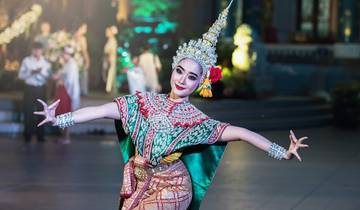
4 days
4 Day Bangkok City Break including Amphawa Floating Market & Erawan National Park
- ✓ Comprehensive Bangkok tour
- ✓ Expert local guides included
- ✓ All accommodation arranged
- ✓ Transportation provided
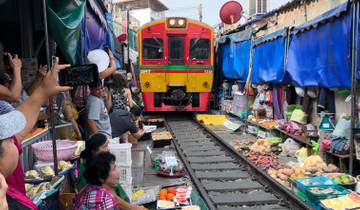
1 days
Small Group: Damnoen Floating market & Train market
- ✓ Comprehensive Bangkok tour
- ✓ Expert local guides included
- ✓ All accommodation arranged
- ✓ Transportation provided

3 days
Central Thailand Highlights in a Loop 3 Days, Private Tour
- ✓ Comprehensive Bangkok tour
- ✓ Expert local guides included
- ✓ All accommodation arranged
- ✓ Transportation provided
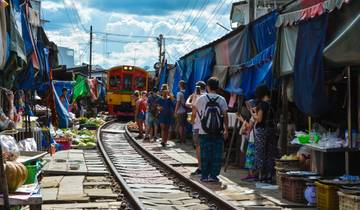
4 days
Bangkok Basics, City Break, Small Group Tour
- ✓ Comprehensive Bangkok tour
- ✓ Expert local guides included
- ✓ All accommodation arranged
- ✓ Transportation provided
Multi-day tour packages powered by TourRadar. Prices and availability subject to change.
Essential Planning Information for 2026
Understanding Bangkok Tour Categories
Bangkok tours fall into distinct categories serving different travel interests and time constraints. Temple and palace tours focus on Thailand’s most significant cultural sites including the Grand Palace, Wat Pho, Wat Arun, and lesser-known temples offering insights into Thai Buddhism and royal history. These tours last from half-day (4-5 hours) to full-day (8-9 hours) and form the foundation of most visitors’ Bangkok experience. The tours provide historical context and architectural appreciation while navigating sites that can overwhelm independent visitors unfamiliar with Thai cultural protocols.
River and canal tours explore Bangkok’s waterway heritage, revealing how the “Venice of the East” functioned before road development transformed the city. Long-tail boat tours through canals show traditional wooden houses on stilts, riverside temples, and local life continuing along waterways that once served as Bangkok’s primary transportation network. Sunset cruises on the Chao Phraya River provide views of illuminated temples and modern skyline while including dinner and cultural performances. These water-based experiences offer perspectives on Bangkok’s geography and historical development impossible to gain from land-based tours.
Food tours represent rapidly growing tour categories catering to travelers interested in Thai culinary culture. Street food tours guide participants through local markets and neighborhood food stalls, explaining Thai ingredients, cooking techniques, and food culture while sampling diverse dishes. Cooking classes teach participants to prepare Thai classics including pad thai, green curry, tom yum soup, and mango sticky rice. Market tours combined with cooking experiences provide comprehensive culinary immersion showing ingredient selection through final dish preparation.
Day trips extend beyond Bangkok to surrounding attractions including ancient capital Ayutthaya, floating markets, Kanchanaburi’s war history sites, and beach destinations. These excursions require full days (10-12 hours) but provide relief from Bangkok’s urban intensity while accessing sites significant to Thai history and culture. The tours handle transportation logistics for destinations requiring 2-3 hours travel each direction, making them practical options for visitors without rental vehicles or comfort navigating Thai road systems independently.
Tour Operator Selection Criteria for 2026
Selecting quality tour operators requires evaluating several factors beyond advertised prices. Licensed guides demonstrate professionalism and knowledge that unlicensed guides lack, with official licensing requiring examinations on Thai history, culture, and foreign languages. Licensed guides wear identification badges and provide substantially more accurate historical information than untrained guides offering generic commentary. Checking whether operators employ licensed guides separates professional services from budget alternatives lacking proper training.
Transportation quality varies significantly across operators, impacting comfort and experience. Premium operators use newer, well-maintained vehicles with effective air conditioning—essential for Bangkok’s tropical climate. Budget operators may use older vehicles with unreliable cooling systems, creating uncomfortable experiences during hot season. For day trips requiring several hours in vehicles, transportation quality substantially affects overall experience value. Reviews mentioning vehicle conditions help assess whether operators maintain adequate transportation standards.
Group sizes dramatically impact tour experiences, with smaller groups providing more personal attention and easier logistics at crowded sites. Tours with 8-12 participants allow guides to provide individual attention while moving efficiently through attractions. Large groups of 20+ participants create logistical challenges at busy sites, longer waiting times at checkpoints, and difficulty hearing guide commentary in crowded conditions. Tour descriptions stating maximum group sizes help visitors understand what to expect, with smaller groups justifying higher per-person costs through improved experience quality.
Included amenities distinguish value propositions across similar-priced tours. Some operators include entrance fees, meals, bottled water, and hotel pickup in base prices, while others charge these separately. Comparing total costs including all additions provides more accurate value assessments than base tour prices alone. Tours advertising unusually low prices often exclude entrance fees, lunch, and transportation, with final costs approaching or exceeding competitors’ inclusive pricing. Reading fine print about what’s included versus extra-cost options prevents surprise charges and enables accurate price comparisons.
Best Temple and Cultural Tours 2026
Grand Palace and Major Temples Half-Day Tour
The classic Bangkok temple tour covers the Grand Palace, Temple of the Emerald Buddha (Wat Phra Kaew), Wat Pho with its Reclining Buddha, and Wat Arun across the river. These half-day tours cost $35-55 per person for groups or $120-160 for private tours. Check operator websites for current official rates as pricing varies by season. The tours last 4-5 hours and operate morning or afternoon, though morning tours offer cooler temperatures and better lighting for photography.
Quality tours provide detailed historical commentary explaining the Grand Palace’s role as Siam’s political center, the architectural significance of temple structures, and Buddhist symbolism in decorative elements. Guides explain appropriate behavior in religious sites, including dress code requirements and protocols around Buddha images. This cultural guidance prevents inadvertent disrespect while helping visitors understand the religious significance of sites beyond their architectural appeal.
The tours handle entrance fees ($15-18 Grand Palace, $7 Wat Pho, $3 Wat Arun) and transportation between sites, eliminating logistical hassles of navigating Bangkok traffic and river crossings independently. The included transportation proves particularly valuable at midday when heat makes walking between sites exhausting. The tours’ structured scheduling ensures sufficient time at each location while maintaining a manageable pace appropriate for tropical conditions.
Premium versions of this tour add lunch at riverside restaurants, extended time at sites for photography, or additional temples including Wat Saket’s Golden Mount offering panoramic city views. These enhanced tours cost $65-85 for groups or $180-220 for private experiences. The additional cost provides more comprehensive cultural immersion for visitors with particular interest in Thai architecture and Buddhism while maintaining manageable half-day duration.
Full-Day Bangkok City and Culture Tour
Comprehensive full-day tours combine major temples with additional cultural experiences including Jim Thompson House, flower markets, Chinatown exploration, and canal boat rides. These tours cost $65-95 per person for groups or $200-280 for private tours (check operator websites for current rates). The 8-9 hour duration covers substantially more ground than half-day alternatives while maintaining organized structure that prevents the exhaustion of attempting similar itineraries independently.
The Jim Thompson House visit provides context about Thai silk industry revival and mid-century Asian art collecting. The traditional Thai house structures relocated from Ayutthaya demonstrate classical Thai architecture while housing Thompson’s Southeast Asian art collection. This addition balances the morning’s religious sites with secular cultural content, providing broader perspective on Thai cultural heritage beyond temple architecture.
Chinatown exploration shows Bangkok’s Chinese heritage through Yaowarat Road’s gold shops, street food vendors, and Chinese temples. The area’s distinct character contrasts with Thai Buddhist sites visited earlier, demonstrating Bangkok’s multicultural heritage. Market visits including Pak Khlong Talat flower market reveal daily commercial life supporting Bangkok’s economy, with vendors supplying flowers for religious offerings, weddings, and restaurants throughout the city.
These comprehensive tours include lunch at local restaurants where guides order traditional Thai dishes, providing cultural context about Thai dining customs, ingredient combinations, and regional variations. The included lunch eliminates the stress of finding appropriate restaurants in unfamiliar neighborhoods while offering authentic Thai cuisine rather than tourist-oriented versions. The meal break provides essential rest during long days while becoming educational experience through guides’ explanations of Thai food culture.
Spiritual Bangkok: Lesser-Known Temples Tour
Specialized tours focusing on lesser-visited temples appeal to travelers who have seen major sites or want deeper engagement with Thai Buddhism beyond tourist-heavy locations. These tours cost $55-75 for groups or $150-200 for private experiences, visiting temples including Wat Suthat with its giant swing, Wat Benchamabophit (Marble Temple), Wat Ratchanatdaram with its unique metal castle structure, and neighborhood temples rarely appearing in guidebooks.
The lesser-known temples offer quieter, more contemplative experiences where visitors observe local Thai worshippers rather than crowds of tourists. Guides explain Buddhist practices, merit-making customs, and the role of temples in daily Thai life. This cultural immersion provides understanding of Buddhism as lived practice rather than merely architectural appreciation. The tours attract travelers interested in religious culture beyond photographic opportunities at famous landmarks.
Morning tours may include observing monks receiving alms offerings from local residents, a daily ritual maintaining connections between monastic and lay communities. Guides explain Buddhist precepts, monastic discipline, and the social functions temples perform in Thai communities. This educational content appeals to travelers with specific interest in Buddhism or those preparing for extended Southeast Asian travel wanting cultural foundation for understanding the region’s predominant religion.
Photography-focused versions of these tours time visits for optimal light and include instruction on photographing temple architecture, Buddha images, and daily religious activities respectfully. These specialized tours cost $75-95 for small groups limited to 6-8 participants, with professional photographers leading tours and providing technical guidance on camera settings, composition, and lighting. The premium pricing reflects specialized expertise and smaller groups enabling detailed instruction.
River and Canal Tours 2026
Chao Phraya River Express Boat Tour
River express boat tours use Bangkok’s public ferry system to visit riverside attractions including the Grand Palace, Wat Arun, and Asiatique riverfront market. These budget-friendly tours cost $45-60 including guide, public ferry passes, entrance fees, and lunch. The tours operate throughout the day, with morning departures offering cooler temperatures and better lighting for photography. The use of public ferries creates authentic local experiences while providing air-conditioned break from street-level heat.
Guides explain how the Chao Phraya River shaped Bangkok’s development, served as primary transportation route, and continues to function as commercial waterway moving goods through the city. The river journey passes historic sites including royal palaces, foreign embassies in historic buildings, and Chinatown’s waterfront warehouses. This geographic perspective complements ground-level temple visits by revealing Bangkok’s urban organization and historical development patterns.
The tours include stops at riverside temples accessed by ferry, eliminating the traffic delays of road-based temple touring. Wat Arun visits via river crossing provide the approach Buddhist pilgrims used historically, arriving by boat rather than road. This traditional arrival enhances site appreciation while demonstrating how pre-automotive Bangkok functioned with rivers as primary circulation system. The combination of cultural sites with river transportation creates comprehensive experiences showing both heritage architecture and traditional transportation infrastructure.
Extended versions include lunch at riverside restaurants with views of passing boat traffic and illuminated temples if tours extend into evening. Evening tours cost $55-75 with the premium reflecting dinner inclusion and sunset/evening illumination timing. The cooler evening temperatures make extended river experiences more comfortable during hot season, while illuminated temples create dramatic photographic opportunities impossible during daytime visits.
Bangkok Canal and Local Life Tour
Long-tail boat tours through Bangkok’s remaining canal network reveal traditional wooden houses, riverside temples, and local life continuing in neighborhoods largely unchanged by modern development. These tours cost $50-70 including boat rental, guide, entrance fees to canal-side temples, and refreshments. The 3-4 hour tours typically run morning when canal residents engage in daily activities, providing authentic glimpses of traditional Bangkok lifestyles.
The tours navigate Thonburi’s canal system on the Chao Phraya’s west bank, an area maintaining traditional character while eastern Bangkok modernized dramatically. Guides explain how canal communities functioned historically, point out architectural details of traditional wooden houses, and describe changing lifestyles as roads replaced waterways as primary transportation. The cultural commentary transforms boat rides from simple sightseeing into educational experiences about urban development and cultural change.
Temple visits along canals include sites rarely seen by tourists, with guides explaining Buddhist practices and temple roles in community life. The absence of large tourist crowds creates opportunities for genuine cultural interaction and observation of temples functioning as community gathering places rather than tourist attractions. Guides facilitate respectful observation while explaining ceremonies if tours coincide with religious activities.
Premium canal tours combine waterway exploration with visits to traditional artisan workshops where craftspeople produce silk fabrics, pottery, or other traditional goods. These enhanced experiences cost $75-95 with longer duration (5-6 hours) and inclusion of workshop demonstrations and lunch at canal-side restaurants. The addition of artisan visits provides insights into traditional Thai crafts while supporting small-scale producers maintaining heritage skills in urban environment increasingly dominated by industrial production.
Sunset and Dinner Cruises 2026
Sunset river cruises combine sightseeing with dinner and cultural performances, operating evening hours when daytime temperature drops and temple illumination creates dramatic views. These experiences cost $75-120 per person depending on vessel type, meal quality, and performance programming. Check cruise operator websites for current rates as pricing varies by season and availability. The 2-3 hour cruises depart late afternoon, reaching prime riverside locations as sun sets and evening illumination begins.
The cruises pass major riverside landmarks including the Grand Palace, Wat Arun, and modern skyscrapers creating Bangkok’s evolving skyline. The combination of historic temple architecture and contemporary towers demonstrates Bangkok’s dual character as both ancient capital and modern metropolis. Guides provide historical commentary about riverside development while passengers enjoy dinner buffets featuring Thai and international cuisines. The meal quality varies significantly by price point, with premium cruises offering restaurant-quality dishes while budget options provide acceptable but basic buffets.
Cultural performances including traditional Thai dance and music provide entertainment while introducing passengers to classical Thai performing arts. The performances condense longer traditional forms into highlights accessible to international audiences unfamiliar with Thai cultural contexts. While simplified for tourist audiences, the performances maintain authentic costuming, music, and choreography that convey classical Thai aesthetic principles and cultural sophistication.
Premium cruises on converted rice barges or replica royal barges offer more intimate experiences with smaller passenger capacity, higher-quality meals, and more sophisticated performance programming. These upgraded experiences cost $150-200 per person, with the premium reflecting superior food, more spacious vessels, and refined atmosphere appealing to travelers seeking upscale evening experiences. The price difference compared to standard cruises provides substantially elevated experiences for travelers willing to invest in premium options.
Food and Market Tours 2026
Bangkok Street Food Tour
Street food tours guide participants through Bangkok’s legendary food scene, sampling dishes at markets and street stalls locals frequent. These tours cost $45-65 per person for 3-4 hour evening experiences (check tour operators for current rates). The tours visit 6-10 stops, sampling dishes including pad thai, som tam (papaya salad), grilled meats, noodle soups, fresh tropical fruits, and desserts. The variety provides comprehensive introduction to Thai cuisine’s range beyond the few dishes widely known internationally.
Guides explain Thai ingredients including herbs, chilies, fish sauce, palm sugar, and tamarind that create Thai cuisine’s characteristic flavor balance. The commentary covers cooking techniques, regional variations, and cultural contexts of specific dishes. This educational content transforms eating into learning experience, providing knowledge applicable to appreciating Thai restaurants worldwide and attempting Thai cooking at home. Guides help navigate spice levels for less adventurous eaters while encouraging trying new flavors beyond comfort zones.
The tours visit markets including Chinatown’s Yaowarat Road, Khlong Toei fresh market, or neighborhood night markets depending on operator and route. The market environments reveal daily Thai life beyond tourist zones, showing how Bangkok residents shop, socialize, and eat. Guides explain market etiquette, ingredient selection, and the social functions markets perform as community gathering places. The cultural immersion provides authentic Bangkok experiences impossible at tourist restaurants.
Small group sizes of 6-10 participants enable guides to provide individual attention while maintaining manageable logistics at busy markets and street stalls. The intimate groups create social atmospheres where participants share reactions to new foods while guides adjust to individual spice tolerances and dietary restrictions. Vegetarian-specific street food tours cost similar prices while focusing on Thailand’s extensive vegetarian culinary traditions including mock meat dishes, vegetable curries, and fruit-based desserts.
Thai Cooking Classes 2026
Cooking classes teach participants to prepare Thai dishes, combining market visits for ingredient shopping with hands-on instruction in kitchen facilities. Classes cost $50-80 per person for half-day sessions (check class operators for current rates), with morning and afternoon options available. The sessions last 4-5 hours including market visit, cooking instruction, and eating the prepared dishes. Class sizes range from 8-15 participants, with smaller classes providing more individual attention from instructors.
The classes begin with market tours where instructors explain Thai ingredients, selection criteria for produce and proteins, and substitutions for ingredients unavailable outside Thailand. This market component provides practical knowledge for recreating dishes at home while showing authentic Thai market culture. Instructors discuss ingredient functions, explaining how lemongrass provides citrus notes, galangal adds peppery undertones, and kaffir lime leaves contribute aromatic complexity. Understanding ingredient roles enables cooks to adjust recipes and improvise when specific items prove unavailable.
Cooking instruction covers 3-5 dishes chosen from menu options including pad thai, green curry, tom yum soup, massaman curry, spring rolls, and mango sticky rice. Participants prepare individual portions rather than cooking communally, ensuring everyone gains hands-on experience with all techniques. Instructors demonstrate preparation methods, then guide participants through preparing their own versions. The individual preparation ensures learning through doing rather than passive observation.
The classes provide recipe cards with ingredient lists, measurements, and step-by-step instructions enabling participants to recreate dishes at home. Some schools offer digital recipe access with video demonstrations reinforcing classroom learning. The combination of practical experience, ingredient knowledge, and written documentation creates comprehensive learning experiences enabling participants to continue Thai cooking beyond the class. Many participants report successfully recreating learned dishes months after returning home, demonstrating classes’ lasting educational value.
Floating Market Tours 2026
Floating market day trips visit traditional markets where vendors sell produce, prepared foods, and handicrafts from boats along canals. Tours to Damnoen Saduak, the most famous floating market, cost $55-75 for full-day experiences (check tour operators for current rates). Tours to Amphawa, a less touristy alternative operating weekends, cost $60-85 with the premium reflecting more authentic local atmosphere. The tours require full days (8-10 hours) given the 90-120 minute travel from Bangkok each direction.
The Damnoen Saduak tours depart early morning (6:30-7:00 AM) to reach the market before crowds and midday heat. The early timing provides more authentic market experiences when local vendors outnumber tourists and commercial activity remains primarily functional rather than tourist-oriented. The tours include boat rides through market canals, opportunities to purchase fresh fruits and Thai snacks from vendors, and time for photography. Guides explain market history, traditional commerce practices, and changes as tourism replaced authentic commercial function in recent decades.
Amphawa market tours appeal to travelers seeking more authentic experiences willing to sacrifice convenient weekday scheduling for genuinely local markets. The smaller scale and local Thai visitor predominance create different atmospheres from heavily touristed Damnoen Saduak. The tours include canal boat rides, market exploration, temple visits, and evening return options allowing participants to see fireflies along canals during certain seasons. The extended options cost $75-95 with the premium covering longer guide services and evening experiences.
Combined floating market and cultural site tours add stops at railway market, coconut farms, or elephant sanctuaries. These comprehensive tours cost $85-110 and last 10-12 hours, providing diverse experiences beyond markets alone. The additions appeal to travelers wanting maximum experiences in limited time, though the packed schedules create rushed feelings at some stops. Evaluating whether breadth or depth better matches personal preferences helps determine whether combined tours or focused market experiences better suit individual travel styles.
Day Trip Tours from Bangkok 2026
Ayutthaya Historical Park Tour
Day trips to Ayutthaya, Thailand’s capital from 1351-1767, explore the UNESCO World Heritage Site’s temple ruins and historical sites. These tours cost $65-90 per person for full-day experiences (check tour operators for current rates). The tours last 9-10 hours including 90-minute travel each direction. The visits include major temples including Wat Mahathat with its famous Buddha head entwined in tree roots, Wat Phra Si Sanphet’s three distinctive chedis, and Wat Chaiwatthanaram’s Khmer-influenced architecture.
Quality tours provide historical context about Ayutthaya’s role as Southeast Asian trading center, its architectural achievements, and the 1767 Burmese invasion that destroyed the city. Guides explain Buddhist symbolism in temple architecture while discussing Ayutthaya’s political history and cultural influences from trading relationships with European, Middle Eastern, and Asian merchants. This educational content makes ruins comprehensible rather than simply visually impressive, enabling appreciation of Ayutthaya’s historical significance to Thai national identity.
The tours include lunch at riverside restaurants offering views of waterways that made Ayutthaya a commercial center. Some tours add boat rides around the historical island showing temple ruins from water perspectives and demonstrating the city’s island geography. Transportation uses air-conditioned coaches or minivans depending on group size, with travel time providing rest between walking-intensive temple visits. The structured itineraries efficiently cover major sites while maintaining manageable pacing appropriate for full-day experiences in tropical conditions.
Premium tours add bang pa-in Royal Palace with its Thai, Chinese, and European architectural styles or combine Ayutthaya with floating markets for comprehensive historical and cultural experiences. These enhanced tours cost $95-120 with extended duration (11-12 hours) covering additional sites. The additions appeal to first-time Thailand visitors wanting comprehensive exposure to Thai history and culture within single-day excursions from Bangkok. Evaluating personal interests in historical ruins versus preferring focused, less rushed experiences helps determine whether comprehensive or concentrated tours better match preferences.
Kanchanaburi War History Tour
Kanchanaburi day trips explore World War II history including the Bridge over River Kwai, Death Railway, and war museums and cemeteries. These emotionally powerful tours cost $70-95 per person (check operators for current rates) for full-day experiences lasting 10-11 hours. The 3-hour drive northwest from Bangkok requires early departures (6:30-7:00 AM) to maximize time at sites. The tours attract history enthusiasts and travelers interested in World War II’s Southeast Asian theatre.
The Bridge over River Kwai visit includes walking across the bridge, train rides on remaining Death Railway sections, and historical explanations about the railway’s construction using Allied prisoner of war and Asian forced labor. The war museums display artifacts, photographs, and personal accounts from surviving prisoners who endured brutal conditions during railway construction. The preserved cemeteries for Allied prisoners create somber environments encouraging reflection on war’s human costs.
Guides provide historical context about Japan’s Southeast Asian campaigns, Thailand’s complicated wartime position, and post-war reconciliation efforts. The educational content makes sites meaningful beyond their wartime infamy, explaining their significance to Thai-Allied relations and contemporary understandings of conflict consequences. The tours handle sensitive subject matter respectfully while ensuring historical accuracy, creating educational experiences appropriate for adult audiences interested in military history and international relations.
Some tours combine war history sites with natural attractions including Erawan National Park’s seven-tiered waterfall, creating contrasts between historical tragedy and natural beauty. These expanded tours cost $95-115 with extended duration (12-13 hours) accommodating additional travel to national parks. The combination appeals to travelers wanting diverse experiences within single-day excursions, though the contrasting tones require emotional flexibility switching between somber war memorials and recreational waterfall activities.
Beach Day Trips from Bangkok 2026
Beach day trips provide coastal escapes from Bangkok’s urban intensity, visiting destinations including Pattaya, Hua Hin, or Koh Samet. These tours cost $75-110 depending on destination and included activities (check tour operators for current rates). The full-day trips (11-13 hours) include 2-3 hours beach time between travel and meals, providing brief coastal experiences rather than comprehensive beach vacations. The trips suit travelers whose primary focus remains Bangkok sightseeing but want single-day beach interludes.
Pattaya tours cost $75-95 and include beach time, optional water sports, seafood lunch, and sometimes visits to Sanctuary of Truth wooden temple. The 2.5-hour drive each direction limits actual beach time to 2-3 hours. The city’s developed beachfront provides full facilities including changing rooms, beach chairs, and water sports operators. The urban beach setting suits travelers wanting convenient coastal access without sacrificing amenities.
Hua Hin tours cost $85-105 and visit the more upscale beach resort favored by Thai royalty and Bangkok’s wealthy residents. The 3-hour drive limits beach time similar to Pattaya, though Hua Hin’s more refined atmosphere appeals to travelers preferring less developed coastal environments. Tours may include visits to Khao Sam Roi Yot National Park’s beaches and caves or seaside palaces, adding cultural content to beach experiences.
Koh Samet tours cost $95-110 and include ferry transportation to the island, beach time, lunch, and snorkeling opportunities. The more complex logistics involving ferry schedules limit flexibility compared to mainland beach destinations. The island’s superior beach quality and clearer water justify higher costs and logistical complications for travelers prioritizing beach conditions over convenient access. The tours suit travelers willing to endure complex transportation for premium beach experiences within day-trip constraints.
Specialized and Unique Bangkok Tours 2026
Bangkok After Dark: Night Markets and Street Life
Evening tours explore Bangkok’s vibrant night markets and street life, visiting venues including Rod Fai vintage market, Talad Rot Fai train market, or Patpong night market. These tours cost $50-70 and operate 3-4 hours evening (check operators for current rates). The tours combine market browsing, street food sampling, and cultural insights about Bangkok’s night economy. The evening timing avoids daytime heat while experiencing Bangkok’s transformed nighttime character.
The tours guide participants through markets’ labyrinthine layouts, explaining what vendors sell, appropriate bargaining etiquette, and how to distinguish quality goods from cheap imports. Guides recommend specific stalls offering better values or unique items, saving participants time sorting through overwhelming vendor quantities. The navigation assistance proves particularly valuable at large markets where independent visitors often feel disoriented by scale and layout complexity.
Street food components include sampling grilled meats, noodle dishes, fresh fruit, and Thai desserts from vendors operating evening hours. Guides explain night market culture, discussing why Thais prefer eating outside during cooler evening temperatures and how street food represents authentic Thai cuisine more accurately than tourist restaurants. The cultural commentary transforms eating and shopping into educational experiences about urban Thai lifestyle and social patterns.
Photography-focused night market tours include instruction on shooting in low light conditions, capturing market atmosphere, and photographing vendors and food respectfully. These specialized tours cost $75-95 for small groups (6-8 participants) led by professional photographers. The technical instruction and small groups appeal to photography enthusiasts wanting to improve night photography skills while experiencing Bangkok’s evening markets. The premium pricing reflects specialized expertise and extended time at locations chosen for photographic opportunities.
Bike Tours: Bangkok by Bicycle
Bicycle tours explore Bangkok’s neighborhoods, temples, and green spaces using two-wheeled transportation that covers more ground than walking while providing more intimate contact than buses. Tours cost $45-65 for half-day experiences (check operators for current rates) including bicycle rental, helmet, guide, refreshments, and entrance fees where applicable. The tours operate morning or late afternoon when temperatures moderate, avoiding midday heat unsuitable for cycling exertion.
The tours follow routes through Bangkok’s remaining green spaces and less-developed neighborhoods, avoiding major traffic arteries where cycling proves dangerous and unpleasant. Routes include Thonburi’s canal-side neighborhoods, Bang Krachao’s “green lung” area, or old city areas around temple concentrations. The cycling pace allows detailed observation of architectural details, street life, and neighborhood characteristics impossible from vehicles and too extensive for walking tours.
Quality tours maintain small groups (8-12 participants maximum) enabling guides to monitor participants’ capabilities and adjust pacing accordingly. The tours accommodate varying fitness levels through rest breaks, optional shortcuts for less fit participants, and relatively flat routes avoiding Bangkok’s few hills. Support vehicles follow tours in case participants need transportation for any reason, providing safety backup while enabling less experienced cyclists to attempt tours without anxiety about completing entire routes.
Specialized bicycle tours include nighttime rides when cooler temperatures and lighter traffic make cycling more pleasant. Evening tours cost $55-75 and include dinner stops at local restaurants and evening temple illumination viewing. The combination of physical activity, neighborhood exploration, and evening atmosphere creates unique perspectives on Bangkok impossible to experience through other tour types. The tours appeal to active travelers comfortable with moderate physical exertion who want alternative transportation modes beyond walking and driving.
Thai Massage and Wellness Experience Tours
Wellness tours introduce participants to traditional Thai massage and healing practices, combining educational content with actual massage treatments. These tours cost $70-95 for half-day experiences (check operators for current rates) including visits to Wat Pho traditional massage school, hands-on massage treatments, and explanations of Thai traditional medicine principles. The tours appeal to wellness-focused travelers and those interested in traditional healing practices.
The Wat Pho portion explains traditional Thai massage history, its role in Thai traditional medicine, and the pressure point systems underlying massage techniques. The temple’s stone inscriptions documenting pressure points and massage positions demonstrate how Wat Pho functioned as Thailand’s first public university. Guides explain how traditional Thai massage differs from Western massage traditions, emphasizing energy line manipulation and yoga-like stretching rather than pure muscle manipulation.
The massage treatment component provides 1-2 hour traditional Thai massage sessions at reputable establishments. The authentic Thai massage experiences differ substantially from tourist-oriented massage parlors, with practitioners trained in traditional techniques following established patterns developed over centuries. The longer treatment duration enables practitioners to work through full body sequences including foot massage, leg stretches, back work, and head massage that characterize complete traditional Thai massage.
Some tours add herbal compress treatments, traditional Thai aromatherapy, or meditation sessions, creating comprehensive wellness experiences. These expanded tours cost $95-120 with extended duration (5-6 hours) accommodating additional treatments and educational content. The wellness focus appeals to travelers interested in holistic health approaches and those wanting rejuvenation during action-packed Bangkok visits. The combination of cultural education and actual treatments provides both intellectual understanding and physical experience of Thai wellness traditions.
Booking Strategies for Bangkok Tours 2026
Advance Booking vs. Last-Minute Decisions
Advance booking proves essential for limited-capacity tours including cooking classes, private tours, and specialized experiences during peak season (November-February). Popular cooking schools limit classes to 10-12 participants and fill weeks ahead during high season. Private tours require advance coordination to ensure guide and vehicle availability for preferred dates. Specialized tours including photography workshops or exclusive temple access require operators to arrange special permissions, necessitating advance booking regardless of season.
Standard group tours to major attractions maintain more flexibility, with operators running multiple daily departures during peak season. These tours accommodate last-minute bookings more readily, though popular departure times (early morning for temperature avoidance) fill faster than midday options. Booking 3-5 days ahead ensures preferred departure times while avoiding weeks-ahead commitments for travelers wanting schedule flexibility. The middle path provides reasonable availability while maintaining spontaneity for travelers adjusting plans based on energy levels or weather conditions.
Low season (June-August) offers maximum flexibility for last-minute bookings given lower tourist demand. Tour operators run reduced departure frequencies but rarely fill to capacity, enabling same-day or next-day bookings for most tour types. Budget-conscious travelers can leverage low season flexibility to negotiate rates or secure upgrades, as operators prefer filling spaces at discounted rates over running partially full tours. The tradeoff involves accepting monsoon season weather variability and potential schedule disruptions from heavy rainfall.
Online booking platforms including GetYourGuide, Viator, and Klook provide price comparisons across operators while offering cancellation flexibility through platform policies. Direct booking through operator websites sometimes provides lower rates by eliminating platform commissions, though losing platform’s cancellation flexibility and customer service support. Evaluating priorities between lowest possible rates versus booking flexibility helps determine whether direct or platform booking better matches individual needs.
Group Tours vs. Private Tours: Making the Choice
Group tours provide value and social opportunities while following fixed schedules with limited customization. The cost efficiency makes group tours accessible for budget-conscious travelers, with half-day temple tours at $35-55 representing excellent value given included entrance fees, transportation, and guide services. The social dynamics of small groups create opportunities to meet fellow travelers while sharing experiences. Single travelers particularly benefit from group tour social aspects, avoiding isolation of solo sightseeing while connecting with others at similar life stages or travel interest levels.
Group tour limitations include fixed schedules without flexibility for individual interests, group pace that may feel too fast or slow depending on personal preferences, and limited guide attention given multiple participants. Large groups (15-20 participants) exacerbate these limitations, creating logistics challenges at crowded sites and difficulty hearing guide commentary. Reading reviews mentioning group sizes helps assess whether tours maintain manageable participant counts or run unwieldy large groups reducing experience quality.
Private tours cost 3-4 times group tour rates but provide flexibility, personalized pacing, and customizable itineraries matching specific interests. Half-day private tours at $120-180 compared to $35-55 group alternatives represent significant premiums, but the additional cost buys complete control over timing, site selection, and pacing. Families with children benefit from private tour flexibility to accommodate young travelers’ attention spans and energy levels. Photography enthusiasts wanting extended time at specific locations find private tours enable pursuing photographic goals impossible within group tour’s fixed schedules.
Private tour value increases for groups of 3-4 travelers, as per-person costs approach group tour rates while maintaining customization benefits. Four travelers splitting $180 private tour cost pay $45 per person—only marginally more than $35-40 group tour alternatives. The marginal cost difference makes private tours attractive options for small groups valuing flexibility over minimal savings. Larger groups of 5-8 travelers achieve even better per-person private tour rates, making customization’s benefits easily affordable.
Reading Reviews and Avoiding Tourist Traps
Review analysis helps distinguish quality operators from budget alternatives cutting corners on guide quality, transportation, and included amenities. Reviews mentioning specific guide names indicate operators employing consistent staff rather than rotating through freelancers. Guides praised for historical knowledge, cultural insights, and personality demonstrate professionalism separating quality services from generic commentary. Negative reviews about guides reading scripts without genuine engagement signal operators hiring inadequately trained staff.
Transportation quality features prominently in reviews, with complaints about vehicle conditions, broken air conditioning, or excessive time spent picking up participants indicating corner-cutting on infrastructure investments. Reviews praising comfortable vehicles, efficient pickup logistics, and driver professionalism signal operators maintaining proper equipment and staff training. For full-day tours involving substantial vehicle time, transportation quality dramatically impacts overall experience satisfaction.
Hidden cost complaints in reviews warn about tours advertising low base prices while charging separately for entrance fees, meals, and transportation add-ons. Legitimate operators clearly state included versus optional components, eliminating surprise charges. Reviews mentioning unexpected costs help identify operators using deceptive pricing structures, allowing informed avoidance of such services. Comparing total costs including all additions provides more accurate value assessments than base prices alone.
Recent reviews provide current reliability indicators more valuable than old reviews potentially reflecting past conditions operators improved or declined from. Patterns across multiple recent reviews carry more weight than isolated complaints that may reflect individual bad experiences not representative of typical service quality. Reviews from travelers with similar interests, travel styles, or demographics provide most relevant information for predicting whether specific tours match personal preferences.
Money-Saving Strategies for Bangkok Tours 2026
Package Deals and Multi-Tour Discounts
Tour operators offer package deals combining multiple tours at discounted rates compared to booking separately. Three-tour packages typically provide 15-20% savings versus individual tour costs. For example, separate half-day temple tour ($45), food tour ($55), and river cruise ($85) total $185, while three-tour packages cost $155-165 representing $20-30 savings. The packages suit travelers planning multiple tours who can commit to specific operators rather than mixing different companies’ offerings.
Some packages include mix-and-match options where travelers select from menu of available tours rather than accepting predetermined combinations. This flexibility enables customizing packages to personal interests while capturing multi-tour discounts. The packages work best for travelers planning Bangkok stays of 4-7 days allowing time for multiple tours without feeling rushed. Shorter visits may lack sufficient time to use multi-tour packages, while longer stays might prefer maintaining schedule flexibility over package discounts.
Booking directly through operator websites rather than third-party platforms sometimes provides better rates by eliminating platform commissions. Operators can pass commission savings to customers through direct booking discounts of 5-10%. The tradeoff involves losing third-party platform cancellation protections and customer service support. Evaluating priorities between lowest rates versus booking flexibility helps determine whether direct or platform booking better matches needs.
Free or Low-Cost Alternatives to Paid Tours
Independent temple visiting eliminates tour costs while requiring more effort for navigation and lacking expert commentary. Grand Palace entrance fees ($15-18) plus individual temple fees ($3-7 each) total $25-35 compared to $35-55 guided tour costs. The modest savings come at expense of historical context, cultural explanations, and logistical convenience guides provide. The DIY approach suits confident travelers comfortable navigating Bangkok’s public transportation who have researched sites sufficiently to understand significance without guides.
Public river ferries cost $1-2 per ride compared to $45-75 guided river tours. The savings come at expense of commentary about riverside development, temple histories, and Bangkok’s urban geography. Independent ferry rides work well for travelers wanting river transportation and views without educational content. Combining ferry rides with temple guidebooks or audio guides available at some sites provides middle ground between full tours and completely independent visits.
Free walking tour companies operate tip-based models where participants pay voluntary amounts to guides after tours. These tours typically cover old city temples and neighborhoods, lasting 2-3 hours. The quality varies based on individual guide knowledge and enthusiasm. Participants typically tip $10-20 per person depending on tour quality and personal satisfaction. The tip-based model provides low-commitment ways to sample guided experiences while supporting guides directly rather than through company revenue sharing.
Self-guided food exploration using online resources about recommended street stalls and market vendors eliminates food tour costs while requiring more initiative and willingness to navigate menu boards in Thai. The savings of $45-65 per person provides funds for additional meals at recommended restaurants. The DIY approach lacks cultural context about Thai cuisine and ingredients that guides provide, trading educational content for budget economy. Travelers comfortable with culinary adventure and basic Thai phrase familiarity find independent food exploration rewarding and economical.
Frequently Asked Questions
What should I wear on Bangkok temple tours?
Temple dress codes require covering shoulders and knees for both men and women. Appropriate clothing includes long pants or skirts extending below knees, shirts covering shoulders rather than tank tops or sleeveless designs, and shoes that can be removed easily since footwear must be removed before entering temple buildings. Lightweight, breathable fabrics work best for Bangkok’s tropical climate. Avoid see-through fabrics even if they technically cover required areas. Some sites provide loaner clothing for improperly dressed visitors, though rentals may be uncomfortable and poorly fitting. Tour operators typically send dress code reminders with booking confirmations, though independent visitors must research requirements beforehand.
Are Bangkok tours suitable for families with young children?
Family suitability depends on tour type, duration, and children’s ages and temperaments. Half-day temple tours work for children age 6+ interested in architecture and history, though long walking periods and heat may challenge younger children. Food tours appeal to adventurous eaters but may disappoint picky eaters unwilling to try unfamiliar dishes. River cruises suit families as boats provide sitting rest while maintaining engagement through changing scenery. Cooking classes accept children age 10+ capable of safely handling knives and hot cookware. Private tours provide maximum family flexibility, enabling breaks when children need rest and pacing adjustments based on energy levels. Tour descriptions stating minimum age requirements help identify appropriate family options.
How physically demanding are Bangkok tours?
Physical demands vary substantially across tour types. Temple tours involve 2-4 hours walking on uneven surfaces, climbing steep stairs, and standing while guides provide commentary. The tropical heat increases fatigue beyond temperate climate equivalents. River cruises require minimal walking and provide seated rest. Food tours involve moderate walking between stops with frequent food breaks providing rest opportunities. Cooking classes require standing during preparation but don’t demand extended walking. Bicycle tours require moderate fitness for 2-3 hours cycling at leisurely pace. Tour descriptions stating difficulty levels help match tours to individual fitness capabilities. Travelers with mobility limitations should contact operators to discuss accommodations before booking.
Can vegetarians and people with dietary restrictions join Bangkok food tours?
Most food tour operators accommodate dietary restrictions with advance notice. Vegetarians find Thailand’s extensive vegetarian cuisine tradition provides ample alternatives to meat and seafood dishes. Operators substitute vegetarian options at food stops while maintaining tour’s culinary education mission. Travelers with severe allergies or religious dietary restrictions should contact operators before booking to confirm ability to provide appropriate accommodations. Some operators offer vegetarian-specific food tours eliminating any substitution concerns. The tours’ educational value about Thai cuisine remains largely intact even with dietary modifications, as guides explain ingredient functions and cooking techniques regardless of specific dishes sampled.
What happens if weather disrupts tours?
Bangkok’s tropical climate brings sudden afternoon rainstorms, particularly during monsoon season (June-October). Most tours continue during light rain with participants bringing umbrellas or wearing rain gear. Heavy downpours may cause temporary delays while groups shelter, with tours resuming when conditions moderate. Outdoor activities including bicycle tours or canal boats may be canceled for safety during severe weather, with operators offering rescheduling or refunds. Tour booking terms specify cancellation policies for weather-related disruptions. Travelers visiting during monsoon season should book refundable tours or purchase travel insurance covering weather-related cancellations. Morning tours face fewer weather disruptions than afternoon departures as rain typically develops midday or later.
How much should I tip tour guides in Bangkok?
Tipping practices vary by tour type and quality. For satisfactory group tours, $5-10 per person represents appropriate appreciation. Exceptional guides who provided outstanding information and service deserve $10-15 per person. Private tour guides typically receive $20-40 depending on tour duration and quality. Driver tips run $5-10 for full-day tours. Food tour guides appreciate $10-15 given their role securing best dishes and explaining Thai cuisine. Cooking class instructors don’t typically receive tips beyond class fees. Tipping remains discretionary rather than mandatory, with amounts reflecting service quality rather than fixed percentages. Travelers uncomfortable with tipping uncertainty can ask tour operators about local customs for guidance.
Are Bangkok tours conducted in English?
Major tour operators offer English-language tours as standard given Bangkok’s large international tourist market. Guide English proficiency varies from fluent speakers with sophisticated vocabulary to guides with functional but limited language skills. Premium operators emphasize guide language abilities as quality indicators. Tour descriptions typically specify available languages, with some operators offering French, German, Spanish, Chinese, or Japanese options beyond English. Reading reviews mentioning guide communication quality helps assess language capabilities. Travelers requiring sophisticated English should select premium operators emphasizing guide training and language proficiency rather than budget alternatives where language skills may be marginal.
How far in advance should I book specialized tours?
Specialized tours including cooking classes, photography workshops, and private experiences require advance booking particularly during peak season (November-February). Cooking schools with small class sizes (10-12 participants) fill 2-3 weeks ahead during high season. Photography tours with professional photographer guides and small groups sell out similar timeframes. Private tours need advance coordination to ensure guide and vehicle availability, particularly for specific date requests during popular periods. Booking 3-4 weeks ahead ensures availability for specialized experiences during peak season, while 1-2 weeks suffices during shoulder seasons (March-May, September-October). Low season bookings can sometimes happen with 2-3 days notice given reduced demand, though preferred departure times may still require more advance planning.
What photography restrictions apply during Bangkok tours?
Photography restrictions vary by location and cultural sensitivity. The Grand Palace and Wat Phra Kaew prohibit photography inside buildings housing sacred Buddha images including the Temple of the Emerald Buddha’s interior. Most temple exteriors allow photography without restrictions. Interior photography in other temples may be permitted but with respectful limitations including no flash, no selfie sticks, and avoiding positioning cameras above Buddha images which violates Thai cultural norms. Private museums and historical sites may charge photography fees or restrict certain equipment. Tour guides explain site-specific restrictions and cultural photography etiquette. Travelers should ask permission before photographing monks or worshippers engaged in religious activities. Commercial photography and professional equipment often require special permissions beyond standard tourist photography rules.
Can I customize tour itineraries?
Group tours follow fixed itineraries without customization given the logistics of managing multiple participants with varied interests. Private tours provide complete itinerary flexibility, enabling travelers to specify desired sites, time allocation at each location, and inclusion or exclusion of standard stops. The customization represents private tours’ primary advantage despite higher costs. Travelers can design itineraries emphasizing specific interests including photography, history, architecture, or local culture. Some operators offer semi-private tours for 2-6 participants enabling modest customization while maintaining better value than fully private alternatives. Discussing customization desires during booking ensures operators understand expectations and can propose itineraries matching stated interests. Highly specialized requests may require premium operators with experienced guides capable of delivering sophisticated content beyond standard tours’ scope.