
Bangkok Travel Tips 2026: Essential Planning Guide
This guide covers everything from pre-departure preparations and arrival procedures to daily navigation strategies and emergency protocols. You’ll learn how to dress appropriately for temples, negotiate transportation, handle money efficiently, stay safe and healthy, communicate effectively despite language barriers, and respect local customs that make Thailand the “Land of Smiles.”
Key Takeaways
- Safety & Security: Bangkok is safe for tourists with standard precautions – keep valuables secure, use official taxis, avoid unlicensed tours
- Cultural Etiquette: Dress modestly at temples (covered shoulders and knees), remove shoes before entering, never touch heads or point feet
- Money Management: ATMs widely available (220 baht/$6-7 foreign fee), credit cards accepted at major establishments, carry cash for street vendors
- Health Preparations: Travel insurance mandatory, stay hydrated in tropical climate, street food safe at busy vendors, pharmacies everywhere
- Communication: Free WiFi common, local SIM cards 299-599 baht with excellent coverage, basic English spoken in tourist areas
- Transportation: Download Grab app for reliable rides, BTS/MRT cards save time, avoid tuk-tuks for long distances due to pricing
Introduction: Navigating Bangkok Successfully in 2026
Bangkok welcomes over 25 million international visitors annually, making it one of the world’s most tourist-friendly cities. However, the combination of tropical climate, cultural differences, bustling streets, and language barriers can overwhelm first-time visitors. This comprehensive guide provides essential practical tips for navigating Bangkok successfully in 2026, from cultural etiquette and safety protocols to money management and health preparations.
Whether you’re visiting ancient temples, exploring street food markets, or navigating the modern BTS system, understanding these practical aspects transforms your Bangkok experience from stressful to seamless. The city’s infrastructure accommodates international travelers exceptionally well, but knowing local customs, optimal strategies, and insider tips ensures you maximize your time while respecting Thai culture and avoiding common tourist pitfalls.
People Also Ask About Bangkok Travel Tips 2026
What should I avoid doing in Bangkok in 2026?
Avoid disrespecting the monarchy (illegal in Thailand), touching people’s heads, pointing feet at Buddha images, wearing shoes inside temples or homes, raising your voice in public, showing public affection beyond hand-holding, and drinking tap water. Never touch monks if you’re female, and avoid unlicensed taxis, tuk-tuks without agreed prices, and Grand Palace scams where locals claim it’s closed and offer alternative tours.
Respect dress codes strictly – temples require covered shoulders and knees with no see-through fabrics. Remove shoes before entering any temple, home, or some shops where you see shoe racks. Don’t step over people or their belongings, and never step on thresholds which house spirits in Thai belief. Avoid criticizing Thailand, Thai culture, or Thai food even constructively, as this offends local pride deeply.
Is Bangkok safe for tourists in 2026?
Bangkok is safe for tourists with standard urban precautions. Violent crime targeting tourists is rare, but petty theft occurs in crowded areas like Chatuchak Market, Khao San Road, and on public transport during rush hour. Keep valuables in front pockets or security pouches, use hotel safes for passports and extra cash, and remain aware in tourist-heavy zones where pickpockets operate.
Transportation safety is excellent – official metered taxis are reliable (insist on meter usage), BTS and MRT systems are secure with CCTV coverage, and registered Grab rides provide driver tracking and accountability. Avoid unlicensed taxis at airports, motorcycle taxis for first-timers (traffic is chaotic), and walking alone in isolated areas late at night. Women traveling solo report feeling safe throughout Bangkok when following standard precautions.
How much cash should I carry daily in Bangkok in 2026?
Carry 1,500-3,000 baht ($43-86) daily for street food, market shopping, tuk-tuks, and small vendors who don’t accept cards. Major hotels, restaurants, malls, and tour operators accept credit cards, but street vendors, food stalls, local markets, and some taxis require cash. ATMs are everywhere with 220 baht ($6-7) foreign transaction fees per withdrawal, so withdraw larger amounts less frequently.
Keep emergency cash separate from your daily money – 2,000-3,000 baht in your hotel safe or hidden pocket. Use credit cards for major purchases to avoid carrying large cash amounts and get better exchange rates. Notify your bank of Thailand travel to avoid card blocks, and carry at least two different cards in case one fails or gets lost.
What vaccinations do I need for Bangkok in 2026?
No vaccinations are mandatory for Bangkok entry from most countries, but CDC and WHO recommend routine vaccines (MMR, tetanus-diphtheria, flu) plus hepatitis A, typhoid, and hepatitis B for most travelers. Japanese encephalitis vaccination is recommended for stays exceeding 30 days or rural area visits, though Bangkok itself carries low risk. Rabies vaccination is advised for adventure travelers or those working with animals.
Consult travel health clinics 4-6 weeks before departure as some vaccines require multiple doses over several weeks. Malaria prophylaxis is unnecessary for Bangkok and major tourist areas. Yellow fever vaccination is required only if arriving from yellow fever endemic countries in Africa or South America. Check current requirements at CDC travel health website or your country’s equivalent health authority.
Extended multi-day tours – 5+ days
Featured Bangkok Multi-Day Tour Packages
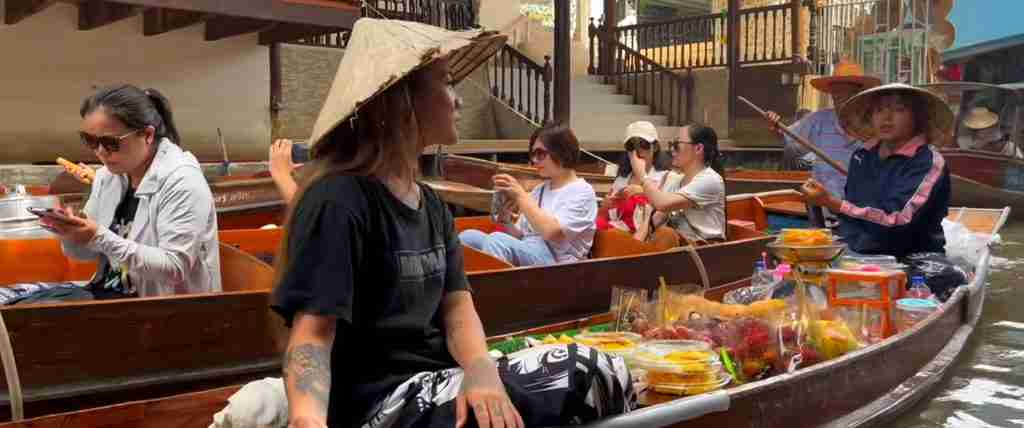
3 days
Bangkok 3-Day Discovery Tour
- ✓ Comprehensive Bangkok experience
- ✓ Expert local guides included
- ✓ All accommodation included
- ✓ Transportation provided
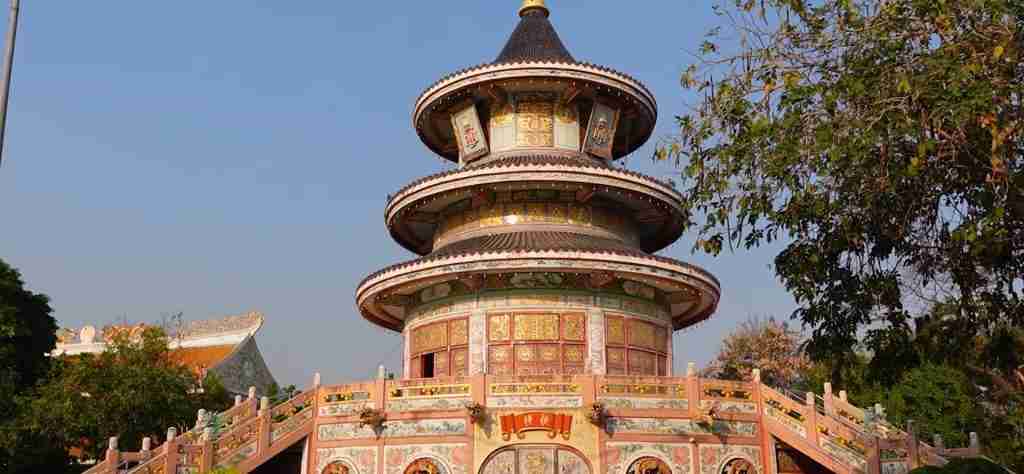
5 days
Bangkok 5-Day Highlights Experience
- ✓ Comprehensive Bangkok experience
- ✓ Expert local guides included
- ✓ All accommodation included
- ✓ Transportation provided
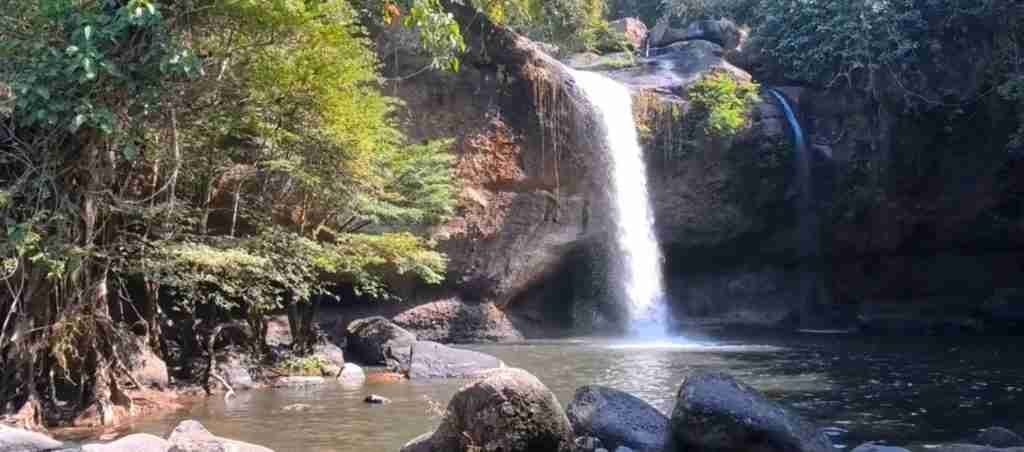
7 days
Bangkok 7-Day Cultural Journey
- ✓ Comprehensive Bangkok experience
- ✓ Expert local guides included
- ✓ All accommodation included
- ✓ Transportation provided
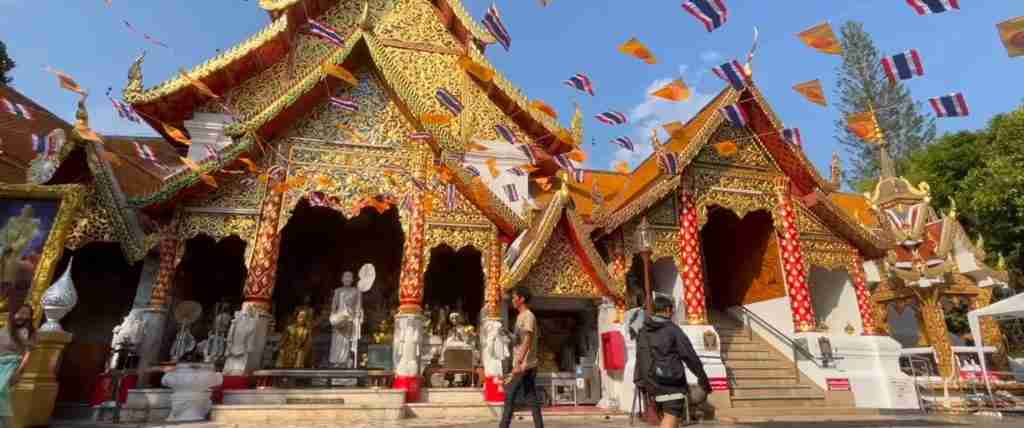
10 days
Bangkok 10-Day Complete Adventure
- ✓ Comprehensive Bangkok experience
- ✓ Expert local guides included
- ✓ All accommodation included
- ✓ Transportation provided
Multi-day tour packages powered by TourRadar. Prices and availability subject to change.
Essential Planning Information 2026
Pre-Departure Preparations for 2026
Visa Requirements: Citizens of 93 countries receive 60-day visa exemption stamps at Bangkok airports, eliminating visa costs and paperwork for tourism visits under two months. Check Thailand embassy websites for your nationality’s specific requirements, as some countries require visas in advance. Visa exemptions can be extended once for 30 additional days at immigration offices for 1,900 baht.
Travel Insurance: Comprehensive travel insurance is mandatory for Thailand entry as of 2024 regulations. Coverage must include medical expenses minimum $50,000, COVID-19 treatment, and emergency evacuation. Policies cost $40-120 for two-week trips depending on age and coverage level (check World Nomads, SafetyWing, or similar providers for current rates). Insurance documents may be checked at immigration, so carry printed copies and digital backups.
Health Preparations: Schedule travel health clinic visits 4-6 weeks before departure for recommended vaccinations. Stock your travel health kit with anti-diarrheal medication (Imodium), oral rehydration salts, antihistamines for allergic reactions, pain relievers (ibuprofen, acetaminophen), antiseptic cream, bandages, insect repellent with 30%+ DEET, and any prescription medications in original containers with doctor’s notes for customs.
Financial Preparations: Notify banks of Thailand travel dates to prevent fraud blocks on your cards. Verify your credit/debit cards work internationally and understand foreign transaction fees. Bring at least two different cards from separate accounts in case one fails. Download banking apps before departure as some require your home country for installation. Consider travel credit cards offering no foreign transaction fees and travel insurance benefits.
Document Organization: Create digital copies of passport, visas, travel insurance, vaccination records, credit cards, and travel bookings stored in cloud services (Google Drive, Dropbox) accessible from any device. Email copies to yourself as backup. Carry printed copies separately from originals. Photograph important documents with your phone for quick access. Register with your embassy’s traveler program for emergency assistance.
Phone & Communication Setup: Unlock your phone before departure if currently carrier-locked. Download essential apps before arrival: Google Maps (download Bangkok offline), Google Translate (download Thai language offline), Grab (Southeast Asian Uber equivalent), Wise (money transfer/spending), and your hotel’s app if available. Learn basic Thai phrases even if you won’t use them – locals appreciate effort greatly.
Arrival Procedures at Bangkok Airports 2026
Suvarnabhumi Airport (BKK): Thailand’s main international gateway processes 65 million passengers annually with efficient immigration and customs procedures. Immigration queues take 20-45 minutes during peak hours (morning arrivals 6-10 AM, evening arrivals 6-10 PM) and 10-20 minutes during off-peak times. E-gates speed processing for some nationalities with biometric passports.
After immigration, collect luggage and proceed through customs green channel (nothing to declare) or red channel (declarables). Currency limits: carry maximum 450,000 baht or $20,000 equivalent without declaration. Exceeding these amounts requires declaration forms. Prohibited items include e-cigarettes (illegal in Thailand with heavy fines), vaping devices, narcotics, weapons, and pornography.
Airport rail link connects Suvarnabhumi to downtown Bangkok in 30 minutes for 45 baht ($1.30), running 6 AM to midnight with trains every 15 minutes. Public taxis from official rank on Level 1 cost 250-400 baht plus 50 baht airport surcharge and tollway fees if used (recommended for speed). Ride-hailing apps like Grab pick up from Level 4 parking area, costing 300-450 baht to central Bangkok depending on traffic and surge pricing.
Don Mueang Airport (DMK): Bangkok’s secondary airport serves mainly budget airlines and domestic flights. Smaller and less crowded than Suvarnabhumi, immigration processing takes 15-30 minutes. Airport bus A1 connects to BTS Mo Chit station (30 baht, 30-40 minutes), or take official airport taxis (200-350 baht to central Bangkok plus expressway tolls).
Immigration Tips: Have printed accommodation confirmations ready as immigration may request proof of lodging. Prepare proof of onward travel (return flight or exit ticket from Thailand) though rarely checked. Keep 20,000 baht cash equivalent accessible in case immigration requests proof of funds (rarely enforced but legally required). Answer immigration questions briefly and politely – typical questions include visit purpose, accommodation location, and stay duration.
First Steps After Arrival: Purchase Thai SIM card immediately at airport shops (AIS, DTAC, TrueMove counters) with tourist packages 299-599 baht for 15-30 days unlimited data. Exchange small amount of cash (2,000-3,000 baht) at airport for immediate expenses – rates are slightly worse than city exchange booths but convenient for taxis and initial needs. Airport exchange counters open 24 hours. Save major currency exchange for better rates at SuperRich or other city exchange services.
Safety and Security Tips 2026
Personal Safety Strategies for 2026
Accommodation Security: Use hotel safes for passports (carry copies instead), excess cash, jewelry, and electronics when exploring. Major hotels provide room safes free of charge. If no safe available, request front desk security deposit boxes. Never leave valuables visible in rooms even with door locked. Budget hostels and guesthouses vary in security quality – read recent reviews about theft incidents and locker reliability before booking.
Choose accommodations in well-traveled areas like Sukhumvit, Silom, or riverside districts rather than isolated locations. Ground floor rooms face higher theft risk – request upper floors when possible. Use door chains and check door locks function properly. Place “do not disturb” signs when leaving to discourage unauthorized entry. Report any security concerns to hotel management immediately.
Street Awareness: Tourist-heavy areas like Khao San Road, Pratunam Market, and Chatuchak Weekend Market attract pickpockets. Keep bags in front, wear backpacks on your chest in crowds, and avoid putting phones or wallets in back pockets. Motorcycle drive-by bag snatching occurs on quiet streets – carry bags on the side away from the road and maintain awareness of approaching motorcycles.
Be cautious at ATMs – shield PIN entry, check for skimming devices (loose card readers or unusual attachments), use machines inside banks during business hours when possible, and count cash before leaving. Avoid isolated ATMs late at night. Street con artists operate around major tourist sites offering unsolicited help, friendship bracelets, bird seed feeding, or fake charity donations – politely decline and walk away.
Transportation Safety: Use official transportation exclusively. Official taxis are bright yellow-green or various colors with working meters and taxi roof signs. Insist on meter usage – starting fare is 35 baht. If driver refuses meter, exit and find another taxi. Screenshot Grab ride details (driver photo, license plate, route) before entering vehicle. Avoid motorcycle taxis unless experienced with chaotic Bangkok traffic.
BTS and MRT systems are safe with CCTV coverage and security personnel. During rush hours (7-9 AM, 5-7 PM), guard against pickpockets on crowded trains. Stand near train operators’ compartments on empty platforms late at night. Canal boats (Khlong Saen Saep) are safe but very crowded during commute times – protect bags from water splashes and watch for pickpockets.
Nightlife Safety: Bangkok’s nightlife is generally safe in established entertainment districts (Sukhumvit Soi 11, RCA, Thonglor). Stick to reputable venues, never accept drinks from strangers, watch bartenders prepare your drinks, and keep your drink in sight at all times. Drink spiking is rare but possible. Travel in groups after midnight, use official taxis or Grab rather than walking, and avoid unlicensed taxis clustering outside clubs.
Solo female travelers should be extra cautious late at night – stick to well-lit streets, avoid isolated areas, and trust your instincts if situations feel uncomfortable. Lady drink scams occur in some tourist bars where attractive women invite tourists to buy overpriced drinks – politely decline if approached. Ping-pong show touts and go-go bar promoters can be aggressive – firmly say no and walk away.
Scam Awareness: Common Bangkok scams include: Grand Palace “closed today” scams where touts redirect tourists to overpriced gem shops or boat tours; gem scams promising export profits on purchased gems (always fraudulent); unmetered taxis quoting fixed high prices; tuk-tuk rides to “special price today” tailor shops earning driver commissions; helpful strangers offering directions then guiding to shops; and jet-ski rental damage scams (rare in Bangkok, common at beaches).
Avoid anyone approaching you unsolicited with helpful advice, special offers, or urgent warnings. Verify information from official sources – if someone claims major attractions are closed, check on your phone or walk to the entrance yourself. If something seems too good to be true (special promotions, amazing deals), it definitely is. Trust official channels – tourism police hotline 1155 provides assistance in English.
Health and Medical Safety 2026
Tropical Climate Management: Bangkok’s heat and humidity cause dehydration quickly. Drink 3-4 liters of water daily, carry water bottles everywhere, and recognize dehydration symptoms (dizziness, headache, dark urine, fatigue). Avoid excessive alcohol in heat – one beer dehydrates equivalent to two glasses of water. Take breaks in air-conditioned spaces every 2-3 hours during midday heat (11 AM – 3 PM).
Wear sunscreen SPF 50+ reapplied every 2 hours, especially after sweating. UV radiation is intense year-round in tropical latitudes. Cover shoulders with light long sleeves if sensitive to sun. Heat exhaustion symptoms include nausea, confusion, rapid heartbeat, and clammy skin – seek shade, drink water, and rest immediately. Severe cases require medical attention.
Food Safety Practices: Bangkok street food is generally safe when following guidelines: eat at busy vendors with high turnover ensuring fresh ingredients, watch food preparation for cleanliness, avoid pre-cut fruit sitting at room temperature for hours, choose fully cooked foods over raw items initially, and observe if locals eat there (strong indicator of safety).
Start with mild spice levels even if you enjoy spicy food – Thai spice is significantly hotter than most countries. Build tolerance gradually. Avoid ice in street vendor drinks for first few days until your stomach adjusts (major hotels and restaurants use filtered water ice). Bottled water costs 7-15 baht everywhere – never drink tap water even for brushing teeth in budget accommodations.
Medical Facilities: Bangkok hospitals rank among Asia’s best with English-speaking doctors and international standards. Major private hospitals include Bumrungrad International Hospital (probably Thailand’s most famous international hospital), Bangkok Hospital, Samitivej Hospital, and BNH Hospital. Credit cards and travel insurance accepted with direct billing arrangements for many policies. Consultation fees start around 1,500-3,000 baht ($43-86), considerably cheaper than Western countries but higher than Thai public hospitals.
Pharmacies (identified by green cross signs) operate everywhere with extended hours. Many prescription medications available over-counter without prescriptions, though you should know what you’re requesting. Pharmacists speak basic English in tourist areas. Bring prescription labels or medication names written clearly. Antibiotics, pain medication, allergy medicine, and digestive remedies widely available at low costs.
Common Health Issues: Travelers’ diarrhea affects 30-50% of visitors from dietary changes and different bacteria. Pack anti-diarrheal medication, oral rehydration salts, and probiotics. Rest, stay hydrated, and avoid dairy products. Seek medical attention if symptoms include blood in stool, high fever, or severe dehydration.
Mosquito-borne diseases include dengue fever (present year-round) but not malaria in Bangkok urban areas. Use insect repellent with 30%+ DEET, especially during dawn and dusk feeding times. Wear long sleeves and pants in parks or outdoor evening activities. Dengue symptoms include sudden high fever, severe headache, pain behind eyes, and joint pain – seek immediate medical attention as it worsens rapidly without treatment.
Air pollution varies seasonally – worst during burning season (February-April). Check air quality apps (AirVisual, IQAir) and wear N95 masks on unhealthy days (AQI above 150). Air conditioning filters most pollution indoors. Respiratory issues, allergies, and asthma sufferers should bring prescribed medications.
Cultural Etiquette and Customs 2026
Essential Cultural Behaviors for 2026
Royal Family Respect: Thai people revere their monarchy deeply, and disrespecting royal family is illegal under lèse-majesté laws with severe penalties including imprisonment. Stand respectfully during royal anthem played before movies, stay silent during 8 AM and 6 PM national anthem broadcasts, never joke about or criticize royal family members, and treat any images of royals with respect. Avoid stepping on Thai currency (features King’s image), and don’t write on or tear money.
Buddhist Protocols: Buddhism shapes Thai culture profoundly. Remove shoes before entering any temple (look for shoe racks or others’ shoes as indicators). Dress modestly – cover shoulders and knees with no sheer fabrics or tight clothing. Women cannot touch monks or hand items directly to monks (place items on cloth for monks to retrieve). Sit with feet tucked beside or behind you, never pointing feet toward Buddha images or monks.
Buddha images are sacred regardless of size, condition, or location – never climb on Buddha statues for photos, touch Buddha heads, or pose disrespectfully near Buddha images. Take photos respectfully without turning your back to Buddha. Don’t buy Buddha head souvenirs (culturally offensive and illegal to export complete Buddha images). Speak quietly in temples and observe if worship services are in progress before entering main halls.
Body Language and Gestures: The head is considered most sacred body part, feet the lowest and dirtiest. Never touch anyone’s head (including children affectionately), never point feet at people or religious objects, and don’t step over people or their belongings (walk around instead). Sit properly in temples with feet tucked beside or behind you, and remove shoes when sitting on floor cushions in restaurants or homes.
The “wai” greeting (hands pressed together at chest with slight bow) is traditional Thai greeting. Learn to wai appropriately: equal status wai at chest level, respect elders with wai at nose level, and save forehead-level wais for royalty and monks. Service workers (waiters, shop clerks) don’t require wais – smile and nod instead. Return wais from equals and elders, but you don’t need to wai children, service staff, or street vendors.
Public Behavior: Thais value calm, polite interaction. Never raise your voice, show anger, or lose your temper publicly (called “losing face” – highly embarrassing). Smile when dealing with problems or disagreements – aggressive behavior yields worse results than patient politeness. Public displays of affection beyond hand-holding are culturally inappropriate. Pointing with index finger is rude – gesture with full hand instead or nod direction with chin.
Dress modestly beyond temples – beachwear, tank tops, and short shorts are fine at pools and tourist areas but inappropriate in traditional neighborhoods or government buildings. Cover up when traveling on BTS/MRT or visiting local markets. Thais dress conservatively despite hot weather, though younger generations in modern Bangkok dress more casually.
Social Interaction: Thais are indirect communicators. “Maybe” often means “no” said politely. “Yes” sometimes means “I heard you” not “I agree.” Ask questions different ways to ensure understanding. Thais smile frequently – it’s cultural norm for politeness and can indicate happiness, embarrassment, confusion, or disagrement. Learn to distinguish smile contexts.
Personal space differs from Western norms – Thais stand closer during conversations, especially in crowded places. Don’t be offended by questions about age, marital status, or income (common conversation starters). Thais appreciate attempts at Thai language even if pronunciation is terrible – learn basic phrases like “hello” (sawasdee krap/ka), “thank you” (khop khun krap/ka), and “delicious” (aroi).
Temple Visiting Guidelines 2026
Dress Code Requirements: All temples enforce strict dress codes. Cover shoulders with sleeves or scarves (no tank tops, spaghetti straps, or strapless tops), cover knees with pants or long skirts (no shorts, short skirts, or leggings treated as tights), avoid sheer or see-through fabrics, and wear modest clothing (no plunging necklines or revealing outfits). Ripped jeans are acceptable if knees are covered. Fisherman pants sold everywhere make perfect temple wear.
Grand Palace enforces strictest dress code with guards refusing entry for violations. Rental clothing available at entrance (200 baht deposit, 100-200 baht rental depending on item) but selections are limited and may be unflattering. Come prepared to avoid hassle. Wat Pho and Wat Arun also enforce codes but slightly more relaxed. Neighborhood temples vary – smaller temples may allow more casual dress but show respect regardless of enforcement.
Behavior Inside Temples: Remove shoes before entering any temple building (leave in provided racks or carry in bags). Walk around Buddha images clockwise in hall circuits. Sit properly with feet tucked to side or behind, never with legs extended toward Buddha. Speak quietly and turn off phone ringers. Don’t eat, drink, or chew gum inside temple halls.
Photography is allowed in most temples except where signs prohibit it. Don’t use flash near ancient artwork or murals (causes deterioration). Don’t pose disrespectfully with Buddha images – no peace signs, no turning backs to Buddha, no climbing on statues. If monks are present, maintain respectful distance and quiet behavior. Women must avoid all physical contact with monks.
Temple Etiquette for Women: Women cannot touch monks, hand items directly to monks, or sit next to monks on public transportation. If offering something to a monk, place it on a cloth or surface for them to retrieve. Keep respectful distance from monks. During temple visits, some inner sanctuaries are restricted to men only – respect signage. Women should dress especially conservatively – cover shoulders and knees without exception.
Money Management Strategies 2026
Currency and Banking 2026
Thai Baht Overview: Thai currency (฿ or THB) consists of coins (1, 2, 5, 10 baht) and notes (20, 50, 100, 500, 1,000 baht). Exchange rate fluctuates around 35-37 baht per USD, 40-42 baht per EUR, though rates vary daily. Check XE.com or similar apps for current rates. Carry small bills (20, 50, 100 baht) for street vendors, taxis, and small shops – breaking 1,000 baht notes at street stalls creates problems as vendors lack change.
Currency Exchange Options: SuperRich (orange and green locations – separate companies) offers Bangkok’s best exchange rates with branches at airports, BTS stations, and major tourist areas. No commission fees with rates posted clearly. Bring clean, unmarked bills in good condition – damaged or marked bills receive lower rates or rejection. Exchange larger amounts less frequently since rates are better than frequent small exchanges.
Airport exchange counters offer convenience but rates 2-3% worse than city exchangers. Exchange small amounts (2,000-3,000 baht) at airports for immediate needs, then exchange larger amounts at SuperRich or other city exchangers. Hotel exchange rates are worst option – avoid except emergencies. Banks exchange currency with decent rates but require passport presentation and charge small service fees.
ATM Usage Strategy: ATMs are everywhere in Bangkok with English language options. International card withdrawal fees are 220 baht ($6-7) per transaction charged by Thai banks, plus your home bank’s international fees (varies by institution). Minimize fee impact by withdrawing maximum amounts less frequently – most ATMs dispense up to 20,000-30,000 baht per transaction depending on machine and card limits.
Notify your bank of Thailand travel dates before departure to prevent fraud blocks. Use ATMs inside banks during business hours for security and immediate assistance if card gets retained. Cover PIN entry with your hand to prevent shoulder surfing. Check for skimming devices before inserting card (loose card readers, unusual attachments, hidden cameras). Don’t accept “help” from strangers at ATMs.
Credit Card Acceptance: Major hotels, restaurants, shopping malls, and tour operators accept Visa and Mastercard widely. American Express and Discover have limited acceptance. Street vendors, small restaurants, local markets, taxis, and tuk-tuks require cash exclusively. Budget accommodations and neighborhood restaurants may not accept cards or charge 3-5% credit card surcharges.
Use credit cards for major purchases to avoid carrying large cash amounts, get better exchange rates than cash exchange, and build fraud protection. Notify card issuers of travel dates. Bring at least two different cards from separate accounts in case one gets blocked, lost, or stolen. Check foreign transaction fees – some cards charge 1-3% per transaction while others offer no foreign fees.
Daily Budget Management 2026
Cash Carrying Strategy: Carry 1,500-3,000 baht ($43-86) daily for typical tourist activities including street food, market shopping, and local transportation. Keep larger emergency cash (2,000-3,000 baht) separate in hotel safe or hidden pocket. Split cash between wallet, hotel safe, and backup locations – never carry all money together.
Use money belts or hidden pockets for emergency cash, passport copies, and backup cards. Front pockets are safer than back pockets or purses in crowded areas. Consider leaving some money, extra cards, and passport copy in hotel safe daily. Carry only what you need for the day’s activities.
Tipping Practices: Tipping is appreciated but not mandatory in Thailand. Restaurants: leave 10-20 baht per person at casual restaurants, 10% at nicer establishments where no service charge is included (check bills – some add 10% service charge automatically). Taxis: round up to nearest 5-10 baht or keep small change. Massage: tip 50-100 baht per hour depending on service quality. Tour guides: tip 200-500 baht per day depending on group size and tour quality. Hotel porters: tip 20-40 baht per bag.
Bargaining Guidelines: Bargaining is expected at markets (Chatuchak, Pratunam, street markets) but not at malls, restaurants, or convenience stores. Start at 40-50% of asking price and negotiate upward. Good-natured bargaining with smiles works better than aggressive haggling. If seller won’t meet your price, walk away – they’ll often call you back with better offer. Know fair prices by checking multiple vendors before buying.
Don’t bargain at food stalls (prices are already cheap), taxis with meters running (prices are fixed), or 7-Eleven (fixed prices). Tuk-tuks require price negotiation BEFORE riding – confirm final price clearly and consider whether price is worth the experience versus metered taxi. Massage shops have posted prices but may offer small discounts for multiple hours or group bookings.
Transportation Navigation 2026
Public Transportation Systems 2026
BTS Skytrain: Elevated train system covers major tourist areas along Sukhumvit and Silom lines. Trains run 6 AM to midnight with 3-8 minute intervals during peak hours, longer waits during off-peak. Fares range 17-59 baht depending on distance. Buy single journey tickets at station machines (accept coins and 20, 50, 100 baht notes) or purchase Rabbit Card (reloadable card) for 200 baht (includes 50 baht deposit, 150 baht credit).
Rabbit Cards save time at ticket machines and work on BTS only (not MRT). Load cards at any station ticket office or 7-Eleven stores. Cards never expire and work at some shopping malls and vendors for payments. Peak hours (7-9 AM, 5-7 PM) are extremely crowded – expect packed trains and platform queues. Air conditioning is powerful – bring light jacket if cold-sensitive.
MRT Subway: Underground metro system serves different areas than BTS with Blue and Purple lines. Runs 6 AM to midnight with 5-10 minute intervals. Fares range 17-43 baht depending on distance. Purchase tokens from machines (accept coins and 20, 50, 100 baht notes) or use stored value cards. MRT and BTS are separate systems requiring separate tickets or cards despite some interchange stations.
Airport Rail Link: Express train from Suvarnabhumi Airport to city center (Phaya Thai) in 18-30 minutes for 45 baht. Runs 6 AM to midnight with 15-minute intervals. Express trains skip intermediate stations (30 baht, 18 minutes), while stopping trains make all stations (15-45 baht depending on distance, 30 minutes). Connects to BTS at Phaya Thai and MRT at Makkasan. Spacious trains accommodate luggage easily.
Khlong Saen Saep Canal Boat: Unique Bangkok transport along historic canals. Runs 5:30 AM to 8 PM on weekdays, shorter hours weekends. Fares 10-20 baht depending on distance. Extremely crowded during rush hours with minimal space for luggage. Boats splash water when departing – keep bags away from edges. Useful for Golden Mount, Jim Thompson House, and avoiding street traffic. Pay conductor on board after seated.
Public Buses: Extensive bus network covering entire Bangkok with confusing route system for tourists. Fares 8-24 baht depending on bus type and distance. Non-air-conditioned buses cost 8-10 baht, air-conditioned buses 12-24 baht. Pay conductor on board. Google Maps shows bus routes and real-time tracking. Buses face heavy traffic congestion during peak hours. Consider buses only if BTS/MRT don’t serve your destination.
Private Transportation Options 2026
Metered Taxis: Official taxis are bright yellow-green or various colors with working meters and illuminated “TAXI” roof signs. Starting fare is 35 baht with increments every 2 baht for first 10 km based on distance and time. Typical fares: airport to Sukhumvit 250-350 baht (25-40 minutes), Sukhumvit to Grand Palace 120-180 baht (15-30 minutes depending on traffic).
Always insist on meter usage – “meter, please” or “meter na krap/ka.” If driver refuses meter, exit and find another taxi. Drivers may not know all locations – have address written in Thai or show on phone map. Expressway tolls (40-75 baht) are passenger’s responsibility – pay cash directly at toll booths when requested. Carry small bills as drivers may lack change for 500 or 1,000 baht notes.
Taxi availability varies – easy to find in tourist areas and major roads, difficult during rain or rush hours. Hotel taxi services are reliable but cost 20-50 baht more than street taxis. Avoid taxis parked at tourist attractions or hotels offering “special” fixed prices – walk to main road and hail passing taxis instead. Grab app provides alternative when street taxis refuse destinations.
Grab Ride-Hailing: Download Grab app (Southeast Asian Uber equivalent) before arrival. Requires phone number verification and payment method (credit card or cash). Rides cost 80-150 baht for short trips, 200-400 baht for longer journeys depending on distance, traffic, and surge pricing. JustGrab option offers either taxi or private car at lowest available price.
Benefits include: price shown before booking (no meter disputes), driver tracking and ratings, payment via app (no cash needed), English interface, and accountability through ride records. Pickup locations can be tricky – use pin drops precisely and call drivers if needed (app provides translation). Surge pricing during peak hours and rain increases costs 1.5-2x normal rates.
Tuk-Tuks: Iconic three-wheeled vehicles offer tourist experience but rarely cost-effective transport. No meters – negotiate fixed price BEFORE riding. Short rides (5-10 minutes) should cost 60-100 baht, longer rides 100-200 baht depending on distance and traffic. Drivers often quote 150-300 baht initially – negotiate down or compare with metered taxi costs.
Tuk-tuks are slower than taxis in traffic, expose riders to pollution and heat, and offer less safety than enclosed vehicles. Consider them for short trips or tourist experience rather than practical transport. Beware commission scams where drivers offer cheap rides then pressure passengers into visiting shops, tailors, or gem stores. Agree on destination and direct route before departing.
Motorcycle Taxis: Orange vest-wearing motorcycle taxi drivers cluster at street corners and sois (side streets). Fast for short distances through traffic. Fares 20-60 baht for local trips within neighborhoods. Negotiate price before riding. Only recommended for experienced riders comfortable with chaotic traffic – drivers weave through traffic at high speeds. Helmets provided but quality varies. Not suitable for elderly, children, or those carrying luggage.
Communication Strategies 2026
Mobile Connectivity 2026
SIM Card Options: Tourist SIM cards from three major carriers (AIS, DTAC, TrueMove) offer 15-30 day packages with unlimited data for 299-599 baht depending on duration and data speed. Purchase at airport arrival halls (open 24 hours), 7-Eleven stores everywhere, or carrier shops in malls. Bring passport as registration is legally required. Staff will install and activate SIM cards.
AIS and DTAC provide better coverage in tourist areas with faster data speeds. TrueMove offers cheapest packages with acceptable coverage in cities. Most tourist packages include unlimited social media apps (Facebook, Instagram, WhatsApp, Line) not counting toward data caps. Packages also include domestic calling minutes (50-100 minutes) and international calling credits (50-200 baht value).
Check your phone is unlocked before arrival – locked phones can’t use Thai SIM cards. Most modern smartphones support Thai frequency bands. Top-up credit at 7-Eleven stores, carrier shops, or through banking apps. Data speeds throttle to 512 kbps after daily limits (typically 2-10 GB per day) on unlimited plans but remain usable for messaging and maps.
WiFi Availability: Free WiFi is ubiquitous at hotels, restaurants, cafes, shopping malls, and many public spaces. Quality varies from excellent in hotels and malls to poor in budget guesthouses. Starbucks, McDonald’s, and major chain restaurants offer reliable free WiFi. Airport WiFi requires passport registration at information desks.
Using VPN is advisable for public WiFi security, especially when accessing banking apps or sensitive information. Download VPN apps before arrival as some require home country access for installation. Avoid financial transactions on public WiFi without VPN protection. WiFi passwords are usually posted on walls or available from staff – say “WiFi password please” and they’ll understand.
Language Communication 2026
English Language Reality: English proficiency varies widely. Tourist areas (hotels, restaurants, attractions) have English-speaking staff. Local neighborhoods, markets, street vendors, and taxi drivers often speak minimal English. Young Thais generally speak more English than older generations. Shopping mall staff and modern restaurant servers speak conversational English.
Communication challenges decrease with preparation. Download Google Translate app with Thai language for offline use before arrival. Show written Thai addresses or names to taxi drivers and tuk-tuk drivers rather than speaking. Use photos from menus or phones to indicate food preferences. Hand gestures and smiles communicate surprisingly well. Thai people are patient and helpful with communication difficulties.
Essential Thai Phrases: Learning basic phrases creates positive interactions. “Sawasdee krap/ka” (hello), “khop khun krap/ka” (thank you), “chai/mai chai” (yes/no), “aroi” (delicious), “tao rai” (how much), “ow nee/nee” (I want this), and “suay/suay mak” (beautiful). Men end phrases with “krap,” women with “ka.” Pronunciation is tonal but Thais appreciate attempts even with terrible accents.
Download translation apps, save key phrases in phone notes, or carry pocket phrasebooks. Point to written Thai when ordering food or communicating needs. Many restaurants have English menus or picture menus. Learn to recognize Thai numerals for reading prices: ๐ ๑ ๒ ๓ ๔ ๕ ๖ ๗ ๘ ๙ (0-9).
Cultural Communication Tips: Thais communicate indirectly. “Maybe” often means “no” politely. Silence during conversations is normal processing time, not rudeness. Smiling defuses problems better than arguing. Speaking slowly and clearly (not loudly) helps with English communication. Avoid slang, idioms, or complex sentence structures. Use simple vocabulary and short sentences.
Seasonal Planning Advice 2026
Climate and Weather Considerations 2026
Hot Season (March-May): Bangkok’s hottest months with temperatures 32-38°C (90-100°F) and high humidity making it feel hotter. Heat index often exceeds 40°C (104°F) during peak afternoon hours. Sudden thunderstorms provide brief cooling in late afternoons. This is also burning season with air pollution worsening from agricultural fires in northern Thailand affecting Bangkok air quality.
Heat season strategies: schedule indoor activities during peak heat (11 AM – 3 PM), take frequent air-conditioned breaks, drink 4+ liters water daily, wear light-colored loose clothing, apply sunscreen hourly, and consider sunrise or sunset temple visits instead of midday. Book accommodations with good air conditioning as ceiling fans are insufficient. Use ride-hailing apps to minimize walking in heat.
Rainy Season (June-October): Monsoon season brings heavy afternoon thunderstorms typically 2-5 PM lasting 1-2 hours. Mornings are often sunny and humid with afternoon rains clearing by evening. Average rainfall increases gradually through season peaking September-October. Flooding can affect low-lying areas during heavy rain but major tourist sites remain accessible. Temperatures moderate to 28-34°C (82-93°F) with high humidity.
Rainy season strategies: pack lightweight rain jacket or compact umbrella, wear sandals or water-resistant shoes, plan outdoor activities for mornings, embrace afternoon breaks during rain for indoor attractions or massage, and check weather apps for timing. Accommodation prices drop 30-40% in rainy season with fewer tourists. Street food vendors may close during heavy rain but restaurants and malls remain open.
Cool Season (November-February): Bangkok’s most pleasant weather with temperatures 26-32°C (79-90°F), lower humidity, and minimal rain. December-January are coolest months though still warm by temperate climate standards. Mornings feel comfortable with evenings sometimes requiring light layers. This is peak tourist season with highest hotel prices, crowded attractions, and advance booking requirements for popular restaurants and hotels.
Cool season is optimal for first-time visitors, temple touring, walking exploration, and outdoor activities. Book accommodations and tours well in advance (2-3 months) as availability tightens. December and Chinese New Year (February) are busiest with premium pricing. November and late February offer shoulder season advantages – good weather with lower crowds and prices than peak months.
Festival and Holiday Planning 2026
Major Festivals Affecting Travel: Songkran (Thai New Year, April 13-15) is massive nationwide water festival with street water fights, temple visits, and family celebrations. Bangkok becomes one giant water battle with virtually impossible normal sightseeing. Transportation is crowded, many businesses close, and accommodation prices surge. Either embrace the festival or avoid Bangkok entirely during Songkran.
Loy Krathong (November, dates vary by lunar calendar) is beautiful floating basket festival on waterways. Spectacular celebrations at Chao Phraya River with fireworks, floating lanterns, and cultural performances. Book riverside accommodations early. Chinese New Year (late January-February) brings major celebrations in Bangkok’s Chinatown with parades, decorations, and street closures. Accommodation prices peak and attractions are crowded.
Public Holidays: Thailand observes 14+ public holidays annually. Banks, government offices, and some businesses close on public holidays while tourist attractions, restaurants, and most hotels remain open. Alcohol sales are restricted on Buddhist holidays (prohibited at bars/restaurants though hotels may serve guests). Major holidays include King’s Birthday, Queen’s Birthday, Chakri Day, and Constitution Day. Check holiday calendars when planning as some dates shift annually.
Emergency Preparedness 2026
Emergency Contact Information 2026
Emergency Services: Tourist Police: 1155 (English-speaking, 24/7, specifically trained for tourist assistance), General Police: 191, Fire: 199, Ambulance: 1669 or 1646 (Bangkok-specific), Medical Emergency: 1669 (free emergency medical response). Save these numbers in your phone before arrival. Tourist Police provide translations, mediation, and assistance with various tourist problems including scams, theft, overcharging, and legal issues.
Embassy Information: Register with your country’s embassy traveler program before arrival. Save embassy phone numbers and addresses in phone contacts. Major embassies cluster near BTS stations for easy access. Embassy staff assist with lost passports, legal issues, emergency evacuations, and serious incidents. Many embassies provide consular services during business hours only with emergency numbers for after-hours crises.
Medical Emergencies: Major international hospitals (Bumrungrad, Bangkok Hospital, Samitivej) have 24/7 English-speaking emergency departments. Call hospital directly for ambulance services (often faster and better equipped than public ambulances). Bring insurance cards and passport to emergency rooms. Credit cards accepted for immediate treatment with insurance claims processed later. Most travel insurance policies require 24-hour notification of hospitalizations.
Common Emergency Scenarios 2026
Lost or Stolen Passport: Report theft to Tourist Police (1155) immediately and obtain police report. Contact your embassy for emergency passport or travel document (typically issued within 1-3 days with appointment). Bring passport photos and proof of citizenship if available. Police reports are required for insurance claims. Scan and email passport copy to yourself before travel for emergency reference.
Lost Bank Cards: Call card issuer’s international emergency number immediately (save numbers before travel). Report cards stolen to freeze accounts and prevent fraudulent charges. Have secondary payment methods available. Western Union or similar services provide emergency money transfers from home contacts if all cards are lost. Keep emergency USD cash separate from daily money.
Medical Emergencies: Call hotel front desk first for medical emergencies in accommodations – they can arrange ambulances and provide translations. For serious emergencies, call 1669 for ambulance or go directly to nearest major hospital emergency room via taxi (usually faster than waiting for ambulance in Bangkok traffic). Call insurance company within 24 hours of hospitalization. Keep all medical receipts, prescriptions, and documentation for insurance claims.
Accommodation Considerations 2026
Choosing Safe Accommodations 2026
Location Safety Assessment: Sukhumvit (Soi 11-63), Silom, Riverside, and Siam areas offer safe, well-lit neighborhoods with good public transportation access. Avoid isolated locations far from BTS/MRT stations unless specific purpose (like riverside boutique hotels). Read recent reviews specifically mentioning safety, theft incidents, or security concerns. Budget accommodations in Khao San Road are safe but can be noisy with party atmosphere – not ideal for families or quiet seekers.
Security Features to Verify: Request rooms with working room safes large enough for laptops and valuable electronics. Check door locks, chains, and peepholes function properly. Ground floor rooms face higher security risks – request upper floors (but below 10th floor for emergency evacuation accessibility). Ask about 24-hour front desk coverage and CCTV in hallways. Avoid accommodations with open-access buildings lacking entry security.
Shopping and Souvenirs 2026
Market Shopping Tips 2026
Chatuchak Weekend Market: Massive 15,000+ stall market operating Saturdays and Sundays 9 AM – 6 PM. Arrive early (9-10 AM) to avoid afternoon heat and crowds. Bring small bills for vendors (20, 50, 100 baht notes), wear comfortable shoes, carry water, and expect to get lost in maze-like layout. Bargaining is expected – start 40-50% of asking price. Fixed-price items are clearly marked. Pickpockets target crowded sections – secure valuables.
Night Markets: Multiple night markets operate including Asiatique Riverfront, Train Night Market Ratchada, and Talad Rod Fai. Opening times vary (typically 5-6 PM onwards). Less bargaining pressure than day markets but still negotiate politely. Food sections offer excellent street food at reasonable prices. Night markets are crowded – watch belongings and stick to well-lit areas.
Sustainable Tourism Practices 2026
Responsible Travel Behaviors 2026
Environmental Consciousness: Carry reusable water bottle – most hotels and some public spaces offer filtered water refills. Refuse single-use plastic bags at shops and markets (bring cloth bags). Avoid plastic straws at restaurants. Support businesses using sustainable practices. Never litter – dispose of trash properly in bins. Respect wildlife and natural environments during tours – don’t feed animals or touch coral when snorkeling.
Supporting Local Economy: Choose locally-owned restaurants and shops over international chains when possible. Buy authentic Thai products from craftspeople rather than mass-produced souvenirs. Hire licensed local tour guides who explain cultural context and history. Use local transportation services. Respect fair pricing – extremely low prices often exploit workers. Small tips for service workers make significant difference in their income.
Cultural Preservation: Follow temple etiquette strictly to preserve sacred spaces. Ask permission before photographing locals, especially monks and ethnic minorities. Don’t touch or remove historical artifacts or structures. Support authentic cultural performances rather than exploitative “shows.” Learn about Thai culture beyond tourist experiences. Respect local customs even when locals don’t enforce them – you’re a guest in their country.
FAQ Section
Is it safe to drink tap water in Bangkok?
No, don’t drink tap water in Bangkok or anywhere in Thailand. Tap water doesn’t meet international drinking standards and causes stomach problems for visitors unaccustomed to local bacteria. Bottled water costs 7-15 baht everywhere including 7-Eleven stores, restaurants, and street vendors. Hotels provide complimentary bottled water daily. Use bottled water even for brushing teeth in budget accommodations. Ice at major hotels and restaurants is safe (made from filtered water) but avoid ice at street vendors during your first few days.
What should I wear to temples in Bangkok?
Cover shoulders with sleeves (no tank tops), cover knees with pants or long skirts (no shorts), avoid sheer or revealing clothing, and wear modest tops without plunging necklines. Remove shoes before entering temple buildings. Grand Palace enforces strictest dress code with guards refusing entry for violations. Rental clothing is available at major temple entrances but comes prepared to avoid rental hassle. Fisherman pants, long skirts, and light long-sleeve shirts make ideal temple wear in Bangkok’s heat.
How much cash should I carry daily?
Carry 1,500-3,000 baht ($43-86) daily for street food, market shopping, and local transportation. Keep additional emergency cash (2,000-3,000 baht) in hotel safe or hidden pocket. Major hotels, restaurants, and malls accept credit cards but street vendors, food stalls, markets, and taxis require cash. ATMs are everywhere with 220 baht foreign fee per withdrawal – withdraw larger amounts less frequently to minimize fees.
Are taxis safe in Bangkok?
Official metered taxis are safe and reliable. Use taxis with working meters and illuminated roof signs, insist on meter usage (say “meter please”), and sit in back seat. Avoid taxis refusing meters or quoting fixed prices. Grab ride-hailing app provides additional safety through ride tracking and driver accountability. Keep taxi receipts showing license plate numbers. Violent crime in taxis is extremely rare – primary concerns are overcharging (solved by using meter) and drivers not knowing locations (show addresses on phone map).
Do I need vaccines for Bangkok?
No vaccines are mandatory for Bangkok entry from most countries, but CDC recommends routine vaccines plus hepatitis A and typhoid for most travelers. Consult travel health clinics 4-6 weeks before departure for personalized recommendations. Japanese encephalitis vaccination is recommended only for stays exceeding 30 days or rural visits. Malaria prophylaxis is unnecessary for Bangkok urban areas. Travel insurance is mandatory as of 2024 regulations – verify coverage meets minimum requirements.
Can I use credit cards everywhere?
Major hotels, restaurants, shopping malls, and tour operators accept Visa and Mastercard. Street vendors, small restaurants, local markets, taxis, and tuk-tuks require cash exclusively. American Express and Discover have limited acceptance. Budget accommodations may not accept cards or charge 3-5% surcharges. Bring at least two different cards from separate accounts as backup. Notify card issuers of travel dates to prevent fraud blocks.
What’s the best way to get from airport to hotel?
Airport Rail Link is fastest and cheapest (45 baht, 30 minutes to city center) running 6 AM to midnight. Official airport taxis cost 250-400 baht plus 50 baht airport fee and expressway tolls, taking 30-60 minutes depending on traffic. Grab ride-hailing from Level 4 parking costs 300-450 baht. Avoid unlicensed taxis and tour touts approaching you inside terminals. For late-night arrivals after midnight when Airport Rail Link stops, use official taxi rank or pre-booked hotel transfer.
Is Bangkok safe for solo female travelers?
Bangkok is generally safe for solo female travelers with standard precautions. Violent crime is rare but stay aware in crowded areas where pickpockets operate. Use official transportation (metered taxis, Grab, BTS/MRT) rather than walking alone late at night. Stick to well-lit streets and tourist areas after dark. Dress modestly especially at temples and local neighborhoods. Solo women report feeling safe throughout Bangkok when following common-sense safety practices. Tourist Police (1155) provide English-language assistance 24/7.
How do I avoid tourist scams?
Use metered taxis or Grab (avoid taxis quoting fixed prices), verify Grand Palace hours yourself when locals claim it’s closed, never follow touts offering “special deals” to shops or gem stores, agree on tuk-tuk prices before riding, ignore “helpful” strangers approaching unsolicited, and book tours through reputable operators only. If something seems too good to be true, it definitely is. Trust official sources and verify information on your phone. Contact Tourist Police 1155 for assistance with scams or disputes.
What’s the best time to visit Bangkok?
November through February offers optimal weather (cooler temperatures, low humidity, minimal rain) but brings peak crowds and highest prices. Book accommodations 2-3 months ahead during cool season. March through May is extremely hot (35-40°C) with air pollution from burning season – avoid if heat-sensitive. June through October is rainy season with afternoon thunderstorms but offers 30-40% lower accommodation prices and fewer tourists. First-time visitors should target November or February for best weather-price-crowd balance.