
Best Bali Tours 2026: Top-Rated Experiences
Bali’s tourism landscape in 2026 offers unprecedented diversity, from sunrise volcano treks commanding $30-92 to private driver experiences starting at $35 daily, with tour operators now providing flexible cancellation policies and professional English-speaking guides across all price tiers. The island’s tour infrastructure has matured significantly, delivering authentic cultural immersion alongside adventure activities while maintaining competitive pricing that attracts over 6 million annual visitors.
Key Takeaways: Bali Tours 2026
- Mount Batur Sunrise Trek: Most popular adventure tour priced $30-92 depending on inclusions, featuring 2-hour predawn hikes to 1,717-meter summit with breakfast and coffee plantation visits
- Private Driver Value: Full-day private car and driver costs IDR 600,000-850,000 ($40-55), offering customizable itineraries across Ubud, temples, and beaches with 10-12 hour flexibility
- Nusa Penida Snorkeling: Day trips combining land tours and manta ray snorkeling range $13-77, including fast boat transfers from Sanur and visits to Kelingking Beach and Angel’s Billabong
- Multi-Day Packages: 3-day comprehensive Bali tours start from $855, covering Ubud cultural sites, waterfall circuits, and sunset temple experiences with accommodation and meals included
- Booking Flexibility in 2026: Major operators now offer free cancellation up to 24 hours before departure, with WhatsApp-based communication becoming the standard for confirmations and itinerary adjustments
- Tour Infrastructure: Licensed guides required for Mount Batur through HPPGB regulation, while private drivers operate with official business licenses ensuring professional service standards across budget categories
People Also Ask About Best Bali Tours 2026
What is the most popular tour in Bali in 2026?
Mount Batur sunrise trekking dominates Bali’s tour popularity in 2026, with thousands of travelers booking daily departures starting at 1:30-2:30 AM. The experience costs $30-92 depending on inclusions (basic trek vs. jeep tours with hot springs), involves a 2-3 hour hike to the 1,717-meter summit, and rewards climbers with panoramic sunrise views over Lake Batur, Mount Agung, and on clear days, Mount Rinjani in Lombok. All treks require guides from HPPGB (the official Mount Batur guide association), with packages typically including hotel pickup from Ubud and south Bali, breakfast cooked using volcanic steam at the summit, and post-trek visits to coffee plantations. The trek’s moderate difficulty makes it accessible to beginners, though proper footwear and warm layers are essential for the predawn ascent.
How much does a private driver cost in Bali for 2026?
Private drivers in Bali cost IDR 350,000-500,000 ($27-37) for half-day service (5-6 hours) and IDR 600,000-850,000 ($40-55) for full-day tours (10-12 hours) in 2026, with prices including car, fuel, driver, and parking fees. Full-day service delivers better value for temple circuits, Ubud exploration, or multi-stop itineraries, as half-day bookings often incur overtime charges when Bali traffic extends travel times. Standard vehicles accommodate 1-7 passengers in comfortable MPVs (Avanza, Xenia, Ertiga), while larger groups requiring Innova or HiAce vans pay premium rates. Drivers function as cultural guides, suggesting photo spots and authentic warungs while handling navigation through congested areas like Seminyak and Canggu. Reputable operators confirm bookings via WhatsApp, provide fixed transparent pricing without hidden fees, and allow flexible itinerary changes during the tour day.
Are Nusa Penida tours worth it in 2026?
Nusa Penida day tours deliver exceptional value in 2026, combining dramatic coastal scenery at Kelingking Beach’s T-Rex cliffs, natural infinity pools at Angel’s Billabong, and world-class manta ray snorkeling for $13-77 all-inclusive. Tours depart Sanur Harbor at 7:30-8:00 AM via 45-minute fast boats (IDR 1,500/$1.50 one-way), spending 6-10 hours exploring the island’s rugged landscapes before returning to Bali. The experience justifies its popularity through access to Instagram-worthy viewpoints requiring steep descents (400+ steps at Kelingking Beach), snorkeling at Crystal Bay and Manta Bay with 95% manta ray encounter rates, and visits to Broken Beach’s natural archway formation. Weather-dependent cancellations occasionally affect schedules during monsoon season (November-March), but operators offer full refunds or rescheduling. The tour suits active travelers comfortable with climbing, basic fitness requirements, and packed itineraries covering multiple sites efficiently.
When should I book Bali tours for 2026?
Book Bali tours 2-7 days in advance during shoulder seasons (April-May, September-October) and 14-30 days ahead for peak periods (July-August, December-January) to secure preferred departure times and avoid sold-out popular experiences like Mount Batur treks and Nusa Penida trips. While last-minute bookings (24-48 hours) often succeed during low season, advance reservations guarantee competitive pricing before operators adjust rates based on demand. The 2026 booking landscape favors flexibility, with major platforms (GetYourGuide, Viator, Klook) and direct operators offering free cancellation up to 24 hours before departure on most tours. Early bookers access lower group tour rates ($855 for 7-day packages vs. $1,066+ closer to departure), while private tour prices remain relatively stable. Multi-day packages and specialized experiences (sunrise treks, manta ray snorkeling) require longer lead times during high season when daily quotas fill quickly.
Extended multi-day tours – 5+ days
Featured Bali Multi-Day Tour Packages
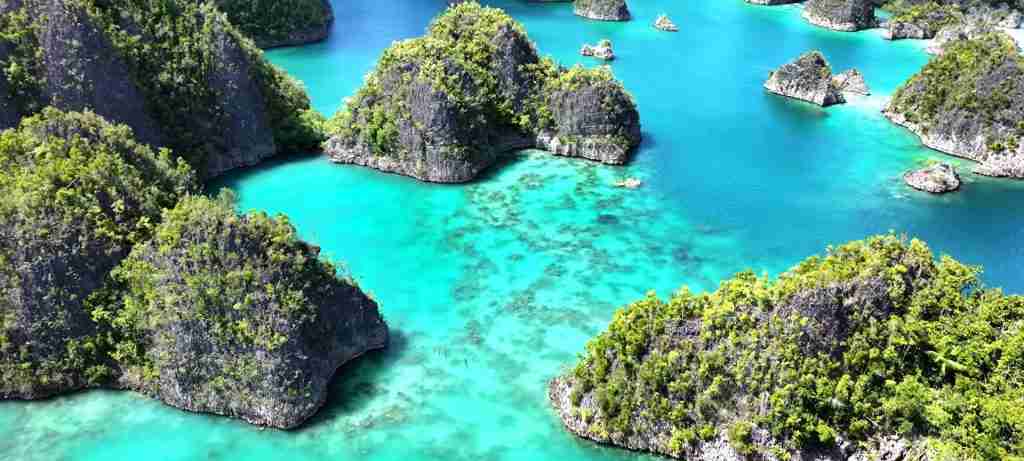
3 days
Bali 3-Day Discovery Tour
- ✓ Comprehensive Bali experience
- ✓ Expert local guides included
- ✓ All accommodation included
- ✓ Transportation provided
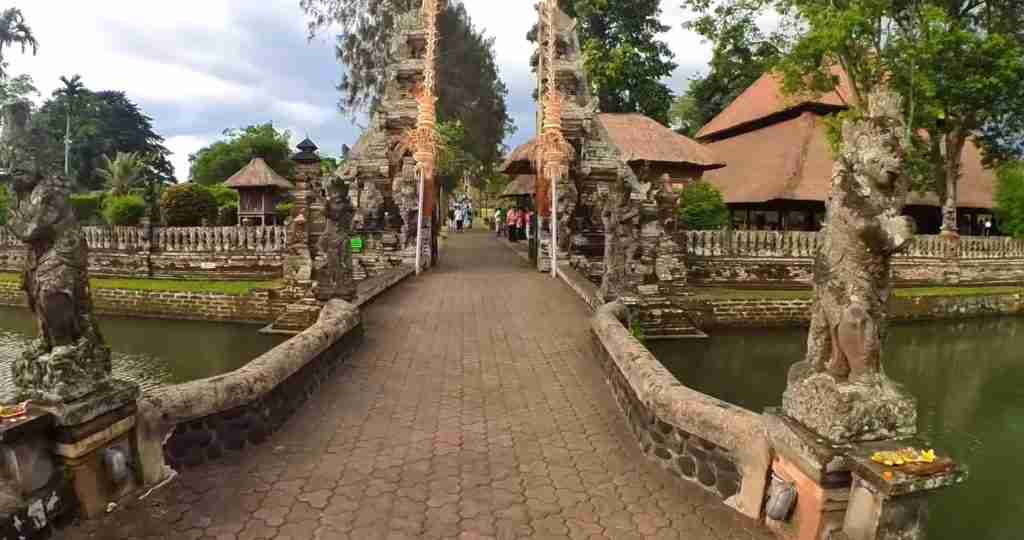
5 days
Bali 5-Day Highlights Experience
- ✓ Comprehensive Bali experience
- ✓ Expert local guides included
- ✓ All accommodation included
- ✓ Transportation provided
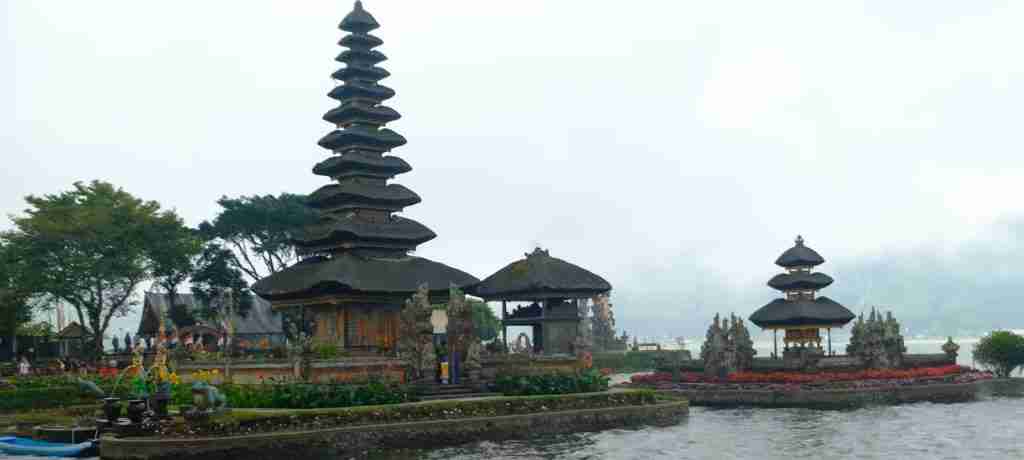
7 days
Bali 7-Day Cultural Journey
- ✓ Comprehensive Bali experience
- ✓ Expert local guides included
- ✓ All accommodation included
- ✓ Transportation provided
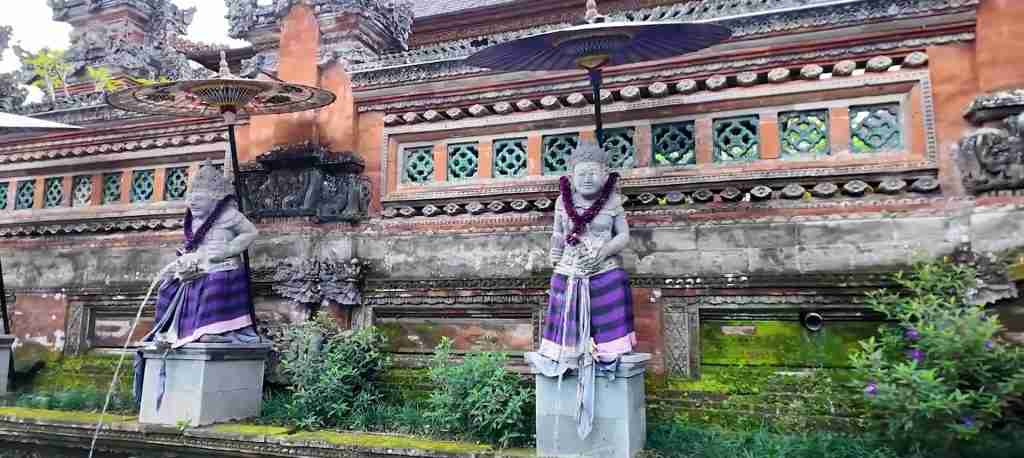
10 days
Bali 10-Day Complete Adventure
- ✓ Comprehensive Bali experience
- ✓ Expert local guides included
- ✓ All accommodation included
- ✓ Transportation provided
Multi-day tour packages powered by TourRadar. Prices and availability subject to change.
Introduction: Bali’s Evolved Tour Landscape in 2026
Bali’s tourism infrastructure in 2026 represents a dramatic evolution from pre-pandemic offerings, with professional tour operators now delivering seamless experiences across adventure, cultural, and marine activities at price points accommodating backpackers through luxury travelers. The island’s tour ecosystem has standardized around transparent pricing models, mandatory guide certifications for protected areas like Mount Batur, and WhatsApp-based communication systems that facilitate real-time itinerary adjustments and weather-related updates.
The democratization of premium experiences defines 2026’s market reality. Private drivers offering full-day customizable tours cost merely $40-55, while group tours to iconic destinations like Nusa Penida start at $13—pricing that would have seemed impossible during tourism’s 2019 peak. This accessibility stems from increased operator competition, improved transportation infrastructure, and the rise of reputable booking platforms that enforce service standards while negotiating volume-based rates benefiting consumers.
Tour diversity now spans traditional temple circuits and rice terrace photography sessions to adrenaline-focused adventures including ATV rides through jungles, white water rafting on the Ayung River, and predawn volcano treks. The professional guide network has expanded significantly, with English-speaking drivers and trek leaders receiving ongoing training in cultural interpretation, safety protocols, and sustainable tourism practices. Many guides maintain perfect 5.0 ratings across thousands of reviews on platforms like GetYourGuide and Viator, reflecting the professionalization that occurred during the tourism industry’s post-2020 rebuilding period.
Technology integration transformed booking convenience without sacrificing the personal touch that distinguishes Balinese hospitality. Operators confirm reservations through WhatsApp within minutes, share real-time pickup locations via Google Maps pins, and send weather updates affecting sunrise treks or snorkeling conditions. Free cancellation policies (typically 24 hours before departure) have become industry standard rather than premium feature, reducing booking anxiety for travelers managing flexible itineraries.
The tour pricing spectrum accommodates every budget category. Budget-conscious travelers access authentic experiences through shared group tours ($13-50 for full-day adventures), mid-range options combine private transportation with curated itineraries ($50-100 daily), while luxury seekers enjoy private boats to Nusa Penida, helicopter volcano tours, and exclusive temple ceremonies ($200-500+ per experience). This comprehensive guide details verified 2026 pricing, reveals insider booking strategies, and maps the best tours across Bali’s diverse geographical regions—from Ubud’s cultural heartland to Nusa Penida’s dramatic coastlines.
Cultural and Nature Tours in Bali 2026
Ubud’s cultural tour circuit costs IDR 500,000-800,000 ($35-55) for full-day private experiences visiting rice terraces, temples, waterfalls, and traditional villages with English-speaking driver-guides. These tours operate 8-10 hours, typically beginning at 9:00 AM and covering 4-6 major attractions within a 30-kilometer radius of Ubud’s center. The flexible itineraries allow travelers to customize based on interests, spending more time photographing Tegalalang Rice Terrace’s layered paddies or exploring Tirta Empul’s purification pools rather than following rigid group schedules.
Tegalalang Rice Terrace remains Ubud’s most photographed location, with tours allocating 45-90 minutes for visitors to walk through the terraced system, photograph from elevated viewpoints, and learn about the traditional Subak irrigation method recognized by UNESCO. Entrance fees cost IDR 50,000 ($3.50) per person, with optional Bali swing experiences adding IDR 100,000-250,000 ($7-18) for the iconic jungle swing photos that dominate Instagram feeds.
Sacred Monkey Forest Sanctuary in Ubud’s center charges IDR 80,000 ($5.50) admission, housing over 700 long-tailed macaques within temple grounds surrounded by ancient trees and moss-covered statues. Tours allocate 60-90 minutes for walking the forest’s pathways, observing macaque behavior (feeding prohibited since 2024 due to wildlife health concerns), and exploring the three temples dating to the 14th century. Professional guides warn visitors to secure eyeglasses, remove dangling jewelry, and avoid direct eye contact with dominant males to prevent territorial displays.
Tirta Empul Temple’s holy spring complex attracts thousands of daily visitors participating in purification rituals under sacred waterspouts fed by mountain springs. The temple charges IDR 50,000 ($3.50) entrance with mandatory sarong rental included, while professional photographers offer ceremony documentation packages for IDR 200,000-500,000 ($14-35). Tours typically allocate 90 minutes for temple exploration, purification ceremony participation (optional), and visits to the presidential palace viewpoint overlooking the temple complex.
Tegenungan Waterfall, located 15 minutes from Ubud center, combines accessible beauty with swimming opportunities beneath the 15-meter cascade. Entry costs IDR 20,000 ($1.40), with the descent to pool level requiring 100+ steps through lush vegetation. Tours visit during morning hours (9:00-11:00 AM) to avoid afternoon crowds and capture optimal lighting for photographs, allocating 45-60 minutes for swimming, cliff jumping from designated spots, and exploring the cavern behind the waterfall.
Coffee plantation visits complete most Ubud cultural tours, offering free tastings of Bali’s famous Luwak coffee (civet coffee) alongside traditional herbal teas, ginger coffee, and coconut coffee varieties. While tastings are complimentary, purchasing Luwak coffee costs IDR 150,000-400,000 ($10-28) per 100 grams depending on quality grade. Plantations demonstrate traditional coffee processing methods, showcase tropical fruit trees and spice plants, and explain the controversial civet coffee production that has shifted toward ethical free-range practices in recent years.
Kintamani volcano viewpoint tours cost $35-50 for private experiences combining Mount Batur panoramas with temple visits and traditional village exploration. The journey from Ubud climbs through terraced hillsides to Penelokan village, where restaurants offer buffet lunches (IDR 120,000-180,000 / $8-12 per person) with Lake Batur and Mount Batur volcanic crater views. Tours include stops at Pura Ulun Danu Batur temple on the crater rim, Toya Bungkah hot springs (optional bathing for IDR 150,000/$10), and Pengelipuran traditional village showcasing preserved Balinese architecture and community organization.
Adventure Tours in Bali 2026
Mount Batur sunrise trekking costs $30-92 in 2026 depending on package inclusions and transport method (traditional hiking vs. jeep tours), with all experiences requiring certified HPPGB guides and departing between 1:30-2:30 AM from Ubud and south Bali accommodations. Basic packages ($30-45) include guide, breakfast at summit, and hotel transfers from Ubud and Sanur areas, while premium options ($65-92) add post-trek hot spring access, coffee plantation tours with Luwak coffee tastings, and private guide arrangements for couples or small groups.
The traditional trek follows well-established routes to Mount Batur’s 1,717-meter summit, taking 2-2.5 hours ascending and 1.5-2 hours descending. Terrain varies from loose volcanic gravel to rocky sections requiring scrambling, with several rest stops where guides share volcanic history and point out landmarks barely visible in predawn darkness. Trekkers should bring warm layers (summit temperatures reach 10-15°C), comfortable hiking shoes with ankle support, flashlights or headlamps (guides provide these if needed), and water bottles refilled at rest stops.
Mount Batur jeep sunrise tours ($41-57) offer alternatives for travelers unable to complete the 2-hour hike, using 4WD vehicles to reach viewpoints near the summit while darkness still covers the landscape. Jeep tours depart 30-45 minutes later than trekking groups (around 2:00-2:30 AM), following rough volcanic roads to elevated vantage points offering similar sunrise panoramas without the physical exertion. The experience appeals to families with children, older travelers, or visitors preferring adventure vehicle experiences over traditional hiking.
Sunrise timing varies throughout 2026: January-March sunrises occur 5:50-6:20 AM, April-June shift to 5:30-5:50 AM, July-September fall between 5:40-6:00 AM, and October-December return to 5:50-6:20 AM schedules. Weather patterns favor clear sunrise views during dry season (April-October), while wet season (November-March) brings 30-40% cloud cover probability affecting visibility. Operators monitor weather forecasts and contact guests via WhatsApp if conditions suggest poor visibility, offering date changes or full refunds without penalty.
Breakfast at the summit includes simple hot meals prepared using volcanic steam vents near the crater: banana sandwiches, hard-boiled eggs cooked in steam, and hot tea or coffee. The meal’s novelty lies in the cooking method rather than gourmet quality, providing warm sustenance while watching sunrise colors illuminate Lake Batur below and Mount Agung’s 3,142-meter peak on the eastern horizon.
Post-trek hot spring visits (when included) stop at Toya Devasya or Batur Natural Hot Spring, where natural volcanic water feeds swimming pools maintained at 37-40°C. Entrance fees cost IDR 150,000-180,000 ($10-12) when not included in tour packages, with facilities providing changing rooms, showers, and poolside seating for relaxation after the physical exertion. Tours allocate 60-90 minutes for bathing, sufficient for muscle recovery while avoiding extended time commitments affecting return schedules.
ATV quad bike adventures through Ubud’s jungles, rice fields, and river gorges cost IDR 350,000-650,000 ($25-45) for 1.5-2 hour rides including equipment, safety briefing, and guide escort. Tours navigate muddy jungle tracks, cross shallow streams, pass through rice terrace pathways, and explore hidden waterfalls accessible only via off-road vehicles. Single and tandem ATV options accommodate solo riders and couples, with minimum age requirements (16 years for solo riders, no minimum for tandem passengers with adults) ensuring safety while maintaining accessibility for families.
White water rafting on the Ayung River costs IDR 400,000-550,000 ($28-38) for 2-hour experiences navigating Class II-III rapids through jungle gorges, past waterfalls, and beneath towering rock walls carved with ancient reliefs. The 10-kilometer course includes 22 rapids interspersed with calm sections allowing paddlers to observe tropical vegetation, spot kingfishers and herons hunting along riverbanks, and photograph the dramatic gorge scenery. Tours include professional rafting guides (one per boat), safety equipment, insurance, lunch after rafting, shower facilities, and transportation from major hotel areas.
Bali swing experiences cost IDR 100,000-250,000 ($7-18) for single swing sessions, with packages combining multiple swings, giant bird nests, and cliff-edge platforms ranging IDR 350,000-500,000 ($25-35). Swing heights vary from 10 meters for beginners to 78 meters for thrill-seekers, with professional photographers capturing the iconic shots of swingers suspended above jungle canopy and rice terraces. Safety standards improved significantly post-2020, with reinforced cables, weight limits, and harness systems inspected daily by trained operators.
Water Activities and Marine Tours 2026
Nusa Penida snorkeling day trips cost $13-77 in 2026 for comprehensive experiences combining land tours to iconic viewpoints with manta ray encounters at Manta Bay, Crystal Bay, and Gamat Bay snorkeling sites. Budget shared group tours ($13-25) join 15-20 participants on public fast boats, allocating 90 minutes for snorkeling across 2-3 sites before brief land stops at Kelingking Beach and Angel’s Billabong. Mid-range private tours ($60-77) offer smaller groups (4-8 people), extended snorkeling time (2-3 hours across 3-4 sites), lunch at beachfront restaurants, and flexible land tour timing without waiting for larger groups.
Fast boat transfers from Sanur Harbor depart 7:30 AM and 8:00 AM, crossing to Nusa Penida’s Toya Pakeh Harbor in 35-45 minutes when seas remain calm (90+ minutes during rougher conditions). Return boats leave Nusa Penida 3:30-5:00 PM depending on tour length, arriving back in Sanur by late afternoon. Boat tickets cost IDR 150,000-200,000 ($10-14) for standard shared service, while private boat charters for groups run IDR 3,500,000-5,000,000 ($240-350) accommodating 8-12 passengers with customizable departure times.
Manta ray encounters at Manta Bay achieve 95% success rates during optimal seasons (April-November), with reef manta rays reaching 5.5-meter wingspans gliding through cleaning stations where smaller fish remove parasites. Snorkelers float above the cleaning stations in 8-12 meter depths, observing mantas from respectful distances (3+ meters) as regulations prohibit touching or chasing these gentle giants. Water visibility varies 10-25 meters depending on currents and plankton blooms, with morning sessions offering clearer conditions before afternoon winds churn sediment.
Crystal Bay snorkeling reveals coral gardens hosting clownfish, parrotfish, angelfish, and occasional reef sharks patrolling the sandy bottom. The bay’s protected status since 2019 has accelerated coral recovery, with healthy formations now covering 70-80% of the snorkeling area compared to 40-50% in 2020. Water temperatures remain comfortable year-round (27-29°C), though occasional thermoclines drop temperatures 2-3 degrees in deeper sections.
Gamat Bay and Wall Point offer dramatic underwater topography where coral walls drop 30+ meters, creating habitats for larger pelagic fish including tuna, barracuda, and the occasional mola mola (ocean sunfish) during August-October when deeper cold currents bring these giants to shallow cleaning stations. Strong currents at Wall Point require experienced swimmers and guide supervision, with operators assessing conditions before each snorkeling session.
Land tour components visit Kelingking Beach (T-Rex cliff viewpoint), requiring no entrance fee but demanding 30-45 minutes for the steep 400-step descent to beach level. Most tours photograph from the clifftop viewpoint, as beach descent consumes significant time affecting snorkeling schedules. Angel’s Billabong natural infinity pool costs IDR 10,000 ($0.70) entrance, safe during low tide when ocean swells don’t surge into the pool but dangerous during high tide when waves crash over the rocks. Broken Beach’s natural archway formation sits adjacent to Angel’s Billabong, offering dramatic photography from clifftop walkways circling the collapsed cave.
Amed and Tulamben diving experiences on Bali’s northeast coast cost $65-120 for two-tank dives exploring the USAT Liberty shipwreck and coral gardens hosting resident sea turtles. The Liberty wreck lies 30-40 meters offshore in 9-30 meter depths, accessible for beginner divers while offering complexity for advanced certifications. Healthy coral encrustation covers the 120-meter freighter torpedoed in 1942, attracting bumphead parrotfish schools, resident sweetlips, and occasional reef sharks. Shore diving eliminates boat costs, making Tulamben Bali’s most economical quality diving destination.
Sanur beach watersports packages cost IDR 350,000-800,000 ($25-55) combining parasailing, jet skiing, banana boat rides, and flying fish experiences in single-price bundles. Individual activities cost IDR 150,000-250,000 ($10-18) when purchased separately, making packages economical for travelers wanting to sample multiple activities. Operations run 8:00 AM-4:00 PM daily, with morning sessions (8:00-11:00 AM) offering calmer seas and less crowded beaches than afternoon periods.
Temple Tours and Spiritual Experiences 2026
Tanah Lot sunset tours cost $30-45 for half-day experiences departing Ubud or south Bali accommodations at 2:00-3:00 PM, allowing exploration of multiple temples before sunset viewing at Bali’s most iconic ocean temple. Comprehensive packages combine Tanah Lot with Taman Ayun Royal Temple and Alas Kedaton Monkey Forest, creating cultural circuits that balance architectural appreciation with natural settings.
Tanah Lot Temple charges IDR 60,000 ($4) entrance after 3:00 PM (sunset tickets), with the offshore rock temple accessible during low tide via a causeway emerging from the ocean. High tide isolates the temple completely, creating the dramatic imagery that defines Tanah Lot photography. Sunset occurs 5:50-6:30 PM depending on season, with crowds gathering 30-45 minutes early to secure optimal viewpoints along the clifftop pathways. The actual temple remains closed to non-Hindu visitors, though blessing ceremonies ($3-5 donations) occur at the base during low tide access periods.
Taman Ayun Royal Temple in Mengwi showcases classical Balinese architecture within expansive gardens surrounded by lotus ponds and multi-tiered meru shrines reaching 11 levels. Entrance costs IDR 30,000 ($2), with the temple’s 17th-century origin story involving the Mengwi Kingdom’s royal family establishing this state temple as the spiritual center of their realm. Tours allocate 45-60 minutes for garden walks, meru shrine photography, and cultural education from guides explaining the symbolic meaning of multi-tiered towers (each level representing a mountain peak sacred in Hindu-Buddhist cosmology).
Uluwatu Temple clifftop tours cost $35-50 for afternoon-sunset experiences including the famous Kecak fire dance performed at 6:00 PM daily. Temple entrance costs IDR 50,000 ($3.50), positioning visitors on dramatic cliffs 70 meters above the Indian Ocean where waves crash against limestone formations. Aggressive monkeys inhabit the temple area, known for snatching sunglasses, phones, and loose items from distracted visitors—guides recommend securing all belongings and avoiding eye contact with dominant males.
The Kecak dance performance costs IDR 150,000 ($10) for tiered seating in the outdoor amphitheater overlooking the ocean. The hour-long performance features 70+ male dancers chanting rhythmic “chak-chak-chak” vocals while dramatizing scenes from the Ramayana epic. Sunset timing during the performance adds atmospheric drama, though cloudy conditions occasionally obscure the sunset spectacle. Post-performance dining at Jimbaran Bay seafood restaurants (5 kilometers from Uluwatu) completes typical tour packages, with grilled seafood meals costing IDR 150,000-300,000 ($10-21) per person at beachfront venues.
Besakih Mother Temple tours cost $40-55 for full-day experiences climbing Bali’s largest temple complex on Mount Agung’s slopes at 900 meters elevation. The complex encompasses 23 separate temples spread across terraced hillsides, with Pura Penataran Agung (the central main temple) serving as Bali’s holiest Hindu site. Entrance fees cost IDR 60,000 ($4), with mandatory guide services adding IDR 150,000-200,000 ($10-14) per group—these guides are compulsory due to regulations protecting against tourist scams that plagued the site pre-2020.
Temple dress codes require sarongs and sashes at all sacred sites, with rental services charging IDR 10,000-20,000 ($0.70-1.40) when visitors arrive without proper attire. Most tour operators provide sarongs in their vehicles, eliminating rental fees while ensuring guests meet entrance requirements. Women experiencing menstruation traditionally avoid temple entry out of respect for Balinese Hindu customs, though enforcement varies by location and no official restrictions exist in 2026.
Private Tours and Custom Experiences 2026
Private driver full-day service costs IDR 600,000-850,000 ($40-55) for 10-12 hour customizable tours accommodating 1-7 passengers in comfortable MPV vehicles (Toyota Avanza, Daihatsu Xenia, Suzuki Ertiga). This pricing includes vehicle fuel, driver, parking fees, tolls, and the driver’s meal allowance, with entrance fees to attractions and guest meals remaining separate expenses. Half-day service (5-6 hours) costs IDR 350,000-500,000 ($27-37), though travelers often find full-day arrangements provide better value given Bali’s traffic conditions that can consume 30-45 minutes for seemingly short 15-kilometer distances.
Popular private tour itineraries include Ubud full-day circuits ($40-50) visiting rice terraces, monkey forest, temples, and waterfalls; northern Bali tours ($50-60) combining Bedugul’s Ulun Danu Beratan Temple, Jatiluwih rice terraces, Gitgit waterfall, and optional Lovina dolphin watching; eastern Bali journeys ($55-65) to Lempuyang Temple’s Gates of Heaven, Tirta Gangga water palace, and Virgin Beach; and southern routes ($40-50) covering Uluwatu Temple, Padang Padang Beach, Melasti Beach, and Jimbaran Bay.
Drivers function as cultural guides sharing insights about Balinese ceremonies, agricultural practices, and social customs while recommending authentic local warungs (family-run restaurants) serving IDR 25,000-50,000 ($1.75-3.50) meals superior to tourist-focused establishments. Experienced drivers photograph guests at scenic locations, suggest optimal timing for major attractions, and navigate alternative routes avoiding traffic congestion during peak hours (7:00-9:00 AM, 4:00-6:00 PM in Seminyak-Canggu corridor).
Overtime charges apply when tours exceed the agreed hours, typically costing IDR 50,000-75,000 ($3.50-5) per additional hour. Communicating realistic itineraries prevents these charges—experienced drivers provide honest assessments when proposed schedules appear overly ambitious given distances and attraction time requirements.
Gates of Heaven private tours to Lempuyang Temple cost $55-75 for experiences departing Ubud or south Bali at 4:00-5:00 AM, reaching the temple before sunrise crowds form queues exceeding 2-3 hours during peak season. The temple sits at 1,175 meters elevation, requiring 1,700+ step climbs through seven temple gates ascending to the summit. Most visitors photograph only the lower gates (the famous “split gate” framing Mount Agung), avoiding the exhausting summit climb. Entrance costs IDR 50,000 ($3.50), with professional photographers at the gate charging IDR 50,000-100,000 ($3.50-7) for queue-skipping priority photography using mirrors to create the illusion of reflecting pools.
Custom photography tours cost $80-150 for full-day experiences with drivers who specialize in capturing Instagram-worthy content at hidden locations avoiding tourist crowds. These tours visit lesser-known rice terraces, secret waterfalls, traditional villages, and clifftop viewpoints during optimal lighting conditions (golden hour at sunrise and sunset). Drivers skilled in smartphone photography compose shots, suggest poses, and capture hundreds of images throughout the day—particularly valuable for solo travelers lacking photography partners or groups wanting professional-quality memories without hiring dedicated photographers.
Cooking class experiences cost $35-50 for half-day sessions including market visits, food preparation instruction, and meals created during the class. Traditional Ubud village settings host most classes, teaching preparation of dishes like nasi goreng, sate lilit, lawar salad, and bubuh injin black rice pudding. Market visits introduce tropical fruits, aromatic spices, and traditional ingredients while instructors explain culinary techniques passed through generations of Balinese families.
Multi-Day Tour Packages 2026
Three-day Bali packages cost $855-1,066 including accommodations, meals (6 breakfasts, 2 lunches, 2 dinners typical), transportation, and guided tours covering Ubud cultural sites, waterfall circuits, and sunset temple experiences. These packages appeal to first-time visitors wanting comprehensive introductions without independent planning complexity, providing structured itineraries balancing culture, nature, and relaxation.
Day 1 itineraries typically focus on Ubud: Monkey Forest exploration, Tegalalang Rice Terrace photography, Tegenungan Waterfall swimming, and Bali swing experiences. Day 2 visits Bedugul’s lake temple (Ulun Danu Beratan), Jatiluwih UNESCO rice terraces, and Tanah Lot sunset. Day 3 explores eastern Bali’s Lempuyang Temple, Tirta Gangga water palace, and Virgin Beach before departure transfers. Accommodations range from budget hotels ($25-40 per night) to mid-range properties ($50-80 per night) with pools and breakfast included.
Five-day packages ($1,200-1,600) add Nusa Penida day trips, Mount Batur sunrise treks, and beach time in Seminyak or Sanur. Seven-day comprehensive tours ($1,800-2,400) incorporate everything above plus white water rafting, ATV adventures, cooking classes, and traditional dance performances. Group sizes typically range 8-16 participants, with departures guaranteed when minimum numbers are reached (usually 4-6 people).
Private multi-day tours cost $150-250 per day for couples or families wanting customized itineraries, private vehicles, and flexible scheduling. These arrangements suit travelers with specific interests (photography focus, adventure activities, cultural immersion) or those avoiding group tour constraints. Prices include private driver-guide, vehicle, fuel, and itinerary planning consultation, with accommodations and meals remaining separate bookings.
Adventure-focused multi-day tours (4-7 days, $1,100-1,800) combine surfing lessons in Canggu, Mount Batur trekking, Nusa Penida snorkeling, white water rafting, and ATV rides. These packages target active travelers aged 18-45 seeking adrenaline experiences with minimal cultural site visits. Accommodations cluster in Canggu’s surf scene or Ubud’s adventure activity zone, facilitating early morning departures for sunrise treks and beach activities.
Luxury multi-day experiences ($3,500-6,000 for 7 days) feature private villas with pools, personal butler service, private boat charters to Nusa Penida, helicopter tours over volcanoes, private temple ceremonies, and exclusive dining experiences. These packages appeal to honeymooners and affluent travelers prioritizing privacy, premium service, and exclusive access over budget considerations.
Booking Tips and Tour Selection Strategies 2026
Book through established platforms (GetYourGuide, Viator, Klook) or verified local operators offering transparent pricing, customer reviews, and secure payment processing. Platform bookings provide purchase protection, guaranteed service standards, and dispute resolution mechanisms unavailable when booking through street vendors or unverified social media contacts. Check recent reviews (within 6 months) focusing on guide quality, punctuality, vehicle condition, and operator communication—these factors matter more than minor price differences when evaluating tour value.
Free cancellation policies (24 hours before departure) have become standard across major operators, eliminating booking anxiety when weather forecasts suggest poor conditions or personal plans change. Confirm cancellation terms before purchasing, as some budget operators still enforce strict no-refund policies that risk significant losses during Bali’s unpredictable weather patterns.
Private tours deliver superior value for groups of 3+ people compared to individual bookings on shared tours. A private Ubud tour at $50 split among four people ($12.50 each) beats shared tour costs ($25-35 per person) while offering customizable itineraries, flexible timing, and skip-the-crowd advantages at major attractions. Solo travelers and couples find shared tours more economical, accepting fixed schedules and larger groups in exchange for lower per-person costs.
Morning departures provide optimal experiences at popular sites before crowds arrive and temperatures rise. Ubud tours beginning 8:00-9:00 AM reach Tegalalang Rice Terrace and Monkey Forest before tour bus convoys (arriving 10:00-11:00 AM), while afternoon temple tours to Tanah Lot and Uluwatu time sunset viewing during the day’s most atmospheric hours.
Verify what’s included in quoted prices: some operators advertise low base rates then add compulsory fees for entrance tickets, meals, and activity costs that double the final expense. All-inclusive packages eliminate surprises, though cost-conscious travelers might prefer lower base rates with optional add-ons when planning to skip certain activities or bring their own meals.
WhatsApp communication with operators provides reliable confirmation and enables real-time coordination on tour day. Most Balinese operators respond within 1-2 hours during business hours (8:00 AM-8:00 PM), sharing pickup times, driver contact details, and itinerary confirmations through the messaging app Indonesians universally prefer over email.
Photography-focused travelers should explicitly request drivers experienced with photo stops and smartphone photography. Standard drivers complete itineraries efficiently but may not understand extended time requirements for composition, lighting changes, and multiple angle attempts that photography enthusiasts demand. Specialized photography tours cost $10-20 more daily but deliver value through hundreds of quality images impossible to capture during rushed group tour schedules.
Shoulder season bookings (April-May, September-October) offer 20-30% lower accommodation rates and reduced tour crowding while maintaining favorable weather (morning sunshine, afternoon brief showers). Peak season (July-August, December-January) brings tourist crowds, higher prices, and extended queues at major attractions—early morning departures and advance booking become essential for reasonable experiences.
Multi-day package value exceeds independent daily bookings through volume discounts, guaranteed availability, and simplified logistics. Travelers comfortable with structured itineraries save $100-300 on 5-7 day trips by booking packages versus equivalent independent arrangements, though they sacrifice flexibility for spontaneous itinerary changes or extended time at discovered favorites.
Frequently Asked Questions About Bali Tours 2026
Do I need to book Bali tours in advance or can I arrange them after arriving?
Book popular experiences (Mount Batur sunrise treks, Nusa Penida day trips, Uluwatu sunset tours) 3-7 days in advance during shoulder seasons and 14-21 days ahead for peak periods (July-August, December-January) to guarantee availability and competitive pricing. Last-minute bookings (24-48 hours before) often succeed during low season (February-March, November) when tour operators actively seek participants to fill minimum group requirements. Private driver arrangements remain easy to secure with 1-2 days notice throughout the year, as Bali’s extensive driver network provides hundreds of qualified operators ready to accommodate requests. Major booking platforms (GetYourGuide, Viator, Klook) show real-time availability and instant confirmation, eliminating uncertainty about securing desired dates. Advance booking locks rates before operators implement peak season price increases (15-25% higher during Christmas, New Year, and July-August periods), and enables travelers to confirm schedules before purchasing non-refundable flights or accommodations around tour timing.
Are Bali tour guides required to speak English in 2026?
Licensed tour guides serving international markets speak conversational to fluent English in 2026, with professional certification programs requiring English proficiency testing alongside cultural knowledge and safety training. Mount Batur guides certified through HPPGB (the mandatory guide association) demonstrate English communication skills sufficient for safety instructions, cultural commentary, and basic conversation, though fluency levels vary from basic functional vocabulary to university-educated eloquence. Private drivers advertising English-speaking service typically communicate well enough for itinerary planning, attraction recommendations, and cultural explanations, though complex conversations about Balinese history or philosophical concepts may challenge drivers with intermediate language skills. High-end tours and specialized experiences (photography tours, cultural workshops, eco-tours) attract guides with advanced English developed through years serving Western markets, often including teachers, university graduates, and returnees from overseas work experience. Budget shared tours occasionally employ guides with limited English who rely on scripted commentary at major sites, functioning adequately for basic information delivery but struggling with off-script questions or nuanced discussion. Travelers wanting detailed cultural interpretation or complex conversations should explicitly request experienced English-speaking guides when booking, accepting potentially higher costs ($10-20 extra daily) for this specialized skill.
What should I wear on Bali temple tours in 2026?
Temple visits require sarongs and sashes covering legs and waists, with shoulders covered by t-shirts or sleeved tops (tank tops and sleeveless shirts are prohibited at sacred sites). Most tour operators provide sarongs in their vehicles, eliminating the need to purchase or pack these items, though entrance gates rent sarongs for IDR 10,000-20,000 ($0.70-1.40) when visitors arrive without proper attire. Comfortable walking shoes (closed-toe preferable) suit temple exploration involving uneven stone pathways, stairs, and occasional muddy conditions after rain. Shorts extending to knee-length work acceptably when worn with sarongs and sashes, though full-length pants eliminate any coverage concerns. Women experiencing menstruation traditionally avoid temple entry out of respect for Balinese Hindu customs regarding ritual purity, though enforcement varies significantly—some temples maintain strict prohibition while others show flexibility, and no official government regulations exist on the matter. Beachwear, revealing clothing, and torn/ripped items disrespect sacred spaces regardless of religious background, with temple guardians occasionally denying entry to inappropriately dressed visitors. Sunglasses, hats, and sunscreen protect against tropical sun exposure during outdoor temple exploration, though hats should be removed when entering covered shrine areas and during prayer ceremonies. Modest, comfortable, culturally respectful attire demonstrates appropriate conduct while ensuring comfortable experiences across Bali’s varied temple environments.
Can I combine multiple tour experiences in a single day in 2026?
Single-day combinations work successfully for geographically clustered activities, such as Ubud cultural tours adding rice terraces, temples, waterfalls, and monkey forest visits within 8-10 hour private driver arrangements. Attempting to combine distant locations (Ubud morning tour + Uluwatu sunset + Nusa Penida snorkeling) creates unrealistic schedules consuming 3-4 hours in vehicle transit, leaving insufficient time for quality experiences at each destination. Private drivers provide honest assessments of feasible daily itineraries when asked, typically recommending 4-5 major stops maximum allowing 45-90 minutes per location plus 2-3 hours driving between sites and meal breaks. Sunrise activities (Mount Batur treks departing 1:30 AM) can combine with afternoon temple tours after trekkers return to accommodations for rest (typically 9:00-11:00 AM), resuming tours at 2:00-3:00 PM for sunset experiences at Tanah Lot or Uluwatu. Water activities scheduling depends on ocean conditions and boat timing—Nusa Penida trips departing 7:30 AM and returning 4:00-5:00 PM consume full days without realistic opportunities for additional tours. Adventure activities (white water rafting, ATV rides) typically operate 2-3 hour durations, allowing combination with half-day cultural tours before or after the adventure component. Realistic daily planning prevents exhaustion from over-scheduling while ensuring sufficient time to appreciate each destination rather than rushing through photo stops for social media documentation.
What is the best time of day to visit popular Bali attractions in 2026?
Visit major attractions during 7:00-9:00 AM early morning windows before tour bus crowds arrive and tropical heat intensifies, with Tegalalang Rice Terrace, Monkey Forest, and temple sites offering peaceful photography and crowd-free exploration during these hours. Lempuyang Temple’s Gates of Heaven requires 4:00-5:00 AM arrivals to avoid 2-3 hour photograph queues forming by 8:00 AM when dozens of tour groups converge on the single iconic gate viewpoint. Waterfalls provide optimal conditions during morning visits (8:00-11:00 AM) when angled sunlight illuminates cascades and pools without the afternoon crowds seeking swimming relief from midday heat. Temple sunset experiences at Tanah Lot and Uluwatu schedule 2:00-3:00 PM departures allowing exploration during less-crowded afternoon hours before sunset viewing around 5:50-6:30 PM when dozens of tour groups gather simultaneously. Mount Batur summit timing aims for 5:50-6:20 AM sunrise (varying by month), requiring 1:30-2:30 AM departures from accommodations and 2-2.5 hour ascents beginning around 3:30-4:00 AM. Nusa Penida fast boats depart Sanur Harbor at 7:30 AM and 8:00 AM, with morning snorkeling sessions offering calmer seas and better underwater visibility before afternoon winds churn surface conditions and reduce water clarity. Beach activities (swimming, surfing, sunbathing) favor morning hours (7:00-11:00 AM) avoiding the intense 11:00 AM-3:00 PM tropical sun when shade becomes essential for comfort and sun protection.
Are Bali tour prices negotiable in 2026?
Platform bookings through GetYourGuide, Viator, and Klook feature fixed pricing without negotiation opportunities, as digital systems prevent individual rate adjustments and maintain standardized costs for all customers. Direct bookings with local operators occasionally allow 5-10% discounts for multi-day commitments (booking same driver 3+ consecutive days), group sizes exceeding standard vehicle capacity (requiring larger vehicles anyway), or shoulder season periods when operators compete aggressively for limited customers. Professional operators with established reputations, consistent positive reviews, and transparent pricing rarely negotiate significantly, as sustainable business models depend on fair rates covering fuel, vehicle maintenance, insurance, guide wages, and operational overhead. Budget operators advertising unusually low initial rates sometimes employ bait-and-switch tactics, adding mandatory fees during tours for entrance tickets, parking, guide services, or activity costs that double the final expense—these scenarios illustrate why negotiation rarely produces genuine savings versus established operators’ upfront transparent pricing. Private driver negotiations work best when requesting quotes for custom itineraries rather than standard routes, as operators assess distance, time, and complexity when pricing unique requests and may adjust rates based on schedule availability and perceived customer value. Multi-day package discounts emerge naturally through volume pricing (7-day packages cost less per day than single-day bookings), though attempting to negotiate published package rates rarely succeeds with professional tour companies maintaining consistent pricing structures. Tipping (IDR 50,000-100,000 / $3.50-7 daily for excellent service) provides better value recognition than haggling over operator’s already-thin profit margins, building goodwill for potential future bookings and demonstrating appreciation for quality experiences.
Do Bali tours accommodate dietary restrictions and food allergies?
Operators accommodate vegetarian and common dietary preferences when notified during booking, though complex allergy management (gluten-free, nut allergies, severe shellfish reactions) requires explicit advance communication and realistic expectations about rural Bali’s limited specialized food availability. Vegetarian options exist at most restaurants along tour routes, with traditional Balinese cuisine featuring tofu, tempeh, vegetable curries, and rice-based dishes naturally suitable for plant-based diets. Multi-day package tours typically confirm dietary requirements during reservation, coordinating with partner restaurants to ensure appropriate meal preparation using separate cookware and avoiding cross-contamination with meat products. Private tours offer maximum flexibility for dietary management, enabling travelers to select restaurants specializing in their requirements or bringing prepared meals from accommodations when visiting remote areas with limited dining options. Severe food allergies (anaphylaxis risk) require carrying emergency medications (EpiPens), communication cards in Bahasa Indonesia explaining restrictions, and possibly bringing safe portable meals when visiting areas without reliable medical facilities or allergy-aware food preparation. Vegan requirements face more challenges than vegetarian due to fish sauce, shrimp paste, and dairy appearing in many Indonesian dishes—travelers should specify “no fish sauce, no shrimp paste, no dairy” rather than simply “vegan” since this Western concept may not translate clearly to local cooks. Halal food availability remains excellent throughout Bali despite the island’s Hindu-majority population, with Muslim Javanese communities operating numerous warungs and restaurants preparing certified halal meals. Gluten-free diets prove challenging in rice-dominant Indonesian cuisine, though soy sauce, tempeh preparation, and cross-contamination in shared fryers create hidden gluten sources requiring vigilance and clear communication with kitchen staff.
What happens if weather prevents my scheduled Bali tour in 2026?
Major operators offer free rescheduling or full refunds when weather conditions prevent safe tour operation, with Mount Batur trek cancellations (heavy rain, lightning, dangerous trail conditions) notified via WhatsApp 2-4 hours before pickup times and automatically rescheduled to alternative dates or refunded. Nusa Penida boat tours face cancellations during rough seas exceeding 1.5-meter swell heights that create unsafe crossing conditions, with harbor masters occasionally suspending all fast boat operations protecting passenger safety—operators contact guests by 6:00 AM on tour days when cancellations occur, offering alternative dates or immediate refunds. Light rain rarely prevents tours from operating, as most vehicles provide covered transportation between sites and attractions function normally during wet conditions (except waterfall swimming becoming dangerous during flash flood risk). Dry season (April-October) delivers 80-90% sunny day probabilities making weather cancellations rare, while wet season (November-March) brings 30-40% rain chances typically concentrated in afternoon hours (2:00-5:00 PM) allowing morning tours to operate successfully. Private driver arrangements continue during light rain as itineraries adjust to covered indoor attractions (museums, shopping, covered markets) rather than outdoor activities susceptible to weather disruption. Photography-focused tours may reschedule when overcast conditions compromise lighting quality for professional-quality images, though this decision belongs to travelers rather than operators who typically proceed unless guests request postponement. Travel insurance (recommended for all international trips) sometimes covers tour cancellation costs when weather prevents participation, though policies vary significantly in coverage terms and refund processing timelines requiring careful review before purchasing.
Are children welcome on Bali tours and what age restrictions exist?
Family-friendly tours welcome children of all ages, with private driver experiences offering maximum flexibility for families needing frequent breaks, diaper changes, and meal timing around young children’s schedules. Mount Batur sunrise treks restrict participation to children 8+ years old capable of completing the 2-hour predawn hike with guide assistance, though jeep tour alternatives accept younger children (5+ recommended) avoiding the physical demands of traditional trekking. ATV quad bike adventures require minimum ages of 16 years for solo riders controlling their own vehicles, while younger children ride tandem with adult drivers (no minimum age for tandem passengers). White water rafting welcomes families with children 7+ years old, with experienced guides placing families in boats together and adjusting rapid navigation for safety during more challenging sections. Monkey Forest visits entertain children seeing wild macaques in temple settings, though parents must supervise closely preventing children from approaching monkeys, feeding despite regulations prohibiting it, or leaving loose items vulnerable to theft by opportunistic primates. Temple tours work well for older children (10+ years) showing interest in culture and history, while younger children may struggle with behavioral expectations (quiet respect in sacred spaces, limited play opportunities during extended site visits). Nusa Penida snorkeling tours welcome confident swimmers of all ages though rough boat conditions and open ocean swimming require realistic assessment of children’s swimming abilities and comfort in challenging marine environments. Cooking classes designed for families engage children in hands-on food preparation, market shopping, and cultural learning appropriate for ages 8+ years with attention spans sufficient for 3-4 hour experiences. Family packages modify standard itineraries reducing daily attractions from 5-6 sites to 3-4 locations, allocating more time for rest breaks and selecting child-appropriate activities balancing education with entertainment.
How do I handle tipping for Bali tour guides and drivers in 2026?
Tip drivers and guides IDR 50,000-100,000 ($3.50-7) daily for satisfactory service, with IDR 100,000-200,000 ($7-14) appropriate for exceptional experiences involving extended hours, extraordinary helpfulness, or guides going significantly beyond basic job requirements. Tipping remains discretionary rather than mandatory in Indonesian culture, though the tourism industry’s growth has increased tip expectations especially when serving Western visitors familiar with gratuity customs. Private driver daily rates (IDR 600,000-850,000 / $40-55) represent reasonable fair wages making tips genuine appreciation rather than expected supplements to inadequate base compensation. Mount Batur trek guides pool tips among the guide team (lead guide, support guides, porters), with IDR 50,000-100,000 ($3.50-7) per trekker creating meaningful additional income when averaged across multiple daily departures. Multi-day tour packages typically pool tipping for the guide/driver team, with IDR 200,000-400,000 ($14-28) total across 3-5 days recognizing extended service commitment. Restaurant service in Bali rarely includes automatic gratuity charges (unlike Western establishments), making IDR 10,000-50,000 ($0.70-3.50) cash tips appropriate for attentive meal service. Cash tips work universally as Indonesian rupiah bills pass easily hand-to-hand, while attempting digital tips or credit card gratuities creates complications most guides cannot easily access or convert to immediate spending money. Tipping at tour conclusion allows travelers to assess service quality comprehensively rather than committing upfront to gratuities for potentially disappointing experiences. Express appreciation verbally alongside cash tips, as Balinese guides value acknowledgment of their knowledge sharing and cultural interpretation beyond purely transactional driver-passenger relationships. Group tours collecting tips for guides typically suggest IDR 50,000-100,000 ($3.50-7) per participant per day, though individual assessment of service quality should determine actual amounts rather than blindly following suggested guidelines.