
Bali Travel Guide 2026: Complete Island Paradise
Bali remains Southeast Asia’s most captivating island destination in 2026, blending ancient temple culture with world-class beaches, volcanic landscapes, and exceptional value for travelers across all budgets. From Ubud’s rice terraces to Uluwatu’s clifftop temples and Seminyak’s sophisticated beach clubs, Indonesia’s Island of the Gods offers experiences ranging from $30 daily backpacker adventures to $500-per-night luxury escapes, all within a compact 145-kilometer island easily explored by scooter, private driver, or ride-hailing apps.
Key Takeaways
- Entry Requirements 2026: Most visitors obtain a Visa on Arrival (IDR 500,000 / $35) valid for 30 days with one extension possible, plus mandatory tourist levy (IDR 150,000 / $9) and digital entry declaration through the All Indonesia app
- Budget Flexibility: Daily costs range from $30 for backpackers eating at warungs and staying in hostels to $200+ for luxury travelers with private villas and fine dining experiences
- Transportation Value: Scooter rentals cost IDR 60,000-120,000 ($4-8) daily while private drivers charge IDR 500,000-850,000 ($35-60) for full-day tours — both dramatically cheaper than Western equivalents
- Accommodation Range: Hostel beds start at $10 nightly, mid-range hotels cost $50-60, while luxury resorts command $300-800 with exceptional quality at every price tier
- Cultural Access: Temple entrance fees remain modest at IDR 30,000-150,000 ($2-10), waterfall visits cost IDR 20,000-30,000 ($1.30-2), making cultural exploration affordable for all travelers
- Strategic Planning: Visit April-October for dry season reliability, book tours 2-4 weeks advance during peak July-August months, and master the “mix and match” dining strategy combining street food with occasional upscale meals
People Also Ask About Bali Travel 2026
How much does a week in Bali cost in 2026?
A week in Bali costs $210-700 excluding flights depending on travel style. Budget backpackers spend approximately $30 daily ($210 weekly) staying in hostels at IDR 100,000-200,000 ($7-15) nightly, eating at warungs for IDR 15,000-35,000 ($1-2.50) per meal, and using scooters or ride-hailing apps. Mid-range travelers budget $70-100 daily ($490-700 weekly) with hotels at IDR 800,000-1,500,000 ($50-100), mix of local and international restaurants at IDR 80,000-200,000 ($5-14) per meal, and private driver or taxi use. Luxury travelers easily exceed $1,400 weekly with villa accommodations at IDR 3,000,000+ ($200+) nightly, fine dining at IDR 1,200,000+ ($80+) per meal, and premium experiences including spa treatments and exclusive tours.
Do I need a visa for Bali in 2026?
Yes, most international visitors need a Visa on Arrival for Bali in 2026, costing IDR 500,000 (approximately $35) for a 30-day stay extendable once for another 30 days at IDR 500,000 additional. Citizens from 13 countries including Singapore receive visa-free entry for 30 days, while 97 nationalities qualify for VOA. All travelers must pay the mandatory tourist levy of IDR 150,000 ($9) via the Love Bali portal before arrival, complete the All Indonesia digital entry declaration 1-3 days before departure, present a passport valid six months beyond arrival date, and show proof of onward travel within the visa validity period. The e-VOA application can be completed online before arrival at evisa.imigrasi.go.id to expedite airport processing.
What’s the best way to get around Bali in 2026?
Scooter rental remains the most popular and cost-effective transportation in Bali in 2026, costing IDR 60,000-120,000 ($4-8) daily with fuel at IDR 10,000-20,000 ($0.65-1.30) per liter, offering flexibility to access beaches, temples, and hidden locations inaccessible by larger vehicles. Ride-hailing apps Grab and Gojek provide cheap alternatives for short trips, with motorcycle taxis (GoRide/GrabBike) starting around IDR 10,000-30,000 ($0.65-2) and cars (GoCar/GrabCar) from IDR 30,000-80,000 ($2-5) for typical journeys. Private drivers cost IDR 500,000-850,000 ($35-60) for full-day tours including fuel and driver knowledge, ideal for temple circuits or waterfall adventures. Tourist shuttles like Kura-Kura Bus connect major areas at IDR 80,000-150,000 ($5-10) per trip. Travelers must hold an International Driving Permit to legally rent scooters, as police checks occur frequently and fines apply for violations.
Is Bali still affordable in 2026 compared to other destinations?
Bali remains exceptionally affordable in 2026 compared to Western destinations and moderately priced within Southeast Asia. Street food meals cost IDR 15,000-35,000 ($1-2.50) versus $10-15 in Western countries, hotels at IDR 400,000-1,000,000 ($27-70) nightly deliver quality equivalent to $150-200 Western hotels, and temple entrance fees at IDR 30,000-75,000 ($2-5) compare to $15-25 European cultural sites. Transportation value stands out dramatically with full-day private drivers at $35-60 versus $200+ in developed nations. Fine dining costs IDR 1,200,000 ($80) for multi-course meals that would cost $200+ elsewhere. Budget travelers maintain $30 daily costs mixing local warungs with hostel stays while luxury seekers enjoy $200-500 daily experiences delivering exceptional quality. The key to affordability lies in strategic choices: eating at warungs versus tourist cafes, renting scooters versus constant taxis, and staying in Ubud or Canggu versus ultra-premium Seminyak beachfront properties.
Extended multi-day tours – 5+ days
Featured Bali Multi-Day Tour Packages

3 days
Bali 3-Day Discovery Tour
- ✓ Comprehensive Bali experience
- ✓ Expert local guides included
- ✓ All accommodation included
- ✓ Transportation provided
5 days
Bali 5-Day Highlights Experience
- ✓ Comprehensive Bali experience
- ✓ Expert local guides included
- ✓ All accommodation included
- ✓ Transportation provided

7 days
Bali 7-Day Cultural Journey
- ✓ Comprehensive Bali experience
- ✓ Expert local guides included
- ✓ All accommodation included
- ✓ Transportation provided

10 days
Bali 10-Day Complete Adventure
- ✓ Comprehensive Bali experience
- ✓ Expert local guides included
- ✓ All accommodation included
- ✓ Transportation provided
Multi-day tour packages powered by TourRadar. Prices and availability subject to change.
Introduction to Bali Travel Planning 2026
Bali’s enduring appeal as Indonesia’s premier island destination strengthens in 2026, combining spiritual temple culture, dramatic volcanic landscapes, world-renowned surf breaks, and lush rice terraces into a compact 145-kilometer island accessible from major global hubs. The island’s infrastructure improvements include the unified All Indonesia digital entry system launched September 2025, expanded airport auto-gate processing reducing immigration queues to five minutes, and growing network of tourist shuttle buses connecting major destinations without requiring scooter rental.
Understanding Bali’s geographic diversity proves essential for 2026 planning. South Bali encompasses Kuta’s surf beaches and budget accommodations, Seminyak’s upscale beach clubs and designer boutiques, Jimbaran’s seafood restaurants and luxury resorts, and Nusa Dua’s manicured hotel complexes favored by families. Central Bali centers on Ubud’s cultural heart with art galleries, yoga studios, rice terraces, and monkey forest, while eastern regions offer temple complexes like Besakih Mother Temple and diving at Amed’s coral reefs. Northern areas feature Lovina’s dolphin watching and calmer black sand beaches, while western regions include Tanah Lot temple and emerging surf spots around Medewi.
The 2026 travel landscape rewards advance planning, particularly during July-August peak season when accommodation prices rise 40-60% above low season rates and popular tours book weeks ahead. Travelers benefit from understanding Bali’s dual pricing structure where foreign visitors pay higher temple entrance fees than Indonesian nationals, typical across Southeast Asia and contributing to site maintenance and cultural preservation. The island’s rainy season November-March brings afternoon tropical showers but significantly lower prices, fewer crowds, and still-spectacular experiences for budget-conscious travelers accepting occasional weather variability.
Currency considerations impact 2026 budgets substantially. The Indonesian Rupiah (IDR) exchange rate fluctuates around 16,000-17,000 IDR per USD, with cash remaining preferred for small purchases, street food, temple donations, and local transport despite growing credit card acceptance at hotels and upscale restaurants. ATMs proliferate across tourist areas dispensing maximum IDR 3,000,000 ($200) per transaction with fees typically IDR 50,000-70,000 ($3-4.50), making larger withdrawals economical despite carrying cash security concerns. Licensed money changers offer competitive rates compared to airport exchange counters, with Central Kuta Money Exchange maintaining strong reputation for fair dealings and transparency.
Safety and health preparation ensures smooth 2026 visits. Bali experiences minimal violent crime but petty theft targeting tourists occurs, particularly around Kuta beaches and crowded markets, requiring vigilance with bags, wallets, and phones. Traffic poses the primary safety concern with chaotic roads, aggressive driving, and minimal traffic enforcement creating hazards for inexperienced scooter riders — comprehensive travel insurance covering scooter accidents proves essential as medical evacuation costs reach $50,000-100,000. Tap water remains non-potable requiring bottled water for drinking and teeth brushing, while dengue fever risk warrants insect repellent use particularly during rainy season. The revised Indonesian criminal code effective January 2026 includes penalties for defamation, cohabitation, and sex outside marriage though enforcement details remain unclear and primarily targets Indonesian nationals rather than tourists.
Entry Requirements and Visa Process 2026
Bali’s visa system in 2026 operates through Indonesia’s national immigration policy requiring most international visitors to obtain either a Visa on Arrival or pre-arranged visa depending on nationality and intended length of stay. The electronic Visa on Arrival (e-VOA) costs IDR 500,000 (approximately $35 USD) for a single-entry 30-day visit with one extension possible for an additional 30 days at the same IDR 500,000 fee. Citizens from 97 countries qualify for VOA including United States, United Kingdom, Australia, Canada, European Union nations, India, China, Japan, and most developed nations. Thirteen countries receive visa-free entry for 30 days without extension possibility, including ASEAN member states Singapore, Malaysia, Thailand, Philippines, Brunei, Vietnam, Laos, Myanmar, Cambodia, plus Hong Kong and Colombia.
The application process offers two pathways: online advance application through evisa.imigrasi.go.id or payment upon arrival at Ngurah Rai International Airport. Online e-VOA application allows up to five simultaneous applications per transaction, requires passport upload, confirmation of onward travel, and payment via international credit card. Processing typically completes within hours with QR code delivered via email, enabling fast-track entry through airport e-gates and bypassing traditional immigration counters. Airport VOA remains available at dedicated counters near arrivals but involves longer queues, particularly during peak afternoon arrival times when multiple international flights land simultaneously.
Mandatory requirements for all visa applicants include passport validity extending at least six months beyond arrival date, confirmed departure flight ticket within visa validity period (30 or 60 days), proof of accommodation for at least the first night typically satisfied by hotel booking confirmation, and demonstration of sufficient funds for the stay though rarely checked by immigration officers. The tourist levy introduced February 2024 continues through 2026, requiring all foreign visitors to pay IDR 150,000 (approximately $9 USD) before arrival via the Love Bali portal at lovebali.baliprov.go.id. Payment generates a QR code displayed on mobile devices or printed, theoretically scanned at airport checkpoints though enforcement remains inconsistent with many 2024-2025 visitors reporting no verification.
Indonesia’s unified digital entry system launched September 2025 mandates all international travelers complete the All Indonesia declaration through mobile app or website within three days before arrival. This replaces previous separate customs declaration, health pass, and immigration forms with single integrated platform collecting arrival details, health status, customs items, and contact information. Auto-gate registration through the immigration e-visa portal enables expedited processing for subsequent Bali visits, with travelers reporting five-minute immigration clearance versus 30-120 minute waits using manual counters during peak periods.
Visa extensions require processing through Bali Immigration Office in Denpasar or utilizing visa agent services charging IDR 700,000-1,000,000 ($45-65) including government fees and document handling. Extensions must be applied for minimum one week before current visa expires, with overstay penalties reaching IDR 1,000,000 ($65) per day creating significant costs for delayed applications. Travelers planning stays exceeding 60 days should apply for the B211A Social Cultural Visit Visa before arrival, valid initially for 60 days with four possible 30-day extensions allowing maximum 180-day stays, requiring sponsorship letter from Indonesian entity or individual and processing fees approximately $150-200 through Indonesian embassies or consulates.
Accommodation Costs and Options 2026
Bali’s accommodation spectrum in 2026 ranges from IDR 100,000 ($7) hostel dormitories to IDR 60,000,000+ ($4,000+) nightly luxury villa compounds, with exceptional quality available across all price tiers compared to equivalent Western destinations. Geographic location dramatically influences pricing, with beachfront Seminyak commanding 50-100% premiums over inland Ubud for comparable quality, while emerging areas like Canggu and Uluwatu offer middle ground between location and value. Seasonal variations affect rates significantly, with July-August peak season and December-January holiday periods seeing 40-80% increases above April-June and September-November shoulder season base rates.
Budget accommodation options cater to backpackers and cost-conscious travelers prioritizing location and social atmosphere over luxury amenities. Hostel dormitories in Kuta, Canggu, and Ubud cost IDR 100,000-200,000 ($7-15) nightly including basic breakfast, shared bathrooms, common areas with pools, and opportunities to meet fellow travelers. Private rooms in budget guesthouses range IDR 200,000-400,000 ($15-27) with air conditioning, hot water, and simple furnishings though often lacking pools or extensive facilities. Budget hotels offering 2-3 star equivalent amenities charge IDR 400,000-800,000 ($27-55) including private bathrooms, air conditioning, WiFi, small pools, and breakfast, representing excellent value particularly during low season when negotiation or online booking discounts reduce rates further.
Mid-range accommodation delivers 3-4 star hotel quality, boutique properties, or small villas without private pools at IDR 800,000-1,800,000 ($55-125) nightly. This category includes established hotel chains like Ibis and Favehotel, independent boutique hotels emphasizing design and personalization, and modest villa compounds with shared pools and tropical gardens. Amenities typically encompass air-conditioned rooms, hot water, daily cleaning service, substantial breakfast buffets, swimming pools, and strategic locations near beaches or cultural attractions. Canggu and Ubud offer particularly strong mid-range value with IDR 1,000,000-1,500,000 ($70-105) securing spacious rooms, quality pools, and walkability to restaurants and activities.
Luxury accommodation in 2026 spans upscale 4-5 star hotels at IDR 1,800,000-4,500,000 ($125-310) and private villas with pools at IDR 3,000,000-12,000,000 ($200-825) nightly. International chains including Marriott, Hyatt, Intercontinental, and Sofitel maintain properties across Nusa Dua, Seminyak, and Ubud offering consistent Western service standards, extensive facilities with multiple restaurants and pools, spa services, and beachfront or rice paddy views. Private villas provide ultimate luxury with personal pools, full kitchens, living spaces, multiple bedrooms, and often daily housekeeping plus optional private chef services. Ultra-luxury heritage properties like former royal palaces converted to hotels command IDR 25,000,000-60,000,000 ($1,700-4,100) for suites combining historical architecture with modern luxury amenities.
Booking strategies optimize accommodation value in 2026. Direct hotel booking occasionally beats aggregator sites like Booking.com and Agoda particularly for boutique properties offering last-minute deals or extended stay discounts. Low season March and November present exceptional bargaining opportunities with properties accepting 20-40% below listed rates for multi-night bookings. Villa rentals through platforms like Airbnb suit groups and families, with four-bedroom villas sleeping eight people at IDR 4,000,000-8,000,000 ($275-550) nightly delivering better per-person value than hotel rooms. Areas like Canggu, Sanur, and Ubud provide superior quality-to-price ratios compared to premium Seminyak beachfront where location commands disproportionate premiums.
Food and Dining Budget 2026
Balinese cuisine combines Indonesian staples with unique island flavors utilizing base genep spice paste incorporating turmeric, galangal, lemongrass, and chilies creating complex layers unavailable elsewhere in Indonesia. Food costs in 2026 range from IDR 15,000 ($1) street vendor meals to IDR 2,000,000+ ($135+) fine dining experiences, with strategic meal planning enabling $10-30 daily food budgets delivering satisfying local flavors or $50-100+ for Western comfort food and upscale dining preferences.
Local warungs represent Bali’s authentic culinary heart, operating as family-run establishments serving traditional home-cooked meals at IDR 15,000-50,000 ($1-3.50) per generous portion. Signature dishes include Nasi Campur (mixed rice with dozen accompaniments) at IDR 15,000-25,000 ($1-1.70), Babi Guling (roasted suckling pig) at IDR 35,000-50,000 ($2.40-3.40) for mixed plates, and Sate Lilit (minced meat satay) at IDR 25,000-40,000 ($1.70-2.75) for 5-8 skewers with rice. Beverages at warungs cost IDR 5,000 ($0.35) for iced tea or bottled water, with total meals rarely exceeding IDR 50,000 ($3.50) per person. Warungs proliferate throughout Bali with highest concentrations in local neighborhoods away from main tourist strips, identified by plastic tables, point-and-choose food displays, and Indonesian-speaking clientele rather than English menus.
Street food vendors offer maximum budget efficiency at IDR 15,000-35,000 ($1-2.40) per meal though requiring comfort with basic hygiene standards and limited English communication. Popular items include Mie Ayam (chicken noodles) at IDR 15,000-20,000 ($1-1.40), Nasi Goreng (fried rice) at IDR 20,000 ($1.40), Bakso (meatball soup) at IDR 20,000-30,000 ($1.40-2), and fresh tropical fruits at IDR 10,000 ($0.65) per kilogram from markets. Street vendors concentrate around local markets in Denpasar, Gianyar, and Ubud’s morning market, plus night markets appearing at Sanur Beach and Kuta offering grilled seafood, satay, and rice dishes from 6 PM onward.
Tourist cafes and mid-range restaurants targeting international visitors charge IDR 60,000-150,000 ($4-10.50) per person for meals combining Western presentation with Indonesian or international cuisine options. Breakfast bowls, avocado toast, and smoothie bowls popular in Canggu and Ubud cost IDR 60,000-95,000 ($4-6.50), while lunch mains including burgers, pasta, pizza, and salads range IDR 80,000-120,000 ($5.50-8.30). Dinner entrees at nice restaurants reach IDR 100,000-200,000 ($7-14) with appetizers IDR 50,000-80,000 ($3.50-5.50) and cocktails IDR 80,000-120,000 ($5.50-8.30). Local Bintang beer costs IDR 30,000 ($2) for small bottles and IDR 55,000 ($3.80) for large bottles, while imported beers reach IDR 60,000-80,000 ($4-5.50).
Fine dining establishments in 2026 deliver world-class cuisine at fractions of Western prices, with prestigious restaurants charging IDR 1,200,000-2,000,000 ($80-140) per person for 7-15 course tasting menus that would cost $200-400 in New York or London. Michelin-recognized chefs operate seasonal collaborations at top venues like Apéritif Restaurant in Ubud, while beachfront establishments in Seminyak combine ocean views with progressive Indonesian-French fusion cuisine. Single-dish fine dining meals range IDR 250,000-400,000 ($17-28) for mains at upscale hotel restaurants, with three-course meals totaling IDR 500,000-800,000 ($35-55) before wine or cocktails adding IDR 150,000-300,000 ($10.50-21) per drink.
Beach clubs represent Bali’s premium day-experience category combining pools, loungers, ocean views, and restaurant-bar service with minimum spending requirements IDR 1,000,000-2,000,000 ($70-140) per daybed securing full-day access. Venues like Finns Beach Club, Potato Head, and Ku De Ta attract international crowds with DJ sets, infinity pools, and Mediterranean-Asian fusion menus charging IDR 150,000-300,000 ($10.50-21) per dish and cocktails IDR 120,000-180,000 ($8.30-12.50). Happy hours typically 4-7 PM offer two-for-one cocktails reducing costs for budget-conscious visitors seeking beach club atmosphere without full daybed commitments.
Cost-saving strategies maximize food value across budget tiers. The “mix and match” approach combines local warung breakfasts at IDR 25,000 ($1.70), street food or simple cafe lunches at IDR 50,000 ($3.50), and nice restaurant dinners at IDR 150,000 ($10.50), totaling IDR 225,000 ($15.50) daily while maintaining variety and comfort. Shopping at Bintang or Pepito supermarkets for breakfast items like tropical fruits, yogurt, and bread costs IDR 100,000-150,000 ($7-10.50) for multiple days’ supplies when accommodation includes kitchen access or refrigerator. Avoiding tourist restaurant strips like Jalan Legian in Kuta or Ubud’s main road and exploring side streets or local neighborhoods reveals identical food quality at 30-50% lower prices with more authentic atmosphere.
Transportation Options and Costs 2026
Bali’s transportation infrastructure in 2026 combines traditional options with modern ride-hailing technology, though the island lacks comprehensive public transit systems limiting budget transport to tourist shuttles, private vehicles, or two-wheeled options. Understanding transportation costs and logistics proves essential for maximizing time and minimizing expenses across an island where traffic congestion between major areas can extend travel times 50-100% beyond Google Maps estimates during peak 8-10 AM and 4-7 PM hours.
Scooter rental remains the most popular and cost-effective option for confident riders, costing IDR 60,000-120,000 ($4-8.30) daily for automatic transmission Honda Scoopy or Yamaha Nmax models, with weekly rates IDR 350,000-700,000 ($24-48) and monthly rentals dropping to IDR 800,000-1,500,000 ($55-105). Fuel costs IDR 10,000-20,000 ($0.65-1.40) per liter with typical scooters achieving 40-50 kilometers per liter, making daily fuel expenses negligible at IDR 20,000-40,000 ($1.40-2.75) for extensive exploration. Rental requires deposit of IDR 500,000-1,000,000 ($35-70) or passport retention though reputable operators like Bikago accept credit card pre-authorization avoiding passport surrender. Helmets include with rentals though quality varies significantly — bringing personal helmets from home ensures proper protection and fit.
Legal requirements mandate International Driving Permit (IDP) for scooter operation, obtained from automobile associations in home countries for $15-30 before departure and valid one year from issue date. Bali police conduct frequent roadside checks particularly in tourist areas, with fines IDR 250,000-500,000 ($17-35) for riding without proper documentation though corrupt officers sometimes negotiate lower “on-the-spot” payments. Comprehensive travel insurance covering scooter accidents proves absolutely essential as medical treatment and evacuation costs reach $50,000-100,000 for serious injuries, with many standard travel insurance policies excluding scooter coverage requiring specific adventure sports or vehicle rental endorsements.
Ride-hailing apps Grab and Gojek revolutionized Bali transport since Uber’s 2018 withdrawal, offering motorcycle taxis (GoRide, GrabBike) and cars (GoCar, GrabCar) with transparent pricing, cashless payment options, and driver ratings ensuring service quality. Motorcycle taxis cost IDR 10,000-30,000 ($0.65-2.10) for short trips like Seminyak to Canggu or within Ubud, while car rides range IDR 30,000-80,000 ($2.10-5.50) for similar distances. Airport to Seminyak via Grab runs approximately IDR 120,000 ($8.30) versus IDR 300,000+ ($21+) from official airport taxi counters, representing substantial savings for app-savvy travelers. Limitations include local taxi mafia control of certain areas like Uluwatu beaches and popular temples where ride-hailing pickup triggers harassment or violence against drivers, forcing negotiations with local transport cartels at inflated rates.
Private drivers offer full-day services at IDR 500,000-850,000 ($35-60) including fuel and driver knowledge of routes, attractions, and hidden spots unavailable through independent exploration. Eight-hour days typically cover 3-4 major attractions like Ubud temple circuit combining Tirta Empul, Gunung Kawi, and Tegalalang Rice Terrace, or east Bali waterfall tour including Tukad Cepung, Tibumana, and Kanto Lampo. Drivers arrange through hotels, tour booking platforms, or direct contact with established operators, with advance booking recommended during peak season. Multi-day rentals sometimes negotiate reduced rates at IDR 400,000-600,000 ($28-42) daily for 3+ consecutive days. Travelers should clarify whether quoted rates include driver meals and entrance fees to attractions, as some drivers expect coverage of their admission costs while others accept these as business expenses.
Tourist shuttle buses like Kura-Kura Bus and Perama Tour connect major destinations at fixed schedules and prices IDR 80,000-150,000 ($5.50-10.50) per trip. Kura-Kura operates 12 routes linking Kuta, Legian, Seminyak, Sanur, Jimbaran, Nusa Dua, and Ubud with air-conditioned buses featuring WiFi and audio guides, running approximately hourly 8 AM to 10 PM depending on route. Tickets purchase through mobile app, website, or at bus stops marked with distinctive blue signage. Perama specializes in longer intercity routes including Bali to Java ferry connections and tourist shuttles between Bali’s major towns, offering budget alternative to private transport though sacrificing schedule flexibility and door-to-door convenience.
Metered taxis operate primarily through Bluebird company, identified by distinctive blue vehicles and reputation for honest meter usage avoiding scams plaguing unmetered competitors. Base fares start IDR 7,000-10,000 ($0.50-0.70) plus IDR 5,000-7,000 ($0.35-0.50) per kilometer, making short trips competitive with ride-hailing apps though longer journeys become expensive relative to full-day driver rentals. Denpasar airport to Seminyak costs approximately IDR 80,000-100,000 ($5.50-7) on meter though official airport taxis charge fixed rates IDR 300,000-400,000 ($21-28) for same journey, with airport regulations preventing metered taxi pickup from arrival area requiring walk to departure level or use of ride-hailing designated pickup zones.
Bicycle and e-scooter rentals suit short-distance exploration in flat areas like Sanur or specific activities like cycling through Ubud rice paddies, costing IDR 50,000-80,000 ($3.50-5.50) daily for standard bicycles and IDR 100,000-150,000 ($7-10.50) for e-scooters. Avoid cycling major roads due to chaotic traffic, lack of bicycle infrastructure, and aggressive drivers creating dangerous conditions for two-wheeled human-powered vehicles.
Top Attractions and Entrance Fees 2026
Bali’s temple, waterfall, and cultural attractions maintain modest entrance fees in 2026, with most sites charging IDR 20,000-150,000 ($1.40-10.50) enabling affordable cultural exploration across budget ranges. Dual pricing structures charge foreign visitors 2-5 times Indonesian national rates, standard practice across Southeast Asian heritage sites contributing to maintenance, preservation, and local community development rather than government profit-taking. Understanding attraction costs and optimal visit timing maximizes value and photographic opportunities while respecting sacred sites’ ongoing religious functions.
Temple entrance fees vary by significance and tourist traffic, with major sea temples commanding premium rates. Uluwatu Temple charges IDR 50,000 ($3.50) for foreign adults and IDR 30,000 ($2.10) for children 4-12, including clifftop pathways, sunset viewing areas, and temple grounds though excluding separate Kecak dance performances at IDR 150,000 ($10.50) that should be booked advance through platforms like Wira Tour. Tanah Lot Temple costs IDR 60,000 ($4.20) for foreigners accessing the temple complex and commercial area with restaurants and souvenir shops surrounding the iconic offshore rock temple. Besakih Mother Temple, Bali’s most significant Hindu site located on Mount Agung’s slopes, charges IDR 150,000 ($10.50) for international visitors including mandatory guide services, sarong rental, and one-way shuttle to main entrance with return walk or additional IDR 20,000 ($1.40) for return shuttle.
Water temples and cultural sites offer exceptional value for cultural immersion. Tirta Empul purification temple near Ubud charges IDR 50,000 ($3.50) including sarong rental and access to sacred spring-fed pools where visitors observe or participate in traditional cleansing rituals. Ulun Danu Beratan Temple floating on Lake Beratan costs IDR 75,000 ($5.20) for foreign adults and IDR 50,000 ($3.50) for children, including beautifully landscaped gardens, lakeside paths, and photography opportunities of Bali’s most iconic temple image featured on IDR 50,000 banknotes. Smaller temples like Ulun Danu Tamblingan charge just IDR 30,000 ($2.10) offering quieter authentic experiences without tourist crowds.
Waterfall attractions throughout Bali typically cost IDR 20,000-30,000 ($1.40-2.10) per person with parking fees additional IDR 5,000-10,000 ($0.35-0.70). Tukad Cepung Waterfall hidden inside a canyon with dramatic sunbeam effects charges IDR 30,000 ($2.10) plus 20-minute hike down steep steps making morning visits 8-10 AM optimal for sunlight positioning. Tegenungan Waterfall near Ubud, Tibumana Waterfall, and Kanto Lampo Waterfall all charge IDR 20,000 ($1.40) with varying crowd levels — Tegenungan attracts largest tour groups while Tibumana and Kanto Lampo maintain quieter atmospheres. Sekumpul Waterfall in north Bali commands IDR 100,000 ($7) reflecting remote location and challenging 45-minute trek rewarded by dramatic twin cascades and minimal tourist development.
Rice terraces and agricultural landscapes generally charge nominal entrance fees or donations. Tegalalang Rice Terrace near Ubud requests IDR 20,000-50,000 ($1.40-3.50) donation depending on viewpoint accessed, with multiple entry points creating confusion over official pricing versus opportunistic collection. Jatiluwih Rice Terraces, UNESCO World Heritage cultural landscape in central Bali, charges IDR 40,000 ($2.80) for foreign visitors with expansive walking paths through traditional subak irrigation system and panoramic mountain views. Campuhan Ridge Walk near Ubud remains free, offering 2-kilometer paved path through rice paddies and river valleys popular for sunrise or late afternoon walks avoiding midday heat.
Cultural performances and activities vary widely in cost. Kecak fire dance at Uluwatu Temple costs IDR 150,000 ($10.50) for 90-minute sunset performances scheduled 6 PM daily, showcasing traditional monkey chant accompanied by Ramayana story dramatization against ocean sunset backdrop. Ubud Palace Legong dance runs IDR 100,000 ($7) for evening performances starting 7:30 PM in historic palace courtyard. Balinese cooking classes range IDR 450,000-700,000 ($31-48) including market tours, hands-on instruction, recipes, and consumption of prepared meals. Silver jewelry workshops in Celuk village charge IDR 400,000-600,000 ($28-42) for half-day sessions creating personal silver rings or pendants under craftsperson guidance.
Natural attractions outside temple-waterfall categories include Mount Batur sunrise treks at IDR 300,000-500,000 ($21-35) per person through tour operators including 2 AM pickup, guided climb, breakfast at summit, and return to hotel by 11 AM. Monkey Forest in Ubud charges IDR 80,000 ($5.50) for foreign adults accessing sacred forest sanctuary with three temples and hundreds of long-tailed macaques — visitors should secure valuables as monkeys snatch glasses, phones, and bags opportunistically. Bali Safari and Marine Park targets families with IDR 450,000-950,000 ($31-65) depending on package tier, including drive-through safari, animal shows, and water park access though representing poor value compared to cultural and natural attractions.
Regional Destination Guides 2026
Bali’s regional diversity requires understanding distinct area characteristics for accommodation selection, activity planning, and budget allocation, with each zone offering unique atmosphere, price points, and accessibility to attractions. Strategic base selection minimizes transport costs and maximizes exploration efficiency when combined with rental scooters or strategic private driver days.
South Bali concentrates tourist infrastructure, nightlife, and beach access at varying price levels and atmospheres. Kuta remains budget traveler headquarters with IDR 200,000-500,000 ($14-35) hotels, cheap warungs, surf schools IDR 300,000-500,000 ($21-35) for lessons, and vibrant nightlife though lacking cultural authenticity and suffering from aggressive vendors, traffic congestion, and commercialization. Seminyak elevates sophistication with upscale beach clubs, designer boutiques, and IDR 1,000,000-3,000,000 ($70-210) hotels targeting couples and affluent travelers seeking sunset cocktails and international dining. Canggu attracts digital nomads and surfers with middle-ground pricing IDR 400,000-1,500,000 ($28-105) hotels, coworking spaces, trendy cafes, and relaxed beach atmosphere though suffering severe traffic congestion and rapid overdevelopment. Jimbaran caters to families and seafood enthusiasts with grilled fish restaurants lining the beach charging IDR 150,000-300,000 ($10.50-21) per person and luxury resorts like Four Seasons and Intercontinental offering premium service at IDR 3,500,000-8,000,000 ($240-550) nightly.
Central Bali centers on Ubud, cultural and artistic heart offering rice terraces, temples, art galleries, yoga studios, and traditional dance performances. Accommodation ranges IDR 300,000-2,000,000 ($21-140) nightly with exceptional mid-range value at IDR 700,000-1,200,000 ($48-83) securing jungle-view infinity pools, organic restaurants, and spa facilities. Activities concentrate on cultural immersion including cooking classes IDR 450,000-700,000 ($31-48), silver workshops IDR 400,000-600,000 ($28-42), and rice terrace walks accessing Tegalalang and Campuhan Ridge. Day trips from Ubud reach Mount Batur for sunrise treks, Tirta Empul purification temple, Gunung Kawi ancient stone temples, and surrounding waterfalls within 30-60 minute drives. Ubud’s compact town center enables scooter-free stays utilizing walking, bicycles, and occasional taxis, appealing to non-riding travelers concerned about traffic safety.
East Bali remains relatively underdeveloped offering authentic village experiences, diving at Amed and Tulamben, and dramatic waterfall clusters. Accommodation in Candidasa and Amed costs IDR 250,000-800,000 ($17-55) with beachfront bungalows and small resorts emphasizing tranquility over luxury. Liberty Wreck diving at Tulamben attracts scuba enthusiasts with IDR 650,000-950,000 ($45-65) two-tank shore dives exploring WWII cargo ship at 9-30 meter depths accessible for all certification levels. Tirta Gangga water palace charges IDR 50,000 ($3.50) for formal Balinese garden and pools, while nearby Taman Ujung water palace costs IDR 30,000 ($2.10) with grand pavilions and mountain backdrops. East Bali suits multi-day exploration from dedicated base rather than day trips from south or central Bali due to 2-3 hour driving distances.
North Bali centered on Lovina offers calmer alternative to south coast surf beaches with black sand shores, dolphin watching tours IDR 100,000-150,000 ($7-10.50) departing 6 AM, and Buddhist monastery Brahma Vihara Arama charging IDR 20,000 ($1.40) entry. Accommodation costs IDR 300,000-900,000 ($21-62) with beachfront guesthouses and mid-range resorts lacking south Bali’s infrastructure density. Banjar hot springs IDR 20,000 ($1.40) provide natural thermal pools surrounded by tropical gardens, while nearby Sekumpul and Aling-Aling waterfalls require significant hiking. North Bali appeals to travelers seeking quiet retreat and natural beauty accepting limited dining and nightlife options compared to southern tourist hubs.
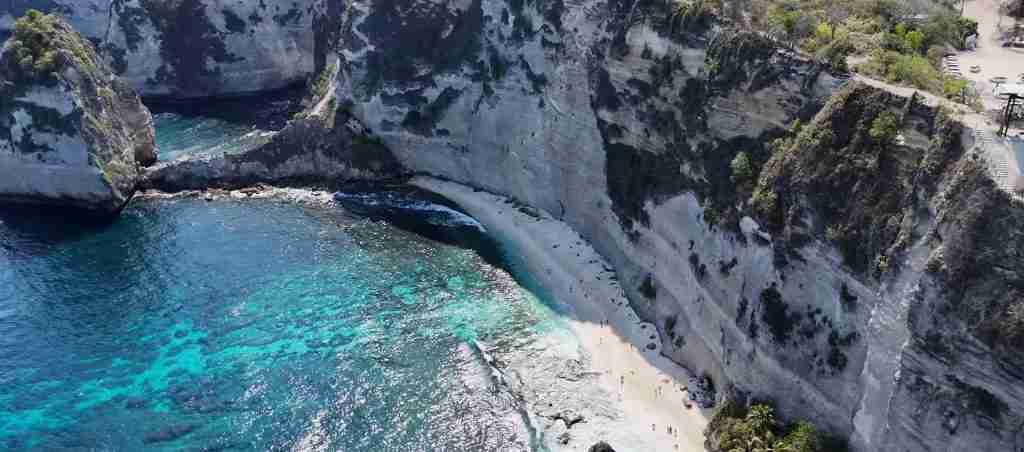
Nusa Islands accessible by fast boat IDR 150,000-300,000 ($10.50-21) from Sanur offer distinctive experiences. Nusa Penida features dramatic cliffside viewpoints at Kelingking Beach and Broken Beach requiring full-day tours IDR 600,000-900,000 ($42-62) due to rough roads and distance between attractions. Nusa Lembongan and Nusa Ceningan provide relaxed island atmosphere with pristine beaches, excellent snorkeling, and seaweed farming culture at accommodation costs IDR 350,000-1,200,000 ($24-83) nightly. Multi-day stays on Nusa Islands prove more economical and relaxing than rushed day trips attempting excessive attraction coverage within limited fast boat schedules.
Best Time to Visit Bali 2026
Bali’s tropical climate creates two distinct seasons affecting travel planning, accommodation pricing, and activity feasibility throughout 2026. Understanding weather patterns, crowd levels, and seasonal pricing variations enables strategic trip timing optimizing budget, experience quality, and photographic conditions across temple visits, beach days, and cultural activities.
Dry season extends April through October with minimal rainfall, lower humidity, and consistent sunny conditions ideal for outdoor activities, waterfall visits, and temple exploration. Within dry season, May, June, and September represent optimal balance between favorable weather and moderate tourist crowds, with accommodation prices 20-30% below July-August peak levels and attraction queues significantly shorter. July-August peak season brings largest tourist influxes, highest accommodation rates increasing 40-80% above low season, and advance booking requirements for popular tours and hotels though guaranteeing excellent weather and vibrant social atmosphere. April and October shoulder months transition between seasons with occasional afternoon showers but maintaining largely sunny mornings and substantial discounts on accommodations as low-season rates extend slightly beyond traditional November-March rainy period.
Rainy season November through March brings afternoon tropical downpours typically 1-3 hours duration rather than all-day precipitation, with mornings often remaining clear enabling temple visits and cultural activities before clouds build mid-afternoon. Rainfall intensity peaks December-February with potential for consecutive rainy days though rarely disrupting travel entirely as Bali’s infrastructure handles moisture effectively. Benefits include dramatic cloud formations enhancing photography, lush green landscapes with fuller waterfalls, and accommodation discounts 30-50% below high season enabling luxury villa stays at mid-range prices. Drawbacks encompass humidity discomfort, potential activity cancellations for boat trips and mountain treks, and reduced sunset visibility due to cloud cover.
Specific 2026 timing considerations include Nyepi Day (Balinese New Year) falling in March when entire island observes 24-hour silence with no flights, closed businesses, restricted travel, and darkened streets creating unique cultural experience though limiting tourist activities. Galungan and Kuningan festivals occurring twice yearly celebrate ancestral spirits with elaborate temple decorations, ceremonial processions, and penjor bamboo poles lining village streets offering exceptional cultural immersion though increasing temple crowd levels and accommodation demand. Islamic holidays including Eid al-Fitr bring Indonesian domestic tourist surges creating price spikes and booking challenges around late March-April dates requiring advance planning.
Daily timing within any season optimizes experiences significantly. Sunrise 6-8 AM provides ideal temple photography with soft light, minimal crowds, and cooler temperatures at sites like Lempuyang Temple and Mount Batur summit. Late afternoon 4-6 PM delivers optimal beach club atmosphere and sunset viewing at Uluwatu Temple or Tanah Lot, though producing larger crowds and reduced photography flexibility. Midday 11 AM-2 PM creates harsh lighting and heat discomfort making this period suitable for indoor activities like museums, cooking classes, or hotel pool relaxation rather than temple exploration or outdoor hiking.
Sample Daily Budget Breakdowns 2026
Understanding realistic daily costs across different travel styles enables accurate 2026 budget planning and expectations management. The following sample budgets demonstrate expenses for typical days at budget backpacker, mid-range comfort, and luxury levels, excluding accommodation which is detailed separately in the Accommodation Costs section.
Budget Backpacker Day (IDR 300,000-450,000 / $21-31 per person, excluding accommodation):
Breakfast warung nasi campur IDR 20,000 ($1.40), mid-morning temple visit entrance fee IDR 30,000 ($2.10), lunch street vendor mie goreng IDR 25,000 ($1.70), afternoon waterfall entrance IDR 20,000 ($1.40) plus parking IDR 5,000 ($0.35), dinner warung babi guling IDR 45,000 ($3.10), local Bintang beer small bottle IDR 30,000 ($2.10), scooter fuel IDR 30,000 ($2.10), incidental snacks and water IDR 25,000 ($1.70). Total day cost IDR 230,000 ($16) per person excluding accommodation.
Adding budget accommodation IDR 150,000 ($10.50) hostel dorm brings total daily budget IDR 380,000 ($26.40) per person. This budget assumes scooter rental amortized across multiple days, eating primarily local food, visiting standard attractions without expensive tours, and limiting alcohol consumption to 1-2 beers daily. Budget travelers can reduce costs further by cooking occasional meals from supermarket ingredients, camping at established sites IDR 50,000 ($3.50) nightly, or eliminating beer entirely achieving $20-22 total daily budgets.
Mid-Range Comfort Day (IDR 800,000-1,200,000 / $55-83 per person, excluding accommodation):
Breakfast cafe acai bowl and coffee IDR 85,000 ($5.90), private driver full day IDR 700,000 ($48) divided by two people IDR 350,000 ($24.20) per person, temple entrance fees IDR 75,000 ($5.20) for major site, lunch nice restaurant including drinks IDR 150,000 ($10.40), afternoon waterfall entrance and parking IDR 30,000 ($2.10), dinner upscale restaurant main course with appetizer IDR 200,000 ($13.80), cocktails at beach bar two drinks IDR 160,000 ($11.10), incidentals and bottled water IDR 50,000 ($3.50). Total day cost IDR 1,000,000 ($69) per person excluding accommodation.
Adding mid-range accommodation IDR 800,000 ($55) hotel room divided by two people IDR 400,000 ($28) per person brings total daily budget IDR 1,400,000 ($97) per person. This budget enables comfortable air-conditioned transport, mix of local and international cuisine, quality hotel amenities with pools and breakfast, and moderate alcohol consumption without financial stress while maintaining reasonable value consciousness.
Luxury Experience Day (IDR 3,000,000-5,000,000 / $210-345 per person, excluding accommodation):
Breakfast in-villa private chef service IDR 200,000 ($13.80), private driver luxury vehicle full day IDR 850,000 ($59), premium temple entrance with private guide IDR 150,000 ($10.40), lunch fine dining restaurant with wine IDR 500,000 ($35), afternoon spa treatment 90-minute massage IDR 700,000 ($48), dinner upscale beachfront restaurant three courses with wine pairing IDR 1,200,000 ($83), beach club daybed minimum spend applied to food and drinks IDR 1,000,000 ($69) divided by two people IDR 500,000 ($35) per person, incidentals IDR 100,000 ($7). Total day cost IDR 3,200,000 ($221) per person excluding accommodation.
Adding luxury accommodation IDR 5,000,000 ($345) private villa with pool divided by two people IDR 2,500,000 ($173) per person brings total daily budget IDR 5,700,000 ($394) per person. Luxury travel in Bali delivers exceptional value compared to equivalent Western experiences, with $400 daily budgets providing five-star service, premium dining, spa treatments, and exclusive experiences that would cost $800-1,200 in Europe or North America.
Money-Saving Strategies for Bali 2026
Maximizing value in Bali requires strategic decisions across accommodation, dining, transport, and activities without compromising experience quality or safety. The following proven strategies reduce costs 30-50% while maintaining comfort and cultural authenticity essential for meaningful travel experiences.
Accommodation value improves dramatically through strategic choices. Booking 1-2 months advance during shoulder season April-June and September-October secures 20-40% discounts compared to last-minute high season rates. Areas like Canggu, Sanur, and Ubud deliver better quality-to-price ratios than premium Seminyak beachfront where location commands disproportionate premiums for equivalent amenities. Extended stays negotiate weekly or monthly discounts, with many mid-range hotels accepting 15-25% reductions for 7+ consecutive nights particularly during low season. Villa sharing among groups or families splits costs dramatically, with four-bedroom properties at IDR 4,000,000-8,000,000 ($275-550) nightly sleeping eight people at $35-70 per person including full kitchen, private pool, and multiple bathrooms — substantially cheaper than hotel rooms at comparable per-person rates.
Dining expenses decrease most significantly through “mix and match” strategy combining local warungs for 2-3 daily meals with occasional upscale restaurants for special dinners. Eating breakfast from supermarket supplies IDR 100,000-150,000 ($7-10.50) covering multiple days plus warung lunches IDR 25,000 ($1.70) and dinners IDR 45,000 ($3.10) maintains $15-20 daily food budgets while occasional splurges on IDR 200,000-300,000 ($14-21) restaurant meals don’t destroy overall budgets. Avoiding tourist restaurant strips like Jalan Legian in Kuta and exploring neighborhoods behind main roads reveals identical food quality at 30-50% lower prices. Drinking tap water after boiling or using water purification tablets eliminates bottled water costs IDR 8,000-15,000 ($0.55-1.05) daily, saving IDR 240,000-450,000 ($16.50-31) monthly for long-term visitors. Supermarkets like Bintang and Pepito charge local prices for packaged foods, fruits, and snacks versus tourist convenience stores marking up 50-100%.
Transportation optimization slashes costs while maintaining flexibility. Scooter rental at IDR 700,000 ($48) weekly versus daily taxi costs IDR 100,000-200,000 ($7-14) for typical journeys pays for itself within 4-5 days, providing unlimited transport freedom plus access to remote beaches and temples inaccessible by larger vehicles. Grab and Gojek motorcycle taxis cost 50-70% less than cars for solo travel with IDR 15,000-25,000 ($1.05-1.70) trips versus IDR 40,000-60,000 ($2.75-4.15) car rides covering identical routes. Combining scooter rental with occasional private driver days for complex temple circuits balances independence and safety, using drivers for challenging drives like north Bali waterfall tours while maintaining scooter freedom for daily Ubud-Canggu-Seminyak exploration.
Activity and attraction strategies maintain cultural immersion while controlling costs. Free rice terrace walks at Campuhan Ridge, public beaches throughout the island, and temple ceremonies observable from outside compounds provide authentic experiences without entrance fees. Booking tours through platforms like Klook or GetYourGuide secures 10-25% discounts versus hotel concierge bookings, with multi-day advance purchases accessing early-bird rates unavailable for same-day bookings. Sharing tours among friends splits private guide costs, with four-person private tours often costing just 25-40% more than solo rates creating per-person savings. Visiting attractions before 9 AM avoids crowds at popular sites like Tirta Empul and Tegalalang Rice Terrace while providing superior photography lighting and spiritual atmosphere before tour bus arrivals.
Timing optimization reduces accommodation costs substantially. Shoulder season April-June and September-October delivers 25-40% savings versus July-August peak while maintaining excellent weather reliability. Low season November-March offers 40-60% discounts for travelers accepting afternoon rain showers, with many properties negotiating additional reductions for direct bookings bypassing commission-charging platforms. Weekday stays Monday-Thursday sometimes secure lower rates than weekend arrivals at beach properties in Seminyak and Canggu targeting Indonesian domestic tourists on weekend breaks. Flexibility with exact dates enables last-minute booking discounts, though this strategy risks limited selection during peak periods requiring backup accommodation options.
Safety and Health Considerations 2026
Bali maintains generally safe environment for tourists with violent crime remaining rare, though specific health and safety awareness prevents common issues affecting foreign visitors annually. Understanding risks and taking appropriate precautions ensures smooth 2026 trips while avoiding preventable accidents, illnesses, and legal complications that disrupt vacations and create expensive problems.
Traffic accidents represent the primary injury risk for tourists, with scooter crashes resulting from inexperience, poor road conditions, aggressive drivers, and lack of proper safety equipment causing hundreds of foreign visitor hospitalizations annually. Comprehensive travel insurance covering scooter accidents proves absolutely essential as medical evacuation costs reach $50,000-100,000, with many standard policies excluding motorized two-wheel vehicles requiring specific endorsements or adventure sports coverage additions. Helmet usage significantly reduces head injury severity though rental helmets often provide inadequate protection — bringing personal DOT or ECE-certified helmets from home ensures proper fit and safety standards. Defensive riding techniques including assuming cars won’t yield, maintaining safe following distances on slippery roads, and avoiding night riding when unlit obstacles and intoxicated drivers increase hazards substantially improve safety outcomes.
Petty theft targets tourists particularly around Kuta beaches, Seminyak nightlife areas, and crowded markets, requiring vigilance with phones, wallets, and bags. Snatch-and-grab motorcycle theft occurs when riders target pedestrians walking with visible phones or bags, accelerating past and grabbing items before victims react — keeping phones secured in pockets and bags across body rather than shoulder prevents most incidents. Hotel safe usage for passports, excess cash, and valuable electronics eliminates risks from both external theft and occasional staff dishonesty, though photographing passport information pages and maintaining digital copies enables replacement if safes prove unreliable. ATM skimming occasionally occurs at standalone machines in tourist areas, making bank branch ATMs during business hours safer than street-corner standalone units for cash withdrawals.
Drink spiking and methanol poisoning in alcoholic beverages create serious health risks particularly in nightlife areas and beach clubs. Reports indicate incidents concentrated in Kuta, Seminyak, and Gili Islands involving both deliberately spiked drinks facilitating robbery or assault and contaminated spirits containing toxic methanol rather than ethanol. Precautions include watching bartenders prepare drinks, never accepting drinks from strangers, avoiding extremely cheap spirits likely adulterated to increase profit margins, and never leaving drinks unattended. Symptoms of methanol poisoning include nausea, headache, vision problems, and confusion requiring immediate medical attention as untreated cases cause blindness or death — seeking treatment quickly improves outcomes dramatically.
Water-borne and food-borne illnesses affect many visitors despite precautions, with tap water remaining non-potable requiring bottled water for drinking and tooth brushing. Ice in reputable restaurants and tourist areas generally comes from purified water sources though street vendors may use tap water for ice production creating illness risks. Food safety standards vary widely, with tourist restaurants maintaining generally safe practices while street food and small warungs sometimes involve questionable hygiene though rarely causing serious illness beyond temporary stomach discomfort. Gradual introduction to local food rather than immediate total immersion in street vendor meals allows digestive systems to adjust, while probiotics and hand sanitizer reduce infection risks.
Dengue fever transmitted by daytime-biting Aedes mosquitoes represents the primary vector-borne disease risk, with no vaccine available for travelers requiring prevention through insect repellent containing 20-30% DEET, long sleeves and pants during dawn and dusk peak biting times, and air-conditioned or screened accommodations eliminating exposure during sleep. Symptoms include high fever, severe headache, joint pain, and rash appearing 4-10 days after infection, requiring medical evaluation and monitoring though most cases resolve without complications. Mosquito coils and electronic repellents provide additional protection in outdoor dining areas and open-air accommodations common across Bali.
Sun protection proves essential in tropical climate, with UV radiation causing rapid sunburn particularly for fair-skinned visitors. SPF 50+ sunscreen applied frequently, wide-brimmed hats, and UV-protective clothing prevent burns and long-term skin damage, while midday sun avoidance 11 AM-3 PM reduces exposure during peak intensity hours. Heat exhaustion and dehydration affect visitors unaccustomed to tropical heat and humidity, requiring frequent water intake beyond thirst sensation and electrolyte replacement through coconut water or sports drinks during extended outdoor activities.
Legal considerations include Indonesia’s strict drug laws imposing death penalty for trafficking and lengthy prison sentences for possession of even small amounts of marijuana or other controlled substances. Police corruption enables shakedowns of tourists accused of violations, with best response being polite cooperation, refusing to pay on-the-spot fines without official receipts, and contacting embassy if arrested. The revised criminal code effective January 2026 criminalizes cohabitation and sex outside marriage though implementation details remain unclear and enforcement likely targets Indonesian nationals rather than foreign tourists — nonetheless, discretion regarding unmarried couple status prevents potential complications. Respect for local customs including proper temple dress codes with sarongs covering legs and shoulders, appropriate behavior during ceremonies, and avoiding disrespectful actions like standing higher than priests during rituals prevents offense and maintains positive local relationships essential for quality travel experiences.
Practical Travel Tips and Essentials 2026
Successful Bali trips require understanding practical details beyond major planning categories, with small logistical elements significantly impacting daily comfort, cost efficiency, and stress levels throughout visits. The following essential tips address common questions and concerns first-time Bali travelers encounter while providing experienced visitor insights optimizing 2026 trips.
Currency and payments require strategic approach balancing convenience and costs. Indonesian Rupiah (IDR) exchange rates fluctuate around 16,000-17,000 per USD, with large denomination bills like IDR 100,000 notes (approximately $7) creating change-making difficulties at small vendors preferring smaller IDR 20,000-50,000 notes. ATMs proliferate across tourist areas dispensing maximum IDR 3,000,000 ($200) per transaction with fees typically IDR 50,000-70,000 ($3-4.50), making larger withdrawals economical despite cash carrying concerns requiring hotel safe usage. Credit cards gain acceptance at hotels, upscale restaurants, and tours though many small businesses remain cash-only including warungs, temples, markets, and transportation. Licensed money changers like Central Kuta Money Exchange offer competitive rates avoiding airport exchange counter premiums reaching 5-8% below street rates — counting all bills carefully before leaving counter prevents short-changing scams occasionally targeting distracted tourists.
Communication and internet connectivity remain excellent throughout Bali’s tourist areas. Local SIM cards from Telkomsel or XL Axiata cost IDR 50,000-100,000 ($3.50-7) including 3-8GB data valid 30 days, purchased at airport arrival kiosks, convenience stores, or provider outlets requiring passport presentation for registration. Data speeds support video calls, social media, and navigation apps essential for independent travel, though remote areas and north Bali experience spotty coverage. Free WiFi at accommodations, cafes, and restaurants provides connectivity for travelers avoiding SIM purchases, though public networks raise security concerns for banking or sensitive transactions warranting VPN usage or cellular data for financial activities.
Clothing and packing considerations reflect tropical climate and cultural requirements. Lightweight breathable fabrics suit heat and humidity, with quick-dry materials enabling hand washing and overnight drying in humid conditions. Temple visits require sarong and sash covering legs and shoulders — purchasing quality sarong IDR 50,000-100,000 ($3.50-7) at markets provides reusable temple entry coverage versus repeatedly renting inadequate thin sarongs at individual temples. Modest clothing for temple visits contrasts with beach resort casual wear acceptable at hotels and tourist areas, requiring packed variety accommodating different contexts. Flip-flops and sandals suit most situations though sturdy closed-toe shoes essential for waterfall hikes with slippery rocks and steep descents. Rain jacket or compact umbrella proves useful during occasional tropical downpours even in dry season, while sweatshirt or light jacket suits air-conditioned restaurants and higher elevation locations like Ubud and Bedugul experiencing cooler evening temperatures.
Health preparation includes comprehensive travel insurance covering medical evacuation, scooter accidents if riding, and trip cancellation protecting pre-paid expenses. Basic medical kit should contain anti-diarrheal medication, pain relievers, antihistamines for allergic reactions, antiseptic cream and bandages for minor cuts, and any prescription medications in original packaging with doctor’s letter explaining medical necessity. Vaccinations recommended include Hepatitis A and Typhoid for food and water protection, with routine vaccinations current including Tetanus and MMR. Malaria prophylaxis unnecessary for Bali though dengue prevention through insect repellent and protective clothing essential during rainy season peak transmission periods.
Photography considerations maximize captured memories while respecting local sensitivities. Temples require special etiquette including not standing higher than priests during ceremonies, asking permission before photographing worshippers engaged in prayer, and avoiding flash photography disrupting sacred moments. Drone usage faces increasing restrictions at popular locations including Uluwatu Temple and rice terraces, with violations resulting in confiscation and fines — checking local regulations before flying prevents expensive complications. Sunrise and golden hour 6-8 AM provide optimal lighting for temple and landscape photography avoiding harsh midday shadows, while overcast days during rainy season create dramatic cloud formations and moody atmospheric shots impossible during dry season clear skies.
Environmental responsibility and sustainable tourism minimize negative impacts on Bali’s strained infrastructure and natural resources. Plastic waste reduction through reusable water bottles, shopping bags, and food containers decreases contribution to island’s plastic pollution crisis overwhelming waste management systems. Reef-safe sunscreen prevents chemical damage to coral ecosystems during snorkeling and diving, with many products containing oxybenzone and octinoxate banned in marine protected areas. Choosing established businesses over illegal operations, respecting wildlife by avoiding elephant riding and animal exploitation attractions, and supporting local craftspeople through fair-price purchases rather than aggressive bargaining contribute to sustainable tourism benefiting local communities rather than extracting value while degrading environments and cultures.
Frequently Asked Questions About Bali Travel 2026
How many days should I spend in Bali?
Seven to ten days provides ideal timeframe for first-time Bali visitors experiencing south coast beaches, Ubud’s cultural attractions, and 1-2 day trips to temples or waterfalls without excessive rushing. Budget-conscious backpackers often extend to 2-4 weeks utilizing affordable accommodation and slow travel pace exploring hidden areas, while luxury travelers compress highlights into 5-7 days combining premium accommodations with efficient private driver touring. Single-region focus like south coast beaches requires minimum 4-5 days, while comprehensive island exploration including north Bali and Nusa Islands benefits from 14+ days allowing multiple bases avoiding constant packing and unpacking stress.
Is Bali safe for solo female travelers in 2026?
Bali remains generally safe for solo female travelers with millions visiting annually without serious incidents, though standard precautions apply including avoiding isolated areas after dark, using registered taxis or ride-hailing apps rather than unmarked vehicles, maintaining awareness in nightlife areas regarding drink security, and trusting instincts when situations feel uncomfortable. Solo female travelers report positive experiences in Ubud, Canggu, and Sanur where yoga communities and digital nomad populations create welcoming atmospheres, while Kuta’s aggressive party scene sometimes produces uncomfortable attention from drunk Australian tourists and local men. Joining group tours or activities provides social opportunities and safety through numbers during waterfall hikes or temple visits in remote areas.
What should I pack in my daypack for daily Bali exploration?
Essential daypack items include sunscreen SPF 50+ reapplied every 2 hours, insect repellent with DEET for dengue prevention, reusable water bottle reducing plastic waste, small denomination cash IDR 200,000-300,000 ($14-21) for temple entrance fees and meals, sarong for temple visits avoiding rental fees, phone with downloaded offline maps enabling navigation without data, portable charger maintaining battery through photo-heavy days, hand sanitizer for hygiene before street food meals, and light rain jacket or compact umbrella for afternoon tropical showers. Additional optional items include snorkel mask for beach days, GoPro or action camera for waterfall swimming, notebook for journaling temple experiences, and small first-aid kit with bandages and pain relievers.
Can I drink tap water in Bali or do I need bottled water?
Tap water throughout Bali remains non-potable for tourists requiring bottled water for drinking, ice cube consideration at street vendors though reputable restaurants use purified water ice, and avoiding raw vegetables washed in tap water at questionable establishments. Bottled water costs IDR 5,000-15,000 ($0.35-1.05) for 1.5-liter bottles from supermarkets versus IDR 20,000-30,000 ($1.40-2.10) at tourist convenience stores and hotels. Reusable bottles with built-in filters like LifeStraw reduce plastic waste while maintaining hydration safety, with many accommodations providing refillable purified water stations eliminating bottled water purchases entirely. Tooth brushing with tap water poses minimal risk though cautious travelers use bottled water, while showering and swimming pool water causes no health concerns despite occasional skin dryness from chlorination levels.
Do I need to tip in Bali restaurants and for services?
Tipping remains optional in Bali though increasingly expected in tourist areas, with standards varying by service type and establishment category. Restaurants typically add 10% service charge plus 11% tax to bills (21% total), eliminating obligation for additional tipping though rounding up bills or leaving small cash amounts IDR 20,000-50,000 ($1.40-3.50) rewards exceptional service. Drivers for full-day tours appreciate IDR 50,000-100,000 ($3.50-7) tips reflecting satisfaction with service, while tour guides merit IDR 100,000-200,000 ($7-14) for comprehensive explanations and personalized attention. Spa treatments customarily receive 10-15% tips added to bills or paid directly to therapists in cash, while hotel porters expect IDR 20,000 ($1.40) per bag. Ride-hailing app drivers through Grab or Gojek don’t expect tips though small amounts like IDR 5,000-10,000 ($0.35-0.70) demonstrate appreciation for navigating traffic or waiting patiently.
What’s the WiFi and internet situation for digital nomads working from Bali in 2026?
Bali provides excellent internet infrastructure in major tourist areas supporting digital nomad work requirements, with coworking spaces in Canggu like Dojo, Outpost, and Tropical Nomad offering 50-100 Mbps connections for IDR 150,000-250,000 ($10.50-17.30) daily or IDR 1,500,000-2,500,000 ($105-173) monthly memberships including air conditioning, ergonomic furniture, meeting rooms, and social events. Cafes throughout Ubud, Seminyak, and Canggu provide free WiFi varying 10-50 Mbps speed suitable for emails and browsing though potentially insufficient for video calls or large file transfers. Accommodation WiFi quality varies dramatically from unusable 1-2 Mbps at budget guesthouses to excellent 50+ Mbps at mid-range hotels and villas, requiring verification of speed before booking for extended remote work stays. Mobile data through local SIM cards delivers backup connectivity, with Telkomsel 4G covering most areas at speeds supporting video conferencing when primary WiFi fails.
Are there ATMs everywhere in Bali or should I bring all my cash?
ATMs proliferate throughout tourist areas in south Bali, Ubud, and major towns, with bank branch locations offering most reliable service during business hours while standalone street machines sometimes run empty during weekends or experience technical issues. Maximum withdrawal amounts typically cap at IDR 3,000,000 ($200) per transaction with fees IDR 50,000-70,000 ($3-4.50) regardless of amount, making larger withdrawals economical despite carrying cash concerns. Remote areas like north Bali, east coast beyond Candidasa, and smaller villages may lack ATM access requiring cash planning for multi-day trips to these regions. Credit card acceptance at hotels, tour operators, and upscale restaurants reduces cash requirements though small vendors, temples, markets, and local transport remain cash-only necessitating regular ATM visits maintaining IDR 500,000-1,000,000 ($35-70) available funds for daily expenses.
What vaccinations do I need for Bali travel in 2026?
No mandatory vaccinations exist for Bali entry from most countries, though recommended immunizations include Hepatitis A protecting against food and water-borne infection, Typhoid for similar protection particularly when eating street food or visiting rural areas, and ensuring routine vaccinations remain current including Tetanus-Diphtheria-Pertussis, MMR (Measles-Mumps-Rubella), and seasonal influenza. Japanese Encephalitis vaccination warrants consideration for travelers spending extended time in rural agricultural areas during rainy season though risk remains low for typical tourist itineraries focusing on south coast and Ubud. Rabies pre-exposure vaccination benefits travelers planning significant animal interaction or extended rural stays, with Bali’s dog and monkey populations potentially carrying rabies requiring immediate medical attention for any bites or scratches regardless of vaccination status. Malaria prophylaxis proves unnecessary for Bali as island eliminated malaria, though dengue fever prevention through insect repellent essential as no vaccine exists for travelers.
Can I use Uber or Lyft in Bali or are there different ride apps?
Uber ceased operations in Indonesia in 2018, with Grab and Gojek serving as primary ride-hailing platforms offering motorcycle taxis (GoRide, GrabBike) and cars (GoCar, GrabCar) throughout Bali. Both apps function identically to Uber with transparent upfront pricing, driver ratings, GPS tracking, and cashless payment options accepting credit cards and digital wallets. App usage requires internet connectivity through WiFi or local SIM card data, with downloads before arrival enabling immediate airport pickup avoiding official taxi queues and inflated rates. Local taxi mafia control certain areas like Uluwatu beaches and major temples where app pickup triggers driver harassment, forcing negotiations with local transport operators at higher rates — drivers often request meeting at nearby locations avoiding problematic zones.
What are the best Instagram-worthy photography spots in Bali for 2026?
Bali’s most photographed locations include Lempuyang Temple “Gates of Heaven” creating iconic Mount Agung reflections though requiring 2-3 hour queues during peak midday hours versus minimal waits at 7-8 AM opening, Tegalalang Rice Terrace giant swings at IDR 100,000-200,000 ($7-14) per person for unlimited time including various props and platforms, Tukad Cepung Waterfall canyon with dramatic sunbeam effects best 8-10 AM when sun angles create light shafts, and Handara Golf Resort’s traditional gates with mountain backdrop charging IDR 20,000-50,000 ($1.40-3.50) quick photo stop. Nusa Penida’s Kelingking Beach T-Rex cliff viewpoint requires boat transfer and full-day commitment though delivers spectacular aerial-perspective coastline shots, while Tanah Lot Temple sunset silhouettes against ocean waves create classic Bali imagery during golden hour 5:30-6:30 PM. Ubud’s rice paddies along Campuhan Ridge Walk and numerous cafes with jungle-view infinity pools provide Instagram content without crowds or fees, while beach clubs like Finns and Potato Head offer styled pool shots with ocean backgrounds at minimum spending costs previously detailed.