
Best 10 Free Things to Do in Krakow 2026: Budget Travel Guide
Krakow offers remarkable experiences without spending a single zloty, from UNESCO World Heritage sites to vibrant cultural districts and stunning viewpoints. This comprehensive guide reveals the city’s best free attractions, helping budget-conscious travelers maximize their 2026 visit while exploring Poland’s cultural capital authentically and affordably.
Key Takeaways: Free Krakow Experiences 2026
- Wawel Castle Grounds Access: Walk the historic courtyards and enjoy panoramic Vistula River views completely free, with cathedral access available for just €2
- UNESCO Old Town Exploration: The entire medieval Old Town, including Main Market Square and Planty Park ring, offers free walking and cultural immersion
- Museum Free Days 2026: Many major museums offer free entry on Tuesdays, including Rynek Underground Museum and National Museum galleries
- Kazimierz Cultural District: Explore the historic Jewish Quarter’s streets, synagogue exteriors, Ghetto Heroes Square memorial, and bohemian atmosphere at no cost
- Krakus Mound Summit: Climb to the city’s highest point for 360-degree panoramic views and explore prehistoric history completely free
- Public Transport Savings: Over-70s travel free, while 60-minute tickets cost just 6 PLN (€1.30) for unlimited tram and bus transfers
People Also Ask About Free Things to Do in Krakow 2026
What are the completely free museums in Krakow in 2026?
MOCAK (Museum of Contemporary Art in Krakow) offers permanent free admission throughout 2026, making it one of Poland’s few major museums with no entry fee. Located in the Zabłocie district near Schindler’s Factory, MOCAK presents rotating contemporary art exhibitions across multiple galleries. Additionally, many museums offer free entry on specific weekdays: Rynek Underground Museum opens free on Tuesdays (reduced hours until 2 PM), National Museum galleries provide free access on Tuesdays, and the Gallery of 19th Century Polish Art in the Cloth Hall admits visitors free on Tuesdays. Schindler’s Factory Museum offers free Monday entry, while many smaller galleries in Kazimierz maintain permanent free admission. Plan Tuesday visits strategically to maximize free museum access across the city.
Can I visit Wawel Castle for free in 2026?
Wawel Castle grounds and courtyards remain completely free to explore in 2026, offering access to the Renaissance architecture, defensive walls, panoramic terraces overlooking the Vistula River, and the famous dragon sculpture. The cathedral allows free entry for worship through the main entrance, though tourists typically use the side entrance with tickets costing €2 (approximately 9 PLN). The cathedral’s Bugle Tower requires an additional €3 ticket. Interior castle exhibitions including State Rooms, Royal Private Apartments, and Crown Treasury require separate paid tickets ranging from 43-199 PLN depending on the exhibition. However, walking the castle grounds, photographing the architecture, and enjoying the views costs nothing. Monday mornings offer free access to select castle undercroft exhibitions including the Ottoman tents and armor collection. Budget travelers can easily spend 1-2 hours exploring the free areas while deciding whether paid exhibitions justify the additional cost.
Is the Main Market Square in Krakow free to visit?
Rynek Główny, Krakow’s Main Market Square, offers completely free access 24/7 throughout 2026. As one of Europe’s largest medieval market squares and a UNESCO World Heritage component, the space provides free cultural immersion including street performers, outdoor cafes to observe (sitting requires purchases), seasonal flower stalls, the iconic Cloth Hall exterior architecture, and St. Mary’s Basilica exterior. The hourly trumpet call (Hejnał) from St. Mary’s tower occurs every hour on the hour and can be heard throughout the square at no cost. Entrance to St. Mary’s Basilica interior costs €2 for tourists (free for worship), while the Cloth Hall houses the Gallery of 19th Century Polish Art (free on Tuesdays, otherwise ticketed). The square serves as Krakow’s living room where locals and tourists mingle freely, making it an essential free stop for understanding the city’s social fabric. Photography, people-watching, and soaking in the medieval atmosphere cost nothing.
What free activities can families enjoy in Krakow in 2026?
Families discover numerous free activities in Krakow during 2026 visits. Planty Park, the green ring encircling the Old Town, provides playgrounds, open spaces for children to run, seasonal events, and shaded walking paths perfect for stroller navigation. Krakus Mound offers an adventurous free climb with children enjoying the outdoor activity and summit views. The Vistula River boulevards feature free walking and cycling paths, picnic areas, and seasonal beach zones where children play in designated areas. Kazimierz district streets allow free exploration with children fascinated by colorful street art, vintage shops to window browse, and the bohemian atmosphere. Main Market Square provides free entertainment through street performers, living statues, and giant bubble shows that captivate young audiences. Jordan Park offers free entry with playgrounds and green spaces. The Ghetto Heroes Square memorial, while historically significant, provides an educational free experience appropriate for older children learning about World War II history. Many churches allow free entry for worship, exposing children to stunning architecture and cultural heritage without admission fees.
Extended multi-day tours – 5+ days
Featured Krakow Multi-Day Tour Packages
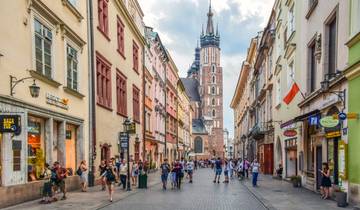
4 days
Krakow, Poland
- ✓ Comprehensive Krakow tour
- ✓ Expert local guides included
- ✓ All accommodation arranged
- ✓ Transportation provided
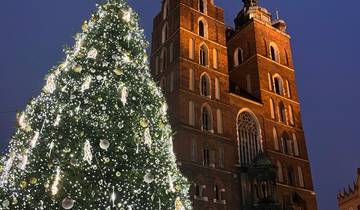
3 days
Christmas Spirit in Krakow
- ✓ Booking needs min. 2 travelers
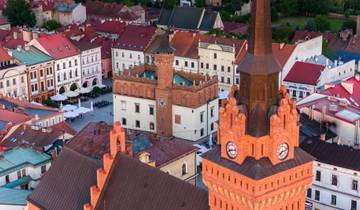
5 days
Journey into Polish History and Culture
- ✓ Comprehensive Krakow tour
- ✓ Expert local guides included
- ✓ All accommodation arranged
- ✓ Transportation provided
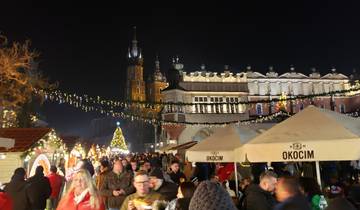
4 days
Krakow, Poland Christmas Markets
- ✓ Comprehensive Krakow tour
- ✓ Expert local guides included
- ✓ All accommodation arranged
- ✓ Transportation provided
Multi-day tour packages powered by TourRadar. Prices and availability subject to change.
Introduction: Experiencing Krakow Without Breaking the Bank in 2026
Krakow stands as one of Europe’s most budget-friendly capitals, where UNESCO World Heritage sites, medieval architecture, and vibrant cultural experiences await without requiring significant financial investment. Unlike many Western European cities where major attractions command steep entrance fees, Poland’s former royal capital maintains accessible cultural heritage, with many of its most significant sites offering free or nominal-cost access throughout 2026.
The city’s compact Old Town encourages walking exploration, eliminating transportation costs while immersing visitors in centuries of architectural evolution. From the Wawel Royal Castle grounds overlooking the Vistula River to the atmospheric Jewish Quarter of Kazimierz, Krakow’s free attractions span royal history, religious heritage, wartime remembrance, and contemporary culture. Strategic planning around museum free days, combined with outdoor exploration and cultural district wandering, creates rich experiences without straining travel budgets.
This guide presents the ten best free activities in Krakow for 2026, each offering authentic cultural engagement, historical significance, or natural beauty. Whether traveling solo, as a couple, or with family, these cost-free experiences provide the foundation for understanding Krakow’s unique character while reserving budget for optional paid attractions, dining, and accommodation. The selections balance iconic landmarks with lesser-known gems, ensuring both first-time visitors and return travelers discover meaningful experiences without spending zloty on admission fees.
1. Wawel Castle Grounds and Courtyards 2026: Royal History Without Admission Fees
Wawel Royal Castle, Poland’s most significant historical monument and a UNESCO World Heritage site, offers free access to its expansive grounds, courtyards, and defensive perimeter throughout 2026. While interior exhibitions require tickets, the castle’s exterior spaces provide rich historical immersion, architectural appreciation, and panoramic city views without any cost.
The castle complex sits atop Wawel Hill, rising above the Vistula River and dominating Krakow’s southern skyline. Visitors ascend through the main gate free of charge, entering courtyards where Polish kings were crowned, royal processions occurred, and Renaissance architecture flourished. The Renaissance arcaded courtyard, designed by Italian architects in the 16th century, represents one of Poland’s finest architectural achievements and can be photographed and explored completely free.
Free areas include the defensive walls offering Vistula River views, the cathedral exterior (worship entry free, tourist entry €2), and the famous Wawel Dragon sculpture breathing real fire every 5 minutes at the base of the hill. The sculpture and dragon’s den cave entrance provide popular photo opportunities, particularly appealing to families with children. Walking the castle perimeter reveals changing perspectives on the Gothic cathedral towers, Renaissance palace wings, and fortification systems developed across centuries.
Budget travelers should allocate 1-2 hours for free exploration of Wawel grounds. Morning visits (8-10 AM) avoid tour group crowds, while late afternoon golden hour (5-7 PM April-October) provides optimal photography lighting. The grounds close at varying times seasonally, with extended summer hours and earlier winter closures. Monday mornings offer free access to select castle undercroft exhibitions including Ottoman tents and armor collections, though this should be verified on the official website before visiting.
The Wawel Cathedral, while technically requiring €2 tourist admission, allows free entry for worship purposes through the main entrance. Visitors attending religious services or entering respectfully during non-service hours for prayer can access the cathedral’s stunning interior, Vasa Chapel, and royal tombs without payment. The cathedral’s Bugle Tower requires an additional €3 ticket and should be considered optional rather than essential for budget-conscious visitors.
2. Main Market Square (Rynek Główny) 2026: Europe’s Largest Medieval Square
Rynek Główny, Krakow’s Main Market Square, serves as the beating heart of the city and ranks among Europe’s largest medieval urban squares. Measuring 200 meters by 200 meters and dating to the 13th century, this UNESCO World Heritage component offers free 24/7 access, providing cultural immersion, architectural appreciation, and people-watching opportunities without any admission cost.
The square’s centerpiece, the Cloth Hall (Sukiennice), presents Renaissance architecture that can be admired from the exterior completely free. The arcaded ground floor hosts souvenir and craft vendors, allowing window shopping and browsing without purchase obligations. The Gallery of 19th Century Polish Art occupies the upper floor (free on Tuesdays, ticketed other days), but the building’s exterior architectural details, including gargoyles, arcades, and decorative elements, provide rich visual interest at no cost.
St. Mary’s Basilica dominates the square’s northeastern corner, its asymmetrical Gothic towers creating Krakow’s most recognizable silhouette. Every hour on the hour, a trumpeter plays the Hejnał melody from the taller tower, abruptly stopping mid-tune to commemorate a 13th-century trumpeter shot through the throat while warning the city of Mongol invasion. This living tradition can be heard throughout the square free of charge, though watching the performance clearly requires strategic positioning. Interior basilica access costs €2 for tourists (free for worship), making the exterior experience and trumpet call the budget-friendly option.
The square pulses with free entertainment throughout 2026. Street performers including living statues, musicians, and artists create spontaneous shows, with tips appreciated but not required. Seasonal markets (Christmas, Easter) transform the square into festive wonderlands that can be browsed free of charge. The Adam Mickiewicz Monument, honoring Poland’s national poet, serves as a popular meeting point and free photo opportunity. Horse-drawn carriages wait along the square’s edges, offering paid rides but providing atmospheric background for free square exploration.
Optimal free experiences occur during different times: early morning (6-8 AM) provides empty square photography opportunities before tour groups arrive; midday (11 AM-2 PM) showcases maximum activity with street performers, flower vendors, and tourist energy; and late evening (9-11 PM) offers romantic atmosphere with illuminated architecture and reduced crowds. The square’s surrounding townhouses feature historical facades that reward careful architectural observation, from Gothic windows to Renaissance sgraffito decoration and Baroque embellishments, all viewable without spending zloty.
3. Planty Park Ring 2026: Green Belt Encircling the Old Town
Planty Park forms a continuous green belt encircling Krakow’s Old Town, occupying the former defensive moat area where medieval fortification walls once stood. This 4-kilometer pedestrian path offers free access throughout 2026, providing peaceful escape from urban intensity, seasonal gardens, monuments, fountains, and shaded walking routes perfect for budget-conscious travelers seeking respite without admission fees.
The park’s creation in the early 19th century transformed defensive infrastructure into public recreational space, now maintained as eight distinct sections, each with unique character. Visitors can walk the entire ring in approximately 45-60 minutes at a leisurely pace, discovering monuments to Polish cultural figures, seasonal flower displays, historic gates and towers, and perspective views of Old Town architecture from the park’s outer edge.
Free highlights include the Florian Gate and Barbican fortress remnant at the northern section, the only surviving medieval gate tower complex in Krakow. The Barbican, a rare example of Gothic defensive architecture, can be admired from the exterior free of charge (interior access requires ticket). St. Florian’s Gate connects directly to the park, allowing free passage through its archway while observing defensive architecture details, arrow slits, and historical plaques.
Seasonal experiences enhance free park visits. Spring (April-May) brings spectacular flower blooms including tulips, daffodils, and magnolias, with organized garden beds creating colorful displays. Summer (June-August) provides full tree canopy shade, benches for rest, and occasional free outdoor concerts or cultural events. Autumn (September-October) offers golden foliage photography opportunities, particularly beautiful along the western sections. Winter (December-February) maintains free access though some paths may be snow-covered, with the park taking on quiet, contemplative character.
Budget travelers should utilize Planty Park as both destination and practical walking route. Rather than paying for taxis or public transport between Old Town attractions, walking through Planty provides pleasant connection between sites. The park includes numerous benches for free rest stops, public restrooms at various points (small fee), drinking fountains, and children’s playgrounds in select sections. Joggers and cyclists frequent the park early morning and evening, creating active urban nature scene viewable and joinable at no cost.
Notable monuments include the statue of Queen Jadwiga and King Władysław Jagiełło, Copernicus Monument, and various commemorative plaques honoring Polish cultural figures. Each provides free historical education through inscriptions (often in Polish, English, and Latin) and sculptural artistry. The Archaeological Museum borders the park’s southern edge, with its exterior and archaeological garden fragments viewable free through park pathways, though museum interior requires admission.
4. Kazimierz Jewish Quarter 2026: Historic District Free Walking
Kazimierz, Krakow’s historic Jewish Quarter, offers one of Europe’s most atmospheric cultural districts with completely free street exploration throughout 2026. Once an independent town before annexation to Krakow in 1800, and home to Poland’s most significant Jewish community before World War II, Kazimierz now blends historical heritage, bohemian culture, contemporary art, and vintage charm accessible without admission fees.
Free exploration centers on walking Kazimierz’s grid of streets, each revealing layers of Jewish, Christian, and contemporary culture. The main thoroughfare, ulica Szeroka (Broad Street), serves as Kazimierz’s historical heart, featuring the Old Synagogue (oldest surviving Jewish religious building in Poland, though interior requires ticket) and surrounded by former Jewish prayer houses, community buildings, and restaurants occupying medieval structures. The square’s atmosphere, street-level architecture, Hebrew inscriptions, and cultural ambiance can be absorbed completely free, with outdoor seating at cafes requiring only beverage purchases if you choose to sit.
The Remuh Synagogue and adjacent cemetery remain active Jewish religious sites, with synagogue interior requiring small admission but the exterior, gate, and surrounding area viewable free of charge. The cemetery wall, constructed from Jewish tombstone fragments recovered after World War II destruction, tells powerful historical narrative accessible to all passing pedestrians. This memorial detail provides moving free experience without entering paid areas.
Ghetto Heroes Square (Plac Bohaterów Getta), located in nearby Podgórze district across the Vistula River, presents free memorial to Jews murdered during World War II. The square features 33 empty chairs and 37 oversized bronze chairs, symbolizing Jewish household furniture left behind during deportations to concentration camps. This powerful public artwork by Piotr Lewicki and Kazimierz Łatak requires no admission, operating as open memorial space for reflection and photography. The remnant Ghetto Wall sections, preserved a short walk from the square, provide additional free historical sites marking the World War II Jewish Ghetto boundaries.
Contemporary Kazimierz offers free cultural experiences beyond historical sites. The district’s transformation into bohemian arts quarter means numerous vintage shops, art galleries (many with free entry), street art murals, and creative spaces invite browsing without purchase requirements. The New Square (Plac Nowy) hosts daily flea market stalls, a rotunda building selling traditional zapiekanka (baguette pizza) visible from outside, and weekend morning atmosphere perfect for free cultural observation. Evening brings live music spilling from bars, theatrical energy, and social scenes that can be enjoyed from public spaces without cover charges.
Recommended free walking route (2-3 hours): Start at Wawel Castle, cross Father Bernatek Footbridge (decorated with acrobat sculptures) to reach Kazimierz, walk ulica Szeroka to view synagogue exteriors, explore narrow side streets discovering architectural details and murals, visit Plac Nowy market square, continue to Ghetto Heroes Square memorial, view Ghetto Wall remnants, return via Vistula River boulevards. This route encompasses Jewish heritage, contemporary culture, memorial sites, and riverside views without spending zloty on admissions.
5. Vistula River Boulevards 2026: Waterfront Walking and Cycling
The Vistula River boulevards offer free recreational space along Krakow’s primary waterway, providing walking and cycling paths, seasonal beaches, picnic areas, outdoor fitness zones, and perspective views of key landmarks including Wawel Castle and the historic Old Town skyline. These waterfront areas, significantly developed and improved over the past decade, create accessible outdoor experiences throughout 2026 without admission fees.
The boulevards extend several kilometers along both river banks, with the right bank (Bulwary Wiślane) between Wawel Castle and Dębnicki Bridge offering the most developed free amenities. This section features paved walking paths, bicycle routes (bike rental requires payment, but paths are free for personal bikes or walking), benches, public fitness equipment (free use), and designated viewing terraces overlooking the river. The Wawel Castle perspective from the boulevards provides one of Krakow’s most photographed views, particularly stunning at sunset when golden light illuminates the castle’s limestone walls and Gothic cathedral towers.
Seasonal beach zones operate during summer months (typically June-August) with free sand beach access, though deck chair rentals and food vendors charge separately. These artificial beaches attract locals and tourists for sunbathing, volleyball, and riverside relaxation, creating lively free social scenes on warm afternoons and evenings. The beaches provide family-friendly environments where children play in designated areas under lifeguard supervision (when posted) at no cost beyond potential food and beverage purchases.
The Father Bernatek Footbridge connects Kazimierz to Podgórze districts, adorned with steel acrobat sculptures by Jerzy Jotka Kędziora that capture playful balancing acts. Crossing the bridge costs nothing and provides mid-river perspectives on both districts’ architecture, riverboat traffic, and the Vistula’s natural beauty. The bridge serves as popular pedestrian route between Kazimierz’s cultural sites and Schindler’s Factory museum, eliminating need for paid transport while offering architectural interest through its cable-stayed design and artistic embellishments.
Free river boulevard activities extend beyond walking. Joggers utilize the riverside paths for training, with flat terrain and river breezes creating pleasant running conditions. Cyclists (with own bikes) enjoy dedicated cycle paths separated from pedestrian walkways. Photographers capture diverse subjects from architectural landmarks to natural riverside scenes, seasonal flora, and urban wildlife including swans, ducks, and occasional herons. Evening brings romantic atmosphere with illuminated castle views and bridge lighting creating picturesque free entertainment.
Budget travelers should incorporate river boulevard visits into daily itineraries as free transition routes between paid attractions. Walking from Wawel Castle to Kazimierz via the boulevards takes 20-30 minutes, eliminating 6 PLN public transport costs while providing scenic experience. Picnicking on boulevard benches (with supermarket-purchased food) creates economical meal alternative to restaurant dining while enjoying outdoor ambiance. The boulevards also host occasional free cultural events including outdoor concerts, festivals, and markets, though specific 2026 dates should be confirmed closer to visit dates.
6. Krakus Mound 2026: Prehistoric Summit with Panoramic Views
Krakus Mound, one of Poland’s most ancient monuments, offers completely free access throughout 2026 to one of Krakow’s highest viewpoints. This prehistoric burial mound, dating possibly to the 7th century and steeped in legendary history, provides 360-degree panoramic city views, outdoor hiking experience, and connection to pre-Christian Polish heritage without admission fees or infrastructure charges.
The mound rises 16 meters above Lasota Hill in Podgórze district, creating a total elevation that makes it Krakow’s highest accessible point. Legend attributes the mound to Krakus, mythical founder of Krakow who supposedly defeated the Wawel Dragon, though archaeological evidence suggests the structure served as burial site for an important tribal leader. Regardless of historical accuracy, the mound’s mysterious origins and commanding position create atmospheric free destination combining history, nature, and viewpoints.
Reaching the summit requires moderate physical effort, with paths ascending the artificial hill from multiple angles. The climb takes 10-15 minutes from the base, with informal dirt and grass paths rather than paved stairs maintaining the site’s natural character. This free physical activity appeals to budget travelers seeking outdoor exercise and adventure beyond museum interiors. The paths remain accessible year-round, though winter snow and ice may require caution, and summer heat suggests early morning or evening visits for comfortable climbing conditions.
Summit views encompass Krakow’s urban sprawl, distant Tatra Mountains (on clear days), Vistula River valley, and specific landmarks including Wawel Castle, Nowa Huta industrial district, and the interconnected hills supporting other mounds. The 360-degree perspective allows identification of different city sectors and geographical understanding of Krakow’s position within the regional landscape. Sunset visits (April-October) provide optimal lighting for photography and romantic atmosphere, with the western horizon offering colorful sky displays as the sun descends.
The mound’s surroundings include Lasota Hill nature reserve offering additional free walking paths through woodland environments, seasonal wildflowers, and quieter natural spaces away from urban density. These surrounding trails extend free outdoor experiences beyond the mound itself, allowing longer nature walks for those wanting extended green space immersion. Birdwatching opportunities exist throughout the area, with various species inhabiting the wooded slopes and grassland summit.
Budget travelers should allocate 1-2 hours for Krakus Mound visits, including ascent time, summit exploration, photography, and descent. Combining this free attraction with nearby Ghetto Heroes Square and Schindler’s Factory (requires admission) creates efficient Podgórze district itinerary. Public transport access requires tram to Nowosądecka stop, then 10-minute walk to mound base (total transport cost 6 PLN for 60-minute ticket), though those already exploring Podgórze on foot can reach the mound without additional transport expenses.
7. St. Mary’s Basilica Trumpet Call 2026: Hourly Free Performance
St. Mary’s Basilica, dominating the Main Market Square’s northeastern corner, presents one of Krakow’s most distinctive free experiences through the hourly trumpet call (Hejnał) performed from the taller Gothic tower. This living tradition, occurring every hour on the hour, 24 hours daily throughout 2026, requires no admission fee and provides cultural immersion into Krakow’s medieval heritage and contemporary customs.
The Hejnał melody, dating to medieval times, originally served as watchman’s signal and alarm system warning citizens of approaching danger. The dramatic mid-tune stop commemorates the legendary 13th-century trumpeter shot through the throat by Mongol arrow while warning Krakow of impending attack. This historical event, whether factual or legendary, created enduring tradition that continues centuries later, broadcast nationally on Polish Radio at noon daily and performed live from the tower hourly for local audiences.
Viewing the performance from the square requires strategic positioning with clear sightlines to the tower’s uppermost level where the trumpeter appears in the window opening. The southeast corner of the square, near the Cloth Hall, provides good viewing angles, though binoculars or telephoto camera lenses help capture the trumpeter’s appearance. The sound carries throughout the square, allowing the full experience without perfect visual positioning. Many visitors simply listen while continuing other square activities, then applaud at the melody’s abrupt conclusion.
The noon performance receives particular attention as it coincides with the national radio broadcast, drawing larger crowds of locals and tourists who specifically time their presence for this symbolic moment. This creates photographic opportunities of gathered crowds, raised cameras and phones, and collective cultural participation, all experienced free of charge. Other hourly performances draw smaller audiences, particularly late evening and early morning calls when fewer people populate the square, offering more intimate experiences of this tradition.
Budget travelers can use the hourly trumpet call as free time marker during Old Town exploration, structuring activities around performances without consulting watches or phones. The regular schedule creates natural rhythm for square visits: arrive 5-10 minutes before the hour, experience the call, use the moment to rest on square benches or café terraces (without ordering if standing/passing), then proceed to next destination. This approach adds cultural depth to otherwise utilitarian timekeeping.
The basilica interior, while requiring €2 tourist admission (free for worship), presents masterpiece medieval architecture including Veit Stoss’s Gothic wooden altarpiece, Renaissance side chapels, and stunning polychrome decoration. However, the exterior architecture rewards careful observation at no cost: the asymmetrical towers (the taller measures 82 meters, the shorter 69 meters), Gothic brick details, decorative stone portals, and bronze doors can all be appreciated during free square exploration. Evening illumination after dark showcases the towers’ architectural drama through strategic lighting, creating atmospheric free nighttime views.
8. Museum Free Days 2026: Tuesday Cultural Opportunities
Krakow’s museum landscape offers strategic free admission opportunities throughout 2026, with Tuesday emerging as the primary free-entry day across major institutions. Budget-conscious travelers can access world-class collections, archaeological sites, and cultural exhibitions without admission fees by planning Tuesday museum visits, though reduced opening hours and increased crowds require consideration.
The Rynek Underground Museum, located beneath the Main Market Square, opens free on Tuesdays with reduced hours (typically until 2 PM rather than standard 6 PM closing). This archaeological exhibition presents medieval Krakow through preserved street levels, merchant stalls, and artifacts discovered during market square excavations. The multimedia presentations, atmospheric lighting, and underground ambiance create memorable experiences normally costing 36 PLN but accessible free on Tuesdays. Arrive early (9-10 AM) to avoid afternoon crowds that intensify as free access approaches closing time.
National Museum galleries distribute across several locations, many offering free Tuesday access. The Gallery of 19th Century Polish Art in the Cloth Hall upper floor presents paintings and sculptures by Poland’s most significant artists, normally charging admission but free on Tuesdays. The Jan Matejko House museum, dedicated to Poland’s greatest historical painter, opens free on Tuesdays as part of the National Museum network. The main National Museum building on Aleja 3 Maja, housing extensive Polish art collections from medieval to contemporary periods, provides free Tuesday entry to permanent exhibitions.
MOCAK (Museum of Contemporary Art in Krakow) maintains permanent free admission throughout the week, making it accessible any day of 2026 visit without strategic planning. Located in Zabłocie district near Schindler’s Factory, MOCAK occupies former Oskar Schindler factory buildings, presenting rotating contemporary art exhibitions, installations, and multimedia works. The museum’s free policy extends to all temporary exhibitions unless specifically noted, though major special exhibitions may require tickets. The museum shop, cafe, and outdoor sculpture garden remain free to access, creating multi-hour free cultural experiences for contemporary art enthusiasts.
Smaller galleries and cultural spaces throughout Kazimierz and Old Town frequently maintain free admission policies or offer free entry days. The Bunkier Sztuki Gallery of Contemporary Art, located in a distinctive modernist building near Planty Park, hosts rotating exhibitions often with free admission. The Archaeology Museum, while charging for main exhibitions, offers free access to its archaeological garden where Roman-era stone fragments and medieval architectural elements can be viewed outdoors at any time. Church museums and treasury exhibitions occasionally designate free days, though these vary by institution and should be verified on official websites.
Strategic planning maximizes Tuesday free museum access: begin early at Rynek Underground Museum (opens 10 AM, free until 2 PM), continue to National Museum galleries (generally open until 4 PM Tuesdays with free access all day), explore MOCAK in afternoon or evening (free daily, opens until 7 PM), conclude with Kazimierz gallery browsing. This itinerary delivers extensive cultural experiences across archaeological, historical, and contemporary art sectors without admission costs. Note that free access typically applies only to permanent collections, with temporary exhibitions sometimes requiring separate tickets even on free days.
9. Church Architecture Circuit 2026: Sacred Spaces Free Access
Krakow’s extraordinary concentration of historic churches provides free access throughout 2026 for visitors entering respectfully during worship hours or outside service times. These sacred spaces, spanning Gothic, Renaissance, Baroque, and Neo-Gothic architectural styles, showcase centuries of religious art, architectural innovation, and cultural heritage accessible without admission fees beyond potential suggested donations.
The Church of St. Peter and St. Paul, located on Grodzka Street leading to Wawel Castle, presents early Baroque architecture modeled on Rome’s Il Gesù church. The facade features twelve apostle statues (copies; originals inside) and ornate decoration accessible for exterior viewing at any time. Interior access during open hours (typically 9 AM-5 PM) reveals stunning Baroque interior with trompe-l’oeil ceiling frescoes, gilded altars, and sculptural decoration, all viewable free during non-service hours when tourists can enter quietly for prayer or architectural observation.
The Franciscan Church, facing the Main Market Square’s western side, houses Poland’s finest stained glass windows created by Stanisław Wyspiański, including the stunning “Let It Be” (Święty Boże) window depicting divine creation in Art Nouveau style. Entry during open hours costs nothing, though donations are appreciated. The church’s Gothic architecture, polychrome decoration, and Wyspiański’s floral murals create atmospheric experiences that rival ticketed museums in artistic significance while remaining accessible through Poland’s tradition of open church access.
The Dominican Church (Basilica of the Holy Trinity), another Gothic masterpiece on Stolarska Street, features vast interior spaces, Renaissance side chapels, and important religious artwork. Free entry allows exploration of the Gothic nave, baroque Chapel of St. Jacek with his shrine, and the atmospheric cloister. Sunday masses and weekday services operate on regular schedules, with tourist visits welcomed outside service times. The church maintains more restricted tourist access during services, though those attending mass experience the full acoustic and ritual aspects of the space within its intended liturgical context.
St. Andrew’s Church, Krakow’s oldest Romanesque building dating to the 11th century, presents fortress-like exterior architecture with narrow windows and defensive character. The interior, rebuilt in Baroque style, offers contrast between austere Romanesque exterior and ornate Baroque decoration within. Free access during open hours provides architectural history lesson spanning 1000 years of building evolution. The church’s proximity to Grodzka Street makes it easy inclusion in free Old Town walking routes.
The Corpus Christi Church in Kazimierz represents Gothic architecture at monumental scale, with soaring nave, stellar vault ceiling, and important 15th-century polyptych altar. Free entry during open hours allows appreciation of Gothic spatial concepts, religious artwork, and the church’s role in Kazimierz history as originally Catholic district adjacent to Jewish community areas. The square surrounding the church provides additional free architectural observation of monastery buildings and Gothic details.
Respectful behavior ensures continued free access: visitors should dress modestly (covered shoulders and knees preferred), speak quietly, avoid flash photography during services, contribute small donations when appropriate (though not required), and observe any restricted areas or posted rules. Many churches post suggested donation amounts (typically 5-10 PLN) rather than mandatory fees, allowing budget travelers to visit without payment while those able contribute to building maintenance.
10. Nowa Huta Socialist Realist Architecture 2026: Free District Exploration
Nowa Huta, Krakow’s planned socialist-realist district built in the 1950s as ideological counterpoint to historic Krakow’s bourgeois character, offers completely free architectural and historical exploration throughout 2026. This unique urban quarter, initially designed to house steelworks employees in Soviet-style utopian environment, presents monumental architecture, wide boulevards, symbolic planning, and recent historical significance accessible through independent walking and public transport at minimal cost.
The district’s layout follows socialist planning principles with Central Square (Plac Centralny) forming the heart, surrounded by symmetrical residential blocks arranged in Renaissance-inspired arcaded patterns reinterpreting classical architecture through socialist ideology. The square itself, completely free to access, features colonnaded buildings, monumental scale, and preserved period atmosphere including vintage neon signs, socialist-era storefronts, and architectural details reflecting 1950s design aesthetics. Walking the arcades costs nothing while providing immersive experience of socialist urban planning rarely preserved so completely.
Aleja Róż (Rose Avenue), Nowa Huta’s main ceremonial boulevard, stretches wide and straight with socialist realist buildings creating uniform streetscape. Walking this avenue from Central Square to the Arka Pana (Lord’s Ark Church) covers approximately 2 kilometers, revealing residential architecture, period lamp posts, mature tree plantings, and the contrast between socialist planning and contemporary commercial infill. The entire walk costs nothing beyond potential tram fare to reach Nowa Huta (6 PLN for 60-minute ticket from Old Town, approximately 30-minute ride).
The Arka Pana (Lord’s Ark Church), designed by Wojciech Pietrzyk and completed in 1977, represents powerful architectural statement in modernist style. Built against Communist authorities’ wishes by workers and community members who literally carried stones to construction site, the church symbolizes resistance and faith. The distinctive ark-shaped building, free to enter during open hours, features striking interior spaces, symbolic artwork including 2 million stone fragments in walls representing community contributions, and rooftop viewpoint (access varies). The church’s history and architecture create moving free experience beyond typical religious building visit.
The steelworks complex, while private industrial property not freely accessible, can be viewed from public streets and offers dramatic industrial landscape photography from certain angles. The district’s relationship to the steelworks – originally Kombinat Metalurgiczny im. Lenina (Lenin Steelworks), now ArcelorMittal Poland – shaped its entire purpose and character, making distant views of the industrial complex contextually important for understanding Nowa Huta’s history.
The Museum of Communist Poland in Nowa Huta operates separately from free exploration, requiring admission for guided tours in vintage cars and apartment exhibitions. However, the district’s streets, architecture, and public spaces cost nothing to explore independently. Recommended free route: take tram 4, 10, or 24 from Old Town to Plac Centralny stop, walk around Central Square exploring arcades and architecture, walk Aleja Róż to Arka Pana church (2 km), return via residential side streets observing period architecture and neighborhood character. Total cost: 6 PLN tram ticket for round trip, 2-3 hours exploration time, zero admission fees.
Essential Planning Tips for Free Krakow 2026
Maximizing free experiences in Krakow during 2026 requires strategic planning around opening hours, seasonal factors, and practical logistics. Public transport becomes key enabler, with 60-minute tickets costing just 6 PLN (€1.30) allowing unlimited tram and bus transfers during the validity period. Over-70s travelers enjoy completely free public transport regardless of nationality (show passport for verification if requested by inspectors), while children under 4 travel free. These transport savings significantly reduce daily costs when combined with free attractions.
Tuesday museum planning delivers substantial value, with Rynek Underground Museum, National Museum galleries, and various smaller institutions waiving admission fees. However, free Tuesdays attract increased local and tourist traffic, particularly approaching closing times at venues with reduced hours. Arrive early, ideally when institutions open (10 AM common), to experience collections before crowds intensify. MOCAK’s permanent free admission provides alternative for other weekdays when Tuesday crowds seem overwhelming.
Seasonal considerations affect outdoor free experiences. Summer (June-August) offers extended daylight for evening exploration, Vistula River beach access, and comfortable outdoor walking, though increased tourist numbers impact popular sites. Spring (April-May) and autumn (September-October) balance pleasant weather with moderate crowds and beautiful seasonal transitions in Planty Park. Winter (December-February) requires weather-appropriate clothing but rewards with Christmas market atmosphere, reduced crowds at outdoor sites, and dramatic architecture against snow (weather permitting).
Walking remains the most economical and rewarding way to experience Krakow’s compact Old Town, with major free attractions clustered within 2-kilometer radius. Comfortable walking shoes prove essential for cobblestone streets, Planty Park paths, and Krakus Mound climbs. Allow slower pace than typical urban walking to observe architectural details, read historical plaques, and absorb atmosphere rather than rushing between destinations. This mindful approach costs nothing while enriching free experiences beyond superficial landmark collection.
Combining free attractions with strategic paid experiences creates balanced itineraries. For example, free morning at Wawel grounds and Old Town churches, paid afternoon at Schindler’s Factory, free evening in Kazimierz streets and Vistula boulevards. This rhythm prevents museum fatigue while controlling daily costs. Free picnic lunches in Planty Park or along Vistula boulevards using supermarket provisions (Biedronka, Lidl chains offer economical options) supplement free sightseeing with budget dining alternatives.
Download offline maps (Maps.me, Google Maps offline function) to navigate without data charges, identifying free attraction locations, tram routes, and walking paths. The Jakdojade app, essential for public transport journey planning, also functions offline with previously loaded data, helping determine whether 20-minute or 60-minute tickets best serve your journey needs. These digital tools cost nothing and prevent navigation-related transport expenses from casual wandering that extends beyond intended walking distances.
Frequently Asked Questions About Free Krakow 2026
Are Krakow’s churches really free to enter?
Yes, most churches in Krakow maintain free entry during open hours outside of services, following Polish Catholic tradition of accessible sacred spaces. Visitors should enter respectfully, dress modestly (covered shoulders and knees), remain quiet, and avoid photographing during services. Some churches suggest donations (typically 5-10 PLN) rather than charging mandatory fees. Exceptions include St. Mary’s Basilica which charges €2 for tourist entry through the side entrance (worship through main entrance remains free), and the Wawel Cathedral which requests €2 tourist admission. Church hours vary, with most opening 9 AM-5 PM weekdays, though times should be verified for specific churches of interest.
Can I access Wawel Castle completely free in 2026?
The Wawel Castle grounds, courtyards, defensive walls, and dragon sculpture remain completely free throughout 2026, providing substantial historical and architectural experiences without payment. However, interior exhibitions including State Rooms, Royal Private Apartments, Crown Treasury, and specialized collections require separate tickets ranging from 43-199 PLN depending on the exhibition. The Wawel Cathedral charges €2 for tourist entry (free for worship). Budget travelers can enjoy 1-2 hours of free exploration covering the castle exterior, courtyard architecture, panoramic views, and surrounding areas before deciding whether paid interior exhibitions justify additional cost.
How much does public transport cost in Krakow for free attraction visits?
Krakow public transport uses timed tickets valid for unlimited tram and bus transfers during the time period. A 60-minute ticket costs 6 PLN (approximately €1.30), sufficient for most journeys between attractions including Old Town to Kazimierz, Nowa Huta, or Podgórze. A 20-minute ticket costs 4 PLN for very short trips. Over-70s travel completely free (show passport for age verification), while children under 4 also travel free. For budget travelers planning multiple daily trips, the 24-hour ticket (approximately 15-18 PLN) may offer better value than individual journey tickets, though walking the compact Old Town area eliminates many transport needs.
Which day offers the most free museum access in 2026?
Tuesday provides the most extensive free museum access in Krakow during 2026, with Rynek Underground Museum (medieval archaeology beneath Main Market Square), National Museum galleries including the Gallery of 19th Century Polish Art in Cloth Hall, Jan Matejko House, and the main National Museum building all offering free admission. However, Tuesday free access typically involves reduced opening hours (Rynek Underground closes 2 PM instead of 6 PM) and increased crowds. MOCAK (Museum of Contemporary Art) maintains free admission throughout the week, making it valuable alternative when Tuesday scheduling proves inconvenient or venues appear overcrowded.
Is Kazimierz Jewish Quarter free to explore?
Yes, walking Kazimierz streets, viewing synagogue exteriors, exploring the atmospheric squares, and absorbing the district’s bohemian culture costs nothing. The Old Synagogue and Remuh Synagogue charge admission for interior access, but their exterior architecture, Hebrew inscriptions, and surrounding areas remain freely accessible. Ghetto Heroes Square memorial, located in nearby Podgórze, operates as open public space with the powerful chair installations viewable and photographable at any time without fees. Contemporary Kazimierz culture including vintage shops, art galleries (many with free entry), street art, and café/bar exteriors can be explored on walking routes costing nothing beyond potential food and beverage purchases if you choose to sit in establishments.
Can I see the Main Market Square for free?
The Main Market Square offers completely free 24/7 access throughout 2026, with no admission fees for the public space. The square’s architecture, atmosphere, street performers, seasonal events, and hourly trumpet call from St. Mary’s Basilica tower all remain accessible without payment. However, specific buildings surrounding the square charge admission: St. Mary’s Basilica interior costs €2 (free for worship), Rynek Underground Museum charges 36 PLN (free on Tuesdays with reduced hours), and the Gallery of 19th Century Polish Art in Cloth Hall requires tickets (free on Tuesdays). The square itself and exterior architectural observation cost nothing, making it one of Europe’s most accessible major urban spaces for budget travelers.
Are there free walking tours in Krakow?
Yes, several companies operate “free walking tours” on a tips-based model, where the tour itself charges no upfront fee but guides work for gratuities provided by participants at the tour’s conclusion. These typically cover Old Town highlights, Jewish Quarter, or Communist-era sites. While technically free, social convention expects tips of 20-50 PLN per person depending on tour quality and group size. True independent free walking requires no payment – using downloaded offline maps, guidebook information, or this article’s suggested routes costs literally nothing. Self-guided free walking eliminates tip obligations while allowing personal pace and interest-driven stops rather than group schedule constraints.
What are the best free photography spots in Krakow 2026?
Top free photography locations include: Wawel Castle from Vistula River boulevards (sunset views), Main Market Square during hourly trumpet call (crowd shots and Gothic towers), Father Bernatek Footbridge with acrobat sculptures (river perspectives), Krakus Mound summit (panoramic city views), Planty Park seasonal gardens (spring flowers, autumn colors), Kazimierz street art murals (contemporary urban photography), St. Mary’s Basilica towers (Gothic architecture from various angles), and Nowa Huta Central Square (socialist realist architecture). All locations require no payment for access or photography, though some may have restrictions on professional equipment or commercial use. Golden hour photography (hour after sunrise, hour before sunset) provides optimal lighting conditions at all these free locations.
Can families with children enjoy free activities in Krakow?
Families discover numerous free child-friendly activities in Krakow during 2026. Planty Park includes playgrounds and open spaces for running, Wawel Castle grounds feature the dragon sculpture breathing real fire (popular with children), Main Market Square street performers and bubble shows provide free entertainment, Vistula River boulevards offer summer beach zones and cycling paths, Krakus Mound presents adventure climbing opportunity, and Kazimierz streets display colorful murals and vintage shop windows appealing to curious young minds. Jordan Park provides free playground facilities, while many churches welcome quiet family visits showcasing architectural grandeur. Public transport costs remain minimal, with children under 4 traveling free and family weekend tickets offering economical options for multiple trips.
How many days should I spend on free Krakow attractions?
Budget travelers can spend 2-3 days exploring free Krakow attractions comprehensively without repetition. Day 1 might cover Wawel Castle grounds, Main Market Square, Planty Park walking circuit, and St. Mary’s trumpet call observations. Day 2 could focus on Kazimierz walking tour, Ghetto Heroes Square memorial, Vistula River boulevards, and church architecture circuit. Day 3 might include museum free day (Tuesday), Nowa Huta exploration, Krakus Mound climb, and additional time in favorite districts. This schedule provides substantial cultural experiences, historical education, and architectural appreciation entirely through free attractions, supplemented with economical supermarket meals and strategic public transport use rather than taxis. Adding selective paid attractions (Wieliczka Salt Mine, Schindler’s Factory) to this free foundation creates balanced budget-conscious itinerary.