Bern Travel Tips 2026: Essential Planning & Practical Advice
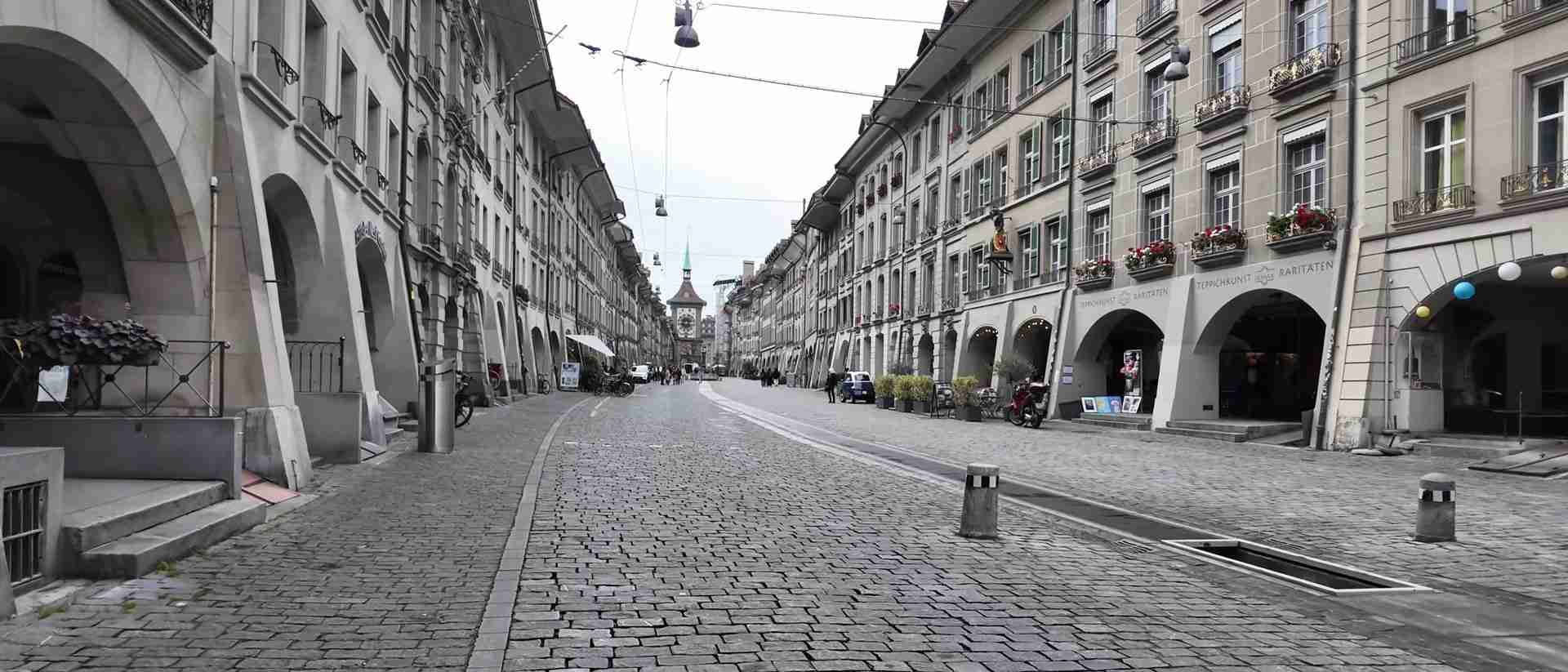
Switzerland’s capital city combines medieval UNESCO heritage with efficient modern infrastructure, offering travelers a uniquely manageable European destination where six kilometers of covered arcades shelter 400 ornate fountains and cobblestone streets wind through perfectly preserved 12th-century architecture. Bern rewards visitors who understand its practical rhythms—from the free public transport included with every hotel stay to the Half-Fare Card that transforms expensive Swiss travel into affordable exploration. This guide equips you with insider strategies for navigating Bern’s systems, avoiding common tourist mistakes, and maximizing value while experiencing one of Europe’s most walkable capitals.
Key Takeaways for Bern Travel 2026
- Free Transport Advantage: Every overnight stay in Bern hotels includes a complimentary Bern Ticket providing unlimited free travel on all city trams, buses, and even the Gurten funicular throughout your stay—a benefit worth CHF 10-50 ($13-65) daily that most visitors don’t know to request at check-in.
- Half-Fare Card Investment: At CHF 190 ($240) for one year, Switzerland’s Half-Fare Card pays for itself within two intercity train journeys and provides 50% discounts on all Swiss public transport, making it essential for anyone visiting multiple cities or planning mountain excursions during their 2026 trip.
- Old Town Walking Priority: Bern’s compact UNESCO Old Town concentrates all major attractions within a 1.5-kilometer pedestrian-friendly corridor—Zytglogge clock tower, Federal Parliament, Cathedral, Bear Park, and Einstein House sit within 20 minutes’ walk of each other, eliminating transport costs for sightseeing days.
- ETIAS Requirement 2026: The European Travel Information and Authorization System launches in late 2026, requiring visa-exempt visitors (US, UK, Canadian, Australian citizens) to obtain online pre-travel authorization costing EUR 7 ($8), valid for three years—apply several weeks before departure to avoid last-minute complications.
- Supermarket Strategy: Switzerland’s Coop and Migros supermarkets offer prepared meals at CHF 8-14 ($10-18) that rival restaurant quality for 50-70% less than dining out, with excellent bakeries, fresh food counters, and Alpine spring water available free from 1,200+ public fountains throughout the city.
- Shoulder Season Value: May-June and September-October deliver ideal Bern weather (13-20°C / 55-68°F) with 30-50% lower accommodation costs than July-August peak season, fewer tour groups crowding the arcades, and full operational hours for all attractions without winter closures or summer price premiums.
People Also Ask About Bern Travel 2026
Do I need a visa to visit Bern, Switzerland in 2026?
Most visitors do not need a traditional visa for Bern in 2026. Switzerland participates in the Schengen Area agreement, allowing citizens from the United States, United Kingdom, Canada, Australia, New Zealand, and European Union countries to enter without a visa for stays up to 90 days within any 180-day period. However, the European Travel Information and Authorization System (ETIAS) is expected to launch in late 2026, requiring visa-exempt travelers to obtain online pre-travel authorization. The ETIAS application costs EUR 7 ($8), remains valid for three years or until passport expiration (whichever comes first), and processes within minutes to 72 hours. Apply through the official ETIAS website several weeks before your departure date. Travelers requiring formal visas must apply through Swiss embassies or consulates in their home countries well in advance.
How much money do I need per day in Bern in 2026?
Daily costs in Bern for 2026 range from CHF 120-200 ($150-250) for budget travelers staying in hostels, CHF 200-350 ($250-440) for mid-range visitors in moderate hotels, and CHF 400+ ($500+) for luxury experiences in premium accommodations. These figures assume two people sharing hotel rooms with per-person costs including accommodation, meals, local transport, and attraction entries. Budget travelers maximize supermarket meals, use the free Bern Ticket for transport, focus on free Old Town walking, and select occasional paid museum visits. Mid-range visitors balance restaurant lunches with supermarket dinners, utilize public transport passes, and visit multiple paid attractions including the Cathedral tower and Einstein House. Luxury travelers dine at upscale restaurants for every meal, book private tours, and stay in historic hotels within the Old Town arcades.
What is the Bern Ticket and how does it work in 2026?
The Bern Ticket is a complimentary public transport pass automatically provided to all visitors staying overnight in registered Bern tourist accommodations in 2026. Upon check-in at your hotel, guesthouse, or hostel, request your Bern Ticket—valid from your first night through your entire stay. This ticket grants unlimited free travel on all BERNMOBIL trams, buses, and PostBuses within zones 100 and 101, covering the entire central Bern area and reaching tourist attractions including the Old Town, Bear Park, Rosengarten, Parliament, University, and Gurten funicular. The ticket also provides discounts on various museum entries, guided tours, and regional excursions. Without the Bern Ticket, single journeys cost CHF 3-5.20 ($4-7) and day passes run CHF 10.40 ($13), making this free benefit worth CHF 10-50 ($13-65) daily depending on your movement patterns. Always carry the Bern Ticket while using public transport as inspectors conduct regular checks and issue CHF 100 ($125) fines for traveling without valid tickets.
Is Bern expensive compared to other Swiss cities in 2026?
Bern costs approximately 20-35% less than Zurich or Geneva while maintaining comparable quality and services, making it Switzerland’s most affordable major city for 2026 visitors. Three-star hotels in Bern average CHF 150-220 ($190-280) nightly compared to CHF 220-320 ($280-405) in Zurich for equivalent properties. Restaurant meals run CHF 18-28 ($23-35) for lunch specials in Bern versus CHF 25-38 ($32-48) in Geneva for similar quality. The free Bern Ticket eliminates daily transport costs that would total CHF 10-15 ($13-19) in other Swiss cities. Bern’s compact Old Town concentration means less reliance on expensive taxis or mountain cable cars that dominate budgets in resort towns like Interlaken or Zermatt. However, Bern remains significantly more expensive than most European capitals—budget 2-3 times what you would spend daily in Prague, Lisbon, or Budapest for comparable experiences.
Extended multi-day tours – 5+ days
Featured Bern Multi-Day Tour Packages
3 days
Bern 3-Day Discovery Tour
- ✓ Comprehensive Bern experience
- ✓ Expert local guides included
- ✓ All accommodation included
- ✓ Transportation provided
5 days
Bern 5-Day Highlights Experience
- ✓ Comprehensive Bern experience
- ✓ Expert local guides included
- ✓ All accommodation included
- ✓ Transportation provided
7 days
Bern 7-Day Cultural Journey
- ✓ Comprehensive Bern experience
- ✓ Expert local guides included
- ✓ All accommodation included
- ✓ Transportation provided
10 days
Bern 10-Day Complete Adventure
- ✓ Comprehensive Bern experience
- ✓ Expert local guides included
- ✓ All accommodation included
- ✓ Transportation provided
Multi-day tour packages powered by TourRadar. Prices and availability subject to change.
Introduction: Why Bern Rewards Prepared Travelers in 2026
Switzerland’s reputation for high costs often overshadows a crucial truth: Bern operates on systems designed for efficiency rather than profit extraction, rewarding visitors who understand the rules. Unlike tourist-trap destinations where insider knowledge merely reduces markup, Bern’s infrastructure actively subsidizes informed travelers through mechanisms like the free Bern Ticket, Half-Fare Card economics, and supermarket culture that locals navigate instinctively.
The city’s UNESCO Old Town, designated a World Heritage Site in 1983, presents an exceptionally coherent example of medieval urban planning preserved through 18th-century restoration that maintained original character. Founded in 1191 by Duke Berchtold V of Zähringen on a peninsula formed by the curving Aare River, Bern developed through systematic expansions from the 12th through 14th centuries, each phase leaving distinct architectural layers visible in today’s street patterns. The result concentrates six kilometers of 15th-century arcades, over 100 ornate 16th-century fountains, and sandstone buildings spanning eight centuries within a compact, entirely walkable core.
This 2026 travel tips guide addresses the practical questions that determine whether Bern becomes an expensive checkbox or a revelatory experience: When should you buy the Half-Fare Card versus the Swiss Travel Pass? Which free attractions deliver authentic local culture versus tourist simulacra? How do you navigate Bern’s efficient but initially opaque public transport zones? Where can budget travelers eat well without sacrificing Swiss quality standards?
Bern’s advantages for 2026 visitors extend beyond cost optimization. The capital’s modest size (population 145,000 in the urban core) eliminates the overwhelming scale of Paris or London, while its federal government function ensures world-class museums, restaurants, and cultural institutions typically found only in much larger cities. The Aare River’s dramatic turquoise waters provide wild swimming opportunities steps from medieval arcades—a juxtaposition unique among European capitals. Late 2026 sees potential ETIAS implementation, adding a new authorization requirement that prepared travelers navigate smoothly while unprepared visitors face entry complications.
Weather patterns favor May-June and September-October shoulder seasons when Bern temperatures range 13-20°C (55-68°F), accommodation costs drop 30-50% below summer peaks, and autumn foliage or spring flowers enhance the Old Town’s photogenic arcades without July-August tour bus congestion. Winter (December-March) brings Christmas markets, ice-skating in Bundesplatz, and access to Bernese Oberland skiing within 90 minutes, though shorter daylight hours and temperatures hovering near freezing demand appropriate clothing preparation.
This guide prioritizes actionable intelligence over generic descriptions. You will learn the exact process for obtaining your free Bern Ticket at check-in, the break-even math for transport pass decisions, the specific Coop and Migros locations near major hotels, and the fountain water quality facts that let you safely refill bottles rather than paying CHF 4 ($5) for disposable plastic. Every recommendation emerges from the practical reality of navigating Bern’s systems as they actually function in 2026, not how tourism marketing presents them.
Essential Documents and Entry Requirements for Bern 2026
Switzerland maintains distinct entry policies from the European Union despite Schengen Area participation, creating documentation requirements that surprise unprepared travelers. Understanding these regulations before departure prevents entry complications and ensures smooth arrival at Bern Airport or train stations.
Passport Validity and ETIAS Authorization 2026
All visitors entering Switzerland in 2026 require passports valid for at least three months beyond their intended departure date, with at least two blank pages for entry stamps. This three-month validity rule applies even for short weekend trips—a passport expiring two months after your return date causes entry denial at Swiss borders.
The European Travel Information and Authorization System (ETIAS) is scheduled to launch in late 2026, though the European Union has not confirmed the exact implementation date as of early 2026. Once active, ETIAS requires citizens from visa-exempt countries (including the United States, United Kingdom, Canada, Australia, New Zealand, Japan, South Korea, and Singapore) to obtain online pre-travel authorization before entering the Schengen Area, which includes Switzerland.
The ETIAS application process takes approximately 10 minutes, costs EUR 7 ($8), and remains valid for three years or until passport expiration. Applications process within minutes to 72 hours in most cases, though complex cases requiring additional review can take up to 30 days. Apply through the official ETIAS website at least three weeks before your departure date to accommodate potential processing delays. The authorization links electronically to your passport number, requiring no physical documents beyond your approved passport.
ETIAS is not a visa—it functions as a security screening system checking applicants against databases for security risks, irregular migration concerns, or public health threats. Approved ETIAS authorization permits multiple entries to all Schengen countries for stays up to 90 days within any 180-day period. Denial remains rare for straightforward tourist applications but can occur for applicants with complex travel histories, criminal records, or previous immigration violations in Schengen countries.
Visa Requirements for Extended Stays and Special Purposes
Travelers from countries not eligible for visa-free Schengen entry, or those planning stays exceeding 90 days, require formal Schengen visas obtained through Swiss embassies or consulates in their home countries. Applications typically require submission 3-6 months before intended travel, with processing times ranging 15-60 days depending on applicant nationality and visa type.
Common visa categories for Bern visitors include tourist visas (for extended cultural tourism), business visas (for conference attendance or client meetings), student visas (for language courses or academic programs), and family visitation visas. Each category demands specific supporting documentation including proof of accommodation, financial resources, health insurance coverage, and detailed itineraries. Switzerland’s strict financial requirements often require bank statements showing EUR 100 ($120) available per day of the intended stay.
Travel Insurance and Health Documentation
Switzerland is not part of the European Union health insurance system, making private travel insurance essential for all 2026 visitors. Swiss healthcare ranks among the world’s best but also most expensive—a simple emergency room visit costs CHF 1,500-4,000 ($1,900-5,100), while medical evacuation from mountain areas can exceed CHF 40,000 ($50,000).
Comprehensive travel insurance for Bern trips typically costs CHF 40-160 ($50-200) for single trips depending on coverage levels, age, and trip duration. Essential coverage includes medical emergencies with minimum EUR 30,000 ($36,000) coverage, emergency medical evacuation, trip cancellation and interruption protection, and lost or stolen baggage coverage. Annual policies suit frequent Switzerland travelers, offering better value for multiple trips within a year.
European Union residents should carry European Health Insurance Cards (EHIC) providing basic coverage in Switzerland despite non-EU status, though supplementary private insurance remains advisable for comprehensive protection. United States residents should verify whether existing health insurance provides international coverage, as most standard policies exclude overseas medical care entirely.
Customs Regulations and Prohibited Items
Switzerland applies generous duty-free allowances for arriving travelers: 200 cigarettes or 250g tobacco, 1 liter spirits over 18% alcohol plus 5 liters wine or beer, and gifts worth up to CHF 300 ($380). Food products face stricter limits—5kg meat, 5kg dairy products, and reasonable quantities of bread and confectionery for personal consumption only.
Prohibited items include narcotics, counterfeit goods, endangered species products, and weapons without proper permits. Switzerland maintains particularly strict regulations on food imports from non-EU countries, often confiscating homemade preserves, cured meats, and certain dairy products at customs. Prescription medications require original containers with labels, physician letters explaining medical necessity, and quantities reasonable for your stay duration—usually maximum 3 months’ supply.
Money Matters: Currency, Banking, and Payment Systems 2026
Switzerland’s unique currency situation and sophisticated payment infrastructure require understanding before arrival to avoid expensive exchange rate losses and transaction complications that plague unprepared visitors.
Swiss Franc Reality and Currency Exchange Strategy
Switzerland uses the Swiss Franc (CHF), not the Euro, despite being surrounded by Eurozone countries. While some tourist establishments accept euros, they apply unfavorable exchange rates averaging 10-15% below official rates, making euro payment inadvisable except in emergencies. The Swiss Franc maintains remarkable stability, with EUR 1 = CHF 0.93-0.97 and USD 1 = CHF 0.85-0.90 typical 2026 exchange ranges.
The most cost-effective currency strategy combines ATM withdrawals for local cash with credit cards for larger purchases. Swiss ATMs widely accept Visa, Mastercard, Maestro, Cirrus, and Plus network cards, dispensing francs at official interbank rates with typically CHF 3-5 ($4-6) per-transaction fees from Swiss banks plus your home bank’s international withdrawal charges. Withdrawing CHF 200-400 ($250-500) per transaction minimizes fee impact compared to multiple small withdrawals.
Avoid currency exchange booths in airports and train stations charging 8-12% commissions plus poor exchange rates. Banks offer better rates but typically charge CHF 5-10 ($6-13) per transaction. Pre-ordering Swiss Francs through your home bank before departure often provides competitive rates without Swiss-side fees, though requires 1-2 weeks advance planning.
Credit Cards, Debit Cards, and Contactless Payment
Bern accepts credit and debit cards universally for purchases exceeding CHF 10 ($13), with Visa and Mastercard recognized everywhere, American Express accepted at larger establishments, and Discover rarely accepted outside major hotels. Contactless payment via cards, Apple Pay, Google Pay, and Samsung Pay functions seamlessly in Bern for transactions under CHF 80 ($100), eliminating PIN requirements for small purchases.
However, Switzerland maintains cash preference for small transactions—cafés, bakeries, public transport ticket machines, and market stalls often expect cash for purchases under CHF 20 ($25). Carry CHF 50-100 ($65-125) in mixed denominations (CHF 10, CHF 20, CHF 50 notes) for these situations. Swiss coins include CHF 0.05, CHF 0.10, CHF 0.20, CHF 0.50, CHF 1, CHF 2, and CHF 5 denominations, all useful for public transport tickets, locker fees, and fountain water bottles.
Credit card networks charge foreign transaction fees averaging 1-3% per purchase unless you specifically hold no-foreign-transaction-fee cards. Cards offering this benefit (such as Chase Sapphire Preferred, Capital One Venture, or various travel-focused credit cards) save CHF 15-45 ($19-57) on a typical week-long Bern trip costing CHF 1,500-3,000 ($1,900-3,800) in card purchases.
Tipping Culture and Service Charges
Switzerland includes service charges in all restaurant bills, making tipping optional rather than expected. The 15% service charge appears automatically in menu prices and final bills, with waitstaff receiving these amounts as part of their regular wages—a system dramatically different from American tipping culture.
Swiss diners round up bills for good service (CHF 47 becomes CHF 50, CHF 83 becomes CHF 85) or leave 5-10% additional for exceptional experiences at upscale restaurants. Leaving no additional tip for adequate service causes no offense and represents standard local practice. Taxi drivers receive similar treatment—round CHF 18.50 fares to CHF 20, no additional percentage calculation required. Hotel housekeeping typically receives CHF 2-5 ($3-6) per night for longer stays, left in envelopes on departure day.
Tax Refunds for International Visitors
Switzerland’s 8.1% Value Added Tax (VAT) applies to all goods and services, with international visitors eligible for partial refunds on purchases exceeding CHF 300 ($380) from participating retailers. The tax-free shopping process requires requesting Tax-Free forms at point of purchase, presenting goods and forms unopened at Swiss customs when departing Switzerland, and mailing validated forms to refund companies for processing.
Refund amounts typically recover 5-6.5% of purchase prices after administrative fees deducted by processing companies. Zurich and Geneva airports maintain dedicated VAT refund desks processing claims immediately for CHF 5-10 ($6-13) service fees, or mail forms for processing within 3-6 weeks at lower fees. Save original receipts, keep purchases in original packaging until customs validation, and allow extra airport time for customs processing—the refund process adds 20-45 minutes to departure procedures.
Getting to Bern: Transportation Options and Arrival Logistics 2026
Bern’s central location within Switzerland and excellent international connections provide multiple arrival routes, each offering distinct advantages depending on origin points, budgets, and travel preferences.
Bern Airport and International Flight Connections
Bern Airport (BRN), located 9 kilometers southeast of the city center, handles primarily regional European flights with direct connections to major cities including London, Vienna, Paris, Barcelona, and Palma de Mallorca through airlines like Lufthansa, Swiss International Air Lines, and various budget carriers. The airport serves approximately 200,000 passengers annually, making it significantly smaller and more navigable than Zurich or Geneva hubs.
Flight costs to Bern in 2026 range CHF 150-400 ($190-505) round-trip from major European cities depending on booking timing and airline choice, with advance bookings 2-3 months prior securing lowest fares. Direct transatlantic flights do not serve Bern Airport—North American travelers connect through Zurich Airport (65 minutes by train) or Geneva Airport (100 minutes by train) with seamless rail transfers included in many airline tickets through Swiss Railways partnerships.
The Airport Bus Line 160 connects Bern Airport to Bern Hauptbahnhof (main train station) in 20 minutes for CHF 5 ($6), departing every 30 minutes from 05:30 to 23:30. Taxis cost CHF 40-50 ($50-65) for the same journey, justified only for late arrivals, heavy luggage, or groups of 3-4 splitting costs. The Swiss Travel Pass and Half-Fare Card both cover Airport Bus Line 160, making free or 50% discounted airport transfers available for pass holders.
Zurich and Geneva Airport Connections to Bern
Most international visitors arrive via Zurich Airport (ZRH) or Geneva Airport (GVA), both offering superior intercontinental flight options and competitive transatlantic pricing compared to connecting through Bern. Zurich Airport sits 120 kilometers northeast of Bern with direct trains departing every 30 minutes from the airport’s integrated railway station, reaching Bern Hauptbahnhof in 65 minutes for CHF 54 ($68) standard fare or CHF 27 ($34) with Half-Fare Card.
Geneva Airport lies 160 kilometers southwest of Bern with direct trains every 30-60 minutes taking 100 minutes and costing CHF 60 ($76) standard or CHF 30 ($38) with Half-Fare Card. Both routes operate 05:00-midnight with comfortable Swiss Railways trains featuring luggage racks, power outlets, free Wi-Fi, and bistro cars—significantly more pleasant than bus transfers or rental car navigation through unfamiliar road systems.
Book advance “Supersaver” train tickets through SBB.ch or SBB Mobile app for 30-50% discounts on standard fares, though these non-refundable tickets lock you to specific trains. Purchase Half-Fare Cards directly at airport railway counters to activate 50% discounts from your first journey—the CHF 190 ($240) annual card pays for itself within two Zurich-Bern or Geneva-Bern round trips, making it worthwhile for any Switzerland itinerary involving multiple cities or mountain excursions.
International Train Arrivals and European Rail Connections
Bern Hauptbahnhof connects directly to European rail networks with daily services from Paris (4.5 hours via TGV Lyria), Milan (3.5 hours via EuroCity), Munich (5.5 hours via IC trains), and Vienna (9 hours via night trains). International rail tickets often cost less than flights for neighboring countries while eliminating airport transfers, security theater, and baggage restrictions.
The Interrail and Eurail passes cover Swiss Railways fully, making Bern accessible as part of multi-country European itineraries. Night train services from cities like Hamburg, Berlin, and Vienna deliver passengers to Bern in sleeping compartments, saving both travel time and accommodation costs compared to daytime connections. Book international trains through official railway websites (SBB.ch, SNCF.com, DB.de) rather than third-party aggregators to avoid booking fees and access all available discounts.
Rental Cars and Driving Considerations
Renting cars in Bern makes little practical sense for city-focused visits given excellent public transport, expensive parking (CHF 3-5/$4-6 per hour in Old Town), and pedestrian-only historic center zones. However, cars benefit travelers planning extensive Bernese Oberland exploration or multi-destination Swiss road trips where train schedules constrain rural village access.
Rental cars from Zurich or Geneva airports cost CHF 50-120 ($65-150) daily depending on vehicle class and insurance selections, with major companies (Hertz, Europcar, Sixt, Budget) maintaining airport locations. Switzerland requires valid driver’s licenses from most countries without International Driving Permits, though IDP possession eliminates potential police interpretation issues. Highway vignettes (annual toll stickers) cost CHF 40 ($50) mandatory for all highway use, with rental companies typically including this in rental rates.
Swiss driving emphasizes strictness—speed cameras proliferate, fines start at CHF 40 ($50) for minor infractions and escalate rapidly, and police enforce regulations rigorously. Winter driving (November-March) demands winter tires (legally required in mountain areas) and tire chain experience for Bernese Oberland passes, making public transport safer and more reliable for winter visitors.
Accommodation Strategies and the Bern Ticket System 2026
Where you stay in Bern determines not only comfort and budget allocation but also access to the invaluable Bern Ticket—a free public transport pass that transforms city navigation economics and represents CHF 10-50 ($13-65) daily value.
Understanding the Bern Ticket Benefit
The Bern Ticket automatically accompanies every overnight stay in registered tourist accommodations within Bern city limits, including hotels, hostels, guesthouses, vacation rentals, and serviced apartments. Upon check-in, reception staff should provide your Bern Ticket valid from your first night through your entire stay—if not automatically offered, explicitly request it as standard entitlement.
This complimentary ticket grants unlimited free travel on all BERNMOBIL trams, buses, and PostBuses operating within zones 100 and 101, covering the entire central Bern area. Coverage includes the Old Town, Parliament area, University district, Bear Park, Rosengarten, BärenPark, Paul Klee Centre, Gurten funicular base station, and residential neighborhoods surrounding the historic core. Bern’s compact geography places most attractions within the free zone, eliminating paid transport for typical tourist itineraries.
The Bern Ticket also provides discounts on museum admissions, guided tours, boat cruises, and mountain railway excursions beyond Bern city limits. Typical discount levels reach 10-20% off standard entry fees, with specific participating attractions listed on the card itself and at bern.com/ticket. Always present your Bern Ticket when purchasing attraction tickets before paying standard rates.
Budget Accommodation Options in Bern
Bern’s budget accommodation sector concentrates in hostel dormitories, basic guesthouses, and budget hotel chains, with nightly costs ranging CHF 35-90 ($45-115) per person depending on room types and seasons. These options deliver essential value: clean beds, functional facilities, and the crucial Bern Ticket providing free transport worth nearly as much as the accommodation cost itself.
Bern Backpackers, located 5 minutes’ walk from Hauptbahnhof, offers dormitory beds at CHF 35-45 ($45-57) nightly with free Wi-Fi, communal kitchens enabling supermarket meal preparation, and social common areas attracting international travelers. Private rooms cost CHF 90-120 ($115-150) nightly for two people, providing budget hotel comfort at hostel prices. SYHA Bern Youth Hostel occupies a riverside location 10 minutes from the Old Town via tram (free with Bern Ticket) with dormitory beds CHF 38-48 ($48-61) and private rooms CHF 100-140 ($125-180) including breakfast.
Budget hotel chains like Ibis Bern Expo and Hotel Waldhorn charge CHF 90-140 ($115-180) nightly for basic double rooms with private bathrooms, television, and Wi-Fi but minimal amenities—adequate for sleep-focused travelers prioritizing daytime exploration over hotel atmosphere. These properties cluster near Hauptbahnhof or slightly outside the immediate Old Town, relying on the free Bern Ticket for convenient tram access to attractions.
Mid-Range Hotels Balancing Comfort and Value
Mid-range Bern accommodations cost CHF 150-280 ($190-355) nightly, offering comfortable rooms in well-located properties with breakfast buffets, modern bathrooms, and often historic building character. This category delivers optimal value for most travelers, combining strategic locations, reliable quality, and the free Bern Ticket benefit that largely compensates for higher rates compared to budget options.
Hotel Schweizerhof Bern & Spa, positioned directly opposite Hauptbahnhof, charges CHF 220-320 ($280-405) nightly for renovated rooms in a grand 1859 building featuring rooftop spa facilities, multiple restaurants, and 30-second walk access to train platforms for day trips. Hotel Bären am Bundesplatz occupies a 16th-century building in the Old Town heart, 2 minutes’ walk from Parliament, with rooms at CHF 180-260 ($230-330) nightly showcasing exposed timber beams, modern bathrooms, and breakfast featuring local cheeses and breads.
Hotel Jardin Bern provides balcony rooms overlooking gardens for CHF 160-240 ($205-305) nightly in a quiet residential area 15 minutes’ walk from the Old Town or 5 minutes via tram (free with Bern Ticket). The property attracts visitors valuing peaceful evenings over immediate Old Town proximity, with excellent breakfast buffets compensating for the minor location trade-off.
Luxury Properties and Historic Hotels
Luxury Bern accommodations occupy restored historic buildings within the UNESCO Old Town, charging CHF 350-650 ($445-825) nightly for rooms combining period architecture with modern luxury amenities. These properties justify premium pricing through unmatched locations, distinctive character, and service standards meeting international five-star expectations.
Bellevue Palace Bern, the official government hotel, overlooks Federal Palace and accommodates visiting heads of state in rooms costing CHF 450-850 ($570-1,080) nightly. The 1913 Belle Époque building features marble lobbies, gourmet restaurants, and impeccable service standards. Hotel Allegro Bern operates a modern luxury property charging CHF 350-550 ($445-700) nightly for contemporary rooms with Aare River views, rooftop bar, and spa facilities attracting business travelers and luxury tourists alike.
Vacation Rentals and Apartment Stays
Airbnb, Vrbo, and similar platforms list approximately 400 Bern vacation rentals ranging CHF 100-350 ($125-445) nightly depending on size, location, and amenities. Apartments benefit groups and families through kitchen facilities enabling supermarket meal preparation, multiple bedrooms accommodating larger parties economically, and laundry access valuable for longer stays.
Confirm Bern Ticket availability before booking vacation rentals—not all properties participate in the program despite occupying Bern city limits. Legitimate tourist-registered rentals should provide Bern Tickets, though enforcement varies and some hosts remain unaware of the entitlement. Request explicit confirmation during booking correspondence to avoid discovering the omission upon arrival.
Central Old Town apartments command premium rates (CHF 200-350/$250-445 nightly) justified by walking access to all major attractions, while slightly peripheral neighborhoods (Länggasse, Breitenrain, Kirchenfeld) offer better value (CHF 100-180/$125-230 nightly) with free Bern Ticket tram access maintaining convenient transport connections.
Mastering Bern’s Public Transport System 2026
Bern’s integrated public transport network combines efficiency with user-friendliness, though initial navigation requires understanding zone structures, ticket options, and the free Bern Ticket’s role in eliminating most costs for tourists.
Transport Network Structure and Coverage
BERNMOBIL operates Bern’s public transport system comprising tram lines, bus routes, and trolleybus services connecting all city districts with Swiss precision—departures typically occur within 30-second windows of scheduled times. The network functions on a zone-based fare system with Zone 100 covering the central city core and Zone 101 extending to near suburbs, together encompassing all major tourist attractions and accommodations.
Tram lines 3, 6, 7, 8, and 9 serve primary tourist corridors including Hauptbahnhof, Bundesplatz, Old Town arcades, Bear Park, and Rosengarten with 7-10 minute frequencies during daytime hours (06:00-20:00) and 15-minute intervals during early morning and evening periods. Bus routes 12, 17, and 20 connect Hauptbahnhof to Paul Klee Centre, University buildings, and residential areas with similar frequency patterns. All vehicles feature low-floor designs accommodating wheelchairs, strollers, and luggage without boarding difficulties.
The Gurten funicular, included free with Bern Tickets, ascends Bern’s local mountain (858 meters elevation) in 4 minutes from Wabern station, itself reachable via Tram 9 from Hauptbahnhof in 15 minutes. This combination provides free access to panoramic Old Town views, forest walking trails, and seasonal events without cable car costs that burden other Swiss mountain experiences.
Ticket Types and Pricing for Non-Bern Ticket Holders
Visitors without hotel stays or staying in non-participating accommodations must purchase BERNMOBIL tickets from machines at stops or through the BERNMOBIL smartphone app. Short journey tickets cost CHF 3 ($4) with 30-minute validity for 3-4 consecutive stops, suitable for quick hops between adjacent Old Town areas. Standard single tickets within zones 100/101 cost CHF 5.20 ($7) with 60-minute validity allowing unlimited transfers within the time limit—a better value for most tourist movements.
Day passes for zones 100/101 cost CHF 10.40 ($13) and validate from first use until 05:00 the following morning, paying for themselves with three journeys and providing unlimited convenience for intensive sightseeing days. Multiple-journey cards (6 trips) cost CHF 28 ($35), offering minor savings for visitors staying multiple days without Bern Ticket access but planning concentrated transport use.
The Swiss Travel Pass covers all BERNMOBIL transport within Bern alongside nationwide Swiss Railways, boat services, and mountain railways. The 3-day pass costs CHF 272 ($345), 8-day pass CHF 439 ($555), and 15-day pass CHF 499 ($635), with free Bern public transport representing just one component of comprehensive Swiss coverage. Calculate whether your full Switzerland itinerary justifies pass costs versus Half-Fare Card (CHF 190/$240) providing 50% discounts on all journeys.
Using the Bern Ticket Effectively
The Bern Ticket resembles a credit card with your accommodation name, validity dates, and zone coverage printed clearly. Carry it whenever using public transport—inspectors conduct random ticket checks on trams and buses, issuing CHF 100 ($125) fines for traveling without valid tickets regardless of tourist status or claimed ignorance.
Simply board trams or buses without purchasing tickets when holding a valid Bern Ticket. No validation machines or scanning processes exist—the card’s possession constitutes valid authorization for unlimited travel within zones 100/101. Show the card to inspectors when requested, ensuring the validity dates encompass your current travel date.
The Bern Ticket does not cover travel beyond zones 100/101 to destinations like Thun, Interlaken, or mountain railways in the Bernese Oberland. Purchase supplementary tickets for these journeys from machines at Hauptbahnhof or through the SBB app, with Half-Fare Cards reducing costs by 50% on all additions to base Bern Ticket coverage.
Night Transport and Weekend Services
Regular tram and bus services operate approximately 05:30-midnight on weekdays with extended hours (until 01:00-01:30) on Friday and Saturday nights. After regular service cessation, Moonliner night buses (routes N1-N12) provide hourly service on main corridors from midnight to 05:00 for CHF 5 ($6) flat fares or free with valid Bern Tickets covering night service zones.
Night buses serve crucial routes connecting nightlife areas (Länggasse, Lorraine) to residential neighborhoods and accommodations, eliminating expensive taxi costs (CHF 25-40/$32-50) for safe late-night returns. Validate that your Bern Ticket specifically includes Moonliner coverage—most tourism accommodations provide this automatically, though budget hostels occasionally issue day-only versions requiring CHF 5 ($6) night supplements.
Navigating Swiss Travel Pass Economics for 2026 Bern Visitors
The Swiss Travel Pass and Half-Fare Card represent the two dominant multi-use transport products for Switzerland visitors, with dramatically different economics depending on itinerary structures, day trip plans, and total journey costs across entire Swiss stays.
Half-Fare Card Benefits and Break-Even Analysis
The Half-Fare Card costs CHF 190 ($240) for one year of validity, providing 50% discounts on all Swiss public transport including trains, buses, boats, trams, and most mountain railways. This single-benefit structure creates straightforward break-even math: the card pays for itself when total transport spending exceeds CHF 380 ($480) at full fares, requiring just two major intercity journeys or one long mountain excursion to reach profitability.
Example break-even scenarios for Bern-based travelers: A round trip to Zermatt costs CHF 130 ($165) with the Half-Fare Card versus CHF 260 ($330) without it, immediately recovering CHF 130 ($165) of the CHF 190 ($240) card cost. Adding a Bern-Interlaken round trip (CHF 17/$22 with card versus CHF 34/$43 without) and a Bern-Lucerne round trip (CHF 27/$34 with card versus CHF 54/$68 without) completes the recovery with substantial transport budget remaining for additional travel.
Mountain railway economics particularly favor the Half-Fare Card: The Jungfraujoch excursion costs CHF 144 ($183) return with the Half-Fare Card versus CHF 248 ($315) without it—a single journey recovering 55% of the card’s cost. The Schilthorn cable car costs CHF 68 ($86) return with card versus CHF 136 ($173) without, and the Rigi railway costs CHF 39 ($49) return with card versus CHF 78 ($99) without.
Purchase Half-Fare Cards at any Swiss railway station counter, online through sbb.ch, or at Zurich and Geneva airport railway stations immediately upon arrival to activate discounts from your first journey. The card links to your passport, requiring presentation of both card and passport during ticket purchases and occasional inspector checks onboard trains.
Swiss Travel Pass Structure and Value Proposition
The Swiss Travel Pass provides unlimited travel on all Swiss Railways, most private railways, urban transport in 90+ Swiss cities (including all Bern public transport), lake boats, and free admission to 500+ museums nationwide. Pass durations include 3 consecutive days (CHF 272/$345), 4 days (CHF 332/$420), 6 days (CHF 404/$515), 8 days (CHF 439/$555), and 15 days (CHF 499/$635), with each day validating from midnight to midnight regardless of first use time.
The pass delivers value for intensive multi-city Swiss itineraries involving daily long-distance train journeys. Consider an 8-day pass (CHF 439/$555): Daily value requires CHF 55 ($70) in transport costs to break even, easily achieved through one long intercity journey (Bern-Zermatt CHF 130/$165 full fare) plus urban transport (CHF 10/$13 Bern day pass or similar). The pass also eliminates museum entry costs averaging CHF 15-20 ($19-25) per museum, with free admission to major institutions including Swiss National Museum Zurich, Olympic Museum Lausanne, and Transport Museum Lucerne.
However, the Swiss Travel Pass does not cover all mountain railways and cable cars. Popular excursions from Bern receive varying coverage: Jungfraujoch 75% discount (pay CHF 62/$79 versus full CHF 248/$315), Schilthorn 50% discount (pay CHF 68/$86 versus CHF 136/$173), Rigi completely free, Stanserhorn completely free, and Pilatus 50% discount. These mountain railway economics significantly impact total trip costs, often reducing Swiss Travel Pass value compared to Half-Fare Card for mountain-focused itineraries.
Decision Framework: Which Pass for Your 2026 Bern Trip
Choose the Half-Fare Card for Bern-based itineraries with 1-3 day trips to nearby destinations (Interlaken, Lucerne, Thun, Fribourg) where base transport costs remain modest but mountain railway costs dominate budgets. The card’s 50% mountain railway discounts often deliver better economics than Swiss Travel Pass partial coverage, while the CHF 190 ($240) upfront cost commits less capital than any Swiss Travel Pass duration.
Choose the Swiss Travel Pass for intensive multi-city Swiss itineraries involving 4+ different cities, daily long-distance train journeys, and frequent museum visits where free admission compounds transport savings. The 8-day or 15-day passes deliver maximum value, with the modest CHF 60 ($76) cost difference between 8-day and 15-day passes (CHF 439 versus CHF 499 / $555 versus $635) making longer durations attractive for unhurried Switzerland explorations.
Choose neither pass for Bern-focused trips without significant day trip plans. The free Bern Ticket covers all local transport, walking handles Old Town exploration, and occasional intercity journeys cost CHF 20-60 ($25-76) purchasing individual tickets—total transport spending may not justify CHF 190-439 ($240-555) pass investments. This represents the most common scenario for first-time Bern visitors allocating 3-4 days to thoroughly experience the capital city.
Food and Dining Strategies for Budget-Conscious 2026 Travelers
Swiss restaurant prices shock unprepared visitors with CHF 22-45 ($28-57) lunch mains and CHF 35-75 ($45-95) dinner entrées standard throughout Bern. However, Switzerland’s sophisticated supermarket culture and public fountain infrastructure provide budget alternatives maintaining quality without restaurant markups.
Supermarket Culture: Coop and Migros Strategies
Coop and Migros dominate Swiss grocery retail with quality standards exceeding most European supermarkets, offering prepared foods, fresh bakeries, delicatessen counters, and diverse international ingredients at prices 50-70% below restaurant equivalents. Bern contains 15+ Coop locations and 12+ Migros stores, with major branches at Hauptbahnhof (underground level), Bahnhofplatz, Marktgasse (Old Town), and Bubenbergplatz.
Prepared meal sections feature pre-made sandwiches (CHF 4-8/$5-10), fresh salads (CHF 6-12/$8-15), hot meal containers (CHF 8-14/$10-18), sushi boxes (CHF 9-16/$11-20), and ready-to-heat pasta dishes (CHF 7-13/$9-17)—all restaurant-quality ingredients assembled in-store daily. These options rival mid-range restaurant cooking quality while costing half to one-third the price, with eat-in areas providing seating and microwave access for immediate consumption.
Bakery counters offer fresh bread, croissants (CHF 1.80-2.50/$2-3), sandwiches (CHF 3.50-6/$4-8), and pastries (CHF 2-4/$3-5) baked throughout the day. Purchase breakfast supplies (bread, cheese, yogurt, fruit, coffee) for CHF 8-15 ($10-19) per person versus CHF 18-32 ($23-40) restaurant breakfast buffets—a daily saving of CHF 10-17 ($13-22) that accumulates to CHF 70-120 ($89-152) weekly for two travelers.
Cheese and cured meat delicatessen counters slice traditional Swiss products (Gruyère, Emmental, Appenzeller cheeses; air-dried meats; local salamis) at CHF 2.50-4.50 ($3-6) per 100 grams—assemble picnic platters for CHF 12-20 ($15-25) serving two people generously. Combine with fresh bread (CHF 3-5/$4-6), cherry tomatoes (CHF 3/$4), and wine (CHF 8-18/$10-23) for complete meals costing CHF 26-46 ($33-58) total versus CHF 70-120 ($89-152) restaurant equivalents.
Drinking Water from Public Fountains
Bern contains over 100 ornate public fountains flowing with potable Alpine spring water identical to bottled Swiss mineral water sold at CHF 3-5 ($4-6) per liter in shops and restaurants. These 16th-century fountains serve practical hydration functions alongside decorative architectural roles, with continuous water flow ensuring freshness and safety.
Carry reusable water bottles (purchase for CHF 3-8/$4-10 at Coop or Migros if traveling without) and refill freely at any fountain throughout the Old Town, Rosengarten, Bear Park, or riverside promenades. The water quality matches or exceeds most bottled waters, coming directly from protected Bernese Oberland mountain sources via Bern’s municipal system.
This simple practice saves CHF 3-5 ($4-6) per person daily compared to purchasing bottled water, accumulating to CHF 21-35 ($27-45) weekly for two travelers—enough to fund a museum admission or quality restaurant lunch. The environmental benefit eliminates plastic bottle waste while the convenience surpasses carrying purchased bottles from accommodations.
Affordable Restaurant Options and Lunch Specials
When dining out proves necessary or desired, Bern’s lunch special (Tagesteller) culture offers substantial savings versus dinner menus. Restaurants citywide advertise daily lunch menus for CHF 18-28 ($23-35) including soup or salad, main course, and sometimes dessert—the same dishes cost CHF 35-50 ($45-65) at dinner without accompaniments.
Kornhauskeller, occupying a spectacular vaulted Renaissance granary, serves lunch menus CHF 22-28 ($28-35) featuring traditional Swiss dishes in architectural grandeur justifying slight premium over simpler venues. Altes Tramdepot, a microbrewery restaurant near Bear Park, offers lunch deals CHF 18-24 ($23-30) with house-brewed beers and Aare River terrace seating. Tibits vegetarian buffet charges by plate weight (approximately CHF 3.50/$4 per 100g) allowing complete meal control—typical plates cost CHF 15-25 ($19-32) depending on selections.
University district restaurants along Länggasse and around Unitobler campus cater to student budgets with substantial portions at CHF 15-22 ($19-28) for mains, fresh ingredients, and casual atmosphere. These venues operate Monday-Friday with reduced weekend hours but deliver authentic local dining without tourist pricing inflations affecting Old Town establishments.
Swiss Specialties Worth Restaurant Prices
Certain Swiss dishes justify restaurant costs through preparation complexity, ingredient quality, or cultural significance impossible to replicate via supermarket purchases. Fondue (CHF 25-32/$32-40 per person) requires specialty equipment, cheese blend expertise, and communal consumption format best experienced in restaurant settings. Raclette (CHF 28-38/$35-48) similarly depends on proper heating equipment melting cheese over potatoes, pickles, and cured meats.
Rösti (CHF 18-28/$23-35 as main course) showcases Swiss potato mastery when properly executed—crispy exterior, fluffy interior, served with various toppings ranging from fried eggs to smoked salmon. Order this traditional dish at least once during Bern stays at venues like Zimmermania or Rosengarten restaurant for authentic preparation demonstrating why the simple potato pancake commands premium pricing.
Essential Bern Attractions and Free Activities 2026
Bern concentrates UNESCO World Heritage architecture, federal government institutions, and cultural attractions within a compact Old Town core, with strategic free activities balancing paid museum admissions to control daily sightseeing costs.
Free Old Town Walking and Architecture Appreciation
The entire UNESCO-designated Old Town provides free exploration of medieval urban planning preserved through eight centuries of development. The 6-kilometer arcades (Lauben) offer Europe’s longest continuous covered shopping promenades, sheltering pedestrians beneath 15th-century vaulted ceilings connecting Hauptbahnhof to Nydegg via Marktgasse, Kramgasse, and Gerechtigkeitsgasse.
Over 100 Renaissance fountains punctuate the Old Town streets, eleven featuring ornate 16th-century sculptures depicting historical figures, allegorical scenes, and folklore characters. The Kindlifresserbrunnen (Child Eater Fountain) at Kornplatz presents a disturbing ogre consuming children—interpretations range from anti-Semitic medieval propaganda to warnings against misbehavior. The Zähringer Fountain commemorates Bern’s founding dynasty, while the Justice Fountain portrays blindfolded Justice standing over representatives of pope, sultan, emperor, and mayor demonstrating impartial law application.
Federal Palace (Bundeshaus) offers free guided tours showcasing Switzerland’s parliamentary chambers, impressive dome architecture, and federal government operations. Tours operate Monday-Saturday with advance booking required through parlament.ch—register 2-4 weeks before Bern arrival for English-language tours departing 10:00, 12:00, and 14:00 weekdays. Security screening procedures require passport presentation and restrict bag sizes, but the 60-minute tour provides rare access to functioning government chambers rarely open to public viewing.
Zytglogge Clock Tower and Mechanical Show
Bern’s iconic Zytglogge clock tower, originally constructed as a 13th-century city gate, features elaborate 15th-century astronomical mechanisms presenting hourly mechanical shows with moving figurines, bells, and astronomical indicators. The free exterior viewing occurs four minutes before every hour (08:56, 09:56, 10:56, continuing until 19:56) as crowds gather watching the procession of bears, jesters, and Chronos figures emerging from the tower.
Interior tower tours cost CHF 20 ($25) providing close examination of the clockwork mechanisms, historical explanations, and tower summit views across Old Town rooftops. Tours depart daily at 14:30 with advance booking through bern.com required during summer months when demand exceeds capacity. The 50-minute tours accommodate maximum 15 participants, creating intimate experiences contrasting with the crowded exterior viewing throngs.
Bern Cathedral (Münster) and Tower Climb
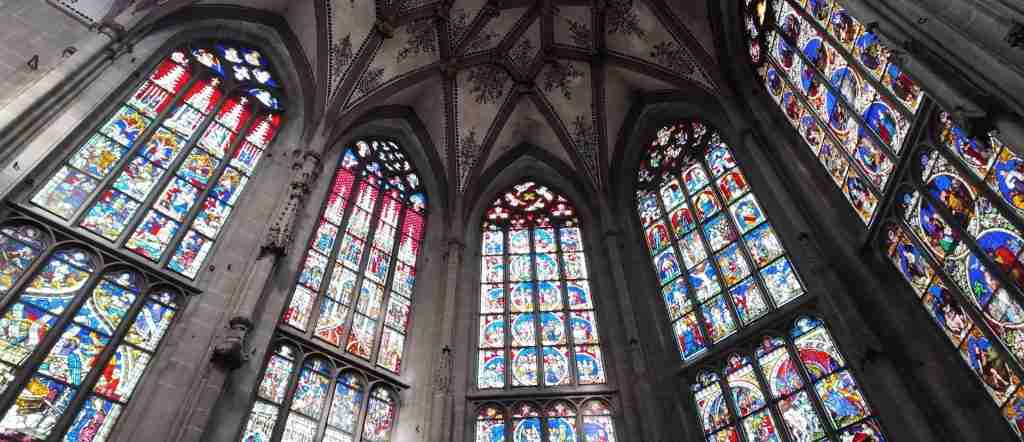
Switzerland’s tallest cathedral tower rises 100.6 meters above the Old Town, with the Late Gothic cathedral construction spanning 1421-1893 demonstrating evolving architectural styles across five centuries. Cathedral entry remains free for religious building viewing including impressive stained glass windows, elaborate choir stalls, and Switzerland’s largest bell (weighing 10 tons).
Tower access costs CHF 8 ($10) for the 344-step spiral staircase climb delivering panoramic Bern views across the Aare River loop, Federal Palace, and Bernese Oberland mountains backdrop when weather permits clear visibility. The climb demands moderate fitness—narrow medieval staircases, no elevator option, and steep final sections challenge those with mobility limitations. Summit viewing platforms accommodate limited numbers simultaneously, creating potential delays during peak summer afternoon hours (14:00-17:00).
Bear Park (BärenPark) and Aare River Walking
Bern’s heraldic symbol, the brown bear, maintains living representation at BärenPark, a riverside enclosure where 2-4 bears inhabit naturalistic habitat featuring caves, pools, and forest sections. Free admission provides viewing from elevated walkways overlooking the 6,000-square-meter park as bears demonstrate natural behaviors—swimming, foraging, climbing—throughout daylight hours.
The adjacent Aare River pathway extends 4 kilometers along turquoise waters connecting BärenPark to Marzili neighborhood via Altenberg bridge, offering free riverside recreation including swimming access (summer months), forest walking, and continuous Old Town views from river level. Strong currents demand confident swimming abilities for river swimming—locals practice “Aareböötle” (Aare boating) floating downstream in waterproof bags from Eichholz to Marzili, a tradition requiring current assessment and swimming competence.
Rosengarten (Rose Garden) Panoramic Views
The elevated Rosengarten park, occupying former cemetery grounds, provides free panoramic Old Town views framing UNESCO architecture against Aare River curves and Bernese Alps backdrop. Over 200 rose varieties bloom May-September alongside formal gardens, playgrounds, and restaurant terrace seating (restaurant meals optional—park access free).
Access via 15-minute uphill walk from Nydegg or free 5-minute ride on Bus 10 from Hauptbahnhof (covered by Bern Ticket). The park attracts evening visitors watching sunset illuminate the Old Town sandstone buildings, photographers capturing classic Bern vistas, and picnickers utilizing fountain water and supermarket supplies for budget-friendly meals with million-dollar views.
Paul Klee Centre and Einstein House Museum Visits
Zentrum Paul Klee, designed by Renzo Piano, houses the world’s largest Paul Klee collection with 4,000+ works by the Swiss-German modernist painter. Admission costs CHF 20 ($25) standard or free with Swiss Travel Pass, with permanent collection displays rotating regularly alongside temporary contemporary exhibitions. The building itself merits architectural appreciation with three undulating steel-and-glass hills emerging from agricultural landscape 3 kilometers east of Old Town center.
Einstein House (Einsteinhaus) occupies the apartment where Albert Einstein developed Special Relativity theory while working at Bern’s patent office 1903-1905. The modest museum costs CHF 8 ($10) admission, presenting period furnishings, biographical information, and scientific explanations in Einstein’s actual living space at Kramgasse 49—atmospheric historical immersion for physics enthusiasts and biography readers valuing authentic locations over comprehensive museum treatments.
Day Trip Opportunities from Bern 2026
Bern’s central Swiss location enables diverse day trips reaching Alpine peaks, medieval towns, and lake landscapes within 1-2 hours via efficient railway connections—the free Bern Ticket covers local transport to Hauptbahnhof, while Half-Fare Cards reduce intercity journey costs by 50%.
Interlaken and Jungfrau Region Access
Interlaken, Switzerland’s adventure sport capital, sits 55 minutes from Bern via hourly direct trains costing CHF 17 ($22) with Half-Fare Card or CHF 34 ($43) standard. The town occupies the valley between Lake Thun and Lake Brienz with immediate access to Jungfrau region mountain railways reaching Jungfraujoch (3,454 meters), Schilthorn (2,970 meters), and First (2,168 meters)—collectively representing Switzerland’s most famous mountain excursion destinations.
Jungfraujoch “Top of Europe” railway costs CHF 144 ($183) return from Interlaken with Half-Fare Card or CHF 248 ($315) standard—a significant investment justified by Europe’s highest railway station, spectacular glacier viewing, ice palace exploration, and panoramic restaurant facilities. The journey requires 2.5 hours ascending via Grindelwald or Lauterbrunnen routes with summit station operating year-round despite extreme high-altitude conditions.
Budget alternatives include First cable car (CHF 39/$49 return with Half-Fare Card) offering excellent Eiger north face views, extensive hiking trails, and summer activities (cliff walk, suspension bridge, mountain cart) without Jungfraujoch crowds and costs. Lauterbrunnen valley provides free walking among 72 waterfalls including 300-meter Staubbach Falls, connecting to Mürren and Gimmelwald mountain villages via cable car for CHF 20-35 ($25-44) return.
Lucerne and Mount Pilatus Combination
Lucerne ranks among Switzerland’s most photogenic cities with Chapel Bridge, lion monument, and lakefront promenades framing the medieval Altstadt against Alpine backdrop. Trains depart Bern hourly reaching Lucerne in 70 minutes for CHF 27 ($34) with Half-Fare Card or CHF 54 ($68) standard. The compact city center concentrates within 1 kilometer, making half-day Lucerne touring feasible before afternoon mountain excursions.
Mount Pilatus (2,132 meters) rises dramatically above Lucerne with access via world’s steepest cogwheel railway (48% gradient maximum) departing Alpnachstad. The complete round-trip “Golden Round Trip” combines boat cruise across Lake Lucerne, cogwheel railway ascent, cable car descent, and return bus—costing CHF 72 ($91) with Swiss Travel Pass discounts or CHF 120 ($152) with Half-Fare Card. Summit facilities include restaurants, viewing platforms, and hiking trails with Lucerne city views alongside six-canton lake panoramas.
Mount Rigi, accessible via cogwheel railway from Vitznau or Weggis, offers completely free summit access with Swiss Travel Pass or CHF 39 ($49) return with Half-Fare Card. The “Queen of the Mountains” provides less dramatic elevations (1,798 meters) than Pilatus but gentler hiking terrain, historical Belle Époque resort hotels, and sunrise/sunset viewing attracting photographers and nature enthusiasts.
Thun and Lake Thun Castle Tour
Thun occupies Lake Thun’s northern shore 30 minutes from Bern via trains departing every 30 minutes for CHF 9 ($11) with Half-Fare Card or CHF 18 ($23) standard—making it Switzerland’s most accessible day trip for budget-conscious travelers. The medieval town features covered elevated walkways (Lauben) reminiscent of Bern’s arcades, a 12th-century castle housing historical museum (CHF 8/$10 admission), and lakefront promenades connecting to boat piers.
Lake Thun boats operate May-October with Swiss Travel Pass providing free passage on scheduled services between Thun and Interlaken—a scenic 2-hour cruise passing lakeside villages, Belle Époque resort hotels, and mountain backdrops. Half-Fare Card holders pay 50% discounts (approximately CHF 15/$19 Thun-Interlaken). Combine boat cruises with Oberhofen Castle visit (CHF 10/$13 admission) or Spiez Castle (CHF 10/$13) for comprehensive Lake Thun cultural touring.
Fribourg Medieval Town and Cheese Dairy
Fribourg preserves Switzerland’s most intact medieval town center with Gothic cathedral, fortified bridges, and bilingual French-German culture reflecting its border position. Trains reach Fribourg in 25 minutes from Bern for CHF 10 ($13) with Half-Fare Card or CHF 20 ($25) standard—hourly departures throughout the day.
The funicular railway connecting lower and upper towns operates on wastewater power since 1899, representing Switzerland’s only water-powered urban funicular still functioning—riding costs CHF 1.50 ($2) or free with Fribourg public transport coverage included in some regional passes. Gruyères, 30 minutes beyond Fribourg via regional trains, houses the famous cheese dairy (La Maison du Gruyère) offering self-guided tours with tasting for CHF 7 ($9) explaining traditional Gruyère production methods.
Weather Planning and Seasonal Considerations 2026
Bern’s temperate climate delivers four distinct seasons with varying tourist advantages, pricing structures, and activity opportunities requiring strategic timing alignment with individual preferences and budget constraints.
Spring Season (March-May) Characteristics
Spring temperatures rise from 5-12°C (41-54°F) in March to 13-20°C (55-68°F) by May, with increasing daylight hours (13-15 hours daily by late May) and blooming flowers transforming Rosengarten and riverside parklands. Precipitation remains frequent with 10-13 rainy days monthly averaging 60-90mm total rainfall—pack rain jackets and layering clothing for changeable conditions.
Tourist crowds remain modest March-April before increasing significantly May-June as summer season approaches. Accommodation costs run 20-30% below July-August peaks, with mid-range hotels CHF 140-220 ($180-280) nightly versus summer rates of CHF 200-300 ($250-380). Most attractions operate full hours by April, though some mountain cable cars maintain reduced schedules until late May depending on snow conditions.
Spring advantages include Bern Grand Prix marathon (late May), flowering landscapes ideal for photography, and shoulder-season pricing before summer inflation. Disadvantages involve unpredictable weather, potential late snow in mountains complicating hiking plans, and reduced evening outdoor dining due to cool temperatures.
Summer Peak Season (June-August) Realities
Summer delivers Bern’s warmest weather with 18-25°C (64-77°F) typical temperatures and occasional heat waves pushing 30-35°C (86-95°F) during July-August. Fifteen-hour daylight extends sightseeing hours while encouraging evening river swimming, outdoor dining beneath arcades, and festival attendance including Gurtenfestival (mid-July) attracting 80,000+ music festival attendees.
Summer represents peak tourist season with maximum accommodation demand driving rates 30-50% above shoulder season levels—budget hostels fill weeks in advance, mid-range hotels charge CHF 220-320 ($280-405) nightly, and vacation rentals command premium pricing. Book accommodations 2-3 months ahead for July-August stays to secure preferred properties and avoid last-minute scarcity forcing expensive upgrades.
Summer advantages include guaranteed warm weather, maximum daylight hours, all attractions operating full schedules, and vibrant street life with outdoor markets, concerts, and festivals. Disadvantages involve high costs, crowded attractions (especially Zytglogge area 10:00-16:00), and potential heat discomfort during August heatwaves when Bern’s stone buildings trap warmth.
Autumn Shoulder Season (September-October) Opportunities
Autumn delivers ideal Bern weather with 13-20°C (55-68°F) September temperatures declining to 8-14°C (46-57°F) by late October. Clear autumn skies provide superior mountain views compared to summer haze, while fall foliage colors enhance riverside walking and Rosengarten photography during late October.
Tourist numbers decrease significantly post-summer with September retaining moderate crowds before October delivers genuinely quiet conditions. Accommodation costs drop 25-35% below summer peaks—mid-range hotels fall to CHF 160-240 ($205-305) nightly, vacation rentals negotiate flexible pricing, and last-minute bookings become feasible without advance planning penalties.
Autumn advantages include optimal weather-cost balance, reduced crowds at major attractions, fall harvest markets featuring regional produce, and reliable transportation schedules before winter disruptions. Disadvantages involve shorter daylight (10-12 hours by late October), increasing rainfall probability, and some mountain facilities closing post-September for seasonal maintenance.
Winter Low Season (November-February) Calculations
Winter temperatures hover near freezing with 0-4°C (32-39°F) typical ranges and occasional -5 to -10°C (-14 to 23°F) cold snaps during January-February. Snow falls intermittently December-February, transforming the Old Town into picturesque winter scenes though rarely accumulating substantially in the city core (unlike Bernese Oberland mountains 50 kilometers south).
Winter represents Bern’s lowest tourist season with accommodation costs 30-45% below summer peaks—mid-range hotels cost CHF 120-200 ($152-254) nightly, budget hostels drop to CHF 30-40 ($38-51) dormitory beds, and luxury properties negotiate substantial discounts for longer stays. Christmas markets (late November through December) create brief demand spikes requiring advance booking, though January-February deliver rock-bottom pricing.
Winter advantages include minimal crowds at indoor attractions (museums, cathedral, Einstein House), Christmas market atmosphere with mulled wine and handicrafts, proximity to Bernese Oberland skiing, and substantial cost savings across accommodation and dining. Disadvantages involve short daylight hours (8-9 hours daily), cold temperatures requiring substantial winter clothing, and some attractions operating reduced hours or closing entirely for seasonal maintenance.
Safety, Security, and Health Considerations 2026
Switzerland ranks among Europe’s safest countries with low crime rates, efficient emergency services, and well-maintained infrastructure, though specific precautions optimize health and security outcomes for Bern visitors.
Crime and Personal Security
Bern maintains exceptionally low violent crime rates with tourist-related incidents predominantly involving petty theft (pickpocketing, bicycle theft, bag snatching) concentrated in crowded areas including Hauptbahnhof, busy trams, and Bundesplatz during events. Exercise standard European city precautions: secure valuables in inside pockets or bags worn frontward, avoid displaying expensive jewelry or electronics unnecessarily, and maintain situational awareness in crowded transport and tourist zones.
Bicycle theft occurs frequently despite Switzerland’s low-crime reputation—always lock bicycles to fixed objects using quality U-locks rather than cable locks easily cut with basic tools. Rental bicycles typically include locks, though additional security measures protect against opportunistic theft particularly overnight or during long attraction visits.
Emergency numbers in Switzerland include 112 (general European emergency), 117 (police), 118 (fire), and 144 (ambulance). English-speaking operators handle calls to all emergency services with rapid response times—Swiss emergency services typically arrive within 8-12 minutes in urban Bern areas. Save these numbers in mobile phones before needing them.
Healthcare Access and Pharmacy Services
Swiss healthcare delivers world-class medical services at correspondingly high costs—emergency room visits typically cost CHF 500-1,000 ($635-1,270) before treatment, with comprehensive consultations and treatments easily exceeding CHF 2,000-5,000 ($2,540-6,350). Travel insurance with robust medical coverage proves essential rather than optional for Bern visitors.
Bern Insel Hospital (Inselspital) operates Switzerland’s second-largest hospital complex with comprehensive emergency services, specialist departments, and English-speaking medical staff accustomed to treating international patients. Private clinics throughout the Old Town and modern districts provide non-emergency medical consultations, though expect CHF 150-300 ($190-380) consultation fees before tests or treatments.
Pharmacies (Apotheken/Pharmacies) offer over-the-counter medications, prescription fulfillment, and basic medical advice without appointments. Rotating emergency pharmacy services ensure 24-hour access—check pharmacy windows displaying current emergency rotation schedules or call 0900 55 11 22 (CHF 0.50/$0.65 per minute) for current emergency pharmacy locations. Common medications available without prescriptions include pain relievers, antihistamines, cold remedies, and digestive aids at prices 20-40% higher than United States equivalents.
Food and Water Safety
Swiss food safety standards rank among the world’s strictest with rigorous restaurant inspections, traceable food supply chains, and comprehensive hygiene regulations. Foodborne illness remains rare with restaurant food safe for consumption without special precautions. However, raw dairy products (unpasteurized cheeses, raw milk) occasionally cause digestive issues in visitors unaccustomed to these traditional Swiss products—start with small portions if uncertain about tolerance.
Tap water throughout Bern meets or exceeds bottled water quality standards, flowing directly from protected Alpine sources through modern municipal infrastructure. Drink freely from taps in hotels, restaurants, and public fountains without purification or boiling. The water’s mineral content occasionally differs from home supplies, potentially causing minor temporary digestive adjustments during first 1-2 days before gut bacteria adapt.
Outdoor Activity Safety and Mountain Awareness
Bernese Oberland mountain excursions accessible as Bern day trips present real Alpine hazards despite tourist-friendly infrastructure. Weather changes rapidly at elevations above 2,000 meters with temperature drops, sudden storms, and reduced visibility occurring within 30-60 minutes. Check weather forecasts (MeteoSwiss app provides detailed mountain forecasts) before departing for mountain railways, and postpone trips when forecasts predict storms, high winds, or poor visibility.
Hiking trails receive excellent maintenance with clear marking systems (white-red-white for mountain trails, yellow for valley trails), though proper footwear, layered clothing, and basic supplies (water, snacks, sun protection) remain essential. Mountain rescue operations cost CHF 2,000-10,000 ($2,540-12,700) and typically fall outside standard travel insurance coverage unless specifically including mountain rescue riders.
Aare River swimming attracts locals throughout summer but demands strong swimming abilities and current assessment skills. The river flows 8-10 km/hour with cold temperatures (15-18°C / 59-64°F even mid-summer) and occasional underwater obstacles. Never swim alone, avoid alcohol before swimming, and use designated entry/exit points at Marzili or Eichholz where lifeguards operate during peak season. Non-swimmers should observe from riverbanks rather than attempting participation.
Communication and Connectivity for 2026 Travelers
Reliable communication infrastructure throughout Bern enables constant connectivity through mobile networks, public Wi-Fi, and international calling options, though cost optimization requires understanding Swiss telecommunications pricing structures.
Mobile Phone Networks and SIM Card Options
Switzerland operates on European GSM mobile networks with excellent 4G/5G coverage throughout Bern and surrounding regions. European Union residents benefit from “roam like at home” regulations eliminating roaming charges within EU/EEA countries, though Switzerland’s non-EU status means these protections do not apply—verify Swiss roaming costs with home carriers before assuming free usage.
International visitors face expensive roaming charges (typically $10-15 per day for United States carriers, £5-8 per day for UK carriers) making local SIM card purchases cost-effective for stays exceeding 3-4 days. Swiss mobile operators Swisscom, Sunrise, and Salt sell prepaid SIM cards for CHF 20-40 ($25-51) including initial data and call credit, with additional top-ups available at supermarkets, post offices, and operator stores.
Typical prepaid packages include 2-10GB data, 100-500 minutes calling, and unlimited SMS for CHF 20-50 ($25-64) monthly validity. Data-only SIM cards suit travelers relying on messaging apps (WhatsApp, Signal, Telegram) rather than traditional voice calls, often providing better GB-per-franc value. Purchase SIM cards at Zurich or Geneva airports immediately upon arrival to activate connectivity before reaching Bern, or at Bern Hauptbahnhof Swisscom shop (open Monday-Saturday 08:00-20:00, Sunday 09:00-18:00).
Public Wi-Fi and Internet Access Points
Free public Wi-Fi networks operate throughout Bern including “FreeWiFi_Bern” covering Old Town areas, Bundesplatz, Hauptbahnhof, and major public spaces. Connection requires email registration with 60-minute session limits before automatic disconnection requiring re-authentication—adequate for checking maps, sending messages, or brief web browsing but insufficient for extended streaming or large file downloads.
Most accommodations provide complimentary Wi-Fi with unlimited usage and better speeds than public networks—verify Wi-Fi availability during booking and request network credentials at check-in. Coffee shops, restaurants, and libraries offer guest Wi-Fi typically requiring purchase for access codes, though speed and reliability vary significantly between establishments.
Swiss mobile data networks deliver superior reliability compared to public Wi-Fi for navigation, real-time transport updates, and constant connectivity—consider investing in local SIM cards rather than relying entirely on inconsistent public networks for critical travel information access.
Language Considerations and Translation Tools
Bern’s official language is German, specifically Swiss German dialect substantially different from standard High German spoken in Germany. However, English proficiency runs exceptionally high with 65-75% of Bern residents speaking functional to fluent English, particularly younger generations, service industry workers, and anyone in tourist-facing roles.
Basic German phrases demonstrate courtesy and often receive warmer responses: “Grüezi” (hello), “Danke” (thank you), “Bitte” (please/you’re welcome), “Entschuldigung” (excuse me), and “Sprechen Sie Englisch?” (Do you speak English?) cover most social interaction needs. However, attempting complex German conversations without fluency often creates confusion—English communication proves more effective for detailed questions, directions, or transaction discussions.
Google Translate app’s camera translation function instantly converts German text (menus, signs, museum labels) to English through smartphone cameras, while offline language packs enable functionality without data connections. Download German-English offline packages before departure for reliable translation access in areas with limited connectivity.
Luggage Storage and Practical Facilities
Multi-day Swiss trips and pre-accommodation arrival times often necessitate secure luggage storage, with Bern offering multiple options balancing cost, convenience, and security considerations.
Hauptbahnhof Luggage Lockers and Storage Services
Bern Hauptbahnhof maintains extensive self-service luggage locker facilities in the station’s lower level with small lockers (CHF 5-8/$6-10 per 24 hours), medium lockers (CHF 8-10/$10-13), and large lockers (CHF 10-12/$13-15) accommodating backpacks, standard suitcases, or multiple bags respectively. Payment accepts coins, Swiss franc notes, and credit cards with 72-hour maximum storage periods before automatic fee increases and eventual removal.
The staffed Left Luggage office (Gepäckaufbewahrung) operates Monday-Sunday 06:00-22:00 charging CHF 10 ($13) per bag per 24-hour period with no size restrictions—ideal for oversized items, bicycles, sports equipment, or situations exceeding 72-hour locker limits. The service provides receipt tickets required for retrieval and maintains insurance coverage for stored items up to CHF 1,000 ($1,270) per bag.
Locker availability varies significantly with peak travel periods (Friday evenings, Sunday afternoons, summer weekends) often seeing full capacity—arrive early for guaranteed locker access or plan Left Luggage office alternatives. Lockers accept repeated opening/closing within rental periods, enabling day trip luggage storage with mid-day access for clothing changes or equipment swaps.
Hotel Luggage Storage Policies
Most Bern hotels provide complimentary luggage storage for guests before check-in (typically 15:00-16:00) and after checkout (typically 11:00-12:00), enabling full-day exploration without hauling luggage. Request storage at reception upon arrival or before departure—hotels maintain secure storage rooms requiring staff access rather than self-service systems.
Storage availability post-checkout typically extends until evening (18:00-20:00) accommodating late flights or train departures without additional charges. Some budget hostels charge nominal fees (CHF 5/$6 per bag) for extended post-checkout storage beyond standard hours—verify policies during booking or upon check-in to avoid unexpected charges.
Shopping and Souvenirs Worth Purchasing
Swiss souvenirs range from world-renowned chocolate and watches to kitsch cowbells and mass-produced “Swiss” goods manufactured elsewhere—understanding quality markers and price expectations prevents tourist trap purchases while enabling authentic local product acquisition.
Chocolate Purchasing Strategy
Swiss chocolate represents genuinely superior products justifying moderate price premiums over alternatives, though purchase location dramatically impacts costs. Supermarket chocolate sections (Coop, Migros) sell premium Swiss brands including Lindt, Frey, and Cailler for CHF 3-8 ($4-10) per 100-gram bar—identical products cost CHF 8-15 ($10-19) in Old Town tourist shops for precisely the same manufacturers and chocolate.
Specialty chocolatiers like Läderach operate stores throughout the Old Town offering handmade artisan chocolates at CHF 8-12 ($10-15) per 100 grams—this premium reflects genuine hand production, fresh ingredients, and skilled craftsmanship rather than tourist markup. Läderach’s chocolate quality exceeds industrial Lindt production justifying the price differential for chocolate enthusiasts seeking authentic Swiss artisan products.
Avoid purchasing chocolate at airport duty-free shops claiming tax savings—Swiss VAT refund processes for tourists require minimum CHF 300 ($380) purchases making chocolate-only transactions ineligible, while duty-free prices typically match or exceed city supermarket costs without actual tax elimination.
Watch Purchasing Realities
Switzerland’s watch industry produces goods spanning CHF 200 ($254) entry-level Swiss-made pieces to CHF 100,000+ ($127,000+) haute horlogerie masterpieces, with authentic Swiss-made designation requiring specific component and assembly criteria defined by law. Purchasing watches in Bern versus other locations offers minimal price advantages—Swiss watches maintain consistent pricing globally with authorized dealers prohibited from discounting below manufacturer-set levels.
VAT refund potential represents the primary Swiss watch purchasing advantage for international visitors, though the CHF 300 ($380) minimum purchase threshold and 5-6.5% effective refund rate (after processing fees) delivers modest savings only on purchases exceeding CHF 1,000 ($1,270). Verify authorized dealer status before purchasing to ensure warranty validity and avoid counterfeit risks affecting secondary-market or unauthorized dealer transactions.
Practical and Authentic Swiss Products
Victorinox Swiss Army knives represent genuinely useful, authentically Swiss, and reasonably priced souvenirs ranging CHF 25-150 ($32-190) depending on tool complement and size. Purchase from official Victorinox stores or authorized retailers (department stores, sporting goods shops) to ensure genuine products versus Chinese counterfeits flooding some tourist shops.
Swiss cheese purchases from supermarket delicatessen counters deliver authentic regional products (Gruyère AOP, Emmental, Appenzeller, Tête de Moine) at reasonable prices CHF 2.50-4.50 ($3-6) per 100 grams versus specialized cheese shops charging CHF 4-7 ($5-9) for identical products. Vacuum-sealed packaging enables international transport without refrigeration for 2-3 days—request “vacuum packaging” (Vakuumverpackung) when purchasing for travel purposes.
Frequently Asked Questions About Bern Travel 2026
How many days should I spend in Bern?
Three to four days provides thorough Bern exploration including comprehensive Old Town walking, major museum visits, Parliament tour, Bear Park, and 1-2 day trips to nearby destinations like Thun, Interlaken, or Lucerne. Two days suffices for Old Town highlights and primary attractions if combining Bern with multi-city Swiss itineraries. One-day Bern visits from other Swiss cities enable major landmark viewing (Zytglogge, Cathedral, Federal Palace, arcades) but sacrifice museum depth and day trip opportunities. Budget travelers extending stays to 5-7 days benefit from weekly accommodation discounts and deeper neighborhood exploration beyond standard tourist circuits.
Is Bern worth visiting compared to other Swiss cities in 2026?
Bern delivers superior value compared to Zurich or Geneva while maintaining comparable cultural offerings and superior medieval architecture preservation. The UNESCO Old Town represents Switzerland’s most cohesive historic urban center, the free Bern Ticket eliminates transport costs plaguing other Swiss cities, and 20-35% lower accommodation and dining costs enable longer stays or higher-quality experiences within equivalent budgets. Bern lacks Zurich’s international business energy or Geneva’s lakefront grandeur but excels in walkability, authentic local culture beyond tourist performance, and manageable scale preventing the overwhelming crowding affecting Interlaken or Zermatt during peak seasons. First-time Switzerland visitors often prioritize Zurich, Lucerne, Interlaken, and Zermatt while overlooking Bern—a mistake that forgoes Switzerland’s most livable, authentic capital city experience.
Can I visit Bern without speaking German?
English communication suffices throughout Bern with 65-75% of residents speaking functional English, particularly younger generations, service workers, and tourism industry professionals. Hotels, restaurants, museums, and attraction staff conduct business in English fluently without translation difficulties. Transportation announcements at Hauptbahnhof and aboard trains broadcast in German, French, and English with clear signage using international symbols supplementing text. German knowledge enhances cultural immersion and demonstrates courtesy but proves unnecessary for practical travel logistics, navigation, transactions, or emergency situations. Download Google Translate app with offline German-English language pack for occasional sign translation, menu interpretation, or specialized vocabulary situations requiring precision beyond gesture communication.
What is the best month to visit Bern in 2026?
May and September represent optimal Bern visiting months balancing weather reliability, moderate crowds, reasonable costs, and operational completeness. May delivers spring flowers, 13-20°C (55-68°F) temperatures, increasing daylight hours, and shoulder-season accommodation costs 25-35% below summer peaks. September maintains summer warmth (15-22°C / 59-72°F), provides superior mountain visibility compared to hazy July-August, and sees tourist numbers declining after school holiday crowds depart. October offers lowest crowds and substantial cost savings despite increasing rainfall probability and shorter daylight hours. Avoid November-March unless specifically seeking winter sports access, Christmas markets, or rock-bottom accommodation costs, as cold weather, short daylight, and some attraction closures limit general tourism appeal.
Do I need travel insurance for Bern?
Travel insurance with robust medical coverage is essential rather than optional for Bern visits given Switzerland’s exceptionally expensive healthcare costs. Simple emergency room visits cost CHF 1,500-4,000 ($1,900-5,100) before treatment, ambulance transport charges CHF 600-1,200 ($760-1,520), and mountain rescue operations reach CHF 2,000-10,000 ($2,540-12,700). Comprehensive travel insurance typically costs CHF 40-160 ($50-200) for single trips, providing medical emergency coverage, trip cancellation protection, lost baggage coverage, and emergency evacuation—worthwhile investment against potentially catastrophic out-of-pocket costs. European Union residents carrying European Health Insurance Cards receive basic coverage though supplementary private insurance remains advisable. United States residents should verify whether existing health insurance includes international coverage, as most standard policies exclude overseas medical care entirely.
Are credit cards widely accepted in Bern?
Credit cards receive universal acceptance for purchases exceeding CHF 10-20 ($13-25) at hotels, restaurants, shops, and attractions, with Visa and Mastercard recognized everywhere, American Express accepted at larger establishments, and Discover rarely accepted outside major hotels. Contactless payment via cards, Apple Pay, Google Pay, and Samsung Pay functions seamlessly for transactions under CHF 80 ($100). However, Switzerland maintains strong cash preference for small transactions with cafés, bakeries, market stalls, and some shops expecting cash for purchases under CHF 20 ($25). Public transport ticket machines accept both cash and cards though occasional card reader malfunctions make small Swiss franc denominations (CHF 5, CHF 10, CHF 20 notes) prudent to carry. The combination of one credit card and CHF 50-100 ($65-125) cash covers all typical daily transactions without difficulties.
How safe is Bern for solo travelers and women traveling alone?
Bern ranks among Europe’s safest cities for solo travelers and women traveling alone with exceptionally low violent crime rates, well-lit streets, efficient public transport operating until midnight, and helpful local population. Standard urban precautions apply—avoid isolated areas late at night, don’t leave drinks unattended in bars, maintain awareness of surroundings on late trams, and trust instincts regarding uncomfortable situations. The compact Old Town geography enables easy orientation preventing getting lost in unfamiliar neighborhoods, while the free Bern Ticket eliminates late-night walking distances through tram access to accommodations. Solo female travelers report minimal harassment experiences, though occasional unwanted attention occurs as in any European city—firm polite refusals prove effective. Emergency services respond rapidly with English-speaking operators handling 112 emergency calls. Overall, Bern presents minimal safety concerns for solo travelers compared to major European capitals.
What should I pack for a Bern trip in 2026?
Essential Bern packing includes comfortable walking shoes (the Old Town’s cobblestone streets and 6-kilometer arcade walks demand supportive footwear), layered clothing enabling temperature adaptation (Swiss weather changes rapidly with 10-15°C / 18-27°F daily temperature swings common), and rain jacket regardless of season (precipitation occurs year-round with 10-13 rainy days monthly typical). Summer visitors (June-August) need sun protection (hat, sunglasses, SPF 30+ sunscreen) for outdoor activities, swimwear if planning Aare River swimming, and light sweater for cool evenings. Winter visitors (November-March) require substantial cold-weather clothing including insulated jacket, warm hat, gloves, and winter boots for snow/ice conditions. Universal items: reusable water bottle (refill free at public fountains), European electrical adapter (Type C/J plugs), small daypack for daily excursions, and prescription medications in original containers with physician letters. Swiss-specific considerations: sunglasses crucial for mountain excursions (high altitude increases UV exposure), modest layers for cathedral visits (bare shoulders covered), and spare credit card (card reader malfunctions occasionally occur at ticket machines).
Can I drink tap water in Bern?
Bern’s tap water exceeds bottled water quality standards, flowing directly from protected Alpine mountain sources through rigorously maintained municipal infrastructure. Drink freely from hotel taps, restaurant taps, and over 100 ornate public fountains throughout the Old Town without purification, boiling, or filtration. The water’s mineral content occasionally differs from home supplies potentially causing minor temporary digestive adjustments during first 1-2 days before gut bacteria adapt—this represents normal physiological response rather than water contamination. Carry reusable water bottles refilling at fountains to save CHF 3-5 ($4-6) daily compared to purchasing bottled water while reducing plastic waste. All public fountains flowing with continuous water streams provide potable water identical to tap water unless specifically marked “Kein Trinkwasser” (not drinking water)—these rare exceptions typically affect decorative fountains in parks rather than historic Old Town fountains serving hydration functions for eight centuries.
What are the best free things to do in Bern?
Bern’s extensive free attractions include the entire UNESCO Old Town walking experience with 6-kilometer arcades, 100+ Renaissance fountains, and medieval street patterns preserved since the 12th century. Federal Palace (Bundeshaus) offers free guided tours Monday-Saturday showcasing parliamentary chambers and government operations with advance booking through parlament.ch. The Zytglogge clock tower’s exterior mechanical show performs hourly entertainment four minutes before each hour (interior tours cost CHF 20/$25). Bear Park (BärenPark) provides free viewing of Bern’s heraldic bears in naturalistic riverside habitat. Rosengarten delivers free panoramic Old Town views framing UNESCO architecture against Alpine backdrop. Cathedral (Münster) entry remains free for religious building viewing though tower climb costs CHF 8 ($10). Aare River pathways offer 4 kilometers of free riverside walking, forest trails, and summer swimming access for confident swimmers. The free Bern Ticket included with accommodations provides unlimited public transport worth CHF 10-50 ($13-65) daily enabling extensive neighborhood exploration without additional costs.