
Bern Food Guide: Bernese Cuisine & Best Restaurants
Bern’s culinary landscape reflects centuries of alpine tradition, agricultural abundance, and the distinctive character of Switzerland’s capital city. The city’s dining scene preserves hearty mountain fare rooted in seasonal availability and rural preservation techniques while embracing contemporary interpretations and international influences. From iconic rösti served in medieval cellars to artisan cheese aged in local dairies, Bernese cuisine offers both comfort and sophistication shaped by geographic isolation, farming heritage, and the culinary traditions of German-speaking Switzerland.
Key Takeaways About Bernese Cuisine
- Historical Foundation: Bernese cuisine developed from alpine farming necessities, featuring preserved meats, hearty potato dishes, and dairy products designed to sustain workers through harsh winters and provide energy for agricultural labor in mountain environments.
- Signature Dishes: Rösti (crispy fried grated potatoes), Berner Platte (celebratory meat platter), and Suure Mocke (marinated pot roast) represent the cornerstone of traditional Bernese cooking, each with documented histories spanning centuries and specific preparation methods passed through generations.
- Regional Dairy Excellence: The Canton of Bern produces Emmentaler AOP cheese with its characteristic holes, Belper Knolle garlic-pepper cheese balls, and numerous alpine cheeses benefiting from summer mountain pastures and traditional cheesemaking techniques unchanged since medieval times.
- Market Tradition: Weekly farmers markets operating for over a century on Bundesplatz and Bärenplatz connect urban residents directly with regional producers, offering seasonal vegetables, artisan cheeses, locally butchered meats, and baked goods reflecting short supply chains and exceptional freshness.
- Dining Price Structure: Traditional restaurants serve main courses ranging CHF 18-45 ($20-50), with inexpensive casual meals costing CHF 23-30 ($26-34) and mid-range three-course dinners for two averaging CHF 83-170 ($93-192), positioning Bern as moderately expensive by Swiss standards.
- Cultural Significance: Sunday Zopf bread traditions, the annual Zibelemärit onion market, and the communal nature of fondue dining demonstrate how food rituals strengthen community bonds and preserve Bernese identity across generations despite urbanization and modernization.
People Also Ask About Bernese Cuisine
What is the most famous traditional dish from Bern?
The Berner Platte (Bernese platter) stands as the region’s most celebrated traditional dish, born from the Battle of Neuenegg victory celebration in March 1798 when returning soldiers shared their winter provisions. The rich meal consists of various meats such as pork sausages, ham, bacon and tongue meat, served with sauerkraut, beans and potatoes, and is not suited for vegetarians or delicate stomachs. Modern versions typically include at least six different meat preparations alongside dried green beans, sauerkraut, and boiled potatoes, creating a substantial feast designed for sharing. The Kornhauskeller restaurant in Bern’s historic center claims fame for its authoritative interpretation, though traditional inns throughout the canton prepare regional variations. A full Berner Platte easily serves two to three diners and costs CHF 38-55 ($43-62) per person depending on meat selection and restaurant positioning.
How is Bernese rösti different from other Swiss rösti?
Bernese rösti distinguishes itself through its use of butter and bacon lard rather than vegetable oil, creating a richer flavor profile and crispier exterior texture. Every region has its own version of the dish – Bern is known for its crunchy butter “Rösti” made with lard and bacon. Traditional preparation involves parboiling potatoes the night before, grating them coarsely, then frying in a mixture of butter and rendered bacon fat until a golden-brown crust forms on both sides. The flipping technique requires significant skill, with many traditional restaurants performing the flip tableside as theater. Bernese rösti serves as both a breakfast staple and a side dish for main courses, often topped with a fried egg, cheese, or accompanied by Suure Mocke pot roast. Restaurant portions cost CHF 18-24 ($20-27) as a main course, CHF 8-12 ($9-14) as a side dish.
Where can I buy authentic Bernese food products to take home?
The Tuesday and Saturday farmers markets on Bundesplatz, Bärenplatz, and Waisenhausplatz offer the most authentic selection of Bernese food products directly from regional producers. The market stalls are run by small Bernese businesses and local farmers, with products including regional vegetables, seasonal fruit, fresh cheese, meat and baked goods, olives, nuts and freshly cut flowers. Specialty shops in Bern’s Old Town arcades sell Belper Knolle cheese, Kambly biscuits from Emmental, and locally produced honey and preserves. For chocolate, Läderach and other Swiss chocolatiers stock Toblerone (invented in Bern), Ragusa nut chocolate, and regional pralines. Emmentaler AOP cheese with proper documentation for international transport is available at dedicated cheese shops and larger market stalls. The Kornhauskeller and other historic restaurants occasionally sell house-made products like marinated vegetables and meat preparations.
Is Bernese cuisine suitable for vegetarians and vegans?
Traditional Bernese cuisine centers heavily on meat and dairy, presenting challenges for vegetarians and vegans, though modern Bern offers increasing plant-based options. Classic dishes like Berner Platte, Suure Mocke, and even rösti (traditionally cooked in bacon fat) exclude vegetarians, while dairy-based fondue and raclette exclude vegans. However, contemporary restaurants now prepare vegetarian rösti in vegetable oil, offer meatless versions of Älplermagronen (alpine macaroni), and create plant-based cheese fondues. Restaurants like Tibits specialize entirely in vegetarian and vegan cuisine, while mid-range establishments increasingly include dedicated vegetarian sections on menus. The farmers markets provide abundant seasonal vegetables, fruits, nuts, and grains for self-catering visitors. Vegans should specifically request dairy-free preparation and verify that rösti isn’t cooked in butter, as many restaurants default to traditional methods unless instructed otherwise.
Extended multi-day tours – 5+ days
Featured Bern Multi-Day Tour Packages
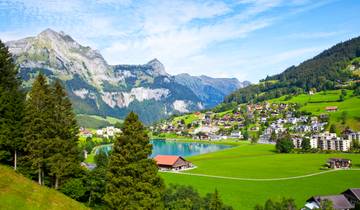
4 days
Switzerland 4-Day Tour: Alpine Classics (Jungfraujoch, Thermal Spa & Steep Funicular)
- ✓ Booking needs min. 2 travelers
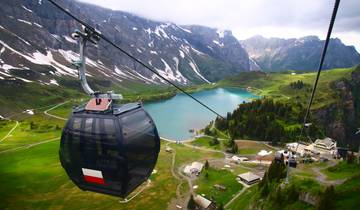
7 days
7 Days Swiss Icons: Zurich, Titlis, Lucerne & Rhine Falls
- ✓ Comprehensive Bern tour
- ✓ Expert local guides included
- ✓ All accommodation arranged
- ✓ Transportation provided
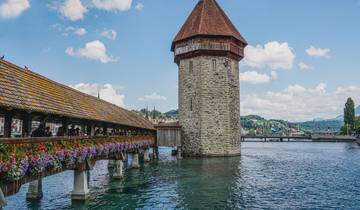
5 days
5 Day Lucerne Including Bern, Pilatus And 1 Day Zurich
- ✓ Comprehensive Bern tour
- ✓ Expert local guides included
- ✓ All accommodation arranged
- ✓ Transportation provided

7 days
7 Days by Train in Munich & Zurich: Alpine Dreams & Bavarian Charms
- ✓ Comprehensive Bern tour
- ✓ Expert local guides included
- ✓ All accommodation arranged
- ✓ Transportation provided
Multi-day tour packages powered by TourRadar. Prices and availability subject to change.
Introduction to Bernese Culinary Heritage
Bern’s position as Switzerland’s capital obscures its fundamentally agricultural character and the rural traditions that shaped its cuisine over eight centuries. Unlike cosmopolitan Geneva or international Zürich, Bern maintained closer connections to its surrounding farmland, allowing alpine cooking methods and preservation techniques to persist in urban settings even as the city grew into a political and administrative center. The Canton of Bern encompasses dramatic geographic diversity from the Bernese Oberland’s high alpine peaks through the fertile Emmental valley to the Jura foothills, creating distinct microclimates and agricultural zones that each contribute unique products and preparations to the regional table.
Bernese cuisine developed from practical necessities rather than aristocratic refinement. Long winters demanded preserved meats through smoking, salting, and drying. Limited growing seasons required maximizing potato and root vegetable storage. Dairy abundance from summer alpine pastures necessitated cheese production as a preservation method for milk that would otherwise spoil. These constraints produced dishes designed for sustenance and energy rather than delicacy, with generous portions of protein, fat, and carbohydrates supporting physically demanding agricultural labor. The celebratory Berner Platte exemplifies this approach, combining multiple preserved meat products in quantities that would sustain a family through several meals.
Contemporary Bernese dining balances preservation of historical recipes with adaptation to modern tastes and international influences. Traditional restaurants in the Old Town maintain century-old preparations of Suure Mocke and hand-flipped rösti, attracting both nostalgic locals and curious visitors. Simultaneously, young chefs reinterpret classic dishes using contemporary techniques while sourcing from the same regional suppliers their grandparents patronized. The weekly farmers markets continue operating after more than a hundred years, connecting urban consumers with rural producers in relationships that predate modern distribution systems. This dual character allows Bern to function simultaneously as a living museum of alpine cuisine and an evolving culinary destination responding to vegetarian, vegan, and international dining preferences.
Understanding Bernese food requires appreciating its social dimensions beyond mere nutrition. Sunday Zopf bread traditions bring families together for elaborate breakfasts. Fondue dining enforces communal eating from a shared pot, with playful penalties for losing bread in the cheese. The annual Zibelemärit onion market transforms the entire city center into a festive celebration of agricultural abundance and seasonal transition. These rituals strengthen community bonds and transmit cultural values across generations, making Bernese cuisine as much about identity and belonging as about flavor and sustenance. The persistence of these traditions despite urbanization and globalization demonstrates food’s power to anchor communities in shared heritage even as other aspects of life modernize.
Essential Traditional Bernese Dishes
Rösti functions as the foundational dish of Bernese cuisine, appearing on breakfast tables, as side dishes for main courses, and occasionally as a base for more elaborate preparations. The name stems from the word “rösten,” which means to fry. Proper Bernese rösti preparation begins the night before by parboiling whole potatoes in their skins, then refrigerating overnight to develop the correct starch structure for grating. The next day, peeled potatoes are grated on a coarse grater, producing long shreds rather than fine pieces. A heavy cast-iron pan receives a mixture of butter and rendered bacon fat, which must reach proper temperature before adding the grated potatoes in a thick, even layer. The key challenge involves achieving a golden-brown crust on the bottom while keeping the center creamy and tender, then successfully flipping the entire disk to crisp the second side.
Restaurant Lötschberg, Restaurant Röschtigrabe, and Landgasthof Bären Ranflüh represent the gold standard for traditional rösti preparation, each developing house techniques over decades of daily production. These establishments often flip rösti tableside, demonstrating the skill required and adding theatrical elements to the dining experience. Variations include adding grated cheese for käserösti, incorporating diced bacon, or topping with a fried egg for a complete breakfast. The classic pairing involves rösti as a side dish for Suure Mocke pot roast, Geschnetzeltes (sliced veal in cream sauce), or as a base for various meat preparations. Standalone rösti portions cost CHF 18-24 ($20-27) as a main course, while side portions run CHF 8-12 ($9-14).
The Berner Platte represents Bernese cuisine at its most celebratory and indulgent, designed for special occasions and festive gatherings rather than everyday dining. It is March 5th, 1798, when Bernese soldiers return victorious from the Battle of Neuenegg, and every resident brings what’s left of their winter provisions: dried green beans, sauerkraut, sausages, bacon, ham, and pork ribs, creating the “Bärner Platte.” Modern interpretations maintain this spirit of abundance, typically including at least six different meat preparations: boiled beef tongue, smoked pork loin, fresh pork belly, various sausages including Cervelat and Schüblig, bacon, and sometimes pig’s feet or other offal. Each meat component is prepared separately before final plating, with the beef typically boiled with onions and bay leaves, sausages poached in stock, and bacon rendered to release fat for other preparations.
Accompanying vegetables include sauerkraut cooked in white wine with currants and bacon, dried green beans sautéed in butter, and boiled potatoes fried with butter and chives. The Kornhauskeller’s version has achieved legendary status among Bernese restaurants, served in the dramatic vaulted cellar originally built for wine storage. Restaurant Della Casa, Restaurant Blapbach, and Gasthof Kreuz Wohlen each offer regional variations, with some establishments now producing vegetarian versions substituting mushrooms, root vegetables, and plant-based proteins during winter months. A full Berner Platte serves two to three diners generously, priced CHF 38-55 ($43-62) per person depending on restaurant and meat selection. The dish represents a substantial investment but provides an authentic immersion in historical Bernese food culture.
Suure Mocke (Bernese pot roast) exemplifies the preservation techniques and patience required in traditional alpine cooking. The beef is first marinated for a few days together with vegetables and spices – in the past, this process helped preserve the food, but today, it mainly serves to enhance the flavors. The marinade typically includes red wine, vinegar, onions, carrots, celery, bay leaves, juniper berries, and peppercorns, creating a complex acidic environment that both tenderizes the meat and develops deep flavors through chemical interaction. After three to five days of marination, the beef undergoes slow braising for several hours until fork-tender, producing meat that literally falls apart when served. The resulting cooking liquid reduces to a rich, tangy sauce that accompanies the meat.
Traditional service pairs Suure Mocke with rösti and either red cabbage or sauerkraut, creating a complete meal that balances the beef’s richness with potato starch and vegetable acidity. Restaurant Klötzlikeller in a historic vaulted cellar, Restaurant Goldener Schlüssel, and Gasthof zum Brunnen maintain reputation for authentic Suure Mocke preparation following recipes unchanged for generations. The dish requires significant advance planning and cannot be rushed, making it a weekend specialty rather than a weeknight option at most restaurants. Portions cost CHF 28-38 ($32-43) and typically include substantial quantities of meat given the long cooking time and shrinkage during braising. Modern interpretations occasionally substitute wild boar or venison for beef, though purists consider these variations rather than traditional Suure Mocke.
Zopf represents Bernese baking tradition and Sunday morning rituals throughout German-speaking Switzerland. The oldest depiction of a “Züpfe” is from the year 1470 and shows soldiers plundering a Bernese village, and for a long time, the soft, buttery bread was only served on special occasions, with even today still mostly having it on Sundays. The dough requires high butter content, eggs, milk, and careful kneading to develop gluten structure capable of supporting the braided shape. After first rising, the dough divides into strands that interlace in traditional braiding patterns, with different regions maintaining distinct braiding techniques passed through families. A second rise occurs before baking in a hot oven, developing the characteristic golden-brown crust and tender, slightly sweet interior.
Bakeries throughout Bern produce fresh Zopf every Sunday morning, with the aroma of baking bread filling residential neighborhoods before dawn. Proper service involves tearing rather than slicing the bread to preserve its texture, spreading with butter and jam, or pairing with cheese and cold cuts for a savory application. The tradition persists so strongly that many Bernese households consider Sunday breakfast incomplete without Zopf, regardless of other menu changes over decades. Bakeries sell individual braids for CHF 6-9 ($7-10) depending on size, with larger versions serving families of four to six people. Some artisan bakeries prepare special occasion Zopf incorporating nuts, raisins, or chocolate chips, though traditionalists view these as unnecessary embellishments to a perfect basic recipe.
Bernese Cheese and Dairy Traditions
Emmentaler AOP cheese represents the Canton of Bern’s most internationally recognized dairy product, though its production extends beyond cantonal borders under strict appellation controls. Made with cow’s milk, salt, starter cultures and rennet, its ‘Classic’ varietal is aged in cellars for a minimum of four months, ‘Reserve’ Emmental is aged eight months, and ‘Kaltbach Cave Aged’, for 12 months, with large, glossy characteristic holes or ‘eyes’ formed by carbon dioxide produced by the starter cultures. The cheese production follows traditions documented since the thirteenth century in the Emmental valley, where summer alpine pastures provide milk with unique flavor profiles influenced by wildflower and herb consumption. Large wheel production requires approximately 1,200 liters of milk per wheel, necessitating pooling milk from multiple farms and explaining the cooperative nature of traditional Swiss cheese production.
The characteristic holes develop during aging through propionic acid bacteria fermentation, producing carbon dioxide that forms pockets within the cheese matrix. Younger Emmentaler exhibits mild, slightly nutty flavors suitable for table consumption, while extended aging develops sharper, more complex taste profiles preferred for cooking and grating. The cheese appears throughout Bernese cuisine in fondue blends, grated over älplermagronen (alpine macaroni), and as table cheese accompanying meals. Dedicated cheese shops in Bern’s Old Town offer tastings comparing different aging periods and production methods, while the farmers markets feature wheels cut to order from regional producers. Prices range CHF 22-38 ($25-43) per kilogram depending on aging period and AOP certification status.
Belper Knolle presents a unique Bernese innovation combining cheese production with spice preservation techniques. Produced in Belp, hence the name, Belper Knolle is a unique Swiss hard cheese that’s shaped into a small ball, with the word Knolle translating to tuber, referring to its shape and style, mostly used as a grating cheese. The production process begins with fresh cheese curd that’s formed into small balls approximately the size of tennis balls, then rolled in crushed garlic and black pepper before aging. The outer coating creates a distinctive spicy crust while the interior develops firm texture suitable for grating. Two versions exist: younger cheese aged nine to ten weeks can be consumed directly or added to dishes, while extra-mature versions develop intense flavors ideal for grating over baked potatoes, pasta, casseroles, and eggs.
The flavor profile combines zesty, warm, herbal, garlicky, and spicy notes in a intensity unusual for Swiss cheese. Traditional sales methods involve wrapping individual balls in muslin bags, though modern retailers sometimes use vacuum packaging for extended shelf life. Belper Knolle has experienced renewed popularity among younger Swiss consumers seeking distinctive local products with strong flavor profiles, leading to increased production and wider availability. Specialty cheese shops and farmers market stalls offer tastings and sell balls for CHF 12-18 ($14-20) each, with the smaller size representing approximately 100-150 grams of cheese. The product works particularly well as a travel-friendly souvenir given its hard texture and preservation through the spice coating.
Fondue preparation in Bern follows regional traditions distinct from other Swiss cantons, though the basic concept of melted cheese in white wine with kirsch and garlic remains consistent. Bernese fondue typically combines Emmentaler and Gruyère in varying proportions, with some recipes incorporating small amounts of Vacherin for creamier consistency. The cheese requires careful grating before melting to ensure even heat distribution and smooth texture. A ceramic fondue pot rubbed with garlic precedes adding white wine to heat, then gradual incorporation of grated cheese while stirring in a figure-eight pattern to prevent separation. Cornstarch dissolved in kirsch stabilizes the emulsion, while ground nutmeg and white pepper add traditional seasoning.
Restaurant Harmonie maintains reputation for exceptional fondue preparation, offering both classic versions and truffle-enhanced variations for special occasions. Proper fondue etiquette includes swirling bread chunks in the pot rather than straight dipping, drinking only white wine or tea during the meal to aid digestion, and accepting playful penalties (songs, drinks, or tasks) when bread falls off the fork into the cheese. The communal nature of fondue dining enforces social interaction and conversation, making it popular for group gatherings and romantic dinners. Restaurant portions cost CHF 28-42 ($32-47) per person with bread included, though many establishments require minimum two-person orders given the preparation involved. Winter represents peak fondue season, though dedicated restaurants serve the dish year-round.
Historic Restaurants and Dining Venues in Bern’s Old Town
The Kornhauskeller occupies one of Bern’s most dramatic dining spaces, housed in a massive vaulted cellar originally constructed in the eighteenth century for wine storage and grain warehousing. Chef Jorge Peixoto worked in the city 28 years, 19 of them at Kornhauskeller, preparing ‘old school Swiss’ including Berner platte, roast chicken, meringues, and apricot tart. The cellar’s painted frescos depicting harvests and wine production create an atmospheric backdrop for traditional Bernese cuisine served with modern standards of presentation and service. The restaurant specializes in the Berner Platte’s historical birthplace claim, though documentation of this assertion remains contested by other establishments. Regardless of historical accuracy, the Kornhauskeller’s version sets the standard other restaurants reference, with careful attention to individual meat preparation and seasonal vegetable quality.
The cavernous space accommodates large groups while maintaining intimate niches for couples and small parties, with stone architecture providing natural temperature control that keeps the cellar cool in summer and insulated in winter. Weekend evenings require reservations weeks in advance during tourist season, while weekday lunches offer more availability. The menu balances traditional Bernese specialties with contemporary Swiss cuisine and international options, allowing groups with varying preferences to dine together. Main courses range CHF 28-48 ($32-54), with the Berner Platte representing the premium offering. The wine list emphasizes Swiss productions from Valais, Vaud, and local Bernese vineyards, with knowledgeable sommelier service guiding selections appropriate to the robust flavors of traditional dishes.
Restaurant Della Casa maintains its position as a Bernese institution through dedication to traditional preparation methods and resistance to culinary trends. Located in the heart of the Old Town, the restaurant occupies a historic building with original wood paneling, leaded glass windows, and the patina of decades of daily service. The kitchen produces Berner Platte, rösti, and seasonal game preparations following recipes largely unchanged since the restaurant’s founding. Service follows old-school Swiss hospitality traditions with formal but warm interactions, starched linens, and proper silverware courses for multi-course meals. The clientele includes local business lunches, government officials from nearby Parliament buildings, and tourists seeking authentic rather than adapted Bernese cuisine.
Specialty dishes include veal liver with rösti, seasonal venison preparations during autumn hunting season, and traditional desserts like meringues with double cream. The wine cellar holds extensive Swiss selections with particular depth in Bernese regional wines rarely found elsewhere. Weekday business lunches offer prix fixe menus CHF 38-52 ($43-59) including appetizer, main course, and dessert, while à la carte dining runs CHF 32-58 ($36-65) for main courses. The restaurant closes Sunday and Monday following traditional European restaurant scheduling, with reservations recommended for Friday and Saturday dinner service. First-time visitors should request guidance from veteran servers who know the menu’s history and can recommend appropriate dishes based on appetite and preferences.
The Klötzlikeller represents Bern’s oldest continuously operating wine bar, tucked into a vaulted cellar accessed through a narrow Old Town doorway easily missed by passing tourists. The city’s oldest wine bar is located in an authentic Bernese vaulted cellar, said to have been run for over 100 years by unmarried and mainly blond women, with the last one upholding that tradition being Leonie Pulfer up until 2001. The intimate space accommodates perhaps thirty diners at rustic wooden tables, creating an atmosphere more reminiscent of someone’s wine cellar than a commercial restaurant. The menu remains deliberately small, focusing on dishes the kitchen can execute perfectly rather than attempting comprehensive coverage. Veal liver, rösti, and Suure Mocke represent the core offerings, with seasonal additions rotating based on ingredient availability.
The wine list emphasizes smaller Swiss producers and natural wines from neighboring European regions, curated by owners with deep knowledge and willingness to recommend pairings for traditional dishes. Service operates on a relaxed timeline respecting the cellar’s character as a place for lingering rather than efficient turnover. Groups larger than four struggle to find seating, making the Klötzlikeller ideal for couples and intimate gatherings rather than large parties. Prices remain moderate despite prime Old Town location, with main courses CHF 24-36 ($27-41) and wines available by glass or bottle at fair markups. The restaurant’s unpretentious character attracts locals seeking authentic Bernese atmosphere without tourist-oriented presentation, though its reputation increasingly draws knowledgeable visitors willing to embrace its quirks and limited seating.
Restaurant Harmonie exemplifies Bernese dedication to maintaining culinary traditions across generations of family ownership and operation. The atmosphere at the Harmonie is still as it was 100 years ago – and the same goes for its cuisine: the typical Swiss dishes are prepared the traditional way according to “Grosis” (grandma’s) recipes. The restaurant occupies a corner location with large windows overlooking a quiet Old Town square, allowing observation of street life while dining. Interior décor preserves original fixtures including tile stoves, wood paneling, and vintage photographs documenting Bern’s evolution over the past century. The family running the restaurant maintains recipe books passed through generations, with marginal notes documenting adjustments and refinements developed over decades of daily cooking.
Winter specialties emphasize fondue preparation including classic versions and luxurious truffle-enhanced variations, served in individual ceramic pots maintaining ideal temperature throughout the meal. Summer menus shift toward lighter preparations incorporating seasonal vegetables from the farmers markets, though traditional favorites remain available year-round for devoted regulars. The house specialty dessert, Süessmost-Crème (apple cider custard), represents a regional preparation rarely found outside traditional Bernese restaurants, made with fresh-pressed apple cider reduced and combined with eggs and cream before gentle baking. Main courses cost CHF 26-44 ($29-50), with fondue service CHF 32-42 ($36-47) per person. Reservations are essential for Friday and Saturday evenings, while weekday lunches offer more spontaneous availability.
Contemporary Dining and Modern Interpretations
Restaurant Rosengarten occupies a spectacular hillside location overlooking Bern’s UNESCO-listed Old Town, combining panoramic views with contemporary interpretations of Swiss cuisine. The terraced gardens provide outdoor seating during warm months, allowing diners to watch sunset illuminate the medieval architecture below while the Bernese Alps create a dramatic backdrop. The kitchen balances respect for traditional preparations with modern techniques and presentation styles, offering both classic rösti and deconstructed versions incorporating unexpected ingredients like truffle oil or seasonal mushrooms. The menu changes quarterly to reflect ingredient availability and chef creativity, though signature dishes including Swiss chard pie and refined versions of Bernese classics remain constant.
The restaurant attracts both tourists seeking views and locals celebrating special occasions, creating a mixed clientele that demands high quality in both food and service. Lunch service offers lighter options and prix fixe menus CHF 42-58 ($47-65), while dinner emphasizes multi-course tasting menus showcasing seasonal ingredients and wine pairings from Swiss and international sources. The sommelier maintains particular expertise in Bernese regional wines, guiding diners toward smaller producers whose limited production rarely reaches export markets. Reservations require significant advance booking for terrace seating during summer months, particularly for sunset dinner hours. The restaurant operates year-round with the Rose Garden itself providing walking paths and viewpoints accessible outside dining hours.
Tibits revolutionized Bernese vegetarian dining by proving plant-based cuisine could achieve commercial success and culinary sophistication in a traditionally meat-focused food culture. The restaurant operates on a self-service model where diners select from an extensive buffet of hot and cold dishes priced by weight, allowing sampling of multiple preparations without committing to full portions. The menu changes daily based on seasonal availability and chef inspiration, though popular items including various rösti interpretations, creative salads, and international-influenced dishes appear regularly. The casual atmosphere and moderate pricing attract students, health-conscious professionals, and curious omnivores willing to try vegetarian cuisine in addition to committed vegetarians and vegans.
Two Bern locations include one near the central train station and another in the Old Town, both offering bright, modern interiors contrasting with traditional restaurant aesthetics. The buffet model allows diners to construct plates matching their appetites and budgets, with typical full plates costing CHF 18-28 ($20-32) depending on selections and quantities. Hot dishes include vegetarian versions of Älplermagronen, creative quiches, seasonal vegetable preparations, and international options from Indian curries to Asian stir-fries. The salad bar features numerous composed salads, grain dishes, and raw preparations showcasing vegetable diversity. Desserts include vegan options and reduced-sugar preparations alongside traditional Swiss sweets. The restaurant’s success demonstrates Bern’s evolving food culture and increasing acceptance of plant-based dining even in a region historically centered on meat and dairy.
Altes Tramdepot combines craft brewery operations with restaurant service in a converted historic tram depot overlooking the Aare River. The brewery produces traditional Swiss beer styles alongside experimental seasonal offerings, with floor-to-ceiling windows allowing observation of the brewing equipment and fermentation tanks. The menu balances pub fare including burgers and sausages with more refined preparations and vegetarian options, creating accessibility for varied dining preferences. The location adjacent to the Bear Park and within walking distance of the Old Town makes it popular for lunch during sightseeing and evening dining after attractions close.
The outdoor terrace provides river views and fresh air during warm months, while the interior’s industrial aesthetic appeals to younger demographics and craft beer enthusiasts. House-brewed beers range from light pilsners through malty dunkel to hoppy seasonal ales, with tasting flights allowing sampling of multiple styles. Food prices remain moderate with main courses CHF 22-38 ($25-43), while beer costs CHF 6-9 ($7-10) for half-liter servings. The brewery conducts tours on weekends, explaining traditional Swiss brewing methods and the specific approaches used for their house styles. The combination of quality food, house-brewed beer, scenic location, and relaxed atmosphere makes Altes Tramdepot popular with both residents and visitors seeking alternatives to formal Old Town dining.
Bernese Farmers Markets and Local Food Sources
The Tuesday and Saturday farmers markets represent over a century of continuous operation connecting Bern’s urban population with surrounding agricultural regions. For over a century, the weekly markets have been a popular place for locals to meet up, taking place every Tuesday and Saturday, year-round, on Bundesplatz (Parliament Square), Bärenplatz (Bear’s Square) and Waisenhausplatz (Orphanage Square), as well as in Gurtegasse, Bundesgasse, Schauplatzgasse and Münstergasse alleys. The markets begin setting up before dawn, with vendors arriving from farms throughout the canton to arrange displays of seasonal produce, flowers, cheese, meats, and baked goods. By 8 AM, the squares fill with shoppers conducting weekly provisioning, restaurant chefs selecting ingredients for daily specials, and visitors experiencing authentic Bernese food culture.
The short supply chains ensure exceptional freshness and quality, with vegetables often harvested within twenty-four hours of sale and cheeses aged at nearby dairies. Seasonal rhythms dictate available products, from asparagus and strawberries in spring through root vegetables and storage apples in winter. The markets provide social functions beyond commerce, allowing residents to maintain relationships with producers, discuss gardening techniques, and exchange recipes and preparation suggestions. The relaxed pace encourages conversation and community building, with vendors remembering regular customers’ preferences and families returning to the same stalls across generations. Prices remain competitive with supermarkets for comparable quality, though premium organic and specialty items command appropriate premiums.
The Münstergasse location specializes in meat products, maintaining its historical focus on butcher stalls despite later diversification. Originally, the weekly market in Münstergasse alley was only for selling meat, and other products were added over time, but there are still more meat and butcher’s stalls in the medieval alley than at the other markets, also including fish, cheese and baked goods as well as stalls that sell syrup and rural specialties from the Emmental and Dimtigtal regions. Vendors offer locally raised beef, pork, lamb, and poultry alongside game meats during hunting season and specialty preparations including smoked and cured products. The quality typically exceeds supermarket offerings through shorter aging times and traditional butchering practices preserving flavor and texture. Many stalls provide cooking advice and preparation suggestions, helping customers select appropriate cuts and understand traditional cooking methods.
The arcaded stalls in Schauplatzgasse offer weather protection during Bern’s frequent rain, making them popular during inclement conditions. Vendors sell regional vegetables, seasonal fruits, fresh cheese selections, meats, baked goods, olives, nuts, and cut flowers in a compressed but comprehensive market format. The covered location allows browsing without umbrellas and protects delicate products from moisture damage. During winter months when outdoor market attendance declines, the arcaded stalls maintain consistent customer traffic through their protected environment. The markets operate morning hours only, typically 8 AM to early afternoon, with best selection available during the first hours before popular items sell out.
The Händlermärit (merchant’s market) on Waisenhausplatz and Bärenplatz differentiates from agricultural markets by offering manufactured goods including jewelry, clothing, accessories, toys, leather goods, teas, and spices. Unlike the other parts of the Bernese farmer’s market, the stalls on Waisenhausplatz (Orphanage Square) and Bärenplatz (Bear’s Square) are also open in the afternoon. The extended hours accommodate different shopping patterns and allow afternoon browsing after morning agricultural market visits. Visitors seeking souvenirs or gifts find locally made products alongside imports from neighboring countries, with quality and pricing varying substantially between stalls. The market provides alternatives to conventional retail while maintaining the social atmosphere and direct vendor interaction characteristic of Bernese market culture.
Regional Food Products and Artisan Producers
Toblerone chocolate represents Bern’s most internationally recognized food export, invented in the city in 1908 by Theodor Tobler. In 1908, Theodor Tobler came up with Toblerone, a milk chocolate with a honey, almond and nougat filling, and today, it is one of the world’s best-known Swiss chocolates. The distinctive triangular shape references the Matterhorn mountain, though the chocolate factory originally operated behind Bern’s main railway station before international demand required larger production facilities. The honey-almond nougat filling differentiates Toblerone from standard milk chocolate bars, creating texture contrast and flavor complexity that contributed to global popularity. Modern production has relocated from Bern to larger facilities, though the city maintains strong association with the brand through historical connection and continued presence in local shops.
Ragusa chocolate emerged during World War II scarcity when Camille Bloch chocolate manufacturer sought methods to extend limited cocoa supplies. In 1942, in the middle of World War II, raw ingredients like cocoa were at a premium, so Bern chocolate manufacturer Camille Bloch came up with the idea of coating a chocolate mix made of ground nuts and whole nuts with fine chocolate, with Ragusa still made using the same recipe and method by the same family today. The combination of ground hazelnuts mixed with whole nut pieces surrounded by milk chocolate created distinctive texture and allowed chocolate production to continue despite ingredient limitations. The wartime innovation became a permanent product that generations of Swiss consumers associate with childhood and traditional chocolate consumption. The Bloch family continues operating the business with minimal recipe modifications, maintaining quality through careful ingredient selection and traditional production methods resistant to industrial streamlining.
Ovomaltine (Ovaltine internationally) originated in Bern in 1865 when pharmacist Dr. Georg Wander formulated a malt extract addressing widespread malnutrition in the era. After his son perfected it and rounded it off with cocoa, Ovaltine was launched and marketed as a medicinal product in Switzerland in 1904, but soon even healthy people were drinking Ovaltine. The transition from medical treatment to mainstream beverage demonstrated evolving nutritional understanding and consumer acceptance of fortified foods. Modern Ovomaltine products extend beyond the original powder into spreads, snacks, and muesli, maintaining market presence through brand extension while preserving core product identity. The distinctive orange packaging and malt-chocolate flavor profile remain familiar to multiple generations of Swiss consumers, with the product holding particular association with childhood, family breakfasts, and comfort.
Kambly biscuits represent Emmental Valley baking traditions commercialized into national and international distribution. Oscar Kambly perfected his in-laws’ Bretzeli recipe and began selling the biscuits at his bakery, and in 1910, he founded the now world-famous Kambly company. The thin, crispy Bretzeli biscuits made from butter, eggs, and flour have remained popular Swiss snacks for over a century through quality ingredients and traditional production methods scaled to industrial volumes without sacrificing characteristics of handmade products. The company operates a visitor center in Trubschachen allowing factory tours and tastings of numerous biscuit varieties, demonstrating production processes and the history of Swiss baking traditions. Kambly products appear in virtually every Swiss supermarket and many international markets, representing accessible Bernese food culture through a format convenient for gifts and souvenirs.
Ingwerer ginger liqueur exemplifies recent Bernese artisan production building on traditional spirits culture with contemporary flavors. In 2013, Peppe Jenzer tasted a ginger-based schnapps at a friend’s house and felt the drink could be improved on. The resulting product became an unexpected local sensation, transforming from insider knowledge to mainstream Bern beverage culture within a few years. The liqueur balances ginger’s natural spice with sweetness and alcohol heat, creating a digestif suitable for sipping or mixing into cocktails. Production remains relatively small-scale with distribution concentrated in Bern and surrounding regions, though increasing recognition has expanded availability. The success demonstrates Bernese willingness to embrace new products while maintaining preference for quality, local production, and artisan methods over mass-market alternatives.
Belper Knolle cheese’s recent popularity surge illustrates how traditional products can experience revival through changing consumer preferences and marketing approaches. The garlic-pepper coated cheese balls existed for generations as a regional specialty with limited distribution before discovering broader markets through emphasis on distinctive flavors, artisan production methods, and sustainable local sourcing. Younger Swiss consumers seeking alternatives to industrial food products embraced Belper Knolle as authentic, flavorful, and connected to specific place and production traditions. The cheese’s versatility in contemporary cooking—grated over pasta, shaved onto salads, or incorporated into sauces—expanded usage beyond traditional applications, introducing the product to chefs and home cooks previously unfamiliar with it.
Dining Customs and Food Culture in Bern
Sunday Zopf bread traditions structure weekly rhythms for Bernese families, creating rituals around shared breakfasts that persist despite changing work patterns and lifestyle modernization. The practice of purchasing fresh-baked Zopf Saturday evening or early Sunday morning, then gathering family members for an extended breakfast with butter, jam, cheese, and cold cuts represents cultural continuity across generations. Children grow up expecting Zopf Sundays, then maintain the tradition in their own households, transmitting not just a food preference but an entire approach to family time and meal significance. The ritual creates regular points of connection in busy lives, enforcing slower pace and conversation over quick weekday breakfast routines.
Bakeries structure Sunday production around Zopf demand, with some establishments baking nothing else that morning to meet orders and walk-in purchases. The aroma of baking bread becomes a sensory marker of Sunday mornings in residential neighborhoods, creating olfactory associations that residents carry throughout life. Some families maintain specific bakery loyalties spanning decades, with particular appreciation for individual baker’s techniques producing subtle differences in crust texture, crumb structure, and flavor development. The tradition demonstrates how food practices create social cohesion and cultural identity beyond mere nutrition, establishing shared experiences that define community membership and belonging.
Fondue dining etiquette enforces communal eating practices and playful social interaction through shared participation in cheese consumption. The requirement that all diners share from a single pot creates enforced equality and interaction, preventing individual meal customization that characterizes much modern dining. Proper technique involves swirling bread through the cheese in figure-eight patterns to prevent sticking while creating movement that prevents separation and scorching. When bread falls from a fork into the cheese, traditional penalties range from singing songs to purchasing rounds of drinks or performing agreed-upon tasks, adding competitive elements and humor to the dining experience.
The communal nature makes fondue particularly popular for romantic dates and group gatherings where social interaction represents a primary goal alongside eating. Restaurant service typically includes long-handled forks, individual plates, and accompaniments of cornichons, pickled onions, and boiled potatoes that provide flavor contrast to the rich cheese. Proper beverage pairings emphasize white wine or hot tea rather than cold water, which traditionally is thought to solidify cheese in the stomach causing digestive discomfort. The meal extends over hours of slow eating and conversation, resistant to rushed consumption and encouraging lingering at the table. The ritual demonstrates how specific dishes create social experiences beyond their nutritional content, structuring interactions and creating shared memories among participants.
The annual Zibelemärit (onion market) transforms Bern’s entire Old Town center on the fourth Monday of November, celebrating autumn harvest and seasonal transition through massive communal gathering. The famous onion market happens the fourth Monday in November, features 150 food stalls, hosts over 50 tons of onion and garlic. Farmers and vendors arrive before dawn to construct elaborate displays of braided onion wreaths, garlic strands, and autumn decorations sold to residents for home decoration and winter storage. The market’s origins trace to medieval privileges granting farmers from surrounding regions special access to city markets, with the tradition persisting across centuries despite changing agricultural economies and food distribution systems.
Beyond onion sales, the market features food stalls serving seasonal specialties, confetti throwing creating carnival atmosphere, and socializing that brings together urban and rural populations in festive celebration. Many Bernese residents take vacation days to attend, treating the market as a cultural event requiring full participation rather than brief shopping. The onion tart (Zibelechueche) becomes ubiquitous during the market, with both commercial vendors and home cooks preparing versions from onions purchased that morning. The tradition demonstrates how agricultural calendars continue influencing urban culture even as most residents have lost direct farming connections, maintaining seasonal awareness and celebrating harvest abundance through communal participation.
Seasonal Specialties and Holiday Foods
Christmas market season introduces distinctive Bernese baked goods and seasonal preparations replacing the regular farmers markets during December. Meitschibei (horseshoe-shaped hazelnut cookies), Mandelbärli (almond bear cookies), Merängge (meringues), and Leckerli (hard gingerbread cookies) appear in bakeries and market stalls throughout the holiday season. Small patisseries in the arcades sell traditional hazelnut horseshoe cookies (meitschibei), meringues (merännge), almond bears (mandelbärli) and hard, gingerbread-like cookies make with hazelnuts (leckerli, from ‘lecker’, meaning delicious). These specialties follow recipes preserved across generations, with families maintaining preferences for specific bakeries whose techniques produce subtle variations in sweetness, spice balance, and texture.
The cookies serve multiple functions including gifts, decorations, and treats for family consumption during the extended Christmas season. Traditional baking often occurs in home kitchens with recipes passed through families, creating opportunities for children to participate in food preparation and learn techniques from older generations. The distinctive shapes and flavors create sensory associations with Christmas celebrations that persist throughout life, triggering memories and emotional connections when encountered in later years. Commercial bakeries produce these specialties in quantities meeting both local demand and tourist purchases, with attractive packaging facilitating gifting and souvenir purposes.
Autumn game season transforms restaurant menus throughout Bern as hunters harvest deer, wild boar, and other game animals according to regulated seasons and quotas. Traditional preparations include marinated venison roasts, wild boar stews, and game sausages appearing on menus from October through December. The seasonal availability creates anticipation and appreciation for preparations that cannot be obtained year-round, contrasting with modern food systems providing constant access to most ingredients regardless of season. Restaurants emphasize local sourcing from Bernese forests and cooperation with traditional hunting organizations maintaining sustainable population management.
Game preparations often follow traditional recipes featuring red wine marinades, juniper berry seasoning, and accompaniments of red cabbage, spätzle, and chestnut preparations. The robust flavors pair well with fuller-bodied red wines from Swiss producers, creating complete seasonal meals celebrating autumn abundance. Prices for game main courses typically range CHF 38-58 ($43-65) reflecting lower availability and higher preparation requirements compared to standard meat offerings. Many restaurants offer fixed-price game menus during the season, combining multiple preparations into tasting menus showcasing different animals and cooking techniques. The seasonal emphasis maintains connection to natural cycles and local ecosystems, preventing abstraction of meat consumption from its origins in animal harvesting.
Spring asparagus season brings white and green asparagus to farmers markets and restaurant menus, celebrating the vegetable’s brief seasonal window with dedicated preparations highlighting its delicate flavor. Traditional service involves boiled asparagus with hollandaise sauce, boiled potatoes, and ham, though contemporary interpretations incorporate asparagus into salads, pasta dishes, and more complex presentations. The short season from April through June creates urgency around consumption, with restaurants emphasizing daily specials and markets featuring prominent displays. Local production from Seeland region north of Bern provides particularly prized specimens, with short transport times ensuring optimal freshness.
The arrival of strawberries in late May signals summer’s approach and inspires desserts, preserves, and fresh consumption throughout June. Bernese bakeries produce strawberry tarts, cakes, and pastries showcasing the fruit’s sweetness, while home cooks prepare jams and preserves extending the season beyond fresh availability. The farmers markets become dominated by strawberry vendors during peak weeks, with some customers arriving early specifically to secure best selections before popular varieties sell out. The intense focus on seasonal produce maintains awareness of agricultural cycles and creates anticipation for specific times of year, contrasting with supermarket systems providing strawberries year-round through international sourcing and greenhouse production.
Practical Information for Dining in Bern
Restaurant pricing in Bern reflects Switzerland’s generally high cost of living while remaining somewhat more moderate than Geneva or Zürich. In Bern, if looking for an inexpensive place to eat, expect to pay around 30 US dollars, and when affordable to go out to the restaurant, will pay for a three-course meal around 111 US dollars, with beer costing extra at 16.5 US dollars for 2 bottles. Budget-conscious diners can find meals at casual restaurants for CHF 23-30 ($26-34), though these typically involve simpler preparations at establishments outside prime Old Town locations. Mid-range restaurants charge CHF 35-52 ($40-59) for main courses, while fine dining establishments command CHF 48-75 ($54-85) per course in multi-course tasting menus.
Fast food options including McDonald’s, Burger King, and local equivalents offer combo meals CHF 15-18 ($17-20), providing alternatives when time or budget constraints prevent sit-down restaurant dining. Beverages significantly increase meal costs, with beer costing CHF 6-9 ($7-10) for half-liter servings, wine glasses CHF 8-14 ($9-16), and soft drinks CHF 4-6 ($4.50-7). Swiss restaurants typically include service charges in menu prices, eliminating tipping requirements though rounding up bills or leaving small amounts for exceptional service remains acceptable. Water may be ordered still or sparkling from bottles rather than complimentary tap water common in some countries, adding CHF 4-7 ($4.50-8) to meal costs.
Reservation policies vary by establishment and season, with popular restaurants in the Old Town requiring advance booking for Friday and Saturday dinner service particularly during summer tourist months. Weekday lunches typically accommodate walk-in diners more readily, though business lunch crowds fill tables between noon and 1:30 PM at establishments near government and commercial districts. Many traditional restaurants close Sunday and Monday following European patterns that preserve family time for restaurant workers and acknowledge historical reduced demand on these days. Lunch service runs approximately 11:30 AM to 2 PM, while dinner begins around 6 PM and continues through 10 PM, with kitchens closing earlier than posted restaurant hours.
Dress codes remain casual at most Bern restaurants outside luxury establishments, with clean casual attire acceptable even at mid-range venues. Fine dining restaurants may prefer business casual or semi-formal attire, though strict enforcement is uncommon. Language capabilities vary by establishment, with Old Town tourist-oriented restaurants providing service in English, German, and French, while neighborhood establishments may operate primarily in Swiss German with limited English. Menus typically appear in German with some establishments providing English translations or multilingual menus. Swiss German differs substantially from standard German, though restaurant staff generally switch to standard German when addressing tourists or non-local visitors.
Dietary restrictions and preferences should be communicated when making reservations to allow kitchen preparation and ingredient sourcing. Vegetarian options have expanded significantly in recent years, though traditional Bernese restaurants maintain limited selections given the cuisine’s meat-centric character. Vegan diners face more limited options and should specifically verify ingredient sourcing and preparation methods, as butter, eggs, and dairy appear in numerous preparations that might otherwise seem plant-based. Gluten-free requirements can be accommodated at many establishments with advance notice, though cross-contamination risks exist in traditional kitchens not specifically equipped for allergen separation.
Food Shopping and Self-Catering in Bern
The farmers markets provide optimal access to seasonal, local, and artisan products for travelers with apartment accommodations or picnic plans. Tuesday and Saturday morning visits between 8 AM and 11 AM ensure best selection before popular items sell out, with vendors generally willing to provide small quantities and preparation advice. Cash payments receive preference at many stalls, though increasing numbers accept card payments for purchases above minimum amounts. Reusable shopping bags or baskets prove essential as vendors minimize packaging, providing only basic paper bags or no wrapping for items like vegetables and bread.
Coop and Migros supermarket chains operate multiple locations throughout Bern, offering comprehensive grocery selections at moderate prices by Swiss standards. These stores stock basic ingredients for self-catering alongside prepared foods, baked goods, and specialty items. Sunday closures affect most supermarkets with limited exceptions for train station locations maintaining reduced hours. Larger format stores in suburban locations provide broader selection and lower prices compared to compact city center locations, though the latter offer superior convenience for short-term visitors. Quality remains high across price points, with even budget products meeting Swiss quality standards that exceed many international equivalents.
Specialty food shops in the Old Town arcades sell premium products including aged cheeses, cured meats, chocolates, and regional specialties suitable for gifts or upscale self-catering. These establishments provide expert guidance on product selection, preparation methods, and pairing suggestions, creating shopping experiences focused on education and quality rather than mere transaction. Prices exceed supermarket levels significantly, justified by product quality, specialized knowledge, and curated selection representing artisan production rather than industrial manufacturing. Many shops vacuum-pack cheeses and meats facilitating international travel, though customs regulations vary by destination country and should be verified before purchase.
Bakeries throughout Bern sell fresh bread, pastries, sandwiches, and prepared foods suitable for breakfast or light meals. Morning hours offer broadest selection with popular items frequently selling out by mid-afternoon. Swiss bakeries emphasize quality ingredients and traditional methods producing superior products compared to supermarket bakery sections, with corresponding price premiums. A basic breakfast including bread roll, coffee, and pastry costs CHF 8-12 ($9-14) at bakery cafés, while takeaway purchases reduce costs to CHF 5-8 ($6-9) for equivalent items consumed elsewhere.
Frequently Asked Questions About Bernese Cuisine
What makes Bernese cuisine different from other Swiss regional cuisines?
Bernese cuisine emphasizes hearty, substantial preparations reflecting its German-Swiss cultural roots and alpine agricultural traditions, distinguishing it from the lighter, more refined French-influenced cuisine of western Switzerland and the Italian-influenced cooking of Ticino. The reliance on potatoes, preserved meats, and dairy products reflects historical necessity in a region with long winters and limited growing seasons, while celebratory dishes like Berner Platte showcase abundance through quantity and variety rather than delicacy. Traditional Bernese preparations favor slow cooking methods that tenderize tougher meat cuts and develop deep flavors through marination and braising, contrasting with quicker cooking techniques common in neighboring regions. The preservation of traditional recipes and resistance to modernization in historic restaurants maintains distinctive Bernese character more successfully than in some Swiss regions where international influences have diluted regional identity.
Can I find good vegetarian and vegan food in Bern despite the meat-heavy traditional cuisine?
Bern’s dining scene has evolved substantially to accommodate vegetarian and vegan preferences despite traditional cuisine’s meat and dairy focus, with dedicated vegetarian restaurants like Tibits thriving alongside increasing plant-based options at conventional establishments. Modern interpretations of traditional dishes now include vegetarian rösti cooked in vegetable oil rather than bacon fat, meatless versions of Älplermagronen substituting mushrooms or seasonal vegetables, and even vegetarian Berner Platte during winter months at progressive restaurants. The farmers markets provide abundant seasonal produce, nuts, legumes, and grains supporting self-catering for strict dietary requirements, while international restaurants serving Asian, Middle Eastern, and Mediterranean cuisines offer naturally plant-based options. However, vegans should specifically verify ingredient sourcing and preparation methods as butter, eggs, and dairy appear in numerous preparations that might seem plant-based, and cross-contamination risks exist in traditional kitchens not equipped for strict allergen separation.
What are the best times to visit Bern’s farmers markets?
The farmers markets operate Tuesday and Saturday mornings year-round from 8 AM to approximately 5 or 6 PM, with optimal visiting times between 8 AM and 11 AM when selection is broadest and vendors most energetic before afternoon fatigue. Arrival at market opening ensures access to limited-quantity specialty items and most desirable produce before popular vendors sell out, while mid-morning visits between 9 and 10 AM balance good selection with reduced early-morning crowds. The arcaded stalls in Schauplatzgasse provide weather protection during Bern’s frequent rain, making them preferable during inclement conditions when outdoor market browsing becomes uncomfortable. December sees the regular farmers markets replaced with Christmas markets featuring seasonal specialties, baked goods, and holiday decorations, while the fourth Monday in November hosts the massive Zibelemärit onion market transforming the entire Old Town. Spring and summer markets showcase asparagus, strawberries, and fresh vegetables, while autumn emphasizes apples, squash, and preservation products like jams and pickled vegetables preparing for winter storage.
How much should I budget for a traditional Bernese meal in the Old Town?
A traditional Bernese meal in Old Town restaurants costs CHF 45-75 ($51-85) per person including appetizer or soup, main course, and beverage, with signature dishes like Berner Platte and Suure Mocke falling in the CHF 28-38 ($32-43) range for main courses alone. Adding appetizers (CHF 12-18 / $14-20), desserts (CHF 10-16 / $11-18), and wine or beer (CHF 6-14 / $7-16 per glass) brings total meal costs to the higher end of this range, while skipping courses and selecting tap water reduces expenses toward the lower boundary. Lunch menus at business-oriented restaurants offer better value with two or three courses priced CHF 28-42 ($32-47) compared to à la carte dinner ordering, while weekday lunch specials at traditional restaurants sometimes feature single-course meals with salad for CHF 22-32 ($25-36). Fondue meals require minimum two-person orders at most establishments, costing CHF 28-42 ($32-47) per person including bread, while sharing a Berner Platte between two or three diners maximizes value for experiencing the signature dish. Budget-conscious visitors can reduce costs by dining at neighborhood restaurants outside prime Old Town locations, selecting weekday lunch service rather than weekend dinners, and limiting alcoholic beverages which significantly increase total bills.
What Bernese food products make good souvenirs or gifts?
Belper Knolle cheese balls represent ideal Bernese souvenirs given their distinctive regional character, hard texture suitable for travel, and protective garlic-pepper coating that preserves freshness without refrigeration, selling for CHF 12-18 ($14-20) each at cheese shops and farmers markets. Toblerone chocolate maintains strong Bern associations despite modern production relocation, offering widely recognized Swiss chocolate in distinctive triangular packaging perfect for gifts, while Ragusa chocolate bars provide more authentic local character through continued family production using original wartime recipes. Kambly biscuits from the Emmental valley come in attractive tins suitable for gifting, representing traditional Swiss baking in shelf-stable format convenient for international transport, with factory shop in Trubschachen offering broadest selection and factory tours. Local honey, fruit preserves, and syrups from farmers market vendors provide artisan products reflecting Bernese agricultural traditions, though liquid restrictions complicate air travel. Specialty tea blends, local coffee roasters’ products, and Ingwerer ginger liqueur (if meeting liquid transport requirements) offer alternatives, while vacuum-packed Emmentaler AOP cheese with proper documentation allows transporting Switzerland’s most famous cheese internationally.
Are reservations necessary at Bern restaurants?
Reservation requirements vary substantially by restaurant category, day of week, and season, with popular Old Town establishments requiring advance booking for Friday and Saturday dinner service particularly during April through October tourist season. Traditional restaurants like Kornhauskeller, Della Casa, and Klötzlikeller fill quickly for weekend evenings with reservations recommended one to three weeks ahead during peak periods, while weekday lunch service typically accommodates walk-in diners more readily outside the business lunch rush between noon and 1:30 PM. Fine dining restaurants and establishments with limited seating capacity require reservations regardless of day or season given their popularity and inability to expand capacity, while larger casual restaurants and those in neighborhood locations outside tourist areas maintain more flexibility for spontaneous dining. Making reservations for any meal where timing matters significantly (celebration dinners, pre-theater dining, specific schedule constraints) eliminates risk and ensures preferred seating times, while the effort required to reserve versus flexibility of finding alternatives depends on individual tolerance for uncertainty and willingness to explore beyond primary choices.
What is the proper etiquette for fondue dining in Bern?
Fondue etiquette emphasizes communal participation, playful enforcement of traditions, and beverage pairings believed to aid cheese digestion, creating social rituals beyond mere eating. Proper bread dipping technique involves spearing bread cubes securely on long-handled forks, swirling through the cheese in figure-eight patterns to create movement preventing separation and scorching while coating bread thoroughly, then allowing excess cheese to drip before transferring to individual plates rather than eating directly from the fondue fork (which returns to the shared pot). When bread falls from a fork into the cheese, traditional penalties range from purchasing rounds of drinks to singing songs or performing agreed-upon tasks, with specific consequences determined by dining companions before beginning the meal. Beverage selection traditionally emphasizes white wine, hot tea, or kirsch digestif rather than cold water or soft drinks, based on beliefs that cold liquids solidify cheese in the stomach causing digestive discomfort, though scientific support for this claim remains limited. The meal extends across hours of slow eating encouraging conversation and lingering, with the caramelized cheese crust forming at the pot bottom (la religieuse) representing a prized final course often divided among diners as a special treat.
How does seasonal availability affect Bernese restaurant menus?
Seasonal availability significantly influences Bernese restaurant menus despite year-round ingredient access through modern distribution systems, with traditional establishments maintaining strong commitment to regional products and seasonal rhythms. Spring asparagus season from April through June brings white and green asparagus to prominence in appetizers, side dishes, and dedicated asparagus menus celebrating the vegetable’s brief availability window, while strawberry season in late May and June inspires desserts, tarts, and fresh preparations impossible to replicate with stored or imported fruit. Autumn hunting season transforms menus from October through December as game preparations including venison, wild boar, and other forest animals appear in traditional roasts, stews, and sausages reflecting regulated harvest seasons and sustainable population management. Winter emphasizes preservation products including smoked and cured meats, stored root vegetables, and hearty preparations like fondue and raclette that provide warming comfort during cold months, while farmers market availability shifts from fresh summer produce to storage crops like potatoes, cabbage, apples, and preserved items. Progressive restaurants change menus quarterly or more frequently to showcase peak-season ingredients and maintain chef creativity, while traditional establishments maintain core dishes year-round but incorporate seasonal specials and adjust accompaniments based on ingredient availability.
What is the significance of the Zibelemärit onion market?
The Zibelemärit represents Bern’s most important annual food festival, transforming the entire Old Town on the fourth Monday of November into a massive celebration of autumn harvest, agricultural traditions, and community gathering that attracts over 50,000 visitors consuming fifty tons of onions and garlic. Historical origins trace to medieval privileges granting farmers from surrounding regions special market access in the city, with the tradition persisting across centuries despite changing agricultural economies and modern food distribution systems rendering such events commercially unnecessary. Contemporary significance extends beyond onion sales to encompass cultural identity, seasonal awareness, and community cohesion as urban and rural populations mix in festive atmosphere featuring elaborate onion and garlic displays, traditional food stalls, confetti throwing, and socializing that brings together diverse social groups. Many Bernese residents request vacation days to attend, treating the market as a cultural obligation requiring full participation rather than brief shopping, while tourists increasingly discover the event as authentic local tradition rather than tourist-oriented performance. The associated Zibelechueche (onion tart) becomes ubiquitous during the market, with recipes passed through families and prepared fresh that morning using purchased ingredients, demonstrating how specific festivals create food traditions extending into home kitchens and private celebrations beyond commercial market transactions.
Where can I experience the most authentic traditional Bernese cooking?
The Kornhauskeller, Restaurant Della Casa, Restaurant Harmonie, and Klötzlikeller represent the pinnacle of authentic traditional Bernese cooking through decades or centuries of operation maintaining historical recipes, traditional preparation methods, and resistance to modernization or international influences. These establishments employ chefs trained in classical Swiss techniques who learned recipes from previous generations rather than culinary schools emphasizing contemporary trends, creating continuity in preparation methods and flavor profiles spanning multiple decades. The physical spaces themselves contribute to authenticity through preservation of historic architecture, original furnishings, and atmospheric elements that transport diners to earlier eras when these dishes represented everyday rather than nostalgic cuisine. However, authentic Bernese cooking also exists outside restaurants in home kitchens where families prepare Sunday Zopf breakfasts, maintain fondue traditions, and cook seasonal specialties following recipes passed through generations, suggesting that true authenticity requires experiencing Bernese food culture’s social dimensions beyond commercial dining. The farmers markets provide another authenticity dimension through direct interaction with producers whose families have farmed the same land for generations, offering ingredients and preparation knowledge that restaurants purchase but cannot fully replicate in urban settings divorced from agricultural cycles and rural community structures.
How has Bernese cuisine adapted to modern dietary trends and international influences?
Bernese cuisine has experienced gradual adaptation to modern dietary trends including vegetarianism, veganism, reduced-fat cooking, and international flavor influences while maintaining core traditional dishes and preparation methods in dedicated establishments. The success of vegetarian restaurants like Tibits demonstrates commercial viability of plant-based dining even in traditionally meat-focused food cultures, while conventional restaurants increasingly offer vegetarian rösti, meatless pasta dishes, and seasonal vegetable preparations responding to customer demand without abandoning signature meat offerings. Young chefs trained in international culinary techniques return to Bern applying modern plating aesthetics, molecular gastronomy elements, and global flavor combinations to traditional ingredients and dishes, creating fusion preparations that reference Bernese heritage while appealing to contemporary tastes. Asian, Middle Eastern, and Mediterranean restaurants have established permanent presence in Bern’s dining scene, introducing residents to diverse cuisines and influencing local cooking through ingredient availability and technique exchange. However, this adaptation remains partial and uneven, with strong conservative elements preserving traditional preparations unchanged, Sunday Zopf rituals continuing across generations, and farmers markets maintaining producer-consumer relationships predating modern food systems, suggesting that Bernese food culture adapts selectively rather than transforming wholesale in response to external influences.