
Bern 3-Day Itinerary 2026: Complete Planning Guide
Switzerland’s capital unfolds across a dramatic peninsula surrounded by the turquoise Aare River, where medieval arcades shelter vibrant street life beneath sandstone buildings unchanged since the 15th century. This three-day itinerary guides you through UNESCO-listed Old Town lanes, century-old clock towers, and Alpine panoramas while maximizing your time and budget in one of Europe’s most beautifully preserved capitals.
Key Takeaways for Your Bern Visit 2026
- Budget-Friendly Access: Budget travelers spend CHF 95-135 ($100-142) per person daily assuming two sharing budget accommodation, with free public transport via the Bern Ticket included with every hotel stay making exploration remarkably affordable.
- Mid-Range Comfort: Mid-range visitors invest CHF 220-295 ($232-311) per person daily for two sharing mid-range hotels, accessing authentic Swiss dining and comprehensive museum experiences throughout the compact Old Town.
- Luxury Experience: Luxury travelers budget CHF 400-585 ($422-617) per person daily for two sharing luxury hotels, enjoying palace accommodations, Michelin-caliber dining, and private guided experiences through Switzerland’s political capital.
- UNESCO World Heritage: Bern’s Old City received UNESCO designation in 1983 for its exceptionally coherent medieval planning and over six kilometers of covered arcades dating from the 13th to 15th centuries.
- Compact Exploration: The entire Old Town spans just 1.5 kilometers end to end, making three days ideal for thorough exploration without rushing while allowing day trips to nearby Bernese Oberland peaks.
- Year-Round Destination: Summer brings Aare River swimming and outdoor dining, while winter transforms Bundesplatz into an ice skating rink, with spring and fall offering shoulder-season value and smaller crowds.
People Also Ask About Bern 3-Day Itinerary 2026
How much does a 3-day trip to Bern cost in 2026?
A three-day Bern visit costs CHF 285-405 ($300-427) per person for budget travelers assuming two sharing budget accommodation, CHF 660-885 ($696-933) for mid-range comfort with two sharing mid-range hotels, and CHF 1,200-1,755 ($1,266-1,851) for luxury experiences with two sharing luxury hotels. These totals include accommodation divided by two for couples, all meals, attractions, and transport. Switzerland’s reputation for high prices proves manageable in Bern through strategic planning, with the complimentary Bern Ticket eliminating all public transport costs and numerous free attractions including Rosengarten viewpoints, Bern Münster cathedral entry, riverside walks, and self-guided Old Town exploration reducing daily expenses significantly.
Is 3 days enough time in Bern?
Three days provides ideal time to thoroughly experience Bern’s compact Old Town while incorporating day trips to surrounding Alpine destinations. Day one covers UNESCO Old Town highlights including Zytglogge clock tower, Federal Palace, and Bern Münster cathedral. Day two explores museums, Einstein’s former residence, and Bear Park with evening riverside dining. Day three ventures to Gurten mountain or Emmental Valley for countryside experiences, or allows deeper dives into specific interests like Paul Klee art or chocolate tastings. The city’s walkable scale means you complete major attractions without exhausting three-day rushing, while proximity to Interlaken, Thun, and Jungfrau region makes strategic positioning for longer Switzerland itineraries.
What is the best time to visit Bern in 2026?
Late spring through early fall delivers optimal Bern weather for outdoor exploration, with May through September offering temperatures CHF 18-25°C (64-77°F) ideal for riverside walks and terrace dining. Summer June through August brings peak tourist season with longest daylight hours and Aare River swimming opportunities, though hotel rates increase 30-40% above shoulder seasons. April-May and September-October provide excellent value with mild weather, smaller crowds, and full museum operations, while December attracts Christmas market visitors to Bundesplatz with festive atmosphere despite colder temperatures. January through March sees lowest hotel rates but shorter days and occasional snow, though winter sports access to nearby Jungfrau region becomes prime advantage.
How do I get around Bern during my 3-day visit in 2026?
Every hotel, hostel, and campsite in Bern provides complimentary Bern Ticket upon check-in, granting unlimited free public transport on trams, buses, and suburban trains in zones 100/101 throughout your stay. The system covers Gurten and Marzilibahn funiculars, Münster terrace elevator, and Bern Airport connections. Old Town exploration requires no transport beyond walking, with the entire UNESCO core spanning 1.5 kilometers from Bärenplatz to Nydegg Bridge. Trams and buses reach outer attractions like Paul Klee Zentrum, though most visitors walk everywhere within medieval walls. The Bern Ticket eliminates all local transport budgeting, representing significant savings versus other Swiss cities where public transit costs CHF 3-4 per ride.
Extended multi-day tours – 5+ days
Featured Bern Multi-Day Tour Packages

3 days
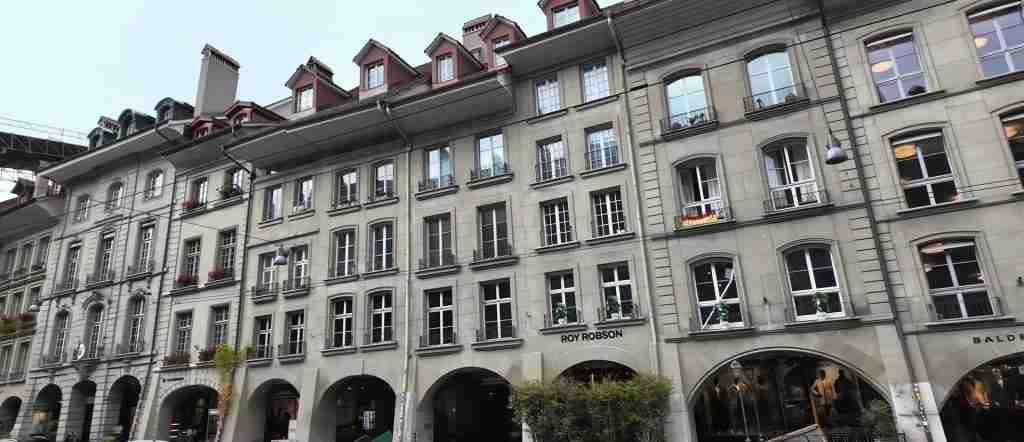
Bern 3-Day Discovery Tour
- ✓ Comprehensive Bern experience
- ✓ Expert local guides included
- ✓ All accommodation included
- ✓ Transportation provided
5 days
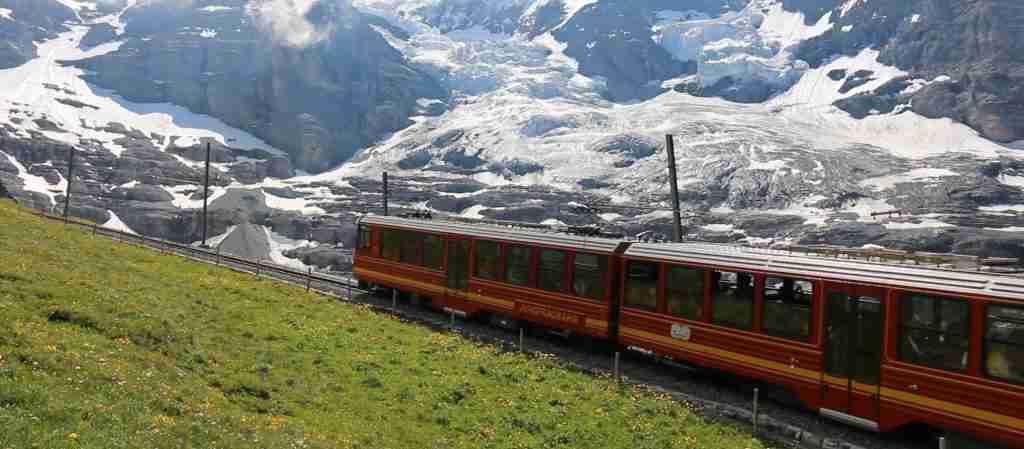
Bern 5-Day Highlights Experience
- ✓ Comprehensive Bern experience
- ✓ Expert local guides included
- ✓ All accommodation included
- ✓ Transportation provided
7 days
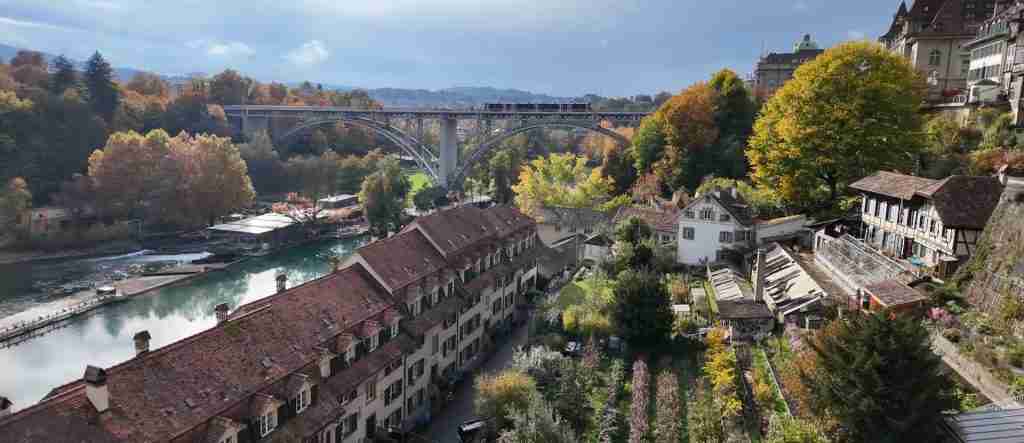
Bern 7-Day Cultural Journey
- ✓ Comprehensive Bern experience
- ✓ Expert local guides included
- ✓ All accommodation included
- ✓ Transportation provided
10 days
Bern 10-Day Complete Adventure
- ✓ Comprehensive Bern experience
- ✓ Expert local guides included
- ✓ All accommodation included
- ✓ Transportation provided
Multi-day tour packages powered by TourRadar. Prices and availability subject to change.
Introduction to Bern’s Three-Day Experience
Bern contradicts Switzerland’s alpine stereotype with an urban grace found nowhere else in the confederation. Founded in 1191 by Duke Berchtold V of Zähringen on a defensible peninsula carved by the Aare River’s dramatic loop, the city expanded methodically through four medieval growth phases still visible in tower placements and street alignments today. The 1405 fire that consumed wooden structures paradoxically preserved Bern’s character, as mandated sandstone rebuilding created the harmonious architectural fabric that earned UNESCO World Heritage status in 1983. Unlike museum-piece medieval towns, Bern functions as Switzerland’s de facto capital, housing Federal Parliament, multiple embassies, and over 140,000 residents who animate arcades with contemporary life.
The UNESCO designation recognizes not individual monuments but the entire urban ensemble, an exceptionally coherent planning concept spanning five centuries. Over six kilometers of covered arcades called Lauben shelter Europe’s longest continuous shopping promenade, where vaulted ceilings from the 15th century protect modern boutiques, chocolatiers, and bookshops. More than one hundred fountains punctuate streets and squares, eleven retaining original 16th-century Renaissance sculptures including the disturbing Kindlifresserbrunnen depicting an ogre consuming children. Sandstone buildings glow honey-gold in afternoon light, their facades little changed since baroque renovations transformed Gothic severity into elegant restraint.
Three days allows thorough immersion in Bern’s layered identity. First-day orientation through UNESCO Old Town establishes medieval geography while hitting landmark attractions. Second-day museum visits and neighborhood exploration reveal Einstein’s legacy and contemporary culture. Third-day excursions venture beyond city limits to Gurten’s Alpine panoramas or Emmental’s rural valleys, or alternatively dedicate time to specialized interests from Paul Klee’s art to Swiss political history. The compact scale means unhurried discovery, with distances manageable on foot and complimentary public transport via Bern Ticket eliminating logistical stress.
Bern distinguishes itself through understated sophistication rather than tourist spectacle. Locals swim the Aare River’s swift current on summer afternoons, floating from Marzili pool to Eichholz campground with waterproof bags securing belongings. Street markets on Bundesplatz sell produce alongside political debates in Switzerland’s functioning democracy. The Zytglogge clock tower’s hourly puppet show draws crowds, yet residents barely glance up from coffee, having witnessed the mechanical dance thousands of times. This living city rewards travelers who blend observation with participation, discovering rhythms invisible to rushed itineraries.
Day 1 Morning 2026: UNESCO Old Town Orientation and Zytglogge Clock Tower
Begin your Bern exploration at Bern Hauptbahnhof, the main railway station positioned at the Old Town’s western entrance. Arrive early to beat crowds, ideally between 8:00-9:00 AM when arcades open and morning light illuminates sandstone facades. Exit through the station’s front entrance onto Spitalgasse, where the first of Bern’s covered arcades immediately shelters your walk. These vaulted passages, built when medieval houses expanded into street space, created Europe’s longest continuous shopping promenade by accident rather than design.
Follow Spitalgasse 400 meters east to Bärenplatz, a broad square marking the city’s first western expansion around 1255. The Käfigturm tower on your left served as western gate, later becoming a prison and now housing political exhibitions in the Polit-Forum Bern. Continue along Marktgasse another 250 meters to reach Bern’s most iconic landmark, the Zytglogge clock tower rising 54 meters above the street. Built as the western city gate around 1218-1220, reconstructed after the 1405 fire, and decorated with astronomical clock and moving figures in 1530, the Zytglogge represents Bern’s entire medieval history in a single structure.
Time your arrival for five minutes before any hour to witness the clock’s mechanical puppet show. Golden rooster crows, jester rings bells, bears march in procession, and Father Time turns his hourglass while crowds gather below. The eastern facade displays an astronomical clock showing zodiac positions, moon phases, and calendar dates through slowly rotating discs crafted by clockmaker Kaspar Brunner. Consider booking the Zytglogge interior tour for CHF 22 ($22), departing weekdays at 1:15 PM and select afternoons at 3:15 PM. The one-hour guided experience climbs 130 steps through clock mechanisms to a viewing platform offering unobstructed Old Town panoramas and Bernese Oberland peaks on clear days.
East of Zytglogge, Kramgasse continues the covered arcade promenade. Number 49 Kramgasse housed Albert Einstein from 1903-1905 during his miracle year formulating special relativity. The Einstein House recreates period furnishings in the second-floor apartment where the patent clerk revolutionized physics. Admission costs CHF 6 ($6) for a 20-minute self-guided visit, though the Bernisches Historisches Museum provides more comprehensive Einstein context. Kramgasse terminates at Nydegg Bridge after passing additional Renaissance fountains including the colorful Zähringer Fountain honoring Bern’s founder.
Budget travelers should pack supermarket breakfast from Coop or Migros locations throughout the Old Town, saving CHF 8-12 ($8-13) versus cafe prices. Mid-range visitors enjoy coffee and croissants at traditional cafes like Confiserie Tschirren on Kramgasse for CHF 15-25 ($16-26). Luxury seekers indulge in Hotel Schweizerhof breakfast buffets for CHF 35-45 ($37-47) featuring local cheeses, freshly baked breads, and Bernese specialties.
Day 1 Afternoon 2026: Bern Münster Cathedral and Federal District
After morning Old Town orientation, walk south from Kramgasse to reach Bern Münster, Switzerland’s tallest cathedral dominating the city skyline with its 100-meter Gothic spire. Construction began in 1421 under master builder Matthäus Ensinger from Strasbourg, continuing for 473 years until completion in 1893. The facade’s Last Judgment portal features over 200 carved figures depicting biblical scenes in extraordinary detail, while interior stained glass windows from the mid-15th century survived Reformation iconoclasm rare among Protestant churches. Cathedral entry remains free, respecting its function as active Reformed parish church.
Climb the cathedral tower for CHF 5 ($5), ascending 344 narrow steps through medieval stone passages to the bell chamber and observation platform. The largest bell weighs 10 tons and rings daily, while views extend across red-tiled roofs to the Aare River loop and Bernese Oberland peaks beyond. The climb requires moderate fitness and takes 20-30 minutes including observation time. Münsterplattform terrace adjacent to the cathedral offers free panoramic views without tower climb, with benches, cafe, and children’s playground making popular local gathering spot.
From Münster, walk northwest along Theaterplatz to reach Bundesplatz, Bern’s main square housing the Federal Palace where Swiss Parliament convenes. The Neo-Renaissance building completed in 1902 features a distinctive green copper dome visible throughout the city. Free guided tours operate when Parliament is not in session, typically weekdays outside legislative periods. Tour reservations made at [email protected] or +41 31 322 85 22 fill weeks ahead during summer high season, so book immediately upon confirming Bern dates. Tours conducted in German, French, Italian, and English explore the Domed Hall shaped as Swiss cross, Council chambers with intricately carved wood details, and terrace overlooking the Aare River.
Bundesplatz hosts markets Tuesday and Saturday mornings year-round, with produce vendors, cheese specialists, flower sellers, and craft artisans occupying the square from 8:00 AM-1:00 PM. Summer evening concerts and winter Christmas markets transform the space seasonally. The plaza’s 26 water fountains create popular gathering spot for children and tourists alike, with cafes ringing the perimeter for people-watching over Swiss wine or coffee.
Lunch options surround Bundesplatz and Federal District. Budget travelers seek lunch specials called Mittagsmenü at casual restaurants, typically CHF 15-22 ($16-23) for soup, main course, and coffee. Restaurant Grosse Schanze and Lötschberg offer traditional Swiss plates within this range. Mid-range dining at Restaurant Kornhauskeller inside a stunning vaulted cellar costs CHF 35-55 ($37-58) for main courses showcasing seasonal Swiss cuisine with modern presentation. Luxury diners reserve ahead at Rosengarten Restaurant for CHF 65-90 ($69-95) meals paired with local wines, though save this splurge for Day 2 evening when sunset views enhance the experience.
Day 1 Evening 2026: Bear Park, Rosengarten Sunset, and Old Town Dining
Late afternoon exploration leads across Nydegg Bridge to Bern’s eastern edge where Bear Park stretches along the Aare River slope. Bern’s heraldic symbol, the bear, lives in a spacious riverside enclosure replacing the old bear pit. The park entrance remains free, with observation platforms providing views of brown bears lounging, swimming, or foraging depending on season and time. Bears sleep through winter months but emerge active in spring through fall. The adjacent old bear pit, used from 1857-2009 before animal welfare concerns prompted relocation, now serves as historical monument explaining Bern’s bear-keeping tradition dating to 1513.
Climb from Bear Park to Rosengarten, a public park occupying former cemetery grounds above Old Town’s eastern edge. The rose garden contains over 220 varieties blooming May through October, but the real attraction centers on panoramic views across Bern’s sandstone rooftops, Aare River loop, and Alpine peaks stretching to the Bernese Oberland. Rosengarten Restaurant’s terrace offers the city’s finest sunset viewing position, though crowds fill available tables by 5:00 PM summer evenings. Arrive before 4:30 PM to secure terrace seating, or visit earlier for lunch with equally spectacular views.
Walk 15 minutes downhill from Rosengarten through quiet residential streets to re-enter Old Town via Nydegg Church, or ride tram 10 from Rosengarten stop directly to city center. Evening hours bring relaxed atmosphere to Old Town arcades as shops close but restaurants open. Budget diners find excellent value at Turkish kebab shops along Spitalgasse or Asian restaurants near the train station, spending CHF 12-18 ($13-19) for filling meals. Pittaria and Rice Up earn local following for fresh, affordable plates. Mid-range traditional Swiss dining centers on Harmonie or Della Casa for fondue CHF 28-42 ($30-44) per person or raclette plates.
Summer evenings invite riverside walks along Aare riverbanks, where locals gather at Marzili outdoor swimming area until dusk. The river flows swift and cold even in July, but designated swimming sections with platforms and changing facilities make safe bathing possible for strong swimmers. River surfing on standing waves near Schönausteg bridge attracts wetsuit-clad enthusiasts year-round. Winter evenings see Bundesplatz transform into ice skating rink December through February, with skate rentals available and surrounding buildings illuminated for festive atmosphere.
First-day costs summary assuming two sharing accommodation: Budget travelers spend CHF 95-135 ($100-142) including hostel bed or budget hotel share CHF 55-65 ($58-69) per person, meals CHF 33-56 ($35-59), free transport via Bern Ticket, and attractions CHF 5-13 ($5-14). Mid-range visitors invest CHF 220-295 ($232-311) with hotel share CHF 125-150 ($132-158) per person, restaurant meals CHF 75-110 ($79-116), and museum entries CHF 20-35 ($21-37). Luxury travelers budget CHF 400-585 ($422-617) for boutique hotel share CHF 225-325 ($237-343) per person, fine dining CHF 135-200 ($142-211), and premium experiences.
Day 2 Morning 2026: Einstein Legacy and Bernisches Historisches Museum
Dedicate your second morning to understanding Bern’s Einstein connection at the Bernisches Historisches Museum housing the integrated Einstein Museum. Located 15 minutes walk south from Hauptbahnhof or direct via bus 7 to Helvetiaplatz stop, the castle-like museum building ranks as Switzerland’s second-largest cultural history institution. Standard admission costs CHF 13 ($14), reduced CHF 8 ($8) for students and seniors, with audio guides included in entry price. The museum opens daily 10:00 AM-5:00 PM with extended Thursday hours until 8:00 PM.
The Einstein Museum occupies dedicated space within the larger historical museum, presenting the physicist’s life through multimedia displays, personal artifacts, and contextual exhibits explaining relativity theories for general audiences. Einstein lived in Bern 1903-1905 while working as patent clerk, formulating special relativity, photoelectric effect theory, and Brownian motion studies during his miracle year. The exhibition explores his childhood in Germany, Swiss education, Bern years, and later international fame, placing scientific breakthroughs within biographical and political contexts.
The broader Bernisches Historisches Museum collection spans Stone Age through present with 500,000 objects representing global cultures. Burgundian tapestries, archaeological treasures like the Graechwil hydria, medieval Bernese sculptures, and ethnographic artifacts from worldwide expeditions fill permanent galleries. Temporary exhibitions rotate quarterly, often focusing on Swiss cultural history or international loan collections. Plan minimum two hours for combined Einstein Museum and selective historical galleries, or three hours for comprehensive visit.
Adjacent to the museum, the Kirchenfeldbrücke bridge offers photographic perspectives of the Aare River’s turquoise water and Old Town skyline. Cross the bridge to explore Kirchenfeld neighborhood’s embassy district, where Belle Époque villas house diplomatic missions in quiet tree-lined streets contrasting Old Town’s medieval density. The neighborhood developed late 19th century as Bern’s expansion zone, with grand architecture reflecting Switzerland’s growing international presence.
Mid-morning coffee breaks work well at Museum cafe or venture to Kirchenfeld neighborhood cafes for local atmosphere away from tourist concentrations. Budget visitors pack snacks from supermarket purchases, while mid-range travelers enjoy cafe stops CHF 8-15 ($8-16) for coffee and pastry. The museum’s proximity to other Kirchenfeld attractions including Natural History Museum and Alpine Museum allows thematic clustering for specialized interests.
Day 2 Afternoon 2026: Museum Quarter and Shopping Arcades
Bern’s museum cluster provides rainy-day insurance or satisfies specific cultural interests. The Museum of Fine Arts, Switzerland’s oldest art museum, displays 800 years of artwork including significant Swiss collections from Ferdinand Hodler and Cuno Amiet alongside international masters. Located on Hodlerstrasse, the museum houses over 3,000 paintings and sculptures with rotating exhibitions complementing permanent collections. Basic admission costs CHF 10 ($11), expanding to CHF 24 ($25) with temporary exhibitions. The collection spans medieval altarpieces through contemporary installations, with particular strength in 19th-century Swiss art movements.
Paul Klee Zentrum, designed by Renzo Piano as undulating glass waves in green countryside east of city center, celebrates Bern’s most famous artistic resident. The collection includes over 4,000 Paul Klee works, the world’s largest assemblage from any single artist. Bus 12 from Bahnhofplatz reaches the center in 15 minutes. Admission CHF 20 ($21), reduced CHF 16 ($17) for students, grants access to permanent galleries and rotating thematic exhibitions exploring Klee’s evolution from early figurative work through abstract experimentation. Interactive children’s museum Creaviva operates within the same building, making family-friendly destination.
Return to Old Town for afternoon shopping exploration through Bern’s signature arcades. Six kilometers of covered walkways shelter boutiques, chocolatiers, antiquarian bookshops, and specialty stores selling Swiss watches, linens, and craft goods. Major Swiss department stores Globus and Loeb anchor shopping streets, while independent shops occupy medieval cellar vaults transformed into retail spaces. Läderach and Confiserie Tschirren chocolate shops offer tastings and boxed assortments, with prices reflecting Swiss quality premium.
The weekly farmers market on Bundesplatz Tuesday and Saturday mornings showcases regional produce, artisan cheeses, fresh breads, and seasonal specialties. Purchasing picnic supplies here supports local farmers while reducing meal costs. Emmental cheese from nearby valley, cured meats, fresh fruits, and Swiss wines make memorable takeaway purchases. Market vendors accept Swiss Francs only, with few credit card options, so carry cash for transactions.
Afternoon refreshments range from budget supermarket purchases to luxury hotel tea service. Bellevue Palace Hotel offers traditional afternoon tea CHF 45-65 ($47-69) per person in elegant salon overlooking Federal Palace. Mid-range visitors enjoy cafe stops at Adriano’s Coffee or Tibits vegetarian restaurant for CHF 12-20 ($13-21) including drinks and light plates. Budget travelers utilize Coop and Migros prepared food sections for CHF 8-12 ($8-13) grab-and-go meals.
Day 2 Evening 2026: Aare River Sunset and Traditional Swiss Dinner
Summer evening Aare River swimming represents quintessential Bernese experience accessible May through September when water temperatures reach tolerable levels for experienced swimmers. The most popular route floats from Marzili outdoor pool to Eichholz campground, a 30-minute drift with the swift current carrying swimmers downstream. Locals store belongings in waterproof dry bags attached to floating devices, entering from designated platforms and exiting at marked points. The river flows cold year-round, averaging 15-18°C (59-64°F) even mid-summer, with currents strong enough to require confident swimming ability. Never swim alone or after consuming alcohol.
Winter months transform riverside walks into serene evening strolls beneath snow-dusted bridges with Christmas lights reflecting off dark water. The Aare freezes only during exceptional cold snaps, but riverside paths remain accessible year-round for walking, jogging, or cycling. Several restaurants occupy riverside locations including Schwellenmätteli, where dining terrace extends over water with evening lighting creating romantic atmosphere.
Traditional Swiss dinner on Day 2 evening showcases regional specialties unavailable elsewhere. Fondue requires minimum two-person order, with cheese varieties including classic Emmental-Gruyère blend, tomato-infused variation, or truffle-enhanced luxury version. Prices range CHF 28-48 ($30-51) per person for fondue pot, bread, and accompaniments. Raclette plates feature melted cheese scraped over potatoes, pickles, and cured meats for CHF 32-42 ($34-44). Berner Platte, the city’s signature dish, combines multiple meats including sausages, bacon, pork, and beef served over sauerkraut and green beans for CHF 38-55 ($40-58).
Budget diners find acceptable Swiss food quality at Lötschberg or Harmonie restaurants, where fondue starts CHF 28 ($30) and mains range CHF 24-38 ($25-40). Mid-range traditional dining at Restaurant Della Casa or Restaurant zum Äusseren Stand provides authentic atmosphere and comprehensive menus CHF 35-55 ($37-58) per person. Luxury experiences at Kornhauskeller combine vaulted baroque architecture with elevated Swiss cuisine CHF 65-95 ($69-100) per person, requiring advance reservations especially weekends.
Post-dinner exploration finds Old Town arcades illuminated but quiet after 8:00 PM when most shops close. Bars and lounges around Rathausgasse remain open until midnight or later, with craft beer specialists and wine bars serving local and international selections. Summer evenings bring outdoor seating to pedestrian zones, while winter drives nightlife indoors to cozy cellar bars. Bern’s nightlife remains subdued compared to Zurich or Basel, reflecting the city’s governmental rather than commercial character.
Day 3 Option A 2026: Gurten Mountain Excursion and Emmental Valley
Your third day offers flexibility between mountain excursions, valley exploration, or specialized city pursuits. Option A ventures to Gurten, Bern’s local mountain rising 858 meters above the city. The Gurtenbahn funicular departs Wabern station every 10-30 minutes depending on season, reaching summit in six minutes. Return tickets cost CHF 12 ($13), reduced CHF 6 ($6) for children, included free with Bern Ticket covering funicular as city transport. Direct tram 9 from Hauptbahnhof reaches Gurten Wabern station in 15 minutes.
Gurten summit provides 360-degree panoramas encompassing Bern’s Old Town peninsula, Aare River valley, and complete Bernese Oberland Alpine chain from Eiger to Jungfrau on clear days. The observation tower adds 20 meters elevation for enhanced views, while summit park offers children’s playground, miniature train, and hiking trails descending through forest to riverbank. Summer concerts utilize the natural amphitheater Gurtenfestival each July, attracting Swiss and international performers. Winter brings sledding runs and small ski area with rental equipment available.
Pack picnic lunch purchased from city supermarkets, or dine at Gurten summit restaurant offering Swiss specialties CHF 20-38 ($21-40) with terrace seating. The mountain’s 12 kilometers of hiking trails vary from easy forest walks to steeper descents requiring sturdy footwear. Plan three hours minimum for funicular ride, summit exploration, and one hiking route, or full day combining multiple trails with extended lunch.
Afternoon return to Bern allows Emmental Valley half-day excursion by train. Regional trains from Bern Hauptbahnhof reach Burgdorf in 20 minutes or Langnau in 35 minutes, penetrating the gentle hills famous for Switzerland’s most iconic cheese. The Emmental Show Dairy in Affoltern opens daily 9:00 AM-6:00 PM demonstrating traditional cheese-making with tastings and sales. Train travel uses Bern Ticket for local zone portions, with small supplements for extended valley destinations.
Budget for Day 3 Gurten excursion includes free funicular with Bern Ticket, packed lunch CHF 10-15 ($11-16), and optional mountain restaurant visit. Emmental extension adds CHF 15-25 ($16-26) train supplements and CHF 8-12 ($8-13) dairy entry. Total day costs remain within established daily ranges through strategic packed meals and included transport.
Day 3 Option B 2026: Specialized Museums and Extended Old Town Discovery
Alternatively, dedicate your third day to specialized interests requiring deeper immersion. The Communication Museum on Helvetiastrasse explores postal history, telecommunications evolution, and interactive displays about information transmission spanning centuries. Admission CHF 15 ($16), reduced CHF 10 ($11), opens Tuesday-Sunday 10:00 AM-5:00 PM. The museum particularly appeals to technology enthusiasts and families with hands-on exhibits explaining complex concepts through accessible demonstrations.
Swiss Alpine Museum celebrates mountaineering heritage, Alpine culture, and environmental challenges facing mountain regions. The permanent collection includes historic climbing equipment, relief maps showing Alpine geography, and exhibits on traditional alpine farming and architecture. Located Helvetiaplatz adjacent to Historical Museum, admission costs CHF 16 ($17), reduced CHF 12 ($13). The museum frequently hosts temporary exhibitions on contemporary alpine topics from climate change impacts to modern alpinism.
Extended Old Town discovery reveals layers missed during Day 1 orientation. Underground guided tours explore medieval cellars beneath Kornhauskeller restaurant, now event space but historically grain storage vaults supporting the city during sieges. Several churches beyond Münster cathedral merit visits including Heiliggeistkirche baroque Protestant church and Nydegg Church built atop original castle ruins where Bern’s founding occurred. The Parliament Building library, separate from legislative tours, opens to public for independent visits showcasing Neo-Renaissance architecture and historical document displays.
Afternoon free time allows revisiting favorite discoveries from previous days, shopping for Swiss souvenirs including watches, linens, or specialty foods, or simply relaxing at riverside cafes observing Bernese daily rhythms. This unscheduled buffer accommodates delayed museum visits, weather-dependent activities postponed from earlier days, or leisurely final exploration before departure.
Farewell dinner options span budget to luxury. Budget travelers enjoy final supermarket picnic at Rosengarten sunset viewpoint for CHF 12-18 ($13-19), creating memorable conclusion without restaurant expense. Mid-range diners book Schwellenmätteli riverside restaurant for CHF 45-65 ($47-69) per person combining Aare views with seasonal Swiss cuisine. Luxury farewell dinner at Meridiano atop Bern’s tallest building offers rotating panoramic views and refined international menu CHF 85-120 ($90-127) per person, requiring advance reservations.
Accommodation Strategies Bern 2026: Budget to Luxury Options
Bern’s accommodation market serves business travelers, diplomatic visitors, and tourists with options spanning hostel dormitories to palace hotels. All registered accommodations provide complimentary Bern Ticket from first night through checkout, eliminating local transport costs regardless of budget tier. This universal benefit significantly impacts value calculations compared to other Swiss cities.
Budget accommodations cluster near Hauptbahnhof and in residential neighborhoods connected by excellent tram service. Bern Backpackers Hotel Glocke offers dormitory beds CHF 35-45 ($37-47) per person with shared facilities, private lockers, full kitchen access, and social common areas attracting international travelers. Stay KooooK Bern City provides compact private rooms CHF 110-130 ($116-137) total for two sharing, featuring modern pod design, self-check-in, and central location. Marthahaus Hotel operates as Christian guesthouse with simple but clean private rooms CHF 115-140 ($121-148) including breakfast, popular with budget-conscious couples and seniors.
Mid-range hotels concentrate in Old Town vicinity, combining historic buildings with contemporary renovations. Hotel Bären am Bundesplatz occupies prime Federal Palace location with renovated rooms CHF 240-300 ($253-316) total for two sharing, including breakfast buffet, gym access, and rooms overlooking Bundesplatz. Kreuz Bern Modern City Hotel blends minimalist design with Old Town proximity, charging CHF 250-320 ($264-337) for couples with spacious bathrooms, local art displays, and complimentary minibar. Best Western Plus Hotel Bern provides reliable international standard CHF 260-300 ($274-316) with rooftop terrace, central Spitalgasse location, and English-speaking staff accustomed to international guests.
Luxury accommodations showcase Bern’s grand hotel tradition. Bellevue Palace, Switzerland’s most prestigious address housing visiting dignitaries since 1913, commands CHF 550-750 ($580-791) for couples with Federal Palace views, spa facilities, Michelin-starred dining, and impeccable service maintaining political neutrality as official diplomatic accommodation. Hotel Schweizerhof Bern combines Belle Époque architecture with modern spa, panoramic rooftop views, and central Bahnhofplatz location for CHF 480-650 ($506-685). Swissotel Kursaal Bern overlooks Aare River with contemporary design, casino access, and terrace restaurant charging CHF 420-580 ($443-612) for couples seeking less formal luxury than palace hotels.
Accommodation booking timing significantly affects rates. Summer peak June-August sees highest demand with prices 30-40% above shoulder seasons. Book three months ahead for best selection. Spring April-May and fall September-October offer optimal value with full operations, pleasant weather, and moderate crowds. Winter January-March delivers lowest rates excluding Christmas market period December, though shorter daylight hours affect sightseeing schedules. Last-minute deals occasionally appear on booking platforms for weekday stays, though weekend availability stays tight year-round.
Dining and Food Costs Bern 2026: From Street Food to Michelin Stars
Swiss dining prices reflect high ingredient quality, labor costs, and small agricultural scale rather than tourist inflation. Bern’s restaurant scene serves government workers, locals, and visitors with options from CHF 5 ($5) street food to CHF 150 ($158) tasting menus. Understanding meal timing, venue selection, and self-catering opportunities controls food budgets without sacrificing culinary experience.
Budget dining strategies center on lunch specials called Mittagsmenü, where restaurants offer two-course meals CHF 15-22 ($16-23) weekdays. These represent substantial savings versus evening à la carte, with identical kitchen quality and generous portions targeting office workers. Restaurant Grosse Schanze, Lötschberg, and Harmonie reliably serve Mittagsmenü including soup or salad, main course with sides, and coffee. Timing lunch as primary daily meal allows budget evening snacks or supermarket purchases maintaining daily food costs CHF 33-56 ($35-59) per person.
Supermarket prepared food sections offer remarkable quality at CHF 8-15 ($8-16) per meal. Coop and Migros locations throughout Old Town stock fresh sandwiches, salad bars, hot entrees, sushi, and bakery items suitable for picnics at riverside parks or Rosengarten viewpoint. The Bern market on Bundesplatz Tuesday and Saturday mornings provides artisan breads, local cheeses, seasonal fruits, and specialty items for self-assembled meals showcasing regional products. This approach appeals to budget travelers and families seeking flexible meal timing without restaurant service waits.
Mid-range casual dining clusters around CHF 25-40 ($26-42) per person for main courses at restaurants serving Swiss-international menus. Mezze plates at Turkish and Middle Eastern restaurants along Spitalgasse, Asian bowls at Rice Up, and Italian trattorias in Länggasse neighborhood deliver quality meals this range. Traditional Swiss venues like Harmonie and Della Casa charge CHF 28-48 ($30-51) for fondue, raclette, or meat specialties including sides and bread. Lunch or early dinner reservations avoid waits at popular spots especially weekends.
Fine dining in Bern centers on innovative Swiss cuisine presented in historic settings. Restaurant Kornhauskeller occupies baroque grain vaults with vaulted ceilings, serving seasonal menus CHF 45-75 ($47-79) for main courses emphasizing regional ingredients and contemporary techniques. Meridiano atop Casino Kursaal rotates diners through 360-degree views while serving international cuisine CHF 55-85 ($58-90) per person. Jack’s Brasserie at Hotel Schweizerhof earned Michelin recognition for refined French-Swiss preparations, with mains CHF 65-95 ($69-100) and tasting menus CHF 140-180 ($148-190) including wine pairings.
Breakfast strategies vary by accommodation. Hostel stays include basic continental breakfast, while mid-range hotels provide comprehensive buffets. Budget travelers purchasing supermarket breakfast items spend CHF 5-8 ($5-8) daily versus CHF 20-35 ($21-37) hotel breakfast charges. Bakeries selling fresh croissants, breads, and coffee offer middle ground at CHF 8-12 ($8-13). Cafes serving sit-down breakfast with eggs, yogurt, and pastries charge CHF 15-25 ($16-26), providing pleasant morning routine without hotel dining room formality.
Coffee culture permeates Bern with traditional cafes, modern specialty roasters, and international chains competing for caffeine patronage. Espresso costs CHF 3-4 ($3-4), cappuccino CHF 5-6 ($5-6), with artisan roasters like Kafischmitte and Apfelgold commanding slight premiums for beans roasted on-premises. Budget travelers utilize Migros and Coop cafe corners for CHF 2-3 ($2-3) coffee, while luxury seekers enjoy Hotel Bellevue Palace salon service CHF 8-12 ($8-13) in elegant surroundings.
Transportation and Getting Around Bern 2026
Bern’s compact Old Town renders most attractions accessible within 15-minute walks, while comprehensive public transport network reaches outer neighborhoods and surrounding municipalities. The universal Bern Ticket provided free with all hotel stays eliminates local transport costs entirely, representing Switzerland’s most generous visitor benefit.
The Bern Ticket covers unlimited travel on trams, buses, and regional trains within zones 100/101 from check-in through checkout. Coverage includes Gurten and Marzilibahn funiculars, Münster terrace elevator, and connections to Bern Airport. Hotel reception issues tickets upon arrival, with validity printed for your exact stay dates. The system operates on trust with random ticket inspections carrying CHF 100 ($105) fines for violations, though hotel-issued Bern Tickets rarely face challenges when presented.
Public transport operates 5:30 AM-12:30 AM daily, with extended service until 2:00 AM Friday and Saturday nights. Trams and buses run every 7-15 minutes during peak hours, reducing to 15-30 minute intervals evenings and weekends. Route maps and schedules appear at every stop, with real-time arrival displays showing next departures. The Bernmobil system integrates seamlessly with SBB Swiss Federal Railways for connections beyond city limits.
Walking remains the preferred exploration method within Old Town’s medieval core. Distances span 400 meters from Hauptbahnhof to Zytglogge, continuing another 600 meters to Nydegg Bridge. The entire UNESCO zone measures 1.5 kilometers end-to-end, easily covered in 20 minutes direct walk or hours when pausing at fountains, shops, and viewpoints. Covered arcades shelter walks during rain, while cobblestone streets require appropriate footwear for extended walking days. Bern’s topography includes moderate hills, most notably between riverside areas and upper Old Town levels, with stairs and funiculars easing steeper climbs.
Cycling infrastructure includes dedicated lanes along major streets and riverside paths, though Old Town cobblestones and pedestrian priority limit practical bicycle utility for tourist sightseeing. PubliBike stations scattered throughout city offer rental bikes and e-bikes CHF 4-8 ($4-8) per hour through mobile app, useful for riverside explorations or reaching Paul Klee Zentrum efficiently. The Aare River path provides scenic cycling route from Bern through surrounding countryside.
Taxis operate throughout Bern but rarely prove necessary given public transport coverage and walkable scale. Initial flag drop CHF 6-8 ($6-8) plus CHF 3-4 ($3-4) per kilometer makes short rides expensive, with minimum CHF 10-15 ($11-16) for brief trips within Old Town. Uber operates limited service in Bern with similar pricing to traditional taxis. Public transport via free Bern Ticket remains vastly more economical for any journey.
Arriving in Bern typically occurs via Bern Hauptbahnhof receiving trains from Zurich (one hour), Geneva (two hours), and Interlaken (one hour). The station occupies Old Town’s western edge, placing arriving travelers immediately within walking distance of most attractions. Airport transfers use regular regional trains connecting Bern Airport (Belp) to Hauptbahnhof in 20 minutes, included free with Bern Ticket from hotel check-in onward. International flights typically route through Zurich Airport, reached from Bern in 75 minutes via hourly direct trains.
Money-Saving Strategies for Bern 2026
Switzerland’s high costs respond to strategic planning reducing expenses without diminishing experience quality. Bern’s free Bern Ticket, numerous no-cost attractions, and supermarket picnic potential create opportunities for budget-conscious travelers to access the city’s highlights while controlling spending.
The Bern Ticket alone saves CHF 10-15 ($11-16) daily per person versus paying individual tram and bus fares. Over three days, this CHF 30-45 ($32-47) saving significantly impacts budget calculations. Maximize value by utilizing included Gurten funicular, typically CHF 12 ($13) without Bern Ticket, and taking trams for all movements beyond walking distance even when routes seem manageable on foot.
Free attraction opportunities include Bern Münster cathedral entry, Rosengarten park views, Federal Palace exterior and plaza, riverside walks, Old Town fountain tour, Bear Park observation, Parliament tours when available, and weekly markets. These activities combined constitute full day sightseeing without admission charges. Paid attractions like Zytglogge tower tour CHF 22 ($22), Historical Museum CHF 13 ($14), and Münster tower CHF 5 ($5) total CHF 40 ($42) for comprehensive museum coverage across three days.
Meal cost control through Mittagsmenü lunch specials, supermarket purchases, and market picnics reduces daily food expenses by CHF 30-50 ($32-53) versus restaurant meals. Pack supermarket breakfast items CHF 5-8 ($5-8), purchase Mittagsmenü lunch CHF 15-22 ($16-23), and prepare simple supermarket dinner CHF 10-15 ($11-16) maintaining CHF 30-45 ($32-47) daily food budget per person. This strategy allows occasional splurge restaurant meals while keeping overall costs manageable.
Accommodation booking timing affects costs substantially. Weekday stays outside summer peak June-August access lower rates at identical properties. Tuesday-Thursday nights typically discount 15-25% versus Friday-Saturday rates. Booking three months ahead secures best prices, while last-minute weekend availability commands premium pricing. Consider apartment rentals with kitchen facilities for extended stays, enabling grocery cooking reducing meal costs further.
Swiss Half Fare Card potentially saves money for travelers visiting multiple Swiss cities beyond Bern. The card costs CHF 120 ($127) valid one month, reducing all rail tickets, mountain railways, and many cable cars by 50%. Calculate break-even based on planned routes. For Bern-focused three-day visits with limited inter-city travel, the Half Fare Card likely does not justify cost versus point-to-point tickets. For broader Switzerland itineraries incorporating Interlaken, Zermatt, or Lugano, the card provides substantial savings.
Shopping strategically for Swiss souvenirs focuses on items reflecting genuine local production rather than mass-market tourist goods. Emmental cheese from Tuesday/Saturday markets, Swiss army knives, locally roasted coffee, and regional wines carry memories home without excessive costs. Avoid purchasing chocolate at tourist shops charging premium prices for identical products sold cheaper at Migros supermarkets. Lindt, Frey, and Cailler chocolate bars cost CHF 2-4 ($2-4) in supermarkets versus CHF 8-12 ($8-13) at dedicated shops.
Drinking water from public fountains throughout Bern saves purchasing bottled water. All fountains except those specifically marked “Kein Trinkwasser” (not drinking water) provide safe, cold spring water free for refilling bottles. This small saving accumulates over three days while reducing plastic waste.
Seasonal Considerations and Weather Planning 2026
Bern experiences temperate continental climate with distinct seasons affecting visitor experience, activity options, and costs. Spring emergence April-May brings blooming flowers, moderate temperatures 12-18°C (54-64°F), and shoulder-season hotel rates. Cherry blossoms transform Rosengarten late April into early May, creating spectacular viewpoint backdrops. Occasional rain showers require flexible outdoor planning, though museums and covered arcades provide weather-independent alternatives.
Summer June-August delivers warmest temperatures 20-26°C (68-79°F) with longest daylight hours extending until 9:30 PM. Peak tourist season fills hotels advancing prices 30-40% while bringing vibrant street life, outdoor dining proliferation, and Aare River swimming opportunities. Gurtenfestival music event in July attracts thousands to summit concerts. Thunderstorms occasionally disrupt afternoons, typically clearing by evening. Book accommodations three months ahead for summer visits, especially weekends and major event dates.
Fall September-October maintains pleasant temperatures 14-20°C (57-68°F) with autumn foliage coloring surrounding hills. Tourist crowds diminish after mid-September while weather remains stable through early October. Harvest season brings special market offerings including fresh pressed apple juice, seasonal vegetables, and new wine. Hotel rates decrease 20-30% versus summer while museums, restaurants, and attractions maintain full operations. This represents optimal value period balancing weather, costs, and crowd levels.
Winter November-March sees temperatures 0-6°C (32-43°F) with occasional snow transforming the Old Town into winter wonderland. Christmas markets occupy Bundesplatz early December through Christmas, offering handcrafted gifts, mulled wine, and festive atmosphere drawing domestic and international visitors. Ice skating rink operates on Bundesplatz December-February with skate rentals available. January-March delivers lowest hotel rates but shortest days with 4:00 PM sunset limiting sightseeing hours. Winter sports access to nearby Jungfrau region becomes primary advantage offsetting urban limitations.
Weather preparedness requires layered clothing year-round. Summer mornings start cool 15°C (59°F) warming to 25°C (77°F) afternoons, necessitating removable layers. Rain gear proves essential every season given unpredictable showers. Winter visits demand warm coat, gloves, and waterproof footwear for snow and ice. The Aare River valley channels winds creating blustery conditions even during otherwise calm weather.
Daylight hours vary dramatically between seasons affecting activity scheduling. Summer solstice brings 16-hour daylight June 21 with sunrise 5:30 AM and sunset 9:30 PM. Winter solstice December 21 provides only eight hours daylight, sunrise 8:00 AM and sunset 4:45 PM. Plan winter sightseeing for midday hours maximizing natural light, while summer extends outdoor activities into long evenings.
Seasonal closures affect few attractions in Bern given year-round tourism and business travel. Museums maintain consistent schedules with reduced winter hours at outdoor sites like Gurten. Aare River swimming operates May-September only, with riverside areas remaining accessible for walking year-round. Restaurant terraces close during cold months shifting dining indoors, though this affects ambiance more than availability.
Family Travel Considerations Bern 2026
Bern accommodates families through compact geography, comprehensive public transport, and child-friendly attractions requiring minimal logistical complexity. The free Bern Ticket covers children alongside adults, while museums offer family rates and interactive exhibits engaging younger visitors. Three-day itineraries adapt easily to family pace, building rest periods and child-focused activities into adult sightseeing.
Accommodation selection prioritizes space and location for families. Apartment rentals with full kitchens enable familiar meal preparation for picky eaters while reducing restaurant expenses. Hotel suites at properties like Hotel Bären or Holiday Inn provide separate sleeping areas for parents and children. Hostels like Bern Backpackers offer family rooms combining privacy with budget pricing. Request ground-floor rooms for stroller access, and confirm elevator availability when booking upper floors.
Stroller-friendly routes focus on paved surfaces avoiding Old Town cobblestones where possible. Trams and buses accommodate strollers in designated areas, though crowded peak hours challenge space availability. Consider baby carriers for Old Town exploration where cobblestones and stairs limit stroller practicality. The Münster terrace elevator assists climbing from riverside to cathedral level, while Gurten funicular eliminates mountain hiking for small children.
Child-specific attractions include Natural History Museum dioramas, Einstein Museum interactive displays explaining physics concepts through hands-on experiments, Gurten mountain playground and miniature railway, Bear Park animal observation, and Aare River swimming for confident young swimmers supervised closely. Rosengarten offers playground equipment alongside panoramic views, combining adult sightseeing with child activity periods. The Communication Museum’s interactive exhibits particularly engage technology-interested children and teenagers.
Restaurant dining with children benefits from Swiss family-friendly culture welcoming kids to most establishments. Request high chairs when booking reservations, though availability varies by venue. Children’s menus appear at casual restaurants, while fine dining establishments accommodate modified adult dishes. Supermarket prepared foods and picnic lunches in parks provide stress-free meal alternatives when restaurant dining loses appeal.
Age-appropriate activity pacing prevents exhaustion derailing itineraries. Plan museum visits around mid-morning or early afternoon when children remain fresh, alternating indoor attractions with outdoor play periods. The compact Old Town allows returning to hotel for afternoon rest, then resuming evening exploration when children recover energy. Summer evening riverside activities extend useful daylight hours accommodating later dinner times without darkness concerns.
Safety considerations in Bern center on traffic awareness, river proximity, and crowd navigation. Swiss drivers typically yield to pedestrians, though teach children proper crossing behavior at marked locations. The Aare River poses drowning hazard requiring constant supervision near unprotected edges. Bear Park observation platforms prevent direct animal contact while providing safe viewing distance. Old Town crowds during markets and events require holding young children’s hands preventing separation in congestion.
Solo Travel and Safety Considerations Bern 2026
Bern ranks among Europe’s safest capitals for solo travelers, with low crime rates, excellent public services, and welcoming attitude toward individual visitors. The compact urban scale prevents isolation even when traveling alone, while hostel social spaces, free walking tours, and cafe culture facilitate meeting fellow travelers when desired.
Solo accommodation options span social hostel environments to private hotel rooms depending on preferred interaction level. Bern Backpackers Hotel Glocke common areas attract international travelers sharing experiences and coordinating activities, often forming spontaneous day-trip groups. Mid-range hotels provide secure private spaces while remaining centrally located for independent exploration. Female solo travelers report comfortable experiences throughout Bern, with standard urban precautions sufficient for personal safety.
Solo dining in Bern avoids awkwardness through counter seating at casual restaurants, cafe culture accepting single diners reading or working, and market picnics eliminating restaurant settings entirely. Bar seating at venues like Kornhauskeller enables conversation with bartenders and neighboring diners when socialization appeals. Lunch Mittagsmenü periods see many business travelers dining alone, normalizing solo meals during midday hours.
Free walking tours departing daily from tourist information centers provide structured introduction to Bern while meeting other visitors. These two-hour guided walks operate on tip-basis, creating social opportunity without forced interaction. Museum audio guides enable self-paced exploration while providing comprehensive information equivalent to group tours. The compact Old Town facilitates independent sightseeing without requiring organized tour participation.
Safety precautions for solo travelers mirror standard urban awareness. Avoid poorly lit areas after dark, though Old Town remains busy until late evening during summer. Keep valuables secured in hotel safes rather than carrying expensive jewelry or electronics unnecessarily. Public transport proves safe at all hours, though late-night trams and buses carry fewer passengers potentially creating isolated situations. Trust instincts regarding uncomfortable situations and relocate to populated areas if concern develops.
Solo travelers benefit from flexible itinerary adjustments responding to weather, energy levels, and spontaneous opportunities. Dedicate unscheduled time allowing museum revisits, extended cafe sessions, or unplanned neighborhood wandering impossible with group coordination. The ability to alter plans without consulting others represents primary solo travel advantage in Bern’s manageable urban environment.
Meeting locals occurs naturally through market conversations, cafe interactions, and park gatherings where Swiss appreciate genuine interest in their city beyond surface tourism. Language barriers minimal given English proficiency among Bern residents, particularly younger generations and service industry workers. German phrases for greetings and thanks enhance interactions, though English suffices for practical communication.
Practical Tips and Essential Information 2026
Swiss Franc (CHF) remains Switzerland’s currency despite European Union proximity, with most establishments accepting major credit cards while preferring cash for small purchases. ATMs throughout Old Town dispense CHF with reasonable exchange rates superior to airport or hotel currency exchange services. Carry CHF 50-100 ($53-105) cash daily for markets, small cafes, and public restrooms requiring coin payment.
Tipping culture in Switzerland differs from American expectations. Restaurant bills include service charges, making additional tipping optional rather than expected. Round up bills to nearest CHF 5-10 ($5-11) for satisfactory service, or add 5-10% for exceptional experiences. Hotel porters appreciate CHF 2-5 ($2-5) per bag, while housekeeping tips remain uncommon. Taxi drivers expect rounded fares to nearest CHF 5.
Language in Bern centers on Swiss German dialect unintelligible to standard German speakers, though written communication uses High German. English proficiency pervades tourist services, hotels, restaurants, and museums. French represents Switzerland’s second national language but sees limited use in German-speaking Bern. Greetings “Grüezi” (hello) and “Merci” (thank you) demonstrate cultural respect, though service workers seamlessly switch to English upon detecting foreign accents.
Public restroom availability varies throughout Old Town. Major museums, department stores, and train station provide facilities CHF 1-2 ($1-2) coin payment required. Restaurants reserve restrooms for customers, though purchasing coffee grants access. Clean, well-maintained facilities reflect Swiss standards, with baby changing tables common in modern establishments. Carry small coins specifically for restroom access avoiding unnecessary large bill breaking.
Emergency services operate via universal European number 112 connecting police, ambulance, and fire services. Direct numbers include police 117, ambulance 144, fire 118. Switzerland’s excellent healthcare system provides reliable emergency treatment, though travel insurance proves essential given high medical costs. Pharmacies marked with green crosses stock over-the-counter medications, with duty pharmacies operating 24-hour rotations for urgent needs. Tourist insurance should cover CHF 100,000+ ($105,000+) medical expenses given Swiss pricing.
Electrical outlets use Type J Swiss three-pin plugs requiring adapters for most foreign devices. Voltage 230V 50Hz matches European standard, though plug shape differs from EU Type C creating confusion for travelers assuming compatibility. Purchase Swiss-specific adapters before arrival or from electronics shops near Hauptbahnhof, though hotels often provide limited adapters upon request.
Internet connectivity reaches high standards with 4G/5G mobile coverage throughout Bern and free WiFi at hotels, cafes, museums, and public spaces. Tourist information centers provide complimentary WiFi access without password requirements. Consider purchasing Swiss SIM card for extended stays, available from Swisscom, Salt, or Sunrise stores charging CHF 20-40 ($21-42) for tourist data packages. EU mobile plans often exclude Switzerland from roaming agreements, incurring expensive international rates if not verified beforehand.
Tourist information centers operate at Hauptbahnhof ground floor and Bundesplatz providing free maps, event calendars, booking services, and expert advice. Staff speak multiple languages and assist with accommodation searches, tour reservations, and transportation questions. Opening hours extend 9:00 AM-7:00 PM daily during summer, reduced to 6:00 PM winter months. Services include luggage storage, left luggage lockers, and mobile charging stations.
Day Trip Options from Bern 2026
Bern’s central Swiss location enables day trips reaching Alpine peaks, medieval towns, and lakeside cities within one-to-two-hour train rides. These excursions extend three-day Bern itineraries or provide variety when staying longer than recommended three days.
Interlaken and Jungfrau Region sits one hour south by train, accessing Switzerland’s most dramatic alpine scenery. Regular trains depart Bern Hauptbahnhof hourly reaching Interlaken Ost in 55 minutes for CHF 35-50 ($37-53) return. From Interlaken, mountain railways ascend to Jungfraujoch “Top of Europe” observatory at 3,454 meters elevation, offering glacier views and alpine experiences. Complete Jungfraujoch excursion from Bern requires full day commitment and CHF 200-240 ($211-253) additional rail tickets, though rewards with unforgettable mountain vistas. Budget-conscious alternatives explore Lauterbrunnen valley or Grindelwald village at lower elevation and cost.
Lake Thun and Lake Brienz flank Interlaken providing scenic boat cruises, lakeside promenades, and historic towns. Thun Castle overlooks medieval old town 25 minutes from Bern by train CHF 15-20 ($16-21) return. Spiez occupies picturesque peninsula with castle, vineyards, and swimming beaches. Boat services connect lakeside communities enabling circular routes combining train and ship travel included in Swiss Travel Pass or available as point-to-point tickets.
Fribourg preserves medieval architecture and bilingual French-German culture 20 minutes west of Bern by train CHF 15-25 ($16-26) return. The old town perches dramatically above Sarine River with Switzerland’s longest wooden pedestrian bridge, Gothic cathedral, and fortified towers. Less touristy than Bern, Fribourg offers authentic Swiss urban experience with excellent fondue restaurants and relaxed atmosphere. Half-day excursion allows morning exploration before afternoon return to Bern.
Solothurn, Switzerland’s baroque jewel, sits 30 minutes north via regional train CHF 20-30 ($21-32) return. The compact old town showcases Italian-influenced architecture unusual in German Switzerland, with St. Ursus Cathedral, astronomical clock, and Aare River setting. The city’s obsession with number eleven appears throughout: eleven churches, eleven fountains, eleven towers, and cathedral stairs of eleven times eleven steps. Combine with nearby Roman ruins at Augusta Raurica for historical immersion.
Emmental Valley produces Switzerland’s most famous cheese amid gentle green hills and traditional farms. Regional trains reach Burgdorf (20 minutes) or Langnau (35 minutes) from Bern for CHF 15-30 ($16-32) return, accessing dairy demonstrations, hiking trails, and rural Swiss culture. The Emmental Show Dairy in Affoltern demonstrates traditional cheese-making with tastings included in CHF 8 ($8) admission. This excursion particularly appeals to families, food enthusiasts, and travelers seeking countryside experiences beyond urban tourism.
Day trip budgeting adds CHF 30-100 ($32-105) per person for train tickets depending on destination, plus meals, attractions, and activities at chosen locations. The Swiss Travel Pass potentially saves money for travelers planning multiple day trips, though calculate break-even carefully against point-to-point tickets for limited excursions.
Frequently Asked Questions About Bern 3-Day Itinerary 2026
Do I need to speak German to visit Bern?
English suffices for tourist interactions throughout Bern, with hotel staff, restaurant servers, museum guides, and tourist information personnel speaking English fluently. Swiss German dialect dominates local conversations, though written signs use High German accessible to standard German speakers. Learning basic greetings “Grüezi” (hello), “Merci” (thank you), and “Tschüss” (goodbye) demonstrates respect, though service workers seamlessly accommodate English speakers. Menus typically appear in German with English translations or pictures, while museum audio guides offer multiple language options including English.
Is Bern expensive compared to other European capitals?
Bern ranks among Europe’s pricier capitals, reflecting Switzerland’s high cost of living, strong currency, and quality standards. Daily budgets CHF 95-135 ($100-142) for budget travelers, CHF 220-295 ($232-311) mid-range, and CHF 400-585+ ($422-617+) luxury exceed costs in Prague, Lisbon, or Athens but compare favorably to London, Paris, or Oslo. The complimentary Bern Ticket eliminating all local transport costs, numerous free attractions, and supermarket meal options mitigate expenses through strategic planning. Switzerland delivers exceptional quality justifying premium pricing for travelers valuing safety, cleanliness, efficiency, and natural beauty.
Can I visit Bern as a day trip from Zurich or Lucerne?
Day trips from Zurich (one hour train) or Lucerne (75 minutes train) prove feasible for Old Town highlights, though three days allows proper exploration without rushing. Morning departure from Zurich 8:00 AM reaches Bern 9:00 AM for full day sightseeing, departing Bern 6:00-7:00 PM for evening return. This schedule accommodates Zytglogge tower tour, Münster cathedral, Federal Palace exterior, and Old Town walking. However, museum visits, Gurten excursion, and relaxed meal experiences require overnight stays. Travelers maximizing time in Zurich or Lucerne can experience Bern’s UNESCO core as day trip, though dedicated overnight visits provide richer immersion.
What should I pack for a 3-day Bern visit in 2026?
Pack comfortable walking shoes for cobblestone streets and moderate hills throughout Old Town. Layered clothing adapts to variable temperatures with cool mornings warming to pleasant afternoons year-round. Rain jacket or umbrella proves essential every season given unpredictable showers. Summer visits require swimwear for Aare River swimming or Marzili pool. Winter trips demand warm coat, gloves, scarf, and waterproof boots for snow and ice. Universal power adapter for Swiss Type J plugs, though hotels often provide limited adapters. Small daypack carries water bottles, cameras, and purchased items during daily exploration. Swiss Francs cash for markets and small purchases, though credit cards work at most establishments.
Are credit cards widely accepted in Bern?
Major credit cards including Visa, Mastercard, and American Express gain acceptance at hotels, restaurants, shops, and museums throughout Bern. Contactless payment works at most point-of-sale terminals for purchases under CHF 80 ($84). However, market vendors, small cafes, public restrooms, and vending machines prefer cash. Carry CHF 50-100 ($53-105) daily for incidental expenses, withdrawing additional amounts from abundant ATMs offering favorable exchange rates versus currency exchange services. Some establishments impose minimum purchase requirements CHF 10-20 ($11-21) for credit card transactions, making cash useful for small items.
How safe is Bern for tourists in 2026?
Bern maintains extremely low crime rates with minimal tourist-targeted theft, violent crime, or scams common in other European capitals. Standard precautions including securing valuables, avoiding poorly lit areas after dark, and maintaining awareness in crowded markets suffice for personal safety. Pickpocketing remains rare but possible at major tourist sites during peak season. The Aare River poses drowning hazard requiring swimming competence and current awareness. Emergency services respond rapidly through universal 112 number. Solo travelers, families, and elderly visitors report comfortable safety levels throughout the city.
What is the Bern Ticket and how does it work?
The Bern Ticket provides unlimited free public transport on trams, buses, regional trains, funiculars, and elevators within zones 100/101 throughout your hotel stay. Every registered accommodation including hotels, hostels, and campsites issues Bern Ticket upon check-in, with validity printed for exact stay dates. The ticket covers Gurten funicular, Marzilibahn funicular, Münster terrace elevator, and Bern Airport connections representing substantial savings typically CHF 30-45 ($32-47) over three days. Present ticket if inspected on public transport, though hotel-issued tickets rarely face challenges. The Bern Ticket represents Switzerland’s most generous visitor benefit, eliminating local transport budgeting entirely.
Can I swim in the Aare River year-round?
Aare River swimming operates safely only May through September when water temperatures reach 15-18°C (59-64°F) tolerable for experienced swimmers. The river flows swift and cold year-round, requiring confident swimming ability navigating strong currents between designated entry and exit points. Most popular route floats from Marzili pool to Eichholz campground, a 30-minute drift used daily by locals during summer months. Never swim alone, after consuming alcohol, or outside marked sections with lifeguard supervision. Winter swimming proves dangerous given frigid temperatures and increased water flow from alpine snowmelt. Designated swimming areas operate with changing facilities, though river remains natural waterway requiring respect for powerful currents.
How do I get from Bern to Interlaken and the Jungfrau region?
Hourly trains depart Bern Hauptbahnhof reaching Interlaken Ost in 55 minutes via scenic route through Thun lakeside. Standard second-class tickets cost CHF 35-50 ($37-53) return, reduced 50% with Swiss Half Fare Card or included free with Swiss Travel Pass. From Interlaken, mountain railways access Lauterbrunnen, Grindelwald, and Jungfraujoch observatory requiring additional tickets. Complete day trip to Jungfraujoch from Bern costs CHF 235-275 ($248-290) return without rail passes, though rewards with glacier views and alpine experiences. Budget alternatives explore lower-elevation villages like Lauterbrunnen or Grindelwald for CHF 60-85 ($63-90) total train costs from Bern. Book Jungfraujoch tickets advance online for guaranteed departure times and slight discounts.
What are the best months to visit Bern in 2026?
Late April through early June and September through mid-October deliver optimal conditions balancing weather, costs, and crowds. Spring brings blooming flowers, moderate temperatures 14-20°C (57-68°F), and shoulder-season hotel rates 20-30% below summer peaks. Fall maintains pleasant weather through early October with autumn colors transforming surrounding hills while tourist numbers decrease after mid-September. Summer June-August offers warmest temperatures and longest days enabling riverside swimming and evening terrace dining, though peak pricing and crowds accompany prime season. Winter December attracts Christmas market visitors with festive atmosphere offsetting short daylight hours and cold temperatures. January-March provides lowest rates but limits outdoor activities.