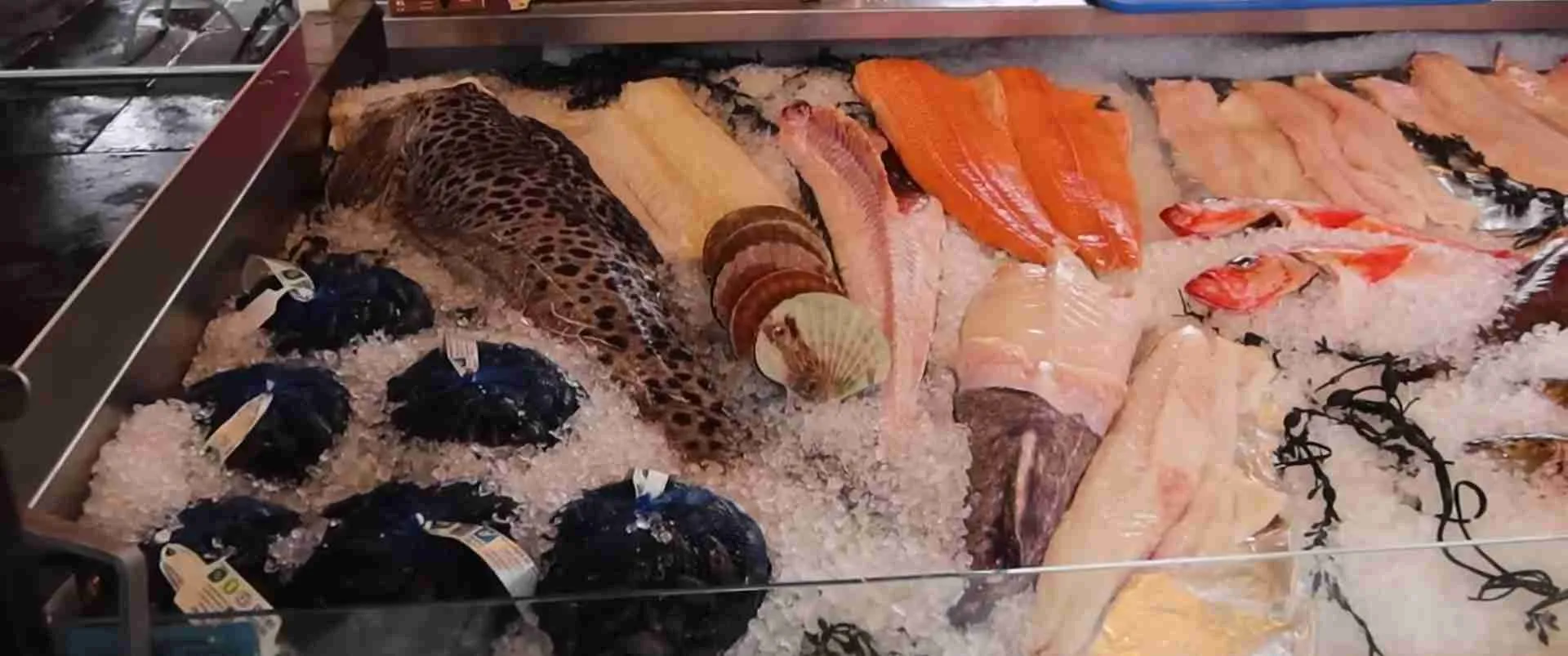
Bergen Food Guide: Norwegian Seafood & Fish Market
Bergen’s identity as Norway’s seafood capital stretches back over 800 years, when Hanseatic merchants established their trading empire on these shores to control the lucrative cod trade. Today, the city continues this maritime culinary legacy through its iconic Fish Market, waterfront restaurants showcasing Norwegian ingredients, and traditional preparations that honor both coastal heritage and modern Nordic cuisine innovation.
Key Takeaways
- Historic Fish Market Heritage: Bergen’s Fish Market has operated continuously since the 1200s, making it one of Europe’s oldest functioning seafood markets with both indoor and seasonal outdoor sections offering fresh catches, traditional preparations, and local farm products
- Norwegian Seafood Specialties: King crab, Norwegian salmon, brown crab, prawns, and cod represent Bergen’s signature seafood, with preparation methods ranging from simple boiling to traditional fish soups and modern Nordic cuisine interpretations
- Traditional Norwegian Dishes: Fish soup (fiskesuppe), fish cakes (fiskekaker), smoked salmon variations, and whale meat offerings reflect Bergen’s coastal culinary traditions and connection to maritime heritage
- Local Market Dynamics: Morning hours (before 11:00 AM) offer optimal seafood selection and smallest crowds, while the outdoor market operates May-September and the indoor market functions year-round with multiple vendors and restaurants
- Regional Norwegian Ingredients: Beyond seafood, Bergen food culture incorporates local products including cloudberry jam, brunost (brown cheese), reindeer and moose preparations, and Hardanger region fruit from nearby fjord farms
- Culinary Innovation Scene: Bergen’s restaurant landscape balances traditional seafood preparations with modern Nordic cuisine principles, emphasizing local sourcing, seasonal ingredients, and techniques that highlight natural flavors rather than heavy sauces
People Also Ask About Bergen Food & Fish Market
What seafood is Bergen famous for?
Bergen built its historical wealth on cod fishing and trade, but today the city celebrates a broader seafood spectrum including Norwegian king crab, Atlantic salmon, brown crab, prawns, mussels, scallops, and fresh cod. King crab represents the premium offering at the Fish Market, with massive specimens weighing 3-5 kilograms displayed live in tanks before preparation. Norwegian salmon, both farmed and wild, appears in numerous preparations from traditional cold-smoked to hot-smoked variations and sushi-grade raw presentations. Brown crab, smaller than king crab but prized for sweet meat, features in crab cakes, salads, and simple boiled presentations with lemon and mayonnaise. Bergen’s coastal location provides daily fresh catches, with boats unloading directly at the harbor where the Fish Market sources its inventory. The city’s culinary identity remains inseparable from the sea, with seafood dominating restaurant menus and home cooking traditions alike.
Is Bergen Fish Market worth visiting?
The Bergen Fish Market merits visiting as much for cultural and historical significance as for culinary experiences, though managing expectations about pricing and tourist orientation enhances satisfaction. The market’s 800+ year history as a trading center between fishermen, farmers, and city residents provides authentic connection to Bergen’s maritime heritage, even as modern operations cater heavily to tourists. The colorful stalls displaying fresh seafood, the harbor setting with views of Bryggen’s wooden wharf houses, and the opportunity to sample Norwegian specialties create memorable experiences despite premium pricing. Visit during morning hours (8:00-11:00 AM) when selection is freshest and crowds smallest, or visit the indoor market during winter months when outdoor stalls close. The market functions both as active seafood sales point and as restaurant cluster where vendors prepare fresh selections for immediate consumption. Consider it essential Bergen experience for food enthusiasts and cultural explorers, though budget-conscious travelers might prefer restaurant dining for better value.
What traditional Norwegian dishes should I try in Bergen?
Bergen’s traditional Norwegian dishes reflect coastal heritage and preservation techniques developed over centuries. Fish soup (fiskesuppe) ranks among the most authentic local dishes, prepared with white fish, root vegetables, cream, and dill—each vendor maintains their own recipe variation, with some versions thick and chowder-like while others feature lighter brothiness. Fish cakes (fiskekaker) combine minced fish with potatoes and seasonings, pan-fried and served with remoulade sauce, representing Norwegian comfort food at its simplest. Smoked salmon appears in multiple preparations including cold-smoked (røkt laks) for sandwiches and gravlax (salt-and-dill cured raw salmon) served thinly sliced. Whale meat, though controversial internationally, remains part of traditional Norwegian cuisine, typically served grilled or in stews. Brown cheese (brunost) provides dessert-like sweetness despite being cheese, made from whey and featuring caramel-like flavor. Cloudberry jam (multeost), made from Arctic berries, accompanies waffles and desserts. For authentic Norwegian breakfast, try rømmegrøt (sour cream porridge) or lefse (thin potato flatbread) with butter and sugar.
How much does food cost at Bergen Fish Market?
Bergen Fish Market pricing reflects tourist-destination economics rather than local market rates, with seafood costs significantly higher than supermarkets or restaurants elsewhere in Bergen. Fresh salmon sells for approximately NOK 200-300 per kilogram, king crab ranges NOK 500-800 per kilogram, prawns cost NOK 150-250 per kilogram, and cod prices around NOK 100-200 per kilogram. Prepared seafood platters, popular with visitors seeking immediate consumption, range NOK 300-600 depending on size and components—a generous king crab leg portion costs approximately NOK 400-500. Fish soup bowls cost NOK 150-200, seafood sandwiches NOK 180-250, and grilled fish selections NOK 250-350. These prices exceed restaurant pricing elsewhere in Bergen by 20-40%, though the market experience and harbor setting provide value beyond pure food cost. For budget-conscious eating, purchase ingredients at the market for preparation elsewhere, or dine at Bergen’s non-tourist-focused restaurants where seafood mains cost NOK 250-400 for full meals with sides. The market accepts Norwegian kroner and major credit cards, with most vendors providing multilingual service in English, German, and Spanish.
Extended multi-day tours – 5+ days
Featured Bergen Multi-Day Tour Packages

5 days
Bergen to Stavanger
- ✓ Comprehensive Bergen tour
- ✓ Expert local guides included
- ✓ All accommodation arranged
- ✓ Transportation provided
6 days
6 Day Norway: Oslo And Bergen By Train
- ✓ Comprehensive Bergen tour
- ✓ Expert local guides included
- ✓ All accommodation arranged
- ✓ Transportation provided

4 days
Bergen for First-Timers: Bryggen, Fjords, and Mountain Views
- ✓ Booking needs min. 2 travelers

6 days
Tailor-Made 6 Days Best Norway Private Tour to Scenic Sognefjord
- ✓ Comprehensive Bergen tour
- ✓ Expert local guides included
- ✓ All accommodation arranged
- ✓ Transportation provided
Multi-day tour packages powered by TourRadar. Prices and availability subject to change.
Introduction: Bergen’s Maritime Culinary Heritage
Bergen’s food culture emerges directly from its geographic position on Norway’s southwestern coast, where the Gulf Stream’s warming influence creates ice-free harbors year-round and supports abundant marine life. The city’s culinary identity developed through centuries of fishing industry dominance, when Bergen served as Northern Europe’s primary stockfish trading center. Hanseatic merchants from German trading cities controlled Bergen’s commerce from 1350-1750, establishing the Bryggen wharf district where dried cod (stockfish) and salt were exchanged for grain, creating economic relationships that shaped Norwegian cuisine for generations.
This maritime heritage manifests in Bergen’s modern food scene through sustained emphasis on seafood quality, traditional preservation techniques still practiced today, and cultural pride in fishing traditions that predate written records. The city’s restaurants, markets, and home kitchens maintain connections to these historical patterns, even as contemporary Nordic cuisine principles introduce new techniques and presentations. Understanding Bergen’s food culture requires appreciating both the traditional elements that have persisted for centuries and the innovative approaches that characterize Norway’s current culinary renaissance.
Bergen’s geographic position also provides access to ingredients from the surrounding regions. The Hardangerfjord area, just two hours from Bergen, produces apples, cherries, plums, and strawberries in quantities unusual for Norway’s latitude, benefiting from the fjord’s protective microclimate. Mountain plateaus support reindeer herding, while forests provide game including moose and deer. This combination of marine abundance and terrestrial products creates a diverse ingredient palette that Bergen chefs exploit in both traditional and contemporary preparations.
The city’s food scene operates on seasonal rhythms that reflect both ingredient availability and cultural traditions. Spring brings fresh shrimp season when local boats unload catches directly at harbor restaurants. Summer offers long daylight hours that support outdoor dining and maximize vegetable growing seasons in the short Norwegian summer. Autumn provides game season and mushroom foraging opportunities in surrounding forests. Winter emphasizes preserved foods developed when fresh ingredients disappeared for months—dried fish, cured meats, and root vegetable storage preparations that sustained communities through dark seasons.
Bergen’s culinary renaissance over the past two decades mirrors Norway’s broader emergence as a destination for food enthusiasts. The city now hosts multiple Michelin-recognized establishments, innovative restaurants exploring New Nordic cuisine principles, and traditional venues maintaining centuries-old preparation methods. This duality allows visitors to experience both historical Norwegian food culture and contemporary culinary innovation within the same city, often within walking distance of each other along Bergen’s compact waterfront.
The Historic Bergen Fish Market
Market History & Cultural Significance
The Bergen Fish Market (Fisketorget) has functioned continuously since the 1200s, making it one of Northern Europe’s oldest operating markets. The market originated when King Håkon Håkonsson granted Bergen a royal charter in 1276, formally recognizing its role as a trading center. However, evidence suggests commercial fish trading occurred at this location since the 1100s, when Bergen emerged as Norway’s most important city under the rule of King Olav Kyrre. The market’s position at Bergen harbor provided natural advantages—boats could unload catches directly at the square, farmers from surrounding valleys could transport produce by boat rather than arduous mountain roads, and the protected harbor allowed year-round operation impossible at more exposed coastal locations.
During the Hanseatic period (1350-1750), the Fish Market operated under strict German merchant control. Hanseatic traders established monopoly rights over stockfish exports, controlling prices paid to Norwegian fishermen and profits earned from European sales. The Bryggen wharf houses, still standing today as UNESCO World Heritage sites, served as combined warehouses, offices, and living quarters for Hanseatic merchants who managed this lucrative trade. The market plaza sat at the intersection between the German-controlled commercial district and Norwegian residential areas, creating a contact zone where different cultures and languages mixed.
The market’s physical structure evolved through centuries of use. Early iterations consisted of temporary wooden stalls that merchants erected each morning and dismantled at day’s end. By the 1800s, permanent covered structures appeared, providing shelter from Bergen’s frequent rain. The current configuration includes an indoor market hall called Mathallen, operational year-round, and outdoor seasonal stalls that function May-September. The outdoor market transforms Bergen harbor into a vibrant commercial space during summer months, with colorful awnings, live seafood displays, and constant activity creating the picturesque scene that appears in countless travel photographs.
The market has survived numerous challenges through its history. Multiple fires ravaged Bergen’s wooden architecture, most notably the 1702 blaze that destroyed much of the city center. The market area burned in 1916 and again in smaller fires during the 20th century, each time rebuilding and adapting to new circumstances. German occupation during World War II disrupted normal operations, with rationing and military requisitions affecting both fish availability and civilian access. Post-war recovery saw the market resume traditional functions, though mechanization of the fishing industry and development of modern retail systems reduced the market’s role as Bergen’s primary food source.
Today’s Fish Market serves primarily as tourist attraction and cultural heritage site rather than essential food source for Bergen residents, who shop mainly at supermarkets and specialized fish stores. However, this evolution doesn’t diminish the market’s cultural significance. It maintains connections to Bergen’s maritime identity, provides space where traditional foods and preparation methods remain visible, and offers experiences that link contemporary visitors with centuries of commercial activity at this specific location. The market functions as living museum, active commercial space, and cultural symbol simultaneously.
Indoor Market (Mathallen) Operations
The indoor Fish Market, known as Mathallen, operates year-round regardless of weather, providing climate-controlled environment for seafood sales and restaurant dining. The building houses approximately 8-10 permanent vendors selling fresh fish, prepared seafood dishes, Norwegian specialty products, and international foods. Each vendor maintains individual specialty areas—one focuses on king crab and premium shellfish, another emphasizes prepared fish soups and salmon variations, while others sell complementary products like Norwegian chocolates, craft beers, or local cheeses.
Mathallen’s architecture features high ceilings, large windows overlooking the harbor, and modern ventilation systems that manage the seafood aromas inherent to fish markets. The space includes both stand-up counter service areas where customers order food for immediate consumption and retail sections selling whole fish, fillets, and seafood by weight. Restaurant-style seating accommodates approximately 100 diners across shared tables and individual booth arrangements, with views through floor-to-ceiling windows toward Bryggen’s colorful wharf houses and the mountain backdrop.
Operating hours vary by vendor but generally run 9:00 AM-6:00 PM weekdays, 9:00 AM-5:00 PM Saturdays, and reduced hours (11:00 AM-4:00 PM) Sundays. Winter months sometimes see shortened hours as visitor traffic decreases, while summer extends operating times to accommodate tourist demand. Individual vendors post their specific schedules, which sometimes differ from building-wide hours. Some stalls close Sundays entirely, particularly during off-season months when demand doesn’t justify opening.
The indoor market provides accessible year-round alternative to the seasonal outdoor market, particularly valuable during Bergen’s rainy months (which occur frequently year-round but especially October-March). The controlled environment protects both products and customers from weather while maintaining traditional market atmosphere through open vendor layouts and visible seafood displays. For visitors arriving in Bergen during winter months or experiencing rainy days, Mathallen offers the most practical Fish Market experience without compromising on seafood quality or selection.
Outdoor Market Summer Season
The outdoor Fish Market transforms Bergen’s harbor square during summer months (May 1-September 30), creating the iconic market scene depicted in tourism materials and photography. Colorful tented stalls arrange in two parallel rows, creating a central walking corridor where visitors browse displays of fresh seafood, prepared foods, fruits, vegetables, and Norwegian specialty products. The outdoor market attracts significantly larger crowds than the indoor section, benefiting from its prominent harbor location, visual appeal of open-air stalls, and expanded vendor capacity.
Outdoor vendors typically number 15-20 during peak summer season, though this fluctuates based on weather, cruise ship schedules, and specific dates. Each stall creates distinctive displays—king crabs arranged dramatically on ice, whole salmon displayed on wooden boards, prawns piled in mountains creating visual abundance, and prepared seafood platters arranged attractively for photography. Vendors actively engage customers, offering samples of smoked salmon, dried fish, and specialty products while explaining preparation methods and Norwegian seafood traditions.
The outdoor market atmosphere differs markedly from the indoor market’s controlled environment. Open-air operations mean rain affects both vendors and customers, though most stalls maintain canvas awnings that provide partial shelter. Seagulls circle constantly, occasionally swooping toward unguarded food purchases, adding authentic coastal character while requiring vigilance. The harbor setting provides spectacular views—boats moving through the harbor, mountains rising behind the city, and Bryggen’s UNESCO wharf houses creating a historic backdrop. This scenic context elevates the market experience beyond pure food purchasing into broader cultural immersion.
Price competition among outdoor vendors remains limited, with most stalls charging similar rates for comparable products. However, quality varies among vendors, with some emphasizing premium Norwegian-caught seafood while others supplement with imported products at lower price points. Discerning shoppers ask about origin—Norwegian king crab commands premium pricing compared to Alaskan varieties, while Norwegian salmon typically costs more than Scottish or Chilean alternatives. Vendors generally disclose origins when questioned, though prominent signage doesn’t always distinguish between Norwegian and imported products.
Peak visiting hours for the outdoor market occur 11:00 AM-3:00 PM, coinciding with lunch periods and cruise ship passenger shore excursion timing. Visit before 10:30 AM or after 3:30 PM for reduced crowds and better vendor attention. Weather significantly impacts outdoor market atmosphere—sunny days create festival-like energy with maximum crowds, while rainy days see reduced traffic though vendors maintain full operations unless wind conditions threaten tent stability.
Essential Norwegian Seafood Varieties
Norwegian King Crab: The Premium Selection
King crab (Paralithodes camtschaticus) represents the Fish Market’s most spectacular offering, with individual specimens weighing 3-8 kilograms and leg spans exceeding one meter. These massive crustaceans arrived in Norwegian waters during the 1960s, when Soviet scientists introduced them to the Barents Sea as potential food source. The population expanded rapidly, migrating westward along Norway’s northern coast and establishing itself as both valuable fishery and invasive species concern. Today, king crab fishing operates under strict quota systems in northern Norway, with catches transported live to markets including Bergen’s Fish Market.
The Fish Market displays king crabs live in temperature-controlled tanks, allowing customers to select specific individuals for preparation. Vendors typically quote prices per kilogram for whole crabs (NOK 500-800 per kg depending on size and season) or per portion for prepared crab legs and claws. A single large crab leg, steamed and cracked for easy eating, costs approximately NOK 400-500 and provides substantial meat content. The sweet, delicate flavor and firm texture justify the premium pricing, particularly for visitors unlikely to access fresh king crab in their home regions.
Preparation methods at the market include simple steaming with garlic-herb butter, cold presentation with aioli and lemon, and incorporation into seafood platters combining crab with prawns, mussels, and salmon. The meat extracts easily from properly cooked crab, requiring minimal tools—vendors provide small forks and shell crackers when serving prepared portions. Consuming king crab at the market while seated at harbor-view tables, watching boats navigate the fjord, creates memorable Bergen dining experience that combines premium ingredients with scenic setting.
Norwegian Salmon: Wild vs. Farmed
Salmon dominates Norwegian seafood culture, with the Fish Market offering both farmed Atlantic salmon and wild-caught varieties. Norway produces approximately 1.3 million tons of farmed salmon annually, making it the world’s largest salmon producer and creating the economic foundation for many coastal communities. Farmed salmon reaches market year-round with consistent quality, moderate pricing (NOK 200-250 per kg at the market), and reliable availability. The farming process involves raising salmon in open-water pens located in protected fjords, with fish reaching market size in 2-3 years under controlled feeding programs.
Wild Norwegian salmon, caught during limited seasons in northern rivers, commands significant price premiums (NOK 400-600 per kg when available) and appears sporadically at the market based on seasonal catches. Wild salmon features darker flesh color, more pronounced flavor, and firmer texture compared to farmed varieties. However, wild salmon seasons run only June-September in most regions, with strict catch limits protecting wild populations. Conservation concerns have reduced wild salmon availability, making farmed salmon the practical choice for most consumers despite purist preferences for wild-caught fish.
The Fish Market presents salmon in multiple preparations reflecting Norwegian traditions and modern innovations. Cold-smoked salmon (røkt laks) undergoes traditional smoking processes creating delicate flavor suitable for sandwiches and canapés. Hot-smoked salmon features more intense smoky character and flaky texture. Gravlax combines salt-curing with dill and sugar, creating firm slices with sweet-savory balance. Fresh raw salmon appears in sushi-style preparations, taking advantage of salmon’s suitability for raw consumption when properly handled. Salmon burgers, salmon soup, and grilled salmon fillets provide cooked options for those avoiding raw or cured preparations.
Cod & Stockfish: Historical Foundation
Cod built Bergen’s historical wealth and remains culturally significant despite declining commercial importance compared to salmon. Norwegian Arctic cod (skrei) arrives in northern Norway during January-April spawning seasons, creating brief annual fishery that produces premium-quality fish. The winter cold-water temperatures create firm, white flesh with clean flavor profile that cod from warmer waters cannot match. Fresh skrei appears at the Fish Market during these months, commanding prices around NOK 150-200 per kilogram for whole fish or NOK 250-350 per kilogram for fillets.
Stockfish (tørrfisk), cod dried through natural air-drying without salt, represents Norway’s most important historical food preservation method and continues production today. The process involves hanging whole cleaned cod on wooden racks during winter months, when cold temperatures and low humidity prevent spoilage while moisture evaporates. After 2-3 months drying, the cod becomes rock-hard, suitable for storage at room temperature for years. Rehydration through extended soaking restores texture, creating ingredient for traditional Norwegian preparations including lutefisk (lye-treated stockfish) and bacalao (Mediterranean-style preparations introduced through Hanseatic trade connections).
The Fish Market sells stockfish as cultural curiosity more than practical food item for tourists, though Norwegian customers purchase small quantities for traditional recipes. Modern refrigeration eliminated the preservation necessity that made stockfish essential, but cultural traditions and export markets (primarily Nigeria and Italy) sustain production. Dried cod displayed at market stalls provides tangible connection to Bergen’s historical economy, when stockfish exports funded the city’s prosperity and architectural development.
Prawns, Shellfish & Other Varieties
Norwegian prawns (reker), sold both fresh-boiled and raw, represent everyday luxury in Bergen food culture rather than special-occasion food. The cold-water species found along Norway’s coast features sweet flavor and firm texture superior to warm-water prawns common in other markets. Fresh-boiled prawns appear at the market daily, sold by weight (NOK 150-250 per kg) or in ready-to-eat portions with mayonnaise, lemon, and bread. Simple preparation highlights natural sweetness—overcomplicated sauces or heavy seasonings would mask the delicate flavor.
Brown crab (Cancer pagurus) provides less dramatic visual appeal than king crab but offers sweet meat at more moderate pricing (NOK 200-350 per kg for whole crabs). Vendors crack brown crabs and extract the meat for salads, sandwiches, and crab cakes, creating prepared items popular with tourists seeking convenient eating options. The white claw meat features particularly sweet flavor, while the body meat provides darker, more robust taste suitable for mixing with mayonnaise and seasonings.
Mussels, scallops, and clams appear seasonally at the market, with mussels (NOK 80-120 per kg) most commonly available. Norwegian mussels grow on ropes suspended in clean fjord waters, developing plump meat and clean taste free from the gritty texture that affects bottom-dwelling varieties. Preparation typically involves steaming with white wine, garlic, and herbs, served with crusty bread for soaking the flavorful broth. Scallops command premium pricing (NOK 300-450 per kg) and appear less consistently than mussels, though when available they represent exceptional quality—Norwegian cold-water scallops develop sweet, dense meat that stands up to simple pan-searing with minimal seasoning.
Traditional Norwegian Preparations & Specialties
Norwegian Fish Soup: Regional Variations
Fish soup (fiskesuppe) appears on nearly every Bergen restaurant menu and at most Fish Market stalls, representing Norwegian comfort food at its most fundamental. The basic preparation involves poaching white fish (typically cod, haddock, or halibut) in fish stock with root vegetables, cream, and fresh dill. However, this framework allows extensive variation—some versions feature thick, chowder-like consistency achieved through flour-thickened base, while others maintain lighter broth with vegetables and fish pieces clearly visible. Cream ratios vary from subtle enrichment to nearly cream-soup consistency, depending on regional tradition and chef preference.
Traditional Bergen-style fish soup emphasizes clean fish flavor rather than heavy cream presence, using just enough dairy to add richness without overwhelming the seafood. Root vegetables including carrots, celery root, and leeks provide aromatic foundation, while potatoes add substance. Fresh dill, added at the end of cooking, provides signature Norwegian herbal note—dried dill cannot substitute, as the bright, slightly lemony flavor of fresh dill defines the dish. Some versions include roe for textural variation, while others add shellfish (mussels or prawns) alongside white fish for complexity.
The Fish Market vendors each maintain their own fish soup recipes, creating opportunities for comparison tasting across multiple stalls. Prices range NOK 150-200 for generous portions served with bread, making fish soup one of the market’s better values relative to portion size and ingredient quality. Ask vendors about their specific preparations—some use only cod, others combine multiple fish varieties, and preparation techniques vary from traditional long-simmered stocks to quicker assembly methods using pre-made bases.
Fish Cakes & Traditional Preparations
Fish cakes (fiskekaker) represent Norwegian home cooking adapted from resources available when fresh fish couldn’t be preserved effectively. The traditional preparation involves mincing fish (typically cod or haddock) with potatoes, binding the mixture with eggs and flour, forming patties, and pan-frying until golden. The result resembles fish-based hamburger patties, served with remoulade sauce, boiled potatoes, and vegetables. While simple in concept, properly made fish cakes require attention to texture—the mixture should bind without becoming dense, maintaining fish flavor despite the potato dilution.
Modern variations on traditional fish cakes include salmon cakes using fresh salmon rather than white fish, introducing richer flavor and pink-orange color. Some preparations incorporate herbs (dill, chives, parsley) directly into the mixture, while others maintain plain fish-potato base relying on sauce for flavor complexity. The Fish Market vendors sell both ready-to-eat fish cakes as quick snack option and fresh fish cake mixtures for cooking at accommodation if visitors have kitchen access.
Fish balls (fiskeboller), smaller spherical versions of fish cakes poached rather than fried, appear in Norwegian cuisine primarily as preserved convenience food—tinned fish balls in white sauce occupy supermarket shelves nationwide. However, fresh fish balls made daily provide superior eating experience, with lighter texture and cleaner fish flavor compared to commercial tinned versions. Traditional serving involves white sauce flavored with dill, carrot, and potato sides creating complete meal from simple ingredients.
Smoked & Cured Fish Traditions
Smoking and curing developed as preservation methods in pre-refrigeration eras, when extending fish shelf life meant survival through lean months. Modern Norwegian cuisine retains these techniques not from necessity but because the flavor transformations create distinct products valued independently. Cold-smoked salmon undergoes curing with salt and sugar, followed by smoke exposure at temperatures below 30°C, creating silky texture and delicate smoke flavor. This preparation works for thin-sliced serving on bread, bagels, or crackers, with cream cheese, capers, and onions providing traditional accompaniments.
Hot-smoked salmon experiences higher temperatures (70-80°C) that cook the fish while imparting smoke flavor. The resulting texture becomes flaky rather than silky, with more pronounced smoke character suitable for salads, pasta dishes, or standalone eating with minimal accompaniment. Some producers use traditional wood-smoke methods, while others employ mechanical smokers with liquid smoke, creating flavor variations across products. The Fish Market vendors typically offer samples of both cold and hot-smoked preparations, allowing taste comparison before purchase.
Gravlax represents curing without smoking—fresh salmon undergoes 2-3 day salt-sugar-dill cure that firms the flesh and imparts sweet-herbal flavor. The name translates roughly as “buried salmon,” referencing historical practice of burying cured fish in sand to maintain cool temperatures during curing process. Modern gravlax production occurs under refrigeration, but the traditional name persists. Serving typically involves thin slicing at angle, creating wide pieces that display the cure’s color penetration and dill coating. Mustard-dill sauce (hovmestersaus) provides traditional accompaniment, combining sweet mustard, dill, and vinegar in creamy base.
Whale & Game Meats
Whale meat (hvalkjøtt) appears at the Fish Market and some Bergen restaurants, reflecting Norway’s continued minke whale hunting despite international controversy. Norwegian authorities maintain that minke whale populations support sustainable harvest, with annual quotas around 1,000 animals. The meat resembles beef more than fish in color and texture, with deep red color and dense, lean texture. Preparation typically involves grilling or pan-searing, served with lingonberry sauce and root vegetables echoing game meat presentations.
International visitors face ethical decisions regarding whale consumption—while legal in Norway and culturally accepted, many conservation organizations oppose any whale hunting regardless of population status. The market vendors selling whale meat emphasize sustainability arguments and traditional cultural significance, while critics focus on intelligence and conservation concerns. This article takes no position on the controversy, merely documenting whale meat’s presence in Bergen’s food scene as cultural-culinary fact. Travelers must make informed individual choices based on personal values.
Reindeer, moose, and deer meats appear at the market as cured salamis, smoked preparations, and occasionally fresh cuts. These game meats reflect Norway’s hunting traditions and mountain-plateau ecosystems supporting large herbivore populations. Reindeer meat, particularly lean with slightly gamey flavor, features in traditional stews and modern preparations including carpaccio and burgers. Moose and deer provide similar characteristics with regional variation based on specific species. The Fish Market sells primarily cured and smoked versions suitable for sandwiches and snacking rather than cuts requiring cooking, catering to tourists seeking portable Norwegian specialty foods.
Modern Bergen Restaurant Scene
New Nordic Cuisine Principles
The New Nordic cuisine movement, formalized through the 2004 New Nordic Cuisine Manifesto, influences Bergen’s contemporary restaurants through emphasis on local sourcing, seasonal ingredients, traditional techniques applied with modern sensibility, and presentation aesthetics that highlight natural ingredient beauty. Leading Bergen establishments interpret these principles through seafood-focused menus that showcase Norwegian coastal products, minimal but precise cooking techniques that preserve ingredient character, and plating approaches emphasizing simplicity over elaborate decoration.
This culinary philosophy emerged from Nordic chefs’ desire to establish regional cuisine identity comparable to French, Italian, or Japanese cooking traditions. The movement rejects international ingredients and techniques that mask local character, instead celebrating distinctly Nordic products and preparations. In Bergen’s context, this means emphasizing Norwegian seafood varieties, traditional preservation methods, wild ingredients from surrounding forests and mountains, and cooking techniques that respect rather than transform core ingredients.
Restaurants applying New Nordic principles might present single king crab claw with three-ingredient accompaniment rather than elaborate seafood towers, or serve raw scallops with apenas a light citrus dressing and seasonal herbs. The approach values restraint and precision over abundance and complexity, trusting exceptional ingredients to deliver satisfaction through quality rather than quantity. Tasting menus at New Nordic-influenced establishments typically feature 6-8 courses of modest portion sizes, allowing progression through seasonal ingredients without overwhelming diners.
Notable Bergen Dining Establishments
Lysverket, located within the KODE art museum complex, exemplifies New Nordic cuisine applied to Bergen’s seafood heritage. Chef Christopher Haatuft sources from local fishermen and regional producers, creating menus that change based on daily catches and seasonal availability. The dining room overlooks Lille Lungegårdsvannet lake, providing natural light and water views that complement the food’s emphasis on natural aesthetics. Reservations recommended, particularly for weekend dinners—the restaurant attracts both food enthusiasts and art museum visitors.
Enhjørningen (The Unicorn), operating from a historic Bryggen wharf building, combines traditional setting with modern seafood preparations. The medieval timber architecture creates atmospheric dining environment, with exposed beams, uneven floors, and small rooms reflecting the building’s 300-year history. The menu emphasizes whole fish presentations, traditional Norwegian dishes executed with contemporary technique, and local ingredient sourcing. The restaurant targets tourists seeking authentic Bergen experience, reflected in pricing that exceeds local-focused establishments but includes the historic setting’s value.
Bare Vestland translates as “Just Western Norway,” signaling the restaurant’s commitment to regional ingredients and preparations. The concept involves presenting Western Norwegian food culture through both traditional dishes and modern interpretations, with menu changing to reflect seasonal availability. The wine list emphasizes natural wines and minimal-intervention production methods, aligning with the food’s ingredient-focused philosophy. Located near the Fish Market, the restaurant attracts food-focused travelers seeking authentic regional cuisine beyond tourist-oriented venues.
Cornelius Seafood Restaurant occupies a small island (Holmen) 20 minutes by boat from Bergen harbor, creating a destination dining experience that incorporates water journey into the overall experience. The restaurant specializes in whole fish preparations and seafood platters featuring multiple species and preparations across single servings. The island setting eliminates road access, meaning all ingredients and guests arrive by boat, creating intimacy impossible in mainland locations. Reservations required, typically booked weeks ahead during summer months.
Casual Dining & Local Favorites
Pingvinen represents traditional Norwegian pub culture with emphasis on home-style food and local atmosphere rather than tourist-focused presentation. The menu features Norwegian classics including fish cakes, meatballs, fish soup, and seasonal variations based on available ingredients. The setting deliberately maintains unpretentious character—simple wooden tables, minimal decoration, and focus on food quality rather than ambiance creation. Prices reflect local dining economics rather than tourist-destination markups, with main courses typically NOK 200-300 compared to NOK 400-600 at visitor-focused restaurants.
Naboen (The Neighbor) functions as gastropub combining craft beer selection with elevated Norwegian pub food. The basement location creates cozy atmosphere, with brick walls, dim lighting, and communal seating encouraging conversation between strangers. The beer list emphasizes Norwegian craft breweries and international selections reflecting current brewing trends. Food ranges from traditional Norwegian open-faced sandwiches to contemporary interpretations of classics, with daily specials based on seasonal ingredients and chef inspiration. The establishment attracts local food enthusiasts and craft beer fans, creating authentic Bergen social atmosphere.
Bryggeloftet & Stuene occupies historic Bryggen wharf building, offering traditional Norwegian dining in medieval timber architecture. The restaurant targets tourists seeking authentic Bergen experience, reflected in menu featuring Norwegian classics (reindeer, whale, fish soup) and pricing at premium levels. However, despite tourist focus, the food maintains quality standards and portion sizes that provide value relative to setting and preparation. The building itself constitutes part of the experience—crooked floors, exposed beams, and medieval architectural details create atmosphere impossible to replicate in modern construction.
Norwegian Specialty Products & Ingredients
Brunost & Norwegian Cheeses
Brown cheese (brunost), specifically the Gjetost variety made from goat’s milk whey, represents Norway’s most distinctive dairy product. The caramel-like brown color and sweet flavor emerge from extended cooking of whey, concentrating sugars until caramelization occurs. The result barely resembles conventional cheese, tasting more like solid caramel with slight tangy cheese undertone. Norwegians slice it thinly using specialized cheese slicer (ostehøvel), serving on bread or waffles for breakfast or snacks.
The Fish Market sells brunost in vacuum-sealed packages suitable for transport, with vendors often offering samples to curious tourists encountering the product for first time. The initial taste provokes strong reactions—some visitors immediately appreciate the sweet-savory combination, while others find it too unusual for enjoyment. The cheese slices best when cold, as room temperature softens it excessively for clean slicing. Traditional service involves thin slices on buttered bread or crispbread, allowing the cheese’s intensity to balance against neutral bread base.
Beyond brunost, Norwegian cheese production includes more conventional varieties like Jarlsberg (semi-soft cheese with mild, nutty flavor and characteristic holes), Nøkkelost (spiced cheese with cumin and cloves), and Pultost (soft, fermented cheese with strong aroma). These cheeses appear less prominently in tourist-focused venues but represent everyday Norwegian dairy consumption. The Fish Market’s specialty product vendors sell cheese selections, though supermarkets offer broader variety at lower prices for travelers wanting to explore Norwegian cheese culture beyond brunost.
Cloudberries & Wild Ingredients
Cloudberries (multe) grow wild on mountain plateaus and Arctic regions, producing golden-orange berries prized for intense, complex flavor combining tartness, sweetness, and floral notes. The berries ripen during brief Arctic summer, creating short harvest season that makes fresh cloudberries luxury product even in Norway. Most cloudberries reach market as jam (multeost) rather than fresh berries, preserving the flavor for year-round consumption. Cloudberry jam accompanies waffles, ice cream, and cakes, providing distinctly Norwegian flavor profile impossible to replicate with cultivated berries.
The Fish Market sells cloudberry jam in various package sizes, from small jars suitable for luggage transport to larger quantities for serious cloudberry enthusiasts. Prices reflect the wild-harvest labor intensity and limited supply—cloudberry jam costs 3-5 times more than strawberry or raspberry jam. However, the unique flavor and cultural significance justify the premium for visitors seeking authentic Norwegian specialty products. Avoid commercial “cloudberry-flavored” products that use artificial flavoring—genuine cloudberry jam lists only berries and sugar in ingredients.
Wild mushrooms, particularly chanterelles and porcini varieties, appear seasonally at the market and in restaurant dishes. Norwegian forests support productive mushroom harvesting during autumn months (September-October), when locals forage in traditional spots passed down through families. The pristine Norwegian environment creates particularly clean mushrooms requiring minimal cleaning compared to mushrooms from agricultural regions. Restaurant preparations typically involve simple butter-and-herb sautéing that highlights the mushrooms’ natural earthy flavors rather than overwhelming them with sauces.
Norwegian Beverages: Aquavit & Craft Beer
Aquavit (akvavit), the traditional Norwegian spirit, flavors grain alcohol with caraway seed and other botanicals including dill, fennel, and star anise. The spirit typically contains 40-45% alcohol and serves as digestif after heavy meals or accompaniment to traditional foods like lutefisk. Different Norwegian regions produce distinct aquavit styles, with some brands aging the spirit in oak barrels while others maintain clear, unaged character. The most famous Norwegian aquavit, Linie Aquavit, undergoes unique maturation aboard ships crossing the equator twice, with movement and temperature variations allegedly influencing flavor development.
Aquavit consumption traditionally involves small glasses consumed cold, often with toast (skål) among dining companions. The strong herbal-spice character pairs with fatty foods, cutting through richness of dishes like salmon or pork. However, international visitors often find aquavit an acquired taste, with the pronounced caraway flavor and high alcohol content requiring adjustment. Sample small amounts before purchasing full bottles—many visitors overestimate their aquavit enthusiasm based on limited tasting experience.
Norwegian craft beer culture has exploded over the past 15 years, with small breweries throughout the country producing diverse styles from traditional Nordic farmhouse ales to modern IPAs, sours, and experimental varieties. Bergen hosts several notable breweries including 7 Fjell Bryggeri, creating beers inspired by local ingredients and Norwegian brewing traditions. The Fish Market area includes several bars and restaurants with extensive Norwegian craft beer selections, allowing tasting across multiple producers and styles. Beer culture in Norway emphasizes quality over quantity, with moderate alcohol laws creating pricing that discourages excessive consumption while supporting appreciation of well-crafted products.
Practical Dining & Shopping Guide
Market Shopping Strategies
Navigate the Fish Market effectively by visiting during morning hours (8:00-11:00 AM) when seafood selection is freshest, crowds remain manageable, and vendors have maximum inventory rather than picked-over selections. Morning timing also avoids cruise ship passenger influx that typically peaks 11:00 AM-2:00 PM when ships begin shore excursions. The first hour after opening provides optimal conditions for photography without crowds blocking shots, conversations with vendors willing to explain products in detail, and selection of premium seafood before it sells.
Compare prices across multiple vendors before purchasing—while variations remain modest, some stalls consistently undercut others by 10-15% on specific items. However, prioritize product quality over minor price differences when dealing with premium items like king crab where freshness and preparation quality matter more than saving NOK 50 per kilogram. Ask vendors about product origins—Norwegian-caught seafood commands premium pricing but provides quality assurance and supports local fishermen versus imported alternatives.
Negotiate cautiously if attempting price bargaining—Norwegian culture generally doesn’t embrace aggressive negotiation, and vendors typically hold firm on stated prices. However, purchasing larger quantities sometimes yields modest discounts, particularly for whole fish or multiple kilograms of the same product. Always clarify whether quoted prices include preparation (cleaning, cooking, cracking) or reflect raw product only—confusion about this creates pricing disputes when customers discover additional charges at payment.
Restaurant Reservation Guidelines
Reserve tables at popular Bergen restaurants 2-4 weeks ahead for summer visits (June-August), particularly for weekend dinners when both tourists and locals compete for limited capacity. Mid-range restaurants often accept walk-ins on weekdays during lunch periods, though dinner typically requires reservations. High-end establishments (Lysverket, Cornelius) maintain strict reservation policies year-round, refusing walk-ins even during slower seasons to manage food preparation and service quality.
Communicate dietary restrictions when booking—Norwegian restaurants accommodate vegetarian, vegan, gluten-free, and allergy-related requirements when given advance notice, but unexpected restrictions create kitchen challenges. Many Bergen restaurants offer tasting menus as primary dinner option, with à la carte selections limited or unavailable. Clarify menu format when booking to avoid disappointment upon arrival.
Restaurant dining in Norway operates at higher price points than most European destinations—budget NOK 400-600 per person for dinner at mid-range establishments, NOK 800-1,500 at high-end venues, excluding wine. Lunch offers better value, with many restaurants providing simplified lunch menus at NOK 200-350 per person. Tipping practices in Norway differ from American standards—service charges are included in prices, with additional tipping optional and typically 5-10% for exceptional service rather than automatic 15-20% expectations.
Supermarket Shopping for Self-Catering
For travelers with accommodation including kitchen facilities, Norwegian supermarkets provide access to quality ingredients at significantly lower prices than restaurants or the Fish Market. Major chains including Rema 1000, Kiwi, and Coop Extra operate multiple Bergen locations, with compact downtown stores and larger suburban outlets offering broader selections. Fresh fish counters at larger stores sell Norwegian salmon at NOK 150-200 per kilogram, approximately 25-30% less than Fish Market pricing for comparable quality.
Prepared foods including smoked salmon, fish cakes, and Norwegian cheeses appear in refrigerated sections, allowing travelers to assemble meals without cooking. Norwegian bread, both traditional dense whole-grain varieties and lighter wheat breads, provides foundation for open-faced sandwiches (smørbrød) combining bread, butter, fish or cheese, and simple garnishes. Dairy sections stock brunost, regular cheeses, Norwegian butter (considered premium quality), and dairy products that reflect Norwegian milk quality standards.
Wine and beer require purchasing at government-run Vinmonopolet stores rather than supermarkets, which sell only low-alcohol beer (up to 4.7% alcohol content). Vinmonopolet maintains limited hours (weekdays until 6:00 PM, Saturdays until 3:00 PM, closed Sundays) and requires planning around operating schedules. Prices reflect Norway’s alcohol taxation—expect NOK 150-250 for basic wine selections, NOK 300-600 for mid-range bottles, with premium wines reaching NOK 1,000+. The selection emphasizes variety and quality over bargain pricing, with knowledgeable staff providing recommendations based on preference and intended food pairings.
Seasonal Food Experiences
Spring Seafood Season
Spring (April-June) brings fresh shrimp season when local boats unload catches daily at Bergen harbor. Small restaurants and seafood vendors set up temporary shrimp-peeling stations where customers purchase just-boiled shrimp by weight, peel them at outdoor tables, and consume with simple accompaniments like mayonnaise, lemon, and bread. This casual dining experience captures Bergen’s maritime culture at its most authentic—locals and tourists sharing tables, shrimp shells piling up, seagulls circling hopefully, and conversation flowing across language barriers.
Arctic cod (skrei) remains available through April, its season extending from January when the fish arrive at northern Norwegian spawning grounds. The cod’s firm white flesh and clean flavor represent Norwegian seafood at peak quality, with simple preparations allowing the fish to demonstrate its character. Restaurants feature skrei prominently during its brief season, preparing it with traditional methods (poached with vegetables) and modern techniques (pan-seared with seasonal greens) that showcase the fish without overwhelming its delicate flavor.
Summer Market Abundance
Summer transforms the Fish Market with outdoor stalls operating May-September and maximum variety of Norwegian products. Local farms bring strawberries, cherries, and plums from Hardangerfjord region, where the fjord’s microclimate supports fruit production unusual at Norway’s latitude. The berries, particularly strawberries, develop intense flavor during long summer daylight hours, with sweetness concentrating as cool nights prevent the rapid ripening that sometimes creates bland commercial berries in warmer climates.
Traditional Norwegian waffles (vafler) appear at market stalls, prepared fresh on heart-shaped waffle irons and served with brown cheese, jam, or sour cream. The waffles differ from Belgian varieties through thinner, crisper texture and less sweet batter, creating savory-neutral base suitable for various toppings. Consuming fresh waffles at harbor-side tables while watching boats navigate the fjord provides quintessential Bergen summer experience combining food, setting, and atmosphere.
Autumn Mushroom & Game Season
Autumn (September-October) brings mushroom foraging season when Norwegian forests produce abundant chanterelles, porcini, and other varieties. Restaurants incorporate wild mushrooms into seasonal menus, often pairing them with game meats that also reach peak availability during autumn hunting seasons. The combination of earthy mushroom flavors and rich game meat creates distinctly autumnal dishes reflecting Norwegian forest ecosystems and traditional hunting-gathering practices.
The Fish Market reduces operations as outdoor stalls close for winter (typically late September), transitioning to indoor Mathallen focus. However, autumn produces some of the year’s most stable weather, with clear days, dramatic lighting, and comfortable temperatures creating pleasant market visiting conditions. The reduced tourist crowds allow more relaxed shopping and dining experiences while seasonal products remain available.
Winter Preservation Traditions
Winter emphasizes preserved foods developed when fresh ingredients disappeared for months, including dried fish, cured meats, and fermented products. While modern refrigeration eliminates preservation necessity, traditional winter foods persist through cultural attachment and genuine flavor appreciation. Lutefisk, cod treated with lye creating gelatinous texture, appears on Christmas menus despite being acquired taste even for Norwegians. Pinnekjøtt (salted, dried lamb ribs) represents traditional Christmas dinner in Western Norway, steamed over birch branches providing subtle wood smoke flavor.
The indoor Fish Market operates year-round, providing climate-controlled seafood shopping when outdoor stalls close. Winter visits eliminate tourist crowds while maintaining access to Norwegian seafood and specialty products. However, some restaurants reduce hours or close temporarily during winter’s darkest months (November-January) when both tourist traffic and local dining decline.
Frequently Asked Questions: Bergen Food & Fish Market
What are the Fish Market opening hours?
The indoor Fish Market (Mathallen) operates year-round with hours typically 9:00 AM-6:00 PM weekdays, 9:00 AM-5:00 PM Saturdays, and 11:00 AM-4:00 PM Sundays, though individual vendors maintain varying schedules. The outdoor Fish Market operates seasonally May 1-September 30, with daily hours generally 7:00 AM-6:00 PM during peak summer months, though specific stalls may open later or close earlier based on inventory and weather. Winter months (October-April) see indoor-only operations, with some vendors closing Sundays entirely during the slower season. Cruise ship arrival days create extended hours at outdoor stalls when operators anticipate increased traffic, while heavy rain sometimes prompts early closures at outdoor market. Verify specific dates and hours via visitbergen.com or by calling the visitor center (+47 55 55 20 00), particularly if visiting during shoulder seasons (April-May, September-October) when operating schedules transition between summer and winter patterns.
Is the Fish Market expensive compared to other Bergen food options?
The Fish Market charges premium prices reflecting tourist-destination economics rather than local market rates, with most items costing 20-40% more than equivalent products at Bergen restaurants or supermarkets. Fresh salmon sells for NOK 200-300 per kilogram at the market compared to NOK 150-200 at supermarket fish counters, while prepared seafood platters cost NOK 300-600 versus NOK 250-400 for comparable portions at non-tourist-focused restaurants. The pricing incorporates the market’s historic setting, harbor location, immediate preparation service, and outdoor seating with fjord views—essentially, you pay for the complete experience rather than just the food. For pure ingredient purchasing, Bergen’s supermarkets (Rema 1000, Kiwi, Coop Extra) offer better value. For dining, restaurants not immediately adjacent to tourist areas provide superior quality-to-price ratios. However, the market remains valuable for trying small portions of multiple Norwegian specialties, sampling products before larger purchases, and enjoying the cultural experience that supermarket shopping cannot replicate.
What Norwegian food souvenirs travel well?
Vacuum-sealed products travel best, including smoked salmon (both cold and hot-smoked varieties), gravlax, fish spreads in tubes, brunost (brown cheese), cloudberry jam, aquavit, and cured meats like reindeer salami. The Fish Market vendors understand international travel requirements, packaging products appropriately for luggage transport and providing guidance on customs regulations for different destinations. However, understand import restrictions vary by country—the United States prohibits most meat products including reindeer and moose preparations, while European Union countries generally allow Norwegian food products. Cloudberry jam, being fruit-based, clears customs worldwide and provides distinctly Norwegian flavor impossible to find outside Scandinavia. Aquavit bottles require declaration and count toward duty-free alcohol limits but transport easily. Avoid purchasing whole fresh fish unless traveling short distances with appropriate cooling, as spoilage risks outweigh the souvenir value. Brunost in sealed packages remains stable for weeks at room temperature, making it practical travel purchase despite its unusual character potentially limiting recipient appreciation.
Are there vegetarian or vegan options at the Fish Market?
The Fish Market focuses heavily on seafood and animal products, with limited vegetarian options and minimal vegan selections. Some stalls sell fresh fruits, vegetables, and berries from regional farms, providing produce suitable for vegetarian and vegan diets. Bread vendors offer selections that may accommodate vegan requirements, though traditional Norwegian bread often contains dairy. However, the market primarily caters to seafood consumers, with vegetables appearing as side dishes or garnishes rather than main offerings. Vegetarian travelers seeking substantial meals should explore Bergen’s restaurant scene rather than relying on the Fish Market—several establishments including Bien Snackbar, Godt Brød bakery-café, and Zupperia soup restaurant provide dedicated vegetarian and vegan menus. The indoor market includes a few stalls offering vegetable-based items and salads, though these remain supporting options rather than primary focus. The outdoor market during summer provides better vegetable availability when local farms bring seasonal produce, though the quantities remain modest compared to seafood dominance.
How does Bergen food culture differ from other Norwegian cities?
Bergen’s food culture emphasizes seafood more heavily than Oslo or inland Norwegian cities, reflecting the coastal position and historical fishing industry foundation. The Fish Market represents Bergen-specific institution without Oslo equivalent, while traditions like fresh shrimp season create cultural touchstones unique to coastal communities. Bergen maintains stronger connections to traditional Norwegian food culture compared to Oslo’s more international dining scene, with establishments preserving historical preparations and ingredients that Oslo restaurants sometimes abandon in favor of global trends. However, Bergen simultaneously embraces New Nordic cuisine principles, creating tension between tradition and innovation that defines the current food scene. The city’s compact size concentrates restaurants and food vendors within walkable distances, unlike Oslo’s more spread-out geography. Bergen’s proximity to ingredient sources—fish arriving directly from boats, fruit from Hardangerfjord farms two hours away, game from surrounding mountains—creates farm-to-table connections that larger cities struggle to maintain. The rainy climate influences food culture through emphasis on hearty, warming dishes and indoor dining culture rather than outdoor café traditions stronger in sunnier Norwegian regions.
What’s the proper etiquette for eating at the Fish Market?
Order at vendor stalls, pay immediately, then find seating at shared tables or outdoor standing areas. The market operates casual style without table service or reservations—simply approach stalls displaying appealing items, point or ask questions, wait for preparation, pay, and move to eating areas. Vendors expect minimal conversation during busy periods, though they answer questions about products during slower times. Most stalls accept both Norwegian kroner cash and major credit cards, with contactless payment common. Clearing your own trash is expected—dispose plates, napkins, and shells in provided bins rather than leaving them for staff. The shared table seating creates communal atmosphere where strangers sit together, though this doesn’t require conversation beyond basic politeness. Seagulls aggressively target unattended food, so maintain attention on your meal or cover it when distracted. Photographing food and scenery is completely acceptable and expected, though ask permission before photographing vendors or other customers closely. Tipping is not expected at market stalls operating counter-service style, though exceptional service might merit small gratuity deposited in tip jars some vendors maintain. The overall atmosphere remains relaxed and informal—the market accommodates diverse visitor backgrounds and doesn’t enforce strict behavioral codes beyond basic courtesy and trash disposal.
Can I buy fresh fish to cook at my accommodation in Bergen?
The Fish Market sells fresh whole fish and fillets suitable for cooking, though supermarket fish counters offer better value for travelers planning to cook. Request vendors to clean and fillet fish if purchasing whole specimens—most provide this service for small additional charge or included in the selling price. However, verify your accommodation includes proper cooking facilities before purchasing raw fish—many Bergen hotels and guesthouses offer only limited kitchenettes or no cooking access. Apartments and self-catering accommodations work well for preparing fresh Norwegian seafood, allowing you to experience local ingredients at significantly lower cost than restaurant dining. Supermarkets like Rema 1000, Kiwi, and Coop Extra maintain fresh fish counters selling Norwegian salmon, cod, and other varieties at NOK 150-250 per kilogram depending on species and season. The supermarket staff can clean fish upon request, though the service varies by specific location and staffing. For simple preparations, pre-portioned fish fillets eliminate cleaning requirements while maintaining quality. Norwegian cooking traditions emphasize simple preparations—poaching in broth, pan-searing with butter, or baking with herbs—that require minimal technique while producing excellent results when starting with quality ingredients. Purchase only what you’ll consume within 24 hours unless your accommodation provides proper refrigeration, as fish quality deteriorates rapidly without appropriate storage.
What time of year offers the best Fish Market experience?
Late May through early September provides optimal Fish Market experiences, combining outdoor stall operations, maximum seafood variety, local produce availability, extended daylight hours, and relatively stable weather. This period captures the market at its most vibrant, with colorful tented stalls, harbor activity, and festival-like atmosphere that winter operations cannot match. However, this season also brings maximum crowds, particularly during July when cruise ships dock regularly and Norwegian school holidays send domestic tourists to Bergen. For travelers prioritizing authentic interactions over maximum selection, visiting during shoulder season (May, September) or winter months reduces crowds while maintaining quality seafood access through the indoor market. Winter visits eliminate outdoor market charm but provide opportunities for genuine conversations with vendors not rushed by constant customer flow. The market’s cultural and historical significance persists year-round, though the sensory experience—sights, sounds, smells, atmosphere—reaches peak during summer outdoor market operations. Consider timing visits to specific Norwegian food seasons if possible: fresh shrimp season (April-June), Arctic cod availability (January-April), or autumn mushroom season (September-October) when specific products reach peak quality and cultural significance.
How do I identify quality seafood at the Fish Market?
Fresh fish displays clear, bright eyes rather than cloudy or sunken appearance, firm flesh that springs back when pressed rather than remaining indented, and clean ocean smell without ammonia or overly fishy odors. Whole fish should show bright red or pink gills, tight scales adhering to skin, and moist appearance without slimy coating. Pre-filleted fish pieces maintain translucent appearance with clearly defined muscle structure visible, avoiding dull or chalky coloring that indicates age or poor handling. Fresh prawns and shellfish smell like clean seawater, with prawns displaying firm texture and shells intact rather than mushy texture or black spots indicating decomposition beginning. Live seafood including king crabs, lobsters, and some shellfish should show active movement in holding tanks, responding to stimulation rather than remaining motionless. However, vendors at the Fish Market generally maintain high standards regardless of specific appearance details—Norwegian food safety regulations and market reputation create incentives for quality maintenance. The greater concern involves distinguishing Norwegian-caught products from imported alternatives sold at similar prices. Ask vendors directly about origins, and expect honest answers as misrepresenting product origin violates Norwegian consumer protection laws. Norwegian king crab comes from Barents Sea fishery in Arctic Norway, while imported varieties originate from Alaska or Russia. Norwegian salmon farms operate under strict environmental and quality standards, though some consumers prefer wild-caught options when available seasonally.
What Norwegian food traditions should visitors understand?
Norwegian food culture emphasizes simplicity, ingredient quality, and seasonal awareness rather than complex preparations or heavy sauces that might mask natural flavors. This aesthetic reflects both historical resource constraints when elaborate spices and ingredients remained inaccessible, and philosophical appreciation for pure flavors that New Nordic cuisine has elevated to contemporary culinary principle. Meal timing differs from Mediterranean patterns—breakfast typically occurs 7:00-9:00 AM, lunch around noon, and dinner 5:00-7:00 PM, earlier than southern European standards. Norwegians traditionally consumed cold lunches (bread, cheese, cured meats) rather than hot midday meals, though this practice has evolved in urban areas. Coffee culture dominates Norwegian social life, with coffee consumption per capita among world’s highest—expect excellent coffee quality at Norwegian cafés while acknowledging tea culture remains underdeveloped. Alcohol policies reflect social democratic principles, with high taxation creating expensive drinking that encourages moderation while government monopoly (Vinmonopolet) on wine and spirits sales maintains quality control. Traditional Norwegian table manners follow continental European patterns—fork in left hand, knife in right, both used throughout meals rather than American practice of switching utensils. However, Bergen’s international tourism creates dining environments where various customs coexist without rigidity. The Norwegian concept of “koselig” (roughly: cozy, comfortable, pleasant) influences dining culture through preference for intimate, relaxed atmospheres over formal or rushed experiences, with meal durations extending through conversation rather than purely eating-focused efficiency.