Belfast Museums & Galleries 2026: Complete Cultural Guide
Belfast’s cultural landscape transforms through world-class museums chronicling maritime heritage, contemporary galleries showcasing cutting-edge art, and historic institutions preserving centuries of Irish history. From the internationally acclaimed Titanic Belfast to intimate artist-run spaces in converted linen mills, Northern Ireland’s capital offers exceptional cultural experiences spanning ancient artifacts, modern installations, and interactive exhibitions that bring the city’s complex past and vibrant present into focus for visitors planning 2026 trips.
Key Takeaways
- Free Cultural Access 2026: Ulster Museum, The MAC galleries, and Golden Thread Gallery provide world-class collections without admission fees, making Belfast one of Europe’s most accessible cultural destinations with high-quality exhibitions costing nothing to experience
- Titanic Belfast Premium Experience: The world’s largest Titanic exhibition costs £25 for adults in 2026, with online advance booking recommended to secure preferred time slots during peak summer months when this six-story attraction regularly sells out
- Cathedral Quarter Cultural Hub: The Metropolitan Arts Centre, Golden Thread Gallery, and Belfast Exposed Photography form a concentrated arts district within walking distance where visitors explore contemporary exhibitions, experimental performances, and rotating installations across multiple venues in single afternoons
- Historic Prison Architecture: Crumlin Road Gaol offers self-guided tours through Victorian-era cells, execution chambers, and underground tunnels for £14 admission, providing immersive perspectives on 150 years of Northern Irish social and political history
- Maritime Heritage Concentration 2026: Titanic Quarter consolidates Titanic Belfast, SS Nomadic tender ship, HMS Caroline warship, and Titanic Dock within a compact waterfront area where visitors experience Belfast’s shipbuilding legacy through preserved vessels and interactive museums
- Extended Cultural Planning: Major museums require 2-3 hours minimum for thorough exploration, with Titanic Belfast and Ulster Museum each warranting half-day visits when combined with nearby attractions in carefully planned itineraries maximizing Belfast’s concentrated cultural offerings
People Also Ask About Belfast Museums & Galleries 2026
Which Belfast Museums Offer Free Admission in 2026?
Ulster Museum provides completely free entry to permanent collections spanning art, natural history, and archaeology, with special exhibitions occasionally requiring advance booking but no admission fee. The Metropolitan Arts Centre offers free access to three gallery spaces showcasing contemporary art, though theatre performances require paid tickets. Golden Thread Gallery maintains free admission to rotating contemporary exhibitions Tuesday through Saturday, with extended hours until 8 PM on first Thursdays monthly. These three institutions collectively provide over 100,000 square feet of exhibition space accessible without cost throughout 2026.
How Much Does Titanic Belfast Cost to Visit in 2026?
Standard Titanic Belfast admission costs £25 for adults and £11 for children aged 5-15 when booked online in advance in 2026, with prices increasing to £27 and £13 respectively for walk-up purchases at the door (check official site for current rates as pricing may vary). Family tickets and concessions for seniors and students reduce per-person costs for group visits. Early Riser tickets between 8:30 AM and 9:50 AM from late March through October offer discounted £20 adult and £10 child rates. Premium packages including guided tours, audio guides, and exclusive access cost £61 for adults. All standard tickets include same-day admission to SS Nomadic tender ship docked adjacent to the main building.
What Are Belfast’s Best Contemporary Art Galleries in 2026?
The Metropolitan Arts Centre operates three gallery spaces presenting international contemporary artists alongside Northern Irish talent, with rotating exhibitions changing every 6-8 weeks and free admission to visual art displays. Golden Thread Gallery showcases experimental and conceptual works in a former linen mill setting, focusing on early-career artists and boundary-pushing installations across two floors plus a dedicated projection room. Belfast Exposed Photography specializes in documentary and artistic photography exploring social issues and Northern Irish identity. Catalyst Arts provides artist-run experimental space for avant-garde performances and installations. These venues collectively present 15-20 major exhibitions annually featuring emerging and established contemporary practitioners.
How Many Days Should I Spend Visiting Belfast Museums in 2026?
Two full days provide adequate time to experience Belfast’s major museums and galleries at comfortable pace, with one day devoted to Titanic Quarter attractions including Titanic Belfast (3 hours), SS Nomadic (1 hour), and HMS Caroline (90 minutes), plus a second day covering Ulster Museum (3 hours), The MAC galleries (90 minutes), and Cathedral Quarter contemporary spaces. Three days allows deeper exploration of specialized collections, participation in guided tours, and visits to secondary museums like Crumlin Road Gaol (2 hours) and smaller artist-run galleries. Extended stays accommodate day trips to Ulster Folk Museum near Holywood and Ulster American Folk Park near Omagh, both within 30-45 minutes of central Belfast.
Extended multi-day tours – 5+ days
Featured Belfast Multi-Day Tour Packages

3 days
Belfast 3-Day Discovery Tour
- ✓ Comprehensive Belfast experience
- ✓ Expert local guides included
- ✓ All accommodation included
- ✓ Transportation provided
5 days
Belfast 5-Day Highlights Experience
- ✓ Comprehensive Belfast experience
- ✓ Expert local guides included
- ✓ All accommodation included
- ✓ Transportation provided

7 days
Belfast 7-Day Cultural Journey
- ✓ Comprehensive Belfast experience
- ✓ Expert local guides included
- ✓ All accommodation included
- ✓ Transportation provided

10 days
Belfast 10-Day Complete Adventure
- ✓ Comprehensive Belfast experience
- ✓ Expert local guides included
- ✓ All accommodation included
- ✓ Transportation provided
Multi-day tour packages powered by TourRadar. Prices and availability subject to change.
Introduction to Belfast’s Cultural Landscape 2026
Belfast has transformed from industrial powerhouse to cultural destination through deliberate investment in museums, galleries, and heritage sites that interpret the city’s maritime legacy, political history, and contemporary creative output. The opening of Titanic Belfast in 2012 catalyzed waterfront regeneration that continues expanding through 2026, while historic institutions like Ulster Museum underwent comprehensive renovations preserving Victorian architecture alongside modern exhibition design. This dual commitment to preservation and innovation positions Belfast as Ireland’s premier cultural city outside Dublin, with concentrated attractions enabling visitors to experience centuries of history and cutting-edge contemporary art within compact geographic areas.
Northern Ireland’s museum sector benefits from Arts Council funding supporting free admission to major institutions, eliminating financial barriers to cultural participation while maintaining exhibition quality comparable to international standards. This accessibility extends throughout Belfast’s gallery network, where artist-run spaces, university galleries, and commercial venues operate alongside flagship museums creating ecosystem supporting emerging artists and established practitioners. The Cathedral Quarter emerged as creative hub concentrating galleries, performance spaces, and artist studios in former warehouse district, while Titanic Quarter positions maritime heritage within regenerated docklands infrastructure.
Belfast museums distinguish themselves through unflinching examination of complex history, particularly exhibitions addressing the Troubles period and sectarian divisions that shaped Northern Irish society from 1960s through 1998 Good Friday Agreement. Ulster Museum’s permanent digital exhibition provides comprehensive overview, while Crumlin Road Gaol interprets prison history spanning suffragettes, political prisoners, and wartime internment. Contemporary galleries engage with ongoing reconciliation through commissioned works and community programming, creating spaces where difficult conversations occur through artistic mediums. This commitment to honest historical interpretation alongside celebration of industrial achievement and natural heritage establishes Belfast’s museums as essential resources for understanding modern Ireland.
Planning 2026 visits requires understanding seasonal patterns, with summer months from June through August bringing peak attendance requiring advance ticket reservations for Titanic Belfast and popular guided tours. Spring and autumn shoulder seasons offer comfortable weather for walking between compact cultural clusters while avoiding cruise ship crowds that descend on Titanic Quarter during summer port calls. Winter visits benefit from reduced admission prices at some attractions and intimate gallery experiences, though shorter daylight hours limit multi-site itineraries. Most major museums operate Tuesday through Sunday schedules with Monday closures for conservation work, necessitating flexible planning accommodating these regular closures when structuring extended Belfast stays.
Titanic Belfast and Maritime Heritage Museums 2026
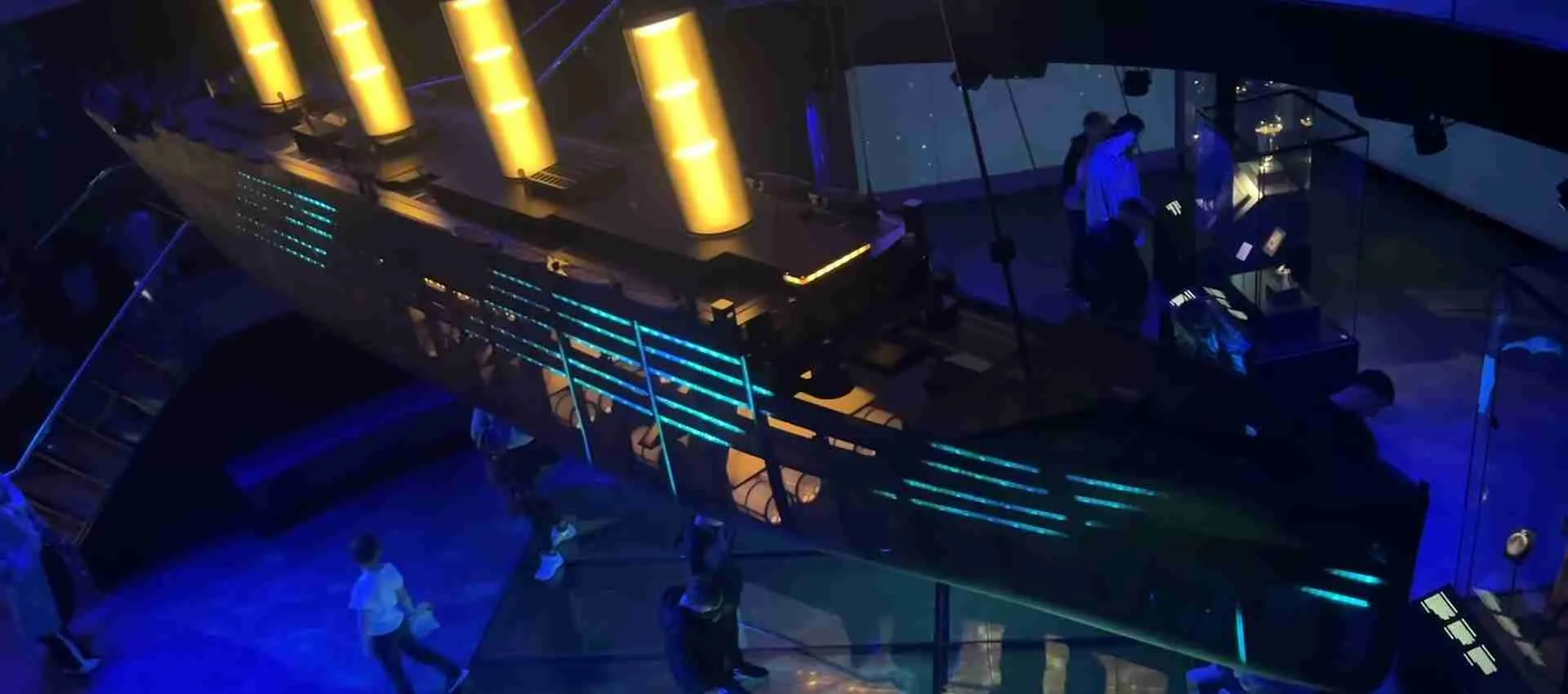
Titanic Belfast stands as the world’s largest exhibition devoted to RMS Titanic, occupying a six-story building at the former Harland & Wolff shipyard where the vessel was designed and constructed from 1909 to 1912. The museum’s distinctive angular architecture echoes the ship’s hull, with aluminum-clad facades reflecting Belfast Lough’s changing light throughout the day. Nine interactive galleries guide visitors chronologically from boomtown Belfast’s industrial expansion through the ship’s conception, construction, launch, maiden voyage, sinking, and modern legacy. Admission costs £25 for adults in 2026 (check official site for current rates), with timed entry slots available every 10 minutes throughout seasonal operating hours.
The Shipyard Ride constitutes the museum’s signature experience, placing visitors in gondolas traveling through a recreation of the Harland & Wolff shipyard at construction’s peak, with sound effects simulating riveting, welding, and heavy machinery operations that employed 15,000 workers in 1912. Full-scale cross-sections reveal the ship’s internal structure, from crew quarters through third-class cabins to first-class staterooms, enabling comparisons between accommodation standards reflecting Edwardian social hierarchies. Original artifacts including crockery salvaged from the wreck site, construction photographs, and design drawings provide tangible connections to the vessel, while digital animations reconstruct the sinking sequence using modern forensic analysis.
SS Nomadic, included in standard Titanic Belfast admission, floats in Hamilton Dock adjacent to the main building as the last surviving White Star Line vessel. This tender ship transported first and second-class passengers from Cherbourg harbor to Titanic anchored offshore on April 10, 1912, its two decks now restored to approximate period appearance with costumed interpreters providing context. Interactive exhibits aboard Nomadic explain tender ship operations, reveal the vessel’s subsequent service in both World Wars, and display artifacts recovered during restoration. The ship’s compact dimensions contrast dramatically with Titanic’s scale, though elegant detailing in woodwork and fixtures demonstrates White Star Line’s commitment to quality even in support vessels.
HMS Caroline represents the sole surviving ship from the Battle of Jutland, permanently moored in Alexandra Dock within Titanic Quarter. This C-class light cruiser served from 1914 through both World Wars before becoming Royal Navy Reserve training ship until 1996, now operating as interactive museum managed by National Museum of the Royal Navy. Visitors explore the ship’s multiple decks examining officer cabins, engine rooms, mess halls, and weapons placements while audiovisual presentations explain naval warfare evolution and Caroline’s specific role in history’s largest naval surface engagement. Admission prices separate from Titanic Belfast allow dedicated maritime history enthusiasts to allocate 90 minutes for thorough exploration.
Titanic Dock & Pump House preserves the dry dock where RMS Titanic and sister ship RMS Olympic underwent final fitting before maiden voyages, with visitors walking the dock floor examining its 250-meter length while interpretive panels explain construction processes. The adjacent pump house contains original machinery capable of emptying the dock’s 21 million gallons in 90 minutes, with guided tours explaining Victorian-era engineering solutions still functional today. This site operates separately from Titanic Belfast with tickets sold at Cafe 1404, positioned within 10-minute walks of both the main museum and HMS Caroline for efficient Titanic Quarter circuit planning.
The Titanic Experience walking tour, bookable as standalone ticket or included in premium passes, leads small groups through Titanic Quarter’s historic sites including the original slipways where Olympic and Titanic launched, the drawing offices where Thomas Andrews designed the vessels, and workers’ housing in the adjacent streets. Knowledgeable guides contextualize shipbuilding within Belfast’s broader industrial history while sharing stories of individual workers, designers, and passengers, personalizing the tragedy beyond statistics. The 90-minute tour covers approximately 1.5 kilometers at moderate pace with minimal elevation changes, operating weather permitting with advance booking recommended during summer high season.
Ulster Museum: Art, History, and Natural Sciences 2026
Ulster Museum occupies a modernist building within Belfast’s Botanic Gardens, providing free admission to permanent collections spanning 8,000 years of Irish history, international fine art from Renaissance through contemporary periods, and natural history galleries featuring complete dinosaur skeletons and Irish wildlife habitats. The museum underwent £17 million renovation completing in 2009, creating light-filled galleries with climate-controlled environments protecting sensitive textiles, paintings, and archaeological artifacts. Tuesday through Sunday opening from 9 AM to 5 PM accommodates morning and afternoon visits, with extended hours during special exhibitions and family programming.
The art collection presents one of Ireland’s finest assemblies of European painting, with works by Peruzzi, Gainsborough, Turner, and Moore representing pre-1900 masters, while Irish art galleries feature extensive holdings by Belfast-born Sir John Lavery, landscapes by Paul Henry, and contemporary installations by Northern Irish artists. Two Caravaggio paintings currently on loan from the National Gallery London highlight the National Treasures exhibition celebrating the London institution’s 200th anniversary. Modern and contemporary galleries rotate selections from permanent collection alongside temporary exhibitions, with particular strength in late 20th-century British and Irish artists. Photography, prints, and decorative arts occupy dedicated spaces showcasing ceramics, glass, textiles, and metalwork from regional and international makers.
The Troubles exhibition provides comprehensive digital history examining Northern Ireland from 1969 through present day, with personal testimonies, documentary footage, and artifacts contextualizing the conflict’s origins, evolution, and ongoing legacy. This permanent display occupies dedicated gallery space with content warnings acknowledging difficult subject matter including violence, discrimination, and trauma. Oral history recordings from participants across political and religious divides offer multiple perspectives, while timeline presentations connect local events to broader international developments. The exhibition concludes with reconciliation efforts and Good Friday Agreement implementation, acknowledging unresolved issues while documenting progress toward normalized society.
Natural history galleries transport visitors through geological time, with Irish dinosaurs including fragments of the only Scelidosaurus fossil found in Ireland displayed alongside Mesozoic marine reptiles. The Giants of the Past section features complete mammoth skeleton and Irish elk remains, contextualizing Ice Age fauna within environmental reconstructions. Living World galleries examine biodiversity through habitat dioramas presenting native species from seashore through mountain environments, with interactive stations explaining ecological relationships and conservation challenges. The Elements exhibition explores atomic structure and material properties through spectacular mineral specimens including meteorites, crystals, and ore samples demonstrating earth science principles.
The museum’s archaeology collection preserves artifacts from Mesolithic hunter-gatherers through medieval kingdoms, with particular depth in Iron Age metalwork including elaborate gold torcs and bronze weapons. Early Christian Ireland appears through illuminated manuscripts, carved crosses, and monastic artifacts, while Viking settlement evidence includes weapons, jewelry, and everyday objects recovered from Belfast and surrounding areas. The Egyptian collection, though modest compared to major European institutions, contains genuine mummies and funerary equipment acquired by Belfast collectors during the 19th century. Rotating displays from reserve collections ensure regular visitors encounter different objects across multiple visits.
Family facilities include dedicated children’s gallery with hands-on activities, discovery boxes throughout permanent galleries encouraging tactile learning, and extensive weekend programming featuring art workshops, storytelling sessions, and themed trails connecting exhibits to school curricula. The Discover History gallery provides costume boxes and replica artifacts enabling children to handle objects similar to those protected in display cases, while digital interactives offer age-appropriate games reinforcing exhibition content. Wynne & Pym Cafe operates Tuesday through Sunday serving light meals, coffee, and baked goods in setting overlooking Botanic Gardens, with outdoor seating available during favorable weather. The museum shop stocks quality publications, locally made crafts, and educational materials supporting continued learning beyond the visit.
The Metropolitan Arts Centre (MAC) and Contemporary Spaces 2026
The Metropolitan Arts Centre transformed Belfast’s cultural infrastructure when opening in 2012, providing dedicated contemporary arts venue in the Cathedral Quarter with three gallery spaces, two theatres, dance studio, and educational facilities under single roof. The award-winning building designed by Hackett Hall McKnight features intersecting brick volumes and basalt tower topped with three stories of glazing, creating architectural landmark visible throughout the Cathedral Quarter. Free admission to galleries operates Tuesday through Sunday from 9 AM to 5 PM, with later hours during performances, while theatre productions require advance ticket purchases with prices varying by production.
Gallery programming rotates every 6-8 weeks, presenting solo exhibitions by established international artists alongside group shows exploring thematic concerns through works by emerging practitioners. Recent exhibitions featured Andy Warhol prints, Irish contemporary photography, and commissioned installations responding to Northern Irish history and identity. The MAC prioritizes artists whose practices engage with social issues, political contexts, and experimental forms, positioning contemporary art as vehicle for dialogue rather than passive viewing experience. Curator-led tours occur during exhibition openings and special events, while artist talks provide opportunities to hear directly from makers about their processes and intentions.
The three gallery spaces occupy different floors with varying ceiling heights and natural light conditions, enabling simultaneous exhibitions requiring distinct presentation environments. The main gallery features soaring ceilings accommodating large-scale sculptures and installations, while smaller galleries suit intimate photographic series or delicate works on paper. A dedicated projection space presents video art and moving image works requiring darkened viewing conditions, with screening schedules posted on gallery information boards. Accessibility features include lift access to all floors, wheelchair-friendly gallery layouts with appropriate spacing between works, and large-print labels and audio descriptions for visually impaired visitors.
Educational programming extends beyond school visits to include adult workshops, artist masterclasses, and community projects connecting professional artists with local residents. Drop-in drawing sessions occur weekly in the Family Room, providing materials and gentle guidance while welcoming participants of all abilities and ages. Late Night Art events on first Thursdays extend hours until 8 PM with artist-led activities, live music, and relaxed bar service creating social atmosphere distinct from typical museum visiting. These events attract younger audiences and arts professionals, positioning the MAC as community gathering space rather than formal institution.
The MAC’s Theatre programmes present innovative productions by Northern Irish companies alongside touring shows from UK and international venues, with emphasis on work challenging conventional narratives and exploring experimental forms. The 350-seat Downstairs theatre accommodates larger productions, while the intimate 120-seat Upstairs space suits experimental performance, spoken word, and intimate drama. Ticket prices start low with dynamic pricing increasing as performance dates approach, encouraging advance purchase. Student discounts and group rates reduce costs for young audiences and organized parties, with box office staff available to recommend productions matching visitor interests.
NATIVE by Yellow Door cafe-bar operates within the MAC’s ground floor atrium, open to public regardless of gallery or theatre attendance, serving locally sourced meals, specialty coffee, and full bar service. The casual atmosphere and quality food make the cafe destination in itself, with outdoor seating overlooking the Cathedral Quarter’s cobblestone streets during favorable weather. The space transitions from daytime cafe to evening bar service, with later hours during performance nights accommodating post-show discussions and socializing. Design-focused retail area near the entrance stocks art books, design objects, and locally made crafts, with Mark Garry’s permanent artwork “The Permanent Present” featuring 400 copper strands in color spectrum cascading from high window to first floor.
Golden Thread Gallery and Artist-Run Spaces 2026
Golden Thread Gallery relocated to expanded city-center premises at 23-29 Queen Street in August 2024, occupying the former Gas Corporation Showroom across two floors with large galleries, projection room, Community Participation & Engagement Hub, and Northern Ireland’s first visual art library and archive. Free admission continues under the new location’s operating model Tuesday through Friday 11 AM to 5 PM and Saturday 11 AM to 4 PM, with extended hours until 8 PM on first Thursdays monthly aligning with broader Late Night Art programming across Cathedral Quarter venues. The gallery functions as both exhibition space and community resource, with programs specifically designed to increase arts access for populations historically excluded from traditional institutions.
Exhibition programming emphasizes experimental and conceptual practices by early-career artists alongside established international names, with curatorial approach favoring works addressing social justice, identity politics, and formal innovation. Past exhibitions featured Oscar Muñoz, Susan Hiller, Shirin Neshat, and numerous Northern Irish artists whose practices engage with post-conflict society and cultural transformation. Installation art, video work, and performance constitute significant portions of the program, with technical infrastructure supporting ambitious projects requiring specialized presentation conditions. The gallery’s commitment to artist development manifests through commissioning opportunities, mentorship programs, and dedicated support for practitioners navigating early career stages.
The Community Participation & Engagement Hub provides accessible studio space for workshops, public programs, and drop-in creative activities welcoming participants regardless of previous arts experience. Family workshops occur regularly on weekends with materials and guidance provided free of charge, while adult programs explore specific techniques or thematic concerns through hands-on making. The gallery employs community engagement coordinators who develop relationships with local schools, community centers, and social service organizations, facilitating partnerships that bring gallery programs to populations unable to visit independently. Mobile exhibition units and outreach activities extend the gallery’s reach beyond its physical location.
Northern Ireland’s first visual art library and archive occupies dedicated space within the new building, providing research resources for artists, students, and interested public exploring contemporary art histories and practices. Holdings include artist monographs, exhibition catalogues, periodicals, and archival materials documenting Northern Irish art scene development from the gallery’s 1998 founding through present. Reading room atmosphere encourages extended research visits, with staff assistance available for navigating collections and identifying relevant materials. Scanning and photography permissions enable researchers to document sources for personal study, supporting academic and independent scholarship on regional contemporary art.
The gallery shop stocks publications, artist multiples, and gifts by Northern Irish makers, with proceeds supporting exhibition programming and operating costs. Limited edition prints, zines, and small objects provide affordable entry points for collecting contemporary art, while supporting artists directly through sales. Book launches, publication presentations, and artist signings occur regularly, creating opportunities for audiences to engage with makers in informal settings beyond formal exhibition tours. The shop’s inventory rotates to reflect current exhibitions, enabling visitors to take home documentation of works encountered during their visit.
Belfast Exposed Photography and Specialized Galleries
Belfast Exposed Photography occupies dedicated space in the Cathedral Quarter, operating as photography and socially engaged arts organization through exhibition program, artist development initiatives, and community partnerships. The gallery presents approximately six exhibitions annually, featuring documentary, conceptual, and fine art photography by local, national, and international photographers whose work engages with social issues, political contexts, and cultural identity. Free admission and accessible ground-floor location make the gallery approachable destination for audiences unfamiliar with contemporary photography, while sophisticated programming attracts serious practitioners and collectors.
The organization’s archive contains over 100,000 images documenting Northern Irish life from the 1980s through present, with particular depth in Troubles-era photography and community documentation. Researchers can access archive materials by appointment, viewing original prints and negatives while receiving guidance on image rights and reproduction permissions. Digitization projects continue expanding online access to historical collections, preserving fragile materials while increasing discovery potential for global audiences. The archive functions as vital historical resource, preserving visual documentation of social transformation during periods when official photography focused primarily on conflict rather than everyday life.
Educational programs include photography workshops for all skill levels, from introductory digital photography through advanced darkroom techniques and contemporary practices. Youth programs partner with schools and community organizations, providing equipment, instruction, and exhibition opportunities for young people developing visual literacy and creative expression. Professional development support for emerging photographers includes portfolio reviews, mentorship opportunities, and guidance navigating commercial and artistic career paths. The organization’s commitment to socially engaged practice manifests through participatory projects where community members collaborate with professional photographers documenting their own environments and experiences.
Engine Room Gallery, situated near Belfast City Hall, presents rotating exhibitions of contemporary local art across mediums, with emphasis on emerging Belfast artists whose practices may not yet attract attention from larger institutions. The intimate gallery space suits smaller-scale works and experimental projects, with volunteer operation keeping costs minimal and exhibition schedules responsive to artist availability. Opening hours vary with current exhibitions, with information posted on social media and gallery website. Admission remains free with donations welcomed to support operations.
Catalyst Arts operates as artist-led experimental space in the Cathedral Quarter, with programming determined by member artists rather than curatorial staff, resulting in bold, occasionally provocative exhibitions and performances testing boundaries of contemporary practice. The raw gallery environment suits installation art, performance, and time-based media, with technical infrastructure supporting ambitious projects. Irregular hours align with exhibition openings and scheduled events rather than consistent visiting schedule, requiring advance research to confirm accessibility. The space attracts younger, more adventurous audiences seeking alternatives to institutional presentations.
Historic Institutions and Specialized Museums 2026
Crumlin Road Gaol operates as visitor attraction and events venue following closure as operational prison in 1996, with Victorian-era building designed by Sir Charles Lanyon opening in 1846 and serving 150 years housing everyone from suffragettes through paramilitary prisoners. Self-guided tours cost £14 for adults and £8 for children in 2026, operating daily from 10 AM to 5:30 PM with last admission at 4 PM. Audio-visual presentations in cells throughout the facility explain specific historical periods, while artifacts, photographs, and personal testimonies humanize statistical history of incarceration, execution, and political imprisonment spanning Ireland’s most turbulent centuries.
The Circle forms the building’s architectural centerpiece, with four wings radiating from central observation point enabling guards to monitor prisoner movement. Victorian prison reform theories influenced the design’s emphasis on separation and surveillance, implemented through radial plan preventing prisoner interaction while facilitating administrative control. Cell reconstructions demonstrate evolving conditions from Victorian-era individual confinement through 1970s overcrowding when three prisoners occupied cells designed for one inmate. The stark contrast between intended humane separation and actual crowded conditions during the Troubles illustrates how political circumstances overwhelmed infrastructure capacity.
The execution chamber preserves the Victorian gallows used for seventeen hangings between 1901 and 1961, when capital punishment ended in Northern Ireland with Robert McGladdery’s execution for murder. Condemned prisoners occupied dedicated cells near the execution chamber, with underground passage leading directly to the drop without requiring movement through public areas. The chamber’s clinical efficiency contrasts with emotional weight of stories surrounding specific executions, particularly Tom Williams’ controversial 1942 hanging despite widespread clemency campaigns. The adjacent burial ground contains unmarked graves where executed prisoners were interred in unconsecrated ground, with memorial plaques added during restoration acknowledging these deaths.
The underground tunnel connecting the Gaol to Crumlin Road Courthouse across the street enabled prisoner transport without public exposure, operating from construction through closure. The damp, claustrophobic passage reinforces understanding of prisoner experience, with interpretive panels explaining trial procedures and legal contexts for political trials during various historical periods. The tunnel’s preservation exemplifies heritage conservation balancing authentic atmosphere with visitor safety requirements, maintaining original fixtures while adding modern lighting and accessibility features.
HMS Caroline, permanently moored in Alexandra Dock, presents interactive museum experience aboard the only surviving Battle of Jutland vessel, with timed entry tickets separate from Titanic Belfast admission enabling focused maritime history visits. The C-class light cruiser served from 1914 through both World Wars before functioning as Royal Navy Reserve training vessel until 1996, now managed by National Museum of the Royal Navy with exhibitions explaining naval warfare evolution and specific battle contexts. Visitors explore multiple decks examining officer cabins with period furnishings, engine rooms revealing mechanical systems, mess halls where crew socialized, and weapons placements demonstrating offensive and defensive capabilities.
Interactive exhibits aboard Caroline employ touchscreen technology, period recreations, and original artifacts explaining life at sea during wartime service. The Battle of Jutland experience uses audiovisual presentation and floor projections recreating the May 31, 1916 North Sea engagement between British Grand Fleet and German High Seas Fleet, with Caroline’s specific role explained through contemporary accounts and strategic analysis. Post-battle modifications and continued service through World War II demonstrate the ship’s adaptability and longevity, while exhibits addressing decommissioning and restoration reveal preservation challenges inherent in maintaining steel vessels in maritime environments.
Family-Friendly Museums and Interactive Experiences 2026
Ulster Museum’s dedicated children’s galleries provide hands-on learning environments where young visitors handle replica artifacts, dress in period costumes, and participate in age-appropriate activities reinforcing exhibition content. Discovery boxes throughout permanent galleries contain touchable objects related to adjacent displays, enabling tactile learning for children whose engagement depends on physical interaction rather than contemplative viewing. Weekend family programs include storytelling sessions connecting museum objects to narratives accessible to young children, art workshops exploring techniques used by exhibited artists, and themed trails guiding families through galleries with activity sheets and challenges maintaining interest across extended visits.
School holiday programming expands regular offerings with full-day activities, specialized workshops, and drop-in making sessions accommodating families seeking structured activities during vacation periods. Free admission eliminates financial barriers for repeated visits, with many Belfast families treating the museum as regular destination rather than special occasion. The museum’s location within Botanic Gardens enables combined visits incorporating outdoor play, picnic lunches, and exploration of tropical ravine glasshouse and formal gardens, creating full-day experiences beyond museum walls.
Titanic Belfast designs family-friendly experiences throughout its nine galleries, with interactive elements engaging children while maintaining historical accuracy and appropriate emotional tones when addressing the tragedy’s human cost. The Shipyard Ride thrills younger visitors while educating about construction processes, and full-scale cabin recreations enable comparisons between accommodation classes sparking discussions about Edwardian social structures. Audio guides offer children’s versions with age-appropriate narration, while activity booklets direct attention to specific exhibits with questions and challenges maintaining engagement. The Ocean Exploration Centre on the building’s top floor provides interactive submarine controls, underwater footage from wreck sites, and marine science explanations appealing to children fascinated by oceanography and deep-sea exploration.
Family tickets at Titanic Belfast reduce per-person costs for groups including adults and children, with under-5s admitted free when accompanied by paying adults. The extensive exhibition requires 2.5-3 hours minimum for thorough exploration at child-friendly pace with rest breaks, with the adjacent Titanic Dock offering outdoor walking space where energetic children release pent-up energy after indoor museum time. Cafe facilities throughout the building provide refreshment options, while the gift shop stocks child-appropriate souvenirs including books, toys, and educational materials reinforcing learning objectives.
The Metropolitan Arts Centre’s Family Room operates as dedicated space for children’s activities, with art supplies, building materials, and creative prompts encouraging open-ended making. Drop-in weekend sessions welcome families without advance booking, with staff facilitators providing gentle guidance while respecting children’s autonomous exploration. Gallery exhibitions often include family-friendly elements or dedicated children’s trails, though some contemporary art content may require parental discretion due to mature themes or challenging subjects. Staff at reception desk provide information about current exhibition suitability for different age groups, enabling families to make informed decisions about gallery visits.
HMS Caroline’s interactive exhibits specifically target family audiences, with period costume opportunities, hands-on navigation equipment, and quiz challenges throughout the ship maintaining children’s interest in historical content. The ship’s compact size suits shorter attention spans, with complete tours requiring 60-90 minutes at leisurely pace including time for all interactive stations. The vessel’s authentic maritime setting provides novelty distinct from typical museum experiences, with narrow passageways, steep staircases, and low ceilings creating adventure atmosphere children find exciting. Safety considerations require adult supervision on steep stairs and in machinery spaces, with pushchairs unsuitable for shipboard navigation requiring front-pack carriers for infants.
Planning Cultural Itineraries: One, Two, and Three-Day Routes 2026
Single-day Belfast cultural visits require strategic prioritization given the concentration of significant museums and limited operating hours. A Titanic Quarter-focused itinerary begins at Titanic Belfast for 9 AM opening, allocating 2.5-3 hours for thorough exhibition exploration before 12:30 PM transition to SS Nomadic included in admission. After 45-minute tender ship visit and lunch at nearby Cafe 1404, afternoon continues with HMS Caroline from 2 PM to 3:30 PM, concluding with Titanic Dock walk if energy permits. This concentrated maritime heritage route covers Belfast’s shipbuilding legacy comprehensively within single geographic area, with walking distances between sites never exceeding 10 minutes.
Alternative single-day routes emphasize free cultural offerings, starting at Ulster Museum for 9 AM opening with 2.5-hour allocation covering art galleries, archaeology collections, and natural history displays. Midday transition to Botanic Gardens for outdoor break and light lunch precedes afternoon at The MAC from 2 PM to 3:30 PM, viewing current gallery exhibitions before concluding at Golden Thread Gallery from 4 PM to 5 PM if visiting Tuesday through Friday. This route provides substantial contemporary art exposure alongside historical collections without admission costs, ideal for budget-conscious visitors or those preferring variety over deep dives into single subjects.
Two-day cultural itineraries enable deeper engagement with both paid and free attractions across Belfast’s distinct museum clusters. Day one follows the Titanic Quarter route detailed above, with evening reserved for Cathedral Quarter gallery openings if visiting on first Thursday monthly when extended hours and special programming create festive atmosphere. Day two begins at Ulster Museum for comprehensive morning exploration from 9 AM to 12:30 PM, with afternoon at Crumlin Road Gaol from 2 PM to 4 PM providing contrasting perspectives on industrial pride and social control. This schedule separates maritime heritage from broader cultural institutions while maintaining geographic efficiency within each day’s routing.
Enhanced two-day routes incorporate guided tours and specialized experiences beyond self-guided museum visits. Day one includes morning Titanic Experience guided walking tour at 10 AM (90 minutes) before afternoon Titanic Belfast visit from 12:30 PM to 3 PM, creating comprehensive context for the museum’s exhibitions. Day two combines morning Ulster Museum visit with afternoon Black Taxi political history tour (2 hours) providing street-level perspectives on Troubles-era neighborhoods, murals, and peace walls. This combination of formal museum interpretation and living history creates multidimensional understanding of Belfast’s complex past and ongoing social transformation.
Three-day cultural immersion itineraries allow relaxed pacing with time for extended exploration, meal breaks, and evening programming. Day one focuses on Titanic Quarter with morning Titanic Belfast visit, afternoon at HMS Caroline, and evening return to The MAC if performance schedules align with travel dates. Day two explores free museums beginning at Ulster Museum, continuing to Cathedral Quarter galleries including The MAC, Golden Thread Gallery, and Belfast Exposed Photography, with dinner in Cathedral Quarter’s concentrated restaurant district. Day three adds Crumlin Road Gaol morning visit, afternoon at Queen’s Quarter exploring Ulster Museum’s special exhibitions missed on day two, and evening at Grand Opera House if theatrical performances interest visitors. This extended schedule eliminates rushing while creating comprehensive Belfast cultural overview.
Specialized three-day routes emphasize particular interests, with art-focused itineraries allocating multiple half-day sessions at Ulster Museum art galleries, The MAC’s rotating exhibitions, Golden Thread Gallery, Belfast Exposed Photography, and smaller commercial galleries throughout Cathedral Quarter. History enthusiasts structure days around Ulster Museum’s archaeology and history collections, Crumlin Road Gaol, political history taxi tours, and Troubles-related exhibitions at multiple institutions. Family-oriented itineraries balance museum visits with outdoor attractions, interactive exhibits, and child-friendly restaurants, creating sustainable pacing preventing museum fatigue in younger visitors.
Admission Costs, Tickets, and Money-Saving Strategies 2026
Belfast museums divide between free-admission institutions receiving government funding and paid attractions operating through ticket revenue, creating opportunities for mixed itineraries combining budget-friendly and premium experiences. Ulster Museum, The MAC galleries, and Golden Thread Gallery provide extensive collections and rotating exhibitions without admission fees, collectively offering 8-10 hours of quality cultural content costing nothing. This free access enables repeated visits, with locals and extended-stay visitors returning multiple times to view exhibitions thoroughly or catch new programming without financial constraints.
Titanic Belfast represents Belfast’s most expensive museum experience at £25 per adult for standard admission in 2026 (check official site for current rates), with family tickets reducing per-person costs for groups including multiple children. Online advance booking provides best pricing with £25 adult and £11 child rates, while walk-up door purchases increase to £27 and £13 respectively. Early Riser tickets from 8:30 AM to 9:50 AM cost discounted £20 for adults and £10 for children between late March and October, rewarding visitors willing to begin museum visits before typical morning rush. White Star Premium Pass at £61 includes standard admission, audio guide, guided Discovery Tour, souvenir gift, and retail discounts, providing enhanced experience for visitors prioritizing comprehensive interpretation over basic self-guided tours.
Combination tickets bundling multiple attractions create savings compared to separate admission purchases, with Belfast City Sightseeing offering Essential Ticket including one-day hop-on hop-off bus pass and Titanic Belfast admission for £43 per adult and £24 per child. This package suits first-time visitors seeking orientation to Belfast’s geography alongside flagship museum experience, with bus route connecting Titanic Quarter to city center, Queen’s Quarter, and Crumlin Road area. Similar combinations bundle Titanic Belfast with Black Taxi tours or walking tours, though savings vary and require comparison against separate ticket pricing to confirm actual value.
Crumlin Road Gaol charges £14 adult and £8 child admission for self-guided tours lasting 60-90 minutes, with family discounts available for groups including multiple children. Guided tours cost additional fees but provide enhanced historical context and access to areas not included on standard routes, with paranormal tours offered during evening hours for visitors interested in supernatural interpretations alongside historical facts. Advance online booking secures preferred time slots during busy summer months when popular tour times sell out days ahead.
Student discounts apply at paid attractions including Titanic Belfast and some commercial galleries, with valid student ID required at entry to verify eligibility. Seniors over 60 receive concession pricing at most paid museums, typically 10-20 percent below standard adult rates. Disability access schemes provide free companion tickets for visitors requiring assistance, with carers admitted without charge when accompanying paying disabled guests. These concessions significantly reduce costs for eligible populations while maintaining institution accessibility.
Free First Thursday programming across Cathedral Quarter galleries creates monthly opportunities for enhanced cultural engagement without admission costs, with The MAC, Golden Thread Gallery, and participating commercial spaces extending hours until 8 PM with artist talks, live music, and special activities. These events attract younger audiences and create festive atmosphere distinct from typical daytime visiting, positioning museums as social destinations rather than purely educational institutions. Advance research into First Thursday schedules maximizes value for visitors timing Belfast trips to coincide with these monthly celebrations.
Cultural district walking between Cathedral Quarter and Queen’s Quarter museums costs nothing beyond time and comfortable footwear, with 20-minute walks connecting clusters of free attractions. This geographic concentration enables car-free cultural exploration, with Metro bus service providing public transport alternatives for visitors preferring not to walk or those with mobility limitations. The compact downtown area and free admission to major museums position Belfast among Europe’s most budget-friendly cultural destinations, where quality experiences don’t require substantial financial investment.
Practical Information: Opening Hours, Transportation, and Accessibility 2026
Ulster Museum operates Tuesday through Sunday from 9 AM to 5 PM with Monday closures for collections care and maintenance, requiring Tuesday-Sunday visit planning for travelers with limited Belfast time. The museum’s location within Botanic Gardens in Queen’s Quarter positions it 15-minute walk south of city center or 10 minutes via Metro bus routes 7A, 7B, 7C, 8A, and 8B departing from Donegall Square. The university district location enables combined visits with nearby Queen’s University Belfast campus architecture and Botanic Gardens’ Victorian glasshouses, creating half-day or full-day Queen’s Quarter cultural exploration.
Titanic Belfast observes seasonal opening hours reflecting Northern Ireland’s dramatic daylight variation across the year, with last admission occurring 1 hour 40 minutes before closing. January through March closing times around 4:30-5 PM limit late afternoon visits, while June through August extended hours with 6-7 PM closing accommodate longer summer days and cruise ship passenger schedules. Advance online research into specific date operating hours prevents disappointment from arriving during closed periods. The museum’s Titanic Quarter location sits 20-minute walk from city center along signposted Maritime Mile, with frequent bus service on routes 26, 26A, 26B, and 600 connecting downtown to the attraction’s doorstep.
The Metropolitan Arts Centre opens Tuesday through Sunday from 9 AM to 5 PM for gallery access, with theatre performance evenings extending hours until shows conclude around 10-11 PM. The Cathedral Quarter location places The MAC 5-minute walk north of city center shopping district, easily combined with nearby restaurants, pubs, and commercial galleries in single afternoon or evening outing. Golden Thread Gallery maintains Tuesday-Friday 11 AM to 5 PM and Saturday 11 AM to 4 PM hours with Monday and Sunday closures, requiring weekday visit planning for travelers with weekend-only Belfast stays.
Crumlin Road Gaol operates daily from 10 AM to 5:30 PM with last admission at 4 PM, providing more flexible scheduling than Tuesday-Sunday institutions. The north Belfast location requires taxi transport or Metro bus route 77 from city center, with 15-20 minute journey times. Combination visits with Falls Road and Shankill Road political murals create cohesive north Belfast itineraries exploring Troubles history through multiple interpretive lenses including prison architecture, street art, and community testimony.
Accessibility features vary across Belfast museums, with modern institutions like The MAC and Titanic Belfast incorporating universal design principles including level entry, elevator access to all floors, accessible restrooms, and gallery layouts accommodating wheelchairs and mobility aids. Historic buildings including Ulster Museum and Crumlin Road Gaol retrofitted accessibility features during renovation projects, achieving substantial but imperfect accessibility given Victorian architecture’s inherent limitations. Advance research into specific accessibility needs enables informed planning, with institution websites providing detailed access information including wheelchair routes, sensory considerations, and available support services.
HMS Caroline’s shipboard environment presents unique accessibility challenges given narrow passageways, steep stairs, and low headroom designed for naval efficiency rather than visitor comfort. While some deck areas accommodate wheelchairs via removable gangways, interior spaces remain largely inaccessible to visitors with significant mobility limitations. The institution provides detailed access information helping visitors determine whether the shipboard experience suits their physical capabilities, with alternative maritime museums including Titanic Belfast offering fully accessible environments covering similar historical periods.
Audio guides enhance museum experiences for visitors preferring structured narration over independent exploration, with Titanic Belfast offering multimedia guides for £5 in multiple languages including children’s versions. These devices provide detailed object descriptions, historical context, and personal stories supplementing exhibition labels, particularly valuable for international visitors or those seeking deeper engagement with content. Ulster Museum provides free audio tours for select special exhibitions, with rental periods enabling thorough exploration at comfortable pace.
Food and beverage facilities within museums range from full-service cafes to basic refreshment kiosks, with The MAC’s NATIVE restaurant providing quality meals and coffee in design-focused environment open to public regardless of gallery attendance. Ulster Museum’s Wynne & Pym Cafe serves light fare Tuesday through Sunday from 10 AM to 5 PM, with outdoor seating overlooking Botanic Gardens during favorable weather. Titanic Belfast operates multiple food outlets including The Galley Cafe and The Pantry, with the destination bar Hickson’s Point offering drinks and light bites on the outdoor plaza. These facilities enable extended museum visits without requiring exits for refreshment, though Cathedral Quarter’s concentrated restaurant district provides ample external dining options within 5-minute walks of most cultural institutions.
Seasonal Considerations and Best Times to Visit 2026
Summer months from June through August bring peak tourism to Belfast, with Titanic Belfast requiring advance reservations during this period as timed entry slots sell out days ahead, particularly during cruise ship port calls when thousands of passengers descend on Titanic Quarter simultaneously. The extended daylight hours enable late afternoon museum visits following morning activities, while pleasant weather supports walking between cultural sites across downtown area. Free museums experience increased attendance during summer school holidays as Belfast families incorporate cultural activities into children’s vacation programs, creating livelier atmosphere with more intergenerational visitors but occasionally crowded galleries.
Spring shoulder season from April through May provides comfortable visiting conditions with moderate temperatures, blooming gardens enhancing Ulster Museum’s Botanic Gardens setting, and reduced tourist crowds compared to summer peaks. Easter school holidays in late March or early April create brief attendance spikes at family-friendly museums, but normal weekday visiting outside these vacation periods offers intimate gallery experiences with fewer visitors competing for interactive exhibits or prime viewing positions. Spring weather variability necessitates flexible planning, with indoor museums providing refuge during Belfast’s frequent rain showers while sunshine enables walking routes connecting cultural sites.
Autumn from September through October maintains favorable visiting conditions as tourist numbers decline following summer peak, with cultural programming ramping up as galleries unveil new exhibitions for the academic year and performance seasons commence at The MAC and Grand Opera House. The crisp weather suits walking between museums, while earlier darkness encourages evening cultural engagement including theatre performances, gallery openings, and First Thursday programming. Autumn foliage in Botanic Gardens creates photogenic setting for Ulster Museum visits, though increasingly unpredictable weather as winter approaches requires layers and waterproof outerwear for Belfast exploration.
Winter visiting from November through March presents distinct advantages including reduced admission prices at some attractions, eliminated lines at popular museums, and intimate gallery experiences with few competing visitors. The compressed daylight hours limit multi-site itineraries requiring outdoor transitions between museums, but Belfast’s compact cultural districts enable efficient routing minimizing exposure to winter weather. Christmas markets, festival programming, and special exhibitions create seasonal cultural offerings distinct from summer programming, with Ulster Museum and The MAC presenting holiday family activities. Winter storm systems occasionally disrupt transportation and cause attraction closures, requiring flexible planning accommodating weather-related schedule changes.
First Thursday programming occurs monthly throughout the year, creating consistent opportunities for enhanced cultural engagement regardless of season, though winter evening events benefit from Belfast’s festive street lighting and pub atmosphere contrasting with summer’s extended daylight keeping outdoor spaces active late into evening. Summer First Thursdays enable outdoor activities including plaza performances and street art demonstrations, while winter programming concentrates indoors with artist talks and demonstrations in heated gallery spaces.
Monday closures at Ulster Museum, The MAC, and numerous commercial galleries require Tuesday-Sunday visit planning, with this widespread Monday closure pattern reflecting museum sector staffing norms and collections care requirements. First-time visitors unaware of Monday closures arrive to locked doors, emphasizing importance of advance research confirming operating days before finalizing Belfast itineraries. Titanic Belfast’s daily operations provide Monday alternatives, positioning the paid attraction as fallback option when free museums remain closed.
Photography Policies and Social Media Guidelines 2026
Photography policies vary across Belfast museums, with most institutions permitting non-flash photography in permanent collection galleries while restricting or prohibiting photography in special exhibitions depending on copyright agreements with lending institutions and living artists. Ulster Museum allows photography throughout most permanent galleries for personal use, with restrictions applying to temporary exhibitions containing borrowed works or contemporary art where artists retain reproduction rights. Visitors encounter clear signage indicating restricted areas, with museum staff politely enforcing policies when photographers ignore posted guidelines.
Titanic Belfast welcomes personal photography throughout the facility, with the interactive exhibits, architectural spaces, and artifact displays providing countless photographic opportunities documenting the visit. The distinctive exterior architecture and dramatic harbor setting enable striking exterior photographs, while interior galleries benefit from dramatic lighting designed to enhance both direct viewing and photographic reproduction. Social media sharing receives institutional encouragement as free marketing expanding the museum’s reach, though commercial photography requires advance permission and licensing agreements addressing intellectual property concerns.
The Metropolitan Arts Centre permits photography in galleries for personal non-commercial use, with restrictions potentially applying to specific exhibitions when artists or lenders request photography bans protecting copyright or artwork integrity. Contemporary art’s conceptual nature means some installations and performances specifically prohibit photography as integral to the work’s meaning, with advance inquiry helping visitors understand photography possibilities before visit. The building’s award-winning architecture provides photogenic subjects in itself, with the dramatic atrium and exterior facades appearing regularly on Belfast architecture enthusiasts’ social media feeds.
Flash photography remains universally prohibited across Belfast museums due to cumulative light damage threatening sensitive artworks, textiles, and historical documents. This restriction applies regardless of whether general photography receives permission, with visitors reminded to disable automatic flash settings preventing accidental firing. Museum staff monitor galleries for flash use, politely requesting violators disable the function, though enforcement intensity varies with staff availability and visitor crowd density.
Selfie culture intersects with museum visiting through designated selfie opportunities and social media-optimized installations, with Titanic Belfast’s grand staircase recreation and exterior architecture providing popular backgrounds for visitor self-portraits shared across Instagram, Facebook, and other platforms. These images function as authentic user-generated marketing more persuasive than institutional promotional materials, positioning museums as desirable destinations worth documenting for social media audiences. Institutions increasingly design exhibition elements with social media sharing in mind, creating photogenic moments encouraging organic digital promotion.
Commercial photography, video production, and professional photoshoots require advance permission from museum administrations regardless of whether personal photography receives general permission, with licensing fees, insurance requirements, and shooting protocols protecting institutional interests while accommodating legitimate media and commercial needs. Wedding photography in museum spaces, fashion shoots against architectural backdrounds, and documentary film production all fall within commercial categories requiring formal agreements distinct from personal photography permissions.
Museum Shops, Cafes, and Additional Facilities 2026
Museum retail operations support institutional budgets through sales of books, gifts, and branded merchandise, with quality varying from cheap souvenirs to locally made crafts and scholarly publications. Ulster Museum’s gift shop stocks Northern Irish artists’ work, books on Irish history and art, and children’s educational materials extending learning beyond the visit. The shop’s emphasis on local makers and quality publications positions it as cultural destination rather than mere gift shop, with prices reflecting genuine value rather than tourist markup. Botanic Gardens-themed gifts and Ulster Museum branded items provide affordable mementos without compromising quality standards.
Titanic Belfast operates substantial retail space including the flagship Titanic Store in the building’s grand atrium, selling extensive ranges of Titanic-themed merchandise from historical books through replica artifacts to contemporary gifts inspired by the ship’s legacy. The shop stocks exclusive items unavailable elsewhere, creating collecting opportunities for Titanic enthusiasts while providing casual visitors with quality souvenirs. Price points span budget-friendly postcards and magnets through expensive replica jewelry and model ships, accommodating various spending levels. The store opens to public without museum admission, enabling souvenir shopping independent of exhibition visits.
The Metropolitan Arts Centre shop emphasizes artist publications, limited edition prints, and design objects reflecting the institution’s contemporary focus, with inventory rotating to complement current exhibitions. Artist multiples and affordable prints provide entry points for contemporary art collecting, supporting artists directly through purchases while giving visitors tangible connections to works encountered in galleries. The shop’s carefully curated selection avoids generic museum gift shop clichés in favor of objects embodying contemporary art values of conceptual rigor and aesthetic innovation.
Cafe operations provide refreshment options enabling extended museum visits, with quality varying from institutional cafeteria fare to genuine dining destinations. The MAC’s NATIVE restaurant by Yellow Door operates as standalone destination attracting patrons regardless of gallery attendance, serving locally sourced meals prepared fresh daily with seasonal menu changes. The casual upscale atmosphere and quality coffee program position NATIVE as Cathedral Quarter social hub, with design-conscious interior and large windows overlooking the streetscape. Bar service transitions the space from daytime cafe to evening gathering place, particularly during First Thursday programming when galleries stay open late.
Ulster Museum’s Wynne & Pym Cafe provides reliable if unspectacular fare including sandwiches, soups, baked goods, and hot beverages, with outdoor seating overlooking Botanic Gardens during favorable weather. The cafe functions primarily as museum support service rather than destination dining, meeting basic refreshment needs without competing with nearby restaurant district. Prices reflect institution’s nonprofit status and public service mission, remaining accessible rather than maximizing revenue through tourist pricing.
Titanic Belfast’s multiple food outlets serve light meals, snacks, and beverages throughout the six-story building, with The Galley Cafe and The Pantry providing grab-and-go options while Hickson’s Point bar serves drinks and appetizers on the outdoor plaza. The varied offerings accommodate different dining preferences and budget levels, though prices reflect premium attraction positioning. Visitors can exit and re-enter using admission tickets, enabling lunch at nearby restaurants in Titanic Quarter without forfeiting museum access.
Restroom facilities appear throughout major museums, with modern accessible facilities meeting universal design standards at newer institutions and retrofitted facilities in historic buildings. Baby changing facilities in family restrooms accommodate visitors with infants, while nursing mothers find welcoming environments throughout Belfast museums. Water fountains and bottle refill stations reduce single-use plastic waste while supporting visitor hydration during extended museum explorations.
Coat check and luggage storage varies by institution, with larger museums including Ulster Museum and Titanic Belfast providing secure storage for coats, bags, and small luggage enabling comfortable hands-free exploration. This service particularly benefits visitors arriving directly from airports or train stations who visit museums before hotel check-in times. Lockers require returnable coins or electronic payment in some facilities, with free coat hooks in others. Valuable items remain visitors’ responsibility regardless of storage arrangements, with institutions disclaiming liability for lost or stolen property.
Frequently Asked Questions About Belfast Museums & Galleries 2026
Do I Need to Book Belfast Museums in Advance for 2026 Visits?
Titanic Belfast requires advance timed-entry booking during summer months from June through August when capacity regularly reaches limits, particularly during cruise ship port calls and weekend peak periods. Online reservations through the official website guarantee entry at preferred times while securing best pricing, with walk-up availability uncertain during busy periods. Ulster Museum, The MAC, and Golden Thread Gallery operate on drop-in basis without reservations, though special exhibitions occasionally require free timed tickets bookable online preventing overcrowding. Crumlin Road Gaol recommends advance booking during July and August when guided tours fill days ahead, while shoulder seasons from April-May and September-October typically accommodate walk-in visitors.
Are Belfast Museums Accessible for Wheelchair Users in 2026?
Modern institutions including Titanic Belfast and The Metropolitan Arts Centre incorporate comprehensive accessibility features from initial design, with level entry, elevators reaching all floors, spacious gallery layouts, accessible restrooms, and assistive technology supporting visitors with disabilities. Ulster Museum retrofitted accessibility during major renovation, achieving substantial wheelchair access throughout most galleries though some historic architectural features create unavoidable limitations. HMS Caroline’s authentic shipboard environment presents significant accessibility challenges due to narrow passages, steep stairs, and low headroom, with only limited deck areas accommodating wheelchairs. Crumlin Road Gaol provides partial access to ground floor areas and courtyard spaces, though cell blocks and upper levels remain inaccessible. Golden Thread Gallery occupies accessible ground floor space with elevator to second-floor galleries.
Can I Visit Multiple Belfast Museums Using a Combined Pass in 2026?
Belfast lacks comprehensive museum pass combining admission to multiple paid attractions into single ticket, though limited combination offerings bundle Titanic Belfast with city sightseeing tours or specific attractions. The Belfast City Sightseeing Essential Ticket at £43 includes one-day hop-on hop-off bus pass and Titanic Belfast admission, providing value for first-time visitors seeking city orientation alongside the flagship museum. Individual attraction tickets remain necessary for Crumlin Road Gaol, HMS Caroline, and paid special exhibitions. The prevalence of free-admission institutions including Ulster Museum, The MAC, and Golden Thread Gallery reduces need for comprehensive passes, with major cultural experiences accessible without coordinated ticketing systems.
What Are the Best Museums for Children in Belfast 2026?
Ulster Museum’s dedicated children’s galleries, hands-on discovery boxes, and family programming make it Belfast’s most comprehensively family-friendly free museum, with natural history specimens including dinosaurs particularly captivating young visitors. Titanic Belfast designs family-oriented experiences throughout nine galleries, with the Shipyard Ride, interactive cabin reconstructions, and Ocean Exploration Centre engaging children while educating about maritime history. The Metropolitan Arts Centre provides dedicated Family Room with art supplies and creative prompts, hosting drop-in making sessions weekends welcoming families without advance booking. HMS Caroline’s interactive naval history exhibits and authentic shipboard environment appeal to adventurous children comfortable with steep stairs and confined spaces. W5 Interactive Discovery Centre, though technically science center rather than museum, presents hundreds of hands-on exhibits explaining scientific principles through play, located in Titanic Quarter within walking distance of Titanic Belfast.
How Long Does it Take to Visit Titanic Belfast in 2026?
Thorough Titanic Belfast exploration requires 2.5-3 hours minimum for self-guided visits covering all nine galleries at comfortable pace with time for interactive elements, video presentations, and artifact examination. Visitors rushing through main exhibits complete circuits in 90 minutes, though this compressed timeline sacrifices depth and skips supplementary content. Families with children allocating 3-4 hours accommodate younger attention spans with rest breaks, extended time at favorite interactive stations, and visits to onboard SS Nomadic included in admission. Premium experiences including guided Discovery Tours add 60-90 minutes to total visit duration. The museum’s substantial size and content density justify half-day allocation rather than brief stopover, particularly for visitors specifically interested in Titanic history rather than casual cultural tourists.
Are Belfast Museum Cafes Worth Eating at in 2026?
The MAC’s NATIVE restaurant operates as genuine dining destination with locally sourced seasonal menu, quality coffee program, and design-conscious atmosphere attracting patrons regardless of gallery attendance, representing Belfast’s best museum cafe experience. Ulster Museum’s Wynne & Pym Cafe provides serviceable if unspectacular fare meeting basic refreshment needs without competing with nearby restaurant district, suitable for light meals during extended museum visits rather than destination dining. Titanic Belfast’s food outlets serve tourist-oriented fare at premium pricing reflecting the attraction’s commercial positioning, functional but not exceptional. Golden Thread Gallery lacks onsite cafe though Cathedral Quarter’s concentrated restaurant district begins steps outside the gallery entrance, providing ample external dining options. Belfast’s compact downtown enables easy transitions between museums and independent restaurants, creating alternatives to institution-operated facilities.
What Photography is Allowed in Belfast Museums 2026?
Most Belfast museums permit non-flash personal photography in permanent collection galleries, with restrictions applying to special exhibitions containing borrowed works or contemporary art where artists retain reproduction rights. Titanic Belfast welcomes photography throughout the facility including interactive exhibits and architectural spaces, actively encouraging social media sharing as organic marketing. The MAC allows photography in galleries for personal use unless specific exhibitions prohibit it due to artist or lender requirements, with clear signage indicating restricted areas. Ulster Museum permits photography throughout most permanent galleries while restricting temporary exhibition photography based on loan agreements. Flash photography remains universally prohibited due to cumulative light damage threatening sensitive artworks and historical objects. Commercial photography, professional video production, and wedding shoots require advance permission and licensing agreements regardless of general personal photography policies.
Do Belfast Museums Close on Mondays in 2026?
Ulster Museum, The Metropolitan Arts Centre, Golden Thread Gallery, and numerous smaller institutions close Mondays for collections care, staff meetings, and facility maintenance, creating widespread Monday closures throughout Belfast’s free museum sector. This pattern reflects international museum industry standards where weekly closures enable behind-scenes work impossible during public operating hours. Titanic Belfast operates daily throughout the week including Mondays, providing paid attraction alternative when free museums remain closed. HMS Caroline maintains daily operations including Mondays. Crumlin Road Gaol operates daily. First-time visitors unaware of Monday closure patterns arrive to locked doors at multiple institutions, emphasizing importance of Tuesday-Sunday visit planning for comprehensive Belfast cultural exploration.
Can I Store Luggage at Belfast Museums in 2026?
Titanic Belfast and Ulster Museum provide coat check and small luggage storage enabling visitors arriving directly from transportation hubs to tour museums before hotel check-in times, with secure facilities accommodating backpacks, rolling carry-ons, and coats during visits. The MAC offers limited coat storage though full luggage accommodation depends on staff availability and space constraints, with advance inquiry recommended for visitors requiring this service. Smaller galleries including Golden Thread Gallery generally lack formal luggage storage, though staff may accommodate small bags on case-by-case basis. Commercial luggage storage facilities operate near Belfast Central Station and Great Victoria Street Station, providing reliable alternatives for visitors requiring extended storage beyond museum capabilities. Museums disclaim liability for lost or stolen property regardless of storage arrangements, with valuable items remaining visitors’ responsibility.
What Museum Exhibitions Open in Belfast During 2026?
Specific 2026 exhibition schedules remain unconfirmed until institutions announce programming typically 3-6 months in advance, though major museums maintain exhibition calendars on official websites with regular updates as new shows confirm. The Metropolitan Arts Centre rotates gallery exhibitions every 6-8 weeks, presenting 8-10 major shows annually featuring contemporary artists working across mediums. Ulster Museum’s special exhibition program includes 3-4 blockbuster shows yearly supplementing permanent collections, with past programming including international art loans, archaeological discoveries, and natural history spectaculars. Golden Thread Gallery presents 6-8 exhibitions annually emphasizing experimental contemporary practices. Advance research into specific travel dates enables targeted exhibition planning, with social media following and email newsletter subscriptions providing exhibition announcements as programming finalizes. Major exhibitions often require advance timed-entry reservations even at free-admission museums, with booking opening weeks before exhibition premieres.