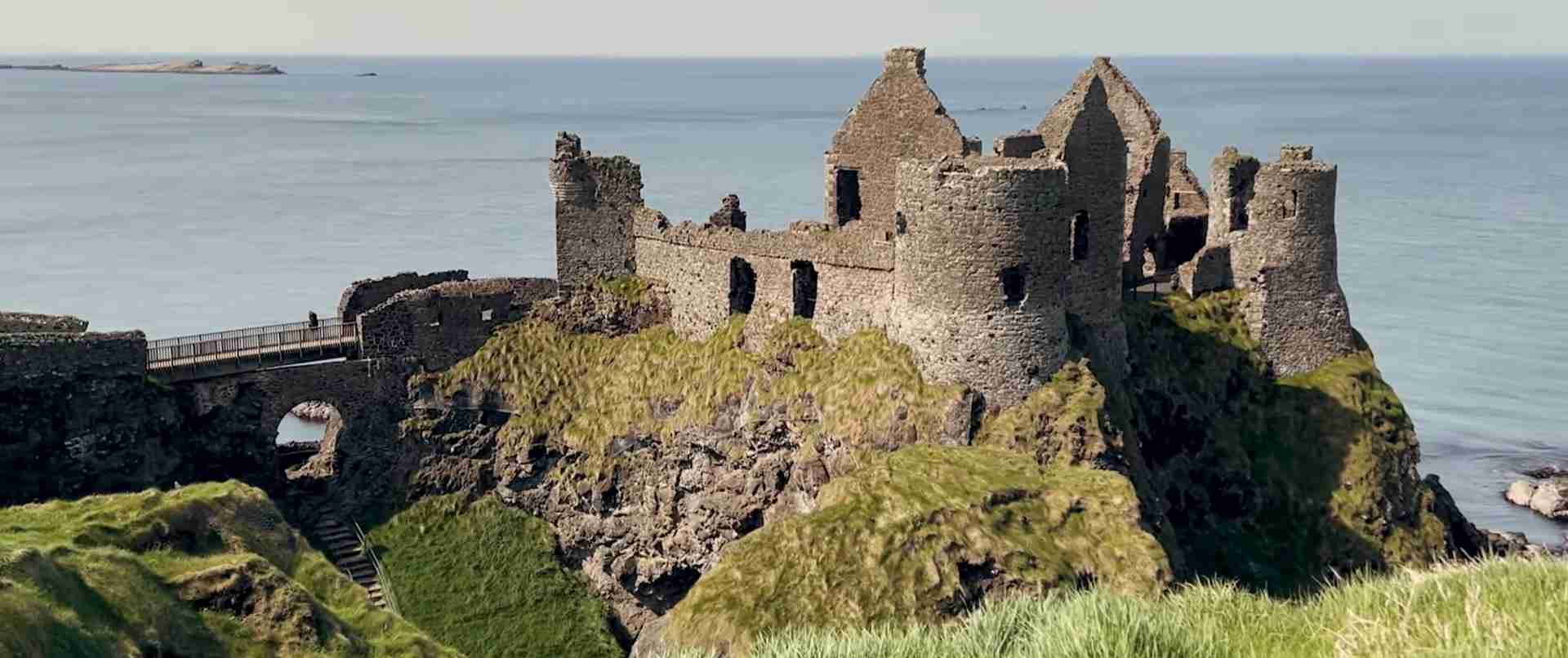
Belfast Hidden Gems Guide: Secret Spots & Local Favorites
Belfast reveals its most authentic character beyond the well-trodden tourist trails, where Victorian pubs hide speakeasy bars, derelict buildings transform into art galleries, and centuries-old graveyards shelter urban wildlife sanctuaries. This guide uncovers the secret spots, local hangouts, and hidden treasures that define Belfast’s creative spirit and working-class resilience, from abandoned linen mills repurposed as cultural spaces to neighborhood cafes where locals debate politics over soda farls.
Key Takeaways: Belfast’s Hidden Character
- Industrial Heritage Reimagined: Belfast’s abandoned textile mills, shipyard warehouses, and Victorian factories now house independent galleries, performance spaces, and craft studios, creating an authentic creative quarter that commercial developments cannot replicate.
- Neighborhood Authenticity: The Ormeau Road, Stranmillis, and Holywood Arches areas offer genuine local life with independent bookshops, family-run bakeries, and traditional music pubs where tourists rarely venture but locals gather nightly.
- Secret Green Spaces: Beyond the Botanic Gardens lie hidden Victorian cemeteries with wildlife corridors, forgotten riverside paths along the Lagan, and community gardens in former bombsites that provide urban sanctuaries known primarily to residents.
- Underground Food Scene: Belfast’s culinary renaissance thrives in unmarked basement restaurants, converted shipping containers, and pop-up venues in abandoned buildings, where young chefs experiment with Ulster ingredients away from commercial rent pressures.
- Hidden History Layers: Medieval street patterns survive beneath Victorian facades, Georgian townhouses hide behind corrugated iron, and Blitz-damaged buildings retain original features invisible from street level, creating architectural palimpsests throughout the city center.
- Community Cultural Spaces: Former Orange halls, disused churches, and neighborhood community centers host traditional music sessions, Irish language classes, and political discussion groups that reveal Belfast’s complex social fabric more authentically than any museum.
People Also Ask About Belfast Hidden Gems
What Are the Best Hidden Neighborhoods in Belfast?
The Ormeau Road corridor between the city center and Ormeau Park contains Belfast’s most authentic neighborhood culture, with independent businesses operating in Victorian shop fronts that have served the same streets for generations. The Ormeau Bakery produces traditional Ulster bread using methods unchanged since the 1940s, while specialized record shops, vintage clothing stores, and family-run butchers create a retail ecosystem that resists chain store homogenization. The neighborhood’s pubs maintain traditional layouts with small snugs and conversation-focused interiors rather than screens and music, attracting locals who value discussion and community connection.
Stranmillis village, positioned between Queen’s University and the River Lagan, functions as Belfast’s intellectual quarter with independent bookshops, artisan coffee roasters, and cultural venues that serve academic staff and graduate students. The Lock Keeper’s Cottage along the Lagan towpath offers riverside dining in a genuinely historic structure, while the neighborhood’s tree-lined streets contain Victorian and Edwardian architecture that escaped both the Blitz and the Troubles relatively intact. Holywood Arches, connecting East Belfast to the affluent suburbs, blends working-class pubs with emerging creative businesses in a area experiencing organic gentrification driven by artists rather than developers.
Where Can You Find Secret Historical Sites in Belfast?
Friar’s Bush Graveyard near the Botanic Gardens contains Belfast’s oldest surviving structures, including medieval grave slabs and a ruined church dating to the 12th century, predating the city’s incorporation by over 400 years. The graveyard served as Belfast’s main burial ground until the 19th century and contains graves of cholera victims, famine dead, and executed United Irishmen, creating a concentrated archive of the city’s traumatic history in a single acre. The site’s designation as a wildlife sanctuary means it remains wild and atmospheric rather than manicured, with ancient yews and overgrown paths creating an almost Gothic landscape within walking distance of the university.
The Clifton House complex on North Queen Street, built in 1774 as Belfast’s Poor House and Fever Hospital, represents Georgian institutional architecture at its most austere, with original wards, chapel, and administrative buildings surviving largely intact. The building operated continuously for over 200 years, adapting from poorhouse to hospital to elderly care facility while retaining its architectural coherence. Guided tours reveal original features including the oval staircase, chapel gallery, and basement kitchens, while the surrounding graveyard contains unmarked graves of workhouse residents who died during Belfast’s industrial expansion.
What Hidden Art Venues Exist Beyond the Tourist Circuit?
The Vault Artist Studios occupy a converted whiskey warehouse in the Cathedral Quarter, where 40 artists maintain working studios in former storage vaults with 19th-century brick architecture and atmospheric industrial features intact. Unlike commercial galleries, the Vault functions as an active creative space where visitors can observe artists at work, purchase directly from makers, and experience the unfiltered creative process. The building’s history as a bonded warehouse, police station, and storage facility creates layers of texture and character impossible to replicate in purpose-built spaces, while the artist community operates cooperatively rather than commercially.
The Banana Block in the Donegall Pass area transforms a Victorian industrial building into independent studios for visual artists, musicians, and makers, creating an organic cultural center in a traditionally working-class neighborhood. The space evolved gradually as artists occupied abandoned industrial units, establishing a community that balances creative freedom with neighborhood integration. Regular open studios events allow public access to working spaces where artists create everything from traditional oil paintings to experimental sound installations, while the building’s deteriorating industrial aesthetic provides the raw environment many contemporary artists prefer to white cube galleries.
Where Do Belfast Locals Actually Eat and Drink?
The Sunflower Public House on Union Street maintains authentic Victorian pub architecture with original snugs, bar fittings, and decorative tilework, functioning as a neighborhood local where regulars occupy the same seats nightly and conversation follows longstanding patterns of political debate and local gossip. The pub serves traditional Ulster fry components all day, with soda farls from Ormeau Bakery, black pudding from neighborhood butchers, and potato bread fried in beef dripping, creating the authentic version of dishes hotels package for tourists. The Sunflower’s significance lies not in culinary innovation but in preserving working-class pub culture that commercial gentrification threatens throughout Belfast.
Established Coffee on Hill Street occupies a former butcher shop with original tile work and Victorian fixtures, roasting beans on-site and serving the academic and creative communities with an intellectual rather than commercial atmosphere. The cafe’s emphasis on conversation over wifi, books over screens, and extended occupancy over table turnover creates the European coffee house model that American chains claim to replicate but systematically destroy. Local artists use Established as informal meeting space, musicians organize sessions in the back room, and political discussion groups convene around the communal table, making it function as community center rather than mere cafe.
Extended multi-day tours – 5+ days
Featured Belfast Multi-Day Tour Packages
5 days
From Dublin: 5 Day Northern Ireland & Atlantic Coast
- ✓ Comprehensive Belfast tour
- ✓ Expert local guides included
- ✓ All accommodation arranged
- ✓ Transportation provided

7 days
Evergreen Ireland North – 7 Days/6 Nights (12 destinations)
- ✓ Comprehensive Belfast tour
- ✓ Expert local guides included
- ✓ All accommodation arranged
- ✓ Transportation provided
5 days
Belfast, Galway, Northern Ireland & Atlantic Coast Small-Group Tour – 5 Days
- ✓ Comprehensive Belfast tour
- ✓ Expert local guides included
- ✓ All accommodation arranged
- ✓ Transportation provided
7 days
North of Ireland Escape
- ✓ Comprehensive Belfast tour
- ✓ Expert local guides included
- ✓ All accommodation arranged
- ✓ Transportation provided
Multi-day tour packages powered by TourRadar. Prices and availability subject to change.
Introduction: Belfast’s Authentic Geography
Belfast’s most compelling stories unfold in spaces that guidebooks overlook and tour buses never reach, where the city’s working-class heritage, industrial archaeology, and creative resilience create environments impossible to package for mass tourism. The abandoned Crumlin Road Gaol attracts thousands of visitors annually, but the surrounding neighborhood contains authentic Victorian streetscapes, traditional corner shops, and community murals that reveal more about Belfast’s social history than any heritage attraction. The Titanic Quarter draws international attention with its signature museum building, but the surrounding shipyard contains industrial remnants, derelict warehouses, and waterfront areas where Belfast’s maritime past remains physically present rather than digitally curated.
Understanding Belfast’s hidden geography requires recognizing how the Troubles shaped urban development and cultural life, creating parallel communities, sectarian territories, and peace walls that still define neighborhood boundaries decades after the Good Friday Agreement. Areas that tourists avoid often contain Belfast’s most vibrant cultural activity, strongest community bonds, and most innovative responses to urban decline. The Cathedral Quarter’s designation as a cultural district attempted to impose creativity from above through tax incentives and property development, but the neighborhood’s authentic creative energy emerged organically in the Vault Studios, Writers’ Square, and independent venues where artists occupied abandoned buildings rather than developer-renovated spaces.
Belfast’s hidden gems resist Instagram aesthetics and tourist-friendly narratives, requiring time, local knowledge, and willingness to venture beyond designated cultural zones. The city’s best traditional music sessions occur in neighborhood pubs that serve working-class communities rather than visitors, its most innovative restaurants operate in marginal spaces with minimal signage, and its most significant historical sites survive as ruins, fragments, and repurposed buildings rather than restored monuments. This guide maps the alternative Belfast that locals inhabit, where creativity emerges from constraint, community persists despite conflict, and authenticity survives precisely because it serves local needs rather than tourist expectations.
The following sections explore Belfast’s hidden neighborhoods, secret historical sites, underground food scenes, forgotten green spaces, and local cultural venues with the depth required to understand why these places matter to residents and how they reveal aspects of Belfast’s character that heritage attractions cannot capture. Each location represents not merely an undiscovered attraction but a node in Belfast’s living cultural network, where the city’s past informs its present and its creative communities resist commercial homogenization.
Hidden Neighborhoods and Local Districts
The Ormeau Road connects central Belfast to the southern suburbs through a Victorian corridor that preserved its neighborhood character despite the Troubles’ disruption of surrounding areas. The road’s commercial core contains independent retailers, traditional services, and family-run businesses that survived when shopping centers drew customers away from high streets throughout Northern Ireland. The Ormeau Bakery operates from a Victorian shop front with original features intact, producing soda farls, wheaten bread, and potato bread using methods that predate industrial baking, supplying neighborhood shops and cafes with products supermarkets cannot replicate.
Specialized retailers along the Ormeau Road serve communities rather than passing trade, creating the retail diversity that urban planning theorists advocate but market forces typically destroy. Eddie Irvine’s sports shop has supplied football boots and athletic equipment since 1958, maintaining personal service and neighborhood knowledge that online retailers cannot provide. The Rocket Record Shop occupies premises that have sold music since the 1960s, adapting from vinyl to CD to vinyl revival while maintaining customer relationships across generations. These businesses survive not through tourist appeal but through serving local needs with expertise and consistency that chain stores abandon in pursuit of efficiency.
The Ormeau Park area transitions from commercial density to residential Victorian terraces with mature street trees and intact architectural detail, creating the urban fabric that Belfast’s 1960s planners destroyed elsewhere through comprehensive redevelopment. The neighborhood’s pubs maintain distinct characters reflecting their communities, from the Errigle Inn’s traditional music sessions to the Hatfield House’s political discussions. The absence of tourist traffic means these pubs function as genuine community spaces where conversations develop over hours, regulars maintain decades-long associations, and newcomers integrate gradually through repeated presence rather than immediate acceptance.
Stranmillis village occupies the transitional zone between Queen’s University and the Lagan River, creating a neighborhood that combines academic influence, Victorian architecture, and village-scale retail in a coherent environment that commercial districts cannot replicate. The area’s independent bookshops, including No Alibis mystery specialist and the nearby Bookfinders used bookshop, provide depth in specific genres rather than bestseller superficiality. Stranmillis’s cafes and restaurants serve local residents and university staff rather than tourists, creating dining options that reflect actual food culture rather than packaged Irish experiences.
The Lock Keeper’s Cottage along the Lagan towpath occupies a genuinely historic building with its original function still evident in the architecture, converted to restaurant use while retaining character features including external stone walls and compact interior proportions. The cottage’s location on the Lagan towpath provides access to riverside walking routes that connect Stranmillis to the city center through continuous green corridors, demonstrating how Belfast’s 19th-century canal infrastructure created public spaces that modern development struggles to match. The towpath attracts regular users rather than tourists, functioning as commuter route, exercise circuit, and social space where neighborhood residents encounter each other in daily patterns.
Holywood Arches forms the commercial center of East Belfast’s inner suburbs, where working-class neighborhoods meet emerging creative businesses in a dynamic transitional zone. The area’s Victorian shop fronts contain an eclectic mix of traditional services including family butchers, hardware shops, and tailors alongside newer cafes, studios, and creative businesses. This retail diversity reflects organic neighborhood evolution rather than planned development, creating the visual complexity and functional variety that urban designers theorize but markets typically eliminate through rent pressures and consolidation.
The neighborhood’s pubs maintain distinct local characters with minimal tourist presence, functioning as genuine community anchors where residents gather for conversation, sport, and social connection. The Bridge Bar and Cuckoo attract younger creative populations while the Beehive and Sandes maintain traditional atmospheres, demonstrating how even small areas can support multiple pub cultures serving different demographics. These establishments survive through serving local customers consistently rather than pursuing transient tourist traffic, creating the sustainable business models that Belfast’s city center pubs increasingly abandon.
East Belfast’s residential streets contain Victorian terraces with original features surviving in varying states of preservation, creating an architectural laboratory where different approaches to heritage conservation coexist. Some streets maintain period-appropriate color schemes, original windows, and sympathetic extensions, while others demonstrate how aluminum windows, plastic cladding, and inappropriate additions destroy architectural coherence. This variation makes East Belfast more instructive for understanding heritage conservation challenges than restored showpiece districts where homogeneous approaches create visual uniformity at the expense of economic diversity.
Secret Historical Sites and Forgotten Heritage
Friar’s Bush Graveyard contains Belfast’s deepest historical layers, with burial monuments dating from the 12th century through the 19th century creating a concentrated archive of the city’s evolution from medieval settlement to industrial metropolis. The graveyard’s medieval church ruins, consisting of gable walls and foundation remnants, represent the oldest surviving structures in Belfast proper, predating the city’s charter by four centuries. The site’s conversion to wildlife sanctuary following its closure to new burials means the landscape remains atmospheric and wild, with ancient yews, self-seeded trees, and vegetation growth creating Gothic ambiance that manicured cemeteries deliberately eliminate.
The graveyard’s burial patterns reveal Belfast’s social hierarchies and community structures through physical arrangement, monument quality, and inscriptional content. Cholera victims from the 1832 epidemic occupy a distinct section reflecting the speed and social disruption of their deaths, while famine dead from the 1840s receive minimal commemoration reflecting their poverty and social marginalization. The executed United Irishmen buried here after the 1798 Rising provide physical evidence of political repression that official histories often sanitize, demonstrating how burial grounds preserve memories that official monuments exclude.
The Clifton House on North Queen Street represents Georgian institutional architecture serving Belfast’s rapidly expanding industrial population through the 19th century, when the city’s growth created social problems that voluntary institutions attempted to address. The building’s design reflects Enlightenment confidence in rational solutions to poverty, illness, and social disorder, with segregated wards, chapel provisions for spiritual improvement, and administrative architecture expressing authority and permanence. The structure survived the Troubles despite its location in a contested interface area, demonstrating how some buildings persist through conflicts that destroy others apparently no more vulnerable.
Guided tours reveal the Clifton House’s evolution from Georgian austerity to Victorian expansion to 20th-century adaptation, with each period adding layers while retaining earlier features. The oval staircase demonstrates Georgian aesthetic ambition applied to institutional architecture, creating beauty in a building designed primarily for functionality. The basement kitchens retain original features including massive fireplaces, food storage areas, and servants’ quarters that demonstrate how institutions requiring continuous cooking operated before modern utilities. The chapel’s gallery arrangement reflects social hierarchies, with paying residents occupying ground-level pews while paupers observed services from elevated positions.
The Sinclair Seamen’s Church on Corporation Square serves Belfast’s maritime community with architecture and decoration explicitly referencing nautical themes, including ship’s bell, anchor fixtures, and maritime-themed stained glass. The church’s location near the docks reflects its function serving sailors, dock workers, and maritime traders rather than residential congregations, creating a specialized institution that Belfast’s status as major port required. The building survived the Blitz despite surrounding destruction, providing continuity in a neighborhood where most structures postdate 1941.
The church interior contains memorials to maritime disasters, including the loss of local vessels and commemorations of sailors buried at sea, creating an archive of maritime risk and tragedy that more abstract histories overlook. The pulpit’s design as a ship’s bow, the lectern fashioned from ship’s wheel, and the font crafted from copper recovered from shipwrecks demonstrate how Victorian churches used material culture to reinforce spiritual messages. These features make Sinclair Seamen’s one of Belfast’s most distinctive religious buildings, combining genuine historical function with theatrical architectural expression.
The Albert Memorial Clock Tower leans visibly due to foundation settlement in Belfast’s alluvial soils, creating the structural drama that engineers attempted to prevent through Victorian construction methods. The tower’s dedication to Prince Albert reflects Belfast’s integration into British imperial culture during the city’s period of maximum industrial expansion and civic confidence. The structure’s survival despite significant structural movement demonstrates Victorian engineering’s margin for error, while its prominent location at Queen’s Square anchors Belfast’s visual geography despite serving no practical function beyond timekeeping.
The surrounding area contains fragmentary evidence of Belfast’s medieval origins, with street patterns following earlier alignments and occasional building remnants preserving pre-Victorian structures. High Street and Ann Street follow medieval routes connecting the original settlement to surrounding agricultural lands, demonstrating how urban patterns persist despite comprehensive rebuilding. The Entries—narrow lanes connecting High Street to Ann Street—preserve the medieval practice of providing rear access to properties, creating atmospheric passageways that Victorian and modern planners often destroyed in pursuit of traffic efficiency.
Cave Hill contains multiple historical layers from prehistoric enclosures through medieval earthworks to Victorian improvements, creating a landscape palimpsest where different periods remain visible in terrain features. McArt’s Fort, an Iron Age hillfort occupying the summit, provides archaeological evidence of settlement patterns predating written records, demonstrating continuous human use of Cave Hill’s strategic position overlooking Belfast Lough. The cave formations that give the hill its name contain Victorian inscriptions and graffiti demonstrating how earlier generations used the site for recreation and commemoration before official designation as public space.
The paths ascending Cave Hill follow routes established during Victorian improvements when Belfast’s industrial wealth funded landscape enhancement for public recreation. These routes demonstrate 19th-century landscape design principles applied to challenging topography, with engineered paths, stone retaining walls, and viewpoint platforms creating managed access to wild terrain. The paths’ survival in functional condition demonstrates Victorian civil engineering quality, while their continued heavy use shows how 19th-century public investment created amenities still serving 21st-century populations.
Underground Food and Drink Scene
The Sunflower Public House maintains authentic Victorian pub architecture and working-class social functions that commercial development threatens throughout Belfast’s city center. The pub’s layout includes original snugs—small semi-private compartments designed for discrete conversation—that Victorian publicans installed to accommodate different social classes and genders in single establishments. These architectural features survive because the Sunflower serves neighborhood regulars rather than tourists, removing pressure to modernize interiors for broader appeal. The decorative tilework, mahogany bar fittings, and etched glass partitions demonstrate Victorian craft quality applied to working-class establishments, contradicting assumptions that elaborate decoration served only elite spaces.
The pub’s food offerings focus on traditional Ulster components prepared to working-class standards rather than gourmet reinterpretations, with soda farls sourced from Ormeau Bakery, black pudding from local butchers, and potato bread fried in beef dripping rather than lighter oils. This authenticity matters not for culinary sophistication but for maintaining food culture that hotel breakfast buffets package for tourists without understanding the social contexts and preparation methods that give these dishes meaning. The Sunflower’s Ulster fry comes with tea strong enough to strip paint, served in heavy mugs that retain heat, demonstrating how even beverage service reflects cultural preferences that standardized tourism erases.
The pub’s social dynamics demonstrate community functions that commercial establishments cannot replicate, with regulars occupying consistent seats, conversations following established patterns, and newcomers integrating gradually through repeated presence. Political discussions occur openly with participants representing different traditions engaging in debate that outsiders might interpret as conflict but locals recognize as normal discourse. This conversational culture requires the environmental consistency, social continuity, and time depth that tourist venues inherently lack, making the Sunflower valuable as community infrastructure rather than merely hospitality business.
Established Coffee occupies a former butcher shop on Hill Street with original Victorian tilework and fixtures intact, demonstrating adaptive reuse that preserves architectural character while introducing new functions. The cafe roasts beans on-site using equipment visible to customers, making production process transparent rather than hidden. This visibility matters because it demonstrates actual craft rather than corporate branding that claims artisanal methods while concealing industrial processes. The roasting equipment occupies space that commercial rent calculations would dedicate to customer seating, reflecting values prioritizing quality and transparency over maximum revenue extraction.
The cafe’s emphasis on conversation over wifi, books over screens, and extended occupancy over table turnover creates the European coffee house model that American chains claim to replicate but systematically destroy through design choices promoting rapid turnover and preventing community formation. Established provides no wifi password, stocks newspapers and literary journals rather than lifestyle magazines, and arranges seating to facilitate conversation rather than isolated laptop use. These deliberate choices create an environment where regular customers develop relationships, political discussion occurs spontaneously, and artistic collaboration emerges organically.
The cafe functions as informal community center for Belfast’s creative and intellectual populations, hosting book launches, political discussion groups, and impromptu music sessions in ways that commercial venues’ licensing restrictions and corporate protocols prevent. Musicians use the space to organize traditional music sessions, writers convene to discuss works in progress, and political activists plan community campaigns, demonstrating how independently owned spaces facilitate social organization that chains’ operational standardization eliminates. This community function makes Established significant beyond its coffee quality, creating value that balance sheets cannot measure but neighborhood vitality requires.
Mourne Seafood Bar occupies a converted Victorian bank building on Bank Street with original architectural features including high ceilings, decorative plasterwork, and massive safe still embedded in the structure. The restaurant’s oyster selection includes varieties sourced from Carlingford Lough, Strangford Lough, and Donegal waters, demonstrating the coastal diversity of Ireland’s oyster cultivation. These oysters taste distinctly different due to varying salinity, plankton composition, and growing conditions, providing the flavor complexity that industrial aquaculture eliminates through standardization. The restaurant’s emphasis on sourcing specificity and seasonal variation reflects craft values increasingly rare in contemporary dining.
The seafood offerings change based on daily landings from Kilkeel and Portavogie fishing harbors, maintaining direct relationships with boats rather than purchasing through wholesale markets. This supply chain means menu availability varies daily and some items disappear seasonally, creating the unpredictability that frustrates efficiency-focused diners but demonstrates connection to actual fishing economies. The restaurant cannot guarantee specific species year-round because it serves what local waters produce rather than what customers expect, reflecting genuine seasonality that most restaurants abandon through frozen imports and industrial aquaculture.
The cooking techniques emphasize ingredient quality rather than elaborate preparation, with oysters served raw or minimally cooked, fish grilled simply, and shellfish steamed without heavy sauces. This restraint reflects confidence in sourcing quality and understanding that exceptional ingredients require minimal intervention. The approach contrasts with restaurants using elaborate preparation to mask inferior ingredients, demonstrating how technical simplicity can indicate sophistication rather than lack of skill. The restaurant’s longevity and consistent quality establish that this approach satisfies customers seeking genuine seafood rather than theatrical presentation.
OX restaurant operates in a converted warehouse near the Cathedral Quarter with minimal signage and entrance presentation that prevents casual discovery, functioning as destination restaurant for informed diners rather than walk-in venue for tourists. The interior preserves industrial features including exposed brick, steel beams, and concrete floors while introducing contemporary interventions that respect rather than conceal the building’s history. This aesthetic reflects broader trends in contemporary dining where authenticity means preserving character rather than creating nostalgic recreations, demonstrating how abandoned industrial buildings provide architectural qualities new construction cannot replicate.
The menu emphasizes Ulster ingredients through preparations that reference international techniques without abandoning regional identity, creating dishes that feel simultaneously local and cosmopolitan. Seasonal vegetables come from specific farms named on the menu, meats source from identified producers, and fish arrives from known boats, creating supply chain transparency that allows diners to understand what they eat. This specificity matters because it demonstrates actual rather than claimed connections to producers, providing accountability that generic “locally sourced” claims lack.
The restaurant’s wine list emphasizes small producers, natural wines, and lesser-known regions rather than prestigious labels and safe choices, reflecting confidence that customers trust staff recommendations over familiar brands. This approach requires knowledgeable service staff who can explain unfamiliar wines and match them with dishes, creating dining experiences centered on discovery rather than validation of existing preferences. The restaurant’s success demonstrates that Belfast’s dining population supports ambitious contemporary cooking and sophisticated wine service despite stereotypes characterizing the city as culturally conservative.
Hidden Green Spaces and Urban Sanctuaries
Friar’s Bush Graveyard functions as both historical site and wildlife sanctuary, with its designation preventing development and landscape management that would eliminate the ecological value created through decades of minimal intervention. The graveyard’s ancient yews provide habitat for birds, insects, and lichens that Belfast’s managed parks cannot support due to regular maintenance and pesticide use. Self-seeded trees including ash, sycamore, and elder create canopy layers and understory vegetation that increase biodiversity beyond what landscape architects could deliberately design. This ecological richness emerges not despite but because of the site’s abandonment to nature following its closure to new burials.
The graveyard’s vegetation patterns demonstrate ecological succession in urban contexts, with initial colonization by pioneer species giving way to more stable communities as soil develops and shade increases. Ivy covers many monuments completely, creating the Gothic atmosphere tourists seek at more famous cemeteries while providing evergreen cover for roosting birds and hibernating insects. Brambles create impenetrable thickets offering nesting sites for wrens and robins while producing autumn berries for thrushes and finches. These vegetation patterns provide ecosystem services—carbon sequestration, air purification, temperature moderation—that Belfast’s climate requires as summers grow hotter and extreme weather more common.
The site’s protected status demonstrates how historical designation can create conservation outcomes beyond heritage preservation, protecting ecological values that planning regulations struggle to defend against development pressure. The combination of historical significance and wildlife sanctuary status creates layered justifications for preservation that single-purpose designations lack, suggesting models for protecting urban green space amid intensifying development. The graveyard proves that abandonment sometimes produces greater public value than intensive management, challenging assumptions that public spaces require constant maintenance and improvement to justify their existence.
The Lagan Towpath provides continuous walking and cycling routes from Belfast city center through surrounding areas to Shaw’s Bridge and beyond, following the canal and river corridor that powered Belfast’s 19th-century industrial expansion. The towpath’s original function was facilitating horse-drawn barges transporting goods between Belfast and interior agricultural regions, creating infrastructure that served industrial capitalism but now provides recreational amenity and wildlife corridor. The path’s linear character and separation from road traffic make it valuable for commuting cyclists and runners training for distance events, demonstrating how transportation infrastructure built for obsolete purposes can serve contemporary needs.
The towpath’s vegetation includes mature trees planted during Victorian improvements alongside self-seeded willows, alders, and native scrub that colonized the corridor as commercial traffic declined. This vegetation creates habitat for urban foxes, which use the towpath as movement corridor between territories, and kingfishers, which hunt the Lagan’s recovering fish populations from overhanging branches. The path’s value as wildlife corridor increases as surrounding development intensifies, providing connected habitat that fragmented green spaces cannot offer. Bird watchers use the towpath to observe migrating species resting along the river corridor, demonstrating how industrial heritage can serve ecological functions unrelated to original purposes.
The path’s surface improvements balance accessibility with character preservation, using compacted gravel and consolidated surfaces that prevent muddy impassability while avoiding full paving that would eliminate the route’s non-urban character. These design choices reflect compromises between competing uses—serious cyclists preferring smooth surfaces while dog walkers accepting rougher paths—demonstrating how public space management requires balancing diverse community needs. The path’s popularity demonstrates public appetite for car-free routes connecting residential areas to city center, suggesting potential for expanded off-road cycling infrastructure that Belfast’s street system cannot easily accommodate.
Colin Glen Forest Park occupies a steep valley on Belfast’s western edge, preserving woodland, streams, and gorge topography that development pressures would otherwise eliminate. The park’s terrain makes it unsuitable for sports fields or formal gardens, protecting it from improvement pressures that transform accessible parks into programmed recreational facilities. The gorge walk follows Colin River through native woodland including oak, ash, and hazel while traversing boardwalks over wetland areas too fragile for conventional paths. This infrastructure allows public access to sensitive habitats while preventing the damage that unrestricted access would cause, demonstrating managed tourism approaches that many popular natural areas lack.
The forest park’s wildlife includes species increasingly rare in Belfast’s managed parks and gardens, with dippers hunting aquatic insects in the river, badgers maintaining setts in undisturbed hillsides, and fungi colonizing fallen wood that park maintenance typically removes. The park’s management allows natural processes including tree fall, dead wood accumulation, and flood dynamics that create habitat complexity impossible to maintain through active intervention. This minimal management approach reflects ecological understanding valuing process over appearance, contradicting assumptions that public parks require intensive maintenance to provide value.
The park’s industrial archaeology includes former mill sites along Colin River where water power drove textile production during Belfast’s manufacturing peak. Foundation walls, sluice structures, and mill races survive as ruins slowly being incorporated into the forest landscape, demonstrating how industrial decline creates opportunities for ecological recovery. These features provide physical evidence of Belfast’s industrial past while serving contemporary functions as wildlife habitat and visual interest, suggesting approaches to heritage preservation that accept decay and reintegration into natural systems rather than requiring arrested preservation at arbitrary historical moments.
The park’s visitor facilities remain deliberately minimal, with basic parking, way-finding signage, and toilet facilities but no café, gift shop, or extensive infrastructure that would transform the site into conventional tourist destination. This restraint reflects intentional design philosophy prioritizing ecological protection and quiet recreation over revenue generation and entertainment provision. The park’s value lies precisely in what it lacks—commercial development, intensive programming, and managed experiences—demonstrating how public spaces can serve communities through providing alternatives to urban intensity rather than replicating urban amenities in natural settings.
Independent Arts and Music Venues
The Vault Artist Studios convert a 19th-century whiskey bonded warehouse into 40 working studios where artists produce contemporary work in historically significant architecture. The building’s original function as secure storage for valuable whiskey stocks required massive stone walls, heavy doors, and robust construction that now provides the structural character contemporary artists value. The individual vaults—originally separate locked spaces for different merchants’ stocks—now serve as private studios while maintaining the cellular architectural logic the building’s security function required. This adaptation demonstrates how obsolete architecture can serve contemporary creative needs without requiring the bland flexibility purpose-built studios typically provide.
The building’s architecture creates atmospheric working conditions with natural light from high windows, exposed brick walls providing thermal mass and texture, and robust floors capable of supporting heavy equipment and stored materials. These qualities make historical industrial buildings attractive to artists despite lacking climate control, accessibility features, and other amenities contemporary codes require. Artists often prefer architectural character to technical sophistication, valuing spaces that inspire work over standardized environments optimized for generic creative labor. The Vault’s success demonstrates market demand for historical building reuse despite planning preferences for new construction meeting contemporary codes.
The studios operate cooperatively rather than through landlord-tenant relationships, with artists collectively managing the building, organizing exhibitions, and maintaining common facilities. This governance structure creates investment in community success beyond individual practice, encouraging collaboration and mutual support that isolated studio practice prevents. Artists mentor emerging makers, share equipment and expertise, and collaborate on projects that individual practices could not attempt. This cooperative culture makes the Vault function as artistic ecosystem rather than mere rental property, creating value that extends beyond providing affordable workspace.
Regular open studio events allow public access to working spaces where artists demonstrate techniques, explain processes, and sell directly without gallery mediation. These events demystify contemporary art practice by showing how artists actually work rather than presenting only finished products in gallery contexts. Visitors observe paintings in progress, watch sculptors manipulate materials, and discuss conceptual frameworks with artists themselves rather than through curatorial interpretation. This direct engagement builds audiences for contemporary art by making practice visible and accessible rather than mysterious and exclusive.
The Banana Block transforms Victorian industrial buildings in Donegall Pass into studios for visual artists, musicians, designers, and makers, creating mixed-use creative space that emerged organically through artists occupying abandoned units. The building’s industrial scale provides the volume musicians require for practice and recording, the natural light painters need, and the robust floors sculptors demand, demonstrating how historical industrial architecture serves diverse creative needs simultaneously. The informal nature of the space’s development meant artists shaped it to their requirements rather than accommodating to developer-imposed layouts, creating functional environments that purpose-built studios often lack.
The building’s location in working-class Donegall Pass creates different relationships between creative businesses and surrounding community than Cathedral Quarter gentrification produces. The Banana Block artists integrate into existing neighborhood life rather than displacing it, using local shops and services while contributing to street activity and informal surveillance that reduces antisocial behavior. This integration demonstrates how creative businesses can strengthen rather than threaten working-class neighborhoods when artists lack resources to drive rapid property value increases that typically follow cultural district designation.
The space hosts informal exhibitions, performances, and events that neighborhood residents attend alongside art world participants, creating social mixing that commercial galleries’ intimidating environments prevent. Musicians perform in studios with audience members standing among equipment and half-finished work, visual artists hang shows in working spaces rather than white cube contexts, and makers demonstrate craft techniques using actual production equipment. These informal presentations make contemporary creative practice accessible to communities that formal art institutions often alienate through exclusive atmospheres and insider languages.
The building’s uncertain tenure—operating under arrangements that planning regulations would typically prohibit—creates precarity that artists accept as tradeoff for affordability and autonomy. This acceptance reflects broader patterns where creative communities occupy marginal spaces that official planning designates for other purposes, creating cultural vitality in locations planners overlook. The Banana Block demonstrates how creative activity emerges despite rather than because of official support, suggesting limits to cultural policy approaches assuming artists require purpose-built facilities and institutional frameworks to produce significant work.
Black Box performance venue occupies a former printworks on Hill Street, converting industrial space into flexible theater and music venue with black-painted interiors and minimal fixed seating. The venue’s aesthetic embraces industrial rawness rather than theatrical polish, with exposed structural elements, concrete floors, and functional lighting creating atmosphere through authenticity rather than decoration. This approach appeals to contemporary performance communities valuing flexibility and intimacy over traditional theater grandeur, demonstrating how adaptive reuse can create venue types that new construction struggles to match economically.
The programming emphasizes emerging artists, experimental work, and community-generated performances rather than commercial entertainment, creating performance opportunities that mainstream venues cannot provide due to commercial pressures. Local theater companies develop new work through Black Box residencies, musicians test unconventional formats in intimate settings, and community groups stage productions without commercial viability concerns. This programming philosophy makes the venue culturally significant beyond its entertainment function, providing infrastructure for artistic development that Belfast’s cultural ecosystem requires but cannot sustain through ticket sales alone.
The venue’s bar operates independently of performance spaces, creating social environment where audiences gather before and after shows to discuss performances and connect with artists. This integration of performance and social space reflects European venue models that Anglo-American commercial theaters abandoned when maximizing drink revenue required separating bars from performance spaces to encourage consumption during intervals. Black Box’s approach prioritizes community formation over revenue extraction, creating venue culture where performances function as occasions for social gathering rather than isolated entertainment consumption.
The building’s location in Cathedral Quarter places it amid other cultural venues, galleries, and creative businesses, creating the critical mass that cultural districts require but planned developments often fail to achieve. Black Box contributes to street activity through evening performances that bring audiences to the area when other businesses close, demonstrating how cultural venues provide animation beyond their immediate footprint. The venue’s success reflects broader Cathedral Quarter evolution from derelict post-industrial zone to functioning cultural district, suggesting that organic development driven by artistic initiative often produces more sustainable outcomes than developer-led regeneration imposing culture from above.
Local Music and Traditional Sessions
The Sunflower Public House hosts traditional Irish music sessions in its back room, where musicians gather weekly to play sets of reels, jigs, and hornpipes in informal arrangements that prioritize participation over performance. These sessions follow protocols developed over decades, with experienced musicians leading sets, less experienced players joining when comfortable, and listeners maintaining respectful silence during playing. The session’s informal structure allows flexible participation that staged performances cannot accommodate, creating musical community where skill development occurs through immersion rather than formal instruction.
The music itself emphasizes regional repertoire from Ulster traditional sources, including tunes collected from rural fiddlers, pipers, and flute players during the 20th-century folk revival. This regional focus distinguishes Ulster sessions from Southern Irish traditions that dominate international Irish music, preserving musical heritage specific to Northern Ireland’s cultural geography. The tunes often carry names referencing local places, historical events, or prominent musicians, embedding geographical and historical knowledge in musical transmission that purely aesthetic appreciation overlooks.
The session’s social dynamics reflect broader patterns in traditional music communities, where respect accrues through musical skill rather than professional credentials or commercial success. Visiting musicians from other traditions participate when invited, creating musical exchanges that formal concert settings rarely facilitate. The session’s regularity creates community continuity across generations, with older musicians transmitting repertoire and style to younger players through direct modeling rather than notation or recording. This transmission method preserves aspects of musical style including ornamentation, timing, and emotional inflection that written music cannot capture.
The Sunflower’s physical environment supports session culture through acoustic properties that brick walls and wood furnishings provide, amplifying instruments naturally without electronic reinforcement. The back room’s intimate scale ensures that all participants hear each other clearly, enabling the rhythmic coordination that traditional ensemble playing requires. These environmental factors demonstrate how historical pub architecture serves musical functions that modern venues’ acoustic treatment and electronic amplification attempt to replicate but often fail to match in quality and naturalness.
Maddens Bar on Berry Street maintains traditional music programming across multiple weekly sessions, creating consistent venue where musicians and audiences know they will encounter authentic traditional performance. The bar’s commitment to music without demanding cover charges allows sessions to maintain community functions rather than becoming ticketed events that transform participants into customers. This approach reflects cultural values prioritizing access and participation over commercial return, demonstrating how some businesses sustain cultural activities despite financial pressures encouraging abandonment of non-profitable programming.
The bar’s sessions include sets from different traditional music styles, with Irish sessions alongside Scottish, Americana, and folk traditions that share instrumental techniques and social functions despite originating in different cultures. This stylistic diversity reflects Belfast’s position as port city with historical connections to Scotland, North America, and global maritime networks that brought different musical traditions into contact. The programming demonstrates how traditional music scenes remain dynamic rather than preserving frozen repertoires, continuously incorporating new influences while maintaining core stylistic elements.
Musicians using Maddens sessions to develop material, test new compositions, and collaborate with players from different traditions demonstrate how informal music venues serve functions beyond entertainment provision. The sessions function as creative laboratories where musicians experiment with arrangements, try unfamiliar instruments, and develop ensemble relationships that later produce recordings and formal performances. This developmental function makes traditional sessions significant infrastructure for musical creativity that recording studios and concert halls cannot replace despite superior technical facilities.
The bar’s location in Castle Street places it in Belfast’s historical core near the Ulster Hall and other music venues, creating the geographical clustering that music scenes require. The proximity allows audiences to visit multiple venues in single evenings and musicians to play different sessions on different nights, creating the density of activity that sustains musical communities. This clustering demonstrates how cultural vitality depends on spatial concentration that suburban development and car-dependent planning systematically destroy through dispersal.
The Errigle Inn on Ormeau Road hosts bluegrass and Americana sessions that reflect Belfast’s engagement with North American roots music, demonstrating how traditional music communities incorporate transatlantic influences while maintaining local character. The bluegrass sessions attract instrumentalists playing mandolin, banjo, acoustic bass, and guitar in ensemble formats that Irish traditional music rarely uses, creating distinct musical aesthetics within shared social frameworks. These stylistic differences demonstrate how session culture’s social forms—informal gathering, participatory performance, community building—transfer across musical genres despite different technical demands.
The Americana sessions include songwriters performing original compositions alongside traditional material, blending creative authorship with traditional repertoire in ways that Irish sessions’ emphasis on inherited tunes rarely accommodates. This compositional element reflects how different traditional music communities understand creativity differently, with some emphasizing preservation of inherited repertoire and others encouraging contemporary composition within traditional stylistic frameworks. The sessions demonstrate how Belfast’s music scene incorporates multiple approaches to tradition simultaneously, creating cultural richness that single-tradition approaches cannot achieve.
The pub’s support for regular sessions demonstrates how neighborhood venues sustain musical activity without requiring Arts Council funding, commercial sponsorship, or institutional support. The sessions survive through musicians’ voluntary participation, audiences’ drink purchases, and publicans’ commitment to programming beyond profit maximization. This sustainability model suggests that cultural activity often depends on community commitment and modest commercial tolerance rather than substantial financial investment, contradicting policy assumptions that culture requires continuous subsidy to survive.
Hidden Markets and Independent Retail
St. George’s Market occupies a Victorian market hall with cast-iron roof structure and brick construction that survived Belfast’s 20th-century redevelopment pressures through continuous commercial use. The building’s architectural significance lies in demonstrating Victorian engineering applied to market infrastructure, with slender iron columns supporting expansive roof spans that provide covered trading space without internal load-bearing walls. The structure demonstrates how 19th-century industrial techniques enabled new building types serving expanding urban populations, creating public amenities that contemporary cities struggle to replicate despite greater wealth and technical capacity.
The Friday Variety Market emphasizes food producers, craft makers, and prepared food vendors rather than mass-produced goods, creating retail environment that farmer’s markets claim to provide but often compromise through allowing wholesalers and resellers. The strict vendor vetting ensures authentic producer-direct sales, with bakers selling bread they baked that morning, farmers offering meat they raised, and craftspeople selling items they made. This authenticity matters because it creates accountability and traceability that mass retail deliberately obscures, allowing customers to question producers about ingredients, methods, and sourcing.
The market’s prepared food offerings demonstrate Belfast’s culinary diversity through vendors representing multiple cuisines preparing dishes using traditional techniques and authentic ingredients. Indian vendors cook curries using whole spices and traditional methods, Spanish stalls grill chorizo and prepare paella, and Irish producers offer traditional baked goods including soda bread, wheaten farls, and potato bread. This diversity reflects Belfast’s evolution from culturally homogeneous industrial city to multicultural contemporary urban center, with food offerings documenting immigration and cultural exchange that census data describes abstractly.
The Saturday City Food and Garden Market expands the Friday format with additional vendors and expanded garden plant offerings, creating Belfast’s largest regular market and demonstrating sustained public demand for direct producer sales. The crowds that pack the market building on Saturday mornings demonstrate that significant consumer populations prefer direct purchasing despite supermarket convenience, rejecting food system industrialization despite its cost advantages and efficiency claims. This preference suggests that values beyond price and convenience motivate substantial consumer segments, contradicting economic assumptions that consumers optimize purely for cost and time efficiency.
The market building’s architectural quality creates ambiance that contemporary retail environments struggle to match, with natural light filtering through roof glazing, Victorian decorative ironwork providing visual interest, and acoustics creating bustling atmosphere without overwhelming noise. These qualities demonstrate how historical architecture provides experiential richness that new construction’s cost optimization typically eliminates, suggesting preservation arguments beyond heritage value. The market proves that renovating existing buildings can create commercial environments superior to new construction despite lacking contemporary buildings’ technical sophistication.
The Ormeau Road’s independent retailers demonstrate how neighborhood commercial streets can maintain diversity despite competition from shopping centers and online retail. Family butchers, independent bakers, specialized grocers, and traditional ironmongers survive by serving neighborhood populations valuing personal service, product knowledge, and community connection over lowest prices and maximum convenience. These businesses maintain the retail diversity that urban planning theorists advocate but market forces typically destroy, demonstrating that survival requires serving specific communities rather than competing for mass market.
The Ormeau Bakery produces traditional Ulster breads including soda farls, wheaten bread, and potato bread using methods and recipes preserving techniques that industrial baking abandons for efficiency. The bakery’s products taste distinctly different from supermarket equivalents due to ingredient quality, fermentation timing, and baking methods that prioritize flavor over shelf life and consistency. This quality difference justifies premium pricing that allows the bakery to survive despite producing lower volumes than industrial competitors, demonstrating how craft production can remain economically viable in contemporary markets.
The neighborhood’s record shops including Rocket and RPM maintain physical retail presence despite music streaming’s dominance, serving customers who value tactile interaction with physical media, curated selection over algorithmic recommendation, and expert staff knowledge. These shops survive by offering services that streaming cannot replicate, including used vinyl markets connecting collectors, knowledgeable staff recommending based on conversation rather than data analysis, and community spaces where customers encounter each other and discover music through social interaction rather than isolated digital consumption.
The shops’ emphasis on vinyl demonstrates how supposedly obsolete technologies can experience market revivals when they provide qualities that replacement technologies eliminate. Vinyl’s tactile qualities, artwork presentation, and requirement for focused listening create experiences that digital music’s convenience and portability cannot match, appealing to consumers seeking engagement rather than mere access. The format’s revival demonstrates that technological progress does not follow simple linear paths, with older technologies sometimes serving contemporary needs that newer technologies inadvertently abandon.
Off-the-Beaten-Path Photography Locations
Cave Hill’s summit provides dramatic views over Belfast and Belfast Lough with foreground interest from McArt’s Fort earthworks and the distinctive nose-shaped rock formation that gave Cave Hill its prominence in local geography. The elevation creates opportunities for photographing Belfast’s urban geography from above, showing the city’s relationship to surrounding topography including the Lagan valley, Hollywood Hills, and Antrim plateau. The viewpoint’s accessibility via multiple walking routes means photographers can visit during different lighting conditions to capture dawn, midday, sunset, and night photography, each offering distinct visual qualities.
The early morning ascent rewards photographers with low-angle light emphasizing terrain texture, morning mist in the Lagan valley creating atmospheric effects, and absence of crowds allowing unobstructed compositions. The dawn light’s color temperature shifts from cool pre-dawn blues through warm sunrise oranges to neutral morning light within an hour, creating compressed opportunities for diverse images. Weather fronts approaching from the Irish Sea become visible across Belfast Lough hours before reaching the city, allowing photographers to capture dramatic cloudscapes and changing light conditions.
The sunset views emphasize Belfast’s streetlight grid activating as natural light fades, creating contrast between illuminated urban areas and dark surrounding countryside. The city’s linear Victorian street pattern becomes visible from elevation as organized light patterns extending from the city center toward suburbs. The shipyard cranes remain iconic skyline elements even after Belfast’s shipbuilding decline, providing vertical accents in compositions emphasizing horizontal urban sprawl. Long exposures capture light trails from traffic on motorways encircling the city, documenting contemporary movement patterns in landscape shaped by historical geography.
The Entries—narrow lanes connecting High Street to Ann Street—provide atmospheric urban photography locations with medieval-scale passageways creating dramatic perspective effects enhanced by artificial lighting after dark. The alleys’ names including Pottinger’s Entry, Wilson’s Court, and Crown Entry reference historical commercial activities and property owners, embedding local history in everyday navigation. The passages retain Victorian gas lamp fittings converted to electric illumination, cast-iron railings, and granite paving that create period atmosphere enhanced by modern neglect and weathering.
The Entries’ irregular geometry creates complex compositions with converging sight lines, partial views through angled openings, and layered depth as multiple passages intersect. The narrow width and building heights create dramatic light and shadow contrasts, with limited direct sunlight during midday and artificial light dominating evening conditions. These lighting challenges require technical proficiency but reward photographers with distinctive images impossible to capture in conventional streets or tourist locations. The passages’ emptiness outside business hours creates opportunities for photographing urban architecture without human subjects, emphasizing built environment over social activity.
The peeling paint, weathered stonework, and accumulated grime that planning authorities consider blight provide texture and character that restored heritage districts deliberately eliminate through maintenance and cleaning. This authentic decay appeals to photographers valuing urban authenticity over tourist-friendly presentation, creating images that document actual city conditions rather than sanitized versions. The Entries demonstrate how marginal spaces that development pressures overlook often retain character that redevelopment destroys, suggesting preservation through neglect sometimes produces outcomes conscious heritage protection cannot achieve.
The Titanic Quarter’s shipyard infrastructure including the massive Samson and Goliath cranes, remaining slipways, and abandoned industrial buildings provides industrial landscape photography opportunities documenting Belfast’s maritime heritage. The cranes’ yellow paint and immense scale make them visible across Belfast, functioning as landmarks orienting navigation throughout the city. The structures’ purely functional design emphasizes engineering over aesthetics, demonstrating how industrial architecture’s visual power emerges from structural expression rather than decorative elaboration.
The slipways where famous ships including Titanic launched now host occasional cruise ships and provide open spaces overlooking Belfast Lough. The areas’ vacancy and isolation from pedestrian activity create post-industrial atmospheres of abandonment and decline despite the Titanic Quarter’s attempted regeneration. Photographers can capture remnant industrial features including rail tracks, dock infrastructure, and warehouse buildings in contexts emphasizing their obsolescence rather than heritage value. These images document the gap between regeneration marketing and physical reality, revealing how much industrial infrastructure remains unregenerate despite museum development and residential construction.
The River Lagan’s weirs, lock structures, and flood control infrastructure create opportunities for long-exposure water photography documenting Belfast’s engineering responses to flood risk and tidal variation. The Lagan Weir controls river levels through the city center while allowing boat passage via adjacent lock, demonstrating how contemporary engineering maintains navigation while managing flood risk. The structure’s modernist design contrasts with Victorian brick architecture along the riverbanks, creating temporal layering in compositions spanning centuries of Belfast development.
The waterfront paths along both river banks provide elevated perspectives over the Lagan’s tidal reach, allowing photographers to capture reflections during calm conditions and tidal mud exposure during low water. The riverbanks’ vegetation including willows and reed beds creates natural foreground elements softening industrial backgrounds. Bird photography opportunities include herons hunting tidal pools, cormorants diving for fish, and swans occupying the river through city center reaches, demonstrating how urban waterways provide wildlife habitat despite surrounding industrial development.
Seasonal Hidden Experiences and Events
The Christmas Continental Market occupies Belfast City Hall grounds annually from mid-November through December, transforming the building’s surrounding lawns and pathways into temporary European-style market with wooden chalets selling crafts, foods, and seasonal goods. The market’s vendors include craftspeople from multiple European countries offering products unavailable in regular Belfast retail, creating seasonal shopping opportunities that local consumers anticipate annually. The market’s popularity demonstrates public appetite for festive events in public spaces, with evening attendance requiring crowd management strategies to maintain safety amid dense gatherings.
The market stalls’ architecture—wooden chalets with peaked roofs arranged in rows with circulation spaces between—creates temporary urban environment distinct from Belfast’s permanent retail geography. The layout encourages browsing through continuous pathways lined with vendor displays, creating shopping experience emphasizing exploration over destination purchasing. The evening lighting from stall interiors and overhead decorative lights creates festive atmosphere enhanced by seasonal weather including frost and occasional snow. The market’s temporary nature makes it feel special rather than ordinary, demonstrating how seasonal events create value through time limitation and anticipated return.
The food offerings include Germanic specialties such as bratwurst, pretzels, and mulled wine that Belfast’s regular restaurant scene rarely provides, creating culinary diversity that markets import temporarily rather than Belfast’s permanent food culture supporting year-round. The outdoor eating areas with standing tables and minimal shelter create convivial atmosphere where strangers share space and conversation, demonstrating how market environments facilitate social interaction that indoor dining compartmentalizes. The cold weather paradoxically enhances the experience by making hot food and drinks more appealing and creating excuse for close proximity that warmer weather would discourage.
The market’s economic impact extends beyond direct vendor sales to surrounding hospitality businesses that benefit from increased footfall as market visitors also patronize nearby pubs and restaurants. The event’s timing during the darkest months provides activity and animation during the period when outdoor public space use typically declines, demonstrating how programming can activate spaces that weather and daylight patterns make inhospitable. The market’s return each year creates tradition and anticipated ritual that enhances city identity and provides temporal markers around which residents organize seasonal activities.
Belfast Culture Night occurs annually in September, with museums, galleries, performance venues, and cultural institutions opening free evening access while streets host performances, demonstrations, and interactive events. The event transforms cultural access by removing admission charges and extending hours beyond normal operational times, allowing families, students, and economically constrained populations to experience venues they might otherwise avoid. The simultaneous programming across dozens of venues creates city-wide festival atmosphere with concentrated cultural activity creating critical mass that regular programming’s dispersal prevents.
The event’s street performances bring cultural activity outside institutional walls, creating encounters between performances and audiences who might not seek cultural events actively but engage when encountering them in public space. Musicians perform on street corners, dancers occupy pedestrian areas, and visual artists create temporary installations in unexpected locations, demonstrating how culture can activate public space beyond dedicated venues. The programming’s accessibility and unexpected locations challenge associations between culture and institutional settings, suggesting that cultural vitality depends on public engagement rather than specialized venues.
The evening timing creates different relationship to urban space than daytime activities allow, with architectural lighting emphasizing building features normally obscured by daylight and reduced traffic allowing pedestrian occupation of streets typically dominated by vehicles. The event demonstrates how temporal programming can transform familiar urban environments into extraordinary experiences through concentrated activity and special access. The success relies on critical mass—single venues with extended hours would attract limited attention, while dozens simultaneously create event atmosphere justifying dedicated visits.
The event’s free access model creates participation opportunities for populations that admission charges exclude, democratizing cultural access in ways that regular programming’s commercial requirements prevent. The model’s sustainability depends on public funding, sponsorship, and institutional cooperation that cannot extend to year-round operations, demonstrating tensions between access and financial sustainability that cultural sectors continuously negotiate. The event suggests that fully accessible culture remains aspiration rather than norm, requiring exceptional circumstances and subsidies that regular operations cannot sustain.
The spring Sheep on the Road event in Cave Hill Country Park celebrates traditional agricultural practices by herding sheep along historical drove routes from lowland pastures to upland summer grazing. The event recreates seasonal movements that structured rural life before enclosed fields and motorized transport eliminated need for driving livestock through countryside. The sheep movement along public rights of way demonstrates continuity of historical access routes that modern development often blocks or obscures, asserting community rights to paths that private landowners sometimes challenge.
The event’s educational components explain transhumance practices, sheep breeds suited to Northern Ireland’s climate and terrain, and wool production that sustained rural economies before synthetic fiber competition eliminated markets for lower-grade fleeces. The demonstrations connect contemporary urban populations to agricultural heritage that supermarket food purchasing obscures, making visible the labor and landscape management that food production requires. Children’s participation creates intergenerational knowledge transmission about agricultural practices that urbanization otherwise severs within single generations.
The event’s timing in late spring coincides with traditional seasonal rhythms when grass growth allows moving livestock to higher pastures while lowland fields recover and produce hay crops. This timing demonstrates how agricultural calendars responded to biological and climatic patterns that mechanized farming’s efficiency imperatives often override. The event preservation of seasonal awareness counters contemporary disconnection from natural cycles that urbanization and climate control enable, suggesting value in maintaining knowledge of patterns that modern life renders apparently obsolete.
Industrial Heritage and Abandoned Spaces
The Crumlin Road area’s abandoned textile mills represent Belfast’s linen industry at its industrial peak when the city dominated global linen production through mechanized spinning and weaving. These mills’ brick architecture, tall windows providing natural light for detailed work, and surviving interior iron columns supporting massive floor loads demonstrate industrial building types that Belfast developed to unprecedented scale. The buildings’ abandonment reflects linen’s decline from mechanization eliminating skilled labor requirements, synthetic fiber competition reducing demand, and global trade relocating production to lower-wage regions.
The mills’ current dereliction creates spaces that urban explorers, photographers, and artists value for atmospheric qualities that occupied buildings cannot provide. The deteriorating interiors reveal construction methods and material qualities invisible when buildings functioned normally, with exposed brick walls showing laying patterns, collapsed ceilings revealing floor structures, and stripped interiors exposing spatial organization. This decay appeals aesthetically to populations valuing authenticity, texture, and evidence of time’s passage that restoration deliberately removes. The buildings demonstrate how abandonment can create cultural value despite or because of violating planning standards prioritizing maintenance and economic productivity.
The mills’ scale and robust construction make them valuable for adaptive reuse despite their current condition, with massive floor plates, tall ceilings, and structural capacity attractive to developers seeking distinctive residential or commercial spaces. Several mills have converted to apartments, studios, and offices, demonstrating how industrial architecture provides spatial qualities that new construction’s cost efficiency cannot match. The conversions preserve exterior architectural character while inserting contemporary interior layouts, creating design tension between historical authenticity and modern habitability that heritage architects continuously negotiate.
The unsuccessful mills remaining abandoned despite conversion opportunities demonstrate how property markets fail to value heritage significance, with owners finding demolition for parking or low-density development more profitable than restoration requiring substantial capital. This market failure reflects how private property ownership prioritizes individual returns over collective heritage value, creating situations where culturally significant buildings deteriorate toward demolition despite community desire for preservation. The pattern demonstrates limits to market-based heritage protection, suggesting need for regulatory intervention that current planning frameworks often inadequately provide.
The Lagan Valley’s abandoned railway lines demonstrate how transportation infrastructure becomes redundant through changed economic patterns and modal competition, with former passenger and freight lines now serving as walking paths, wildlife corridors, and industrial archaeology. The railway embankments, cuttings, and bridge structures survive as landscape features documenting 19th-century transportation networks that automobiles and trucks rendered economically obsolete. The infrastructure’s conversion to recreational use creates public benefit from assets that private owners might otherwise abandon or demolish, demonstrating how public acquisition can preserve heritage while serving contemporary needs.
The railway paths’ separation from road networks creates car-free routes through urban and suburban areas, providing safe walking and cycling access that street systems dominated by motor traffic increasingly cannot accommodate. The paths’ gentle gradients—engineered for steam locomotives with limited climbing ability—make them accessible to users with mobility limitations who cannot manage steep pedestrian routes. These accessibility benefits demonstrate how infrastructure designed for obsolete purposes can serve contemporary needs better than purpose-built facilities designed without understanding historical landscape manipulation’s functional advantages.
The paths’ vegetation includes mature trees predating line abandonment alongside pioneer species colonizing embankments following closure, creating ecological communities that linear parks’ horticultural management cannot replicate. The habitat connectivity that continuous linear corridors provide allows wildlife movement between fragmented green spaces, creating ecological networks that disconnected parks cannot achieve. These ecological values demonstrate how redundant infrastructure can serve environmental functions unrelated to original purposes, suggesting preservation approaches valuing ecological alongside heritage considerations.
The infrastructure’s surviving engineering features including bridges, viaducts, and station buildings document Victorian civil engineering quality and aesthetic ambition applied even to utilitarian transportation projects. The stone bridges demonstrate craft skills in cutting, fitting, and decorative detailing that contemporary construction’s cost pressures typically eliminate. These structures provide physical evidence of how Victorian society invested in infrastructure quality believing it reflected civic values and permanent commitment, contrasting with contemporary infrastructure’s designed obsolescence and minimal aesthetic investment beyond immediate functionality.
The abandoned Ewart’s Flax Mill on the Crumlin Road represents Belfast’s linen industry at its peak, when the firm employed thousands processing raw flax into linen thread and cloth for global markets. The complex includes multiple buildings representing different industrial functions and construction periods, with older stone structures alongside later brick additions documenting the firm’s expansion. The complex’s scale demonstrates individual firms’ economic power during Belfast’s industrial height, when single employers provided majority employment in their neighborhoods and their fortunes determined communities’ prosperity.
The mill buildings’ decay creates dangerous conditions that prevent legal public access, relegating the complex to visual appreciation from surrounding streets and unauthorized exploration despite risks. This inaccessibility means the site’s heritage value remains unrealized, with significant architecture and industrial history preserved only accidentally through ownership limbo preventing either development or demolition. The situation demonstrates how property abandonment can paradoxically protect heritage by preventing both destruction and inappropriate development, creating situations where neglect produces better outcomes than active intervention might achieve.
The complex’s uncertain future reflects tensions between heritage value and development economics, with preservation requiring investments that rental returns cannot justify while demolition destroys irreplaceable heritage. This tension characterizes many industrial buildings where architectural significance and historical importance compete with economic realities that current property markets cannot resolve. The impasse suggests need for public intervention through acquisition, subsidy, or regulatory requirements compelling preservation despite economic losses, but Belfast’s limited public resources make such intervention unlikely for multiple significant industrial sites.
Community Spaces and Local Traditions
The Presbyterian Mutual Society collapse in 2008 devastated working-class communities throughout Belfast and wider Northern Ireland, with depositors losing life savings through what effectively functioned as unregulated building society accepting deposits without proper financial oversight. The collapse revealed how informal financial institutions served communities that mainstream banks often neglected, creating dependency on organizations lacking regulatory protection. The government’s eventual compensation scheme provided partial recovery but demonstrated how financial crisis impacts persist through anxiety, reduced trust, and community trauma that economic statistics cannot measure.
The collapse’s community impact included pensioners losing retirement savings, families losing house deposits, and small businesses losing operating capital, creating concentrated economic distress in already disadvantaged areas. The Presbyterian designation meant victims came disproportionately from Protestant working-class communities, creating politically sensitive disaster that Northern Ireland’s sectarian politics complicated. The crisis demonstrated how religious and ethnic affiliation structures even financial relationships in Northern Ireland, with financial networks following community lines that discrimination historically reinforced.
Community centers throughout Belfast emerged from this crisis to provide financial advice, emotional support, and advocacy for victims seeking compensation. These centers demonstrate how informal institutions provide social services that government agencies and commercial businesses cannot replicate due to bureaucratic limitations and profit requirements. The centers’ operations rely on volunteer labor, community space, and social capital rather than professional expertise and commercial viability, creating sustainability models that mainstream institutions claim to value but typically cannot accommodate within their operational frameworks.
The centers’ continued operation beyond immediate crisis response demonstrates how temporary emergency responses often become permanent institutions when underlying needs persist. The centers now provide general financial advice, welfare rights information, and community space for groups that commercial rental costs would exclude. This evolution from crisis response to permanent community infrastructure suggests that much social service provision emerges from necessity rather than planning, with communities developing capacity to meet needs that official systems fail to address.
The Orange halls scattered throughout Belfast demonstrate how voluntary associations created community infrastructure serving social, political, and cultural functions beyond their nominal religious purposes. The halls’ architecture ranges from modest purpose-built structures to converted buildings, reflecting different lodges’ resources and ambitions. The variations document how working-class communities created institutions through collective effort and sustained them through membership dues and volunteer labor, building social capital that contemporary community development theories emphasize but struggle to recreate through external intervention.
The halls function as community centers hosting children’s activities, senior citizens’ groups, and general social events beyond their specific Orange Order uses, demonstrating how single-purpose institutions often serve broader community needs. This multipurpose use reflects practical necessity in working-class areas where community space remains scarce and organizational boundaries blur through shared membership and common concerns. The halls’ survival despite declining Orange Order membership demonstrates how physical infrastructure can outlast the organizations that created it, serving communities through functional flexibility rather than ideological consistency.
The halls’ decoration with Orange Order symbols, unionist political imagery, and historical commemorations creates environments that excluding some community members while providing identity and belonging for others. This sectarian marking reflects Northern Ireland’s divided society where space itself becomes contested and symbols communicate territorial claims and political identities. The halls demonstrate how even community institutions serving social needs become implicated in sectarian division that Northern Ireland’s political structures continue reproducing despite peace process achievements.
The relationship between Orange halls and parallel nationalist spaces including GAA clubs and Irish language centers reveals how Belfast’s communities maintain separate institutional infrastructures serving similar functions while reinforcing social divisions. This parallel development means communities duplicate efforts creating separate sports facilities, cultural centers, and social spaces rather than building shared institutions. The duplication demonstrates how political conflict’s legacy persists in physical infrastructure that peace initiatives struggle to integrate, with communities maintaining separate identities through spatial separation decades after armed conflict ended.
The Markets area south of City Hall represents inner-city working-class neighborhood that survived comprehensive redevelopment destroying similar districts elsewhere in Belfast. The area’s Victorian terraces maintain original street patterns and building forms that modernist planning eliminated throughout British and Irish cities during post-war reconstruction. The survival occurred not through heritage designation but through political marginalization and economic neglect that prevented the investment comprehensive redevelopment required. This preservation through neglect demonstrates how poverty sometimes protects heritage by preventing development pressures that wealth enables.
The community’s strong identity reflects continuity of residence and social networks that residential stability creates, with families maintaining neighborhood ties across generations despite economic pressures encouraging residential mobility. This stability creates community knowledge and social capital that transient populations cannot accumulate, enabling cooperative responses to shared problems and collective action that atomized communities struggle to organize. The Markets demonstrates how working-class communities maintain social cohesion despite disadvantage, contradicting assumptions that poverty necessarily produces social disorder and community breakdown.
The area’s community organizations operate spaces providing services that government agencies and commercial businesses cannot economically justify in low-income neighborhoods. Youth clubs, senior centers, and community education programs function in buildings that communities collectively maintain and volunteers staff, creating service provision that neither market nor state adequately supplies. These organizations demonstrate how communities develop capacity to meet their own needs when external support proves inadequate, creating social infrastructure that policy analysts increasingly recognize as essential to community resilience.
The Markets community’s evolution through gentrification pressures as nearby development increases property values creates tensions between long-term residents and newcomers, with rising rents threatening to displace the community that gives the area character. This gentrification pattern appears throughout formerly working-class Belfast neighborhoods where cultural authenticity attracts middle-class residents whose arrival raises costs excluding original populations. The dynamic demonstrates how heritage preservation and community displacement often proceed simultaneously, with the very qualities that make neighborhoods attractive ensuring their transformation and original residents’ exclusion.
Frequently Asked Questions
What Makes a Place a Hidden Gem in Belfast?
A hidden gem in Belfast combines several characteristics distinguishing it from mainstream tourist attractions: limited visibility in conventional guidebooks and tourism promotion, primary patronage by local residents rather than visitors, authentic function serving community needs rather than tourist expectations, and architectural or historical significance that official heritage designations often overlook. The Sunflower pub exemplifies these qualities through its Victorian architecture, working-class social functions, and neighborhood integration, operating as genuine local space rather than packaged cultural experience. Hidden gems resist Instagram aesthetics and tourist-friendly narratives, requiring time and local knowledge to discover and appreciate beyond superficial consumption.
The designation “hidden gem” reflects subjective judgments about authenticity, cultural value, and resistance to commercialization rather than objective criteria. Many locals would reject the concept entirely, viewing their neighborhood pubs, community spaces, and daily environments as simply functional rather than hidden discoveries. The tourism industry’s appropriation of “hidden gems” language to market increasingly mainstream attractions demonstrates how even alternative tourism reproduces consumption patterns it claims to resist. Genuinely hidden places remain so partly because communities protect them from tourist discovery, recognizing that visibility often destroys the qualities that make places valuable. Belfast’s most authentic spaces survive precisely because they serve local needs sufficiently well that tourist revenue becomes unnecessary and potentially threatening to existing character.
How Do You Find Authentic Local Experiences in Belfast?
Finding authentic local experiences requires spending time in neighborhoods beyond the city center, patronizing businesses that serve residents rather than tourists, attending events advertised through community networks rather than tourist information, and accepting that genuine local culture often involves political content, sectarian references, and working-class aesthetics that tourism marketing sanitizes. Traditional music sessions provide accessible entry points to Belfast’s cultural life, with sessions at the Sunflower and Maddens welcoming participants regardless of skill level and visitors who observe session protocols. Community events including Culture Night, local markets, and neighborhood festivals create opportunities to engage with Belfast’s cultural diversity beyond heritage attractions and commercial entertainment.
Authentic experiences often require accepting discomfort with political complexity, sectarian division, and class differences that Belfast’s society continues reproducing despite peace process achievements. Orange parades, republican commemorations, and peace wall murals document political conflict that tourism promotion downplays in favor of neutral heritage narratives. Engaging honestly with Belfast requires acknowledging these divisions rather than seeking sanitized experiences that present multiculturalism without addressing its political contexts. Local residents often appreciate visitors willing to discuss the Troubles, political identities, and continuing tensions rather than avoiding these topics through politeness or discomfort.
The best local experiences emerge from repeated visits, developing relationships with business owners and community members, and demonstrating genuine interest rather than touristic curiosity. Regulars at Belfast pubs often require months of consistent presence before accepting newcomers fully into conversational networks, reflecting working-class suspicion of transient visitors and preference for proven reliability over superficial friendliness. This gradual acceptance cannot be purchased or expedited, requiring time investment that short-term visitors cannot make but demonstrating how authentic community integration operates through different social logic than commercial hospitality.
What Neighborhoods Should Visitors Explore Beyond the Tourist Areas?
The Ormeau Road corridor provides authentic neighborhood experience with independent retailers, traditional pubs, and Victorian architecture creating coherent urban environment serving local residents rather than tourists. The area’s accessibility via walking from city center makes it practical for visitors while its lack of conventional attractions means tourist presence remains minimal. Stranmillis offers similar qualities with added university influence creating intellectual atmosphere through bookshops, cafes, and cultural venues serving academic communities. East Belfast’s Holywood Arches area demonstrates working-class neighborhoods experiencing organic gentrification, with traditional services coexisting alongside emerging creative businesses in dynamic transitional environment.
The Markets area south of City Hall represents inner-city working-class community maintaining strong identity despite surrounding development pressures. The neighborhood’s Victorian terraces, community spaces, and local businesses operate primarily for residents, creating authentic urban environment where visitor presence remains notable and potentially intrusive. Respectful visitors interested in understanding working-class Belfast can walk the area’s streets observing architecture and social life, but entering community spaces requires invitation or genuine purpose beyond touristic curiosity. The neighborhood’s proximity to city center makes casual exploration feasible while its character demonstrates aspects of Belfast that heritage attractions cannot capture.
North Belfast’s Cliftonville Road area contains diverse communities, Victorian architecture, and Clifton House historical site, creating neighborhood mixing heritage significance with contemporary social complexity. The area’s sectarian geography and interface dynamics require awareness of territorial divisions that peace walls and murals make visible. Visitors exploring these areas should recognize that streets themselves carry political meanings and residential patterns reflect decades of conflict and segregation. This political geography makes North Belfast more challenging to navigate than neutral tourist zones but more instructive about the society that Belfast’s history created.
Are Belfast’s Hidden Gems Safe for Visitors?
Belfast’s hidden gems generally present no greater safety risks than mainstream tourist areas, with violent crime rates remaining low throughout the city and visitor-targeted crime rare in any neighborhood. The primary risks visitors face involve navigation challenges, uncomfortable social situations when entering spaces where outsider presence seems unusual, and occasional encounters with drunk or antisocial individuals that urban environments universally present. Political tensions remain concentrated in specific interface areas where sectarian divisions persist most intensely, but these tensions rarely affect visitors who avoid deliberately provocative behavior or symbolic affiliation with one community against another.
The perception that working-class Belfast neighborhoods present danger often reflects class prejudice rather than actual risk assessment, with middle-class visitors uncomfortable in environments different from their experience rather than facing genuine threats. Traditional pubs serving working-class communities maintain strong social norms regulating behavior, with regulars enforcing standards that make these spaces safer than city center venues serving transient populations. Political murals, flags, and territorial markings that visitors find intimidating communicate community identity rather than threatening outsiders, though understanding appropriate responses requires cultural knowledge that brief visits cannot provide.
Visitors should exercise normal urban caution including awareness of surroundings, avoiding isolated areas at night, and recognizing that intoxication reduces judgment in any context. Specific situations requiring care include Orange parades and republican commemorations when community tensions occasionally escalate into conflict, though these events occur on known dates and locations that visitors can easily avoid. The greatest safety risk visitors face involves traffic navigation in a city where driving patterns may differ from their experience and pedestrian infrastructure remains incomplete in some neighborhoods. Overall, Belfast’s hidden gems present minimal safety concerns for visitors exercising reasonable awareness and respect for communities they enter.
What Industrial Heritage Sites Can You Visit in Belfast?
The Titanic Quarter provides extensive industrial heritage through remaining shipyard infrastructure including Samson and Goliath cranes, Thompson Graving Dock where Titanic fitted out, and Hamilton Graving Dock serving contemporary maritime activities. The Titanic Belfast museum occupies purpose-built structure on the former Harland and Wolff shipyard grounds, though the surrounding area retains numerous industrial buildings and infrastructure elements more atmospheric than the museum itself. The Pump House adjacent to the dock provides architectural interest through Victorian engineering design, while abandoned buildings and infrastructure throughout the Quarter document shipbuilding’s decline more authentically than heritage center interpretation.
The Crumlin Road Gaol offers guided tours of the Victorian prison complex, with original cells, execution chamber, and underground tunnel connecting to courthouse across the street. The building represents Victorian penal philosophy emphasizing deterrence through harsh conditions and architectural intimidation, with radial wings allowing central observation of all prisoners simultaneously. The tours include Troubles-era content describing political prisoners’ experiences and hunger strikes that defined 1980s Northern Ireland politics. The Gaol demonstrates how industrial-scale incarceration developed alongside other Victorian institutional architecture, treating social control as engineering problem requiring purpose-built infrastructure.
The Crumlin Road area’s abandoned textile mills provide external viewing of industrial architecture at impressive scale, though internal access remains prohibited due to structural deterioration and liability concerns. These buildings demonstrate Belfast’s linen industry at its peak, with massive brick structures containing hundreds of looms and thousands of workers during the industry’s height. The mills’ current abandonment creates atmospheric ruins that urban explorers and photographers value despite legal restrictions on access. Several converted mills demonstrate adaptive reuse possibilities, with former industrial spaces containing apartments, studios, and creative businesses maintaining architectural character while introducing contemporary habitability.
The Lagan Weir and navigation lock demonstrate contemporary civil engineering managing flood risk and maintaining navigation through Belfast’s tidal reach. The structure’s modernist design contrasts with Victorian engineering elsewhere in the city, documenting late 20th-century responses to flooding problems that Belfast’s 19th-century development created through channel constriction and floodplain development. The adjacent Lagan Lookout center interprets the weir’s operation and river ecology, though the structure itself provides greater interest through visible engineering and dramatic water flow during flood conditions. The surrounding riverside paths allow observation of the weir’s function across different tidal and river flow conditions.
Where Can You Experience Traditional Irish Music in Belfast?
The Sunflower Public House hosts weekly traditional music sessions in its back room, where musicians gather to play Irish traditional reels, jigs, and hornpipes in informal arrangements prioritizing participation over performance. The sessions maintain protocols developed over decades, with experienced musicians leading sets and less skilled players joining when comfortable. The session’s back room location preserves acoustic environment where brick walls and wood furnishings amplify instruments naturally without electronic reinforcement. The Sunflower’s traditional pub architecture including original Victorian features creates atmospheric setting that purpose-built music venues cannot replicate.
Maddens Bar on Berry Street maintains multiple weekly sessions covering Irish traditional music alongside Scottish, Americana, and folk traditions that share instrumental techniques despite different cultural origins. The bar’s commitment to music programming without cover charges allows sessions to maintain community functions rather than becoming ticketed events transforming participants into customers. The programming demonstrates how traditional music scenes remain dynamic, incorporating new influences while maintaining core stylistic elements. Musicians use these sessions to develop material, test compositions, and collaborate across traditions, making the venue significant beyond entertainment provision.
The Errigle Inn on Ormeau Road hosts bluegrass and Americana sessions demonstrating Belfast’s engagement with North American roots music, attracting instrumentalists playing mandolin, banjo, and guitar in ensemble formats that Irish traditional music rarely uses. These sessions blend traditional repertoire with original compositions, reflecting different approaches to creativity within traditional frameworks. The venue’s neighborhood location means sessions serve local communities rather than tourists, maintaining authentic social functions that commercial venues often abandon. The sessions demonstrate how Belfast’s music scene incorporates multiple traditions simultaneously, creating cultural richness beyond single-genre approaches.
The Black Box performance venue programs both traditional music concerts and contemporary acoustic performances, creating space where traditional and experimental music coexist. The venue’s flexible configuration and intimate capacity suit acoustic music better than larger commercial venues, allowing audiences to experience music without electronic mediation that larger spaces require. The programming philosophy emphasizing emerging artists and experimental work makes the venue significant for musical development beyond entertainment provision. Traditional music performances at Black Box often feature accomplished musicians presenting formal concerts rather than informal sessions, demonstrating different presentation contexts that traditional music accommodates.
What Secret Food Spots Do Belfast Locals Recommend?
Established Coffee on Hill Street roasts beans on-site and serves Belfast’s creative and intellectual communities with emphasis on conversation over wifi and extended occupancy over table turnover. The cafe occupies a former butcher shop with original Victorian tilework intact, demonstrating adaptive reuse preserving architectural character while introducing new function. The space functions as informal community center where regulars develop relationships and artistic collaboration emerges organically, making it culturally significant beyond coffee quality. The cafe’s emphasis on European coffee house culture creates environment that commercial chains claim to replicate but systematically destroy through design promoting rapid turnover.
Mourne Seafood Bar occupies converted Victorian bank building on Bank Street, emphasizing daily seafood landings from Kilkeel and Portavogie harbors rather than frozen imports and farmed fish. The restaurant’s oyster selection includes varieties from Carlingford Lough, Strangford Lough, and Donegal waters, demonstrating coastal diversity and flavor complexity that industrial aquaculture eliminates. Menu availability varies based on fishing conditions and seasonal patterns, creating unpredictability that demonstrates connection to actual fishing economies rather than standardized supply chains. The cooking emphasizes ingredient quality through simple preparation methods, reflecting confidence in sourcing rather than elaborate technique masking inferior materials.
OX restaurant operates in converted warehouse near Cathedral Quarter with minimal signage and entrance presentation preventing casual discovery, functioning as destination for informed diners rather than walk-in venue. The menu emphasizes Ulster ingredients through preparations referencing international techniques without abandoning regional identity, creating dishes feeling simultaneously local and cosmopolitan. The restaurant names specific farms supplying produce and identifies boats providing fish, creating supply chain transparency allowing diners to understand what they eat. The wine list emphasizes small producers and natural wines rather than prestigious labels, reflecting confidence that customers trust recommendations over familiar brands.
The Ormeau Bakery produces traditional Ulster breads including soda farls, wheaten bread, and potato bread using methods preserving techniques that industrial baking abandons for efficiency. The bakery’s products taste distinctly different from supermarket equivalents due to ingredient quality, fermentation timing, and methods prioritizing flavor over shelf life. The family operation maintains neighborhood presence serving local customers rather than pursuing wholesale expansion, demonstrating how craft production remains viable through serving specific communities. The bakery’s survival proves that traditional food production can compete economically when quality differences justify premium pricing that craft operations require.
How Has the Peace Process Changed Belfast’s Hidden Spaces?
The peace process enabled creative reuse of buildings that conflict made inaccessible or dangerous, with former no-go areas and interface zones gradually opening to mixed use and commercial development. The Cathedral Quarter’s emergence as cultural district occurred partly because the area’s history of bombing and dereliction kept property values low enough for artists and creative businesses to afford space during the 1990s and early 2000s. This organic creative colonization of marginal space preceded rather than followed official cultural district designation, demonstrating how peace created conditions for cultural development that planning policies later claimed to direct.
The removal of security barriers from city center and reduction of military/police presence allowed normal urban activities including evening economy and pedestrian movement that armed conflict prevented. These changes enabled traditional music sessions, late-night dining, and cultural events that required public confidence incompatible with bomb scares and security alerts. The peace dividend included psychological liberation from constant threat assessment and territorial restrictions that normalized urban life requires. Belfast’s contemporary cultural vitality reflects this normalization more than any specific heritage investment or tourism development.
Peace walls remain throughout Belfast despite conflict’s formal end, with communities maintaining physical barriers between Protestant and Catholic neighborhoods through either security concerns or territorial identity. These barriers prevent through movement and create dead spaces along interface areas that development cannot easily address. Some walls attract tourism through political murals and guided tours commercializing conflict heritage, while others remain purely functional barriers that communities resist removing despite official peace process rhetoric. The walls’ persistence demonstrates how physical infrastructure outlasts political agreements, creating spatial patterns that continue reproducing social divisions.
The peace process enabled conversations about shared history and contested heritage that armed conflict prevented, though these discussions remain politically sensitive and divisive. Museums and heritage centers now present conflict narratives that would have been impossible during the Troubles, creating public history previously confined to separate community traditions. This heritage development risks sanitizing conflict through neutral narratives that offend none but satisfy few, creating commercially viable heritage products that sacrifice political honesty for tourist palatability. Belfast’s hidden spaces often preserve more authentic conflict memory than official heritage venues, with community murals, memorial sites, and territorial divisions documenting lived experience that museums’ balanced narratives cannot capture.
What Role Do Community Centers Play in Belfast Neighborhoods?
Community centers provide social services, cultural activities, and meeting spaces that government agencies and commercial businesses cannot economically justify in working-class neighborhoods where poverty limits market viability. These centers operate youth clubs, senior programs, employment training, welfare advice, and general social services through volunteer labor and minimal professional staffing. The centers demonstrate how communities develop capacity to meet their own needs when external support proves inadequate, creating social infrastructure that policy analysts increasingly recognize as essential to community resilience and social cohesion.
The centers function as neutral spaces in sectarian geography where territorial divisions make many public areas contested or exclusive to specific communities. This neutrality requires careful management and community trust built through years of consistent service, making centers valuable as spaces where different community members can interact beyond sectarian frameworks. Some centers explicitly bridge sectarian divisions through cross-community programming, while others serve specific communities but maintain openness to outsiders. This variation reflects different approaches to managing Northern Ireland’s continuing divisions while building practical cooperation around shared needs.
Many community centers occupy former Orange halls, disused churches, or converted commercial buildings that communities collectively renovated through volunteer labor and fundraising. This physical infrastructure represents communities’ collective investment in social capital, creating assets that private ownership would make inaccessible. The buildings’ survival depends on continued community engagement and voluntary management that commercial operations would replace with professional administration and fee-based services. This volunteer governance creates both sustainability challenges and protective barriers against commercialization that would transform community spaces into businesses.
The centers’ programming responds to community-identified needs rather than external priorities, creating services that reflect actual rather than assumed requirements. This responsiveness makes centers effective at addressing local issues but can create difficulty securing funding from government and charitable sources prioritizing measurable outcomes and professional standards over community determination. The tensions between community control and external accountability characterize much community development work, with centers negotiating between autonomy and resources, informal operation and professional requirements, community responsiveness and funder priorities.
What Victorian Architecture Survives in Belfast’s Hidden Areas?
The Ormeau Road’s Victorian commercial architecture demonstrates 19th-century shop fronts, decorative brick details, and ornamental features that comprehensive redevelopment destroyed elsewhere in Belfast. The street’s buildings retain original proportions with ground-floor commercial spaces and upper residential floors, creating mixed-use urban fabric that modernist planning separated through zoning. Individual buildings show varying restoration quality, with some maintaining period-appropriate details while others demonstrate how inappropriate alterations destroy architectural coherence. This variation makes the street instructive about heritage conservation challenges, showing different approaches to maintaining historical character alongside contemporary function.
Stranmillis’s Victorian and Edwardian residential architecture includes substantial villas, terraces, and institutional buildings demonstrating Belfast’s suburban expansion during industrial prosperity. The buildings’ survival reflects the neighborhood’s continuity of middle-class occupation preventing demolition pressures that affected working-class districts. The architecture demonstrates variety within Victorian building types, with Gothic revival details, Arts and Crafts influences, and classical elements appearing in different properties. The streetscapes’ mature trees and original boundary walls create environmental quality that new suburban development struggles to replicate despite greater resources.
East Belfast’s residential terraces demonstrate working-class Victorian housing built to accommodate shipyard and factory workers, with repetitive designs creating visual rhythm and architectural unity. These terraces occupy narrow plots with minimal frontages but extend back creating deeper buildings than facades suggest. The original layouts included outdoor toilets, shared yards, and minimal internal divisions reflecting Victorian working-class housing standards that contemporary residents have extensively modified. The surviving terraces document how 19th-century industrial capitalism housed labor forces, creating urban patterns that subsequent generations inherited and adapted to changing domestic expectations.
The Markets area’s Victorian terraces maintain street patterns and building forms demonstrating inner-city working-class neighborhood that comprehensive redevelopment destroyed in similar districts throughout Belfast. The terraces’ survival occurred through political marginalization rather than heritage designation, with neglect preventing the investment that modernist planning required. This preservation through poverty demonstrates how economic disadvantage sometimes protects heritage by preventing development pressures that wealth enables. The buildings show varying maintenance levels with some renovated sympathetically while others deteriorate toward demolition, creating architectural diversity that restored heritage districts’ homogeneity eliminates.
What Hidden Viewpoints Offer the Best Photography Opportunities?
Cave Hill’s summit provides elevated views over Belfast and Belfast Lough with foreground interest from McArt’s Fort earthworks and distinctive rock formations. The viewpoint’s accessibility via multiple walking routes allows photographers to capture different lighting conditions across days and seasons. The elevation reveals Belfast’s urban geography including the Lagan valley, shipyard cranes, and Victorian street grid extending toward suburbs. Weather systems approaching across Belfast Lough create dramatic cloudscapes and changing light conditions that low-level photography cannot capture, while city lights at dusk and night create contrast between illuminated urban areas and surrounding darkness.
The Entries—narrow Victorian lanes connecting High Street to Ann Street—provide atmospheric urban photography locations with medieval-scale passages creating dramatic perspective and lighting effects. The alleys’ irregular geometry creates complex compositions with converging sight lines and layered depth as multiple passages intersect. The narrow width and building heights create dramatic shadow contrasts with limited direct sunlight during midday hours. The passages’ weathered surfaces including peeling paint, aged stonework, and accumulated grime provide texture that restored heritage districts eliminate, creating authentic urban decay that documentary photographers value over sanitized tourist presentation.
The Lagan Weir structures create opportunities for long-exposure water photography documenting engineered responses to flood risk and tidal variation. The weir’s modernist design contrasts with Victorian brick architecture along riverbanks, creating temporal layering spanning centuries of Belfast development. The riverbanks’ elevation provides perspectives over the Lagan’s tidal reach, allowing photographers to capture reflections during calm conditions and exposed tidal mud during low water. The waterfront vegetation including willows and reed beds creates natural foreground elements softening industrial backgrounds while demonstrating urban waterway ecology.
The Titanic Quarter’s remaining shipyard infrastructure including Samson and Goliath cranes, slipways, and abandoned industrial buildings provides industrial landscape photography documenting Belfast’s maritime heritage. The cranes’ massive scale and yellow paint make them visually dominant across Belfast, functioning as landmarks visible throughout the city. The slipways and vacant lots create post-industrial atmospheres of abandonment despite regeneration attempts, revealing gaps between development marketing and physical reality. The area’s isolation from pedestrian activity creates opportunities for photographing industrial architecture without crowds, emphasizing built environment over social activity.