Belfast 3-Day Itinerary 2026: First-Time Visitor Complete Guide
Belfast transforms first-time visitors with its compelling blend of maritime heritage, political history, and vibrant cultural renaissance. This three-day itinerary balances iconic attractions like Titanic Belfast with local experiences in traditional markets and historic neighborhoods, providing both structure and flexibility for an authentic Northern Irish capital experience.
Key Takeaways for Belfast 3-Day Visit 2026
- Budget Range 2026: Three days in Belfast costs £255-360 ($330-470) per person for budget travelers sharing budget accommodation, £450-705 ($585-915) for mid-range comfort, and £885-1,290 ($1,150-1,680) for luxury experiences, with all tiers assuming two people sharing hotel rooms
- Essential Experiences: Titanic Belfast museum combines with black taxi political mural tours to deliver Belfast’s two defining historical narratives in complementary formats, one institutional and polished, the other personal and street-level
- Free Attractions Strategy: Ulster Museum, Botanic Gardens, St George’s Market entry, Belfast City Hall tours, and self-guided Cathedral Quarter walks provide substantial cultural exposure without admission fees, particularly valuable for budget-conscious visitors
- Transportation Efficiency 2026: Metro day passes at £4 ($5) cover most city movement, while the compact city center makes walking the primary navigation method between downtown attractions, reducing daily transport costs to minimal levels
- Timing Considerations: St George’s Market operates Friday through Sunday only, Titanic Belfast requires advance online booking for preferred time slots, and black taxi tours book fastest during summer months, making day sequence somewhat inflexible
- Neighborhood Character: Cathedral Quarter delivers arts and nightlife, Titanic Quarter focuses on maritime heritage, Queens Quarter offers university atmosphere and parks, and West Belfast provides authentic political history through murals and peace walls
People Also Ask About Belfast 3-Day Itinerary 2026
How much does a 3-day Belfast trip cost per person in 2026?
A three-day Belfast visit costs £255-360 ($330-470) per person for budget travelers sharing budget accommodation, £450-705 ($585-915) for mid-range comfort, and £885-1,290 ($1,150-1,680) for luxury experiences. Budget travelers stay in hostels or budget hotels at £60-75 ($80-100) per night, eat at casual restaurants and pubs spending £38-55 ($50-70) daily on meals, use public transport exclusively, and balance free attractions with one or two paid experiences daily. Mid-range visitors choose 3-4 star hotels at £90-155 ($115-200) per night, dine at restaurant mains for £20-50 ($26-65) per meal, mix Metro buses with occasional taxis, and include paid tours like black taxi political tours at £30-40 ($40-50) per person. Luxury travelers select 5-star properties at £200-260+ ($260-340+) per night, experience fine dining at £50-90+ ($65-115+) per person, use taxis and private guides, and book premium experiences including private tours and exclusive access.
What should I do on my first day in Belfast in 2026?
Start your first Belfast day at Titanic Belfast museum, booking the early riser time slot at 8:30-9:50am for reduced rates of £20 ($26) adult versus standard £25 ($32), allowing 2-3 hours to explore the interactive galleries and SS Nomadic tender ship before crowds peak. Walk the Titanic Quarter waterfront to photograph the Samson and Goliath cranes, then return to city center via Glider bus for lunch at St George’s Market if visiting Friday-Sunday or Cathedral Quarter pubs on other days, spending £12-25 ($15-32) for substantial meals. Afternoon exploration covers Belfast City Hall with free guided tours departing hourly, followed by Cathedral Quarter street art and murals, then Ulster Museum in Botanic Gardens for natural history and Irish art collections, both offering free entry. Evening dining in Queens Quarter or Cathedral Quarter ranges £18-45 ($23-58) depending on restaurant choice, followed by traditional music in pubs like the Crown Liquor Saloon or Duke of York, where pints cost £6-8 ($8-10).
Is a black taxi political tour worth it in Belfast 2026?
Black taxi political tours deliver the single most impactful historical experience in Belfast through 1.5-2 hour drives costing £60-80 ($80-105) for 1-2 people or £30-40 ($40-50) per person in larger groups, guided by drivers who lived through the Troubles and provide firsthand accounts unavailable in museums. Tours visit Falls Road and Shankill Road neighborhoods separated by peace walls still standing 28 years after the Good Friday Agreement, explaining murals depicting Bobby Sands, UVF iconography, and political imagery through deeply personal narratives rather than academic distance. Drivers encourage questions, allow stops for photographs and peace wall signing, and present balanced perspectives on both Republican and Loyalist positions, creating emotional engagement that transforms understanding of Northern Ireland’s recent past. The experience complements Titanic Belfast’s institutional storytelling by adding human texture and lived memory, making the £30-40 ($40-50) per person cost highly worthwhile for history-focused visitors, though those seeking only lighthearted tourism may find the content confronting.
Can you walk everywhere in Belfast or do you need transport in 2026?
Central Belfast spans roughly one mile north-south from City Hall to Queens Quarter and similar east-west distances, making walking the primary transportation between downtown attractions including Cathedral Quarter, Victoria Square shopping, and Botanic Gardens. Titanic Quarter sits 1.5 miles east requiring the Glider rapid transit bus at £2.30 ($3) per contactless tap or inclusion in the £4 ($5) Metro day pass, while West Belfast political murals lie 2 miles west necessitating either black taxi tours or regular Metro bus routes. Metro and Glider services operate comprehensive coverage with buses departing central stops every 10-20 minutes during daytime hours, accepting contactless payment with automatic £4 ($5) daily cap after the second journey, making public transport exceptionally affordable. Taxis start at £3 ($4) base fare plus £1.90-3.30 ($2-4) per kilometer, useful for evening returns to accommodations or reaching locations like Crumlin Road Gaol 1.2 miles north of center, though daily taxi reliance quickly exceeds Metro day pass value. Most visitors walk downtown, take Glider to Titanic Quarter, book black taxi for political tour, and use occasional Metro buses for outer attractions, spending £4-10 ($5-13) daily on transport.
Extended multi-day tours – 5+ days
Featured Belfast Multi-Day Tour Packages
5 days
From Dublin: 5 Day Northern Ireland & Atlantic Coast
- ✓ Comprehensive Belfast tour
- ✓ Expert local guides included
- ✓ All accommodation arranged
- ✓ Transportation provided

7 days
Evergreen Ireland North – 7 Days/6 Nights (12 destinations)
- ✓ Comprehensive Belfast tour
- ✓ Expert local guides included
- ✓ All accommodation arranged
- ✓ Transportation provided
5 days
Belfast, Galway, Northern Ireland & Atlantic Coast Small-Group Tour – 5 Days
- ✓ Comprehensive Belfast tour
- ✓ Expert local guides included
- ✓ All accommodation arranged
- ✓ Transportation provided
7 days
North of Ireland Escape
- ✓ Comprehensive Belfast tour
- ✓ Expert local guides included
- ✓ All accommodation arranged
- ✓ Transportation provided
Multi-day tour packages powered by TourRadar. Prices and availability subject to change.
Introduction: Planning Your Belfast 3-Day Experience 2026
Belfast emerges as Northern Ireland’s compact capital where maritime industrial heritage intersects with recent political history and contemporary cultural vitality. The city’s transformation from conflict-era reputation to thriving tourism destination provides first-time visitors with layered experiences spanning Victorian architecture, Troubles-era murals, Titanic shipbuilding legacy, and modern restaurant and arts scenes. Three days delivers sufficient time to explore Belfast’s defining narratives through combination of marquee attractions, neighborhood walks, and local interactions, while remaining realistic about pace and allowing flexibility for weather-dependent activities and spontaneous discoveries.
This itinerary structures three full days to balance major paid attractions on Day 1, political and historical immersion on Day 2, and cultural exploration with potential day trip option on Day 3. The sequence intentionally places Titanic Belfast first to establish historical context for subsequent experiences, positions the black taxi political tour midway when visitors better understand the city’s geography, and saves St George’s Market for the final day assuming weekend visit timing. Budget calculations assume two people sharing accommodation, with hotel costs divided by two before adding per-person meal, transport, and attraction expenses, providing realistic daily spending expectations across budget, mid-range, and luxury tiers.
Belfast’s compact geography concentrates most attractions within walking distance of City Hall, though specific destinations like Titanic Quarter and West Belfast political murals require short bus or taxi journeys. The city’s walkability combined with affordable public transport creates efficient tourism logistics, while seasonal variations in daylight hours and weather patterns influence optimal visit timing. Spring and autumn shoulder seasons offer moderate weather and smaller crowds compared to peak summer months when Titanic Belfast and Giant’s Causeway day trips book earliest, though winter brings lower accommodation rates and atmospheric lighting for photography.
Understanding Belfast’s 2026 Travel Costs
Belfast positions itself as significantly more affordable than Dublin or London while maintaining comparable cultural offerings and historical depth. Daily accommodation costs range from budget hostel beds at £30-38 ($40-50) per person when two share a room, through mid-range hotel rates at £45-78 ($60-100) per person splitting a double, to luxury properties at £100-130 ($130-170) per person in premium hotels. Meal expenses span casual pub lunches at £12-18 ($15-23) for substantial portions, mid-range restaurant dinners at £20-35 ($26-45) for mains, and fine dining experiences at £50-90+ ($65-115+) per person, with breakfast often included in hotel rates or purchased at cafes for £8-15 ($10-20).
Attraction pricing divides sharply between free and paid experiences, with Ulster Museum, Botanic Gardens, St George’s Market entry, and self-guided walks costing nothing, while Titanic Belfast charges £25 ($32) standard adult admission, black taxi political tours run £30-40 ($40-50) per person, and Crumlin Road Gaol costs £21 ($27) for guided tours. Transportation expenses remain minimal with Metro day passes capping at £4 ($5) for unlimited bus and Glider travel, individual rides at £1.80-2.30 ($2-3), and taxis averaging £10-15 ($13-20) for typical cross-city journeys. These component costs combine into daily per-person budgets of £85-120 ($110-155) for budget travelers, £150-235 ($195-305) for mid-range comfort, and £295-430 ($385-560) for luxury experiences, all assuming two people sharing hotel accommodation.
Currency exchange presents straightforward transactions with British pounds sterling used throughout Belfast, though Northern Ireland technically operates within the United Kingdom making Euro acceptance limited to some tourist-facing businesses near the border. Contactless payment cards work universally including on public transport, most restaurants, and attraction admissions, though some market stalls and traditional pubs prefer cash. ATM availability throughout the city center provides easy currency access, while dynamic currency conversion offers from payment terminals typically deliver worse exchange rates than allowing cards to process in local currency pounds.
Day 1: Titanic Quarter and City Center Foundations 2026
Morning: Titanic Belfast Museum Experience
Begin your Belfast exploration at Titanic Belfast museum, booking advance online tickets at £25 ($32) adult standard rate or £20 ($26) for early riser slots between 8:30-9:50am available March 28 through October 31 in 2026. The museum opens at varying times seasonally with last admission 1 hour 40 minutes before closing, making morning arrival essential to avoid afternoon crowds that peak between 1-4pm. Allocate 2-3 hours minimum for the full experience spanning nine interactive galleries that trace Belfast’s industrial boom, Harland & Wolff shipyard operations, Titanic’s construction and launch, maiden voyage details, sinking narrative, aftermath examination, myths and legends, and contemporary deep-sea exploration footage of the wreck site.
The self-guided route follows chronological progression beginning with Boomtown Belfast’s linen and rope-making industries that created shipbuilding expertise, then moving through the Arrol Gantry & Shipyard Ride featuring multi-sensory immersion including riveting sounds and welding smells as automated carts navigate reconstructed construction areas. Gallery highlights include the full-scale First Class cabin recreations demonstrating luxury specifications, the Grand Staircase section showing Edwardian opulence, and the sinking gallery with sloped floors and chilling water temperature displays creating visceral understanding of the disaster’s timeline. SS Nomadic, Titanic’s tender ship and last surviving White Star Line vessel, sits in Hamilton Dock immediately outside requiring additional 30-45 minutes to explore the restored interiors showing passenger and crew areas.
Titanic Belfast ticket price includes SS Nomadic admission with same-day validation, though visitors can return within one year from purchase date by retaining tickets. Audio guides cost £5 ($7) additional providing multilingual commentary in English, German, Spanish, French, Italian, Mandarin, and Polish, plus children’s versions and visually impaired accessible options, though the extensive text panels and interactive displays deliver comprehensive information without supplementary audio. The Galley Café and Pantry operate within the main atrium offering sandwiches, soups, and pastries at £6-12 ($8-15), while the Titanic Store sells maritime memorabilia, books, and Belfast-themed gifts, both accessible without admission tickets for those meeting companions.
Late Morning: Titanic Quarter Waterfront Walk
Exit Titanic Belfast onto Queen’s Road for the 20-minute waterfront walk showcasing Belfast’s industrial heritage through preserved architecture and contemporary development. Walk east toward the massive yellow Samson and Goliath cranes dominating the skyline, still operational at Harland & Wolff shipyard where Titanic and Olympic-class vessels were constructed between 1909-1912. These gantry cranes stand 106 meters and 96 meters tall respectively, visible throughout Belfast as landmark navigational references, now representing Northern Ireland’s engineering legacy rather than active industrial production following shipyard downsizing.
The Thompson Dry Dock where Titanic received final fitting work lies beyond security fencing but remains photographable from Queen’s Road, while interpretive panels along the Maritime Mile explain shipyard operations, worker conditions, and construction timeline. HMS Caroline, a World War I light cruiser moored near Alexandra Dock, operates as a floating museum detailing naval history and 20th-century maritime military operations, charging separate £17.50 ($23) adult admission for those interested in extending maritime exploration beyond Titanic narrative. The walk provides excellent photographs of Titanic Belfast’s angular aluminum-clad architecture designed to evoke ship prows and ice crystals, particularly dramatic in morning light casting shadows across the building’s reflective surfaces.
Midday: Return to City Center and Lunch Options 2026
Return to central Belfast via Glider G2 rapid transit route departing stops outside Titanic Belfast at 10-minute intervals, reaching City Hall in 15 minutes using contactless payment at £2.30 ($3) per journey or included in Metro day pass. Lunch options depend on day of week, with St George’s Market operating Friday-Sunday 8am-3pm providing the quintessential Belfast food experience through 248 stalls selling fresh produce, artisan foods, hot meals, baked goods, and local crafts. The Friday Variety Market mixes food with antiques and general merchandise, Saturday City Food & Craft Market emphasizes local producers and street food, while Sunday market combines both elements with live music performances.
St George’s Market meals range £8-15 ($10-20) for substantial portions including Belfast baps layered with bacon, sausage, and egg on fresh bread, fish and chips from seafood stalls, international cuisines from Vietnamese pho to Mexican tacos, and specialty items like Guinness bread and local jams for £3-6 ($4-8). Free entry makes the market accessible for browsing even without purchasing, though the atmosphere encourages sampling, and the Victorian market hall architecture provides photogenic covered space regardless of weather. A free shuttle bus connects City Hall with St George’s Market every 20 minutes on Friday and Saturday departing 8am onwards, eliminating walking distance for those prioritizing market visit.
Alternative lunch venues for Monday-Thursday visits include Cathedral Quarter pubs serving traditional Irish dishes at £12-20 ($15-26) for mains, quick-service sandwich shops along Donegall Place at £6-10 ($8-13), or Victoria Square shopping center food court offering international chains at similar prices. The Crown Liquor Saloon near Great Victoria Street represents Belfast’s most ornate Victorian pub with carved woodwork, stained glass, and private snugs, serving lunch £14-22 ($18-28) in historically significant surroundings dating to 1826, though expect tourist-heavy crowds during peak hours.
Afternoon: Belfast City Hall and Cathedral Quarter Exploration
Belfast City Hall dominates Donegall Square with its Baroque Revival Portland stone facade, copper dome, and surrounding gardens providing the city’s central landmark and meeting point. Free guided tours depart hourly Monday-Friday 11am-3pm and Saturday 11am-2pm, lasting 45-60 minutes through the principal ceremonial spaces including the marble-lined Great Hall, Council Chamber with oak paneling and stained glass windows, and Robing Rooms displaying Lord Mayor regalia. The tours explain Belfast’s civic history, architectural features commissioned during Edwardian prosperity, and the building’s role during Troubles-era bomb attacks including 1991 mortar assault damage now repaired.
Self-guided visitors can explore the public areas without tours, viewing the Titanic Memorial Garden in the northeast grounds commemorating the 1,512 victims with detailed plaques, and the various statues and monuments surrounding the building representing Queen Victoria, Sir Edward Harland, and political figures from Belfast’s industrial era. The interior exhibitions change periodically but typically include historical photographs documenting the city’s transformation, explanatory panels on local government structure, and temporary displays on contemporary civic issues. City Hall provides essential orientation for Belfast’s layout, with the surrounding Linen Quarter street grid establishing the downtown navigation framework radiating from this central point.
Cathedral Quarter occupies the blocks north of City Hall centered on St Anne’s Cathedral, offering Belfast’s densest concentration of street art, independent galleries, vintage shops, and creative businesses. Walking the area requires no admission fees, with key streets including Hill Street, Talbot Street, and Commercial Court displaying building-sized murals by local and international artists distinct from political murals in West Belfast. The Duke of York pub tucked down a narrow alley exemplifies the quarter’s historic architecture preserved within modern arts district, serving as a tourism landmark where journalists and politicians gathered during Troubles years, now photographed for its exterior covered in vintage newspaper clippings and memorabilia.
Late Afternoon: Ulster Museum and Botanic Gardens
Travel south to Queens Quarter via Metro bus routes from Donegall Square or 25-minute walk through city center and university district, arriving at Ulster Museum within Botanic Gardens offering free admission to comprehensive collections spanning natural history, archaeology, Irish art, and cultural artifacts. The museum allocates 1.5-2 hours for thorough exploration across four floors covering prehistoric Ireland including giant Irish elk skeletons, Egyptian mummy Takabuti with forensic examination results revealing violent death, extensive Irish art collection from medieval manuscripts through contemporary works, and natural history halls featuring taxidermied wildlife from global ecosystems.
Discover Art, Discover History, and Discover Nature zones provide hands-on activities particularly engaging for families, with costume try-ons, specimen handling, and art-making stations encouraging interactive learning beyond passive gallery viewing. The Window on Our World gallery on the ground floor displays an eclectic mix of treasures including rare coins, jewelry, ceramics, and historical objects arranged museum-of-curiosities style, while temporary exhibition spaces on the first floor rotate shows every 3-4 months covering diverse subjects from contemporary photography to historical deep-dives on Irish social history topics.
Botanic Gardens surrounding the museum span 28 acres with Victorian-era glasshouses including the Palm House tropical conservatory from 1840 showcasing exotic plants, and the adjacent rose gardens providing seasonal color peaks in June-September. The gardens have served as public park since 1895, attracting students from nearby Queens University, local residents exercising or picnicking, and tourists seeking green space within walking distance of city center. Combined Ulster Museum and garden visit costs nothing beyond transport, making this afternoon segment entirely free, while the museum cafe offers refreshments at £3-8 ($4-10) for those needing afternoon tea or coffee breaks.
Evening: Dinner and Traditional Music in Queens Quarter or Cathedral Quarter 2026
Evening dining options range across budget and style preferences, with Queens Quarter near university offering student-friendly prices at establishments along Botanic Avenue and Great Victoria Street. Traditional Irish music sessions occur nightly at multiple pubs with no cover charges, where musicians gather informally to play fiddles, tin whistles, bodhráns, and guitars while patrons drink pints at £6-8 ($8-10) for local beers. The Crown Liquor Saloon maintains its Victorian gin palace atmosphere into evening hours, serving dinner mains £16-26 ($21-34) within the ornate snugs, though table reservations advised for prime evening slots when tourist and local crowds converge.
Cathedral Quarter transforms after dark into Belfast’s primary nightlife zone, with Hill Street and surrounding blocks hosting bars, restaurants, and live music venues attracting younger crowds and creative-industry workers. The Duke of York extends from its daytime tourist photograph destination into functioning pub with outdoor courtyard serving craft beers and cocktails, while nearby establishments like The Dirty Onion and Bittles Bar offer varying atmospheres from rustic to refined. Dinner at Cathedral Quarter restaurants ranges £18-35 ($23-45) for mains at mid-range establishments, £40-70 ($52-90) at upscale venues, with international cuisines including Italian, Asian fusion, and contemporary Irish preparations supplementing traditional pub fare.
First evening activities typically conclude earlier than subsequent nights as jet lag or travel fatigue affects energy levels, making a substantial dinner followed by one or two pubs reasonable rather than attempting extended bar crawls. Belfast’s compact geography allows easy walking back to most city center or Queens Quarter accommodations within 15-20 minutes, while late-night Metro services operate Friday-Saturday under 2026 pilot program for those staying further afield or visiting during weekend timing.
Day 2: Political History and West Belfast 2026
Morning: Black Taxi Political Murals Tour
Book a black taxi political tour for mid-morning departure, with most operators offering free pickup from city center hotels or arranging meeting points at City Hall. Tours cost £60-80 ($80-105) for base rate covering 1-2 passengers, with additional travelers charged £20-30 ($26-40) per person, making shared group bookings more economical for parties of 3-6 people. The 1.5-2 hour experience travels through West Belfast neighborhoods separated by peace walls that still physically divide Republican Catholic Falls Road from Loyalist Protestant Shankill Road areas, despite the Good Friday Agreement ending organized violence in 1998.
Drivers universally lived through the Troubles as residents of these neighborhoods, providing firsthand accounts unavailable through institutional museum presentations or academic texts. The narrative typically begins with historical context of Northern Ireland’s partition, sectarian tensions, civil rights movement of the 1960s, and descent into thirty years of violence claiming over 3,500 lives between 1969-1998. Tours stop at significant murals depicting Bobby Sands and other hunger strikers on Falls Road, UVF and UDA iconography on Shankill Road, memorial walls listing conflict victims, and continuing political messaging supporting causes from Palestinian solidarity to Brexit positions.
Peace walls ranging from 15-25 feet in height extend over 1.5 miles through West Belfast, longer than the Berlin Wall’s length, with metal gates still closed each night in some sections despite peace formally established for over 25 years. Drivers allow stops for photographs, encourage questions without censoring difficult topics, and invite passengers to sign peace walls with permanent markers adding to thousands of messages from previous visitors. The experience generates emotional responses as drivers share personal stories of bomb attacks, family members killed, and daily life navigating sectarian geography, creating visceral understanding that complements but differs fundamentally from Titanic Belfast’s polished institutional storytelling.
Late Morning: Crumlin Road Gaol Tour
Continue political history immersion with guided tour of Crumlin Road Gaol, Victorian-era prison operational 1846-1996 that incarcerated murderers, suffragettes, political prisoners, and common criminals across 150 years. Standard guided tours cost £21 ($27) adult admission with tickets purchased online or at entrance, departing every 30-60 minutes depending on demand and taking 1 hour 15 minutes through the C-Wing cell blocks, Condemned Man’s Cell, and execution chamber where 17 men hanged between 1854-1961. The underground tunnel connecting gaol with Crumlin Road Courthouse allowed prisoner transport without public exposure, preserving security during Troubles when paramilitary attacks targeted prisoner movements.
Tours explain harsh Victorian punishment regimes including solitary confinement, hard labor breaking rocks, and silent system prohibiting prisoner communication, alongside more recent Troubles-era history when Republican and Loyalist paramilitaries occupied separate wings. Several notorious escapes from the gaol feature prominently including 1943 IRA mass breakout and later helicopter escape attempts, while stories of ordinary criminals convicted for minor theft during poverty-stricken periods add human dimension to institutional history. The execution chamber remains preserved with noose and trapdoor mechanisms demonstrated, generating uncomfortable confrontation with death penalty practices that continued until 1961, well within living memory of older tour guides and Belfast residents.
Crumlin Road Gaol sits 1.2 miles north of City Hall, accessible via Metro bus routes or £10-12 ($13-15) taxi ride, with combination tour packages available from some black taxi operators bundling murals tour with gaol admission at slight discount versus separate bookings. Self-guided audio tours offer alternative to guided group experiences for £18 ($23) adult rate, allowing personal pacing though missing the guides’ anecdotal supplements to written information. The gaol cafe serves light refreshments at £4-8 ($5-10) for sandwiches and beverages, operating in former administrative spaces now converted to visitor amenities.
Afternoon: Free Time Options – Markets, Museums, or Relaxation
Early afternoon provides flexibility for personal interest pursuit without scheduled commitments, allowing recovery from emotionally intense morning political history experiences. Options include returning to St George’s Market if visiting Friday-Sunday and morning Titanic schedule prevented earlier visit, spending £8-15 ($10-20) on market lunch and browsing craft stalls selling local art, jewelry, and handmade goods. Alternatively, revisit Ulster Museum for deeper exploration of specific galleries passed quickly during Day 1, or discover Queens University campus architecture including Lanyon Building’s Tudor Revival quadrangle open for self-guided walks through grounds.
Botanic Gardens adjacent to Ulster Museum provides peaceful green space for resting legs after morning walking, with bench seating throughout rose gardens and along tree-lined paths attracting students reading, families picnicking, and visitors decompressing from intensive tourist activities. The Palm House conservatory offers free tropical plant environment regardless of Belfast weather, maintaining warm humid atmosphere year-round inside 1840 cast-iron and curved glass structure. Those seeking retail therapy can explore Victoria Square shopping center near City Hall or independent boutiques along Lisburn Road in south Belfast, though shopping detracts from cultural experiences more unique to Belfast versus available in any modern city.
Evening: Cathedral Quarter Dining and Nightlife Experience 2026
Evening focuses on Cathedral Quarter’s restaurant scene and nightlife concentration, beginning with dinner reservations at mid-range to upscale establishments featuring modern Irish cuisine, international influences, and locally sourced ingredients. Restaurant options include The Muddlers Club offering tasting menus £55-85 ($70-110) emphasizing seasonal Irish produce with creative presentations, Deanes EIPIC as Belfast’s Michelin-starred fine dining venue with 4-8 course menus £70-120 ($90-155), or more casual options like Coppi serving Italian-influenced dishes £18-32 ($23-42) mains in converted warehouse space.
Cathedral Quarter’s bar scene operates nightly with Thursday-Saturday seeing heaviest crowds, though Tuesday-Wednesday still support viable nightlife for those visiting midweek. The area concentrates live music venues, cocktail bars, traditional pubs, and late-night clubs within several blocks, allowing easy bar-hopping without lengthy walks between establishments. The Duke of York maintains traditional pub atmosphere with outdoor courtyard expanding capacity during mild weather, while venues like The National Grande Café occupy grand banking halls converted to drinking spaces preserving architectural details including marble columns and vaulted ceilings.
Live music ranges from traditional Irish sessions with acoustic instruments to contemporary bands covering rock and pop, DJ sets spinning electronic music, and occasional jazz or blues nights depending on venue and day of week. Cover charges rarely exceed £5-10 ($7-13) even for ticketed performances, with many pubs offering free music as entertainment draw supported by drink sales. Pints cost £6-8 ($8-10) for standard lagers and ales, £8-12 ($10-15) for craft beers and imported options, and cocktails £9-14 ($12-18) at cocktail-focused venues, with rounds for two people typically running £15-25 ($20-32) depending on drink choices.
Day 3: Cultural Exploration and Day Trip Options 2026
Morning: St George’s Market Deep Dive (Weekend Visits)
Dedicate substantial morning time to St George’s Market if timing allows Friday-Sunday visit, arriving between 9-10am after initial 8am rush dissipates but before late-morning crowds pack the aisles. The Victorian market hall built 1890-1896 represents one of UK and Ireland’s best-preserved covered markets, spanning significant floor area accommodating 248 vendor stalls selling categories from fresh fish and local cheeses to vintage clothing and handmade jewelry. Market character varies by day, with Friday Variety Market mixing food with general merchandise and antiques, Saturday emphasizing local food producers and street food preparation, and Sunday combining food, crafts, and live music performances.
Food stalls operate throughout the market serving hot meals prepared on-site including seafood chowders, gourmet burgers, international cuisines, and traditional Ulster fry breakfast plates. The Belfast bap mentioned frequently in reviews layers multiple breakfast meats with egg between fresh-baked bread, providing substantial meal for £8-12 ($10-15) capable of sustaining energy through midday. Artisan producers sell specialty items like award-winning cheeses from Northern Irish dairies, fresh-baked breads and pastries, preserves and chutneys, local honey, and specialty meats including dry-aged beef and game, with vendors offering samples encouraging purchases of products unavailable in standard supermarkets.
Craft stalls display locally made art prints, ceramics, jewelry using Irish symbols and Celtic designs, knitted goods, woodwork, and general giftware ranging £3-50 ($4-65) depending on item complexity. Live music performances occur Saturday and Sunday with local musicians playing acoustic sets throughout the morning, adding atmosphere without overwhelming conversation or navigation. Budget 2-3 hours for thorough market exploration including breakfast or lunch purchase, craft browsing, and observing the market’s social function as gathering space where Belfast residents shop weekly rather than treating market as purely tourist attraction.
Mid-Morning: Alternative Cultural Attractions or Giant’s Causeway Day Trip Decision
Visitors with three full days in Belfast face decision between deepening city exploration or executing Giant’s Causeway day trip as excursion from Belfast. Full-day tours to Giant’s Causeway depart Belfast 8:30-9:30am returning 5:30-6:30pm, covering the 60-mile coastal drive north to County Antrim with stops at multiple locations including Carrick-a-Rede Rope Bridge, Dunluce Castle, Bushmills Distillery, and Dark Hedges filming location from Game of Thrones series. Tour costs range £35-50 ($45-65) per person for coach tours with 40-50 passengers, or £400-450 ($520-585) total for private car tours accommodating 1-4 people, not including Giant’s Causeway visitor center admission at £15 ($19) or rope bridge entry at £12 ($15).
The Causeway represents Northern Ireland’s sole UNESCO World Heritage Site, featuring 40,000 interlocking basalt columns formed by volcanic activity 60 million years ago creating geometric formations resembling deliberate construction rather than natural geology. Day trip investment consumes 9-10 hours including travel time, reducing Belfast city exploration to half-day on departure morning and brief evening return, making the excursion worthwhile primarily for those prioritizing natural landscapes over urban cultural experiences or extending Belfast visit beyond three days to accommodate both city and coastal elements.
Those remaining in Belfast can pursue cultural attractions not yet visited including the Peace Bridge pedestrian crossing over River Lagan connecting Queens Quarter with Titanic Quarter, CS Lewis Square featuring bronze sculptures from Chronicles of Narnia inspired by the Belfast-born author’s childhood, or simply revisit favorite areas from previous days for photography in different lighting conditions or follow-up visits to shops and restaurants discovered earlier. The flexibility allows personal-interest-driven exploration without rigid scheduling, particularly valuable after two days of intensive structured activities.
Afternoon: Final City Exploration and Shopping 2026
Afternoon shopping concentrates on locally distinctive goods rather than international brands available everywhere, with St George’s Market craft vendors offering most authentic local products if market timing allows. Victoria Square shopping center near City Hall provides conventional retail alongside rooftop dome observation area offering 360-degree Belfast views free to access, useful for orienting city layout and identifying landmarks visited over previous days. Independent shops along Botanic Avenue and surrounding Queens Quarter streets sell vintage clothing, used books, local art prints, and quirky goods reflecting university neighborhood character.
Belfast-specific souvenirs worth considering include Ulster Museum shop’s Irish history books and reproduction artifacts unavailable elsewhere, Titanic Store’s maritime memorabilia connected to shipbuilding heritage, or food products from St George’s Market including local cheeses, preserves, and baked goods transportable for those not flying. Irish linen historically represented Belfast’s primary export industry before shipbuilding dominance, with remaining linen shops selling tablecloths, tea towels, and handkerchiefs as traditional purchases though manufacturing largely shifted overseas decades ago, making contemporary items often imported despite Irish linen designation.
Evening: Farewell Dinner and Reflection
Final Belfast evening deserves memorable dining experience summarizing the visit, with restaurant choice depending on previous meal patterns and remaining budget. Options include returning to favorite establishment discovered earlier for comparison dining, trying cuisine type not yet experienced such as contemporary Irish fine dining if previously eating casually, or selecting atmospheric venue like Malone Lodge Hotel restaurant overlooking gardens in residential South Belfast. Traditional pub farewell makes appropriate ending for those embracing Irish food culture throughout the visit, ordering specialties like Irish stew, fish and chips, or seafood chowder alongside final pints of Guinness or local craft beers.
Evening walks through illuminated city center provide different perspective than daytime visits, with City Hall particularly photogenic under evening lighting, Albert Clock tower visible along waterfront, and Cathedral Quarter street art glowing under artificial light. Belfast’s safety improved dramatically since peace process implementation, making evening walks through tourist areas generally safe for aware travelers exercising standard urban precautions. Return to accommodation for packing allows early morning departures to airports or onward destinations, with Belfast International Airport 18 miles northwest requiring 30-40 minute Airport Express 300 bus at £8 ($10) or £30-35 ($40-45) taxi, while George Best Belfast City Airport sits 3 miles northeast costing £8-10 ($10-13) taxi or £2.30 ($3) Metro bus plus short walk.
Accommodation Recommendations Belfast 2026
Budget Hotels and Hostels (£60-75 / $80-100 per night)
Budget accommodation in Belfast concentrates in city center and Queens Quarter, providing proximity to attractions while minimizing costs. Vagabonds Hostel near Queens University operates as Belfast’s highest-rated hostel with dormitory beds £25-35 ($32-45) and private rooms £60-75 ($80-100), featuring common areas encouraging social interaction, kitchen facilities for self-catering, and organized activities including pub crawls and day tours. The hostel attracts predominantly backpacker and young traveler demographics, though private rooms suit budget-conscious couples and families accepting shared bathroom arrangements.
Budget hotel chains including Travelodge, Premier Inn, and Jurys Inn maintain multiple Belfast locations with rates £60-85 ($80-110) for standard double rooms booked advance online, rising to £90-120 ($115-155) for last-minute weekend reservations. These properties offer predictable quality, en-suite bathrooms, and typically include breakfast or offer add-on breakfast at £8-12 ($10-15) per person. Locations near City Hall provide optimal positioning for walking to most attractions, while outer neighborhoods require Metro bus connections adding minimal cost but consuming extra time daily.
Mid-Range Hotels (£90-155 / $115-200 per night)
Mid-range accommodation delivers enhanced comfort, central locations, and character properties balancing quality with value. Maldron Hotel Belfast City in Titanic Quarter offers modern 4-star facilities with rooms £110-145 ($145-190), positioned for easy Titanic Belfast access though requiring Glider bus for city center visits. The hotel includes gym, restaurant serving breakfast and dinner, and contemporary furnishings appealing to business travelers and tourists prioritizing newer properties over historic character.
The Fitzwilliam Hotel Belfast occupies former Belfast City Hall building adjacent to Grand Opera House, providing luxury 5-star positioning at £145-195 ($190-255) for standard rooms with potential mid-range rates during off-peak periods. The property features elegant Victorian architecture updated with modern amenities, on-site restaurant, and optimal downtown location for walking to attractions. Europa Hotel near Great Victoria Street represents Belfast’s largest hotel with 272 rooms priced £90-135 ($115-175), historically significant as “most bombed hotel in Europe” during Troubles but now operating as contemporary 4-star property with no visible conflict heritage beyond historical plaques.
Luxury Hotels (£200-260+ / $260-340+ per night)
Luxury Belfast accommodation emphasizes historic properties converted to upscale hotels or purpose-built boutique establishments. The Merchant Hotel in Cathedral Quarter occupies former bank building featuring Ireland’s largest chandelier in art deco cocktail bar, Victorian architecture throughout public spaces, and rooms £220-320 ($285-415) decorated in period style with modern luxury amenities. The property operates Belfast’s most opulent hotel restaurant, rooftop hot tub, and draws celebrities and high-end tourists seeking distinctive Belfast luxury experience versus generic international hotel chains.
Titanic Hotel Belfast occupies original Harland & Wolff headquarters and drawing offices where Titanic was designed, providing authentically maritime-themed luxury at £195-275 ($255-360) for standard rooms. The property retains original architectural details including drawing office spaces now converted to bars and lounges, while rooms feature contemporary luxury furnishings and amenities. Location directly adjacent to Titanic Belfast museum makes the hotel ideal for maritime history enthusiasts prioritizing thematic immersion, though the Titanic Quarter position requires transport for city center dining and nightlife.
Transportation Within Belfast 2026
Metro and Glider Public Transit Systems
Translink operates Belfast’s public transport through Metro bus network covering city-wide routes and Glider rapid transit connecting east-west corridors via Titanic Quarter and city center to West Belfast. Metro buses depart Donegall Square stops outside City Hall at 10-20 minute intervals during daytime hours Monday-Saturday, reduced to 20-40 minutes on Sundays. Contactless payment cards tap on boarding with £2.30 ($3) charged first journey, £1.70 ($2) second journey, then remaining journeys free once reaching £4 ($5) daily cap, making public transport exceptionally economical for multiple daily trips.
Glider services operate higher frequency at 7-10 minute intervals during peak hours on dedicated bus lanes, using articulated vehicles with multiple doors for faster boarding. The G1 route runs east-west from Dundonald to City Centre and west through Falls Road, while G2 connects Titanic Quarter via City Centre continuing west, providing most tourist-relevant connections. Glider operates identical contactless fare structure to Metro, with both systems counting toward the same £4 ($5) daily cap, meaning mixed Metro and Glider use across Belfast costs maximum £4 ($5) daily regardless of journey number after second trip.
Physical tickets remain available from Metro Kiosk in Donegall Square West and Translink stations at £4.20 ($5) for paper day tickets, though contactless payment provides easier convenience without requiring physical card purchase. Night services operate Friday-Saturday under 2026 pilot program with reduced frequency after midnight, useful for evening entertainment extending past standard daytime schedules. Route information, live bus tracking, and journey planning tools exist via Translink website and mobile app, though Google Maps also integrates Belfast public transport for familiar navigation interface.
Taxis and Ride-Sharing Options
Black taxis operate throughout Belfast with metered rates starting £3 ($4) base fare plus £1.90 ($2.50) per kilometer, meaning typical city center to Queens Quarter journey costs £8-10 ($10-13), city center to Titanic Quarter £10-12 ($13-15), and city center to Belfast International Airport £30-35 ($40-45). Taxis can be hailed from street ranks at City Hall, near major hotels, and along busy thoroughfares, or booked via phone apps from major operators including fonaCab and Value Cabs. Ride-sharing services including Uber operate in Belfast with similar pricing to traditional taxis, though availability varies by neighborhood and time of day.
Black taxi political tours use same black cab vehicles as regular taxis but operate specialized tourism service distinct from metered transport, explaining pricing difference between £10 ($13) standard ride and £60-80 ($80-105) for 1.5-2 hour tour experience. Visitors should clarify whether booking standard taxi transport or political tour service when contacting black cab operators, as terminology overlap creates potential confusion between drastically different services at different prices.
Walking and Cycling Belfast
Walking represents the optimal Belfast transport method for city center navigation, with City Hall to Cathedral Quarter covering 600 meters, City Hall to Queens Quarter 1.2 kilometers, and Cathedral Quarter to Titanic Quarter 2 kilometers along waterfront paths. The city’s compact layout combined with pedestrian-friendly streets including traffic-free zones around Victoria Square shopping area makes walking faster than public transport for many central journeys when accounting for bus wait times and indirect routing. Standard tourist circuits between major attractions involve 5-8 kilometers daily walking, well within comfortable range for moderately fit travelers wearing appropriate footwear.
Belfast Bikes operates public bike-sharing program with 30+ docking stations throughout city center, charging £5 ($7) daily subscription plus first 30 minutes free per journey. The system suits local commuters better than tourists due to subscription requirements and limited coverage outside downtown core, while Belfast’s hilly terrain in southern neighborhoods and frequent rain dampens cycling appeal versus flatter, drier cities where bike-sharing thrives. Dedicated cycle lanes exist along main routes though coverage remains incomplete, making cycling more stressful than walking for those unfamiliar with Belfast traffic patterns and street layouts.
Dining Guide: Belfast Restaurant Scene 2026
Traditional Irish and Local Specialties
Traditional Irish cuisine in Belfast emphasizes hearty preparations reflecting agricultural heritage and historical working-class economy. Ulster fry breakfast represents Northern Irish full breakfast variation including bacon, sausages, eggs, black pudding, white pudding, soda bread, and potato bread, served in hotels, cafes, and pubs throughout morning hours for £8-14 ($10-18) depending on venue quality. Irish stew featuring lamb, potatoes, carrots, and onions slow-cooked to tender consistency appears on pub menus at £14-18 ($18-23), while fish and chips using locally caught cod or haddock costs £12-16 ($15-21) at casual establishments.
Seafood quality in Belfast benefits from proximity to Atlantic fishing waters and Irish Sea catches, with oysters from Carlingford Lough served raw at £2-3 ($3-4) each, mussels steamed in white wine and garlic £12-15 ($15-20), and seafood chowders thick with fish, shellfish, and cream £8-12 ($10-15). Champ and colcannon, traditional potato preparations with spring onions or cabbage respectively, typically accompany main dishes rather than appearing standalone, though some contemporary restaurants elevate these comfort foods to featured status with premium ingredients and refined presentations.
Contemporary and International Dining Options 2026
Belfast’s restaurant evolution accelerated during peace process years as tourism increased and economic investment arrived, creating contemporary dining scene rivaling Dublin and Edinburgh. The Muddlers Club in Commercial Court offers tasting menus £55-85 ($70-110) emphasizing seasonal Irish ingredients with modern techniques, earning reputation as Belfast’s most innovative kitchen through dishes combining local seafood, aged beef, and foraged ingredients. OX restaurant near River Lagan operates similar upscale-casual format with small plates £10-18 ($13-23) and larger mains £22-32 ($28-42), focusing on wood-fired cooking and simple preparations highlighting ingredient quality.
International cuisines span Indian restaurants along Botanic Avenue serving curries £12-18 ($15-23), Italian establishments throughout city center offering pasta and pizza £14-22 ($18-28), Asian fusion venues mixing Japanese, Korean, and Southeast Asian influences at £15-28 ($20-36) for mains, and Middle Eastern restaurants featuring mezze sharing plates £6-12 ($8-15) each. Cathedral Quarter concentrates highest diversity of international options within several blocks, useful for groups with varied dietary preferences or visitors seeking alternatives to Irish cuisine after multiple days.
Budget Dining Strategies
Budget-conscious dining in Belfast combines strategic meal timing, casual venue selection, and self-catering when accommodation includes kitchen facilities. Lunch specials at pubs and casual restaurants typically run £8-12 ($10-15) for substantial portions including mains and side dishes, compared to £15-25 ($20-32) for identical items during dinner service. St George’s Market food stalls provide breakfast and lunch at £8-15 ($10-20) during Friday-Sunday market operations, while supermarket meal deals from Tesco Metro and Sainsbury’s Local outlets near tourist areas cost £3-5 ($4-7) for sandwich, snack, and beverage combinations suitable for quick lunches.
Fish and chip shops, bakeries, and sandwich shops offer takeaway meals £5-10 ($7-13) throughout Belfast, useful for minimizing expenses without sacrificing nutrition or energy for continued sightseeing. Hotel breakfast buffets when included in room rates provide substantial morning meals justifying skipping separate breakfast expenses, while Continental breakfast options at budget hotels usually cost £5-8 ($7-10) add-on. Alcohol represents significant dining expense with restaurant wine markups substantial, making pub visits for drinks separate from restaurant dining potentially more economical than wine with dinner at marked-up restaurant pricing.
Seasonal Considerations and Best Time to Visit Belfast 2026
Weather Patterns Throughout 2026
Belfast experiences oceanic climate with mild temperatures year-round, frequent rainfall, and moderate seasonal variation. Summer months June-August average 15-17°C (59-63°F) high temperatures with occasional peaks to 20-22°C (68-72°F), though rain occurs on 15-18 days monthly requiring waterproof outerwear regardless of forecast. Spring April-May and autumn September-October provide shoulder season advantages with temperatures 10-15°C (50-59°F), fewer tourists crowding major attractions, and lower accommodation rates, though rain frequency remains similar to summer at 12-16 days monthly.
Winter November-March brings shortest daylight hours with sunset at 4pm in December limiting afternoon activities, temperatures dropping to 5-8°C (41-46°F) highs, and persistent drizzle rather than heavy rainfall creating dreary conditions for outdoor walking. However, winter also delivers most dramatic hotel discounts with rates dropping 30-40% below summer peaks, fewer crowds at Titanic Belfast and other major attractions, and atmospheric lighting for photography during brief daylight windows. Christmas markets and New Year celebrations provide winter activity focal points, while January-February represent absolute low season with minimal tourist traffic.
Crowd Patterns and Booking Considerations 2026
Peak tourist season runs July-August coinciding with school summer holidays across UK and Ireland, creating longest queues at Titanic Belfast reaching 30-60 minute waits without advance booking, black taxi tours requiring 2-3 day advance reservation, and accommodation prices peaking 40-50% above shoulder season rates. St Patrick’s Day week in March sees short surge in visitor numbers though less pronounced than Dublin, while Easter weekend brings Irish and British tourists for long weekend breaks. May-June and September represent optimal balance between weather reliability, crowd management, and pricing, with accommodation available without excessive advance booking while major attractions remain accessible with day-before reservations.
Titanic Belfast requires advance online booking for specific time slots, with tickets releasing 12 weeks prior and popular morning slots selling fastest during summer months. Booking 1-2 weeks ahead typically secures preferred timing outside peak August weeks, while last-minute same-day tickets remain available most days except weekends in July-August. Black taxi tours accept walk-up bookings during off-season though summer requires advance contact, with most operators maintaining online booking systems or WhatsApp/email reservation processes. St George’s Market requires no booking as free-entry open market, though arriving 9-10am avoids both early morning vendor setup crowds and late-morning peak tourist timing.
Safety, Health, and Practical Information Belfast 2026
Safety Conditions and Precautions
Belfast safety improved dramatically following Good Friday Agreement implementation in 1998, with violent crime rates now comparable to other UK cities and tourist areas considered generally safe for aware travelers. Petty theft including pickpocketing occurs primarily in crowded areas like St George’s Market, Victoria Square shopping center, and busy pubs during evening hours, making standard urban precautions appropriate including securing valuables, avoiding distracted phone use while walking, and monitoring bags in public spaces. Sectarian tensions occasionally flare during Orange Order marching season in July or anniversary dates related to historical events, though violence targets local communities rather than tourists, with police presence increased during sensitive periods.
Evening safety follows typical urban patterns with well-lit tourist areas including Cathedral Quarter, City Hall surroundings, and Queens Quarter remaining active and populated past midnight during weekends, while isolated streets and parks should be avoided after dark using same judgment applied in any city. Black taxi tours visit areas that experienced intense violence during Troubles, though contemporary risk remains minimal with tour operators maintaining relationships in both Republican and Loyalist neighborhoods preventing conflicts. Solo travelers including women report generally positive safety experiences, though applying standard awareness and avoiding excessive alcohol consumption in unfamiliar areas prevents most negative incidents.
Healthcare and Emergency Services
Belfast operates under UK National Health Service providing emergency treatment to all visitors regardless of insurance status or citizenship, though non-emergency care and follow-up treatment may generate charges for non-UK residents. Royal Victoria Hospital near Falls Road and Belfast City Hospital in south Belfast operate major accident and emergency departments accepting walk-in patients 24/7, while smaller urgent care centers throughout city handle less serious conditions with shorter wait times. European Health Insurance Cards provide EU residents access to NHS services under reciprocal agreements, while visitors from other countries should confirm travel insurance covers UK medical expenses.
Pharmacies including Boots and independent chemists operate throughout Belfast dispensing over-the-counter medications, though some common medicines available without prescription elsewhere require prescriptions under UK regulations. Emergency number 999 or European standard 112 connects to police, ambulance, or fire services with English-speaking operators, though tourist-related emergencies rarely require emergency services beyond occasional minor injuries or theft reporting. Travel insurance purchasing before arrival remains strongly advised covering potential medical expenses, trip cancellations, and lost property claims, with policies typically costing £20-40 ($26-52) for week-long visits depending on coverage levels and traveler age.
Money Matters and Budget Management 2026
British pounds sterling operates as sole official currency though some tourist businesses near Irish border accept euros at disadvantageous exchange rates, making pound sterling the strongly preferred transaction currency throughout Belfast. ATMs throughout city center dispense pounds sterling with typical withdrawal fees £2-3 ($3-4) for international cards, while credit and debit cards using Visa or Mastercard networks work universally in hotels, restaurants, attractions, and most shops. Contactless payment cards function on public transport without requiring physical tickets, though daily cap mechanism means multiple journeys only charge £4 ($5) maximum regardless of actual rides taken.
Tipping practices follow UK conventions rather than North American percentages, with 10% considered generous for restaurant table service, rounding up taxi fares to nearest pound appropriate, and hotel porters receiving £1-2 ($1-3) per bag for carrying luggage. Pubs and bars do not expect tips for standard drink service, though bar staff may accept offer of “one for yourself” allowing them to drink or take equivalent cash value. Budget management benefits from setting daily spending limits across categories, with £85-120 ($110-155) target for budget travelers, £150-235 ($195-305) for mid-range comfort, and £295-430+ ($385-560+) for luxury experiences providing realistic frameworks.
Extending Your Belfast Visit: Day Trip Options 2026
Giant’s Causeway and North Antrim Coast
Giant’s Causeway represents Northern Ireland’s premier natural attraction and sole UNESCO World Heritage Site, featuring 40,000 interlocking basalt columns formed by volcanic activity creating geometric formations along County Antrim coastline. Full-day tours from Belfast operate daily departing 8:30-9am and returning 5:30-6pm, covering 120-mile round-trip journey with stops at Carrick-a-Rede Rope Bridge suspended 30 meters above rocky coves, Dunluce Castle ruins perched dramatically on coastal cliff edge, Bushmills Distillery for Irish whiskey tastings, and Dark Hedges beech tree avenue featured in Game of Thrones opening credits.
Coach tours cost £35-50 ($45-65) per person including transport and guide commentary but excluding attraction admission fees of £15 ($19) Giant’s Causeway visitor center, £12 ($15) Carrick-a-Rede Rope Bridge, and £10 ($13) Bushmills Distillery tour. Private car tours accommodate 1-4 passengers at £400-450 ($520-585) total providing personalized itinerary flexibility and avoiding group coach timing constraints. The Causeway itself requires no admission fee for walking the coastal path and exploring basalt formations, though visitor center access and shuttle bus from parking area to formations carries the £15 ($19) charge, with many visitors considering the geological site worth admission but center exhibitions optional.
Derry/Londonderry Historic City
Derry-Londonderry, Northern Ireland’s second city located 70 miles northwest of Belfast, preserves Europe’s finest intact walled city dating to 1613-1619, combined with significant role in Troubles history including Bloody Sunday 1972 when British soldiers killed 14 civil rights protesters. Day trips from Belfast require 2 hour each-way travel via Goldline bus service costing £22 ($28) return or private car, allowing 4-5 hours in Derry for walking the complete 1.5-kilometer city walls circuit, visiting Museum of Free Derry documenting civil rights movement and Bloody Sunday, and exploring Guildhall’s stained glass windows.
The city’s contentious naming reflects sectarian divisions, with Derry used primarily by Nationalist Catholic population tracing name to Irish Doire meaning oak grove, while Londonderry remains official designation and Loyalist Protestant preference referencing London merchant guilds that funded plantation. Contemporary usage sees Derry/Londonderry compound recognition of both traditions, though locals simply say “Derry” in casual conversation. The compact walled city requires only walking for tourism navigation, with afternoon departures from Belfast at 9-10am and 4-5pm returns providing sufficient time for main attractions without requiring overnight stay.
Carrickfergus Castle and Coastal Towns
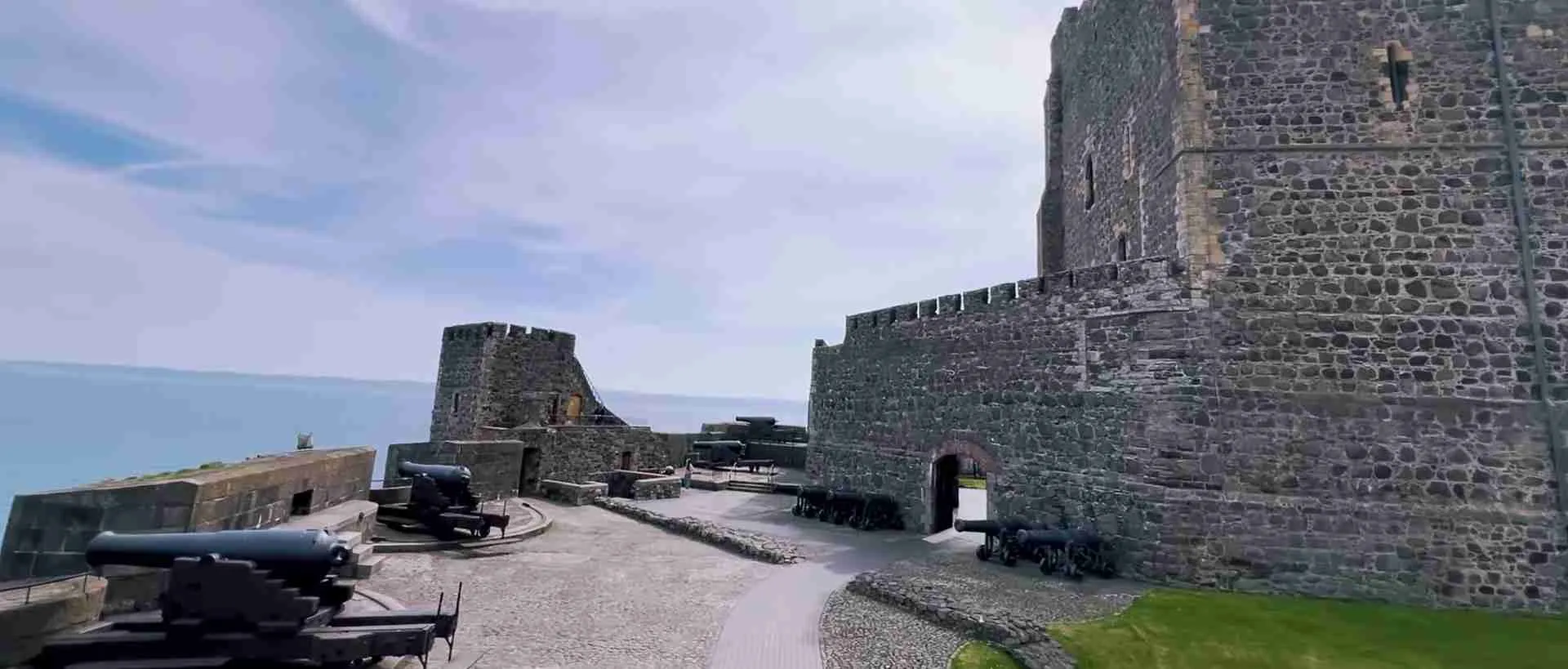
Carrickfergus Castle occupies strategic position on Belfast Lough shoreline 11 miles north of Belfast, representing one of Ireland’s best-preserved Norman fortifications dating to 1177. The castle admission costs £5.50 ($7) adult including self-guided exploration through keep, towers, and defensive positions, with interpretive panels explaining 800-year military history spanning Norman conquest through World Wars when castle served ammunition storage. Combined visits pair the castle with nearby Carrickfergus town center maintaining traditional market square, harbor area with marina and waterfront cafes, and moderate selection of shops and restaurants without major tourist development.
North Down coastal route extends from Belfast through Holywood, Bangor, and smaller seaside towns offering Victorian seafront promenades, fish and chip shops, and beach walking. These destinations suit travelers seeking low-key alternatives to intensive Belfast sightseeing or Giant’s Causeway coach tour commitments, accessible via frequent train services from Belfast’s Lanyon Place station costing £7-12 ($9-15) return. Full day trips visiting multiple coastal towns work best with car rental providing freedom to explore at personal pace, though train connections limit flexibility and require returning along same route versus circular touring patterns.
Packing and Preparation Checklist Belfast 2026
Essential Items for Belfast Visit
Waterproof outerwear ranks as single most important Belfast packing item due to frequent rainfall occurring regardless of season or forecast. Quality rain jacket with hood provides protection for walking between attractions, while compact umbrella fits in daypack for sudden showers common in oceanic climate. Layered clothing approach works better than heavy single coats, allowing temperature adjustment as weather fluctuates between cool morning starts and milder afternoon temperatures, with typical outfit including base layer, mid-layer fleece or sweater, and waterproof outer shell removable as needed.
Comfortable walking shoes with water-resistant treatment handle Belfast’s extensive walking distances and wet pavement conditions better than fashion-focused footwear, with 5-8 kilometers daily walking typical for standard tourist circuits. Daypack capacity for 20-25 liters accommodates water bottles, extra layers, purchased items from markets and shops, and camera equipment without excessive bulk, while allowing compliance with attraction bag size policies at Titanic Belfast and other venues implementing security screening. Power adapters for UK Type G sockets with three rectangular pins differ from European and North American standards, requiring adapter purchase before departure or at Belfast airport shops.
Documents and Financial Preparation
Passport validity and visa requirements vary by citizenship, with UK welcoming visitors from most developed nations for tourism stays under 6 months without visa applications, though Brexit eliminated automatic EU citizen entry rights requiring passport presentation rather than ID cards. Travel insurance documents including policy numbers and emergency contact information should be photographed and stored both physically and in cloud storage accessible if physical documents lost or stolen. Hotel confirmation emails, Titanic Belfast booking references, and black taxi tour reservations merit printing or offline storage in phone for presentation without requiring mobile data access.
Credit cards notifying banks of travel dates prevents fraud detection systems blocking legitimate Belfast purchases, while carrying two different payment cards provides backup if one experiences issues or theft. Small amounts of pounds sterling cash £50-100 ($65-130) cover situations where card payment unavailable including some market stalls, tips for taxi drivers, and emergencies when card systems malfunction, though contactless payment dominance means large cash quantities unnecessary and create theft risk without benefit. Emergency contact information for card issuers and travel insurance companies organized in accessible format enables quick response if cards lost or medical situations arise.
Technology and Communication
Mobile phones from international visitors typically work in Belfast through roaming agreements, though data charges vary significantly by home carrier and plan, with some networks including UK coverage while others impose expensive per-megabyte fees. Purchasing UK SIM card from mobile shops near Belfast airports provides local data and calls at £10-20 ($13-26) for week-long passes with adequate data allowances, though requires unlocked phone and willingness to temporarily lose primary phone number. WiFi availability throughout Belfast hotels, cafes, restaurants, and many attractions allows message communication and navigation through offline map downloads when avoiding roaming data charges.
Photography equipment choices depend on personal priorities between image quality and carrying convenience, with smartphone cameras sufficient for casual documentation while dedicated cameras deliver superior quality for those prioritizing photography. Portable battery packs prevent phone depletion during long sightseeing days relying on maps, camera, and communication, with 10,000-20,000 mAh capacities providing multiple phone recharges. Belfast presents exceptional photography opportunities including Titanic Belfast’s angular architecture, political murals throughout West Belfast, St George’s Market atmosphere, and city hall classical facades, making camera preparation worthwhile for those valuing visual trip documentation.
Frequently Asked Questions About Belfast 3-Day Visits 2026
How many days do you need in Belfast?
Three days provides comprehensive Belfast exploration covering major attractions including Titanic Belfast, black taxi political tour, Ulster Museum, St George’s Market, and evening experiences in Cathedral Quarter and traditional pubs, while allowing pace that prevents exhaustion. Two-day visits work for travelers prioritizing efficiency over depth, focusing on Titanic Belfast, political murals tour, and one evening cultural experience, though sacrificing Ulster Museum, Botanic Gardens, leisurely market browsing, and flexibility for weather-dependent adjustments. Four or five days suit those wanting Giant’s Causeway day trip, Derry-Londonderry excursion, or deeper neighborhood exploration without rushing, particularly valuable for photography enthusiasts, history buffs interested in extended Troubles-era research, or visitors preferring relaxed daily schedules over intensive touring.
Is Belfast more expensive than Dublin?
Belfast costs 20-30% less than Dublin across accommodation, dining, and attractions, making Northern Irish capital significantly better value for budget-conscious travelers. Mid-range Belfast hotels run £90-155 ($115-200) nightly compared to Dublin’s €120-200 ($130-215), while restaurant mains cost £15-25 ($20-32) in Belfast versus €18-35 ($20-38) in Dublin for comparable quality. Attractions show similar disparities with Titanic Belfast at £25 ($32) versus Guinness Storehouse €26 ($28), though percentages vary by specific comparisons. Alcohol prices remain higher in Ireland generally compared to UK averages due to taxation differences, though Belfast pub pints at £6-8 ($8-10) still undercut Dublin’s €6-8 ($7-9) marginally. Overall three-day Belfast visit costs £450-705 ($585-915) for mid-range comfort compared to Dublin’s typical €550-850 ($600-920), with Belfast providing better value particularly in accommodation category.
Do I need a car to visit Belfast?
Cars remain unnecessary for Belfast city exploration due to compact downtown geography, comprehensive public transport, and parking challenges in city center where pay-and-display meters charge £1-2 ($1-3) per hour and multi-story car parks cost £10-20 ($13-26) daily. Walking handles most attraction-to-attraction movement, Metro and Glider buses cover outer destinations like Titanic Quarter and West Belfast for £4 ($5) daily cap, and black taxi tours provide guided transport to political murals without personal navigation requirements. Car rental becomes valuable only for self-driven day trips to Giant’s Causeway, Antrim Coast, or multiple small towns requiring flexible timing unavailable through coach tours, with rental costs £35-60 ($45-80) daily plus fuel £15-25 ($20-32) making economic sense for groups of 3-4 passengers splitting costs but poor value for solo travelers or couples better served by coach tours at £35-50 ($45-65) per person.
What should I wear in Belfast?
Layered clothing with waterproof outer shell provides optimal Belfast wardrobe handling variable weather patterns and frequent rain showers. Typical outfits combine moisture-wicking base layer or t-shirt, fleece or sweater mid-layer, and packable rain jacket removable when temperatures rise or rain pauses, with jeans or casual trousers suitable for all activities except upscale restaurant dining requiring smarter dress. Comfortable water-resistant walking shoes prove essential for 5-8 kilometers daily pavement navigation, with spare pair allowing rotation if primary shoes become soaked from unexpected puddles or prolonged rain. Summer visits still require long sleeves and layers for cool mornings and evenings despite occasional warm afternoon peaks, while winter necessitates warm coat, gloves, and hat for temperatures dropping to 5°C (41°F) combined with wind chill from coastal Atlantic exposure.
Is Belfast safe for tourists?
Belfast operates as safe city for tourists with violent crime rates comparable to other UK cities and tourist areas well-policed making daytime exploration and evening entertainment districts generally secure for aware travelers. Petty theft including pickpocketing occurs primarily in crowded settings like St George’s Market and busy pubs, requiring standard urban precautions of securing valuables and avoiding distracted phone use, though theft rates lower than major European capitals like Barcelona or Rome. Sectarian tensions occasionally surface during Orange Order marching season in July or politically sensitive anniversaries, though violence when occurring targets local communities rather than tourists, with increased police presence maintaining order during volatile periods. Solo travelers including women report positive safety experiences using same awareness applied in any city, avoiding isolated areas after dark and moderating alcohol consumption in unfamiliar environments, while black taxi political tours visit historically violent neighborhoods now operating peacefully with tour operators maintaining community relationships preventing conflicts.
What’s the best area to stay in Belfast?
City center around Donegall Square positions visitors within walking distance of most attractions, restaurants, and nightlife, commanding premium prices £90-180 ($115-235) nightly for mid-range hotels but maximizing convenience and minimizing transport costs. Cathedral Quarter offers trendy atmosphere, arts scene proximity, and excellent evening entertainment options at similar pricing to general city center, appealing to younger travelers and those prioritizing nightlife over morning peace. Queens Quarter near university delivers slightly lower accommodation rates £75-145 ($100-190) with residential neighborhood character, excellent restaurant selection along Botanic Avenue, and immediate access to Ulster Museum and Botanic Gardens, though requiring 15-20 minute walk or short bus ride to City Hall and central attractions. Titanic Quarter hotels provide modern facilities and maritime theme immersion at £100-195 ($130-255), positioned perfectly for early morning Titanic Belfast visits but requiring Glider bus for city center dining and evening activities, making area best suited for car-driving visitors or those prioritizing hotel amenities over central location.
When is St George’s Market open?
St George’s Market operates Friday 8am-2pm as Variety Market mixing food with antiques and general merchandise, Saturday 9am-3pm as City Food & Craft Market emphasizing local producers and street food, and Sunday 10am-3pm combining food, crafts, and live music performances. The market remains closed Monday through Thursday, requiring visit timing coordination for those wanting authentic market experience as part of Belfast itinerary. Friday morning arrival catches fewer crowds than Saturday peak times while still accessing full vendor range, Saturday offers maximum food diversity and liveliest atmosphere attracting both tourists and Belfast residents, and Sunday combines market browsing with live acoustic music performances creating relaxed weekend vibe. Early arrival between 9-10am on operating days avoids late-morning crowds while ensuring vendors fully stocked with fresh produce and prepared foods, though arriving after 1pm risks popular items selling out and vendors beginning pack-down procedures.
Can you do Giant’s Causeway as a day trip from Belfast?
Giant’s Causeway day trips from Belfast operate successfully through organized coach tours departing 8:30-9am and returning 5:30-6pm, covering 120-mile round-trip journey in 9-10 hour excursion including multiple stops at coastal attractions. Coach tours cost £35-50 ($45-65) per person plus admission fees for Giant’s Causeway visitor center £15 ($19), Carrick-a-Rede Rope Bridge £12 ($15), and optional Bushmills Distillery £10 ($13), totaling £60-90 ($80-115) per person for complete day. Private car tours accommodate 1-4 passengers at £400-450 ($520-585) total providing schedule flexibility and avoiding group dynamics, economical for groups of three or four splitting costs but expensive for couples. Self-driving with rental car allows maximum flexibility setting own timing and choosing which stops to prioritize versus fixed coach tour itineraries, though requiring comfortable driving on left-side roads and navigating narrow rural lanes along coastal route. The day trip investment consumes significant time making most sense for visitors with four or more Belfast days or those prioritizing natural landscapes over urban cultural experiences, while three-day Belfast visits must choose between Causeway excursion and comprehensive city exploration.
What currency is used in Belfast?
British pounds sterling functions as official Belfast currency with Northern Ireland technically operating within United Kingdom monetary system despite occupying island of Ireland. Northern Irish banks issue their own pound sterling notes featuring different designs than Bank of England notes, though both types hold identical value and circulate interchangeably throughout United Kingdom. Euro acceptance occurs at some tourist businesses near border with Republic of Ireland, though exchange rates substantially disadvantage euro payers making pound sterling strongly preferred for all transactions. ATMs throughout Belfast dispense pounds sterling with £2-3 ($3-4) typical withdrawal fees for international cards, while credit and debit cards function universally at hotels, restaurants, attractions, and shops using standard Visa or Mastercard networks. Contactless payment cards work on Metro buses and Glider services without requiring pound sterling cash, automatically applying £4 ($5) daily cap after second journey regardless of number of additional trips taken.
How much should I budget per day in Belfast?
Daily Belfast budgets range £85-120 ($110-155) per person for budget travelers, £150-235 ($195-305) for mid-range comfort, and £295-430 ($385-560) for luxury experiences, all assuming two people sharing hotel accommodation with room costs divided by two before adding per-person meal, transport, and attraction expenses. Budget travelers stay in hostels or budget hotels at £30-38 ($40-50) per person sharing, eat casual restaurant meals and pub food spending £38-55 ($50-70) daily, use Metro day passes exclusively at £4 ($5), and balance free attractions like Ulster Museum and St George’s Market with one paid experience daily averaging £15-25 ($20-32). Mid-range visitors choose 3-4 star hotels at £45-78 ($60-100) per person sharing double rooms, dine at restaurant mains £20-35 ($26-45) plus occasional upscale meals, mix Metro with taxis spending £8-15 ($10-20) transport daily, and include paid tours like black taxi political experiences at £30-40 ($40-50) per person. Luxury travelers select 5-star properties at £100-130 ($130-170) per person sharing, experience fine dining £50-90+ ($65-115+) per meal, use taxis and private guides £25-40 ($32-52) daily, and book premium tours and exclusive access experiences.
Final Recommendations for Belfast 3-Day Visit 2026
Belfast rewards first-time visitors who approach the city with openness to recent history’s complexities, appreciation for industrial heritage transformation, and willingness to engage with narratives both institutional and personal. The three-day itinerary structure provided balances major attractions requiring advance planning with spontaneous discoveries, paid experiences with free cultural offerings, intensive historical learning with relaxed market browsing and pub evenings. Flexibility remains valuable as weather influences outdoor activities, personal energy levels vary across travel days, and unexpected discoveries may merit schedule adjustments abandoning predetermined plans.
Budget planning using pre-calculated tier costs provides realistic expectations, though individual spending patterns deviate based on dining preferences, accommodation standards, and attraction selection. The £85-120 ($110-155) budget range proves achievable through hostel accommodation, casual dining, public transport exclusive use, and strategic free attraction focus, while £150-235 ($195-305) mid-range budget delivers comfortable hotels, quality restaurants, and comprehensive paid attraction access without luxury excess. Visitors consistently reporting best Belfast experiences emphasize black taxi political tours as most impactful activity, Titanic Belfast as essential despite tourist crowds, St George’s Market as authentic local experience, and traditional pubs with live music as memorable evening entertainment.
Advance booking requirements remain minimal outside peak summer weeks, with Titanic Belfast tickets purchased 1-2 weeks ahead securing preferred times, black taxi tours arranged few days prior, and accommodation reserved 2-4 weeks advance for competitive rates. Last-minute Belfast visits work successfully during shoulder seasons and winter when availability abundant, though summer July-August requires earlier planning preventing disappointment. The city’s compact scale, friendly population, and comprehensive cultural offerings make Belfast excellent first-time visitor destination combining educational depth with entertainment variety across three well-planned days.