Bath Travel Guide 2026: Ultimate Visitor’s Guide to England’s UNESCO City
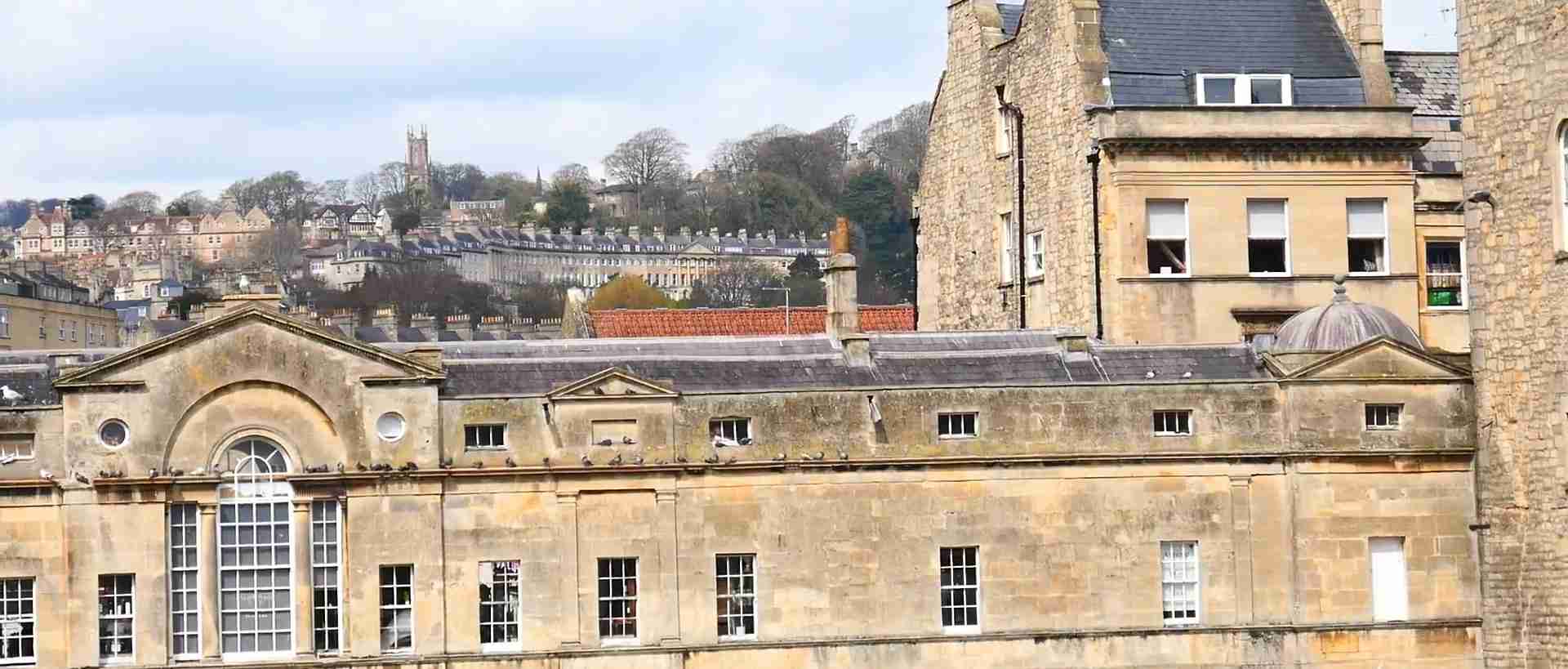
Bath stands as Britain’s only entire city designated UNESCO World Heritage Site, where honey-colored Georgian crescents cascade down hillsides above Roman-built thermal baths that have flowed continuously for two millennia. This elegant Somerset city combines architectural magnificence with accessible charm, offering visitors everything from ancient archaeology to contemporary thermal spa experiences within compact, walkable streets that reveal new Georgian masterpieces at every turn.
Key Takeaways for Bath 2026
- Dual UNESCO Recognition: Bath received its original World Heritage designation in 1987 and a second inscription in 2021 as part of the Great Spa Towns of Europe, making it one of only 22 double-inscribed sites worldwide and one of only two entire cities with UNESCO status alongside Venice.
- Daily Budget Planning 2026: Budget travelers need £64-96 per person daily (two sharing hostel or budget hotel), mid-range visitors spend £140-200 per person daily (two sharing mid-range hotel), and luxury experiences require £260-410 per person daily (two sharing luxury accommodation).
- Peak Season Pricing 2026: Accommodation costs increase 40-60% during summer months (June-August) and special events including the Jane Austen Festival in September, making spring (April-May) and autumn (September-October) the sweet spot for value without sacrificing weather.
- Advance Booking Savings 2026: Roman Baths tickets cost £20 when booked online versus £22 at the door, and booking accommodation 8-12 weeks ahead typically saves 25-35% compared to last-minute rates during high season.
- Compact City Advantage: Bath’s entire historic center spans less than one square mile, making virtually all major attractions accessible on foot within 15-20 minutes, eliminating transportation costs for sightseeing and allowing thorough exploration in 2-4 days.
- Free Heritage Access 2026: Over 20 significant attractions require no admission including Bath Abbey exterior, Royal Crescent lawn, Pulteney Bridge walkways, Victoria Art Gallery on Wednesdays 15:00-17:00, Parade Gardens in winter, and twice-daily free walking tours with the Mayor’s Honorary Guides.
People Also Ask About Bath 2026
How Much Does a Trip to Bath Cost Per Day in 2026?
Daily costs in Bath range £64-410 per person depending on travel style, assuming two people sharing accommodation. Budget travelers spending £64-96 per person daily stay in hostels or budget hotels (£33-40 per person for shared room), eat at pubs and cafes (£25-38 daily for three meals), use public buses (£6-8), and prioritize free attractions with occasional paid entry (£0-10). Mid-range visitors allocating £140-200 per person daily book comfortable hotels (£70-90 per person sharing), dine at mid-range restaurants (£38-58 daily), combine walking with buses and occasional taxis (£12-17), and visit major paid attractions (£20-35 daily). Luxury travelers investing £260-410 per person daily select boutique or spa hotels (£110-160 per person sharing), enjoy upscale dining (£85-137 daily), use taxis or private transfers (£15-30), and experience premium tours and spa treatments (£50-80 daily).
What Are the Must-See Attractions in Bath in 2026?
Bath’s essential attractions begin with the Roman Baths (£20 admission, advance booking recommended), Britain’s finest Roman remains featuring the Sacred Spring, Great Bath, and museum containing over 3,000 artifacts from Aquae Sulis. The Royal Crescent represents Georgian architecture at its pinnacle, a sweeping curve of 30 townhouses designed by John Wood the Younger and completed in 1774, with No. 1 Royal Crescent museum offering interior tours (£11 adults). Bath Abbey stands as the city’s Gothic masterpiece, featuring the West Front’s ladder of angels climbing to heaven and offering tower tours (£8) with panoramic city views. Pulteney Bridge, one of only four bridges worldwide lined with shops, spans the River Avon in Palladian style completed in 1774. Thermae Bath Spa (sessions from £40) provides the only opportunity in Britain to bathe in naturally heated thermal waters, with the rooftop pool offering views across Georgian rooftops toward surrounding hills.
When Is the Best Time to Visit Bath in 2026?
Late spring (April-May) and early autumn (September-October) offer optimal conditions for visiting Bath in 2026, balancing favorable weather, manageable crowds, and reasonable accommodation prices. April through May brings temperatures averaging 12-16°C, blooming gardens throughout the city’s parks and crescents, and hotel rates 25-40% below summer peaks. September delivers similar advantages with slightly warmer temperatures (14-18°C), the added attraction of the Jane Austen Festival mid-month, and autumn colors beginning to appear in surrounding countryside. Summer months (June-August) provide longest daylight hours and warmest weather (18-22°C average) but command premium accommodation rates and attract peak visitor numbers requiring advance booking 10-12 weeks ahead. Winter (November-March) sees hotel prices drop 40-50% from summer levels, Christmas markets adding festive atmosphere in December, and fewer crowds at major attractions, though shorter daylight hours (8-9 hours) and cooler temperatures (4-8°C) limit outdoor enjoyment.
How Many Days Should I Spend in Bath in 2026?
Two to three days provides sufficient time to experience Bath’s major attractions thoroughly without rushing, allowing proper appreciation of the city’s layered history from Roman foundations through Georgian golden age to contemporary cultural scene. A focused two-day itinerary covers the Roman Baths (2-3 hours), Bath Abbey (1 hour), Royal Crescent and The Circus walk (1 hour), Jane Austen Centre (1 hour), Pulteney Bridge and Parade Gardens (30 minutes), plus evening dining and optional Thermae Bath Spa session. Three days permits deeper exploration including museums (Fashion Museum, Holburne Museum, Victoria Art Gallery), guided walking tours revealing hidden architectural details, leisurely afternoon tea experiences, day trips to nearby attractions (Stonehenge 45 minutes, Cotswolds villages 30-45 minutes), and time to simply absorb the Georgian atmosphere without rigid scheduling. Four days suits those combining Bath with regional exploration, incorporating Lacock village (30 minutes), Castle Combe (35 minutes), Wells Cathedral (45 minutes), or extended countryside walks in the surrounding Areas of Outstanding Natural Beauty.
Extended multi-day tours – 5+ days
Featured Bath Multi-Day Tour Packages
3 days
Bath 3-Day Discovery Tour
- ✓ Comprehensive Bath experience
- ✓ Expert local guides included
- ✓ All accommodation included
- ✓ Transportation provided
5 days
Bath 5-Day Highlights Experience
- ✓ Comprehensive Bath experience
- ✓ Expert local guides included
- ✓ All accommodation included
- ✓ Transportation provided
7 days
Bath 7-Day Cultural Journey
- ✓ Comprehensive Bath experience
- ✓ Expert local guides included
- ✓ All accommodation included
- ✓ Transportation provided
10 days
Bath 10-Day Complete Adventure
- ✓ Comprehensive Bath experience
- ✓ Expert local guides included
- ✓ All accommodation included
- ✓ Transportation provided
Multi-day tour packages powered by TourRadar. Prices and availability subject to change.
Introduction to Bath 2026
Bath rises from the valley of the River Avon in layers of honey-colored limestone, each stratum representing a distinct epoch in British history yet forming a harmonious whole that earned the entire city UNESCO World Heritage recognition in 1987. This Somerset city of 95,000 residents welcomes approximately 4.4 million visitors annually who come to walk streets where Romans built Britain’s most sophisticated bathing complex, where Georgian society transformed spa-taking into high art, and where Jane Austen set two of her most beloved novels amid the social intricacies of Regency life. Unlike heritage sites frozen in a single historical moment, Bath functions as a vibrant contemporary city where residents live in Grade I listed townhouses, students attend universities housed in Georgian buildings, and restaurants serve modern cuisine in medieval cellars beneath streets that follow Roman street patterns.
The city’s geography shaped its destiny from the beginning. Natural hot springs rising at 46°C delivered 240,000 gallons of mineral-rich water daily to the surface, creating the only thermal springs in Britain and drawing human settlement for at least 10,000 years. When Romans arrived around 60 CE, they recognized the springs’ potential and constructed an elaborate temple-bath complex dedicated to Sulis Minerva, a fusion deity combining Celtic Sulis with Roman Minerva. The complex they built over three centuries became Aquae Sulis, a thriving Roman spa town whose baths remained the finest religious and bathing establishment in Roman Britain. After Roman withdrawal in 410 CE, the baths fell into disrepair, their sophisticated engineering forgotten as medieval Bath grew around the ruins, building a great Abbey church that dominated the city’s skyline and economy.
Bath’s transformation into the Georgian masterpiece visitors encounter today occurred during the 18th century through the vision and ambition of three men: Ralph Allen, the postal reformer who owned the stone quarries and demonstrated Bath stone’s architectural potential through his own Prior Park estate; Richard “Beau” Nash, the self-appointed Master of Ceremonies who codified social behavior and made Bath Britain’s most fashionable resort; and John Wood the Elder and his son John Wood the Younger, the architects who conceived Bath’s grand urban plan of integrated circuses, crescents, and squares. Between 1720 and 1800, they and their successors created a new city that wrapped hills and valleys in uniform honey-colored facades organized in sweeping geometric forms that honored classical principles while adapting to Bath’s challenging topography.
The result stands as Europe’s finest example of Georgian urban planning, where monumental architecture serves residential purposes, where private terraces form public statements, and where individual buildings subordinate themselves to ensemble effects. The Royal Crescent’s 30 houses present a unified Ionic colonnade 500 feet long, yet each interior differs according to its owner’s requirements and wealth. The Circus creates a circular composition of 33 houses arranged around a central open space, John Wood the Elder’s final masterpiece completed after his death by his son. Pulteney Bridge spans the Avon in Palladian style, one of only four bridges in the world lined with shops, connecting the historic core with the Bathwick estate’s neo-classical streets and crescents. These and hundreds of other buildings work together to create urban spaces of exceptional beauty and coherence, harmonizing architecture with the surrounding hillsides and river valley.
Bath’s second UNESCO inscription came in 2021 when the city joined ten other European spa towns as part of the transnational Great Spa Towns of Europe World Heritage Site. This recognition acknowledges Bath’s role in developing spa culture across Europe, where taking the waters combined medical treatment, social display, cultural entertainment, and fashionable leisure in purpose-built urban settings. Bath pioneered many elements that other spa towns would adopt: the integration of bathing establishments with assembly rooms, theaters, and promenades; the development of a social season with prescribed rituals and entertainments; the architectural expression of spa culture through monumental public buildings and elegant residential quarters; and the cultivation of a distinctive spa town atmosphere balancing health, pleasure, and social advancement.
Planning a visit to Bath in 2026 requires understanding how this layered history translates into practical travel experiences. The city’s compact size works entirely in visitors’ favor, with the entire UNESCO World Heritage Site measuring less than one square mile and containing all major attractions within easy walking distance. A visitor can breakfast in a Georgian townhouse hotel, tour Roman remains two millennia old, admire medieval fan vaulting in the Abbey, lunch in a Regency tearoom, browse contemporary art galleries, and bathe in the same thermal waters Romans enjoyed, all without traveling more than half a mile. This density of experience compressed into walkable urban fabric makes Bath exceptionally efficient for tourism, allowing thorough exploration in 2-4 days while offering sufficient depth and variety to reward longer stays or repeat visits.
Understanding Bath’s UNESCO World Heritage Status 2026
Bath holds exceptional distinction among UNESCO World Heritage Sites as one of only two entire cities recognized in their totality for Outstanding Universal Value, the other being Venice which received its inscription in the same year, 1987. While many World Heritage Sites protect specific monuments, archaeological zones, or historic districts within larger urban areas, Bath’s inscription encompasses the complete historic city including over 5,000 buildings designated as heritage structures at various protection levels. This comprehensive recognition acknowledges not merely individual architectural masterpieces but the entire urban ensemble and how buildings, streets, spaces, and landscape setting combine to create a uniquely coherent and beautiful city.
The 1987 inscription identified six attributes of Outstanding Universal Value that collectively justify Bath’s World Heritage status. The Roman remains centered on the thermal springs include the Temple of Sulis Minerva and the bathing complex recognized as among the most important Roman archaeological sites north of the Alps, marking the beginning of Bath’s continuous identity as a spa destination across two millennia. The hot springs themselves, Britain’s only natural thermal waters producing 240,000 gallons daily at 46°C, represent a natural phenomenon of exceptional significance that determined the city’s character and development. Bath’s eighteenth-century architecture represents neoclassical design at its finest, with monumental terraces, crescents, and squares demonstrating how Georgian architects adapted classical principles to create a uniquely British urban aesthetic.
The city’s Georgian town planning shows exceptional skill in integrating architecture with challenging topography, creating deliberate visual relationships between buildings and landscape that remain internationally influential. Bath’s social setting during the 18th century transformed it into Europe’s premier spa resort, developing social rituals, entertainment forms, and behavioral codes that spread throughout Britain and continental Europe. Finally, the landscape setting of seven hills surrounding the Avon valley creates a natural bowl that frames the city’s architecture while providing views across Georgian rooftops toward countryside designated Areas of Outstanding Natural Beauty.
Bath’s second UNESCO inscription arrived in July 2021 when the city joined the Great Spa Towns of Europe transnational World Heritage Site alongside Baden bei Wien (Austria), Spa (Belgium), Franzensbad, Karlsbad, and Marienbad (Czech Republic), Vichy (France), Bad Ems, Baden-Baden, and Bad Kissingen (Germany), Montecatini Terme (Italy), and City of Bath (United Kingdom). This inscription recognizes the phenomenon of European spa towns that developed around natural mineral springs, creating distinctive urban forms dedicated to health, leisure, and social interaction. Bath contributed essential elements to this spa town model including the integration of bathing facilities with assembly rooms and pleasure gardens, the development of a seasonal social calendar attracting fashionable society, and architectural expression of spa culture through monumentality and elegance.
For visitors in 2026, Bath’s UNESCO status carries practical implications beyond prestige. The designation requires careful management balancing preservation with sustainable tourism and contemporary urban development. The World Heritage Site Advisory Board oversees implementation of management plans ensuring that new development respects the city’s character, that tourism growth remains sustainable, that conservation standards maintain building fabric, and that residents’ quality of life coexists with visitor pressure. Recent management priorities focus on reducing traffic impacts through improved public transport and Park & Ride facilities, managing visitor flows to prevent overcrowding at peak times and locations, maintaining traditional building materials and techniques in conservation work, and ensuring that new development enhances rather than detracts from World Heritage values.
The Bath World Heritage Centre offers free admission and provides context for understanding the city’s significance through interactive exhibits explaining the six Outstanding Universal Value attributes, displays showing how Bath evolved from Roman spa through medieval borough to Georgian resort and modern city, information about conservation challenges and management strategies, and resources for deeper exploration of specific aspects of Bath’s heritage. Located in the city center, the Centre serves as an excellent first stop for visitors wanting to understand what makes Bath special before exploring the streets, buildings, and spaces that earned UNESCO recognition.
Getting to Bath in 2026
Bath’s position in southwest England provides excellent transport connections from London, Bristol, Cardiff, and other British cities, with journey times that make day visits feasible though overnight stays better suit the city’s appeal. Bath Spa railway station occupies a central location just south of the historic core, placing visitors within a 10-minute walk of major attractions and eliminating need for additional transfers or orientation challenges upon arrival. The station building itself merits attention as a Grade II* listed structure completed in 1840 as a rare example of Jacobethan railway architecture, its turrets and castellations reflecting Bath’s architectural ambitions even in utilitarian structures.
Train services from London Paddington reach Bath in 90 minutes on direct Great Western Railway services departing approximately every 30 minutes throughout the day, with off-peak return fares from £45 when booked in advance and peak returns from £90-120 depending on flexibility and booking timing. Advance purchase tickets offer best value for flexible travel dates, with the lowest fares released 12 weeks before travel and typically selling out 4-8 weeks ahead during summer months and holiday periods. Railcard discounts provide 33% savings for eligible travelers including 16-25 Railcard, Senior Railcard (60+), Two Together Railcard (traveling as couple), and Family & Friends Railcard, with each card costing £30 annually and paying for itself within 2-3 return journeys to Bath from London.
Bristol Airport serves as Bath’s nearest commercial airport despite the somewhat confusing name, located 20 miles (32 km) west of Bath with regular bus connections operated by Bristol Airport Flyer service A4. Buses depart every 30-60 minutes depending on time of day, completing the journey in 60-75 minutes for £12 single or £20 return when booked online (£15 single, £25 return when purchased from driver). The airport receives flights from European destinations, Mediterranean resorts, and domestic UK cities, though international visitors from North America, Asia, or Oceania typically connect through London Heathrow (100 miles east), London Gatwick (120 miles southeast), or other major hubs before continuing to Bath by train.
Driving to Bath requires navigating the M4 motorway corridor serving London-Bristol traffic, with Junction 18 providing direct access via A46 road through 8 miles of countryside to Bath’s outskirts. While driving offers flexibility for exploring surrounding areas including Cotswolds villages, Stonehenge, or Somerset countryside, parking within Bath’s historic center presents significant challenges and costs. The city operates a Clean Air Zone charging non-compliant vehicles (older diesel and petrol cars, though private cars are currently exempt), and most central car parks charge £2-3 per hour with limited availability during peak periods. Bath’s comprehensive Park & Ride system offers more practical solutions for drivers, with three sites (Lansdown, Newbridge, Odd Down) providing frequent bus services to the city center every 10-15 minutes for £4 return per person including parking, operating until 23:30 Monday-Saturday and until 18:00 Sundays.
National Express coaches provide budget alternatives to trains, connecting Bath with London Victoria (3 hours 15 minutes, from £12 advance purchase single), Bristol (30 minutes, from £4), Cardiff (1 hour 45 minutes, from £8), and other cities throughout Britain. Coaches depart from and arrive at Bath Bus Station in the city center, offering convenience though with longer journey times and less flexibility than trains. Megabus operates competing coach services on some routes with even lower fares (London from £5) though with more limited schedules and sometimes requiring advance online booking.
Regional bus services connect Bath with surrounding towns and villages, particularly useful for exploring areas not served by trains. First Bus operates extensive networks to Bristol (every 10-15 minutes, 60 minutes journey time, £5 single), Wells (hourly, 60 minutes, £6 single), Bradford-on-Avon (every 30 minutes, 25 minutes, £4 single), and numerous Cotswolds villages. Day Rider tickets (£7 adults) permit unlimited travel within defined zones, offering good value for those planning multiple journeys or wishing to explore flexibly without purchasing individual tickets.
Accommodation in Bath 2026
Bath’s accommodation landscape reflects the city’s dual character as heritage destination and contemporary urban center, offering everything from luxury hotels in converted Georgian townhouses to modern chain properties, boutique guesthouses in listed buildings, and budget hostels for backpackers. The city’s compact size means that location matters less than in sprawling cities, with even properties on Bath’s outer edges rarely more than 20-25 minutes walk from the Roman Baths and central attractions. However, staying within the World Heritage Site boundary adds atmospheric value, allowing guests to experience Georgian streets without traffic, appreciate evening and early morning light on honey-colored facades, and minimize walking after dinner or cultural performances.
Luxury accommodations command £220-350 per room nightly during mid-season, rising to £280-450 during peak summer months and special events. The Royal Crescent Hotel & Spa occupies two interconnected Grade I listed townhouses within Bath’s most iconic architectural composition, offering 45 rooms and suites combining period features with contemporary comfort, a destination spa featuring treatment rooms and relaxation areas, Michelin-quality dining at the Dower House restaurant, and exclusive access to a private garden behind the Crescent. Rooms start from £295 midweek, £395 weekends. The Gainsborough Bath Spa represents Bath’s only hotel with direct access to the city’s thermal waters, with spa facilities including three thermal pools fed by the same springs that supply the Roman Baths, steam rooms, and treatment suites, plus 99 rooms and suites in a restored Grade II listed building near the Baths. Rooms from £275 midweek, £350+ weekends.
No. 15 Great Pulteney brings contemporary boutique style to a Georgian townhouse near Pulteney Bridge, offering 40 rooms across three interconnected Grade I listed buildings, individually designed interiors balancing period architecture with modern comfort, restaurant and bar, basement spa facilities, and views toward the bridge and river. Rooms from £220 midweek, £280 weekends. Queensberry Hotel provides more intimate luxury in a converted Georgian mansion in a quiet residential area, with 29 rooms, The Olive Tree restaurant holding a Michelin star, and understated elegance eschewing formulaic luxury hotel trappings. Rooms from £195 midweek, £245 weekends.
Mid-range hotels priced £120-220 per room nightly offer comfortable, well-located stays without luxury price tags or five-star service levels. Apex City of Bath Hotel brings contemporary four-star standards to a purpose-built property near the Theatre Royal, featuring 178 rooms with modern amenities, indoor pool and fitness center, on-site restaurant and bar, and efficient service appealing to both leisure and business travelers. Rooms from £140 midweek, £180 weekends. Abbey Hotel Bath occupies a Grade II listed building steps from Bath Abbey, combining heritage architecture with modern comfort in 60 individually designed rooms, though upper floors require climbing stairs as the building lacks elevators. Rooms from £135 midweek, £170 weekends.
Francis Hotel Bath manages properties in Queen Square, placing guests in John Wood the Elder’s first major architectural composition surrounded by Grade I listed facades, with 98 rooms varying in size and view quality, traditional decor honoring Georgian heritage, and central location ideal for exploring on foot. Rooms from £125 midweek, £160 weekends. Hilton Bath City occupies a modern building that divides opinion architecturally but delivers reliable international chain standards, indoor pool and spa facilities, restaurants and bars, 172 rooms, and location just outside the historic core reducing rates while maintaining convenient access. Rooms from £110 midweek, £145 weekends.
Budget accommodations priced £65-120 per room nightly balance acceptable comfort with economy, though often requiring compromises on location, room size, or amenities. YMCA Bath provides clean, simple accommodation in a central location near the Guildhall, offering single, twin, and family rooms without en-suite facilities (shared bathrooms along corridors), breakfast included, and institutional atmosphere prioritizing function over style. Rooms from £65 for singles, £80 for twins. Travelodge Bath Central occupies a purpose-built property near the bus station, delivering the chain’s standard compact rooms with en-suite bathrooms, free WiFi, 24-hour reception, and nearby parking, though without character or Georgian charm. Rooms from £70 midweek, £95 weekends.
White Hart Inn brings historic character to budget accommodation in Widcombe village, a 15-minute walk southeast of the city center, offering traditional pub rooms above a working inn, local atmosphere, hearty pub food, and significantly lower rates than central alternatives. Rooms from £85 including breakfast. Premier Inn Bath City Centre provides another reliable chain option just outside the historic core, with standardized rooms, family-friendly policies, on-site restaurant, and advance booking rates often undercutting independent budget hotels. Rooms from £75 midweek, £110 weekends when booked 4-6 weeks ahead.
Hostels serve backpackers and budget-conscious travelers with dormitory beds from £25-40 per night and occasional private rooms from £60-80. St Christopher’s Inn Bath offers typical hostel facilities including mixed and female-only dormitories, shared kitchen and common areas, bar with live music and events, luggage storage, and social atmosphere attracting international backpackers. Beds from £28 in 8-bed dorm, £35 in 4-bed dorm. YHA Bath occupies an Italianate mansion in Bathwick Hill requiring a 20-minute uphill walk from the city center, providing hostel accommodation in a remarkable setting with views across Bath, private rooms and dormitories, self-catering kitchen, dining room, gardens, and traditional Youth Hostel Association atmosphere. Beds from £25 in dormitory, private rooms from £65.
Guesthouses and B&Bs fill gaps between hotels and hostels, typically occupying Victorian or Georgian houses and offering 3-8 rooms with breakfast included, personal service from owner-operators, and rates from £80-150 per room. Edgar Hotel brings boutique styling to a Georgian townhouse near Victoria Park, with 8 individually designed rooms, contemporary interiors respecting period architecture, generous breakfasts, and friendly service. Rooms from £125 including breakfast. Brooks Guesthouse provides excellent value in a Victorian property uphill from the city center, requiring a 15-minute walk but rewarding guests with spacious rooms, substantial breakfasts, free parking, and rates well below equivalent central locations. Rooms from £95 including breakfast and parking.
Seasonal price variation significantly impacts accommodation costs, with rates fluctuating by 40-70% between low and high seasons. Peak season (late June through August, Bath Christmas Market in late November and December, New Year period, Easter weekend, Jane Austen Festival in September) sees highest demand and prices, requiring booking 10-14 weeks ahead for best selection and rates. Shoulder seasons (April-early June, September-October) offer optimal balance of favorable weather, reasonable crowds, and accommodation rates 20-35% below peak. Low season (January-March, early November) delivers lowest rates and best availability, though weather limitations and reduced daylight hours affect outdoor enjoyment. Many properties offer special deals during quieter periods including midweek discounts, extended stay rates, and last-minute availability through booking platforms.
Getting Around Bath in 2026
Walking serves as the primary and most rewarding transport mode within Bath’s compact historic center, with the entire UNESCO World Heritage Site spanning less than one square mile and containing all major attractions within 15-20 minutes on foot from any point to any other. The city’s topography does present challenges, with Bath occupying a valley surrounded by seven hills meaning that many routes involve climbing slopes or navigating staircases, though the effort rewards walkers with spectacular views across Georgian rooftops toward surrounding countryside. Comfortable walking shoes prove essential given both the distances covered (a thorough day’s sightseeing easily accumulates 4-6 miles) and the uneven historic paving, cobblestones in some areas, and steep gradients on routes to higher elevations.
Bath’s public bus network operated primarily by First Bus provides comprehensive coverage for reaching attractions beyond walking distance and connecting accommodation on the city’s periphery with the historic center. Single bus journeys cost £2 when purchased using contactless payment or the First Bus app, with day tickets priced £6.50 allowing unlimited travel within Bath zone. The tap-on, tap-off system using contactless bank cards automatically caps daily charges at the day ticket rate, eliminating need to purchase tickets in advance while ensuring passengers never pay more than the daily maximum regardless of journey frequency. Buses operate approximately every 10-15 minutes on major routes during daytime hours, reducing to every 30-60 minutes during evenings, Sundays, and public holidays.
Key bus routes for visitors include services to Prior Park Landscape Garden (route 2, every 30 minutes, 15 minutes journey time from city center), American Museum & Gardens (route U1 university service, every 20-30 minutes, though primarily serving students), and connections to Bath Spa railway station for those staying in outlying areas. Park & Ride services (routes 21, 41, 42) connect three peripheral sites with the city center, operating every 10-15 minutes Monday-Saturday and every 20 minutes Sundays, providing convenient alternatives to driving into the congested historic core. Return tickets cost £4 per person including parking, making Park & Ride economical for couples or families compared to central parking fees.
Taxis operate from ranks at Bath Spa station, Orange Grove near the Abbey, and other central locations, charging £4 base fare plus approximately £3 per mile. Typical journeys within the city center cost £6-10, rising to £12-18 for trips to outlying neighborhoods or Park & Ride sites. Uber operates in Bath alongside traditional taxi companies, often offering slightly lower fares though availability varies depending on time and location. Pre-booking taxis through local companies guarantees availability during busy periods, particularly important for early morning airport transfers or late evening returns after theater performances or restaurant meals.
Cycling presents limited appeal for exploring Bath’s historic center given narrow streets, heavy traffic on main routes, cobblestones in pedestrianized areas, and challenging gradients. However, the Bath-Bristol cycle path following a disused railway provides excellent car-free cycling through countryside between the two cities, and several designated cycle routes explore surrounding areas including the Kennet & Avon Canal towpath and routes into the Cotswolds. Bike rental from Bath Bike Hire or Bike Hire Direct costs approximately £20-25 per day for standard bikes, £35-45 for electric bikes that assist with Bath’s hills. Several hotels provide bike storage for guests bringing their own bicycles.
Driving within Bath’s historic center proves impractical and unnecessary given compact distances, limited parking, traffic congestion on narrow Georgian streets, pedestrianized zones restricting vehicle access, and the Clean Air Zone charging non-compliant commercial vehicles (private cars currently exempt though this may change). Visitors arriving by car should utilize Park & Ride facilities and leave vehicles parked all day, using frequent bus services to reach the center. Those requiring vehicles for day trips exploring surrounding countryside can rent cars from Bath city center locations (Enterprise, Hertz, Avis) for approximately £45-75 per day depending on vehicle size and booking timing, though collecting from Bristol Airport often provides better rates and selection.
Bath’s Roman Heritage 2026
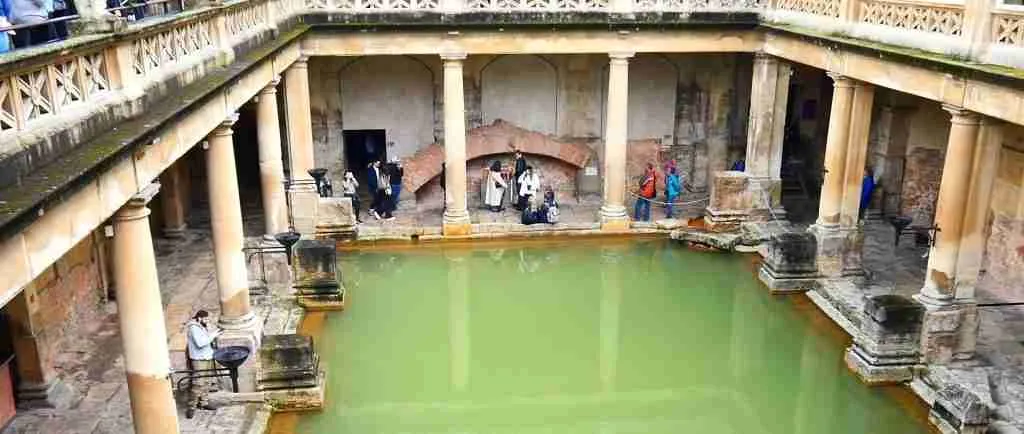
The Roman Baths complex remains Bath’s premier attraction and Britain’s finest preserved Roman religious spa, drawing visitors into a sophisticated temple and bathing establishment constructed over three centuries from approximately 60 CE through 400 CE when Roman legions withdrew from Britain. The site reveals Romans’ remarkable engineering capabilities, their sophisticated religious beliefs blending Celtic and Roman deities, their advanced understanding of water management and temperature control, and their recognition of bathing’s central role in Roman life combining physical cleanliness, social interaction, political networking, and religious devotion. The Baths today present over 3,000 artifacts, original Roman architecture including the hypocaust heating system and lead-lined Great Bath, the Sacred Spring where offerings were thrown to Sulis Minerva, and extensively preserved remains that transport visitors directly into the Roman experience.
Visiting the Roman Baths requires 2-3 hours for thorough exploration including the museum, temple precinct, bathing complex, and newer discoveries incorporated into the visitor route. Reserve tickets cost £20 for adults when booked online at least 24 hours in advance (£22 walk-up rate), with concessions for seniors £18, students £17, children (6-17) £13, and family tickets (2 adults, up to 4 children) £52. Tickets include an excellent audio guide available in 12 languages providing narrative, music, and sound effects that enhance understanding of how the complex functioned, how Romans used the various rooms and pools, and what religious rituals accompanied bathing. Guided tours led by costumed interpreters cost an additional £8 per person, running at scheduled times throughout the day and offering deeper insights into Roman culture, archaeology, and the ongoing research revealing new details about Bath’s Roman period.
The visit begins on the terrace level overlooking the Great Bath, its steam rising from 46°C thermal water still flowing through original Roman pipes and pooling in the lead-lined basin surrounded by Victorian Gothic colonnades added when the Baths were excavated and opened to Victorian tourists in the 1880s. Audio guide commentary explains how the entire complex depended on the thermal spring producing approximately 240,000 gallons daily, how Romans channeled this water through sophisticated plumbing systems serving different pools at various temperatures, and how the Baths functioned as more than mere washing facilities but as social centers where Romans conducted business, arranged marriages, discussed politics, and sought divine favor alongside physical cleansing.
Descending to Roman floor level reveals the Temple Courtyard and Sacred Spring, the spiritual heart of the complex where Celts worshiped the goddess Sulis long before Romans arrived and integrated her with their own Minerva creating the syncretic deity Sulis Minerva. The spring chamber displays thousands of coins, jewelry pieces, and curious curse tablets—lead sheets inscribed with Latin curses asking the goddess to punish thieves or wrongdoers—thrown into the bubbling waters as offerings. These curse tablets provide remarkable insights into daily life concerns (stolen clothing from the changing rooms features prominently), legal disputes, and how ordinary Romans interacted with their deities through transactional relationships: offerings in exchange for divine intervention.
The bathing complex itself demonstrates Roman engineering sophistication through the hypocaust system—an underfloor heating network where hot air from furnaces circulated through raised floors and hollow walls, warming rooms to different temperatures for the traditional bathing sequence. Romans began in the tepidarium (warm room), progressed to the caldarium (hot room) for sweating and scraping with strigils, then plunged into the frigidarium (cold room) before finishing with a massage and oiling. This ritual took hours, serving social and health purposes Romans considered essential to civilized life. The museum displays artifacts recovered from excavations including gilded bronze head of Sulis Minerva (one of Roman Britain’s finest sculptures), temple pediment showing Gorgon’s head with Celtic features, elaborate architectural fragments demonstrating the temple’s former grandeur, and personal objects including bath slippers, gaming pieces, and cosmetic implements that humanize the ancient visitors.
Recent archaeological work continues revealing new aspects of Roman Bath, with sections of the East Baths (discovered in the 1990s) now incorporated into the visitor route, providing additional rooms including an elaborate caldarium with alcoves and decorative features. The ongoing research program uses modern technology including ground-penetrating radar to map structures still buried beneath Bath’s streets, chemical analysis of spring water to understand geological sources, and detailed architectural studies revealing how the complex evolved over three centuries of continuous use and modification. These investigations demonstrate that understanding of Roman Bath remains incomplete, with new discoveries regularly adding detail to knowledge of one of Roman Britain’s most important sites.
The Pump Room adjoins the Roman Baths in a magnificent Georgian building constructed 1790-1795 as the social heart of Bath’s revival as a fashionable resort. Visitors can sample spa water drawn directly from the thermal spring (free for those with Roman Baths tickets), experiencing the distinctive mineral taste containing 43 different minerals that Romans believed held healing properties and 18th-century doctors prescribed for ailments from gout to infertility. Morning coffee or afternoon tea in the Pump Room (reservations recommended) provides elegant refreshment surrounded by Corinthian columns, crystal chandeliers, and often live classical music from the Pump Room Trio, continuing traditions of Georgian sociability in an appropriately grand setting.
Bath Abbey and Medieval Heritage 2026
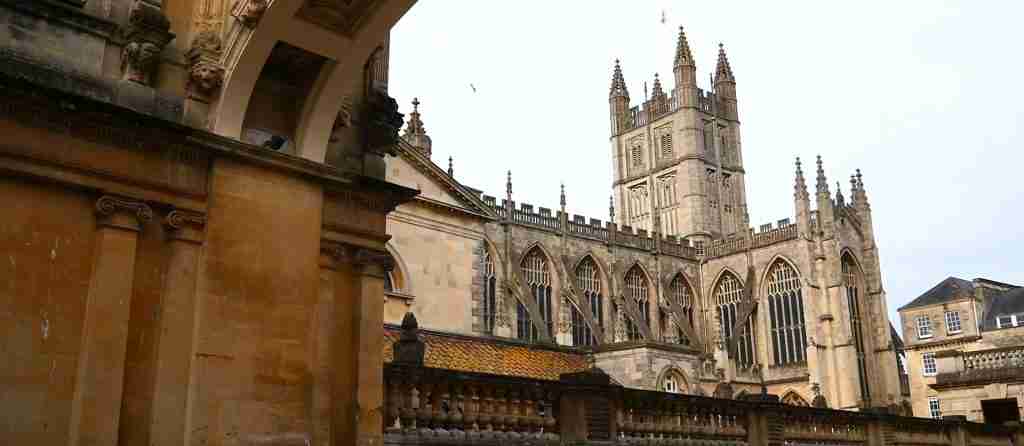
Bath Abbey dominates the city center as a Gothic masterpiece of English Perpendicular architecture, its soaring tower (163 feet), fan vaulted ceilings, and remarkable West Front creating Bath’s most recognizable religious landmark. The current building represents the third major church on this site, following a Saxon abbey founded around 675 CE (where Edgar, first King of England, was crowned in 973 CE) and a Norman cathedral-priory begun 1090 CE. The present Abbey began construction in 1499 under Bishop Oliver King, continued through the Reformation though work ceased leaving the building roofless for decades, resumed in Elizabethan times, and reached completion only in 1611. Victorian restoration in 1860s added the intricate fan vaulting throughout the nave, completing a vision first conceived four centuries earlier.
Visiting Bath Abbey requires no admission charge for general entry, with the church welcoming visitors during daylight hours except during services (though attending services provides free access alongside spiritual dimension). The Abbey requests donations to support ongoing conservation work maintaining medieval fabric, operating the building as an active parish church, and funding extensive outreach and community programs. Guided tower tours cost £8 adults, £6 concessions, £4 children, offering 212-step climbs (no elevator access) rewarded with spectacular 360-degree views across Bath’s Georgian rooftops, detailed looks at Gothic architectural details visible only from the tower, close examination of the Abbey’s intricate stonework, and insights into bell-ringing traditions maintained by the Abbey’s active bell-ringing team.
The Abbey’s West Front presents one of English architecture’s most delightful compositions, with twin towers flanking a central window beneath which angelic sculptures climb ladders ascending toward heaven and descending toward earth, representing Bishop King’s dream that inspired rebuilding the church. The detailed carved stonework includes saints, prophets, angels, and Biblical scenes, though Victorian restoration replaced many weathered originals with new carvings that copy earlier designs while introducing some Victorian innovations. The main entrance through the West Door leads into a soaring nave whose height and light create immediate impressions of vertical movement toward heaven, an intentional theological statement in stone and glass.
The fan vaulted ceiling represents the Abbey’s greatest architectural glory, with intricate stone fans spreading across the nave and choir in patterns that appear weightless despite supporting massive stone above. Victorian architect George Gilbert Scott designed and supervised installation of the nave fan vaulting based on existing vaults in the choir, completing a design concept interrupted by the Reformation three centuries earlier. The effect creates an unified ceiling treatment across the entire Abbey interior, demonstrating how Gothic architecture employed sophisticated geometry to construct stone vaults that distribute weight through ribs and fans, eliminating need for massive walls and permitting large windows flooding the interior with light.
Memorial plaques and monuments covering walls commemorate Bath residents and visitors spanning four centuries, creating a visual history of the city’s Georgian golden age when fashionable society flocked to Bath for health and entertainment. Reading inscriptions reveals stories of military heroes, pioneering physicians, wealthy merchants, titled aristocracy, and cultural figures who shaped Bath’s development or ended their days taking the waters. The monuments demonstrate changing funeral art styles from 17th-century memento mori imagery through Georgian classical restraint to Victorian elaborate symbolism, creating an accidental museum of memorial sculpture and epitaph composition.
The Klais Organ installed in 1997 replaced an earlier 19th-century instrument, bringing contemporary organ building to the Abbey while respecting Gothic architecture. The instrument features 4,000 pipes ranging from pencil-sized trebles to 32-foot pedal pipes producing earth-shaking bass notes, four keyboards controlling different sound divisions, and mechanical action connecting keys directly to pipe valves for responsive touch. Regular organ recitals (typically lunchtime concerts on Wednesdays and Saturdays) demonstrate the instrument’s capabilities across repertoire from Bach to contemporary composers, with many performances offered free admission (donations welcomed).
Conservation work continues maintaining the Abbey’s medieval and Victorian fabric against weathering, pollution, and age, with current priorities including stonework repairs on the tower and South aisle, roof lead maintenance, stained glass conservation, and structural monitoring ensuring stability. The Footprint Project completed in 2018 installed underfloor heating fed by the thermal springs, created improved visitor facilities and museum displays in newly excavated basement spaces, and upgraded accessibility including a platform lift for those unable to navigate stairs. The museum component displays archaeological discoveries from beneath the Abbey including Roman and Saxon artifacts, medieval floor tiles, and architectural fragments revealing the church’s complex building history.
Georgian Architecture and Planning 2026
Bath’s Georgian architecture and urban planning represent 18th-century Britain’s most ambitious and successful attempt to create a beautiful city through coordinated design, private enterprise, and aristocratic patronage. Unlike most British cities that grew organically over centuries accumulating architectural styles in haphazard fashion, Bath’s Georgian expansion followed deliberate plans conceived by architect-developers who recognized that integrated design created more valuable and appealing urban spaces than isolated individual buildings however fine. The result transformed Bath from a provincial market town into one of Europe’s most admired cities, establishing design principles that influenced urban development throughout the English-speaking world.
John Wood the Elder initiated Bath’s transformation in 1727 with his vision for a Roman-inspired new city featuring monumental circus, imperial gymnasium, and grand forum. Although his complete plan never materialized, Wood succeeded in building Queen Square (1728-1736), Bath’s first purpose-built neoclassical residential square presenting unified palatial facades though containing individual townhouses behind, and The Circus (begun 1754), a circular arrangement of 33 townhouses forming a complete geometric composition inspired by Roman amphitheaters inverted to create interior space. Wood died before The Circus’s completion, with his son John Wood the Younger finishing the project and proceeding to design the Royal Crescent (1767-1774), Bath’s most iconic architectural composition and the younger Wood’s masterpiece.
The Royal Crescent sweeps along the hillside as a majestic curve of 30 townhouses presenting a unified facade 500 feet long, fronted by 114 Ionic columns supporting a continuous entablature, all executed in honey-colored Bath stone quarried from Ralph Allen’s nearby mines. Each house behind the unified facade differs according to original owners’ requirements, with some containing grand double-height drawing rooms while others divided space into more practical arrangements, some extending multiple floors while others remained more modest, demonstrating how Wood’s vision balanced ensemble grandeur with individual property rights. The Crescent’s lawn sweeps down toward the city center, creating green space that contrasts with built fabric and maintains sight lines toward the Abbey tower and surrounding hills.
No. 1 Royal Crescent serves as a museum presenting Georgian interior decoration and domestic life at the height of Bath’s fashionable resort period. Visiting No. 1 costs £11 adults, £5 children, £28 families, with tours lasting approximately 45 minutes through rooms furnished as they would have appeared in the late 18th century when fashionable families rented Crescent houses for the social season. Room settings reveal how Georgian residents balanced public reception spaces decorated in latest fashionable styles with private family quarters furnished for comfort rather than display. The gentleman’s study shows business and scholarly pursuits, the lady’s bedroom reveals private sphere activities, the drawing room demonstrates spaces for entertaining guests with music and conversation, the dining room presents silver, china, and glassware for formal meals, and below-stairs servants’ areas show the large household staffs required to maintain Georgian lifestyles.
Beyond the major set-pieces of Circus and Crescent, Bath’s Georgian streets demonstrate sophisticated urban planning through principles that remain influential. Terraces present unified facades creating street walls of architectural coherence, with individual buildings subordinated to ensemble effects. Streets often terminate in architectural features—churches, monuments, or significant buildings—creating visual interest and variety within planned regularity. Materials maintain consistency through exclusive use of Bath stone in creamy gold hues that harmonize under all lighting conditions while conveying unified character. Building heights generally respect three-to-four-story maximums that create human-scaled streets without overwhelming mass.
Pulteney Bridge exemplifies Bath’s Georgian architectural ambitions through its dual function as river crossing and shopping street, designed by Robert Adam and completed 1773 as one of only four bridges worldwide lined with shops on both sides. The Palladian design features central Venetian window in pediment, side pavilions balancing composition, and shops fronting both upstream and downstream elevations creating an architectural statement celebrating commerce and transportation. Walking across the bridge provides dramatic views along the River Avon toward the weir and Bath suburbs beyond, while the shops themselves range from jewelry boutiques to cafes offering bridge-side seating above flowing water.
Pulteney Street extends from the bridge as Bath’s widest and most impressive residential street, running half a mile southeast toward the Holburne Museum in a perfectly straight line of unified terraces. William Pulteney commissioned this new suburb in 1788 to develop his Bathwick estate across the river, creating a carefully planned extension to Bath’s historic core that maintained Georgian design principles while exploring new compositions and scale. The street width (100 feet) exceeds most Bath streets, creating boulevard character, while end pavilions and architectural variety within overall uniformity demonstrate evolution of Georgian design through Bath’s later development phase.
Great Pulteney Street terminates at Sydney Gardens, Bath’s Georgian pleasure grounds opened 1795 as subscription gardens offering fashionable residents landscaped walks, musical entertainments, firework displays, and social promenading in designed natural settings. The gardens pioneered England’s tradition of public parks, though originally requiring paid membership, and demonstrate Georgian attitudes toward nature as material for artistic improvement through landscape design. The Kennet & Avon Canal cuts through the gardens in tunnels and across decorative cast-iron bridges, creating picturesque industrial features that Regency designers considered aesthetically enhancing rather than intrusive.
Museums and Cultural Attractions 2026
Bath’s museums and cultural institutions complement architectural heritage with focused collections exploring Roman history, Georgian society, decorative arts, literary connections, and contemporary culture. These attractions provide indoor alternatives during Bath’s frequent rainy weather while adding depth to understanding of how the city developed and functioned during different historical periods. Many museums occupy significant buildings themselves, creating doubled experiences where architecture and contents both merit attention.
The Jane Austen Centre celebrates Bath’s most famous literary resident through exhibitions exploring how living in Bath 1801-1806 influenced Austen’s writing and provided settings for Northanger Abbey and Persuasion. Visiting costs £17 adults, £15.50 concessions, £9.50 children, with family tickets £39, including introductory talks from costumed guides, self-guided exploration of exhibition spaces, period costume dressing-up opportunities with props for photographs, and access to the Regency Tea Room on upper floors. The Centre occupies a Georgian townhouse on Gay Street near The Circus, placing visitors in streets Austen herself walked and described in novels. Exhibitions explain Regency social customs including courtship rituals, fashion dictates, class distinctions, and entertainment forms that shaped Austen’s narratives and characters. A life-sized waxwork depicts Austen based on contemporary descriptions and her sister’s sketch, providing the only three-dimensional representation of the author’s appearance.
The Fashion Museum housed beneath Bath’s Assembly Rooms presents one of world’s finest collections of historic and contemporary dress, featuring over 100,000 objects spanning 400 years of fashion history from 17th-century elaborately embroidered court dress through Georgian silk gowns and Victorian crinolines to contemporary designer creations. Unfortunately, the Fashion Museum remains closed through 2026 following flood damage in 2020, with the collection in storage while Bath & North East Somerset Council determines long-term plans for the museum’s future location and presentation. The Assembly Rooms building itself, designed by John Wood the Younger and completed 1771 as Bath’s premier venue for balls, concerts, card parties, and social gatherings, underwent restoration following the flood and now hosts events and functions while the Fashion Museum question remains unresolved.
The Holburne Museum occupies the former Sydney Hotel at the end of Great Pulteney Street, presenting fine and decorative arts in elegant galleries combining 18th-century architecture with contemporary extension. Admission costs £12 adults, £10 concessions, with entry free for under-18s and for everyone on Wednesdays 15:00-17:00. Permanent collections focus on paintings, silver, porcelain, and decorative objects assembled by Sir William Holburne (1793-1874) and presented to Bath upon his death, supplemented by subsequent acquisitions building on original strengths. Highlights include works by Gainsborough, Stubbs, and other 18th-century British artists, important silver collection demonstrating evolution of English silversmithing, Continental and English porcelain showing manufacturing techniques and decorative styles, and portrait miniatures revealing intimate painting traditions. Temporary exhibitions explore themes from fashion and photography to contemporary craft, drawing from the permanent collection and international loans.
Victoria Art Gallery serves as Bath’s public art museum, displaying paintings, sculpture, and decorative arts in galleries above the historic public library near Pulteney Bridge. Admission remains free throughout the week, making the Gallery Bath’s most accessible cultural venue and enabling repeat visits for deeper engagement with collections. Holdings concentrate on British art with particular strength in 18th-century work by artists working in Bath including Thomas Gainsborough (several important portraits and landscapes), Thomas Barker (Bath views and military scenes), and William Hoare (portrait painter who established Bath studio 1738). Victorian narrative paintings, 20th-century British modernism, and contemporary work extend coverage through subsequent periods. Temporary exhibitions change quarterly, featuring themes from particular artists to movements or subject matters, often drawing from Arts Council Collection or other museum loans supplementing Gallery holdings.
The Herschel Museum of Astronomy occupies the house where William Herschel discovered Uranus in 1781, Bath’s most significant contribution to scientific history. The German-born musician-turned-astronomer conducted astronomical observations from the garden using telescopes he constructed himself, achieving international fame when his systematic sky surveys revealed a new planet (the first discovered since antiquity). The museum presents Herschel’s life, his work with sister Caroline (herself an accomplished astronomer discovering multiple comets), the state of 18th-century astronomy, and replica instruments demonstrating how Herschel observed. Admission costs £9 adults, £7 concessions, £5 children, with visits lasting approximately 45 minutes through the small townhouse. The museum appeals particularly to astronomy enthusiasts and those interested in Georgian scientific achievement, though general visitors may find the specialized focus less immediately engaging than Bath’s more mainstream attractions.
Museum of Bath Architecture explores how Bath’s distinctive character emerged through Georgian building techniques, stone quarrying, architectural design, and craftsmanship. Located in the Countess of Huntingdon’s Chapel near The Circus, the museum displays building models, architectural drawings, craftsmen’s tools, material samples, and interactive exhibits explaining how Georgian builders achieved their sophisticated stone construction. Admission costs £7 adults, £5 concessions, £3 children, though the museum’s specialized appeal suits primarily those with particular interest in architecture and building history rather than general visitors seeking broader cultural experiences. The collection illuminates how Bath’s distinctive honey-colored appearance derives from oolitic limestone (Bath stone) formed 165 million years ago from compressed shell fragments in tropical seas, quarried from underground mines surrounding Bath, and worked by skilled masons into ashlar blocks, ornamental features, and decorative elements.
Sally Lunn’s Historic Eating House & Museum occupies Bath’s oldest house (c.1482), a timber-framed medieval structure that survived Bath’s Georgian rebuilding. The ground floor operates as a popular tearoom famous for Sally Lunn buns (large brioche-style buns served toasted with sweet or savory toppings), while basement spaces preserve Roman, Saxon, and medieval foundations visible through viewing panels and constitute Bath’s small kitchen museum displaying historic cooking equipment and archaeological discoveries from excavations beneath the building. Museum admission costs £1 or free with food purchases upstairs, making this an easy addition to sightseeing itineraries and providing tangible connection to Bath’s pre-Georgian history often overshadowed by Roman and Georgian prominence.
Day Trips from Bath 2026
Bath’s position in southwest England provides excellent access to surrounding attractions including World Heritage Sites, picturesque villages, prehistoric monuments, and natural landscapes, with most destinations reachable within 30-75 minutes by car or organized tour. Day trips add variety to Bath-focused itineraries while revealing broader regional context and complementing the city’s urban heritage with countryside experiences, Roman Britain beyond Bath, medieval history, and quintessential English village character.
Stonehenge stands as England’s most iconic prehistoric monument, a circle of massive standing stones erected approximately 2500 BCE whose purpose continues generating archaeological debate and popular fascination. Located 45 miles southeast of Bath (approximately 60 minutes driving), Stonehenge attracts visitors worldwide despite its enigmatic nature—much remains unknown about construction methods, astronomical alignments, religious significance, and how Bronze Age peoples transported 25-ton stones from Wales 150 miles distant. Visiting independently requires advance-timed entry tickets (£22.50 adults, £13.50 children) purchased online through English Heritage, with the visitor center located 1.5 miles from the stones themselves, connected by shuttle buses. The experience balances access with preservation, keeping visitors outside the stone circle (except special access tours £65 arranged in advance) while providing comprehensive interpretive exhibits explaining current archaeological understanding.
Organized tours from Bath combine Stonehenge with other attractions, offering convenient transportation without driving stress or parking challenges. Full-day Stonehenge and Avebury tours (typically £65-85 per person) visit both stone circle sites plus picturesque villages, providing historical context, flexible pacing, and social dimension of group travel. Stonehenge and Bath city tours (£45-60 per person, half-day) suit cruise ship passengers or those with limited time, combining Bath’s highlights with Stonehenge visit though necessarily abbreviating both experiences. Premium small-group tours in minibuses command higher prices (£90-120 per person) but deliver more personalized experiences, flexibility for photography stops, and higher likelihood of knowledgeable guides providing deeper insights beyond basic facts.
The Cotswolds represent idealized English countryside through rolling hills, honey-colored limestone villages, medieval wool churches, and pastoral landscapes protected as Area of Outstanding Natural Beauty. The region spreads across 800 square miles northeast of Bath, with closest villages (Castle Combe, Lacock) reachable in 30 minutes and quintessential Cotswolds towns (Bourton-on-the-Water, Stow-on-the-Wold, Chipping Campden) requiring 60-90 minutes. Independent exploration by car provides maximum flexibility for discovering hidden villages and scenic drives along narrow country lanes, though organized full-day Cotswolds tours (£55-75 per person) eliminate driving stress, visit multiple villages in single day, provide local knowledge about history and architecture, and handle logistics including lunch stops and photo opportunities.
Castle Combe ranks among England’s prettiest villages, its single street lined with 14th-17th century stone cottages descending to stone bridge across By Brook, creating picture-perfect composition that attracts photographers and film location scouts. Located 12 miles northeast of Bath (25 minutes driving), Castle Combe offers 1-2 hours exploration including church visit, village walk, and refreshments at historic pubs or tearooms, making it ideal morning or afternoon excursion. Lacock village presents similarly preserved medieval character, owned almost entirely by National Trust and maintained as working village where residents occupy historic buildings. Lacock’s 13th-century Abbey converted to country house following Dissolution demonstrates monastic architecture adapted for residential use, its Gothic cloisters, medieval rooms, and Victorian photography museum (William Henry Fox Talbot pioneered photography here in 1830s-40s) creating multifaceted attraction. National Trust admission to Abbey and grounds costs £14 adults, £7 children, though the village itself remains freely accessible.
Wells Cathedral dominates England’s smallest city (population 11,000), its West Front presenting 300 medieval statues across elaborate Gothic composition completed 1239. The Cathedral interior features Europe’s second-oldest working mechanical clock (1390), dramatic scissor arches added 1338 to support settling tower, Chapter House accessed via worn stone stairs where medieval masons’ marks still visible, and Vicars’ Close—a medieval street of residences for clergy dating from 1348 and claimed as Europe’s oldest continuously inhabited street. Wells stands 20 miles south of Bath (35 minutes driving), supporting half-day visits that combine Cathedral tour, Bishop’s Palace gardens (moat inhabited by swans trained to ring bell for feeding), and exploring Wells’ compact historic center. Bus service connects Bath and Wells (hourly, 60 minutes journey, £6 single), providing car-free access though reducing time available in Wells.
Avebury Stone Circle offers alternative prehistoric monument experience contrasting with Stonehenge’s remote mystique through its accessible arrangement where standing stones surround a village and visitors walk freely among Neolithic monuments. The henge and stone circles constructed approximately 2600 BCE predate Stonehenge and originally enclosed the largest stone circle in Britain, though many stones disappeared in medieval and later periods when locals broke them for building material or buried them to clear agricultural land. UNESCO World Heritage designation (jointly with Stonehenge) protects the monument and surrounding landscape containing additional Neolithic sites including West Kennet Long Barrow (chambered tomb), Silbury Hill (largest prehistoric mound in Europe), and the avenue of standing stones leading south from the main circle. Located 35 miles east of Bath (50 minutes driving), Avebury supports half-day visits combining stone circle exploration (free access), Alexander Keiller Museum (£6 adults) explaining archaeology and presenting artifacts, and visiting nearby Neolithic monuments accessible by footpaths across sheep pastures.
Bristol, Britain’s sixth-largest city, provides urban contrast to Bath’s heritage focus while offering museums, harbourside regeneration, street art including works by Banksy, Brunel’s ss Great Britain (restored Victorian steamship), and contemporary cultural venues. Located 13 miles west (30 minutes by train, frequent service, £5 single), Bristol supports full-day visits though most visitors prioritize Bath given superior architectural coherence and World Heritage status. Specific interests including maritime history, contemporary art, or urban culture justify Bristol day trips, with Clifton Suspension Bridge, St Nicholas Market, and M Shed museum highlighting the city’s industrial heritage and modern transformation.
Food and Dining in Bath 2026
Bath’s dining scene balances heritage tearoom traditions with contemporary restaurants, gastropubs, and international cuisine, offering everything from Sally Lunn buns and cream teas through Michelin-starred modern British cooking to authentic Thai, Italian, and Middle Eastern restaurants. The city’s compact size concentrates dining options within the historic center, making restaurant exploration convenient and enabling spontaneous meal decisions based on appetite and mood rather than requiring complex logistics or advance planning except for the most popular venues during peak season.
Traditional afternoon tea experiences provide quintessential Bath dining, combining Georgian social rituals with contemporary hospitality in historic settings. The Pump Room serves afternoon tea in the magnificent Georgian hall where Regency society once gathered, offering finger sandwiches, scones with clotted cream and jam, pastries, and tea selection accompanied by live classical music from piano or the Pump Room Trio. Afternoon tea costs £35-42 per person depending on tea selection, with champagne option £48, requiring advance booking particularly for weekend slots in the main hall. The Regency Tea Room at the Jane Austen Centre delivers literary atmosphere with period costume staff, Austen-themed menu items, and Georgian townhouse setting, charging £25-32 per person for afternoon tea including museum admission. Both venues appeal to visitors seeking atmospheric experiences rather than merely sustenance, with prices reflecting historic settings and theatrical presentation alongside food quality.
Budget dining options serve travelers watching expenses without sacrificing meal quality or settling for international fast food chains. Schwartz Bros. Burgers attracts locals and visitors with gourmet burgers crafted from quality ingredients, interesting flavor combinations, generous portions, and prices from £10-14 including fries, creating satisfying meals in casual contemporary setting near Theatre Royal. Green Rocket provides vegetarian and vegan cuisine demonstrating that plant-based dining need not mean deprivation, with creative dishes, generous portions, lunch specials from £8-12, and dinner mains £12-16. Pieminister operates multiple locations serving handmade pies in traditional and creative flavors, offering substantial meals from £6-9 perfect for refueling during sightseeing days. Boston Tea Party café brings quality coffee culture and all-day breakfast/lunch menu to several Bath locations, with meals from £7-13 and relaxed atmosphere welcoming lingering over coffee and newspapers.
Pub dining delivers value and atmosphere through traditional settings, locally sourced ingredients, and menus balancing classic British dishes with contemporary interpretations. The Raven near Queen Square earns strong local following for quality pies, Sunday roasts, and changing seasonal menu, with mains £12-18 and atmosphere balancing neighborhood local with tourist-friendly hospitality. The Marlborough Tavern attracts gastropub enthusiasts with sophisticated menu, careful ingredient sourcing, wine list emphasizing smaller producers, and prices reflecting higher ambitions (mains £16-24) while maintaining relaxed pub environment. The Chequers occupies corner position near Royal Crescent, offering decent traditional pub food (mains £11-16), generous Sunday roasts (£15), and convenient location for pre- or post-sightseeing meals without requiring detours.
Mid-range restaurants provide step-up dining quality and ambiance without luxury price tags, appealing to travelers seeking memorable meals within reasonable budgets. The Circus Restaurant occupies prime position overlooking The Circus, delivering seasonal modern British cooking emphasizing local ingredients, daily-changing menu responding to market availability, and accomplished cooking technique, with three-course dinners approximately £45-55 per person before drinks. Menu Gordon Jones offers tasting menu-only format presenting creative modern cooking in intimate setting, charging £75 per person for surprise multi-course progression showcasing technical skill and ingredient combinations, requiring advance booking and suiting adventurous diners comfortable with chef-determined progression. Sotto Sotto brings authentic Italian regional cooking to Bath through basement restaurant near Theatre Royal, serving handmade pasta, traditional recipes, Italian wine list, and atmosphere balancing romance with neighborhood trattoria warmth, with mains £16-24.
Fine dining addresses special occasions and culinary exploration through Michelin recognition, sophisticated technique, premium ingredients, and refined service. The Olive Tree at Queensberry Hotel holds Michelin star for modern British cooking emphasizing seasonal ingredients, technical precision, artistic presentation, and wine pairings, with tasting menus from £85 per person (vegetarian option available) and à la carte mains £32-42. The Bath Priory Restaurant emphasizes classical French technique applied to British ingredients, elegant country house setting in extensive gardens providing romantic atmosphere, impeccable service, comprehensive wine cellar, and prices reflecting top-tier ambitions with tasting menus from £95 per person and à la carte dining available. Both restaurants require advance booking, particularly for Friday-Saturday evenings and special occasions, and maintain dress codes expecting smart casual at minimum with jackets preferred for gentlemen.
International cuisine spans continents through restaurants maintained by immigrant communities and chefs bringing authentic regional cooking to Bath. Yak Yeti Yak serves Nepalese and Tibetan specialties rarely found outside specialist restaurants, offering momos (dumplings), curries, and traditional breads in casual setting with mains £11-16. Yen Sushi provides Japanese precision through carefully prepared sushi, sashimi, and hot dishes, with set menus from £18 lunch, £28 dinner offering good value for quality. Eastern Eye occupies converted church building creating dramatic setting for North Indian cuisine, specializing in tandoori dishes and curries with mains £12-18, generous portions, and accommodating service for varying spice preferences. Acorn Vegetarian Kitchen demonstrates that plant-based fine dining can match omnivorous counterparts, earning national recognition for creative vegetarian tasting menus (£60 per person) that showcase vegetables as primary ingredients rather than meat substitutes.
Self-catering options enable budget-conscious travelers to prepare some meals, particularly those staying in apartments or accommodations with kitchen facilities. Waitrose supermarket near Pulteney Bridge provides quality groceries, prepared foods, and picnic supplies, with prices reflecting premium positioning but delivering reliable quality. Tesco Express locations throughout Bath offer conventional supermarket range at competitive prices, suitable for breakfast supplies, sandwich fixings, and basic provisions. Green Park Station Saturday Farmers Market brings local producers directly to consumers, offering seasonal vegetables, artisan breads, farmhouse cheeses, cured meats, preserves, and prepared foods, creating excellent picnic assemblies or self-catered meal ingredients. Bath’s numerous independent food shops including cheese specialists, bakeries, delicatessens, and butchers support prepared meal assembly for those preferring quality ingredients to conventional supermarket shopping, though prices reflect artisan production and specialist sourcing.
Practical Information for Visiting Bath 2026
Bath’s compact size, excellent visitor infrastructure, and English-language environment create straightforward practicalities for international and domestic visitors, though understanding local customs, payment systems, and seasonal patterns enhances experiences and prevents common frustrations. The city functions primarily as heritage destination rather than business center, meaning services, opening hours, and facilities orient toward leisure travelers’ needs with particular focus on American, European, and Asian international markets supplementing dominant British visitor base.
Currency and payments operate exclusively in British Pounds Sterling (£), with Euro acceptance virtually nonexistent despite Bath’s international visitor profile. ATMs throughout the city center dispense £20 notes from British and international bank accounts, though using ATMs affiliated with major banks (Barclays, HSBC, Lloyds) avoids fees sometimes charged by independent machines in convenience stores. Contactless card payment dominates, accepted at virtually all restaurants, shops, attractions, and even most street vendors, making cash increasingly optional though still useful for smaller transactions, tipping, and occasional vendors preferring traditional payment. Major credit cards (Visa, Mastercard, American Express with some limitations) function universally, while international debit cards bearing Visa/Mastercard logos similarly work without issues though foreign transaction fees vary by issuing bank.
Tipping conventions follow British rather than American patterns, creating confusion for visitors from countries with different expectations. Restaurants automatically add 12.5% service charge to bills (clearly stated on menus and receipts), making additional tipping unnecessary though patrons may add small extra amounts for exceptional service or remove charges for poor service by requesting adjustment before payment. Pubs and cafes where customers order at counters expect no tips, with tip jars sometimes present but entirely optional. Taxis appreciate rounding up to nearest pound or adding 10% for longer journeys or helpful service with luggage. Hotel porters receive £1-2 per bag, housekeeping £1-2 per night left in room upon departure, though British tipping culture remains far less obligatory and lower-percentage than American equivalents.
Opening hours generally run Monday-Saturday 09:00-17:30 for shops, 10:00-18:00 for museums and attractions, 12:00-23:00 for pubs and restaurants, with Sunday hours more restricted (shops 11:00-17:00, attractions 10:00-17:00). Major attractions including Roman Baths extend hours during summer months and school holidays, opening 09:00-21:00 or 22:00 to accommodate demand and provide atmospheric evening visits. Christmas Day sees virtually everything closed including public transport, with Boxing Day (December 26), New Year’s Day, and Easter Sunday also limiting operations though some attractions and restaurants maintain reduced schedules. Early closing Wednesday afternoons that historically characterized British retail have largely disappeared in tourist-oriented Bath, though some independent shops maintain the tradition.
Mobile connectivity and WiFi access meet international standards throughout Bath’s center, with 4G/5G cellular coverage from major UK networks (EE, Vodafone, O2, Three) providing reliable data access. Visitors from outside UK can purchase local SIM cards at supermarkets, phone shops, or airport kiosks for £10-20 including several gigabytes data, or rely on roaming agreements their home networks may offer (EU visitors benefit from eliminated roaming charges following pre-Brexit agreements largely maintained). Free WiFi in cafes, restaurants, hotels, and many public spaces supplements cellular coverage, though quality varies and connection sometimes requires requesting passwords from staff or agreeing to terms via browser splash screens.
Luggage storage serves day visitors arriving by train or departing after hotel checkout, with Stasher service providing insurance-covered storage at partner businesses (shops, cafes, hotels) throughout Bath center for £6 per bag per day booked through website or app. Bath Spa railway station maintains traditional left luggage facility (£8-12 per bag per day depending on size) operating daily during station opening hours, offering secure storage in station building. Hotels sometimes accommodate early arrivals or late departures with free bag storage for current guests, worth requesting when checking in or out.
Accessibility considerations matter given Bath’s historic character, Georgian buildings predating modern accessibility requirements, and hilly topography creating gradients challenging for wheelchairs or those with mobility limitations. The Roman Baths provide wheelchair access throughout most areas via lifts and ramps, though some sections including the viewing terrace require climbing steps. Bath Abbey maintains level access through North entrance and offers loop hearing systems, though tower tours remain inaccessible for those unable to climb 212 steps. Many hotels occupy Georgian townhouses lacking elevators, with ground floor rooms sometimes available but upper floors requiring stair climbing. The city’s gradients mean that routes between attractions often involve slopes, with some streets (particularly toward Royal Crescent and higher elevations) presenting sustained climbing that tests stamina. Blue Badge parking permits from any EU country receive recognition, providing access to designated disabled parking bays, while Shopmobility service near Southgate shopping center loans wheelchairs and mobility scooters free to visitors (£5 donation suggested).
Safety and security present minimal concerns in Bath, with violent crime rare and property crime limited mainly to opportunistic bag snatching or pickpocketing in crowded tourist areas. Standard urban precautions apply: secure bags in crowded locations, avoid displaying expensive jewelry or electronics carelessly, remain aware of surroundings particularly after dark in quieter areas, and secure valuables in hotel safes rather than leaving visible in rooms. Bath’s streets remain well-lit and generally safe for evening walking, though common sense suggests staying in populated areas and using taxis for late-night returns to distant accommodation. Emergency services (police, fire, ambulance) respond to 999 or European standard 112, with Bath’s Royal United Hospital providing emergency care for accidents or sudden illness.
Sample Itineraries for Bath 2026
Strategic itinerary planning maximizes Bath experiences while avoiding common mistakes including attempting too much in limited time, failing to account for walking distances and topography, neglecting advance booking for popular attractions, or organizing days around geographic proximity rather than opening hours and natural sightseeing flow. The following sample itineraries demonstrate balanced approaches for different time frames and interests, though all benefit from customization based on personal priorities, weather conditions, energy levels, and spontaneous discoveries that make travel memorable.
Two-Day First-Time Visitor Itinerary
Day One: Roman and Georgian Bath
Morning begins with 09:00 arrival at Roman Baths (pre-booked tickets avoiding queues), spending 2-2.5 hours exploring the bathing complex, museum, and Sacred Spring with audio guide providing comprehensive context. Exit leads directly to Bath Abbey where 45-minute visit includes nave, fan vaulting, memorial monuments, and brief prayer for those inclined. 12:30 lunch at The Pump Room combines period atmosphere with sampling thermal spring water and light meal (reservations recommended for Friday-Saturday). Afternoon progresses uphill via historic streets to The Circus for architectural appreciation and photos, continuing to Royal Crescent for lawn views and No. 1 Royal Crescent museum visit (last entry 16:30, allow 45 minutes). Return to city center via different route exploring Assembly Rooms exterior and additional Georgian streets. 18:00 dinner at mid-range restaurant (The Circus, Sotto Sotto, or similar) followed by evening walk along Pulteney Bridge illuminated after dark. Approximate costs per person (two sharing accommodation): £33 for Roman Baths and No. 1 Royal Crescent admission, £12 for transit/miscellaneous, £38 for meals including lunch and dinner, £75 for mid-range hotel share (£190-220 per room), total approximately £158.
Day Two: Culture and Relaxation
Morning 10:00 start at Jane Austen Centre (£17 admission) for 60-minute immersion in Regency Bath and Austen’s life here, followed by brief walk to Royal Victoria Park for green space and views back toward Royal Crescent. 12:00 lunch at casual venue (Green Rocket, Schwartz Bros., Pieminister) provides quick refueling before afternoon spa experience. 14:00-17:00 slot at Thermae Bath Spa (£40 for 2-hour session, book in advance) delivers thermal bathing in rooftop pool, steam rooms, indoor Minerva Bath, and relaxation areas, culminating Bath visit with sensory pleasures Romans initiated. Early evening 17:30 walk along Grand Parade and Pulteney Weir for river views and photography, then 19:00 farewell dinner at quality restaurant celebrating successful visit. Approximate costs per person: £17 Jane Austen Centre plus £40 Thermae Bath Spa equals £57 attractions, £10 bus/miscellaneous, £32 meals, £75 hotel share, total approximately £174. Two-day combined costs per person approximately £330 excluding travel to/from Bath.
Three-Day Comprehensive Itinerary
Three days permits deeper exploration without rushing, allowing museum visits, day trip, leisure meals, and spontaneous discoveries. Day One follows two-day itinerary’s first day. Day Two adds Victoria Art Gallery (free admission, 60-90 minutes), Holburne Museum (2 hours including gardens and café), or Museum of Bath Architecture depending on interests, replacing Thermae Bath Spa with cultural depth and saving spa experience for Day Three afternoon following day trip return. Day Three morning undertakes half-day excursion to Stonehenge, Cotswolds villages, or Wells Cathedral, returning by early afternoon for 15:00-17:30 Thermae Bath Spa session and farewell dinner. Three-day costs per person approximately £480-520 including £75-95 for day trip, additional museum admissions, extra night accommodation, and meals.
Four-Day Relaxed Exploration
Four days eliminates rushing entirely, permitting morning lie-ins, afternoon tea breaks, longer museum visits, and full-day excursions. Days One and Two follow comprehensive itinerary, Day Three undertakes full-day Stonehenge and Avebury tour or Cotswolds village exploration (£65-85 per person), Day Four combines leisurely morning at free attractions (Abbey, Victoria Art Gallery, Royal Crescent lawn, Parade Gardens), shopping in independent boutiques, afternoon tea at Pump Room or Regency Tea Room, and final evening appreciating Bath’s atmosphere without specific sightseeing agenda. Four-day costs per person approximately £625-680 including full-day tour, afternoon tea experience, additional accommodation and meals.
Budget-Conscious Three-Day Itinerary
Prioritizing free attractions and budget accommodation while maintaining quality experiences. Day One: free walking tour with Mayor’s Honorary Guides (10:30 departure from Pump Room), Bath Abbey visit, Royal Crescent and Circus exterior appreciation, Victoria Art Gallery (free), Parade Gardens (free November-March, £2 April-October), packed lunch from supermarket saving restaurant costs. Evening budget pub meal (£12-15). Day Two: Roman Baths as primary paid attraction (£20), Pulteney Bridge walk, Sydney Gardens stroll, Sally Lunn’s museum (£1), packed lunch, affordable dinner at Green Rocket or Pieminister. Day Three: independent Cotswolds village visit by bus to Castle Combe or Lacock (£8-12 return bus fare), village walking and pub lunch, return afternoon for self-guided Georgian Bath walking tour, budget farewell dinner. Accommodation in hostel dormitory (£28-35 per night) or budget hotel sharing (£33-40 per person). Three-day costs per person approximately £185-230 including Roman Baths, budget accommodation, economical meals, and minimal paid attractions.
Seasonal Considerations for Bath 2026
Bath’s temperate maritime climate delivers four distinct seasons though without temperature extremes, reliable year-round accessibility, and experiences varying more by visitor numbers and accommodation pricing than by weather making or breaking visits. Understanding seasonal patterns enables strategic timing balancing personal preferences for weather, crowds, costs, and specific events against practical realities of British climate and tourism seasonality.
Spring (March-May) brings awakening landscapes, blooming gardens throughout Royal Victoria Park and private squares, and improving weather conditions as winter cold and wet gradually yields to longer daylight hours and occasional warm sunny spells. March remains transitional with temperatures averaging 8-12°C, frequent rain, and winter pricing extending through month, though daffodils appear in parks and early flowering trees signal seasonal change. April delivers more reliable improvement with 10-15°C averages, 14-15 hours daylight by month’s end, and gardens displaying tulips, cherry blossoms, and spring bulbs, while accommodation prices remain 20-30% below summer peaks making this excellent value period. May completes spring transition with 13-18°C temperatures, long daylight extending past 20:00, parks in full flower, and generally pleasant conditions interrupted by occasional rainy days and cool spells requiring layered clothing and waterproof outer layers.
Summer (June-August) commands highest prices, largest crowds, longest daylight hours (16-17 hours in June), and warmest temperatures averaging 18-22°C though rarely exceeding 27-28°C and punctuated by rainy spells bringing cooler conditions. June combines excellent weather probability with school term continuing until late month, creating sweet spot before family holiday crowds peak, though popular restaurants and hotels require booking 10-12 weeks ahead. July-August see peak visitor numbers straining accommodation capacity, creating queues at major attractions during midday hours (arriving early or late afternoon reduces wait times), and raising restaurant prices through tourist-focused pricing. Weather variability means even summer visits require rain jackets and layers, with sunny 24°C days followed by cool drizzly 16°C conditions common, though evenings remain light until 21:00-21:30 permitting extended outdoor dining and twilight photography.
Autumn (September-November) reverses spring’s progression as temperatures decline from pleasant September averages (15-19°C) through cool October (11-15°C) to chilly November (7-11°C), while daylight contracts from 13 hours early September to 9 hours by November’s end. September delivers optimal conditions balancing warm comfortable weather, reduced crowds as schools resume, autumn colors beginning in parks and surrounding countryside, and Jane Austen Festival mid-month adding cultural programming without overwhelming the city. Hotel rates drop 15-25% from summer peaks while weather remains generally pleasant, making September arguably Bath’s best value month. October continues autumnal beauty as trees display full color, Halloween events add festive touches, and accommodation pricing falls further, though increasing rain probability and shortening daylight reduce outdoor appeal compared to summer or early autumn. November turns decidedly wintry with bare trees, frequent rain, 4-5°C overnight lows, and minimal tourist traffic outside Bath Christmas Market’s late-month launch.
Winter (December-February) brings lowest prices (40-50% below summer rates), smallest crowds, festive atmosphere during Christmas market and New Year periods, though also shortest days (8-9 hours daylight), coldest temperatures (4-8°C averages, occasional brief snow), and highest rainfall probability. December combines challenges and appeals, with Christmas market (late November through mid-December) creating festive atmosphere, illuminated buildings and decorations adding seasonal charm, but accommodation prices rising during market weeks and Christmas-New Year period when many British families visit. January-February deliver genuinely quiet periods when hotels discount heavily, attractions operate limited hours, some restaurants close for annual holidays, but those visiting encounter nearly empty Roman Baths, leisurely museum exploration without crowds, and authentic local atmosphere as Bath functions more as working city than tourist destination. Winter requires acceptance of weather limitations—4-5 rainy days weekly, chilly temperatures necessitating warm layers, early darkness by 16:30, though Georgian architecture remains beautiful in all conditions and indoor attractions provide comprehensive alternatives to outdoor sightseeing.
Special events punctuate Bath’s calendar adding cultural programming and visitor appeal though also raising accommodation costs and requiring advance booking. Jane Austen Festival (mid-September, 10 days) attracts Austen enthusiasts worldwide for Regency-costumed promenade, talks, theatrical performances, balls, and specialized programming, raising hotel rates 20-30% during festival dates and booking rooms months ahead. Bath Literature Festival (early March, 10 days) brings authors, readings, discussions, and literary programming across multiple venues, appealing to book lovers though with less dramatic accommodation impact than Austen Festival. Bath Christmas Market (late November through mid-December) transforms city center with wooden chalets selling crafts, foods, mulled wine, and gifts in festive atmosphere, creating Bath’s busiest period outside summer and requiring hotel bookings months in advance. Bath Festival (May-June, 17 days) presents music, literature, and talks in classical and contemporary programs, though spread across multiple weeks reducing concentrated visitor impact.
Money-Saving Strategies for Bath 2026
Strategic planning significantly reduces Bath costs without sacrificing experience quality, with savings achieved through advance booking, prioritizing free attractions, timing visits during value periods, and making informed accommodation and dining choices. Budget-conscious travelers combining multiple strategies can experience Bath comprehensively for £64-96 per person daily including accommodation, while those selective about which premium experiences merit spending enjoy mid-range comfort for £140-200 per person daily rather than £180-240 spontaneous travelers often incur.
Advance booking delivers multiple financial benefits starting with accommodation savings of 25-35% when reserving 8-12 weeks ahead compared to last-minute booking, particularly during high season when availability tightens driving up walk-in rates. Roman Baths tickets cost £20 online versus £22 at entrance, a small saving per person but meaningful for families or groups and ensuring timed entry avoiding lengthy queues during peak hours. Train tickets from London purchased 10-12 weeks ahead cost £45 return versus £90-120 last-minute or peak-time purchases, potentially saving £100+ per couple. Restaurant reservations at popular venues prevent defaulting to expensive alternatives when first choices are fully booked, while research identifying value options (lunch menus, early dining discounts, BYOB policies where applicable) reduces meal costs without compromising quality.
Free attractions provide substantial Bath experiences costing nothing beyond time and walking effort. Bath Abbey charges no general admission with donations welcomed supporting conservation work, providing access to Gothic architecture, fan vaulting, and memorial monuments. Royal Crescent lawn and The Circus exterior deliver iconic architecture appreciation through photos and appreciation without paying for interior museum access, which while worthwhile is optional rather than essential for experiencing Georgian Bath’s grandeur. Victoria Art Gallery maintains free admission throughout the week, offering quality paintings, sculpture, and changing exhibitions requiring 45-90 minutes. Mayor’s Honorary Guides free walking tours depart twice daily from Pump Room, providing knowledgeable volunteer guides sharing Bath’s history and architecture for 90 minutes with tipping explicitly forbidden though donations to Bath Preservation Trust welcomed.
Parade Gardens opens free November-March when weather reduces appeal but gardens still offer pleasant river views, bridge perspectives, and green space, charging £2 April-October when flowers justify modest admission. Pulteney Bridge walkway costs nothing though shops invite browsing and possible purchases. Prior Park Landscape Garden charges National Trust members nothing (membership £78.50 annually) while non-members pay £9, making membership worthwhile for those visiting multiple National Trust properties during British travels. Holburne Museum offers free admission Wednesdays 15:00-17:00, providing cultural experiences at no cost for those timing visits accordingly. Sydney Gardens provides free Georgian pleasure grounds for walking, relaxing, and appreciating canal features without charge.
Accommodation savings come from booking budget hotels or hostels (£28-40 per person nightly) rather than mid-range hotels (£70-90 per person sharing), staying slightly outside the World Heritage boundary where rates decrease by 20-30% though requiring 15-20 minute walks to attractions, visiting during low season when hotels discount 40-50%, and considering apartment rentals for groups or families where per-person costs drop and self-catering facilities reduce meal expenses. Hostels delivering particularly strong value include YHA Bath (£25-35 dormitory, £65-80 private rooms) and St Christopher’s Inn (£28-40 dormitory), both offering social atmosphere, self-catering facilities, and central or near-central locations.
Dining economies accumulate through strategic choices without resorting to fast food or sacrificing experience quality. Picnic lunches assembled from supermarket supplies (£5-8 per person) eaten in Royal Victoria Park, Parade Gardens, or along the riverside save £12-18 compared to restaurant lunches. Pub meals (£10-16 mains) deliver better value than mid-range restaurants while maintaining authentic British atmosphere. Lunch menus at quality restaurants often present same cooking at 30-40% savings versus dinner pricing, making lunch the time for splurges and dinner the occasion for pubs or budget options. Takeaway from Pieminister (pies £6-9), ethnic restaurants offering takeout, or fish & chips enjoyed outdoors reduces costs while adding variety. BYOB restaurants where applicable (though less common in UK than some countries) eliminate wine markup, and tap water served free in all restaurants prevents £4-6 per person spent on bottled water.
Transport costs minimize through walking primary routes between attractions rather than using buses, using contactless payment’s automatic daily capping (£6.50) for days requiring multiple bus journeys, and walking to/from Bath Spa station rather than taking £6-8 taxis for 10-minute journeys easily managed on foot. Park & Ride (£4 return including parking) significantly undercuts city center parking (£12-24 daily depending on duration and location) for those arriving by car. Day trips using public buses to Lacock (£6 return), Castle Combe (£8 return), or Wells (£6 return) cost far less than organized tours (£55-85 per person) though requiring more time and eliminating guided commentary.
Package deals and combination tickets occasionally provide savings, though Bath lacks London’s comprehensive visitor pass systems. Roman Baths plus Fashion Museum tickets once offered combination savings though Fashion Museum closure eliminates this option through 2026. Some hotels package Roman Baths tickets and breakfast into promotional rates delivering modest savings versus separate purchases. Rail-inclusive packages combining London-Bath return trains with hotel nights sometimes offer better value than booking components separately, particularly during off-peak periods when rail operators and hotels seek to fill capacity.
Student discounts (requiring valid ID) reduce admission at Roman Baths (£17 versus £20 adults), Jane Austen Centre (£15.50 versus £17), and other attractions, with rail operators offering 16-25 Railcard (£30 annually, saves 33% on most train tickets) paying for itself within 2-3 Bath return journeys from London. Senior discounts (typically 60+ or 65+ depending on venue) similarly reduce admission costs, while family tickets at attractions usually save 10-20% versus purchasing individual tickets for 2 adults and 2-3 children. English Heritage and National Trust memberships provide free entry to Bath properties (Prior Park for National Trust, though English Heritage has no Bath properties), justifying annual membership costs (£78.50 National Trust, £62 English Heritage) for those visiting multiple sites during broader British travels.
Bath with Children and Families 2026
Bath functions effectively as family destination despite heritage focus on architecture and history that might seem adult-oriented, with attractions, activities, and facilities accommodating children’s interests and needs while educating through engaging presentation rather than dense text panels and passive observation. The city’s walkable scale proves advantageous for families avoiding lengthy car journeys or complex transit connections between sites, though Bath’s hills do test stamina when pushing strollers or managing tired young legs after full sightseeing days.
Roman Baths engage children through interactive elements, costumed interpreters bringing history alive, opportunities to smell Roman scents and handle replica artifacts, and the dramatic Great Bath with its steaming green water creating memorable visual impressions. Audio guides include family-specific versions narrated by characters including Roman engineer and Bath resident, simplifying information and maintaining younger attention through storytelling rather than archaeological detail. Kids under 6 enter free, children 6-17 pay £13, and family tickets (2 adults, up to 4 children) cost £52 versus £66 for separate tickets, delivering meaningful savings for larger families. Allow 1.5-2 hours for families versus 2-3 hours adults might spend, with younger children’s attention often waning after covering main highlights.
Bath Abbey welcomes families though requests respectful behavior given active worship functions, with tower tours particularly appealing to older children and teenagers able to climb 212 steps for views and bell chamber visits. The ladder of angels on West Front provides photo opportunities and sparks imagination about heavenly ascent. Services include family-friendly programs some Sundays, and the Abbey’s role in British history including King Edgar’s coronation adds narrative interest for those studying monarchs or medieval periods. Free entry makes the Abbey low-risk for families uncertain whether children will engage, allowing quick exits if interest flags without wasting admission costs.
Prior Park Landscape Garden operated by National Trust offers expansive green spaces for running, exploring, and picnicking, with the Palladian Bridge providing architectural interest for adults while children enjoy feeding ducks and exploring paths around the lakes. The steep terrain challenges pushchair navigation but rewards with views across Bath and opportunities for active outdoor time balancing indoor cultural attractions. National Trust family membership (£132.50 annually) provides free entry for 2 adults and children, paying for itself through 3-4 property visits during broader British travels. The estate lacks playground equipment, maintaining 18th-century landscape garden character, though the informal atmosphere welcomes family picnics and relaxed outdoor time impossible at formal indoor attractions.
Parks and gardens provide essential pressure-release valves during intensive sightseeing days, with Royal Victoria Park offering playgrounds, botanical gardens, duck ponds, and expansive lawns for ball games and running. Parade Gardens near Pulteney Bridge delivers riverside location, flower displays (seasonal), and seating for parents supervising children exploring limited but safe garden spaces. Sydney Gardens combines Georgian landscape design with canal features, pedestrian bridges, and tree-lined paths suitable for leisurely family walks without specific destinations or structured activities. All parks provide free access (except Parade Gardens £2 April-October, free November-March), making them budget-friendly family options.
Thermae Bath Spa restricts rooftop pool to ages 16+, limiting its family appeal and eliminating it as shared experience for parents with younger children or early teenagers. The Age Restriction reflects both facility limitations (rooftop pool capacity and design) and creating adult relaxation environment. Families with older teens able to enjoy Thermae independently while younger siblings entertain themselves elsewhere, or parents taking turns for spa sessions while partner manages children, can still incorporate thermal bathing, but it’s not a unified family activity like Roman Baths.
Accommodation choosing requires balancing location convenience, room configurations, and amenities. Family rooms sleeping 4 (2 adults, 2 children) provide more economical options than booking 2 separate rooms, available at many hotels though advance booking ensures availability. Premier Inn and Travelodge chains offer reliable family rooms with predictable standards, breakfast included or available at reasonable supplements, and child-friendly policies. Apartments rented through vacation rental platforms provide multiple bedrooms, kitchen facilities enabling cost-saving self-catering, washer-dryers useful for longer stays, and living spaces where families spread out after sightseeing days, though typically located outside the historic core requiring walks or bus rides to attractions.
Dining with children benefits from Bath’s pub culture, with most gastro-pubs and traditional pubs offering children’s menus (£5-8), welcoming families before evening hours (many request adult-only atmosphere after 19:00 or 20:00), and providing relaxed environments where children’s noise and movement cause minimal concern. Chain restaurants (Carluccio’s, Pizza Express, Zizzi) deliver predictable child-friendly menus, familiar foods for picky eaters, activity sheets and crayons, and tolerant staff accustomed to family dining chaos. Picnics assembled from supermarket supplies eliminate restaurant stress entirely while adding flexibility for spontaneous breaks in parks or along the riverside when children’s energy or patience runs low.
Stroller accessibility varies given Bath’s Georgian heritage, with Roman Baths fully accessible via lifts and ramps, ground-level attractions like Abbey and Victoria Art Gallery managing well, but hilly terrain between sites creating sustained climbs testing caregiver stamina. Cobblestones in some pedestrianized areas create bumpy riding, and many Georgian townhouse hotels lack elevators requiring carrying strollers upstairs or leaving them in hotel storage during outings. Parent rooms (changing facilities for babies and young children) exist at major attractions though remain less common than contemporary purpose-built venues, with family-friendly cafes and restaurants often providing changing tables in restrooms.
Frequently Asked Questions About Bath 2026
Is Two Days Enough for Bath?
Two days provides sufficient time to experience Bath’s major attractions thoroughly including Roman Baths, Abbey, Georgian architecture, and at least one museum or specialized interest, while permitting comfortable pacing without constant rushing or superficial coverage. First-time visitors focusing on headline sites will feel satisfied with two-day itineraries, though those with deeper interests in architecture, museums, spa culture, or surrounding areas benefit from extending to three or four days. The city’s compact size means that two days delivers comprehensive coverage of the UNESCO World Heritage core, though it precludes leisurely exploration, spontaneous discoveries, and day trips requiring full days away from Bath itself.
What’s the Best Month to Visit Bath?
May and September emerge as optimal months balancing pleasant weather, manageable crowds, reasonable accommodation prices, and full operation of attractions and services. May brings spring flowers, warming temperatures averaging 13-18°C, long daylight hours extending past 20:00 by month’s end, and hotel rates 25-35% below summer peaks while weather becomes genuinely pleasant. September delivers similar advantages with autumn colors beginning, temperatures still comfortable at 15-19°C, Jane Austen Festival adding cultural programming mid-month, and reduced crowds as schools resume following summer holidays. Both months avoid peak summer crowds and prices while maintaining favorable weather and full attraction accessibility, though visitors must accept occasional rainy spells and cooling requiring layers rather than summer’s guaranteed warmest conditions.
Do I Need a Car in Bath?
Visiting Bath itself requires no car given the compact historic center where walking serves as primary transport between attractions, excellent train connections from London and other British cities, and comprehensive bus network covering areas beyond walking distance. Cars prove impractical within the World Heritage core due to narrow Georgian streets, limited expensive parking, congestion during peak hours, and pedestrianized zones restricting vehicle access. However, cars enable flexibility for exploring surrounding countryside including Cotswolds villages, Stonehenge, Wells, and other day trip destinations poorly served by public transport, allowing spontaneous stops and scenic routes impossible on organized tours or bus services. Optimal strategy often involves visiting Bath car-free via train, possibly renting car for one day’s countryside exploration, then returning to car-free Bath sightseeing.
Can I Visit Bath on a Day Trip from London?
Bath supports day trips from London given 90-minute direct train service, though this pacing suits those prioritizing efficiency over depth and willing to accept abbreviated experiences excluding some attractions or activities. Departing London 08:00-09:00, arriving Bath 09:30-10:30, allows 6-8 hours sightseeing before 17:00-18:00 return trains reaching London 18:30-20:00. This schedule accommodates Roman Baths (2-2.5 hours), Abbey (45 minutes), Royal Crescent and Georgian streets walking tour (1.5 hours), quick lunch, and perhaps one additional attraction (museum, Thermae Bath Spa, or guided tour). However, day-tripping sacrifices evening atmosphere when Georgian facades glow under lighting, relaxed meal pacing, thermal spa experiences requiring 2-3 hours minimum, and flexibility for spontaneous discoveries or weather-affected schedule adjustments. Overnight stays deliver substantially richer experiences justifying additional hotel costs through enhanced depth and reduced time pressure.
Is Bath Expensive to Visit?
Bath costs align with other major British heritage destinations and fall below London pricing though above provincial cities, with daily budgets ranging £64-96 per person for budget travel, £140-200 per person for mid-range comfort, and £260-410+ per person for luxury experiences (all assuming two sharing accommodation). Major cost drivers include accommodation commanding £65-350 per room nightly depending on season and quality, Roman Baths admission £20 per adult, dining out costing £15-50 per person per meal depending on venue choice, and optional experiences like Thermae Bath Spa £40 per 2-hour session or organized day trips £55-85 per person. Budget-conscious travelers utilizing hostels, free attractions, picnic lunches, and public transport experience Bath affordably, while those seeking boutique hotels, Michelin dining, and premium spa services face luxury pricing. Costs peak June-August and during special events when accommodation rates rise 40-60% above low-season January-March pricing.
What Should I Wear in Bath?
Bath requires weather-appropriate clothing suitable for British climate variability, comfortable walking shoes accommodating 4-6 miles daily sightseeing on paved surfaces and occasional cobblestones, and layers permitting adaptation to changing conditions and indoor-outdoor temperature differences. Summer months (June-August) need light clothing for 18-24°C temperatures, waterproof jacket for inevitable rain showers, sunglasses and sun protection for sunny spells, and warm layer for cooler evenings particularly after sunset. Spring and autumn demand layered approaches with long pants, long-sleeve shirts, waterproof outer layer, and adaptable clothing handling 8-18°C temperature ranges and frequent weather changes. Winter requires warm coat, waterproof outer layer, scarf and gloves for 4-8°C conditions, and acceptance that outdoor time may prove limited by cold and wet. Dress codes remain casual for daytime sightseeing, with smart casual appropriate for mid-range restaurants and Michelin-starred venues expecting jacket and closed-toe shoes for gentlemen, dresses or smart separates for ladies. Thermae Bath Spa requires swimsuits, though robes and slippers are provided.
Can I Drink the Thermal Water?
Thermal water flowing from Bath’s springs can be sampled at the Pump Room in small tasting glasses, providing authentic experience of the mineral-rich water Romans believed held healing properties and 18th-century physicians prescribed for various ailments. The water contains 43 dissolved minerals including sulfate, calcium, chloride, and sodium, creating distinctive metallic taste many find unpleasant though historical tourists drank pints daily believing therapeutic benefits outweighed flavor concerns. Modern medical opinion finds no evidence for health benefits beyond general hydration, with high mineral content potentially causing gastrointestinal upset in some individuals and making the water unsuitable for regular drinking despite safety for occasional tasting. Sampling remains free for Roman Baths ticket holders entering Pump Room, while Pump Room tea or meal customers receive tasting glasses. The water temperature emerges at 46°C, served cooler for tasting purposes.
How Far is Stonehenge from Bath?
Stonehenge stands 45 miles (72 km) southeast of Bath, requiring approximately 60 minutes driving via A36 and A303 roads or joining organized coach tours (full-day Stonehenge and Avebury tours 8-9 hours total, half-day Stonehenge only 4-5 hours). No direct public transport connects Bath and Stonehenge, making independent visits without rental car extremely difficult, though organized tours departing Bath daily (£45-85 per person depending on group size and additional stops) provide convenient car-free access. Stonehenge requires advance-timed entry tickets (£22.50 adults) purchased through English Heritage website, with visitor center located 1.5 miles from the stones themselves and connected by shuttle buses. Combining Stonehenge with Bath maximizes World Heritage experiences during single British visit, though requires either full day commitment via organized tour or rental car providing driving flexibility.
Is the Fashion Museum Open in 2026?
The Fashion Museum remains closed throughout 2026 following flood damage in 2020, with the collection in storage while Bath & North East Somerset Council determines long-term plans including potential relocation to different venue. No definitive reopening date exists as of early 2026, with the historic Assembly Rooms building (the museum’s former home) restored and hosting events but not museum displays. Fashion enthusiasts visiting Bath should check official Bath & North East Somerset Council website for latest status updates, though 2026 visitors will not have access to this formerly popular attraction. The closure eliminates one of Bath’s major museums, though Roman Baths, Holburne Museum, Victoria Art Gallery, and other cultural venues continue operating normally.
Are There Free Attractions in Bath?
Over 20 significant Bath attractions require no admission including Bath Abbey general entry (tower tours £8), Royal Crescent and The Circus exterior appreciation, Pulteney Bridge walking, Victoria Art Gallery (free all week), Mayor’s Honorary Guides walking tours (90 minutes, twice daily, donations to Bath Preservation Trust welcomed but not required), Sally Lunn’s museum (£1 or free with food purchase upstairs), Parade Gardens (free November-March, £2 April-October), Royal Victoria Park and Sydney Gardens, Holburne Museum on Wednesdays 15:00-17:00, and various churches, historic streets, and architectural viewpoints. Free attractions enable budget-conscious travelers to experience Bath comprehensively, with Roman Baths potentially the only paid admission strictly necessary for first-time visitors, though Jane Austen Centre, No. 1 Royal Crescent, and other paid attractions enhance understanding and provide specialized experiences justifying admission costs for those with specific interests.