
Basel Travel Tips 2026: Essential Planning & Practical Advice
Basel sits at the convergence of Switzerland, France, and Germany, making it Europe’s most international Swiss city and an exceptional gateway for exploring three countries from a single base. This comprehensive guide equips you with insider knowledge for navigating Basel’s cultural richness, transportation efficiency, and unique tri-border position, ensuring your 2026 visit maximizes both experiences and budget while avoiding common visitor mistakes.
Key Takeaways: Basel Travel Essentials 2026
- Free Transit Card Advantage: Every hotel, hostel, and guesthouse in Basel provides the complimentary BaselCard upon check-in, granting unlimited public transportation throughout your stay (up to 30 days) plus 25-50% museum discounts—a benefit that saves CHF 8-18 ($9-20) daily compared to purchasing transit passes.
- Tri-Border Accessibility 2026: Basel’s EuroAirport serves Switzerland, France, and Germany with a single facility accessible from all three countries, while yellow international trams connect directly to French villages and German towns without border formalities, making cross-border day trips exceptionally convenient.
- Museum Value Strategy: The Museums-PASS-Musées at CHF 161 ($175) annually or CHF 73 ($80) for one month unlocks 345 museums across the tri-border region, paying for itself after just three full-price museum visits and providing unlimited returns to favorites like Kunstmuseum Basel and Fondation Beyeler.
- Currency and Tipping Culture: Switzerland uses Swiss Francs (CHF), not Euros, though many establishments accept EUR with change given in CHF at less favorable rates. Service charges are legally included in all prices since 1974, making tipping purely voluntary—locals round up bills by 5-10% for exceptional service rather than calculating percentages.
- Seasonal Pricing Patterns 2026: Accommodation costs peak during Art Basel week in mid-June when rates surge 40-60% above normal, while November through February offers the lowest hotel prices and uncrowded museums, making shoulder seasons (March-May, September-October) the sweet spot for balancing weather, costs, and crowd levels.
- Language Navigation: Basel’s location creates a unique trilingual environment where German (Swiss German dialect) dominates but French and English are widely spoken in tourist areas. Learning basic Swiss German greetings like “Grüezi” earns genuine appreciation from locals, though most hospitality staff switch comfortably to English.
People Also Ask About Basel Travel 2026
Is Basel expensive to visit in 2026?
Basel ranks among Switzerland’s more affordable major cities for visitors in 2026, with daily costs 20-30% lower than Zurich or Geneva. Budget travelers managing accommodation through hostels and self-catering spend CHF 100-140 ($110-155) per person daily, mid-range visitors enjoying sit-down restaurants and paid attractions invest CHF 220-300 ($240-330), while luxury travelers seeking upscale hotels and fine dining experience costs of CHF 450-650+ ($495-715+) daily. The complimentary BaselCard provided by all accommodations significantly reduces transportation and museum costs, offering savings unavailable in other Swiss cities.
What is the best time to visit Basel in 2026?
Late spring (April-May) and early autumn (September-October) provide optimal Basel experiences in 2026, combining pleasant weather, manageable crowds, and moderate accommodation prices. Summer (June-August) brings warmth perfect for Rhine swimming and outdoor festivals but peaks during Art Basel in mid-June when hotel rates surge and availability shrinks. Winter (November-February) offers the lowest prices and atmospheric Christmas markets in December, though shorter daylight hours and cold temperatures limit outdoor exploration. March can surprise with early spring warmth, while November through February sees hotel rates drop 30-40% below summer levels.
Do I need to speak German to visit Basel?
English suffices for navigating Basel’s tourist infrastructure in 2026, with virtually all hotels, restaurants, museums, and transportation staff speaking functional to fluent English. However, Basel’s official language is German (specifically Basel German, a Swiss German dialect quite different from standard German), and locals appreciate visitors attempting basic greetings like “Grüezi” (hello) and “Merci vilmal” (thank you very much). The tri-border location means French appears on many signs and menus, particularly in areas near the French border. Translation apps handle any communication gaps, though they often struggle with Swiss German dialect differences from standard German.
Is the Swiss Travel Pass worth it for Basel visitors in 2026?
The Swiss Travel Pass makes financial sense for Basel-based travelers planning extensive rail journeys to other Swiss cities or mountain regions, but provides limited value for those focusing primarily on Basel itself. The 3-day pass costs CHF 254 ($280) in 2026, while an 8-day pass runs CHF 439 ($485). Since BaselCard already covers all Basel public transport free and provides museum discounts, the Travel Pass becomes worthwhile only when your itinerary includes expensive intercity train journeys—for example, day trips to Lucerne (CHF 64 round-trip), Bern (CHF 52), or Jungfraujoch (CHF 250). Calculate your specific planned journeys before purchasing; point-to-point tickets with a Half-Fare Card (CHF 120 for one month) often prove more economical for visitors making fewer than four major excursions.
Extended multi-day tours – 5+ days
Featured Basel Multi-Day Tour Packages
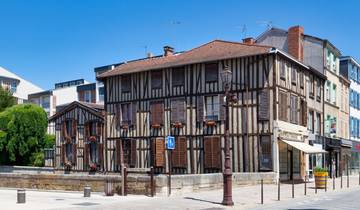
7 days
France and Switzerland with enchanted Alsace
- ✓ Comprehensive Basel tour
- ✓ Expert local guides included
- ✓ All accommodation arranged
- ✓ Transportation provided
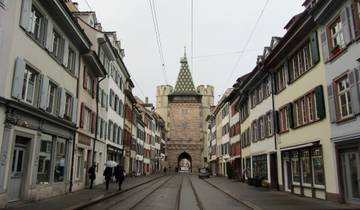
7 days
Frankfurt, Freiburg and Basel in a Week
- ✓ Comprehensive Basel tour
- ✓ Expert local guides included
- ✓ All accommodation arranged
- ✓ Transportation provided
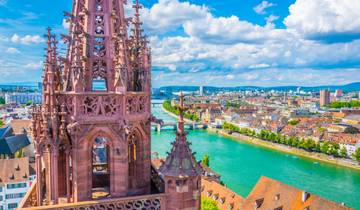
4 days
Magical Christmas extravaganzas in Switzerland and Alsace along the Rhine (port-to-port cruise)
- ✓ Comprehensive Basel tour
- ✓ Expert local guides included
- ✓ All accommodation arranged
- ✓ Transportation provided

4 days
Magical Christmas extravaganzas in Switzerland and Alsace along the Rhine (port-to-port cruise) – GERARD SCHMITTER
- ✓ Comprehensive Basel tour
- ✓ Expert local guides included
- ✓ All accommodation arranged
- ✓ Transportation provided
Multi-day tour packages powered by TourRadar. Prices and availability subject to change.
Introduction to Basel Travel Planning 2026
Basel presents a paradox that confounds typical Swiss city expectations. Unlike tourist-saturated Lucerne or finance-dominated Zurich, Basel built its identity on art, architecture, and pharmaceutical innovation while maintaining an accessible, walkable scale that rewards aimless wandering as much as structured sightseeing. The city’s position at the tripoint where Switzerland, France, and Germany meet creates practical advantages—three countries accessible from a single hotel base, two international airports within 90 minutes, and cultural influences that blend Swiss precision with French elegance and German efficiency.
This unique geography shapes every aspect of visiting Basel in 2026. The Rhine River divides Grossbasel (Greater Basel) on the south bank from Kleinbasel (Lesser Basel) on the north, with four hand-pulled ferries crossing between them for CHF 2 ($2). The medieval old town climbs hillsides above the river, crowned by the red sandstone Münster cathedral whose views encompass three countries. Meanwhile, contemporary Basel thrives in former industrial districts transformed into art spaces and innovation hubs, most notably the Roche Tower designed by Herzog & de Meuron—Switzerland’s tallest building piercing the skyline at 178 meters.
Basel’s cultural calendar defines visiting strategies. Art Basel in mid-June transforms the city into the world’s premier contemporary art fair, attracting 90,000 visitors and inflating hotel prices by 40-60% while requiring bookings six months ahead. Fasnacht carnival in late February/early March erupts with three days of parades, costumes, and piccolo flute music beginning at 4:00 AM on Monday morning—Switzerland’s largest carnival and Basel’s most authentic cultural expression. Baselworld, historically the world’s largest watch and jewelry fair, concluded in 2019, leaving June relatively quieter except for Art Basel itself.
Understanding Basel’s transportation infrastructure prevents wasted money and confusion. The complimentary BaselCard issued by every accommodation (hotels, hostels, apartments, B&Bs) from check-in through checkout eliminates transit costs entirely while providing 25-50% museum discounts that save CHF 15-30 ($17-33) per museum visit. This card works on all trams, buses, and Rhine ferries within Basel-Stadt canton and extends to neighboring municipalities including Riehen (home to Fondation Beyeler). The green trams operated by BVB serve the city proper, while yellow trams and buses run by BLT connect to suburban areas and across borders—yellow tram line 10 crosses into France, while Basel Badischer Bahnhof serves as Germany’s railway hub within Swiss territory.
Basel’s museum density rivals cities five times its size. Nearly 40 museums concentrated in a 3-kilometer radius include world-class institutions like Kunstmuseum Basel (the world’s oldest public art collection), Fondation Beyeler (consistently ranked among Europe’s finest private museums), Museum Tinguely (kinetic art sculptures by Jean Tinguely), and Vitra Design Museum (just across the German border in Weil am Rhein). The Museums-PASS-Musées at CHF 161 ($175) annually or CHF 73 ($80) for one month grants unlimited access to 345 museums spanning Switzerland, France, and Germany—an exceptional value for art enthusiasts planning intensive museum exploration.
Practical realities shape daily experiences. Switzerland operates on Swiss Francs (CHF), not Euros, though border-area businesses accept EUR with change given in CHF at unfavorable exchange rates costing visitors 5-10%. Credit cards work everywhere, but Swiss payment terminals sometimes require PIN entry rather than signatures, occasionally causing issues with U.S. magnetic stripe cards. Tap water from every fountain and faucet meets drinking standards, eliminating bottled water expenses. Shops close Sundays except bakeries and train station stores, while restaurants maintain consistent schedules with lunch 11:30 AM-2:00 PM and dinner 6:00 PM-10:00 PM.
The following sections provide detailed, actionable guidance for optimizing your Basel visit in 2026—covering timing strategies, accommodation selection, transportation mastery, museum planning, money management, safety considerations, cultural etiquette, neighborhood characteristics, booking tactics, hidden cost awareness, local insider tips, day trip opportunities, and common mistakes that waste time and money. Each section stands independently, allowing you to jump directly to your specific planning needs while maintaining comprehensive coverage of Basel’s unique visitor landscape.
When to Visit Basel in 2026: Seasonal Planning Guide
Basel’s position at 47.5°N latitude delivers distinct seasons with meaningful implications for visitor experiences, costs, and crowd levels. Unlike Alpine resorts where skiing dictates timing or lakeside cities dominated by summer tourism, Basel functions year-round as a working city with cultural programming and business activity creating consistent visitor infrastructure regardless of month.
Spring (March-May) emerges as an increasingly popular period for Basel visits in 2026. March temperatures climb from 4°C to 11°C (39°F-52°F) with increasing daylight extending to 13 hours by month’s end. Early March occasionally catches the tail of Fasnacht carnival if the movable date falls late, while mid-March brings Basel’s awakening to outdoor cafe culture as Barfüsserplatz terraces reopen. April delivers reliable pleasant weather with temperatures ranging 7°C-16°C (45°F-61°F), perfect for walking the old town without summer’s heat or winter’s chill. May represents Basel’s most beautiful month meteorologically, with temperatures reaching 11°C-20°C (52°F-68°F), extended daylight until 9:00 PM, and blooming Botanical Garden displays. Spring accommodation costs run 15-25% below summer peaks, museums operate uncrowded, and restaurant terraces along the Rhine enjoy maximum sunshine hours.
Summer (June-August) divides into distinct periods with dramatically different characteristics. Early June offers ideal visiting conditions before Art Basel arrives—warm weather averaging 15°C-23°C (59°F-73°F), long days extending past 9:30 PM, and moderate hotel availability at standard rates. Art Basel week in mid-June (June 16-21 in 2026) transforms the city completely: hotel rates surge 40-60% above baseline, availability requires bookings made 6-8 months prior, restaurant reservations become essential, and gallery openings, satellite fairs, and art events saturate the cultural calendar. Visitors uninterested in contemporary art should avoid this specific week unless securing accommodation far in advance at elevated prices. Late June through August delivers Basel’s warmest weather, with July and August averaging 18°C-26°C (64°F-79°F) and occasional heat waves reaching 30°C+ (86°F+). This period features Rhine swimming from Tinguely Museum to St. Johanns-Tor (July-August), open-air cinema at Münsterplatz, and outdoor concerts, but also brings peak accommodation prices and tourist crowds to major museums.
Autumn (September-October) rivals spring as Basel’s optimal visiting season. September maintains summer warmth with temperatures 14°C-21°C (57°F-70°F) while crowds thin as families return to school schedules. The autumn art season launches with new exhibitions at major museums, wine harvest festivals appear in nearby Alsace villages accessible by tram, and hotel rates drop 20-30% below summer peaks. October brings crisp, clear days averaging 9°C-15°C (48°F-59°F) ideal for museum exploration and walking tours, though evenings cool quickly requiring layers. Daylight shrinks noticeably from 12 hours early October to 10 hours by month’s end, but this encourages cozy indoor experiences at historic cafes and wine bars. Museums operate uncrowded, restaurant reservations remain unnecessary except weekends, and autumn colors enhance Rhine promenades and Botanical Garden walks.
Winter (November-February) offers Basel at its most affordable and authentic, though with trade-offs. November and early December see hotel rates 30-40% below summer levels, museums virtually empty on weekdays, and locals reclaiming their city from tourist season. Basel’s Christmas market (late November through December 23) fills Barfüsserplatz and Münsterplatz with stalls selling glühwein (CHF 5-7 / $6-8), raclette, crafts, and decorations, creating atmospheric evening experiences though lacking the scale of Strasbourg or Cologne markets 90 minutes away. January and February bring Basel’s coldest weather (0°C-6°C / 32°F-43°F) with occasional snow, shortened daylight (8.5-10 hours), and gray skies, but also Fasnacht carnival in late February/early March—Switzerland’s most important carnival and Basel’s most distinctive cultural event. Fasnacht features three days of parades, costumes, music, and satirical commentary beginning at 4:00 AM Monday (Morgestraich) with all street lights extinguished and lantern-lit processions filling the old town. Experiencing Fasnacht provides unmatched cultural immersion, but requires booking accommodation 4-6 months ahead as locals fill hotels to watch their city’s defining tradition.
Weather patterns across seasons influence daily planning. Basel receives moderate precipitation year-round (800-900mm annually) distributed fairly evenly, meaning rain gear remains essential regardless of visit month. Summer thunderstorms arrive suddenly on hot afternoons, while winter brings persistent gray drizzle. Micro-seasons affect specific activities: Rhine swimming operates mid-July through August only when water temperatures reach 18°C+ (64°F+); Rhine ferries run year-round but reduce frequency in winter; open-air events concentrate June-September; and Christmas market atmosphere peaks early-mid December before closing December 23.
Crowd levels vary dramatically by season and week. Art Basel week represents absolute peak congestion, while July-August brings steady tourist presence to major museums (Kunstmuseum, Fondation Beyeler) with 30-60 minute waits for popular temporary exhibitions. Spring and autumn shoulder seasons deliver optimal crowd balance—museums accessible without waits, restaurants accommodating walk-ins, but sufficient visitor presence to maintain full service. Winter weekdays find museums nearly empty, allowing intimate viewing of world-class collections without human obstacles, though some restaurants reduce hours November-February.
Booking lead times correlate directly to visit month. Art Basel week requires 6-8 months advance booking for any accommodation under CHF 400 ($440) nightly, while Fasnacht necessitates 4-6 months. Summer visits (July-August) benefit from 2-3 month advance booking for choice properties at standard rates. Spring, autumn, and winter allow 2-4 week advance booking with good selection, while January-February (excluding Fasnacht) accommodates last-minute arrivals.
Understanding Basel’s BaselCard Advantage 2026
The BaselCard represents Basel’s most valuable visitor benefit and distinguishes the city from other Swiss destinations charging separately for public transport and museum access. Every hotel, hostel, guesthouse, apartment rental, and B&B in Basel-Stadt canton provides this card automatically upon guest check-in, valid from arrival through departure for stays up to 30 consecutive days.
BaselCard benefits fall into three primary categories delivering immediate financial value. Unlimited public transportation covers all trams (green BVB and yellow BLT lines), buses (city and regional), and Rhine ferries within Basel-Stadt canton and adjacent municipalities including Riehen, Bettingen, and portions of Baselland. This eliminates single-ride tickets costing CHF 2.20-4.40 ($2-5) depending on zones, day passes at CHF 8-18 ($9-20), or multi-ride tickets at CHF 12-24 ($13-26) for six trips. A visitor making four tram journeys daily saves CHF 56-72 ($62-80) weekly compared to purchasing individual tickets.
Museum discounts provide the second major benefit category, with 25-50% reductions at virtually all Basel museums including premium institutions. Kunstmuseum Basel admission drops from CHF 30 to CHF 15 ($33 to $17) with BaselCard, while Fondation Beyeler reduces from CHF 30 to CHF 15 ($33 to $17). Smaller museums like Museum Tinguely, Historisches Museum Basel, and Pharmazie-Historisches Museum offer similar percentage savings. A visitor exploring three major museums weekly saves CHF 45-60 ($50-66) beyond the free transport benefit. Important exception: The Museums-PASS-Musées operates separately from BaselCard and provides unlimited access to 345 museums rather than discounts on individual entries.
Additional benefits include discounts on Rhine river cruises (50% reduction on scheduled boats), city walking tours (typically 20% off), Zoo Basel entrance (CHF 21 to CHF 16 / $23 to $18), and select restaurants and shops displaying BaselCard partner decals. The Theater Basel box office offers reduced-price tickets for BaselCard holders, while some cultural events provide preferential access.
Activation and usage require no special procedures. Hotel front desks print or provide digital BaselCards showing guest names, accommodation addresses, and validity periods at check-in, usually before room key distribution. The card requires no registration, app download, or personal information beyond what the accommodation already collects for tourism tax purposes. When boarding trams or buses, simply keep the card accessible for potential inspector verification—controllers rarely check since the card’s distinctive design and hotel letterhead make forgeries impractical. Museum ticket counters process BaselCard discounts by scanning barcodes or manually entering card numbers into their systems.
Coverage limitations clarify appropriate usage expectations. The card covers zones 010 (Basel city center) and 013 (Riehen/Bettingen) completely, providing access to Fondation Beyeler in Riehen and Vitra Design Museum just across the German border in Weil am Rhein (reached by tram 8). Yellow tram line 10 into France (Leymen village) falls within covered zones for the Swiss portion but requires separate tickets for French territory beyond Rodersdorf. Rail journeys to other Swiss cities (Bern, Zurich, Lucerne) require separate tickets, as do regional buses beyond immediate Basel area. The card does not cover EuroAirport bus connections or Basel SBB to airport transit.
Multi-day visitors maximize BaselCard value through strategic planning. Day one arrival typically includes settling into accommodation, neighborhood orientation walks, and dinner—modest transport usage. Days two through four focus on museum exploration, each major museum visit saving CHF 15 ($17) while unlimited trams enable hopping between multiple institutions without transit cost calculations. Day five might explore Riehen for Fondation Beyeler (one card-covered tram ride) plus Vitra Design Museum across the German border (same card-covered tram 8). This pattern delivers CHF 100-140 ($110-155) in combined transport and museum savings over a five-day visit.
Common mistakes include paying for transport before receiving the card (unnecessary—hotels provide cards immediately at check-in, often before room availability), declining the card thinking it costs extra (completely free and automatically included), or purchasing separate museum tickets without presenting the card (always ask if BaselCard discount applies even when signage doesn’t explicitly state it). Some visitors mistakenly believe the card requires daily validation—incorrect, as the printed validity period covers the entire stay automatically.
The BaselCard versus Swiss Travel Pass decision depends entirely on itinerary scope. Visitors spending 5-7 days entirely in Basel save significantly by relying on the free BaselCard plus point-to-point tickets for any day trips, as the Swiss Travel Pass starting at CHF 254 ($280) for three days provides no value inside Basel where BaselCard already covers everything. Conversely, travelers visiting Basel for 2-3 days as part of a larger Swiss itinerary including Bern, Lucerne, Interlaken, and Zermatt benefit from the Travel Pass covering all intercity trains plus Basel city transport, making BaselCard redundant but harmless (both can coexist, though only one is needed for any given journey).
Basel Transportation Guide 2026: Getting Around Efficiently
Basel’s compact 23.9 square kilometer footprint and efficient public transportation network make getting around remarkably straightforward once you understand the color-coded system distinguishing city from regional services. The BaselCard provided free by all accommodations covers virtually all transportation needs within the city, eliminating payment complexity and enabling spontaneous exploration without transit cost calculations.
Tram Network Navigation 2026
Green trams operated by BVB (Basler Verkehrs-Betriebe) serve Basel city proper with 11 lines crisscrossing the old town, riverfront, and central neighborhoods. Lines run every 7-15 minutes during daytime hours (5:00 AM-midnight) with reduced frequency to 15-30 minutes after 9:00 PM and on Sundays. Key tourist routes include line 8 (SBB train station to old town to Kunstmuseum to Riehen for Fondation Beyeler), line 3 (SBB to Barfüsserplatz to Minster), and lines 1/2 circling the city center. Yellow trams operated by BLT (Baselland Transport) extend into suburban areas and across international borders, most notably line 10 crossing into France toward Leymen village.
Tram boarding follows an honor system trusting passengers hold valid tickets or BaselCards. Front and rear doors open automatically with green arrows indicating entry, red crosses showing exit-only doors. No ticket validation machinery exists—simply board, find a seat or standing position, and keep your BaselCard accessible in case inspectors conduct spot checks (uncommon but carrying fines of CHF 90 / $100 if caught without valid proof). Digital displays inside trams announce upcoming stops in German with major stops also in English. Exit doors open when you press green buttons beside them, with trams dwelling at stops for 15-30 seconds before departing.
Real-time arrival information appears on digital displays at all major tram stops, showing next tram on each line in minutes plus subsequent arrivals. The SBB Mobile app provides comprehensive Basel public transport journey planning including trams, buses, and Rhine ferries with real-time updates, though the interface defaults to German (change language in settings). Google Maps routing works reliably for Basel trams and includes real-time data, often proving more intuitive than SBB Mobile for tourists unfamiliar with Swiss transport app conventions.
Bus System Complementing Trams 2026
Buses fill gaps in the tram network, serving neighborhoods lacking tram infrastructure and providing direct connections where trams require transfers. Green BVB buses operate city routes while yellow BLT buses extend to suburbs and Basel-Landschaft canton areas. Bus frequency varies from every 10 minutes on high-demand routes to hourly service on peripheral lines. Night buses (N-prefixed routes) operate Friday-Saturday nights covering major corridors after trams cease at midnight, though BaselCard coverage remains valid.
Bus boarding follows identical procedures to trams—enter through any door, keep BaselCard ready for potential inspection, press stop-request buttons (red with bell symbol) before your desired stop to signal the driver, and exit through rear doors when they open. Real-time displays at bus stops show estimated arrivals, though coverage is less comprehensive than at tram stops, particularly in outer areas.
Rhine Ferry Crossings: Unique Basel Experience 2026
Four hand-pulled ferries cross the Rhine between Grossbasel and Kleinbasel, operated by pulling on overhead cables spanning the river and using the current to propel the boat diagonally across. These ferries date to the 13th century and represent Basel’s most distinctive transportation method. Fähri Leu crosses near Mittlere Brücke, Fähri Vogel Gryff operates at St. Johanns-Vorstadt, Wilde Maa connects Klingental to Kleinhüningen, and Ueli crosses near the border with Germany.
Ferry operation costs CHF 2 ($2) for passengers without BaselCard, though BaselCard holders ride free. Ferries operate year-round from approximately 9:00 AM-7:00 PM (extended to 9:00 PM June-August), with the ferryman pulling on the cable to propel the boat across in 2-3 minutes. Each ferry accommodates 8-12 passengers plus bicycles. On warm days, ferries become popular with locals commuting between river sides, creating occasional waits during rush hours (7:30-9:00 AM, 5:00-7:00 PM). The experience provides unique perspectives on both riverbanks and classic photo opportunities of historic buildings from water level.
Walking Basel’s Compact Core 2026
Basel’s old town measures roughly 1.5 kilometers north-south and 1 kilometer east-west, making walking the primary exploration method for central neighborhoods. Marktplatz to the Kunstmuseum takes 8 minutes on foot, Münster to Rhine promenade requires 2 minutes, and Barfüsserplatz to Spalentor covers 12 minutes of gentle uphill walking. The riverfront promenade extending from Schifflände to Dreiländereck (where Switzerland, France, and Germany meet) offers flat, scenic walking with benches, cafes, and summer swimming access.
Navigation challenges emerge from Basel’s medieval street layout with curving lanes, inconsistent street name signage, and elevation changes that disorient GPS systems occasionally showing you on parallel streets one level up or down from your actual position. Major landmarks like the red sandstone Münster cathedral, the town hall (Rathaus) with its distinctive red facade and clock tower, and the tall Roche Tower (178 meters) provide visual reference points visible from most central locations. Street signs appear on building corners at intersections, usually in blue or white lettering on the building wall itself rather than separate posts.
Pedestrian-friendly infrastructure includes extensive pedestrian zones in the old town (Freie Strasse, Steinenberg, parts of Gerbergasse), dedicated sidewalks on all major streets, pedestrian-priority areas where cars travel at walking speed, and well-marked crosswalks with timed signals. Trams share many old town streets with pedestrians and cyclists, creating mixed-traffic zones requiring awareness—watch for approaching trams, which cannot swerve or stop quickly, and avoid standing on tram tracks when waiting to cross streets.
Cycling Infrastructure and Rental Options 2026
Basel provides extensive cycling infrastructure with dedicated bike lanes on major streets, shared paths along the Rhine, and bike-friendly traffic signals. The flat terrain (except old town hills) and compact distances make cycling efficient for reaching museums, restaurants, and neighborhoods. Bike rental operates through PubliBike stations scattered throughout the city, offering 30-minute rentals starting at CHF 5 ($6) or daily subscriptions at CHF 35 ($39). Registration requires a smartphone and credit card, with unlocking accomplished via the PubliBike app.
Traditional bike rental shops including Rent a Bike Basel (at SBB train station) and independent shops near Barfüsserplatz charge CHF 25-35 ($28-39) daily for city bikes, CHF 35-45 ($39-50) for e-bikes. These rentals include locks, helmets on request, and route suggestions. Basel’s bike infrastructure includes dedicated traffic lights for cyclists (miniature bike symbols on poles), bike parking zones at all major destinations, and riverside paths extending to suburbs with minimal car interaction.
Taxi and Rideshare Services 2026
Taxis operate throughout Basel with regulated fares starting at CHF 6.50 ($7) minimum plus CHF 3 ($3) per kilometer within the city. Airport transfers to central Basel cost CHF 45-60 ($50-66) depending on exact destination. Taxis congregate at stands near SBB train station, Marktplatz, and major hotels, or can be hailed on streets when the roof light is illuminated. Phone booking through operators like Taxi-Zentrale Basel (+41 61 271 50 50) adds no surcharge but may require 10-20 minute waits during peak hours.
Uber operates in Basel with standard UberX service and occasional UberGreen electric vehicle options. Prices typically run 15-20% below traditional taxi rates, though surge pricing during Art Basel or major events can reverse this relationship. Uber pickup locations at train stations and airport follow designated rideshare zones marked with signage.
Practical reality: taxis and rideshares make sense only for airport transfers, late-night returns when buses cease running, or luggage-heavy movements between accommodations. Basel’s small size and excellent public transport eliminate taxi necessity for nearly all tourist activities, with walking and trams covering 95% of typical visitor itineraries at no cost beyond the already-included BaselCard.
Train Connections for Day Trips from Basel 2026
Basel operates three distinct train stations serving different regions. Basel SBB (main station) handles Swiss intercity trains to Bern (55 minutes, CHF 52 / $57 full fare), Zurich (55 minutes, CHF 64 / $71), Lucerne (90 minutes, CHF 64 / $71), Interlaken (2 hours), and Geneva (3 hours). Basel Badischer Bahnhof (Basel Bad Bf) operates under German railway authority Deutsche Bahn, serving German destinations including Freiburg (40 minutes, €20), Frankfurt (3 hours), and Black Forest towns. SNCF trains to France depart from Basel SNCF section within Basel SBB, connecting to Strasbourg (1.5 hours, €25-45), Colmar (1 hour, €18-30), and Paris (3 hours, €60-120 depending on TGV service).
These three stations sit within 2 kilometers of each other, with trams connecting them in 5-15 minutes, but purchasing tickets requires attention to which railway system serves your destination. Swiss destinations use SBB ticketing (online at sbb.ch, mobile app, or station machines), German routes require DB tickets (bahn.de), and French connections need SNCF booking (en.oui.sncf). BaselCard does not cover intercity trains, requiring separate tickets at full price or with Swiss Half-Fare Card 50% discounts (CHF 120 / $132 for one-month visitor version).
Money and Currency Management in Basel 2026
Switzerland operates outside the European Union and maintains the Swiss Franc (CHF) as its currency despite being surrounded by Eurozone countries. Basel’s tri-border position creates unique monetary situations where three currencies circulate informally, though only CHF holds official status for most transactions.
Currency Exchange and Payment Methods 2026
Credit and debit cards work universally throughout Basel at hotels, restaurants, museums, shops, and transportation ticket machines. Visa and Mastercard acceptance approaches 100% at tourist-oriented businesses, while American Express finds slightly narrower acceptance at smaller cafes and shops. Contactless payment (tap-to-pay) operates widely for purchases under CHF 80 ($88), with most terminals accepting Apple Pay, Google Pay, and Samsung Pay alongside physical cards.
Cash remains relevant for specific situations despite high card acceptance. Some smaller bakeries and cafes prefer cash for purchases under CHF 10-15 ($11-17), Rhine ferries charge CHF 2 ($2) cash when operating outside BaselCard coverage, traditional markets accept only cash, and tipping in restaurants works more smoothly with cash enabling you to leave exact amounts or round up precisely. Swiss ATMs dispense CHF with minimal fees (CHF 2-5 / $2-6 per withdrawal from most machines), accepting international bank cards from major networks.
Exchange rates vary significantly between options. Airport exchange counters and train station currency booths offer the worst rates, typically 5-8% below interbank rates. Basel SBB station exchange counters operated by SBB charge visible commission fees plus unfavorable rates on small amounts. ATM withdrawals using cards from fee-free international banks (Charles Schwab, Fidelity in the U.S.) or cards without foreign transaction fees provide near-market rates with only the ATM operator’s CHF 2-5 ($2-6) flat fee. Exchanging currency before arriving in Switzerland or using credit cards for large purchases generally yields better rates than exchanging cash upon arrival.
Euro acceptance creates confusion and expense. Many tourist-area shops, restaurants, and hotels accept Euros, with prices sometimes displayed in both CHF and EUR. However, businesses applying their own EUR-CHF exchange rates typically use rates 5-10% worse than market rates, effectively charging a hidden conversion fee. A restaurant meal listed as CHF 45 or EUR 45 would cost you the same in either currency—but market rates make CHF 45 equal to approximately EUR 42, meaning EUR payment costs 7% more than CHF payment. When businesses accept EUR, they give change in CHF at their unfavorable rate, leaving you with mixed currency. Solution: always pay in CHF to avoid conversion losses.
Tipping Culture and Practices 2026
Swiss law requires service charges be included in all menu prices, hotel rates, and taxi fares since 1974, making tipping legally unnecessary. Restaurant bills include this service charge (though rarely itemized separately on receipts), and employees receive proper wages rather than relying on tips for income. Despite this, modern tipping customs have evolved where small tips signal satisfaction with exceptional service rather than supplementing inadequate wages.
Restaurant tipping follows a rounding-up approach rather than percentage calculations. If your bill totals CHF 87 ($96), leaving CHF 90-95 ($99-105) is perfectly appropriate and appreciated. For larger bills or exceptional service, rounding up by 5-10% is generous—a CHF 150 ($165) meal might warrant CHF 160-165 ($176-182) payment. The mechanics work differently than U.S.-style tipping: when paying by cash, state the total amount you’re paying including tip as you hand over money, and the server will return change for that amount. Say “CHF 95 please” or “Passt so” (keep the change) when handing over CHF 100 for an CHF 87 bill. Card payments process for the exact bill amount shown, with no tip line on receipts—if tipping by card, ask the server to add a specific amount before processing.
Other tipping scenarios follow similar modest patterns. Taxis: round up to the nearest CHF 5-10 ($6-11) on longer rides, no tip expected for short trips with bags. Hotels: CHF 2-5 ($2-6) per bag for porters if provided, CHF 2-5 ($2-6) daily for housekeeping if desired but not expected. Tours: CHF 5-10 ($6-11) for group walking tours, CHF 10-20 ($11-22) for private guides if exceptional. Bars: rounding up CHF 1-2 ($1-2) on beer/wine, no tipping required at self-service. The underlying principle: tipping remains completely voluntary, small amounts suffice when warranted, and no service worker expects tips as their primary income.
Daily Budget Planning for Basel 2026
Basel’s costs run 20-30% below Zurich or Geneva but remain high by international standards. Transportation expenses disappear with free BaselCard coverage, shifting budget focus to accommodation, food, attractions, and discretionary spending. Museum enthusiasts benefit from BaselCard discounts reducing CHF 30 ($33) full-price admissions to CHF 15 ($17), or the Museums-PASS-Musées at CHF 161 ($175) annually eliminating all museum costs after the initial investment.
Accommodation dominates daily costs. Budget travelers using hostels pay CHF 40-65 ($44-72) per person nightly in dormitories, mid-range hotel doubles cost CHF 160-280 ($176-308) total (CHF 80-140 / $88-154 per person sharing), and upscale hotels charge CHF 300-500+ ($330-550+) nightly for doubles (CHF 150-250+ / $165-275+ per person sharing). These rates fluctuate seasonally with summer 20-30% above winter and Art Basel week 40-60% above baseline.
Food costs span wide ranges. Budget self-catering from Migros or Coop supermarkets runs CHF 8-12 ($9-13) for breakfast ingredients, CHF 15-25 ($17-28) assembling lunch, and CHF 20-35 ($22-39) for dinner components. Mid-range restaurant meals cost CHF 18-32 ($20-35) for lunch, CHF 35-55 ($39-61) for dinner mains plus CHF 5-8 ($6-9) for beverages. Upscale dining starts at CHF 60-90 ($66-99) for dinner mains at established restaurants, with tasting menus reaching CHF 120-180+ ($132-198+). Coffee costs CHF 4-5 ($4-6), beer CHF 6-8 ($7-9), wine by the glass CHF 8-14 ($9-15).
Museum and attraction costs become predictable. Without Museums-PASS, budget CHF 15 ($17) per major museum with BaselCard discount, CHF 30 ($33) without. Zoo Basel charges CHF 21 ($23) with BaselCard, Rhine cruises cost CHF 15-30 ($17-33) depending on route and BaselCard status. Walking tours average CHF 25-35 ($28-39), while specialized food tours reach CHF 80-120 ($88-132).
Hidden Costs and Fees to Anticipate 2026
Several costs surprise visitors unfamiliar with Swiss financial conventions. Public restrooms charge CHF 1-2 ($1-2) at train stations and some public facilities, though restaurant and museum restrooms remain free for patrons. Switzerland’s tourism tax (Kurtaxe) appears as a separate line item on hotel bills, typically CHF 3-5 ($3-6) per person nightly, collected by accommodations and remitted to municipal tourism boards. Basel hotels include this in their quoted rates or add it at checkout—confirm when booking.
Some museums charge additional fees for special exhibitions beyond permanent collection admission. Kunstmuseum Basel might charge CHF 10-15 ($11-17) extra for major temporary shows, bringing total admission to CHF 40-45 ($44-50) even with BaselCard discounts for permanent collection. Check museum websites for current exhibition fees before planning visits.
Data roaming charges catch unprepared visitors. Switzerland’s non-EU status means EU roaming packages don’t cover Swiss usage, potentially triggering expensive international data charges for European visitors. U.S./Canadian visitors with international roaming enabled face $10-15 daily fees unless purchasing Swiss SIM cards (Swisscom, Salt, Sunrise offer tourist prepaid SIMs for CHF 20-40 / $22-44 with 1-4GB data valid 1-4 weeks) or eSIM services like Airalo providing Swiss data at CHF 15-25 ($17-28) for 3-5GB valid one month.
Restaurant water practices differ from some countries. Tap water is free and drinkable everywhere in Basel (Switzerland has among Europe’s highest water quality standards), but restaurants automatically serve bottled water unless you specifically request “Hahnenwasser” (tap water) or “Leitungswasser” (tap water). Bottled water costs CHF 4-7 ($4-8) for 500ml, an unnecessary expense given tap water quality. Simply requesting tap water eliminates this charge, though some traditional establishments initially hesitate before agreeing.
Museums and Cultural Attractions Strategy 2026
Basel’s museum density rivals cities five times its size, with 40 museums concentrated in the compact old town and surrounding neighborhoods. The challenge shifts from finding cultural activities to strategically selecting among world-class options while managing costs and time efficiently.
Top-Tier Museums Requiring Time Allocation 2026
Kunstmuseum Basel houses the world’s oldest public art collection, dating to 1661 when the city and university purchased the Amerbach Cabinet including significant Holbein works. Today’s collection spans three connected buildings totaling 10,000 square meters: the main building (Hauptbau) covering medieval through 19th-century art including works by Holbein, Cranach, Grünewald, and Böcklin; the new building (Neubau) focusing on classical modernism with Picasso, Monet, Cézanne, van Gogh, and Giacometti; and Kunstmuseum Basel Gegenwart (currently closed for renovation through 2026) specializing in contemporary works from 1960 forward. Admission costs CHF 30 ($33) or CHF 15 ($17) with BaselCard, covering all open buildings. Plan 3-4 hours minimum for comprehensive viewing, or 2 hours focusing on specific periods. The museum offers free admission Tuesday and Thursday 5:00-6:00 PM and Wednesday 5:00-8:00 PM plus first Sunday monthly—ideal for budget-conscious visitors willing to work within limited time windows.
Fondation Beyeler in Riehen suburb (20 minutes via tram 8 from city center, covered by BaselCard) ranks among Europe’s finest private museums, displaying Hildy and Ernst Beyeler’s exceptional collection of impressionist, modern, and contemporary art. The Renzo Piano-designed building integrates with surrounding park landscape, creating dialogue between art and nature. Holdings include significant works by Monet, Cézanne, van Gogh, Picasso, Rothko, Bacon, and Giacometti, plus rotating special exhibitions attracting international attention. Admission runs CHF 30 ($33) or CHF 15 ($17) with BaselCard. The museum frequently hosts blockbuster temporary exhibitions requiring separate tickets (CHF 10-15 / $11-17 additional) and attracting crowds necessitating advance booking for specific time slots. Budget 2-3 hours for collection plus special exhibition viewing. The museum cafe and sculpture garden justify extended visits in good weather.
Museum Tinguely celebrates Basel-born artist Jean Tinguely’s kinetic sculptures and mechanical art installations through the world’s largest collection of his work. Mario Botta’s striking building sits along the Rhine in Solitude Park, with outdoor sculptures complementing indoor galleries where visitors activate many pieces via buttons triggering movements, sounds, and water elements. Admission costs CHF 18 ($20) or CHF 9 ($10) with BaselCard. Tinguely’s playful, often satirical machines reward extended observation—allow 1.5-2 hours minimum. The museum offers free admission to permanent collections specific weekday evenings (check website for current schedule).
Museums-PASS-Musées Value Analysis 2026
The Museums-PASS-Musées covers 345 museums across Switzerland, France, and Germany within roughly 90 minutes of Basel. The pass costs CHF 161 ($175) annually or CHF 73 ($80) for one month, providing unlimited admission to all participating institutions including all Basel museums, Alsace museums in Colmar and Strasbourg, Black Forest museums in Freiburg, and even Rhine-area museums extending to Karlsruhe and Mulhouse.
Financial break-even analysis clarifies purchase decisions. Three full-price visits to major Basel museums (Kunstmuseum CHF 30, Fondation Beyeler CHF 30, plus one other at CHF 18 = CHF 78 / $86) nearly equal the one-month pass cost. The pass becomes overwhelmingly worthwhile when visiting 4+ museums or planning day trips to Colmar (Unterlinden Museum), Strasbourg (numerous museums), or Freiburg. The annual pass makes sense for anyone spending more than two weeks in the Basel region across multiple visits within a year.
Pass limitations include non-coverage of special exhibition surcharges at some museums (though permanent collections always included) and exclusion of certain private institutions. The pass covers transportation costs to museums within covered zones (museums in Riehen reached via tram with BaselCard) but not intercity transport to Colmar or Freiburg. Purchase locations include Basel Tourism office at Stadtcasino Barfüsserplatz, online at museumspass.com with mailed delivery, or directly at participating museums.
Specialized Museums Worth Exploring 2026
Beyond the top-tier triumvirate, Basel’s museum landscape includes distinctive specialized institutions. Pharmazie-Historisches Museum displays pharmaceutical history through Europe’s largest collection of apothecary equipment, historic medicine containers, and alchemical implements—particularly relevant given Basel’s pharmaceutical industry prominence (Novartis and Roche headquarters). Museum der Kulturen Basel houses Switzerland’s most significant ethnographic collection with 300,000 objects from Oceania, Africa, Americas, Asia, and Europe. Historisches Museum Basel operates three locations (Barfüsserkirche, Haus zum Kirschgarten, and Musikmuseum) covering Basel’s history from medieval period through present. Cartoonmuseum Basel is the only museum in Switzerland exclusively devoted to narrative art, comics, and political cartoons. Vitra Design Museum sits across the German border in Weil am Rhein (20 minutes via tram 8), accessible with BaselCard transport, showcasing furniture design and architectural history in Frank Gehry-designed building.
Each specialized museum warrants 1-1.5 hours, making them ideal for filling partial days or providing variety between heavyweight art museums. Most charge CHF 12-18 ($13-20) admission with BaselCard discounts reducing these to CHF 6-9 ($7-10).
Free Museum Access Opportunities 2026
Several Basel museums offer free admission at specific times. Kunstmuseum Basel provides free entry Tuesday and Thursday 5:00-6:00 PM, Wednesday 5:00-8:00 PM, and first Sunday monthly. Museum Tinguely sometimes offers free permanent collection access on specific weekday evenings (schedule varies by season—check website). The Münster cathedral charges no admission for accessing the interior, viewing Romanesque and Gothic architecture, and climbing towers for city views. Basler Papiermühle (Paper Mill Museum) in a restored 15th-century mill offers paid admission but occasionally hosts free demonstration days.
Public art throughout Basel includes Tinguely’s Fasnachtsbrunnen fountain in Theaterplatz (moving mechanical sculptures), Richard Serra’s “Intersection” sculpture, and numerous contemporary works in public squares. The Rhine promenade functions as an outdoor gallery with rotating installations and permanent works viewable free 24/7.
Accommodation Selection and Booking Strategy 2026
Basel’s accommodation landscape divides into distinct geographic clusters with meaningful trade-offs between location convenience, pricing, and neighborhood character. Understanding these zones and their relative advantages enables optimizing both budget and experience for your specific priorities.
Old Town and City Center Accommodations 2026
Staying within or immediately adjacent to the old town maximizes walkability to Basel’s primary attractions while placing you in its most atmospheric historic environment. Hotels like Hotel Les Trois Rois (luxury landmark dating to 1681, CHF 450-700+ / $495-770+ nightly), Der Teufelhof (boutique art hotel, CHF 280-420 / $308-462), and Hotel Basel (modern business hotel, CHF 200-320 / $220-352) anchor this category. These properties deliver 2-10 minute walks to Münster cathedral, Kunstmuseum, and Marktplatz while embedding you in Basel’s medieval street grid with immediate restaurant and cafe access.
Premium pricing reflects central positioning—expect to pay 30-50% more than equivalent properties in outer neighborhoods. The value proposition depends on priorities: visitors making day trips to Colmar, Freiburg, or Swiss cities benefit less from ultra-central positioning since they’ll use train stations more than old town streets. Those focusing on museum exploration, atmospheric evening strolls, and minimizing transit time between accommodation and attractions find central locations worth the premium.
Station Quarter (Stationsviertel) Practicality 2026
Hotels clustering around Basel SBB train station trade medieval atmosphere for modern convenience and competitive pricing. Properties like DASBREITEHOTEL (social enterprise hotel, CHF 140-220 / $154-242), ibis Styles Basel City (budget chain, CHF 120-180 / $132-198), and Motel One Basel (German budget design chain, CHF 130-200 / $143-220) offer straightforward accommodation 5-10 minute walks from the station with direct tram connections to all city areas.
This location particularly suits travelers arriving via intercity trains, making day trips to other Swiss cities, or prioritizing straightforward airport access (bus 50 from station to EuroAirport in 20 minutes). The trade-off involves slightly sterile neighborhood character—modern commercial buildings rather than historic architecture, chain restaurants rather than traditional Swiss establishments, and functional rather than charming evening ambiance. Prices run 15-25% below comparable quality in the old town.
Kleinbasel and Rhine Riverfront Options 2026
Kleinbasel (lesser Basel north of the Rhine) developed historically as the working-class counterpart to prestigious Grossbasel, creating today’s mix of gentrifying neighborhoods, alternative culture venues, and residential character. Hotels like Hotel Krafft (boutique property with Rhine views, CHF 200-320 / $220-352) and smaller guesthouses provide more authentic local atmosphere than tourist-oriented old town, with competitive pricing and easy tram access to museums and attractions.
Rhine riverfront properties enable summer swimming access (late July-August when water temperatures reach 18°C+ / 64°F+), morning runs or walks along promenades, and evening cafe culture distinct from old town tourist scenes. The neighborhood’s evolving character brings younger demographics, creative dining options, and cultural spaces like Kaserne Basel (performance venue) creating vibrant evening energy often missing in tourist-saturated Grossbasel.
Budget Accommodation Strategies 2026
Basel Youth Hostel (Hi Hostel Basel City, CHF 40-55 / $44-61 per person in dormitories, CHF 120-160 / $132-176 for private doubles) occupies a modern building near SBB station with institutional but functional facilities including shared kitchens enabling self-catering. YMCA Basel (CHF 35-50 / $39-55 dormitory, CHF 90-130 / $99-143 private rooms) offers similar budget positioning with slightly older facilities but central old town location.
Apartment rentals through Airbnb and Booking.com provide cost advantages for multi-night stays and groups, with one-bedroom apartments ranging CHF 110-180 ($121-198) nightly and two-bedroom units at CHF 160-260 ($176-286). Apartment rentals include kitchens enabling grocery store self-catering, saving CHF 50-80 ($55-88) daily compared to restaurant meals. The BaselCard issued upon booking confirmation through official channels covers public transport just as hotel stays do.
Booking Timeline and Price Dynamics 2026
Art Basel week (June 16-21, 2026) requires 6-8 months advance booking for any reasonable accommodation under CHF 400 ($440) nightly, with many properties implementing 3-5 night minimum stays during this period. Prices surge 40-60% above baseline, and last-minute availability exists only at luxury properties charging CHF 500-800+ ($550-880+) nightly. Book by December 2025 for June 2026 Art Basel week to secure standard rates and choice properties.
Fasnacht carnival (late February/early March 2026—specific dates depend on Easter calculation) creates similar but slightly less severe availability pressure. Book 4-6 months ahead for reasonable selection and pricing. Summer high season (July-August) benefits from 2-3 month advance booking, while spring, autumn, and winter allow 2-4 week lead times with good availability.
Price variation by day of week follows modest patterns—Sunday and Monday nights run 10-15% below Thursday-Saturday rates during business travel season (September-June excluding holidays). Summer weekends command premiums as leisure travelers predominate. Tuesday-Wednesday nights offer marginal discounts during shoulder seasons.
Booking Platforms and Direct Advantages 2026
Booking.com dominates Basel hotel distribution with comprehensive inventory, flexible cancellation policies (on most properties), and accumulated loyalty benefits. Hotel websites sometimes match Booking.com rates but rarely undercut them significantly except through package deals bundling spa access, meals, or museum tickets. Luxury properties occasionally offer direct booking discounts or upgrade possibilities when contacting them directly rather than through platforms.
Hostelworld specializes in budget properties with dormitory accommodation, while Airbnb provides apartment inventory unavailable through traditional channels. Swiss Hotel Association (hotelleriesuisse.ch) lists properties meeting quality standards with direct links to official websites, useful for researching options before booking through preferred platforms.
Basel Dining Guide: Restaurant Selection and Cost Management 2026
Basel’s dining landscape reflects its tri-border position, blending Swiss traditions with French influences and German beer culture while maintaining distinctive regional specialties. Understanding restaurant categories, pricing patterns, and strategic meal timing enables balancing culinary exploration with budget management.
Traditional Swiss Cuisine and Where to Find It 2026
Traditional Basel restaurants serve regional specialties including Basler Läckerli (hard spiced cookies sold as dessert or gifts), Basler Mehlsuppe (flour soup traditionally eaten during Fasnacht carnival at 4:00 AM), and Rhine salmon dishes. Restaurants like Gifthüttli (historic guildhall dating to 1591, mains CHF 35-55 / $39-61), Zum Isaak (traditional restaurant in Kleinbasel, mains CHF 28-48 / $31-53), and Restaurant Schlüsselzunft (Renaissance guildhall, mains CHF 38-62 / $42-68) emphasize Swiss-German cuisine in historic settings.
Fondue and raclette availability transcends seasons in Basel, though locals consider them primarily winter dishes. Fondue prices range CHF 28-38 ($31-42) per person for classic cheese versions, CHF 35-45 ($39-50) for specialty variations. Raclette costs CHF 32-42 ($35-46) per person for traditional service with potatoes, pickles, and onions. Many restaurants require 2-person minimum orders for fondue and raclette, while others offer half-portions for solo diners at slightly higher per-person rates.
International Cuisine Reflecting Multicultural Basel 2026
Basel’s pharmaceutical industry and university attract international populations creating diverse dining options. Italian restaurants saturate the city center with pizza (CHF 16-24 / $18-26), pasta (CHF 18-28 / $20-31), and risotto (CHF 22-32 / $24-35) at trattorias like Osteria Primo (reliable quality, reasonable prices) and La Sosta (higher-end with extensive wine list). Asian options include Tibits (vegetarian buffet charging by weight, CHF 4.80 / $5 per 100 grams enabling budget customization), Oliv (Mediterranean-Asian fusion, mains CHF 25-38 / $28-42), and various sushi restaurants charging CHF 15-25 ($17-28) for lunch sets, CHF 35-55 ($39-61) for dinner omakase.
Middle Eastern and Turkish establishments cluster in Kleinbasel, offering falafel wraps (CHF 10-14 / $11-15), kebabs (CHF 12-16 / $13-18), and mezze platters (CHF 18-28 / $20-31) with generous portions and late hours (often until midnight or 1:00 AM). These provide excellent value for budget-conscious travelers seeking filling meals outside tourist-oriented old town pricing.
Lunch Specials and Business Menu Strategies 2026
Basel restaurants target local workers with weekday lunch specials (Mittagsmenu or Tagesmenü) offering 2-3 courses at significantly reduced prices compared to evening a la carte. These menus typically include soup or salad starter, main course with sides, and sometimes dessert or coffee, ranging CHF 18-28 ($20-31) at mid-range establishments versus CHF 35-55 ($39-61) for equivalent evening meals.
Lunch special timing runs strictly 11:30 AM-2:00 PM weekdays, with kitchens often refusing to serve specials beyond 2:00 PM even if the restaurant remains open. Reservations unnecessary except at particularly popular spots or during business conference weeks when local office workers fill tables. Weekend lunch specials exist but less commonly and at slightly higher prices (CHF 22-32 / $24-35) reflecting leisure rather than business meal positioning.
Self-Catering and Supermarket Strategies 2026
Migros and Coop supermarkets operate throughout Basel with distinct positioning—Migros focuses on value pricing and extensive house-brand selections, while Coop targets slight premium positioning with broader organic options. Both offer prepared food sections with ready-made sandwiches (CHF 4-8 / $4-9), salads (CHF 6-12 / $7-13), and hot meals (CHF 8-15 / $9-17) providing quick lunch options at 50-70% below restaurant costs.
German discount chains Aldi and Lidl operate on Basel’s periphery (some locations accessible via BaselCard-covered trams), offering grocery prices 20-40% below Migros/Coop for basic staples like bread, cheese, yogurt, fruits, and vegetables. These require slightly more effort to reach but deliver meaningful savings for apartment-based visitors cooking most meals. A shopping basket including bread (CHF 2-4 / $2-4), local cheese (CHF 3-6 / $3-7 per 200g), tomatoes (CHF 4-6 / $4-7 per kg), eggs (CHF 4-6 / $4-7 per dozen), and yogurt (CHF 1-2 / $1-2 per cup) totals CHF 18-28 ($20-31) at Migros versus CHF 14-22 ($15-24) at Aldi.
Sunday shopping limitations require advance planning—only Migros and Coop locations at SBB train station and EuroAirport operate Sundays, with reduced hours (typically 8:00 AM-8:00 PM) and slightly elevated prices (5-10% premium over weekday neighborhood locations). Saturday grocery shopping avoids Sunday scarcity while accessing full selection and normal pricing.
Cafes, Bakeries, and Breakfast Options 2026
Swiss cafe culture emphasizes quality over speed, with espresso drinks (CHF 4-5 / $4-6) and pastries (CHF 3-6 / $3-7) consumed at tables rather than grabbed to-go. Traditional bakeries like Sutter Begg operate since 1892, offering morning croissants (CHF 2-4 / $2-4), bretzel (CHF 2-3 / $2-3), and sandwiches (CHF 5-9 / $6-10) for breakfast or lunch. Standing at the counter costs less than table service at some establishments (counter CHF 4 / $4 for cappuccino versus table CHF 5 / $6), though this varies by venue.
Hotel breakfasts range from basic continental (included with budget properties) to elaborate buffets (CHF 25-35 / $28-39 at mid-range hotels when not included, CHF 40-55 / $44-61 at luxury properties). These buffets provide good value for large appetites, with unlimited bread, pastries, cheeses, meats, yogurt, cereals, eggs, and beverages justifying the cost through volume consumption. Budget travelers decline hotel breakfast (when optional) and assemble bakery breakfast for CHF 6-10 ($7-11) from fresh-baked goods plus supermarket yogurt and fruit.
Beverage Costs and Drinking Culture 2026
Beer prices reflect Swiss cost levels while maintaining quality standards. Standard beers (Feldschlösschen, Eichhof, local Ueli brewery) cost CHF 6-8 ($7-9) for 0.3-0.5L at restaurants, CHF 4-6 ($4-7) at more casual bars. Craft beers and imports run CHF 7-10 ($8-11). Wine by the glass ranges CHF 8-14 ($9-15) for house selections, CHF 12-22 ($13-24) for specific bottles. Wine bottles start at CHF 35-45 ($39-50) for basic regional wines, climbing to CHF 60-120+ ($66-132+) for better Swiss or imported selections.
Water practices create unnecessary expenses for unprepared visitors. Switzerland’s tap water exceeds most bottled water quality, yet restaurants automatically serve bottled mineral water (CHF 4-7 / $4-8 for 500ml) unless explicitly asked for tap water. Requesting “Hahnenwasser” or “Leitungswasser” (tap water) brings free water, though servers sometimes hesitate or discourage this at traditional establishments defending bottled water profit margins. Persist politely—tap water is legally required upon request and perfectly safe throughout Switzerland.
Safety, Health, and Practical Matters 2026
Basel ranks among Europe’s safest cities with extremely low violent crime rates, efficient emergency services, and well-maintained public infrastructure. The few challenges visitors encounter relate more to administrative procedures and cultural differences than actual safety threats.
Personal Safety and Crime Prevention 2026
Violent crime affecting tourists remains statistically negligible in Basel. The city regularly ranks in global top-10 safety indices, with murder rates near zero and assaults extraordinarily rare. Police presence remains visible but unobtrusive, with officers patrolling old town areas on foot and responding quickly to rare incidents. Locals walk freely throughout the city at any hour without safety concerns, and solo female travelers report feeling completely comfortable exploring alone day or night.
Petty theft represents the only realistic threat, concentrated in predictable high-traffic areas. SBB train station, tram platforms during rush hours, and crowded events like Art Basel or Fasnacht see occasional pickpocketing targeting distracted tourists with easily accessible bags. Standard precautions suffice: cross-body bags with zippers facing your body, phones and wallets in front pockets rather than back pockets, backpacks worn on your front in dense crowds, and heightened awareness in crush situations. Hotel rooms feature secure locks and electronic key cards, with theft from accommodations essentially unheard of at legitimate establishments.
Scams targeting tourists remain rare compared to major European capitals, with aggressive street vendors, fake petition signers, and shell game operators absent from Basel’s orderly public spaces. The few questionable practices include occasional overcharging at tourist-area restaurants (verify prices before ordering), unlicensed taxis at the airport (use only marked taxis from official stands), and rare donation solicitors claiming to represent charities (legitimate Swiss charities never conduct aggressive street solicitation).
Emergency Services and Medical Care 2026
Switzerland operates multiple emergency numbers for different services rather than a unified 911-style system. Dial 117 for police, 118 for fire department, 144 for ambulance/medical emergencies, and 112 (European standard) which routes to appropriate services. All operators speak English plus German and French, with translation services available for other languages. Response times average under 10 minutes in central Basel, faster than most European cities.
Medical care meets exceptional standards through Switzerland’s highly regulated healthcare system. University Hospital Basel (Universitätsspital Basel) provides emergency services 24/7 with multilingual staff and advanced facilities. Private clinics like Merian Iselin Clinic offer non-emergency care with shorter waits. Pharmacies (Apotheke/Pharmacie) denoted by green crosses sell over-the-counter medications and provide basic health consultations—pharmacists undergo extensive training enabling them to advise on minor ailments and recommend treatments.
Health insurance requirements affect EU citizens differently than non-EU visitors. EU citizens receive reciprocal healthcare through European Health Insurance Card (EHIC), though Switzerland’s high costs mean even covered services involve substantial co-pays and deductibles. Non-EU visitors require private travel insurance, as treatment costs run CHF 200-400 ($220-440) for basic emergency room visits, CHF 100-150 ($110-165) for doctor consultations, and CHF 80-120 ($88-132) for prescriptions—all payable immediately with insurance reimbursement processed afterward. Comprehensive travel insurance costing $40-80 for week-long trips prevents catastrophic expenses from unexpected illness or injury.
Drinking Water, Food Safety, and Hygiene Standards 2026
Basel’s tap water comes from Rhine filtration and meets drinking water standards exceeding bottled water regulations. Every fountain in the city (over 200 public fountains marked with city coat of arms) provides potable water safe for drinking, refilling bottles, or rinsing fruit. Fountains marked “kein Trinkwasser” (not drinking water) are rare decorative exceptions. Hotels, restaurants, and public facilities all serve perfectly safe tap water—carry a refillable bottle and ask for tap water rather than purchasing bottled water at CHF 3-5 ($3-6).
Food safety regulation in Switzerland enforces European Union standards plus additional Swiss requirements, creating exceptional food safety records. Restaurant inspections occur regularly with results publicly posted, though violations remain rare given rigorous professional training requirements for hospitality workers. Refrigeration failures, undercooking, or contamination incidents affecting tourists are essentially unknown in Basel’s controlled food service environment.
Language and Communication Practicalities 2026
Basel’s official language is German, though locals speak Basel German (Baseldytsch), a Swiss German dialect quite different from standard German (Hochdeutsch). Swiss German functions as the spoken language while standard German dominates written communication—signs, menus, official documents all use Hochdeutsch even though conversations use dialect. This creates challenges for German learners who studied standard German finding Basel German nearly incomprehensible initially.
English proficiency reaches high levels in tourist-facing businesses and among younger Basel residents. Hotel staff, museum employees, restaurant servers in central areas, shop assistants, and transportation workers generally speak functional to fluent English. Older residents and businesses in residential neighborhoods may have limited English, but Basel University’s international character means educated English speakers are never far away. French appears on many signs reflecting Basel’s proximity to France, with French-German bilingualism common among service industry workers.
Essential Swiss German phrases appreciated by locals include: “Grüezi” (hello – formal), “Salü” (hello – informal), “Merci vilmal” (thank you very much), “Adieu” or “Uf Widerluege” (goodbye). German speakers should note Swiss German pronunciation differs dramatically from standard German even for common words, and locals appreciate when visitors acknowledge they’re learning rather than criticizing pronunciation differences.
Electrical and Connectivity Matters 2026
Switzerland uses Type J electrical outlets (three round pins in triangular pattern, unique to Switzerland) operating at 230V/50Hz. Type C Europlugs (two round pins) also fit Type J sockets, allowing use of standard European chargers. North American devices require voltage converters (not just plug adapters) for appliances without multi-voltage capability (hair dryers, curling irons), though modern electronics (phones, laptops, cameras) universally support 110-240V and need only plug adapters.
WiFi availability reaches near-ubiquitous levels in Basel. Hotels provide free WiFi as standard (rare exceptions at budget hostels might charge CHF 5-10 / $6-11 daily), restaurants and cafes offer WiFi with passwords displayed or available upon asking, museums provide free WiFi in public areas, and SBB train stations include free WiFi throughout platforms and waiting areas. Public WiFi hotspots operated by Basel municipality appear in major squares and parks, accessible without passwords but with limited speed and 30-minute session limits designed to prevent abuse.
Mobile data for international visitors requires planning given Switzerland’s non-EU status excluding it from EU roaming agreements. European visitors with EU SIM cards face international roaming charges unless their specific plan includes Swiss coverage (some carriers offer Switzerland as add-on for €5-10 daily). Tourist SIM cards from Swiss carriers (Swisscom, Salt, Sunrise) cost CHF 20-40 ($22-44) for prepaid packages including 1-4GB data valid 1-4 weeks, purchased at carrier stores, electronics shops, or airport kiosks. eSIM services like Airalo provide Swiss data plans downloadable to compatible phones for CHF 15-25 ($17-28) covering 3-5GB for one month, avoiding physical SIM card requirements.
Cultural Etiquette and Local Customs 2026
Swiss cultural norms emphasize punctuality, quietness, orderliness, and respect for rules—conventions that, when understood and followed, facilitate smoother interactions and reduce inadvertent cultural friction.
Social Interaction Conventions 2026
Formal greetings dominate Swiss social interaction regardless of context. “Grüezi” (formal hello) opens conversations with strangers, shopkeepers, service workers, and professionals, while “Salü” (informal hello) applies only among friends or peers. Handshakes accompany initial introductions with firm grip and direct eye contact. The informal “du” form of address (equivalent to French “tu” or Spanish “tú”) remains reserved for close friends and family, with “Sie” (formal you) standard for all service interactions, initial meetings, and professional contexts until explicitly invited to use informal address.
Punctuality borders on obsession in Swiss culture. Arriving 5-10 minutes early for restaurant reservations, meetings, tours, or appointments demonstrates respect, while arriving late by even 5 minutes without advance notice signals disrespect and unreliability. Trains depart precisely on schedule—missing a connection by 30 seconds means waiting for the next departure, as conductors won’t hold trains for late passengers. This cultural obsession with time accuracy creates expectations that visitors should match: if a museum tour starts at 2:00 PM, arrive by 1:55 PM at latest.
Quietness expectations pervade public spaces. Speaking loudly on mobile phones draws disapproving stares on trams and trains, particularly in designated quiet zones marked with phone-slash symbols. Restaurants maintain conversational volume levels without American-style loud laughter or boisterous tables. Sunday tranquility laws prohibit noise-generating activities (lawn mowing, construction, loud music) before 8:00 AM and after 8:00 PM, with Sunday afternoons reserved for quiet family time. Apartment buildings enforce quiet hours 10:00 PM-7:00 AM strictly, with neighbors reporting violations to building management or police.
Restaurant and Dining Etiquette 2026
Swiss dining follows European continental conventions with specific Swiss variations. Waiters seat arriving diners at restaurants rather than guests choosing their own tables, though this varies by establishment casualness. Once seated, servers provide menus and allow several minutes for review before approaching to take orders—rushing this process signals poor service, so patience prevails over American-style immediate attention.
Ordering begins with drinks, followed by food selections after another interval. Sharing tables at crowded restaurants occurs commonly, with strangers seated together at larger tables exchanging brief greetings (“Grüezi”) before otherwise ignoring each other. This communal seating maximizes space efficiency at popular venues during peak hours.
Table service follows relaxed timing—Swiss meals are social occasions lasting 1-2 hours minimum, with servers allowing extended time between courses and never rushing diners. This can frustrate visitors expecting American-style efficiency, but requesting the check immediately after finishing indicates you’re finished with the social experience. Making direct eye contact with servers signals you need attention, though waving or snapping fingers is considered rude. When ready to pay, catch the server’s eye and mime signing a check or simply say “zahlen bitte” (check please).
Payment customs differ from American practices. Servers bring a payment terminal or receipt directly to your table rather than taking payment away, maintaining security and allowing you to specify cash versus card payment. When paying by card, the server processes the transaction at your table using a mobile payment terminal. For tipping, either specify the total amount you’re paying (including tip) when handing over cash, or ask the server to add a specific amount to your card payment before processing.
Shopping and Service Interaction Expectations 2026
Entering shops triggers the expectation to greet shopkeepers with “Grüezi” and exchange farewells (“Adieu” or “Auf Wiedersehen”) when leaving, even when making no purchase. This greeting ritual applies to bakeries, boutiques, small markets, and specialty shops, though not to large supermarkets or department stores where anonymous browsing is acceptable.
Browsing without buying is perfectly acceptable, but touching merchandise requires asking permission first at upscale boutiques and antique shops. Self-service shops display signs indicating “Selbstbedienung” (self-service) where touching products is expected, while traditional stores maintain merchandise behind counters or in cases requiring staff assistance.
Sunday closures affect planning significantly. Nearly all shops close Sundays except bakeries (morning hours only), train station retailers, gas station convenience stores, and airport shops. This reflects cultural emphasis on family time and rest days, with legal restrictions preventing Sunday commercial activity. Saturday shopping becomes essential for weekly provisions, as Sunday options limit to emergency purchases at significantly marked-up prices.
Public Transportation Etiquette 2026
Priority seating near tram and bus doors reserves space for elderly passengers, pregnant women, people with disabilities, and parents with small children—designated by clear pictograms on seat backs. Young able-bodied passengers occupying these seats during crowded periods should offer them when priority riders board, though enforcement relies on social convention rather than rules.
Eating and drinking on public transportation is technically allowed but culturally discouraged. Locals avoid consuming full meals on trams or buses, though coffee or water bottles are acceptable. Strong-smelling foods (kebabs, fast food) draw particularly negative reactions from fellow passengers. Most Basel residents wait to eat until reaching their destination rather than eating in transit.
Baggage etiquette requires placing large suitcases in designated luggage areas near doors rather than blocking aisles or occupying seats. Backpacks should be removed and held or placed at feet during crowded periods to minimize space consumption. Bicycles board trams only in designated bike cars (marked with bicycle symbols), never in standard passenger cars.
Fasnacht Carnival Participation 2026
Basel’s Fasnacht carnival (late February/early March depending on Easter calculation) follows unique traditions distinct from other carnivals worldwide. The event begins at 4:00 AM Monday morning (Morgestraich) when all city lights extinguish and lantern-lit parade groups (Cliques) march through dark streets playing piccolos and drums for three hours. Photographing Morgestraich requires special sensitivity—flash photography is explicitly forbidden as it disrupts the atmospheric darkness, and many participants take offense at tourists treating the deeply cultural event as a photo opportunity. Respectful watching from sidewalks with no flash maintains tradition while allowing visitor participation.
Costume etiquette permits visitors to wear simple masks or costumes, but elaborate costumes, political satire masks, and official Clique membership symbols remain reserved for Basel residents who spend months preparing. Tourists wearing costumes mocking Swiss culture or appropriating traditional Fasnacht symbols receive hostile reactions. Simple mask rental from shops near Barfüsserplatz (CHF 15-30 / $17-33) allows appropriate participation without cultural overstepping.
Day Trips from Basel 2026: Tri-Border Region Exploration
Basel’s geographic position enables day trips spanning three countries without hotel changes, leveraging proximity to Alsace (France), Black Forest (Germany), and other Swiss cities through efficient rail connections and cross-border transit.
Colmar, France: Alsatian Architecture and Wine 60 Minutes Away
Colmar’s preserved medieval center showcases half-timbered houses, canals, and exceptional museums within 60 minutes via SNCF train from Basel SBB (€18-30 / CHF 17-28 return, depending on advance booking). The Unterlinden Museum houses Matthias Grünewald’s Isenheim Altarpiece—one of northern Renaissance art’s masterpieces—plus extensive medieval and modern art collections (covered by Museums-PASS-Musées). Little Venice (Petite Venise) neighborhood features colorful houses lining canal banks, while the old town’s pedestrian zone enables wandering among Alsatian wine shops, restaurants serving choucroute (sauerkraut), and chocolate boutiques.
Timing recommendations suggest morning train arrival (departing Basel 9:00-10:00 AM), lunch at a winstub (traditional Alsatian wine tavern), afternoon museum exploration, and evening return (departing Colmar 6:00-7:00 PM) for full-day experience. The Alsace Wine Route extends south of Colmar through villages like Eguisheim and Riquewihr—accessible via local buses or rental car for visitors prioritizing wine tourism over urban exploration.
Freiburg, Germany: Black Forest Gateway 40 Minutes North
Freiburg im Breisgau combines medieval architecture, university atmosphere, and Black Forest access just 40 minutes via Deutsche Bahn trains from Basel Bad Bf (€20 / CHF 19 return). The Münster cathedral dominates the old town with its lacy Gothic spire, surrounding daily markets selling produce, flowers, and Schwarzwälder Schinken (Black Forest ham). Freiburg’s Bächle (small water channels) running through old town streets create distinctive character dating to medieval fire prevention systems.
Day trip itineraries typically include morning cathedral visit and market browsing, lunch at traditional German restaurant (schnitzel, spätzle, Black Forest specialties), afternoon exploration of the Schlossberg hill (cable car or hiking trails to viewpoint tower), and museum visits if time permits. The Augustiner Museum (covered by Museums-PASS-Musées) displays medieval art in a converted monastery, while the Schauinsland mountain cable car (20 minutes by tram from city center) provides access to Black Forest hiking trails and panoramic views.
Strasbourg, France: European Parliament and Cathedral 90 Minutes West
Strasbourg serves as Alsace’s capital and European Parliament seat, reachable in 90 minutes via SNCF trains (€25-45 / CHF 23-42 return depending on booking timing). The UNESCO-listed Grande Île features the soaring Gothic cathedral with its astronomical clock, picturesque Petite France district, and numerous museums covered by Museums-PASS-Musées. The European Parliament offers free visitor access when in session (advance booking required), while boat tours through canals provide overviews of island neighborhoods.
Full-day visits enable comprehensive exploration including cathedral climbing (€8 / CHF 7 for 330 steps to platform), museum visits, lunch at one of many Alsatian restaurants, afternoon canal boat tour (€15 / CHF 14), and evening strolls through Petite France before return trains. Strasbourg’s Christmas market (late November-December) ranks among Europe’s finest but requires early train departure and late return to experience evening illumination.
Lucerne, Switzerland: Mountain and Lake Scenery 90 Minutes East
Lucerne combines medieval architecture, lake setting, and mountain access within 90 minutes via frequent SBB trains (CHF 64 / $71 return full fare, CHF 32 / $35 with Half-Fare Card). The Chapel Bridge, Lion Monument, and old town architecture occupy 2-3 hours of walking exploration, while the Swiss Transport Museum appeals to technology and vehicle enthusiasts. Mount Pilatus and Mount Rigi provide mountain excursions via cogwheel railways and cable cars—expensive (CHF 60-120 / $66-132 return to summits) but spectacular.
Day trip timing works best with early departure (8:00 AM from Basel SBB arriving Lucerne 9:30 AM), morning old town exploration, midday mountain excursion or museum visit, late afternoon lakefront walk, and evening return (departing Lucerne 6:00-7:00 PM). The Swiss Travel Pass covers Lucerne city transport and provides 25-50% discounts on mountain railways, making it worthwhile for travelers planning both Lucerne and Jungfrau region visits on consecutive days.
Bern, Switzerland: Federal Capital 55 Minutes South
Switzerland’s federal capital offers UNESCO-listed old town arcades, bear park, and governmental architecture just 55 minutes via SBB trains (CHF 52 / $57 return full fare, CHF 26 / $29 with Half-Fare Card). The Zytglogge clock tower, Federal Palace (free guided tours when parliament isn’t in session), Einstein House, and Kunstmuseum Bern (covered by Museums-PASS-Musées) anchor typical itineraries. The Aare River running through the city enables summer swimming (water temperature permitting) with strong currents carrying swimmers downstream to exit points.
Compact layout allows covering major sights in 5-6 hours: morning train arrival, old town walking tour, lunch under historic arcades, afternoon museum visit or bear park, riverside walk, and evening return. Thursday markets in old town add color and local food sampling opportunities.
Rhine Falls, Switzerland: Europe’s Largest Waterfall 50 Minutes East
The Rhine Falls near Schaffhausen create Europe’s largest waterfall by volume, accessible in 50 minutes via SBB trains to Neuhausen Rheinfall station (CHF 28 / $31 return). Multiple viewpoints provide perspectives from both banks, with boat rides approaching the central rock (CHF 8-12 / $9-13) and adventure platforms enabling closer access. The experience combines nature with Swiss infrastructure—viewing platforms, restaurants, and trails all maintaining Swiss orderliness standards.
Half-day trips suffice for Rhine Falls (3-4 hours total including transit), making morning or afternoon excursions workable. Combining Rhine Falls with Schaffhausen old town (20 minutes further by train) enables full-day itineraries including medieval architecture, Munot fortress, and Rhine riverfront restaurants.
Common Mistakes to Avoid in Basel 2026
Even experienced travelers commit predictable errors when visiting Basel, often stemming from incorrect assumptions about Switzerland, confusion about Basel’s tri-border position, or unfamiliarity with Swiss cultural expectations. Recognizing these pitfalls before arrival prevents wasted time and money.
Financial and Currency Mistakes
Paying in Euros when Swiss Francs are available costs 5-10% in unfavorable exchange rates applied by merchants. Many visitors assume Euro acceptance means equivalent value, but restaurants and shops accepting EUR typically use rates heavily favoring themselves—a CHF 50 meal charged as EUR 50 costs you approximately CHF 54 ($59) at market rates, representing an invisible 8% surcharge. Always pay in CHF to avoid conversion losses, even when EUR payment is technically accepted.
Exchanging currency at airport or train station bureaux delivers rates 5-8% worse than ATM withdrawals, yet arrivals still queue at exchange desks rather than using widely available ATMs accepting international cards. Basel SBB station ATMs operated by Swiss banks (UBS, Credit Suisse, PostFinance) charge CHF 2-5 ($2-6) flat fees but provide near-market exchange rates, while airport exchange desks charge percentage-based commissions making them dramatically more expensive for amounts over CHF 100 ($110).
Forgetting to request tap water at restaurants wastes CHF 4-7 ($4-8) per bottle on unnecessary mineral water. Switzerland’s tap water quality exceeds most bottled water standards, yet servers automatically bring bottled water unless you specifically ask for “Hahnenwasser” or “Leitungswasser” (tap water). This single oversight costs families CHF 20-30 ($22-33) daily across multiple meals.
Transportation and Basel Card Confusions
Purchasing transit tickets before checking into accommodation wastes money since every hotel, hostel, and apartment provides free BaselCard upon arrival. First-time visitors arriving at Basel SBB often purchase day passes (CHF 8-18 / $9-20) for their initial journey to accommodation, unaware that checking in first would provide identical coverage free. Walk from the station to nearby accommodations or take a taxi if necessary, check in, receive your BaselCard, then begin using public transport at no cost.
Assuming yellow trams cross into France without additional tickets leads to fines. While yellow tram line 10 runs toward France, BaselCard coverage extends only to Swiss border zones. Passengers continuing beyond Rodersdorf into French territory need separate tickets, purchased via tram ticket machines or mobile apps. Controllers checking tickets on cross-border sections impose CHF 90 ($100) fines for riders without valid cross-border coverage.
Missing the 50% museum discount opportunity by not presenting BaselCard at ticket counters wastes CHF 15-30 ($17-33) per museum visit. Some museums display BaselCard discount notices prominently while others require visitors to ask, leading confused tourists to pay full CHF 30 ($33) admission when CHF 15 ($17) was available. Always present your BaselCard when purchasing museum tickets or ask explicitly if discounts apply.
Accommodation and Booking Errors
Booking Basel accommodation during Art Basel week (mid-June 2026) without 6-8 months advance notice finds only overpriced options or locations far from the city center. Every year, visitors attempt booking for Art Basel in April or May, discovering rates at CHF 400-800+ ($440-880+) nightly for properties that normally charge CHF 150-250 ($165-275). The solution requires either booking by December 2025 for June 2026 Art Basel week, or avoiding Basel entirely during this specific week unless attending the art fair justifies premium costs.
Selecting hotels in Allschwil, Binningen, or other Basel-adjacent municipalities thinking you’re “in Basel” creates transit complications and invalidates some BaselCard benefits. Basel-Stadt canton boundaries don’t align with intuitive expectations—some suburbs appearing close on maps fall outside BaselCard coverage zones, requiring additional transit tickets to reach the city center. Verify accommodation location falls within “Basel-Stadt” or “Riehen/Bettingen” (covered by BaselCard) rather than “Basel-Landschaft” (separate canton, not covered) before booking.
Cultural and Etiquette Missteps
Attempting to shop on Sundays without advance planning leaves visitors frustrated and hungry. Switzerland enforces Sunday closing laws strictly—nearly all supermarkets, shops, and boutiques close entirely, with only train station retailers, bakeries (morning hours), and gas stations operating. Tourists arriving Saturday evening who skip grocery shopping find themselves paying premium prices at SBB station Migros or eating all meals at restaurants (costly at CHF 50-80+ / $55-88+ daily for three meals). Saturday grocery shopping prevents this problem entirely.
Speaking loudly on public transportation, particularly on designated quiet zones, earns hostile stares and occasional direct confrontation from Swiss passengers defending their cultural norms. Trams and trains often include quiet zones marked with crossed-out phone symbols, where even conversational speaking should be minimized and phone calls are taboo. Americans and some other nationalities accustomed to livelier public spaces sometimes fail to recognize these norms until fellow passengers glare disapprovingly or ask them to quiet down.
Arriving at restaurant reservations 5-10 minutes late without calling ahead signals disrespect in Swiss culture and may result in table reassignment. Punctuality expectations pervade Swiss society—a 7:00 PM reservation means 6:55 PM arrival, not 7:05 PM. Visitors from cultures with more relaxed time attitudes sometimes miss tables entirely or receive noticeably colder service after late arrivals. When running late, a brief phone call explaining the delay (even 5 minutes) transforms the situation from disrespectful to understandable.
Museum and Attraction Planning Failures
Visiting Fondation Beyeler during blockbuster temporary exhibitions without advance time-slot booking results in 60-90 minute queues or turned-away entry. The museum implements timed entry for popular special exhibitions, selling tickets for specific 15-30 minute entry windows. Walk-up visitors without bookings either wait for next available slot (often hours later) or find the day sold out entirely. Checking the museum website and booking time slots 1-2 weeks ahead eliminates this frustration completely.
Purchasing Museums-PASS-Musées after already buying tickets to 2-3 full-price museums wastes the financial benefit that made the pass worthwhile. The CHF 73 ($80) one-month pass pays for itself after three full-price museum visits (Kunstmuseum CHF 30, Fondation Beyeler CHF 30, Museum Tinguely CHF 18 = CHF 78 total), but only if you buy it before those visits. Visitors who pay full admission to major museums on days 1-2, then discover the pass on day 3, have already spent money the pass would have covered. Deciding on the pass during trip planning rather than mid-visit maximizes savings.
Weather and Seasonal Planning Oversights
Underestimating weather variability leads to underpacking rain gear, creating discomfort during Basel’s frequent precipitation. The city receives moderate rain year-round (800-900mm annually) without dry seasons, yet visitors focusing on average temperatures pack only for sunshine. A compact umbrella and light rain jacket belong in Basel packing lists regardless of visit month, as sudden afternoon showers occur even during otherwise pleasant days.
Expecting extended daylight in November-February visits without checking actual sunset times results in cutting sightseeing short. Basel at 47.5°N latitude sees dramatic seasonal daylight variation—summer solstice brings 16+ hour days with 9:30 PM sunsets enabling extended evening exploration, while winter solstice delivers just 8.5 hours of daylight with 4:50 PM sunset requiring afternoon museums to conclude outdoor activities. Winter visitors finding themselves surprised by 4:30 PM darkness lose potential exploration hours they might have utilized differently with advance awareness.
Frequently Asked Questions About Basel Travel 2026
Do I need a visa to visit Basel in 2026?
Visa requirements for Basel follow Swiss national regulations despite the city’s tri-border position. Citizens of the United States, Canada, United Kingdom, Australia, New Zealand, Japan, South Korea, and EU countries need no visa for tourist visits up to 90 days within any 180-day period in the Schengen Area (which includes Switzerland). ETIAS (European Travel Information and Authorization System) is expected to begin implementation in late 2026, requiring visa-exempt visitors to obtain electronic pre-travel authorization costing €7 valid for three years—this is not a visa but rather an online screening system similar to U.S. ESTA. Travelers from countries requiring Schengen visas must apply through Swiss embassies or consulates before departure, with applications requiring 2-3 weeks minimum processing time.
Is it safe to swim in the Rhine River?
Rhine swimming is a beloved Basel tradition during summer months, operating mid-July through August when water temperatures reach 18°C-22°C (64°F-72°F). The experience involves entering the river at designated entry points (most popular at Museum Tinguely), placing belongings in waterproof Wickelfisch bags (available for purchase CHF 20-30 / $22-33 at sports shops and tourist kiosks), and floating downstream with the current to exit at designated points like St. Johanns-Tor or further downstream locations. The current flows at 5-8 km/h depending on water levels, requiring confident swimming ability to navigate safely. Life-guard supervised entry points, marked exit ladders, and established local practice make Rhine swimming safe for competent swimmers who respect current strength and exit points, but attempting it without swimming confidence or outside designated areas creates serious danger. Never swim in the Rhine during high water periods (spring snowmelt), cold months (September-June), or after consuming alcohol.
Can I visit all three countries in one day from Basel?
Visiting Switzerland, France, and Germany in a single day from Basel is entirely feasible and actually quite easy given the city’s unique tri-border position. The simplest approach involves breakfast in Basel (Switzerland), tram ride to Weil am Rhein for lunch and Vitra Design Museum visit (Germany—20 minutes on tram 8, covered by BaselCard), followed by tram 10 to France (though BaselCard requires supplementing with French zone tickets beyond Rodersdorf). Alternatively, train to Mulhouse, France (30 minutes, €10 / CHF 9) for French portion, return to Basel for afternoon, then train to Freiburg, Germany (40 minutes, €20 / CHF 19) for evening before returning to Basel. The Dreiländereck monument marks the exact point where all three countries meet along the Rhine, reachable via Rhine boat or bicycle from Basel city center—touching this monument technically places you in all three countries simultaneously, though it’s more symbolic than substantive given Schengen Area free movement eliminating border formalities.
What’s the best way to reach Basel from Zurich Airport?
Direct trains from Zurich Airport to Basel SBB depart every 30 minutes throughout the day, covering the journey in 70-80 minutes at CHF 64 ($71) for second-class tickets or CHF 32 ($35) with Half-Fare Card. These trains require no reservations—simply board trains marked “Basel SBB” or “Basel Bad Bf” on departure boards and find any available seat in second-class cars (upper level of double-decker cars or single-level cars marked with large yellow “2”). The SBB Mobile app provides real-time schedules and mobile ticketing, while ticket machines at the airport accept credit cards and dispense paper tickets. Alternative routing involves train to Zurich main station (10 minutes) followed by transfer to Basel trains departing hourly, but the direct airport connection eliminates transfer complications. Flying into EuroAirport Basel-Mulhouse-Freiburg instead provides more direct Basel access via bus 50 (20 minutes to Basel SBB, CHF 4.50 / $5) or taxi (15 minutes, CHF 45-60 / $50-66).
Are Basel museums open on Mondays?
Basel museums follow varying Monday schedules, with major institutions split between Monday closures and Monday operations. Kunstmuseum Basel closes Mondays entirely, while Fondation Beyeler operates Monday through Sunday without Monday closures. Museum Tinguely opens Mondays on normal schedule (11:00 AM-6:00 PM), as do Pharmazie-Historisches Museum and Museum der Kulturen Basel. Vitra Design Museum (Germany) closes Mondays. This inconsistency requires checking individual museum websites when planning Monday itineraries to avoid arriving at closed institutions—the BaselCard and Museums-PASS-Musées don’t override individual museum operating schedules, so Monday visitors should focus on institutions that operate Mondays (Fondation Beyeler, Museum Tinguely, Historisches Museum) while saving Kunstmuseum Basel for Tuesday through Sunday visits.
How much should I budget per day for Basel in 2026?
Daily costs in Basel vary dramatically by travel style, accommodation choices, and dining preferences. Budget travelers staying in hostels, self-catering most meals from supermarkets, using free BaselCard transport, and selecting free or low-cost activities manage on CHF 100-140 ($110-155) per person daily. Mid-range visitors choosing modest hotels (split between two people), eating lunch at restaurants with dinner self-catered or vice versa, visiting paid museums with BaselCard discounts, and allowing for cafes and occasional splurges invest CHF 220-300 ($240-330) per person daily. Luxury travelers selecting upscale hotels, dining at quality restaurants for most meals, taking private tours, and indulging in premium experiences spend CHF 450-650+ ($495-715+) per person daily. These figures assume two people sharing accommodation and exclude international flights. Solo travelers add CHF 60-120 ($66-132) daily for single-occupancy accommodation supplements. Art Basel week (mid-June 2026) increases all costs by 40-60% due to accommodation surcharges and restaurant demand.
What language should I try to use in Basel?
English functions perfectly well throughout Basel’s tourist infrastructure, with hotel staff, museum employees, restaurant servers in central areas, and shop assistants speaking functional to excellent English. That said, attempting basic Swiss German greetings earns genuine appreciation from locals even when conversations quickly switch to English. Learn “Grüezi” (hello – formal), “Merci vilmal” (thank you very much), and “Adieu” (goodbye) at minimum—these three phrases cover 80% of brief service interactions and demonstrate cultural respect. Note that “Grüezi” is pronounced roughly “GREW-et-see” with the “ü” sounding like the French “u” or German “ü” (rounded lips while saying “ee”). French works in many situations given Basel’s proximity to France and Swiss multilingualism, while standard German (not Swiss German dialect) serves as a written language backup. The practical approach: greet in Swiss German, ask “Sprechen Sie Englisch?” (Do you speak English?) if needed, and proceed in whichever language works best. Locals respect the effort far more than they expect perfect pronunciation or grammar.
Is the EuroAirport in Switzerland, France, or Germany?
EuroAirport Basel-Mulhouse-Freiburg occupies French territory physically but operates with joint Swiss-French administration creating a unique dual-country facility. The airport terminal provides separate Swiss and French exits—Swiss exit leads directly to bus 50 connecting to Basel city center (20 minutes, CHF 4.50 / $5) and requires no passport control for Schengen Area residents, while French exit provides access to French public transport and vehicle rental. This means you can fly into the airport, exit through the Swiss side, and never technically enter France despite landing on French soil. The Swiss sector accepts Swiss Francs and Euros with exchange rates favoring CHF, while the French sector operates primarily in Euros. Most visitors staying in Basel use the Swiss exit for direct bus connections to Basel SBB station. The airport sits 6 kilometers northwest of Basel center, equally accessible from Germany’s Freiburg (60 kilometers) and France’s Mulhouse (25 kilometers), creating its “tri-national” character despite physical French location.
Can I use the BaselCard to visit Fondation Beyeler?
Yes, BaselCard covers both transportation to Fondation Beyeler and provides 50% admission discount at the museum itself. Tram 8 from Basel city center reaches the museum in Riehen suburb in 20 minutes, with the entire journey covered by BaselCard’s included public transport access. Present your BaselCard at Fondation Beyeler ticket counter to receive the discounted CHF 15 ($17) admission instead of full CHF 30 ($33) price. Note that special exhibitions sometimes carry surcharges (CHF 10-15 / $11-17 additional) even with BaselCard discount, so popular temporary shows might cost CHF 25 ($28) total instead of baseline CHF 15 ($17) for permanent collection only. The Museums-PASS-Musées provides unlimited admission to Fondation Beyeler without per-visit charges, making it more economical than BaselCard discounts for visitors planning multiple museum visits including Beyeler.
What’s the drinking age in Basel?
Switzerland enforces a split drinking age system varying by beverage alcohol content. Beer and wine are legal for purchase and consumption at age 16 throughout Switzerland including Basel, while spirits and hard liquor require age 18. Restaurants, bars, and shops verify age through ID checks for anyone appearing under 25, with passport, driver’s license, or national ID cards accepted as proof. This dual-age system means 16-17 year olds can legally order wine or beer at restaurants but cannot purchase cocktails, shots, or spirits. Swiss enforcement takes underage drinking laws seriously, with establishments facing significant fines for serving underage patrons, so expect consistent ID verification at bars and nightclubs particularly. Parents may purchase alcohol for their own minor children in some contexts, though this varies by establishment policy. The practical impact: visitors aged 16-17 can participate in wine bar and beer garden culture legally (with parent/guardian supervision recommended), while those under 16 are excluded from alcohol consumption entirely.