
Basel Museums & Galleries 2026: Complete Cultural Guide
Basel stands as Switzerland’s undisputed cultural capital, housing over 40 world-class museums within a compact, walkable city center. From the Kunstmuseum’s Renaissance masterpieces to the Fondation Beyeler’s modernist sanctuary and Museum Tinguely’s kinetic sculptures, Basel’s museum landscape offers unparalleled depth across art, design, natural history, and ethnography. This 2026 guide provides current admission prices, strategic visiting approaches, neighborhood museum clusters, and comprehensive budget planning for experiencing Basel’s extraordinary cultural treasures.
Key Takeaways
- Museum Density 2026: Basel contains approximately 40 museums, the highest concentration per capita in Europe, with major institutions clustered within 15 minutes’ walk of each other in the historic center and along the Rhine
- Strategic Pass Investment: The Museums-PASS-Musées (CHF 153 / $172) provides unlimited access to 345+ museums across Switzerland, Germany, and France for one year, breaking even after visiting just 5-6 Basel museums at standard admission rates
- Budget Museum Days 2026: Cultural visitors spending CHF 120-175 ($135-200) per person daily can experience 2-4 major museums by utilizing free admission hours, budget accommodations two sharing, and strategic timing for reduced-rate entry periods
- Mid-Range Museum Experience 2026: Visitors investing CHF 235-335 ($265-380) per person daily enjoy comfortable museum touring with paid admissions, museum bistro lunches, mid-range hotels two sharing, and flexibility in visiting hours without time constraints
- Free Admission Strategies: Major museums including Kunstmuseum Basel, Museum Tinguely, and Natural History Museum offer regular free admission hours throughout the week, enabling cost-conscious visitors to access world-class collections without admission fees
- 2026 Exhibition Highlights: The Fondation Beyeler presents Paul Cézanne (January 25-May 25), Pierre Huyghe (May 24-September 13), and Ruth Asawa (September 27-January 2027), while Kunstmuseum Basel continues its comprehensive programming across three connected venues
People Also Ask About Basel Museums 2026
How much do Basel museums cost in 2026?
Individual museum admission in Basel ranges CHF 7-30 ($8-34) depending on institution size and exhibitions. The Kunstmuseum Basel charges CHF 30 ($34) for full access to all three buildings, Fondation Beyeler costs CHF 25 ($28), Museum Tinguely CHF 18 ($20), and Museum der Kulturen CHF 16 ($18). Many museums offer reduced admission CHF 5-16 ($6-18) for students, seniors, and children, with most providing free entry for children under 13-16 years. Strategic visitors utilizing free admission hours Wednesday evenings, Thursday late nights, and first Sundays can experience major collections without cost.
Is the Museums-PASS-Musées worth it for Basel in 2026?
The Museums-PASS-Musées at CHF 153 ($172) annually becomes excellent value after visiting 5-6 Basel museums at standard admission rates. A visitor paying full price at Kunstmuseum Basel (CHF 30), Fondation Beyeler (CHF 25), Museum Tinguely (CHF 18), Vitra Design Museum (CHF 15), Museum der Kulturen (CHF 16), and Toy Worlds Museum (CHF 7) spends CHF 111 in single admissions, with the pass providing unlimited returns plus access to 340+ additional museums across the tri-national region for the remaining year. Frequent visitors, families planning multiple museum days, or travelers exploring the broader Basel-Alsace-Black Forest region find exceptional value.
Which Basel museums are free in 2026?
Kunstmuseum Basel offers free collection access Tuesday, Thursday, Friday 5-6pm, Wednesday 5-8pm, and every first Sunday of the month. Museum Tinguely provides free admission Thursday evenings 6-9pm. Natural History Museum Basel grants free entry during the last hour Tuesday-Saturday and every first Sunday monthly. Museum der Kulturen, Antikenmuseum Basel, and Historisches Museum Basel each maintain specific free admission periods. The BaselCard, provided complimentary with all hotel bookings, delivers 25-50% discounts at virtually all museums, effectively reducing costs without requiring strategic timing.
How many museums can you visit in Basel in 2026 in one day?
Dedicated museum visitors comfortably experience 3-4 major institutions daily by focusing on compact geographic clusters. The St. Alban corridor grouping (Kunstmuseum Basel, Museum der Kulturen, Antikenmuseum Basel, Musikmuseum) allows 3-4 museums within 10 minutes’ walk. Leisurely visitors typically spend 90-150 minutes per major museum, enabling 2-3 substantial visits daily with meal breaks. Focused visitors targeting specific exhibitions or utilizing museum passes for quick collection surveys can achieve 4-5 institutions, though this pace sacrifices depth for breadth and risks museum fatigue.
Extended multi-day tours – 5+ days
Featured Basel Multi-Day Tour Packages

3 days
Basel 3-Day Discovery Tour
- ✓ Comprehensive Basel experience
- ✓ Expert local guides included
- ✓ All accommodation included
- ✓ Transportation provided
5 days
Basel 5-Day Highlights Experience
- ✓ Comprehensive Basel experience
- ✓ Expert local guides included
- ✓ All accommodation included
- ✓ Transportation provided

7 days
Basel 7-Day Cultural Journey
- ✓ Comprehensive Basel experience
- ✓ Expert local guides included
- ✓ All accommodation included
- ✓ Transportation provided

10 days
Basel 10-Day Complete Adventure
- ✓ Comprehensive Basel experience
- ✓ Expert local guides included
- ✓ All accommodation included
- ✓ Transportation provided
Multi-day tour packages powered by TourRadar. Prices and availability subject to change.
Introduction to Basel’s Museum Landscape 2026
Basel’s status as Switzerland’s cultural capital rests not on geographic size or population but on an extraordinary concentration of world-class museums developed over five centuries of collecting, patronage, and civic cultural investment. The Kunstmuseum Basel, established in 1661, holds the distinction of being the world’s oldest public art museum, its founding reflecting Basel’s Renaissance-era humanism and merchant-class appreciation for visual arts. This foundational commitment to public cultural access evolved through subsequent centuries, with industrial-era pharmaceutical fortunes funding major 20th-century museum expansions and contemporary art acquisitions that positioned Basel at modernism’s forefront.
The contemporary museum landscape spans medieval to contemporary art, design, natural sciences, ethnography, and specialized collections unmatched in cities many times Basel’s size. The Kunstmuseum Basel complex encompasses three connected buildings displaying Renaissance paintings, Impressionist masterworks, and cutting-edge contemporary installations across 10,000 square meters. The Fondation Beyeler, internationally recognized as one of Europe’s most beautiful museums, presents classical modernism and contemporary art in Renzo Piano’s architecturally significant building surrounded by pastoral landscapes. Museum Tinguely celebrates Switzerland’s most innovative kinetic sculptor in Mario Botta’s Rhine-side structure, while the Museum der Kulturen houses one of Europe’s most significant ethnographic collections spanning global cultures and historical periods.
Basel’s museum concentration creates unique opportunities for comprehensive cultural immersion impossible in larger cities where institutions scatter across vast metropolitan areas. A visitor staying in Basel’s historic center walks to 12-15 major museums within 20 minutes, enabling multi-museum days without transportation logistics. This compact geography encourages spontaneous museum visits, deeper engagement with collections through repeated visits, and thematic explorations linking related institutions. The 2026 exhibition calendar reflects this cultural density, with major retrospectives at Fondation Beyeler coinciding with complementary shows at Kunstmuseum Basel and thematic exhibitions across smaller specialized museums.
The Basel museum experience in 2026 benefits from sophisticated visitor infrastructure developed through decades of cultural tourism. Multilingual signage, audio guides in 6-8 languages, comprehensive digital resources, and professionally trained multilingual staff ensure accessibility for international visitors. Museum bistros and restaurants offer quality dining within cultural complexes, eliminating the need to exit institutions for meals. Digital ticketing, timed-entry systems where required, and integrated public transportation create seamless visiting experiences. The Museums-PASS-Musées and SwissMuseumPass systems provide convenient multi-museum access, while the complimentary BaselCard delivered with every hotel booking democratizes museum access through substantial discounts.
Understanding Basel’s museum landscape requires recognizing the interplay between public institutions and private foundations. Public museums like Kunstmuseum Basel, Museum der Kulturen, and Historisches Museum Basel receive cantonal and municipal funding, ensuring broad public access and long-term collection stewardship. Private foundations including Fondation Beyeler, Schaulager, and Museum Tinguely operate through endowments established by collectors and philanthropists, often maintaining more flexible exhibition programming and contemporary art focus. This public-private partnership creates museum diversity spanning centuries of artistic production, from medieval altarpieces to experimental installations, within a framework prioritizing public engagement and educational mission over commercial considerations.
The 2026 visiting context incorporates post-pandemic operational changes that enhanced visitor experiences while managing capacity. Timed-entry reservations at major museums during peak periods distribute visitor flows, reducing crowding that previously affected summer weekends and Art Basel week. Extended evening hours at multiple institutions accommodate diverse visitor schedules, with Wednesday evenings and Thursday late nights offering quieter visiting conditions preferred by serious art viewers. Digital guide systems evolved beyond traditional audio tours to include augmented reality experiences, expert commentary videos, and interactive collection databases accessible via personal devices. These technological enhancements complement rather than replace traditional gallery experiences, providing optional deeper engagement for interested visitors.
Major Museums Overview 2026
Kunstmuseum Basel: World’s Oldest Public Art Museum
The Kunstmuseum Basel operates across three interconnected venues totaling 10,000 square meters of exhibition space, presenting art from the 15th century through contemporary installation works. The main building (Hauptbau) on St. Alban-Graben houses the world’s oldest public art collection alongside Old Master paintings, 19th-century works, and special exhibition galleries. The new building (Neubau), connected underground to the main structure, focuses on classical modernism and contemporary art with naturally lit galleries designed for large-scale installations. The Kunstmuseum Basel | Gegenwart, located 10 minutes’ walk along St. Alban-Rheinweg, is currently closed for renovation in 2026.
Admission costs CHF 30 ($34) for adults in 2026, with reduced rates CHF 16 ($18) for students and seniors. Check the official website for current rates as pricing may vary. The museum offers exceptional value through free admission hours: Tuesday, Thursday, Friday 5-6pm; Wednesday 5-8pm; and every first Sunday of the month for collection access. Special exhibitions receive reduced admission CHF 16 ($18) Wednesday evenings 5-8pm and first Sundays. The BaselCard provides 25% discount on all admissions. Museums-PASS-Musées and Swiss Museum Pass holders enter free with timed-entry reservation.
The permanent collection spans seven centuries of European art, with particular strength in German and Flemish Renaissance painting. The Hans Holbein collection represents the museum’s crown jewels, including portraits and religious works that established Basel as a Renaissance cultural center. Works by Konrad Witz, Lucas Cranach, and Matthias Grünewald provide comprehensive coverage of Northern Renaissance artistic development. The 19th-century galleries showcase French Impressionism and Post-Impressionism, with significant holdings of Monet, Pissarro, and van Gogh. The modernist collection includes major pieces by Picasso, Braque, Klee, and Kandinsky, reflecting Basel’s early 20th-century commitment to acquiring challenging contemporary works when other museums hesitated.
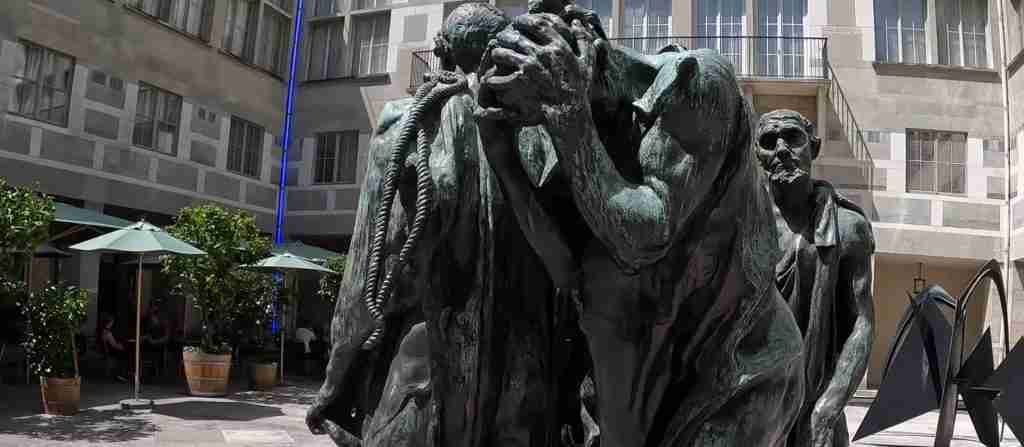
Opening hours Tuesday 9am-7pm, Wednesday 9am-9pm, Thursday-Sunday 9am-7pm, closed Mondays. The extended Wednesday evening hours until 9pm create ideal conditions for unhurried viewing in quieter galleries. Location at St. Alban-Graben 8 places the museum 5 minutes’ walk from Basel SBB station via Tram 1 or 2 to Kunstmuseum stop. Audio guides cost CHF 5 ($6) in eight languages. The museum bistro serves breakfast, lunch, and afternoon refreshments 9am-6pm Tuesday-Sunday in the interior courtyard overlooking Rodin’s Burghers of Calais sculpture.
Fondation Beyeler: Modernist Sanctuary in Riehen
The Fondation Beyeler ranks among Europe’s most architecturally distinguished museums, with Renzo Piano’s glass-and-steel pavilion creating seamless integration between art, architecture, and surrounding pastoral landscape. Located in Riehen village 25 minutes from Basel city center, the museum houses Ernst and Hildy Beyeler’s collection of classical modernism and contemporary art built over five decades of gallery operations. The collection emphasizes quality over quantity, with approximately 400 works by 91 artists representing modernism’s essential figures from Monet through contemporary practitioners.
Admission in 2026 costs CHF 25 ($28) for adults, with children under 10 entering free. The museum accepts Museums-PASS-Musées and Swiss Museum Pass for complimentary admission with advance timed-entry reservation. BaselCard holders receive 10% discount. Special SBB RailAway packages combine discounted rail travel with museum admission, offering up to 50% savings on combined transportation and entry during February-March 2026 promotional periods. The museum opens Monday-Tuesday and Thursday-Sunday 9am-6pm, Wednesday 9am-8pm, maintaining year-round operations 365 days annually.
The 2026 exhibition program features Paul Cézanne (January 25-May 25), the first major Cézanne retrospective in Fondation Beyeler’s history focusing on the artist’s final creative period. Pierre Huyghe’s immersive contemporary installation (May 24-September 13) transforms museum spaces into evolving ecosystems blurring boundaries between art, biology, and technology. Ruth Asawa’s sculptural works (September 27-January 2027) present the Japanese-American artist’s delicate wire sculptures and community-engaged practices. The Sensations collection display (February 21-April 26) explores perception and visual experience through permanent collection highlights.
Reaching Fondation Beyeler from Basel requires Tram 6 from Barfüsserplatz or Basel SBB to Fondation Beyeler stop, a 25-minute journey. Regional train S6 from Basel Badischer Bahnhof to Riehen station connects in 10 minutes, followed by a scenic 10-minute walk through village streets. The museum restaurant Beyeler im Park serves lunch and afternoon refreshments with terrace seating overlooking lily ponds and mature trees. The museum shop offers exhibition catalogues, art books, and design objects. Audio guides cost CHF 8 ($9) but the museum discourages their use during major exhibitions, preferring visitors engage directly with artworks.
Museum Tinguely: Kinetic Art on the Rhine
Museum Tinguely houses the world’s largest collection of works by Jean Tinguely, Switzerland’s most innovative 20th-century sculptor, presenting 130 kinetic sculptures and 2,000 works on paper across four floors in Mario Botta’s distinctive Rhine-side building. The museum experience centers on movement, noise, and mechanical humor, with sculptures clanking, whirring, and shaking in automated sequences every five minutes. Tinguely’s collaboration with Niki de Saint Phalle, his fascination with Formula 1 racing, and his self-destructing machines receive dedicated exhibition spaces within the permanent collection display.
Admission costs CHF 18 ($20) for adults in 2026, CHF 12 ($14) for students and apprentices, with children under 16 entering free. The museum provides exceptional free access Thursday evenings 6-9pm for all visitors regardless of age or residency. BaselCard holders receive 50% discount on admission. Museums-PASS-Musées and Swiss Museum Pass provide complimentary entry. Reduced group rates CHF 12 ($14) per person apply to groups of 12 or more with advance booking. KulturLegi cardholders and people with disabilities pay reduced admission CHF 12 ($14).
The permanent collection spans Tinguely’s career from 1950s delicate kinetic reliefs through massive 1980s machine sculptures. Interactive works invite visitor participation, with several sculptures activated by visitor-operated buttons and levers. The Formula 1 memorials—particularly Lola T180 commemorating Swedish driver Joakim Bonnier—reveal Tinguely’s deep engagement with racing culture and his mourning of friends killed in dangerous 1960s-70s competition. The Homage to New York fragments, remnants of Tinguely’s 1960 self-destroying machine built in MoMA’s sculpture garden, document his radical approach to impermanence and spectacle.
Museum hours Tuesday-Sunday 11am-6pm, Thursday 11am-9pm, closed Mondays. The Thursday extended evening creates quieter viewing conditions ideal for contemplating noisy kinetic works without daytime crowd density. Location at Paul Sacher-Anlage 1 along the Rhine’s northern bank places the museum 15 minutes’ walk from Basel city center or 10 minutes via Tram 2 from Badischer Bahnhof to Wettsteinplatz stop. The Chez Jeannot bistro serves seasonal cuisine and Swiss wines on a Rhine-view terrace, open museum hours. The Meta-Tinguely multimedia guide provides videos, animations, and interactive games exploring collection highlights.
Museum der Kulturen: European Ethnographic Treasures
The Museum der Kulturen Basel maintains one of Europe’s most significant ethnographic collections, with approximately 340,000 objects spanning global cultures from Oceania through Africa, Asia, Americas, and Europe. The main building at Münsterplatz presents rotating thematic exhibitions drawing from permanent holdings, while the annex houses the permanent Basel Carnival exhibition documenting the city’s distinctive Fasnacht traditions. The collection’s strength lies in 19th-century acquisitions when Basel collectors and merchants assembled comprehensive holdings from colonial-era trading networks and early anthropological expeditions.
Admission in 2026 costs CHF 16 ($18) for adults, CHF 5 ($6) for adolescents 13-18 years and students under 29, with children under 12 entering free. The Basel Carnival annex charges reduced admission CHF 7 ($8) adults, CHF 3 ($3) adolescents when visited separately. Wednesday matinée events cost CHF 10 ($11) adults, CHF 5 ($6) children. Museums-PASS-Musées, Swiss Museum Pass, and University Basel student IDs provide free entry. The museum welcomes families with stroller-accessible galleries and dedicated children’s programming.
Opening hours Tuesday-Sunday 10am-5pm, first Wednesday monthly 10am-8pm, closed Mondays. The Basel Carnival annex operates reduced hours Thursday-Saturday 1-5pm, Sunday 11am-5pm. Location at Münsterplatz 20 places the museum adjacent Basel Münster cathedral, accessible via Tram 2 from Basel SBB to Kunstmuseum stop followed by 8-minute walk through historic center. The Museum Bistro Rollerhof serves light meals and refreshments in the interior courtyard Tuesday-Sunday during museum hours. Barrier-free access accommodates wheelchairs throughout the main building, though the annex presents accessibility challenges.
Museum Clusters and Neighborhoods 2026
St. Alban Cultural Corridor
The St. Alban quarter concentrates Basel’s highest density of major museums within a 10-minute walking radius, enabling efficient multi-museum days without transportation requirements. This medieval neighborhood extending from Kunstmuseum Basel southeast along St. Alban-Graben and St. Alban-Rheinweg creates a natural museum circuit combining art, cultural history, and specialized collections. Visitors basing themselves at nearby hotels maximize museum access while enjoying the quarter’s historic architecture, Rhine-side paths, and museum-adjacent dining options.
Kunstmuseum Basel’s main and new buildings anchor the northwestern end at St. Alban-Graben 8, with the currently closed Kunstmuseum Basel | Gegenwart occupying St. Alban-Rheinweg 60 to the southeast. Museum der Kulturen sits 5 minutes’ walk northeast at Münsterplatz 20, while Antikenmuseum Basel (ancient Mediterranean artifacts) operates immediately adjacent. The Musikmuseum Basel at Im Lohnhof 9 presents historical musical instruments 3 minutes from Kunstmuseum. This geographic clustering allows serious museum visitors to experience 4-5 major institutions daily with strategic pacing and meal breaks at museum bistros.
The St. Alban walking circuit begins at Kunstmuseum Basel (2-3 hours), proceeds southeast through St. Alban-Anlage park to Museum der Kulturen and Antikenmuseum (1.5 hours combined), continues to Musikmuseum (45 minutes), and concludes at a museum bistro for lunch before afternoon visits to Kunstmuseum’s new building or Gegenwart when reopened. Alternative routing reverses the sequence, starting at Rhine-side Gegenwart and working northwest toward Kunstmuseum. The circuit totals approximately 1.2 kilometers of walking distance, entirely on pedestrian-friendly pathways with minimal elevation change.
Dining options within the St. Alban corridor include Kunstmuseum Bistro (breakfast, lunch, afternoon refreshments), Museum der Kulturen Bistro Rollerhof (light meals, courtyard seating), and numerous cafés along St. Alban-Vorstadt. Budget visitors pack lunches consumed in St. Alban-Anlage park or along Rhine walking paths. Mid-range visitors utilize museum bistros for CHF 15-25 ($17-28) lunch plates and salads. The corridor’s compact geography eliminates transportation costs between museums, reducing daily spending while maximizing cultural immersion time.
Rhine-Side Museum Trail
Basel’s Rhine riverbanks host several major museums positioned to combine cultural visits with scenic waterfront walking, creating half-day or full-day experiences integrating art with Basel’s defining geographic feature. The northern bank between Mittlere Brücke and Johanniterbrücke presents Museum Tinguely as the anchor institution, with smaller museums and cultural spaces extending upstream and downstream. Rhine ferry crossings and pedestrian bridges enable circular walking routes visiting both banks’ attractions while experiencing Basel’s river culture.
Museum Tinguely at Paul Sacher-Anlage 1 occupies prime Rhine frontage 15 minutes’ walk upstream from city center, with outdoor Tinguely fountains creating public art encounters before entering the museum. The Solitude Park surrounding the museum provides picnic areas and Rhine swimming access during summer months. Upstream from Tinguely, the Dreiländereck (three-country corner) where Swiss, French, and German borders meet offers symbolic geographic interest 20 minutes’ walk away.
The Rhine-side approach encourages slower-paced cultural days integrating museum visits with outdoor activities. A typical itinerary begins with morning Museum Tinguely visit (2 hours), proceeds downstream via Rhine path to city center (30 minutes’ walk), crosses Mittlere Brücke to Kleinbasel for lunch, returns to Grossbasel via pedestrian ferry, and concludes with afternoon Kunstmuseum visit. Summer visitors swim in the Rhine between museums using public swimming areas and Wickelfisch waterproof bags for belongings. Winter visitors enjoy quieter riverside paths and warm museum interiors.
Rhine ferry crossings cost CHF 1.60 ($2) per person, accepting standard Basel public transport tickets. Four traditional Fähri boats operate on cable systems across the river current, providing 2-minute crossings between Grossbasel and Kleinbasel. The distinctive ferry experience adds local transportation culture to museum days while avoiding modern bridge crossings. Ferry schedules operate approximately 6am-midnight daily depending on individual ferry route, with reduced winter hours.
Riehen Village Cultural Destination
Riehen village, technically separate from Basel city despite seamless tram connections, functions as a cultural destination anchored by Fondation Beyeler and complemented by the Vitra Design Museum just across the German border in Weil am Rhein. This suburban museum cluster appeals to visitors seeking world-class cultural experiences in quieter pastoral settings, with village atmosphere, vineyard views, and Black Forest proximity creating distinctive ambiance unavailable in dense urban museum quarters.
Fondation Beyeler at Baselstrasse 101 serves as Riehen’s primary attraction, with the museum’s park setting and Renzo Piano architecture integral to the visit experience. The tram journey from Basel city center to Fondation Beyeler stop takes 25 minutes via Tram 6, passing through residential neighborhoods before reaching Riehen’s village center. The museum’s location enables combination visits with Vitra Design Museum (20 minutes further via Tram 8 to Weil am Rhein), creating comprehensive modern art and design days.
Riehen village offers authentic Swiss village atmosphere with traditional architecture, local bakeries, and quieter streets contrasting sharply with Basel’s urban density. Visitors with extra time explore Riehen’s village center, browse local shops, or walk vineyard paths extending toward Black Forest foothills. The Beyeler Museum restaurant provides quality dining, while Riehen village cafés and bakeries offer budget-friendly alternatives. The Wiesengarten restaurant near Fondation Beyeler serves regional Swiss cuisine with outdoor seating and parking availability.
The Riehen-Weil am Rhein cultural circuit combines Swiss and German attractions across the seamless border. Fondation Beyeler (3 hours) pairs naturally with Vitra Design Museum (2 hours) and Vitra Campus architecture tour (1 hour optional), creating comprehensive modern art and design days totaling 6-7 hours including transport and lunch. Tram 8 extends from Riehen to Vitra Design Museum stop in Germany, with Basel public transport tickets valid across the border. The circuit particularly appeals to design professionals, modern art enthusiasts, and visitors interested in Swiss-German tri-national cultural cooperation.
Admission Pricing and Pass Strategies 2026
Individual Museum Admission Costs 2026
Basel’s major museums charge admission fees ranging CHF 7-30 ($8-34) for adult entry, with most institutions offering reduced rates for students, seniors, and free admission for children under varying age thresholds. The Kunstmuseum Basel represents the highest single admission at CHF 30 ($34), reflecting comprehensive access to main building, new building, and special exhibitions across 10,000 square meters. Fondation Beyeler charges CHF 25 ($28), positioned as premium pricing for internationally significant temporary exhibitions and permanent collection highlights. Museum Tinguely at CHF 18 ($20) and Museum der Kulturen at CHF 16 ($18) represent mid-tier institutional pricing.
Smaller specialized museums generally charge CHF 7-15 ($8-17) admission. The Toy Worlds Museum Basel costs CHF 7 ($8) adults, CHF 5 ($6) seniors and disabled visitors, with children under 16 free. Natural History Museum Basel charges CHF 7 ($8) permanent exhibitions, CHF 5 ($6) teenagers and students. Antikenmuseum Basel and Historisches Museum Basel maintain similar CHF 10-15 ($11-17) pricing structures. These smaller institutions provide excellent value for specialized interests while requiring less time investment than major art museums.
Student and youth discounts reduce admission costs 30-50% at most institutions. Kunstmuseum Basel’s student rate CHF 16 ($18) represents nearly 50% savings versus adult admission, while Museum Tinguely’s CHF 12 ($14) student rate provides 33% reduction. Valid student identification from recognized educational institutions qualifies for reduced rates, typically extending through age 26-30 depending on institution. Senior discounts generally apply from age 65 with similar percentage reductions. Several museums including Museum Tinguely offer free admission for children under 16, while others set the threshold at 13 years, creating family-friendly visiting economics.
Special reduced admission periods enable strategic budget management. Kunstmuseum Basel’s Wednesday evening 5-8pm reduced special exhibition rate CHF 16 ($18) instead of CHF 30 ($34) provides 47% savings for flexible visitors. The museum’s free collection access Tuesday, Thursday, Friday 5-6pm and Wednesday 5-8pm eliminates admission costs entirely for permanent collection viewers. Museum Tinguely’s Thursday evening 6-9pm free admission represents exceptional value for one of Basel’s premier institutions. Natural History Museum’s last-hour free admission Tuesday-Saturday and first Sunday monthly creates additional cost-elimination opportunities.
Museums-PASS-Musées Value Analysis 2026
The Museums-PASS-Musées at CHF 153 ($172) annually provides unlimited admission to 345+ museums across Switzerland, Germany, and France within the tri-national Basel-Alsace-Black Forest region. This comprehensive pass system represents extraordinary value for frequent museum visitors, multi-day Basel stays, or travelers exploring the broader trinational area. The pass includes all major Basel museums plus institutions throughout northwestern Switzerland, southern Baden-Württemberg, and Alsace, creating vast cultural access from a single investment.
Break-even calculation reveals the pass’s value threshold. A visitor paying full admission at Kunstmuseum Basel (CHF 30), Fondation Beyeler (CHF 25), Museum Tinguely (CHF 18), Museum der Kulturen (CHF 16), Vitra Design Museum (CHF 15), and Toy Worlds Museum (CHF 7) accumulates CHF 111 in single admissions. After just six museum visits at standard rates, the remaining 345+ institutions become free for the pass’s full year validity. Visitors spending one week in Basel and surrounding region easily surpass break-even during their stay, with the pass enabling spontaneous museum visits without per-entry cost considerations.
The reduced-rate Museums-PASS-Musées costs CHF 141 ($159) for pupils, trainees, students, disabled persons, unemployed persons, teachers, and Museumsförderverein members upon presentation of valid documentation. This CHF 12 discount lowers the break-even threshold while providing identical access to all participating institutions. Family benefits allow one passholder to bring up to five children under 18 for free admission, creating exceptional family value when combined with unlimited museum access.
Purchasing the Museums-PASS-Musées occurs at Basel Tourist Information office at Stadtcasino Barfüsserplatz, major participating museums including Kunstmuseum Basel and Fondation Beyeler, or online at museumspass.com. Online purchases deliver digital passes immediately via email, enabling same-day activation upon first museum visit. Physical pass cards remain available for visitors preferring tangible credentials. The pass activates upon first use rather than purchase date, allowing advance purchase without wasting validity period before arrival.
Geographic coverage extends beyond Basel city to Freiburg, Colmar, Mulhouse, Lörrach, and hundreds of smaller municipalities within the tri-national region. Basel serves as the pass’s geographic epicenter, with dense museum concentration in the city and Riehen, but the system enables day trips to Alsatian medieval towns, Black Forest castles, and Rhine Valley cultural sites. A Basel-based visitor utilizing the pass for one week explores Unterlinden Museum in Colmar (40 minutes by train), Freiburg’s museums (60 minutes), and Vitra Design Museum (30 minutes) alongside comprehensive Basel museum coverage, transforming a single-city cultural visit into trinational exploration.
Swiss Museum Pass Integration 2026
The Swiss Museum Pass provides free admission to over 500 museums throughout Switzerland for one year, with Basel’s institutions representing a concentrated subset within the national network. This pass particularly benefits travelers combining Basel with other Swiss cities, multi-week Switzerland stays, or Swiss residents seeking year-round cultural access. In 2026, a special CHF 30 discount promotion celebrates the pass’s 30th anniversary, reducing standard pricing through December 31, 2026.
The pass costs approximately CHF 195 ($220) annually for adults after the anniversary discount, with family passes CHF 390 ($440) covering two adults plus children under 16. Large Swiss museums including Basel’s Kunstmuseum, major Zurich and Bern institutions, and prominent museums nationwide charge CHF 12-24 ($14-27) individual admission, enabling break-even after 8-16 museum visits depending on institution mix. Basel-focused visitors assess whether the higher Swiss Museum Pass cost versus Basel-specific Museums-PASS-Musées justifies access to additional Swiss institutions outside the tri-national region.
Swiss Museum Pass holders benefit from included free access in several national rail passes marketed to international visitors. The Swiss Travel Pass, Swiss Flexi Pass, and Swiss Youth Pass include Swiss Museum Pass coverage for pass validity duration, providing multi-museum access without separate museum pass purchase. Travelers renting Swiss holiday homes through Reka receive complimentary Swiss Museum Pass valid for rental duration. These bundled offerings eliminate museum pass decision-making while delivering substantial value through included cultural access.
Basel institutions accepting Swiss Museum Pass require advance timed-entry reservations at Fondation Beyeler during peak exhibition periods and Art Basel week. The reservation system, accessible via Fondation Beyeler’s website, prevents overcrowding while guaranteeing admission for passholders. Most other Basel museums accept Swiss Museum Pass without reservations, allowing spontaneous visits with pass presentation at admission desks. The pass functions identically to Museums-PASS-Musées at participating institutions, with admission desk staff scanning pass barcodes or recording pass numbers for entry verification.
BaselCard Museum Discount Benefits 2026
The BaselCard, provided complimentary to all visitors booking Basel accommodations including hotels, hostels, bed and breakfasts, and apartments, delivers 25-50% discounts at virtually all Basel museums alongside free public transportation throughout the city and surrounding region. This automatic benefit democratizes museum access without requiring separate pass purchases or strategic timing for free admission hours, particularly benefiting short-stay visitors for whom annual passes represent poor value.
Museum discounts via BaselCard reduce admission costs substantially. Kunstmuseum Basel’s 25% discount lowers adult admission from CHF 30 to CHF 23 ($26), saving CHF 7 per visit. Fondation Beyeler’s discount drops CHF 25 admission to approximately CHF 23 ($26). Museum Tinguely’s 50% discount reduces CHF 18 admission to CHF 9 ($10), creating exceptional value approaching free admission economically. A visitor attending four museums over three days utilizing BaselCard discounts saves CHF 20-40 ($23-45) compared to full admission pricing, offsetting significant portions of accommodation costs or dining budgets.
BaselCard activation occurs at hotel check-in, with reception staff providing physical cards valid for stay duration plus checkout day. Digital BaselCard options enable smartphone-based proof of eligibility at participating museums. Visitors present BaselCard at museum admission desks to receive discounted admission tickets, with discount application automatic upon card presentation. The card covers all guests in hotel room reservation, ensuring families and couples each receive individual BaselCard rather than sharing a single discount credential.
Free public transportation included with BaselCard operates throughout the Basel-Stadt and Basel-Landschaft cantons, covering trams, buses, trains to Riehen and Pratteln, and Rhine ferries. This transportation benefit eliminates day pass costs while enabling seamless museum-to-museum movement via public transit. The combined museum discount and transportation value typically totals CHF 30-60 ($34-68) over multi-day stays, representing substantial savings automatically included with accommodation bookings without additional effort or expense.
Strategic Visiting Approaches 2026
Free Admission Hours Optimization
Strategic visitors utilizing free admission periods at major Basel museums experience world-class collections without admission costs, requiring flexible scheduling and targeted timing rather than financial investment. This approach particularly benefits budget-conscious travelers, local residents seeking regular museum engagement, and visitors prioritizing experience diversity over comprehensive institution coverage. Understanding each museum’s free admission schedule enables constructing multi-day Basel itineraries with zero or minimal museum admission expenses.
Kunstmuseum Basel’s free collection access Tuesday, Thursday, Friday 5-6pm, Wednesday 5-8pm, and first Sunday monthly provides the most comprehensive free admission opportunities among Basel’s major institutions. A visitor arriving Tuesday late afternoon explores permanent collections across main and new buildings during the free hour, returns Wednesday evening 5-8pm for additional galleries or special exhibition reduced-rate viewing, and revisits first Sunday for comprehensive exploration. This three-visit approach spanning two weeks covers the extensive collection without admission costs beyond optional special exhibition access.
Museum Tinguely’s Thursday evening 6-9pm free admission creates ideal conditions for experiencing kinetic sculptures in quieter evening atmosphere. The three-hour window provides ample time for thorough permanent collection exploration, video viewing, and interactive sculpture engagement. Combining Tinguely’s Thursday free evening with Kunstmuseum’s Wednesday evening reduced rates and Natural History Museum’s last-hour free admission constructs a free or minimal-cost museum week requiring only strategic scheduling around free-access periods.
First Sunday monthly free admission patterns across multiple institutions enable concentrated single-day museum marathons. Kunstmuseum Basel, Natural History Museum Basel, and several smaller museums offer free collection access first Sundays, allowing visitors to structure six-museum days encompassing art, natural sciences, and specialized collections without admission fees. This approach requires stamina and focused visiting strategies, moving efficiently between institutions to maximize the monthly opportunity while accepting reduced per-museum dwell time compared to single-museum focus days.
The free admission optimization strategy sacrifices flexibility for cost savings, constraining visit timing to specific hours and days rather than visitor preference. Visitors unwilling to structure schedules around museum hours, those desiring comprehensive multi-day engagement with single institutions, or travelers on fixed short-stay itineraries find pass purchases or full admission payment more practical despite higher costs. The approach works best for extended Basel stays allowing multiple free-hour opportunities, local residents building long-term museum relationships, or extremely budget-conscious travelers accepting scheduling constraints to eliminate admission expenses.
Museums-PASS-Musées Maximization Strategy
Visitors investing in Museums-PASS-Musées maximize value through strategic multi-museum daily planning, trinational geographic exploration, and long-term pass utilization extending beyond single Basel visits. This approach transforms museum visiting from individual admission decisions into unlimited exploration mindset, encouraging spontaneous visits, repeat collection engagement, and adventurous day trips to lesser-known regional institutions that might not justify individual admission prices.
The first week after pass purchase represents peak value-extraction opportunity, with daily 4-5 museum visits establishing substantial savings versus individual admissions. A comprehensive Basel museum week visits Kunstmuseum Basel day one, Fondation Beyeler and Vitra Design Museum day two (combining Swiss and German access), Museum Tinguely and Rhine-side museums day three, Museum der Kulturen and Münster-area cultural sites day four, Schaulager and contemporary art spaces day five, and day trips to Colmar’s Unterlinden Museum or Freiburg’s museum quarter days six and seven. This intensive approach accumulates CHF 200-300 ($225-340) in individual admission value within one week, far exceeding the CHF 153 pass cost.
Geographic range exploitation ventures beyond Basel city to Alsatian medieval towns, Black Forest castle museums, and Rhine Valley cultural sites accessible within 30-90 minutes via regional trains. The pass’s trinational coverage encourages cultural day trips that might seem economically unjustifiable if each required separate admission purchases. A Colmar day trip visiting Unterlinden Museum, Bartholdi Museum, and Toy Museum accumulates EUR 30-40 ($33-44) in individual admissions covered by the pass, while Freiburg museum quartet visits represent additional value beyond core Basel museum coverage.
Long-term pass value accrues for Basel-area residents, frequent business travelers, or multi-visit tourists planning several Basel trips within the annual validity period. A business traveler visiting Basel quarterly for three-day stays utilizes the pass across four separate trips, accessing museums during free evenings and weekends throughout the year. Regional residents treat Basel museums as regular cultural destinations, visiting specific exhibitions multiple times, bringing different family members or guests to favorite institutions, and exploring seasonal programming without per-visit cost calculations affecting attendance decisions.
The maximization strategy requires acknowledging potential over-commitment to museum visiting at the expense of other Basel experiences. A visitor structuring entire days around sequential museum visits to justify pass purchase may sacrifice Rhine swimming, restaurant exploration, architectural wandering, or simply relaxing in Basel’s atmospheric historic center. Balanced pass utilization integrates museum visits into broader Basel experiences rather than organizing entire stays around museum attendance optimization, accepting that not maximizing every potential museum visit remains acceptable when pass value already exceeds cost through core institution coverage.
Morning-Start Advantage Strategy
Early-morning museum visits beginning at opening hours provide optimal viewing conditions through reduced crowding, fresh mental energy for complex artworks, and flexibility for afternoon non-museum activities or second museum visits. This temporal strategy particularly benefits serious art viewers seeking contemplative engagement, photographers desiring crowd-free gallery documentation, and families with children who concentrate better during morning hours before afternoon fatigue.
Kunstmuseum Basel opens 9am Tuesday-Sunday, with first-hour attendance typically 60-70% lower than midday peak periods. Morning visitors navigate galleries with minimal interference, spend extended time with individual works without crowding, and secure optimal sight lines for popular paintings. The quiet morning atmosphere enables audio guide use without environmental noise competition, facilitates drawing and sketching in galleries, and creates meditative conditions for abstract art contemplation requiring focused attention.
Fondation Beyeler’s 9am opening provides similar morning advantages, particularly valuable during major temporary exhibitions attracting high attendance. Summer weekends and Art Basel week (mid-June) generate afternoon crowds that significantly impact viewing experience, while morning visits before 11am maintain manageable attendance levels. The museum’s natural lighting through Renzo Piano’s glass walls creates distinctive morning illumination conditions, with east-facing galleries receiving direct morning sunlight unavailable during afternoon visits.
The morning-start strategy enables efficient two-museum days through morning major museum visit (2.5-3 hours) followed by lunch and afternoon second museum or non-museum activity. A typical execution begins Kunstmuseum Basel 9am arrival for three-hour comprehensive collection tour, lunch at museum bistro or nearby café 12-1pm, and afternoon Museum Tinguely visit or Rhine walking exploration. This pacing maintains engagement quality across both museum visits while avoiding the museum fatigue that affects visitors attempting three or more institutions daily.
Early museum starting requires disciplined schedule management and willingness to prioritize cultural activities over leisurely morning routines. Visitors accustomed to 10am or 11am hotel departures must adjust breakfast timing, potentially skipping extended hotel breakfast service to reach museums at opening. This trade-off between comfortable morning rhythms and optimal museum conditions appeals to dedicated cultural travelers but may frustrate casual visitors preferring relaxed vacation pacing. Families with young children assess whether earlier museum visits align with children’s natural energy cycles versus forcing difficult morning transitions that create afternoon meltdowns.
Late Evening Extended Hours Approach
Wednesday and Thursday extended museum hours create alternative visiting conditions unavailable during standard daytime operations, with quieter galleries, distinctive evening atmosphere, and opportunities for working visitors to experience museums outside typical leisure time constraints. This approach particularly benefits business travelers, local working residents, and cultural enthusiasts preferring contemplative evening museum experiences over crowded afternoon visits.
Kunstmuseum Basel’s Wednesday 9am-9pm hours provide full evening access, with reduced admission CHF 16 ($18) for special exhibitions after 5pm creating both temporal and economic incentives. The evening atmosphere transforms gallery experiences, with dramatic artificial lighting replacing natural daylight, reduced visitor numbers enabling unhurried viewing, and a distinct psychological shift from daytime educational visits to evening cultural experiences. Evening visitors often exhibit more serious engagement, spending longer with individual works and utilizing gallery seating more extensively than rushed afternoon tourists.
Museum Tinguely’s Thursday 11am-9pm hours extend standard 6pm closing by three hours, with the late evening period from 6-9pm offering free admission for all visitors. The evening Tinguely visit creates unique experiences as mechanical sculptures operate in evening gallery lighting, outdoor Rhine views shift to nighttime city lights, and the museum’s kinetic noise reverberates through quieter spaces. The combination of free admission and extended hours makes Thursday evening Basel’s most valuable weekly museum opportunity.
Evening museum visits pair naturally with dinner in museum neighborhoods, creating integrated cultural evenings combining art and dining. Wednesday Kunstmuseum evening visits conclude with St. Alban quarter restaurant dining, while Thursday Tinguely evening hours combine with Rhine-side restaurants or Kleinbasel neighborhood exploration. This integration transforms museum visits from isolated cultural activities into comprehensive evening experiences encompassing multiple Basel attractions and atmospheres.
The evening approach limitations include reduced museum shop and bistro hours at some institutions, potential audio guide unavailability, and limited family appeal for children requiring evening routines. Museum shops may close before late evening hours end, preventing exhibition catalogue purchases or gift browsing. Families with young children generally find evening museum visits impractical despite free or reduced admission, as children’s energy and attention decline during late hours regardless of cost savings. The approach works best for adult cultural travelers, couples seeking romantic evening activities, or serious art enthusiasts prioritizing viewing conditions over comprehensive museum amenity access.
Budget Planning for Museum Visitors 2026
Budget Museum Days in Basel 2026
Budget-conscious museum visitors spending CHF 120-175 ($135-200) per person daily experience comprehensive Basel cultural attractions through strategic timing, free admission hour utilization, budget accommodations two sharing, and self-catered meals supplementing occasional restaurant dining. This budget tier requires advance planning, schedule flexibility around museum free hours, and acceptance of basic rather than premium accommodations and dining, while delivering authentic museum experiences identical to those accessed by luxury visitors paying substantially higher admission prices.
Accommodation represents the largest budget component at CHF 60-80 ($68-90) per person nightly assuming two sharing budget hotel rooms or hostel private doubles. Budget hotels in St. Johann and Gundeldingen neighborhoods charge CHF 120-160 ($135-180) per room, divided by two occupants for per-person calculation. Hostels including Basel Backpackers and Youth Hostel Basel offer private double rooms CHF 90-120 ($100-135) per room, with dormitory beds CHF 40-55 ($45-62) per person for solo travelers willing to share facilities. All Basel accommodations include complimentary BaselCard providing free public transportation and museum discounts, eliminating additional transport costs.
Museum admission costs reduce to CHF 0-8 ($0-9) daily through strategic free hour scheduling and BaselCard discounts. A budget museum day visits Kunstmuseum Basel Tuesday 5-6pm free collection access, Museum Tinguely Thursday 6-9pm free admission, and Natural History Museum last-hour free entry, creating zero-cost museum access. Alternative days utilizing BaselCard 25-50% discounts at paid-entry museums accumulate CHF 8-15 ($9-17) in admission costs for 2-3 museum visits, remaining well within budget parameters while accessing premium institutions during preferred hours.
Food costs CHF 43-75 ($48-85) daily through combination of self-catered breakfast and packed lunches with budget restaurant dinners. Hotel continental breakfast included in room rates or bakery breakfast CHF 8-12 ($9-14) covers morning meals. Packed lunches from Migros or Coop supermarkets cost CHF 10-15 ($11-17) for sandwich, fruit, drink, and snacks consumed in museum gardens or Rhine-side parks. Budget restaurant dinners in Kleinbasel neighborhoods or ethnic restaurants in St. Johann run CHF 20-30 ($23-34) for substantial mains with beverages. Afternoon coffee breaks at bakery cafés add CHF 5-8 ($6-9) for coffee and pastry.
The daily budget museum experience totals CHF 120-175 ($135-200) per person: accommodation CHF 60-80 per person two sharing, meals CHF 43-75, museum admissions CHF 0-8 utilizing free hours, public transport CHF 0 via BaselCard, and incidentals CHF 5-12 for coffee, postcards, and minor purchases. A week of budget museum-focused Basel visiting costs CHF 840-1,225 ($950-1,385) per person, enabling comprehensive cultural exploration without financial stress while maintaining comfortable basic-level accommodations and nutrition.
Mid-Range Museum Experience 2026
Mid-range museum visitors investing CHF 235-335 ($265-380) per person daily enjoy comfortable accommodations two sharing, flexible museum visiting without free-hour constraints, museum bistro and quality restaurant dining, and spontaneous cultural choices enabled by Museums-PASS-Musées unlimited access. This budget tier eliminates schedule restrictions around free admission hours, provides superior accommodation comfort and location, and creates relaxed cultural experiences prioritizing enjoyment over cost optimization.
Accommodation costs CHF 110-150 ($125-170) per person nightly for mid-range hotels in central locations including Altstadt, Steinenvorstadt, or St. Alban quarter. Mid-range hotels charge CHF 220-300 ($250-340) per double room, divided by two for per-person calculation. These properties provide private bathrooms, comfortable beds, central locations within 10-15 minutes’ walk of major museums, and quality amenities including in-room coffee, reliable WiFi, and professional reception service. The central locations reduce walking distances to museums while positioning visitors in attractive historic neighborhoods with excellent dining and shopping access.
Museum admission costs CHF 20-35 ($23-40) daily through combination of 2-3 paid museum entries at standard or BaselCard-discounted rates. A mid-range museum day paying full admission at Kunstmuseum Basel (CHF 30), Fondation Beyeler (CHF 25), and Museum der Kulturen (CHF 16) accumulates CHF 71 ($80) in admission costs, though most mid-range visitors invest CHF 153 ($172) in Museums-PASS-Musées providing unlimited access eliminating per-visit calculations. The pass investment amortizes across multi-day stays, with 4-5 day Basel visits easily exceeding break-even through museum quantity and elimination of free-hour scheduling constraints.
Dining expenses range CHF 82-145 ($93-164) daily through restaurant breakfast, museum bistro lunches, and quality restaurant dinners with wine. Hotel breakfast buffets or café breakfast plates cost CHF 15-20 ($17-23). Museum bistro lunches at Kunstmuseum, Fondation Beyeler, or Tinguely run CHF 25-40 ($28-45) for substantial plates, salads, and beverages. Mid-range restaurant dinners in Kleinbasel, Gundeldingen, or St. Johann neighborhoods cost CHF 40-60 ($45-68) for main courses with appetizers or desserts and wine. Afternoon coffee breaks add CHF 5-10 ($6-11) for quality café experiences.
Public transportation via complimentary BaselCard eliminates transit costs, while incidental expenses for museum shop purchases, guidebooks, and postcards add CHF 15-25 ($17-28) daily. The complete mid-range daily museum experience totals CHF 235-335 ($265-380) per person: accommodation CHF 110-150 per person two sharing, meals CHF 82-145, museum admissions CHF 20-35 or Museums-PASS-Musées amortized cost, transport CHF 0 via BaselCard, and incidentals CHF 15-25. A week costs CHF 1,645-2,345 ($1,860-2,650) per person, providing comfortable, flexible Basel cultural immersion without budget anxiety or schedule constraints around free admission periods.
Luxury Museum Experience 2026
Luxury museum visitors investing CHF 570-830 ($645-940) per person daily access premium Basel accommodations two sharing, private guided museum tours, fine dining at museum restaurants and Basel’s best establishments, taxi transportation, and comprehensive cultural experiences integrating exclusive access and personalized interpretation. This budget tier prioritizes comfort, expertise, and unique experiences unavailable to budget or mid-range visitors, creating memorable Basel cultural immersion supported by premium services and amenities.
Accommodation costs CHF 250-350 ($280-395) per person nightly for luxury hotels including Grand Hotel Les Trois Rois, Hotel Basel, or Krafft Basel boutique property. Luxury hotel double rooms range CHF 500-700 ($565-790) per room divided by two sharing. These properties offer Rhine views, historic architecture, spa facilities, concierge services, in-room dining, premium bedding, and locations in Basel’s most prestigious neighborhoods. The superior service level includes museum reservation assistance, private car arrangements, and local cultural expertise from knowledgeable concierge staff.
Museum experiences incorporate CHF 115-170 ($130-192) in admission costs, private tours, and premium access. Standard admission to 3-4 museums costs CHF 65-90 ($74-102), while private guided tours add CHF 50-80 ($57-90) for 90-minute personalized interpretation at major institutions. Museums including Kunstmuseum Basel and Fondation Beyeler arrange private tours for individuals or small groups through advance booking, providing expert art historical commentary, collection highlights curation, and flexible pacing matching visitor interests. Audio guide rentals, exhibition catalogues, and museum shop purchases add CHF 15-30 ($17-34).
Dining reaches CHF 155-230 ($175-260) daily through luxury hotel breakfast, museum restaurant lunch, and fine dining dinner with wine pairings. Hotel breakfast buffets cost CHF 25-35 ($28-40) but often include superior variety and quality versus budget alternatives. Museum restaurant lunches at Fondation Beyeler or Kunstmuseum reach CHF 50-75 ($57-85) for multi-course meals with wine. Fine dining dinners at Cheval Blanc, Atelier, or Stucki establishments cost CHF 80-120 ($90-135) for tasting menus with beverage pairings. Afternoon refreshments at luxury hotel lounges or premium cafés add CHF 10-15 ($11-17).
Transportation via private car service or taxis costs CHF 30-50 ($34-57) daily for museum-to-museum transfers, restaurant transport, and evening returns to hotels. While Basel’s compact geography enables walking between most museums, luxury visitors often prefer door-to-door car service for comfort and time efficiency. Incidental expenses including premium museum shop art books, limited edition prints, and designer gifts accumulate CHF 20-30 ($23-34) daily.
The luxury daily museum experience totals CHF 570-830 ($645-940) per person: accommodation CHF 250-350 per person two sharing, meals CHF 155-230, museum experiences CHF 115-170, transportation CHF 30-50, and incidentals CHF 20-30. A week costs CHF 3,990-5,810 ($4,515-6,570) per person, delivering Basel’s finest cultural experiences with premium comfort, personalized service, and exclusive access creating distinctive memories beyond standard museum visiting.
Weekly Museum Trip Budget Breakdowns 2026
Comprehensive week-long Basel museum-focused trips accumulate costs across accommodation, museum access, dining, transportation, and incidentals, with total expenses varying dramatically based on accommodation tier choices, pass purchases, and dining preferences. These seven-day budget models demonstrate realistic Basel museum trip costs for different visitor profiles, enabling accurate financial planning before departure.
Budget week museum trips cost CHF 840-1,225 ($950-1,385) per person. Accommodation CHF 420-560 for seven nights budget hotel or hostel two sharing, meals CHF 300-525 through self-catering and budget restaurants, museum admissions CHF 0-56 utilizing free hours strategically with occasional paid entries, transportation CHF 0 via BaselCard, incidentals CHF 35-84 for coffee and minor purchases. This budget enables 15-20 museum visits across the week through aggressive free-hour scheduling, experiencing Basel’s major museums and numerous smaller institutions without financial pressure while maintaining basic comfort standards.
Mid-range week museum trips cost CHF 1,645-2,345 ($1,860-2,650) per person. Accommodation CHF 770-1,050 for seven nights mid-range hotel two sharing, meals CHF 575-1,015 at restaurants and museum bistros, Museums-PASS-Musées CHF 153 providing unlimited museum access for the week and beyond, transportation CHF 0 via BaselCard, incidentals CHF 105-175 for museum shops and extras. This budget creates comfortable, flexible museum exploration without schedule constraints, accessing 20-30 museums during the week across Basel, Riehen, and trinational day trips while enjoying quality dining and central accommodations.
Luxury week museum trips cost CHF 3,990-5,810 ($4,515-6,570) per person. Accommodation CHF 1,750-2,450 for seven nights luxury hotel two sharing, meals CHF 1,085-1,610 at fine restaurants and museum dining rooms, museum experiences CHF 805-1,190 including admissions and private tours, transportation CHF 210-350 via car service, incidentals CHF 140-210 for premium purchases. This budget provides Basel’s finest cultural experiences with private expert guidance, exclusive access opportunities, superior comfort throughout, and memorable culinary experiences complementing museum visits.
Multi-week Basel cultural immersion programs extending 2-4 weeks enable deeper museum engagement, repeat visits to favorite institutions, comprehensive trinational exploration, and integration into Basel cultural life. Extended stays amortize Museums-PASS-Musées costs across additional weeks, reduce accommodation costs through monthly apartment rentals, and allow relaxed pacing exploring museums without daily scheduling pressure. A four-week mid-range cultural immersion costs approximately CHF 5,500-7,500 ($6,220-8,480) per person including apartment rental, dining, museum pass, and extensive regional cultural day trips.
Family and Group Museum Visiting 2026
Visiting Basel Museums with Children 2026
Family museum visiting in Basel benefits from widespread child-friendly policies including free admission for children under 13-16 years depending on institution, dedicated children’s programming, interactive exhibits, and family-oriented museum spaces designed to engage young visitors. Basel’s museums recognize families as core audiences, investing in educational programming, hands-on activities, and welcoming atmospheres that accommodate children’s energy levels and shorter attention spans compared to adult museum visitors.
Kunstmuseum Basel provides free admission for children through age 12 when accompanied by adults, reducing family costs significantly compared to adult-only groups. The museum’s children’s vernissages parallel major exhibition openings, offering interactive programs for ages 4-12 exploring exhibition themes through hands-on activities. Family tours adapt collection interpretation for mixed-age groups, balancing adult art historical content with child-accessible explanations and engagement strategies. The museum’s ground floor sculpture courtyard provides space for children to move and rest between gallery sessions.
Museum Tinguely excels in child appeal through kinetic sculptures’ movement and noise, visitor-activated interactive works, and playful mechanical humor engaging children naturally without specialized programming. The free admission for children under 16 creates exceptional family value, with two adults and three children paying only adult admission costs CHF 36 ($41) total versus CHF 90+ ($102+) at institutions charging child admission. The museum’s hands-on philosophy encourages children to observe, question, and interact with mechanical art in ways discouraged at traditional fine art museums.
Toy Worlds Museum Basel functions as specialized child-focused destination, presenting teddy bears, dollhouses, and historical toys spanning 1800-present. Admission at CHF 7 ($8) adults with free entry for children under 16 creates minimal family costs while delivering dedicated child-interest content. The museum’s four-floor layout enables flexible visiting, with families spending 45-90 minutes based on children’s engagement levels. Location in central Basel at Steinenvorstadt allows combination with nearby shopping and dining.
Family museum strategy balances child-appropriate institution selection, realistic attention span expectations, and reward breaks maintaining children’s cooperation. A family museum day visits one major institution for 60-90 minutes, incorporates Rhine swimming or playground time, includes ice cream or café treats as positive reinforcement, and accepts that comprehensive museum coverage impossible with children. Two museum visits daily represents maximum realistic family achievement, with many families finding single quality museum experience plus outdoor activities creates more positive memories than forced multi-museum marathons generating child fatigue and parental stress.
Senior and Accessibility-Focused Museum Visiting 2026
Senior museum visitors benefit from reduced admission rates, accessible facility design, specialized programming, and accommodating services recognizing older visitors’ potential mobility limitations, extended viewing time preferences, and deep interest in cultural content. Basel’s museums demonstrate commitment to senior accessibility through physical infrastructure, interpretive programming, and staff training supporting comfortable experiences for older adults exploring collections independently or in organized senior groups.
Reduced admission rates for seniors age 65+ provide 20-30% cost savings at most institutions. Kunstmuseum Basel’s senior rate CHF 20 ($23) represents CHF 10 savings versus adult admission, while Museum Tinguely’s CHF 12 ($14) senior rate saves CHF 6 per visit. These modest individual savings accumulate across multi-museum days, with seniors visiting four museums daily saving CHF 24-40 ($27-45) compared to adult pricing. Museums-PASS-Musées reduced rate CHF 141 ($159) for seniors provides additional savings while enabling unlimited exploration without per-visit cost considerations.
Physical accessibility accommodations include elevator access to all floors at major museums, wheelchair availability for temporary use, barrier-free toilet facilities, and gallery seating enabling rest periods during extended visits. Kunstmuseum Basel provides folding chairs throughout galleries for visitor use, recognizing that older adults benefit from sitting opportunities while contemplating artworks. Museum Tinguely’s ground-floor galleries enable comprehensive collection access without stair navigation, though upper-floor temporary exhibitions require elevator use.
Senior-specific programming includes weekday morning tours avoiding weekend crowds, specialized lectures connecting collection works to historical periods seniors remember personally, and coffee conversations combining museum content with social interaction. These programs recognize seniors’ flexible weekday schedules, preference for educational depth over entertainment, and appreciation for social components complementing cultural content. Advance registration through museum education departments ensures space availability and appropriate group sizing.
Mobility-challenged seniors navigate Basel museums successfully through advance planning, realistic daily limits, and strategic museum selection prioritizing accessible facilities. Single-floor museums or institutions with comprehensive elevator systems enable independent exploration without staff assistance. Companion admission policies allow caregivers accompanying disabled seniors to enter free, reducing costs for seniors requiring support. The compact museum geography within Basel’s historic center enables short walking distances between institutions, though taxis or disability transport services provide alternatives for seniors unable to walk extended distances.
University Student and Academic Museum Access 2026
University students and academic researchers benefit from substantially reduced admission rates, specialized access programs, research facilities, and recognition of museums as essential educational resources supporting academic development across art history, cultural studies, and related disciplines. Basel’s museum system integrates deeply with University Basel and regional academic institutions, facilitating student engagement through economic accessibility, research support, and programming connecting museum collections to curriculum content.
Student admission rates reduce costs 33-50% across Basel museums. Kunstmuseum Basel’s student rate CHF 16 ($18) represents nearly 50% savings versus CHF 30 adult admission, while Museum Tinguely’s CHF 12 ($14) student rate provides 33% reduction. Valid student identification from recognized universities internationally qualifies for reduced rates, with age limits typically extending through age 26-30 depending on institution. Combined with Museums-PASS-Musées student rate CHF 141 ($159) providing unlimited annual access, students access comprehensive Basel museum resources at costs significantly below tourist visitors.
University Basel students receive free admission to Museum der Kulturen upon presentation of university ID, recognizing the ethnographic collection’s research value for anthropology, archaeology, and cultural studies students. Basel School of Design (FHNW) students similarly access free admission at several museums supporting design education. These institutional partnerships demonstrate museums’ commitment to supporting academic formation through eliminating financial barriers to collection access essential for course assignments, research projects, and professional development.
Research access provides qualified students and scholars with photography permissions, collection database access, curatorial consultation, and sometimes physical object examination supporting dissertation research, exhibition planning studies, or academic publication preparation. Kunstmuseum Basel’s collection database enables advanced searching across holdings, while research reading rooms provide comfortable study environments with reference materials. Academic researchers contact museum education or curatorial departments months in advance to arrange specialized access beyond standard public visiting, clearly explaining research objectives and institutional affiliation.
Student museum culture in Basel creates informal communities around regular museum attendance, exhibition discussions, and cultural engagement integrated into student social life rather than isolated educational activities. Student groups organize collective museum visits, informal critiques in galleries, and post-museum café discussions analyzing exhibitions and comparing interpretations. This social dimension transforms museum visiting from individual cultural consumption into community building and intellectual exchange, particularly valuable for international students establishing Basel social networks.
Seasonal Museum Visiting Patterns 2026
Summer Museum Visiting in Basel June-August 2026
Summer museum visiting in Basel coincides with peak tourism season, Art Basel international art fair mid-June, extended daylight hours enabling evening museum exploration, and pleasant weather creating competition between indoor cultural activities and outdoor Rhine recreation. Museums implement crowd management strategies during summer peaks while offering extended hours and special programming capitalizing on concentrated visitor numbers and international attendance.
Art Basel week June 18-21, 2026 transforms Basel’s museum landscape into extended art fair programming, with major institutions scheduling exhibition openings, special events, and extended hours coinciding with collector, curator, and art professional presence. Fondation Beyeler’s Pierre Huyghe exhibition opening May 24 captures Art Basel week attendance, while Kunstmuseum Basel programs complementary shows and events. Museums experience 200-300% normal attendance during Art Basel week, requiring advance reservations at Fondation Beyeler and suggesting morning or late evening visits to major institutions avoiding midday crush.
Summer weather creates natural competition between museum visiting and Rhine swimming, park relaxation, and outdoor dining impossible during colder months. Strategic visitors balance indoor cultural time with outdoor Basel experiences, structuring days around morning museum visits before afternoon heat, evening museum hours during pleasant late-day temperatures, or rainy day intensive museum marathons alternating with sunny outdoor days. The Museums-PASS-Musées unlimited access enables flexible weather-responsive scheduling rather than feeling pressure to visit museums on beautiful days already paid for through individual admissions.
Extended summer hours at multiple institutions capitalize on long daylight and visitor demand. Kunstmuseum Basel’s Wednesday 9am-9pm hours provide evening alternatives to midday crowds, while Museum Tinguely’s Thursday evening free admission 6-9pm attracts local residents and tourists avoiding daytime heat. Summer evening museum visits pair naturally with Rhine-side dining, outdoor concerts, and warm-evening city wandering creating comprehensive cultural experiences impossible during winter’s early darkness and cold temperatures.
Summer accommodation costs increase 30-50% during peak July-August period and Art Basel week, impacting overall trip budgets despite stable museum admission prices. Budget travelers consider June or late August timing avoiding peak pricing while maintaining pleasant weather and full museum operations. Mid-range and luxury visitors accept summer premiums for optimal weather, extended hours, and vibrant cultural programming justifying additional costs through enhanced overall Basel experience.
Winter Museum Season in Basel November-February 2026
Winter museum visiting in Basel offers ideal conditions for serious cultural engagement through minimal crowds, lower accommodation costs, focused indoor activities during cold weather, and museums’ richest exhibition programming coinciding with traditional autumn-spring cultural season. Winter visitors prioritize museums and indoor culture over outdoor activities, creating intensive cultural immersion impossible when summer weather tempts outdoor diversions.
Winter crowds diminish dramatically compared to summer peaks, with November-February museum attendance 40-60% below July-August levels. Kunstmuseum Basel galleries accommodate leisurely viewing without jostling for sight lines, audio guide use occurs without competing environmental noise, and gallery seating remains available for extended contemplation. Fondation Beyeler’s major exhibitions maintain reasonable attendance even during Cézanne retrospective peak interest January-May 2026, with weekday visits providing near-private viewing conditions impossible during summer or Art Basel week.
Accommodation costs drop 25-40% during winter months excluding Christmas-New Year week, creating significant budget advantages for cultural travelers prioritizing museum access over weather. A mid-range hotel charging CHF 280 ($315) per room nightly in summer reduces to CHF 180-220 ($205-250) in winter, saving CHF 60-100 ($68-113) per night for couples sharing. These savings offset museum admission costs or fund superior accommodation tiers, transforming winter timing from weather compromise into economic advantage.
Exhibition programming peaks during traditional September-May cultural season, with major retrospectives, important loan exhibitions, and ambitious curatorial projects concentrating in autumn and winter months. Fondation Beyeler’s Cézanne retrospective runs January 25-May 25, while Kunstmuseum Basel schedules significant exhibitions during winter. Serious museum visitors preferring depth over breadth target winter months for maximum exhibition quality rather than summer’s better weather but thinner programming.
Basel Museum Night third Friday in January provides unique annual event combining 40+ museums, extended hours 6pm-2am, special programming, and festival atmosphere. The 2026 edition Friday January 23 delivers comprehensive cultural immersion impossible during regular museum operations, with Museums-PASS-Musées holders receiving discounted admission CHF 19 ($21) versus CHF 24 ($27) standard price. The event creates winter highlight justifying January Basel visits despite cold weather, combining cultural density with celebratory social atmosphere.
Spring and Autumn Shoulder Season Opportunities 2026
Spring March-May and autumn September-October represent optimal museum visiting conditions balancing pleasant weather, moderate crowds, reasonable accommodation costs, and strong exhibition programming. These shoulder seasons avoid summer peaks and winter cold while maintaining full museum operations, creating ideal circumstances for balanced Basel cultural experiences integrating museum visiting with outdoor Rhine activities and comfortable city exploration.
Spring weather improves progressively through March-May, with March remaining cool but increasingly sunny, April delivering mild temperatures ideal for walking between museums, and May approaching summer warmth without peak-season crowds. Museums maintain full exhibition programming, with Fondation Beyeler’s Cézanne retrospective concluding May 25 creating spring highlight, while Pierre Huyghe exhibition opens May 24. Kunstmuseum Basel continues year-round operations with spring special exhibitions complementing permanent collection access.
Autumn September-October provides arguably Basel’s best museum visiting conditions through pleasant temperatures, beautiful fall foliage in museum parks, diminished summer crowds, and rich autumn exhibition openings. Fondation Beyeler’s Ruth Asawa exhibition opens September 27, while museums across Basel launch autumn programming. The weather remains comfortable for walking between museums without summer heat or winter cold, while Rhine-side paths and museum gardens display autumn colors enhancing aesthetic experiences.
Accommodation availability increases during shoulder seasons compared to summer scarcity, with easier booking and often moderate pricing improvements versus peak rates. Hotels welcome shoulder-season guests without summer’s booking pressure, sometimes offering upgrades or flexible check-in/check-out accommodating museum schedules. The reduced competition for central hotel rooms enables choosier selection optimizing location for specific museum priorities.
Shoulder seasons particularly benefit multi-day museum visitors constructing comprehensive Basel cultural exploration without weather concerns limiting outdoor mobility or crowd pressure compromising viewing quality. A week in early October delivers autumn beauty, Asawa exhibition access, comfortable temperatures for extensive walking between museums, and moderate costs creating optimal value-quality balance impossible during peak summer or budget winter periods.
Practical Museum Visiting Information 2026
Photography Policies in Basel Museums 2026
Photography policies vary significantly across Basel museums, with some institutions welcoming personal photography without flash while others prohibit photography entirely or restrict it to specific galleries. Understanding each museum’s current policies prevents frustration at admission desks and ensures compliance with institutional rules protecting artwork copyright, visitor privacy, and loan agreement terms with lending institutions.
Kunstmuseum Basel permits photography throughout permanent collection galleries without flash or tripods for personal non-commercial use. Visitors photograph collection highlights including Holbein portraits and modern masterworks freely, though museum staff intervene if flash photography occurs or tripod setup blocks gallery circulation. Special temporary exhibitions often prohibit photography due to loan agreements with lending institutions, with signage at exhibition entrances clearly indicating restrictions. Visitors intending extensive photography should inquire at admission desk about current exhibition-specific policies before entering.
Fondation Beyeler generally prohibits photography throughout exhibition spaces, protecting artist copyrights and maintaining contemplative gallery atmosphere free from constant camera activity. This strict policy disappoints photography-oriented visitors but creates quieter viewing conditions preferred by serious art viewers. The museum shop sells high-quality exhibition catalogues and postcard reproductions providing superior image quality versus amateur photography, while the museum’s digital collection database offers professional photography for research or personal reference.
Museum Tinguely welcomes photography celebrating the kinetic sculptures’ movement and mechanical character, encouraging visitors to document sculpture activation sequences and interactive experiences. The museum’s playful philosophy extends to photography policy, recognizing that capturing Tinguely’s moving works enhances rather than detracts from visitor engagement. Video recording receives similar permission, enabling documentation of sculpture movement impossible through still photography alone.
Professional photography requiring special equipment, commercial purposes, or publication intentions demands advance permission through museum communications departments months before planned visits. Professional photographers submit detailed project descriptions, intended usage explanations, and equipment lists, with museums evaluating requests based on collection protection concerns, copyright considerations, and institutional priorities. Approved professional photography may require facility fees, insurance documentation, and staff supervision during shooting sessions.
Museum Shop and Dining Facilities 2026
Museum shops and dining facilities enhance Basel museum experiences beyond gallery visits, providing exhibition catalogues, art books, design objects, and quality meals within cultural complexes eliminating needs to exit institutions for sustenance or souvenir shopping. These commercial operations support museum funding while delivering conveniences appreciated by extended museum visitors unable to complete comprehensive institution tours without meal breaks.
Kunstmuseum Basel operates museum shops in both main building and new building, accessible during museum hours without admission tickets enabling non-visitor shopping. The shops stock exhibition catalogues for current and recent shows, comprehensive art history reference books, artist monographs, children’s art books, postcards, posters, and design objects selected for quality and aesthetic merit. Prices range CHF 5-150 ($6-170) depending on item type, with exhibition catalogues typically CHF 35-65 ($40-74). The museum bistro serves breakfast 9am-11am, lunch 11:30am-2:30pm, and afternoon refreshments through 6pm, offering salads CHF 15-22 ($17-25), daily plates CHF 18-28 ($20-32), and pastries CHF 5-8 ($6-9).
Fondation Beyeler’s museum shop emphasizes exhibition-related merchandise, artist books, and design objects reflecting the museum’s modernist aesthetic. Limited edition prints, exhibition posters, and artist-designed objects create collectible purchases unavailable elsewhere. The Beyeler Restaurant im Park operates full lunch service 11:30am-2:30pm Tuesday-Sunday with menu plates CHF 25-45 ($28-51), afternoon coffee and cake 2:30-5pm, and terrace seating overlooking lily ponds and park landscape during pleasant weather. The restaurant closes during exhibition installation periods, with signage indicating temporary closure dates.
Museum Tinguely’s shop celebrates the artist’s mechanical humor through kinetic toys, artist-designed objects, and Tinguely-specific books and catalogues. The Chez Jeannot bistro operates museum hours Tuesday-Sunday, serving seasonal Swiss cuisine CHF 20-38 ($23-43), Rhine-view terrace seating, and wine selection emphasizing regional vintages. The bistro’s informal atmosphere suits families and casual diners while maintaining quality food preparation and service standards.
Museum dining strategy balances convenience, quality, and cost. Budget visitors pack lunches consuming them in museum courtyards, parks, or Rhine-side public spaces near institutions, saving CHF 15-25 ($17-28) per meal versus museum bistro dining. Mid-range visitors utilize museum bistros for convenience and quality, accepting 20-30% premium versus neighborhood restaurants for time savings and pleasant settings. Luxury visitors appreciate museum dining as integrated cultural experiences rather than mere sustenance, selecting wine pairings and multiple courses creating comprehensive museum days combining art and gastronomy.
Audio Guides and Digital Resources 2026
Audio guides and digital resources enhance museum experiences through expert commentary, multilingual interpretation, and interactive content accessible via museum-provided devices or personal smartphones. Basel museums invest substantially in digital interpretation recognizing international visitor needs for content beyond German-language wall texts, though implementation quality and technological sophistication varies across institutions.
Kunstmuseum Basel offers traditional audio guides CHF 5 ($6) in eight languages covering collection highlights and temporary exhibitions. The guides provide 3-5 minute commentaries per featured work, with numbered keypad entry corresponding to gallery wall labels. The system enables selective listening focused on personal interest works rather than comprehensive coverage, with total content spanning 90-120 minutes if played continuously. Visitors preferring independent exploration skip audio guides, while those seeking interpretive depth find substantial value in expert commentary contextualizing artworks historically and aesthetically.
Fondation Beyeler’s audio guide strategy discourages use during major exhibitions, with museum communications explicitly stating that the Cézanne and Huyghe exhibitions work best through direct unmediated engagement. This philosophical position prioritizes contemplative viewing over educational narration, trusting visitors to develop personal relationships with artworks without expert intervention. The permanent collection audio guide CHF 8 ($9) provides commentary when desired, though the museum’s preference for unguided viewing permeates institutional culture.
Museum Tinguely’s Meta-Tinguely multimedia guide offers videos, animations, and interactive games exploring kinetic sculpture history, mechanical principles, and Tinguely’s artistic philosophy. The guide costs CHF 5 ($6) with content accessible via museum-provided devices or personal smartphones through dedicated app download. The interactive elements particularly engage younger visitors and technically curious adults interested in mechanical engineering aspects beyond pure artistic appreciation.
Personal smartphone usage for photography, audio guide apps, and collection research creates battery drain concerns during multi-hour museum visits. Visitors bringing portable battery packs maintain device functionality throughout extended museum days, while those without backup power manage usage conserving battery for essential photography or navigation. Some museums provide charging stations in rest areas, though availability varies and relying on museum charging creates time constraints incompatible with flexible visiting pacing.
Group Tour Booking and Private Experiences 2026
Group tours and private museum experiences provide expert-led interpretation, customized pacing, and exclusive access opportunities unavailable through standard admission. Basel museums accommodate group bookings for organized tour operators, school classes, university groups, and private parties, implementing minimum participant requirements, advance booking deadlines, and specialized pricing structures reflecting additional staffing and operational considerations.
Kunstmuseum Basel offers guided tours for groups of 12-25 participants bookable through the museum education department at [email protected]. Standard group tours cost CHF 180-220 ($205-250) for 90-minute gallery sessions plus per-person admission charges, with tours available in German, English, French, and Italian subject to guide availability. The museum requests 4-6 weeks advance booking for tour scheduling, particularly during high season when guide calendars fill rapidly. Private tours for smaller groups below 12 participants incur minimum group fees ensuring economic viability for specialized staffing.
Fondation Beyeler arranges private tours for individuals, couples, or small groups through advance arrangement, providing personalized expert interpretation unavailable through general admission. Private tours cost CHF 200-350 ($225-395) depending on duration, language, and exhibition complexity, plus standard admission fees per participant. The investment delivers unmatched depth and customization, with guides adapting content to visitor knowledge levels, interests, and questions enabling dynamic responsive interpretation impossible in large group settings or audio guide formats.
School groups receive educational rates substantially discounted versus standard admission, recognizing museums’ educational mission and encouraging youth cultural engagement. Museum Tinguely provides free admission for school classes with mandatory advance registration, while Kunstmuseum Basel charges reduced school group rates CHF 5-8 ($6-9) per student. Educational tours adapt interpretation for age-appropriate content, incorporate interactive elements maintaining attention, and align with curriculum standards when possible supporting teachers’ educational objectives.
Corporate groups booking team-building museum experiences, client entertainment events, or professional development sessions access specialized programming combining gallery tours with reception areas, catering coordination, and after-hours exclusive access. These premium offerings cost CHF 1,500-5,000+ ($1,700-5,660+) depending on group size, catering requirements, and exclusivity level, creating memorable business events in culturally distinguished settings enhancing corporate image and employee satisfaction.
Frequently Asked Questions About Basel Museums 2026
Do I need to book Basel museums in advance in 2026?
Most Basel museums accept walk-up visitors without advance booking during normal conditions, though Fondation Beyeler requires timed-entry reservations for Museums-PASS-Musées and Swiss Museum Pass holders year-round and for all visitors during major exhibitions and Art Basel week mid-June. Kunstmuseum Basel, Museum Tinguely, Museum der Kulturen, and smaller institutions welcome spontaneous visits Tuesday-Sunday during operating hours without capacity restrictions or advance reservation requirements. Art Basel week June 18-21, 2026 generates exceptional museum attendance requiring early-morning arrival or evening hours avoiding peak midday crowds at major institutions, though even during this intensive period, visitors gain admission without advance booking experiencing moderate wait times rather than sold-out conditions.
Can I visit multiple Basel museums in one day in 2026?
Dedicated museum visitors comfortably experience 3-4 major institutions daily by focusing on compact geographic clusters, strategic pacing, and realistic per-museum time allocations. The St. Alban corridor enables visiting Kunstmuseum Basel’s main building 2 hours, Museum der Kulturen 90 minutes, and Musikmuseum 45 minutes within a 6-hour timeframe including walking transitions and brief rest periods. Museums-PASS-Musées unlimited access eliminates per-entry cost considerations encouraging flexible multi-museum days impossible when individual admission prices create pressure to maximize time at each paid institution. Attempting more than four museums daily risks superficial engagement and museum fatigue diminishing enjoyment and retention, with serious art viewers preferring 2-3 quality museum visits over rushed quantity-focused marathons.
What museums are within walking distance in Basel in 2026?
Basel’s compact historic center positions 12-15 major museums within 20 minutes’ walk of Marktplatz central square, creating exceptional walkability for multi-museum touring. Kunstmuseum Basel sits 5 minutes northwest, Museum der Kulturen 3 minutes northeast, Antikenmuseum Basel adjacent to Museum der Kulturen, Historisches Museum Basel 8 minutes southeast in Barfüsserkirche, and Museum Tinguely 15 minutes east along Rhine paths. Fondation Beyeler in Riehen village requires 25-minute tram ride rather than walking, while Vitra Design Museum across German border necessitates 35-minute tram journey. The walkable museum density eliminates transportation costs and logistical complications while enabling spontaneous routing adjustments based on energy levels, weather changes, or unexpected closures.
How much does a week of museum visiting cost in Basel in 2026?
Week-long Basel museum trips cost CHF 840-1,225 ($950-1,385) per person for budget travelers utilizing free admission hours and budget hotels two sharing, CHF 1,645-2,345 ($1,860-2,650) per person for mid-range comfort with Museums-PASS-Musées and mid-range hotels two sharing, or CHF 3,990-5,810 ($4,515-6,570) per person for luxury experiences with private tours and luxury hotels two sharing. Budget calculations include accommodation, all meals, museum admissions or pass costs, transportation via included BaselCard, and reasonable incidentals for coffee and museum shop purchases. Multi-week stays reduce daily accommodation costs through apartment rentals, amortize museum pass investments across additional visiting days, and enable slower-paced cultural immersion without daily scheduling pressure or museums-per-day optimization requirements.
Are Basel museums open on Mondays in 2026?
Most major Basel museums close Mondays following standard European museum weekly schedules, with Kunstmuseum Basel, Museum Tinguely, Museum der Kulturen, and numerous smaller institutions using Mondays for collection maintenance, exhibition installations, and staff professional development. Fondation Beyeler operates year-round 365 days including Mondays, maintaining Monday-Tuesday 9am-6pm hours providing cultural access during traditional museum closure days. Visitors planning Monday Basel activities should verify specific museum schedules via institutional websites or Basel tourism information, as occasional exceptions and holiday schedule variations affect standard closure patterns throughout the year.
Do Basel museums have English information in 2026?
All major Basel museums provide comprehensive English-language interpretation through wall texts, audio guides, printed materials, and digital resources recognizing Basel’s position as international cultural destination. Kunstmuseum Basel wall labels appear in German and English throughout collection galleries and special exhibitions, with audio guides offering English among eight available languages. Fondation Beyeler similarly maintains bilingual German-English signage and publications. Museum staff at admission desks and information points generally speak functional to fluent English enabling assistance with orientation questions, though specialized curatorial discussions may require German fluency for nuanced art historical exchanges.
Can I bring backpacks into Basel museums in 2026?
Backpack policies vary by institution, with most museums requiring large backpacks and luggage deposited in free lockers or coat check facilities while permitting small backpacks and handbags in galleries. Kunstmuseum Basel provides coin-free lockers near main entrance for backpack storage, with small personal bags measuring approximately A4 paper size or smaller allowed in galleries when carried front-facing or handheld rather than on backs where they might accidentally contact artworks. Museum Tinguely implements similar policies protecting kinetic sculptures from inadvertent backpack contact during crowded conditions. Visitors carrying valuable items in backpacks should transfer essentials to permitted smaller bags before locker storage, as museums disclaim responsibility for locker contents despite security presence.
Are there free museum days in Basel in 2026 besides weekly hours?
Basel Museum Night third Friday in January represents the city’s major annual free museum event, with 40+ institutions opening 6pm-2am Friday January 23, 2026 for CHF 24 ($27) single-night pass covering all participating venues or CHF 19 ($21) for Museums-PASS-Musées holders. This single-night investment provides access to dozens of museums, special programming, extended hours, and festival atmosphere impossible during normal operations. Beyond Museum Night, individual institutions maintain regular free admission periods including Kunstmuseum Basel’s Tuesday/Thursday/Friday 5-6pm and first Sunday monthly free collection access, Museum Tinguely Thursday 6-9pm free admission, and Natural History Museum last-hour and first Sunday free entry creating year-round zero-cost museum opportunities requiring strategic scheduling rather than special event timing.
Do Basel museums offer combination tickets in 2026?
Basel museums do not issue multi-institution combination tickets comparable to systems in some European cities, instead channeling multi-museum access through Museums-PASS-Musées annual pass (CHF 153 / $172) covering 345+ institutions or Swiss Museum Pass (approximately CHF 195 / $220 with 2026 anniversary discount) accessing 500+ Swiss museums. These annual passes function as comprehensive combination tickets with unlimited validity rather than limited-use multi-entry cards. Individual museums occasionally partner for special exhibition combo pricing, though such arrangements remain temporary promotional offerings rather than permanent ticketing structures. The BaselCard included free with all accommodation bookings provides functional combination benefit through 25-50% discounts at virtually all museums, though requiring per-museum admission purchases rather than single upfront combination payment.
What should I prioritize if I only have one day for Basel museums in 2026?
Single-day Basel museum visitors prioritizing essential cultural highlights should structure mornings around Kunstmuseum Basel 9am-12pm experiencing Old Master collection and modernist galleries, lunch at Kunstmuseum bistro or St. Alban quarter café 12-1pm, early afternoon Fondation Beyeler visit 1:30-4pm via 25-minute tram ride to Riehen combining permanent collection highlights with 2026 major exhibitions, and evening Museum Tinguely visit 6-9pm utilizing Thursday free admission or accepting CHF 18 ($20) admission cost for kinetic sculpture experience. This routing delivers Basel’s three most significant museums representing different art historical periods and curatorial approaches, utilizes public transportation efficiently via included BaselCard, and maximizes cultural exposure within realistic single-day timeframe accepting that comprehensive Basel museum coverage requires multi-day commitment.