
Bansko Travel Guide 2026: Bulgaria’s Ski Capital & UNESCO Pirin Gateway
Bansko combines world-class skiing with UNESCO-protected wilderness access at prices that undercut Alpine resorts by 60-70%. This Pirin Mountains town delivers 75 kilometers of ski runs December through April, transforms into a hiking paradise May through October, and maintains authentic Bulgarian character despite its international ski resort status. Whether budgeting $90-120 daily for winter skiing or $50-75 for summer mountain exploration, Bansko offers exceptional value alongside gateway access to Pirin National Park’s 40,000 hectares of glacial lakes and limestone peaks.
Key Takeaways: Bansko 2026 Planning Essentials
- Dual-Season Destination Excellence: Bansko operates December 1, 2025-April 12, 2026 as Bulgaria’s premier ski resort with 75 kilometers of slopes and Eastern Europe’s most modern lift infrastructure, then transitions May-October to Pirin National Park hiking gateway with trail access to UNESCO World Heritage glacial landscapes and 70+ mountain lakes.
- Winter Skiing Budget Breakdown 2026: Budget skiers spend $90-120 per person daily including lift pass, mid-range comfort costs $150-215 daily, and luxury experiences run $220-310 daily. All figures assume two sharing accommodation. A week of mid-range skiing totals $1,050-1,505 per person including all expenses.
- Summer Hiking Budget Breakdown 2026: Summer visitors enjoy significantly lower costs with budget travelers spending $50-75 per person daily, mid-range explorers paying $100-160 daily, and luxury mountain retreats costing $185-290 daily. Summer accommodation rates drop 30-50% below winter peaks.
- Exceptional Ski Value Proposition: Daily lift passes cost BGN 65 ($37) versus €70-90 in Alps, season passes run BGN 1,700 ($950) for December-April access, and six-day passes cost approximately $200-220. Combined with accommodation 60% cheaper than Austrian or Swiss equivalents, Bansko delivers Alpine-quality infrastructure at Balkan prices.
- UNESCO Gateway Strategic Position: Bansko sits at the northern edge of Pirin National Park, a UNESCO World Heritage Site inscribed 1983 under criteria (vii), (viii), and (ix) for exceptional glacial geomorphology, over 70 glacial lakes, limestone mountain landscapes, and ongoing biological evolution supporting 1,315 vascular plant species including 86 Balkan endemics. The ski resort operates outside UNESCO boundaries to protect the park’s Outstanding Universal Value.
- Transportation and Access 2026: Sofia to Bansko takes 2.5-3 hours by direct bus costing BGN 20-60 ($13-32) with 15+ daily departures. Sofia Airport connections simplify international access. Local transport within Bansko runs BGN 1.50 ($1) per ride, with free hotel shuttle buses to the gondola base station during ski season.
People Also Ask About Bansko 2026
How much does a ski trip to Bansko cost per day in 2026?
Bansko skiing costs $90-120 per person daily for budget travelers, $150-215 for mid-range comfort, and $220-310 for luxury experiences in 2026. These ranges assume two people sharing accommodation and include all expenses: lift passes (BGN 65/$37 daily), meals, lodging, and local transport. Budget accommodations run $45-80 per night for rooms divided between two travelers ($23-40 per person), mid-range hotels cost $125-200 per night ($63-100 per person sharing), and luxury spa resorts charge $170-255 per night ($85-128 per person sharing). Equipment rental adds $15-20 daily if needed. A week of mid-range skiing totals approximately $1,050-1,505 per person.
When is the best time to visit Bansko in 2026?
The best time to visit Bansko in 2026 depends on your priorities. For skiing, mid-January through mid-March offers the most reliable snow conditions, with February delivering peak snow depth and full resort operations across all 75 kilometers of slopes. December and early April provide value-oriented skiing with discounted accommodation and fewer crowds, though snow coverage varies. For hiking and UNESCO Pirin National Park exploration, June through September delivers ideal weather with July-August seeing peak wildflower displays and all high-altitude trails accessible. Late May and early October offer shoulder-season tranquility with significantly reduced accommodation costs but less predictable mountain weather.
Is Bansko good for beginner skiers in 2026?
Bansko excels for beginner skiers in 2026, offering 35% of slopes designated as beginner terrain, modern gondola access eliminating surface lift struggles, and English-speaking ski schools charging BGN 60-120 ($35-70) for group lessons versus €80-150 in Alps. The Banderishka Polyana area provides dedicated beginner zones with gentle gradients and modern chairlifts, while the top-to-bottom Banderitsa run allows progression to intermediate terrain. Ski school availability exceeds Alpine resorts due to lower prices attracting fewer learners, meaning better instructor attention and shorter lesson waitlists even during peak February weeks.
Can you visit Pirin National Park from Bansko in 2026?
Bansko serves as the primary northern gateway to Pirin National Park throughout 2026, with trailheads accessible within 15-30 minutes of town center. The gondola lift operates summer months providing direct high-altitude trail access to UNESCO-protected wilderness, eliminating 1,200 meters of elevation gain and delivering immediate entry to glacial lake basins and alpine meadows. Classic day hikes from Bansko include the Vihren Peak summit (2,914 meters, Bulgaria’s second-highest), Banderishki Lakes circuit, and Popovo Lake access. Guided hiking tours cost BGN 70-120 ($40-70) per person for full-day excursions. Park entrance requires no fee for most trails, though donations support conservation efforts. Over 70 glacial lakes and 300 kilometers of marked trails lie within UNESCO boundaries.
Extended multi-day tours – 5+ days
Featured Rhodope Mountains Multi-Day Tour Packages
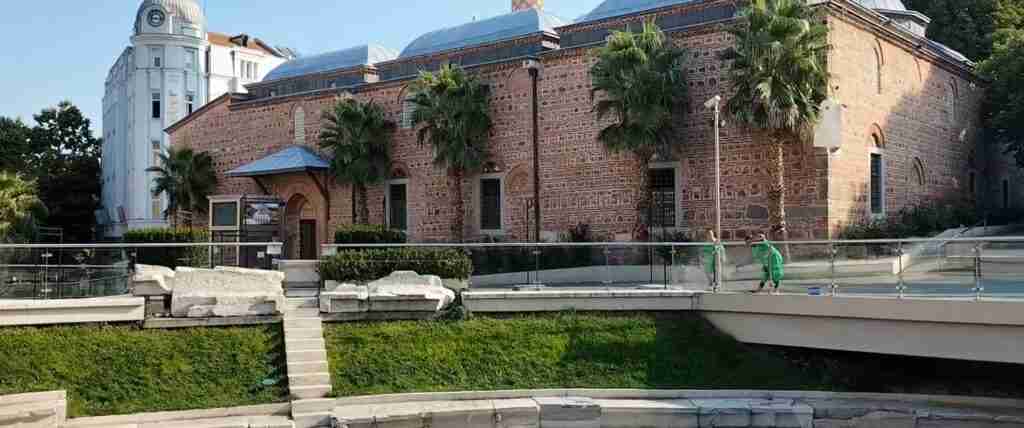
3 days
Rhodope Mountains 3-Day Discovery Tour
- ✓ Comprehensive Rhodope Mountains experience
- ✓ Expert local guides included
- ✓ All accommodation included
- ✓ Transportation provided
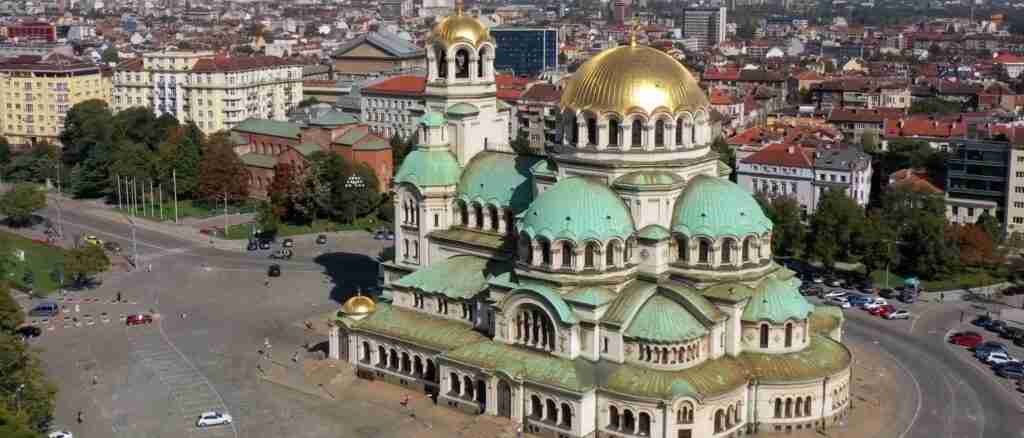
5 days
Rhodope Mountains 5-Day Highlights Experience
- ✓ Comprehensive Rhodope Mountains experience
- ✓ Expert local guides included
- ✓ All accommodation included
- ✓ Transportation provided

7 days
Rhodope Mountains 7-Day Cultural Journey
- ✓ Comprehensive Rhodope Mountains experience
- ✓ Expert local guides included
- ✓ All accommodation included
- ✓ Transportation provided

10 days
Rhodope Mountains 10-Day Complete Adventure
- ✓ Comprehensive Rhodope Mountains experience
- ✓ Expert local guides included
- ✓ All accommodation included
- ✓ Transportation provided
Multi-day tour packages powered by TourRadar. Prices and availability subject to change.
Introduction: Bansko’s Evolution from Mountain Village to International Ski Destination
Bansko represents Bulgaria’s most successful mountain resort development story, transforming from a historic trading town into Eastern Europe’s premier ski destination while maintaining unusual authenticity. The town center preserves 18th and 19th-century National Revival architecture, traditional mehana restaurants serve centuries-old Bulgarian recipes, and cobblestone streets maintain pedestrian-friendly character despite hosting 300,000+ annual winter visitors. This duality—modern ski infrastructure meeting preserved cultural heritage—distinguishes Bansko from purpose-built Alpine resorts that sacrifice local character for tourist convenience.
The ski area development accelerated dramatically 2003-2008 with gondola construction and expansion to 75 kilometers of slopes, earning Bansko World Ski Awards recognition as “Bulgaria’s Best Ski Resort” multiple consecutive years. The resort hosted FIS World Cup races 2011-2012, validating Olympic-quality infrastructure. Yet this development occurred strategically: the ski zone occupies areas excluded from Pirin National Park’s UNESCO World Heritage boundaries, allowing resort growth while protecting the park’s Outstanding Universal Value. The park itself, inscribed 1983 and extended 2010, covers 40,000 hectares of limestone mountain landscapes with over 70 glacial lakes, making Bansko simultaneously a ski resort and wilderness gateway.
Geography positions Bansko at 936 meters elevation in a natural basin formed where the Pirin and Rila mountain ranges converge. This location delivers reliable snow accumulation December through April—the ski zone reaches 2,560 meters at Todorka Peak with consistent upper-elevation snowpack—while moderating summer temperatures for comfortable hiking conditions. Sofia lies 160 kilometers north, achievable in 2.5-3 hours by direct bus, connecting Bansko to Sofia Airport’s international flights. Greece’s border sits 80 kilometers south, North Macedonia’s border 50 kilometers west, creating central Balkan positioning that facilitates regional travel combinations.
Bansko’s resident population remains approximately 10,000, swelling to 30,000+ during peak ski weeks yet retaining functional town character year-round. Local businesses operate independently of resort management—unlike integrated Alpine villages—maintaining competitive pricing and diverse dining options. Traditional crafts persist: copper smithing, woodcarving, and textile production continue in the old town. Summer transforms Bansko into a base for Pirin exploration, music festivals, and cultural events, preventing the ghost-town syndrome afflicting single-season ski resorts.
The 2026 winter season opens December 1, 2025 and runs through April 12, 2026, with peak snow conditions typically mid-January through mid-March. Summer operations begin mid-June once high trails clear of snow, continuing through September with gondola providing trail access. Shoulder seasons (late April-early June, October-November) see significantly reduced tourist numbers and accommodation costs dropping 40-60% below winter peaks, though weather becomes less predictable and some facilities close.
Price competitiveness remains Bansko’s strongest appeal: comprehensive winter weeks including accommodation, lift passes, meals, and activities cost $1,050-1,505 for mid-range comfort, compared to €2,000-3,500 for equivalent Alpine experiences. This 60-70% savings attracts British, German, Russian, and increasingly American skiers seeking European ski culture without European prices. Yet cost reduction doesn’t sacrifice quality—Bansko’s gondola and chairlift infrastructure matches Swiss standards, slopes receive daily grooming, and English proficiency among service staff exceeds many Alpine villages.
Understanding Bansko: Dual Mountain Appeal
Bansko operates as two distinct destinations occupying the same geographic location, each delivering exceptional experiences during their respective seasons. Winter transforms the town into Bulgaria’s most sophisticated ski resort, while summer reveals its role as gateway to UNESCO World Heritage wilderness. Understanding this seasonal transformation helps visitors select optimal timing and set appropriate expectations.
Winter Identity: Modern Ski Resort Infrastructure
The ski area comprises 75 kilometers of marked runs distributed across elevations from 990 meters at the gondola base to 2,560 meters at Todorka Peak. This vertical drop of 1,570 meters exceeds many Alpine resorts, allowing extended top-to-bottom runs approaching 16 kilometers when conditions permit. Difficulty distribution breaks down to 35% beginner terrain, 45% intermediate slopes, and 20% advanced runs including several black-diamond descents and off-piste zones. The modern lift system includes one gondola cabin lift, eight chairlifts, and three surface lifts, moving 24,500 skiers per hour and minimizing lift queues even during peak February crowds.
The gondola represents the resort’s centerpiece: a 6-kilometer enclosed cabin ride from town center to mid-mountain, eliminating surface lift boarding struggles and delivering weather-protected ascent. This single infrastructure element differentiates Bansko from older Eastern European resorts still relying on aging chairlifts and draglifts. The gondola runs 8:30 AM-5:00 PM during ski season, with chairlifts operating 8:45 AM-4:15 PM, providing 7-8 hours of skiing daily.
Snowmaking covers 70% of skiable terrain, ensuring base area reliability even during marginal snow years. Natural snowfall averages 2.5-3 meters annually at upper elevations, supplemented by snowmaking when temperatures permit. Grooming occurs nightly across main runs, with slope conditions typically excellent early morning. Avalanche control and slope safety meet European standards, though backcountry access beyond marked boundaries requires appropriate equipment and avalanche training.
Summer Identity: UNESCO Wilderness Gateway
Pirin National Park transitions into accessibility focus once snow melts, typically mid-May through September. The same gondola providing ski access operates summer months, lifting hikers to 1,600-meter elevation and eliminating two hours of forested approach hiking. This high-altitude access delivers immediate trail connections to glacial lake basins, alpine meadows above treeline, and ridge systems leading to 2,914-meter Vihren Peak. The UNESCO World Heritage designation recognizes Pirin’s exceptional glacial geomorphology—over 70 glacial lakes occupy cirques carved during Pleistocene glaciation—and ongoing biological evolution supporting 1,315 vascular plant species including 86 Balkan endemics and 17 Bulgarian endemics.
Trail infrastructure includes 300+ kilometers of marked paths ranging from easy lakeside walks to technical scrambles requiring mountaineering skills. Hut-to-hut trekking routes traverse the park’s spine, with refuges providing basic accommodation and meals. Wildlife includes brown bears, wolves, chamois, and over 160 bird species, though large mammal encounters remain relatively rare on popular trails. July-August brings peak wildflower displays transforming alpine meadows into botanical gardens.
The park’s inscription under criteria (vii), (viii), and (ix) recognizes superlative natural phenomena, geological processes, and biological evolution. The 2010 extension explicitly excluded Bansko ski area boundaries to maintain Outstanding Universal Value integrity, creating clear demarcation between developed resort zones and protected wilderness. This separation allows both ski resort operations and wilderness conservation to coexist without compromising either mission.
Year-Round Town Character
Bansko’s old town maintains distinct identity separate from the newer resort areas. Traditional stone houses line cobblestone streets, with many converted into small family-run hotels and mehana restaurants. The Holy Trinity Church dates to 1835, showcasing National Revival architecture and religious art. Museums document 19th-century life, tobacco trade history, and revolutionary connections. Summer festivals celebrate traditional music, particularly the bagpipe traditions for which Bansko remains nationally famous.
Modern resort development concentrated along the main road connecting town center to gondola base, creating walkable tourist infrastructure without overwhelming historic districts. This geographic separation preserves authenticity while providing contemporary amenities—ski rental shops, international restaurants, and modern hotels coexist with traditional neighborhoods rather than replacing them.
When to Visit Bansko 2026: Ski Season vs Summer Hiking Season
Bansko’s seasonal character shifts dramatically between winter and summer, with spring and autumn serving as transitional shoulder periods. Selecting optimal timing requires matching activities to available conditions, understanding price fluctuations, and accepting weather trade-offs inherent to mountain destinations.
Winter Ski Season 2025-2026: December 1-April 12
The official season runs December 1, 2025 through April 12, 2026, though actual conditions vary by month. Early season (December) depends heavily on snowmaking to open base area runs, with upper elevation terrain often limited until natural snowfall accumulates. Mid-January through mid-March delivers peak conditions: consistent snow depths of 140+ centimeters at upper elevations, full mountain operations across all 75 kilometers of slopes, and reliable weather patterns. Late season (late March-April) sees softening snow conditions, reduced operating hours, and terrain closures as lower slopes become unskiable, though spring skiing offers discounted rates and smaller crowds.
February represents absolute peak: optimal snow, maximum lift operations, and consistent cold temperatures maintaining surface quality. However, February also brings maximum crowds, highest accommodation rates, and longest lift queues. Accommodation costs peak 40-60% above early December or late March rates, with mid-range hotels charging $180-220 per night versus $125-150 during shoulder periods. Booking windows close earlier for February dates, often requiring 2-3 month advance reservations.
January and March offer compelling value alternatives: snow conditions nearly match February quality, accommodation costs drop 25-35%, and reduced crowds mean shorter lift lines and less congested slopes. Mid-week visits during these months deliver exceptional value-to-experience ratios. Late March brings spring skiing advantages—warmer temperatures, longer daylight, and outdoor terrace socializing—though afternoon slush requires morning-focused skiing strategies.
Christmas-New Year weeks (December 20-January 5) see dramatically increased prices and crowds as European school holidays converge. Unless specific holiday atmosphere appeals, avoiding this period improves value substantially. Similarly, mid-February half-term weeks attract British and German school groups, increasing beginner area congestion.
Summer Hiking Season 2026: June-September
Pirin National Park accessibility peaks June through September, with July-August delivering optimal conditions for high-altitude exploration. Early season (June) sees lower trails clear but snowfields persisting above 2,400 meters, limiting some summit approaches. Mid-season (July-August) opens all trails, brings peak wildflower displays, and provides most stable weather patterns with daytime temperatures 18-25°C at mid-elevations. Late season (September) offers excellent hiking with reduced crowds and early autumn colors, though afternoon thunderstorms increase and some mountain huts close after mid-September.
Accommodation costs during summer drop 30-50% below winter peaks, with mid-range hotels charging $90-125 per night versus $180-220 in February. The gondola operates summer schedule providing trail access, though reduced hours (typically 9:00 AM-4:00 PM) require earlier starts for full-day hikes. Many restaurants and hotels maintain year-round operations, though some resort-focused businesses close entirely during summer months.
Weather patterns stabilize mid-June through August, with morning starts recommended to avoid afternoon thunderstorms common above treeline. September brings increasing precipitation probability and snow possible above 2,500 meters by month’s end. October sees rapid condition deterioration as winter approaches, with accommodation availability reduced and many facilities closing for shoulder season.
Shoulder Seasons: April-May and October-November 2026
Spring (late April-May) and autumn (October-November) represent transitional periods with significant trade-offs. Accommodation costs reach annual lows—often 50-60% below winter peaks—and tourist numbers drop to skeleton levels, appealing to travelers prioritizing tranquility and budget. However, weather becomes unpredictable, many restaurants and services close, and the gondola either operates reduced schedules or shuts entirely for maintenance.
Late April through May sees snow melting, trails emerging from winter conditions, and lower elevation hiking becoming accessible. However, high trails remain snowed-in, wildlife emerges from hibernation (increasing bear encounter probability in forests), and spring mud makes some trails unpleasant. The town takes on quiet, almost sleepy character as seasonal workers depart and year-round businesses reduce hours.
October-November brings autumn colors to lower elevations and crisp hiking weather when conditions cooperate, but early snowfall can arrive unexpectedly, closing mountain access abruptly. This period suits visitors combining Bansko with other Bulgarian destinations, using the town as quiet base while exploring regional attractions rather than focusing exclusively on Pirin activities.
Special Events and Timing Considerations 2026
The Bansko Jazz Festival typically occurs in August, attracting international performers and transforming the town into a musical gathering point. Accommodation books early for festival dates, with prices increasing moderately. Traditional Assumption Day celebrations (August 15) include religious observances and cultural events. Winter season opening ceremonies occur early December, while closing weekend festivities mark April’s end-of-season celebrations.
For skiing, targeting January 15-February 15 or March 1-20 delivers optimal conditions without extreme peak-season pricing. For hiking, late June through early September provides maximum trail access and weather stability. Budget-focused travelers should consider early December for skiing or September for hiking, accepting minor condition trade-offs for 30-40% cost reductions.
Bansko Budget Guide 2026: Complete Cost Breakdown
Bansko’s affordability relative to Alpine equivalents stems from Bulgaria’s overall cost structure rather than compromised quality. Understanding cost categories and seasonal variations enables accurate budgeting and identifies specific areas where value concentrates.
Winter Skiing Season Costs 2026
Winter skiing costs in Bansko 2026 span three distinct budget tiers, each delivering complete experiences at different comfort levels. All daily costs presented below represent per person expenses assuming two travelers sharing accommodation.
Budget Winter Skiing: Budget-conscious skiers spend $90-120 per person daily, combining hostel or guesthouse accommodation ($45-80 per night rooms, yielding $23-40 per person when sharing), economical dining ($23-34 daily for three meals eating at budget mehana restaurants and avoiding on-slope dining), BGN 65 ($37) lift passes, and minimal local transport ($5-8 daily). Equipment rental adds approximately $15-20 daily if bringing your own gear isn’t feasible. A seven-day budget ski trip totals $630-840 per person including all expenses. Budget accommodations cluster in old town and residential areas 10-15 minutes’ walk from gondola base, with free hotel shuttle buses compensating for the distance during ski season.
Mid-Range Winter Skiing: Mid-range comfort costs $150-215 per person daily, elevating accommodation to 3-star hotels near the gondola ($125-200 per night rooms, yielding $63-100 per person sharing), improved dining quality ($43-64 daily mixing mehana lunches with better restaurants for dinners), BGN 65 ($37) lift passes, and convenient local transport including occasional taxis ($8-12 daily). A seven-day mid-range ski vacation totals $1,050-1,505 per person. Mid-range hotels provide modern amenities, English-speaking staff, wellness facilities including pools and saunas, and locations within 5-minute walk of gondola base station.
Luxury Winter Skiing: Luxury experiences run $220-310 per person daily, featuring 4-5 star spa resort accommodation ($170-255 per night rooms, yielding $85-128 per person sharing), premium dining across Bansko’s best restaurants ($80-120 daily including wine), BGN 65 ($37) lift passes, and private transport arrangements ($15-25 daily). A seven-day luxury ski experience totals $1,540-2,170 per person. Luxury properties deliver ski-in/ski-out positioning, comprehensive spa facilities, gourmet restaurants, and concierge services.
Notably, lift pass costs remain consistent across all budget tiers—BGN 65 ($37) daily represents non-negotiable expense for all skiers regardless of accommodation or dining choices. This democratizes slope access, allowing budget travelers to ski the same terrain as luxury visitors. Multi-day passes provide modest discounts: six-day passes run approximately BGN 350 ($200), while seasonal passes cost BGN 1,700 ($950) for December-April access.
Summer Hiking Season Costs 2026
Summer costs drop 30-60% below winter levels across all budget categories, primarily reflecting reduced accommodation demand and elimination of lift pass expenses as the primary activity cost.
Budget Summer Hiking: Budget summer visitors spend $50-75 per person daily, combining hostel or guesthouse accommodation at summer rates ($34-57 per night rooms, yielding $17-29 per person sharing), economical dining ($23-34 daily), minimal Pirin Park fees ($3-5 for park support donations and occasional guided hike contributions), and local transport ($5-8 daily). A seven-day budget summer stay totals $350-525 per person. Many budget accommodations offer kitchen access, allowing self-catering to reduce meal costs further.
Mid-Range Summer Hiking: Mid-range summer comfort costs $100-160 per person daily, upgrading accommodation to 3-star hotels at off-season rates ($90-148 per night rooms, yielding $45-74 per person sharing), quality dining ($43-64 daily), occasional guided hikes and activities ($5-10 daily), and convenient transport ($8-12 daily). A seven-day mid-range summer visit totals $700-1,120 per person. Mid-range summer rates deliver the same hotels available in winter at 40-50% cost reduction, representing exceptional value for travelers prioritizing accommodation comfort.
Luxury Summer Hiking: Luxury summer experiences run $185-290 per person daily, maintaining spa resort accommodation ($136-205 per night rooms, yielding $68-103 per person sharing), premium dining ($80-120 daily), private guides and specialized activities ($20-40 daily), and private transport ($15-25 daily). A seven-day luxury summer stay totals $1,295-2,030 per person. Summer luxury pricing undercuts winter luxury rates by 15-25% while delivering identical accommodation quality and reduced resort congestion.
Accommodation Cost Details by Season and Category 2026
Accommodation represents the most variable cost category, with prices fluctuating dramatically by season, location, and property type.
Budget Accommodations: Hostels and guesthouses range BGN 80-140 ($45-80) per night for private rooms during winter ski season, dropping to BGN 60-100 ($34-57) per night in summer. Dormitory beds cost BGN 35-60 ($20-35) nightly, suitable for solo travelers or groups willing to sacrifice privacy for maximum savings. Budget properties cluster in old town and residential neighborhoods 10-20 minutes’ walk from gondola base, requiring either early morning walks or reliance on shuttle buses. Facilities typically include basic breakfast, WiFi, and simple rooms without extensive amenities.
Mid-Range Hotels: Three-star properties charge BGN 220-350 ($125-200) per night during peak winter season (January-March), reducing to BGN 160-260 ($90-148) during summer months. Shoulder season rates (early December, late March, April) drop 20-30% below peak winter pricing. Mid-range hotels concentrate near gondola base station, offering 5-10 minute walk convenience. Standard amenities include breakfast buffets, indoor pools, saunas, fitness facilities, English-speaking reception, and ski/hiking storage. Many provide free shuttle buses to gondola during winter.
Luxury Spa Resorts: Four and five-star properties charge BGN 300-450 ($170-255) per night during peak winter season, moderating to BGN 240-360 ($136-205) in summer. These properties deliver comprehensive wellness facilities including multiple pools, extensive sauna/steam complexes, massage services, premium restaurants, and often ski-in/ski-out positioning or immediate gondola access. Notable luxury properties include Premier Luxury Mountain Resort, Kempinski Grand Arena Bansko, and Lucky Bansko Aparthotel, each offering distinct amenities and positioning.
Booking strategies significantly impact accommodation costs. Direct hotel bookings often provide better rates than international platforms for multi-night stays, particularly when communicating directly via email. Early booking (3+ months advance) locks in lower rates during peak season, while last-minute bookings (1-2 weeks out) occasionally yield bargains when properties face empty rooms, though this gamble risks limited availability. Package deals combining accommodation with lift passes sometimes deliver 10-15% savings versus booking components separately.
Food and Dining Costs Breakdown 2026
Dining costs vary dramatically between town restaurants and on-slope establishments, with strategic meal planning significantly impacting daily budgets.
Town Restaurant Dining: Traditional mehana restaurants serving Bulgarian cuisine charge BGN 12-25 ($7-15) per main course, BGN 6-12 ($3-7) for soups and salads, and BGN 3-6 ($2-3) for half-liter beer or wine. Complete dinner including appetizer, main course, sides, and drinks totals BGN 30-50 ($17-30) per person. Modern international restaurants charge BGN 20-40 ($12-24) for main courses, with three-course dinners totaling BGN 50-80 ($30-48) per person. Budget-focused travelers eating exclusively in town and preparing simple breakfast in accommodation can limit meal costs to $23-34 daily. Mid-range dining mixing casual lunches with quality dinners runs $43-64 daily. Luxury dining featuring premium restaurants, wine pairings, and varied cuisines costs $80-120 daily.
On-Slope Dining: Mountain restaurants charge premium prices reflecting gondola-delivered supply logistics. Simple items like soup cost BGN 12-15 ($7-9), sandwiches run BGN 15-20 ($9-12), and full meals reach BGN 25-40 ($15-24). These prices double or triple equivalent town offerings. Budget skiers should pack lunches or descend via gondola for town meals, saving BGN 20-30 ($12-18) daily. Mid-range visitors can budget one on-slope meal daily while eating remaining meals in town. Luxury visitors treating convenience as priority can dine entirely on slopes without dramatically impacting budgets given overall luxury spending levels.
Self-Catering Options: Supermarkets provide cost-effective alternatives: fresh bread costs BGN 2-3 ($1-2), local cheese BGN 8-15 ($5-9) per kilogram, cured meats BGN 15-25 ($9-15) per kilogram, and Bulgarian wine BGN 10-20 ($6-12) per bottle. Hostel and guesthouse guests with kitchen access can prepare breakfast and pack trail lunches for $8-12 daily per person, dramatically reducing food costs for budget-focused travelers.
Transportation Costs: Sofia to Bansko and Local Movement 2026
Sofia to Bansko: Direct buses operate 15+ times daily, charging BGN 20-60 ($13-32) per person depending on bus company, booking timing, and season. Budget carriers charge BGN 20-30 ($13-18), while premium coaches with larger seats and WiFi cost BGN 40-60 ($24-32). Journey duration runs 2.5-3 hours. Early booking (1-2 weeks advance) locks in lower fares, particularly during peak ski season when last-minute travelers face premium pricing or sold-out departures. Shared shuttle services operating airport-to-Bansko runs charge BGN 70-120 ($40-70) per person, providing door-to-door convenience versus bus station transfers.
Private Transfers: Private car services cost BGN 200-350 ($115-200) for Sofia-Bansko, suitable for groups of 3-4 travelers splitting costs. This option delivers schedule flexibility, door-to-door service, and ability to stop en route, appealing to families or travelers with significant luggage.
Local Bansko Transport: Town buses charge BGN 1.50 ($1) per ride, though most visitors walk between accommodation, restaurants, and gondola base given compact town layout. Taxis cost BGN 2.50 ($1.50) starting fare plus BGN 1.30 ($0.75) per kilometer, making short rides within town BGN 5-8 ($3-5). Most hotels provide free shuttle buses to gondola base during ski season, eliminating local transport costs for accommodation-to-slopes travel. Summer visitors exploring surrounding villages by taxi should budget BGN 20-40 ($12-24) for half-day transport if not renting vehicles.
Activity and Equipment Costs Beyond Lift Passes 2026
Ski Equipment Rental: Standard ski packages (skis, boots, poles) cost BGN 30-40 ($18-24) daily, BGN 150-200 ($90-120) weekly. Snowboard packages run similar rates. Premium equipment costs BGN 50-70 ($30-42) daily. Helmet rental adds BGN 10-15 ($6-9) daily. Many rental shops cluster near gondola base, offering package discounts for multi-day rentals booked online in advance.
Ski Lessons: Group ski lessons cost BGN 60-120 ($35-70) for 2-hour sessions, significantly below Alpine equivalents charging €80-150. Private instruction runs BGN 120-200 ($70-120) per hour. English-speaking instructors command premium rates, though English availability exceeds most Eastern European resorts.
Summer Activities: Guided Pirin hiking tours charge BGN 70-120 ($40-70) per person for full-day excursions including transport and guide. Multi-day hut-to-hut treks with guide and meals cost BGN 250-400 ($145-235) per person for 3-day circuits. Mountain bike rentals run BGN 40-70 ($24-40) daily. Rock climbing guides charge BGN 150-250 ($90-145) for full-day instruction. Gondola summer operation charges BGN 30-40 ($18-24) return fare for trail access without guide services.
Hidden Costs and Budget Padding Recommendations 2026
Beyond primary expense categories, budget 10-15% additional for incidental costs: baggage storage, locker rentals, souvenir purchases, unexpected equipment repairs or replacements, medical supplies, and spontaneous dining or entertainment. Travel insurance costs $4-8 per day depending on coverage level. Mobile data/SIM cards run BGN 15-30 ($9-18) for month-long Bulgarian service. Tipping remains modest by Western standards: 10% restaurant tips for exceptional service, rounding up taxi fares, and small tips (BGN 5-10/$3-6) for particularly helpful hotel staff.
Accommodation Options Bansko 2026
Bansko’s accommodation inventory exceeds 15,000 beds distributed across hostels, family-run guesthouses, aparthotels, international chain properties, and independent luxury spa resorts. This diversity supports various travel styles and budgets while preventing single-property dominance that constrains options in smaller resorts.
Budget Accommodation: Hostels and Guesthouses
Budget properties concentrate in Bansko’s old town and residential neighborhoods slightly removed from gondola base area. This positioning trades 10-15 minute morning walks for authentic neighborhood settings, lower noise levels, and meaningful cost savings. Mehana Bansko Happy End, Dedo Pene Hotel, and Zasheva Kushta Guesthouse represent typical offerings: family-operated properties with 8-15 rooms, Bulgarian breakfast included, basic but clean facilities, and personal service from owners genuinely invested in guest satisfaction. These properties charge BGN 80-140 ($45-80) per night for private double rooms during ski season, often including breakfast, WiFi, and use of common spaces.
Hostel dormitories serve solo travelers and extreme budget seekers, with beds costing BGN 35-60 ($20-35) nightly. Kripak Guest House and similar properties offer mixed or gender-separated dorms alongside private rooms, creating social atmosphere for travelers seeking ski companions or evening gathering opportunities. Hostel common areas, shared kitchens, and organized pub crawls facilitate social connections absent from conventional hotels.
Budget property booking requires understanding free shuttle bus schedules. Most properties arrange gondola shuttle pickups, but confirm departure times when booking—missing the 8:00 AM hotel shuttle means 20-minute walks or taxi expenses. Budget accommodations typically close mid-April through May and October through November, limiting shoulder season options.
Mid-Range Hotels: Comfort and Convenience Near the Gondola
Three-star hotels deliver the optimal balance of cost, comfort, and location for most visitors. Properties like Premier Luxury Mountain Resort, Hotel Mura, Gardenia Park Hotel, and Belvedere Holiday Club cluster within 5-10 minutes’ walk of gondola base station, eliminating morning commute struggles. These hotels charge BGN 220-350 ($125-200) per night during peak winter season, dropping to BGN 160-260 ($90-148) in summer.
Standard mid-range amenities include breakfast buffets featuring Bulgarian and international options, indoor pools heated year-round, sauna and steam room access, small fitness facilities, ski/bike storage rooms with boot dryers, and English-speaking reception staff available 24 hours. Rooms typically feature 20-30 square meters, modern bathrooms, flat-screen TVs, WiFi, and either mountain views toward Pirin or town views toward old Bansko. Some properties offer apartment-style rooms with kitchenettes, appealing to families or groups preferring flexible dining options.
Location within mid-range category varies significantly. Properties immediately adjacent to gondola base command premium rates and maximum convenience, while those 7-10 minutes’ walk reduce costs by 15-20% without dramatically impacting accessibility. The free shuttle bus network operating during ski season equalizes access for properties slightly farther from gondola, making location-based pricing spread somewhat artificial during winter months. Summer eliminates shuttle services, making walkable location more valuable for hikers departing early for trails.
Luxury Spa Resorts: Premium Mountain Experiences
Bansko’s luxury tier delivers experiences rivaling Austrian and Swiss equivalents at 50-60% cost reduction. Properties like Kempinski Grand Arena Bansko, Lucky Bansko Aparthotel SPA & Relax, and Regnum Bansko Ski Hotel & Spa offer comprehensive resort experiences where guests could theoretically never leave property grounds yet access world-class dining, wellness facilities, and entertainment.
These properties charge BGN 300-450 ($170-255) per night during peak season, providing 35-50 square meter rooms or apartments with separate living areas, luxury bedding and bathrooms, mountain-view balconies, and high-end interior design. Wellness facilities span thousands of square meters: multiple indoor and outdoor pools, extensive sauna complexes featuring Finnish, infrared, steam, and specialty saunas, professional massage and spa treatment menus, hydrotherapy circuits, and dedicated relaxation zones. Dining options include multiple restaurants offering Bulgarian, Mediterranean, and international cuisines, with some properties employing Michelin-trained chefs.
Ski-in/ski-out positioning or immediate gondola adjacency eliminates morning commutes entirely. Some luxury properties connect directly to gondola base via covered walkways, allowing guests to depart accommodation already wearing ski gear and transition directly to slopes without outdoor exposure. Concierge services arrange restaurant reservations, transportation, equipment rental delivery to rooms, private ski instruction, and specialized experiences like heli-skiing or remote backcountry access.
The luxury category’s value proposition shines brightest for travelers familiar with Alpine resort pricing. The same accommodation and services costing €400-600 nightly in Switzerland or Austria costs $170-255 in Bansko, representing exceptional value for visitors prioritizing comfort without compromising quality. Multi-night stays often negotiate 10-15% discounts, particularly when booking directly with properties rather than through aggregator platforms.
Aparthotels and Self-Catering Options
Apartment-style accommodations suit families, longer stays, and travelers prioritizing flexible dining. Properties like Grand Royale Apartment Complex & Spa and numerous privately-owned apartments offer full kitchens, separate bedrooms, laundry facilities, and living spaces supporting extended stays. Nightly rates compete with conventional hotels, while weekly or monthly rentals negotiate 20-30% discounts below per-night pricing.
Self-catering dramatically reduces food costs: a family of four eating three daily meals in restaurants spends $150-200 versus $50-80 preparing breakfasts and occasional dinners in apartment kitchens while dining out for lunches and select dinners. Supermarkets stock comprehensive groceries, local markets provide fresh produce and meats, and apartment kitchens supply equipment for serious cooking rather than just reheating.
Location Strategy: Gondola Base vs Old Town vs Residential Areas
Understanding Bansko’s geography optimizes accommodation selection. The modern resort area concentrates along the main road connecting town center to gondola base station 2.5 kilometers apart. This corridor hosts the majority of hotels, restaurants, ski rental shops, and tourist services. Properties positioned mid-corridor balance old town accessibility with gondola proximity, typically requiring 10 minutes’ walk either direction.
Old town locations sacrifice gondola convenience for authentic atmosphere, cobblestone pedestrian streets, traditional architecture, and reduced tourist density. Summer visitors prioritizing evening ambiance and cultural immersion over ski efficiency should favor old town accommodation. Shuttle buses during winter compensate for distance, while summer’s slower pace makes 20-minute walks to gondola base reasonable.
Residential areas east and west of main corridor offer quietest environments and lowest costs, appealing to travelers prioritizing sleep quality and budget over social atmosphere. These properties typically require vehicles or daily taxi use for evening restaurant access.
Skiing in Bansko 2026: Slopes, Passes, and Mountain Infrastructure
Bansko’s ski area combines modern infrastructure with topography delivering diverse terrain across 75 kilometers of marked runs. Understanding slope distribution, lift systems, and operational logistics helps skiers and boarders maximize mountain time and select optimal strategies for various conditions.
Slope Distribution and Terrain Overview
The ski area spans elevations from 990 meters at gondola base to 2,560 meters at Todorka Peak, creating 1,570-meter vertical drop supporting long continuous runs. Terrain breaks down to approximately 35% beginner slopes, 45% intermediate, and 20% advanced, though exact percentages shift as snow conditions open or close specific runs. Base area elevations around 1,200-1,400 meters provide learning terrain and family-friendly slopes, mid-mountain 1,600-2,000 meters delivers core intermediate cruising, and upper mountain 2,200-2,560 meters challenges advanced skiers with steeper pitches and off-piste access.
The signature run, Banderitsa, descends 16 kilometers from upper mountain to town when fully open, though this requires optimal snow coverage across all elevation zones. More typically, skiers combine upper and lower sections via mid-mountain lift connections, creating 6-8 kilometer runs with 800-1,000 meter vertical drops. Run widths accommodate heavy traffic, with primary descents featuring 40-60 meter groomed widths preventing bottlenecks during peak hours.
Beginner terrain concentrates at Banderishka Polyana area mid-mountain, accessed via gondola then short chairlift. This dedicated learning zone provides gentle gradients, wide-open spaces for practicing turns, and magic carpet surface lifts for absolute beginners avoiding chairlift boarding challenges. Progression to lower mountain blue runs allows confident beginners to ski top-to-bottom via easier routes.
Advanced terrain includes several designated black diamond runs featuring sustained steep pitches, mogul fields, and technical sections requiring strong parallel skiing. The Tomba run, named after Alberto Tomba and featuring in World Cup races, challenges experts with steep headwall sections transitioning to sustained intermediate pitches. Off-piste skiing beyond marked boundary ropes provides powder opportunities after snowfall, though avalanche risk requires appropriate equipment (transceiver, shovel, probe) and avalanche training.
Lift System and Mountain Access
The gondola lift represents the resort’s backbone, moving 2,000 passengers per hour from 990-meter base to 1,600-meter Banderishka Polyana station. Enclosed eight-person cabins provide weather-protected 6-kilometer ascent taking approximately 25 minutes. The gondola operates 8:30 AM-5:00 PM during ski season, with final ascents at 4:00 PM and final descents at 5:00 PM. Morning queues form 8:00-9:30 AM during peak season, suggesting 8:00 AM arrival for minimal wait times. Gondola returns remain relatively uncrowded as many skiers lap mid-mountain chairlifts rather than descending to town between runs.
Eight chairlifts distribute across the mountain, including the modern Plato Express quad chair accessing upper mountain terrain and the Banderitsa chairs serving mid-mountain zones. Chairlifts operate 8:45 AM-4:15 PM, providing 7.5 hours of skiing after accounting for gondola ascent time. Chairlift queues remain manageable outside absolute peak days, rarely exceeding 10-15 minutes even during busy periods. Strategic lift selection avoids bottlenecks: the Shiligarnika and Todorka chairs accessing opposite sides of upper mountain distribute traffic more evenly than everyone lapping the same central runs.
Three surface lifts serve beginner areas and short connections, typically operating shorter hours and closing when winds affect upper mountain. These older-style draglifts present boarding challenges for beginners unfamiliar with surface lift mechanics, though learning zones increasingly rely on magic carpets eliminating draglift struggles.
Lift Pass Options and Pricing Strategy 2026
Daily lift passes cost BGN 65 ($37) for adults during the 2025-2026 season, with students, children, and seniors qualifying for reduced rates: students and pensioners under 75 pay BGN 60 ($35), children 7-11.99 years pay BGN 35 ($20), and children under 7 plus pensioners over 75 pay symbolic BGN 5 ($3). These rates apply across the entire December 1-April 12 season without peak/off-peak pricing variations, simplifying budgeting compared to resorts implementing dynamic pricing.
Multi-day passes provide modest discounts: six-day passes cost approximately BGN 350 ($200), representing $33 daily versus $37 for single days. Multi-day passes typically activate upon first use and operate on consecutive days, though some versions allow non-consecutive use within season. Purchasing multi-day passes at resort ticket offices requires passport or ID for pass encoding with photo and personal details, preventing pass sharing.
Seasonal passes represent exceptional value for repeat visitors or extended stays. Adult seasonal passes cost BGN 1,700 ($950) for the entire December 1-April 12 season, reaching break-even after 46 single-day tickets or approximately seven weeks of skiing. Year-round passes including summer gondola operation cost the same BGN 1,700, adding value for visitors combining winter skiing with summer hiking. Promotional pricing during October-November reduces seasonal passes to BGN 1,500-1,600 ($850-900) for early purchases.
Half-day passes available after 12:00 PM cost BGN 45 ($26), suiting travelers arriving mid-day or preferring afternoon skiing. However, afternoon-only skiing sacrifices optimal snow conditions—mornings deliver freshly-groomed corduroy, while afternoons see increasing traffic, mogul development, and potential slush during warm spring days.
The Bansko Twenty pass offers 20 non-consecutive ski days usable throughout the season, providing flexibility for seasonal residents or frequent visitors making irregular visits. This option costs BGN 1,100 ($625), working out to $31 per day.
Snow Conditions and Snowmaking Infrastructure
Natural snowfall averages 2.5-3 meters annually at upper elevations, though significant year-to-year variability affects season length and quality. Snowmaking covers approximately 70% of terrain, concentrating on primary descents, base area runs, and critical linking sections. Snowmaking capability functions effectively when temperatures drop below -2°C, typically reliable mid-December through February but variable early and late season.
Grooming occurs nightly across main runs, with grooming machines working roughly 40 kilometers of terrain each night. Morning corduroy provides optimal carving conditions, particularly on intermediate cruisers. Afternoon conditions degrade as traffic cuts up groomed surfaces, forming moguls on steeper sections and slushy patches on sunny exposures during warm days. Advanced skiers seeking mogul practice should target afternoon sessions on ungroomed black runs.
Snow conditions peak mid-January through mid-March, with base depths exceeding 100 centimeters at mid-mountain and 140+ centimeters at upper elevations. December and April require more careful run selection, favoring north-facing slopes retaining snow longer and avoiding south-exposures that become slushy quickly.
On-Mountain Facilities and Practicalities
Mountain restaurants and refreshment stations operate at gondola mid-station, various lift junctions, and upper mountain locations. Facilities range from basic cafeteria-style service to full-service restaurants, with prices uniformly elevated 100-150% above town rates. Budget-conscious skiers should plan town-based lunches via gondola descent or pack trail snacks, reserving on-slope dining for coffee breaks and occasional treats rather than full meals.
Bathroom facilities cluster at lift stations and restaurants, though limited distribution means planning ahead during extended slope sessions. Free WiFi functions at gondola stations and some chairlift queues, allowing connectivity checks without cellular data consumption. Ski patrol operates rescue services across the mountain, with emergency numbers posted on trail maps and lift station signage. English-speaking patrol members staff main stations, facilitating injury reporting and assistance requests for international visitors.
Summer in Bansko 2026: Pirin National Park & Hiking Adventures
Summer transforms Bansko from ski resort into UNESCO World Heritage gateway, with the same gondola infrastructure providing trail access rather than slope connections. Pirin National Park’s 300+ kilometers of marked trails accommodate abilities ranging from casual lakeside walks to technical mountaineering, while dramatic mountain scenery rivals Alps without Alpine prices or crowds.
Understanding Pirin National Park Seasons and Access
The park’s hiking season runs mid-May through October, though optimal conditions concentrate June through September. Early season (May-early June) sees lower trails clear but significant snowfields persisting above 2,400 meters, limiting summit access. Mid-season (July-August) opens all trails, brings peak wildflower displays, and provides most stable weather with daytime temperatures 18-25°C at mid-elevations and 10-15°C at ridgelines. Late season (September-October) offers autumn colors and reduced crowds, though afternoon thunderstorms increase and first snow arrives October at highest elevations.
The gondola operates summer schedule providing high-altitude trail access, typically running 9:00 AM-4:00 PM with possible schedule adjustments based on demand and weather. Round-trip gondola tickets cost BGN 30-40 ($18-24), eliminating 1,200 meters of elevation gain and two hours of forested approach hiking. This high-altitude access delivers immediate entry to alpine zones, glacial lake basins, and ridge systems, transforming Pirin from multi-day commitment into accessible day-hiking destination.
Trail infrastructure includes marked paths with painted blazes (typically three-color combinations identifying specific routes), trail junctions with signage indicating directions and estimated times, and occasional chains or cables on exposed sections assisting less technical hikers. However, marking quality varies, some trail junctions lack clear signage, and GPS navigation or detailed topographic maps remain essential for complex routes. Download offline maps before departing, as cellular coverage fails throughout most wilderness areas.
Classic Day Hikes from Bansko
Vihren Peak (2,914 meters) via Banderishka Polyana: Bulgaria’s second-highest summit delivers exceptional panoramic views across Pirin, Rila, and Rhodope ranges on clear days. The route begins at gondola mid-station, ascends through alpine meadows and boulder fields to Vihren Hut (2,000 meters), then tackles the final 914-meter summit push via rocky trail requiring scrambling sections but no technical climbing. Round-trip from gondola station takes 7-9 hours covering 16 kilometers with 1,400 meters elevation gain. This strenuous hike demands good fitness, proper footwear, and early starts to avoid afternoon thunderstorms. Guides charge BGN 120-180 ($70-105) per group for safer summit attempts.
Banderishki Lakes Circuit: This moderate day hike loops through glacial cirque containing five mountain lakes (Ribno, Dolno, Gorno, Kusheto, and Dzhano Lakes) between 2,200-2,400 meters elevation. The route begins at gondola top station, follows marked trail to lakes basin, circles the lakes allowing swimming in warmer months, and returns via same route or alternative path. Round-trip takes 5-7 hours covering 12 kilometers with 800 meters elevation gain. This moderate hike suits families with teenagers and hikers building toward harder routes, delivering stunning glacial scenery without technical challenges. July-August brings wildflower displays transforming meadows into botanical gardens.
Popovo Lake via Gondola: Pirin’s largest glacial lake occupies a spectacular cirque at 2,234 meters elevation, accessible via marked trail from gondola station. The relatively easy trail covers 8 kilometers round-trip with 600 meters elevation gain, achievable in 4-5 hours. The lakeside setting provides picnic spots, swimming opportunities in July-August when water temperatures reach tolerable levels, and photography locations capturing mountain reflections. This accessible option suits casual hikers, families with children, and visitors seeking Pirin experience without extreme physical demands.
Bezbog Hut and Lakes: This moderate hike accesses different Pirin zones via trail from Gotse Delchev village (accessible by taxi from Bansko in 40 minutes). The route climbs through pine forests to Bezbog Hut (2,236 meters), continues to Bezbog Lake cirque, and potentially summits Bezbog Peak (2,645 meters) for expanded views. Round-trip from road requires 6-8 hours covering 14 kilometers with 1,000 meters elevation gain. This option provides alternative Pirin perspective for visitors spending multiple days exploring different park sectors.
Multi-Day Hut-to-Hut Trekking Routes
Pirin’s mountain hut system supports multi-day treks traversing the range’s spine, with huts providing basic dormitory accommodation, meals, and refuge from weather. Classic multi-day routes include the Pirin Traverse (typically 4-6 days), connecting Bansko area to southern Pirin via ridge walking and high passes. These routes demand strong fitness, navigation skills, weather awareness, and willingness to accept basic mountain hut conditions (shared dormitories, limited washing facilities, simple meals).
Hut reservations become essential July-August when Bulgarian and international trekkers converge on popular routes. Huts charge BGN 20-40 ($12-24) per night for dormitory beds, BGN 15-25 ($9-15) for dinners, and BGN 10-15 ($6-9) for breakfasts. Most huts operate late May through September, closing for winter when deep snow renders them inaccessible. Wardens speak varying English levels, though universal mountain culture helps communication gaps.
Guided multi-day treks cost BGN 250-400 ($145-235) per person for 3-day guided circuits including guide services, hut bookings, and route planning but excluding hut accommodation and meal costs. Guides navigate effectively, share mountain ecology knowledge, provide safety backup for route-finding and weather decisions, and handle Bulgarian-language communication with hut wardens.
Flora, Fauna, and Conservation Context
Pirin National Park supports 1,315 vascular plant species, 86 endemic to the Balkans, 17 endemic to Bulgaria, and 18 local endemics found nowhere else on Earth. July-August wildflower displays transform alpine meadows above treeline into botanical showcases featuring gentians, primulas, saxifrages, and rare edelweiss. The ancient Macedonian pine (Pinus peuce) forests represent globally significant populations of this Balkan endemic conifer, with some individual trees exceeding 500 years age.
Wildlife includes brown bears (approximately 200-300 individuals park-wide), wolves, chamois, golden eagles, and over 160 bird species. While bear encounters remain relatively rare on popular trails due to human activity deterring bears, hikers should understand bear awareness basics: making noise while hiking, storing food properly, and backing away slowly if encountering bears rather than running or approaching. Chamois frequent high ridges and rocky areas, often visible to patient observers scanning cliff bands with binoculars.
The UNESCO inscription under criteria (vii), (viii), and (ix) recognizes superlative natural beauty, geological significance, and ongoing biological evolution. Criteria (vii) highlights dramatic glacial cirques, 70+ high-altitude lakes, and Vihren Peak’s aesthetic prominence. Criteria (viii) emphasizes varied rock formations ranging from Precambrian to Tertiary age, documenting geological history across hundreds of millions of years. Criteria (ix) recognizes ongoing ecosystem processes supporting diverse habitats from Mediterranean-influenced lower slopes to alpine zones.
Conservation challenges include balancing tourism access with wilderness protection, managing the boundary between Bansko ski area and UNESCO property, and preventing illegal logging in peripheral zones. The 2010 boundary extension addressed earlier integrity concerns by excluding developed areas while expanding protection across core wilderness, though ongoing monitoring remains essential to maintain Outstanding Universal Value.
Practical Considerations for Pirin Hiking
Weather shifts rapidly at altitude, with morning sunshine often transitioning to afternoon thunderstorms July-August. Start hikes early (7:00-8:00 AM gondola departures), carry rain gear and warm layers regardless of forecast, and plan to depart summits or ridgelines by 2:00 PM before thunderstorm probability peaks. Lightning poses serious risk on exposed peaks and ridges—descend immediately when hearing thunder or observing storm development.
Water sources exist along most trails via streams and snowmelt, though treating water via filter or purification tablets prevents giardia and other waterborne illness. Carrying 2-3 liters per person ensures adequate hydration between reliable water sources. Sun exposure intensifies at altitude—sunscreen, hats, and sunglasses prevent burns and heat stress even on partly cloudy days.
Navigation requires topographic maps or GPS apps with offline maps downloaded before departing, as cellular coverage fails throughout wilderness areas. Trail marking quality varies, with some junctions unmarked or confusing. Hiring guides costs BGN 70-120 ($40-70) per person for day hikes, providing navigation security, ecological interpretation, and local knowledge sharing.
Pirin National Park UNESCO World Heritage Site
Pirin National Park’s UNESCO World Heritage inscription recognizes exceptional natural values concentrated within 40,000 hectares of limestone mountain landscapes in southwestern Bulgaria. The site’s Outstanding Universal Value derives from superlative glacial geomorphology, ongoing biological evolution, and aesthetic mountain scenery combining rocky peaks, glacial lakes, and ancient conifer forests.
Inscription History and Criteria
UNESCO inscribed Pirin National Park on the World Heritage List in 1983 under natural criteria (vii), (viii), and (ix), at that time numbered as criteria (i), (ii), and (iii) before the criteria renumbering. The original inscription covered approximately 27,000 hectares, deemed inadequate for maintaining the park’s Outstanding Universal Value over time. A major extension in 2010 increased the inscribed property to 38,350 hectares overlapping substantially with Pirin National Park boundaries, though explicitly excluding two developed areas containing ski infrastructure including Bansko resort.
Criterion (vii) recognizes superlative natural phenomena and exceptional natural beauty. Pirin delivers dramatic glacial cirques carved during Pleistocene ice ages, over 70 high-altitude lakes occupying these cirques, and Vihren Peak at 2,914 meters dominating the range with aesthetic prominence visible across southern Bulgaria. The landscape’s vertical relief, alpine lake concentrations, and limestone cliff formations combine creating scenic value matching more famous Alpine ranges.
Criterion (viii) acknowledges significant geological processes and features. Pirin displays varied rock formations spanning Precambrian gneisses through Paleozoic granites, Mesozoic marbles, and Tertiary volcanic deposits, documenting hundreds of millions of years of geological history. Glacial landforms—cirques, moraines, U-shaped valleys, hanging valleys—illustrate Pleistocene ice age impacts on mountain topography. Over 180 cirques carved by glaciers create the landscape’s distinctive topography.
Criterion (ix) recognizes ongoing biological evolution and ecosystem processes. Pirin supports diverse elevational zones from Mediterranean-influenced oak forests at lower elevations through beech and conifer forests to alpine meadows above treeline. The ancient Macedonian pine forests represent relict populations surviving from Tertiary period, while high endemism rates—86 Balkan endemic plants, 17 Bulgarian endemic species—demonstrate ongoing evolutionary processes isolated by mountain geography.
Glacial Geomorphology and Lake Systems
Pirin’s 70+ glacial lakes represent the site’s most distinctive feature. These tarns occupy cirques excavated by Pleistocene glaciers, with largest lakes exceeding 7 hectares and depths reaching 28 meters. Popovo Lake, Pirin’s largest at 2,234 meters elevation, spans 12 hectares providing iconic photography location and swimming destination. Smaller lakes cluster in high basins, with some cirques containing 5-8 individual tarns connected by cascading streams.
The cirque formations demonstrate classic glacial erosion: amphitheater-shaped rock walls rising 200-500 meters above lake levels, sharp-edged ridges (arêtes) separating adjacent cirques, and morainal deposits damming lake outlets. U-shaped valleys carved by valley glaciers contrast with V-shaped stream-cut valleys in non-glaciated areas, illustrating differential erosion processes. Hanging valleys where tributary glaciers met main valley glaciers now generate waterfalls as streams descend via abrupt drops.
Limestone bedrock underlying much of Pirin creates karst features including caves, sinkholes, and underground drainage systems complementing the glacial landforms. The combination of glacial and karst processes creates complex hydrology with surface streams disappearing into sinkholes and reemerging from springs downslope.
Biodiversity and Endemic Species
Pirin’s flora includes 1,315 vascular plant species, remarkable diversity for a relatively small mountain range. Of these, 86 species are Balkan endemics (found only in Balkan Peninsula), 17 are Bulgarian endemics (found only in Bulgaria), and 18 are local endemics (found only in Pirin or extremely limited adjacent areas). This high endemism reflects mountain isolation creating evolutionary laboratories where populations diverge from lowland relatives.
The Macedonian pine (Pinus peuce), also called Balkan pine, forms ancient forests between 1,800-2,200 meters elevation. This five-needle pine grows slowly, with some individuals exceeding 500 years age and reaching 35 meters height. The species evolved during Tertiary period (2-65 million years ago) and survived ice ages in Balkan refugia, representing living connection to ancient forest types once widespread across Europe. Pirin contains among the largest and most pristine Macedonian pine forests globally.
Fauna includes 45 mammal species with brown bear, wolf, wildcat, pine marten, and Balkan chamois among notable species. Brown bears number approximately 200-300 individuals park-wide, one of Southeastern Europe’s significant populations. Chamois inhabit high rocky areas above treeline, with several hundred individuals occupying suitable habitat. Over 160 bird species include golden eagles, wallcreepers, and various alpine specialists. Amphibians and reptiles show lower diversity due to cold climate, though several endemic salamanders inhabit suitable habitats.
Conservation Management and Boundary History
The 2010 boundary extension addressed long-standing conservation concerns about the original inscription’s inadequacy. The initial 27,000-hectare inscription excluded significant wilderness areas in Pirin’s interior, while including developed zones incompatible with World Heritage values. The extension expanded protection to 38,350 hectares covering most undeveloped park areas while explicitly excluding ski resort zones including Bansko area.
This exclusion recognized reality: Bansko ski resort development beginning 1986 predated serious World Heritage integrity discussions, and attempting to include developed areas within UNESCO boundaries would compromise Outstanding Universal Value rather than protecting it. The 2010 decision created clear demarcation between protected wilderness (UNESCO inscribed) and developed tourism infrastructure (excluded from UNESCO boundaries), allowing both conservation and resort operations to proceed in their respective zones.
Ongoing conservation challenges include managing tourism impacts on popular trails, preventing illegal logging in peripheral zones, maintaining habitat connectivity for large mammals, and climate change impacts on high-elevation ecosystems. The park’s position as major Bulgarian skiing and hiking destination creates pressures requiring careful balancing of access and protection. Visitor numbers exceed 100,000 annually, concentrated on a few popular trails, while vast interior regions see minimal human presence.
Buffer zones surrounding the UNESCO property provide additional protection from external pressures. Management planning emphasizes maintaining ecological processes, protecting endemic species populations, and preserving the glacial geomorphology that underpins the site’s Outstanding Universal Value. International recognition through UNESCO inscription elevates Pirin’s conservation status while generating tourism supporting local economies dependent on the park’s continued pristine condition.
Food and Dining in Bansko 2026
Bansko’s dining scene combines traditional Bulgarian mehana restaurants serving centuries-old recipes with international establishments catering to diverse tourist preferences. Understanding dining options, price ranges, and strategic meal planning significantly impacts both budget management and culinary experience quality.
Traditional Bulgarian Mehana Restaurants
Mehana restaurants represent Bulgarian culinary tradition, featuring stone and wood interiors, live folk music (particularly weekends), and menus emphasizing slow-cooked stews, grilled meats, and hearty winter fare. Traditional dishes include shopska salad (tomatoes, cucumbers, onions, peppers topped with grated sirene cheese, BGN 8-12/$5-7), tarator (cold cucumber yogurt soup, BGN 6-9/$3-5), banitsa (cheese-filled phyllo pastry, BGN 6-10/$3-6), moussaka (potato and meat casserole, BGN 15-20/$9-12), kavarma (slow-cooked meat and vegetable stew, BGN 18-25/$10-15), and kebapcheta (grilled meat fingers, BGN 12-18/$7-10).
Notable traditional restaurants include Mehana Bansko Happy End serving authentic recipes in old town setting with live music performances transforming dinners into cultural experiences, Dedo Pene specializing in game meats and mountain cuisine, and The House featuring traditional interior design and folk entertainment. Complete mehana dinner including appetizer, main course, sides, dessert, and drinks totals BGN 40-60 ($24-36) per person, representing excellent value for generous portions and atmospheric dining.
Wine accompanies most meals, with Bulgarian varieties offering exceptional quality-to-price ratios. Local wines cost BGN 10-20 ($6-12) per bottle in restaurants, BGN 6-15 ($3-9) in shops. Red varieties from Mavrud, Melnik, and Rubin grapes pair well with grilled meats, while white wines from native grape varieties complement fish and poultry. Rakia, the traditional Bulgarian fruit brandy, appears as aperitif and digestif, with quality versions costing BGN 4-8 ($2-5) per shot. Beer, both Bulgarian brands and international varieties, costs BGN 3-6 ($2-3) for half-liter servings.
International and Contemporary Dining Options
Bansko’s internationalization brought diverse dining beyond traditional Bulgarian. Modern European restaurants like Five M serve contemporary cuisine incorporating Bulgarian ingredients with international techniques, charging BGN 20-40 ($12-24) for main courses. Italian restaurants offer pizza (BGN 15-25/$9-15) and pasta (BGN 18-30/$10-18), appealing to families with children preferring familiar foods. Asian options including Chinese and Thai restaurants provide alternatives to heavy Bulgarian winter fare, with mains costing BGN 18-35 ($10-20).
Upscale restaurants in luxury hotels employ trained chefs creating refined menus matching Alpine resort standards. These establishments charge BGN 40-70 ($24-42) for main courses, offer wine lists featuring Bulgarian boutique producers and imported varieties, and provide formal dining atmosphere. Come Prima, Aperitif, and hotel restaurants at Kempinski and Lucky Bansko deliver premium experiences for special occasion dinners.
Casual Dining and Quick Meals
Fast food options exist for quick fueling: pizza slices cost BGN 4-7 ($2-4), sandwiches run BGN 6-10 ($3-6), and gyros/doner cost BGN 7-12 ($4-7). Bulgarian fast food includes banitsa from street vendors (BGN 3-5/$2-3) and kebapcheta served in bread (BGN 8-12/$5-7). International chains operate limited presence, with local equivalents often providing better value.
Coffee culture thrives: Bulgarian coffee served traditional style costs BGN 2-4 ($1-2), espresso drinks run BGN 3-6 ($2-3), and specialty coffee shops charge BGN 5-8 ($3-5) for cappuccinos and lattes matching Western quality. Cafes cluster throughout town, providing morning gathering points and afternoon break destinations. Many serve simple pastries, cakes, and light snacks alongside coffee.
On-Slope Dining Economics
Mountain restaurants charge significantly elevated prices reflecting gondola-transported supplies and captive clientele. Simple soup costs BGN 12-15 ($7-9) versus BGN 6-9 in town, sandwiches run BGN 15-20 ($9-12) versus BGN 6-10, and full meals reach BGN 25-40 ($15-24) versus BGN 18-25 for equivalent town offerings. These 100-150% premiums make on-slope dining budget category’s largest discretionary expense.
Budget-focused skiers should implement strategic dining: pack trail snacks (energy bars, nuts, dried fruit purchased from supermarkets for minimal cost), descend via gondola for town lunch (25-minute gondola descent plus 30-45 minute lunch allows 90-minute break returning to slopes), or time skiing around town dining with morning skiing, long lunch break, and afternoon skiing maximizing value. Mid-range visitors can budget one on-slope meal daily while eating remaining meals in town. Luxury visitors prioritizing convenience can dine entirely on slopes without dramatically impacting budgets.
Self-Catering and Supermarket Shopping
Supermarkets provide cost-effective alternatives reducing dining expenses by 50-70% for budget-conscious travelers. Major chains include Fantastico, Kaufland, and local markets scattered through town. Typical prices: fresh bread BGN 2-3 ($1-2), sirene cheese BGN 8-15 ($5-9) per kilogram, kashkaval cheese BGN 12-20 ($7-12) per kilogram, cured meats (lukanka, sudzhuk) BGN 15-25 ($9-15) per kilogram, yogurt BGN 3-6 ($2-3) per kilogram, local wine BGN 6-15 ($3-9) per bottle, and beer BGN 2-4 ($1-2) per bottle.
Fresh produce markets operate mornings selling local vegetables, fruits, and dairy. Quality exceeds supermarkets, prices compete favorably, and market shopping provides cultural experience. Winter selection focuses on root vegetables, cabbage, onions, and preserved items, while summer brings tomatoes, peppers, cucumbers, and stone fruits.
Apartment accommodations with full kitchens allow serious self-catering: families preparing breakfast (Bulgarian cheese, bread, yogurt, eggs, coffee totaling BGN 15-20/$9-12 for four people) and occasional dinners can reduce food costs from $120-160 daily restaurant dining to $50-80 combining self-catering and selective restaurant visits.
Tipping Practices and Dining Etiquette
Tipping remains modest by Western standards. Leaving 10% for good service represents generous tipping, while rounding up bills or leaving small change suffices for adequate service. Bulgarian restaurant culture differs from American tipping expectations—service charges rarely appear on bills, but 15-20% tips aren’t expected unless service truly excelled. For €30 dinner bill, leaving €33-35 demonstrates appropriate appreciation.
Service speed varies by establishment type: mehana restaurants emphasize relaxed dining with lengthy meals spanning 1.5-2 hours, while casual establishments move faster. Rushing service appears rude—embrace slower pace, enjoy conversations, and avoid demanding quick turnover unless clearly communicated when ordering.
Getting to Bansko 2026: Transportation from Sofia and Beyond
Bansko’s geographic positioning in southwestern Bulgaria places Sofia 160 kilometers north as primary access hub, with Sofia Airport serving international connections from across Europe and beyond. Understanding transportation options, costs, and logistics streamlines arrival planning and departure coordination.
Sofia Airport to Bansko: Direct Bus Services
Direct bus services operate 15+ times daily between Sofia and Bansko, with several companies providing varying service levels and pricing. Journey duration runs 2.5-3 hours depending on traffic, route, and stops. Budget carriers like Traventuria and local bus companies charge BGN 20-30 ($13-18) per person, while premium coaches with larger seats, WiFi, and onboard bathrooms cost BGN 40-60 ($24-32). Early booking (1-2 weeks advance) locks in lower fares, particularly during peak ski season when last-minute travelers face premium pricing or sold-out departures.
Buses depart from Sofia’s Central Bus Station (Centralna Avtogara), located approximately 4 kilometers from Sofia Airport and requiring short taxi ride (BGN 10-15/$6-9) or public transport connection. Some services offer airport pickup coordination, though most require travelers to reach bus station independently. Pickup times require arriving 15-20 minutes before departure for ticketing and boarding. Luggage allowance typically includes one large bag plus carry-on without additional charges, accommodating ski equipment within standard allowance.
Arrival in Bansko occurs at the bus station positioned approximately 1.5 kilometers from town center and 3 kilometers from gondola base area. Taxis wait at bus station charging BGN 5-10 ($3-6) for accommodation delivery, while some hotels provide free pickup for guests booking direct and notifying arrival times. Walking from bus station to central accommodation takes 15-20 minutes with level terrain, manageable with rolling luggage though less practical with extensive ski equipment.
Return Sofia-bound buses operate similar schedule and pricing, with morning departures accommodating afternoon/evening flights and later departures serving next-day morning flights. Booking return tickets when purchasing outbound ensures seat availability, particularly during peak season when popular departure times sell out days in advance.
Shared Shuttle and Private Transfer Services
Shared shuttle services operating airport-to-accommodation direct transfers charge BGN 70-120 ($40-70) per person, providing door-to-door convenience versus bus station transfers. These shuttles coordinate departure times around incoming flight arrivals, waiting for passengers and departing once minimum passenger counts meet thresholds (typically 4-6 passengers). Journey duration matches bus timings, though door-to-door service eliminates taxi connections at both ends, simplifying logistics particularly for groups with ski equipment.
Private car services cost BGN 200-350 ($115-200) for Sofia Airport to Bansko, suitable for groups of 3-4 travelers splitting costs. Private transfers deliver schedule flexibility, allowing coordination with specific flight times without waiting for other passengers, ability to stop en route for refreshments or sightseeing, and direct accommodation delivery regardless of location. For families or groups with multiple large bags and ski equipment, private transfer convenience justifies costs versus navigating public bus systems with extensive luggage.
Self-Drive Options: Car Rental from Sofia
Renting vehicles in Sofia and driving to Bansko provides maximum schedule flexibility and enables exploration of surrounding regions beyond Bansko-focused itineraries. The 160-kilometer drive takes approximately 2-2.5 hours via E79 highway southbound, passing through Blagoevgrad before final mountain approach to Bansko. Roads maintain generally good condition, though winter driving requires snow tires or chains during snowy conditions. Most rental companies provide winter tires November-March without surcharge.
Rental costs vary by vehicle type and season: economy cars run BGN 80-140 ($45-80) per day, mid-size sedans cost BGN 120-200 ($70-115) daily, and SUVs suitable for mountain roads charge BGN 180-280 ($100-160) daily. Weekly rentals negotiate 15-25% discounts versus daily rates. Fuel costs approximately BGN 150-200 ($85-115) for round-trip Sofia-Bansko driving plus local exploration. Parking in Bansko ranges from free street parking in residential areas to paid lots near gondola (BGN 10-20/$6-12 daily during ski season), with most hotels providing free guest parking.
International driving permits aren’t required for EU/EEA license holders, while non-EU visitors should verify requirements with rental companies. Bulgarian highway tolls apply via vignette system requiring purchasing sticker at border crossings or gas stations, costing approximately BGN 15 ($9) for weekly validity.
Alternative Access Routes: Plovdiv and Greece Connections
Plovdiv, Bulgaria’s second city located 150 kilometers east of Bansko, offers alternative access for travelers combining Bansko with central Bulgarian destinations. Bus services connect Plovdiv and Bansko in approximately 3 hours, though less frequent than Sofia routes (typically 2-4 daily departures). This routing suits travelers exploring Plovdiv’s Roman ruins and old town before or after mountain stays.
Greece’s border lies 80 kilometers south, making Bansko accessible from Thessaloniki (approximately 200 kilometers, 3-3.5 hours driving). This route appeals to travelers combining Greek islands or coastal holidays with Bulgarian mountain experiences. Limited direct bus services operate Thessaloniki-Bansko, requiring coordination through border town Sandanski. Self-drive remains most practical option for Greece connections.
Local Transportation Within Bansko
Local buses operate limited routes within Bansko charging BGN 1.50 ($1) per ride, though compact town layout makes walking practical for most destinations. The primary tourist route connects old town, central area, and gondola base station approximately 2.5 kilometers end-to-end, manageable as 30-minute walk or 5-minute taxi ride.
Taxis charge BGN 2.50 ($1.50) starting fare plus BGN 1.30 ($0.75) per kilometer, making short rides within town BGN 5-8 ($3-5). Taxis wait at central squares, bus station, and gondola base, available for hailing or phone dispatch. Most drivers speak limited English, though destinations within Bansko require minimal communication—showing hotel name or pointing on map suffices.
Many hotels provide free shuttle buses to gondola base during ski season, operating morning departures 8:00-9:00 AM and afternoon returns 3:30-5:00 PM. These shuttles eliminate daily transport costs while ensuring convenient slope access. Confirm shuttle schedules when booking accommodation, as not all properties provide service and schedules vary by property.
Bicycle rentals exist for summer exploration, charging BGN 30-50 ($18-30) daily for standard bikes and BGN 50-80 ($30-48) for mountain bikes suitable for trail riding. The relatively flat terrain between old town and gondola area makes cycling practical, while surrounding villages accessible via paved roads offer pleasant riding destinations.
Sample Itineraries 2026
Structured itineraries provide frameworks for different travel styles and durations, balancing activities, budgets, and logistics into cohesive plans. These examples illustrate practical daily schedules while demonstrating budget category cost differences.
Budget 3-Day Winter Ski Trip Itinerary
Day 1 – Arrival and Orientation: Arrive Bansko via morning bus from Sofia ($15), check into budget guesthouse in old town ($45 room, $23 per person sharing), walk to town center for orientation and lunch at budget mehana ($12), afternoon equipment rental and gondola base reconnaissance, early dinner at traditional restaurant ($18), early night preparing for full ski day. Day 1 costs approximately $68 per person including accommodation, meals, transport, excluding equipment rental.
Day 2 – Full Ski Day: Early breakfast at accommodation (included), 8:00 AM gondola departure with lift pass ($37), ski morning focusing on beginner and intermediate terrain, packed lunch avoiding on-slope dining ($8 from supermarket), afternoon skiing exploring different mountain sectors, 4:00 PM return via gondola, relaxation and shower at accommodation, dinner at budget mehana ($20), evening exploring old town. Day 2 costs approximately $88 per person including accommodation, lift pass, meals, local transport.
Day 3 – Final Ski Morning and Departure: Breakfast at accommodation (included), morning skiing 8:30 AM-12:30 PM with lift pass ($37), gondola descent and quick lunch in town ($12), afternoon bus departure to Sofia ($15). Day 3 costs approximately $87 per person including half-day skiing, meals, return transport.
3-Day Budget Ski Trip Total: Approximately $243 per person including all accommodation (3 nights @ $23 per person), lift passes (2.5 days), all meals, and transportation but excluding equipment rental ($15-20 daily if needed). This demonstrates how budget-conscious travelers access quality skiing at costs far below Alpine equivalents.
Mid-Range 5-Day Winter Ski Vacation Itinerary
Day 1 – Arrival and Settling: Arrive Bansko via shared shuttle from Sofia Airport ($55), check into 3-star hotel near gondola ($125 room, $63 per person sharing), lunch at modern restaurant near hotel ($22), afternoon leisure exploring town and testing hotel spa facilities, dinner at recommended Bulgarian restaurant ($35). Day 1 approximately $175 per person.
Days 2-4 – Full Skiing: Each day follows similar structure: breakfast buffet at hotel (included), 8:30 AM gondola departure with daily lift pass ($37 each day), morning skiing across varied terrain progressing skill levels, lunch alternating between town returns and on-slope dining ($18-28), afternoon skiing until 4:00 PM, hotel return for spa time and relaxation, varied dinners at different restaurants ($35-50). Daily costs approximately $140-160 per person including accommodation, lift pass, meals, local transport.
Day 5 – Final Ski Morning and Departure: Breakfast at hotel (included), morning skiing 8:30 AM-1:00 PM with lift pass ($37), gondola descent and lunch in town ($25), afternoon shared shuttle departure to Sofia Airport ($55). Day 5 approximately $180 per person.
5-Day Mid-Range Ski Vacation Total: Approximately $915 per person including all accommodation (5 nights @ $63 per person), lift passes (4.5 days), all meals, and transportation. Adding ski equipment rental ($90-120 weekly) brings total to approximately $1,005-1,035 per person for comprehensive mid-range ski vacation.
Luxury 3-Day Winter Spa and Ski Experience
Day 1 – Arrival and Spa Introduction: Private transfer from Sofia Airport ($115 divided among group), check into 5-star spa resort with ski-in/ski-out access ($170 room, $85 per person sharing), lunch at hotel’s premium restaurant ($45), afternoon spa treatments and wellness facilities exploration, evening gourmet dinner with wine pairing ($80). Day 1 approximately $268 per person.
Day 2 – Personalized Ski Experience: Breakfast buffet at hotel (included), private ski instruction morning session ($120 per person for 3 hours), lunch at exclusive on-slope restaurant ($40), afternoon skiing with newfound skills, return to hotel for massage therapy ($60), dinner at Bansko’s finest restaurant ($75). Day 2 approximately $382 per person including accommodation, lift pass, instruction, meals, spa treatments.
Day 3 – Final Skiing and Departure: Breakfast at hotel (included), morning skiing with lift pass ($37), ski-in return to hotel for shower and checkout, lunch at hotel restaurant ($38), private transfer departure to Sofia Airport ($115 divided among group). Day 3 approximately $275 per person.
3-Day Luxury Spa and Ski Total: Approximately $925 per person including all accommodation (3 nights @ $85 per person), lift passes, all meals, private transport, instruction, and spa treatments. This demonstrates luxury experiences remaining accessible at costs competitive with mid-range Alpine vacations.
Budget 4-Day Summer Hiking Itinerary
Day 1 – Arrival and Town Exploration: Morning bus from Sofia ($15), check into old town guesthouse at summer rates ($34 room, $17 per person sharing), lunch at budget restaurant ($10), afternoon exploring old town historic sites and museums, dinner at traditional mehana ($15). Day 1 approximately $57 per person.
Day 2 – Popovo Lake Day Hike: Early breakfast at guesthouse (included), gondola ascent ($20 return), hike to Popovo Lake (4-5 hours), packed lunch from supermarket ($6), afternoon lakeside relaxation and photography, gondola descent, dinner in town ($15). Day 2 approximately $73 per person including accommodation, gondola, meals.
Day 3 – Banderishki Lakes Circuit: Breakfast at guesthouse (included), gondola ascent ($20 return), Banderishki Lakes circuit hike (6-7 hours), packed trail lunch ($6), return via gondola, recovery dinner at budget restaurant ($18). Day 3 approximately $76 per person including accommodation, gondola, meals.
Day 4 – Departure Day Flexibility: Breakfast at guesthouse (included), morning leisure or short trail walk, lunch in town ($12), afternoon bus departure to Sofia ($15). Day 4 approximately $44 per person.
4-Day Budget Summer Hiking Total: Approximately $250 per person including all accommodation (4 nights @ $17 per person), gondola access (2 days), all meals, and transportation. This summer pricing demonstrates dramatic cost reductions versus winter skiing while accessing UNESCO World Heritage wilderness.
Money-Saving Strategies for Bansko 2026
Strategic planning and tactical decisions dramatically reduce Bansko costs without sacrificing experience quality. Understanding where flexibility delivers savings versus where compromises degrade enjoyment helps optimize value.
Seasonal Timing Optimization
Ski season timing creates the most significant cost variable. Peak February weeks see accommodation costs 40-60% above early December or late March rates. Mid-range hotels charging BGN 350 ($200) per night mid-February drop to BGN 220-260 ($125-150) during shoulder periods. For travelers with flexible schedules, targeting January 15-February 10 or March 1-20 delivers 90% of peak conditions at 70% of peak costs. Early December and late March offer even greater savings—50-60% below February peaks—accepting slightly reduced snow reliability and shorter operating hours.
Christmas-New Year weeks (December 20-January 5) represent absolute price peaks, often exceeding February rates while delivering less optimal snow conditions early season. Unless holiday atmosphere specifically appeals, avoiding this period saves 30-40% versus equivalent accommodation and timing one week later.
Summer shoulder months (May, September) provide lowest annual accommodation rates, though weather becomes less predictable and some facilities close. Travelers prioritizing budget over optimal conditions can access Bansko at 60-70% below winter peak prices during these periods.
Multi-Day Lift Pass Discounts and Season Pass Break-Even
Single-day lift passes cost BGN 65 ($37), while six-day passes run approximately BGN 350 ($200), creating $33 effective daily cost versus $37 single days. This modest 11% discount helps but doesn’t dramatically transform economics. However, travelers staying 10+ days should seriously evaluate seasonal passes: BGN 1,700 ($950) reaches break-even at 46 single-day equivalents or approximately seven weeks skiing. For extended winter stays or travelers making multiple Bansko trips annually, seasonal passes deliver substantial savings.
Half-day passes purchased after 12:00 PM cost BGN 45 ($26) versus BGN 65 full-day, creating 31% savings for afternoon-only skiing. However, afternoon skiing sacrifices optimal morning snow conditions and reduces effective skiing hours from 7-8 to 3-4. This trade-off suits late-arriving travelers or those prioritizing afternoon skiing naturally, but shouldn’t drive ski timing purely for cost savings—the experience degradation exceeds the $11 savings for most skiers.
Accommodation Booking Strategies
Direct hotel bookings often beat international booking platform rates for multi-night stays. Contacting properties directly via email, explaining intended dates and length, and requesting best available rates frequently yields 10-15% discounts versus online listings. Hotels save commission fees (15-25% on booking platforms) and can pass savings to guests booking direct while maintaining equivalent margins.
Last-minute bookings (1-2 weeks out) occasionally yield bargains when properties face empty rooms, though this gamble risks limited availability during peak periods. Budget and mid-range properties show more last-minute availability than luxury resorts. This strategy works better early December and late March when demand variability creates opportunity, versus February when advance bookings fill properties.
Week-long stays negotiate better rates than shorter bookings. Properties prefer longer-stay guests reducing turnover cleaning and administrative costs. Requesting weekly rates often yields 15-20% discounts versus nightly rate multiplied by seven nights.
Food Cost Management Without Sacrifice
Strategic meal planning creates largest discretionary savings opportunity. Full restaurant dining for three daily meals costs $50-80 per person daily ($350-560 weekly), while mixed strategy preparing breakfasts and trail lunches while dining out for dinners reduces costs to $30-45 daily ($210-315 weekly), saving $140-245 weekly per person. Budget accommodations with shared kitchens enable this approach, as do mid-range aparthotels providing full kitchens.
On-slope dining avoidance saves substantial amounts: a week of daily mountain restaurant lunches at BGN 25-40 ($15-24) totals $105-168, while packed lunches from supermarket ingredients cost $40-50 weekly, saving $55-118. For budget travelers, this single decision significantly impacts weekly costs. The gondola’s 25-minute descent enables town lunch returns maintaining on-slope dining avoidance without dramatically reducing ski time—a 90-minute lunch break including gondola transit still allows 5-6 hours of skiing daily.
Alcohol represents another variable cost. Restaurant wine and beer totals $15-25 per person daily when drinking with lunch and dinner, versus purchasing bottles from shops for apartment consumption at $6-12 per bottle. This doesn’t require abstinence—enjoying wine with dinner—but shifting purchases from restaurants to shops while consuming similar quantities.
Equipment Rental Economics
Bringing personal ski equipment eliminates rental costs of $15-20 daily ($105-140 weekly), substantial savings for travelers owning gear. However, airline baggage fees (typically $50-100 each direction for ski bags) and equipment weight complicate cost analysis. Travelers making single annual ski trips might prefer rental convenience, while those making multiple trips or extended stays benefit from bringing equipment.
Booking equipment rental online in advance typically provides 10-15% discounts versus walk-up daily rentals. Multi-day packages negotiate better rates than daily rentals multiplied: weekly packages at BGN 150-200 ($90-120) versus daily rates of BGN 30-40 ($18-24) multiplied by seven ($126-168).
Transportation Cost Optimization
Bus transport from Sofia to Bansko costs $13-32 per person, while private transfers charge $115-200 total. For solo travelers or couples, buses deliver unbeatable value. However, groups of 3-4 travelers splitting private transfer costs pay $29-50 per person, competitive with buses while gaining schedule flexibility and door-to-door convenience. The calculation shifts based on group size.
Booking return bus tickets simultaneously when purchasing outbound ensures seat availability and sometimes provides package discounts. Some bus companies offer 5-10% return fare reductions versus purchasing single legs separately.
Free and Low-Cost Activities
Bansko’s old town exploration, historic churches, museums (minimal entry fees BGN 5-10/$3-6), and evening street atmosphere provide cost-free entertainment. Winter evening walks through snow-covered old town, summer festivals and cultural events, and spontaneous folk music performances in mehana squares deliver authentic experiences without expenditure.
Summer hiking beyond gondola-accessed trails eliminates gondola costs: trails departing directly from town provide forest and lower-elevation experiences without ticket purchases. While these don’t access UNESCO glacial lake zones, they offer pleasant day hikes for budget-focused travelers.
Practical Tips Bansko 2026
Beyond budgets and itineraries, numerous practical considerations affect comfort, safety, and experience quality. Understanding local norms, weather patterns, health provisions, and logistical details streamlines visits and prevents common traveler frustrations.
Weather and Seasonal Clothing Requirements
Winter skiing demands comprehensive cold-weather gear: waterproof ski jacket and pants, thermal base layers, mid-layer fleece or down, ski gloves (with backup pair), neck gaiter or balaclava for extremely cold days, ski socks (multiple pairs for daily rotation), and quality ski goggles. Temperatures range from -15°C to +5°C at base areas and -20°C to -5°C at upper elevations. Wind chill creates conditions feeling significantly colder than ambient temperatures, particularly on exposed chairlifts and ridges.
Summer hiking requires layering system accommodating dramatic elevation-dependent temperature variations: T-shirts and shorts suitable for lower trails become inadequate above treeline where temperatures drop 10-15°C and wind increases dramatically. Essential summer gear includes lightweight rain jacket (afternoon thunderstorms common), warm fleece or light down layer, sun hat, hiking boots with ankle support, trekking poles for steep descents, sunscreen (SPF 50+ recommended at altitude), and 2-3 liter water capacity.
Currency, Payment Methods, and ATMs
Bulgaria uses the Bulgarian Lev (BGN), with exchange rate approximately 1.75-1.85 BGN per USD and fixed at 1.95583 BGN per EUR. Most establishments accept euros at slightly unfavorable exchange rates, though paying in levs provides better value. ATMs scattered throughout Bansko dispense levs at competitive exchange rates, superior to airport currency exchange bureaus. Credit cards work at most hotels, larger restaurants, and ski resort facilities, though cash remains necessary for smaller establishments, mehana restaurants, taxis, and mountain huts.
Visa and Mastercard enjoy wide acceptance, while American Express faces more limited acceptance. Contactless payment functions at modern establishments. Inform banks of Bulgarian travel dates preventing fraud alerts blocking cards. Carry backup payment methods as ATM outages occasionally occur, particularly during peak season when demand exceeds machine capacity.
Language and Communication
Bulgarian uses Cyrillic alphabet, creating initial navigation challenges for travelers familiar only with Latin scripts. Learning basic Cyrillic letter sounds enables reading signs, menus, and street names, dramatically improving independence. However, Bansko’s international ski resort status means English proficiency among tourism workers exceeds most Bulgarian destinations. Hotel staff, ski rental shops, restaurants near gondola, and lift operators typically speak functional English. Old town establishments and residential areas show more limited English, though hospitality transcends language barriers.
Learning basic Bulgarian phrases demonstrates respect and facilitates interactions: “Dobar den” (good day), “Blagodarya” (thank you), “Izvinete” (excuse me), “Kolko struva?” (how much?), and “Govorite li angliyski?” (do you speak English?) cover most essential situations. Translation apps provide backup when communication gaps arise, with offline dictionary downloads recommended given unreliable mountain cellular coverage.
Internet and Cellular Connectivity
WiFi functions reliably at most accommodations, restaurants, and cafes in town, though connection speeds vary. Hotel WiFi typically handles email and basic browsing but struggles with video streaming and large file transfers. Most WiFi networks require passwords provided at reception or displayed on premise signs.
Bulgarian cellular networks provide good coverage in Bansko town and gondola base area, degrading rapidly once entering mountains. The gondola ascent maintains intermittent coverage, while upper mountain and wilderness areas lose cellular service entirely. Travelers requiring constant connectivity should purchase Bulgarian SIM cards: major carriers (Vivacom, Telenor, A1) sell tourist packages with 10-30 GB data and local calling for BGN 15-30 ($9-18) monthly. SIM cards require passport presentation for purchase due to registration requirements.
Downloading offline maps, guidebooks, and translation dictionaries before departing for mountains prevents connectivity-dependent frustration. GPS functions without cellular data, enabling navigation with downloaded maps even when lacking internet.
Health, Safety, and Emergency Services
Travel insurance covering mountain sports remains strongly recommended, particularly winter skiing where injuries occur regularly. European Health Insurance Card (EHIC) holders from EU countries access Bulgarian public healthcare, though private clinics provide faster service and English-speaking doctors. Bansko maintains medical center providing emergency care, with serious injuries requiring transfer to larger Blagoevgrad hospital 60 kilometers north.
Common winter injuries include knee damage (ACL tears, meniscus damage), shoulder dislocations, wrist fractures from falls, and concussions. Wearing helmets significantly reduces concussion risk. Skiing within ability levels and avoiding beyond-capability terrain prevents many injuries. Ski patrol provides mountain rescue services, with rescue costs covered by lift pass insurance in most cases. Off-piste skiing beyond marked boundaries creates avalanche risk requiring proper equipment and training—backcountry access without avalanche safety gear constitutes serious mistake potentially proving fatal.
Summer hiking risks include afternoon thunderstorms creating lightning danger on exposed ridges, altitude sickness above 2,500 meters affecting some individuals, dehydration and heat stress during hot spells, and wildlife encounters. Brown bears inhabit Pirin forests, though encounters remain relatively rare on popular trails due to human activity deterring bears. Making noise while hiking (conversation, bear bells), storing food properly, and backing away slowly if encountering bears prevents negative encounters. Never approach or attempt photographing bears—maintain minimum 100-meter distance.
Emergency services dial 112, connecting to central dispatch coordinating police, ambulance, and mountain rescue. English-speaking operators handle calls, though response times vary by location and situation severity. Mountain rescue from remote areas requires helicopter evacuation costing substantial amounts unless insurance covers mountain rescue specifically.
Altitude Considerations and Acclimatization
Bansko town sits at 936 meters elevation, while ski area reaches 2,560 meters and Pirin summits exceed 2,900 meters. These elevations rarely trigger serious altitude illness, though some individuals experience mild symptoms: headaches, fatigue, slight breathlessness during exertion. Mild symptoms typically resolve within 24-48 hours as bodies acclimatize. Staying hydrated, avoiding alcohol excess first 1-2 days, and moderating intensity initially helps acclimatization.
Travelers ascending directly from sea level to Pirin summits on first day risk more pronounced symptoms than those acclimatizing gradually. Spending first day at lower elevations allows adaptation before tackling high peaks. Acute Mountain Sickness (AMS) becomes serious above 3,000 meters but remains uncommon at Pirin elevations below this threshold.
Customs, Cultural Norms, and Local Etiquette
Bulgarians demonstrate traditional hospitality toward guests, often going beyond professional obligations to ensure visitor comfort. Reciprocating respect and courtesy reinforces positive interactions. Unlike Western European formality, Bulgarian service culture emphasizes personal warmth over efficient transaction processing—restaurant meals naturally extend longer, conversations develop beyond basic service needs, and business efficiency sometimes yields to relationship building.
The distinctive Bulgarian head nod reverses Western norms: nodding up-down indicates “no” while shaking side-to-side means “yes,” creating initial confusion for unfamiliar visitors. However, tourism workers accommodate Western expectations, typically adopting Western nodding conventions or relying on verbal yes/no responses preventing misunderstandings.
Tipping remains modest at 10% for good restaurant service, rounding up taxi fares, and small tips (BGN 5-10) for particularly helpful hotel staff or guides. Over-tipping doesn’t offend but creates obligations the tipper might not intend. Restaurant service speeds vary by establishment type—mehana meals span 1.5-2 hours naturally rather than rushed turnover Western tourists sometimes expect.
Booking Windows and Reservation Timing
Peak season accommodation (mid-January through mid-March) requires booking 2-3 months advance for mid-range and luxury properties, with popular hotels selling out entirely during key February weeks. Budget accommodations show more last-minute availability though choices narrow significantly within 3-4 weeks of peak dates. Shoulder seasons (early December, late March, April) allow shorter booking windows—1-2 weeks advance typically secures reasonable selection.
Equipment rental shops accept walk-in business though pre-booking online provides 10-15% discounts and ensures equipment availability during peak periods when walk-ins face limited selection. Ski lessons should be booked 1-2 weeks advance during peak season, particularly for English-speaking instructors in high demand. Off-peak periods allow more booking flexibility across all categories.
Frequently Asked Questions About Visiting Bansko 2026
Is Bansko suitable for non-skiers and families with young children in 2026?
Bansko accommodates non-skiers and families effectively through diverse activities and infrastructure beyond skiing. The town’s historic old quarter, traditional architecture, museums, and cultural sites provide winter interest for non-skiing travelers. Spa facilities at mid-range and luxury hotels offer wellness-focused alternatives to slope time, with comprehensive facilities including pools, saunas, massage services, and relaxation zones. Families with young children benefit from dedicated ski schools accepting children as young as 4 years, gentle beginner terrain at Banderishka Polyana area, and childcare services at some larger hotels. Summer completely opens access for all ages, with trail difficulty spanning from easy lakeside walks suitable for elementary-age children to technical scrambles. The gondola provides high-altitude access without hiking demands, allowing less-mobile visitors to experience alpine environments. However, Bansko remains fundamentally mountain-focused rather than comprehensive resort with extensive off-slope entertainment—travelers seeking Vegas-style shows, shopping malls, or urban diversions should look elsewhere.
What’s the average crowd level at Bansko ski resort during peak 2026 season?
Bansko experiences significant peak season crowds, particularly mid-February when European school holidays converge. Gondola queues during these weeks commonly reach 20-40 minutes at 8:30-9:30 AM opening, while chairlift queues throughout the day range from manageable 5-10 minutes to frustrating 15-20 minutes on key lifts accessing popular terrain. However, lift capacity of 24,500 skiers per hour and terrain distribution across multiple mountain sectors prevents catastrophic bottlenecks seen at some Alpine resorts. Strategic timing dramatically improves experience: 8:00 AM gondola arrivals (30 minutes before official opening) minimize morning queues, lapping less-popular lifts accessing quality terrain avoids central bottlenecks, and afternoon skiing (2:00-4:00 PM) sees reduced crowds as many skiers depart early. Off-peak periods—early December, January excluding Christmas week, March excluding mid-month—deliver dramatically better crowd conditions with gondola queues under 10 minutes and chairlifts rarely exceeding 5-minute waits. Summer hiking faces minimal crowding except immediate gondola station areas, with wilderness trails providing solitude despite Bansko’s seasonal visitation numbers.
How does Bansko compare to Alpine ski resorts for intermediate skiers in 2026?
Bansko delivers comparable intermediate skiing quality to mid-tier Alpine resorts at 60-70% cost reduction. The 75 kilometers of terrain, modern lift infrastructure, and well-groomed slopes match Austrian or Italian second-tier resorts, though falling short of mega-resorts offering 200+ kilometers and extreme vertical drops. Intermediate skiers—arguably Bansko’s optimal target audience—find extensive blue and red run variety, long cruising descents allowing rhythm development, and sufficient terrain diversity preventing boredom over week-long stays. The primary compromise versus top Alpine destinations involves limited extreme terrain for advanced skiers and constrained off-piste options, making Bansko better suited for solid intermediates than expert skiers seeking endless challenges. Infrastructure and service quality matches Alpine standards: gondola and chairlift systems employ modern technology, grooming occurs nightly across main runs, and English-speaking staff facilitate international visitors. The notable advantage remains economic—comprehensive week costing $1,050-1,505 in Bansko runs €2,000-3,500 in Austria or Switzerland for equivalent comfort levels. Bulgarian culture and old town character provide additional differentiation, appealing to travelers seeking authentic local atmosphere versus sterile purpose-built Alpine villages.
What are the must-do experiences in Bansko during summer 2026?
Summer’s essential Bansko experiences center on Pirin National Park UNESCO wilderness access. Riding the gondola to mid-mountain elevation immediately positions visitors within alpine zones, eliminating tedious forested approach hiking. From there, day-hiking to Banderishki Lakes delivers accessible glacial lake scenery achievable in 5-7 hours round-trip with moderate fitness, while Popovo Lake represents even easier destination suitable for families. Serious hikers should attempt Vihren Peak summit (Bulgaria’s second-highest at 2,914 meters), though this strenuous full-day commitment requires good fitness, proper equipment, and ideally guide support. Beyond mountain activities, exploring Bansko’s old town historic architecture, visiting traditional mehana restaurants for authentic Bulgarian cuisine with live folk music, and attending summer music festivals (particularly Bansko Jazz Festival in August) provide cultural immersion. Wine enthusiasts should explore Bulgarian wine varieties at local restaurants and wine bars, discovering quality-to-price ratios rivaling better-known European wine regions. The combination of UNESCO wilderness access, cultural authenticity, and affordability creates summer value proposition matching or exceeding winter skiing appeal for certain traveler types, particularly outdoor enthusiasts prioritizing wilderness experiences over resort amenities.
How reliable is Bansko’s snow conditions and ski season length in 2026?
Bansko’s official 2025-2026 season runs December 1, 2025 through April 12, 2026, though actual skiable conditions vary significantly within this window. Early season (December) depends heavily on snowmaking to establish base area coverage, with upper mountain often limited until natural snowfall accumulates by late December or early January. Mid-season (mid-January through mid-March) delivers most reliable conditions with snow depths consistently exceeding 100 centimeters mid-mountain and 140+ centimeters at upper elevations, supporting full mountain operations across all 75 kilometers. Late season (late March-April) sees degrading conditions as spring weather brings warm temperatures, afternoon slush development, and progressive terrain closures as lower slopes become unskiable. Climate variability affects season-to-season reliability—some years see excellent early December conditions while others struggle until January, and late season extends into late April some years while closing by late March in poor snow years. The resort’s 70% snowmaking coverage provides insurance against marginal natural snowfall, ensuring base area and primary descent reliability even during below-average seasons. Upper mountain terrain and off-piste zones depend entirely on natural snow. Travelers prioritizing optimal conditions should target January 15-March 15 booking windows when snow reliability peaks, accepting higher accommodation costs for significantly improved condition probability.
What’s the food scene like beyond traditional Bulgarian cuisine in Bansko 2026?
Bansko’s internationalization brought diverse dining beyond traditional Bulgarian mehana restaurants, though Bulgarian cuisine remains dominant and arguably represents the destination’s best culinary value. Italian restaurants provide pizza and pasta alternatives appealing to families and travelers seeking familiar comfort foods, with quality ranging from adequate to genuinely good. Asian options include Chinese and Thai restaurants delivering serviceable though not exceptional versions of their cuisines—adequate for variety but unlikely to impress Asian food enthusiasts. Modern European restaurants incorporating Bulgarian ingredients with international techniques represent the cuisine’s most interesting evolution, offering creative menus balancing local authenticity with contemporary presentations. Upscale hotel restaurants employ trained chefs creating refined dining experiences matching Alpine resort standards, particularly at properties like Kempinski where professional kitchens deliver consistently excellent results. However, visitors should embrace Bulgarian cuisine rather than seeking Mediterranean or Asian alternatives—the local food represents exceptional value and authentic cultural experience. Shopska salad, kavarma stews, grilled meats, and Bulgarian wine showcase centuries of culinary evolution adapted to mountain climate and local ingredients. International dining exists as fallback for picky eaters or occasional variety, not as primary reason to visit.
How does solo travel work in Bansko 2026 regarding costs and social opportunities?
Solo travelers face accommodation cost challenges as most room rates assume double occupancy, effectively doubling per-person costs when paying full room rates alone. However, hostels providing dormitory beds at BGN 35-60 ($20-35) nightly enable budget solo travel, while some guesthouses offer actual single rooms (rather than doubles occupied by one person) at 60-70% of double room rates. The single supplement remains Bansko’s primary solo traveler disadvantage, significantly impacting budget calculations. Social opportunities compensate somewhat: hostels facilitate meeting fellow travelers through common areas and organized social events, ski schools and group lessons create natural meeting points, and mehana restaurants’ communal atmosphere encourages conversation between solo diners and groups. Winter ski culture naturally social—chairlift rides, gondola queues, and après-ski gatherings create interaction opportunities regardless of accommodation type. Summer hiking proves more solitary, though joining guided group hikes provides companionship and safety backup. Solo travelers should budget approximately 40-60% above per-person costs quoted for couples sharing accommodation, though economizing via hostels, self-catering, and strategic dining choices partially mitigates this premium. Women traveling solo report generally positive experiences with harassment remaining less common than many European destinations, though standard precautions (avoiding isolated areas at night, drinking moderately, maintaining awareness) remain sensible.
What equipment should I bring versus rent in Bansko for 2026 ski trip?
The bring-versus-rent decision balances airline baggage fees, equipment quality preferences, and rental costs. Bringing personal ski equipment eliminates rental expenses of BGN 30-40 ($18-24) daily, saving $126-168 weekly, but incurs airline ski bag fees typically $50-100 each direction ($100-200 round-trip) and equipment weight complications. Break-even analysis favors bringing equipment for extended stays (2+ weeks) or travelers making multiple annual ski trips amortizing baggage fees across several vacations, while single-week trips favor rental convenience unless equipment fit and familiarity justify costs. Intermediate and advanced skiers often prefer personal equipment providing consistent performance versus rental equipment varying in quality and maintenance, while beginners and casual skiers find rental equipment perfectly adequate for their skill levels. Helmets, goggles, and personal items (gloves, neck gaiters, base layers) should always travel with skiers as these personal-fit items affect comfort dramatically. Boots present the most critical decision: poorly-fitting rental boots ruin ski experiences through pain and reduced control, while properly-fitted personal boots transform skiing pleasure. Skiers with foot-shape challenges or those prioritizing optimal performance should invest in personal boots and accept baggage fees, while skiers with average feet and moderate performance expectations can rent successfully. Rental shop selection matters significantly—shops near gondola base provide better equipment and service than budget operations in town periphery, with price differences modest enough to justify quality investment.
How accessible is Bansko for travelers with mobility limitations in 2026?
Bansko presents mixed accessibility for travelers with mobility limitations. The modern gondola provides wheelchair-accessible cabins accommodating mobility device users, though navigating from parking to gondola base involves some challenging terrain. Mid-mountain areas around gondola station provide limited accessible viewing areas allowing less-mobile visitors to experience alpine environments without hiking, though most trails from gondola station remain inaccessible to wheelchairs due to rocky terrain and steep grades. Hotel accessibility varies dramatically by property age and category: newer luxury properties typically incorporate elevator access, wider doorways, and accessible bathrooms meeting modern standards, while older budget properties in old town often feature stairs without elevator alternatives and narrow doorways preventing wheelchair access. The old town’s cobblestone streets and historic building constraints create significant challenges for wheelchair users, while the modern resort area along main road provides better accessibility through flatter terrain and newer construction. Summer gondola operation allows mobility-limited visitors to experience high-altitude environments via enclosed cabin ride, with immediate gondola station area providing accessible viewpoints toward UNESCO wilderness. However, Bansko fundamentally remains mountain destination where significant activities involve terrain inherently challenging for mobility limitations—hiking trails, ski slopes, and historic old town navigation all present barriers. Travelers with mobility limitations should contact specific accommodations in advance confirming accessibility features, prioritize modern properties in resort area over old town, and set realistic expectations about activity limitations while appreciating the accessible alpine access gondola provides.
What are the best resources for current conditions and updates during my 2026 Bansko visit?
Official resort website banskoski.com provides daily snow reports, lift operations status, and weather forecasts specifically for ski area. The site updates morning and evening during ski season with current conditions, overnight snowfall accumulation, and any lift closures or terrain restrictions. Following Bansko Ski official social media accounts (Facebook, Instagram) delivers real-time updates about conditions, special events, and operational changes. For hiking and Pirin National Park information, the park’s official website pirin.bg (when operational) provides trail status, weather warnings, and conservation updates, though English versions sometimes lag Bulgarian content. Local ski rental shops and hotels maintain current conditions knowledge through staff who ski/hike regularly and communicate with resort operations—asking at accommodation or rental desk provides reliable local intelligence supplementing official reports. Weather apps like Mountain-Forecast.com provide detailed elevation-specific forecasts essential for planning mountain activities, while webcams accessible through banskoski.com show real-time mountain conditions allowing visual assessment beyond text reports. During visits, daily morning conversations with hotel staff and fellow guests provide valuable condition intelligence—locals and repeat visitors share recent experiences, hidden powder stashes, trail conditions, and operational issues not appearing in official reports. This combination of official sources and local intelligence provides comprehensive situational awareness throughout stays.