
Bangkok with Kids 2026: Complete Family Guide
Key Takeaways
- Family-Friendly Excellence: Bangkok offers world-class family attractions from interactive science museums to ancient temples, wildlife encounters, and floating markets, all within easy reach of modern infrastructure and amenities
- Affordable Family Travel: Daily costs range ₿1,800-3,500 per person for families in 2026, with children under 12 receiving significant discounts at most attractions and many temples offering free entry for kids
- Strategic Timing Matters: November-February provides optimal weather for families in 2026, while shoulder seasons (March-May, September-October) offer lower accommodation rates and smaller crowds at popular attractions
- Transportation Simplicity: Bangkok’s BTS Skytrain and MRT subway systems connect major family attractions efficiently, with children under 90cm tall riding free and older kids paying half fare on most public transport
- Diverse Accommodation Options: Family-friendly hotels range ₿2,500-8,000 per night in 2026, with many offering kids’ clubs, family pools, connecting rooms, and complimentary breakfast for children
- Cultural Learning Opportunities: Bangkok combines education with entertainment through temple visits, traditional cooking classes, cultural performances, and hands-on craft workshops suitable for all ages
Introduction to Family Travel in Bangkok
Bangkok stands as one of Southeast Asia’s most family-friendly capitals, expertly balancing ancient cultural heritage with modern attractions designed specifically for children. The city’s combination of interactive museums, wildlife encounters, water parks, traditional markets, and majestic temples creates an educational and entertaining environment where families can explore together across diverse experiences.
Thai culture’s genuine warmth toward children manifests throughout Bangkok, from restaurants offering special kids’ menus and high chairs to attractions providing family facilities and discounted admission for younger visitors. The city’s modern infrastructure includes air-conditioned shopping malls with play areas, clean public restrooms with changing facilities, and excellent medical services including international hospitals with pediatric specialists.
Bangkok’s compact layout and efficient public transportation system simplify family logistics, with the BTS Skytrain and MRT subway connecting major attractions while minimizing time spent in traffic. Many family-friendly hotels cluster near Skytrain stations, enabling easy access to destinations across the city without requiring taxis or dealing with Bangkok’s notorious traffic congestion.
The city offers exceptional value for family travel, with admission prices remaining affordable compared to Western destinations while maintaining international quality standards. Many activities cater specifically to children, from traditional puppet shows to hands-on cooking classes, elephant encounters at ethical sanctuaries, and river cruises along the Chao Phraya that combine sightseeing with dining experiences.
Bangkok’s food scene accommodates families perfectly, offering everything from international chains familiar to children to Thai restaurants with mild, kid-friendly dishes. Street food vendors provide quick, affordable meals, while modern shopping malls house food courts with diverse options ensuring even the pickiest eaters find something they enjoy.
People Also Ask About Bangkok with Kids 2026
Is Bangkok safe for families with children in 2026?
Bangkok ranks as one of Asia’s safest capitals for family travel, with low violent crime rates and a culture that genuinely welcomes children. The city’s main safety considerations involve traffic (use pedestrian bridges and designated crossings), food hygiene (choose busy restaurants and cooked foods), and sun protection (apply sunscreen regularly, stay hydrated). Petty theft occurs occasionally in crowded tourist areas, so keep valuables secure. International hospitals including Bumrungrad and Samitivej provide excellent pediatric care with English-speaking staff. Most family attractions maintain high safety standards with trained staff and modern facilities.
What are the best family-friendly attractions in Bangkok for 2026?
Top family attractions include SEA LIFE Bangkok Ocean World (₿990-1,290 admission in 2026), KidZania Bangkok (₿600-950 for interactive role-playing), Safari World (₿1,100-1,600 with marine park), Dream World amusement park (₿900-1,200), Museum of Siam (₿300, free for children under 15), and Dusit Zoo (₿150-300). The Grand Palace (₿500, children under 120cm free) and Wat Pho (₿200-300) offer cultural experiences, while Chatuchak Weekend Market and Damnoen Saduak Floating Market provide authentic Thai experiences suitable for older children.
How much does a family trip to Bangkok cost in 2026?
A family of four needs ₿6,500-12,000 daily in 2026, excluding accommodation. Budget breakdown: accommodation ₿2,500-4,000 per night (family room mid-range hotel), meals ₿1,800-3,500 (₿450-875 per person), attractions ₿2,000-3,500 (many offer family discounts), transportation ₿400-800 (BTS/MRT with occasional taxis), and incidentals ₿800-1,200. Five-day family trips cost ₿35,000-65,000 total. Check current exchange rates as costs vary, and book accommodation and major attractions in advance for better rates.
What’s the best time to visit Bangkok with children in 2026?
November-February offers optimal conditions for families in 2026, with temperatures 25-32°C, low humidity, and minimal rainfall making outdoor activities comfortable. December-January sees peak tourism with higher accommodation rates but excellent weather. March-May brings extreme heat (35-40°C) challenging for young children, though indoor attractions remain comfortable. June-October monsoon season features afternoon rains but fewer crowds and 30-40% lower hotel rates. School holiday periods (December-January, March-April, July-August) see more families visiting, so book attractions and accommodation 2-3 months ahead for best availability.
Extended multi-day tours – 5+ days
Featured Bangkok Multi-Day Tour Packages

4 days
4 Day Bangkok City Break including Amphawa Floating Market & Erawan National Park
- ✓ Comprehensive Bangkok tour
- ✓ Expert local guides included
- ✓ All accommodation arranged
- ✓ Transportation provided
1 days
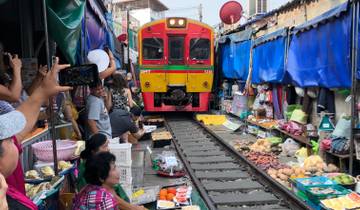
Small Group: Damnoen Floating market & Train market
- ✓ Comprehensive Bangkok tour
- ✓ Expert local guides included
- ✓ All accommodation arranged
- ✓ Transportation provided

3 days
Central Thailand Highlights in a Loop 3 Days, Private Tour
- ✓ Comprehensive Bangkok tour
- ✓ Expert local guides included
- ✓ All accommodation arranged
- ✓ Transportation provided
4 days
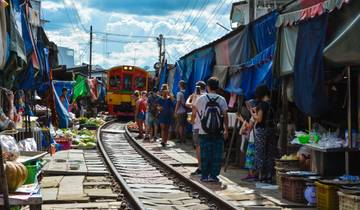
Bangkok Basics, City Break, Small Group Tour
- ✓ Comprehensive Bangkok tour
- ✓ Expert local guides included
- ✓ All accommodation arranged
- ✓ Transportation provided
Multi-day tour packages powered by TourRadar. Prices and availability subject to change.
Are Bangkok hotels family-friendly with facilities for children in 2026?
Bangkok offers extensive family-friendly accommodation ranging from budget apartments to luxury resorts with dedicated kids’ facilities. Many hotels provide connecting rooms, family suites, kids’ clubs, shallow children’s pools, cribs and extra beds at no charge, complimentary breakfast for children under 12, and babysitting services. Properties near BTS stations offer easiest access to attractions. Mid-range family hotels (₿2,500-4,500 per night) include Novotel Bangkok Sukhumvit 20, Amari Don Muang Airport Hotel, and Holiday Inn Sukhumvit. Luxury options (₿6,000-10,000+) like Anantara Siam Bangkok and Shangri-La Bangkok feature extensive children’s programs and facilities.
What transportation options work best for families in Bangkok in 2026?
BTS Skytrain and MRT subway provide the most efficient family transportation, with children under 90cm riding free and older kids paying half fare. Services run 6:00 AM-midnight with air-conditioned cars and elevators at all stations. Taxis cost ₿100-300 for most family trips but request meter use. Grab ride-hailing app offers transparent pricing and family-size vehicles. River boats on Chao Phraya cost ₿15-40 and provide scenic transportation. Tuk-tuks work for short trips (₿100-200) but negotiate prices beforehand. Avoid rush hours (7:30-9:30 AM, 5:00-8:00 PM) when possible. Consider purchasing Rabbit Card for BTS/MRT for simplified payment.
Essential Planning Information for 2026
Family Travel Costs and Budget Planning 2026
Bangkok family travel costs vary significantly based on accommodation choices, dining preferences, and activity selection. Budget planning requires understanding tiered pricing structures where children receive substantial discounts at most attractions while parents pay full adult rates.
Major attractions in 2026 charge ₿300-1,600 adult admission with children under 90-120cm entering free at many locations and older children paying 50-70% of adult rates. SEA LIFE Bangkok Ocean World costs ₿990-1,290 for adults, ₿790-990 for children, and free for kids under 90cm (check sealifebangkok.com for current official rates as pricing may vary). Safari World charges ₿1,100 adults, ₿900 children 3-11 years, with children under 3 entering free. Most Buddhist temples charge ₿0-300 with free admission for children under 120cm.
Family dining costs range ₿450-875 per person daily depending on restaurant choices. Food court meals cost ₿80-150, casual restaurants ₿200-400, and upscale dining ₿600-1,200 per person. Many restaurants offer kids’ menus at ₿150-300 with smaller portions of Western favorites and mild Thai dishes. Street food provides budget-friendly options at ₿40-100 per dish, though families with young children often prefer restaurant settings with better hygiene standards.
Transportation costs remain minimal with BTS Skytrain charging ₿16-59 per adult trip, children under 90cm riding free, and older children paying half fare. Family MRT trips cost ₿15-50 similarly. Taxis for four people cost ₿100-300 for most destinations. Daily family transportation budgets range ₿400-800 including occasional taxi use for convenience when traveling with tired children or during midday heat.
Accommodation represents the largest family expense, ranging from budget apartments at ₿1,500-2,500 per night (basic amenities, small pool) to mid-range family hotels at ₿2,500-5,000 (kids’ club, better locations) to luxury properties at ₿6,000-12,000+ (extensive facilities, prime locations). Properties with complimentary breakfast save ₿500-1,000 daily on family meal costs.
Best Time to Visit Bangkok with Kids 2026
Seasonal Analysis for Family Travel 2026
Bangkok’s tropical climate divides into three distinct seasons affecting family travel comfort and costs throughout 2026. Understanding seasonal patterns enables families to select optimal timing balancing weather conditions, crowd levels, and accommodation pricing.
November-February cool season provides the best weather for families, with temperatures 25-32°C, low humidity, and minimal rainfall creating comfortable conditions for temple visits and outdoor activities. Morning hours remain pleasant for walking tours while afternoons suit indoor attractions. December-January sees peak tourism with accommodation rates 40-60% higher than low season and popular attractions experiencing longer queues. Book hotels and major activities 2-3 months in advance for this period.
March-May hot season brings extreme temperatures reaching 35-40°C with high humidity making midday outdoor activities challenging, especially for young children. Families visiting during this period should plan indoor attractions (museums, aquariums, shopping malls) for 11:00 AM-3:00 PM and outdoor sites (temples, markets) for early morning or evening. Accommodation rates drop 20-30% from peak season. April’s Songkran water festival (April 13-15) creates exciting family experiences though expect crowded conditions and some business closures.
June-October monsoon season features afternoon thunderstorms, high humidity, and temperatures 28-35°C. Mornings remain sunny for outdoor activities with rains arriving 2:00-6:00 PM then clearing by evening. Indoor attractions stay busy during afternoon storms. This period offers the best value with accommodation rates 30-50% below peak season and smaller crowds at all attractions. September-October sees heaviest rainfall but also lowest prices and most authentic local experiences with fewer international tourists.
School Holiday Considerations for 2026
International school holidays significantly impact Bangkok family travel patterns and pricing throughout 2026. Christmas-New Year period (December 20-January 5) sees maximum crowds with accommodation rates at annual peaks and major attractions requiring advance booking. European winter holidays (February-March) bring increased visitors but less extreme crowding than Christmas period.
Easter holidays (April 2026) coincide with hot season and Songkran festival, offering cultural experiences but challenging temperatures for young children. Summer holidays (July-August) fall during monsoon season with lower accommodation rates offsetting weather unpredictability. October half-term holidays provide excellent value with improved weather conditions as monsoon season ends and cooler temperatures beginning.
Top Family-Friendly Attractions in Bangkok 2026
Interactive Museums and Educational Attractions
Bangkok’s interactive museums provide air-conditioned learning environments perfect for escaping midday heat while engaging children across diverse subjects. KidZania Bangkok inside Siam Paragon mall creates a child-sized city where kids ages 4-14 experience adult professions through role-playing activities. Admission costs ₿600-950 in 2026 depending on timing, with sessions running 4-5 hours allowing children to try multiple careers from pilot to surgeon to firefighter. The facility maintains excellent safety standards with trained staff supervising all activities.
Museum of Siam near Sanam Chai MRT station offers interactive exhibits exploring Thai history and culture through hands-on displays suitable for children 6+. Admission costs ₿300 adults with children under 15 entering free. The museum’s modern approach using multimedia presentations, game-like learning stations, and tactile exhibits makes Thai history accessible and engaging for young learners. Plan 2-3 hours for thorough exploration.
SEA LIFE Bangkok Ocean World, Southeast Asia’s largest aquarium beneath Siam Paragon mall, houses 30,000 marine creatures across themed zones. Admission reaches ₿990-1,290 adults, ₿790-990 children, free under 90cm (check sealifebangkok.com for current rates). The 120-meter underwater tunnel, shark feeding shows, touch pools, and glass-bottom boat rides captivate children of all ages. The facility maintains cool temperatures perfect for hot afternoons and requires 2-3 hours for complete exploration.
Science Centre for Education Bangkok offers interactive science exhibits across physics, biology, and technology with many hands-on experiments. Located outside central Bangkok, admission costs ₿50-100 making it exceptional value though requiring dedicated half-day trips. The planetarium, natural history exhibits, and outdoor science park suit children ages 6-15 particularly interested in STEM subjects.
Wildlife Encounters and Nature Experiences
Safari World combines traditional zoo with marine park offering comprehensive wildlife experiences 45 minutes from central Bangkok. Admission costs ₿1,100-1,600 in 2026 including both parks (check safariworld.com for current pricing as rates may vary). The Safari Park allows families to drive through open areas with giraffes, zebras, and lions visible from vehicles, while Marine Park presents shows featuring dolphins, sea lions, and elephants (note: ethical standards for animal shows vary; research current practices before visiting).
Dusit Zoo in central Bangkok provides accessible urban wildlife experiences with pandas, white tigers, and diverse bird species. Admission costs ₿150 adults, ₿100 children, ₿70 under 108cm. The zoo’s compact layout suits families with young children who tire easily, and boat rentals around the central lake offer relaxing breaks. Plan 2-3 hours for visits.
Queen Saovabha Memorial Institute Snake Farm demonstrates venomous snake handling and venom extraction in educational presentations suitable for older children comfortable with reptiles. Admission costs ₿200 adults, ₿50 children. Shows run twice daily (11:00 AM, 2:30 PM on weekdays) with handlers explaining snake behavior and medical uses of venom. The facility also houses a museum covering Thai snakes and antivenom production.
Amusement Parks and Water Parks
Dream World amusement park located 45 minutes from Bangkok offers roller coasters, family rides, and themed zones suitable for all ages. Admission costs ₿900-1,200 in 2026 with unlimited rides included. The park features gentle rides for young children, moderate thrill rides for tweens, and intense coasters for teens, plus daily parades and character shows. Attached Snow Town provides unusual indoor skiing and snow play experiences in tropical Thailand.
Siam Park City combines amusement park with extensive water park offering Bangkok’s largest wave pool, multiple water slides, and splash areas for young children. Admission reaches ₿900-1,200 with access to both parks. The facility works best October-March when weather suits outdoor water activities, and weekdays see significantly smaller crowds than weekends.
Fantasia Lagoon Water Park inside Ambassadors Hotel provides convenient city-center water play without requiring dedicated park trips. Day passes cost ₿500-700 for non-hotel guests with shallow pools for young children and moderate slides for older kids. The urban location allows combination with other Bangkok activities in single days.
Cultural Attractions and Temples
The Grand Palace introduces families to Thai royal history and Buddhist architecture through its spectacular buildings and Wat Phra Kaew (Temple of the Emerald Buddha). Admission costs ₿500 in 2026 with children under 120cm entering free. The complex requires modest dress (shoulders and knees covered; rental clothing available at entrance). Audio guides cost ₿200 and provide context making the visit more meaningful for older children. Plan 2-3 hours with breaks in shaded areas as sun exposure becomes intense.
Wat Pho (Temple of the Reclining Buddha) features the massive 46-meter gold-leaf Buddha and traditional Thai massage school. Admission costs ₿200-300 adults, free for children under 120cm. The complex’s size allows children to explore freely while parents appreciate architectural details. Traditional massage pavilions offer authentic Thai massage though most therapists recommend age 10+ for full treatments. Plan 1-2 hours for thorough exploration.
Wat Arun (Temple of Dawn) across the Chao Phraya River provides climbing opportunities appealing to adventurous children who safely navigate the steep stairs to elevated terraces. Admission costs ₿100 with children under 120cm free. The temple’s colorful porcelain decorations sparkle in sunlight creating excellent photos. Cross-river ferries from Tha Tien pier cost ₿4 per person and operate frequently throughout the day.
Jim Thompson House Museum showcases traditional Thai architecture through six connected teakwood houses surrounding a tropical garden. Guided tours (included in ₿200 admission) take 45-60 minutes explaining Thai silk history and traditional customs. The museum suits families with children 8+ who can appreciate cultural heritage and architectural design. The on-site café provides snacks and refreshments in garden settings.
Family-Friendly Dining in Bangkok 2026
Restaurant Types and Meal Planning Strategies
Bangkok’s diverse dining scene accommodates families across all budgets and dietary preferences, from international chains offering familiar comfort foods to Thai restaurants serving mild, kid-friendly versions of traditional dishes. Understanding restaurant types and strategic meal planning helps families balance nutrition, costs, and children’s preferences throughout their visit.
Shopping mall food courts provide the most versatile family dining with 30-50 stalls offering Thai, Japanese, Korean, Italian, and international foods under one air-conditioned roof. Parents and children can select different meals based on individual preferences while eating together at shared tables. Costs range ₿80-150 per person with most malls requiring prepaid cards purchased at service counters. Central World, Siam Paragon, Terminal 21, and EmQuartier food courts offer excellent variety with high cleanliness standards.
Chain restaurants including McDonald’s, KFC, Pizza Hut, and Burger King appear throughout Bangkok providing familiar foods when children resist Thai cuisine. Meals cost ₿150-300 per person with kids’ menu options at ₿100-180. Japanese chains like Fuji, Oishi, and Shabushi offer teppanyaki, sushi, and shabu-shabu suitable for families with prices ₿250-450 per person.
Traditional Thai restaurants increasingly offer kids’ menus with milder versions of popular dishes plus Western options like fried rice, chicken satay, and spring rolls. Meals cost ₿200-400 per person at casual restaurants, ₿400-800 at upscale establishments. Restaurants near tourist areas and in hotels maintain international hygiene standards and provide high chairs, changing facilities, and English-language menus.
Street food vendors selling pad thai, fried rice, grilled chicken, and fresh fruit cost ₿40-100 per dish, offering budget-friendly meals though families with very young children often prefer restaurant environments with better sanitation. Established vendors near tourist areas maintain higher standards than neighborhood carts.
Kid-Friendly Thai Dishes and Dietary Accommodations
Thai cuisine offers many naturally kid-friendly dishes when ordered with mild spice levels. Pad thai (stir-fried noodles with egg, tofu, and peanuts) remains the most universally accepted Thai dish among children, available at ₿60-150 depending on location. Khao pad (Thai fried rice with egg, vegetables, and choice of protein) provides familiar flavors at ₿80-180. Tom yum soup can be ordered mild with coconut milk (tom kha version) creating creamy, less spicy versions suitable for children.
Chicken satay with peanut sauce and cucumber relish offers protein and vegetables in accessible formats at ₿80-150 for 5-6 skewers. Moo ping (grilled pork on bamboo skewers) with sticky rice provides another child-friendly option at ₿10-20 per skewer. Spring rolls (poh pia tod) filled with vegetables and glass noodles cost ₿60-100 and rarely encounter resistance from young eaters.
Fresh tropical fruits including mango, papaya, pineapple, and watermelon sold pre-cut in bags for ₿40-80 provide healthy snacks between meals. Fruit smoothies cost ₿60-120 offering nutrition in appealing presentations. Coconut ice cream served in coconut shells with toppings costs ₿60-100 and creates memorable dessert experiences.
Most restaurants accommodate dietary requirements including vegetarian meals (specify “jay” for strict vegetarian without fish sauce), gluten-free options (rice-based dishes), and nut allergies (common concern with peanut-based sauces). Parents should clearly communicate dietary restrictions as cross-contamination can occur in busy kitchens.
Accommodation Strategies for Families 2026
Hotel Location and Facility Considerations
Selecting appropriate family accommodation in Bangkok requires balancing location convenience, facilities, and budget across diverse options from serviced apartments to luxury resorts. Properties near BTS Skytrain stations provide easiest access to attractions while minimizing taxi use and traffic exposure with young children.
Sukhumvit area offers the highest concentration of family-friendly mid-range and upscale hotels with excellent BTS access. Hotels cluster around Asoke, Phrom Phong, and Thong Lo stations placing families within 5-15 minutes of shopping centers, restaurants, and attractions. Properties in this area cost ₿2,500-6,000 for family rooms with many offering connecting rooms, rooftop pools, kids’ clubs, and proximity to EmQuartier, Terminal 21, and Benchasiri Park.
Siam area provides centralized locations near shopping malls and the BTS interchange station connecting to multiple lines. Hotels here cost ₿3,000-8,000 per night with walking access to Siam Paragon, MBK Center, and SEA LIFE Bangkok Ocean World. The area’s tourism focus means higher prices but maximum convenience for families prioritizing shopping and indoor attractions.
Riverside locations along the Chao Phraya offer different experiences with resort-style properties featuring extensive grounds, multiple pools, and direct river access. Shangri-La Bangkok, Peninsula Bangkok, and Anantara Riverside provide luxury options (₿6,000-12,000+ per night) with comprehensive kids’ clubs, special children’s pools, and family activity programs. These properties work best for families prioritizing hotel facilities over rapid attraction access.
Budget serviced apartments in areas like Ari, Pratunam, or Ratchathewi cost ₿1,500-2,500 per night offering separate bedrooms, kitchenettes for preparing simple meals, and washing machines useful for longer stays. These options suit families prioritizing space and self-catering capabilities over hotel services.
Essential Family Hotel Amenities 2026
Key family hotel amenities improving Bangkok stays include connecting rooms or family suites providing space for children to sleep separately from parents. Most mid-range and upscale hotels offer these configurations at ₿500-1,500 supplements over standard rooms. Request connecting rooms when booking as availability limits exist even at hotels advertising them.
Kids’ clubs operating during specific hours provide supervised activities for children ages 4-12 allowing parents brief relaxation time. Clubs offer games, crafts, movies, and playground access with trained staff. Luxury hotels like Anantara Siam Bangkok and Shangri-La Bangkok maintain extensive programs while mid-range properties like Novotel hotels offer more basic facilities.
Family swimming pools with separate shallow children’s sections and water play features attract kids while giving parents comfortable observation areas. Properties like Holiday Inn Sukhumvit, Amari Don Muang, and Novotel Bangkok Platinum feature this design. Verify pool hours as some hotels restrict use during certain times for maintenance or events.
Complimentary breakfast for children under 12 when parents purchase breakfast packages saves ₿300-500 daily on family meal costs. Many hotels include this benefit standard in family room rates. Breakfast buffets typically offer both Western and Asian options ensuring all family members find acceptable choices.
Babysitting services arranged through hotel concierges cost ₿300-600 per hour in 2026 enabling parents to enjoy occasional adult activities or formal dinners. Services require 24-48 hours advance booking. Verify providers’ qualifications and language capabilities when arranging care.
Transportation Guide for Families 2026
Public Transportation with Children
Bangkok’s BTS Skytrain system provides the most family-friendly public transportation with air-conditioned trains, elevator access at all stations, and simple routing along two main lines (Sukhumvit and Silom). Trains run 6:00 AM-midnight at 3-8 minute intervals during peak hours. Adult fares range ₿16-59 depending on distance traveled, children under 90cm ride free, and older children pay half fare. Purchase single-journey tickets at station vending machines (accepts coins only) or buy reloadable Rabbit Cards at ₿200 including ₿150 stored value convenient for families making multiple trips.
MRT subway serves different areas including Sukhumvit (interchange with BTS at Asoke), Silom, and Chatuchak. Trains run 6:00 AM-midnight with fares ₿16-42. Children under 90cm ride free and older children receive 50% discounts. Stations feature elevators and escalators though some older stations have longer walking distances than BTS. The Blue Line and Purple Line connect to suburban attractions like Dream World.
River boats on the Chao Phraya provide scenic transportation between riverside attractions. Express boats (orange and yellow flags) cost ₿15-40 per trip, stopping at major piers including Sathorn, Tha Tien (Wat Pho/Wat Arun), and Ratchawong (Chinatown). Tourist boats charge ₿60 unlimited daily rides with recorded commentary but make more frequent stops. Boats operate 6:00 AM-7:00 PM with reduced weekend schedules. Life jackets available for children though not mandatory.
Taxi and Private Transportation Options
Metered taxis provide convenient door-to-door transportation useful when traveling with tired children or during hot midday hours. Fares start at ₿35 plus ₿6-10 per kilometer depending on speed, with most family trips costing ₿100-300. Always insist on meter use (“meter, please” or point to meter). Taxis from airports charge ₿50 surcharge plus highway tolls ₿25-75. Peak hour traffic can extend journey times significantly, so plan accordingly.
Grab ride-hailing app offers transparent pricing without meter concerns and allows payment via credit card eliminating cash handling. JustGrab option provides standard taxi or private car at fixed rates quoted upfront. GrabFamily option guarantees larger vehicles for families with multiple children or luggage. Download the app and link payment methods before traveling to Bangkok for seamless use.
Tuk-tuks create memorable experiences for older children comfortable with open-air transportation though negotiate prices firmly before departure. Fair rates range ₿100-200 for trips under 2km, longer distances become uneconomical compared to metered taxis. Tuk-tuks work best for short hops in tourist areas where traffic moves slowly and journeys remain brief.
Private van rentals with drivers cost ₿2,500-4,000 per day (8-10 hours) suitable for families planning multiple destinations in single days or visiting attractions outside central Bangkok like Ancient City or Floating Markets. Services arranged through hotels or online platforms (Klook, GetYourGuide) include English-speaking drivers familiar with family-friendly routing.
Sample Family Itineraries 2026
One-Day Bangkok with Young Children (Ages 3-8)
Morning: Start 9:00 AM at SEA LIFE Bangkok Ocean World beneath Siam Paragon mall, arriving at opening for smallest crowds. Spend 2 hours exploring the aquarium’s underwater tunnel, touch pools, and feeding shows. Exit into Siam Paragon for 10:30 AM snacks at food court or café. Walk connected skybridge to Siam Center mall for 11:00 AM playground time at kid’s play area.
Midday: Lunch 12:00 PM at food court (Siam Paragon or neighboring malls) offering multiple cuisine options. BTS Skytrain from Siam station to Saphan Taksin station (15 minutes, ₿25-35 adults). Take 1:30 PM Chao Phraya Express Boat to Tha Tien pier (20 minutes, ₿15-32 per person) for scenic river cruise suitable for afternoon rest time.
Afternoon: Visit Wat Pho (Temple of Reclining Buddha) 2:00-3:30 PM allowing children to explore temple grounds at relaxed pace. Cross river via ferry to Wat Arun for 4:00 PM visit (optional; skip if children show fatigue). Return via ferry and river boat to Sathorn/Saphan Taksin, then BTS back to hotel area.
Evening: Early dinner 5:30-6:30 PM at hotel area restaurant. Return to hotel for pool time and wind-down activities. Plan quiet evening as young children need adequate rest.
Day Cost Summary: SEA LIFE admission ₿2,280-2,580 (2 adults, 2 children ages 3-8), Siam food court lunch ₿500-700, snacks ₿200-300, Wat Pho admission ₿400-600 (2 adults, children free), ferry ₿16 (4 people), boat tickets ₿60-128, BTS/transportation ₿200-300, dinner ₿800-1,200, incidentals ₿300-500. Total day cost: ₿4,756-6,324 for family of four (excluding accommodation).
Three-Day Bangkok Family Adventure (Ages 8-14)
Day 1 – Cultural Immersion: Begin 8:00 AM Grand Palace visit before heat intensifies. Explore 2-3 hours including Wat Phra Kaew. Walk to nearby Wat Pho for reclining Buddha and massage school grounds. Lunch at riverside restaurant near Tha Tien (12:30 PM). Afternoon 2:00 PM river cruise to Asiatique night market via private long-tail boat charter (₿800-1,200, 4-6 people). Explore market 4:00-7:00 PM including carnival rides and dinner at waterfront restaurants.
Day 1 Cost Summary: Grand Palace admission ₿1,000 (2 adults, children under 120cm free), Wat Pho ₿400-600 (2 adults, children free), lunch ₿1,200-1,800, long-tail boat ₿800-1,200, Asiatique activities ₿600-1,000, dinner ₿1,200-1,800, snacks/drinks ₿400-600, transportation ₿300-500. Total: ₿5,900-8,500 for family of four (excluding accommodation).
Day 2 – Interactive Learning: Morning 9:00 AM Museum of Siam for interactive Thai history exhibits (2-3 hours). Lunch at nearby café or return to hotel area via MRT. Afternoon 2:00 PM KidZania Bangkok for 4-5 hour role-playing adventure. Dinner at Siam Paragon food court or Terminal 21 (themed food court floors).
Day 2 Cost Summary: Museum of Siam ₿600 (2 adults, children under 15 free), lunch ₿800-1,200, KidZania admission ₿2,400-3,800 (2 adults, 2 children ages 8-14), snacks at KidZania ₿400-600, dinner ₿1,000-1,500, transportation ₿200-400. Total: ₿5,400-7,500 for family of four (excluding accommodation).
Day 3 – Wildlife and Adventure: Full-day Safari World excursion departing hotel 8:00 AM via private van rental (₿2,500-3,000 including 10-hour driver service). Safari Park drive-through experience 9:00-11:00 AM. Marine Park shows and exhibits 11:30 AM-4:00 PM including lunch at park restaurants. Return to Bangkok 5:00 PM for hotel swimming and casual dinner.
Day 3 Cost Summary: Safari World admission ₿4,400-6,400 (2 adults, 2 children 3-11), private van with driver ₿2,500-3,000, lunch at park ₿1,200-1,800, snacks/drinks ₿600-800, dinner ₿1,000-1,500. Total: ₿9,700-13,500 for family of four (excluding accommodation).
Three-Day Total: Activities and meals ₿21,000-29,500, accommodation ₿7,500-15,000 (3 nights mid-range to upscale family hotel), total trip cost ₿28,500-44,500 for family of four.
Five-Day Comprehensive Bangkok Family Experience
Day 1: Arrival, hotel check-in, rest period, evening exploration of nearby area, casual dinner. Light schedule for jet lag recovery.
Day 2: Morning Grand Palace and Wat Pho cultural introduction. Afternoon Chao Phraya river cruise and Asiatique market evening visit.
Day 3: Full-day Safari World excursion with wildlife encounters and shows. Evening hotel pool time.
Day 4: Morning SEA LIFE Bangkok Ocean World. Afternoon shopping at MBK Center or Siam Square. Evening traditional Thai puppet show or cultural performance.
Day 5: Morning floating market tour (Damnoen Saduak or Amphawa) via organized tour departing 6:00-7:00 AM, returning 1:00-2:00 PM. Afternoon departure preparations or final shopping.
Five-Day Budget: Accommodation ₿12,500-25,000 (5 nights), activities and admissions ₿15,000-22,000, meals ₿9,000-17,500 (₿450-875 per person daily), transportation ₿2,500-4,000, incidentals ₿2,000-3,500. Total: ₿41,000-72,000 for family of four, averaging ₿8,200-14,400 per day.
Practical Tips for Bangkok Family Travel 2026
Health and Safety Considerations
Bangkok’s tropical climate requires vigilant sun protection for children, especially during peak hours (10:00 AM-3:00 PM). Apply SPF 50+ sunscreen every 2 hours, dress children in lightweight long-sleeve clothing and wide-brimmed hats, and plan indoor activities during the hottest midday period. Dehydration risks increase in Bangkok’s heat, so carry reusable water bottles and offer children frequent drinks even if they don’t request them. Most convenience stores sell bottled water for ₿7-15.
Food safety practices protect families from digestive issues common among travelers. Choose busy restaurants with visible kitchens and rapid turnover ensuring fresh food. Avoid uncooked vegetables, ice from uncertain sources, and street food from vendors with limited hygiene infrastructure, particularly for children under 8 years. Well-established food courts and shopping mall restaurants maintain international sanitation standards. Hand sanitizer proves essential throughout travel, particularly before meals when handwashing facilities remain inaccessible.
Bangkok’s international hospitals provide excellent pediatric care if medical situations arise. Bumrungrad Hospital (Sukhumvit Soi 3) and Samitivej Hospital (multiple locations) offer 24-hour emergency services with English-speaking doctors and international insurance processing. Pharmacies stock most common medications though prescriptions from home countries don’t transfer. Minor issues like colds, scrapes, or upset stomachs can be handled at hotel medical clinics or walk-in pharmacies with on-duty pharmacists.
Traffic safety requires constant vigilance as Bangkok’s roads present significant risks. Use pedestrian bridges and designated crossings exclusively, hold young children’s hands at all times near roads, and avoid assuming vehicles will stop for pedestrians even at marked crossings. Taxis and private transportation prove safer than walking for journeys along busy roads. The BTS and MRT eliminate street crossing concerns while providing safe movement through the city.
Cultural Etiquette and Temple Visits
Teaching children basic Thai cultural respect creates more positive local interactions and educational experiences. The traditional “wai” greeting (pressing palms together in prayer position and bowing slightly) shows respect when greeting elders or after receiving assistance. Children can learn this simple gesture easily and locals appreciate the cultural awareness.
Temple dress codes require shoulders and knees covered for both adults and children at major religious sites including the Grand Palace, Wat Pho, and Wat Arun. Scarves or sarongs can be rented at entrances (₿50-100 deposit returned after visit) though bringing appropriate clothing proves more convenient with children. Shoes must be removed before entering temple buildings; carry socks for children uncomfortable walking barefoot on hot surfaces.
Buddha image respect forms crucial cultural understanding for children. Never climb on, point feet toward, or make disrespectful gestures near Buddha statues. Head-touching remains taboo in Thai culture as the head represents the highest point both physically and spiritually, so avoid patting Thai children on the head even affectionately. Monks shouldn’t be touched by women or girls, and sitting higher than monks shows disrespect.
Money Matters and Practical Logistics
Thai Baht (฿) serves as the only currency accepted throughout Bangkok. ATMs appear frequently around the city dispensing ₿10,000-30,000 per transaction with foreign card fees ₿180-220 per withdrawal. Bringing some cash from exchange counters at Suvarnabhumi Airport often provides better rates than multiple ATM withdrawals. Credit cards work at hotels, shopping malls, and upscale restaurants though many street vendors and local eateries accept cash only.
Tipping practices in Thailand differ from Western expectations. Restaurants automatically add 10% service charges eliminating tipping requirements. Round up taxi fares by ₿5-10 or allow drivers to keep small change. Tour guides and drivers appreciate ₿200-500 per day for excellent service. Hotel porters receive ₿20-40 per bag. Massage therapists receive ₿50-100 tips for standard services.
Bangkok’s 7-Eleven convenience stores (open 24 hours) prove invaluable for families needing snacks, drinks, basic medications, toiletries, and phone credit throughout stays. Stores appear every few blocks throughout tourist areas. Prices remain fixed with no bargaining required. Most locations now accept credit cards eliminating cash-only concerns.
Booking Strategies and Advance Planning 2026
Major attractions increasingly implement online booking systems reducing queue times significantly. Purchase SEA LIFE Bangkok Ocean World, Safari World, and KidZania tickets online through official websites or platforms like Klook and GetYourGuide, saving 10-15% compared to gate prices while guaranteeing entry during peak periods. Grand Palace and major temples accept walk-up visitors though arriving at opening (8:30 AM) avoids the worst crowds.
Family accommodation books 2-3 months in advance for peak season travel (November-February) and school holiday periods ensuring best rates and preferred room types. Last-minute bookings face limited connecting room availability and premium pricing. Mid-range hotels like Novotel, Holiday Inn, and Amari chains often offer advance purchase rates 20-30% below flexible rates.
Tours to floating markets, cooking classes, and day trips to nearby provinces require booking 1-2 weeks in advance through reputable operators. Morning floating market tours departing 6:00-7:00 AM require early starts challenging for families with young children, though afternoon private tours offer more flexible scheduling at higher costs. Read reviews carefully as some operators use outdated boats or rush schedules incompatible with family travel.
Frequently Asked Questions
Can I use strollers in Bangkok?
Strollers work well in shopping malls, hotels, and some tourist attractions but face challenges on Bangkok streets where sidewalks vary dramatically in condition. The BTS Skytrain and MRT subway stations all have elevators making stroller use feasible, though stations can be crowded during rush hours. Consider bringing lightweight umbrella strollers easy to fold and carry when sidewalk conditions make wheeling impossible. Some families prefer baby carriers for maximum mobility, particularly during temple visits requiring shoe removal and navigating stairs. Major shopping malls offer stroller rentals at information desks (₿100-200 per day, deposit required).
Are Bangkok attractions wheelchair accessible for children with mobility challenges?
Modern attractions like SEA LIFE Bangkok Ocean World, shopping malls, and hotels maintain excellent wheelchair accessibility with ramps, elevators, and accessible restrooms. The BTS Skytrain and MRT subway systems provide elevator access at all stations. Historic temples present challenges with stairs and uneven surfaces though main areas often have accessible routes. The Grand Palace offers some wheelchair-accessible areas though certain buildings require climbing stairs. Contact attractions in advance to discuss specific accessibility needs and available accommodations. Private van rentals work better than public boats for river transportation with wheelchairs.
What vaccinations do children need before visiting Bangkok in 2026?
Standard childhood vaccinations (MMR, DPT, polio) provide sufficient protection for Bangkok city visits. The CDC recommends ensuring routine vaccinations remain current and considering Hepatitis A for children planning extensive street food consumption. Japanese encephalitis vaccination proves unnecessary for short Bangkok stays but becomes relevant for rural area visits or extended Thailand travel. Typhoid vaccination suits families planning significant local food exploration. Malaria prophylaxis isn’t required for Bangkok as the city remains malaria-free. Consult pediatricians 4-6 weeks before travel for personalized recommendations based on specific itineraries and children’s health histories.
Can children drink tap water in Bangkok?
Bangkok tap water shouldn’t be consumed by children or adults. Bottled water costs ₿7-15 at convenience stores and appears universally available. Hotels provide complimentary bottled water daily. Use bottled water for tooth brushing with young children to avoid accidental ingestion. Ice in restaurants and hotels comes from filtered water and remains safe, though some families prefer avoiding ice entirely. Fresh fruit should be peeled or avoided if uncertain about washing water. Most restaurants understand water safety concerns and automatically serve bottled or filtered water with meals.
What should I pack for Bangkok family travel?
Essential items include lightweight, breathable clothing for children (cotton or moisture-wicking synthetics), wide-brimmed sun hats, SPF 50+ sunscreen, insect repellent containing 20-30% DEET, hand sanitizer, basic first aid supplies, and any prescription medications with copies of prescriptions. Pack modest clothing for temple visits (lightweight long pants or skirts, shoulder-covering shirts) for all family members. Bring comfortable walking shoes broken in before travel and inexpensive sandals for easy removal at temples. Swimming attire for hotel pools, reusable water bottles, snacks familiar to children for picky eating moments, and entertainment for transportation times (tablets, books, travel games) round out practical packing lists.
How do I handle language barriers when traveling with children in Bangkok?
English proficiency in Bangkok tourist areas reaches functional levels at hotels, major attractions, and restaurants catering to international visitors. Translation apps like Google Translate work offline if downloaded before travel. Most menus at tourist-oriented restaurants include English translations with photos. Thai people show remarkable patience with language difficulties and appreciate any attempts at basic phrases. Learn simple Thai words with children: “sawatdee” (hello), “kop khun” (thank you), and “mai pet” (not spicy) for ordering food. Visual communication and gestures work surprisingly well. Hotel concierges provide invaluable assistance translating needs and coordinating services.
Are there changing facilities for babies at Bangkok attractions?
Modern shopping malls including Siam Paragon, Central World, Terminal 21, and EmQuartier offer excellent baby changing facilities in family restrooms, often including nursing rooms, diaper vending machines, and bottle warming stations. Major attractions like SEA LIFE Bangkok Ocean World and KidZania Bangkok provide family restrooms with changing tables. Historic sites and older attractions may lack dedicated facilities though staff typically allow use of first aid rooms when requested. Hotels maintain changing tables in guest room bathrooms or family restrooms in lobby areas. Carry portable changing mats and supplies as facilities remain inconsistent at local restaurants and markets.
What should I do if my child gets sick during our Bangkok trip?
Bangkok’s excellent medical infrastructure handles most childhood illnesses efficiently. Bumrungrad Hospital (02-066-8888) and Samitivej Sukhumvit Hospital (02-022-2222) provide 24-hour emergency services with English-speaking pediatricians. Most hotels can arrange doctor visits to rooms for minor issues. Pharmacies like Boots and Watsons stock common medications; pharmacists often diagnose minor conditions and recommend appropriate treatments. Bring copies of prescriptions for any regular medications as Thai pharmacies won’t honor foreign prescriptions directly. Travel insurance covering medical treatment proves essential; verify policy details before departure. Common issues include heat exhaustion, upset stomachs from unfamiliar foods, and minor injuries from falls. Most illnesses resolve quickly with rest, hydration, and basic over-the-counter medications.
Can we find Western food if children won’t eat Thai cuisine?
Bangkok offers extensive Western food options from fast food chains (McDonald’s, KFC, Burger King, Pizza Hut) to international restaurants serving Italian, Japanese, Korean, American, and other cuisines. Shopping mall food courts include diverse options ensuring every family member finds acceptable meals. International hotel restaurants serve Western breakfast buffets with familiar foods. Seven-Eleven and Family Mart convenience stores sell sandwiches, yogurt, fruit, and snacks recognizable to Western children. While encouraging children to try Thai foods creates valuable cultural experiences, Bangkok’s cosmopolitan nature ensures no child needs to starve due to unfamiliar cuisines. Most Thai restaurants offer mild fried rice and pad thai suitable even for picky eaters.
What’s the best way to manage jet lag with children visiting Bangkok?
Bangkok sits 12-15 hours ahead of North American time zones and 6-7 hours ahead of European zones, creating significant jet lag challenges for families. Adjust children’s sleep schedules 1-2 hours earlier for several days before departure. During flights, encourage children to sleep according to Bangkok time. Upon arrival, resist letting children nap excessively; keep them active outdoors through the first day despite exhaustion. Natural sunlight helps reset circadian rhythms, so plan outdoor activities for the first afternoon. Maintain regular meal times according to Bangkok local time even if children don’t feel hungry. Most children adjust within 2-3 days though parents often require longer. Plan lighter activities for the first 1-2 days while family members acclimate. Some families arrive a day early at nearby beach destinations (Hua Hin, Pattaya) to adjust before intensive Bangkok sightseeing.