
Bangkok Cultural Significance & Heritage Guide
Key Takeaways
- Bangkok serves as Thailand’s living cultural repository where 400+ Buddhist temples preserve artistic traditions, religious practices, and architectural heritage spanning Rattanakosin era through contemporary periods
- The Grand Palace complex and surrounding Rattanakosin Island demonstrate royal patronage’s role in Thai cultural development, with religious architecture and urban planning reflecting Buddhist cosmology and divine kingship concepts
- Thai social hierarchy and cultural etiquette derive from Buddhist principles of respect, harmony, and karma, manifesting in daily interactions through wai greeting gestures, hierarchical language, and deference to elders and monks
- Bangkok’s Chinese community contributes essential cultural dimensions through Chinatown’s temples, festivals, and commercial traditions, representing Thailand’s successful multicultural integration over five generations
- Contemporary Bangkok culture balances modernization with tradition preservation, evident in street food maintaining century-old recipes alongside Michelin-starred restaurants, traditional puppet theater coexisting with contemporary art galleries
- The Thai monarchy’s cultural significance permeates daily life through portrait displays, royal project support, and ceremonial traditions binding national identity to Buddhist principles and royal leadership across 700+ years
Understanding Bangkok’s Cultural Heritage
Bangkok’s cultural significance extends beyond its role as Thailand’s administrative capital to embody the nation’s spiritual heart, artistic center, and living museum of Siamese civilization. Since King Rama I established the city in 1782 following Ayutthaya’s destruction, Bangkok has accumulated cultural layers reflecting Thai Buddhist traditions, Chinese merchant influences, royal patronage of arts, and modernization’s impact on traditional values. The city’s 15 million residents practice cultural traditions daily through temple merit-making, respect hierarchies in family and workplace interactions, and maintain artistic crafts ranging from classical dance to contemporary street art.
Understanding Bangkok’s cultural significance requires recognizing Buddhism’s pervasive influence on Thai thought patterns, social organization, and artistic expression. Theravada Buddhism shapes concepts of karma, rebirth, and merit-making that drive temple donations, monk ordinations, and festival celebrations. Buddhist ethics emphasizing non-confrontation, harmony preservation, and compassionate action create distinctive Thai social patterns including the famous “mai pen rai” (never mind) attitude toward inconveniences and conflicts. These philosophical foundations manifest physically through temple architecture dominating neighborhoods, saffron-robed monks collecting morning alms, and spirit houses protecting every building from supernatural forces.
The city’s cultural complexity emerges from successful integration of diverse influences within overarching Thai Buddhist framework. Chinese merchant families arriving during 18th-19th centuries contributed essential commercial acumen, culinary traditions, and Mahayana Buddhist practices enriching Bangkok’s religious landscape. Royal court traditions from Ayutthaya period established artistic standards in classical dance, traditional music, and palatial architecture that continue influencing contemporary Thai aesthetic preferences. Western modernization introduced during late 19th century by King Rama V created hybrid cultural forms blending European bureaucratic structures, educational systems, and architectural elements with traditional Thai values and Buddhist principles, producing Bangkok’s unique cultural character simultaneously traditional and modern.
People Also Ask About Bangkok Cultural Significance
Why is Bangkok culturally important to Thailand?
Bangkok concentrates Thailand’s most significant religious, royal, and artistic institutions within its urban landscape, functioning as the nation’s cultural capital beyond its administrative role. The city houses the Grand Palace and Temple of the Emerald Buddha (Wat Phra Kaew), Thailand’s most sacred Buddhist site hosting the palladium protecting the kingdom. Major Buddhist universities including Mahachulalongkornrajavidyalaya and Mahamakut Buddhist University train monks and scholars preserving Theravada traditions for the entire country. The National Museum, National Library, and National Theatre concentrate artistic heritage and performance traditions that define Thai cultural identity.
Royal cultural patronage centered in Bangkok drives national artistic development through institutions including the Queen Sirikit Museum of Textiles preserving traditional weaving techniques, royal-sponsored crafts projects supporting village artisans, and palace-organized ceremonies maintaining ancient Brahmanist-Buddhist rituals. The monarchy’s Bangkok presence creates gravitational pull concentrating Thailand’s finest artists, craftspeople, and performers seeking royal recognition and patronage. This cultural centralization means Bangkok artistic standards and aesthetic preferences influence regional Thai culture, with provincial arts often referencing Bangkok models while maintaining local variations.
What makes Thai culture unique in Southeast Asia?
Thailand maintained political independence throughout colonial period while neighbors fell under European control, enabling unbroken cultural development without colonial disruption. This independence preserved Thai language, Buddhist practices, royal institutions, and artistic traditions in forms less influenced by Western colonialism than Filipino, Indonesian, or Indochinese cultures. Thai Buddhism developed distinctive characteristics blending orthodox Theravada doctrine with pre-Buddhist animist beliefs, Brahmanist court rituals, and Chinese ancestor worship, creating syncretic religious practices unique in the Buddhist world.
Thai social structure emphasizes hierarchical relationships based on age, social status, and Buddhist merit accumulation, manifesting in language with multiple pronoun forms indicating speaker-listener relationships and honorific particles showing respect levels. This hierarchy coexists with Buddhist emphasis on individual karmic responsibility, creating cultural tensions between conformity expectations and personal religious development. Thai concepts of “kreng jai” (reluctance to impose), “sanuk” (enjoyment priority), and “mai pen rai” (acceptance attitude) create distinctive cultural patterns in social interaction, conflict resolution, and daily life approach that differ markedly from more confrontational Western cultures or rigid hierarchical East Asian societies.
How does Buddhism influence daily Bangkok life?
Buddhist principles permeate Bangkok daily life through morning alms rounds when monks walk streets collecting food donations from residents earning merit through generosity. These ritualized exchanges occurring between 6:00-8:00 AM create temporal rhythm marking day’s beginning with religious observance. Temple compounds function as community centers hosting festivals, meditation sessions, and social gatherings beyond religious services. Most Thai males ordain as monks for periods ranging from weeks to months, typically before marriage or following parents’ deaths, creating universal familiarity with monastic life and Buddhist practices across all social classes.
Buddhist ethics shape business practices, government policies, and social welfare through emphasis on compassionate action and karma. Companies sponsor temple renovations and monk ordinations for employees, governments fund Buddhist holiday celebrations, and wealthy families endow hospitals or schools as merit-making activities. Spirit houses placed before buildings reflect Buddhist-animist synthesis, where residents make daily offerings to guardian spirits protecting properties from misfortune. These practices demonstrate Buddhism’s integration into secular life rather than existing as separate religious domain, making spiritual and practical spheres inseparable in Thai cultural consciousness.
What role does the monarchy play in Thai culture?
The Thai monarchy serves as cultural focal point unifying diverse populations through shared reverence for royal institution and individual monarchs. King Rama V’s modernization programs during late 19th century established monarchy as progressive force balancing tradition preservation with necessary modernization, creating enduring popular respect. King Bhumibol Adulyadej’s 70-year reign reinforced royal cultural significance through personal involvement in rural development, traditional arts patronage, and moral leadership grounded in Buddhist principles, cementing monarchy’s position as guardian of Thai values and cultural continuity.
Royal imagery appears ubiquitously in Bangkok through portraits in businesses, government offices, and homes, birthday celebrations for royal family members becoming national holidays, and yellow shirts worn Mondays honoring late King Bhumibol. Royal projects supporting traditional crafts, classical arts, and regional cultures provide economic sustenance to artisans while preserving cultural heritage that might otherwise disappear under modernization pressures. The monarchy’s cultural guardianship extends to language preservation, architectural style setting through palace construction, and ceremonial maintenance connecting contemporary Thailand to Sukhothai and Ayutthaya kingdoms from 700+ years ago, providing historical continuity legitimizing national identity.
Extended multi-day tours – 5+ days
Featured Bangkok Multi-Day Tour Packages
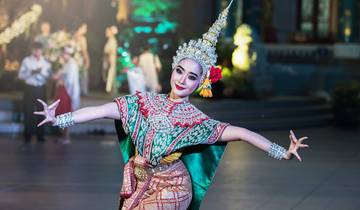
4 days
4 Day Bangkok City Break including Amphawa Floating Market & Erawan National Park
- ✓ Comprehensive Bangkok tour
- ✓ Expert local guides included
- ✓ All accommodation arranged
- ✓ Transportation provided
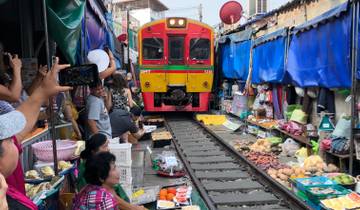
1 days
Small Group: Damnoen Floating market & Train market
- ✓ Comprehensive Bangkok tour
- ✓ Expert local guides included
- ✓ All accommodation arranged
- ✓ Transportation provided

3 days
Central Thailand Highlights in a Loop 3 Days, Private Tour
- ✓ Comprehensive Bangkok tour
- ✓ Expert local guides included
- ✓ All accommodation arranged
- ✓ Transportation provided
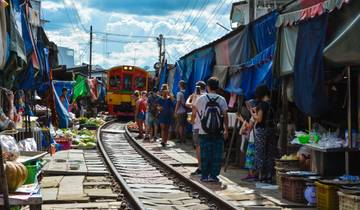
4 days
Bangkok Basics, City Break, Small Group Tour
- ✓ Comprehensive Bangkok tour
- ✓ Expert local guides included
- ✓ All accommodation arranged
- ✓ Transportation provided
Multi-day tour packages powered by TourRadar. Prices and availability subject to change.
Buddhist Temples and Religious Architecture
Wat Phra Kaew and Royal Temple Traditions
Wat Phra Kaew, the Temple of the Emerald Buddha within Grand Palace complex, exemplifies royal temple architecture and houses Thailand’s most sacred Buddha image. The 66-centimeter jade figure represents the palladium protecting Thai kingdom, with seasonal costume changes performed by the King during important Buddhist festivals. The temple’s architectural program demonstrates Buddhist cosmology through layout symbolizing Mount Meru, the cosmic mountain at universe’s center. Surrounding cloisters contain murals depicting the Ramakien (Thai version of Indian Ramayana epic), illustrating Hindu-Buddhist cultural synthesis in Thai artistic traditions.
The temple complex showcases Thai architectural elements including multi-tiered roofs with characteristic upturned eaves, elaborate gable decorations called chofa resembling stylized garuda birds, and gold-leaf-covered surfaces reflecting wealth dedication to religious purposes. Yaksha demons guarding entrances represent pre-Buddhist animist beliefs incorporated into Buddhist temple iconography, demonstrating Thai religious syncretism. Mother-of-pearl inlay decorations, Chinese porcelain tile work, and colored glass mosaics reveal multicultural artistic influences integrated into distinctively Thai aesthetic achieving visual harmony through ornate complexity rather than minimalist restraint.
Royal temples throughout Bangkok including Wat Pho (Temple of the Reclining Buddha), Wat Arun (Temple of Dawn), and Wat Benchamabophit (Marble Temple) demonstrate variations on royal patronage architectural themes. Each monastery received substantial royal endowments creating architectural masterpieces serving as artistic models for provincial temples. These royal foundations trained monks in orthodox Theravada doctrine, preserved Buddhist texts and artistic traditions, and hosted elaborate ceremonies reinforcing connections between religious authority and monarchical power. The temples’ continued active use for worship alongside tourism demonstrates living cultural heritage where ancient traditions persist within modern urban context.
Community Temples and Neighborhood Culture
Beyond royal temples, Bangkok’s 400+ neighborhood temples serve as community focal points hosting life-cycle ceremonies, festival celebrations, and social services. These wat provide free education through temple schools, elderly care in monastery compounds, and meditation instruction for lay practitioners. Temple architecture varies from modest wooden structures in poor neighborhoods to elaborate concrete complexes in affluent areas, reflecting community wealth while maintaining standard Buddhist architectural elements including main ordination hall (ubosot), sermon hall (viharn), bell tower, and monk residences.
Community temples preserve regional Thai artistic styles brought by internal migrants establishing neighborhood communities. Northeastern Isan migrants build temples reflecting Lao Buddhist traditions with distinctive roof lines and mural painting styles, while southern Thai temples incorporate elements from Mon and Malay cultures. Chinese-Thai temples blend Mahayana and Theravada Buddhist practices, installing Chinese-style Buddha images alongside Thai Theravada statuary. This architectural diversity within overarching Thai Buddhist framework demonstrates cultural flexibility accommodating regional and ethnic variations while maintaining religious unity through shared Theravada doctrinal foundations.
Temple festivals including Makha Bucha (February full moon), Visakha Bucha (May full moon), and Asalha Bucha (July full moon) transform neighborhood temples into celebration centers with candlelit processions, sermon listening, and communal merit-making. These events reinforce community bonds across class and ethnic boundaries through shared religious practice. Temple donation boards listing contributors and donation amounts reflect Buddhist merit-making connecting material generosity to spiritual advancement, while creating social recognition systems encouraging continued community support for religious institutions.
Royal Cultural Heritage and Palace Traditions
Grand Palace Complex as Cultural Symbol
The Grand Palace serves as architectural manifestation of Thai Buddhist kingship concepts where monarch functions as Dharmaraja (righteous Buddhist ruler) protecting religion and subjects. The palace layout follows traditional Thai principles with residential quarters, throne halls, and temples arranged according to hierarchical and cosmological significance. Chakri Maha Prasat Throne Hall exemplifies cultural synthesis combining Thai multi-tiered roof with European Victorian facade, reflecting King Rama V’s policy of selective modernization maintaining Thai identity while adopting useful Western elements.
Palace murals, decorative elements, and sculptural programs communicate political-religious messages reinforcing divine monarchy concepts. Garuda emblems representing Vishnu’s vehicle link Thai monarchy to Hindu divine kingship traditions predating Buddhist period. Chinese guardian lions, European-style carved moldings, and Thai classical Buddhist iconography coexist in decorative schemes demonstrating cultural eclecticism under royal aesthetic judgment. The palace’s continued use for important state ceremonies including coronations, royal weddings, and national celebrations maintains its living cultural significance beyond museum function, connecting contemporary Thai state to centuries-old royal traditions.
Royal ceremonies performed at the Grand Palace preserve Brahmanist rituals integrated into Thai Buddhist practice, including seasonal plowing ceremony, annual oath-taking for government officials, and merit-making ceremonies for deceased royalty. These elaborate rituals conducted by Buddhist monks and Brahmin priests maintain ancient traditions linking agricultural cycles, governmental authority, and religious sanction in ceremonies reinforcing social order and cultural continuity. Palace ceremonial traditions establish aesthetic standards for formal Thai culture including classical dance costumes, court music performances, and elaborate food presentations that influence Thai artistic expression across all social levels.
Royal Patronage of Arts and Crafts
Thai classical arts developed under royal patronage creating refined traditions in masked dance-drama (khon), classical dance (lakhon), traditional music, and decorative crafts. The National Theatre, originally royal court entertainment venue, preserves khon performances depicting Ramakien episodes through elaborate choreography, ornate masks, and traditional musical accompaniment. Royal dancers formerly trained from childhood in palace schools maintained artistic standards ensuring proper technique and aesthetic refinement. Contemporary royal patronage continues through Queen Sirikit Museum of Textiles exhibiting traditional silk weaving, royal collection preservation, and craftsperson support programs maintaining endangered artistic traditions.
Royal craft projects including SUPPORT Foundation and Chitralada Palace craft schools teach traditional techniques including silk weaving, silver work, and pottery to rural artisans, creating economic opportunities preserving cultural heritage. These programs prevent craft tradition extinction under modernization pressures while providing royal quality certification enhancing products’ market value. Royal-sponsored exhibitions, craft competitions, and artisan recognition ceremonies elevate traditional crafts’ social status, countering modern preference for imported goods over handcrafted traditional items. The monarchy’s cultural leadership legitimizes traditional crafts as valuable heritage worthy of preservation rather than backward obstacles to progress.
Classical music preservation receives royal support through palace-sponsored training programs, instrument workshop support, and performance venue maintenance. Traditional Thai orchestra instruments including ranat (xylophone), khong wong yai (gong circle), and pi (oboe) require specialized craftsmen maintaining construction techniques passed through generations. Royal patronage ensures continued training of instrument makers and musicians performing at temple ceremonies, palace functions, and national celebrations, maintaining living musical traditions connecting contemporary Thailand to classical artistic heritage from Ayutthaya and Sukhothai periods.
Thai Social Values and Cultural Etiquette
Hierarchical Relationships and Respect Protocols
Thai culture emphasizes hierarchical social relationships based on age, social status, wealth, and religious merit, creating complex etiquette systems governing interactions. The wai greeting gesture performed by pressing palms together before chest and bowing head indicates respect levels through hand positioning height and bow depth. Inferiors initiate wai to superiors, who respond with lower wai or simple head nod depending on status differential. Children wai parents, students wai teachers, employees wai employers, and laypeople wai monks, reinforcing social hierarchies through daily ritualized greetings.
Thai language reflects hierarchical consciousness through pronoun systems varying by relative status between speakers. Multiple forms exist for “I” and “you” selected based on speaker-listener age, social position, and relationship intimacy. Particles added to sentence ends modify politeness levels, with khrap (male) and kha (female) showing respectful speech, while casual speech among friends omits these markers. Verb modifications, title usage, and vocabulary selections communicate respect levels, making language use inseparable from social positioning and relationship navigation. Foreigners learning Thai must master not just vocabulary and grammar but social context determining appropriate linguistic choices.
Respect protocols extend to physical behaviors including head and foot symbolism where head represents highest, most sacred body part never touched casually, while feet represent lowest, impure body part never pointed toward people or Buddha images. Sitting positions require careful foot placement avoiding directional pointing toward others or religious objects. Children receive head pats from adults, but equals never touch each other’s heads except in intimate relationships. These embodied cultural practices reinforce hierarchy concepts through spatial relationships, body positioning, and touch protocols communicating respect or disrespect through physical interaction patterns.
Harmony Preservation and Conflict Avoidance
Thai cultural values prioritize harmony preservation over confrontational truth-telling, creating communication patterns emphasizing indirect expression and conflict avoidance. The concept “kreng jai” (reluctance to impose on others) drives behaviors avoiding requests perceived as burdensome, declining invitations to prevent host inconvenience, and withholding criticism to maintain pleasant atmosphere. This value creates frustrations for Westerners expecting direct communication, as Thai interlocutors may agree to requests they cannot fulfill rather than risking relationship disruption through refusal. Understanding kreng jai requires recognizing harmony maintenance supersedes literal truth-telling in Thai ethical frameworks.
The famous Thai smile encompasses multiple meanings beyond simple happiness expression, functioning as communication tool conveying embarrassment, apology, uncertainty, or polite disagreement depending on context. Smiling during serious discussions or while delivering bad news reflects cultural discomfort with negative emotions’ public display rather than inappropriate happiness. “Mai pen rai” (never mind, it doesn’t matter) represents cultural attitude accepting imperfections and disappointments without anger or prolonged distress. This fatalistic acceptance deriving from Buddhist karma concepts creates resilience under difficulties while sometimes appearing as complacency to Western observers expecting active problem-solving responses.
Public anger displays or loud arguments violate cultural norms emphasizing self-control and emotional restraint. Thai observers interpret anger expression as childish loss of control indicating poor socialization and low status, creating social embarrassment for angry individuals rather than sympathy for their grievances. Conflict resolution proceeds through intermediaries, indirect suggestions, and gradual consensus-building rather than confrontational negotiations. Business disputes, family conflicts, and neighborhood problems receive resolution through patient discussion, relationship leveraging, and face-saving compromises allowing all parties to preserve dignity while achieving acceptable outcomes.
Chinese Cultural Integration and Chinatown Heritage
Chinese Community Historical Development
Chinese immigration to Bangkok began during city’s founding in 1782, with Teochew dialect merchants dominating trade sectors King Rama I encouraged for economic development. Subsequent waves of Hokkien, Cantonese, and Hakka speakers created dialect-based community organizations governing internal affairs, mutual aid societies, and temple construction. By late 19th century, ethnic Chinese controlled most Bangkok commerce from rice trading to banking, creating economic elite maintaining distinct cultural identity through language preservation, endogamous marriage, and Chinese education.
Progressive Thai government policies encouraged Chinese assimilation through compulsory Thai education, surname adoption requirements, and restrictions on Chinese-language publications during 1930s-1940s nationalism. However, cultural synthesis rather than forced assimilation characterized integration process, with Chinese-Thai families maintaining Chinese ancestor worship, temple participation, and food traditions while adopting Thai language, Buddhist practices, and national identity. Contemporary Bangkok Chinese community represents successful multicultural integration where ethnic Chinese comprise 10-14% of population while dominating business sectors and contributing essential cultural elements to Thai cuisine, urban commercial culture, and religious diversity.
Chinatown’s Yaowarat Road concentrates Chinese cultural institutions including Siang Kong Shrine, Wat Mangkon Kamalawat (Leng Noei Yi Temple), and dozens of smaller Taoist and Mahayana Buddhist temples. Chinese clan associations occupy historic shophouses maintaining ancestral halls, mutual aid programs, and cultural preservation activities. Gold shops, traditional medicine stores, and family restaurants preserve Chinese commercial traditions while serving primarily Thai customers, demonstrating cultural integration where Chinese elements become Thai cultural components rather than remaining foreign imports.
Chinese Festivals and Cultural Contributions
Chinese New Year celebration (typically February) transforms Chinatown into festival zone with red lanterns, dragon dances, and firecracker displays attracting hundreds of thousands of Thai visitors celebrating Chinese cultural heritage as part of Thai national culture. The celebration’s royal patronage through official holiday status and royal family participation legitimizes Chinese cultural elements as integral components of Thai identity rather than foreign traditions. Vegetarian Festival (Gin Jay) during ninth lunar month sees primarily Thai Buddhists adopting Chinese Taoist purification practices, wearing white, and consuming vegetarian food in rituals blending Chinese and Thai Buddhist elements.
Chinese culinary traditions fundamentally shaped Thai cuisine through noodle dishes, stir-frying techniques, and ingredients including soy sauce, tofu, and wheat products. Popular Thai dishes including pad thai, khao man gai (chicken rice), and guay teow (rice noodles) derive from Chinese prototypes adapted to Thai tastes through spice additions and ingredient substitutions. Chinese dim sum restaurants, Teochew seafood establishments, and Cantonese roast meat shops maintain dialect-specific culinary traditions while serving integrated Thai-Chinese clientele. Street food vendors of Chinese descent operate stalls selling Chinese-origin foods using Thai names, exemplifying cultural synthesis where origins fade into integrated Thai urban food culture.
Chinese architectural elements including courtyard houses, shrine designs, and decorative motifs influenced Bangkok urban landscape and Thai domestic architecture. The shophouse building type dominating old Bangkok neighborhoods derives from Chinese Southern architectural traditions adapted to tropical climate and Thai building regulations. Colorful shrine decorations, dragon motifs, and Chinese calligraphy enliven Thai streetscapes, while fusion architectural styles blend Thai roof forms with Chinese decorative programs. This architectural integration demonstrates Chinese cultural contributions’ depth, where borrowed elements become so thoroughly Thai that their foreign origins fade from everyday consciousness.
Traditional and Contemporary Cultural Expressions
Classical Arts in Modern Context
Traditional Thai classical dance, music, and theater face challenges maintaining relevance in modern Bangkok where Western entertainment forms dominate youth preferences. The National Theatre presents khon and lakhon performances to predominantly tourist audiences, while Thai youth prefer Hollywood films, K-pop concerts, and Western music. Royal Academy of Dance’s training programs struggle attracting students despite free instruction, as classical dance careers offer limited economic opportunities compared to modern entertainment industry or professional occupations. Cultural preservation efforts rely on government support, royal patronage, and cultural nationalism emphasizing traditional arts as distinctive Thai heritage worthy of preservation.
Contemporary reinterpretations of classical forms attempt bridging tradition and modernity through experimental performances combining classical technique with contemporary themes, Western instruments supplementing traditional orchestras, and shortened performance formats accommodating modern attention spans. Projects like Silpathorn Artists Awards recognize traditional performers adapting heritage arts to contemporary audiences, encouraging innovation within respectful treatment of classical traditions. Some classical elements appear in popular culture through movie soundtracks using traditional instruments, television dramas featuring classical dance sequences, and advertising campaigns employing traditional music, maintaining cultural awareness even among youth primarily consuming modern entertainment.
Traditional crafts including silk weaving, silverwork, lacquerware, and pottery face similar relevance challenges as machine-made products offer lower costs and modern designs. Craft preservation initiatives focus on premium market positioning, emphasizing handmade quality, royal connections, and cultural authenticity commanding higher prices from cultural tourists and affluent Thai consumers valuing heritage. Craft villages near Bangkok receive government and NGO support maintaining traditional techniques through cooperatives, quality standards, and marketing assistance. The success of Jim Thompson silk brand demonstrates potential for traditional crafts achieving commercial viability through quality emphasis, cultural storytelling, and export market development.
Contemporary Thai Cultural Identity
Modern Bangkok culture negotiates tensions between tradition preservation and global modernization, creating hybrid cultural forms blending Western influences with Thai values. Shopping mall culture combines Western consumer capitalism with Thai social patterns, where malls function as climate-controlled community centers for family outings, friend gatherings, and dating beyond shopping purposes. Food courts democratize dining through low-cost, air-conditioned venues maintaining Thai food culture despite Western fast-food chain proliferation. Thai films explore modern urban life while often incorporating traditional values, ghost beliefs, and Buddhist themes, creating distinctively Thai narratives using global cinematic techniques.
Thai youth culture demonstrates creative cultural synthesis through independent music scenes blending Thai lyrics with Western rock/pop/hip-hop styles, fashion combining international trends with Thai elements, and social media use maintaining distinctive Thai communication patterns despite using global platforms. The enormous popularity of Korean and Japanese pop culture among Thai youth creates paradox where foreign influences strengthen rather than weaken Thai cultural distinctiveness, as Thai fans actively adapt foreign content creating Thai versions of K-pop dance covers, manga art styles, and Japanese fashion trends. This cultural confidence allows selective foreign adoption without threatening core Thai identity rooted in Buddhism, monarchy, and family values.
Street food culture exemplifies successful tradition maintenance within modern context, where vendors selling century-old recipes from mobile carts coexist with Michelin-starred restaurants serving refined Thai cuisine. The government’s Michelin star recognition of humble street food stalls like Jay Fai validates traditional food culture’s continuing relevance, while celebrity chef restaurants elevate regional Thai dishes to fine dining status. This culinary spectrum from 40-baht street meals to 4,000-baht tasting menus demonstrates cultural depth, where tradition and innovation coexist rather than competing in zero-sum struggle between authentic past and progressive future.
Living Heritage and Cultural Continuity
Daily Religious Practices and Merit-Making
Buddhist practices permeate daily Bangkok life beyond formal temple ceremonies through merit-making activities earning karmic benefits for better rebirths. Morning alms rounds see monks walking neighborhood streets collecting food offerings from residents who gain merit through generosity. Offering sticky rice, curry, or fruit to monks represents material sacrifice benefiting spiritual development, with donors bowing and receiving blessing chants in exchanges reinforcing religious community bonds. These dawn rituals continued throughout Bangkok despite urbanization demonstrates living Buddhist culture adapting traditional practices to contemporary contexts.
Temple visits for fortune-telling, blessing ceremonies, and wish-making reflect Buddhism’s practical spiritual applications addressing worldly concerns. Devotees purchase incense, flowers, and gold leaf to honor Buddha images, seeking blessings for business success, family health, or relationship happiness. Monks perform house blessings, business opening ceremonies, and vehicle blessing rituals blending Buddhist chants with animist practices protecting against supernatural dangers. These ritualized activities demonstrate Buddhism’s integration into daily problem-solving rather than existing as separate religious sphere disconnected from practical living.
Occasional ordination as monks remains common for Thai men earning merit for themselves and parents while fulfilling social expectations demonstrating masculine maturity. Urban temples accommodate short-term ordinations of weeks or months fitting modern work schedules, maintaining tradition while adapting to contemporary economic realities. Families celebrate ordinations with elaborate ceremonies comparable to weddings, photographing newly ordained monks in saffron robes and hosting feasts for relatives and monks. This temporary monasticism creates universal familiarity with Buddhist practice across social classes, differentiating Thai Buddhism from traditions where monasticism represents permanent life choice separating monks from lay society.
Festival Cycles and Seasonal Celebrations
Annual festival calendar structures Thai cultural life through Buddhist holidays and seasonal celebrations reinforcing cultural identity and community bonds. Songkran (Thai New Year, April 13-15) combines ancient Brahmanist/Buddhist purification rituals with contemporary water fighting, creating national celebration where regional variations maintain local traditions within shared cultural framework. The original religious observances of Buddha image washing and elder respect ceremonies persist alongside tourist-oriented water battles, demonstrating tradition adaptation maintaining core values while accommodating modern entertainment preferences.
Loy Krathong (November full moon) exemplifies cultural practice blending animist spirit appeasement with Buddhist merit-making through floating decorative boats containing incense, candles, and flowers on waterways. The ritual thanks water spirits while releasing negative karma from the past year, combining pre-Buddhist animism with Buddhist ethical concepts. Contemporary celebrations add beauty pageants, fireworks displays, and entertainment events to traditional rituals, creating multi-day festivals generating tourism revenue while maintaining religious significance. Bangkok’s Chao Phraya River hosts massive Loy Krathong celebrations where thousands of lit krathong create spectacular visual displays photographed extensively on social media, giving ancient tradition contemporary relevance through visual documentation and sharing.
Chinese festivals including Chinese New Year and Vegetarian Festival reflect Chinese-Thai cultural integration where primarily Thai Buddhist participants adopt Chinese cultural practices as part of Thai national culture. Royal Plowing Ceremony dating to Sukhothai period combines Brahmanist agricultural rituals with Buddhist merit-making, using sacred oxen to predict agricultural conditions for coming year. These diverse festivals maintain Thailand’s syncretic cultural character where Buddhist, Chinese, Brahmanist, and animist elements coexist without conflict, unified through Thai cultural framework adapting varied influences into coherent national identity celebrating cultural diversity within Buddhist-monarchical unity.
Frequently Asked Questions About Bangkok Cultural Significance
What is the wai gesture and how should tourists use it?
The wai involves pressing palms together before chest with fingers pointing upward, accompanied by slight head bow indicating respect levels through hand positioning height. Tourists should wai monks, elders, and during religious site visits to show cultural respect, though Thai people don’t expect perfect wai etiquette from foreigners. Simple palm-press gesture suffices without attempting complex status calculations. Never wai service workers, children, or street vendors, as inappropriate wai suggests mockery or cultural misunderstanding. When receiving wai from hotel staff or vendors, smile and nod rather than returning wai to service providers.
Why do Thai people put spirit houses outside buildings?
Spirit houses (san phra phum) provide residence for guardian spirits protecting properties from misfortune and supernatural dangers. Thai animist beliefs predating Buddhism hold that spirits inhabit all locations, requiring appeasement through offerings preventing spirit anger causing business failures, illnesses, or accidents. Residents place daily offerings of food, incense, and flowers in spirit houses, occasionally hiring monks to perform blessing ceremonies for particularly important requests. The practice demonstrates Buddhist-animist synthesis where spirit propitiation coexists with Buddhist doctrine without perceived contradiction, as both address different aspects of spiritual reality requiring separate ritual attention.
Can tourists enter any Buddhist temple in Bangkok?
Most Bangkok temples welcome respectful visitors regardless of religious background, though some meditation retreats or monk quarters restrict access. Dress modestly with shoulders and knees covered, remove shoes before entering temple buildings, and avoid pointing feet toward Buddha images. Women cannot touch monks or hand objects directly to them, passing items through male intermediaries or placing items on surfaces for monk collection. Photography is usually permitted in courtyards but restricted inside buildings housing important Buddha images. Donation boxes accept voluntary contributions supporting temple maintenance, though no minimum amount is required or expected from tourists.
What role do monks play in Thai society beyond religion?
Thai monks function as community counselors, meditation teachers, funeral officiants, and moral authorities beyond strictly religious roles. Wealthy families endow scholarships for monks’ education, expecting educated monks to provide advice on family decisions, business ethics, and personal problems. Rural monks often possess traditional medicine knowledge, offering herbal treatments and spiritual healing for illnesses. The monastic education system historically provided only schooling for poor boys, creating social mobility pathway through religious education. Contemporary monks address modern issues including environmental conservation, drug rehabilitation, and AIDS care through Buddhist frameworks applying religious principles to social problems.
Why is yellow significant in Thai culture?
Yellow represents Monday, late King Bhumibol Adulyadej’s birth day, making yellow the royal color associated with the beloved monarch. Thais wear yellow shirts on Mondays honoring the king and during royal birthday celebrations showing loyalty and respect. Following King Bhumibol’s death, yellow maintains significance through continued Monday wearing traditions and use in royal ceremonies. Each day possesses associated color in Thai tradition deriving from Hindu planetary associations: Sunday-red, Monday-yellow, Tuesday-pink, Wednesday-green, Thursday-orange, Friday-blue, Saturday-purple. Many Thais wear their birth day color for important events seeking good fortune through auspicious color harmony.
What does head and feet symbolism mean in daily interaction?
The head represents the highest, most sacred body part housing spiritual essence, making head-touching taboo except between intimates or adults to children. Never touch another adult’s head casually, step over seated people requiring head passage under feet, or pat heads playfully as in Western cultures. Feet represent the lowest, spiritually impure body part, making foot-pointing toward people or Buddha images serious insult. Sit with feet tucked beside body rather than extended toward others, never prop feet on furniture in public, and avoid stepping on books, money, or religious objects. These embodied hierarchical concepts pervade daily life requiring constant awareness of body positioning communicating respect or disrespect through physical relationships.
How do Thai people view public displays of affection?
Traditional Thai culture discourages public displays of affection including kissing, hugging, and hand-holding between romantic partners, viewing these behaviors as inappropriate exhibitions of private intimacy. Modern Bangkok youth increasingly adopt Western casual touching norms, though older generations and rural migrants maintain conservative attitudes. Tourists should avoid passionate public displays respecting cultural sensibilities, though hand-holding and brief hugs raise minimal objection in central Bangkok tourist areas. Same-sex couples face similar expectations: minimal public affection appropriate while excessive displays draw disapproval, though Thailand’s tolerance toward sexual diversity exceeds most Asian countries making Bangkok relatively comfortable for LGBTQ travelers compared to regional alternatives.
What is the significance of amulets in Thai culture?
Thai people wear Buddhist amulets around necks believing these consecrated images provide spiritual protection against accidents, violence, and misfortune while attracting good luck and prosperity. Monks create amulets through extended meditation and blessing rituals transferring spiritual power to clay, metal, or wood images depicting Buddha, famous monks, or protective deities. A substantial amulet market exists where collectors trade rare pieces for thousands of baht, with authentication experts examining historical amulets like art appraisers. The practice blends Buddhist merit-making (supporting temples through purchases) with animist protective magic and Chinese feng shui concepts, creating syncretic spiritual technology addressing practical worldly concerns through religious means.
Why do Bangkok residents dress modestly despite tropical heat?
Thai cultural values emphasizing modesty, respect, and appropriate self-presentation create dress codes favoring covered shoulders, longer shorts/skirts, and neat appearance despite uncomfortable heat. Professional contexts require formal business attire regardless of temperature, with air conditioning enabling Western formal wear adoption in offices while outdoor workers endure heat in long pants and sleeves. Buddhist concepts of proper behavior include modest dress showing self-respect and consideration for others, making revealing clothing socially inappropriate beyond beach contexts. Many shopping malls, government offices, and temples enforce dress codes requiring covered shoulders and knees, reflecting cultural expectations that personal comfort doesn’t supersede social propriety and respect for sacred or formal spaces.
What makes Thai Buddhism different from other Buddhist traditions?
Thai Theravada Buddhism synthesizes orthodox Pali canon doctrine with Brahmanist court rituals, Chinese Mahayana elements, and indigenous animist spirit beliefs creating distinctive Thai religious practice. The strong emphasis on monarchy-religion relationship makes Thai kings dharmarajas (Buddhist rulers) protecting religion and maintaining social order through Buddhist ethics. Thai monks engage actively in society providing education, counseling, and life-cycle ceremonies rather than pursuing isolated meditation. Forest meditation tradition emphasizing strict discipline and intensive practice coexists with mainstream city temples focusing on community services, creating diversity within Theravada framework. This pragmatic synthesis accepting multiple spiritual approaches characterizes Thai Buddhist flexibility accommodating varied needs while maintaining Theravada doctrinal foundations.