
Bangkok Walking Tours & Routes 2026: Complete Self-Guided Walk Guide
This comprehensive guide presents seven distinct self-guided walking routes covering Bangkok’s essential neighborhoods, analyzing optimal timing, realistic distances, admission costs, food expenses, and practical logistics including restroom locations, water refill points, and emergency shelter options for sudden weather changes. Routes range from 2-6 hours walking time with recommendations for combining morning temple circuits with afternoon air-conditioned cultural venues, maximizing comfort while maintaining comprehensive city exploration across different neighborhood characters and historical periods.
Key Takeaways
- Bangkok’s Old City (Rattanakosin Island) concentrates Thailand’s most significant royal temples and palaces within a 5-kilometer walking circuit requiring 4-6 hours with Grand Palace entry at ฿500 and major temple admissions ฿50-200 each
- Chinatown (Yaowarat) delivers Bangkok’s most vibrant street food experience along a 3-kilometer evening walk starting 5 PM when vendors set up, with meal costs ฿40-120 per dish creating ฿200-400 total dining expenses
- Riverside promenade routes from Sathorn to Asiatique (4.5 kilometers) provide scenic Chao Phraya views with free public access, complemented by cross-river ferry services at ฿4-20 per crossing for temple explorations
- Modern Bangkok districts including Sukhumvit’s art galleries, Ari’s café scene, and Thonglor’s boutique streets offer air-conditioned walking relief during 11 AM-3 PM peak heat periods when outdoor temple tours become uncomfortable
- Optimal walking hours fall between 6-9 AM for temples before crowds and heat intensify, or 4-7 PM for evening market walks when temperatures drop and street life peaks with food vendors and local activity
- Strategic route planning combines morning temple circuits with afternoon air-conditioned cultural centers or museums, then evening food district walks creating comfortable all-day exploration despite tropical heat
Exploring Bangkok on Foot in 2026
Bangkok reveals its authentic character through street-level exploration where pedestrian observation captures details invisible from taxis, boats, or elevated trains. Walking routes navigate through contrasting neighborhoods: ancient temple complexes dating to 1782’s Rattanakosin establishment, century-old Chinese and Indian trading quarters preserving immigrant cultural traditions, colonial-era diplomatic enclaves displaying European architectural influences, and contemporary districts reflecting Thailand’s modern economic transformation. Each area maintains distinct identities with unique architectural styles, street activities, food cultures, and social atmospheres that create Bangkok’s layered urban complexity.
The 2026 walking environment benefits from recent urban improvements including expanded pedestrian zones around Tha Tien pier and Wat Pho, renovated sidewalks along Charoen Krung Road in Chinatown providing safer foot traffic flow, enhanced street lighting in evening market areas improving navigation after dark, and new public restroom facilities at major tourist zones eliminating previous hygiene concerns. Bangkok Metropolitan Administration’s “Walkable City” initiative introduced 2024-2025 connected 42 kilometers of previously fragmented pedestrian pathways, with particular emphasis on shaded walkways using tree-lined boulevards and covered arcades that reduce sun exposure during tropical heat.
Understanding Bangkok’s climate fundamentally shapes successful walking strategies. The hot season (March-May 2026) brings temperatures 33-38°C with intense sun requiring very early morning starts (6-7 AM) or evening walks (after 5 PM) to avoid dangerous heat exposure. Cool season months (November-February) offer ideal walking conditions with 25-32°C temperatures, lower humidity, and comfortable all-day exploration potential. Rainy season (June-October) demands flexible planning with afternoon thunderstorms 2-5 PM interrupting outdoor walks, though the morning windows (6-11 AM) remain viable for temple circuits before downpours arrive. Successful walking tours respect these climate realities rather than forcing midday outdoor exertion during periods when locals themselves avoid street exposure.
People Also Ask About Bangkok Walking Tours 2026
Is Bangkok walkable for tourists in 2026?
Bangkok remains selectively walkable with specific neighborhoods offering excellent pedestrian experiences while others require alternative transportation due to distance, heat, or infrastructure limitations. The Old City (Rattanakosin Island) provides Bangkok’s most walkable concentrated area with major temples and royal sites within 2-3 kilometers of each other, featuring expanded pedestrian zones, clear English signage, and continuous shaded pathways connecting Wat Phra Kaew, Wat Pho, and Wat Arun. Chinatown’s compact 1.5-kilometer core along Yaowarat and Charoen Krung roads delivers vibrant street life exploration easily covered on foot during cooler evening hours.
However, Bangkok’s 1,568 square kilometer urban sprawl makes city-wide walking impractical, with major districts separated by 5-15 kilometers requiring BTS Skytrain, MRT subway, or river boats for inter-district movement. The 2026 transportation strategy combines walking within compact neighborhoods with public transit for longer connections: walk the Old City temple circuit in morning (4-6 hours), take river boat to Chinatown for evening food walk (2-3 hours), use BTS for next day’s Sukhumvit art gallery circuit (3-4 hours walking within the neighborhood). This approach maximizes pedestrian experiences while avoiding the exhausting and dangerous attempts to walk between distant districts in tropical heat.
Walking challenges include inconsistent sidewalk quality on secondary streets with uneven surfaces, utility poles, and street vendor encroachment requiring careful navigation, limited pedestrian crossings on major roads where traffic flows continuously without signals, and extreme heat during 11 AM-3 PM periods making outdoor walking genuinely dangerous for those unaccustomed to tropical climates. Smart Bangkok walking focuses on concentrated neighborhood exploration during optimal morning or evening hours, with midday breaks in air-conditioned museums, shopping malls, or traditional massage spas providing heat relief before evening walk resumption.
How much do Bangkok walking tours cost in 2026?
Self-guided walking tours in Bangkok cost ฿200-800 per person for full days including temple admissions, food, water, and local transport, with the primary variable being entrance fees at major sites versus free street exploration. Temple-focused Old City circuits require ฿500 for Grand Palace entry (check official website for current rates as pricing varies), plus ฿200 for Wat Pho, ฿100 for Wat Arun, ฿50-100 for secondary temples, totaling ฿850-950 in admission fees before food and water expenses. Street food walks through Chinatown or night markets involve zero admission costs but generate ฿200-400 food expenses sampling multiple dishes throughout evening exploration.
Guided group walking tours organized by professional companies cost ฿800-1,800 per person for 3-4 hour experiences including English-speaking guide, some food tastings, and admission fees where applicable. Premium private walking tours range ฿2,500-4,500 per person (decreasing to ฿1,800-2,800 per person for groups of 4-6) providing specialized guide expertise in architecture, food culture, or photography with flexible pacing matching individual interests. Food-focused walking tours command premium pricing at ฿1,200-2,200 per person given the inclusion of 6-10 restaurant tastings and market samples throughout 3-4 hour culinary explorations.
Budget optimization for self-guided walks involves strategic timing and choices: visit temples during morning golden hours (8-9 AM) for photography without paying guides for knowledge available in guidebooks and apps, use free mapping applications rather than paper maps or guide services, carry refillable water bottle using free water fountains at temples and 7-Eleven stores (avoiding ฿20-40 per bottle vendor purchases throughout the day), eat at local street stalls rather than tourist-oriented restaurants (saves 40-60% on equivalent meals), and schedule walks around free attractions like riverside promenades, public parks, and street markets avoiding admission-charging venues entirely.
What is the best time to do walking tours in Bangkok in 2026?
Optimal Bangkok walking hours fall into two distinct windows: early morning sessions 6-10 AM offering coolest temperatures, minimal crowds at major temples, soft photography light, and vibrant local morning markets before tourist groups arrive; or evening explorations 5-8 PM when temperatures drop from peak heat, street food vendors set up creating energetic atmosphere, and locals emerge for dining and shopping creating authentic neighborhood life observation. These timing windows provide comfortable walking conditions while avoiding Bangkok’s infamous 11 AM-3 PM heat period when temperatures peak 35-40°C with dangerous humidity levels causing heat exhaustion even among acclimated residents.
Temple-focused walks strongly favor morning timing for multiple reasons: Grand Palace opens 8:30 AM enabling arrival at opening to avoid tour bus crowds peaking 10 AM-1 PM, morning light creates better photography conditions with soft shadows versus harsh midday overhead sun, Buddhist monks conduct morning alms rounds 6-7 AM in residential temple areas providing cultural observation opportunities, and completing outdoor temple circuits by 11 AM-noon avoids the worst afternoon heat allowing transition to air-conditioned museums or cultural centers for midday refuge. Wat Pho and Wat Arun follow similar patterns with 8-8:30 AM opening times and exponential crowd growth throughout morning hours.
Food-focused walks in Chinatown, night markets, and street food districts require evening timing when vendors set up their operations. Yaowarat Road in Chinatown transforms 5-6 PM from normal traffic street to Bangkok’s premier street food destination with hundreds of carts, tables, and grills occupying sidewalks and road margins creating the vibrant chaos defining Thai food culture. Night markets like Talad Rot Fai (Train Market) open 5-6 PM and peak 7-10 PM with full vendor presence, live music, and crowds creating electric atmosphere impossible to experience during daytime hours when markets remain closed. The evening cool-down from 35°C afternoon to 28-30°C evening temperatures makes outdoor dining comfortable where midday heat would create unpleasant sweaty meal experiences.
How long do Bangkok walking tours take in 2026?
Bangkok walking tour durations vary dramatically based on route ambition, walking pace, photography stops, and rest breaks. Compact neighborhood circuits like Chinatown food walks cover 2-3 kilometers in 2-3 hours including eating time, while comprehensive Old City temple routes span 5-6 kilometers requiring 5-7 hours with temple exploration, admission queues, photography, and meal breaks. Realistic time estimates should account for actual walking pace (3-4 km/hour in Bangkok heat versus 5-6 km/hour in temperate climates), temple interior exploration time (30-60 minutes per major site), refreshment breaks every 60-90 minutes to avoid dehydration, and navigational pauses consulting maps or asking directions in unfamiliar areas.
A typical Old City temple circuit breaks down as: 15-20 minutes walking Grand Palace to Wat Pho, 60-90 minutes exploring Wat Pho including Reclining Buddha and traditional massage school, 10-minute ferry crossing to Wat Arun, 45-60 minutes climbing Wat Arun’s central prang and grounds exploration, 15-minute ferry return plus 20-minute walk to lunch restaurant, 60-minute meal break, 20-minute walk to Wat Saket, 45-minute climb Golden Mount and temple viewing, 15-minute walk to Democracy Monument area, creating 6-7 hours total commitment including all transitions and rest periods. Trying to compress this into 3-4 hours results in rushed experience missing the contemplative temple atmosphere and creating physical stress from sustained walking in heat.
Evening food walks move at different paces with eating, not walking, consuming primary time. A Chinatown food circuit covering 2 kilometers of Yaowarat Road takes 2.5-3.5 hours including: 30 minutes for first restaurant sit-down meal, 15 minutes sampling street cart pad thai or noodles while standing, 20 minutes in seafood restaurant for second course, 15 minutes browsing fruit stalls and purchasing mango sticky rice, 20 minutes in dim sum shop for desserts, with actual walking time only 45-60 minutes between venues but eating experiences dominating the temporal investment. This explains why food-focused tours appear shorter distance-wise but require equivalent time to longer temple walking routes.
Extended multi-day tours – 5+ days
Featured Bangkok Multi-Day Tour Packages

3 days
Bangkok 3-Day Discovery Tour
- ✓ Comprehensive Bangkok experience
- ✓ Expert local guides included
- ✓ All accommodation included
- ✓ Transportation provided
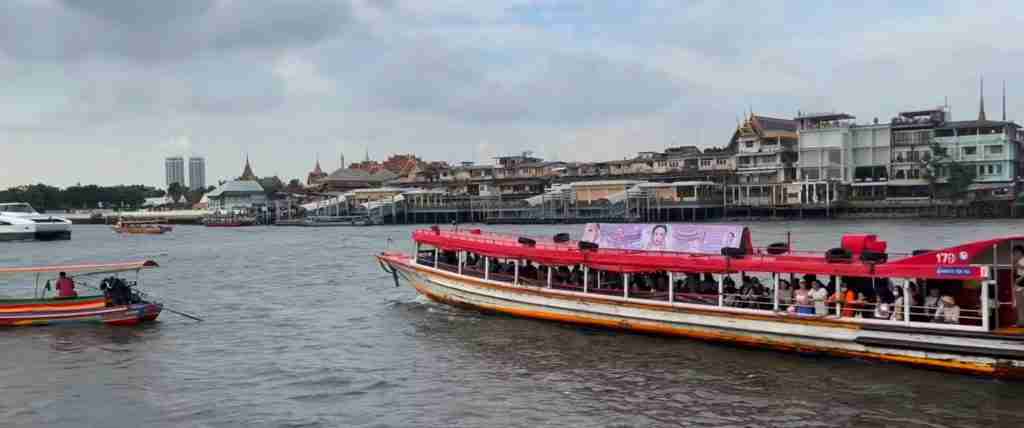
5 days
Bangkok 5-Day Highlights Experience
- ✓ Comprehensive Bangkok experience
- ✓ Expert local guides included
- ✓ All accommodation included
- ✓ Transportation provided
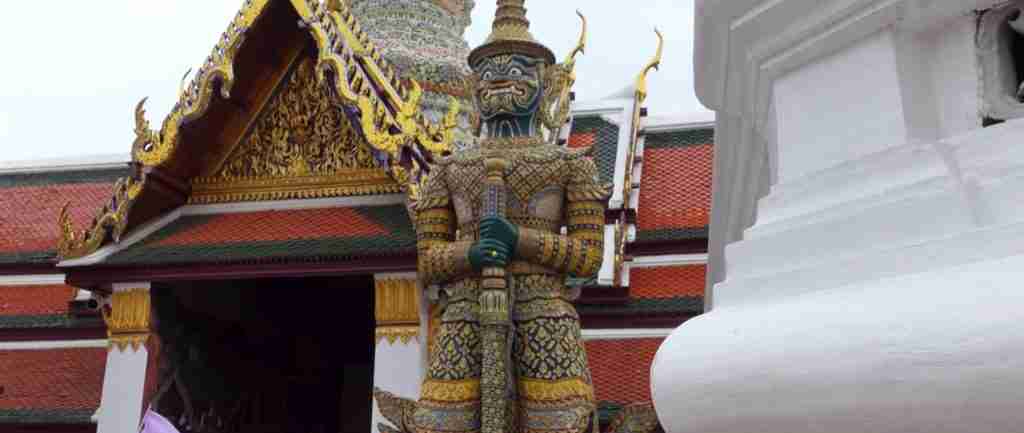
7 days
Bangkok 7-Day Cultural Journey
- ✓ Comprehensive Bangkok experience
- ✓ Expert local guides included
- ✓ All accommodation included
- ✓ Transportation provided
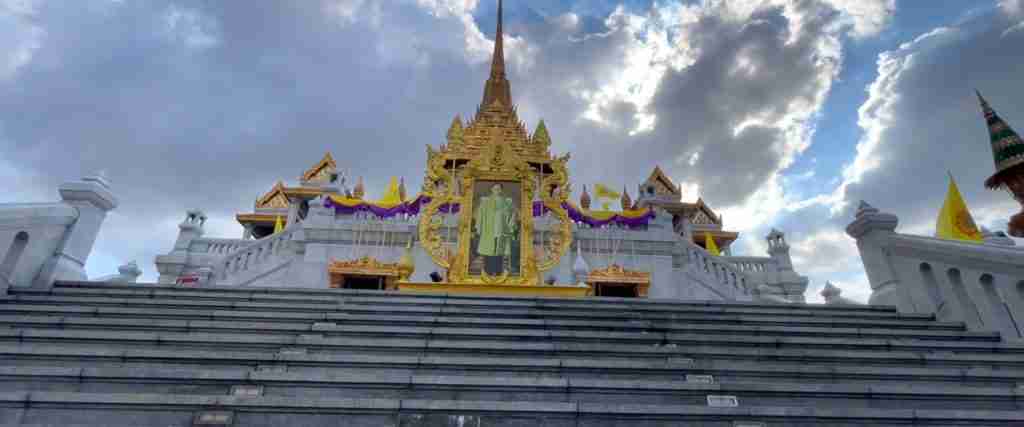
10 days
Bangkok 10-Day Complete Adventure
- ✓ Comprehensive Bangkok experience
- ✓ Expert local guides included
- ✓ All accommodation included
- ✓ Transportation provided
Multi-day tour packages powered by TourRadar. Prices and availability subject to change.
Essential Planning Information 2026
Current Costs and Walking Tour Budget Breakdown
Self-guided Bangkok walking tour costs divide into four categories: temple admissions, food and beverages, local transportation supplements, and optional activities. Temple admission fees for major Old City sites include: Grand Palace ฿500 (includes Wat Phra Kaew), Wat Pho ฿200, Wat Arun ฿100, Wat Saket (Golden Mount) ฿50, Wat Suthat ฿100, Loha Prasat (Metal Castle) ฿50, and most neighborhood temples free entry though donation boxes appreciate ฿20-40 contributions. Check official temple websites for current rates as pricing varies by site and occasionally increases during peak tourist seasons.
Food expenses during walking tours depend heavily on venue choices and eating volume. Budget street food options cost ฿40-80 per dish with full meals requiring 2-3 dishes plus beverages creating ฿150-250 per meal totals, while tourist-oriented restaurants near major temples charge ฿200-400 per person for equivalent dishes in air-conditioned settings with English menus. Beverages throughout the day add ฿150-300: bottled water ฿20-40 from vendors (versus ฿12-15 from 7-Eleven), fresh coconut water ฿40-60, iced Thai tea ฿30-50, and soft drinks ฿25-35. Carrying refillable water bottle and using free temple water fountains reduces beverage costs by ฿100-150 per day.
Transportation supplements enhance walking routes without replacing pedestrian focus: cross-river ferries cost ฿4 for local routes or ฿20 for express tourist boats, tuk-tuk rides covering fatigue periods or heat escapes run ฿80-150 for short 2-3 kilometer distances, BTS Skytrain supplements between distant neighborhoods charge ฿16-62 depending on distance traveled, and river express boats along Chao Phraya cost ฿15-40 per segment enabling quick repositioning between walking districts. Most comprehensive walking days incorporate ฿100-200 in these supplemental transport costs reducing exhausting attempts to walk absolutely everywhere.
Optional activity additions include: traditional Thai massage ฿300-500 per hour providing midday rest while experiencing authentic cultural practice, museum entries ฿100-200 for air-conditioned cultural education during peak heat hours, cooking class experiences ฿1,800-2,500 incorporating market walks with hands-on instruction, and evening cultural performances ฿800-1,500 at venues like Sala Rim Naam or Calypso Cabaret. Total daily walking tour budgets range ฿700-1,500 for budget-conscious temple exploration with street food, ฿1,500-2,500 for comfortable mixed temple-food-culture routes, or ฿3,000-5,000 when incorporating guided tour segments, premium dining, and supplemental activities.
Footwear and Clothing Requirements for Bangkok Walking
Footwear selection dramatically impacts walking comfort and temple access in Bangkok’s climate and cultural context. Supportive walking shoes with cushioned insoles, breathable uppers, and good arch support prove essential for 8-15 kilometer daily walking on concrete sidewalks and uneven temple grounds. However, temple dress codes requiring shoe removal at sacred sites means elaborate lacing systems create constant inconvenience removing and re-donning shoes 6-10 times throughout Old City circuits. Slip-on sneakers, athletic sandals with rear straps, or quality flip-flops balancing support with quick removal provide optimal solutions for temple-heavy walking routes.
Clothing requirements balance three competing demands: respectful temple dress codes mandating covered shoulders and knees, comfort in 30-38°C tropical heat with high humidity, and protection from intense UV exposure causing sunburn within 20-30 minutes of unprotected exposure. Lightweight long pants or below-knee skirts in breathable fabrics (cotton, linen, technical moisture-wicking) meet temple requirements while minimizing heat retention, loose long-sleeve shirts protect arms from sun while allowing air circulation, and wide-brimmed hats or caps shield face and neck from overhead sun exposure during midday walking segments. Avoid tight synthetic fabrics that trap heat and moisture creating uncomfortable walking conditions.
Additional clothing considerations include: carrying lightweight shawl or sarong for temples with strict shoulder coverage enforcement (can drape over tank tops converting casual street wear to temple-appropriate attire), wearing layers enabling adaptation to temperature contrasts between 38°C outdoor streets and 22°C air-conditioned museums or malls during midday breaks, bringing small backpack rather than shoulder bag distributing weight better during extended walking, and selecting neutral or dark colors that hide sweat stains inevitable during outdoor tropical walking. Proper clothing preparation prevents both cultural faux pas at temples and physical discomfort from inappropriate outfit choices for climate conditions.
Safety and Navigation in Bangkok Streets
Bangkok street navigation requires attention to multiple safety factors distinct from walking in Western cities. Traffic poses the primary hazard as vehicles dominate road space with minimal pedestrian priority, traffic signals at major intersections operate irregularly or remain ignored by motorcycles and taxis, and unmarked crossings require assertive yet careful street crossing timing when traffic gaps briefly appear. The safest crossing strategy involves: using pedestrian overpasses where available despite climb effort in heat, crossing at intersections with traffic lights even when drivers run red lights (proceed cautiously when pedestrian light shows green), and following local Thai pedestrians who understand traffic flow patterns and know when gaps permit safe crossing.
Sidewalk hazards include uneven pavement sections with sudden height changes, utility poles and street signs positioned in walking paths requiring constant attention, open drainage channels lacking covers creating fall risks, and street vendor setups narrowing pedestrian space forcing temporary street walking. Walking at moderate pace while maintaining ground awareness prevents most accidents, with particular caution after dark when dim lighting obscures surface irregularities. Rainy conditions worsen sidewalk safety as wet tiles become extremely slippery and pooled water hides pavement holes beneath opaque surfaces.
Personal security in Bangkok remains generally excellent for foreign visitors with violent crime exceptionally rare in tourist areas and walking districts. Standard urban precautions apply: avoid displaying expensive jewelry, cameras, or phones unnecessarily on streets, keep valuables in front pockets or internal backpack compartments rather than easily-accessed external pockets, maintain awareness in crowded markets and tourist areas where opportunistic pickpockets target distracted visitors, and decline unsolicited approaches from “helpful” strangers offering temple tours or tuk-tuk rides that lead to commission-based gem shops or overpriced restaurants. Women walking alone report feeling safe throughout Bangkok’s main districts during both day and evening hours, though isolated areas after 10 PM warrant standard caution exercised in any major city.
Detailed Self-Guided Walking Routes 2026
Old City Temple Circuit: Rattanakosin Royal Heritage Walk
This comprehensive 5.5-kilometer route covers Bangkok’s most significant historical and religious sites concentrated on Rattanakosin Island where King Rama I established the capital in 1782. Begin at Tha Chang Pier (accessible via Chao Phraya Express Boat) at 8 AM, walking 200 meters to Grand Palace opening at 8:30 AM (entry ฿500 including Wat Phra Kaew). Allocate 2-2.5 hours exploring the palace complex’s throne halls, museums, and Emerald Buddha temple, with modest dress required (shoulders and knees covered). Exit through southern gate at 10:30-11 AM heading to adjacent Wat Pho.
Wat Pho entrance lies 150 meters from Grand Palace southern exit, with admission ฿200 providing access to Thailand’s largest reclining Buddha (46 meters long), ancient massage school, and over 1,000 Buddha images throughout the complex. Spend 60-90 minutes exploring the four main viharns, meditation gardens, and traditional medicine pavilions before exiting at western gate. Cross Maharaj Road (200 meters) to Tha Tien Pier, taking the ฿4 cross-river ferry (5-minute journey) to Wat Arun on Thonburi side. Wat Arun admission ฿100 includes climbing the 70-meter central prang (expect queues during peak season) with spectacular Chao Phraya views from upper terraces. Return via ferry after 45-60 minutes exploration, arriving back at Tha Tien around 1 PM.
Proceed north along Maharaj Road (pedestrianized sections provide pleasant walking) for 600 meters through shophouse neighborhoods and street food vendors, reaching Phra Athit Road at 1:30 PM for lunch at riverside restaurants (฿200-350 per person). After lunch, walk 800 meters east through Banglamphu district to Wat Saket (Golden Mount), admission ฿50 for temple complex and 318-step spiral ascent to hilltop pagoda. The climb requires 20-30 minutes at moderate pace with rest platforms providing Bangkok panoramic views. Descend by 3:30 PM, walking 400 meters south to Loha Prasat (Metal Castle) and Wat Ratchanatdaram (admission ฿50 combined) for unique multi-tiered architectural design. Conclude circuit at Democracy Monument 300 meters south, with BTS National Stadium station 1 kilometer west or taxis readily available for return to accommodations. Grand Palace ฿500, Wat Pho ฿200, Wat Arun ฿100, ferries ฿8 round trip, Wat Saket ฿50, Loha Prasat ฿50, lunch ฿280, water and snacks ฿120. Total day cost: ฿1,308 per person (excluding accommodation and dinner).
Chinatown Evening Food Walk: Yaowarat Culinary Adventure
Bangkok’s Chinatown delivers Thailand’s most concentrated street food experience in a vibrant 2.5-kilometer evening walk starting 5-5:30 PM when vendors begin setup. Begin at MRT Wat Mangkon station (Odeon Circle), walking west along Yaowarat Road as the main thoroughfare transforms from daytime commerce to evening food market. First stop at Jek Pui curry rice shop (100 meters from MRT) for Cantonese-style curries over rice ฿60-80 per person, followed by 200-meter walk to Nai Ek Roll Noodle for famous rolled rice noodles with prawns ฿80-100.
Continue west along Yaowarat 300 meters browsing street carts selling grilled squid (฿60-80), oyster omelettes (฿80-100), and fried chicken wings (฿40-60) with most vendors accepting cash only in small bills. Turn north onto Soi Texas (around 6 PM) for 150-meter detour exploring side street seafood restaurants with outdoor seating, crabs ฿300-500 per kilogram, grilled fish ฿200-350 per portion, and stir-fried vegetables ฿80-120. Return to Yaowarat continuing west 400 meters to Plaeng Nam area where multiple seafood restaurants offer premium dining ฿400-800 per person with extensive menus showcasing Chinese-Thai fusion dishes.
The return route heads east along parallel Charoen Krung Road (200 meters south of Yaowarat) passing gold shops, traditional medicine stores, and dim sum restaurants. Stop at century-old bakery Tang Jai Yoo for Chinese pastries ฿30-50, continue to Wat Traimit (Golden Buddha Temple, admission ฿100 if entering, though exterior viewing free) at 7:30-8 PM when illuminated temple creates dramatic photography opportunity. Conclude at Odeon Circle returning to MRT station, having covered 2.5 kilometers actual walking with 2.5-3.5 hours total duration including eating and browsing time. Most visitors spend ฿300-500 on food throughout the walk sampling 5-8 different dishes and beverages, with ฿200-300 being comfortable minimum for satisfying culinary exploration avoiding expensive full restaurant meals. Street food samples ฿300, drinks ฿80, desserts ฿60, Wat Traimit optional ฿100. Total walk cost: ฿440-540 per person (excluding transportation to/from Chinatown).
Riverside Heritage Walk: Colonial Bangkok Architecture
Explore Bangkok’s European colonial heritage and modern riverside development along a 4.5-kilometer route connecting Sathorn to Asiatique night market. Begin at BTS Saphan Taksin station at 4 PM, walking 300 meters south to the riverside promenade (recently expanded with continuous pedestrian path). The route passes through former consular district featuring restored colonial buildings: Portuguese Embassy (1820s), French Embassy (1857, with spectacular gardens), and East Asiatic Company Building (1901 Danish trading headquarters) showcasing European architectural influences rarely seen elsewhere in Bangkok.
Continue south along riverside pathway 2 kilometers through mixed-use developments: high-rise condominiums, boutique hotels, riverside restaurants, and preserved shophouse blocks creating varied architectural timeline from 19th century to contemporary Thailand. Around 5:30 PM reach Pak Klong Talad flower market (free entry) where wholesale sellers display massive quantities of orchids, roses, lotus flowers, and ceremonial arrangements creating vibrant photo opportunities. Browse market aisles for 30-45 minutes observing Thai Buddhist flower offerings preparation, with optional purchases of jasmine garlands ฿20-40 for personal use or photography props.
Exit flower market at 6:15 PM walking final 2 kilometers to Asiatique riverfront complex (opens 4 PM, peak activity 6-10 PM) via continuous riverside path passing seafood restaurants, beer gardens, and local parks. Asiatique offers 1,500 boutiques, 40 restaurants, and entertainment venues in restored warehouse buildings surrounding Ferris wheel (฿300 per ride, 15 minutes). Free browsing through shopping zones, with dinner options ranging ฿200-600 per person depending on venue sophistication. Return via free Asiatique shuttle boat to Sathorn Pier (every 30 minutes until midnight) connecting to BTS Saphan Taksin, or continue riverside exploration north returning to starting point creating circular 9-kilometer route. The walk provides sunset Chao Phraya views, colonial architecture documentation, local market immersion, and modern Bangkok retail experience in single 3-4 hour evening excursion. Flower market free entry with optional purchases ฿50-100, Asiatique entry free with dinner ฿400, Ferris wheel optional ฿300, drinks ฿100. Total walk cost: ฿450-1,000 per person depending on shopping and dining choices (excluding transportation).
Modern Bangkok Art and Café Walk: Sukhumvit Soi 1-21 Circuit
Discover contemporary Bangkok through a 3.5-kilometer air-conditioned circuit exploring Sukhumvit district’s art galleries, specialty cafés, and boutique shopping lanes providing heat refuge during midday hours. Begin at BTS Nana station at 11 AM, walking 200 meters down Sukhumvit Soi 11 to Parking Toys art space (free entry) featuring rotating contemporary Thai artist exhibitions. Spend 30 minutes viewing current shows, continue 150 meters to Rocket Coffeebar S11 for specialty coffee and pastries (฿120-200 per person break, air-conditioned seating).
Cross Sukhumvit Road via elevated walkway (avoiding street-level traffic and heat) to Soi 8, walking 250 meters to MOCA Bangkok (Museum of Contemporary Art, admission ฿250) for comprehensive two-hour exploration of Thailand’s modern art movements. The five-story museum provides blessed air-conditioned retreat during peak 12-2 PM heat while delivering cultural education through 800+ artworks spanning abstract to realist styles. Exit MOCA at 2 PM returning to Sukhumvit via BTS Phrom Phong station (avoiding outdoor walking in afternoon heat peak).
Resume walking circuit at 2:30 PM exploring Sukhumvit Soi 21-39 boutique lanes: walk 300 meters down Soi 21 (Asoke) to Terminal 21 shopping mall (free entry, air-conditioning) with airport-themed floors featuring different international city designs. Continue outdoor walking at 3:30 PM when temperatures begin dropping, covering 400 meters through Soi 31 and 33’s small boutiques, spa entrances, and residential lanes. Conclude at Commons Saladaeng community mall (Soi 17) at 4:30 PM for craft beer (฿180-250) or specialty tea (฿120-180) on rooftop terrace. This route delivers contemporary Bangkok culture while minimizing heat exposure through strategic air-conditioned venue timing and elevated walkway utilization. MOCA admission ฿250, coffee break ฿160, lunch in Terminal 21 ฿250, afternoon drink ฿200, optional gallery entry ฿100. Total walk cost: ฿960 per person (excluding BTS transport to/from Sukhumvit).
Green Space Walking Circuit: Lumpini Park and Diplomatic Quarter
Escape urban intensity through a 4-kilometer walking route combining Bangkok’s premier urban park with surrounding diplomatic neighborhood. Begin at BTS Sala Daeng station at 6 AM (early start essential for optimal wildlife viewing and cool temperatures), descending to Lumpini Park’s northwestern entrance. The 58-hectare park opens 4:30 AM enabling morning joggers, tai chi practitioners, and monitor lizards (2-meter long residents inhabiting park lakes) observation during golden hour light. Walk clockwise perimeter path (2.8 kilometers) or cut through interior paths visiting rowing lake, outdoor gym equipment zones, and shaded rest pavilions.
Complete park circuit by 7:30 AM exiting at southeastern corner onto Wireless Road (Thanon Witthayu), walking 600 meters north through diplomatic quarter passing embassies of United Kingdom, United States, Netherlands, and Germany showcasing varied architectural styles from colonial to contemporary. These represent Bangkok’s most manicured streetscapes with maintained sidewalks, shade trees, and minimal traffic creating pleasant walking even as temperatures rise toward 9 AM. Turn west at intersection with Phloen Chit Road walking 400 meters toward BTS Phloen Chit station.
Alternative extension adds 2 additional kilometers visiting nearby temples: from Lumpini’s northern exit walk 800 meters west to Wat Pathum Wanaram (free entry) for peaceful urban temple experience amid high-rise surroundings, continue 400 meters to Erawan Shrine (free, donations appreciated ฿20-100) where Hindu-Buddhist devotees make offerings to four-faced Brahma statue creating remarkable cultural observation opportunity at busy Ratchaprasong intersection. This green circuit provides morning exercise, urban wildlife viewing, diplomatic architecture, and cultural temple experiences in 3-4 hour package ideal for jet-lagged travelers or those seeking less intense alternative to crowded temple circuits. Lumpini Park free entry, optional park paddleboat rental ฿60 per 30 minutes, breakfast at park café ฿120-180, water ฿40. Total walk cost: ฿160-380 per person depending on optional activities (excluding BTS transport).
Practical Walking Tips for Bangkok 2026
Hydration and Heat Management Strategies
Tropical heat and humidity create genuine health risks during extended Bangkok walking requiring proactive hydration and heat management. Adults need 3-4 liters of water during 6-8 hour walking days in 32-38°C temperatures, with water intake beginning before thirst signals dehydration already commenced. Carry 1-liter refillable bottle using free water fountains at temples (Grand Palace, Wat Pho, Wat Arun all maintain clean drinking water stations), 7-Eleven stores (found every 200-500 meters throughout Bangkok), and shopping malls to avoid expensive ฿20-40 per bottle vendor purchases accumulating to ฿200-300 daily beverage costs.
Electrolyte replacement becomes critical as sweating depletes sodium, potassium, and minerals causing cramping, fatigue, and heat exhaustion despite adequate water consumption. Isotonic sports drinks (฿25-35 at convenience stores), coconut water (฿40-60 from street vendors providing natural electrolytes), or salt-containing Thai dishes help maintain electrolyte balance during extended outdoor activity. Symptoms of dehydration include headache, dizziness, reduced urination, and excessive fatigue suggesting immediate rest in shade, rehydration, and possible medical attention for severe cases presenting confusion or inability to sweat despite heat exposure.
Heat avoidance strategies include: scheduling intensive outdoor walking during 6-10 AM cooler morning window, taking extended midday breaks (11 AM-3 PM) in air-conditioned venues like museums or malls, using covered walkways and building shade rather than direct sun exposure, wearing lightweight breathable clothing enabling sweat evaporation for cooling, and recognizing personal heat limits stopping activity when experiencing warning signs rather than pushing through to destinations. Locals avoid midday outdoor exertion entirely understanding that tropical heat creates genuine danger, with foreign visitors’ attempts to maintain temperate climate walking schedules leading to heat illness requiring medical intervention.
Photography During Walking Tours
Bangkok street walking provides exceptional photography opportunities across architecture, street life, food culture, and cultural ceremonies requiring both technical skill and cultural sensitivity. Light quality varies dramatically by time: early morning (6-9 AM) delivers soft golden light ideal for temple exteriors with warm tones and minimal harsh shadows, midday (11 AM-2 PM) creates intense overhead lighting with extreme contrast better avoided for outdoor photography, late afternoon (4-6 PM) brings directional light modeling architectural details while maintaining manageable contrast, and blue hour twilight (6-7 PM) enables stunning city photography combining artificial lighting with residual sky illumination.
Temple photography requires cultural awareness beyond technical competence: never photograph interior Buddha images without permission or payment of ฿100-300 photography fees at major temples, avoid flash photography inside temples as it damages ancient murals and disturbs worshippers, dress respectfully enabling access to restricted interior spaces, and position yourself outside of ceremonial processions or prayer areas rather than interrupting religious activities for photographic compositions. Some temples prohibit photography entirely in most sacred spaces, with signs indicating restrictions that must be respected despite other tourists’ violations.
Street photography ethics in Bangkok balance documentary interest with privacy rights and commercial concerns. Markets and street food vendors generally welcome photography if subjects aren’t singled out for uncomfortable close portraits without conversation and relationship building, Thai people appreciate being asked permission before portrait photography with most agreeing enthusiastically to posed shots after polite request, avoid photographing monks without explicit permission as some interpretations of monastic rules prohibit being photographed, and commercial establishments (restaurants, shops) within frame might request you not photograph their business premises or require purchases before allowing photography. The culturally sensitive approach involves more conversation, fewer stolen candids, and genuine engagement with subjects creating better photography through authentic connection.
Bathroom and Rest Break Planning
Bathroom access during Bangkok walking tours requires advance planning as public restroom availability varies dramatically across districts. Temple complexes (Grand Palace, Wat Pho, Wat Arun) maintain clean public restrooms near entrances though often charge ฿5-10 usage fees, shopping malls and department stores provide free clean facilities making them strategic mid-walk stops for bathroom breaks and air-conditioned cooling, major parks like Lumpini have basic public restrooms though cleanliness varies by maintenance timing, and restaurants expect bathroom usage to accompany dining purchases rather than stand-alone convenience use.
7-Eleven stores dot Bangkok every 200-500 meters providing bathroom emergency fallbacks, though facilities vary from acceptable to challenging cleanliness with inconsistent paper product availability. Carrying travel tissue packet (฿20 at convenience stores) provides backup for restrooms lacking paper, while hand sanitizer enables hygiene maintenance when soap availability proves sporadic. International hotel lobbies provide the cleanest public-adjacent restrooms in Bangkok, with ground floor facilities accessible without registration or challenge from staff, making them excellent bathroom break destinations when routes pass major hotels.
Rest break strategies for all-day walking tours involve: scheduling 15-minute sitting breaks every 90-120 minutes to reduce foot fatigue and prevent exhaustion, using café or restaurant stops for proper meal breaks including foot elevation and shoe removal allowing feet to recover from sustained walking, and recognizing warning signs of overexertion including persistent muscle pain, blisters, or extreme fatigue indicating need for extended rest or early tour conclusion. Bangkok’s intense heat amplifies normal walking fatigue making rest breaks more crucial than equivalent temperate climate walking tours.
Dealing with Touts and Scams During Walking Tours
Tourist-heavy walking routes particularly around Grand Palace, Wat Pho, and Chinatown attract touts and scammers targeting foreign visitors with various schemes. The most common involves friendly Thai men in business casual dress approaching tourists near major temples claiming the site is “closed for ceremony” or “special Buddhist holiday,” then offering alternative sightseeing via tuk-tuk that leads to commission-earning gem shops or overpriced tourist restaurants. The solution remains simple: ignore all unsolicited approaches from strangers offering help or transportation, verify temple closures through official sources (most temples operate 8 AM-5 PM daily without closures), and walk directly to temple entrance gates where any genuine closures will be posted with official signage.
Tuk-tuk drivers around tourist sites quote inflated prices ฿300-500 for short journeys worth ฿80-150 by metered taxi, using aggressive sales tactics or blocking pathways pressuring acceptance. The effective response involves: quoting realistic local price for the journey before negotiation indicating you understand fair pricing, walking away from any driver becoming aggressive or physically blocking movement, or simply using official taxi stands at hotels or calling ride-hailing apps (Grab, Bolt) for transparent pricing eliminating negotiation entirely. Most experienced Bangkok visitors avoid tuk-tuks completely given the hassle versus minimal cultural experience of sitting in motorized three-wheeler during traffic jams.
Gem scams represent Bangkok’s most elaborate tourist fraud with touts, tuk-tuk drivers, and fake “government officials” working together to lure visitors into gem shops with stories about “special one-day export prices” or “tax-free opportunities.” The operation involves high-pressure sales presentations selling artificially inflated costume jewelry claimed to be investment-grade gemstones worth multiples of purchase prices. The categorical response: never enter any gem, jewelry, or handicraft shop suggested by tuk-tuk drivers, helpful strangers, or anyone approaching on the street. Legitimate Thai jewelry retailers don’t use street touts or tuk-tuk referrals for customer acquisition.
Seasonal Walking Considerations for Bangkok 2026
Cool Season Walking (November-February)
Bangkok’s cool season provides optimal walking conditions with daytime temperatures 25-32°C, lower humidity compared to other months, minimal rainfall, and comfortable all-day outdoor exploration potential. This peak tourism season brings maximum crowds at major temples with queues at Grand Palace and Wat Pho extending 30-60 minutes during 10 AM-1 PM peak periods versus 5-15 minute waits during shoulder seasons. Strategic timing becomes even more critical during cool months: arrive at temples at 8-8:30 AM opening to avoid tour bus influx, or schedule afternoon visits after 3 PM when day-tour groups depart Bangkok returning to beach resorts.
The comfortable temperatures enable extended walking sessions covering 12-15 kilometers daily without the heat exhaustion risks present during hot and rainy seasons. Morning starts can be delayed to 7-8 AM rather than 6 AM as temperatures remain manageable through 11 AM, midday breaks become optional rather than mandatory heat refuges, and evening walks extend comfortably past 8-9 PM as warm temperatures persist without uncomfortable chill. Cool season evenings (around 24-28°C) create perfect conditions for night market browsing, riverside dining, and extended Chinatown food walks without the oppressive heat and humidity of other seasons.
December-January represent absolute peak periods with accommodation prices elevated 30-50% above low season, restaurant reservations required at popular venues, and walking routes noticeably more crowded requiring patience navigating through groups. However, the weather compensation justifies the crowds and costs for most visitors prioritizing comfortable exploration over solitude. Thai students on holiday during December-January add to domestic tourism peaks, while Chinese New Year (varies late January to mid-February depending on lunar calendar) brings massive Chinese tourist influx creating exceptional crowding at major temples and Chinatown requiring even earlier morning starts to avoid overwhelming congestion.
Hot Season Walking (March-May)
Hot season challenges walkers with temperatures 33-40°C, intense direct sunlight, high humidity creating “feels like” temperatures exceeding 45°C, and serious heat exhaustion risks for those unaccustomed to tropical conditions. Successful hot season walking requires radical schedule adjustments: very early starts (5:30-6 AM) completing outdoor temple circuits by 10-11 AM before dangerous heat peaks, extended midday breaks (11 AM-4 PM) in air-conditioned museums, malls, or hotel pools avoiding outdoor exposure entirely during most dangerous hours, and evening walk resumption (5-8 PM) when temperatures drop to marginally more tolerable 32-35°C with decreased sun intensity.
The brutal afternoon heat (1-3 PM) creates genuinely dangerous conditions even for healthy adults, with heat stroke cases spiking among tourists attempting normal walking schedules in peak afternoon temperatures. Concrete sidewalks and building surfaces radiate stored heat amplifying ambient temperature effects, lack of breeze in narrow street lanes prevents cooling through air movement, and high humidity prevents sweat evaporation eliminating body’s primary cooling mechanism. The smart hot season strategy involves: accepting reduced walking ambitions covering 50-60% of cool season distances, prioritizing essential sites while eliminating marginal destinations, using air-conditioned transportation (BTS, MRT, taxis) for longer connections rather than walking between districts, and respecting personal limits stopping immediately when experiencing dizziness, nausea, or excessive fatigue.
Hot season advantages include significantly reduced crowds at all major sites with immediate Grand Palace entry versus cool season queues, lower accommodation rates dropping 20-40% from peak season creating budget opportunities, and shoulder months (March and May) offering better conditions than peak April heat when temperatures reach annual maximum. Songkran festival mid-April brings city-wide water festival with street water throwing creating wet walking tours unsuitable for electronics or valuables but providing welcome cooling relief from oppressive heat if participants dress appropriately and waterproof belongings.
Rainy Season Walking (June-October)
Rainy season transforms Bangkok walking through afternoon thunderstorms (2-5 PM) that temporarily cool temperatures but create wet conditions requiring weatherproof preparation. The rain follows predictable patterns: clear mornings enable comfortable 6-11 AM temple walking before clouds build, midday heat (11 AM-2 PM) precedes afternoon storms, heavy downpours last 30-120 minutes creating temporary flooding in poor drainage areas, and evenings often clear enabling post-rain walks in cooler refreshed air. Smart scheduling focuses intensive outdoor walking in morning windows, uses afternoon storm periods for indoor activities (museums, shopping malls, traditional massage), then resumes evening exploration after rain passes.
Rainy season advantages offset weather challenges: dramatic reductions in tourist crowds making temple visits peaceful contemplative experiences, lowest annual prices for accommodation (30-50% below peak season), lush green landscapes refreshed by daily rain creating beautiful photography conditions, and cooler overall temperatures (28-33°C) compared to hot season’s 35-40°C extremes. The trade-off involves unpredictable rain requiring flexible planning, occasional all-day downpours canceling outdoor activities entirely, and increased humidity making outdoor exertion more taxing despite lower temperatures than hot season.
Weatherproofing strategies include: carrying compact rain jacket or small umbrella in daypack throughout the day, wearing quick-dry clothing that remains comfortable when wet versus cotton that stays damp hours after rain, protecting electronics and valuables in waterproof pouches or ziplock bags, and selecting footwear that performs adequately when wet (leather and canvas shoes become uncomfortable, while quality synthetic hiking sandals maintain performance). September-October bring peak rainfall with heaviest storms and occasional flooding in low-lying areas, while June-August experience lighter showers with more sun breaks between rain episodes making them the most manageable rainy season months for Bangkok walking tours.
Frequently Asked Questions
Can you walk between Grand Palace and Wat Arun?
No, you cannot walk directly between Grand Palace and Wat Arun as they lie on opposite sides of the Chao Phraya River separated by 350 meters of water. However, the connection remains simple and fast via cross-river ferry taking 5-7 minutes with boats departing every 5-10 minutes throughout the day from Tha Tien Pier (adjacent to Wat Pho, 150 meters from Grand Palace southern exit). The ferry costs ฿4 per person per crossing for local boats or ฿20 for tourist express boats, with service operating 6 AM-8 PM daily in all weather conditions.
The typical walking route from Grand Palace to Wat Arun involves: exit Grand Palace through southern gate, walk 150 meters to Wat Pho entrance (can visit Reclining Buddha first adding 60-90 minutes), continue through Wat Pho to western exit on Maharaj Road, cross street to Tha Tien Pier (200 meters), take ferry across river, and walk 100 meters from pier to Wat Arun entrance gate. Total walking distance approximately 450 meters plus 5-minute ferry ride creates 15-20 minute connection time without temple stops, or 2-3 hours including Wat Pho exploration between the two major sites.
Alternative routes involve: walking north from Grand Palace along river road (Maharaj) to Phra Athit Pier for different ferry crossing arriving slightly north of Wat Arun (adds 10-15 minutes total time), or taking river express boat (Chao Phraya Tourist Boat) making stops at multiple piers including both Grand Palace area and Wat Arun (฿40-60 for day pass enabling unlimited stops). Most visitors choose the simplest Tha Tien direct ferry given the minimal cost and maximum convenience connecting these two adjacent but river-separated landmarks.
Do Bangkok walking tours need advance booking?
Self-guided walking tours require zero advance booking as you control all timing and destinations visiting public temples, streets, markets, and parks accessible to any visitor without reservations. Simply plan your route, check temple opening hours (most operate 8 AM-5 PM daily), and start walking when conditions suit your schedule. Temple admissions are paid at entrance gates upon arrival without advance ticket requirements, restaurants and street food vendors accept walk-in customers throughout the day, and transportation (BTS, MRT, ferries) operates on frequent schedules enabling spontaneous use without reservations.
Organized guided walking tours benefit from 3-7 days advance booking during peak season (November-February) securing English-speaking guide availability and preferred departure times, though last-minute bookings (1-2 days before) often remain possible during off-peak months (March-October) when demand drops. Small group tours (maximum 8-12 people) fill faster requiring earlier booking than large group options accommodating 15-25 participants. Food-focused walking tours involving restaurant reservations or market vendor coordination should be booked 5-10 days ahead ensuring all culinary experiences can be arranged properly.
Spontaneous walking tour execution suits Bangkok’s infrastructure with: detailed maps available on Google Maps and Maps.me navigation apps working offline, English signage at all major tourist sites, 7-Eleven convenience stores every 200-500 meters providing supplies and bathroom access, and extensive public transportation enabling easy repositioning between walking districts. Weekend walks through popular areas like Chatuchak Weekend Market or night markets benefit from weekday alternatives avoiding peak domestic tourist crowds, though advance booking remains unnecessary as walking access to all public areas continues regardless of crowd levels.
What should you carry during Bangkok walking tours?
Essential daily walking tour items include: 1-liter refillable water bottle for hydration (empty for airport security then fill at hotel), small daypack or crossbody bag for hands-free carrying, sunscreen SPF 50+ for face and exposed skin reapplied every 2 hours, hat or cap for sun protection, sunglasses for glare reduction and eye comfort, and smartphone with mapping apps, translation apps, and emergency contacts programmed. Lightweight construction matters as you’ll carry these items 6-10 hours through tropical heat where every extra gram adds to fatigue.
Additional important items: ฿1,000-2,000 cash in small bills (฿20, ฿50, ฿100) as many street vendors and small shops remain cash-only, tissues or travel toilet paper for restroom backup, hand sanitizer for hygiene when soap unavailable, personal medications in original containers, band-aids for unexpected blisters from extended walking, and portable battery bank with charging cable for smartphone keeping navigation and communication available throughout long days. Camera equipment if interested in photography, though smartphones provide adequate quality for most casual documentation.
Temple visit requirements: lightweight long pants or below-knee skirt for dress code compliance, shirt or blouse covering shoulders (no tank tops or bare shoulders), and shoes easily removable for temple entry (slip-on sneakers or sandals rather than elaborate lacing systems). Carrying lightweight sarong or shawl enables conversion of casual tank top outfit to temple-appropriate attire by draping over shoulders when visiting religious sites, providing packing versatility covering both street comfort and temple requirements without multiple outfit changes.
Are Bangkok walking tours safe at night?
Yes, Bangkok walking tours remain safe during evening hours in major tourist districts and walking areas with excellent street lighting, constant pedestrian traffic, visible police presence, and vibrant commercial activity continuing past midnight in areas like Chinatown, Khao San Road, and Sukhumvit. Evening walks from 5-10 PM often provide superior experiences compared to daytime given cooler temperatures, active food markets and vendors creating energetic atmosphere, and local Thai people emerging for dining and socializing enabling authentic cultural observation impossible during quiet daytime hours.
The primary safety concerns at night involve: traffic dangers from motorcycles and cars whose drivers have reduced visibility of pedestrians in darker street sections, inconsistent sidewalk lighting making uneven pavement hazards less visible requiring careful footwork, and occasional pickpocketing in extremely crowded night markets where densely packed conditions enable skilled thieves to target distracted tourists. Standard precautions mitigate these risks: maintain awareness of belongings keeping valuable in front pockets or internal compartments, walk at moderate pace watching ground surface for hazards, cross streets carefully as traffic laws become even less enforced after dark, and avoid isolated street sections or deserted alley shortcuts preferring main roads with active businesses and foot traffic.
Women report feeling comfortable walking alone throughout Bangkok’s main tourist districts at night, with harassment and catcalling remarkably rare compared to many other international cities. Solo travelers should exercise normal urban caution: stay in well-lit areas with other people visible, avoid aggressive intoxication that impairs judgment and makes you vulnerable target, inform your accommodation about late return times, and trust instincts leaving situations creating discomfort even if unable to articulate specific danger. Overall, Bangkok’s night walking safety equals or exceeds most major international cities with violent crime against foreign tourists exceptionally uncommon.
How do you navigate Bangkok without speaking Thai?
Bangkok navigation without Thai language skills works excellently throughout tourist areas and main districts using multiple strategies: Google Maps provides accurate English mapping with walking directions, real-time location tracking, and points of interest tagged in English; smartphone translation apps (Google Translate) enable text translation from Thai signage via camera function; and major tourist sites, hotels, restaurants maintain English signage and English-speaking staff making communication straightforward for basic needs.
Learning a few basic Thai phrases enhances walking tours significantly: “sa-wat-dee” (hello), “khop khun” (thank you), “tao-rai” (how much), “hong nam yu thi nai” (where is bathroom), and “mai phet” (not spicy) cover essential interactions with locals. Thai people appreciate even minimal language attempts with warm responses to foreigners trying to speak Thai despite pronunciation errors. Downloaded offline translation apps work without cellular data enabling communication even in areas with limited connectivity, while pre-written note cards with destination names in Thai script help communicate with taxi drivers or locals when asking directions.
Practical navigation tips include: screenshot important locations and routes from maps while you have WiFi enabling reference without data connection, carry hotel business card with Thai address for showing taxi drivers ensuring you can always return to accommodation, use landmark-based navigation rather than street addresses (e.g., “near Grand Palace” rather than attempting Thai street names), and don’t hesitate to ask multiple people for directions as most Bangkok residents help foreign tourists cheerfully despite language barriers. The city’s tourist infrastructure anticipates non-Thai speakers with visual signage, pictographic information, and widespread English proficiency among service sector workers.
What is the best walking tour app for Bangkok?
Google Maps remains the most reliable and comprehensive walking navigation tool for Bangkok in 2026, providing accurate street mapping, public transportation route planning, real-time location tracking, and extensive points of interest database covering temples, restaurants, shops, and attractions. The offline maps feature enables downloading Bangkok’s entire map system using WiFi at accommodation, then navigating without cellular data connection avoiding expensive roaming charges or Thai SIM card requirements. The app updates regularly with road changes, new businesses, and revised hours providing current information critical for successful walking tour execution.
Alternative valuable apps include: Maps.me offering detailed offline mapping with walking trail marking and saved location features useful for remote areas with limited cellular service, Citymapper providing superior public transportation integration showing BTS, MRT, and bus route combinations for connecting walking districts, TripAdvisor with user reviews of attractions and restaurants helping evaluate venue quality before visiting, and Google Translate enabling real-time text translation from Thai signage, menus, and information boards using smartphone camera functionality.
For specialized walking experiences: GPSMyCity offers pre-planned self-guided walking tours with turn-by-turn GPS navigation for specific routes like “Old City Temple Circuit” or “Chinatown Food Walk” (฿100-300 per tour download), Bangkok Art Biennale app maps contemporary art installations across the city during biennial events, and official temple apps for Grand Palace and Wat Pho provide audio guide content and historical information enhancing site understanding. Most Bangkok walkers find Google Maps sufficient for navigation combined with guidebook research or online resources for route planning and cultural context about destinations visited.
Can you walk in Bangkok during rainy season?
Yes, rainy season walking in Bangkok (June-October) remains entirely viable with strategic planning around afternoon storm patterns and appropriate weatherproof preparation. The typical pattern involves clear mornings enabling comfortable walking 6-11 AM, cloud buildup during midday hours, heavy thunderstorms 2-5 PM lasting 30-120 minutes, and clearing evenings perfect for post-rain walks in cooler refreshed conditions. Plan intensive outdoor temple circuits during morning windows, use afternoon storm periods for indoor museum visits or traditional massage experiences, then resume evening exploration after rain subsides and temperatures drop creating pleasant walking conditions.
Rainy season advantages offset weather unpredictability: dramatic reductions in tourist crowds transforming Grand Palace and Wat Pho from congested tour group destinations to peaceful contemplative experiences, lowest annual accommodation prices (30-50% below peak season), lush green landscapes and clean air after rain creating beautiful photography conditions, and genuinely comfortable temperatures (27-32°C) versus hot season’s dangerous 35-40°C extremes. The season also coincides with lower flight prices and better hotel availability, making it extremely budget-friendly period for Bangkok exploration if accepting occasional wet walking conditions.
Weatherproofing requirements include: compact rain jacket or small umbrella carried in daypack throughout the day, quick-dry synthetic clothing rather than cotton that stays damp for hours, waterproof phone pouch protecting electronics from sudden downpours, and closed-toe shoes with decent traction as wet temple grounds become slippery on polished stone surfaces. September-October bring heaviest rainfall with occasional all-day storms requiring complete indoor backup plans, while June-August experience lighter showers with longer dry periods between rain episodes making them more manageable months for walking tour planning. Flexible scheduling proves essential as attempting to maintain rigid walking itineraries during rainy season leads to frustration when storms disrupt plans unexpectedly.
How physically demanding are Bangkok walking tours?
Bangkok walking tour physical demands vary dramatically by route ambition, climate conditions, and individual fitness levels. Compact neighborhood circuits like Chinatown food walks (2-3 kilometers, 2-3 hours) or Lumpini Park strolls create minimal physical challenges suitable for most fitness levels including families with children and older adults with basic mobility. Comprehensive Old City temple routes (5-6 kilometers, 6-8 hours) require moderate fitness given the combination of distance, tropical heat exposure, multiple temple stair climbing sessions, and sustained walking on concrete surfaces creating foot and leg fatigue for those unaccustomed to extended urban walking.
The tropical climate amplifies standard walking difficulty significantly: 32-38°C temperatures with 70-90% humidity stress cardiovascular systems more than equivalent distance in temperate climates, intense sun exposure causes exhaustion even among fit individuals unaccustomed to tropical conditions, and high humidity prevents sweat evaporation eliminating body’s primary cooling mechanism requiring slower pacing and frequent rest breaks. Realistic assessment involves reducing expected distance by 30-40% compared to comfortable temperate climate walking, doubling rest break frequency, and accepting that Bangkok walking fatigues even experienced hikers unprepared for tropical heat’s cumulative effects.
Temple exploration adds specific physical demands: stair climbing at Wat Arun’s central prang (70 meters elevation gain on steep 45-degree steps), Golden Mount at Wat Saket (318 steps), and multiple prangs throughout Ayutthaya requiring balance and leg strength. Shoe removal at temples means walking on hot stone surfaces that can reach 50-55°C during midday hours, requiring fast transitions across courtyards to shaded areas or carrying socks for heat protection. Those with mobility limitations should focus on ground-level temples and cultural sites, use organized tours with vehicle transportation reducing walking distances, or select air-conditioned walking routes through malls and modern districts avoiding outdoor heat exposure entirely while still experiencing contemporary Bangkok culture.
What makes Bangkok walking tours different from other Asian cities?
Bangkok walking tours distinguish themselves through several unique characteristics setting them apart from other Asian urban destinations. The extreme concentration of significant temples and royal sites within Rattanakosin Island creates unmatched historical density enabling World Heritage-caliber experiences in compact walkable areas, where comparable cities like Singapore or Tokyo require extensive public transportation connections between dispersed attractions. Bangkok’s preserved temple complexes dating from 1782’s capital establishment maintain active religious use rather than serving merely as historical museums, enabling observation of living Buddhist practices including monk processions, daily offerings, and meditation ceremonies impossible in secularized heritage sites of many other Asian cities.
The street food culture integration into walking routes provides constant culinary engagement unavailable in cities with more formal dining structures or regulated street vending. Bangkok’s walking districts feature food vendors every 50-100 meters creating continuous eating opportunities, with Chinatown’s Yaowarat Road transforming entirely from traffic street to outdoor dining district during evening hours. This contrasts dramatically with cities like Singapore where street food consolidates in hawker centers rather than dispersing throughout walking neighborhoods, or Japanese cities where street food culture remains minimal compared to restaurant-focused dining traditions.
Bangkok’s tropical climate creates unique walking challenges and opportunities: year-round warm temperatures enable outdoor walking every month (with strategic timing) versus cities with harsh winters restricting walking seasons, afternoon thunderstorms in rainy season create dramatic atmosphere and temperature relief unknown in dry climate Asian cities, and the intense heat forces creative route planning combining outdoor temple circuits with air-conditioned cultural venues in patterns unnecessary in temperate climate cities like Seoul or Beijing. The navigational contrast between ancient temple labyrinths and ultra-modern elevated walkway systems creates jarring temporal transitions within single walking days, experiencing both 18th century sacred architecture and 21st century commercial developments in seamless geographic proximity unique to Bangkok’s layered urban development.