
Bangkok Travel Guide 2026: Ultimate Planning Resource
This comprehensive 2026 guide provides complete planning information covering timing strategies, detailed cost breakdowns, transportation mastery, accommodation selection across all budget levels, neighborhood selection, temple etiquette, cultural experiences, practical logistics, safety protocols, and day-trip options. Bangkok’s complexity demands strategic planning to optimize your experience while managing tropical heat, navigating urban sprawl, respecting Buddhist customs, and maximizing value from one of Asia’s most affordable major capitals.
Key Takeaways
- Bangkok combines UNESCO World Heritage temples with modern urban attractions, offering exceptional value with street food from ฿40-80 and temple admission ฿50-500
- October-February provides optimal weather for 2026 visits with temperatures 25-32°C, while March-May heat reaches 35-40°C requiring early morning planning
- BTS Skytrain and MRT metro cost ฿16-60 per journey, connecting major districts efficiently while taxis use meters starting ฿35 plus ฿5-10 per kilometer
- Budget accommodation starts ฿400-800 per night in guesthouses, mid-range hotels ฿1,200-2,500, luxury properties ฿4,000-12,000 in prime locations
- Three-day Bangkok exploration requires ฿3,500-6,000 per person excluding accommodation, covering temples, cultural sites, authentic dining, and efficient transportation
- Advance booking 2-3 months ahead secures better rates for 2026 peak season (November-February), while last-minute deals available during low season (March-September)
Introduction to Bangkok in 2026
Bangkok stands as Southeast Asia’s most dynamic capital, where ancient Buddhist temples share skylines with gleaming skyscrapers, and UNESCO World Heritage sites neighbor bustling street food markets. The city serves 40 million visitors annually, drawn by its unique blend of spiritual heritage, culinary excellence, affordable luxury, and strategic position as gateway to Thailand and Southeast Asia. Your 2026 Bangkok journey encompasses six distinct experiences: the historic Grand Palace and Wat Phra Kaew complex, the riverside charm of Wat Arun and traditional neighborhoods, the modern sophistication of Sukhumvit and Silom districts, the chaotic energy of Khao San Road and backpacker zones, the cultural depth of Jim Thompson House and national museums, and the nearby UNESCO World Heritage site of Ayutthaya just 80 kilometers north.
Bangkok’s appeal transcends typical tourist destinations through authentic urban experiences that range from dawn alms-giving ceremonies with Buddhist monks to midnight rooftop cocktails overlooking the Chao Phraya River. The city rewards extended exploration with neighborhood discoveries in areas like creative Charoenkrung, hipster Ari district, and traditional Talad Noi, each revealing distinct character beyond standard guidebook routes. Your 2026 visit coincides with Thailand’s continued tourism recovery and infrastructure improvements including expanded mass transit, renovated heritage sites, and enhanced visitor facilities at major temples and museums.
People Also Ask About Bangkok 2026
How much does a trip to Bangkok cost in 2026?
Bangkok remains Southeast Asia’s exceptional value destination with daily costs ฿1,200-2,000 for budget travelers, ฿2,500-4,500 for mid-range visitors, and ฿6,000-12,000 for luxury experiences in 2026. Budget travelers manage ฿1,200-2,000 daily staying in guesthouses ฿400-800, eating street food and local restaurants ฿300-500, using public transport ฿100-150, and visiting free temples and parks with occasional paid attractions ฿200-400. Mid-range travelers spend ฿2,500-4,500 daily with comfortable hotels ฿1,200-2,500, mix of local and international dining ฿800-1,500, combination of public transport and taxis ฿200-400, and full cultural programming including temple admission, museums, and evening entertainment ฿400-800.
Luxury travelers invest ฿6,000-12,000 daily enjoying premium hotels ฿4,000-8,000, fine dining experiences ฿2,000-4,000, private drivers and premium transport ฿500-1,000, and exclusive activities including private temple tours, cooking classes, and spa treatments ฿1,000-2,000. Weekly costs total ฿8,400-14,000 for budget, ฿17,500-31,500 for mid-range, and ฿42,000-84,000 for luxury approaches excluding international flights. These ranges reflect current 2026 pricing with exchange rate approximately ฿34-36 per USD, check current rates as currency fluctuations affect budgeting. Major cost variables include accommodation choice heavily influencing totals, dining preferences between street food ฿40-80 and restaurants ฿200-600 per meal, transportation method with public transit ฿16-60 versus taxis ฿100-300, and activity selection from free temples to ฿2,500+ cooking classes.
What is the best time to visit Bangkok in 2026?
November through February provides optimal Bangkok weather in 2026 with comfortable temperatures 25-32°C, low humidity, minimal rainfall, and pleasant evening conditions ideal for temple exploration and street wandering. This cool season peak period brings higher accommodation rates, crowded attractions, and advance booking requirements but delivers consistently excellent weather and full programming including festivals and cultural events. December and January see maximum crowds during Western holidays with accommodation rates 30-50% above low season, while November and February offer shoulder benefits with good weather and moderate crowds.
March through May constitutes hot season with temperatures 33-40°C, intense sun, high UV index, and afternoon heat making midday temple visits uncomfortable despite lower hotel rates and fewer tourists. Early morning (6-10 AM) and evening (5-9 PM) scheduling becomes essential during hot months, with air-conditioned breaks in malls and museums during peak heat. June through October brings monsoon season with daily afternoon thunderstorms, 70-80% humidity, and occasional flooding in low-lying areas, offset by 40-60% accommodation discounts, empty temples, and lush greenery. Monsoon-season visitors plan flexible outdoor schedules around typical 3-6 PM rain, carry quality rain gear, and embrace the atmospheric quality of temples in dramatic weather.
Do you need a visa to visit Bangkok in 2026?
Thailand offers visa-free entry for 30-60 days to citizens of 93 countries including USA, Canada, UK, EU nations, Australia, New Zealand, Japan, South Korea, and Singapore in 2026, with length depending on nationality and arrival method (air versus land border). Visa-free visitors present passport valid 6+ months, proof of onward travel within allowed stay period, and demonstrate ฿20,000 per person financial means though checks are rare. Passport must have 2+ blank pages for immigration stamps, and visitors intending to work, study, or stay beyond visa-free period arrange appropriate visa types before arrival.
Tourist visa provides 60-day stay with possible 30-day extension at immigration office for ฿1,900, suitable for extended Southeast Asia travel with Bangkok as base. Multiple-entry tourist visa allows 6-month validity with 60-day stays per entry, ideal for regional travelers making repeated Bangkok visits. Extensions process at Chaeng Wattana Government Complex immigration office requiring passport photos, copies, ฿1,900 fee, and 2-4 hour processing time. Visa overstay incurs ฿500 per day fine up to ฿20,000 maximum, with serious overstays potentially resulting in detention and deportation. Check current requirements at Thai embassy or thaievisa.go.th as regulations update periodically.
Is Bangkok safe for tourists in 2026?
Bangkok ranks among Asia’s safest major cities with low violent crime rates, professional tourism police, and millions of annual visitors experiencing trouble-free visits in 2026. Primary concerns involve non-violent issues including taxi scams (unmetered fares, long routes), tourist trap restaurants (inflated prices, aggressive touts), gem scams (too-good-to-be-true purchases), closed attraction scams (touts claiming sites closed and directing to alternative shops), and pickpocketing in crowded markets and public transport. Tourists avoid these through simple protocols: insist on metered taxis or use Grab ride-hailing, research restaurant pricing beforehand, decline gem shop invitations from friendly strangers, verify attraction hours through official sources, and secure valuables in front pockets or anti-theft bags.
Traffic presents Bangkok’s genuine physical risk with chaotic intersections, aggressive driving, poor sidewalk conditions, and mix of cars, motorcycles, and tuk-tuks creating pedestrian challenges. Cross streets at marked crossings using pedestrian signals, watch for motorcycles using sidewalks, and exercise extreme caution as traffic rarely yields to pedestrians. Health considerations include tropical heat requiring 2-3 liters daily water intake, air pollution during dry season suggesting masks for sensitive individuals, and street food safety through selecting busy vendors with visible cooking and fresh ingredients. Solo female travelers report comfortable experiences with standard precautions including avoiding isolated areas late night, dressing modestly at temples, and declining aggressive touts politely but firmly.
Extended multi-day tours – 5+ days
Featured Bangkok Multi-Day Tour Packages

3 days
Bangkok 3-Day Discovery Tour
- ✓ Comprehensive Bangkok experience
- ✓ Expert local guides included
- ✓ All accommodation included
- ✓ Transportation provided
5 days
Bangkok 5-Day Highlights Experience
- ✓ Comprehensive Bangkok experience
- ✓ Expert local guides included
- ✓ All accommodation included
- ✓ Transportation provided

7 days
Bangkok 7-Day Cultural Journey
- ✓ Comprehensive Bangkok experience
- ✓ Expert local guides included
- ✓ All accommodation included
- ✓ Transportation provided

10 days
Bangkok 10-Day Complete Adventure
- ✓ Comprehensive Bangkok experience
- ✓ Expert local guides included
- ✓ All accommodation included
- ✓ Transportation provided
Multi-day tour packages powered by TourRadar. Prices and availability subject to change.
Essential Planning Information 2026
Current Costs and Pricing Breakdown for 2026
Bangkok accommodation spans ฿400-12,000+ nightly depending on location, facilities, and season. Budget guesthouses in Khao San Road, Chinatown, and Sukhumvit Soi 11 cost ฿400-800 with basic rooms, shared or private bathrooms, fans or air-conditioning, and minimal amenities in older buildings or converted shophouses. Mid-range hotels charge ฿1,200-2,500 featuring air-conditioned rooms with private bathrooms, WiFi, breakfast inclusion, swimming pools, and locations in Sukhumvit, Silom, or Riverside areas with modern facilities and professional service. Luxury properties command ฿4,000-12,000 providing rooftop pools, spa facilities, riverside or city views, multiple restaurants, and prime locations along Chao Phraya River or upscale Sukhumvit neighborhoods with five-star standards (check booking platforms for current rates as seasonal variation applies).
Temple and attraction admission includes Grand Palace and Wat Phra Kaew complex ฿500 for combined entry covering the palace grounds, Emerald Buddha temple, and throne halls, while Wat Pho costs ฿200 with its famous Reclining Buddha and traditional massage school, and Wat Arun charges ฿100 for climbing its iconic central prang. Museum admission ranges ฿100-300 with National Museum ฿200, Jim Thompson House ฿200, and Museum of Siam ฿300, while numerous neighborhood temples including Wat Suthat, Wat Saket (Golden Mount), and local community temples offer free entry with optional ฿20-40 donations. Cultural experiences price at ฿800-2,500 with half-day cooking classes ฿1,000-1,500, traditional Thai massage 2 hours ฿500-800 at reputable spas, Muay Thai stadium tickets ฿1,000-2,500 depending on seat location, and Chao Phraya dinner cruises ฿800-2,000 with buffet meals and live entertainment.
Transportation via BTS Skytrain costs ฿16-60 per journey depending on distance traveled across its 51 stations covering Sukhumvit, Silom, and Sathorn lines, while MRT subway charges ฿16-42 connecting Sukhumvit to Chatuchak, Lat Phrao, and Bang Sue areas through 47 stations with air-conditioned comfort. Airport Rail Link provides ฿45 express service from Suvarnabhumi Airport to Phaya Thai BTS station in 20 minutes, or ฿15-45 local service stopping at 8 stations in 30 minutes. Taxis use meters starting ฿35 plus ฿5-10 per kilometer depending on traffic conditions, with typical rides within central areas costing ฿80-150 and airport transfers ฿300-400 including ฿50 airport surcharge and expressway tolls ฿25-75. Tuk-tuks require negotiation before boarding with fair prices ฿80-150 for short trips under 2 kilometers, though tourist areas see inflated requests ฿300-500 requiring firm bargaining or alternative transport selection.
Food costs reflect Bangkok’s exceptional dining value with street food stalls charging ฿40-80 for substantial dishes like pad thai, fried rice, noodle soups, and grilled meats served at sidewalk tables throughout the city. Local restaurants price mains ฿80-150 with air-conditioned comfort, English menus, and wider selection including regional Thai specialties, while mid-range dining costs ฿200-400 per person at modern Thai restaurants, fusion concepts, and international cuisines in malls and dining districts. Fine dining experiences command ฿1,500-3,000+ per person at Michelin-starred restaurants, celebrity chef establishments, and luxury hotel venues serving innovative Thai and international menus with wine pairings and sophisticated atmospheres. Coffee shops charge ฿80-150 for specialty drinks, craft beer bars ฿150-250 per beer, and rooftop cocktail bars ฿350-600 for signature drinks with views from venues like Sky Bar at Lebua and Octave at Marriott Sukhumvit.
Transportation Options and Schedules for 2026
BTS Skytrain operates daily 6:00 AM – midnight with trains every 3-6 minutes during peak hours (7-9 AM, 5-8 PM) and every 6-10 minutes during off-peak periods across two main lines. Sukhumvit Line runs north-south from Mo Chit to Kheha covering major areas including Chatuchak Market (Mo Chit), Sukhumvit Road (Nana, Asok, Phrom Phong, Thong Lo), and Siam shopping district (Siam station). Silom Line runs east-west from Bang Wa to National Stadium connecting Sathorn financial district (Sala Daeng), Silom Road (Chong Nonsi), and Siam Square with transfer points at Siam station connecting both lines and at Asok/Sukhumvit station connecting to MRT. Purchase single-journey tickets ฿16-60 from vending machines or Rabbit Card stored-value cards ฿100-500 providing small discounts and faster boarding without ticket queues.
MRT subway complements BTS with daily operation 6:00 AM – midnight covering blue line from Tha Phra to Lak Song through 38 stations and purple line from Khlong Bang Phai to Tao Poon with 16 stations serving northern suburbs. Blue line intersects BTS at Asok (Sukhumvit), Si Lom (Sala Daeng), and Chatuchak Park (Mo Chit) stations, while also serving Chinatown (Hua Lamphong), Chatuchak Weekend Market (Chatuchak Park), and Queen Sirikit National Convention Center. Purchase tokens ฿16-42 from ticket machines or use MRT cards for stored value, with cards not compatible between BTS Rabbit and MRT systems requiring separate cards or cash tickets. Trains run every 5-8 minutes during peak and every 8-12 minutes off-peak with air-conditioned comfort superior to Bangkok’s notorious traffic.
Chao Phraya Express Boat operates daily 6:00 AM – 7:00 PM with orange flag tourist boats ฿50 for unlimited daily rides stopping at major attractions including Wat Arun, Grand Palace (Tha Chang pier), Chinatown (Ratchawong pier), and Asiatique night market (Sathorn pier). Local boats charge ฿10-20 per journey with no flag (stops all piers), yellow flag (express with fewer stops), and green flag (local service) providing authentic commuter experience but requiring Thai language for destinations and crowded conditions during rush hours. Tourist boats provide English announcements, less crowding, and guaranteed seats with longer intervals 30 minutes compared to local boats every 10-15 minutes. Piers connect to BTS at Saphan Taksin station (Sathorn pier) providing easy combination of river and rail transit for comprehensive city coverage.
Taxis remain Bangkok’s most flexible transport with red-yellow meters throughout the city, though airport queues provide organized service and drivers outside tourist areas less likely to refuse destinations or demand flat fares. Insist on meter activation before departure with starting fare ฿35 clearly visible, refuse flat rate offers in tourist areas, and exit immediately if driver refuses meter with thousands of alternative taxis available. Grab and Bolt ride-hailing apps provide price certainty, driver accountability, and automatic routing eliminating communication barriers, though prices run 20-30% above metered taxis offset by convenience and transparency. Motorcycle taxis operate from designated stands marked by orange vests with negotiated fares ฿20-60 for short distances, faster than cars in traffic but requiring helmet use and comfort with aggressive driving through Bangkok’s chaotic streets.
Best Time to Visit Bangkok in 2026
Seasonal Analysis for 2026
Cool season November through February delivers Bangkok’s premium weather conditions with daily temperatures 25-32°C, comfortable humidity 60-70%, minimal rainfall, and pleasant evenings ideal for temple exploring, street market browsing, and rooftop dining in 2026. November offers transition benefits with fewer tourists than December-January, occasional afternoon showers clearing heat, and accommodation rates 20% below peak, while February provides late-season value before March heat with consistent weather and moderate crowds as season ends. December and January constitute absolute peak with maximum tourists during Western Christmas and New Year holidays, accommodation rates 40-60% above low season, crowded attractions requiring early arrival, and advance booking essential 3+ months ahead for popular hotels and restaurants.
December and January compensate for crowds and premium pricing through perfect outdoor conditions, full programming including festivals and cultural events, and Bangkok’s most sophisticated seasonal atmosphere with decorations, special menus, and holiday celebrations at hotels and restaurants. Cool season evenings drop to 20-23°C requiring light jacket or long sleeves for outdoor dining, with morning temperatures 24-26°C perfect for early temple visits before mid-day heat reaches 30-32°C peak. This season rewards early risers starting days 6-7 AM visiting major temples with fewer crowds, pleasant walking conditions, and optimal photography light before midday tourist influx and stronger sun.
Weather Patterns and Crowd Predictions for 2026
Hot season March through May brings Bangkok’s most challenging weather with temperatures 33-40°C, intense tropical sun, heat index exceeding actual temperature by 3-5°C, and afternoon conditions making extended outdoor activity uncomfortable despite significantly lower hotel rates and fewer tourists in 2026. March provides transition period with warming temperatures but manageable mid-30s heat, while April constitutes hottest month with 37-40°C peaks during Songkran water festival providing welcome relief through citywide water throwing April 13-15. May begins transition to monsoon with occasional afternoon storms breaking heat, though inconsistent rainfall means hot conditions continue through most of month.
Hot season strategy requires schedule adjustment with temple visits 6-9 AM before peak heat, midday refuge in air-conditioned malls, museums, and restaurants, and evening activity resumption after 5 PM when temperatures drop to 32-34°C. Air pollution reaches annual peak during hot season with particulate matter from agricultural burning in northern Thailand and vehicle emissions, making masks advisable for sensitive individuals and outdoor exercise challenging. Budget accommodations without air-conditioning become uninhabitable during hot season requiring upgraded rooms with proper cooling, while luxury hotels with pools, spa facilities, and climate-controlled comfort provide welcome retreat from oppressive outdoor conditions.
Monsoon season June through October delivers daily afternoon thunderstorms with 70-80% humidity, occasional flooding in low-lying areas, and dramatic weather creating atmospheric temple photography opportunities offset by 40-60% accommodation discounts and empty attractions in 2026. Rainfall typically arrives 2-6 PM lasting 1-3 hours with morning and evening dry periods, though September-October sees heavier sustained rain and occasional all-day storms. Flash flooding affects some streets 1-3 hours after intense rain with standing water 10-30 cm deep in low areas, though major roads and tourist zones drain quickly and BTS/MRT remain unaffected providing reliable transport during storms.
Monsoon season rewards flexible travelers with Bangkok’s most authentic atmosphere including fewer tourists at major temples, locals outnumbering visitors at markets and neighborhoods, and substantial accommodation value with four-star hotels dropping to three-star prices and luxury properties offering aggressive promotions. Rain gear essentials include quality umbrella, waterproof bag for electronics, quick-dry sandals or shoes, and lightweight rain jacket for heavy downpours. Book refundable accommodation maintaining flexibility for weather-impacted days, carry backup indoor activities including museums and malls, and embrace monsoon’s dramatic beauty with temples and rivers in atmospheric conditions unavailable during dry season.
Accommodation Strategies for 2026
Budget Accommodation Options in 2026
Khao San Road remains backpacker central with guesthouses ฿400-800 offering basic rooms, shared or private bathrooms, fans or budget air-conditioning, and prime location for bars, restaurants, street food, and travel agencies, though noise levels high until 2 AM from street parties and live music. Newer guesthouses along Rambuttri Road parallel to Khao San provide quieter alternatives ฿500-900 with similar facilities and 2-minute walk to main action, while nearby Phra Athit Road offers riverside proximity and more sophisticated cafe culture with similar pricing. Khao San area suits social travelers prioritizing nightlife, budget tours, and backpacker infrastructure, though families and quiet seekers find constant party atmosphere challenging.
Sukhumvit Soi 11 and surrounding areas including Soi 4, Soi 7, and Nana area provide budget accommodation ฿600-1,000 with direct BTS access at Nana station, modern facilities, air-conditioning, WiFi, and location among bars, restaurants, massage parlors, and nightlife. Budget hotels here serve slightly older backpackers and flashpackers wanting party proximity with improved comfort, while area’s red-light elements including go-go bars and massage parlors create adult atmosphere unsuitable for families. Sukhumvit budget zones deliver Bangkok’s best value for location and facilities combination with clean modern rooms in older buildings, professional management, and neighborhood diversity from street food stalls to upscale restaurants within walking distance.
Chinatown (Yaowarat) offers atmospheric budget stays ฿500-900 in converted shophouses with basic rooms, Thai-Chinese heritage architecture, and prime location for food exploration in Bangkok’s most authentic culinary neighborhood. Accommodations range from bare-bones rooms with shared bathrooms to renovated heritage properties with stylish design, air-conditioning, and ensuite facilities at upper budget range. Chinatown suits food-focused travelers prioritizing culinary adventure over nightlife, with area’s early shutdown by midnight contrasting Khao San’s all-night parties, and older buildings sometimes lacking elevators requiring stair climbing with luggage.
Mid-Range and Luxury Options in 2026
Mid-range hotels ฿1,200-2,500 cluster in Sukhumvit between Nana and Thong Lo stations providing air-conditioned comfort, private bathrooms with hot water, breakfast inclusion, rooftop pools, fitness centers, and professional service in modern buildings constructed 1990s-2010s. Three-star chains including Novotel, Mercure, and Ibis deliver international standards with reliable facilities, while independent boutique hotels offer more character with Thai design elements, smaller scale, and personalized service. Sukhumvit mid-range hotels position travelers perfectly with BTS access, Terminal 21 and Emporium shopping malls, diverse dining from street food to fine restaurants, and easy reach to major attractions within 20-30 minute transit.
Riverside mid-range properties ฿1,500-3,000 in Charoen Krung, Saphan Taksin, and Khlong San areas provide Chao Phraya River views, ferry access to Grand Palace and major temples, evening river breeze, and romantic atmosphere with sunset dining options. Heritage hotels in renovated colonial buildings offer colonial charm with modern amenities, while contemporary towers provide sweeping river panoramas from upper floors. Riverside location trades central convenience for atmospheric appeal with 15-20 minute ferry rides or 10-15 minute taxi to BTS stations, though river boat commuting adds Bangkok authenticity to daily routines.
Luxury hotels ฿4,000-12,000 concentrate in prime locations including riverside properties like Mandarin Oriental, Peninsula, and Shangri-La providing legendary service, multiple restaurants, spa facilities, infinity pools overlooking the Chao Phraya, and private boat shuttle service. Sukhumvit luxury including Park Hyatt, St. Regis, and SO/ Sofitel delivers urban sophistication with rooftop bars, Michelin-starred restaurants, designer interiors, and prime shopping access. Silom luxury hotels serve business travelers and sophisticated visitors with Banyan Tree, Sofitel So, and Pullman providing central location, executive facilities, and quick access to riverside attractions via 10-minute taxi or BTS connection.
Luxury accommodation booking strategy for 2026 includes advance reservations 3-6 months ahead for peak season December-January securing preferred room categories and sometimes early-booking discounts, while shoulder season November and February provide walk-up value with last-minute apps showing 30-40% reductions on unsold inventory. Package deals through hotel websites bundle breakfast, spa credits, or airport transfers providing better value than room-only rates, while credit card reward programs and hotel loyalty memberships deliver complimentary upgrades, late checkout, and bonus amenities justifying premium pricing for frequent travelers.
Money-Saving Strategies for 2026
Advance Booking Benefits for 2026
Accommodation booking timeline significantly impacts costs with 3-6 month advance reservations securing 20-40% savings during peak season November-February, while last-minute apps including HotelTonight and Agoda show flash sales 1-3 days ahead during low season March-October with discounts 40-60% below rack rates. Early booking particularly benefits families and groups requiring connected rooms or specific bed configurations, while solo travelers and couples gain flexibility waiting for last-minute deals on unsold inventory. Cancellable rates cost 10-15% premium over non-refundable advance purchase rates but provide weather and schedule flexibility valuable during uncertain travel periods.
Flight booking windows for 2026 Bangkok travel target 2-4 months ahead for optimal pricing with domestic Asian carriers including Thai Airways, Bangkok Airways, and regional budget airlines often releasing sales 3-6 months prior to travel. Tuesday-Thursday departures cost 15-25% less than weekend flights with similar pattern on Bangkok end, while red-eye flights arriving 5-7 AM price 20-30% below afternoon arrivals despite inconvenient timing. Monitor error fares and flash sales from major hubs including Hong Kong, Singapore, Kuala Lumpur, and Tokyo with potential 40-60% savings requiring flexible dates and quick booking within 12-24 hours of deal posting.
Seasonal Optimization Tips for 2026
Low season travel during March-May hot season or June-October monsoon season delivers Bangkok’s greatest value with luxury five-star hotels ฿2,500-4,000 compared to peak ฿6,000-10,000, while mid-range properties drop to ฿800-1,500 from peak ฿1,500-2,800. Low season compensates for weather challenges through massive accommodation savings, empty temples and attractions, authentic local atmosphere without tourist crowds, and dramatic photography opportunities during monsoon storms. Hot season visitors schedule intensive sightseeing early morning 6-10 AM and evening 5-9 PM with midday mall breaks, museum visits, and air-conditioned restaurant lunches, while monsoon season travelers pack rain gear and maintain flexible schedules working around typical afternoon storms.
Shoulder season benefits during early November and late February provide weather nearly matching peak season while avoiding Christmas-New Year premium pricing and crowding. November brings occasional afternoon storms clearing remaining heat and green landscapes from monsoon season, while February delivers consistently excellent weather before March heat begins. Shoulder period accommodation pricing runs 15-25% below peak December-January rates while maintaining comfortable weather, full attraction access, and moderate crowds enabling relaxed temple visits without peak season crush.
Free and low-cost experiences maximize Bangkok value through morning alms-giving ceremonies observing monks collecting donations from devotees 6-7 AM along many streets including Sukhumvit near hotels, numerous free temples including Wat Suthat with giant swing and Wat Saket (Golden Mount) with city views, Lumphini Park providing 142 acres of green space with monitor lizards and tai chi classes, and Chatuchak Weekend Market admission-free though purchases add up browsing 8,000+ stalls. Evening entertainment includes free Asiatique Ferris wheel ride with minimum purchase from food stalls, Chao Phraya riverside promenade walking, and people-watching in Siam Square and MBK Center without purchase requirements.
Sample 2026 Itineraries
Three-Day Bangkok Essential Itinerary with Costs
Day 1 begins 7:00 AM Grand Palace and Wat Phra Kaew complex entry ฿500 visiting early before 9 AM crowds with 2-3 hours exploring throne halls, Temple of the Emerald Buddha, and palace grounds following dress code requiring covered shoulders and knees. Morning continues 10:30 AM at adjacent Wat Pho viewing Reclining Buddha and traditional massage school with ฿200 admission, followed by authentic Thai lunch ฿80-120 at riverside restaurant near Tha Tien pier. Afternoon 2:00 PM crosses Chao Phraya River by ferry ฿5 to Wat Arun climbing steep central prang for ฿100 admission and river views, with return ferry 4:00 PM to Saphan Taksin pier connecting to BTS for evening activities. Evening includes sunset rooftop drinks ฿350-600 at Sky Bar or Octave followed by street food dinner ฿150-250 sampling multiple dishes in Chinatown or Sukhumvit night markets. Grand Palace ฿500, Wat Pho ฿200, Wat Arun ฿100, ferry ฿10, lunch ฿100, rooftop drinks ฿450, dinner ฿200, BTS transport ฿60. Total Day 1 cost: ฿1,620 per person (excluding accommodation).
Day 2 explores cultural Bangkok starting 9:00 AM Jim Thompson House Museum ฿200 with mandatory guided tour revealing silk merchant’s art collection and Thai architecture, followed by National Museum ฿200 viewing Thailand’s most comprehensive historical artifacts and royal regalia 11:00 AM-1:00 PM. Lunch at MBK Food Court ฿80-120 provides authentic local dishes in air-conditioned comfort before afternoon shopping and people-watching around Siam Square. Evening 5:00 PM visits Wat Saket (Golden Mount) ฿20 donation climbing 318 steps for sunset city panoramas, followed by walk through Phra Athit Road’s bars and cafes. Dinner explores Khao San Road’s international restaurant scene ฿200-300 before evening drinks ฿150-250 in rooftop bars or street beer ฿60-100 in local spots. Jim Thompson House ฿200, National Museum ฿200, lunch ฿100, Wat Saket ฿20, BTS/taxi transport ฿120, dinner ฿250, drinks ฿200. Total Day 2 cost: ฿1,090 per person (excluding accommodation).
Day 3 ventures to Ayutthaya UNESCO World Heritage Site departing 8:00 AM via train ฿20 from Hua Lamphong Station arriving 10:00 AM after scenic 90-minute journey through countryside. Rent bicycle ฿50 or motorcycle ฿200-250 exploring temples including Wat Mahathat with tree-root Buddha head, Wat Phra Si Sanphet former royal temple, and Wat Chaiwatthanaram reflecting Khmer architecture, with ฿220 for six-temple park pass. Lunch ฿100-150 at riverside restaurant precedes afternoon temple exploration and historical park photography before 4:00 PM return train arriving Bangkok 6:00 PM. Evening farewell dinner ฿300-500 at Thai restaurant with traditional dance performance or modern fusion cuisine celebrating final Bangkok night. Train round-trip ฿40, bicycle rental ฿50, temple pass ฿220, lunch ฿125, dinner ฿400, miscellaneous ฿100. Total Day 3 cost: ฿935 per person (excluding accommodation).
Three-day total: ฿3,645 per person covering major temples, museums, cultural sites, day trip, meals, and transportation without accommodation. Add mid-range hotel ฿1,500 per night (฿4,500 for three nights double occupancy or ฿2,250 per person) for complete trip budget ฿5,895 per person. Budget travelers reduce costs through ฿500-700 guesthouses, street food ฿40-80 per meal, and skipping rooftop bars for ฿2,500-3,000 total, while luxury travelers increase costs through ฿4,000-8,000 hotels, fine dining ฿800-2,000 per meal, and private guides ฿2,000-3,000 daily for ฿8,000-15,000 total.
Extended Bangkok Week Itinerary for 2026
Seven-day Bangkok exploration adds depth through neighborhood immersion, cooking classes, day trips, and cultural experiences beyond three-day essential highlights. Days 1-3 follow essential itinerary above establishing Bangkok foundation, while Days 4-7 expand into specialized experiences and surrounding areas. Day 4 dedicates to food culture with morning 9:00 AM cooking class ฿1,000-1,500 learning Thai dishes at school including market tour and recipe booklet, followed by afternoon exploring Chinatown’s Yaowarat Road tasting Chinese-Thai specialties ฿200-300 across multiple vendors, and evening street food tour ฿800-1,200 if joining organized group or self-guided exploration ฿150-250 sampling Sukhumvit area favorites.
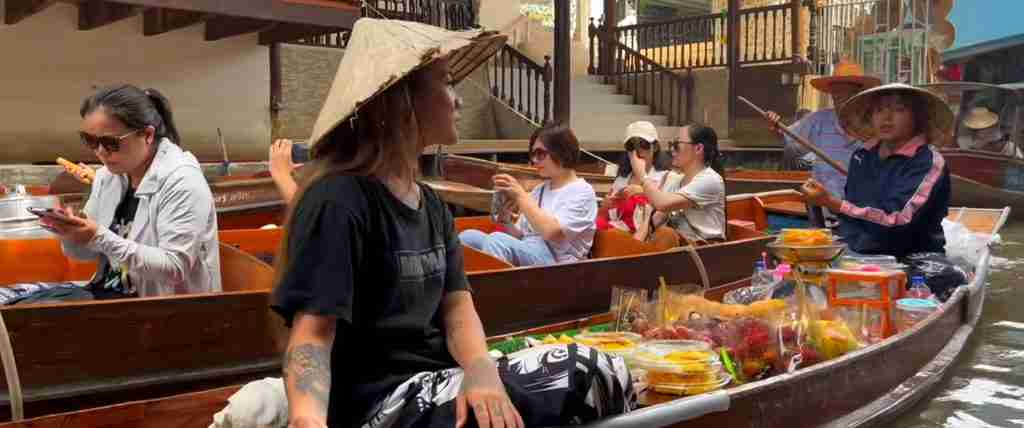
Day 5 ventures to Damnoen Saduak Floating Market and nearby attractions departing 6:00 AM via tour ฿800-1,200 or independent bus ฿100 plus long-tail boat ฿400 reaching market by 8:00 AM before tourist crowds. Morning boat navigates canals past vendors selling fruits, noodles, and souvenirs before midday return to Bangkok stopping at Bridge over River Kwai if joining tour or direct return if independent. Afternoon explores modern Bangkok shopping at IconSiam riverside mall with free admission but potential purchases, while evening considers Calypso Cabaret show ฿1,000 or live music venue ฿300-500 experiencing Bangkok’s entertainment scene beyond temple tourism.
Day 6 explores creative neighborhoods starting Charoenkrung Road’s antique shops, galleries, and hip cafes morning 10:00 AM-1:00 PM, followed by Talad Noi’s street art and heritage architecture afternoon 2:00-5:00 PM, both areas requiring minimal admission costs but lunch ฿150-250 and coffee ฿100-150 at trendy establishments. Evening visits Muay Thai stadium 7:00 PM at Lumpinee or Rajadamnern with tickets ฿1,000-2,500 watching Thailand’s national sport in electric atmosphere, followed by late dinner ฿200-400 processing the intense experience. Day 7 allows rest and catch-up with morning at Lumphini Park tai chi or jogging followed by spa afternoon 2-3 hours ฿1,500-2,500 at quality establishment, closing Bangkok journey with farewell rooftop dinner ฿800-1,500 reflecting on week’s experiences.
Week-long costs total ฿8,500-12,000 per person excluding accommodation covering extended activities, multiple day trips, cooking classes, shows, and comprehensive dining experiences. Add mid-range accommodation ฿1,500 × 7 nights shared (฿5,250 per person) for ฿13,750-17,250 complete budget, or luxury hotels ฿5,000 × 7 nights shared (฿17,500 per person) for ฿26,000-29,500 high-end week. Extended stay enables deeper Bangkok understanding through neighborhood immersion, interaction with locals beyond tourist zones, and discovery of hidden spots including riverside communities, local markets, and authentic restaurants requiring time and curiosity to uncover.
Booking and Reservations for 2026
Official Booking Channels for 2026
Grand Palace tickets require advance online booking through official website queueq.com preventing long queues with purchase ฿500 selecting specific time slot 8:30 AM-3:30 PM (30-minute windows) and printing confirmation or showing mobile ticket at entrance. Walk-up tickets remain available but involve 1-2 hour queues during peak season versus immediate entry with online reservation, making advance booking essential during November-February high season. Dress code enforcement at Grand Palace requires covered shoulders, knees, and ankles with rental sarongs ฿200 deposit at entrance if needed, though bringing appropriate clothing saves time and money.
Accommodation booking channels include hotels’ direct websites often offering best rates with “book direct” guarantees matching or beating third-party sites plus bonus amenities like breakfast, late checkout, or spa credits. Booking.com and Agoda dominate Bangkok hotel market with extensive inventory, user reviews, and flexible cancellation, while Hotels.com provides 10-night punch card with 11th night free for frequent travelers. Luxury properties reward booking through their brand websites or apps with points earning toward free nights, elite status benefits including upgrades and lounge access, and sometimes exclusive direct rates 5-10% below online travel agency pricing.
Tour Operator Recommendations for 2026
Organized tours suit first-time visitors wanting guided temple interpretation, transportation logistics handled, and cultural context provided by licensed guides. Half-day Grand Palace and major temples tours cost ฿1,000-1,500 including pickup, guide, entrance fees, and lunch, with groups 10-20 people providing social atmosphere and cost efficiency. Private tours charge ฿3,000-5,000 for 1-4 people with flexible itinerary, private vehicle, dedicated guide, and pace adjusted to your interest, worthwhile for photography-focused visitors, families with children, or travelers wanting customization beyond group tour constraints.
Cooking classes range ฿1,000-2,500 with reputable schools including Blue Elephant, Baipai, and Silom Thai Cooking School providing morning market tours, hands-on instruction for 5-7 dishes, recipe booklets, and certificates. Morning classes 9:00 AM-1:00 PM or afternoon 2:00-6:00 PM suit different schedules, with morning preferred for fresh market experience and cooler weather, while afternoon accommodates late risers. Group classes 8-15 students create social atmosphere learning alongside other travelers, while private instruction costs premium 50-100% surcharge but offers customized menu selection and pace.
Day trip tours to Ayutthaya cost ฿1,200-2,000 including transportation, guide, lunch, and temple admission with groups departing 8:00 AM returning 6:00 PM. Independent travel via train ฿20 plus bicycle rental ฿50 and temple pass ฿220 totals ฿290 versus tour ฿1,200, with savings offset by navigation challenges, heat management, and lack of historical context without guide. Tours provide air-conditioned transport between temples crucial during hot season, though independent travel delivers flexibility, authentic experience, and significant savings for budget travelers comfortable with self-guidance.
Planning Your 2026 Bangkok Visit
Pre-Departure Preparation for 2026
Health preparation includes verifying routine vaccinations current, considering Hepatitis A and Typhoid for extended stays or street food intensive itineraries, and consulting travel medicine specialist 4-6 weeks before departure for personalized recommendations. Travel insurance covering medical evacuation, trip cancellation, and lost baggage costs ฿1,000-2,000 for two-week coverage and provides essential protection with emergency assistance services and English-speaking support crucial in overseas medical situations. Prescription medications require sufficient supply for entire trip plus extra days buffer, with copies of prescriptions carrying generic names as brand names differ internationally, and awareness that some Western medications face restrictions in Thailand requiring advance research.
Financial preparation includes notifying banks and credit card companies about Thailand travel preventing fraud alerts blocking cards when charges appear from Bangkok, researching foreign transaction fees with cards charging 2-3% per transaction while fee-free travel cards save significant money on extended trips, and confirming PIN numbers work internationally for ATM withdrawals. Thai Baht exchange rates ฿34-36 per USD in 2026 with best rates at SuperRich or Vasu Exchange in central Bangkok significantly better than airport exchange booths or Western banks, though carrying $100-200 USD cash provides emergency backup if cards compromised. ATM withdrawals incur ฿220 bank fees per transaction making large withdrawals ฿5,000-10,000 more cost-effective than multiple small transactions, with Thai banks’ ATMs widely available and reliable throughout Bangkok.
Packing Essentials for 2026 Bangkok
Clothing requirements emphasize lightweight breathable fabrics suitable for 28-38°C heat with high humidity, including 4-5 quick-dry t-shirts and tank tops, 2-3 shorts or skirts, long lightweight pants for temples and evening air-conditioned venues, and one modest outfit covering shoulders and knees specifically for Grand Palace visit. Dress code enforcement at major temples requires covered shoulders, knees, and ankles, with lightweight long sleeves and loose pants comfortable in heat while meeting requirements, and bringing temple outfit from home avoiding expensive on-site sarong rental ฿200. Footwear needs include comfortable walking sandals for daily exploration, slip-on shoes easy for temple visits requiring frequent removal, and closed-toe shoes for evening upscale restaurants and rooftop bars with dress codes.
Essential gear includes sunscreen SPF 50+ applied multiple times daily for tropical sun intensity, insect repellent with DEET for evening outdoor areas though Bangkok’s urban center sees fewer mosquitoes than countryside, reusable water bottle refilled at hotels and 7-Eleven stores reducing plastic waste, and power adapter with US plugs fitting Thai outlets shaped similarly to American sockets. Waterproof phone case or dry bag protects electronics during monsoon season sudden storms, portable battery bank enables full-day phone use for navigation and photos, and small padlock secures hostel lockers for budget travelers in shared facilities.
Medicine kit includes anti-diarrhea medication like Imodium for inevitable street food digestive adjustment, rehydration salts for heat-related dehydration or food illness, pain relievers like ibuprofen for temple walking foot fatigue, and antihistamines for allergies or insect bites. First-aid basics include bandages for blisters from excessive walking, antibiotic ointment for cuts and scrapes, and personal prescription medications in original containers with doctor’s letter if controlled substances. Thai pharmacies stock extensive medications available without prescription at costs far below Western prices, though specific familiar brands and strengths easier bringing from home than searching Bangkok pharmacies with limited English.
2026 Updates and Current Information
Infrastructure Developments for 2026
Bangkok mass transit expansion continues through 2026 with new BTS Green Line extension to Khu Khot adding 19 stations serving northern suburbs and commuters, Orange Line opening connecting Cultural Centre to Thailand Cultural Centre with 13 stations providing east-west connectivity, and Pink Line monorail linking Khae Rai to Min Buri with 30 stations serving eastern residential areas. These expansions add 500,000 daily riders to mass transit system reducing car traffic and taxi dependency, while providing tourists access to previously difficult-to-reach areas including Chatuchak Market from new lines and improved connections throughout the city.
Suvarnabhumi Airport improvements include expanded Terminal 2 opening in phases through 2026 adding 60 aircraft gates and increasing annual passenger capacity from 60 million to 90 million, upgraded immigration technology reducing arrival queues, and enhanced Airport Rail Link service frequency providing trains every 8-10 minutes versus previous 12-15 minutes. Don Mueang Airport continues handling domestic and low-cost international flights with Nok Air, AirAsia, and Thai Lion Air, though increasing number of routes shift to Suvarnabhumi’s improved facilities. Allow 3+ hours pre-departure for international flights during peak season given Bangkok traffic unpredictability and thorough security screening processes.
Digital Services and Mobile Apps for 2026
Grab ride-hailing app dominates Bangkok transport market with cars, motorcycles, tuk-tuks, and food delivery services accessible through single platform with English interface, price transparency, and driver tracking eliminating language barriers and negotiation hassles of traditional taxis. Grab charges 20-30% premium over metered taxis but provides peace of mind worth cost for many travelers, with promotional codes and new user discounts sometimes reducing prices below taxi meters. Bolt (formerly Taxify) offers alternative with similar services and occasional lower pricing creating competitive market, while InDriver enables passenger to set price and drivers bid for ride, effective for experienced travelers understanding fair rates.
Bangkok official tourism app QueQ provides advance booking for Grand Palace and major temples, while Seven app from 7-Eleven enables food delivery and deals location at Bangkok’s ubiquitous convenience stores. Google Maps dominates navigation with accurate Bangkok coverage, public transit directions including BTS, MRT, and bus routes, and walking directions, though Moovit app specializes in transit with real-time arrival information and alternative route suggestions. Grab Food, Food Panda, and Line Man deliver from thousands of restaurants to hotels and apartments with English interfaces, menu photos, and pricing around ฿30-60 delivery fee plus 10-15% service charge, enabling authentic Thai meals in accommodation comfort during heat or rainy days.
FAQ: Bangkok 2026 Planning
How many days should I spend in Bangkok in 2026?
Three days provides minimum time covering essential Bangkok highlights including Grand Palace complex, major temples (Wat Pho, Wat Arun), Jim Thompson House, Chinatown exploration, and rooftop bar experience with basic neighborhood introduction. Five days enables comfortable pacing with deeper neighborhood exploration including Chatuchak Weekend Market, cooking class, day trip to Ayutthaya, floating market visit, and more comprehensive food scene coverage from street stalls to fine dining. Seven days rewards visitors with specialized experiences including Muay Thai training, traditional massage courses, cycling tours, river community visits, and sufficient time discovering personal favorite neighborhoods beyond guidebook recommendations.
Extended stays beyond one week suit visitors using Bangkok as Southeast Asia base with day trips to Kanchanaburi, Pattaya, Hua Hin, or Khao Yai National Park, or travelers appreciating urban life willing to trade beach time for city depth. Bangkok’s scale, complexity, and endless discoveries reward longer stays with neighborhood personalities emerging through repeated visits, favorite restaurants discovered through wandering, and authentic experiences developed through local connections. First-time Southeast Asia visitors should consider 5-7 days enabling Bangkok foundation before continuing to beaches, islands, or northern Thailand, though three days suffices for visitors connecting through Bangkok enroute to other destinations.
What is the Thai Baht exchange rate in 2026?
Thai Baht trades approximately ฿34-36 per USD in 2026 with fluctuations based on global economics, Federal Reserve policy, and Thai tourism recovery, while Euro exchanges around ฿37-40 per Euro and British Pound ฿42-46 per GBP. Best exchange rates come from licensed money changers like SuperRich or Vasu Exchange in central Bangkok offering rates 2-3% better than banks and 5-8% better than airport booths, with multiple locations in Siam, Pratunam, and Silom areas. Avoid hotel exchanges offering convenience but poor rates 8-12% below street rate, and decline dynamic currency conversion at ATMs and shops when offered payment in home currency as conversion rates include hidden markup 5-10% above real exchange rate.
Is tap water safe to drink in Bangkok in 2026?
Bangkok tap water meets WHO safety standards but locals and tourists drink bottled or filtered water due to old building plumbing potentially contaminating supply in final meters before taps. Hotels provide complimentary bottled water daily, 7-Eleven sells 1.5-liter bottles ฿12-15, and water refill stations throughout city charge ฿1 per liter for filtered water reducing plastic waste. Brush teeth with tap water safely but avoid swallowing, use bottled water for face washing if sensitive skin, and drink exclusively bottled or filtered water preventing potential stomach upset ruining vacation days. Ice in restaurants and street food vendors uses purified water safely, though some travelers avoid ice during adjustment period before gut flora adapts to local bacteria.
What should I wear to temples in Bangkok in 2026?
Grand Palace and major temples enforce strict dress codes requiring covered shoulders (no tank tops or sleeveless shirts), covered knees (long pants or skirts below knee), and closed-back shoes or sandals with heel straps. Lightweight long-sleeve shirts or shawls cover shoulders in heat, loose pants or maxi skirts provide knee coverage while remaining comfortable, and bringing outfit from hotel avoids expensive rental sarongs ฿200 deposit at attraction entrances. Many smaller neighborhood temples lack formal dress code but modest presentation shows respect, while some temples provide free wraps at entrance covering sleeveless tops temporarily.
How do I avoid taxi scams in Bangkok in 2026?
Insist on meter activation before departure with starting fare ฿35 clearly visible, refuse flat rate offers especially in tourist areas where fair metered ride ฿80 becomes quoted ฿300-500, and exit immediately if driver refuses meter since thousands of alternative taxis available. Airport taxi queue eliminates scams through official system with meter requirement, printed receipt with taxi number, and complaint process for problems, while public area taxi hailing increases scam risk requiring vigilance on meter activation. Grab and Bolt apps provide transparent pricing eliminating negotiation with price shown before booking and ride tracking for safety, though surge pricing during rain or peak hours can exceed metered taxis. Learn basic BTS and MRT routes covering most tourist needs making taxis optional for peripheral destinations or late-night when trains stopped.
What vaccinations do I need for Bangkok in 2026?
Routine vaccinations including MMR (measles, mumps, rubella), DPT (diphtheria, pertussis, tetanus), chickenpox, polio, and annual flu shot should be current for any international travel. CDC recommends Hepatitis A and Typhoid for Bangkok and Thailand due to potential food and water exposure, though urban Bangkok’s sanitation considerably better than rural areas making risk lower for travelers eating at established restaurants versus exclusively street food. Japanese Encephalitis vaccination suits rural farming area extended stays or monsoon season rural travel but unnecessary for Bangkok city visitors, while Rabies vaccination recommended for adventure travelers potentially encountering animals but not standard Bangkok tourists. Consult travel medicine specialist 4-6 weeks before departure for personalized assessment based on specific itinerary, activities, and health history.
Can I use credit cards everywhere in Bangkok in 2026?
Major hotels, upscale restaurants, shopping malls, and international chains accept credit cards widely with Visa and Mastercard most reliable and American Express less universal, while street food, local restaurants, small shops, tuk-tuks, and taxis require cash. Cards incur 2-3% foreign transaction fees unless using fee-free travel card, plus occasional vendor surcharges 3-5% passing along merchant fees to customers. Carry ฿1,000-2,000 cash daily for street food, local transport, small purchases, and tipping, with larger amounts withdrawn from ATMs charging ฿220 flat fee per transaction making ฿5,000-10,000 withdrawals more economical than multiple small transactions. Notify card issuers about Thailand travel preventing fraud blocks when charges appear from Bangkok, and carry backup card from different issuer providing redundancy if primary card compromised or malfunctions.
What are the best apps to use in Bangkok in 2026?
Grab ride-hailing dominates for cars, motorcycle taxis, tuk-tuks, and food delivery with English interface and transparent pricing eliminating negotiation stress. Google Maps provides excellent Bangkok navigation including public transit directions, walking routes, and business hours, while Moovit app specializes in transit with real-time BTS and MRT arrival information. QueQ app enables advance Grand Palace booking avoiding long queues, Grab Food and Food Panda deliver from thousands of restaurants with English menus, and XE Currency converts Thai Baht to home currency for purchase decisions. Offline map apps like Maps.me or Google Maps offline download provide backup navigation when data connection weak, while Google Translate photo translation mode helps reading Thai menus and signs in markets.
Is Bangkok good for solo travelers in 2026?
Bangkok excels for solo travelers with extensive hostel infrastructure in Khao San Road and Sukhumvit facilitating traveler connections, safety levels high for solo exploration day and night in tourist areas, and easy navigation via English-signed BTS/MRT trains enabling confident independent movement. Solo travelers maximize Bangkok value through budget guesthouses ฿400-600, street food ฿40-80 per meal, and public transport ฿16-60 versus couples sharing costs on mid-range hotels and taxis. Social opportunities abound through hostel common areas, organized pub crawls and tours, cooking classes, and natural traveler congregation at major temples and Khao San Road. Solo female travelers report comfortable experiences following standard precautions avoiding isolated areas late night, securing valuables, and projecting confidence declining aggressive touts and unwanted attention.
What neighborhoods should I stay in Bangkok for first visit in 2026?
Sukhumvit between Nana and Asok stations provides first-timer ideal balance with BTS access, accommodation across all budgets ฿600-6,000, diverse dining from street food to fine restaurants, nearby shopping at Terminal 21 and Emporium, and evening entertainment from rooftop bars to nightclubs. Silom/Sathorn suits business travelers and urban sophisticates with modern hotels, BTS/MRT convergence at Sala Daeng/Silom, proximity to riverside via 10-minute taxi, and sophisticated dining scene with mix of Thai and international cuisines. Riverside areas including Charoen Krung and Khao San provide atmosphere and charm with Chao Phraya views, ferry transport to temples, budget accommodation in Khao San, and boutique hotels along Charoen Krung, though trading central convenience and BTS access for romantic river location requiring taxis or boats for movement.