Bangkok Hidden Gems Guide: Secret Spots & Local Discoveries
Key Takeaways
- Forgotten temple complexes like Wat Rakhang preserve Ayutthaya-era murals in peaceful riverside settings where visitors encounter authentic Buddhist community life without tour group crowds
- Artist House (Baan Silapin) represents vanishing canal-side architecture hosting traditional puppet theater performances, artisan workshops, and gallery spaces within a 200-year-old wooden structure
- Talat Noi’s Chinatown enclave maintains authentic industrial character with metal workshops, street art installations, hip cafes in shophouses, and local shrines unchanged since early 20th century immigration waves
- Bang Krachao green lung offers urban escape with elevated walkways through jungle canopy, traditional wooden houses, weekend cycling routes, and floating markets accessible only by river ferry
- House museums preserve aristocratic heritage including M.R. Kukrit Pramoj’s traditional compound, Ancient City’s miniature Thailand, and Kamthieng House’s northern Thai vernacular architecture
- Secret rooftop bars and hidden speakeasies operate in unmarked shophouses, abandoned buildings, and historic structures discovered through word-of-mouth rather than online promotion
Discovering Bangkok Beyond Tourist Routes
Bangkok’s hidden gems exist in layered geography where ancient temples occupy quiet sois parallel to tourist-packed streets, neighborhood markets operate unchanged beneath modern skytrain tracks, and century-old communities survive within walking distance of shopping mall mega-developments. These discoveries require abandoning tour group itineraries, trusting unmarked alleyways, and accepting that best finds emerge from wandering rather than planning.
The capital’s hidden character reveals itself through contrasts—silent temple gardens abutting motorcycle traffic cacophony, artisan blacksmith workshops adjacent to hipster coffee roasters, corrugated metal shacks beside luxury condominiums. These juxtapositions demonstrate Bangkok’s simultaneous existence in multiple historical periods where demolition and preservation, tradition and innovation, poverty and wealth coexist within single city blocks creating urban complexity absent from planned modern cities.
Understanding hidden Bangkok requires appreciating that “hidden” describes relative tourist visibility rather than absolute obscurity. Locals know every spot listed here, use these spaces daily, and consider them ordinary neighborhood features rather than discoveries. The hidden designation reflects Western tourism patterns concentrating around Grand Palace, Wat Pho, Wat Arun, Khao San Road, and shopping districts while ignoring residential neighborhoods where most Bangkokians actually live their lives.
Discovering hidden Bangkok also means recognizing that rapid development continuously eliminates older neighborhoods, traditional shophouses, canal-side communities, and street-level urban fabric. Today’s hidden gem might become tomorrow’s demolished site cleared for condominium tower. This impermanence adds urgency to exploration while demonstrating Bangkok’s constant reinvention prioritizing economic development over heritage preservation except for highest-profile royal and religious properties.
People Also Ask About Bangkok Hidden Gems
What makes a Bangkok location qualify as a “hidden gem”?
Hidden gems in Bangkok share several characteristics: minimal foreign tourist presence despite significant cultural, architectural, or experiential value; authentic local usage for daily activities rather than tourist-oriented facilities; difficult access requiring specific directions, Thai language ability, or insider knowledge; lack of English signage or tourist infrastructure; and relative obscurity in mainstream guidebooks despite potential interest to adventurous travelers. These locations offer glimpses of Bangkok life beyond performance for tourists—neighborhood temples where worshippers vastly outnumber visitors, markets selling to residents rather than souvenir hunters, craftsmen continuing traditional trades without tourist-oriented demonstrations, and residential neighborhoods maintaining community character despite surrounding development. The hidden designation proves subjective as what seems obscure to first-time visitors might be well-known to return travelers, but the category identifies Bangkok spaces retaining local character distinct from homogenized tourist zones.
How safe are Bangkok’s hidden neighborhoods for visitors?
Bangkok maintains remarkably low violent crime rates making exploration of hidden neighborhoods quite safe even for solo travelers. The primary risks involve traffic accidents navigating unfamiliar sois, getting lost in maze-like residential areas without clear signage, occasional pickpocketing in crowded market areas, and misunderstandings arising from language barriers. Most Bangkok residents welcome foreign visitors curious about their neighborhoods, offering directions and assistance despite limited English ability. Visible respect for local customs—removing shoes when appropriate, asking permission before photographing people or religious objects, dressing modestly near temples, speaking quietly—earns local appreciation and assistance. Evening exploration requires standard urban precautions like staying on populated streets, avoiding intoxication, and maintaining awareness of surroundings, but Bangkok’s night safety substantially exceeds most Western cities. Female solo travelers report feeling comfortable exploring hidden neighborhoods during daytime with basic precautions.
Do hidden temples charge admission like major tourist temples?
Most hidden temples maintain free admission as they serve neighborhood congregations rather than tourist audiences. Donation boxes allow visitors to contribute modestly (20-50 baht appropriate), but formal ticketing systems rarely exist outside major royal temples. The absence of admission fees reflects these temples’ community roles rather than cultural attraction functions. Visitors should observe proper temple etiquette—removing shoes before entering buildings, dressing conservatively covering shoulders and knees, avoiding touching Buddha images, sitting with feet not pointing toward sacred objects, and maintaining quiet respectful demeanor. Photography proves generally acceptable in temple courtyards but asking permission before photographing inside ordination halls or actively worshipping individuals demonstrates respect. Morning visits during alms-giving ceremonies provide authentic experiences though require particularly respectful observation as religious practice unfolds for genuine participants rather than tourist entertainment.
Where can visitors find traditional Thai crafts still practiced in Bangkok?
Traditional craft production survives in specialized Bangkok neighborhoods despite industrial competition and younger generation disinterest. Talat Noi concentrates automotive repair shops using traditional metalworking alongside contemporary garages. Ban Bat alley’s remaining monk bowl makers (reduced from dozens to a handful) continue hammering copper bowls following techniques unchanged for centuries, producing ritual objects for temple donations. Charoen Krung Road’s remaining shophouses include custom tailors hand-stitching garments, gold leaf artisans producing temple decoration materials, and bronze casting workshops creating Buddha images. Phra Nakorn district maintains wood carving shops supplying temple architectural elements, traditional medicine grinding mills producing herbal preparations, and incense making operations blending aromatic compounds. These craftsmen welcome respectful observation and purchases, though language barriers complicate detailed conversations. Visiting during morning working hours (8 AM-noon) provides best opportunities to observe active production before afternoon heat reduces activity.
Extended multi-day tours – 5+ days
Featured Bangkok Multi-Day Tour Packages
3 days
Bangkok 3-Day Discovery Tour
- ✓ Comprehensive Bangkok experience
- ✓ Expert local guides included
- ✓ All accommodation included
- ✓ Transportation provided
5 days
Bangkok 5-Day Highlights Experience
- ✓ Comprehensive Bangkok experience
- ✓ Expert local guides included
- ✓ All accommodation included
- ✓ Transportation provided
7 days
Bangkok 7-Day Cultural Journey
- ✓ Comprehensive Bangkok experience
- ✓ Expert local guides included
- ✓ All accommodation included
- ✓ Transportation provided
10 days
Bangkok 10-Day Complete Adventure
- ✓ Comprehensive Bangkok experience
- ✓ Expert local guides included
- ✓ All accommodation included
- ✓ Transportation provided
Multi-day tour packages powered by TourRadar. Prices and availability subject to change.
Hidden Temple Treasures
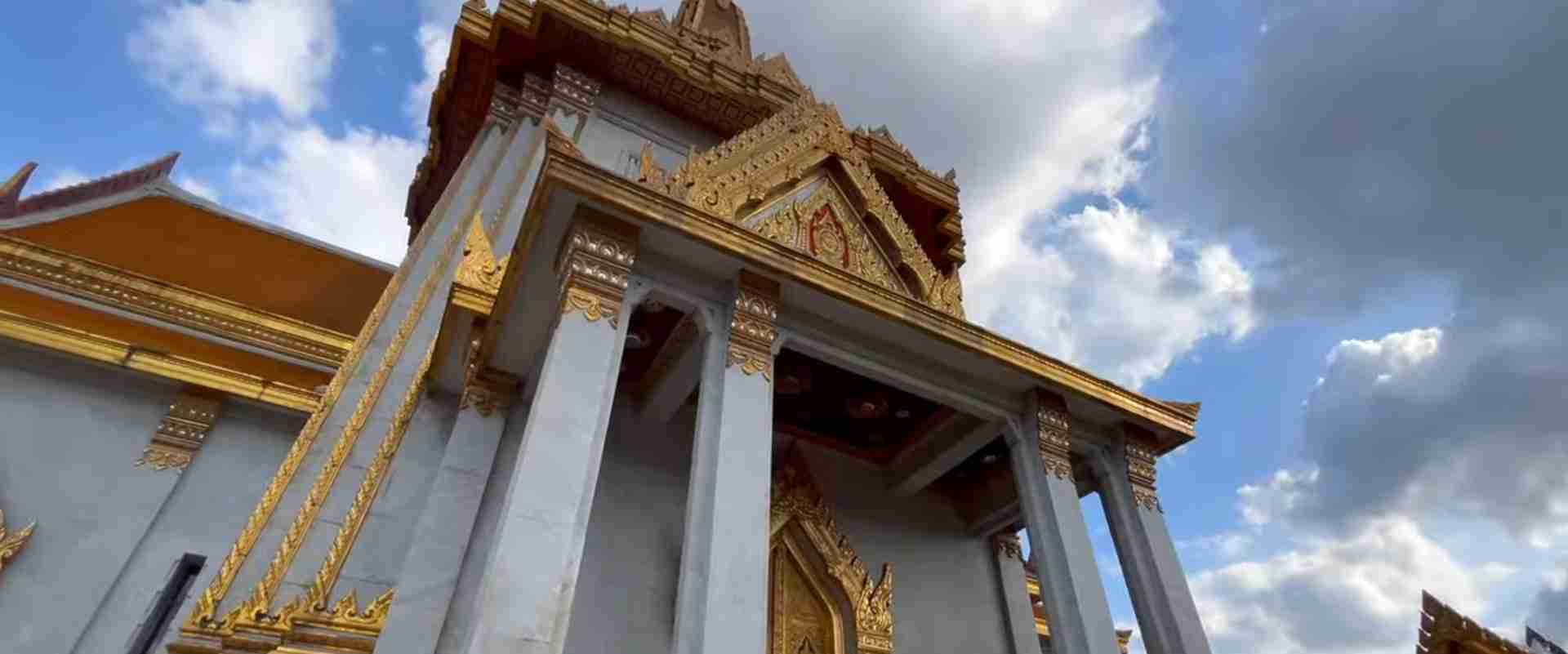
Wat Rakhang Khositaram occupies a Thonburi riverside location across from Wat Pho, its name (Temple of Bells) referencing melodious bells throughout the grounds. The temple houses exceptional late Ayutthaya and early Rattanakosin murals in the main ordination hall depicting Buddhist cosmology with artistic refinement rarely found outside royal temples. King Rama I lived here while crown prince before ascending the throne, making this temple significant royal history beyond its artistic treasures. The peaceful riverside position attracts fewer visitors than nearby Grand Palace area temples despite comparable artistic significance. Morning visits coincide with alms-giving ceremonies when neighborhood residents gather feeding monks, providing authentic Buddhist community experience without tour group interference.
Wat Suthat and the Giant Swing receive modest tourist attention relative to nearby popular sites, yet this temple contains some of Bangkok’s finest traditional Thai mural painting in exceptionally well-preserved condition. The murals follow classical composition styles with detailed architectural elements, landscape scenes, and narrative episodes from Buddhist texts and Thai literature. The ordination hall’s eight massive wooden doors display exquisite carving depicting guardian figures, celestial beings, and decorative patterns. The Giant Swing (Sao Ching Cha) outside served Brahmin ceremonies honoring Shiva until accidents ended the dangerous swinging practice. The surrounding neighborhood maintains traditional goldsmith and metalworking shops supplying temple decoration materials, creating artisan character absent from more touristed areas.
Wat Prayurawongsawat (Wat Prayoon) sits across the river from Rattanakosin Island featuring distinctive artificial mountain (phu khao thong) with winding paths, spirit shrines, and pond populated by thousands of turtles released as Buddhist merit-making. The temple’s unusual hillock design represents Mount Meru in Buddhist cosmology, and climbing the hill provides excellent river views toward Wat Arun and Grand Palace area. The riverside location made this temple important during canal-based Bangkok when water transport dominated the city. The turtle pond became sanctuary for religious release animals, and feeding turtles bread purchased from vendors allows participation in Thai merit-making traditions. Early morning visits find local residents exercising on the hill’s paths and feeding fish and turtles before work.
Wat Thewarat Kunchorn occupies a canal-side location in Dusit district seldom visited despite containing significant Buddha images including the historic Luang Pho To (Big Honored Father) bronze Buddha from Ayutthaya period. The temple’s tranquil grounds include multiple ordination halls, meditation areas, and monk residences providing glimpse into monastic life within urban environment. The absence of tourist facilities means interactions with monks and temple volunteers happen organically when visitors demonstrate genuine interest in Buddhist practice. Neighborhood markets surrounding the temple provide authentic local atmosphere with residents shopping for fresh produce, prepared foods, and daily necessities without tourist-oriented stalls diluting the experience.
Wat Mangkon Kamalawat (Leng Noei Yi) represents Bangkok’s most important Mahayana Buddhist temple serving the Chinese-Thai community in Chinatown. The temple’s design follows Chinese religious architecture principles rather than Thai Buddhist conventions, featuring ornate dragons, Chinese deities, and worship practices distinct from Theravada temples. Constant activity includes worshippers burning joss sticks, offering fruits and flowers before multiple deities, and consulting fortune sticks for guidance. Vegetarian festivals see particularly intense activity with elaborate preparations and processions. The temple demonstrates Chinese cultural contributions to Bangkok’s religious landscape and maintains practices brought by Teochew, Cantonese, and Hokkien immigrants establishing Bangkok’s Chinatown neighborhood.
Secret Gardens and Green Spaces
Benjasiri Park in Sukhumvit district provides urban oasis between Embassy Quarter and shopping districts. The park features outdoor sculpture collection including pieces by prominent Thai artists, water features, exercise equipment, and tree-shaded paths offering respite from surrounding concrete jungle. Early morning sees local residents practicing tai chi, jogging, and socializing before Bangkok’s heat intensifies. The park’s proximity to international hotels and office buildings makes it convenient break destination during Sukhumvit exploration, yet foreign visitors rarely discover this green space despite walking distance from popular shopping areas. Food vendors along park edges sell breakfast options, snacks, and fresh coconut water.
Romaneenart Park occupies former royal garden grounds transformed into public green space maintaining mature trees, traditional Thai sala (pavilions), and pond with resident turtles and fish. The park’s position near Victory Monument and Phaya Thai areas places it away from main tourist routes though locals use the space extensively for morning exercise, evening relaxation, and weekend family outings. Street food vendors surrounding the park provide exceptional local dining without tourist pricing, and the neighborhood’s local character means visitors encounter authentic Bangkok daily life. The park includes playground equipment, exercise stations, and walking paths creating community gathering space distinct from formal royal gardens like Lumpini Park.
Santichaiprakan Park occupies a small riverside plot near Phra Athit Pier providing views across to Wat Arun while remaining relatively undiscovered by tourists concentrated on boat piers further south. The park includes traditional Thai pavilion, memorial to Rama VIII, and grassy areas for picnicking and relaxation. Sunset visits provide spectacular golden hour light on Wat Arun’s prangs without the crowds at Wat Arun itself. The park connects to Phra Athit Road’s bars, restaurants, and nightlife while offering quiet contemplation space during daytime. Weekend markets set up near the park selling vintage items, crafts, and street food creating festive neighborhood atmosphere.
Chatuchak Park surrounds the famous weekend market but offers tranquil escape from the market’s chaos. The substantial green space includes lakes with swan paddle boats, bicycle paths, exercise areas, and vendor stalls selling local snacks. Railway Park adjacent to Chatuchak provides additional green space with preserved locomotives creating interesting photo opportunities. These parks demonstrate Bangkok’s extensive public green space network underappreciated by tourists focusing on temples and shopping. Morning visits find locals jogging, practicing tai chi, and socializing before intense Bangkok heat makes outdoor activities uncomfortable.
Bang Krachao (Bangkok’s Green Lung) occupies the Chao Phraya River bend south of the city creating isolated peninsula preserving rural character despite central location. Accessible only by river ferry from Wat Klong Toey Nok pier, this artificial island contains elevated wooden walkways through jungle canopy, traditional stilt houses, fruit orchards, and weekend floating market. Bicycle rental allows exploration of dirt paths winding through tropical vegetation, past monitor lizards and bird colonies, and visiting small temples serving local communities. The government protects Bang Krachao from development preserving Bangkok’s oxygen-producing green space, and visiting feels like escaping city entirely despite remaining within Greater Bangkok boundaries. Weekend visits coincide with Sri Nakhon Khuean Khan Park floating market offering fresh tropical fruits, Thai snacks, and local handicrafts.
Artisan Neighborhoods and Traditional Crafts
Talat Noi neighborhood in Chinatown preserves early 20th century industrial character with metal workshops, automotive repair shops, and traditional Chinese shrines coexisting with contemporary street art, hipster cafes in repurposed shophouses, and artist studios. The narrow alleyways reveal historical Chinese shophouse architecture with decorative tile floors, carved wooden shutters, and faded Chinese signage. Original residents include metalworkers producing custom car parts, mechanics repairing motorcycles and vehicles, and elderly Chinese-Thais operating traditional businesses. Recent gentrification brought specialty coffee roasters, vintage clothing shops, and galleries into abandoned spaces, creating cultural collision between working-class industrial neighborhood and creative class urban pioneers. Walking these lanes provides glimpse into rapidly vanishing Bangkok neighborhood character before inevitable redevelopment eliminates remaining traditional businesses.
Ban Bat alley in Pom Prap Sattru Phai district contains Bangkok’s last remaining monk bowl makers continuing centuries-old craft hammering eight copper pieces into alms bowls monks use for daily food collection. The distinctive clanging sounds throughout the alley signal active production, and craftsmen welcome respectful observation though language barriers limit detailed exchanges. The monk bowl community originated when King Rama I commissioned craftsmen from Ayutthaya establishing Bangkok as new capital, and their descendants maintain the trade though only a handful of families continue as younger generations seek less demanding careers. Purchasing monk bowls supports traditional craft preservation, and the bowls make unusual souvenirs or functional art pieces. The surrounding neighborhood maintains local market selling fresh foods, household goods, and prepared meals to residents creating authentic Bangkok atmosphere.
Soi Aree Samphan near Dusit district concentrates high-quality wooden furniture workshops producing custom pieces using traditional joinery techniques without nails or screws. Master carpenters craft reproduction antique furniture, temple architecture elements, and commissioned pieces for wealthy clients. Showrooms display completed works demonstrating exceptional craftsmanship maintaining standards from royal furniture making traditions. While expensive for casual tourists, observing production processes and examining finished pieces reveals artistry continuing despite industrial furniture competition. The workshops also offer repair services for antique furniture and will create pieces from customer photographs or descriptions.
Charoen Krung Road’s remaining traditional shophouses include gold leaf production workshops hammering gold into paper-thin sheets for temple decoration, custom tailoring operations hand-stitching formal wear, and bronze casting foundries creating Buddha images and temple bells using lost-wax methods. These businesses occupy the same addresses for generations, and proprietors maintain pride in traditional skills despite dwindling demand. Visiting requires wandering side streets off main Charoen Krung thoroughfare, looking for open doors revealing active workshops, and politely indicating interest. Some craftsmen welcome questions and observation while others prefer privacy, requiring respectful reading of social cues about welcome level.
Hidden Markets and Food Destinations
Or Tor Kor Market near Chatuchak Weekend Market functions as Bangkok’s premier fresh food market selling highest quality produce, meats, prepared foods, and specialty ingredients to demanding Bangkok housewives and restaurant chefs. The market’s cleanliness, organization, and quality control distinguish it from more chaotic Bangkok markets, and prices reflect premium positioning. Fruit vendors display perfect specimens of exotic tropical varieties rarely exported—rose apples, custard apples, mangosteen, rambutan, and premium durian. Pre-made curry pastes, nam prik dips, and ready-to-cook sets allow purchasing authentic Thai flavors without ingredient sourcing challenges. The market’s cooked food section offers exceptional regional Thai dishes prepared by vendors known for specific specialties. Morning visits provide best selection as items sell out by midday.
Mahanak Market (Khlong Toey Flower Market area) operates pre-dawn through morning as Bangkok’s main wholesale flower market distributing orchids, roses, jasmine, and tropical flowers throughout the city. Vendors create stunning displays of loose flowers, arranged garlands, and ceremonial offerings. The market serves temple flower donations, wedding decorations, spirit house offerings, and daily merit-making purchases. The wholesale nature means incredibly low prices and massive quantities, though vendors sell to individual buyers as well. The surrounding neighborhood includes traditional wooden houses on stilts over khlongs (canals) showing vanishing Bangkok vernacular architecture. Early morning visits (4-8 AM) coincide with peak activity before flowers move to retail locations.
Saphan Phut Night Market (Memorial Bridge Night Market) operates evenings selling clothing, accessories, and household goods at wholesale prices to Thai shoppers. Unlike tourist night markets, foreign visitors remain rare and vendors assume Thai language ability and local shopping knowledge. The market sprawls across multiple blocks with connected sections selling different categories—teenage fashion in one area, children’s clothing another, household goods elsewhere, and street food throughout. Aggressive bargaining expected and prices start extremely low allowing dramatic deals for bulk purchases. The market demonstrates Thai shopping culture where price negotiation and volume buying create very different experience than fixed-price tourist shopping areas.
Wang Lang Market across the river from Thonburi Train Station provides authentic neighborhood shopping experience with focus on fashion-conscious teenagers and young women. The market mixes vendors selling trendy clothing, accessories, and cosmetics with traditional food stalls offering boat noodles, grilled meats, sweets, and snacks. University students from nearby Siriraj Hospital area dominate the customer base creating youthful energy distinct from tourist markets. The combination of shopping and eating makes Wang Lang popular destination for young Bangkok women, and foreign visitors gain insight into Thai youth culture and fashion preferences beyond international brands in shopping malls.
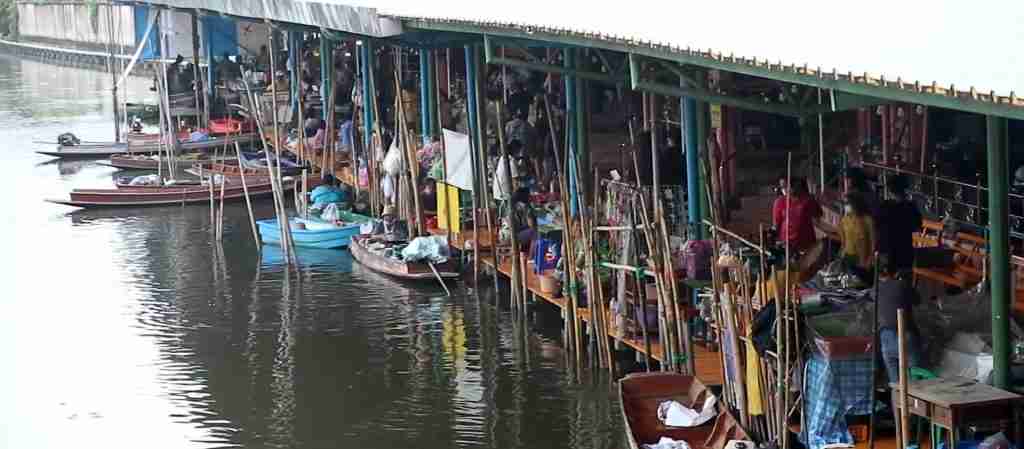
Khlong Lat Mayom Floating Market operates weekends maintaining more authentic character than tourist-oriented floating markets in Damnoen Saduak or Amphawa. Local vendors sell fresh produce, Thai snacks, and cooked foods from small boats along the canal, and prices reflect local customer base rather than tourist markup. The surrounding area includes orchid gardens, traditional houses, and temple offering glimpses of canal-based Bangkok lifestyle preserved despite urban development. Bicycle rental allows exploration of canal-side paths through remaining agricultural areas growing vegetables, tropical fruits, and ornamental plants for Bangkok markets.
Historic House Museums
M.R. Kukrit Pramoj Heritage Home preserves five traditional Thai wooden houses arranged around a tropical garden showcasing Thai vernacular architecture and aristocratic lifestyle. M.R. Kukrit served as Prime Minister, distinguished author, and cultural preservationist, and his residence reflects refined taste in Thai antiques, classical literature, and traditional arts. The house museum maintains the scholar’s library containing rare Thai manuscripts, first editions, and personal correspondence. Traditional Thai architecture features include elevated construction avoiding flooding, steep roofs shedding monsoon rains, and flexible space organization allowing rooms to serve multiple functions. The garden contains tropical plants arranged according to Thai aesthetic principles balancing cultivated and natural elements. Located in Phra Khanong district away from central tourist areas, the museum receives few visitors despite offering genuine insight into Thai cultural sophistication.
Kamthieng House (Siam Society) displays northern Thai Lanna-style wooden architecture transported from Chiang Mai and reconstructed in Bangkok’s Sukhumvit area. The museum explains northern Thai domestic life, agricultural practices, and craft traditions through displays of tools, textiles, and household objects. The house’s construction demonstrates northern architectural adaptation to cooler climate with different proportions and details from central Thai houses. The Siam Society library maintains extensive Thai studies collections, and the compound hosts lectures and cultural programs exploring Thai history, archaeology, and anthropology. The museum’s relatively obscure location down a Sukhumvit soi means limited visitors despite valuable cultural education opportunities.
Artist House (Baan Silapin) occupies a 200-year-old wooden structure along Khlong Bang Luang showcasing traditional canal-side architecture increasingly demolished throughout Bangkok. The house functions as community arts space with puppet theater performances, artist workshops, gallery exhibitions, and cafe serving Thai snacks. Traditional puppetry demonstrations preserve hun lakorn lek (small theater puppets) performance art form endangered by modern entertainment competition. The house’s deteriorating wooden construction reveals building techniques and materials from canal-oriented Bangkok before roads dominated urban transportation. The surrounding Thonburi neighborhood maintains quiet local character with remaining wooden houses, small temples, and canal-side markets demonstrating vanishing Bangkok lifestyle. Reaching the house requires taking taxi or motorcycle to area then walking final portion through residential soi system.
The Ancient City (Muang Boran) technically sits outside Bangkok proper in Samut Prakan province but deserves mention as extraordinary open-air museum containing scaled reproductions of Thailand’s most significant historical architecture arranged in Thailand-shaped grounds. The massive site allows bicycle or electric cart exploration discovering temples, palaces, traditional houses, and monuments from all Thai regions and historical periods. While reproductions rather than authentic structures, the constructions maintain architectural accuracy using traditional materials and methods. The site preserves architectural forms from demolished or deteriorating original structures, creating unusual preservation-through-reproduction approach. The scale and distance from Bangkok center means few tourists visit despite the site’s educational and photographic opportunities.
Secret Bars and Hidden Entertainment
The Speakeasy-style bars occupy unmarked shophouses, require passwords or secret knocks for entry, and operate through word-of-mouth recommendations rather than online promotion. J. Boroski leads Bangkok’s speakeasy movement operating from unmarked Thonglor shophouse discovered only through address and reservation. The lack of menu means bartenders create custom cocktails based on spirit preferences and flavor descriptions, demonstrating mixology expertise and creativity. Other hidden bars operate in abandoned buildings, repurposed warehouses, and residential shophouses creating mysterious atmospheres distinct from glass-fronted street-level establishments.
Rooftop bars with spectacular views exist beyond the famous hotel towers like Sky Bar and Vertigo. Smaller, less publicized rooftops offer equally stunning panoramas without crowds and expensive drink minimums. Long Table at Twenty-fifth Avenue Soi 35 provides intimate rooftop dining with Bangkok skyline views, while Cielo Sky Bar atop Sivatel Hotel in Hua Lamphong area offers 360-degree city views with lower prices than tourist-oriented spots. These hidden rooftops attract mostly Thai clientele creating more authentic nightlife experience than international party scenes at famous locations.
Live music venues tucked into Ratchada, Phra Arthit, and Ari neighborhoods host Thai indie bands, jazz ensembles, and acoustic performers attracting local audiences rather than tourist crowds. Parking Toys in Ratchadapisek area represents cultural venue combining live music, art exhibitions, and outdoor seating in abandoned warehouse complex. The space hosts festivals, markets, and performances creating community gathering spot for Bangkok’s creative class. These venues require monitoring Thai social media or asking locals for current locations as spaces change with development pressures and operators frequently relocate.
Architectural Treasures
Phaya Thai Palace represents early 20th century royal residence where King Rama VI established retreat from Grand Palace formality. The palace compound mixes European architectural influences with Thai decorative elements reflecting the King’s Western education and cosmopolitan tastes. The palace’s relative obscurity means minimal crowds despite significant historical value and architectural interest. Guided tours available through advance reservation provide access to throne halls, residential quarters, and grounds containing distinctive architecture bridging traditional Thai and modern European styles.
Bang Khun Phrom Palace (currently Bank of Thailand museum) showcases European-influenced Thai architecture from the early 20th century reign of King Rama V. The palace served royal residence before becoming government office building, and current museum function displays monetary history alongside architectural preservation. The riverside location and extensive grounds create peaceful environment for appreciating historical architecture while learning about Thai economic development. The museum’s free admission and minimal tourist presence make it excellent undiscovered Bangkok cultural destination.
Santa Cruz Church in Thonburi represents one of Bangkok’s oldest Catholic churches serving Portuguese-descended community established during Ayutthaya period. The church architecture demonstrates interesting fusion of European Catholic church design with Thai building materials and decorative sensibilities. The surrounding Kudi Chin neighborhood maintains Portuguese-Thai cultural traditions including specific Thai-Portuguese desserts (kanom farang) sold nowhere else in Thailand. The neighborhood’s quiet lanes contain crumbling shophouses, community shrines, and remaining elderly residents preserving fading cultural memory of Bangkok’s Portuguese community.
Democracy Monument represents 1930s architectural modernism commemorating Thailand’s 1932 transition from absolute to constitutional monarchy. The monument’s central pillar stands exactly 24 meters high (symbolizing June 24, 1932 revolution date), and surrounding relief sculptures depict scenes from Thai history and government. The monument sits at major intersection controlling traffic flow, but most travelers pass without recognizing historical and architectural significance. The surrounding area includes government buildings displaying 1930s-40s state architecture distinct from both earlier traditional Thai style and later international modern approaches.
Experiencing Hidden Bangkok
Discovering Bangkok’s hidden gems requires adjusting expectations about destinations, accepting getting lost as part of exploration, and embracing unplanned discoveries over rigid itineraries. The best finds emerge from following interesting sois, investigating unusual sounds or smells, asking locals for recommendations, and remaining open to unexpected experiences. Thai hospitality means locals often assist confused-looking foreigners with directions, suggestions, and even accompaniment to destinations.
Language barriers complicate hidden Bangkok exploration though increasingly common translation apps on smartphones help communicate with non-English speakers. Learning basic Thai phrases—where is, how much, thank you—facilitates interactions and earns appreciation from locals encountering foreigners making linguistic effort. The greater challenge involves reading cultural cues about welcome—some hidden locations genuinely welcome curious visitors while others prefer privacy, requiring sensitive judgment about when to photograph, ask questions, or simply observe quietly.
Hidden Bangkok changes constantly as development pressure eliminates old neighborhoods, gentrification transforms working-class areas into hipster destinations, and former secret spots gain social media fame becoming overcrowded. This impermanence means today’s hidden gem might vanish next year or transform into mainstream tourist destination. The transitory nature adds urgency to exploration while preventing definitive hidden gems lists from remaining accurate long-term. The best approach involves cultivating local contacts who share current hidden spots as they emerge and disappear in Bangkok’s endless urban transformation.
FAQ: Bangkok Hidden Gems
How can visitors find hidden gems without specific addresses?
Finding hidden Bangkok locations requires combining map applications (Google Maps increasingly covers even small sois), asking locals for directions using neighborhood landmarks rather than street numbers, and following visual cues like temple spires, market crowds, or canal locations. Thai addresses prove notoriously complex with soi numbering not following logical sequence and same soi names appearing in multiple districts. Learning to ask “How do I get to [destination]?” (Pai [destination] yang ngai?) helps when addresses prove insufficient. Motorcycle taxis know neighborhood areas intimately and can reach obscure destinations quickly, though agree on fares beforehand. The hidden nature of many locations means accepting some getting lost as part of discovery process.
What time of day works best for visiting hidden markets?
Morning fresh markets operate 6 AM-noon with peak activity 7-9 AM when vendors display full selection and neighborhood residents shop for daily ingredients before work. Evening prepared food markets begin setting up 4-5 PM with crowds arriving 6-8 PM as workers return home seeking dinner options. Weekend markets operate specific schedules with some all day (Chatuchak), others only mornings, and night markets beginning after 5 PM. Arriving early provides best selection but less atmospheric crowds, while peak times offer full market energy but picked-over stock and larger crowds. Visiting during final hour often yields discounted prices as vendors reduce prices moving remaining inventory rather than transporting back home.
Are photography restrictions common in hidden temples?
Most neighborhood temples welcome photography in courtyard areas though some prohibit photos inside ordination halls or near particularly sacred Buddha images. Signs indicate restrictions when present, though many temples lack English signage requiring observation of local behavior—if Thais aren’t photographing inside, visitors shouldn’t either. Always ask permission through gesture (pointing at camera with questioning expression) before photographing monks, worshippers, or ceremonies. Flash photography damages light-sensitive temple murals and artistic works, making flash-off mandatory. Respectful photography maintaining temple sanctity earns appreciation while thoughtless photo-taking treating temples as theme parks offends locals and creates negative impressions of foreign visitors.
How accessible are hidden neighborhoods for wheelchair users?
Hidden Bangkok neighborhoods present significant accessibility challenges with uneven pavement, steps, narrow sois without sidewalks, and facilities lacking wheelchair accommodations. Traditional wooden houses and temple buildings involve stairs, and many historic structures lack ramps or elevators. Street-level exploration remains possible on main roads though sidewalks often prove obstructed by vendors, motorcycle parking, and discontinuous segments. River taxis and canal boats lack wheelchair accessibility entirely. Some newer hidden spots like contemporary cafes in renovated shophouses may provide better access, though confirming beforehand proves difficult given minimal online presence of hidden venues. Accessibility improvements in tourist zones haven’t extended to residential neighborhoods prioritizing historic character over universal access modifications.
What hidden gems offer the most authentic Thai cultural experience?
Neighborhood temples during morning alms-giving ceremonies provide authentic Buddhist practice observation without tourist orientation. Local markets where residents shop for daily ingredients offer genuine glimpses of Thai eating culture, social interaction, and commerce patterns. Traditional craft workshops where artisans maintain family trades demonstrate cultural continuity threatened by modernization. Residential neighborhoods away from tourist areas where daily life unfolds without external performance reveal actual Bangkok living conditions across economic classes. These authentic experiences require respectful observation, appropriate dress and behavior, and understanding that visitors occupy guest status in spaces not designed for tourism. The most authentic experiences might also prove least photogenic or Instagram-worthy as genuine daily life lacks exotic staging of tourist-oriented cultural performances.
Do hidden bars and restaurants accept credit cards?
Hidden venues operate cash-only more frequently than tourist-oriented establishments, particularly small neighborhood restaurants, market vendors, and artisan workshops. Upscale hidden speakeasies and trendy cafes typically accept cards though confirm beforehand. ATMs exist throughout Bangkok including near major market areas and temple compounds, though hidden neighborhood ATMs sometimes experience cash depletion during weekends or holidays. Carrying adequate cash (500-1000 baht minimum) prevents payment difficulties, and Thai hospitality means establishments sometimes allow regulars to return later with payment though visitors shouldn’t rely on this flexibility. Many hidden spots accept mobile payment apps popular in Thailand (PromptPay, Line Pay) though requiring Thai bank accounts or phone numbers limits tourist access to these systems.
What neighborhood best represents old Bangkok character?
Talat Noi in Chinatown preserves early 20th century immigrant neighborhood character with traditional shophouses, active working-class businesses, and layered cultural history. Ban Bat monk bowl making alley continues centuries-old craft in neighborhood maintaining traditional market and residential areas. Artist House in Thonburi along Khlong Bang Luang shows canal-oriented Bangkok before roads dominated with remaining wooden houses and small temple. Phra Nakorn district around Golden Mount contains maze-like sois with shophouse businesses, Chinese shrines, and working-class residential areas. These neighborhoods face gentrification pressure and redevelopment threats making visits time-sensitive as old Bangkok character disappears through modernization prioritizing new construction over heritage preservation.
How can visitors support traditional craftsmen in hidden workshops?
Purchasing items directly from artisan workshops supports traditional craft continuation more effectively than buying from tourist shops selling industrially produced souvenirs. Even expensive purchases (monk bowls, bronze Buddha images, custom furniture) represent fair compensation for skilled handwork requiring years of training. Commissioning custom pieces provides income encouraging younger generation apprenticeship in traditional trades. Respectful observation and photography with permission shows interest encouraging craftsmen that their traditional skills maintain cultural value beyond purely economic functions. Sharing workshop locations with interested travelers increases customer base supporting business viability. Some craft communities welcome volunteer opportunities teaching foreigners traditional techniques while generating supplementary income for master artisans.
What precautions should visitors take exploring hidden neighborhoods alone?
Basic urban safety precautions suffice for hidden Bangkok exploration including keeping valuables secured, maintaining awareness of surroundings, avoiding excessive intoxication, staying on populated streets during evening, and trusting instincts about uncomfortable situations. Informing hotel staff or friends about exploration plans and expected return time provides safety backup. Carrying hotel business card with Thai address helps with return directions if getting lost. The primary risks involve traffic accidents crossing chaotic Bangkok streets, not violent crime. Language barriers create challenges communicating with police or medical services if emergencies arise, making travel insurance with medical coverage essential. Female solo travelers report comfortable experiences in hidden neighborhoods during daylight though should follow standard evening precautions used in any unfamiliar urban area.
Do hidden gems require advance reservations or tickets?
Most hidden gems operate without reservation systems or advance ticketing, functioning as neighborhood spaces welcoming visitors during operating hours. Exceptions include house museums with limited capacity requiring advance booking (M.R. Kukrit House, Phaya Thai Palace tours), popular secret bars accepting reservations ensuring entry (J. Boroski), and some traditional craft workshops preferring advance notice about visitor groups. Hidden restaurant spaces with cult followings sometimes require phone reservations though walk-in spots often available for solo diners or couples. The casual, unstructured nature of hidden gems means spontaneous visits work fine though some flexibility about access and availability proves necessary. Closures for private events, religious holidays, or family obligations occur without online notice given minimal tourist orientation of many hidden locations.