Bangkok Local Culture Guide: Thai Traditions & Daily Life
Key Takeaways
- Theravada Buddhism shapes daily life with morning alms-giving ceremonies, temple merit-making rituals, and Buddhist philosophy influencing social interactions, business practices, and cultural values
- Street food culture represents living culinary heritage where vendors maintain family recipes passed through generations, market communities create social gathering spaces, and eating traditions connect Bangkokians across class divisions
- The wai greeting embodies Thai social structure with hand position, bow depth, and initiation protocols reflecting age hierarchy, social status, and respect systems fundamental to Thai interpersonal relations
- Sanuk (fun) philosophy permeates Thai approach to work and life balancing seriousness with enjoyment, maintaining harmony through humor, and prioritizing pleasant social interactions over confrontation
- Neighborhood markets sustain community bonds as locals gather at morning fresh markets, evening prepared food vendors, and weekly rotating markets strengthening social networks beyond family units
- Royal reverence remains central to Thai identity with daily flag ceremonies, birthday celebrations as national holidays, and royal-initiated projects shaping development priorities and cultural preservation
Understanding Bangkok’s Cultural Foundation
Bangkok culture emerges from the intersection of ancient Siamese traditions, Theravada Buddhist philosophy, Chinese immigrant influences, and rapid modernization that transformed rice paddies into megacity within two generations. The capital concentrates Thailand’s ethnic and regional diversity as migrants from all provinces seek economic opportunities, creating cultural complexity beyond stereotypical tourist portrayals of smiling Thais and golden temples.
Contemporary Bangkok life balances reverence for tradition with enthusiasm for global trends, where teenagers worship at morning temple ceremonies before posting selfies on social media, businesspeople consult astrologers before signing contracts, and street vendors selling century-old recipes accept mobile payment apps. This simultaneity of old and new, sacred and secular, local and global creates the particular texture of Bangkok culture distinguishing it from other Southeast Asian capitals.
Thai cultural values emphasize social harmony through indirect communication, conflict avoidance, and hierarchical respect systems. The concept of kreng jai—consideration for others’ feelings and reluctance to impose—shapes interactions from family relationships to business negotiations. Jai yen (cool heart) represents the ideal emotional state maintaining composure under stress, while jai ron (hot heart) describes the undesirable loss of emotional control. These concepts guide daily interactions more powerfully than written laws or explicit rules.
Bangkok’s cultural identity also reflects its role as Siam’s capital since 1782, where royal court traditions radiated outward influencing language, dress, cuisine, and social customs throughout the country. The royal family’s continued centrality in Thai life means court protocols, royal birthday celebrations, and monarchy-initiated projects shape cultural priorities and preservation efforts. Understanding Bangkok culture requires recognizing this royal dimension often invisible to casual visitors but fundamental to Thai self-perception.
People Also Ask About Bangkok Local Culture
What makes Thai Buddhist practice distinctive from other traditions?
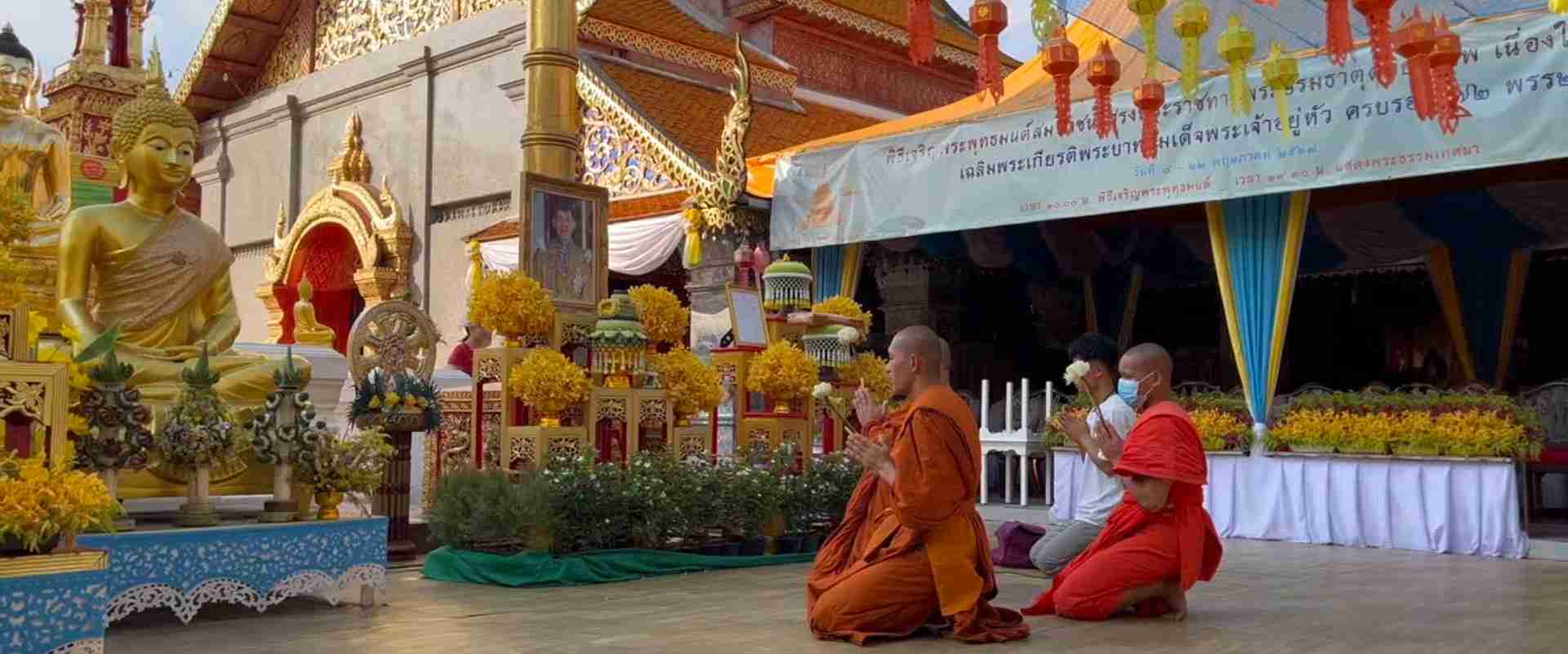
Thai Theravada Buddhism maintains particularly close integration with daily life through morning alms-giving rituals (tak bat) where monks walk neighborhood streets receiving food offerings from laypeople earning spiritual merit. The merit-making system (tam bun) motivates temple donations, festival sponsorship, and moral behavior as Thais accumulate merit toward better rebirth. Thai Buddhism incorporates elements of Brahminism and animism—spirit houses outside buildings, shrine offerings to Hindu deities, and beliefs in protective amulets—creating syncretic practices distinct from more austere Theravada traditions in Sri Lanka or Myanmar. Monastic life remains accessible with Thai men expected to ordain temporarily, allowing broad familiarity with Buddhist philosophy rather than separation between clergy and laity. This integration means Buddhist values shape ethics, aesthetics, and social relationships beyond religious contexts, influencing business practices, political discourse, and cultural production.
How does street food function in Thai social life?
Street food serves as Bangkok’s primary dining system across all economic classes, with vendors providing inexpensive, immediate meals allowing Bangkokians to eat multiple small portions throughout the day rather than large home-cooked meals. Markets function as social gathering spaces where neighbors encounter each other, exchange news, and maintain community bonds. Vendors often specialize in single dishes perfected over decades, with customers developing loyal relationships seeking out specific vendors for particular preparations. The communal eating style—sharing multiple dishes rather than individual plates—reinforces social bonds and hospitality values. Street food also preserves regional Thai cuisines as migrants from all provinces establish vendor stalls bringing hometown recipes to Bangkok’s streets. The practice of eating out rather than cooking at home transcends class distinctions, with wealthy Thais equally comfortable at street stalls as shopping mall food courts, creating rare spaces where economic hierarchies temporarily diminish.
What social customs do visitors most frequently misunderstand?
The wai greeting confuses many visitors uncertain when to wai and how to respond to wais received. The protocol requires considering relative age and social status—younger/lower status individuals initiate wais to elders/superiors who return less deep wais or simply nod. Thais don’t wai service workers, children, or social inferiors, making indiscriminate wai-ing appear awkward. The head’s sacred status means touching others’ heads (including children) causes offense, while feet represent the body’s lowest, dirtiest part making pointing feet at people or religious images highly disrespectful. Indirect communication styles lead Thais to answer “yes” to questions even when meaning “no” to avoid confrontation or disappointing questioners. Public emotional displays—anger, frustration, loud disagreement—violate jai yen (cool heart) ideals and diminish the person losing control rather than intimidating opponents. Shoes must be removed before entering homes and temple buildings, yet many tourists overlook this fundamental courtesy causing offense to hosts.
How does the Thai language reflect cultural values?
Thai language structure embeds social hierarchy through elaborate pronoun systems requiring speakers to select first and second person pronouns based on relative age, status, gender, and relationship. The language includes special royal vocabulary (rajaasap) for discussing monarchy, and formal registers appropriate for monks, officials, and elders versus informal speech for friends and children. Politeness particles ka (female speakers) and khrap (male speakers) end sentences to maintain courteous tone, with their absence marking informal or potentially rude speech. Names operate through nicknames rather than family names in daily life, with most Thais receiving one-syllable nicknames like Lek, Noi, or Daeng used throughout life even in professional contexts. The kreng jai concept lacks direct English translation, requiring explanation as “consideration for others’ feelings combined with reluctance to impose burden,” demonstrating how linguistic structure reflects cultural priorities foreign to Western individualism. Language also reveals Brahmin influences with Sanskrit-derived terms for concepts related to religion, royalty, and literature, showing historical Indian cultural impact on Thai civilization.
Extended multi-day tours – 5+ days
Featured Bangkok Multi-Day Tour Packages
3 days
Bangkok 3-Day Discovery Tour
- ✓ Comprehensive Bangkok experience
- ✓ Expert local guides included
- ✓ All accommodation included
- ✓ Transportation provided
5 days
Bangkok 5-Day Highlights Experience
- ✓ Comprehensive Bangkok experience
- ✓ Expert local guides included
- ✓ All accommodation included
- ✓ Transportation provided

7 days
Bangkok 7-Day Cultural Journey
- ✓ Comprehensive Bangkok experience
- ✓ Expert local guides included
- ✓ All accommodation included
- ✓ Transportation provided

10 days
Bangkok 10-Day Complete Adventure
- ✓ Comprehensive Bangkok experience
- ✓ Expert local guides included
- ✓ All accommodation included
- ✓ Transportation provided
Multi-day tour packages powered by TourRadar. Prices and availability subject to change.
Buddhist Practices in Daily Bangkok Life
Morning alms-giving ceremonies occur throughout Bangkok neighborhoods as monks in saffron robes walk designated routes accepting food offerings from kneeling laypeople. The practice begins before dawn with temple bells signaling monks’ departure, and vendors sell prepared alms sets near major temples for those unable to cook at home. The merit earned through giving sustains the lay-monastic relationship where laypeople support monks materially while receiving spiritual teachings and blessings. Monks maintain strict rules including not touching money, eating only before noon, and avoiding entertainment, positioning them as moral exemplars whose lifestyle critiques materialist urban culture.
Temple visits for merit-making occur for various reasons—Friday evening temple visits paying respect to birth-year Buddha image, full moon days (wan phra) when devoted Buddhists observe eight precepts including fasting after noon and avoiding entertainment, and major life events like birthdays, new business ventures, or seeking blessings before important undertakings. Merit-making activities include offering flowers, incense, and candles before Buddha images, donating money for temple maintenance, commissioning monks to chant protective sutras, and releasing captured birds or fish (though conservation concerns now question this practice).
Buddhist festivals structure Bangkok’s calendar with Visakha Puja commemorating Buddha’s birth, enlightenment, and death through candlelit processions circling temple ordination halls three times. Asalha Puja marks Buddha’s first sermon followed by Khao Phansa beginning the three-month monastic rainy season retreat when many Thai men ordain temporarily to make merit for parents. Loy Krathong sees Bangkokians float decorative boats on waterways to honor the water goddess and release negative feelings, creating stunning nighttime scenes of thousands of candle-lit krathongs floating downstream. Makha Bucha honors the spontaneous gathering of 1,250 enlightened disciples before Buddha, celebrated with temple visits and candlelit processions.
Spirit houses (san phra phum) stand outside nearly every Bangkok building from luxury hotels to modest shophouses, providing residence for protective land spirits who must be honored alongside Buddhist practice. Daily offerings of incense, flowers, and food maintain positive relationships with these spirits, and families consult spirit mediums if household misfortunes suggest spiritual displeasure. This animistic layer coexists comfortably with Buddhism in Thai cosmology, where multiple spiritual forces influence daily life requiring appropriate responses. Elaborate spirit houses feature miniature servants, vehicles, and animals providing spiritual residents with comfortable supernatural existence mirroring the main building’s function.
Street Food Culture and Eating Traditions
Bangkok’s street food culture operates through distinct vendor categories each serving specific functions in the daily eating cycle. Morning markets provide fresh ingredients and prepared breakfast foods—rice soup, Chinese-style congee, sweet sticky rice wrapped in banana leaves, and fresh fruit. Lunchtime brings office workers to nearby vendors selling pad thai, basil chicken over rice, papaya salad, and noodle soups prepared quickly for workers’ brief lunch breaks. Evening markets transform neighborhoods as residents gather selecting prepared dishes to take home, with vendors specializing in curries, stir-fries, grilled meats, and deep-fried snacks.
Night markets extend dining into entertainment with mixed vendor areas offering regional specialties, fusion experiments, and Instagram-worthy presentations alongside traditional preparations. These markets function as social spaces where young Thais meet friends, families enjoy outings, and couples date, making eating inseparable from socializing. The communal dining style of ordering multiple dishes to share reinforces group bonds, and invitations to “eat rice” (gin khao) serve as general socializing offers rather than literal meal proposals.
Vendor specialization reaches extreme refinement with some selling only one dish perfected over decades—chicken rice prepared according to Hainanese immigrant traditions, boat noodles served in tiny bowls with intense pork or beef broth, pad see ew made on massive woks achieving the characteristic smoky wok hei flavor. Customer loyalty develops over years as regular patrons develop relationships with vendors who remember preferences, adjust spice levels without asking, and provide extra portions for favored customers. This personalized service transforms transactional eating into social relationships sustaining community bonds.
Traditional Thai eating protocols emphasize using spoons and forks (fork only pushing food onto spoon, rarely entering mouth) rather than chopsticks except for noodle dishes. Sticky rice eaten with hands accompanies northeastern Isaan dishes like som tam (papaya salad) and grilled meats. Communal dishes placed in the center allow diners to take small portions onto individual rice plates rather than filling plates at once. Seasoning condiments—fish sauce with chilies, dried chili flakes, sugar, vinegar with pickled chilies—sit on every table allowing individual adjustment of sweet-sour-salty-spicy balance according to personal preference.
Social Customs and Interpersonal Relations
The Thai social hierarchy (sakdina system historically) continues influencing modern relationships through age-based respect requiring younger individuals to defer to elders in decision-making, seating arrangements, serving order at meals, and greeting protocols. The phi-nong (older-younger sibling) terminology extends beyond biological siblings to all relationships, with older friends called phi and younger friends nong regardless of actual age difference. This hierarchy creates clear social order but also obligates senior members to provide guidance, assistance, and protection to juniors.
Kreng jai governs interactions by discouraging impositions on others—declining initial offers even when wanting acceptance, avoiding requests that might burden others, and maintaining social harmony even at personal cost. This cultural value creates communication challenges as Thais may agree to requests they find burdensome rather than refuse directly, later failing to fulfill obligations while avoiding confrontation. Understanding kreng jai helps interpret Thai indirect communication where “maybe,” “I’ll try,” or “it might be difficult” often mean “no” cushioned to preserve relationships.
Maintaining face (na) and avoiding causing others to lose face shapes conflict resolution approaches. Direct criticism, public disagreement, or open anger cause all parties to lose face, making private discussions, intermediaries, and indirect suggestions preferred approaches. Laughing or smiling during awkward moments represents social lubricant diffusing tension rather than amusement, confusing foreigners who misread these signals. The concept “mai pen rai” (never mind, no problem) smooths over minor offenses and inconveniences, reflecting Buddhist acceptance of impermanence and desire to maintain pleasant interactions.
Gift-giving customs involve presenting items with both hands, avoiding certain colors and numbers (black gift wrap suggests mourning, sets of four items considered unlucky), and reciprocating gifts of equivalent value to maintain social balance. Gifts open later rather than immediately upon receiving to avoid appearing greedy or disappointed. Bringing small gifts when visiting homes shows proper respect, with fruit baskets, sweets, or items from travels appropriate choices. Overly expensive gifts create obligation requiring reciprocation, potentially embarrassing recipients unable to match the gesture.
Royal Reverence and National Identity
The Thai monarchy occupies a unique position protected by lese majeste laws criminalizing criticism and requiring public displays of respect. Every cinema screens the royal anthem before films with audiences standing, and 8 AM and 6 PM daily flag ceremonies in parks, schools, and government offices halt activities as citizens stand for the national anthem. Royal birthdays become national holidays with elaborate decorations, volunteer service projects, and religious ceremonies. The late King Bhumibol Adulyadej (Rama IX, reigned 1946-2016) achieved extraordinary devotion through rural development projects, musical performances, and visible concern for citizens’ welfare, making his image ubiquitous in homes, businesses, and public spaces.
Royal-initiated projects addressing rural poverty, agricultural development, water management, and village craft preservation influenced government policies and NGO programs for decades. The Sufficiency Economy philosophy promoted by King Bhumibol emphasized self-reliance, moderation, and sustainability rather than rapid industrialization, shaping alternative development approaches. These initiatives created practical improvements in villagers’ lives while reinforcing royal relevance in modernizing Thailand, distinguishing Thai monarchy from purely ceremonial roles in other constitutional monarchies.
Royal family members undertake patronage of specific causes—Queen Sirikit’s support for traditional crafts through SUPPORT Foundation, Princess Maha Chakri Sirindhorn’s promotion of education and environmental conservation, and King Vajiralongkorn’s continuation of rural development projects. These royal initiatives receive extensive media coverage and automatic government cooperation, positioning monarchy as active development agent rather than symbolic figurehead. Public criticism of royalty remains taboo even among Thais privately questioning monarchical power, with informal discussions avoiding direct statements about royal politics.
Festival Celebrations and Seasonal Traditions
Songkran (Thai New Year, mid-April) transforms Bangkok into massive water fight celebrating the hottest season’s peak through ritual water splashing that evolved from gentle blessing ceremonies to citywide water warfare. Traditional practices include bathing Buddha images, pouring scented water over elders’ hands requesting blessings, and thorough house cleaning removing the previous year’s bad luck. Modern Songkran sees pickup trucks loaded with water barrels roaming streets, tourists armed with water guns, and neighborhoods setting up water throwing stations. Many Bangkok residents escape to hometowns during this period as the capital becomes too chaotic for normal activities.
Chinese New Year celebrations reflect Bangkok’s large ethnic Chinese population (40% of residents claim some Chinese ancestry) with Chinatown becoming impassable pedestrian zone featuring dragon dances, firecracker displays, and endless food vendors. Businesses close for family gatherings, and many Thais visit Chinese temples making merit and setting off firecrackers to scare away bad spirits. Traditional practices include wearing red clothing (auspicious color), giving red envelopes with money to children and unmarried young adults, and eating specific foods like noodles (long life) and dumplings (wealth).
Loy Krathong (full moon of twelfth lunar month, usually November) sees Thais float decorative boats made from banana leaves, flowers, candles, and incense on rivers, canals, and ponds. The practice honors the water goddess Phra Mae Khongkha while symbolically floating away anger, grudges, and negative feelings accumulated over the year. Couples floating krathongs together believe it ensures lasting relationships. Bangkok’s major waterways fill with thousands of krathongs creating magical nighttime scenes, though environmental concerns about non-biodegradable decorations now encourage traditional natural materials. Northern Thailand simultaneously celebrates Yi Peng with sky lanterns, but Bangkok prohibits floating lanterns near the airport.
Vegetarian Festival (ninth lunar month, usually October) originated with Chinese immigrants abstaining from meat, alcohol, and various foods for nine days to purify body and mind. Participants wear white clothing, and markets and restaurants display yellow flags indicating vegetarian food availability. Bangkok’s Chinatown becomes center for elaborate vegetarian dishes mimicking meat preparations using tofu, mushrooms, and gluten. Street processions feature mediums in trance states performing acts of self-mutilation (piercing cheeks with swords, walking on hot coals) believed to shift bad luck from community to themselves through divine possession.
Neighborhood Life and Community Bonds
Traditional Bangkok neighborhoods (chumchon) maintain tight-knit communities despite high-rise development surrounding older low-rise areas. Multi-generational families often occupy adjacent townhouses or apartments, and neighbors function as extended family providing childcare assistance, sharing meals, and supporting each other during illnesses or financial difficulties. Morning markets serve as community gathering spaces where residents encounter neighbors, exchange gossip, and maintain awareness of community events. Small corner shops (ran nam) where owners know all customers personally create informal community centers beyond their retail function.
Neighborhood temples (wat) anchor community identity providing venues for festivals, ceremonies, and community meetings. Temple committees organize events and fundraising, while monks offer counsel and blessings for community members. The practice of young men ordaining temporarily before marriage means most families maintain active temple connections through multiple generations. Temple fair fundraisers featuring music performances, carnival games, and food vendors bring entire neighborhoods together in celebrations funding temple maintenance and monk support.
Soi (lane) culture creates distinct micro-communities within larger districts. Residents of particular sois develop collective identity, mutual assistance networks, and informal security arrangements. Shophouse businesses cater specifically to soi residents—tiny restaurants serving neighborhood favorites, laundry services offering delivery, motorcycle taxis providing transportation to main roads, and pharmacies stocking regular customers’ medications. This creates layered belonging where residents identify with soi, neighborhood (tambon), district (khet), and Bangkok as increasingly abstract circles of community membership.
Condo living for younger professionals creates different community patterns with less neighborhood integration but building-specific socializing around facilities like swimming pools, fitness centers, and rooftop gardens. Condo management organizes building events attempting to recreate community bonds, though with less success than traditional neighborhoods where generations of co-residence created deep connections. The contrast between condo lifestyle and traditional neighborhood patterns reflects class differences in Bangkok urban life, with wealthier residents increasingly isolated in exclusive buildings while working-class communities maintain traditional mutual support systems.
Chinese Cultural Influences on Bangkok Life
Bangkok’s Chinese community descended from waves of immigration throughout the 19th and early 20th centuries contributes fundamental elements to contemporary culture. Chinese surnames, commercial dominance, ancestor worship practices, cuisine, and linguistic borrowings permeate Bangkok life to the point where Chinese influence becomes invisible to both Thais and visitors. Successful integration occurred as Chinese immigrants adopted Thai names, intermarried with Thais, and supported Thai nationalism while maintaining Chinese cultural practices within family contexts.
Chinese temple worship (san jao) continues at shrines throughout Bangkok where devotees burn incense, consult fortune sticks, and make offerings to Chinese deities alongside Thai Buddhist practices. The practice treats deities as powerful allies requiring appropriate gifts and respect in exchange for worldly assistance—business success, family harmony, health, lottery numbers. This transactional approach differs from Buddhist merit-making, revealing philosophical differences between Chinese popular religion and Theravada Buddhism that nevertheless coexist comfortably in Thai spiritual life.
Chinese business practices including family enterprise models, personal relationship (guanxi) emphasis in commerce, and specific occupational specializations shaped Bangkok’s commercial development. Ethnic Chinese dominate retail, banking, real estate, and import-export sectors, though successful integration means many Thais with Chinese ancestry identify primarily as Thai. Chinese cultural values emphasizing education, saving, and family business succession influenced Thai middle-class formation and aspirations.
Culinary Chinese influence pervades Thai cuisine through wok cooking techniques, noodle dishes, soy sauce usage, and specific preparations like Hainanese chicken rice, pork satay, and dim sum variations. Chinese vegetarian traditions influence Thai Buddhist vegetarian practices, and Chinese New Year foods become widely adopted Thai celebration foods. The fusion of Chinese cooking methods with Thai ingredients and flavor profiles created distinct Thai-Chinese dishes that evolved beyond their Chinese origins while retaining recognizable Chinese techniques.
Gender Roles and Changing Social Expectations
Traditional Thai gender roles positioned women as household managers controlling family finances while men served as public family representatives and primary income earners. Buddhist ordination remained exclusively male, though women could become white-robed mae chi (nuns) with lower status than monks. Contemporary Bangkok sees significant shifts as women achieve higher education rates exceeding men’s, occupy professional positions including corporate leadership and government roles, and increasingly delay or forgo marriage and childbearing.
The concept of matrilocal residence (groom moving into bride’s family home) historically gave Thai women property rights and family authority unusual in Asian contexts. Women traditionally inherited equally with brothers, controlled household budgets, and maintained significant decision-making power within families. Contemporary Bangkok families increasingly adopt nuclear family patterns, though extended family support systems remain strong particularly for childcare as both parents work.
LGBT acceptance in Thai culture creates space for kathoey (transgender women) more integrated into mainstream society than most countries, working openly in service industries, entertainment, and various professions. Buddhist doctrine addressing behavior rather than identity allows more flexibility regarding gender expression and sexuality compared to Abrahamic religions. However, legal protections remain limited despite social acceptance, and traditional family expectations for marriage and grandchildren create conflicts for LGBT individuals. Bangkok’s gay scene thrives in specific districts with bars, clubs, and saunas, while lesbian visibility remains lower reflecting gendered differences in sexual culture.
Male social expectations emphasize providing financially for parents and family, maintaining face through visible success, and fulfilling temporary monastic ordination expectations. Changing economic conditions make traditional masculine roles difficult as middle-class salaries support smaller families than previous generations, creating tension between expectations and economic realities. Young men increasingly pursue higher education and professional careers rather than traditional male occupations in construction, agriculture, or trade work, shifting class structures and social mobility patterns.
Education System and Learning Values
Thai education emphasizes respect for teachers (khru) approaching reverence, with wai khru ceremonies honoring teachers and annual Teacher’s Day celebrations expressing gratitude. The rote learning approach prioritizes memorization over critical thinking, and classroom authority structures discourage questioning teachers or proposing alternative interpretations. This creates skilled test-takers less prepared for creative problem-solving or independent research. Private tutoring supplements school education for middle-class families, with students attending additional classes after regular school hours to prepare for competitive university entrance examinations.
University education represents crucial social mobility mechanism and status marker, with graduates from prestigious universities (Chulalongkorn, Thammasat, Mahidol) enjoying advantages in job markets and marriage prospects. The credential emphasis sometimes supersedes actual knowledge or skills, making degree possession more important than educational content. International schools and universities attract wealthy Thai families seeking English-language education and Western-style pedagogy, creating educational class divisions parallel to income inequality.
Monastic education historically provided primary education for rural boys, and some temple schools continue operating alongside government schools. These institutions preserve classical Thai education emphasizing Buddhist texts, classical literature, and traditional arts alongside modern curriculum. University Buddhist studies programs maintain scholarly traditions studying Pali texts and Buddhist philosophy, producing monks and lay scholars continuing intellectual traditions dating to Sukhothai period.
Work Culture and Professional Life
Thai work culture balances hierarchical relationships with sanuk (fun) philosophy making workplace enjoyment important alongside productivity. Subordinates defer to supervisors’ decisions even when disagreeing privately, and open contradiction of superiors risks career damage regardless of correctness. Office social hierarchies follow age and seniority with junior employees serving tea, running errands, and deferring to senior colleagues’ preferences. This creates stable order but can stifle innovation when junior employees with better ideas remain silent rather than challenge supervisors.
The concept of sanuk influences work approaches as Thais prefer maintaining pleasant atmospheres through joking, socializing, and avoiding excessive seriousness. This frustrates foreign managers expecting intense focus and efficiency, though Thai workers accomplish necessary tasks while creating more enjoyable work environments. The preference for indirect communication means feedback comes through suggestions rather than direct criticism, and conflict resolution involves private discussions or intermediaries rather than confrontational meetings.
Mai pen rai attitudes toward mistakes and failures create forgiving environments but sometimes enable mediocrity through insufficient accountability. The Buddhist acceptance of impermanence and karma can produce fatalistic approaches where effort seems less important than destiny, though this varies widely among individuals and sectors. Fast-paced Bangkok professional environments increasingly adopt more results-oriented approaches conflicting with traditional relationship-based work cultures.
After-work socializing with colleagues remains important for relationship building and career advancement. Refusing invitations for drinks or dinner can mark employees as antisocial or untrustworthy, though this expectation creates work-life balance challenges particularly for parents and individuals preferring private time. Company trips, team-building exercises, and celebration dinners strengthen workplace bonds extending beyond purely professional relationships into personal friendships.
Experiencing Bangkok Culture Authentically
Authentic cultural engagement requires moving beyond tourist zones into residential neighborhoods where daily life unfolds without performance for visitors. Morning market visits reveal shopping and eating patterns, temple ceremonies provide insight into Buddhist practice, and evening neighborhood markets show how Bangkokians relax and socialize. Learning basic Thai phrases earns appreciation and facilitates interactions beyond tourist-vendor transactions. Observing proper etiquette—removing shoes when appropriate, wai-ing respectfully, keeping cool composure—demonstrates cultural respect encouraging more authentic exchanges.
Participating in volunteer activities through temples or community organizations provides deeper cultural immersion. Teaching English at community centers, joining temple fair preparation, or participating in canal cleaning projects creates relationships with local residents beyond superficial tourist-local interactions. These experiences reveal Thai hospitality, community cooperation, and willingness to welcome foreigners genuinely interested in Thai culture rather than collecting Instagram photos.
Understanding that contemporary Bangkok culture represents ongoing negotiation between tradition and modernity, global and local, sacred and commercial avoids romanticizing “authentic” culture as purely traditional. Young Bangkokians embrace K-pop, Japanese anime, and American hip-hop while maintaining Buddhist practices and Thai language. This cultural hybridity represents authentic contemporary Thai urban identity rather than cultural loss.
FAQ: Bangkok Local Culture
What is the proper way to perform the wai greeting?
The wai consists of pressing palms together prayer-style at chest level while bowing the head. Higher hand position indicates greater respect—at chin level for peers, nose level for parents and teachers, and forehead level for monks and royalty. Lower-status persons initiate wais to higher-status individuals based on age and social position. The superior returns a less deep wai or simply nods. Thais don’t wai children, service workers, or obvious social subordinates. Foreigners should return wais received from peers but needn’t initiate wais to service staff, shopkeepers, or anyone clearly providing them service.
How should visitors dress when visiting Bangkok temples?
Temple dress codes require covering shoulders and knees for both men and women. Tank tops, sleeveless shirts, shorts, short skirts, and revealing clothing cause offense and may result in entry denial at major temples. Pants, long skirts, or knee-length shorts with sleeved shirts represent appropriate choices. Shoes must be removed before entering temple buildings housing Buddha images. Feet should never point toward Buddha images or monks, requiring adjustment of sitting positions to avoid this disrespect. Conservative dress shows respect for sacred spaces and earns appreciation from Thais who notice foreigners observing proper etiquette.
What does sanuk mean in Thai culture?
Sanuk translates as “fun” but encompasses broader philosophy that activities should be enjoyable rather than purely dutiful. Thais incorporate sanuk into work, errands, and daily tasks through joking, socializing, and maintaining pleasant atmospheres. Activities lacking sanuk feel like unpleasant obligations rather than engaging experiences. The concept influences Thai approaches to work where efficiency and deadlines balance against maintaining enjoyable workplace relationships. Even serious activities like religious ceremonies incorporate sanuk elements through communal participation and festival atmospheres. Understanding sanuk helps explain Thai behavioral patterns that might seem unserious to foreigners accustomed to separating work from pleasure.
How does the Thai concept of face affect daily interactions?
Face (na) represents social standing, dignity, and reputation that must be maintained and protected. Losing face through public criticism, open anger, or visible failures brings shame extending beyond the individual to family and associates. Causing others to lose face through public embarrassment or direct contradiction damages relationships even when factually correct. Thai conflict resolution favors private discussions, intermediaries, and indirect suggestions preserving all parties’ face. Maintaining pleasant demeanor even during disagreements protects face for everyone involved. Foreigners who raise voices, complain publicly, or display anger lose face themselves while failing to achieve desired results, as Thais dismiss those exhibiting poor emotional control regardless of valid complaints.
Why do Thais use nicknames instead of legal names?
Most Thais receive one-syllable nicknames at birth used throughout life in all contexts from family to professional settings. Legal names (often lengthy Sanskrit or Pali compounds chosen for auspicious meanings) appear only on official documents. Nicknames emerge from birth circumstances, physical characteristics, or parents’ preferences—Lek (small), Noi (little), Daeng (red), Pla (fish). Even CEOs and professors use nicknames with colleagues. This practice creates familiar informality while lengthy family names (adopted relatively recently under government requirements) remain rarely used. Asking someone’s nickname rather than legal name facilitates natural interaction, and Thais readily share nicknames with new acquaintances as standard introduction practice.
What role do spirit houses play in Thai life?
Spirit houses (san phra phum) provide residence for land spirits displaced by building construction. The miniature structures outside virtually every Bangkok building require daily offerings of incense, flowers, and sometimes food and drinks maintaining positive relationships with resident spirits. Neglected spirit houses supposedly cause misfortune including business failures, family illnesses, and household accidents. Larger buildings commission elaborate spirit houses with multiple structures, servant figures, and decorative elements. This animistic practice coexists with Buddhism as Thais manage relationships with multiple spiritual forces requiring different approaches. Moving requires special ceremonies transferring spirits to new locations, and demolition involves rituals respectfully dismissing spirits rather than simply destroying their houses.
How does kreng jai affect communication with Thais?
Kreng jai encompasses consideration for others’ feelings, reluctance to impose, and conflict avoidance shaping Thai communication patterns. Thais may agree to requests they actually oppose rather than refuse directly and disappoint requesters. Interpreting Thai responses requires reading subtle cues beyond literal words—”I’ll try,” “maybe,” or “it’s difficult” often mean “no” phrased indirectly. Direct questions force binary responses uncomfortable for Thais preferring to avoid situations requiring explicit refusals. Understanding kreng jai helps interpret what seems like Thai evasiveness or unreliability as cultural communication patterns prioritizing harmony over directness. Foreigners should phrase requests allowing graceful refusal options and recognize that initial agreement might not guarantee follow-through.
What are appropriate topics for conversation with Thais?
Safe conversation topics include family, food preferences, travel experiences, where you’re from, Thai language learning, and compliments about Thai culture. Thais enjoy teaching visitors Thai words and explaining cultural practices. Discussing royal family requires extreme caution as critical comments violate lese majeste laws and deeply offend most Thais regardless of legal risks. Political discussions about democracy, military coups, or social inequality make many Thais uncomfortable given political divisions and sensitivity. Questions about income, cost of possessions, or personal finances considered rude in Western contexts interest Thais curious about economic circumstances. Age questions seem normal to Thais using age to determine appropriate pronouns and relative social standing, though foreigners might find these inquiries intrusive.
How should visitors respond to Thai hospitality?
Thai hospitality involves generous food offerings, assistance with navigation and transportation, and invitations to family events demonstrating welcoming nature. Accepting offerings graciously with genuine appreciation rather than excessive refusals shows respect for hosts’ generosity. Bringing small gifts when visiting homes—fruit baskets, sweets from your country, or other modest items—demonstrates proper etiquette. Reciprocating invitations or offering to pay for meals shows balanced friendship rather than taking advantage of Thai generosity. Learning to say thank you (khop khun ka/khrap) and other basic phrases earns appreciation. Being open to unexpected invitations and spontaneous plans aligns with Thai social patterns valuing relationship-building over rigid schedules.
What mistakes do foreigners commonly make regarding Thai culture?
Common mistakes include wai-ing inappropriately (initiating wais to service workers or young children), stepping on currency or documents bearing royal images, displaying anger or frustration publicly, pointing feet at people or religious images, touching Thais’ heads, wearing shoes inside homes or temple buildings, and treating Buddha images as photo props rather than sacred objects. Misunderstanding Thai smiles and laughter as lightheartedness when they might indicate discomfort or embarrassment causes communication confusion. Assuming Thai agreement actually means agreement rather than polite reluctance to refuse directly creates planning problems. Treating Thai culture as backwards or primitive rather than different offends educated Thais proud of cultural traditions and rapid development. Showing genuine interest in understanding Thai perspectives rather than judging differences against Western norms creates positive interactions.