
Bangkok Day Trips 2026: Best Excursions & Complete Planning Guide
This comprehensive guide covers eight major day trip categories from Bangkok, analyzing transportation options, optimal timing, realistic costs, booking strategies, and practical logistics for 2026 visits. Whether seeking ancient temple ruins, traditional market experiences, natural waterfall exploration, or cultural village immersion, strategic planning maximizes value while minimizing common tourist pitfalls that waste time and money.
Key Takeaways
- Ayutthaya Historical Park offers the most significant UNESCO World Heritage experience within 90 minutes of Bangkok, with temple passes at ฿220 and guided tours from ฿1,200
- Kanchanaburi’s Bridge over River Kwai and Erawan Falls create compelling full-day excursions with transportation costs ฿100-150 by train or ฿1,800-2,500 for private tours
- Damnoen Saduak and Amphawa floating markets provide authentic cultural experiences, with early morning visits (6-8 AM) offering the best atmosphere before tour groups arrive
- Ancient City (Muang Boran) delivers Thailand’s entire cultural heritage in one location, with entry at ฿700 and bicycle rentals enabling comprehensive 4-6 hour exploration
- Strategic planning with advance bookings saves 20-30% on tour costs, while combination tickets for multiple sites reduce individual admission expenses significantly
- Most day trips require 8-12 hours including travel time, with departures recommended between 6-8 AM to maximize site exploration and avoid afternoon heat
Planning Your Bangkok Day Trips in 2026
Bangkok serves as the perfect base for exploring Central Thailand’s extraordinary concentration of UNESCO World Heritage sites, ancient capitals, natural wonders, and cultural attractions. The city’s strategic location provides access to seven UNESCO-listed properties within three hours, including Ayutthaya Historical Park, the Historic City of Sukhothai, and Ban Chiang Archaeological Site. Beyond UNESCO designations, the surrounding region encompasses floating markets, war memorials, waterfalls, and open-air museums that preserve Thailand’s rich cultural heritage.
The 2026 travel season brings enhanced infrastructure with the completed high-speed rail connection to Ayutthaya reducing journey times to 45 minutes, upgraded facilities at major attractions, and expanded digital ticketing systems eliminating queue times. Bangkok’s day trip landscape divides into distinct categories: historical explorations of ancient Siamese kingdoms, cultural immersions at traditional floating markets, nature-focused excursions to national parks and waterfalls, and thematic experiences like railway markets and art villages. Each category requires different planning approaches regarding timing, transportation, costs, and physical requirements.
Successful day trip planning balances multiple factors: seasonal weather patterns affecting outdoor comfort, crowd management strategies for popular sites, transportation logistics coordinating departure and return times, and budget optimization through advance bookings and combination tickets. The dry season months (November through February 2026) offer ideal conditions with temperatures 25-32°C and minimal rainfall, while the hot season (March through May) requires early morning starts to avoid peak afternoon heat. Rainy season excursions (June through October) benefit from lush landscapes and fewer crowds but need flexible scheduling for weather interruptions.
People Also Ask About Bangkok Day Trips 2026
What is the best day trip from Bangkok in 2026?
Ayutthaya Historical Park stands as the premier day trip from Bangkok in 2026, offering the most significant UNESCO World Heritage experience within 90 minutes of the capital. The ancient Siamese capital features over 400 temple ruins across 289 hectares, with major sites including Wat Mahathat (famous for Buddha head in tree roots), Wat Phra Si Sanphet (former royal temple with three iconic chedis), and Wat Chaiwatthanaram (Khmer-style riverside complex). The park pass costs ฿220 for six major temples, with guided tours ranging ฿1,200-2,800 depending on group size and inclusions. Check Tourism Authority of Thailand’s official website for current rates and booking.
Transportation flexibility enhances Ayutthaya’s appeal, with options including high-speed rail (45 minutes, ฿150-300 depending on class), standard trains (90 minutes, ฿15-50), minivans (75 minutes, ฿80-120), and organized tours (฿1,500-3,500 with guide, transport, lunch included). The 2026 season brings improved infrastructure with expanded parking facilities, electric tuk-tuk networks for inter-temple transportation (฿200-300 per hour), and digital audio guides in twelve languages (฿150 rental). Early morning arrivals between 6-7 AM avoid tour bus crowds and provide optimal photography light for temple documentation.
Ayutthaya’s combination of historical significance, architectural diversity, UNESCO recognition, accessibility from Bangkok, and reasonable costs creates unmatched value for cultural exploration. Day trips easily accommodate 4-6 hours of temple exploration plus floating market visits, riverside dining, and optional bicycle tours through surrounding countryside, providing comprehensive historical and cultural immersion within a single day’s excursion from Bangkok.
How much does a Bangkok day trip cost in 2026?
Bangkok day trip costs in 2026 range ฿500-4,500 per person depending on destination, transportation choice, inclusions, and tour versus independent travel. Budget-conscious independent travelers spend ฿500-1,200 for destinations like Ayutthaya or Kanchanaburi using public transportation, with costs breaking down to: train tickets ฿50-150, site admission ฿220-500, meals ฿200-400, local transport ฿100-200. Check official attraction websites for current admission rates as pricing varies by site and season.
Mid-range organized tours cost ฿1,500-2,800 per person for standard day excursions including air-conditioned transportation, English-speaking guide, entrance fees, and lunch. Premium private tours range ฿3,500-4,500 per person with smaller groups (maximum 8-10 people), upgraded vehicle comfort, extended itineraries, and specialized guides offering deeper cultural context. Multi-destination combination trips (visiting 2-3 attractions in one day) typically cost ฿2,200-3,800 with transportation economies offsetting additional admission fees.
Cost optimization strategies for 2026 include: booking combination tickets for multiple Ayutthaya temples (saves 15-20% versus individual admission), purchasing advance train tickets during promotional periods (up to 30% discount), joining small group tours rather than private excursions (reduces per-person cost 40-50%), visiting on weekdays when some attractions offer reduced admission, and carrying packed lunches for natural destinations where restaurant options are limited. Transportation choices create the largest cost variables, with train travel reducing expenses ฿800-1,200 compared to private vehicle tours.
Do Bangkok day trips require advance booking in 2026?
Most Bangkok day trips in 2026 don’t require advance booking for independent travelers using public transportation and visiting sites without capacity limits. Ayutthaya temples, Ancient City, Kanchanaburi Bridge, and floating markets accommodate walk-in visitors with immediate admission during operating hours. High-speed rail tickets to Ayutthaya and Lopburi can be purchased at stations 1-2 hours before departure outside peak weekend periods, while standard trains maintain available seating throughout the day.
However, advance reservations provide significant advantages: organized tours (especially small group and private options) fill 2-4 weeks ahead during peak season (November-February and July-August), weekend floating market tours book 7-10 days in advance, specialized experiences like elephant sanctuaries and cooking class excursions require 5-14 days notice for scheduling, and premium transportation options (private vehicles, VIP vans) need 3-7 days reservation for vehicle allocation. Booking 2-3 weeks ahead secures preferred departure times, guarantees English-speaking guide availability, and often provides early booking discounts of 10-15%.
The new 2026 digital booking platforms integrate multiple day trip providers, offering real-time availability checking, instant confirmation, and flexible cancellation policies (24-48 hours notice for full refunds). Popular combination tours visiting multiple destinations in one day sell out 10-14 days in advance during peak season, while single-destination excursions maintain better availability. Weekend departures require earlier booking than weekday trips, particularly for floating markets and Ayutthaya where domestic tourism peaks on Saturdays and Sundays.
What’s the best time to start a Bangkok day trip in 2026?
Optimal departure times for Bangkok day trips fall between 6-8 AM, enabling arrival at primary destinations by 7:30-9:30 AM before peak crowds and afternoon heat. Floating market excursions require the earliest starts (5:30-6 AM departures), as market activity peaks 6:30-9 AM with vendors selling fresh produce, prepared foods, and local crafts before closing by 11 AM-noon. Early arrivals provide authentic atmosphere, cooler temperatures, and better photography light without tour bus congestion that develops after 9 AM.
Historical park visits (Ayutthaya, Sukhothai) benefit from 7-8 AM departures reaching sites by opening time (8-8:30 AM), allowing 3-4 hours of temple exploration during morning comfort before 11 AM heat intensifies. The 6-hour morning window (8 AM-2 PM) provides sufficient time for major temple circuits plus lunch before return travel, with arrivals back in Bangkok by 4-5 PM avoiding rush hour traffic. Natural destinations like Erawan Falls or Khao Yai National Park require 6-7 AM departures for 9 AM-3 PM exploration windows, as afternoon thunderstorms during rainy season (June-October) interrupt outdoor activities after 2-3 PM.
Later departures (9-10 AM) work for cultural experiences emphasizing interaction over environment comfort, such as craft villages, art centers, or railway markets where afternoon visits (arriving 11 AM-1 PM) coincide with peak activity periods. Evening return trips from distant destinations (Kanchanaburi, Lopburi) benefit from afternoon starts, with 1-2 PM departures providing 4-5 hours on-site before sunset documentation opportunities and return travel during cooler evening temperatures. Tour operators schedule departures based on destination-specific optimal timing, balancing travel duration, site operating hours, crowd patterns, and weather considerations.
Extended multi-day tours – 5+ days
Featured Bangkok Multi-Day Tour Packages

3 days
Bangkok 3-Day Discovery Tour
- ✓ Comprehensive Bangkok experience
- ✓ Expert local guides included
- ✓ All accommodation included
- ✓ Transportation provided

5 days
Bangkok 5-Day Highlights Experience
- ✓ Comprehensive Bangkok experience
- ✓ Expert local guides included
- ✓ All accommodation included
- ✓ Transportation provided
7 days
Bangkok 7-Day Cultural Journey
- ✓ Comprehensive Bangkok experience
- ✓ Expert local guides included
- ✓ All accommodation included
- ✓ Transportation provided
10 days
Bangkok 10-Day Complete Adventure
- ✓ Comprehensive Bangkok experience
- ✓ Expert local guides included
- ✓ All accommodation included
- ✓ Transportation provided
Multi-day tour packages powered by TourRadar. Prices and availability subject to change.
Essential Planning Information 2026
Current Costs and Pricing Breakdown
Day trip expenses from Bangkok in 2026 encompass four primary categories: transportation, admission fees, meals, and optional activities. Transportation costs vary significantly by mode: high-speed rail to Ayutthaya ฿150-300 round trip depending on seat class, standard trains ฿15-50 round trip for budget travel, minivans ฿80-150 per person for shared service, and private vehicles ฿2,500-4,000 for 1-4 person groups covering full-day rental with driver. Check Thai Railway official website and tour operator platforms for current rates as pricing varies seasonally.
Site admission fees range from ฿50 for individual temples to ฿700 for comprehensive experiences like Ancient City. Major destinations charge: Ayutthaya Historical Park ฿220 for six-temple pass (individual temples ฿50 each), Kanchanaburi Bridge and Museum ฿100 combined entry, Erawan National Park ฿300 including waterfall access, Damnoen Saduak Floating Market ฿200 for boat tour plus ฿0 market entry, Ancient City (Muang Boran) ฿700 adult admission with bicycle rental ฿100 additional. UNESCO sites typically charge premium admission versus local temples and cultural venues.
Meal costs for day trips fall into three tiers: budget local restaurants ฿80-150 per meal providing authentic Thai dishes, mid-range tourist-oriented establishments ฿200-350 per person offering English menus and air-conditioning, and premium riverside or specialty venues ฿400-600 featuring scenic settings and expanded menu selections. Floating market food costs ฿50-100 per boat-served dish, though prices run 30-50% higher than equivalent meals at land-based restaurants. Carrying snacks and water from Bangkok 7-Eleven stores reduces costs ฿100-200 per person for refreshments throughout the day.
Optional activity pricing includes: bicycle rentals ฿50-100 per day for Ayutthaya or Ancient City exploration, tuk-tuk hire ฿200-300 per hour for inter-site transportation, river boat tours ฿400-800 for scenic Ayutthaya cruises, elephant sanctuary interactions ฿2,500-3,500 for ethical feeding and bathing experiences, cooking class excursions ฿1,800-2,500 including market visits and instruction, and photography guides ฿1,500-2,500 for specialized temple or landscape documentation assistance. These activities enhance day trips but remain optional based on interests and budget.
Transportation Options and Schedules
Bangkok’s extensive transportation network provides multiple options for day trip destinations, each offering distinct advantages in cost, comfort, flexibility, and travel time. Train travel combines economy with scenic routes: the State Railway of Thailand operates frequent services to Ayutthaya (departures every 20-40 minutes, 6 AM-9 PM, journey time 90 minutes, costs ฿15-50), Kanchanaburi (4 daily departures including famous Death Railway route, journey time 2-3 hours, costs ฿100-150), and Lopburi (8 daily departures, journey time 2.5 hours, costs ฿40-80). The new high-speed rail service to Ayutthaya operates hourly 6 AM-8 PM with 45-minute journey times and ฿150-300 fares based on seat class.
Minivan services depart from Bangkok’s Victory Monument, Mochit Bus Terminal, and Southern Bus Terminal to all major day trip destinations. Ayutthaya minivans leave every 30 minutes 5:30 AM-6 PM (cost ฿80-120, journey time 75 minutes), Kanchanaburi departures every 40-60 minutes 6 AM-5 PM (cost ฿120-150, journey time 2.5 hours), Damnoen Saduak floating market morning services 5:30 AM-8 AM (cost ฿100-150, journey time 90 minutes returning by 1-2 PM). Minivans provide faster travel than trains with door-to-destination service, though vehicles can feel cramped during full-capacity runs with luggage.
Organized tour transportation offers maximum convenience with hotel pickup/drop-off, air-conditioned vehicles, and professional drivers handling all logistics. Standard tours accommodate 15-25 people in large coaches (costs ฿1,500-2,800 per person including guide and admission), small group options limit capacity to 8-12 people in vans (costs ฿2,200-3,500 per person with more personalized service), and private vehicles serve 1-6 people with flexible itineraries (costs ฿2,500-4,500 per person depending on group size and destination distance). Private options allow schedule modifications, additional stops, and extended exploration time unavailable with fixed-itinerary group tours.
Self-drive car rentals provide ultimate flexibility though require international driving permits, comfort navigating Thai traffic patterns, and willingness to handle parking logistics at tourist sites. Daily rental costs ฿1,200-2,500 for economy sedans through ฿3,500-5,000 for SUVs, plus fuel expenses ฿400-800 for typical day trip distances (150-300 km round trip). GPS navigation works reliably throughout Central Thailand, though road signage often appears in Thai script only. Self-drive suits experienced travelers who value independence and plan to visit multiple sites with customized timing, though organized tours provide better value for single-destination excursions when factoring guide services and admission coordination.
Major Day Trip Destinations from Bangkok 2026
Ayutthaya Historical Park UNESCO Site
Ayutthaya served as the Siamese capital for 417 years (1350-1767) before Burmese armies destroyed the city, leaving behind Thailand’s most significant archaeological site and Southeast Asia’s most important historical park. The UNESCO World Heritage property spans 289 hectares containing 67 temple ruins and royal palaces representing four distinct architectural periods. Major sites include Wat Mahathat with its famous Buddha head entwined in tree roots, Wat Phra Si Sanphet featuring three iconic chedis that served as the royal temple, Wat Chaiwatthanaram displaying Khmer-influenced architecture along the riverside, and Wat Ratchaburana housing well-preserved crypt murals despite centuries of weathering.
The six-temple pass (฿220) provides access to the primary historical sites clustered within the island loop: Wat Mahathat, Wat Phra Si Sanphet, Wat Ratchaburana, Wat Phra Ram, Wat Chai Wattanaram, and Wat Maheyong. Individual temple admission (฿50 per site) makes sense only for visitors targeting 1-2 specific locations, as the pass breaks even at four temples. Bicycle exploration offers the most flexible way to navigate between sites, with rentals available near the train station and main tourist areas (฿50-100 per day) providing freedom to explore at personal pace while covering the 8-12 km circuit connecting major temples.
Optimal Ayutthaya itineraries allocate 5-7 hours for comprehensive exploration: start at Wat Mahathat at 8 AM for iconic photography with soft morning light, proceed to Wat Phra Si Sanphet for royal temple architecture, cycle to Wat Ratchaburana for crypt exploration, break for lunch at riverside restaurants (฿150-300 per person), continue to Wat Chai Wattanaram for Khmer-style stupas and river views, and conclude with sunset at Wat Lokayasutharam’s reclining Buddha. Tuk-tuk hire (฿200-300 per hour, 3-4 hours minimum) provides an alternative to cycling for visitors preferring guided circuits between sites.
Kanchanaburi Bridge and Erawan Falls
Kanchanaburi province combines World War II history with natural beauty in full-day excursions from Bangkok. The Bridge over River Kwai represents Thailand’s most famous war memorial, constructed by Allied prisoners and Asian laborers in 1943 as part of the Death Railway connecting Thailand and Burma. The JEATH War Museum and Kanchanaburi War Cemetery provide historical context about the 12,000 Allied prisoners and 90,000 Asian laborers who died during railway construction. Walking across the bridge remains possible on pedestrian sections between passing trains, with photography recommended during early morning or late afternoon for optimal light without harsh midday glare.
Erawan National Park’s seven-tiered waterfall creates Thailand’s most beautiful cascade, with emerald pools at each level inviting swimming during dry season months (November-April) when water flow reaches optimal volume without dangerous wet season currents. The 2-kilometer trail from the visitor center to tier 7 requires 60-90 minutes hiking with 400 meters elevation gain, though most visitors find tiers 1-4 sufficient for swimming and photography. Park entry costs ฿300 per person, with lockers available for valuables during swimming (฿20 rental) and changing facilities near the lower tiers.
Combination tours visiting both Bridge over River Kwai and Erawan Falls require full 10-12 hour days: departure from Bangkok 6-7 AM, arrive at Bridge 9-10 AM for 90-minute exploration including museum visits, proceed to Erawan Falls for 11:30 AM-3:30 PM swimming and hiking (lunch at park restaurants ฿150-250), return to Bangkok arriving 6-7 PM. Train enthusiasts can experience the actual Death Railway by riding from Kanchanaburi to Nam Tok station (฿100 round trip, journey time 90 minutes each way, departures 6 AM, 10:30 AM, and 4:20 PM daily), though this reduces time available for Erawan Falls exploration.
Floating Markets Cultural Experiences
Central Thailand’s traditional floating markets provide authentic glimpses into canal-based commerce dating back centuries when waterways formed primary transportation routes. Damnoen Saduak stands as Thailand’s most famous floating market, operating 6:30 AM-noon daily with peak activity 7-9 AM when vendors paddle boats selling fresh produce, prepared Thai dishes, handicrafts, and tropical fruits. Long-tail boat tours (฿200-400 per person, 30-45 minutes) navigate through market channels avoiding paddle boats, though walking along canal-side paths allows browsing without boat hire expenses.
Amphawa Floating Market offers a more authentic local experience compared to tourist-heavy Damnoen Saduak, operating Friday-Sunday afternoons and evenings (2 PM-9 PM) with peak crowds 5-7 PM. The market specializes in grilled seafood served from boats, local desserts, and handmade crafts with fewer tourist-oriented souvenir stalls. Weekend visits can combine both markets: morning at Damnoen Saduak (arriving 7-8 AM, departing 11 AM), afternoon at Amphawa (arriving 3-4 PM, departing 7-8 PM), creating a full day of canal culture immersion with contrasting tourist versus local market atmospheres.
Bang Nam Pheung Floating Market (Bangkok province) provides the closest floating market experience to the capital, operating weekends only (8 AM-4 PM) on a small jungle-surrounded island reached by cable ferry from Bangkok. The compact market emphasizes organic produce, healthy Thai snacks, and craft beverages rather than tourist souvenirs, with bicycle rentals (฿50 per day) enabling exploration of surrounding green spaces and traditional Thai houses. The proximity to Bangkok (30-45 minutes by taxi or BTS plus ferry) makes Bang Nam Pheung suitable for half-day morning excursions, freeing afternoons for other Bangkok activities.
Ancient City (Muang Boran) Open-Air Museum
Ancient City presents Thailand’s entire architectural and cultural heritage in one 320-hectare open-air museum shaped like the country’s map. The attraction features 116 scaled replicas and original reconstructions of Thailand’s most significant temples, palaces, monuments, and traditional villages from all regions. Major highlights include the Dusit Maha Prasat Palace, Sanphet Prasat Throne Hall, Prasat Hin Phimai Khmer temple, and reconstructed traditional Thai houses showcasing regional architectural styles from Northern Thailand’s teak structures to Southern Thailand’s stilt houses.
Entry costs ฿700 for adults with tram service (฿50 per person) and bicycle rental (฿100 per day) providing transportation between the museum’s five zones. Bicycle exploration requires 4-6 hours to visit all major sites with photography stops, while tram tours compress visits to 2-3 hours hitting primary highlights. The museum operates 9 AM-7 PM daily, with early morning arrivals (9-10 AM) or late afternoon visits (3-4 PM onward) avoiding midday heat that makes extensive outdoor exploration uncomfortable during hot season months (March-May).
Ancient City appeals particularly to visitors with limited time who want comprehensive Thai cultural exposure without extensive regional travel, families with children interested in hands-on cultural learning through interactive exhibits, and photography enthusiasts seeking diverse architectural subjects in one location. The museum’s location in Samut Prakan province (33 kilometers southeast of Bangkok) makes it accessible by BTS Skytrain to Kheha station plus 5-kilometer taxi ride (฿100-150), or direct taxi from central Bangkok (45-60 minutes, ฿300-400 depending on traffic conditions).
Sukhothai Historical Park Northern Excursion
Sukhothai Historical Park represents Thailand’s first capital (1238-1438) and showcases the classical period of Thai civilization with temple ruins demonstrating pure Thai architectural style before Ayutthaya’s later fusion with Khmer influences. The UNESCO World Heritage site spans 70 square kilometers containing 193 temple ruins, though the central zone (admission ฿100 plus ฿10 bicycle entry) contains the primary attractions including Wat Mahathat (largest temple complex with massive seated Buddha and surrounding chedis), Wat Si Chum (featuring colossal 15-meter seated Buddha emerging from temple walls), and Wat Saphan Hin (hilltop temple with panoramic views requiring 300-meter uphill walk).
Sukhothai’s 440-kilometer distance from Bangkok makes it Thailand’s most distant single-day excursion, requiring 12-14 hour commitments including 5-6 hours driving each direction. Flying from Bangkok to Sukhothai Airport (1 hour, ฿2,500-4,500 round trip depending on booking timing) reduces travel time enabling more comfortable day trips, though flight schedules limit departure flexibility and total costs exceed overnight stays when factoring airport transfers and rushed site exploration. Most travelers find 2-day/1-night itineraries provide better value, allowing sunset at central zone temples, morning exploration of outlying zones, and relaxed photography without time pressure.
Budget-conscious alternatives include overnight bus travel departing Bangkok 10-11 PM and arriving Sukhothai 5-6 AM (costs ฿300-500 depending on seat class), enabling full-day exploration before return evening buses, though the schedule requires stamina for 24-hour door-to-door travel. Day tours from Bangkok rarely offer Sukhothai given the distance, with most operators recommending 2-day packages (฿4,500-6,500 per person) including transportation, accommodation, guide services, and admission fees. Independent travelers using public buses and bicycle rentals can complete 2-day Sukhothai trips for ฿2,500-3,500 per person including modest accommodation and meals.
Khao Yai National Park Nature Experience
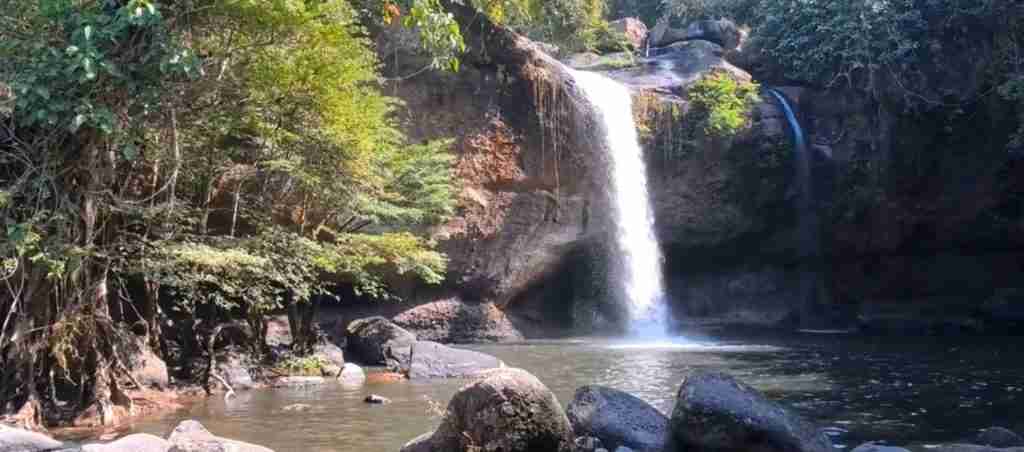
Khao Yai National Park covers 2,168 square kilometers of protected mountain forest harboring Thailand’s most accessible wildlife viewing, waterfall exploration, and nature trail hiking within three hours of Bangkok. The park’s biodiversity includes 300 bird species, 70 mammal species (wild elephants, gibbons, macaques, bears), and numerous reptile species inhabiting evergreen and deciduous forests across elevation ranges from 400-1,000 meters. Popular activities include waterfall visits (Haew Narok and Haew Suwat falls both accessible via 1-2 kilometer trails), wildlife spotting along park roads during early morning or late afternoon hours, and night safari tours seeking nocturnal species.
Park entry costs ฿400 per person with vehicle entry ฿50 additional for private cars or organized tour vans. Guided tours (฿1,800-2,800 per person from Bangkok including transportation, guide, and admission) provide optimal wildlife viewing as experienced guides know animal movement patterns, can identify bird calls and track signs, and position groups at waterholes where elephants and other mammals drink during dry season months (January-April). Independent visitors should bring binoculars, wear neutral-colored clothing for wildlife observation, and start early morning visits (6-7 AM arrivals) when animal activity peaks before heat disperses wildlife to forest depths.
Khao Yai’s 180-kilometer distance from Bangkok requires full-day commitments: departure 6-7 AM, arrival at park 9-10 AM, exploration 10 AM-4 PM including waterfall visits and wildlife drives, return journey 4-5 PM arriving Bangkok 7-8 PM. Rainy season visits (June-October) offer lush forest scenery and flowing waterfalls though trails become muddy and some roads close during heavy rainfall. The park operates year-round with dry season (November-April) providing easiest access and optimal wildlife viewing, while green season offers discounted accommodation rates and fewer visitor crowds for those willing to accept weather unpredictability.
Sample 2026 Day Trip Itineraries
Full-Day Ayutthaya Historical Park Circuit
This comprehensive itinerary covers Ayutthaya’s six primary temples plus floating market experience in an action-packed 11-hour day trip. Depart Bangkok’s Hualamphong Station on 7:30 AM high-speed train to Ayutthaya (฿150, 45-minute journey), arriving 8:15 AM. Proceed directly to bicycle rental shop near the station (฿100 per day) and begin temple circuit at 8:45 AM with Wat Mahathat for iconic Buddha head photography during optimal morning light (45-minute visit). Continue to Wat Phra Si Sanphet at 9:45 AM for royal temple exploration and three-chedi photography (60-minute visit).
Cycle to Wat Ratchaburana at 11 AM for crypt exploration with original mural remnants (40-minute visit), then proceed to riverside restaurant area for lunch at 12 PM (฿200-300 per person, 60-minute break). Afternoon continues with 1:15 PM visit to Wat Chai Wattanaram featuring Khmer-style architecture and riverside setting (60-minute visit), followed by 2:30 PM exploration of Wat Lokayasutharam’s 42-meter reclining Buddha (30-minute visit). Cycle to Ayothaya Floating Market at 3:15 PM for optional boat ride (฿200) and shopping opportunity through 4:30 PM.
Return bicycles by 5 PM, purchase snacks and drinks for train journey, and board 5:40 PM high-speed rail back to Bangkok (฿150, arriving 6:25 PM). Temple pass ฿220, train tickets ฿300 round trip, bicycle rental ฿100, lunch ฿250, floating market boat ฿200, dinner snacks ฿120, water and refreshments ฿80. Total day cost: ฿1,270 per person (excluding Bangkok accommodation).
Kanchanaburi Bridge and Erawan Falls Full-Day Adventure
Combine World War II history with natural waterfall beauty in this full-day Kanchanaburi excursion requiring early start and stamina for packed schedule. Depart Bangkok’s Southern Bus Terminal on 6:30 AM minivan to Kanchanaburi (฿120, 2.5-hour journey), arriving 9 AM. Proceed directly to Bridge over River Kwai for walking across the historical span and photography (45-minute visit), continue to JEATH War Museum at 10 AM for historical exhibits about Death Railway construction (45-minute visit, admission ฿40).
Visit Kanchanaburi War Cemetery at 11 AM to pay respects at graves of Allied prisoners (30-minute visit, free entry), then depart for Erawan National Park at 11:45 AM (฿100 songthaew ride, 60-minute journey). Arrive at park entrance at 12:45 PM, pay admission (฿300 per person), and proceed to restaurant area for lunch (฿150-250, 45-minute break). Begin waterfall trail at 2 PM, hiking to tier 4 for swimming and photography (2 hours including swimming time), return to park entrance by 4:15 PM.
Depart Erawan Falls at 4:30 PM via songthaew back to Kanchanaburi town (฿100, 60-minute journey), catch 6 PM minivan back to Bangkok (฿120, arriving 8:30 PM). Alternative timing involves overnight stay in Kanchanaburi (฿600-1,200 for budget/mid-range guesthouse), enabling morning Death Railway train ride experience and more relaxed waterfall exploration. Bridge and museum ฿40, Erawan entry ฿300, transportation ฿440 round trip, meals ฿400, drinks and snacks ฿150, songthaews ฿200. Total day cost: ฿1,530 per person (excluding accommodation).
Floating Markets Morning and Ancient City Afternoon
Experience traditional canal commerce and Thailand’s cultural heritage in this full-day combination visiting two distinct attractions. Depart Bangkok hotel 5:30 AM by taxi or organized tour pickup (฿150-200 taxi share or included in tour), heading southwest to Damnoen Saduak Floating Market (90-minute drive). Arrive at 7 AM for optimal market atmosphere before tour groups overwhelm the canals, take long-tail boat tour (฿200, 45 minutes) navigating through the busy waterways, disembark for walking tour of canal-side stalls and purchase breakfast from boat vendors (฿80-120 per person for Thai dishes and fruit).
Depart floating market at 10 AM, return toward Bangkok stopping for lunch at highway rest area (฿150-200, 45-minute break), arriving Ancient City (Muang Boran) at 12:30 PM. Purchase entry ticket (฿700) and bicycle rental (฿100), begin systematic exploration of museum’s five zones starting with central zone royal palaces and temples. Dedicate 4 hours to comprehensive bicycle circuit photographing major replicas: Dusit Maha Prasat Palace, Sanphet Prasat Throne Hall, Prasat Hin Phimai, regional house displays, and lakeside pagodas.
Complete Ancient City exploration by 5 PM, return bicycles, depart for Bangkok arriving 6-6:30 PM depending on traffic conditions. This itinerary works well as organized tour (฿2,200-2,800 per person including all transportation, admission, and guide) or independent execution using hired taxi for full day (฿2,500-3,000 for vehicle accommodating 1-4 people). Floating market boat ฿200, breakfast ฿100, lunch ฿180, Ancient City entry ฿700, bicycle ฿100, snacks ฿100. Total day cost: ฿1,380 per person plus transportation (excluding accommodation).
Booking and Planning Strategies for 2026
Advance Booking Benefits and Timing
Strategic advance booking for Bangkok day trips in 2026 provides multiple advantages: guaranteed availability during peak season periods, early booking discounts ranging 10-20% off standard rates, preferred departure times ensuring optimal site exploration windows, and reduced stress eliminating last-minute scrambling to find quality tour operators. High-demand periods requiring 2-4 weeks advance booking include Chinese New Year (late January/early February), Songkran festival (mid-April), Christmas/New Year holidays (late December through early January), and summer vacation months (July-August) when family travel peaks.
Tour operators release new season availability 3-6 months in advance with early booking promotions offering maximum discounts. Booking 8-12 weeks before travel dates captures these promotions while maintaining flexibility for subsequent itinerary adjustments most operators allow 7-14 days before departure dates. Last-minute availability (1-3 days before travel) sometimes exists during off-peak periods, though selection becomes limited with departures often confined to less desirable timing like late morning starts or evening returns.
Independent travelers benefit from booking accommodation and return transportation in advance while maintaining flexibility for site admission and local tours purchasable on arrival. Ayutthaya hotels and guesthouses fill quickly on weekends and holidays despite the destination’s day-trip focus, as some visitors prefer overnight stays for sunset temple photography. High-speed rail tickets to Ayutthaya should be booked 1-3 days ahead for weekend travel, while weekday service maintains availability for walk-up purchases at departure stations.
Small Group versus Private Tour Considerations
Group size significantly impacts day trip experience, costs, and flexibility. Large group tours (15-25 people) offer lowest per-person costs (฿1,500-2,200) but involve fixed schedules, limited guide interaction, frequent waiting for group members, and predetermined photography stops. Small group tours (6-12 people) cost more (฿2,200-3,200 per person) but provide better guide access, some itinerary flexibility, faster site transitions, and more personalized service balancing individual preferences.
Private tours deliver ultimate customization at premium pricing (฿3,500-4,500 per person for 1-2 people, decreasing to ฿2,800-3,500 per person for 3-6 people as costs spread across more participants). Private options enable complete schedule control, extended time at favored sites, spontaneous additional stops, specialized guide expertise matching interests (photography, architecture, history), and freedom from group dynamics affecting pacing. Solo travelers find private tours expensive without others to share costs, though some operators offer “join-in private” options where 2-3 solo travelers share private vehicle at reduced rates.
Family groups (4-6 people) discover private tours offer excellent value compared to per-person group tour pricing, especially when factoring children’s shorter attention spans benefiting from flexible pacing. Couples interested in photography or specific historical interests justify private guide investments through deeper learning and customized experiences impossible with standardized group itineraries. Budget-conscious travelers maximizing cost efficiency choose large group tours accepting their limitations, while mid-range travelers balancing cost with quality typically find small group options provide optimal value.
Seasonal Planning and Weather Considerations
Thailand’s distinct seasons dramatically affect day trip comfort and logistics. Cool season (November-February) provides ideal conditions with temperatures 25-32°C, low humidity, minimal rainfall, and clear skies creating perfect temple exploration, waterfall visits, and outdoor activity weather. This peak season brings maximum crowds at major sites with advance booking essential, elevated accommodation rates (30-50% higher than low season), and tour availability constraints requiring early planning. December-January represent absolute peak periods with Thai students on holiday and international tourists maximizing the favorable weather.
Hot season (March-May) challenges visitors with temperatures 32-40°C, intense sun exposure, and high humidity making afternoon outdoor activities uncomfortable. Strategic planning mitigates heat impact: very early morning starts (5-6 AM departures), extended lunch breaks during peak heat hours (11 AM-2 PM), focus on attractions with shade or air-conditioning options, and sunset-timed visits to major temple sites. Costs drop 15-25% compared to cool season with reduced crowds enabling spontaneous booking and flexible scheduling. May experiences late-season rain increasing afternoon, providing temporary cooling relief but potentially disrupting schedules.
Rainy season (June-October) transforms landscapes with lush greenery, flowing waterfalls at maximum volume, and dramatically reduced tourist crowds creating peaceful site exploration. Rainfall patterns follow predictable afternoon timing (2-5 PM heavy downpours) enabling morning-focused itineraries, though occasional all-day rain requires backup indoor activities. Accommodation and tour costs reach annual lows (20-40% below peak rates) with many properties offering promotions to maintain occupancy during slow months. September-October bring heaviest rainfall with some rural roads flooding and occasional site closures, while June-August experience lighter showers causing minimal disruption.
Practical Planning Tips for Bangkok Day Trips 2026
Transportation and Logistics Management
Successful day trip execution depends on transportation coordination balancing cost, comfort, and timing. Train travel provides authentic local experience with scenic countryside views, budget-friendly pricing, and flexibility for spontaneous travel, but involves less comfortable seating, exposure to weather at platforms, and fixed schedules that might not align with ideal site visiting hours. Minivans offer faster door-to-destination service with increased comfort versus trains, though can feel cramped during fully-loaded runs and provide limited space for luggage if carrying camera equipment or change of clothes for swimming activities.
Organized tour transportation eliminates all logistics stress through hotel pickup/drop-off, professional drivers familiar with optimal routes, and guides coordinating admission and site navigation. The tradeoff involves reduced flexibility for spontaneous exploration, enforced group timing at each location, and potential time wasted at souvenir shops where tour operators receive commissions. Private vehicle hire (with driver) costs more but enables complete schedule control, the ability to add or skip destinations based on energy levels and interest, and comfortable air-conditioned travel with space for belongings.
Consider these transportation factors when planning: if visiting 3+ destinations in one day, private vehicle enables feasible scheduling versus multiple public transport transfers; for single-destination trips like Ayutthaya, trains offer excellent value with minimal convenience sacrifice; early morning floating market visits require tour pickup or hired taxi given the 5:30-6 AM departure times preceding public transport service; and Khao Yai National Park strongly benefits from private vehicle given the park’s size requiring internal transportation between trailheads and viewpoints.
Physical Requirements and Accessibility
Bangkok day trips involve varying physical demands requiring honest self-assessment before booking. Temple exploration at Ayutthaya or Sukhothai requires 8-12 kilometers walking plus climbing stairs to elevated prangs and chedis, though bicycle rentals reduce walking distances for those uncomfortable with extended foot travel. Erawan Falls demands 2-4 kilometers hiking depending on target tiers with elevation gain, uneven trail surfaces, stream crossings on rocks, and extended periods standing or walking on wet surfaces during swimming activities.
Ancient City bicycle exploration covers 15-20 kilometers over 4-6 hours requiring basic cycling fitness and comfort with extended saddle time, though tram tours accommodate visitors unable or unwilling to pedal extensive distances. Floating market boat tours involve stepping from unstable canal banks into narrow long-tail boats, sitting on low benches during 30-60 minute rides, and navigating crowded slippery canal-side platforms. Most temples and historical sites lack wheelchair accessibility given ancient construction predating modern standards, though ground-level viewing enables partial site appreciation without stair climbing.
Hot weather compounds physical demands as outdoor activities in 30-38°C temperatures with high humidity stress cardiovascular systems, accelerate dehydration, and cause fatigue more rapidly than equivalent exertion in temperate climates. Realistic physical assessment prevents uncomfortable situations: if concerned about heat tolerance, choose morning-only itineraries or sites with air-conditioned museum components; if mobility-limited, focus on sites with minimal walking like Kanchanaburi Bridge or select organized tours providing tram service at Ancient City; if uncertain about fitness for all-day itineraries, test endurance with half-day Bangkok temple walking before committing to extensive day trips.
Photography Strategies and Equipment
Day trip destinations provide extraordinary photography opportunities requiring planning for optimal results. Early morning light (7-9 AM) delivers soft diffused illumination perfect for temple architecture, avoiding harsh midday shadows that create excessive contrast difficult to expose properly. Wat Mahathat’s Buddha head requires side lighting for dimensional modeling rather than frontal flash that flattens the sculptural qualities, while Wat Chai Wattanaram benefits from late afternoon light creating dramatic shadows across the Khmer-style prangs.
Equipment recommendations balance capability with practical carrying constraints during full-day excursions involving walking, cycling, boat rides, and climbing. Standard zoom lens (24-70mm equivalent) covers most temple architectural needs with versatility for both wide establishing shots and closer detail work, while telephoto zoom (70-200mm) enables wildlife photography at Khao Yai and compressed perspective shots of temple complexes. Waterproof protection proves essential for floating market boat tours and Erawan Falls visits, with camera rain covers or dry bags preventing water damage from spray and unexpected afternoon showers.
Temple photography requires cultural sensitivity balancing creative expression with respect for sacred sites and practicing Buddhists. Never climb on or touch ancient ruins for selfie backdrops despite other tourists’ poor behavior, avoid flash photography inside temples that can damage ancient murals, dress respectfully (covered shoulders and knees) enabling access to restricted interior spaces, and ask permission before photographing monks or worshippers engaged in religious activities. Some temples prohibit tripod use to prevent commercial-style shooting and obstruction of narrow passageways, making image stabilization features valuable for low-light interior documentation.
Budget Optimization Techniques
Strategic planning reduces day trip costs without sacrificing quality experiences. Transportation represents the largest variable expense where smart choices save ฿800-1,500 per person: trains versus organized tour vehicles for solo Ayutthaya visits, shared minivans versus private taxis for group travel, and public buses for budget-conscious travelers willing to accept longer journey times and less comfort. Accommodation in destinations rather than returning to Bangkok enables split-day itineraries avoiding rushed morning departures and evening return traffic, with Kanchanaburi guesthouses (฿400-800 per night) costing less than equivalent Bangkok hotels plus round-trip transportation savings.
Food expenses easily balloon without attention to where and when purchasing meals. Eating at local restaurants away from main tourist areas reduces meal costs 30-50%, with equivalent dishes costing ฿80-120 versus ฿200-300 at sites where vendors charge premium prices to captive audiences. Carrying snacks, fruits, and water from Bangkok 7-Eleven stores (฿150 shopping for full day) prevents expensive impulse purchases at temples and markets charging inflated rates. Floating market food runs significantly higher than equivalent dishes at land-based restaurants, so eating substantial breakfast before departure and purchasing only 1-2 signature items for experience rather than full meals limits expensive boat vendor purchases.
Admission fees offer little flexibility as government sites maintain fixed pricing, though some strategies help: combination tickets for multiple Ayutthaya temples save versus individual admission when visiting 4+ sites, student ID cards (international accepted at some locations) provide discounts 25-50% off standard rates, and Thai language skills sometimes enable access to local pricing versus foreigner rates at lesser-known attractions. Bicycle rentals cost less than tuk-tuk hire for Ayutthaya temple circuits (฿100 per day versus ฿800-1,200 for equivalent tuk-tuk service), require no bargaining skills, and provide complete exploration freedom without time pressure from hired drivers expecting tips.
Frequently Asked Questions
Can you visit Ayutthaya and floating market in one day from Bangkok?
Yes, combining Ayutthaya Historical Park and a floating market in one day remains feasible though creates a long 12-14 hour itinerary requiring early start and acceptance of compressed time at each location. The optimal sequence begins with 5:30-6 AM departure for Damnoen Saduak Floating Market (90-minute drive), arriving 7-7:30 AM for 90-minute exploration during peak market activity before tour groups arrive. Depart floating market 9 AM heading to Ayutthaya (60-minute drive), arriving 10 AM for 4-5 hour temple exploration visiting 4-6 major sites with lunch break. Complete Ayutthaya circuit by 3-4 PM, return to Bangkok arriving 5:30-6:30 PM.
This combination works best as organized tour (฿2,200-3,200 per person) where transportation logistics are handled professionally, or with private hired vehicle (฿3,000-4,000 for 1-4 people) enabling flexible timing adjustments. Independent execution using public transport proves challenging given the floating market’s early timing and location not served by convenient public transit from Ayutthaya. The rushed schedule prevents deep temple exploration at Ayutthaya, so photography enthusiasts or history buffs should consider separate dedicated days for each destination allowing more contemplative engagement.
Are Bangkok day trips safe for solo travelers in 2026?
Bangkok day trips to major destinations like Ayutthaya, Kanchanaburi, floating markets, and Ancient City remain very safe for solo travelers in 2026 with standard precautions. These established tourist routes see thousands of international visitors annually with supporting infrastructure including English signage, tourist police presence, and businesses accustomed to foreign guests. Trains, minivans, and organized tours operate on fixed schedules with professional operators, while major attractions maintain security staff and first aid facilities.
Standard travel safety practices apply: carry copies of passport and hotel contact information rather than originals, use hotel safes for valuables during temple exploration and swimming activities, maintain awareness of belongings on crowded public transport and at busy market areas, and avoid isolated areas after dark when returning on evening trains or buses. Solo women travelers report feeling comfortable and safe at all major day trip destinations, though organized tours provide additional security through group travel and guide oversight for those preferring not to navigate independently.
Technology enhances solo travel safety with smartphone GPS enabling reliable navigation, translation apps facilitating communication in Thai language situations, and messaging apps maintaining contact with accommodation or emergency services. Register with your embassy’s traveler program before trips to remote areas like Khao Yai where cellular service may be intermittent, share itinerary details with someone aware of your location, and maintain travel insurance covering medical emergencies and evacuation from distant provinces.
What should you bring on a Bangkok day trip?
Essential day trip items include: sunscreen SPF 50+ reapplied every 2 hours during outdoor temple exploration, hat or cap for sun protection during extended time without shade, sunglasses for glare reduction and eye comfort, lightweight long pants and shirts with sleeves for temple dress code compliance and sun protection, comfortable closed-toe walking shoes with good arch support for 8-12 kilometers daily walking, and small backpack for hands-free carrying of supplies.
Additional important items: 2-3 liters of water per person for hydration throughout the day (refill at restaurants and attractions), camera with extra batteries and memory cards for extensive photography opportunities, portable battery bank for smartphone charging during long days away from electrical outlets, small first aid kit with bandaids and pain relievers for blisters or headaches, insect repellent for outdoor sites especially during rainy season months, and light rain jacket or poncho for unexpected afternoon showers common June through October.
Financial preparation includes: 3,000-5,000 baht in small bills (฿20, ฿50, ฿100) for admission fees, meals, and local transport as many vendors don’t accept large bills, credit card for emergency backup though many small vendors remain cash-only, coins for lockers and restroom fees at some attractions, and separate waterproof pouch for phone and cash if planning Erawan Falls swimming. Temple visits require respectful attire (covered shoulders and knees) with sarongs or long pants available for purchase at major sites if arriving unprepared, though better to bring appropriate clothing from Bangkok.
How far in advance should you book Bangkok day trips?
Booking timeline recommendations vary by travel style and season. Organized tours benefit from 2-4 weeks advance booking during peak season (November-February, July-August) securing preferred departure times, guaranteeing English-speaking guide availability, and often accessing early booking discounts of 10-15%. High-demand specialty experiences like elephant sanctuaries and cooking classes require 3-7 days minimum notice for scheduling and preparation. Weekend departures need earlier booking than weekday trips given higher demand from Bangkok residents taking domestic excursions.
Independent travelers using public transportation enjoy greater flexibility with 2-7 days advance planning typically sufficient for high-speed rail ticket purchases, minivan reservations, and accommodation booking at destinations. Last-minute execution (1-2 days before) remains viable during off-peak periods (March-June, September-October) when tour availability exceeds demand and public transport maintains empty seats. Walk-up same-day travel works for trains to Ayutthaya on weekdays and for independent temple visits not requiring advance admission purchases.
Spontaneous travelers should understand the tradeoffs: waiting until arrival in Bangkok provides maximum flexibility responding to weather conditions, energy levels, and evolving interests, but risks limited tour availability especially for small group and private options, less favorable departure times with early morning or late morning starts already booked, and potential premium pricing when operators know demand exceeds supply during peak periods. Balance flexibility with pragmatic advance planning for highest-demand experiences while leaving other days open for spontaneous exploration decisions.
Can you do multiple UNESCO sites from Bangkok in one day?
Visiting multiple UNESCO World Heritage sites from Bangkok in a single day remains physically possible though creates extremely long itineraries (14-16 hours) better split across multiple days for quality engagement. The closest UNESCO site combination involves Ayutthaya Historical Park (90 minutes from Bangkok) and Ban Chiang Archaeological Site (560 kilometers northeast, 8-9 hours), making same-day visits impractical without flying. Ayutthaya remains the only UNESCO World Heritage site feasible for comfortable single-day round-trip excursions from Bangkok, with other UNESCO properties (Sukhothai, Si Satchanalai, Kamphaeng Phet, Dong Phayayen-Khao Yai Forest Complex) requiring 2+ days for proper exploration.
Alternative interpretation: visiting multiple historically significant sites (though not all UNESCO-listed) in one day proves feasible with combinations like Ayutthaya temples plus Lopburi’s ancient Khmer ruins (additional 70 kilometers north, combined into 12-14 hour itineraries), or Kanchanaburi’s Bridge over River Kwai with nearby temple complexes and war memorials. These multi-site days demand early starts (5-6 AM departures), acceptance of surface-level exploration at each location rather than deep engagement, and considerable stamina for extended time in vehicles and walking at multiple locations.
UNESCO enthusiasts seeking to maximize World Heritage site visits from Bangkok should consider: dedicating separate days to Ayutthaya (comprehensive 6-8 hour exploration), planning 2-day trips to Sukhothai and Si Satchanalai Historical Parks (staying overnight in Sukhothai), and scheduling 2-3 day excursions to Khao Yai National Park with overnight accommodation inside or near the park for dawn and dusk wildlife viewing. This approach provides meaningful engagement with each UNESCO property’s significance rather than rushed checkbox tourism that misses the cultural and historical depth these sites deserve.
What’s the best day trip from Bangkok for families with children?
Ancient City (Muang Boran) provides the ideal Bangkok family day trip combining educational cultural exposure with interactive exploration appealing to children’s interests. The open-air museum’s 320-hectare grounds arranged in Thailand’s map shape enable children to “travel” across the country seeing scaled architectural replicas, traditional houses, and cultural exhibits. Bicycle exploration (with child seats and training wheels available, ฿100-150 per rental) transforms site navigation into adventure rather than museum trudge, while the spacing between attractions provides physical activity balancing educational content with energy release.
The museum’s presentation suits children’s learning styles through visual architectural diversity maintaining interest, hands-on interactive elements at traditional house displays where children can touch and explore unlike formal museums, costumed character appearances and cultural performances providing entertainment alongside education, and the outdoor setting avoiding the stuffy confined atmosphere of indoor museums that challenges young attention spans. The compact 45-60 minute drive from central Bangkok makes Ancient City accessible for families with younger children who struggle with extended travel times, while the 9 AM-7 PM operating hours accommodate flexible scheduling around children’s meal and rest needs.
Alternative family-friendly options include: Damnoen Saduak Floating Market where boat rides and colorful market atmosphere engage children’s senses (though requires very early 5:30-6 AM departure challenging for some families), Kanchanaburi Bridge over River Kwai combining history education with scenic river setting and train ride opportunities children enjoy (though 2.5-hour each-way travel tests younger children’s patience), and Ayutthaya temple exploration if children show interest in ancient history and can handle bicycle riding or tuk-tuk tours between sites. Consider children’s ages, attention spans, and heat tolerance when selecting destinations, as extensive walking in 32-38°C temperatures challenges young children more than adults.
Are English-speaking guides available for Bangkok day trips?
English-speaking guides remain widely available for all major Bangkok day trip destinations in 2026, with most organized tour operators providing native or fluent English guides as standard service for international group tours. Small group tours (฿2,200-3,200 per person) and private tours (฿3,500-4,500 per person) guarantee English guide assignment, while large group tours (฿1,500-2,200) typically operate with English-speaking guides though Spanish, Chinese, and French language tours sometimes operate simultaneously at major attractions like Ayutthaya.
Guide quality varies significantly with specialization levels: general tourist guides provide surface-level historical overviews and logistics coordination suitable for casual cultural interest, specialized history or architecture guides offer deeper context about temple construction techniques, religious significance, and dynastic periods commanding premium pricing (฿2,500-4,000 per day for expert guides), and local guides at specific sites like Kanchanaburi’s war museums provide focused expertise about particular historical events or locations. Requesting guide qualifications when booking helps match expertise level with your learning interests and ensures appropriate guide assignment.
Independent travelers can hire freelance English-speaking guides at major destinations like Ayutthaya and Sukhothai for ฿800-1,500 per half-day or ฿1,500-2,500 per full-day, with guide association offices near train stations and main tourist areas facilitating connections. Digital audio guides (฿150-250 rental) provide English narration at major temples and museums for budget-conscious travelers preferring self-paced exploration without live guide expenses. Many Thai vendors at tourist sites speak functional English for basic transactions and simple questions, though in-depth cultural conversations or complex directions benefit from guide or translation app assistance.
What’s included in typical Bangkok day trip tours?
Standard organized day trip tours from Bangkok typically include: round-trip transportation from centrally-located meeting points or hotel pickup/drop-off (premium tours), air-conditioned vehicle with professional driver, English-speaking guide providing historical context and logistics coordination, entrance fees to major attractions listed in itinerary, and buffet or set menu lunch at tourist-oriented restaurants. Tours usually operate 7-10 hours depending on destination distance and number of sites visited, with departure times generally 6-9 AM and returns 5-8 PM.
Additional inclusions vary by tour operator and price point: bottled water and light snacks during transportation, traditional Thai desserts or fruit samples at cultural demonstrations, boat rides at floating markets or river cruises at Ayutthaya, bicycle rentals at Ancient City or historical parks, travel insurance covering accidents during tour activities, and small group sizes limited to 8-12 people for premium services. Budget tours minimize extras focusing strictly on transportation and admission coordination, while mid-range and premium tours add comfort elements and cultural experiences enhancing overall value.
Standard exclusions requiring separate payment include: meals beyond provided lunch (breakfast and dinner), personal expenses like souvenirs and photography fees at some temples, gratuities for guide and driver (฿100-200 per person suggested), optional activities not specified in core itinerary such as elephant rides or additional museum visits, and alcoholic beverages with meals. Always verify specific inclusions and exclusions when booking to avoid surprise expenses during tours, and budget extra ฿300-500 per person for incidentals, tips, and optional activities that arise spontaneously during excursions.
Can you visit Bangkok day trip destinations independently without tours?
Yes, all major Bangkok day trip destinations remain fully accessible for independent travelers using Thailand’s extensive public transportation network, though some locations require more planning than others. Ayutthaya offers the easiest independent execution with trains departing Hualamphong Station every 20-40 minutes (฿15-50 for standard trains, ฿150-300 for high-speed rail), with bicycle rentals available near the station (฿50-100 per day) enabling temple circuit exploration using GPS navigation and English signage at major sites. Entrance fees (฿220 for six-temple pass) are paid directly at ticket booths with clear English instructions and accepted credit cards at major locations.
Kanchanaburi involves more complex independent logistics with minivans departing Bangkok’s Southern Bus Terminal every 40-60 minutes (฿120-150, 2.5-hour journey), followed by local songthaews or hired tuk-tuks (฿100-200) connecting to Bridge over River Kwai, war museum, and cemetery. Erawan Falls requires additional songthaew from Kanchanaburi town (฿100, 60-minute journey) with returns running until late afternoon but not on fixed schedules requiring flexibility and local communication. Train options exist via the Death Railway route providing scenic experience though limited departure times (6 AM, 10:30 AM, 4:20 PM from Kanchanaburi) restrict scheduling freedom.
Independent travel offers significant cost savings (40-60% less than organized tours) and complete schedule flexibility exploring at personal pace, but trades convenience for planning responsibility, navigation challenges in areas with limited English signage, and transportation coordination managing transfers between sites and return journey timing. Travelers comfortable with public transit uncertainty, able to use GPS navigation and translation apps effectively, and valuing independent exploration over guided cultural context find independent day trips rewarding and economical alternatives to organized tour structures.
What are the visa requirements for Bangkok day trips in 2026?
Bangkok day trips occur entirely within Thailand, so visa requirements match general Thai entry regulations rather than requiring additional documentation. Most Western passport holders (US, Canada, EU, UK, Australia, New Zealand) receive 30-day visa exemption stamps upon arrival at Bangkok airports or land borders, extendable once for additional 30 days at Thai immigration offices (฿1,900 fee). These tourist entry stamps cover all day trip destinations from Bangkok without additional permissions or registration requirements for domestic travel within Thailand’s borders.
Travelers from countries not eligible for visa exemption must obtain Tourist Visas before arrival from Thai embassies or consulates in their home countries, providing proof of onward travel and accommodation for visa processing. Single-entry Tourist Visas allow 60 days in Thailand extendable by 30 days at immigration offices (฿1,900), while multiple-entry Tourist Visas enable multiple 60-day entries within six-month validity period suitable for travelers planning extended regional travel with returns to Thailand. Day trips to nearby countries from Bangkok (Cambodia’s Angkor Wat, Myanmar’s border markets) require separate visa research for those destination countries’ entry requirements.
Passport requirements mandate six months remaining validity from entry date into Thailand, with at least one blank page for stamps. Travelers should carry passport photocopies during day trips keeping originals secure at Bangkok accommodation, as temples and attractions rarely require passport presentation though train and bus operators sometimes verify identification matching ticket names. Immigration questions at Thai borders focus on Bangkok accommodation address and onward travel plans rather than specific day trip itineraries, so maintain hotel contact information and return flight confirmations accessible during entry processing.