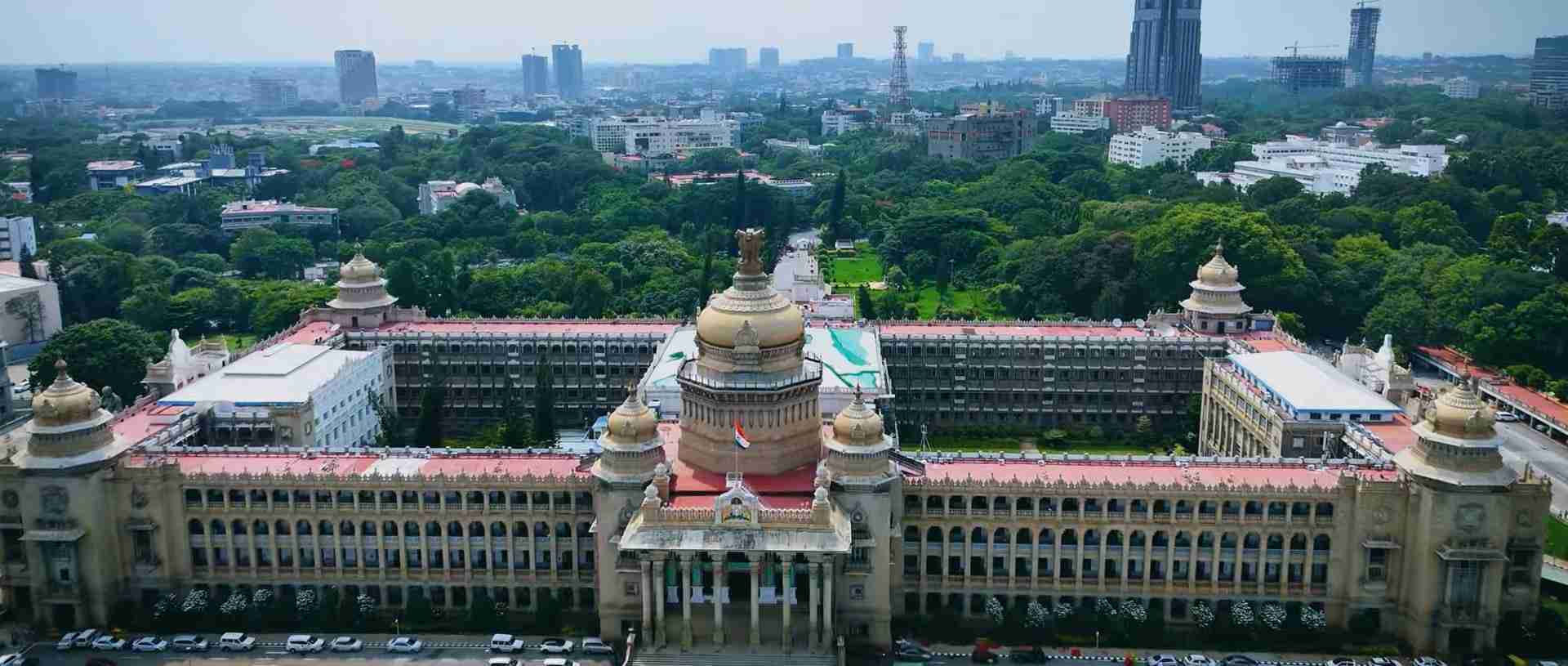
Bangalore Travel Guide 2026: Gateway to South India
Bangalore, India’s tech capital and Garden City, serves as South India’s premier gateway, combining cutting-edge innovation with centuries-old temples, lush botanical gardens, and vibrant street food culture. This comprehensive 2026 guide provides everything you need to navigate India’s third-largest city, from budget breakdowns and accommodation strategies to essential attractions and day trip options that showcase Karnataka’s diverse heritage.
Key Takeaways
- Budget-Friendly Gateway: Daily costs range ₹1,500-4,000 ($20-50) with excellent value accommodation and dining options
- Year-Round Destination: Pleasant climate October-March, with monsoon green landscapes June-September offering unique experiences
- Strategic Location: Perfect base for exploring Mysore (140km), Hampi (350km), Coorg (250km), and coastal Karnataka
- Modern Infrastructure: Well-connected Namma Metro, extensive bus network, and international airport with seamless city access
- Cultural Diversity: Historic palaces, botanical gardens, contemporary art scene, and Karnataka’s most diverse culinary landscape
People Also Ask About Bangalore 2026
How many days needed to explore Bangalore in 2026?
Allocate 2-3 days for Bangalore’s main attractions including Lalbagh Botanical Garden, ISKCON Temple, Bangalore Palace, and Cubbon Park, plus 1-2 additional days for day trips to Mysore, Nandi Hills, or Shravanabelagola. First-time visitors should plan 3 days minimum to experience the city’s gardens, temples, markets, and vibrant food scene without rushing. Add extra days if exploring Karnataka’s broader heritage sites accessible from Bangalore.
What is the average daily budget for Bangalore in 2026?
Budget travelers spend ₹1,500-2,500 daily ($20-30) staying in hostels, eating at local restaurants, and using public transport. Mid-range travelers budget ₹3,000-6,000 ($40-80) for comfortable hotels, varied dining, and occasional taxis. Luxury travelers allocate ₹8,000+ ($100+) for five-star accommodation, fine dining, and private transport. These figures exclude major shopping or premium experiences.
Is Bangalore safe for solo travelers in 2026?
Bangalore ranks among India’s safest major cities for solo travelers, with well-lit streets, extensive metro coverage, and cosmopolitan culture. Women traveling solo should take standard precautions: use registered taxis or metro after dark, stay in well-reviewed central neighborhoods like Indiranagar or Koramangala, and avoid isolated areas late evening. The city’s tech-savvy population generally speaks English, making navigation straightforward for international visitors.
When is the best time to visit Bangalore in 2026?
October-February offers ideal conditions with temperatures 15-28°C, clear skies perfect for sightseeing, and major festivals including Diwali and New Year celebrations. March-May brings warmer weather (25-35°C) but fewer crowds and lower hotel rates. June-September monsoon season transforms gardens into lush green spaces, with occasional afternoon showers requiring flexible planning. Avoid mid-December to early January if seeking budget accommodation, as domestic tourism peaks during this period.
Extended multi-day tours – 5+ days
Featured Bangalore Multi-Day Tour Packages
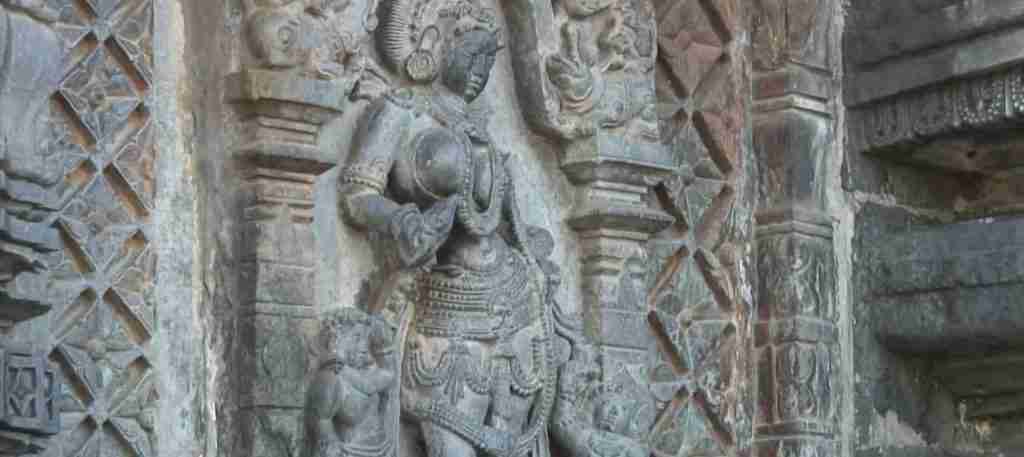
3 days
Bangalore 3-Day Discovery Tour
- ✓ Comprehensive Bangalore experience
- ✓ Expert local guides included
- ✓ All accommodation included
- ✓ Transportation provided
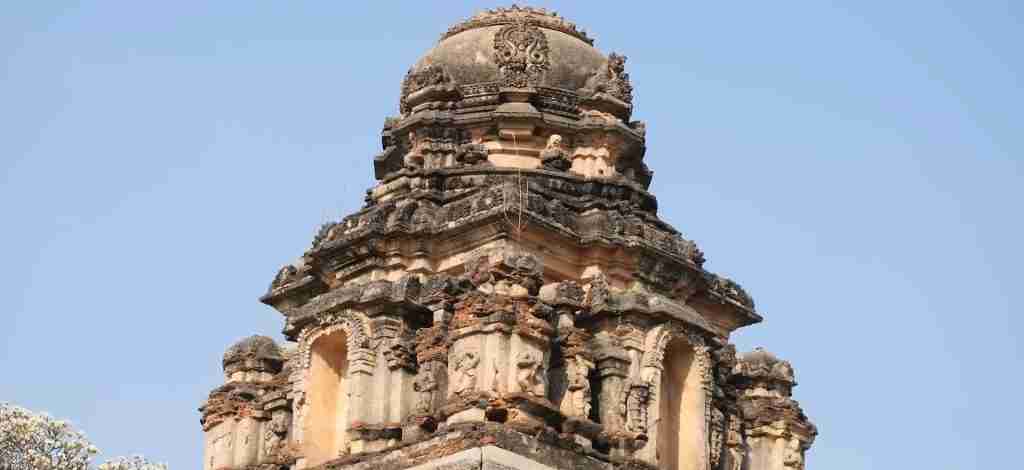
5 days
Bangalore 5-Day Highlights Experience
- ✓ Comprehensive Bangalore experience
- ✓ Expert local guides included
- ✓ All accommodation included
- ✓ Transportation provided
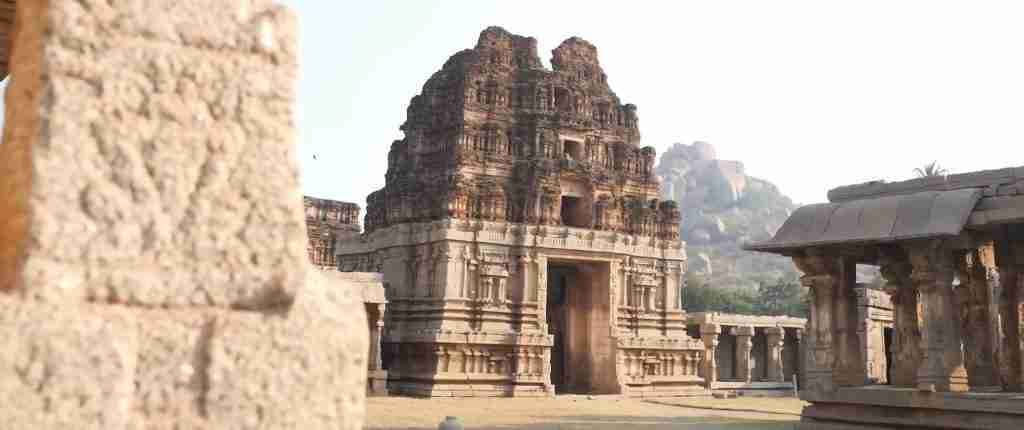
7 days
Bangalore 7-Day Cultural Journey
- ✓ Comprehensive Bangalore experience
- ✓ Expert local guides included
- ✓ All accommodation included
- ✓ Transportation provided
10 days
Bangalore 10-Day Complete Adventure
- ✓ Comprehensive Bangalore experience
- ✓ Expert local guides included
- ✓ All accommodation included
- ✓ Transportation provided
Multi-day tour packages powered by TourRadar. Prices and availability subject to change.
Understanding Bangalore: India’s Garden City 2026
Bangalore stands at 920 meters elevation, creating year-round pleasant weather that earned it the “Garden City” nickname. The metropolitan area exceeds 12 million residents, making it India’s third-largest city and the nation’s IT hub. Silicon Valley comparisons are appropriate – Bangalore hosts Google, Microsoft, Amazon, and hundreds of startups, creating cosmopolitan culture unlike traditional South Indian cities.
The city divides into distinct zones. Central Bangalore encompasses MG Road, Brigade Road, and Cubbon Park – the historic commercial and administrative heart. South Bangalore includes Jayanagar, Koramangala, and BTM Layout with residential neighborhoods and local markets. North Bangalore features the international airport and developing suburbs. East Bangalore’s Whitefield and Electronic City house major tech campuses. West Bangalore includes Malleshwaram and Rajajinagar with traditional bazaars and temples.
Kannada is the official language, though English dominates in urban areas, restaurants, and shops. Hindi and Tamil are widely understood. Bangalore’s cosmopolitan character means tourists face fewer language barriers than elsewhere in South India. Most auto-rickshaw drivers speak basic English, and younger residents are generally fluent.
The climate remains moderate year-round compared to other Indian metros. Winter (November-February) brings cool mornings around 15°C, warming to pleasant 27°C afternoons. Summer (March-May) reaches 35°C but lacks the extreme heat of Delhi or Chennai. Southwest monsoon (June-September) delivers moderate rainfall, rarely disrupting travel plans. The city’s elevation prevents the humidity common in coastal Karnataka.
Essential Planning Information 2026
When to Visit Bangalore 2026
October through February represents peak season, with comfortable temperatures ideal for exploring gardens, temples, and outdoor attractions. December-January sees maximum domestic tourism during school holidays, resulting in higher hotel rates and crowded attractions. Book accommodation 2-3 months ahead for Christmas-New Year period.
March-May shoulder season offers excellent value – hotels discount rates 20-40%, attractions have minimal crowds, and temperatures remain manageable with afternoon breaks. Morning sightseeing works best, with afternoons spent in air-conditioned museums or malls. The famous Lalbagh Flower Shows in January and August attract massive crowds but showcase spectacular displays worth planning around.
June-September monsoon season shouldn’t deter budget-conscious travelers. Rainfall typically occurs in afternoon bursts, leaving mornings clear for sightseeing. Gardens look spectacular with monsoon greenery. Hotels offer significant discounts, and the city’s extensive covered markets provide rainy-day exploration options. Pack a light rain jacket and waterproof bag for electronics.
Getting to Bangalore 2026
Kempegowda International Airport (BLR) lies 40km north of the city center, handling 500+ daily flights from domestic and international origins. Direct connections include Dubai, Singapore, London, Frankfurt, and major Asian hubs. Terminal 1 serves all airlines, with Terminal 2 adding capacity in recent years.
Airport to city transport includes KSRTC Vayu Vajra AC buses (₹300-400, 90-120 minutes) running to major city areas every 15-30 minutes from 5 AM to midnight. The airport metro extension connects to central stations (₹60-100, 60 minutes) with trains every 20 minutes. Prepaid taxis cost ₹800-1,200 to central Bangalore, while app-based cabs (Uber, Ola) run ₹600-900. Avoid unmarked taxis at arrivals – use only official prepaid counters or apps.
Bangalore City Railway Junction (SBC) and Yesvantpur Junction serve as main rail hubs, connecting to Chennai (5 hours), Mumbai (24 hours), Delhi (34 hours), and Goa (12 hours). Shatabdi and Rajdhani express trains offer comfortable AC travel. Book tickets 2-3 months ahead during peak season through IRCTC website or app. Kempegowda Bus Station (Majestic) operates 24/7 services to all Karnataka destinations and neighboring states.
Visa Requirements 2026
Most nationalities require visas obtained before arrival. E-visas available for 169 countries include tourist visas (30 days to 5 years, multiple entries) processed online within 72 hours. Standard tourist visas allow 6-month stays with multiple entries. Apply through India’s official e-visa portal, avoiding third-party sites charging inflated fees. Have recent photos, passport copies, and accommodation details ready. Visa fees vary by nationality: $10-80 for e-tourist visas.
Pakistan, China, and certain other nationalities require paper visa applications through embassies or consulates, processed in 4-7 business days. Carry printed visa documentation and hotel booking confirmations for immigration clearance. Overstaying triggers fines and future travel restrictions.
Budget Breakdown 2026
Accommodation Costs 2026
Budget accommodation (₹500-1,500 per night) includes hostels in Koramangala and Indiranagar with dorms ₹500-800 and private rooms ₹1,200-1,500. Basic guesthouses near Majestic and Shivaji Nagar offer functional rooms ₹800-1,200 with fans, shared bathrooms, and WiFi. Book through Hostelworld or directly for best rates.
Mid-range hotels (₹2,000-4,500) dominate near MG Road, Brigade Road, and Jayanagar. Expect air-conditioning, private bathrooms, TV, and breakfast. International chains like Ibis and Ginger maintain consistency around ₹3,000-3,500 nightly. Local three-star hotels offer similar amenities ₹2,000-2,800. Book via Booking.com or MakeMyTrip for competitive rates and flexible cancellation.
Luxury options (₹6,000-25,000+) include five-star properties like Taj West End (₹18,000+), ITC Gardenia (₹15,000+), and The Oberoi (₹20,000+) featuring spas, multiple restaurants, pools, and business centers. Boutique hotels in Whitefield and South Bangalore offer design-focused stays ₹8,000-12,000. Book directly through hotel websites for best value and potential upgrades.
Food and Dining Costs 2026
Street food and budget meals cost ₹40-150. South Indian breakfast (dosa, idli, vada) runs ₹60-120 at local eateries. Iconic spots like Vidyarthi Bhavan serve crispy dosas ₹80-100. Street vendors sell snacks like bhel puri ₹40-60, pani puri ₹40-80. Traditional thali meals provide unlimited servings ₹120-200 at restaurants like MTR and Kamat.
Mid-range dining (₹300-800 per person) encompasses casual restaurants, cafes, and regional cuisine specialists. Truffles, Toit, and Smoke House Deli charge ₹500-700 for mains and drinks. Coastal Karnataka seafood restaurants serve fresh catch ₹400-600 per dish. Biryani specialists like Meghana Foods deliver generous portions ₹250-350.
Fine dining and international cuisine (₹1,500-4,000+ per person) includes rooftop restaurants, five-star hotel venues, and specialty establishments. Karavalli serves coastal Indian cuisine ₹2,500-3,500, while Italian, Japanese, and Continental restaurants charge ₹2,000-3,000 for three courses with wine. Reserve ahead for weekend dining at popular establishments.
Bangalore’s cafe culture thrives with espresso-based drinks ₹150-350, craft beers ₹200-400, and extensive brunch menus ₹400-800. Local filter coffee costs ₹40-80, providing authentic South Indian experience. Microbreweries like Toit and Windmills Craftworks serve house-brewed beers ₹250-350 per pint.
Transportation Costs 2026
Namma Metro offers the most economical city transport with fares ₹10-60 based on distance. Rechargeable smart cards cost ₹50 deposit plus initial balance, saving queuing time. Purple and Green Lines connect major attractions, with maps available in English at all stations. Trains run 5 AM-11 PM with 5-10 minute frequencies during peak hours.
BMTC buses cost ₹5-50 depending on route and bus type. Non-AC buses charge minimum ₹5-10 for short distances, while Volvo AC buses run ₹15-50. Daily unlimited bus passes (₹70) save money for intensive sightseeing. Google Maps provides accurate bus routing and real-time arrivals. Conductors speak basic English in tourist areas.
Auto-rickshaws charge by meter (₹30 minimum, then ₹13-15 per km) though drivers often refuse meters in tourist areas. Insist on meter or negotiate fares upfront – expect ₹80-150 for 5km trips. App-based auto booking through Ola and Uber enforces meter rates and provides route transparency. Add 50% surcharge for late-night rides (10 PM-5 AM).
App-based cabs (Uber, Ola) charge ₹12-18 per km for standard sedans, ₹18-25 for SUVs. Expect ₹200-400 for most intracity trips. Surge pricing applies during peak hours (8-10 AM, 6-9 PM) and rainy weather. Mini cabs offer budget option ₹10-14 per km. Prime sedans cost ₹20-28 per km for added comfort.
Attraction Entry Fees 2026
Many major attractions offer free or minimal entry. Cubbon Park, ISKCON Temple, Bull Temple, and numerous neighborhood parks cost nothing. Lalbagh Botanical Garden charges ₹50 adults, ₹20 children with flower show periods increasing to ₹80-100 weekdays, ₹100 weekends. Government museums typically charge ₹20-50 for Indians, higher rates for foreign nationals.
Bangalore Palace entry costs ₹280 adults, ₹140 children with mandatory ₹200 camera fees (₹450 for video cameras). Audio guides cost ₹100 extra. Visvesvaraya Industrial and Technological Museum charges ₹80 adults, ₹40 children. Tipu Sultan’s Summer Palace runs ₹15 for Indians, ₹200 for foreigners. Most temples maintain free entry though shoe storage may cost ₹2-5.
Guided tours range ₹800-2,500 per person for half-day city tours covering major attractions. Full-day tours including lunch cost ₹2,000-4,000. Private guides charge ₹1,500-3,000 for customized itineraries. Food tours exploring street food and local markets run ₹2,000-3,500 for 3-4 hour experiences with multiple tastings.
Top Attractions 2026
Lalbagh Botanical Garden
Spread across 240 acres in South Bangalore, Lalbagh ranks among Asia’s premier botanical gardens with 1,854 plant species, towering century-old trees, and the iconic Glass House modeled after London’s Crystal Palace. Commissioned by Hyder Ali in 1760 and completed by Tipu Sultan, the garden showcases tropical vegetation, ornamental flower beds, and India’s oldest rock formation estimated at 3,000 million years.
The Glass House hosts spectacular flower shows twice annually during Republic Day (January) and Independence Day (August), attracting 200,000+ visitors over 10-12 days. Themed floral installations use millions of flowers creating intricate sculptures and displays. Regular entry costs ₹50 adults, ₹20 children (check official site for current rates). Flower show tickets increase to ₹80-100 depending on day. Gates open 6 AM-7 PM, with early morning visits offering peaceful exploration and ideal photography light.
Birdwatchers spot mynas, pond herons, parakeets, and purple moorhens among the diverse flora. The deer enclosure, aquarium, and museum provide additional attractions. Four gates allow entry from different city areas – main gate near Siddapura, west gate near Double Road, east gate near Hosur Road, and north gate near Mavalli. Allow 2-3 hours for thorough exploration, more during flower shows.
ISKCON Temple Bangalore
This magnificent temple dedicated to Lord Krishna opened in 1997, becoming one of the world’s largest ISKCON complexes. The soaring gopuram (temple tower) dominates Rajajinagar’s skyline, while the main shrine houses elaborately adorned deities of Sri Sri Radha Krishnachandra. Gold-plated domes, intricate carvings, and marble halls create spiritual grandeur unlike typical South Indian temples.
Entry remains free with shoes removed at designated areas (₹2-5 storage). The temple welcomes visitors 7:15 AM-1 PM and 4 PM-8:30 PM daily. Weekday mornings offer peaceful darshan (deity viewing), while weekends see crowds especially during evening aarti (ritual worship) at 7 PM featuring devotional singing and ceremony. Arrive 30 minutes early for good viewing positions during aarti.
The Vedic museum on upper floors explains Hindu philosophy through multimedia displays. A vegetarian restaurant serves traditional prasadam (sanctified food) at economical rates ₹80-200. Cultural programs, bhajans (devotional songs), and lectures occur regularly – check notice boards for schedules. The gift shop sells spiritual literature, CDs, and handicrafts. Photography restrictions apply inside main shrine – inquire with security before entering with cameras.
Bangalore Palace
Inspired by England’s Windsor Castle, Bangalore Palace exemplifies Tudor architecture with fortified towers, Gothic windows, and landscaped gardens. Built in 1878 for the Wodeyar dynasty, the palace showcases royal lifestyle through preserved rooms, vintage photographs, and period furniture. Wood carvings, frescoes, and cornices demonstrate Victorian opulence adapted to Indian climate and sensibilities.
Guided tours (included in entry fee of ₹280 adults, ₹140 children) lead through Durbar Hall with elephant-shaped cast iron chairs, ballroom with Corinthian columns, and private chambers displaying family portraits and hunting trophies. Audio guides cost ₹100 extra, providing detailed historical context (check official site for current rates). Photography requires separate ₹200 ticket for still cameras, ₹450 for video cameras – security strictly enforces this.
The palace grounds cover 454 acres, though public access extends only to main palace areas and front lawns. Visit during morning hours (10 AM-12 PM) for better natural lighting and fewer crowds. Evening cultural programs occasionally use the grounds – check website for event schedules. The palace hosts high-end weddings and corporate events, potentially limiting access certain dates. Allow 90 minutes for complete exploration including grounds and museum sections.
Cubbon Park
This 300-acre green lung in central Bangalore provides respite from urban chaos with shaded walking paths, flowering gardens, and heritage buildings. Named after Lord Cubbon, the park was established in 1870 and now hosts 6,000+ trees supporting diverse bird species. Early morning (5:30-8 AM) attracts joggers, yoga enthusiasts, and photographers capturing dew-kissed foliage.
Entry is free, with the park open 6 AM-6 PM. Key attractions include the red-painted State Central Library, Sheshadri Iyer Memorial Hall, and Attara Kacheri (High Court building) showcasing British administrative architecture. Children enjoy the toy train operating weekends and holidays (₹30 rides). Numerous statues honor Karnataka’s luminaries and freedom fighters.
The park surrounds Visvesvaraya Industrial and Technological Museum (₹80 adults, ₹40 children) featuring interactive science exhibits ideal for families. Nearby Vidhana Soudha, Karnataka’s legislative building, presents Indo-Saracenic architecture – photography from outside permitted but interior visits restricted to official business. Cubbon Park connects to MG Road shopping district via pedestrian subway, making combined exploration efficient.
Tipu Sultan’s Summer Palace
This elegant teak palace near City Market exemplifies 18th-century Indo-Islamic architecture with ornate pillars, wooden balconies, and floral motifs. Built in 1791 by Tipu Sultan, the “Tiger of Mysore,” the two-story structure showcases traditional craftsmanship predating British colonial influence. The palace served as summer residence for Mysore rulers escaping Srirangapatna’s heat.
Entry costs ₹15 for Indians, ₹200 for foreign nationals. Open 8:30 AM-5:30 PM except Fridays. The museum displays artifacts from Tipu Sultan’s reign including weapons, paintings, and personal effects. English signage explains historical context of his resistance to British expansion. The palace sits within Bangalore Fort walls, with the fort’s remaining bastions visible nearby.
Photography allowed with basic cameras (no tripods or professional equipment). Shoes must be removed when ascending wooden staircases to upper levels. The location in Old Bangalore’s commercial heart means surrounding streets buzz with market activity – combine palace visit with exploration of nearby KR Market’s flower, vegetable, and spice stalls. Arrive early (9-10 AM) to avoid midday heat in this non-air-conditioned historical structure.
Neighborhoods and Where to Stay 2026
MG Road and Brigade Road Area
The traditional commercial heart offers shopping, dining, and nightlife within walkable area. Mid-range to upscale hotels dominate, with metro access providing easy city connections. Pros include proximity to Cubbon Park, mature trees creating pleasant atmosphere, and extensive restaurant variety. Cons are higher accommodation rates (₹3,000-8,000 nightly) and evening traffic congestion. Best for first-time visitors wanting central location.
Indiranagar and Koramangala
These trendy South Bangalore neighborhoods attract younger travelers with cafes, microbreweries, boutiques, and cosmopolitan vibe. Excellent mid-range hotel value (₹2,000-4,000) and numerous hostels (₹600-1,200). Metro connections facilitate sightseeing while maintaining local neighborhood character. Restaurants range from street food to fine dining. Drawbacks include distance from some northern attractions and weekend nightlife crowds.
Whitefield and East Bangalore
IT corridor location means business hotels offering weekend discounts (30-50% off weekday rates). Proximity to tech campuses creates international dining options and modern amenities. Metro extension now connects to central areas. Best for business travelers or those visiting during weekdays when rates drop significantly. Less convenient for sightseeing though sufficient for 2-3 day stays focusing on day trips.
Near Airport
Hotels cluster around Devanahalli and Hebbal for early flight departures or late arrivals. Modern business hotels offer competitive rates ₹2,500-5,000 with airport shuttles. Significant distance from city attractions (40km, 90+ minutes with traffic) makes this impractical for sightseeing-focused visits. Choose only if flight timing necessitates or combining with North Karnataka destinations.
Day Trips from Bangalore 2026
Mysore (140km, 3-4 hours)
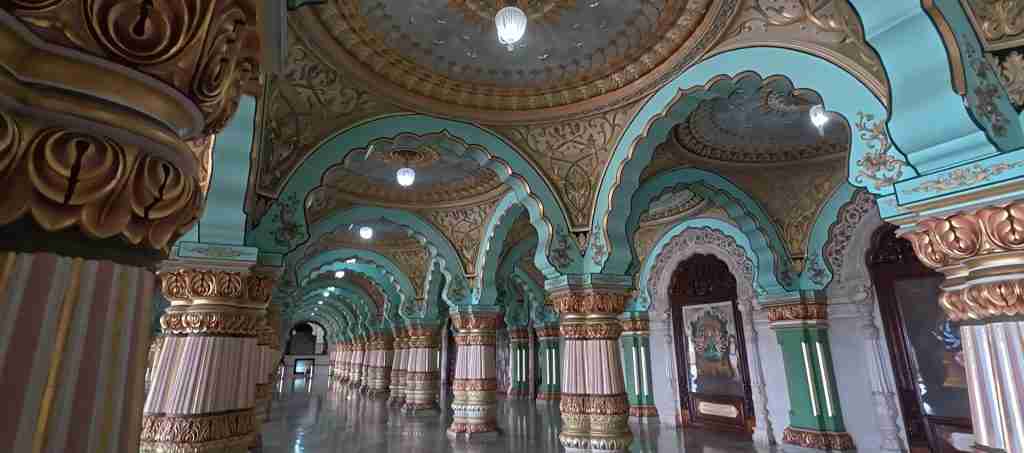
Karnataka’s cultural capital features the magnificent Mysore Palace, Chamundi Hills temple, bustling Devaraja Market, and Saturday palace illumination. Take early morning KSRTC bus (₹200-300) or train (₹100-700 depending on class) for full-day exploration. Return evening buses run until 10 PM. See detailed Mysore Day Trip guide for complete planning.
Nandi Hills (60km, 90 minutes)
This hill station at 1,478m elevation offers sunrise views, ancient temples, and Tipu Sultan’s summer retreat. Reach by early morning taxi (₹1,500-2,000 round trip) or KSRTC bus (₹100-150 one way) from Majestic. Entry ₹30 per person, ₹200 for vehicles. Pack breakfast as hilltop options are limited. Return by 11 AM before crowds and heat arrive. Combine with Bhoga Nandeeshwara Temple at hills’ base.
Shravanabelagola (150km, 3 hours)
This important Jain pilgrimage site features the massive 58-foot Gommateshwara statue atop Vindhyagiri Hill. Climb 614 steps barefoot for close viewing and panoramic vistas. Direct buses run from Bangalore (₹150-200) or combine with Belur-Halebid circuit for comprehensive temple tour. Pack sun protection and water – limited shade on climb. Entry free though shoe storage costs ₹5.
Bannerghatta National Park (22km, 45 minutes)
This biological reserve protects tigers, lions, elephants, and native wildlife in natural habitat. The safari park (₹100-300 depending on package) operates 9:30 AM-5 PM except Tuesdays. Butterfly Park (₹50) showcases 20+ species in landscaped gardens. Reach via local bus (₹30-50) or taxi (₹400-600 round trip). Combine with nearby temples and Janapada Loka folk museum for full-day outing.
Food and Dining 2026
Must-Try Dishes
Masala dosa – crispy rice crepe filled with spiced potato, served with coconut chutney and sambar. MTR (Mavalli Tiffin Rooms) and Vidyarthi Bhavan serve legendary versions ₹80-120. Filter coffee accompanies every South Indian meal – strong decoction mixed with hot milk and sugar, served in traditional stainless steel tumblers ₹40-80.
Benne (butter) dosa – thicker dosa cooked with generous butter, originating in nearby Davangere. CTR (Central Tiffin Room) in Malleshwaram perfected this breakfast favorite ₹100-150. Bisibele bath – Karnataka’s signature one-pot rice dish combining lentils, vegetables, and tamarind-based spice blend, served for lunch at traditional restaurants ₹80-150.
Ragi mudde – finger millet balls eaten with sambar or curries, representing Karnataka’s rural culinary heritage. Karavalli and Coastal specialty restaurants serve refined versions ₹200-400. Mysore pak – Ghee-based sweet that melts in mouth, invented in neighboring Mysore but perfected in Bangalore sweet shops ₹300-500 per kg.
Restaurant Recommendations by Budget
Budget (₹100-300): Vidyarthi Bhavan (breakfast), MTR (South Indian meals), Veena Stores (dosas and idlis), Airlines Hotel (biryani), Shri Sagar (tiffins). These institutions have served generations, maintaining quality and reasonable pricing. Arrive early (7-9 AM) for breakfast spots to avoid queues.
Mid-range (₹400-1,000): Karavalli (coastal Karnataka seafood), Nagarjuna (Andhra meals), Ebony (rooftop multi-cuisine), Truffles (burgers and continental), Toit (microbrewery with global menu). Reservations recommended for dinner, especially weekends. Most accept cards though some local favorites remain cash-only.
Upscale (₹1,500-4,000+): Rim Naam (Thai at Oberoi), Smoke House Deli (European), Grasshopper (Pan-Asian), Fava (Mediterranean), Koshy’s Bar (colonial-era institution). Expect refined ambiance, extensive wine lists, and international standards. Book 2-3 days ahead for popular venues. Service charges (10%) and taxes (18% GST) apply.
Street Food and Markets
VV Puram Food Street in South Bangalore operates 6 PM-11 PM daily, offering 20+ stalls serving dosas, chaats, ice creams, and regional specialties ₹40-150 per item. Arrive hungry and sample multiple vendors – notable are Congress bun-butter (₹40), ice cream sodas (₹50), and variety dosas (₹60-100).
Shivaji Nagar Market and Russell Market provide authentic local atmosphere with fresh produce, flowers, and street snacks. Sample fruit juices (₹40-80), sugarcane juice (₹30-50), and seasonal fruits (₹50-150 per kg). Meghana Foods near Residency Road serves excellent biryani ₹250-350 with queues during lunch and dinner.
Thindi Beedi (snack street) near Gandhi Bazaar operates evenings with masala puri (₹50-80), gobi manchurian (₹80-120), and other Indo-Chinese street food. CTR’s benne dosa (₹100-150) and Brahmin’s Coffee Bar’s idlis (₹60-100) represent breakfast must-tries requiring early arrival due to limited seating and massive popularity.
Practical Tips and Advice 2026
Money and Payments
ATMs are abundant in commercial areas, dispensing ₹500-20,000 per transaction with ₹200-250 fees for international cards. SBI, HDFC, and ICICI maintain extensive networks. Notify your bank before travel to prevent card blocking. Exchange rates at airport and hotels run 3-5% below market – use city exchange bureaus or withdraw cash for better value.
Major hotels, restaurants, and shops accept credit cards (Visa, Mastercard widely accepted; American Express less so). Contactless payments and UPI (Unified Payments Interface) dominate among locals though international cards may face compatibility issues. Carry cash for street food, auto-rickshaws, temple donations, and smaller establishments. Change large notes (₹500, ₹2,000) at hotels or restaurants as street vendors and autos rarely have sufficient change.
Health and Safety
Bangalore tap water shouldn’t be consumed – use bottled water (₹20-40 per liter) or boiled water provided by hotels. Most restaurants use filtered water for ice though verify before accepting. Eat at busy restaurants with high turnover ensuring fresh food. Avoid roadside vendors serving cut fruits or uncooked items until acclimated.
Air quality deteriorates during traffic peak hours and October-November when crop burning in neighboring states affects AQI. Those with respiratory sensitivities should carry masks and minimize outdoor time during poor air quality days. Mosquito-borne dengue risks increase during monsoon – use repellent and sleep under nets if accommodation lacks screens.
Emergency services include 108 ambulance, 100 police, and 101 fire. Major hospitals like Manipal, Apollo, and Columbia Asia provide international-standard emergency care with English-speaking staff. Medical tourism infrastructure means most ailments receive competent treatment. Carry travel insurance covering medical emergencies as hospital charges for foreign nationals can be significant.
Connectivity
Prepaid SIM cards from Airtel, Jio, or VI cost ₹200-500 with 1-3 month validity, 1-2GB daily data, and unlimited domestic calls. Purchase at official stores with passport and Indian contact for activation. Airport kiosks charge premiums – wait until city for better rates. Coverage across Bangalore remains excellent with 4G speeds 10-50 Mbps.
Free WiFi operates at metro stations, airport, malls, and most cafes/restaurants. Hotels provide WiFi though speeds vary – verify during booking if working remotely. Co-working spaces (₹300-800 daily) offer reliable high-speed internet, meeting rooms, and coffee in Indiranagar, Koramangala, and Whitefield.
Cultural Etiquette
Remove shoes before entering temples, homes, and some heritage sites. Designated shoe storage (₹2-5) operates at major temples. Dress conservatively covering shoulders and knees when visiting religious sites – carry scarf for covering if needed. Photography restrictions apply inside temple sanctums and palaces – always ask permission first.
Tipping isn’t mandatory but appreciated – round up taxi fares, leave ₹50-100 for restaurant staff (unless service charge included), tip hotel porters ₹50 per bag. Auto-rickshaw drivers don’t expect tips beyond rounding fare to nearest ₹10. Bargaining expected at markets and with unmetered transport – start at 50-60% of quoted price and negotiate.
English speakers are plentiful though learning basic Kannada phrases (namaskara for hello, dhanyavadagalu for thank you) earns goodwill. Hindi works in tourist areas though Karnataka maintains strong regional language pride. Restaurant and shop staff generally speak English, making transactions straightforward for international visitors.
Frequently Asked Questions
How safe is Bangalore for tourists in 2026?
Bangalore ranks among India’s safest major cities for tourists, with lower crime rates than Delhi or Mumbai. Cosmopolitan culture, educated population, and modern infrastructure create welcoming environment. Standard precautions apply: avoid isolated areas after dark, use registered taxis or metro for late-night transport, keep valuables secured. Women traveling solo should stay in reputable central neighborhoods and inform hotel staff of evening plans. Tech-savvy population means English communication rarely poses challenges.
Do I need vaccinations to visit Bangalore in 2026?
No mandatory vaccinations exist for most nationalities, though routine immunizations (MMR, DTP) should be current. CDC recommends Hepatitis A and Typhoid for India travel given food/water exposure risks. Consult travel medicine clinic 6-8 weeks before departure for personalized recommendations. Malaria prophylaxis generally unnecessary for Bangalore city though consider if traveling to rural Karnataka or coastal regions. Update COVID-19 vaccination per current travel requirements.
What’s the best way to get around Bangalore in 2026?
Namma Metro provides fastest, most economical transport for major routes covering MG Road, Koramangala, Whitefield, and airport corridor. Supplement with BMTC buses for areas beyond metro reach. Use Uber/Ola for direct routes or evening transport when metro has closed. Avoid auto-rickshaws unless app-booked as unmetered fares often double standard rates. Walking works within neighborhoods (MG Road, Indiranagar) though traffic makes long-distance walking impractical.
Can I drink alcohol in Bangalore, and where can I buy it in 2026?
Bangalore permits alcohol sale and consumption with vibrant pub culture unique among South Indian cities. Pubs and restaurants serve beer, wine, and spirits 11 AM-11 PM except dry days (national holidays, election days). Government liquor stores (“wine shops”) sell bottles at fixed prices with opening hours varying by location. Drinking age is 21 years. Public drinking outside licensed establishments is illegal and enforced. Microbreweries like Toit and Arbor Brewing serve craft beers unavailable elsewhere in Karnataka.
What should I pack for Bangalore weather in 2026?
Light cotton clothing works year-round with layers for cool winter mornings (November-February). Pack long sleeves and light jacket for air-conditioned restaurants, malls, and evening outings. Comfortable walking shoes essential for temple visits and market exploration. Rain jacket or umbrella crucial during monsoon (June-September) when afternoon showers occur frequently. Sunscreen, hat, and sunglasses protect from tropical sun. Modest clothing (covering shoulders, knees) required for temple visits – carry scarf for added coverage.
Are credit cards widely accepted in Bangalore in 2026?
Major credit cards (Visa, Mastercard) work at hotels, upscale restaurants, malls, and organized shops. UPI and digital payments dominate among locals though international cards face compatibility issues. Street food, auto-rickshaws, small shops, and temples require cash. ATMs are abundant dispensing ₹500-20,000 per transaction with ₹200-250 fees for international cards. Carry cash ₹2,000-5,000 daily for mixed payment needs. Notify bank before travel preventing card blocks from foreign transactions.
How much time should I allocate for Bangalore sightseeing in 2026?
Allocate 2 full days minimum for major attractions: Day 1 covering Lalbagh, ISKCON Temple, and Cubbon Park; Day 2 exploring Bangalore Palace, markets, and neighborhood areas. Add third day for shopping, cafes, and relaxed exploration. Budget extra 1-2 days for day trips to Mysore, Nandi Hills, or other nearby destinations. First-time Karnataka visitors should plan 4-5 days total using Bangalore as gateway for regional exploration.
Is Bangalore good for vegetarian travelers in 2026?
Bangalore excels for vegetarian and vegan travelers with Karnataka cuisine emphasizing vegetables, lentils, and rice. Pure vegetarian restaurants (serving no meat/eggs) dominate especially in traditional neighborhoods. South Indian breakfast items (dosa, idli, vada) are inherently vegetarian. Most restaurants clearly mark vegetarian dishes with green dots. International cafes increasingly offer plant-based options. Jain dietary requirements (no onion, garlic, root vegetables) available at specialized restaurants. English menus and staff make dietary communication straightforward.
What’s the internet and mobile connectivity like in Bangalore in 2026?
Bangalore offers excellent connectivity as India’s IT capital. 4G coverage blankets the city with speeds 10-50 Mbps. Tourist SIM cards (Airtel, Jio, VI) cost ₹200-500 for 1-3 months with 1-2GB daily data. Airport kiosks charge premium – purchase at city stores with passport and Indian contact. Free WiFi operates at metro stations, airport, malls, and most cafes. Hotels provide WiFi though speeds vary. Co-working spaces offer high-speed internet ₹300-800 daily for remote workers.
Can I visit Bangalore during monsoon season in 2026?
Yes, monsoon season (June-September) shouldn’t deter budget-conscious travelers. Rainfall typically occurs in afternoon bursts leaving mornings clear for sightseeing. Gardens look spectacular with monsoon greenery. Hotels discount rates 30-50%, attractions have minimal crowds, and temperatures moderate making daytime exploration comfortable. Pack rain jacket and waterproof bag for electronics. Indoor attractions (museums, shopping malls, cafes) provide rainy-day alternatives. Traffic can slow during heavy downpours though usually manageable.