
Goa 5-Day Itinerary 2026: Beach, Heritage & Nature
Planning the perfect Goa trip in 2026 means balancing beach relaxation, UNESCO heritage exploration, and natural beauty across five carefully crafted days. This comprehensive itinerary guides you through Goa’s diverse attractions from the golden beaches of the north to the UNESCO Churches of Old Goa and the dramatic Dudhsagar Falls, with detailed daily budgets, transportation logistics, and insider tips to maximize your experience while managing costs effectively.
Key Takeaways
- Five-day budget ranges from ₹18,000-25,000 ($220-305) budget travel to ₹75,000-95,000 ($915-1,160) luxury travel per person excluding flights
- Scooter rental at ₹500 per day provides best value and freedom for exploring beaches and inland attractions in 2026
- UNESCO Churches in Old Goa offer free entry, making cultural exploration exceptionally affordable
- North Goa beaches (Baga, Calangute, Anjuna) deliver vibrant nightlife and water sports, South Goa (Palolem, Agonda) offers tranquility
- Booking accommodation 2-3 months ahead saves ₹2,000-4,000 per night during peak season December-February 2026
- Water sports combo packages at ₹1,200-1,600 beat individual activity pricing by 40-50% in 2026
People Also Ask About Goa Travel 2026
How much does a 5-day Goa trip cost in 2026?
A 5-day Goa trip in 2026 costs ₹18,000-25,000 ($220-305) for budget travelers, ₹45,000-55,000 ($550-670) for mid-range comfort, and ₹75,000-95,000 ($915-1,160) for luxury experiences per person excluding flights. These estimates include accommodation, meals, transportation, entry fees, and activities based on current 2026 pricing with scooter rental as primary transport.
What’s the best time to visit Goa in 2026?
November 2026 through February 2026 offers ideal weather with temperatures 25-32°C and minimal rainfall, making it peak season with higher prices. March-April 2026 provides good beach weather at reduced rates as crowds thin. May-June 2026 offers the lowest prices but pre-monsoon heat and humidity. Monsoon season July-September 2026 sees many beach shacks closed though waterfalls reach peak beauty.
Do I need a car or is scooter rental enough for Goa 2026?
Scooter rental at ₹500 per day suffices for most travelers in 2026, providing adequate range for beaches, Old Goa churches (10km from Panaji), and day trips to Dudhsagar Falls with parking convenience. Cars cost ₹2,000-2,500 daily and make sense only for groups of 4+, families with young children, or travelers uncomfortable on two wheels. Most attractions offer scooter parking within walking distance.
Are beaches and UNESCO churches in Goa safe for solo travelers in 2026?
Goa ranks among India’s safest destinations for solo travelers in 2026 with well-developed tourism infrastructure, tourist police presence at major beaches, and English widely spoken. Solo women should exercise standard precautions like avoiding isolated beaches after dark and using registered taxis or ride-hailing apps. UNESCO churches in Old Goa attract large daytime crowds making them very safe for independent exploration.
Extended multi-day tours – 5+ days
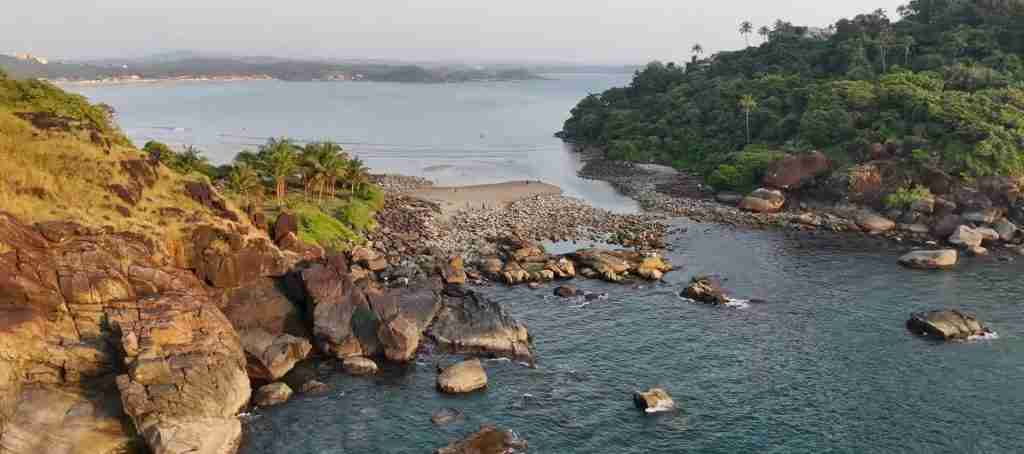
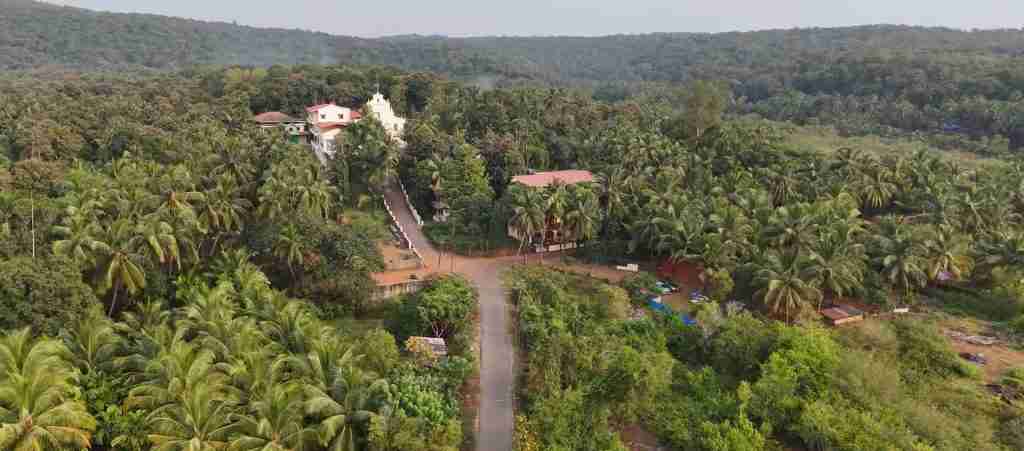
Featured Goa Multi-Day Tour Packages
3 days
Goa 3-Day Discovery Tour
- ✓ Comprehensive Goa experience
- ✓ Expert local guides included
- ✓ All accommodation included
- ✓ Transportation provided

5 days
Goa 5-Day Highlights Experience
- ✓ Comprehensive Goa experience
- ✓ Expert local guides included
- ✓ All accommodation included
- ✓ Transportation provided
7 days
Goa 7-Day Cultural Journey
- ✓ Comprehensive Goa experience
- ✓ Expert local guides included
- ✓ All accommodation included
- ✓ Transportation provided

10 days
Goa 10-Day Complete Adventure
- ✓ Comprehensive Goa experience
- ✓ Expert local guides included
- ✓ All accommodation included
- ✓ Transportation provided
Multi-day tour packages powered by TourRadar. Prices and availability subject to change.
Introduction: Planning Your Perfect Goa Experience 2026
Goa defies simple categorization. India’s smallest state packs extraordinary diversity into its 100-kilometer coastline—pristine beaches meet Portuguese colonial architecture, Hindu temples stand near Catholic basilicas, and laid-back beach shacks coexist with upscale resorts. This itinerary strategically balances these contrasts across five days, ensuring you experience Goa’s multifaceted character without feeling rushed.
The 2026 travel landscape in Goa presents both opportunities and challenges. Peak season prices from December through February reflect high demand, while shoulder seasons offer significant savings with minor weather trade-offs. Early booking proves essential during Christmas and New Year weeks when hotels charge 2-3 times standard rates and fill months ahead. However, travelers visiting outside these extreme peak periods find abundant availability and good value.
This itinerary assumes arrival in Goa with accommodation pre-booked in North Goa (Baga-Calangute area) for convenience to beaches, restaurants, and nightlife. The daily plans balance structured activities with flexibility, recognizing that Goa’s greatest pleasure often lies in spontaneous beach time, unhurried meals, and wandering at your own pace. Budget estimates reflect realistic 2026 costs based on current pricing trends, allowing you to adjust spending up or down based on your preferences.
Pre-Trip Planning Essentials 2026
Best Time to Visit Goa 2026
Goa’s climate divides clearly into three seasons that significantly impact travel experience and costs. Peak season from November through February brings ideal weather—temperatures hover comfortably between 25-32°C with virtually no rain and pleasant sea breezes. This period attracts maximum tourists, driving accommodation costs 50-80% above off-season rates. December 15 through January 5 sees “peak within peak” pricing and crowding around Christmas and New Year celebrations.
Shoulder season encompasses March-April and October-early November in 2026. March-April delivers excellent beach weather though temperatures climb toward 35°C by mid-April with increasing humidity. October-early November marks the transition from monsoon with lingering rains but increasingly sunny days. Both periods offer 30-40% savings on accommodation with significantly fewer crowds, making them ideal for travelers prioritizing value over guaranteed perfect weather.
Monsoon season June through September transforms Goa dramatically. Heavy rains close many beach shacks and water sports operations while rough seas make swimming dangerous. However, this season reveals Goa’s lush green interior at its finest—Dudhsagar Falls roars at maximum volume, spice plantations flourish, and the countryside glows emerald green. Budget travelers find exceptional deals with accommodation costs dropping 60-70% below peak season, though beach activities become limited.
Booking Accommodation in Goa 2026
Accommodation strategy significantly impacts total trip costs. Budget travelers find clean, comfortable guesthouses and hostels throughout North and South Goa for ₹1,500-2,500 per night. These properties offer basic amenities—air conditioning, private bathrooms, WiFi—without frills. Hostels provide dorm beds from ₹800-1,200 nightly for solo budget travelers, with social common areas facilitating connections with other travelers.
Mid-range hotels and beach resorts deliver substantially better comfort, locations, and amenities for ₹4,000-7,000 nightly. Expect swimming pools, beachfront or beach-adjacent locations, multi-cuisine restaurants, and room service. Three-star properties in this category maintain international standards while incorporating Goan architectural elements and hospitality traditions. Booking 2-3 months ahead secures best availability and rates during peak season.
Luxury resorts command ₹12,000-25,000+ per night, offering private beach access, multiple swimming pools, full-service spas, fine dining restaurants, and lavish rooms or villas. Five-star properties like Taj Exotica, Alila Diwa, and Park Hyatt deliver world-class experiences with exceptional service. These properties require 3-6 month advance booking during peak season and often mandate 3-5 night minimum stays during Christmas and New Year weeks.
Vacation rental platforms offer apartments and villas for ₹3,000-15,000 nightly depending on size and location. Groups of 4-6 find excellent value renting entire properties with kitchens, multiple bedrooms, and private pools. Beach houses in less touristy areas like Morjim or Ashwem provide authentic local experiences at competitive rates. However, vacation rentals require more planning than hotels for check-in coordination and lack daily housekeeping unless specifically included.
Transportation Planning for 2026
Transportation choices fundamentally shape your Goa experience and budget. Scooter rental delivers optimal freedom and value for confident riders. Rental costs average ₹500 per day in 2026 for automatic scooters (Honda Activa or similar), with discounts for week-long rentals reducing daily rates to ₹400-450. Mandatory helmet use is strictly enforced with ₹1,000 fines. A ₹2,000-3,000 refundable security deposit is standard. International Driving Permits alongside home country licenses provide legal coverage, though enforcement varies.
Motorcycle rentals cost ₹1,200-1,500 daily for Royal Enfield and similar bikes appealing to enthusiasts. These provide greater power for loaded touring and long-distance rides but require more riding experience for safe operation in Goa’s mixed traffic conditions. Parking proves easier on scooters in crowded beach areas.
Car rentals start at ₹2,000 per day for basic hatchbacks, rising to ₹3,500-4,500 for sedans and SUVs. Self-drive requires careful attention to local driving customs—aggressive lane usage, frequent horn use, and unpredictable pedestrian/animal crossings. Driver-included options cost ₹500-800 extra per day, eliminating navigation and parking stress while providing local knowledge. Families with young children or groups of 4+ find cars worthwhile despite higher costs.
App-based taxis through GoaMiles provide government-regulated rates eliminating negotiation hassles. A typical 10-kilometer ride costs ₹200-250, making apps practical for airport transfers and occasional longer trips. Traditional taxis charge ₹400-600 for similar distances due to aggressive pricing. Local buses operate comprehensive routes for ₹10-30 per trip, though irregular schedules and crowding limit convenience for tourists carrying beach gear or following tight itineraries.
Essential Items and Preparations
Sun protection tops the essential items list. Goa’s tropical sun burns quickly—quality sunscreen (SPF 50+), wide-brimmed hats, and UV-protective clothing prevent painful burns and long-term skin damage. Beachwear should include rash guards for water sports and swimming. Evenings remain warm year-round, requiring only light layers even in December-February.
The India e-Tourist Visa costs approximately $89 (₹8,000) for most nationalities and processes within 72 hours when applied online. Start applications 1-2 weeks before travel to allow processing time and resolve any documentation issues. The visa permits 30-day stays with double-entry, sufficient for most Goa trips. Print visa approval to show immigration officials alongside passport pages.
Local SIM cards from Airtel or Jio cost ₹500-750 for 30-day plans with 2GB daily data and unlimited domestic calls, available at airport kiosks immediately upon arrival. International roaming proves prohibitively expensive for extended stays. Most accommodations and restaurants offer WiFi, though quality varies. Offline maps downloaded before arrival via Google Maps ensure navigation capability without data consumption.
Day 1 Itinerary 2026: Arrival and North Goa Beaches
Morning: Arrival and Scooter Setup
Most travelers arrive at Mopa International Airport (GOX), which opened in January 2023 and serves as Goa’s primary gateway. The airport sits 40 kilometers north of Panaji and 50-55 kilometers from popular North Goa beach areas. KTCL buses operate air-conditioned shuttles to Panaji for ₹400, departing hourly from 7 AM to 7 PM. From Panaji, local buses or short taxi rides reach beach areas.
Pre-paid airport taxis cost ₹1,800-2,200 to North Goa beaches (Baga, Calangute, Candolim), offering convenient direct transport. App-based services charge similar rates when available. Some travelers arrange airport scooter pickup, collecting their rental immediately upon arrival and riding directly to accommodations—this saves a taxi fare and provides immediate mobility, though managing luggage on a scooter presents challenges for heavy packers.
Check in to your accommodation by early afternoon, then head to a nearby scooter rental shop. Inspect the scooter carefully, photographing all existing scratches and damage to avoid deposit disputes. Test brakes, lights, horn, and fuel gauge before accepting. Rental shops provide helmets (often of questionable quality—consider bringing your own for better safety). Confirm fuel policy—most rentals provide full tanks and expect return with full tanks.
Afternoon: Baga and Calangute Beach Exploration
Baga Beach anchors North Goa’s beach scene with its long stretch of golden sand, dense concentration of beach shacks, and water sports operators. The beach buzzes with energy—jet skis roar offshore, parasails drift overhead, and beach volleyball games attract players and spectators. Baga appeals to younger crowds and party seekers, with club promoters distributing flyers for evening events.
Water sports operators crowd Baga Beach offering combo packages for ₹1,200-1,600 including parasailing, jet ski rides, banana boat rides, bumper rides, and speed boat tours. Individual activities cost ₹500-1,500 each, making packages clear value for adventure seekers. Book directly with operators on the beach—no advance reservation needed. Activities operate 10 AM to 5 PM daily with breaks during high tide when conditions become unsuitable.
Calangute Beach, immediately south of Baga, stretches wider with slightly less commercial intensity. Families favor Calangute’s marginally calmer atmosphere while maintaining easy access to restaurants and shops. The beach offers similar water sports though operators appear less aggressive in soliciting business. Swimming conditions remain generally safe with lifeguards present, though monsoon season sees dangerous currents and swimming prohibitions.
Beach shacks serve fresh seafood, cold beers (₹80-150 for domestic brands, ₹200-300 for imports), and Goan specialties throughout the day. A beach shack lunch costs ₹400-800 per person for fish curry rice, grilled fish or prawns, salad, and drinks. Quality varies significantly—observe which shacks attract repeat customers and cook fresh rather than reheating pre-prepared dishes.
Evening: Sunset and Dinner in Baga
North Goa’s west-facing beaches provide spectacular sunset viewing from approximately 6:00-6:30 PM (varies seasonally). Beach shacks fill with sunset watchers nursing drinks and waiting for the sky’s color show. Arrive by 5:30 PM to secure prime spots. The atmosphere shifts from day’s energetic beach activities to mellow evening relaxation as sky transitions through orange, pink, and purple before darkness falls.
Dinner options near Baga range from simple beach shacks to upscale restaurants. Tito’s Lane concentrates numerous dining options within walking distance. For authentic Goan cuisine, Britto’s or Infantaria serve traditional dishes like fish recheado (stuffed with spicy masala), prawn balchão (pickled prawns), and pork vindaloo. Expect ₹800-1,500 per person for substantial dinners with drinks. Upscale restaurants like Bomra’s or Sublime charge ₹2,000-3,000 per person for refined fusion cuisine.
Goa’s nightlife legendary status centers on North Goa’s beach area. Club Tito’s, Cafe Mambo, and Club Cubana represent the mainstream party venues with cover charges ₹1,000-2,000 including drinks coupons. Electronic music dominates with international and domestic DJs performing Thursday-Saturday. Parties continue until 2-3 AM, later during peak season. Quieter options include live music bars and beach shacks with acoustic performances, better suited for conversation than dancing.
Day 1 Cost Summary 2026
Accommodation ₹1,800-6,000 per night (budget to mid-range). Scooter rental ₹500 for first day. Beach shack lunch ₹600, water sports combo package ₹1,400, sunset drinks ₹300, dinner ₹1,200. Total Day 1 cost ₹6,000-10,000 per person (excluding accommodation).
Day 2 Itinerary 2026: UNESCO Old Goa and Panaji
Morning: Churches and Convents of Old Goa
Depart your accommodation by 8:30 AM for the 10-15 kilometer ride to Old Goa, arriving before crowds and heat intensify. The compact UNESCO site concentrates seven magnificent churches within walking distance, allowing thorough exploration in 3-4 hours. Park your scooter in the designated lot near Basilica of Bom Jesus (parking ₹20).
Start at the Basilica of Bom Jesus, opening at 9:00 AM weekdays. This 16th-century church houses St. Francis Xavier’s mortal remains in an ornate silver casket within a marble mausoleum. The unplastered laterite facade creates striking reddish-brown textures unique among Goan churches. Entry remains free, though photography restrictions apply to the saint’s tomb area. The upper-level art gallery displays works by Goan surrealist Dom Martin, accessible via narrow stairs.
Cross the road to Sé Cathedral, one of Asia’s largest churches and a masterpiece of Portuguese colonial architecture. The cathedral’s massive scale impresses—76 meters long and 55 meters wide with soaring vaulted ceilings. The Golden Bell in the surviving tower ranks among India’s finest for its resonant tone. Fifteen altars dedicated to various saints line the walls. The main altar’s gilded woodwork represents exceptional craftsmanship. Free entry; modest dress required (shoulders and knees covered).
The Church of St. Francis of Assisi, adjacent to the cathedral, combines a beautiful church with the Archaeological Museum. The preserved Manueline portal from 1521 exhibits intricate carving in dark basalt. Inside, gilded altarpieces and religious paintings demonstrate Portuguese colonial artistic achievement. The museum displays pre-Portuguese sculptures, colonial furniture, religious artifacts, and portraits providing historical context. Museum entry ₹25 for Indians, ₹300 for foreign nationals.
Walk uphill to the Church of Our Lady of the Rosary, the oldest surviving church in Old Goa (1549). The elevated position provides excellent views across Old Goa and the Mandovi River. The church’s fortress-like exterior with cylindrical towers reflects early colonial defensive concerns. Inside, the alabaster cenotaph of Dona Catarina demonstrates cultural fusion—European memorial tradition executed with Persian-Indian decorative elements.
The Church of St. Augustine exists only as dramatic ruins, but the 46-meter bell tower continues to command attention. The Augustinian complex was once among Goa’s grandest, but abandonment in 1835 led to progressive deterioration. The atmospheric ruins photograph beautifully, particularly the tower silhouetted against blue sky.
Afternoon: Panaji City Exploration
Ride 10 kilometers to Panaji (Panjim), Goa’s current capital, arriving around 1:00 PM. Park near the Church of Our Lady of the Immaculate Conception in the city center (₹20). This striking white church with its dramatic double staircase overlooks the main square and serves as Panaji’s most recognizable landmark.
Lunch at a traditional Goan restaurant like Viva Panjim, Hotel Venite, or Black Sheep Bistro provides authentic cuisine in heritage settings. Goan fish curry rice, prawn curry, pork vindaloo, and bebinca (traditional layered dessert) showcase local flavors. Expect ₹700-1,200 per person with drinks. These restaurants occupy restored Portuguese-era houses with charming interiors and outdoor seating.
After lunch, explore the Fontainhas and São Tomé neighborhoods—Panaji’s Latin Quarter with narrow winding streets lined with colorful Portuguese-style houses, art galleries, and boutiques. The area maintains a distinctly Mediterranean atmosphere rare in India. Street art decorates walls, while cafes serve espresso and pastries. The neighborhood requires only 60-90 minutes to explore on foot, making it ideal for post-lunch wandering.
The Goa State Museum (closed Mondays) displays artifacts spanning Goan history from prehistoric times through Portuguese colonial period to modern statehood. Entry costs ₹20 for Indians, ₹200 for foreign nationals. The collection includes sculptures, bronzes, manuscripts, and ethnographic materials providing context for Goa’s complex cultural heritage. Allow 60-90 minutes for thorough exploration.
Evening: Miramar Beach and Dinner Cruise
Ride to nearby Miramar Beach for sunset viewing from a calmer, less commercial setting than North Goa beaches. This city beach attracts local families and couples rather than international tourists, offering insights into Goan daily life. The beach stretches wide with the Mandovi River meeting the Arabian Sea, creating scenic views. Sunset occurs around 6:15 PM.
Optional dinner cruise on the Mandovi River departs from Santa Monica Jetty near Panaji around 7:00 PM. Multiple operators offer similar packages for ₹800-1,500 including buffet dinner, live music, and traditional Goan dance performances. The one-hour cruise provides relaxing evening entertainment with illuminated bridges and shoreline views. Advance booking recommended during peak season, though walk-up bookings often succeed.
Alternative dinner options in Panaji include riverside restaurants along Campal or Miramar areas. Fresh seafood prepared Goan-style remains the highlight, with dinner costs ₹1,000-2,000 per person at quality establishments. Return to North Goa accommodation by 9:30-10:00 PM, enjoying the pleasant evening ride.
Day 2 Cost Summary 2026
Scooter fuel ₹150, Old Goa parking ₹20, museum entry ₹300, lunch in Panaji ₹1,000, museum entry ₹200, dinner cruise ₹1,200. Total Day 2 cost ₹2,870 per person (excluding accommodation).
Day 3 Itinerary 2026: South Goa Beach Experience
Morning: Journey to South Goa
Depart by 8:00 AM for the 60-kilometer ride to South Goa’s beaches, allowing 1.5-2 hours travel time via coastal roads. The route passes through Panaji, crosses Zuari River via bridge, and continues south through Margao toward coastal areas. Alternatively, the faster inland highway reduces travel time by 20-30 minutes but misses scenic coastal views.
South Goa presents stark contrast to the North—wider, cleaner beaches with fewer vendors, less development, and predominantly domestic tourists rather than international backpackers. The atmosphere emphasizes relaxation over partying, appeal to families, couples, and travelers seeking tranquility. Accommodation and dining cost slightly less than North Goa equivalents with notable exceptions in luxury resort areas.
Arrive at Palolem Beach by 10:00 AM. Often considered South Goa’s most beautiful beach, Palolem curves in a perfect crescent between rocky headlands, with calm waters ideal for swimming. Colorful beach huts line the sand, occupied by long-term travelers who’ve discovered Palolem’s laid-back charm. Unlike North Goa’s aggressive water sports marketing, Palolem maintains mellow vibes with optional kayaking and stand-up paddleboarding available.
Afternoon: Palolem Beach Activities
Rent a beach lounger and umbrella from a shack for ₹200-300 for the day, including the implicit expectation you’ll order food and drinks. Palolem’s protected bay creates calm swimming conditions suitable for all abilities. Lifeguards patrol during daylight hours, though their presence shouldn’t substitute for personal caution regarding currents and tides.
Kayaking costs ₹500-800 per hour for single or double kayaks, allowing exploration of the bay and neighboring coves. Several operators offer guided kayaking trips to Butterfly Beach, accessible only by boat or challenging hike, for ₹1,200-1,500 including equipment and guide. These 2-hour excursions typically depart mid-morning or mid-afternoon when seas remain calmest.
Lunch at a beach shack offers fresh seafood, Goan curries, and continental options. Expect ₹600-1,000 per person for substantial meals with beer or fresh fruit juices. Quality varies—Ciaran’s, Dropadi, and The Cabo Inn rank among most reliable for food quality and service. Beach shacks create the quintessential Goan beach experience—sand between your toes, waves lapping nearby, and hours stretching without obligation.
Afternoon swimming, reading, or simply relaxing captures the essence of South Goa’s appeal. Unlike North Goa’s constant activity and stimulation, South beaches encourage slowing down and savoring the moment. The afternoon passes in pleasant idleness—exactly what many travelers seek after intense sightseeing elsewhere in India.
Evening: Sunset and Return Journey
Palolem faces west, making it exceptional for sunset viewing. The rocky headlands frame the descending sun, creating dramatic silhouettes as sky transitions through spectrum of colors. Beach shacks fill with sunset watchers, many nursing drinks from afternoon that extend into evening. The transition from day to night feels particularly magical on Palolem, with lights from beach huts beginning to twinkle as darkness falls.
Consider dinner at one of Palolem’s beachfront restaurants before return journey. The village behind the beach contains additional dining options including Ourem 88, known for exceptional seafood in traditional Goan preparations. Dinner costs ₹800-1,500 per person at quality establishments. Live music frequently accompanies meals, creating pleasant atmosphere without North Goa’s aggressive club scene intensity.
Begin return journey to North Goa by 8:00 PM for 1.5-2 hour ride, arriving at accommodation by 10:00-10:30 PM. Night riding requires extra caution—visibility decreases, drunk drivers increase, and animals on roads pose collision risks. Ensure scooter lights function properly and ride defensively. Alternative: Book accommodation in Palolem or nearby Agonda for overnight stay, eliminating return ride and allowing full day beach experience.
Day 3 Cost Summary 2026
Scooter fuel ₹200, beach lounger ₹300, kayaking ₹800, beach shack lunch ₹800, dinner ₹1,200. Total Day 3 cost ₹3,300 per person (excluding accommodation).
Day 4 Itinerary 2026: Dudhsagar Falls and Spice Plantation
Morning: Dudhsagar Falls Excursion
Dudhsagar Falls, one of India’s tallest waterfalls at 310 meters, requires early departure for optimal experience. Located 60 kilometers southeast of Panaji on the Goa-Karnataka border, the falls flow year-round with maximum volume during and immediately after monsoon (July-October). Even during dry season (January-May), the falls maintain impressive flow from the Mandovi River’s headwaters.
Reaching the falls requires choosing between independent scooter ride or organized tour. The scooter route follows NH4A through Margao, continuing to Collem village (approximately 2.5-hour ride from North Goa). From Collem, jeeps shuttle visitors 12 kilometers through Bhagwan Mahavir Wildlife Sanctuary to the falls base for ₹300-400 per person roundtrip. Private vehicle entry is prohibited in the wildlife sanctuary.
Organized tours from North Goa cost ₹1,500-2,500 per person including transport, jeep shuttle, guide, and sometimes breakfast or lunch. Tours depart 7:00-8:00 AM, returning by 3:00-4:00 PM. This option eliminates navigation stress and provides knowledgeable guides explaining local ecology and wildlife. Multiple operators offer similar packages—compare reviews and inclusions before booking.
The jeep ride through Bhagwan Mahavir Wildlife Sanctuary passes through dense forest with opportunities to spot gaur (Indian bison), langur monkeys, and diverse birdlife. The rutted track crosses several streams, becoming more challenging during monsoon when water levels rise. The 30-minute ride concludes at a small clearing where trails lead to multiple viewpoints.
Swimming in the falls’ plunge pool offers refreshing reward after the journey. Water remains cool year-round—a welcome relief from Goa’s heat. Strong currents near the falls itself require caution; swim only in designated safe zones away from direct waterfall impact. Lifeguards presence remains inconsistent, demanding personal judgment regarding safety. The pool’s depth varies dramatically by season—2-3 meters during dry season, 6-8 meters during monsoon.
Afternoon: Spice Plantation Visit
Goa’s spice plantations offer educational tours demonstrating cultivation of pepper, cinnamon, nutmeg, cardamom, vanilla, and other tropical spices. Several plantations operate near Dudhsagar Falls area, making combined visits efficient. Sahakari Spice Farm, Tropical Spice Plantation, and Savoi Plantation rank among most popular, charging ₹500-800 per person for guided tours including traditional Goan buffet lunch.
Tours typically last 1.5-2 hours with guides explaining spice cultivation, processing, and traditional medicinal uses. Visitors sample fresh fruits from plantation trees—pineapples, cashew apples, coconuts—and observe working agriculture rather than tourist recreations. The buffet lunch features authentic Goan cuisine with abundant vegetarian and non-vegetarian options prepared with estate-grown spices. Quality varies by plantation—research reviews for current recommendations.
Some plantations include additional attractions—elephant bathing (₹200-300 extra), bullock cart rides, or Ayurvedic oil massages. These additions appeal to families and first-time visitors though not essential to the plantation experience. The emphasis on education versus pure entertainment distinguishes better plantations from tourist traps merely extracting maximum revenue.
Evening: Return and Local Market Visit
Return to North Goa by 5:00-6:00 PM, stopping at Mapusa Market (if returning on Friday when the weekly market operates) or Anjuna Flea Market (Wednesdays). Mapusa’s local market emphasizes fresh produce, spices, and household goods used by Goans rather than tourist souvenirs, providing authentic glimpse into daily life. Anjuna’s Wednesday market focuses on clothing, jewelry, handicrafts, and souvenirs targeting tourists.
The Saturday Night Market near Arpora operates year-round during tourist season (October-April), featuring handicraft stalls, live music, food vendors, and shopping for clothing, jewelry, and accessories. Entry remains free with parking ₹50. The market’s carnival atmosphere attracts young crowds seeking evening entertainment combining shopping and socializing. Quality varies dramatically between stalls—careful examination before purchasing prevents disappointment.
Dinner near your accommodation concludes an active day. North Goa’s dense restaurant concentration ensures options for every budget and cuisine preference. Rest well—tomorrow’s full beach day requires energy.
Day 4 Cost Summary 2026
Dudhsagar jeep shuttle ₹350, spice plantation with lunch ₹700, scooter fuel ₹200, market shopping ₹1,000-2,000, dinner ₹800. Total Day 4 cost ₹3,050-4,050 per person (excluding accommodation).
Day 5 Itinerary 2026: North Goa Beach Hopping and Departure
Morning: Anjuna and Vagator Beaches
Final day focuses on beaches not yet visited while allowing flexibility for departure timing. Anjuna Beach, 8 kilometers north of Baga, attracts bohemian crowds and long-term travelers. The beach’s rocky sections create less ideal swimming than Baga or Calangute, but dramatic cliff backdrops provide exceptional photo opportunities. Anjuna pioneered Goa’s hippie scene in the 1960s-70s, maintaining alternative culture echoes despite mainstream tourism growth.
Wednesday mornings, Anjuna hosts its famous flea market—a sprawling bazaar selling clothing, jewelry, handicrafts, musical instruments, and bric-a-brac. The market evolved from small hippie gathering to tourist attraction sprawling across multiple zones. Arrive early (9:00-10:00 AM) for best selection and cooler shopping. Bargaining remains expected—start at 50-60% of asking price and negotiate to 70-80% for fair deals.
Vagator Beach, immediately north of Anjuna, divides into Big Vagator and Little Vagator (Ozran Beach). The red laterite cliffs create dramatic coastal scenery unique in Goa. Vagator attracts somewhat older, quieter crowds than Anjuna while maintaining bohemian character. Several excellent beach shacks serve quality food and drinks with views of cliffs and sea.
Late Morning: Chapora Fort
Chapora Fort sits atop the hill overlooking Vagator Beach, offering panoramic views of coastline, river, and hinterland. The Portuguese fort dates from 1717, though earlier fortifications existed on the site. Much of the fort lies ruined, but remaining walls and bastions create atmospheric setting. The fort gained Bollywood fame as filming location for “Dil Chahta Hai,” drawing Indian tourists seeking to recreate movie scenes.
The 15-minute walk uphill from Vagator Beach parking rewards with spectacular 360-degree views. Sunset attracts crowds, but late morning visits offer better photography without extreme contrast between bright sky and shadowed structures. Entry remains free. The fort’s unguarded ruins require caution—unstable masonry and unprotected drops pose hazards, particularly for children.
Afternoon: Final Beach Time and Shopping
Return to your preferred beach for final swimming, sunbathing, and relaxation. This unhurried afternoon allows soaking in Goa’s essence before departure—the rhythm of waves, warmth of sun, and easy contentment that makes leaving difficult. Order a last beachside meal savoring Goan flavors you’ve come to love.
Last-minute shopping for spices, cashews, feni (Goan liquor), and handicrafts fills departure gaps. Government-run Goa Emporia in Panaji offer fixed-price quality goods without bargaining hassles. Cashew nuts harvested in Goa make excellent gifts—buy from established shops rather than roadside vendors for better quality and food safety. Feni, distilled from cashew apples or coconuts, represents Goa’s distinctive spirit though its strong flavor doesn’t suit all palates.
Evening: Departure
Evening flights necessitate 4:00-5:00 PM departure from North Goa for comfortable arrival at Mopa Airport allowing 2-hour pre-flight buffer. Return scooter to rental shop, ensuring tank is full and no new damage has occurred. Collect your deposit after inspection. If disputes arise over existing damage you photographed at rental, the photo documentation protects against unjustified claims.
Airport-bound travelers without evening flights maximize remaining beach time until 6:00-7:00 PM, then clean up at accommodation before airport transfer. Many hotels allow late checkout or provide shower facilities for departing guests—confirm arrangements at booking. The drive to Mopa Airport from North Goa beaches takes 1.5-2 hours depending on traffic and your beach’s specific location.
Day 5 Cost Summary 2026
Beach shack breakfast ₹400, Anjuna market shopping ₹1,500, beach shack lunch ₹600, souvenir shopping ₹2,000, scooter fuel ₹150, airport taxi ₹2,000. Total Day 5 cost ₹6,650 per person (excluding accommodation).
Complete 5-Day Budget Breakdown 2026
Budget Travel Category (₹18,000-25,000 per person)
Budget travel maintains comfort while minimizing costs through strategic choices. Accommodation in clean guesthouses costs ₹1,500-2,000 nightly. Meals emphasize local beach shacks and simple restaurants averaging ₹400-600 per meal. Scooter rental provides transport. Activities focus on free or low-cost options—beaches, churches, markets. Water sports and organized tours are selective rather than comprehensive.
Day 1: Accommodation ₹1,800, meals ₹1,200, scooter ₹500, beach activities ₹600, drinks ₹300. Total ₹4,400.
Day 2: Meals ₹1,200, scooter fuel ₹150, parking ₹40, museum ₹300, attractions ₹500. Total ₹2,190.
Day 3: Accommodation ₹1,800, meals ₹1,400, scooter fuel ₹200, beach costs ₹500. Total ₹3,900.
Day 4: Accommodation ₹1,800, meals ₹1,000, Dudhsagar tour ₹1,800, scooter fuel ₹200. Total ₹4,800.
Day 5: Accommodation ₹1,800, meals ₹1,000, shopping ₹2,000, transport ₹500. Total ₹5,300.
Five-day total: ₹20,590 excluding flights. This budget allows enjoyable Goa experience without luxury amenities, focusing spending on meaningful experiences rather than upscale accommodation.
Mid-Range Travel Category (₹45,000-55,000 per person)
Mid-range travel balances comfort and value, staying in three-star hotels or quality guesthouses for ₹4,000-5,000 nightly. Meals include nice restaurants alongside beach shacks, averaging ₹800-1,200 per meal. Transport via scooter or occasional taxis. Most activities included—water sports combos, organized tours, dinner cruises. Shopping budget allows quality souvenirs.
Day 1: Accommodation ₹4,500, meals ₹2,000, scooter ₹500, water sports ₹1,400, nightlife ₹1,200. Total ₹9,600.
Day 2: Accommodation ₹4,500, meals ₹2,200, fuel ₹150, museums ₹300, cruise ₹1,200. Total ₹8,350.
Day 3: Accommodation ₹4,500, meals ₹2,000, fuel ₹200, activities ₹1,000. Total ₹7,700.
Day 4: Accommodation ₹4,500, meals ₹1,500, Dudhsagar tour ₹2,200, shopping ₹1,500. Total ₹9,700.
Day 5: Accommodation ₹4,500, meals ₹1,800, shopping ₹3,000, transport ₹2,000. Total ₹11,300.
Five-day total: ₹46,650 excluding flights. This budget delivers comfortable experience with quality accommodation, diverse dining, and comprehensive activities without extravagance.
Luxury Travel Category (₹75,000-95,000 per person)
Luxury travel emphasizes premium experiences—five-star beach resorts at ₹12,000-18,000 nightly, fine dining restaurants averaging ₹2,000-3,000 per meal, private car with driver, exclusive tours, spa treatments, and unrestricted shopping. Activities include premium water sports, private yacht charters, and VIP experiences.
Day 1: Accommodation ₹15,000, meals ₹4,000, private car ₹2,500, premium water sports ₹3,000, luxury club ₹2,500. Total ₹27,000.
Day 2: Accommodation ₹15,000, meals ₹4,500, car ₹2,500, private tour ₹3,500. Total ₹25,500.
Day 3: Accommodation ₹15,000, meals ₹4,000, car ₹2,500, premium activities ₹2,500. Total ₹24,000.
Day 4: Accommodation ₹15,000, meals ₹3,500, private Dudhsagar tour ₹5,000, spa ₹3,000. Total ₹26,500.
Day 5: Accommodation ₹15,000, meals ₹3,500, shopping ₹5,000, private transfer ₹3,000. Total ₹26,500.
Five-day total: ₹129,500 excluding flights. Luxury travelers often extend stays to justify premium accommodation costs and fully enjoy resort amenities.
Money-Saving Tips for Goa 2026
Timing and Booking Strategies
Travel during shoulder seasons (March-April or October-November 2026) cuts accommodation costs 30-50% compared to peak December-February rates while maintaining good weather. Avoid Christmas week (December 20-January 5) when prices triple and minimum stay requirements apply. Booking accommodation 2-3 months ahead secures better rates than last-minute bookings, especially during peak season when choices narrow significantly.
Wednesday and Thursday arrivals sometimes offer better hotel rates than weekend arrivals when demand peaks. Multi-night bookings often unlock discounts—compare 5-night total versus daily rates. Direct hotel bookings occasionally beat booking platforms when hotels waive commission charges, though platform protections and reviews provide value justifying small premiums.
Transportation Savings
Scooter rentals cost ₹500 daily but drop to ₹400-450 for weekly rentals (7+ days). Splitting one scooter between two people riding together halves per-person transport costs compared to renting separate vehicles. The KTCL airport bus saves ₹1,400-1,800 versus private taxis while providing air-conditioned comfort. Local buses at ₹10-30 per journey drastically undercut taxis though requiring more time and flexibility.
GoaMiles app prevents taxi fare gouging through transparent government-regulated rates. Traditional taxis quote ₹400-600 for rides that GoaMiles provides for ₹200-250. Sharing longer taxi rides with other travelers going the same direction splits costs—hostel common rooms and beach shacks facilitate finding ride-share partners.
Food and Drink Savings
Local restaurants away from prime beach frontage charge 30-50% less than beachfront establishments for similar food quality. Goan thali meals at neighborhood restaurants cost ₹150-250 versus ₹400-600 for equivalent beach shack meals. Markets sell fresh fruit at fraction of restaurant prices—pineapples ₹40-60, mangoes ₹30-50, coconuts ₹30-40 (prices vary seasonally).
Alcohol costs dramatically less from liquor shops than bars and restaurants. Beer bottles cost ₹80-120 retail versus ₹150-300 at beach shacks. Goan feni and Indian spirits retail for ₹150-400 per bottle. Some budget travelers buy retail and consume at beaches or accommodations, though beaches prohibit alcohol in some areas and littering laws apply strictly.
Activities and Attractions
Free activities dominate any budget-conscious itinerary—beaches, swimming, sunsets, UNESCO churches, fort exploration, market wandering. Water sports combo packages at ₹1,200-1,600 beat individual activity pricing by 40-50%. Sharing activities that charge per boat/vehicle rather than per person splits costs—kayak rentals, jeep shuttles to Dudhsagar Falls.
Local tour operators compete aggressively—compare at least 3-4 operators for major tours (Dudhsagar, spice plantations, boat cruises) as prices vary ₹500-1,000 for identical services. Group tours cost less than private tours though sacrifice flexibility and personalization. Some hotels arrange tours with slight markups over direct operator booking—inquire about commission structures.
Safety and Health Considerations 2026
Beach and Water Safety
Monsoon season (June-September) brings dangerous swimming conditions with strong currents, rip tides, and rough seas causing multiple drownings annually. Red flags indicate swimming prohibition—respect these warnings absolutely. Even during calm seasons, swimming beyond marked safe zones or after alcohol consumption poses serious risks. Lifeguards patrol major beaches 9 AM-6 PM but their presence doesn’t guarantee safety.
Water sports operators maintain variable safety standards. Insist on properly fitting life jackets for all water activities and refuse equipment appearing damaged or inadequate. Parasailing accidents, though rare, occur when equipment fails or operators cut safety corners. Choose established operators with good safety records over cheapest options. Travel insurance covering water sports accidents provides essential protection.
Road Safety
Indian traffic operates by different rules than Western countries. Lane discipline remains loose, overtaking happens on both sides, horn use is constant, and unexpected obstacles appear frequently—cows, dogs, pedestrians, potholes. Defensive riding proves essential—assume other drivers won’t follow traffic laws or signals. Night riding increases accident risks dramatically due to poor lighting, drunk drivers, and animal crossings.
Helmets remain mandatory with ₹1,000 fines for violations, but more importantly prevent serious head injuries in accidents. Rental helmets often provide minimal protection—bringing quality helmets from home ensures adequate safety. International Driving Permits alongside home licenses provide legal documentation though enforcement varies. Comprehensive travel insurance covering scooter accidents adds crucial protection.
Health Precautions
Tap water throughout Goa requires boiling or filtering before drinking. Bottled water costs ₹20-40 for 1-liter bottles—budget ₹50-100 daily for drinking water. Ice in drinks comes from potentially contaminated sources—request “no ice” to minimize risks. Street food vendors offer delicious, authentic cuisine but variable hygiene standards require judgment—choose vendors with high turnover indicating freshness.
Sun exposure in tropical Goa burns quickly even on cloudy days. SPF 50+ sunscreen applied liberally and reapplied every 2 hours prevents painful burns and long-term skin damage. Heatstroke and dehydration threaten during hot season (April-May) when temperatures exceed 35°C with high humidity. Drink water constantly, seek shade during 11 AM-3 PM peak sun hours, and recognize symptoms—dizziness, nausea, headache—requiring immediate rest and rehydration.
Basic medical care is readily available in Goa with quality hospitals in Panaji, Margao, and Mapusa. Travel insurance covering medical evacuation provides crucial protection for serious illness or injury requiring treatment beyond local capabilities. Pharmacies stock standard medications though bringing essential prescriptions from home ensures availability.
Sustainable and Responsible Travel
Environmental Considerations
Goa’s beaches suffer from plastic pollution despite cleanup efforts. Carry reusable water bottles, shopping bags, and containers to minimize single-use plastic consumption. Many beach shacks provide filtered water refills for small fees or free for customers. Refuse plastic straws and excessive packaging when possible. Participate in beach cleanups organized by environmental groups and hotels—most occur Sunday mornings and welcome tourist volunteers.
Marine ecosystems face threats from careless tourists—coral damage from anchors and swimmers, turtle nesting disruption, and ocean pollution. Maintain distance from marine life, don’t remove shells or coral, and dispose of trash properly. Turtle nesting season (October-March) requires special vigilance to avoid disturbing nests marked on some beaches. Noise and light pollution near nesting sites can disorient hatchlings.
Cultural Respect
Goa’s relatively liberal atmosphere compared to other Indian states shouldn’t imply cultural rules don’t apply. Conservative dress remains appropriate away from beach areas—shoulders and knees covered when visiting churches, markets, and local neighborhoods. Public displays of affection exceeding hand-holding make locals uncomfortable. Women traveling alone face fewer harassment issues in Goa than elsewhere in India though basic precautions remain advisable.
Churches remain active places of worship despite functioning as tourist attractions. Respectful behavior during visits shows consideration for the Goan Catholic community’s spiritual practices. Modest dress, quiet voices, and permission before photography of worshippers demonstrate cultural sensitivity. Removing shoes before entering Hindu temples and asking permission before photographing religious ceremonies respects local religious traditions.
Supporting Local Communities
Choosing locally owned guesthouses, restaurants, and tour operators keeps tourism revenue in Goan communities rather than international hotel chains. Small beach shacks employ local families and serve authentic Goan cuisine. Buying handicrafts directly from artisans rather than reseller shops ensures fair prices for creators. Tipping generously for good service helps tourism industry workers whose incomes fluctuate dramatically between peak and off-season.
Learn basic Konkani phrases—”dev borem korum” (hello), “dhanyavad” (thank you), “kitem axha” (how much). Locals appreciate effort to engage with local language and culture beyond tourist bubble. Understanding Goan history—Portuguese colonialism’s complex legacy, religious diversity, and contemporary issues like mining and overdevelopment—deepens travel experience and facilitates more meaningful interactions.
Frequently Asked Questions
Is 5 days enough time to see Goa properly in 2026?
Five days provides adequate time for balanced Goa experience covering North Goa beaches, South Goa’s tranquility, UNESCO Old Goa heritage, and natural attractions like Dudhsagar Falls. However, Goa’s relaxed atmosphere encourages longer stays—7-10 days allows more thorough exploration without rushing, particularly appealing for travelers wanting extended beach time or visiting more remote areas. Many visitors initially plan short trips but extend stays after experiencing Goa’s addictive laid-back charm.
What should I pack for Goa in 2026?
Pack light, breathable cotton clothing for hot, humid weather. Beachwear includes multiple swimsuits, cover-ups, and flip-flops. One modest outfit (covered shoulders and knees) for church visits. Comfortable walking sandals for sightseeing. Sun protection essentials—SPF 50+ sunscreen, wide-brimmed hat, sunglasses. Light rain jacket for unexpected showers even outside monsoon. Basic first-aid kit with anti-diarrheal medication, antiseptic cream, and personal prescriptions. Phone, camera, and chargers with India-compatible adapters (Type D and M plugs).
Can I drink alcohol on Goa beaches in 2026?
Alcohol consumption is permitted at beach shacks holding liquor licenses but prohibited on beach sand itself except in designated shack areas. Police occasionally enforce public drinking prohibitions with fines. Beach shacks offer legal, convenient access to cold beer and cocktails while providing seating and shade. Many travelers purchase retail alcohol but consuming it requires discretion and proper waste disposal. Public intoxication and disorderly behavior draw police attention and potential legal complications.
Are there ATMs and do places accept credit cards in Goa 2026?
ATMs are widely available in Panaji, Margao, and major beach areas (Baga, Calangute, Palolem), dispensing ₹500, ₹1,000, and ₹2,000 notes up to daily limits (typically ₹10,000-40,000). Withdraw sufficient cash as remote areas lack ATMs. Credit cards are accepted at hotels, upscale restaurants, and larger stores but many beach shacks, small restaurants, and markets operate cash-only. International transaction fees (2-3%) apply to card purchases and ATM withdrawals—notify your bank of India travel to prevent card blocking.
What’s the WiFi situation in Goa in 2026?
Most hotels, guesthouses, and restaurants offer WiFi though speeds and reliability vary significantly. Budget accommodations often provide slower connections adequate for messaging and email but struggling with video streaming. Upscale resorts deliver high-speed WiFi throughout properties. Beach shacks increasingly offer WiFi to attract customers though quality remains inconsistent. Local SIM cards with mobile data (₹500-750 for 30 days, 2GB daily) provide reliable internet access independent of WiFi availability and prove essential for maps, ride-hailing apps, and staying connected while traveling between locations.
Is Goa safe for solo female travelers in 2026?
Goa ranks among India’s safest states for solo female travelers with well-established tourism infrastructure, tourist police presence, and relatively liberal social attitudes. However, standard precautions remain advisable—avoid isolated beaches after dark, use reputable accommodations with positive reviews from solo female travelers, book registered taxis or ride-hailing apps rather than unmarked vehicles, and trust instincts if situations feel uncomfortable. Beach areas attract predatory behavior toward intoxicated tourists—moderate alcohol consumption and stay aware of surroundings, particularly during evening hours.
Can vegetarians find good food options in Goa 2026?
Absolutely. While Goan cuisine emphasizes seafood and meat, all restaurants offer substantial vegetarian selections. Traditional Goan vegetarian dishes include mushroom xacuti, vegetable cafreal, and sol kadhi (coconut and kokum beverage). Indian restaurants throughout Goa serve familiar North and South Indian vegetarian cuisine. Beach shacks accommodate vegetarian requests with pasta, salads, and vegetable curries. Pure vegetarian restaurants exist in most towns. However, understand that “vegetarian” in India often includes eggs—specify “pure veg” if you avoid eggs as well. Finding vegan options requires more effort though possible with clear communication about dairy, ghee, and butter avoidance.
Do I need malaria prophylaxis for Goa in 2026?
Malaria risk exists in Goa though transmission remains relatively low in coastal tourist areas compared to rural inland regions. Consult travel medicine specialists regarding prophylaxis based on specific itinerary, accommodation type (air-conditioned hotels versus basic guesthouses), and season (monsoon sees higher mosquito populations). Dengue fever poses more significant risk than malaria in urban areas. Mosquito bite prevention—DEET repellent, long sleeves/pants during dawn/dusk peak biting times, sleeping under nets in non-air-conditioned accommodation—provides essential protection against both diseases regardless of prophylaxis decisions.
What’s the best way to get from the airport to hotels in 2026?
Mopa International Airport (GOX) offers several transfer options. Pre-paid taxi counters inside the terminal charge fixed rates of ₹1,800-2,500 to major beach areas, eliminating bargaining. App-based services (Uber, Ola when available) charge similar rates. KTCL air-conditioned shuttle buses cost ₹400 to Panaji with departures every hour 7 AM-7 PM, though requiring additional transport from Panaji to final accommodation. Pre-arranged hotel transfers through accommodation providers cost ₹2,000-3,000 but provide convenience and guaranteed service. Some travelers arrange scooter delivery to the airport for immediate independent mobility though managing luggage on scooters challenges those with significant baggage.
Should I book water sports and tours in advance or on arrival in 2026?
Most water sports and tours book successfully upon arrival with same-day or next-day availability except during extreme peak periods (December 25-January 5). This flexibility allows adjusting plans based on weather, energy levels, and schedule changes. However, specialized activities like scuba diving, private yacht charters, or limited-capacity sunset cruises benefit from 2-3 day advance booking ensuring availability on preferred dates. During extreme peak season, popular tours fill completely—book 1 week ahead if traveling December 20-January 10. Shoulder and off-season provide abundant last-minute availability often with discounted rates negotiable directly with operators.