
Visiting Banff National Park with Kids 2026: Complete Family Guide
This comprehensive guide addresses the unique challenges and opportunities of visiting Banff with kids, covering everything from stroller-accessible trails and kid-friendly accommodations to managing mealtime logistics and keeping children engaged during long scenic drives. Whether you’re introducing preschoolers to their first mountain hike or challenging teenagers with alpine scrambles, Banff rewards families who invest in proper planning while maintaining flexibility for children’s changing moods and energy levels.
- Choose easy trails under 3 km for young children – Fenland Trail, Bow Falls, and Johnston Canyon Lower Falls offer stroller-friendly paths with engaging features that keep kids interested
- Book family-friendly accommodations with kitchenettes 8-10 months ahead for summer visits as properties with multiple beds and cooking facilities fill first ($250-400 per night for family suites in 2026, check booking platforms for current rates)
- Start activities by 8 AM to avoid afternoon meltdowns – early departures provide cooler temperatures, fewer crowds, and allow return to accommodation by early afternoon for naps and downtime
- Pack entertainment for long car rides as Banff’s scenic drives span 30-90 minutes between major attractions – download offline movies, bring activity books, and plan strategic snack stops
- Invest in proper bear spray training for older children and establish clear wildlife safety rules – encounters happen regularly and prepared families handle situations calmly
- Budget $200-250 per day for a family of four including accommodation, meals, activities, and transportation (this covers mid-range travel style with occasional splurges on special experiences)
Planning Your Banff Family Adventure 2026
Banff National Park offers extraordinary family experiences combining spectacular mountain scenery with accessible trails, engaging wildlife viewing, and educational opportunities that inspire children’s connection with nature. The park’s 6,641 square kilometers provide countless adventures suitable for families with children from toddlers through teenagers, each age group finding activities matching their abilities and interests. Success requires understanding which trails work for small legs, how to manage mountain weather with children, and where to find family-friendly services throughout the park.
Family travel in the Canadian Rockies differs from adult-only trips in pace, activity selection, and logistical requirements. Children thrive on shorter outings with frequent breaks, interesting features that maintain engagement, and predictable schedules for meals and rest. Understanding these needs while embracing the natural wonder surrounding you creates memorable experiences that foster lifelong appreciation for wilderness and outdoor adventure. The key lies in balancing ambitious parents’ desires to see everything with realistic expectations for what children can handle comfortably and safely.
People Also Ask About Visiting Banff with Kids 2026
What is the best age to visit Banff National Park with children?
Children of all ages can enjoy Banff successfully with age-appropriate activity choices. Toddlers (2-4 years) benefit from short stroller-accessible trails like Fenland Trail and Bow Falls where they can walk short distances and ride when tired. Elementary age children (5-10 years) handle moderate hikes up to 5 km including Johnston Canyon, Sundance Canyon, and Lake Louise shoreline trails. Preteens and teenagers (11+ years) tackle challenging full-day hikes like Plain of Six Glaciers, Larch Valley, and Sulphur Mountain. The ideal age window is 6-12 years when children have stamina for substantial hikes while maintaining enthusiasm for nature exploration and wildlife viewing.
Are Banff trails safe for young children?
Many Banff trails are very safe for children when families choose age-appropriate routes and follow proper safety protocols. Stick to maintained, wide trails like Johnston Canyon catwalks, Lake Louise shoreline, and Fenland boardwalk which provide barriers and easy footing. Always supervise children closely near water, cliff edges, and wildlife. Carry bear spray and teach older children wildlife safety rules including making noise, staying together, and never approaching animals. Avoid trails with significant elevation gain, narrow cliff-edge sections, or complex navigation until children demonstrate sufficient maturity and physical capability. The greatest risks come from environmental hazards (weather changes, wildlife encounters, water crossings) rather than trail difficulty.
How much does a Banff family trip cost in 2026?
Budget $200-250 per day for a family of four visiting Banff in 2026 for mid-range travel style. This breaks down to $250-400 for family accommodation with kitchen facilities, $80-120 for meals (combination of self-catered and restaurant dining), $40-60 for activities and park entry (Parks Canada family pass costs $148.90 annually, check parks.canada.ca for current official rates as pricing may vary), and $30-50 for transportation and miscellaneous costs. Budget travelers staying in campgrounds and preparing all meals can reduce costs to $120-150 daily. Luxury families staying in resorts and dining at upscale restaurants spend $400-600+ daily. Add one-time costs including $500-800 for flights, $400-600 for rental vehicle, and gear purchases for a complete trip budget.
What are the best kid-friendly activities in Banff?
Top family activities include Johnston Canyon walk to Lower and Upper Falls (2.7 km and 5.4 km round trip) with dramatic canyon views and waterfalls engaging children throughout. Lake Minnewanka cruise provides 90-minute boat tour with mountain scenery and informative commentary ($75 adults, $37.50 children 6-15, under 6 free). Banff Gondola whisks families to Sulphur Mountain summit (2,281 meters) for panoramic views and interactive exhibits ($74 adults, $37 youth 6-15, under 6 free, check roamtransit.com for current rates). Cave and Basin National Historic Site offers fascinating thermal springs, interactive exhibits, and short boardwalk trails perfect for all ages. Banff Park Museum provides taxidermy wildlife displays and Victorian-era natural history collections that captivate curious minds.
Extended multi-day tours – 5+ days
Featured Park Banff National Park Multi-Day Tour Packages
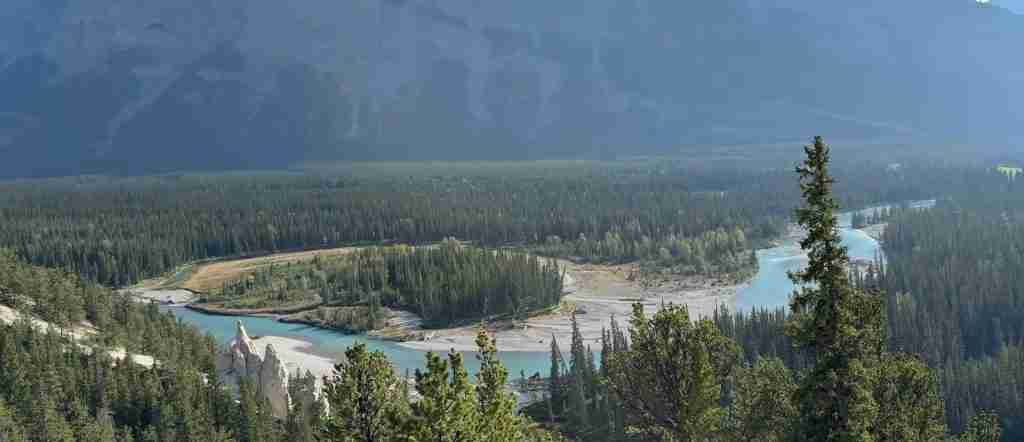
3 days
Park Banff National Park 3-Day Discovery Tour
- ✓ Comprehensive Park Banff National Park experience
- ✓ Expert local guides included
- ✓ All accommodation included
- ✓ Transportation provided
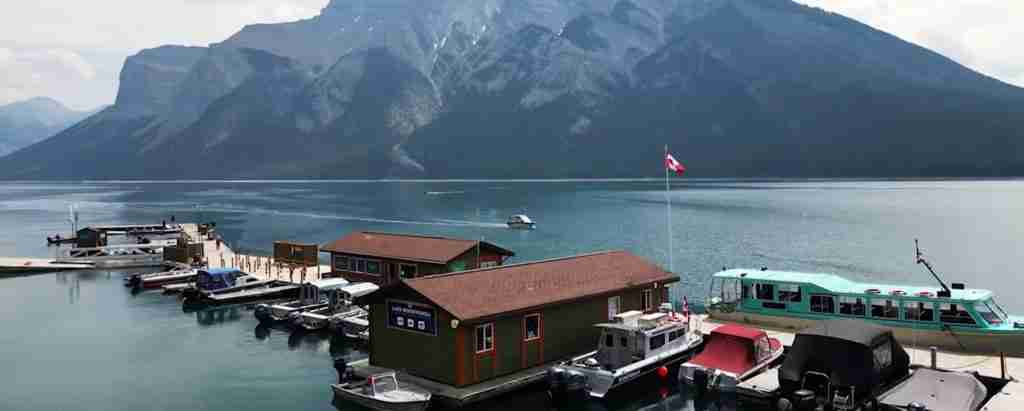
5 days
Park Banff National Park 5-Day Highlights Experience
- ✓ Comprehensive Park Banff National Park experience
- ✓ Expert local guides included
- ✓ All accommodation included
- ✓ Transportation provided
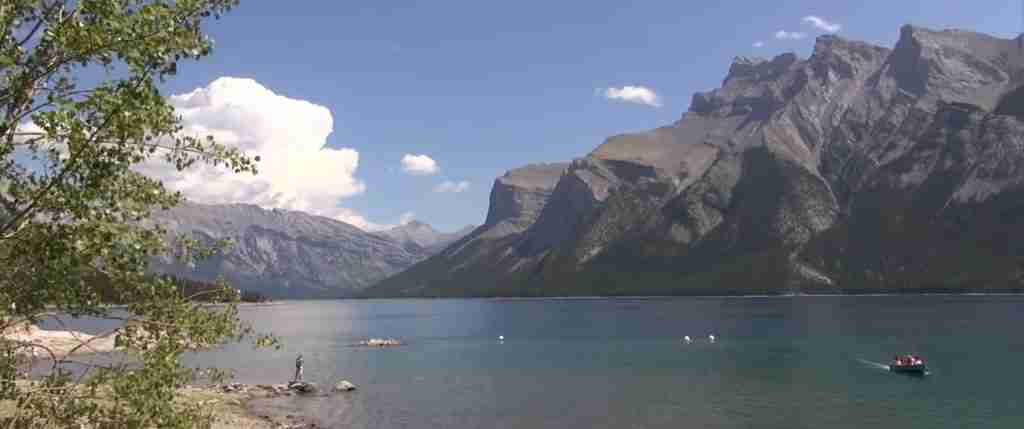
7 days
Park Banff National Park 7-Day Cultural Journey
- ✓ Comprehensive Park Banff National Park experience
- ✓ Expert local guides included
- ✓ All accommodation included
- ✓ Transportation provided
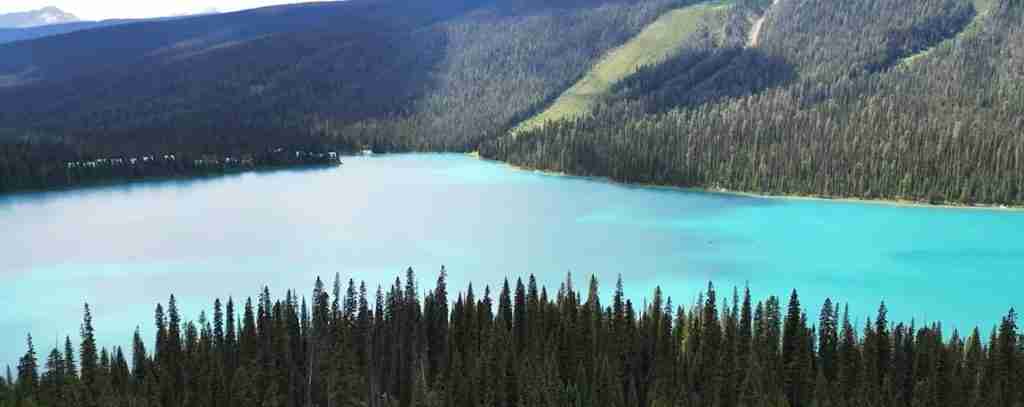
10 days
Park Banff National Park 10-Day Complete Adventure
- ✓ Comprehensive Park Banff National Park experience
- ✓ Expert local guides included
- ✓ All accommodation included
- ✓ Transportation provided
Multi-day tour packages powered by TourRadar. Prices and availability subject to change.
Age-Appropriate Trail Selection 2026
Toddlers and Preschoolers (Ages 2-5)
Fenland Trail delivers 2.1 km loop through wetlands and forest on wide, level boardwalk and gravel paths perfect for strollers and beginning walkers. The trail takes 45-60 minutes at toddler pace with multiple bench stops for snacks and wildlife viewing. Beavers, elk, and numerous bird species frequent the area providing engaging animal encounters. Start from Forty Mile Creek day-use area with parking lot, picnic tables, and accessible restrooms. The trail features interpretive signs explaining wetland ecology in simple terms that spark children’s curiosity about nature.
Bow Falls provides easy roadside access to powerful waterfalls with viewing platforms and paved paths suitable for strollers. Walk 400 meters from parking lot to main viewpoint where children safely observe churning water and dramatic rock formations. The short distance allows multiple visits without exhausting young children. Combine with nearby Hoodoos Trail (1.5 km loop) featuring unusual rock pillars that capture imaginations. Both locations offer quick access near Banff Town making them ideal for short outings when children need activity breaks between other plans.
Vermillion Lakes Loop provides 4.3 km out-and-back along flat gravel road suitable for strollers and tricycles with minimal vehicle traffic. The route offers three distinct lake viewpoints with Mount Rundle dominating backgrounds creating stunning family photo opportunities. Elk frequent the area especially during fall rutting season providing exciting wildlife viewing from safe distances. Turn back at any point matching your toddler’s energy level – even 1 km out provides rewarding mountain scenery. Pack snacks, water, and patience for frequent stops to examine rocks, throw pebbles, and observe ducks and geese.
Elementary Age Children (Ages 6-10)
Johnston Canyon to Lower Falls spans 2.2 km round trip (30-45 minutes each direction) along dramatic catwalks clinging to canyon walls. Children love the suspended walkways, tunnel sections, and multiple waterfall viewpoints creating a sense of adventure while remaining completely safe with barriers throughout. Continue to Upper Falls for 5.4 km round trip (2-3 hours total) if children show enthusiasm and energy. The trail maintains consistent width and solid footing making it manageable for elementary hikers. Arrive before 8 AM to avoid overwhelming crowds that detract from the experience.
Lake Louise Lakeshore Trail follows 4 km round trip along turquoise lake shoreline on wide, flat path with continuous mountain and glacier views. Children stay engaged by dramatic scenery, rocky beaches for skipping stones, and boat house at trail’s end. The gradual uphill on return feels easy after exploring the far shore. Combine with Fairview Lookout (2 km round trip, 100 meter elevation gain) providing elevated lake perspective without excessive climbing. Pack lunch for picnic at various spots along shoreline. Start early as parking fills completely by 9 AM during summer requiring shuttle reservations.
Sundance Canyon delivers 7.8 km round trip (2.5-3 hours) combining paved bike path through forest with canyon loop featuring creek, small waterfalls, and wooden boardwalks. Children enjoy varied terrain keeping interest high throughout. The trail’s gentle grade suits elementary stamina levels while providing sense of accomplishment. Rent bikes in Banff Town for first 3.2 km to Canyon entrance, then walk the 1.4 km loop, returning by bike. This combination maximizes distance covered while minimizing fatigue. The route works well for families with children spanning wider age ranges as biking accommodates varied abilities.
Preteens and Teenagers (Ages 11+)
Plain of Six Glaciers Trail from Lake Louise climbs 10.6 km round trip gaining 365 meters elevation through forest to alpine meadows with Victoria Glacier views. The tea house at 5.3 km provides motivation and reward with homemade snacks and spectacular scenery. Teenagers capable of sustained effort enjoy the challenging terrain and dramatic high-mountain environment. The trail demands 4-5 hours including tea house stop. Carry extra layers as temperatures drop significantly at elevation. Start before 8 AM to secure Lake Louise parking.
Larch Valley and Sentinel Pass ascends 11.6 km round trip gaining 725 meters through forest and alpine meadows famous for golden larch trees in late September. The steep sections challenge fitness while inspiring pride in accomplishment. Spectacular mountain panoramas from the pass reward effort. Families with strong hikers continue to Sentinel Pass (5.8 km from trailhead, 725 meter gain) for even more dramatic views. This trail attracts massive crowds during peak larch season (September 20-30) requiring very early starts or midweek visits. Reserve Moraine Lake shuttle months ahead for fall visits.
Sulphur Mountain Trail provides 11 km round trip climbing 655 meters on steep but consistent grade to gondola upper terminal. Determined teenagers enjoy the challenge of hiking up then riding gondola down ($37 youth 6-15 one-way descent). The trail sees less traffic than valley hikes offering quieter mountain experience. Cosmic Ray Station at summit features interpretive exhibits and panoramic viewing platforms. Budget 3-4 hours ascending plus time exploring summit before descending. This option suits families with very fit teenagers ready for sustained climbing effort.
Family-Friendly Accommodation 2026
Hotels and Lodges with Family Amenities
Banff Caribou Lodge provides family suites with separate bedroom, pullout sofa, and kitchenette accommodating 4-6 people for $300-450 per night in summer, $180-280 in winter. The property features indoor pool, hot tubs, and proximity to Banff Town shops and restaurants within walking distance. Full kitchen facilities allow meal preparation saving significant money on dining costs. Book 8-10 months ahead for summer peak season as family-sized units fill first. The lodge offers free parking eliminating daily parking fees ($10-15 elsewhere) adding up quickly during multi-day stays.
Fairmont Chateau Lake Louise delivers luxury family experience with larger rooms accommodating families, multiple dining options, and lakeside location providing immediate access to trails and scenery. Summer rates range $600-900 per night with family packages sometimes available. The hotel features kids’ programs during peak season, indoor pool, game room, and concierge services booking tours and activities. Despite premium pricing, the convenient location eliminates driving time allowing more activity hours. Many families splurge for 1-2 nights here combined with budget accommodations elsewhere balancing experience with cost management.
Tunnel Mountain Resort offers townhouse-style units with 1-3 bedrooms, full kitchens, and living spaces ideal for families staying multiple days. Units sleep 4-8 people depending on size with rates from $350-600 per night. The property includes playground, outdoor pool (summer only), and laundry facilities essential for families with young children. Location on Tunnel Mountain provides quiet setting removed from downtown traffic while remaining within 10-minute drive of Banff Town. Grocery shop before check-in to maximize kitchen use and minimize restaurant expenses.
Campground Options for Families
Tunnel Mountain Trailer Court accommodates RVs and trailers with full electrical hookups, flush toilets, hot showers, and interpretive programs perfect for family camping. Sites cost $38.20 per night offering significant savings versus hotels. The campground sits within walking distance of Hoodoos Trail, Tunnel Mountain Trail, and connects to downtown Banff via pathway system. Reserve sites starting in January for summer season as this popular family campground fills months ahead. The location balances camping experience with convenient town access for supplies, restaurants, and rainy day activities.
Two Jack Lakeside Campground provides 80 tent and RV sites ($32.30 per night) along Lake Minnewanka with swimming beach, playground, and evening interpretive programs engaging children in park education. Sites include picnic tables, fire pits, and bear-proof food storage. Flush toilets and cold water taps serve the campground but no showers exist on-site. The lakeside setting offers morning and evening wildlife viewing opportunities. Families enjoy swimming, fishing (Parks Canada permit required), and easy access to Lake Minnewanka area trails. Reserve early as this scenic location books completely throughout summer.
Lake Louise Campground delivers 206 sites ($32.30 per night) close to Lake Louise and Moraine Lake making it ideal base for exploring these iconic locations. The campground features flush toilets, showers ($1 coins), playground, and nightly interpretive programs. Sites accommodate tents, trailers, and RVs with no electrical hookups except in specific RV loops. Location provides walking and biking access to Lake Louise Village for basic supplies and dining. Morning shuttle service to Moraine Lake departs from campground simplifying access to this popular destination during summer shuttle season.
Vacation Rentals and Alternative Lodging
Canmore vacation rentals located 25 km outside Banff National Park entrance offer more space and lower costs than Banff Town accommodations. Three-bedroom condos sleep 6-8 people for $250-400 per night providing full kitchens, multiple bathrooms, and living space crucial for families. Properties include amenities like washers, dryers, and sometimes hot tubs. The 25-minute drive to Banff adds travel time but savings of $100-200 per night quickly compensate. Canmore features multiple grocery stores, restaurants, and recreation facilities supplementing Banff visits. Search vacation rental platforms 6-8 months before travel for best selection.
Hostels in Banff Town and Lake Louise provide family rooms sleeping 4-6 people for $150-220 per night significantly below hotel rates. HI-Banff Alpine Centre offers private family rooms with shared bathroom facilities, kitchen access, and common areas. The communal atmosphere allows children to meet other young travelers. Hostel amenities typically include game rooms, libraries, and outdoor spaces. Book well ahead as limited family rooms fill quickly. This option suits adventurous families comfortable with hostel environment in exchange for substantial cost savings and social atmosphere.
Bed and breakfast accommodations throughout Bow Valley provide personalized service and home-cooked meals in residential settings. Family-friendly B&Bs accommodate children with cribs, high chairs, and kid-friendly breakfast options. Rates range $200-350 per night for family rooms including breakfast for all guests. The smaller scale allows hosts to provide local insights, activity recommendations, and child-friendly suggestions based on extensive area knowledge. Search specifically for family-friendly properties as some B&Bs cater exclusively to adult guests. This option works best for families with well-behaved children comfortable in shared-space environments.
Meal Planning and Dining Strategies 2026
Family-Friendly Restaurants
Melissa’s Restaurant in Banff Town serves hearty portions of comfort food including burgers, pasta, and breakfast all day appealing to picky eaters. Meals cost $15-25 per person with children’s menu available. The casual atmosphere tolerates energetic children without judgment. Large booths accommodate families comfortably. Wait times reach 30-45 minutes during peak lunch and dinner hours – arrive at off-peak times (2-4 PM, after 8 PM) or put name on waitlist then explore nearby shops while waiting. The extensive menu provides options satisfying diverse family preferences from vegetarians to meat lovers.
Park Distillery offers pizza, burgers, and shared appetizers in industrial-chic space with high noise levels masking children’s voices. Pizzas ($18-26) serve 1-2 people requiring multiple orders for families. The whiskey distillery theme appeals to parents while game area occupies children. Reservations are recommended for dinner service. Kids’ menu provides smaller portions at reduced prices. Located in downtown Banff within walking distance of hotels and attractions. The combination of adult and child appeal makes this reliable family dining choice despite premium pricing.
Eddie Burger + Bar delivers quality burgers, milkshakes, and fries in family-friendly environment with reasonable prices ($12-18 per person). The straightforward menu simplifies ordering for children who struggle with complex choices. Window seating provides people-watching entertainment keeping kids occupied during waits. Service moves quickly accommodating families with restless children. Located on Banff Avenue central to downtown activities. The reliable, familiar food satisfies hungry hikers and picky eaters alike without breaking family budgets.
Grocery Shopping and Self-Catering
Nesters Market in Banff Town provides full grocery selection including organic options, prepared foods, deli counter, and bakery perfect for stocking accommodation kitchens. Prices run 20-30% higher than Calgary or Canmore so shop before entering park if possible. The store features kid-friendly snacks, cereals, and familiar brands easing mealtime challenges. Prepared foods including rotisserie chicken, salads, and sandwiches provide quick dinner solutions after long hiking days. Shopping once or twice during multi-day stays reduces costs substantially versus restaurant dining for every meal.
IGA Foods of Banff offers comparable selection to Nesters with similar pricing. The store includes pharmacy, liquor section, and household items covering unexpected needs. Both grocery stores operate daily with extended hours during summer season. Bring reusable bags as stores charge for plastic bags following environmental practices. Consider ordering groceries online for pickup or delivery if staying in larger accommodations saving time and allowing more activity hours. Factor grocery runs into daily schedules as shopping with tired, hungry children tests patience considerably.
Farmers market operates in downtown Banff during summer months (June-September) providing fresh produce, baked goods, and local products. Shopping here adds cultural experience while supporting local producers. Children enjoy sampling products and selecting their own fruits and vegetables. Prices are comparable or slightly higher than grocery stores but quality often exceeds mass-market options. Visit Friday evenings or Saturday mornings for full vendor selection. Combine market visits with downtown exploration and playground time at Central Park.
Packing Snacks and Picnic Planning
Pack substantial trail snacks keeping children fueled during hikes – granola bars, trail mix, fruit, cheese sticks, crackers, and cookies prevent energy crashes and meltdowns. Bring more than you think necessary as mountain air and physical activity increase appetites dramatically. Store snacks in bear-proof containers or vehicles when not actively consumed. Ziplock bags organize individual servings making distribution easy during hikes. Avoid chocolate and other heat-sensitive items during summer as temperatures in backpacks and vehicles cause melting messes.
Prepare picnic lunches for trail days saving time and money versus returning to accommodations or seeking restaurants mid-day. Sandwiches, cut vegetables, fruit, chips, and treats provide satisfying meals eaten at scenic viewpoints turning lunch into memorable experiences. Bring insulated lunch bags with ice packs keeping perishables safe in summer heat. Pack out all garbage including organic waste as littering is prohibited and damages wilderness. Multiple small meals and snacks throughout hiking days work better than traditional three-meal structure when children expend significant energy.
Establish snack strategies preventing constant requests and negotiations during drives and activities. Designated snack times (mid-morning, mid-afternoon) provide structure while allowing flexibility for hungry moments. Involve children in snack selection at grocery stores increasing buy-in and reducing complaints. Balance healthy options like fruit and vegetables with occasional treats maintaining energy levels and morale. Hydration is equally critical – children need 1-2 liters of water daily depending on age, weather, and activity level. Bring refillable water bottles for everyone and top off at every opportunity as dehydration causes irritability, headaches, and reduced enjoyment.
Safety and Family Logistics 2026
Wildlife Safety with Children
Teach children comprehensive wildlife rules before arrival establishing clear expectations for animal encounters. Maintain 100 meters from bears and wolves, 30 meters from elk, deer, bighorn sheep, and mountain goats. Never approach, feed, or attempt to touch any wildlife regardless of how docile they appear. Make noise consistently while hiking by talking, singing, or clapping hands alerting animals to your presence. Children naturally move quietly becoming engrossed in rocks, sticks, and insects – remind them regularly to make sound preventing surprise encounters with bears.
Carry bear spray on all outings and teach older children (10+ years) proper deployment technique. Practice with inert training canisters before actual trips as correct use requires quick, calm response during stressful encounters. Children under 10 should never handle bear spray but need to understand its purpose and know to stay behind adults during wildlife situations. Establish signals or code words indicating when children must stop, move behind parents, and remain quiet. Rehearse scenarios building confidence and muscle memory so everyone responds appropriately if encounters occur.
Report all wildlife sightings to Parks Canada immediately especially close encounters or aggressive behavior. Rangers use this information to manage wildlife corridors, close trails when necessary, and track animals requiring monitoring. Never stop vehicles on roadways to view wildlife as this creates traffic hazards and crowds stressing animals. Pull completely off road into designated pullouts or continue to proper viewpoints. Teach children that getting close for photos puts both people and animals at risk – use zoom lenses or binoculars for detailed viewing while maintaining safe distances. Wildlife prioritizes its own safety and young – mothers defending offspring pose extreme danger.
Car Seat and Transportation Logistics
Alberta law requires appropriate car seats for children under 6 years and 40 pounds, booster seats for children 6-9 years under 145 cm tall. Rental car companies provide car seats for $10-15 per day per seat, or bring your own eliminating costs and ensuring proper fit. Verify car seat compatibility with rental vehicle before booking as some compact cars accommodate only one rear-facing seat. Taxi and shuttle services require families to provide car seats for young children – plan accordingly when booking transportation to and from airport.
Long drives between Banff attractions test children’s patience as scenic routes span 30-90 minutes. Download movies, audiobooks, and music offline before trip as cell service disappears quickly outside townsites. Bring activity books, travel games, and electronic devices with headphones keeping kids occupied. Plan strategic bathroom breaks at major stops like Lake Louise Village, Saskatchewan River Crossing, or Johnston Canyon. Pack dramamine or natural remedies for children prone to car sickness on winding mountain roads. Keep wipes, changes of clothes, and trash bags accessible for inevitable spills and messes.
Consider renting larger vehicles like SUVs or minivans accommodating families comfortably with gear. Mountain driving demands good visibility, reliable brakes, and adequate power for steep climbs. Compact cars struggle on mountain grades and provide minimal cargo space for camping gear, strollers, and supplies. All-wheel-drive is beneficial but not mandatory during summer months. Winter travel absolutely requires appropriate vehicles with winter tires or chains. Budget $70-120 per day for mid-size SUV rentals during peak season. Book 2-3 months ahead for best rates and vehicle selection.
First Aid and Emergency Preparedness
Pack comprehensive first aid kit specifically for children including bandages in multiple sizes, antibiotic ointment, pain relievers (acetaminophen and ibuprofen), antihistamines for allergic reactions, tweezers for splinters, and any prescription medications your children require plus 3-4 days extra supply. Include treatments for common trail injuries like blisters, cuts, scrapes, and insect bites. Carry your pediatrician’s contact information and health insurance cards. Know the location of Banff Mineral Springs Hospital (24-hour emergency) and Lake Louise Medical Clinic (seasonal, limited hours).
Create emergency plan establishing meeting locations if family members separate during outings. Designate responsible older children as partners for younger siblings. Ensure children know your names, phone numbers, and where you’re staying. Consider temporary tattoos with parent contact information for young children who can’t reliably remember details. Program Parks Canada Dispatch (403-762-1470) into phones. Teach children to stay in one place if they become lost rather than wandering further from the trail. Practice STOP principle – Stop, Think, Observe, Plan – through role-playing before trips.
Recognize and respond quickly to altitude sickness symptoms affecting some children at Banff’s elevation (1,400 meters) especially at higher viewpoints like Sulphur Mountain (2,281 meters). Symptoms include headache, nausea, dizziness, and unusual fatigue. Descend immediately if symptoms worsen or persist despite rest and hydration. Force fluid intake even when children resist – dehydration exacerbates altitude issues. Watch for hypothermia signs during wet or cold conditions including shivering, confusion, and lethargy. Dress children in layers, change wet clothing immediately, and seek warm shelter. Children lose body heat faster than adults requiring extra vigilance during marginal conditions.
Age-Specific Tips and Activities 2026
Infants and Babies (0-2 Years)
Invest in quality baby carrier for hiking as strollers limit trail access to only paved paths. Osprey Poco and Deuter Kid Comfort carriers provide excellent support, sunshades, and storage for 6-month to 3-year-old children. Practice wearing loaded carrier on walks before departure building stamina and ensuring proper fit. The carriers allow access to trails like Lake Agnes Tea House, Peyto Lake viewpoint, and many backcountry routes impossible with strollers. Position sun hats, sunscreen, and layers carefully preventing overheating or cold exposure as carried children don’t generate body heat through movement.
Maintain flexible schedules honoring nap times and feeding routines as much as possible given mountain environment. Plan shorter morning outings returning to accommodation by early afternoon for rest time. Use late afternoons for scenic drives where babies sleep in car seats. Bring portable sound machines, familiar blankets, and comfort items helping babies sleep in unfamiliar accommodations. Hotel rooms with separate bedroom areas or vacation rentals with multiple rooms allow parents to stay awake after babies sleep. White noise apps mask unfamiliar mountain sounds (wind, other guests, wildlife) that disturb light sleepers.
Prepare for diaper changes in remote locations by packing disposable changing pads, extra diapers (more than you estimate), wipes, and sealed bags for dirty diapers requiring pack-out. Trailhead facilities often lack changing tables necessitating car tailgate changes. Dress babies in one-piece outfits with full leg and arm coverage protecting skin from sun, insects, and brush. Avoid cotton which stays wet and cold – choose synthetic or merino wool base layers regulating temperature better. Bring pacifiers, teething toys, and small books for distraction during car rides and restaurant waits.
Preschool and Early Elementary (3-7 Years)
Frame hikes as adventures searching for specific features – waterfalls, bridges, wildlife, colorful rocks – keeping young minds engaged. Create scavenger hunts listing items to find building excitement and providing goals throughout outings. Bring field guides identifying birds, trees, and wildflowers turning walks into educational experiences. Children this age need frequent stops every 15-20 minutes examining interesting discoveries, playing in streams, or simply resting. Accept that you’ll cover less distance focusing on quality experiences over quantity of kilometers hiked.
Visit Banff Park Museum viewing taxidermy wildlife displays sparking conversations about animals, habitats, and conservation. The Victorian-era building itself fascinates children accustomed to modern architecture. Cave and Basin National Historic Site offers interactive exhibits, thermal pool viewing, and short boardwalk trails manageable for young children. The unique smells and warm environment create memorable sensory experiences. Buffalo Nations Luxton Museum provides Indigenous cultural education through displays, artifacts, and storytelling appropriate for elementary ages.
Carry small toys, activity books, and art supplies for quiet time at accommodations and during rainy weather. Banff Public Library welcomes visitors with children’s sections and reading programs. Multiple playgrounds throughout Banff Town including Central Park provide energy outlets and opportunities meeting other traveling families. Banff Recreation Centre features swimming pool, climbing wall, and gymnasium offering indoor alternatives during poor weather or rest days. Budget 1-2 hours daily for unstructured play allowing children to decompress from structured activities and long car rides.
Preteens and Teenagers (8+ Years)
Challenge older children with more ambitious hikes building confidence and physical fitness. Plain of Six Glaciers, Larch Valley, and Sulphur Mountain Trail provide genuine accomplishment motivating continued outdoor engagement. Involve teenagers in route planning, navigation, and decision-making fostering leadership skills and investment in trip success. Teach map reading, trail-finding, and wilderness skills through hands-on experience. Many teenagers appreciate adult conversation about geology, ecology, and conservation moving beyond simple observations to deeper understanding of mountain environments.
Consider split days where capable teenagers join one parent on challenging hikes while younger siblings and other parent pursue easier activities. This approach maximizes everyone’s experience rather than limiting entire family to youngest member’s abilities. Cave and Basin offers guided hikes, evening programs, and volunteer opportunities for teenagers interested in deeper park engagement. Lake Louise Ski Resort operates summer sightseeing gondola, mountain biking, and via ferrata climbing routes appealing to adventure-seeking teens.
Grant age-appropriate independence allowing teenagers to explore Banff Town shops, cafes, and attractions with friends or siblings while parents relax. Establish clear check-in times, boundaries, and communication protocols. Town is very safe with pedestrian-friendly layout but enforce safety rules regarding traffic, stranger danger, and group cohesion. Many teenagers document trips through photography and social media – support this interest by allowing time for composition, editing, and sharing. Consider providing supplementary camera equipment or accessories as trip mementos and tools for creative expression.
Educational Opportunities and Park Programs 2026
Junior Ranger Program
Parks Canada Xplorers program engages children ages 6-11 through activity booklets completed at their own pace during park visits. Pick up free booklets at visitor centers in Banff Town or Lake Louise completing challenges including wildlife identification, geological observations, and conservation activities. Children earn badges and certificates upon completion fostering pride in accomplishment and environmental stewardship. The structured activities keep kids engaged during visits while teaching valuable lessons about park ecosystems, history, and protection.
Program activities direct attention to specific features and behaviors – identifying animal tracks, observing respectful wildlife viewing distances, understanding Leave No Trace principles, and recognizing Indigenous connections to the land. Parents use booklet prompts to facilitate meaningful conversations beyond simple sightseeing. The program works well for mixed-age groups as younger children participate with parental help while older kids complete challenges independently. Consider setting aside time specifically for program activities rather than rushing through booklets creating stress and reduced enjoyment.
Interpretive Programs and Guided Walks
Parks Canada offers free interpretive programs throughout summer season including guided walks, evening presentations, and special events designed for families. Programs cover topics like wildlife behavior, geological formation, Indigenous history, and mountain ecology. Check program schedules at visitor centers or online before arrival planning activities around presentations of interest. Evening campfire programs at campgrounds feature storytelling, sing-alongs, and educational content engaging children in casual outdoor settings.
Guided walks led by park interpreters provide expert knowledge bringing landscapes to life through stories, scientific explanations, and hands-on activities. Programs typically last 1-2 hours matching children’s attention spans while delivering substantial content. Free programs make them excellent value adding educational components without additional costs. Interpreters answer questions, share interesting facts, and often carry props like animal furs, bones, or geological samples children can touch and examine closely.
Museums and Cultural Centers
Whyte Museum of the Canadian Rockies in Banff Town showcases mountain culture through art galleries, heritage homes, and archives documenting human relationship with the landscape. Family programs during summer include art workshops, heritage games, and cultural demonstrations. Admission costs $10 adults, $5 students, free for children under 6. The museum’s manageable size prevents overwhelm while providing engaging content. Heritage homes on museum grounds offer glimpses of early Banff life fascinating for children studying history or interested in period architecture and daily life.
Buffalo Nations Luxton Museum presents Indigenous perspectives on Canadian Rockies featuring Blackfoot, Cree, Sarcee, and Stoney exhibits. Displays include traditional clothing, tools, weapons, and artwork with interpretive text explaining cultural significance. Admission costs $10 adults, $5 youth 7-17, free under 7. The museum’s focus on Indigenous peoples provides crucial context often missing from Euro-centric park narratives. Children benefit from understanding that these mountains hold deep cultural and spiritual meaning for Indigenous nations who stewarded the land for thousands of years before park designation.
Cave and Basin National Historic Site marks birthplace of Canada’s national park system where hot springs discovery led to park creation in 1885. Interactive exhibits explain geological processes creating thermal features, early tourism development, and conservation efforts. Admission costs $8.10 adults, $4.05 youth 6-16, free under 6 (check parks.canada.ca for current official rates). The site offers short trail network, thermal pool viewing, and unique sulfur smell creating memorable sensory experience. Family programs during summer include guided tours and special events. The facility provides excellent rainy day activity with indoor exhibits and covered viewing areas.
Budget Planning for Families 2026
Cost Breakdown and Realistic Budgeting
Accommodation represents the largest expense for family trips to Banff. Budget $250-400 per night for family-friendly hotels with kitchenettes in Banff Town, $200-300 in Canmore, or $32-38 for campground sites. A week-long trip requires $1,750-2,800 for lodging in hotels or $224-266 for camping. Check booking platforms for current rates as pricing varies. Balance accommodation types throughout trips – perhaps 2-3 nights camping, 2-3 nights in budget hotel with kitchen, and 1-2 nights in nicer property as special treat. Shoulder season visits (May, June, September, October) reduce accommodation costs 30-50% while maintaining good weather and trail access.
Meal costs vary dramatically based on dining choices. Budget travelers preparing all meals from groceries spend $80-100 per day for family of four. Mid-range approach combining self-catered breakfasts and lunches with restaurant dinners requires $120-160 daily. Families dining exclusively in restaurants budget $180-240 per day. Parks Canada family pass costs $148.90 annually (check parks.canada.ca for current official rates as pricing may vary) covering entry for up to seven people in one vehicle providing excellent value for families. Individual adult passes ($76.95) only make sense for solo travelers or couples without children.
Activity costs include optional paid attractions like Banff Gondola ($74 adults, $37 youth 6-15, free under 6), Lake Minnewanka cruise ($75 adults, $37.50 children 6-15), and museum admissions ($5-10 per person). Budget $40-100 per day for paid activities depending on choices. Many excellent experiences are completely free including hiking, wildlife viewing, scenic driving, playground visits, and beach time at lakes. Gear rentals like bear spray ($50-60 per trip), bikes ($40-60 per day), or ski equipment ($50-80 per day) add costs but provide access to activities without purchase expenses.
Money-Saving Strategies
Shop for groceries in Calgary or Canmore before entering Banff National Park saving 20-30% on food costs. Stock rental accommodations with breakfast supplies, lunch fixings, snacks, and dinner basics reducing restaurant dependence. Prepare elaborate breakfasts and simple dinners at accommodations using restaurant meals as midday treats when everyone is tired from morning activities. This approach balances cost savings with reduced evening cooking burden after exhausting days hiking and exploring.
Visit during shoulder seasons (May, June, September, October) when accommodation rates drop significantly while weather remains largely favorable and most trails stay accessible. Avoid peak summer weeks (mid-July through mid-August) and fall larch season (late September) when prices peak and crowds maximize. Book accommodations and rental vehicles well ahead (6-8 months) securing best rates before prices increase closer to travel dates. Use price comparison sites and hotel loyalty programs earning points toward future stays or accessing member discounts.
Take advantage of free activities maximizing park experiences without additional costs. Hiking requires no fees beyond park entry pass. Wildlife viewing along valley roads costs nothing. Vermillion Lakes, Bow Falls, and Cascade Ponds provide swimming, beach time, and picnicking without charges. Banff Public Library, playgrounds, and town exploration entertain children at no cost. Parks Canada interpretive programs deliver expert-led education completely free. Balance expensive paid attractions (gondola, boat tours) with equally memorable free experiences distributing budget strategically across trip duration.
Hidden Costs and Budget Buffers
Account for parking fees throughout Banff reaching $10-15 per day at popular trailheads during peak season. Some accommodations charge separate parking fees ($15-25 per night) not included in room rates. Gas prices in Banff run $1.60-1.85 per liter significantly higher than Calgary or Canmore – fill tanks outside park boundaries when possible. Laundry facilities at campgrounds and laundromats cost $3-5 per load adding up during extended stays with children generating significant dirty clothes.
Medical expenses can arise unexpectedly when children suffer injuries, altitude sickness, or other ailments. Travel insurance covering medical emergencies costs $50-150 for families depending on coverage limits and trip duration. Without insurance, emergency room visits cost $500-1,000 before treatment begins. Factor potential medical costs into contingency budgets. Forgotten items like sunscreen, insect repellent, or bandages purchased in Banff cost 30-50% more than elsewhere – bring comprehensive supplies from home.
Build 15-20% buffer into total budget accommodating unexpected expenses, activity changes, or special treats that arise spontaneously. Popular restaurants exceed budget estimates when children order expensive items or families indulge in desserts and drinks. Souvenir requests from children add up quickly – establish clear spending limits before entering shops. Activity upgrades like helicopter tours ($200-400 per person) tempt families with once-in-lifetime opportunities requiring budget flexibility. Weather changes forcing extra indoor activity days increase costs through museum admissions, movies, or recreation center fees.
Seasonal Family Considerations 2026
Summer Family Travel (June-August)
Summer provides warmest weather, longest daylight hours (16 hours between sunrise and sunset), and maximum trail access making it easiest season for family travel. Plan activities for morning hours before afternoon thunderstorms develop over mountains from June through August. Carry rain jackets, warm layers, and sun protection as weather changes rapidly throughout days. Insect repellent is essential as mosquitoes and black flies peak in July particularly near wetlands and forests. Wildflower displays in alpine meadows reach peak beauty late July through early August creating spectacular hiking backdrops.
Crowds maximize during summer requiring very early starts (before 8 AM) for popular destinations like Lake Louise, Moraine Lake, and Johnston Canyon. Parking lots fill completely by 9 AM with no overflow options requiring turn-aways or 1-2 hour waits. Book shuttle reservations to Moraine Lake months ahead securing guaranteed access. Consider visiting major attractions on weekdays rather than weekends when day-trippers from Calgary overwhelm facilities. Alternative destinations like Peyto Lake, Bow Lake, and Parker Ridge offer equally spectacular scenery with far fewer visitors.
Summer accommodation and tour prices peak requiring booking 8-10 months ahead for best selection and rates. Many families visit during this season due to school schedules despite crowds and costs. Plan rest days between active days preventing burnout from overpacked itineraries. Hot afternoon hours work well for swimming in lakes, visiting museums, or relaxing at accommodations. Evening programs and sunset viewing extend activity hours taking advantage of late summer light lasting until 10 PM.
Fall Family Travel (September-October)
Fall offers spectacular larch tree displays in golden yellow attracting massive crowds to specific trails during peak color (usually September 20-30). Larch Valley, Healy Pass, and Taylor Lake see crowds exceeding summer levels requiring Moraine Lake shuttle reservations weeks in advance. Weather becomes highly unpredictable with snow possible any day after mid-September. Pack for three seasons with summer hiking clothes, fall layers, and winter insulation as conditions vary dramatically day to day and by elevation.
Many services reduce hours or close completely after Labor Day including some restaurants, shuttle services, and accommodation options. Lake Louise Visitor Centre operates reduced hours. Some campgrounds close mid-September through early October. Verify facility hours and trail conditions before finalizing plans. Elk rutting season (September-October) brings these animals into Banff Town making encounters common and potentially dangerous. Teach children to maintain 30 meters minimum distance from all elk especially aggressive bulls bugling and defending territory.
Shoulder season accommodation rates drop 30-40% compared to summer peak while weather remains largely favorable. Early September offers best balance of good weather, reduced crowds, and lower costs. Late September through October sees deteriorating weather but spectacular larch displays and lower prices attracting budget-conscious families. Many trails close temporarily during this period for wildlife management protecting bears preparing for hibernation. Check Parks Canada trail status reports daily when planning fall activities.
Winter Family Travel (December-March)
Winter transforms Banff into snowy playground offering cross-country skiing, snowshoeing, ice skating, and frozen waterfall hikes appealing to adventurous families. Lake Louise Ski Resort provides world-class skiing and snowboarding with children’s programs and family-friendly runs. Rent equipment in Banff Town or at resort bases. Winter temperatures range -5°C to -25°C with wind chill making it feel colder – invest in proper cold-weather gear rated to -30°C including insulated jackets, snow pants, winter boots, warm hats, and insulated gloves.
Daylight hours shrink to 8-9 hours (8:30 AM to 4:30 PM approximately) limiting activity windows. Plan outdoor pursuits for midday hours when temperatures peak and light is best. Use morning and evening hours for indoor activities like museums, swimming at recreation centers, or relaxing at accommodations. Ice sculptures, snow play areas, and skating rinks in Banff Town provide engaging winter activities for children. Canyon ice walks at Johnston Canyon and Grotto Canyon offer unique frozen waterfall experiences accessible to families with proper footwear and caution.
Winter travel demands additional safety precautions including avalanche awareness for any backcountry travel, proper vehicle preparation with winter tires, and emergency supplies in vehicles. Never travel backcountry without proper avalanche training, equipment (transceiver, probe, shovel), and knowledge. Stick to maintained trails and designated areas unless you possess expertise and equipment for winter mountain travel. Roads can be treacherous – drive slowly, maintain safe distances, and postpone travel during major storms. Winter accommodation and lift ticket prices peak during Christmas holidays and spring break requiring advance booking for these periods.
Frequently Asked Questions
Can toddlers hike in Banff National Park?
Yes, toddlers can enjoy Banff trails with appropriate route selection and realistic expectations. Choose short, flat trails like Fenland Trail (2.1 km loop), Bow Falls (400 meters), or Vermillion Lakes (4.3 km out-and-back, turn around anytime). Bring quality baby carrier for longer distances as most toddlers walk 1-2 km maximum before tiring. Plan 2-3 times longer than standard hiking times allowing frequent stops for snacks, exploration, and rest. Stroller-accessible options exist but limit trail variety significantly compared to carrier use.
What is the minimum age for Lake Minnewanka boat tour?
Lake Minnewanka boat tours welcome all ages including infants. The 90-minute cruise provides comfortable seating, indoor cabin space, and restrooms making it suitable for young children. Bring layers as wind on water creates cooler conditions than on land. Tours cost $75 adults, $37.50 children 6-15, free for children under 6. Reserve tickets in advance during summer season as popular departure times sell out. The educational narration engages school-age children while younger kids enjoy being on the water and viewing surrounding mountains.
Are Banff campgrounds family-friendly with children?
Banff campgrounds are very family-friendly featuring playground equipment, interpretive programs, and safe environments. Tunnel Mountain, Two Jack Lakeside, and Lake Louise campgrounds offer flush toilets, hot showers (some sites), and evening programs specifically designed for families. Sites include picnic tables, fire pits, and bear-proof food storage. Book popular family campgrounds 6-8 months ahead as they fill quickly. Some campgrounds operate generators during limited hours – check regulations if you need electricity for CPAP machines or other medical equipment.
How do I keep children safe from bears in Banff?
Carry bear spray on all outings and make consistent noise while hiking alerting bears to your presence. Teach children to stay together, never approach wildlife, and follow adult instructions immediately during encounters. Maintain 100 meters from bears, 30 meters from other wildlife. Travel in groups of 4 or more as bears rarely approach larger parties. Keep children close on trails preventing them from running ahead or lagging behind. Store all food and scented items in bear-proof containers or vehicles. Report all bear sightings to Parks Canada helping rangers track animal movements and close areas when necessary.
What if my child gets altitude sickness in Banff?
Descend immediately if altitude sickness symptoms worsen or persist despite rest. Symptoms include headache, nausea, dizziness, and unusual fatigue. Banff sits at 1,400 meters with popular viewpoints reaching 2,000-2,300 meters affecting some children. Force fluid intake even when children resist drinking. Rest in lower elevations allowing acclimatization before attempting high passes or peaks. Most symptoms resolve within hours to a day at lower elevation. Seek medical attention at Banff Mineral Springs Hospital if symptoms are severe or don’t improve with descent and hydration.
Can we visit Banff with a newborn baby?
Yes, families successfully visit Banff with newborns though it requires additional planning and flexibility. Choose stroller-accessible trails like Fenland, Bow Falls, and Vermillion Lakes. Bring baby carrier for trails where strollers don’t work. Maintain flexible schedules honoring feeding and nap routines. Book accommodations with separate bedroom areas allowing parents to stay awake after baby sleeps. Prepare for outdoor diaper changes and bring portable supplies. Protect babies from sun, wind, and temperature changes with appropriate clothing and carrier accessories. Keep outings shorter focusing on quality experiences over ambitious itineraries.
What family activities work on rainy days in Banff?
Visit Banff Park Museum, Whyte Museum, Buffalo Nations Luxton Museum, or Cave and Basin National Historic Site providing indoor educational experiences. Banff Recreation Centre features swimming pool, climbing wall, and gymnasium. Watch movies at Banff movie theatre or visit Banff Public Library. Shop downtown Banff exploring stores and cafes. Many hotels have pools and hot tubs. Drive scenic routes viewing mountains from vehicles during breaks in weather. Some families embrace rain hiking Johnston Canyon where weather matters less in protected canyon environment. Pack cards, games, and activities for accommodation downtime.
Should I bring a stroller to Banff National Park?
Bring stroller only if planning extensive time in Banff Town or sticking to very limited paved trails. Baby carriers provide far more trail access and flexibility for mountain hiking. Stroller-accessible options include Fenland Trail, Bow Falls pathway, Vermillion Lakes road, and Banff Town pathways. Rocky, uneven terrain on most trails makes strollers impractical or impossible. Jogging strollers with large wheels handle gravel paths better than standard strollers. Consider bringing both stroller for town use and carrier for trail exploration maximizing options throughout your trip.
What supplies should I pack for Banff family trip?
Pack layers for changing weather including rain jackets, fleece, sun hats, warm hats, and gloves. Bring bear spray, first aid kit, sunscreen, insect repellent, and any prescription medications plus extras. Include snacks, reusable water bottles, daypack, and emergency supplies. For young children bring diapers, wipes, changes of clothes, familiar comfort items, and entertainment for car rides. Hiking boots for everyone plus backup shoes for wet conditions. Binoculars for wildlife viewing, camera, portable chargers, and offline maps. Don’t forget trash bags, ziplocks for organization, and small toys or books for downtime.
How much spending money should I bring for family vacation in Banff?
Budget $200-250 per day for family of four covering mid-range accommodation ($250-400 per night divided across trip), meals mixing self-catered and restaurants ($80-160 daily), activities and park entry (prorated annual pass plus optional paid attractions), and miscellaneous costs. Budget travelers spend $120-150 daily primarily camping and self-catering. Luxury families budget $400-600+ daily for upscale accommodations and dining. Add one-time costs including transportation to Banff, rental vehicle, and gear purchases or rentals. Bring credit cards for major expenses and $200-300 cash for parking meters, small vendors, and tips.
Making Your Banff Family Adventure Unforgettable
Success with children in Banff comes from balancing ambitious adult desires with realistic expectations for what kids can handle comfortably. Choose age-appropriate trails preventing exhaustion and frustration. Build flexibility into schedules allowing spontaneous wildlife viewing stops, rock throwing sessions at streams, and extended snack breaks that enrich experiences rather than viewing them as delays. The journey matters more than covering maximum kilometers or checking every attraction off lists. Children remember special moments – spotting elk families, playing in mountain streams, roasting marshmallows under starry skies – more than they recall specific peaks or trail names.
Prepare thoroughly with proper gear, safety knowledge, and realistic budgets while maintaining openness to unexpected opportunities and changes. Weather may alter plans, wildlife sightings may extend schedules, and children’s moods may require itinerary adjustments. Embrace these variations as part of authentic mountain experience rather than disruptions to perfect trips. Model environmental stewardship by following Leave No Trace principles, respecting wildlife, and teaching children about conservation. These lessons create lasting values extending far beyond your Banff visit.
Remember that introducing children to mountain wilderness creates foundation for lifelong outdoor engagement and environmental awareness. Even if trips don’t proceed exactly as planned, time spent together exploring spectacular Canadian Rockies builds family bonds and creates shared memories that endure long after returning home. Take photos capturing special moments but also put cameras down fully experiencing the overwhelming natural beauty surrounding you. The mountains have existed for millions of years and will remain long after your visit – focus on making the most of your time here with the people who matter most.