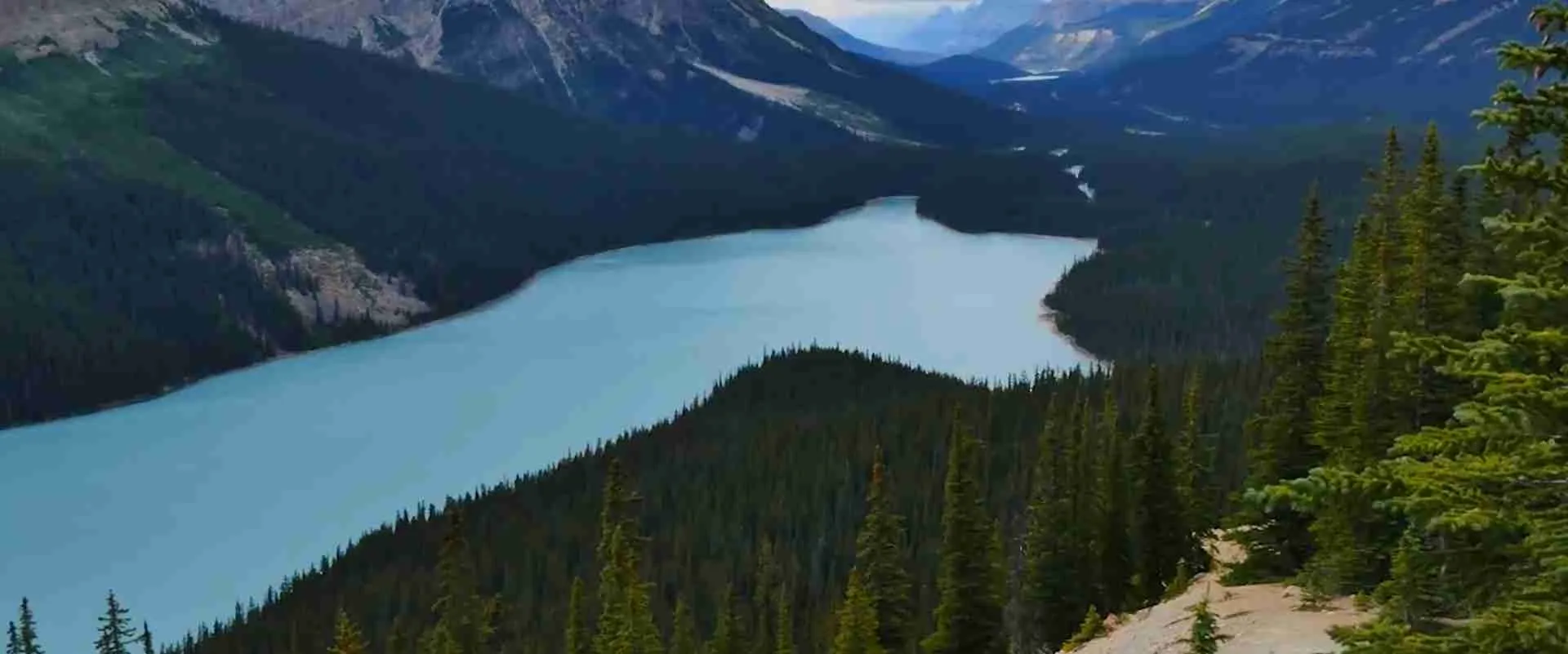
Banff National Park Travel Guide 2026: Ultimate Planning Resource
This comprehensive guide provides everything needed to transform your Banff aspirations into a seamlessly executed 2026 mountain adventure. Planning your 2026 Banff adventure requires strategic thinking across multiple dimensions: navigating park access systems, securing limited accommodation, timing your visit for optimal weather and wildlife viewing, budgeting for Canadian pricing structures, and coordinating transportation logistics across vast mountain terrain.
Key Takeaways
- Park entry requires $11.25 CAD daily pass or $76.50 CAD annual Discovery Pass (check Parks Canada website for current official rates as pricing may vary)
- July-August brings peak crowds and highest accommodation rates ($250-500+ per night), while shoulder seasons offer better value and wildlife viewing
- Book Banff townsite hotels 6-9 months ahead for summer visits, Lake Louise accommodations fill even earlier
- Calgary International Airport serves as primary gateway, located 130km east with multiple daily shuttle services ($75-95 per person)
- Free Parks Canada shuttle system connects major sites during summer season, reducing parking hassles and environmental impact
- Wildlife encounters peak during dawn and dusk hours, with spring and fall offering optimal viewing conditions
Planning Your Ultimate Banff National Park Experience in 2026
Banff National Park stands as Canada’s flagship wilderness destination and the crown jewel of the Canadian Rocky Mountain Parks UNESCO World Heritage Site. Established in 1885, this 6,641-square-kilometer protected area draws over four million visitors annually to experience turquoise glacial lakes, jagged mountain peaks, abundant wildlife, and world-class outdoor recreation.
The park’s UNESCO designation recognizes exceptional natural beauty, outstanding examples of ongoing geological processes, and critical habitat for endangered species including grizzly bears and woodland caribou. Your 2026 visit contributes to conservation funding while accessing one of the planet’s most spectacular mountain landscapes.
People Also Ask About Banff National Park 2026
How much does it cost to visit Banff National Park in 2026?
Entry to Banff National Park requires a Parks Canada pass: daily passes cost $11.25 CAD per adult, $57.00 CAD for groups (up to 7 people in one vehicle), or annual Discovery Pass at $76.50 CAD per adult. Check the Parks Canada official website for current rates as pricing may vary. Beyond entry fees, budget $250-500+ per night for summer accommodation in Banff townsite, $15-40 per meal, $75-95 for Calgary airport transfers, and $50-200 for guided activities. A moderate 3-day Banff visit costs $800-1,500 per person including accommodation, meals, transportation, and activities.
When is the best time to visit Banff National Park in 2026?
Late June through early September offers warmest weather, fullest trail access, and longest daylight hours, but brings peak crowds and highest prices. September delivers excellent value with autumn colors, reduced crowds, and wildlife moving to lower elevations. Winter (December-March) transforms Banff into a snow sports paradise with skiing, ice walks, and northern lights viewing. May and October present shoulder season advantages: lower accommodation rates, minimal crowds, and good weather windows, though some high-elevation trails remain snow-covered.
Do you need advance bookings for Banff in 2026?
Accommodation bookings open 12-18 months ahead for premium properties, with summer dates (July-August) selling out 6-9 months in advance. Lake Louise hotels fill even earlier due to limited capacity. Camping reservations through Parks Canada open exactly 90 days before arrival at 8 AM Mountain Time and fill within hours for popular campgrounds. Popular activities like Via Ferrata experiences, white-water rafting, and guided wildlife tours book 2-4 weeks ahead during peak season. Banff Gondola tickets sell in advance online with time-slot bookings reducing wait times.
Can you visit Banff National Park without a car in 2026?
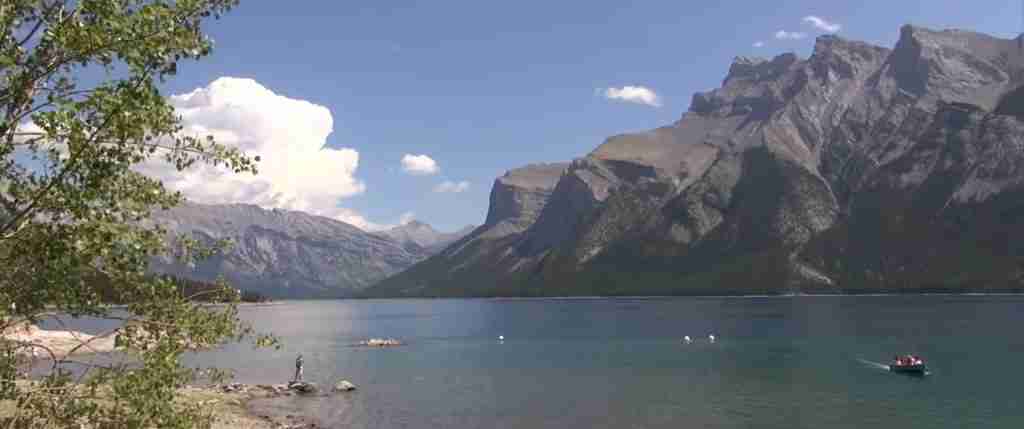
The park operates extensive public transit during summer: free Parks Canada shuttle connects Banff townsite to Lake Minnewanka, Johnston Canyon, and Moraine Lake (reservation required). Roam Public Transit serves Banff townsite year-round with routes to popular trailheads ($2 per ride). Brewster Express provides scheduled service between Calgary airport and Banff/Lake Louise. Winter adds ski resort shuttles. However, shoulder seasons and remote trailheads require rental cars for maximum flexibility. Many visitors combine rental cars with strategic use of shuttles to avoid parking hassles at congested sites.
Extended multi-day tours – 5+ days
Featured Park Banff National Park Multi-Day Tour Packages

3 days
Park Banff National Park 3-Day Discovery Tour
- ✓ Comprehensive Park Banff National Park experience
- ✓ Expert local guides included
- ✓ All accommodation included
- ✓ Transportation provided

5 days
Park Banff National Park 5-Day Highlights Experience
- ✓ Comprehensive Park Banff National Park experience
- ✓ Expert local guides included
- ✓ All accommodation included
- ✓ Transportation provided
7 days
Park Banff National Park 7-Day Cultural Journey
- ✓ Comprehensive Park Banff National Park experience
- ✓ Expert local guides included
- ✓ All accommodation included
- ✓ Transportation provided

10 days
Park Banff National Park 10-Day Complete Adventure
- ✓ Comprehensive Park Banff National Park experience
- ✓ Expert local guides included
- ✓ All accommodation included
- ✓ Transportation provided
Multi-day tour packages powered by TourRadar. Prices and availability subject to change.
Essential Planning Information for Banff 2026
Current Costs and Pricing Breakdown
Park Entry Fees: Daily passes cost $11.25 CAD per adult, $9.60 CAD for seniors (65+), free for youth under 18. Family/group daily passes run $22.50 CAD (up to 7 people in one vehicle). The annual Parks Canada Discovery Pass costs $76.50 CAD per adult, $65.25 CAD for seniors, and $155.25 CAD for family/group passes. Check the official Parks Canada website for current rates as pricing may vary. The Discovery Pass provides unlimited access to all Canadian national parks, national historic sites, and national marine conservation areas, paying for itself after 7 daily visits.
Accommodation Price Ranges: Banff townsite hotels range $250-500 per night for standard rooms during summer peak season (July-August), dropping to $120-280 during shoulder seasons (May, September-October). Lake Louise properties command $300-650 per night in summer, $150-350 in shoulder periods. Canmore hotels 20 minutes east offer better value at $180-350 summer, $100-200 shoulder season. Campground fees run $28-43 per night depending on services, with full-hookup RV sites reaching $50-65.
Dining Costs: Banff townsite restaurants charge $15-25 for breakfast, $18-35 for lunch, $30-60 for dinner entrees. Casual cafes and takeout options run $12-20 per meal. Grocery stores in Banff and Lake Louise enable self-catering at $8-15 per meal with shopping. Budget $50-80 daily per person for restaurant meals, or $25-40 for grocery-based meal preparation.
Activity Pricing: Banff Gondola tickets cost $74 CAD adults, $37 CAD children (6-15). Lake Minnewanka boat cruises run $72 adults, $36 children. Johnston Canyon ice walks cost $75-95 per person. White-water rafting trips range $95-145 depending on rapids difficulty. Guided wildlife viewing tours run $120-180 per person for half-day experiences. Ski lift tickets at nearby resorts cost $140-165 per day adults, $45-55 children.
Transportation Costs: Calgary airport to Banff shuttles cost $75-95 per person one-way ($140-170 round-trip) with Brewster Express or other services. Rental cars run $60-95 per day for compact vehicles, $85-140 for SUVs during summer. Gasoline costs $1.60-1.90 CAD per liter ($6.05-7.20 per gallon). Banff townsite parking fees $3 per hour or $15 daily at prime locations. Winter adds snow tire requirements ($20-30 per day rental supplement).
Money-Saving Strategies
Purchase the Discovery Pass if visiting for 7+ days or planning multiple Canadian national park visits within one year. Book accommodation 6-12 months ahead for best selection and rates. Visit during shoulder seasons (May, September-October) for 30-50% lower accommodation costs and reduced crowds. Stay in Canmore instead of Banff townsite for 20-35% accommodation savings with 20-minute drive. Self-cater breakfast and lunch using grocery stores, splurge on dinner at restaurants.
Use free Parks Canada shuttle system during summer to avoid parking fees and hassles at congested sites like Moraine Lake. Book camping instead of hotels, with full-service campgrounds at $28-50 versus $250+ for hotel rooms. Take advantage of free activities: hiking networks spanning 1,600km, wildlife viewing along roads and valleys, picnicking at scenic viewpoints, exploring Banff townsite shops and galleries.
Best Time to Visit Banff National Park 2026
Seasonal Analysis for 2026 Planning
Summer Peak (July-August): Warmest weather averages 22°C (72°F) days with cool nights dropping to 7°C (45°F). All trails open from valley floor to alpine zones. Longest daylight extends to 16+ hours. Wildflower displays peak mid-July through early August. Maximum wildlife activity at dawn and dusk. Trade-offs include highest accommodation rates, maximum crowds at iconic sites, advance booking requirements 6-9 months ahead, and parking challenges at popular locations. Ideal for first-time visitors wanting guaranteed weather and full trail access.
Shoulder Excellence (September): Autumn transforms forests with golden larch displays at alpine elevations. Daytime temperatures remain pleasant at 12-18°C (54-64°F). Crowds diminish dramatically after Labor Day weekend. Accommodation rates drop 30-50% from summer peaks. Wildlife descends to lower elevations, improving viewing opportunities. Elk rutting season creates spectacular displays in Banff townsite and surrounding valleys. Some high-elevation trails begin closing by late September. This period delivers exceptional value for experienced mountain travelers.
Winter Wonderland (December-March): Snow transforms Banff into alpine sports paradise. Ski season runs November through May at nearby resorts (Sunshine Village, Lake Louise Ski Resort, Mt. Norquay). Average winter temperatures hover -5 to -15°C (15-25°F) with periodic cold snaps dropping below -30°C (-22°F). Johnston Canyon ice walk creates frozen waterfall spectacles. Ice skating on Lake Louise. Northern lights viewing increases during long winter nights. Banff townsite glows with festival lights and cozy restaurants. Winter accommodation rates fall 40-60% below summer peaks. Trade-offs include limited hiking access, mandatory winter driving skills, and extreme cold preparation requirements.
Spring Awakening (May-June): Valley trails open while high elevations remain snow-covered. Bear emergence creates prime wildlife viewing. Waterfalls rage with snowmelt. Accommodation rates stay moderate. Crowds remain light before summer rush. Weather varies significantly: warm sunny days alternate with rain and late-season snow. Mosquitoes emerge in June around lakes and wetlands. Alpine hiking opens progressively through June as snow recedes. Ideal for budget-conscious travelers accepting weather variability.
Weather Patterns and Crowd Predictions
July and August see maximum visitor numbers: 450,000-500,000+ monthly. Moraine Lake and Lake Louise require shuttle reservations (Parks Canada shuttle system) or pre-dawn arrival (5-6 AM) for parking access. Johnston Canyon trails experience congestion from 9 AM to 4 PM. Banff townsite restaurants require dinner reservations.
September delivers 60% fewer visitors than July-August with consistently good weather: 85% of days stay precipitation-free. Sunrise shifts earlier (6:30 AM) and sunset comes sooner (7:30 PM) but provides excellent golden hour photography light. Larch trees turn brilliant gold at Larch Valley, Healy Pass, and Sunshine Meadows from mid-September through early October.
Winter brings intimate park experience: 80% fewer visitors than summer. Weekday hotel availability becomes standard. Road conditions demand winter tires (mandatory November 1 – March 31) and ice/snow driving confidence. Wildlife viewing excels along valley roads with animals using plowed corridors. Northern lights appear 40-60 nights per winter during solar maximum years.
Accommodation Strategies for Banff 2026
Banff Townsite Options
Luxury Properties ($400-800+ per night summer): Fairmont Banff Springs anchors luxury accommodation with castle-style architecture, golf course, spa, and multiple restaurants. Rimrock Resort Hotel offers cliff-edge location with panoramic views. Buffalo Mountain Lodge provides upscale wilderness ambiance with log construction and fireplaces. These properties book 9-12 months ahead for July-August dates.
Mid-Range Hotels ($250-400 per night summer): Banff Park Lodge, Moose Hotel and Suites, and Mount Royal Hotel deliver comfortable accommodation with central townsite locations. Most include parking, breakfast, and pool/hot tub facilities. Book 6-9 months ahead for summer peak season. Expect 30-40% rate reductions in September and May.
Budget Accommodations ($120-200 per night summer): Banff International Hostel offers dorm beds ($45-65) and private rooms. Spruce Grove Motel and Elk + Avenue Hotel provide basic clean accommodation within walking distance of townsite amenities. Book 3-6 months ahead for summer dates.
Lake Louise Area
Fairmont Chateau Lake Louise sits directly on lake shores with premium pricing ($500-900+ summer nights). Lake Louise Inn provides mid-range alternative ($300-450 summer) with less dramatic location but better value. Baker Creek Mountain Resort offers rustic cabin experience ($250-400) 15 minutes from Lake Louise. All Lake Louise properties book 9-12 months ahead for summer season due to extremely limited room inventory in this destination.
Canmore Alternative Strategy
Canmore town sits 20 minutes east of Banff National Park gates with lower accommodation costs and more availability. Hotels range $180-350 summer, $100-200 shoulder seasons for comparable quality to Banff properties. Canmore offers full shopping and dining infrastructure with less touristy atmosphere. Trade-off involves 20-minute daily commute into park and potentially missing dawn/dusk wildlife viewing windows.
Camping Options
Banff National Park operates 13 campgrounds with 2,400+ sites. Tunnel Mountain Village (628 sites) serves as largest facility with full RV hookups ($43 per night), partial hookups ($35), and tent sites ($28). Two Jack Lakeside Campground offers scenic Lake Minnewanka views (80 sites, $28 tent camping). Lake Louise Campground provides 206 sites ($28-35) closest to Lake Louise Village.
Reservations open exactly 90 days before arrival at 8 AM Mountain Time through Parks Canada reservation system. Popular campgrounds (Tunnel Mountain, Two Jack, Lake Louise) fill within 1-2 hours of opening. Unreserved sites operate first-come-first-served with arrivals before 8 AM securing spots during peak season. Winter camping available at select campgrounds with reduced services ($16-22 per night).
Transportation Guide for Banff 2026
Getting to Banff
Calgary International Airport (YYC): Primary gateway sits 130km (81 miles) east of Banff townsite with 2-hour drive. Airport receives direct flights from major Canadian cities, US hubs, and international destinations. Brewster Express operates 6-8 daily shuttles ($75-95 per person one-way) with stops in Canmore, Banff, and Lake Louise. Reservations recommended during summer peak. Private shuttle services (multiple operators) offer similar pricing with more flexible scheduling.
Rental Car Strategy: Cars provide maximum flexibility for exploring park valleys, accessing remote trailheads, and timing wildlife viewing during dawn/dusk hours. Rental costs $60-95 daily for compact vehicles, $85-140 for SUVs. Reserve 3-6 months ahead for summer peak season when inventory becomes constrained. Winter driving requires snow tires (mandatory) and confidence with ice/snow conditions. Gasoline costs $1.60-1.90 per liter with stations in Banff townsite, Lake Louise Village, and Castle Junction.
Direct Transport from Other Cities: Edmonton International Airport sits 400km north with 4.5-hour drive. Vancouver lies 850km west requiring full-day drive or combination of flight to Calgary plus shuttle. Seattle sits 700km south with 8-hour drive through border crossing. Brewster Express operates Calgary-Banff-Jasper corridor for Rocky Mountain park hopping.
Getting Around the Park
Parks Canada Shuttle System (Summer): Free shuttle service operates late May through early October connecting Banff townsite to Lake Minnewanka, Johnston Canyon, and Moraine Lake. Moraine Lake shuttle requires advance reservations (opens 90 days ahead at 8 AM) with limited daily capacity. Johnston Canyon and Lake Minnewanka shuttles operate on first-come-first-served basis with frequent departures. Reduces parking hassles and environmental impact while providing reliable transportation to congested sites.
Roam Public Transit: Year-round bus service within Banff townsite costs $2 per ride with routes to Cave and Basin, Tunnel Mountain, and local hotels. Summer season adds Banff-Canmore route ($6 per ride). Service runs 6 AM to midnight with 30-60 minute frequencies depending on route.
Ski Resort Shuttles (Winter): Free shuttle buses connect Banff townsite to Sunshine Village, Lake Louise Ski Resort, and Mt. Norquay during ski season (November-May). Multiple daily departures with timing coordinated to lift operations.
Personal Vehicle Considerations: Parking fills early (7-9 AM) at popular sites during July-August. Lake Louise and Moraine Lake parking lots close by 6-7 AM on peak summer weekends. Johnston Canyon fills by 9 AM. Arrive before 7 AM for guaranteed spots or use shuttle systems. Winter parking requires winter tires (mandatory) between November 1 and March 31 with significant fines for non-compliance.
E-bike and Bicycle Options
Banff townsite features extensive paved cycling paths along Bow River and connecting to Vermilion Lakes, Cave and Basin, and Tunnel Mountain. Bike rentals cost $35-60 per day with e-bikes at $75-95 daily. Legacy Trail provides paved 26km route between Banff and Canmore away from highway traffic. Mountain biking trails accessible throughout park with varying difficulty levels. Winter fat-bike rentals ($50-70 per day) enable snow trail riding.
Sample Itineraries for Banff 2026
Classic 3-Day Banff Experience
Day 1 – Lake Louise & Moraine Lake: Start early (6 AM departure from Banff townsite) for sunrise at Lake Louise. Walk lakeshore trail (2km loop), photograph Chateau Lake Louise and Victoria Glacier backdrop. Drive to Moraine Lake (6:30 AM arrival before parking fills). Hike Rockpile Trail (300m, 15 minutes) for iconic viewpoint. Continue to Larch Valley Trail (8.6km return, 3-4 hours) for alpine meadows. Lunch at Lake Louise Village. Afternoon visit to Plain of Six Glaciers Trail (14km return) for glacier views and tea house. Return to Banff for dinner. Daily cost: $11.25 park entry, $0 parking (early arrival), $35 lunch, $50 dinner, $0 shuttles (personal vehicle) = $96.25 per person.
Day 2 – Banff Townsite & Surroundings: Morning ride on Banff Gondola ($74 adult ticket) to Sulphur Mountain summit for panoramic views. Walk 1km boardwalk to Sanson Peak. Descend by 11 AM. Drive to Johnston Canyon for ice walk in winter or waterfall hike in summer (5.4km return to Upper Falls, 2 hours). Picnic lunch at canyon. Afternoon explores Vermilion Lakes area for wildlife viewing (elk, deer, waterfowl) with mountain backdrop photography. Visit Banff townsite shops and galleries. Soak at Banff Upper Hot Springs ($9.30 admission). Dinner downtown. Daily cost: $74 gondola, $30 lunch, $9.30 hot springs, $60 dinner = $173.30 per person.
Day 3 – Icefields Parkway Adventure: Depart early for Icefields Parkway drive to Columbia Icefield. Stop at Bow Lake (pullout photography), Peyto Lake viewpoint (15-minute walk), and Waterfowl Lakes. Arrive Columbia Icefield Discovery Centre for Ice Explorer tour onto Athabasca Glacier ($120 per person, pre-book). Walk Glacier Skywalk glass platform. Return route includes Saskatchewan River Crossing lunch stop. Evening wildlife viewing along Bow Valley Parkway with stops at pullouts. Daily cost: $120 ice explorer, $40 lunch, $50 dinner = $210 per person.
3-Day Total Estimated Costs: Park entry $11.25 daily × 3 = $33.75. Activities and meals = $479.55. Accommodation (mid-range) $300 × 2 nights = $600. Transportation (rental car share 2 people) $90/2 × 3 = $135. Total per person: $1,248.30 CAD for comprehensive Banff experience.
Budget-Conscious 5-Day Itinerary
Focus on free hiking activities, camping accommodation ($28-35 per night), self-catered meals ($25-35 daily), and strategic use of free shuttle systems. Skip paid attractions (gondola, hot springs, glacier tours). Sunrise and sunset photography sessions maximize free spectacular experiences. Wildlife viewing along roads costs nothing. Total 5-day budget: $650-850 per person including camping, groceries, fuel share, and park entry fees.
Winter Ski Adventure 7-Day Plan
Base in Banff townsite with mid-range accommodation ($180-250 per night winter rates). Ski 3 days across three local resorts (Sunshine Village, Lake Louise, Mt. Norquay) using multi-day lift tickets ($140-165 per day). Non-ski days explore Johnston Canyon ice walk, ice skating at Lake Louise, snowshoeing at various locations, and hot springs soaking. Include one evening northern lights photography session. Budget $2,200-2,800 per person for 7-day winter adventure including accommodation, lift tickets, meals, and activities.
Booking and Reservations Strategy 2026
Accommodation Booking Timeline
Luxury properties (Fairmont Banff Springs, Fairmont Chateau Lake Louise): Book 12-18 months ahead. Reservations open early December for following year. July-August dates at Lake Louise sell out within weeks of opening. Banff Springs sells within 3-6 months for peak summer.
Mid-range hotels (Banff townsite, Lake Louise village): Book 6-9 months ahead for summer dates. September and May shoulder seasons require 3-6 months advance booking. Winter dates need 2-4 months ahead except holiday periods (Christmas, New Year, March Break) requiring 6+ months.
Campgrounds: Reservations open exactly 90 days before arrival at 8 AM Mountain Time through Parks Canada system. Set alarms and be online at opening time for popular campgrounds (Tunnel Mountain, Two Jack, Lake Louise). Have account created and payment method ready before opening time. Have backup dates and campgrounds selected.
Activity Pre-booking Requirements
Moraine Lake shuttle reservations open 90 days ahead with limited daily capacity. Book immediately when reservations open for July-August visits. Johnston Canyon and Lake Minnewanka shuttles operate first-come-first-served with no reservations needed but consider backup plans for full buses.
Banff Gondola offers online pre-booking with time-slot selection. Summer weekends book 1-2 weeks ahead. Walk-up tickets available but face longer wait times. Columbia Icefield Ice Explorer tours book 2-4 weeks ahead during peak summer. White-water rafting trips (Kicking Horse River) book 1-3 weeks ahead. Guided wildlife viewing tours fill 2-3 weeks before dates in summer.
Restaurant Reservations
High-end Banff townsite restaurants (Eden, Sky Bistro, Maple Leaf Grille) require dinner reservations 3-7 days ahead in summer. Make reservations when booking accommodation. Casual restaurants accommodate walk-ins with potential 30-60 minute waits during peak dinner hours (6-8 PM). Lake Louise restaurants need reservations 5-10 days ahead during summer due to limited options.
Ski Season Planning
Ski resort lift tickets cost less when purchased in advance online (save $10-20 per day versus window rates). Multi-day tickets deliver further savings. Ski equipment rentals book online for guaranteed sizing and reduced wait times. Ski school lessons book 2-4 weeks ahead during peak periods (December holidays, February-March break weeks).
Planning Your 2026 Banff Visit
Essential Packing for Banff
Summer Essentials: Layered clothing for temperature swings (40°F mornings, 70°F afternoons). Rain jacket for afternoon thunderstorms. Hiking boots with ankle support for rocky trails. Sun protection (hat, sunglasses, SPF 30+ sunscreen) for high-altitude exposure. Bear spray ($40-60 rental or purchase) mandatory for backcountry hiking. Insect repellent for June-July mosquitoes around water. Water bottles (2L minimum) for long hikes. First aid kit and emergency supplies.
Winter Requirements: Extreme cold weather gear rated to -30°C (-22°F). Multiple layers including base layers, fleece or down mid-layer, waterproof shell. Winter boots rated for ice and snow. Hand and toe warmers for long outdoor exposure. Ski goggles for blizzard conditions. Emergency car kit (blankets, shovel, kitty litter, jumper cables, extra food/water) mandatory for winter driving.
Photography Planning
Golden hour timing: Summer sunrise 5:30-6:30 AM, sunset 9-10 PM. Winter sunrise 8-9 AM, sunset 4:30-5:30 PM. Prime locations require pre-dawn arrival (5-6 AM summer, 7-8 AM winter) for parking and position selection. Bring tripod for low-light mountain photography and long exposures at waterfalls. Polarizing filter enhances mountain reflections in lakes. Wide-angle lens (16-35mm) captures mountain landscapes, telephoto (100-400mm) essential for wildlife.
Wildlife Safety
Bears (black and grizzly) inhabit entire park. Make noise on trails, hike in groups of 4+, carry bear spray accessible on hip belt. Never approach wildlife: maintain 100m (3 bus lengths) from bears, 30m from elk/deer/sheep. Elk rutting season (September-October) creates aggressive behavior, especially near Banff townsite. Report all wildlife encounters to park wardens. Store food in vehicle trunks or bear lockers at campgrounds, never in tents.
Altitude Considerations
Banff townsite sits at 1,400m (4,600 feet) elevation. Many hikes reach 2,200-2,800m (7,200-9,200 feet). Altitude effects include increased fatigue, shortness of breath, and potential headaches. Arrive 1-2 days before strenuous hiking to acclimatize. Drink extra water (4-5 liters daily when hiking). Pace activities gradually. Symptoms worsen above 2,500m. Descend if experiencing severe headaches, nausea, or disorientation.
Cell Phone Coverage
Reliable coverage exists in Banff townsite, Lake Louise Village, and along Trans-Canada Highway. Many backcountry areas and side valleys lack service. Download offline maps before entering remote areas. InReach or SPOT satellite communicators provide emergency communication in areas without cell coverage. Inform someone of hiking plans and expected return times.
2026 Updates & Current Information
Parks Canada Reservation System Changes
The Moraine Lake shuttle reservation system continues in 2026 to manage overwhelming demand at this iconic location. Book shuttle reservations exactly when they become available (90 days ahead) for July-August visits. Parks Canada implements vehicle restrictions at Moraine Lake Road (6 AM – 6 PM) during peak season, making shuttle reservations or extremely early arrival (before 5:30 AM) essential for access.
Infrastructure Improvements
New Parks Canada visitor center in Lake Louise Village opens 2026 with enhanced educational exhibits about UNESCO designation, mountain ecology, and conservation efforts. Banff townsite continues pedestrian zone expansion along Banff Avenue with additional car-free blocks. Johnston Canyon trail improvements include wider sections and enhanced viewing platforms while maintaining natural character.
Conservation Initiatives
Wildlife crossing structures along Trans-Canada Highway continue reducing animal-vehicle collisions while enabling wildlife movement across park. Over 40 crossing structures (overpasses and underpasses) now exist throughout park. Visitors benefit from increased wildlife viewing opportunities near crossing locations during dawn and dusk hours.
Climate Considerations
Glacier recession continues altering park landscapes. Victoria Glacier (Lake Louise), Peyto Glacier, and others show progressive retreat. Trail conditions evolve as permafrost thaws and rockfall increases in some areas. Check Parks Canada website for current trail status before hiking. Climate shifts affect wildlife patterns with some species moving to higher elevations and changing migration timing.
Digital Services
Parks Canada mobile app provides real-time updates on parking availability, trail conditions, and wildlife sightings. Download app before arrival for offline access to park information. Electronic park passes available through app eliminate physical pass requirements. Digital campground check-in streamlines camping processes.
Frequently Asked Questions About Banff 2026
Is Banff National Park worth visiting in winter?
Absolutely! Winter transforms Banff into a completely different experience. Three world-class ski resorts operate within 30 minutes. Johnston Canyon creates spectacular frozen waterfall displays accessible via ice walk. Lake Louise offers outdoor ice skating with mountain backdrop. Northern lights viewing increases during long winter nights. Accommodation rates drop 40-60% below summer peaks. Wildlife viewing excels with animals using valley corridors. Trade-offs include extreme cold preparation requirements, winter driving skills, and limited high-elevation hiking access.
Can you see northern lights in Banff?
Yes! Banff sits at latitude 51°N within aurora viewing zone during strong geomagnetic activity. Northern lights appear 40-60 nights per winter during solar maximum years. Best viewing occurs away from Banff townsite light pollution at locations like Vermilion Lakes, Lake Minnewanka, or Johnston Canyon parking area. Optimal viewing times run 10 PM to 3 AM on clear nights. Download aurora forecast apps (Aurora Forecast, My Aurora Forecast) for real-time predictions. September and March offer additional viewing opportunities with darker nights but milder weather than midwinter.
How many days do you need in Banff?
Three days covers major highlights: Lake Louise and Moraine Lake (day 1), Banff townsite and surroundings (day 2), and Icefields Parkway excursion (day 3). Five days enables deeper exploration: add Yoho National Park day trip, extensive hiking portfolio, wildlife photography sessions, and relaxation time. Seven days supports multi-resort skiing in winter or backcountry hiking in summer. Weekend warriors accomplish condensed 2-day visits focusing on Lake Louise, Johnston Canyon, and Banff Gondola. First-time visitors benefit from 4-5 days balancing major sites with flexibility for weather and spontaneous discoveries.
Do you need a 4×4 vehicle for Banff?
Summer: Standard cars handle all paved park roads including Trans-Canada Highway, Icefields Parkway, and Bow Valley Parkway. 4WD unnecessary unless accessing gravel forestry roads for backcountry trailheads. Winter: 4WD or AWD vehicles strongly recommended for enhanced traction on snow and ice. Winter tires mandatory for all vehicles November 1 through March 31. Rental agencies provide winter tires automatically during winter season. Front-wheel-drive vehicles with winter tires suffice for main roads but lack confidence on icy hills and fresh snow.
Are there grizzly bears in Banff?
Yes, both grizzly and black bears inhabit Banff National Park. Grizzlies prefer open alpine zones and valley bottoms with berry patches. Black bears occupy forested areas throughout park. Peak activity occurs May through October with hibernation November through March. Bear spray mandatory for backcountry hiking and sold at park visitor centers and outdoor stores. Make noise on trails to avoid surprising bears. Hike in groups of 4+ people. Never approach bears, maintain 100m minimum distance. Report all bear sightings to park wardens. Check Parks Canada website for current bear activity areas and trail restrictions.
Can you drink tap water in Banff?
Absolutely! Banff townsite municipal water meets all Canadian safety standards and tastes excellent. Lake Louise and other developed areas provide safe drinking water. Fill reusable water bottles at accommodations and restaurants before hiking. Backcountry water sources (streams, lakes) require filtration or purification before drinking due to potential parasites like Giardia. Carry water filter or purification tablets for multi-day backcountry trips.
Is Banff expensive compared to other national parks?
Banff ranks among more expensive national parks due to limited accommodation inventory, international destination status, and Canadian exchange rates. Summer hotel rates ($250-500+ per night) exceed many US national parks. However, camping costs ($28-43 per night) remain reasonable. Park entry fees ($11.25 daily adult) compare favorably to US parks. Dining and activities align with Canadian resort town pricing. Budget travelers succeed using camping, self-catering, free hiking, and shoulder season timing. Luxury travelers find world-class properties and services justifying premium pricing.
What’s the difference between Banff and Jasper National Parks?
Banff offers more developed tourism infrastructure with larger townsite, more accommodation options, and easy Calgary airport access (2 hours). Jasper provides more remote wilderness experience with fewer crowds, lower prices, and larger wildlife populations. Banff excels for first-time visitors wanting convenient mountain experience. Jasper appeals to experienced travelers seeking solitude and backcountry exploration. Icefields Parkway connects both parks enabling combined visits. Many visitors spend 3-4 days in Banff then continue to Jasper for complete Canadian Rockies experience.
Do you need reservations for everything in Banff?
Not everything! Free to access without reservations: most hiking trails, wildlife viewing along roads, Vermilion Lakes, Bow Valley Parkway, and park driving routes. Require advance reservations: accommodation (6-9 months summer), camping (90 days ahead), Moraine Lake shuttle (90 days ahead), and popular guided activities (2-4 weeks ahead). Mixed availability: Banff Gondola accepts walk-ups but pre-booking reduces wait times. Johnston Canyon and Lake Minnewanka shuttles operate first-come-first-served. Restaurants handle walk-ins with potential waits during dinner hours. Strategic planning secures essential reservations while maintaining flexibility for spontaneous exploration.
Can you visit Banff on a budget?
Yes, absolutely! Budget strategies: camp instead of hotels ($28-35 vs $250+ per night), cook meals using grocery stores ($25 daily vs $70+ restaurants), use free Parks Canada shuttle system, focus on free hiking activities, visit during shoulder seasons for 30-50% lower costs, and stay in Canmore for 25% accommodation savings. A budget-conscious 3-4 day Banff trip costs $500-800 per person including camping, groceries, fuel share, and park entry. Skip expensive attractions (gondola $74, hot springs $9.30, guided tours $100+) in favor of free trail networks, wildlife viewing, and photography opportunities.