
Banff National Park Complete History Guide
Understanding Banff’s historical development illuminates fundamental questions about relationship between humans and wilderness, proper role of protected areas in modern society, and ongoing challenges balancing conservation with recreational access. The park’s story reveals how initial motivations centered on tourism promotion and resource control evolved into sophisticated ecological management philosophy recognizing inherent natural values beyond human utility.
Key Takeaways
- Banff became Canada’s first national park in 1885, initially covering just 26 square kilometers around hot springs discoveries before expanding to current 6,641 square kilometers
- Indigenous peoples including Stoney Nakoda, Kootenay, and Blackfoot nations inhabited and traveled through the region for 11,000+ years before European exploration
- Canadian Pacific Railway construction through the Rockies (1883) catalyzed park establishment by bringing tourism infrastructure and political attention to mountain resources
- Park boundaries evolved through multiple expansions between 1887 and 1930, reflecting changing conservation philosophies and political negotiations
- UNESCO World Heritage designation in 1984 recognized exceptional natural beauty, geological significance, and critical wildlife habitat value
- Conservation challenges including townsite development, railway conflicts, and wildlife management shaped modern park philosophy balancing preservation with visitor access
The Remarkable Story of Canada’s First National Park
Banff National Park stands as the birthplace of Canada’s national park system and a pioneering example of 19th-century conservation thinking. Its creation in 1885 marked a revolutionary moment when a young nation chose to protect wilderness for public benefit rather than exploit natural resources for immediate economic gain. This decision, influenced by hot springs discoveries, railway development pressures, and emerging appreciation for mountain landscapes, established principles that would shape conservation policy worldwide.
The park’s history weaves together Indigenous heritage spanning millennia, European exploration and exploitation, tourism development driven by transcontinental railway ambitions, evolving ecological understanding, and continuous negotiation between preservation ideals and human development pressures. From initial 26-square-kilometer reserve protecting thermal springs to sprawling 6,641-square-kilometer mountain sanctuary recognized as UNESCO World Heritage Site, Banff’s expansion reflects growing appreciation for wilderness values and ecosystem complexity.
People Also Ask About Banff National Park History
When was Banff National Park established and why?
The Canadian government established Banff Hot Springs Reserve on November 25, 1885, creating Canada’s first national park. Initial establishment protected just 26 square kilometers around Cave and Basin hot springs discovered by railway workers in 1883. The government acted primarily to control valuable hot springs resources for tourism development and prevent private monopolization of thermal features. Prime Minister John A. Macdonald and Parliament recognized hot springs potential to attract wealthy tourists to Canadian Pacific Railway hotels, generating revenue while asserting federal control over mountain territories. The reserve represented practical economic development strategy rather than pure wilderness preservation, though it established precedent for protecting natural features within public ownership framework.
Who lived in Banff before it became a national park?
Indigenous peoples inhabited and traveled through Banff region for at least 11,000 years before European contact. The Stoney Nakoda people (Îyârhe Nakoda) maintained strongest historical connection to Bow River valley and mountain regions within modern park boundaries. Kootenay peoples crossed mountains from Columbia River drainage through passes now within park territory. Blackfoot confederacy tribes including Siksika, Kainai, and Piikani peoples accessed eastern slopes for bison hunting and resource gathering. These Indigenous nations established seasonal travel routes, hunting territories, and sacred sites throughout mountains long before European exploration. Archaeological evidence including stone tools, fire pits, and tipi rings documents continuous Indigenous presence spanning thousands of years. Park establishment in 1885 disrupted these traditional land use patterns, eventually leading to Indigenous displacement from ancestral territories.
What role did the Canadian Pacific Railway play in Banff’s creation?
Canadian Pacific Railway construction through Rockies between 1881-1885 directly catalyzed Banff National Park establishment. Railway workers discovered Cave and Basin hot springs in 1883, triggering disputes over thermal spring ownership and commercial rights. CPR executives recognized tourism potential of mountain scenery and hot springs for attracting transcontinental passengers. The railway company built Banff Springs Hotel (1888) and Chateau Lake Louise (1890), creating luxury mountain resort infrastructure driving demand for park protection and development. Federal government partnership with CPR established mutually beneficial arrangement: government protected scenic resources and hot springs while railway provided transportation infrastructure and tourism promotion. This public-private collaboration established template for North American park tourism development, with protected natural features serving as attractions anchoring commercial tourism operations.
How has Banff National Park changed since establishment?
Banff transformed dramatically from initial 26-square-kilometer hot springs reserve to comprehensive 6,641-square-kilometer mountain ecosystem protection zone. The park underwent seven major boundary expansions between 1887 and 1930, eventually encompassing entire mountain valleys, glaciated peaks, and ecological corridors. Early development focused on tourism infrastructure including hotels, roads, townsite expansion, and recreational facilities with minimal ecological consideration. Conservation philosophy evolved from commodity protection (hot springs, scenery) toward ecosystem preservation recognizing wildlife corridors, predator populations, and natural processes. Modern management implements wildlife crossing structures, development restrictions in critical habitat, prescribed burns, and comprehensive ecological monitoring. UNESCO World Heritage designation in 1984 elevated international significance beyond national boundaries. Contemporary challenges include managing four million annual visitors while maintaining ecological integrity, addressing climate change impacts on glaciers and ecosystems, and balancing townsite development pressures with wilderness protection mandates.
Extended multi-day tours – 5+ days
Featured Park Banff National Park Multi-Day Tour Packages
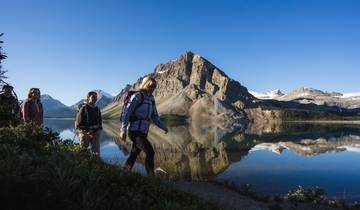
6 days
RadWomen: Hiking the Canadian Rockies
- ✓ Comprehensive Park Banff National Park tour
- ✓ Expert local guides included
- ✓ All accommodation arranged
- ✓ Transportation provided
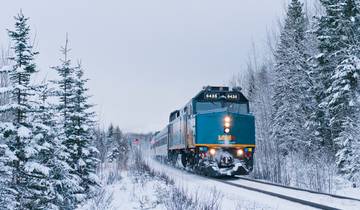
7 days
7-Day Canadian Rockies Winter Package: via Rail Vancouver to Calgary
- ✓ Comprehensive Park Banff National Park tour
- ✓ Expert local guides included
- ✓ All accommodation arranged
- ✓ Transportation provided
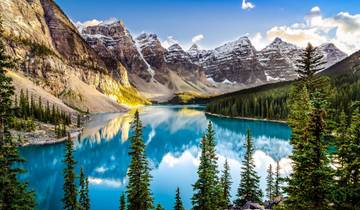
12 days
12 Day Rockies Hiking and Camping Tour
- ✓ Comprehensive Park Banff National Park tour
- ✓ Expert local guides included
- ✓ All accommodation arranged
- ✓ Transportation provided
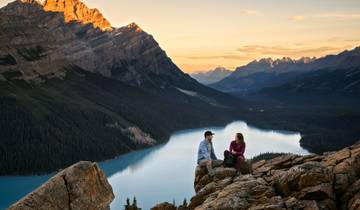
6 days
The Classic Canadian Rockies
- ✓ Comprehensive Park Banff National Park tour
- ✓ Expert local guides included
- ✓ All accommodation arranged
- ✓ Transportation provided
Multi-day tour packages powered by TourRadar. Prices and availability subject to change.
Historical Background and Development Timeline
Indigenous Heritage and Early Inhabitation (11,000 BCE – 1850 CE)
Archaeological evidence documents Indigenous presence in Banff region extending back 11,000 years to immediate post-glacial period when retreating ice sheets exposed mountain valleys. Early Paleo-Indian peoples hunted now-extinct megafauna including mammoths and giant bison in valleys gradually colonized by vegetation. Stone tool assemblages found at archaeological sites demonstrate sophisticated lithic technology adapted to mountain environments.
The Stoney Nakoda people (Îyârhe Nakoda), members of broader Nakoda-Sioux linguistic group, established strongest historical connection to Bow River valley and mountain territories. Their oral histories describe creator Wakan Tanka forming mountains as dwelling places for spirits, establishing sacred geography throughout landscape. Stoney peoples developed intimate ecological knowledge including seasonal wildlife movements, plant resources, and optimal travel routes through mountain passes. They maintained semi-nomadic lifestyle following game migrations between prairie edges and mountain valleys, establishing winter camps in protected valleys and summer hunting territories at higher elevations.
Multiple Indigenous nations intersected in Banff region through complex network of trails, trading relationships, and territorial negotiations. Kootenay peoples from Columbia River drainage west of Continental Divide crossed mountains eastward through passes including Kootenay Plains and North Kootenay Pass for bison hunting and trade. Blackfoot confederacy tribes controlled eastern approaches to mountains, sometimes entering valleys for resource gathering. These overlapping territories created dynamic cultural landscape where different peoples negotiated access, resources, and spiritual sites.
Indigenous peoples named landscape features in their languages, establishing toponymy reflecting cultural meanings and practical information. Bow River derived from Peigan word for bow reeds (Manistoo-aputukway) growing along riverbanks and used for crafting hunting bows. Cascade Mountain name referenced stone slides visible from distance. Indigenous place names encoded knowledge about resources, hazards, and spiritual significance passed through generations.
European Exploration and Fur Trade Era (1790s – 1880s)
European exploration of Banff region began with fur trade expansion west of Hudson Bay. Hudson’s Bay Company explorer David Thompson crossed Rocky Mountains multiple times between 1800-1811, establishing trade relationships with Indigenous peoples and mapping mountain passes. Thompson crossed Howse Pass northwest of modern Banff repeatedly, documenting mountain geography while seeking trade routes. His detailed journals provided first European descriptions of mountain ecosystems, wildlife populations, and Indigenous inhabitants.
Fur traders established posts near mountain edges but rarely penetrated deep into Banff region due to difficult terrain, limited fur-bearing animal populations compared to northern forests, and Indigenous territorial controls. Mountain valleys served primarily as corridors between richer fur-harvesting regions rather than destinations themselves. This limited European presence until 1850s meant Indigenous peoples maintained relatively undisrupted land use patterns compared to prairie regions experiencing rapid colonial transformation.
The Palliser Expedition (1857-1860), led by Captain John Palliser, conducted first comprehensive scientific survey of Canadian Rockies including Banff area. Expedition geologist James Hector explored Bow River valley, discovering Kicking Horse Pass (named after horse kicked him unconscious) and documenting geological formations, hot springs, and resource potential. Palliser’s reports to British government described mountain region as unsuitable for agriculture but possessing scenic values and potential mineral wealth. These assessments influenced later conservation and development policies.
Railway Construction and Park Genesis (1881-1887)
Canadian Pacific Railway construction transformed Banff region from remote mountain wilderness to accessible tourist destination. Prime Minister John A. Macdonald’s government contracted CPR to build transcontinental railway connecting eastern Canada with Pacific coast, promising railway completion within ten years to induce British Columbia’s confederation with Canada. Railway route through Kicking Horse Pass brought construction crews into Bow River valley during 1883, establishing permanent infrastructure enabling systematic European occupation.
On November 8, 1883, railway workers William and Thomas McCardell, along with Frank McCabe, discovered thermal springs on Sulphur Mountain slope (later named Cave and Basin). Workers found natural cave with pool of warm mineral water and additional springs flowing on mountain exterior. News of discovery spread quickly, attracting fortune-seekers hoping to claim hot springs for commercial development. Multiple parties staked overlapping claims to thermal features, creating legal disputes over ownership and development rights.
Federal government intervened in disputes, asserting Crown ownership of hot springs and surrounding lands. Minister of the Interior Thomas White proposed creating public reserve protecting hot springs from private monopolization while enabling controlled tourism development. Prime Minister Macdonald supported reserve concept, recognizing hot springs potential for attracting railway passengers to CPR hotels and generating tourism revenue. Parliament debated extent and purpose of protection, with some members advocating narrow reserve limited to immediate hot springs vicinity while others proposed broader mountain territory preservation.
On November 25, 1885, federal Order in Council established Banff Hot Springs Reserve encompassing 26 square kilometers around Cave and Basin and Sulphur Mountain springs. This represented Canada’s first protected area set aside specifically for public recreation and resource preservation. The order stipulated hot springs would remain public property available for all citizens rather than private ownership. Government initiated hot springs development including bathhouse construction, walking paths, and visitor facilities transforming thermal features into tourist attractions.
Early Park Development and Expansion (1887-1911)
Parliament passed Rocky Mountains Park Act in 1887, formally designating reserve as “Rocky Mountains Park of Canada” and expanding boundaries to 673 square kilometers. Legislation established explicit purpose “as a public park and pleasure ground for the benefit, advantage and enjoyment of the people of Canada.” This represented revolutionary conservation concept prioritizing public recreational access to natural features over resource extraction and private development. The act empowered government to lease land for hotels and tourism infrastructure while maintaining public ownership of resources.
Canadian Pacific Railway invested heavily in mountain tourism infrastructure, constructing Banff Springs Hotel (1888) as grand railway hotel marketing Canadian Rockies as vacation destination for wealthy travelers. Hotel architect Bruce Price designed massive wooden structure in baronial style with views of Bow River valley and surrounding peaks. CPR advertising campaigns promoted Banff as “Canadian Alps,” comparing mountain scenery to Switzerland and positioning park as luxury wilderness retreat accessible via transcontinental rail service.
Government constructed additional hot springs bathhouses, developed townsite infrastructure including streets and utilities, and built roads accessing scenic viewpoints. Banff townsite grew rapidly as tourism service center with hotels, restaurants, outfitters, and shops supporting visitor influx. Park Superintendent George Stewart implemented early management policies including wildlife protection rules, timber harvest restrictions, and regulations governing visitor behavior and commercial operations.
Park boundaries underwent multiple revisions during early decades reflecting changing political priorities and resource management philosophies. Expansion in 1902 increased park size to 4,663 square kilometers, incorporating entire Bow River watershed and adjacent mountain valleys. Further boundary adjustments in 1911 created approximately 7,125-square-kilometer territory, establishing foundation for modern park configuration. These expansions recognized value of protecting entire ecological units rather than isolated scenic features, demonstrating evolving understanding of ecosystem connectivity.
Golden Age of Mountain Tourism (1911-1930)
Early 20th century witnessed explosive growth in Banff tourism infrastructure and visitor numbers. Automobile roads gradually supplemented railway access, beginning with Trans-Canada Highway construction enabling motorists to reach park independently of rail schedules. This democratization of mountain access expanded visitor demographics beyond wealthy railway passengers to middle-class tourists seeking affordable outdoor recreation.
Canadian Pacific Railway constructed Chateau Lake Louise (1890, rebuilt 1913 after fire) as premier mountain resort overlooking iconic turquoise glacial lake. CPR built extensive trail networks connecting hotels to scenic viewpoints, waterfalls, and mountain summits, hiring Swiss mountain guides to lead climbing expeditions and educate visitors about alpine environment. This European mountain resort model transplanted to Canadian Rockies established cultural expectations about appropriate wilderness experiences emphasizing guided exploration and luxury accommodation.
Park management expanded recreational facilities including ski slopes, ice rinks, golf courses, and bridle trails catering to diverse visitor interests. Banff Winter Carnival (first held 1917) promoted winter tourism during traditionally slow season, featuring skiing, skating, and winter sports competitions. Mount Norquay ski area development (1920s) established Banff as four-season destination, pioneering North American ski resort industry development.
Federal government established Dominion Parks Branch in 1911 under Commissioner J.B. Harkin, creating first dedicated national parks administration. Harkin articulated expanded conservation philosophy emphasizing parks’ educational, scientific, and spiritual values beyond simple tourism promotion. His leadership professionalized park management, implemented wildlife protection policies, and advocated for additional park establishment across Canada.
National Parks Act and Conservation Philosophy (1930-1950)
Parliament passed National Parks Act in 1930, establishing comprehensive legal framework governing all Canadian national parks. Legislation articulated parks’ dual mandate: protecting ecological integrity while providing visitor opportunities. Act specified parks “shall be maintained and made use of so as to leave them unimpaired for the enjoyment of future generations,” establishing intergenerational conservation principle later adopted internationally. This forward-looking legislation recognized limitations on development and resource extraction within park boundaries.
Park boundaries received final major adjustment in 1930, reducing size to 6,697 square kilometers through removal of commercially valuable timber and mineral lands. This compromise reflected political tensions between conservation advocates favoring extensive protection and resource development interests seeking access to mountain forests and minerals. Modern park configuration emerged from these negotiations, encompassing core wilderness areas while releasing marginal lands for potential development.
Wildlife management policies evolved from early emphasis on protecting “good” species (deer, sheep) while eliminating predators (wolves, cougars) toward recognition of predators’ ecological roles. Park wardens conducted predator control programs through 1940s before emerging ecological science demonstrated predators’ importance for maintaining healthy prey populations and ecosystem function. This philosophical transformation marked crucial shift from viewing parks as outdoor zoos requiring human intervention toward understanding parks as functioning ecosystems requiring minimal interference.
World War II interrupted tourism growth as travel restrictions, fuel rationing, and wartime priorities reduced visitor numbers. However, war’s end brought unprecedented tourism boom with returning soldiers and expanding middle class seeking outdoor recreation. Parks infrastructure struggled to accommodate surging demand, leading to campground expansions, road improvements, and facility construction throughout late 1940s and 1950s.
Post-War Development Pressures (1950-1970)
Post-war decades witnessed dramatic visitor number increases from 1 million annually in 1950 to over 2 million by 1970. This explosion created severe impacts on park resources including traffic congestion, wildlife disturbance, water pollution, and habitat fragmentation. Park management responded with massive infrastructure investment including Trans-Canada Highway twinning through park, expanded Banff townsite development, and enlarged commercial ski operations.
Banff townsite grew into permanent residential community with schools, hospitals, shops, and year-round workforce supporting tourism operations. This created unique challenges of managing urban community within national park boundaries, balancing resident needs with park conservation mandates. Debate intensified over appropriate scale of townsite development and whether permanent residential community contradicted fundamental national park purposes.
Ski area expansions at Sunshine Village (established 1928, major development 1960s), Lake Louise (established 1954), and Mount Norquay (established 1926, expanded 1960s) transformed these facilities from modest operations into major destination ski resorts. New chairlifts, base lodges, parking areas, and access roads penetrated sensitive alpine and subalpine habitats, fragmenting wildlife corridors and disrupting seasonal migration patterns. Growing ecological awareness questioned compatibility of extensive commercial development within national park boundaries.
Trans-Canada Highway construction through park (twinned 1956-1978) improved vehicle flow but created barrier fragmenting wildlife populations. Highway mortality rates for elk, deer, bighorn sheep, and bears increased dramatically as traffic volumes surged. Initial mitigation efforts including fencing and warning signs proved inadequate, foreshadowing later innovative wildlife crossing structures.
Environmental Movement and Management Reform (1970-1990)
Environmental movement of 1960s-1970s fundamentally transformed park management philosophy. Growing ecological understanding demonstrated development impacts on wildlife populations, water quality, and ecosystem processes. Public pressure mounted to prioritize conservation over tourism promotion and commercial development. Parks Canada formally adopted ecological integrity as primary park management objective, subordinating visitor experience and economic development to conservation goals.
Parks Canada commissioned comprehensive studies documenting cumulative effects of development, recreation, and visitor use on park ecosystems. Research revealed declining wildlife populations, degraded aquatic habitats, and habitat fragmentation threatening species including grizzly bears, wolves, and woodland caribou. These findings prompted management reforms including development restrictions, habitat restoration projects, and enhanced wildlife protection measures.
Prescribed fire programs reintroduced natural fire regimes suppressed since park establishment. Fire suppression policies had created unnaturally dense forests, eliminated fire-adapted plant communities, and increased catastrophic wildfire risk. Controlled burns restored meadow habitats, rejuvenated forest age diversity, and improved wildlife forage conditions. This represented revolutionary management approach acknowledging natural disturbances’ ecological importance.
UNESCO Recognition and Modern Conservation (1984-Present)
UNESCO designated Banff National Park, along with adjacent Jasper, Kootenay, and Yoho National Parks, as Canadian Rocky Mountain Parks World Heritage Site in 1984. This international recognition acknowledged exceptional natural beauty, outstanding glacial landscapes, geological significance including Burgess Shale fossils, and critical habitat for endangered species. World Heritage status elevated park significance beyond national boundaries, establishing international conservation responsibilities.
Parks Canada implemented comprehensive management reforms addressing cumulative environmental impacts of development and recreation. Banff-Bow Valley Study (1996) provided detailed assessment of ecological stresses and recommended development restrictions, habitat restoration, and visitor management strategies. These recommendations guided subsequent management plans emphasizing ecological integrity restoration over continued development expansion.
Wildlife crossing structures including overpasses and underpasses constructed along Trans-Canada Highway beginning 1980s (major expansion 1997-2014) represented world-leading innovation in wildlife conservation. These structures enabled animals to safely cross highway, reducing mortality by 80% for some species while maintaining genetic connectivity between populations. Research on crossing effectiveness influenced wildlife conservation globally, establishing Banff as international case study in mitigating transportation infrastructure impacts.
Climate change emerged as paramount conservation challenge affecting glacier retreat, species distribution shifts, forest pest outbreaks, and altered hydrological patterns. Parks Canada implements long-term monitoring programs documenting climate impacts and developing adaptation strategies protecting critical habitats and species. The park serves as sentinel site documenting climate change effects on mountain ecosystems while maintaining core habitat enabling species adaptation and migration.
Contemporary management balances four million annual visitors with ecological conservation through visitor use limits in sensitive areas, mandatory shuttle systems for congested sites (Moraine Lake), seasonal trail closures protecting wildlife, and educational programs promoting conservation ethics. The park continues evolving from primarily tourism destination toward ecosystem protection zone where visitor experience serves conservation goals rather than driving management decisions.
Cultural and Social Significance
Birth of Canadian Conservation Movement
Banff’s establishment catalyzed Canadian conservation movement by demonstrating federal government’s capacity to protect wilderness for public benefit. The 1885 reserve represented radical departure from prevailing 19th-century attitudes favoring private resource exploitation and settlement expansion. This early conservation initiative inspired subsequent national park establishment across Canada including Glacier and Yoho (1886), Waterton Lakes (1895), and Jasper (1907), creating foundation for world’s second-oldest national park system.
Park development influenced Canadian national identity formation, positioning wilderness preservation as distinctly Canadian value contrasting with American frontier mythology. Canadian political culture embraced parks as exemplifying responsible stewardship and collective ownership of natural heritage rather than individual exploitation. This conservation ethic embedded wilderness protection within Canadian cultural identity, sustaining public support for parks expansion throughout 20th century.
Indigenous Displacement and Rights Recognition
Park establishment displaced Indigenous peoples from ancestral territories, prohibiting traditional land uses including hunting, plant gathering, and seasonal migration. Stoney Nakoda peoples lost access to important hunting territories, sacred sites, and travel corridors through mountains. Federal government forced Indigenous communities onto reserves distant from park boundaries, severing millennia-old relationships with landscape.
Contemporary management recognizes historical injustices and works toward reconciliation with Indigenous communities. Parks Canada consults with Stoney Nakoda, Kainai, Piikani, Siksika, Tsuut’ina, and other Indigenous nations on management decisions affecting cultural sites and traditional territories. Indigenous interpretive programs educate visitors about pre-contact history and ongoing cultural connections to landscape. Discussions continue regarding Indigenous co-management participation and traditional use rights within park boundaries.
International Tourism Influence
Banff pioneered mountain tourism industry in North America, establishing models replicated at parks worldwide. Canadian Pacific Railway’s luxury hotel development strategy inspired similar approaches at Yellowstone, Yosemite, and Grand Canyon where concessionaires built grand lodges anchoring visitor experiences. Swiss guide programs, hiking trail networks, and interpretive education originated at Banff influenced mountain recreation globally.
Marketing campaigns promoting Banff as “Canadian Alps” created lasting cultural associations between mountain scenery and national pride. Millions of tourists experience wilderness through Banff visits, shaping perceptions about nature’s value, conservation necessity, and appropriate human relationships with wild landscapes. The park functions as classroom teaching environmental ethics, geological processes, and ecosystem complexity to global audience.
Conservation Philosophy Evolution
From Commodity Protection to Ecosystem Management
Early conservation focused on protecting valuable resources (hot springs, timber, minerals) and maintaining scenic attractions for tourism. This utilitarian approach viewed nature primarily as resource base serving human needs. Wildlife management emphasized producing abundant game animals for viewing and hunting while eliminating predators threatening visitor safety or herbivore populations.
Mid-20th century ecological science transformed understanding of ecosystem function, revealing complex interdependencies between species, natural disturbance roles, and predators’ importance maintaining population health. This knowledge shift prompted management philosophy evolution toward maintaining ecological processes rather than producing specific conditions or species abundances. Contemporary approach recognizes nature’s inherent values beyond human utility, prioritizing ecosystem integrity over visitor preferences or economic development.
Research Contributions
Banff serves as outdoor laboratory generating scientific knowledge about mountain ecosystems, wildlife behavior, and conservation management. Long-term research programs monitoring grizzly bear populations, wolf pack dynamics, elk migration patterns, and aquatic ecosystem health provide data informing management decisions and contributing to global conservation science.
Wildlife crossing structure research conducted at Banff established design standards and effectiveness metrics applied worldwide. Studies demonstrating genetic connectivity restoration, mortality reduction, and species-specific crossing preferences guide infrastructure planning in wildlife conservation globally. The park’s research legacy extends beyond boundaries, influencing conservation practice internationally.
Climate Change as Contemporary Challenge
Accelerating climate change threatens fundamental transformation of mountain ecosystems including glacier disappearance, treeline elevation shifts, altered precipitation patterns, and species distribution changes. Banff’s glaciers lost 25% volume since 1950s with projections indicating most glaciers will vanish by 2100. These changes affect water availability, ecosystem processes, and species depending on cold-adapted habitats.
Parks Canada implements climate adaptation strategies including assisted migration of climate-vulnerable species, enhanced habitat connectivity enabling range shifts, prescribed burns maintaining ecosystem resilience, and long-term monitoring documenting change. The park represents sentinel site demonstrating climate impacts on mountain environments while providing refuge where species find suitable conditions as temperatures warm.
UNESCO World Heritage Recognition
Designation Criteria and Significance
UNESCO designated Canadian Rocky Mountain Parks (including Banff, Jasper, Kootenay, and Yoho) as World Heritage Site in 1984 under criteria recognizing superlative natural phenomena and exceptional natural beauty. The designation acknowledged outstanding mountain scenery including glaciated peaks, turquoise glacial lakes, and dramatic geological formations. Rocky Mountain Parks represent one of most extensive and spectacular mountain wilderness areas globally, containing all major vegetation zones from montane valleys through alpine tundra.
Geological significance stems from excellent exposure of sedimentary rock layers documenting 1.5 billion years of Earth history. Burgess Shale deposits in Yoho National Park (adjacent to Banff) contain exceptionally preserved fossils documenting Cambrian explosion 505 million years ago when animal diversity rapidly expanded. These fossils revolutionized understanding of early life evolution and continue yielding paleontological discoveries.
The parks protect critical habitat for endangered species including grizzly bears, woodland caribou, and threatened bull trout populations. Mountain ecosystems within World Heritage Site boundaries sustain large mammals including elk, moose, bighorn sheep, mountain goats, black bears, wolves, and cougars in relatively intact populations. This biodiversity concentration establishes international conservation significance beyond spectacular scenery.
World Heritage Responsibilities
UNESCO designation establishes international responsibilities maintaining Outstanding Universal Value through effective protection and management. Parks Canada reports regularly to UNESCO World Heritage Committee documenting conservation status, management actions, and emerging threats. International scrutiny creates accountability mechanism ensuring Canadian government prioritizes conservation over competing development interests.
World Heritage status attracts international tourism generating economic benefits while creating visitor management challenges. Parks must balance global access expectations with ecological carrying capacity limits, implementing visitor use controls when necessary to prevent environmental degradation. This tension between access and protection reflects fundamental national park dilemma addressed through sophisticated management strategies including shuttle systems, seasonal closures, and educational programming.
Frequently Asked Questions About Banff History
What was discovered at Cave and Basin in 1883?
Railway workers discovered natural thermal springs flowing at approximately 34°C (93°F) from underground hot springs system. They found cave with pool of warm mineral water and exterior springs flowing down mountainside. The thermal features resulted from groundwater circulation through deep faults where geothermal heat warms water before rising to surface. These hot springs contained dissolved minerals including sulfur giving distinctive smell. Discovery triggered disputes over commercial rights and tourism development potential, ultimately leading to park establishment protecting hot springs as public resource.
Why did Canadian government create Banff National Park?
Government established park protecting hot springs from private monopolization while enabling controlled tourism development. Prime Minister John A. Macdonald recognized hot springs potential attracting wealthy tourists to Canadian Pacific Railway hotels, generating revenue while asserting federal control over mountain territories. The reserve represented practical economic development strategy partnering government scenic protection with railway tourism infrastructure. However, establishment also reflected emerging conservation philosophy recognizing public interest in natural feature access rather than private ownership. This dual motivation—economic development combined with public resource protection—characterized early national park movement.
How did Indigenous peoples use Banff region before park establishment?
Indigenous peoples maintained complex seasonal land use patterns spanning thousands of years. Stoney Nakoda peoples hunted game, gathered plants, traveled through mountain passes, and conducted ceremonies at sacred sites throughout region. Groups established winter camps in protected valleys and summer hunting territories at higher elevations, following game migrations and resource availability. Mountain passes served as crucial travel corridors connecting different ecological zones and enabling trade between peoples inhabiting opposite sides of Continental Divide. Bow River valley provided transportation route, fishing resources, and game habitat. Park establishment in 1885 disrupted these traditional practices, eventually leading to Indigenous displacement from ancestral territories.
What role did tourism play in early park development?
Tourism development drove park expansion and infrastructure investment from establishment through mid-20th century. Canadian Pacific Railway built luxury hotels (Banff Springs, Chateau Lake Louise) creating mountain resort destinations accessible via transcontinental rail. Government developed hot springs bathhouses, constructed roads to scenic viewpoints, and established townsite infrastructure supporting visitor services. Tourism revenue justified park maintenance costs while demonstrating economic value of wilderness protection. Early management prioritized visitor experience and tourism promotion over ecological conservation, viewing parks primarily as outdoor recreation facilities. This tourism emphasis gradually shifted toward conservation priorities as ecological understanding advanced and environmental movement gained influence.
When did Banff receive UNESCO World Heritage designation?
UNESCO designated Canadian Rocky Mountain Parks (including Banff, Jasper, Kootenay, and Yoho) as World Heritage Site in 1984. This recognition acknowledged exceptional natural beauty, outstanding geological features, and critical wildlife habitat values. World Heritage status elevated international significance beyond national boundaries while establishing conservation responsibilities monitored through UNESCO reporting requirements. Designation increased global tourism attention while reinforcing protection mandates against development pressures.
How has park management philosophy changed over time?
Management evolved from commodity protection and tourism promotion toward ecosystem conservation prioritizing ecological integrity. Early approaches focused on protecting valuable resources (hot springs, timber), maintaining scenic beauty for tourism, and producing abundant wildlife for viewing. Mid-20th century ecological science revealed ecosystem complexity, natural disturbance importance, and predator roles maintaining population health. Contemporary management recognizes nature’s inherent values beyond human utility, implementing science-based conservation addressing wildlife corridors, prescribed fire regimes, and climate adaptation. This philosophical transformation reflects broader shifts in conservation thinking from resource utilization toward ecosystem preservation.
What were wildlife crossing structures built for?
Parks Canada constructed wildlife crossing structures (overpasses and underpasses) along Trans-Canada Highway addressing severe wildlife mortality and population fragmentation caused by highway traffic. Initial structures built in 1980s demonstrated effectiveness reducing collisions while enabling animal movement across highway barrier. Major expansion between 1997-2014 created comprehensive crossing network spanning highway length through park. Research documented 80% mortality reduction for some species while maintaining genetic connectivity between populations separated by highway. These structures represent world-leading innovation in transportation-wildlife conflict mitigation, with Banff serving as international case study influencing infrastructure planning globally.
How has Banff influenced other national parks?
Banff’s establishment in 1885 as Canada’s first national park demonstrated viability of government-protected wilderness areas for public benefit. This pioneering example inspired subsequent Canadian park establishment including Glacier, Yoho, Waterton Lakes, and Jasper within 25 years. Tourism development models including luxury railway hotels, guided hiking programs, and interpretive education originated at Banff influenced mountain park development in United States and internationally. Wildlife crossing structure research conducted at Banff established design standards applied worldwide. The park’s evolution from tourism promotion toward ecosystem conservation reflects broader trajectory followed by protected areas globally as ecological understanding advanced.
What historical challenges did park managers face?
Early managers confronted multiple challenges including balancing conservation with tourism development, controlling commercial exploitation, managing wildlife populations with limited ecological understanding, and administering growing permanent townsite within park boundaries. Fire suppression policies created unnaturally dense forests increasing catastrophic wildfire risk. Wildlife management initially eliminated predators before recognizing their ecological importance. Trans-Canada Highway construction fragmented wildlife populations causing severe mortality. Ski area expansions penetrated sensitive alpine habitats disrupting seasonal migration patterns. Each challenge prompted management adaptations including wildlife crossing structures, prescribed fire programs, development restrictions, and enhanced ecological monitoring.
How does Banff’s history inform current management?
Historical experience demonstrates importance of prioritizing ecological integrity over short-term economic interests. Early tourism-driven development created lasting impacts including townsite expansion, highway fragmentation, and habitat loss requiring expensive mitigation measures. Contemporary management applies lessons from this history through development restrictions, comprehensive environmental assessments before infrastructure changes, long-term ecological monitoring, and visitor management strategies preventing degradation. The park’s evolution from hot springs reserve to comprehensive ecosystem protection zone illustrates growing understanding of conservation complexity and interconnected ecosystem relationships. This historical perspective guides current decisions balancing four million annual visitors with ecological protection mandates.