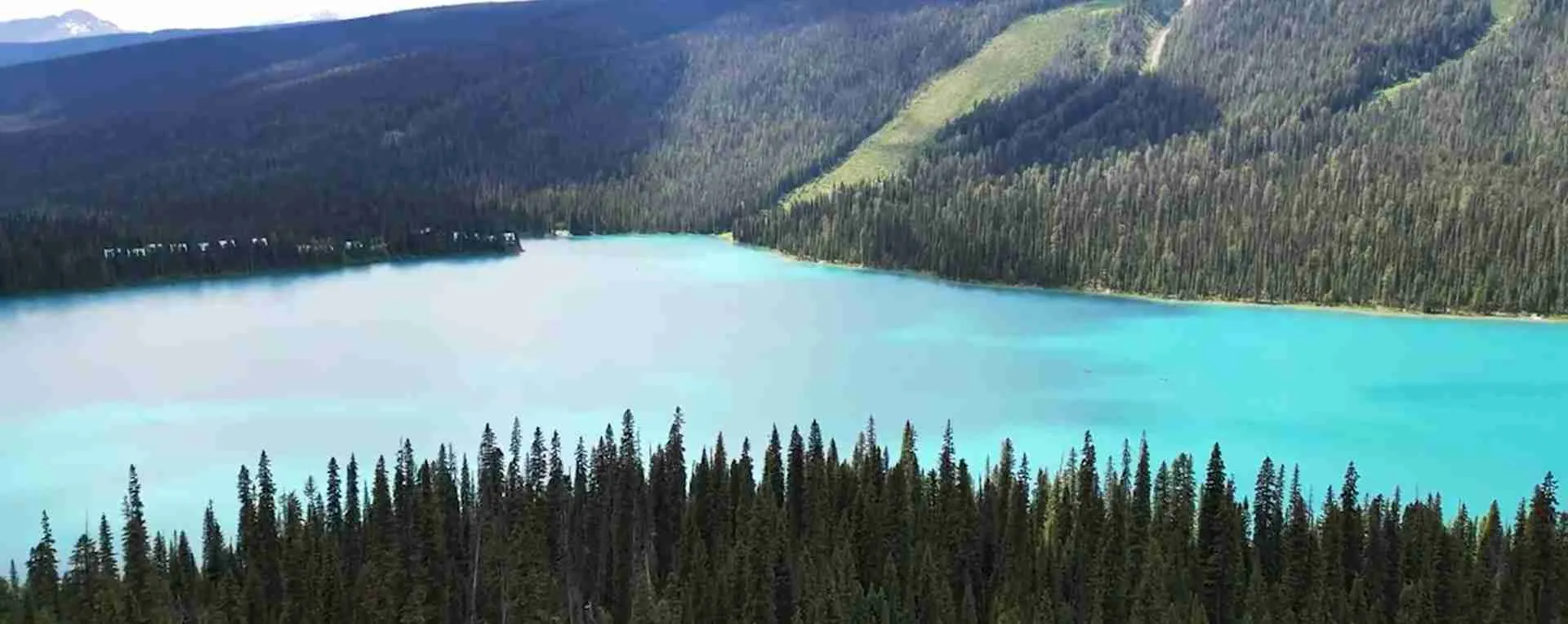
Banff National Park Budget Guide 2026: Complete Cost Breakdown
This comprehensive budget guide breaks down every expense category from park entry to accommodation, transportation to activities, and meals to equipment rentals. Real-world budget scenarios demonstrate how different spending levels translate into specific Banff experiences. Money-saving strategies reveal how informed choices reduce costs 30-60% while maintaining quality experiences. Whether planning shoestring adventure or luxury mountain retreat, this guide provides detailed financial framework for 2026 Banff visit.
Key Takeaways
- Budget-conscious travelers can experience Banff for $80-120 CAD daily per person using camping, self-catering, free hiking, and strategic timing
- Mid-range visitors spend $250-350 daily per person including hotels ($250-400/night), restaurant meals ($70-100/day), and guided activities
- Luxury experiences cost $500-800+ daily per person with premium hotels ($400-800/night), fine dining ($150-250/day), and exclusive tours
- Shoulder season visits (May, September-October) deliver 30-50% savings on accommodation while maintaining excellent weather and reduced crowds
- Parks Canada Discovery Pass ($76.50 annual) pays for itself after 7 daily visits, enabling budget-friendly multi-park exploration
- Canmore accommodation provides 20-35% cost savings versus Banff townsite with just 20-minute commute into park
Planning Your Banff Budget for 2026
Banff National Park represents significant investment for most travelers, with Canadian pricing structures, limited accommodation inventory, and mountain resort premium costs creating budget challenges. However, strategic planning transforms Banff from prohibitively expensive to accessible across budget ranges. Understanding cost components, identifying money-saving opportunities, and timing visits optimally enables remarkable mountain experiences without financial stress.
Canadian exchange rates significantly impact international visitor costs. At time of writing, 1 USD equals approximately 1.35-1.40 CAD, meaning Canadian prices translate 25-30% lower for American visitors. European and other international visitors should calculate conversions from their home currencies. All prices listed reflect Canadian dollars (CAD) unless specified otherwise.
People Also Ask About Banff Budget 2026
How much does a Banff trip cost for 3 days in 2026?
A 3-day Banff visit costs $240-360 CAD per person for budget camping trips, $750-1,050 for mid-range hotel stays, or $1,500-2,400+ for luxury experiences. Budget breakdown: camping accommodation ($90-105 for 2 nights at $28-35/night plus $33.75 park entry for 3 days), self-catered meals ($75-105), fuel share ($40-60), and free hiking activities. Mid-range includes hotel ($600-900 for 2 nights), restaurant meals ($210-300), one paid activity like Banff Gondola ($74), and transportation ($90-120). Luxury encompasses premium hotels ($900-1,600), fine dining ($450-750), multiple guided tours ($300-500), and exclusive experiences. These estimates assume 2 people sharing costs where applicable.
Is Banff more expensive than other national parks?
Yes, Banff ranks among North America’s most expensive national parks due to limited accommodation inventory, international destination status, and Canadian pricing. Summer hotel rates ($250-500/night) substantially exceed comparable US parks like Yosemite ($180-350) or Grand Canyon ($200-380). However, camping costs ($28-43/night) remain competitive, and park entry fees ($11.25 daily adult) compare favorably to US parks. Restaurant prices align with major Canadian resort towns. Budget travelers find Banff manageable using camping, self-catering, and free activities. Premium services command premium prices reflecting limited supply and high demand.
What’s the cheapest way to visit Banff in 2026?
Budget strategies enable $80-120 daily per person: camp at park campgrounds ($28-35/night), self-cater all meals using grocery stores ($25-35/day), focus on free hiking activities across 1,600km trail network, use free Parks Canada shuttle system avoiding parking fees, visit during shoulder seasons (May, September) for lower campsite competition, and stay in Canmore for shopping cost savings. Purchase Discovery Pass ($76.50) if visiting 7+ days. Share rental car costs between multiple travelers. Skip paid attractions (gondola, hot springs, tours) in favor of spectacular free wilderness access.
How much should I budget for food in Banff for one week?
Food costs vary dramatically by dining strategy. Restaurant dining: budget $70-100 daily per person ($490-700 weekly) for mix of casual breakfasts ($15-25), mid-range lunches ($20-35), and sit-down dinners ($35-60). Self-catering: spend $25-40 daily ($175-280 weekly) shopping at Banff and Lake Louise grocery stores preparing all meals. Hybrid approach: self-cater breakfast and lunch ($15-20 daily), dine out for dinners ($35-60) totaling $50-80 daily ($350-560 weekly). Grocery prices in Banff run 10-15% higher than Calgary due to mountain location, but still deliver substantial savings versus restaurants.
Extended multi-day tours – 5+ days
Featured Park Banff National Park Multi-Day Tour Packages
6 days
RadWomen: Hiking the Canadian Rockies
- ✓ Comprehensive Park Banff National Park tour
- ✓ Expert local guides included
- ✓ All accommodation arranged
- ✓ Transportation provided
7 days
7-Day Canadian Rockies Winter Package: via Rail Vancouver to Calgary
- ✓ Comprehensive Park Banff National Park tour
- ✓ Expert local guides included
- ✓ All accommodation arranged
- ✓ Transportation provided
12 days
12 Day Rockies Hiking and Camping Tour
- ✓ Comprehensive Park Banff National Park tour
- ✓ Expert local guides included
- ✓ All accommodation arranged
- ✓ Transportation provided
6 days
The Classic Canadian Rockies
- ✓ Comprehensive Park Banff National Park tour
- ✓ Expert local guides included
- ✓ All accommodation arranged
- ✓ Transportation provided
Multi-day tour packages powered by TourRadar. Prices and availability subject to change.
Detailed Cost Breakdown by Category
Park Entry Fees
Daily passes cost $11.25 CAD per adult, $9.60 per senior (65+), free for youth under 18. Check the Parks Canada official website for current rates as pricing may vary. Family/group daily passes covering up to 7 people in one vehicle cost $22.50. The annual Parks Canada Discovery Pass runs $76.50 per adult, $65.25 per senior, $155.25 for family/group. Discovery Pass provides unlimited access to all Canadian national parks, national historic sites, and national marine conservation areas, paying for itself after 7 daily visits.
For week-long Banff visit plus potential side trips to nearby parks (Yoho, Kootenay, Jasper), Discovery Pass delivers significant value. Calculate break-even: $11.25 daily × 7 days = $78.75, making Discovery Pass ($76.50) cheaper for 7+ day visits. Add visits to multiple parks and savings multiply quickly. Discovery Pass remains valid calendar year from purchase month, enabling return visits or trips to other Canadian parks within validity period.
Accommodation Costs in Detail
Camping: Front-country campgrounds charge $28-43 CAD per night depending on services. Tent sites with basic facilities (pit toilets, pump water, fire pits) cost $28. Sites with flush toilets and showers run $35-38. Full RV hookup sites (water, electricity, sewer) range $43-50. Popular campgrounds (Tunnel Mountain, Two Jack, Lake Louise) require reservations 90 days ahead ($12 non-refundable reservation fee). Walk-in unreserved sites available at some campgrounds for late arrivals. Winter camping (select campgrounds) costs $16-22 with reduced services.
Budget Hotels: Banff townsite budget options ($120-200/night summer) include hostel private rooms, basic motels, and economy hotels. Banff International Hostel offers dorm beds $45-65, private rooms $120-160. Spruce Grove Motel and similar properties provide clean basic accommodation $130-180 summer, dropping to $80-120 shoulder seasons. Book 3-6 months ahead for summer availability. These properties often lack amenities like pools or restaurants but provide comfortable sleeping arrangements within walking distance of townsite.
Mid-Range Hotels: Banff townsite mid-range properties ($250-400/night summer) include Banff Park Lodge, Moose Hotel & Suites, Mount Royal Hotel, and similar 3-4 star hotels. Most include parking, breakfast, pool/hot tub, and central locations. Expect $250-300 for standard rooms, $320-400 for suites or premium views. Shoulder season rates (May, September-October) drop to $150-250. Winter (excluding holidays) offers best value at $120-200. Book 6-9 months ahead for July-August dates.
Luxury Properties: Fairmont Banff Springs commands $400-800+ summer nights depending on room category and views. Rimrock Resort Hotel runs $380-650 summer. Buffalo Mountain Lodge costs $350-550. These properties feature extensive facilities including multiple restaurants, spas, pools, golf courses, and premium service. Shoulder season rates drop 30-40%, winter (non-holiday) offers 40-50% reductions. Book 9-12 months ahead for peak summer dates.
Canmore Alternative: Staying in Canmore town (20 minutes east of park gates) delivers 20-35% accommodation savings. Budget hotels run $100-160 summer versus $120-200 in Banff. Mid-range properties cost $180-300 versus $250-400. Luxury options run $280-450 versus $400-800+. Trade-off involves 20-minute daily commute and potentially missing dawn/dusk wildlife viewing windows within park. However, Canmore offers more restaurant choices, better shopping, and less touristy atmosphere.
Transportation Expenses
Airport Transfers: Brewster Express shuttle between Calgary airport and Banff costs $75-95 per person one-way, $140-170 round-trip. Private shuttle services offer similar pricing with more flexible scheduling. Book 2-4 weeks ahead during summer peak. Rental car pickup at Calgary airport enables independent schedule but adds rental costs, fuel, and parking fees.
Rental Car Costs: Compact vehicles rent $60-95 daily during summer, $45-70 winter. SUVs cost $85-140 summer, $70-110 winter. Week-long rentals include discounts reducing daily rate 10-20%. Reserve 3-6 months ahead for summer peak when inventory becomes constrained. Insurance adds $15-30 daily if not covered by credit card or home policy. Winter tire supplement costs $20-30 daily (mandatory November-March). Collision Damage Waiver (CDW) through credit card eliminates this expense for many travelers.
Fuel Expenses: Gasoline costs $1.60-1.90 CAD per liter ($6.05-7.20 per gallon). Calgary airport to Banff (130km) consumes 9-12 liters ($14-23) depending on vehicle. Daily park driving for sightseeing and trailhead access adds 50-100km consuming 4-7 liters ($6-13) daily. Budget $20-35 daily for fuel in moderate-consumption vehicle. Fuel-efficient compact cars reduce costs 25-35% versus larger SUVs.
Parking Fees: Banff townsite parking costs $3 per hour or $15 daily at prime downtown locations. Many hotels include free parking for guests. Park trailheads offer free parking (congestion at popular sites requires early arrival). Lake Louise and Moraine Lake parking fills early requiring shuttle use or pre-dawn arrival. Free Parks Canada shuttle system during summer eliminates parking costs and hassles at congested locations.
Public Transit: Roam Public Transit within Banff townsite costs $2 per ride with routes to Cave and Basin, Tunnel Mountain, and hotels. Summer Banff-Canmore route runs $6 per ride. Parks Canada operates free shuttle service late May through early October connecting Banff townsite to Johnston Canyon, Lake Minnewanka, and Moraine Lake. Using free shuttles substantially reduces transportation costs while avoiding parking frustrations.
Food and Dining Costs
Restaurant Dining: Banff townsite restaurants charge $15-25 breakfast, $18-35 lunch, $30-60 dinner entrees. Budget $50-80 daily per person for three restaurant meals. Casual cafes and takeout options cost $12-20 per meal reducing daily expense to $36-60. Fine dining establishments (Eden, Sky Bistro, Maple Leaf Grille) charge $40-75 entrees plus appetizers, desserts, drinks totaling $100-150+ per person for complete dinner experience.
Self-Catering: Grocery shopping at Banff Food Market, Nesters Market, or Lake Louise Village market enables meal preparation at $8-15 per meal, $25-40 daily per person for three meals. Prices run 10-15% higher than Calgary due to mountain location but deliver substantial savings versus restaurants. Stock up on breakfast supplies (cereal, yogurt, fruit), lunch fixings (sandwiches, snacks), and dinner ingredients (pasta, vegetables, proteins). Campgrounds provide picnic tables and fire pits for outdoor cooking.
Hybrid Strategy: Many travelers combine self-catered breakfast and lunch with restaurant dinners, balancing cost savings with dining experiences. This approach costs $15-20 for self-prepared breakfast and lunch plus $35-60 for dinner totaling $50-80 daily. Prepare trail lunches (sandwiches, snacks, fruit) saving $15-25 versus dining at limited mountain restaurants with inflated prices.
Activity and Attraction Costs
Banff Gondola tickets cost $74 CAD adults, $37 children (6-15), check official website for current rates. Lake Minnewanka boat cruise runs $72 adults, $36 children for 1-hour scenic cruise. Upper Hot Springs admission costs $9.30 adults, $8.10 seniors/youth. Johnston Canyon ice walk tours (winter) charge $75-95 per person for 3-4 hour guided experience.
White-water rafting trips on Kicking Horse River range $95-145 depending on rapids difficulty and trip length. Guided wildlife viewing tours cost $120-180 per person for half-day experiences. Horseback riding runs $75-95 for 1-hour rides, $140-180 for half-day trail rides. Via ferrata (iron way) climbing experiences cost $180-220 per person for half-day guided climbing.
Ski lift tickets at nearby resorts (Sunshine Village, Lake Louise Ski Resort, Mt. Norquay) cost $140-165 per day adults, $45-55 children. Multi-day tickets deliver 10-15% savings versus individual day rates. Ski equipment rentals run $55-75 daily for full package (skis/snowboard, boots, poles/bindings). Cross-country ski rentals cost $25-35 daily, snowshoe rentals $20-30 daily.
However, spectacular free activities abound including 1,600km trail network spanning easy valley walks to challenging alpine routes, wildlife viewing along roads and valleys, photography at iconic viewpoints, exploring Banff townsite shops and galleries, picnicking at scenic locations, and soaking in natural beauty throughout park. Many visitors find free hiking activities provide most memorable experiences costing nothing beyond park entry.
Equipment Rental Costs
Bicycle rentals cost $35-60 daily for standard bikes, $75-95 for e-bikes enabling easier valley exploration. Winter fat-bike rentals run $50-70 daily for snow trail riding. Canoe and kayak rentals range $35-60 for half-day, $50-85 full day. Stand-up paddleboard rentals cost $30-50 half-day.
Bear spray rental (mandatory for backcountry hiking) costs $10-15 daily or purchase outright $40-60. Camping equipment rental (tent, sleeping bags, pads, cookware) available through outdoor shops for $50-100 daily depending on package. Trekking pole rentals run $10-15 daily. Ice cleats for winter hiking cost $5-8 daily or purchase $25-40.
Real-World Budget Scenarios for 2026
Budget Backpacker: $80-120 Daily Per Person
Accommodation: Camping $28-35 per night (share site with friend for $14-18 per person). Banff International Hostel dorm bed alternative $45-65.
Food: Self-cater all meals using grocery stores $25-35 daily. Breakfast $6-8 (cereal, yogurt, fruit), lunch $8-12 (sandwich, snacks), dinner $10-15 (pasta, rice, vegetables, protein).
Transportation: Use free Parks Canada shuttle system. Share rental car fuel costs with camping partner $10-15 daily.
Activities: Focus exclusively on free hiking (Johnston Canyon, Lake Louise lakeshore, Bow Falls, Tunnel Mountain, Cascade Amphitheatre, Parker Ridge). Wildlife viewing along roads. Photography at scenic viewpoints. Explore Banff townsite shops and galleries.
Park Entry: $11.25 daily or Discovery Pass $76.50 if visiting 7+ days.
Daily Total: $80-120 enables comprehensive Banff experience prioritizing wilderness immersion over commercial attractions. Week-long trip costs $560-840 per person including camping, groceries, fuel share, activities, and park entry.
Mid-Range Traveler: $250-350 Daily Per Person
Accommodation: Mid-range hotel $250-400 per night shared between two people ($125-200 per person).
Food: Mix of restaurant dining and self-catering. Restaurant breakfast $20-25, self-catered trail lunch $8-12, restaurant dinner $40-60. Daily food cost $70-100 per person.
Transportation: Rental car share between two travelers. Rental $75 daily divided = $37.50 per person. Fuel $25 daily divided = $12.50 per person. Total $50 per person daily.
Activities: Include one major paid attraction per day. Banff Gondola $74, Lake Minnewanka cruise $72, hot springs $9.30, wildlife viewing tour $150. Average $30-50 daily for paid activities balanced with free hiking.
Park Entry: Discovery Pass $76.50 for week-long visit averages $11 daily.
Daily Total: $275-360 provides comfortable Banff experience with good hotels, mix of restaurant meals and picnics, rental car freedom, and selection of guided activities. Week-long trip costs $1,925-2,520 per person.
Luxury Experience: $500-800+ Daily Per Person
Accommodation: Fairmont Banff Springs, Rimrock Resort, or Buffalo Mountain Lodge $600-1,200+ per night shared between two ($300-600+ per person).
Food: Fine dining for most meals. Upscale breakfast buffet $35-45, quality lunch $40-60, elegant dinner $80-120. Daily food cost $150-250 per person including wine, cocktails, specialty coffee.
Transportation: Premium SUV rental $120 daily shared ($60 per person) or private driver service $300-400 daily shared ($150-200 per person).
Activities: Guided experiences daily. Private wildlife photography tour $300, helicopter flightseeing $400, Via Ferrata $200, spa treatments $150-300, exclusive dining experiences $150-250. Budget $200-400 daily for premium activities.
Park Entry: Discovery Pass $76.50 negligible in luxury budget context.
Daily Total: $700-1,450+ delivers ultimate Banff luxury experience with finest accommodation, gourmet dining, exclusive activities, and premium services. Week-long trip costs $4,900-10,150+ per person.
Family of Four Budget (2 Adults, 2 Children 8 & 12)
Accommodation: Hotel suite or two-room configuration $350-500 per night. Camping alternative $35-43 per night with neighboring tent sites.
Food: Self-cater breakfast and lunch ($60-80 family total), casual family restaurant dinners ($120-160). Daily family food cost $180-240. Camping enables outdoor meal preparation reducing costs to $100-140 daily.
Transportation: Rental minivan or SUV $100-140 daily plus fuel $30-40.
Activities: Family gondola tickets $185 ($74 × 2 adults + $37 × 2 children), boat cruise $180, moderate hiking (free), one activity daily averages $60-90.
Park Entry: Family Discovery Pass $155.25 covers all four for year, averages $22 daily for week visit.
Daily Total: $510-792 for hotel-based family trip, $315-515 for camping-based trip. Week-long hotel vacation costs $3,570-5,544 total family ($890-1,385 per person). Camping alternative $2,205-3,605 family ($550-900 per person).
Money-Saving Strategies for Banff 2026
Timing Your Visit for Maximum Value
Shoulder season timing (May, September-October) delivers 30-50% accommodation savings while maintaining excellent weather and reduced crowds. September offers golden larch displays, pleasant temperatures (12-18°C), and minimal crowds with hotel rates dropping from $400 summer peaks to $200-280. May provides similar savings with wildflowers emerging and most trails opening, though high elevations remain snow-covered.
Winter (excluding holidays) brings deepest discounts: 40-60% below summer prices. Mid-January through mid-March (avoiding holiday weeks) offers excellent skiing conditions, northern lights viewing, and hotel rates of $150-280 versus $400+ summer. However, winter requires cold-weather gear, snow driving skills, and acceptance of limited hiking access trading summer warmth for winter magic.
Avoid absolute peak periods including July-August (highest rates, maximum crowds), Christmas-New Year (holiday premiums), February-March school breaks (ski season peaks), and Canadian long weekends (Victoria Day May, Canada Day July 1, Labour Day September). Visiting mid-week (Tuesday-Thursday) versus weekends reduces rates 10-20% even during peak seasons.
Accommodation Cost Reduction
Book 6-12 months ahead for best selection and rates. Last-minute bookings face limited availability and inflated prices during peak season. Hotels offer early booking discounts 10-20% off standard rates for reservations made 6+ months ahead.
Stay in Canmore instead of Banff townsite for 20-35% savings with comparable quality. Twenty-minute commute enables park access while enjoying lower prices, more restaurant variety, and less touristy atmosphere. This strategy particularly effective for longer visits (5+ days) where daily commute becomes routine rather than burden.
Consider vacation rental condos or apartments for multi-day stays, especially families or groups. Full kitchens enable meal preparation eliminating restaurant expenses. Weekly rentals often include cleaning, parking, and amenities at rates competitive with 3-4 hotel nights. However, verify rental legitimacy and Banff townsite rental regulations before booking.
Camping delivers maximum savings at $28-43 versus $250-500 hotel nights. Reserve campgrounds exactly 90 days ahead when bookings open (8 AM Mountain Time). Set alarms and be online at opening for popular campgrounds (Tunnel Mountain, Two Jack, Lake Louise). Have multiple date options ready as prime dates fill within hours.
Food Cost Strategies
Self-cater breakfast and lunch saving $35-60 daily versus restaurant meals. Pack trail lunches before hiking eliminating need for mountain restaurants with limited choices and premium prices. Restaurant dinners provide cultural experience and social enjoyment while controlling costs through strategic meal planning.
Shop at grocery stores in Canmore before entering park for 10-15% savings versus Banff stores. Stock up on non-perishables, breakfast supplies, lunch fixings, and dinner ingredients for entire trip. Cooler storage at campgrounds or hotel mini-fridges maintains food freshness.
Happy hour specials (3-6 PM) at Banff restaurants offer discounted appetizers and drinks. Early bird dinner specials (5-6 PM seating) provide 15-25% discounts at select restaurants. These strategies enable restaurant experiences at reduced costs.
Avoid purchasing bottled water (expensive and environmentally harmful). Refill reusable bottles at accommodations and restaurants before hiking. Banff municipal water tastes excellent and meets all safety standards. Savings add up quickly: $4-5 × 3 bottles daily × 5 days = $60-75 waste avoided.
Transportation Savings
Share rental car costs between multiple travelers. Two people sharing $85 daily rental = $42.50 each. Four people sharing = $21.25 each. Add fuel cost sharing for additional savings. Form travel group with friends or family maximizing these economies.
Use free Parks Canada shuttle system during summer eliminating fuel costs and parking frustrations. Moraine Lake, Johnston Canyon, and Lake Minnewanka shuttles operate frequently with air-conditioned buses and knowledgeable drivers providing interpretation. This strategy particularly effective for couples or solo travelers lacking rental car cost-sharing opportunities.
Book shuttle from Calgary airport versus rental car if planning to stay primarily in Banff townsite using transit and shuttles. Brewster Express $140-170 round-trip per person compares favorably to $85-120 daily rental × 5 days ($425-600) plus fuel ($100-150) totaling $525-750 versus $280-340 for two people using shuttles.
Activity Cost Reduction
Prioritize free activities delivering exceptional experiences. Park’s 1,600km trail network, wildlife viewing opportunities, photography locations, and natural beauty cost nothing beyond park entry. Many visitors report free hiking provides most memorable experiences.
Purchase Discovery Pass ($76.50 annual) if visiting 7+ days. This breaks even versus daily passes ($11.25 × 7 = $78.75) while providing year-round access to all Canadian national parks. Enables spontaneous return visits or trips to nearby parks (Yoho, Kootenay, Jasper) within annual validity.
Skip expensive attractions that don’t align with personal interests. Gondola ($74) delivers views accessible via hiking. Hot springs ($9.30) provide relaxation available through soaking in natural beauty. Evaluate whether paid activities enhance your specific trip goals or represent tourist obligations lacking personal value.
Book activities directly through operator websites avoiding third-party booking fees. Watch for shoulder season promotions and multi-activity packages offering discounts. Early morning or late afternoon tour departures sometimes cost less than mid-day peak times.
Winter-Specific Savings
Visit in winter for dramatically lower accommodation costs (40-60% below summer) while accessing world-class skiing, ice walks, and northern lights. Three-resort ski passes at Sunshine Village, Lake Louise, and Mt. Norquay deliver per-day savings versus single-mountain tickets.
Rent ski equipment in Calgary before entering park for 20-30% savings versus mountain rental shops. Multiple rental chains operate near Calgary airport offering competitive pricing and free shuttle service. Book online ahead for best rates and guaranteed sizing.
Self-cater meals especially important in winter as restaurants get expensive quickly. Hotel rooms with kitchenettes or camping with winter cooking gear enable meal preparation at fraction of dining costs.
Hidden Costs and Budget Surprises
Unexpected Expenses
Currency Exchange: International visitors face exchange rate fluctuations and transaction fees. Credit cards charge 1-3% foreign transaction fees unless specifically waived. ATM withdrawals incur $3-5 fees plus home bank charges. Consider travel-focused credit cards eliminating foreign transaction fees.
Gratuities: Canadian tipping expectations include 15-20% restaurant service, $2-3 per bag for hotel porters, $5-10 daily for hotel housekeeping, 10-15% for shuttle drivers and tour guides. Budget additional 15-20% beyond stated activity costs for tips.
Alcohol Costs: Canadian liquor prices significantly exceed many countries due to government-controlled sales and high taxes. Beer costs $7-10 per pint in restaurants, $3-5 per can at stores. Wine runs $12-18 per glass in restaurants, $18-35 per bottle at stores. Factor these costs if alcohol features in trip plans.
Winter Driving Requirements: Rental car winter tires (mandatory November 1 – March 31) add $20-30 daily supplement. Budget this expense for winter visits or risk significant fines for non-compliance.
Cell Phone Roaming: International visitors face expensive roaming charges. Canadian SIM cards or temporary phone plans cost $30-60 for week providing local service and data. Alternative: rely on WiFi at hotels and restaurants for communication.
Avoiding Tourist Traps
Resist pressure to purchase expensive souvenirs at inflated tourist shop prices. Compare quality and pricing before impulse buying logo merchandise. Local artisan products support community but demand premium prices justifiable only if genuinely valued.
Skip helicopter tours ($300-500 per person) unless aerial perspective critically important to trip goals. Hiking delivers similar mountain immersion for free. Photography from road pullouts captures iconic views without aviation costs.
Avoid booking activities through hotel concierges who earn commissions increasing your costs. Research and book directly through operator websites for best pricing and selection.
Frequently Asked Questions About Banff Budget
Can you visit Banff on $100 per day?
Yes, absolutely! Budget-conscious approach enables comprehensive Banff experience at $80-120 daily per person. Camp at park campgrounds ($28-35/night = $14-18 per person sharing), self-cater all meals using grocery stores ($25-35/day), focus on free hiking and wildlife viewing, use free Parks Canada shuttles, and share rental car fuel costs. This strategy prioritizes wilderness immersion over commercial attractions while accessing spectacular mountain landscapes, diverse hiking, and abundant wildlife encounters costing nothing beyond park entry.
Is food expensive in Banff?
Restaurant dining costs $50-100 daily per person for three meals ($15-25 breakfast, $18-35 lunch, $30-60 dinner). This aligns with Canadian resort town pricing running 20-40% higher than major cities. However, grocery store self-catering reduces costs to $25-40 daily providing substantial savings. Many travelers hybrid approach: restaurant dinners for experience ($35-60) combined with self-catered breakfast and lunch ($15-20) totaling $50-80 daily balancing cost control with dining enjoyment.
What’s the cheapest month to visit Banff?
January and November offer lowest accommodation rates (40-60% below summer peaks) due to coldest weather and shortest daylight. However, February-March provide better winter experience value with excellent skiing, longer days, and rates still 35-50% below summer. May and October deliver optimal value combining 30-40% accommodation savings with pleasant weather, reduced crowds, and good trail access. September particularly recommended: golden larch colors, comfortable temperatures, minimal crowds, and 30-50% savings versus July-August peaks.
How much spending money do I need for Banff per day?
Beyond accommodation and transportation, budget $50-150 daily per person depending on dining strategy and activities. Minimum $50 covers self-catered meals ($25-35) and park entry ($11.25) with free activities. Moderate $100 includes restaurant dinner ($40-60), self-catered breakfast/lunch ($20), one activity ($0-30), and incidentals. Comfortable $150 provides restaurant meals ($70-100), paid activity ($30-50), and discretionary spending. Luxury experiences require $200-400+ daily for fine dining, guided tours, and premium services.
Is camping worth it in Banff to save money?
Absolutely! Camping delivers 80-90% accommodation savings ($28-43 vs $250-500 hotel nights) while enhancing wilderness immersion through outdoor sleeping, campfire experiences, and morning coffee with mountain views. However, camping requires equipment (tent, sleeping bags, cookware), comfort with outdoor conditions, and acceptance of limited amenities. First-time campers should rent equipment ($50-100 daily) testing camping lifestyle before investing in gear. Families particularly benefit from camping savings: four people in two adjacent tent sites ($56-70) versus hotel rooms requiring two rooms ($500-800).
Should I exchange money before visiting Banff?
Exchange small amount ($200-300 CAD) at home for initial expenses (tips, small purchases) but complete majority of transactions using credit cards eliminating poor exchange rates. Travel-focused credit cards waiving foreign transaction fees provide best exchange rates (typically within 1-2% of spot rates). ATM withdrawals at Canadian banks offer competitive rates but incur $3-5 ATM fees plus potential home bank charges. Avoid airport exchange counters and hotel exchanges charging unfavorable rates with high commissions.
What purchases should I make in Calgary before Banff?
Grocery shopping in Calgary (especially at Costco or Superstore near airport) delivers 15-25% savings versus Banff stores due to competition and logistics. Stock up on non-perishables, breakfast supplies, snacks, and beverages before entering mountains. Bear spray costs $5-10 less at Calgary outdoor stores versus park shops. Ski equipment rentals run 20-30% cheaper at Calgary shops. However, balance savings against vehicle space and immediate needs—buying everything in Calgary requires storage space and upfront capital.
Are there free activities in Banff worth doing?
Free activities constitute Banff’s primary attraction! Park protects 1,600km trail network spanning easy valley walks (Bow Falls, Fenland Trail, Sundance Canyon) to challenging alpine routes (Larch Valley, Plain of Six Glaciers, Healy Pass). Wildlife viewing along roads costs nothing: scan valleys at dawn/dusk for elk, deer, bears, and birds. Photography at iconic viewpoints (Lake Louise, Moraine Lake, Peyto Lake) provides postcard memories. Explore Banff townsite shops, galleries, and historic sites. Vermilion Lakes sunset photography. Johnston Canyon Lower Falls hike. Many visitors report free hiking delivering most memorable experiences.
How much does a family of four need for Banff vacation?
Budget family vacation (camping-based): $2,200-3,600 for 7 days including camping ($245-300), groceries ($700-980), rental car and fuel ($980-1,260), Discovery Pass ($155), basic activities ($120-180). Mid-range family vacation (hotel-based): $5,000-7,500 including mid-range hotels ($2,100-3,000), mix of restaurant and self-catered meals ($1,260-1,680), rental car and fuel ($980-1,260), activities ($600-900), Discovery Pass ($155). Luxury family vacation: $10,000-15,000+ with premium hotels ($4,200-6,000), fine dining ($2,100-3,000), extensive guided activities ($2,000-3,000), premium vehicle ($840-1,400), Discovery Pass negligible in luxury context.
Can you drink tap water in Banff or should you buy bottled?
Drink tap water! Banff townsite municipal water meets all Canadian safety standards and tastes excellent. Refill reusable bottles at hotels, restaurants, and visitor centers before hiking. Purchasing bottled water wastes money ($3-5 per bottle) while creating environmental harm through plastic waste. Invest $20-35 in quality reusable water bottle with insulation keeping water cold during summer hikes. Backcountry water sources (streams, lakes) require filtration or purification due to potential parasites but townsite water needs no treatment.