
Balearic Islands Travel Guide 2026: Complete Planning Resource
Key Takeaways
- Four Major Islands: Mallorca, Menorca, Ibiza, and Formentera each offer distinct experiences, from cultural exploration to pristine beaches and world-class nightlife
- Strategic Planning 2026: Book accommodation 3-6 months ahead for summer visits, with ferry reservations essential for island hopping during peak season
- Budget Optimization: Daily costs range €80-150 per person excluding accommodation, with significant savings possible through advance bookings and shoulder season travel
- Transportation Network: Inter-island ferries operate year-round with expanded summer schedules, connecting all major islands within 30 minutes to 3 hours depending on route
- Seasonal Advantages 2026: April-May and September-October offer ideal weather, lower prices (30-50% savings), and manageable crowds while maintaining full service availability
- Cultural Heritage: UNESCO World Heritage sites, historic quarters, and local festivals complement the islands’ famous beach and nightlife reputation
Planning Your Balearic Islands Adventure in 2026
The Balearic Islands archipelago floats in the western Mediterranean Sea, offering travelers four major islands and several smaller islets that combine pristine beaches, rich cultural heritage, vibrant nightlife, and spectacular natural landscapes. In 2026, these Spanish islands continue to rank among Europe’s most sought-after destinations, attracting over 16 million visitors annually who seek everything from tranquil coves to legendary party scenes.
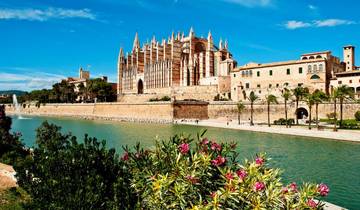
Mallorca, the largest island, delivers cultural depth through its capital Palma with its Gothic cathedral and historic quarter, alongside dramatic mountain ranges and hidden beaches. Menorca presents a quieter alternative with UNESCO Biosphere Reserve status, pristine coastline, and well-preserved archaeological sites. Ibiza maintains its reputation as the world’s electronic music capital while revealing traditional villages and secret beaches beyond the clubs. Formentera, the smallest major island, offers Caribbean-style beaches and laid-back Mediterranean lifestyle accessible only by boat from Ibiza.
Planning a Balearic Islands trip for 2026 requires strategic decisions about which islands to visit, how to navigate between them, when to book accommodation and transportation, and how to balance beach relaxation with cultural exploration. This comprehensive guide provides detailed planning information covering costs, transportation, accommodation strategies, seasonal timing, and practical logistics to create your ideal Mediterranean island experience.
The islands benefit from excellent connectivity, with three international airports (Palma, Ibiza, and Mahón) receiving direct flights from major European cities, supplemented by comprehensive ferry networks linking all islands and connecting to mainland Spain. Modern infrastructure supports independent travelers while preserving traditional Mediterranean character in historic quarters, fishing villages, and agricultural communities.
People Also Ask About Balearic Islands 2026
How much does a Balearic Islands trip cost in 2026?
A week-long Balearic Islands trip costs €900-2,100 per person in 2026, depending on travel style and island selection. Budget travelers spending €80-120 daily can manage €700-1,000 total including flights and accommodation, while mid-range visitors allocating €150-250 daily reach €1,400-2,100 for the same period. Luxury experiences exceed €300 daily. Check booking platforms for current accommodation rates and flight prices as costs vary by season and advance booking timing.
These estimates include accommodation (€50-180 per night for doubles), meals (€35-70 daily), local transportation (€10-25 daily), beach activities and entrance fees (€15-40 daily), and inter-island ferries (€30-70 per crossing). Flight costs from major European cities range €80-350 return depending on departure point and booking timing, with advance purchases securing significant savings.
What is the best time to visit the Balearic Islands in 2026?
May, June, and September represent the optimal visiting months for the Balearic Islands in 2026, offering ideal weather conditions (22-28°C), manageable crowds, and moderate pricing. July-August deliver peak Mediterranean summer with guaranteed sunshine and full service availability but attract maximum crowds and premium pricing. April and October provide value alternatives with pleasant temperatures (18-24°C), though some beach clubs and seasonal restaurants operate limited schedules.
Water temperatures reach comfortable swimming levels (20-22°C) by late May and remain warm through October. Cultural travelers visiting primarily for historic sites, hiking, and local experiences find March-April and October-November particularly rewarding, with accommodation costs 40-60% lower than summer peaks and authentic local atmosphere in traditional towns.
Do you need advance bookings for Balearic Islands in 2026?
Summer visits (June-September) require accommodation bookings 3-6 months ahead for optimal selection and pricing, with popular properties in prime locations selling out 4-5 months before arrival. Inter-island ferry reservations become essential during July-August weekends when vehicle spaces and passenger capacity reach limits. Shoulder season visits (April-May, October) allow more flexibility with 1-2 month advance bookings generally sufficient.
Popular beach clubs in Ibiza require reservations weeks ahead for summer weekends, while restaurant bookings become advisable for high-end establishments during peak season. Car rental reservations made 2-3 months ahead secure better rates and vehicle selection, particularly for summer travel when demand peaks and prices increase 30-50%.
Which Balearic Island should I visit first in 2026?
First-time visitors benefit from starting with Mallorca, which offers the most comprehensive introduction to Balearic diversity through its capital Palma’s cultural attractions, mountain landscapes in the Serra de Tramuntana, varied beaches from sandy bays to dramatic cliffs, and excellent infrastructure. The island provides complete destination experience within one location, making it ideal for visitors with limited time or those uncertain which island type suits their preferences.
Travelers prioritizing nightlife and electronic music culture head directly to Ibiza, while those seeking tranquility and natural beauty choose Menorca or Formentera. Multi-island itineraries combining 2-3 islands deliver the most comprehensive Balearic experience, revealing how dramatically each island differs in character, landscape, and atmosphere despite their geographic proximity.
Extended multi-day tours – 5+ days
Featured Balearic Islands Multi-Day Tour Packages
4 days
Palma de Mallorca City Break
- ✓ Comprehensive Balearic Islands tour
- ✓ Expert local guides included
- ✓ All accommodation arranged
- ✓ Transportation provided
9 days
Mallorca: Cycling Paradise
- ✓ Comprehensive Balearic Islands tour
- ✓ Expert local guides included
- ✓ All accommodation arranged
- ✓ Transportation provided
6 days
Ibiza Getaway
- ✓ Booking needs min. 2 travelers

8 days
Mallorca in 8 Days: Sunsets, Serenity & Natural Wonders
- ✓ Booking needs min. 2 travelers
Multi-day tour packages powered by TourRadar. Prices and availability subject to change.
Essential Planning Information 2026
Entry Requirements and Documentation
EU, EEA, and Swiss citizens enter the Balearic Islands with valid national ID cards or passports, requiring no visas for stays up to 90 days. UK visitors following Brexit need passports valid for at least three months beyond intended departure date and face 90-day limits within any 180-day period across the Schengen Area. US, Canadian, Australian, and New Zealand citizens enter visa-free for tourism stays up to 90 days within 180-day periods.
Spain maintains standard Schengen Area entry requirements, with border controls applying at airports and ports when arriving from non-Schengen countries. Inter-island travel within the Balearics and movement to mainland Spain requires no additional documentation beyond standard ID. Travel insurance remains highly recommended though not mandatory, covering medical emergencies, trip cancellations, and activity-related incidents.
Current Costs and Pricing Breakdown
Balearic Islands accommodation in 2026 ranges €40-100 per night for budget hotels and hostels, €100-200 for mid-range hotels, and €200-500+ for boutique properties and luxury resorts, based on double occupancy. Check booking platforms for current rates as pricing varies significantly by island, location, and season. Ibiza commands premium pricing during summer months, while Menorca offers more consistent year-round value.
Restaurant meals cost €12-18 for casual lunches, €25-40 for mid-range dinners, and €50-100+ for fine dining experiences. Beach club day beds range €30-150 depending on venue and season, with Ibiza’s famous clubs charging €80-150 for premium positions. Supermarket shopping for self-catering accommodations costs €40-70 weekly for basic provisions, offering substantial savings over restaurant dining.
Inter-island ferry services charge €30-70 per person for standard passenger tickets, with vehicle transport adding €80-150 depending on vehicle size and route. Car rentals cost €25-45 daily for economy vehicles, €40-70 for mid-size cars, and €80-150+ for SUVs and luxury vehicles. Scooter rentals popular in Formentera and Ibiza run €25-40 daily.
Health and Safety Considerations
The Balearic Islands maintain excellent healthcare standards with modern hospitals in Palma, Ibiza Town, and Mahón, plus medical centers in all major towns and tourist areas. EU citizens receive reciprocal healthcare through European Health Insurance Cards (EHIC), while others require private travel insurance. Tap water meets drinking standards throughout the islands, though many locals prefer bottled water.
Sun protection requires serious attention, with Mediterranean summer sun intense from June through September. High-SPF sunscreen, wide-brimmed hats, and midday shade breaks prevent sunburn and heat exhaustion that can ruin vacation days. Ocean conditions remain generally safe for swimming, with lifeguarded beaches clearly marking any hazardous currents or jellyfish presence.
Best Time to Visit Balearic Islands 2026
Seasonal Analysis for 2026
Spring (April-May) emerges as ideal for cultural exploration, hiking, and beach enjoyment without peak crowds. April temperatures average 18-22°C with occasional rain showers, while May warms to 20-26°C with increasing sunshine and comfortable sea temperatures reaching 18-20°C. Wildflowers blanket Menorca’s countryside, and traditional festivals animate villages without tourist overcrowding. Accommodation costs run 40-50% below summer peaks, and restaurant reservations remain unnecessary except for renowned establishments.
Summer (June-August) delivers guaranteed sunshine, warm seas (24-27°C), and full tourism infrastructure operation. June offers the best value within summer months, with temperatures reaching 26-30°C, manageable crowds, and pricing not yet at July-August peaks. July-August bring intense heat (28-35°C), maximum crowds at popular beaches and attractions, and premium pricing for everything from accommodation to beach clubs. Ibiza’s legendary nightlife operates at full intensity, with world-class DJs performing nightly at superclubs.
Early Autumn (September-October) rivals spring as the optimal visiting period, with September delivering summer conditions without peak crowds or prices. Water temperatures remain at their annual warmest (24-26°C), and weather stays consistently sunny and warm (24-28°C in September, 20-24°C in October). Beach facilities maintain full operation through September and gradually wind down in October. Grape harvests and wine festivals add cultural dimension, particularly in Mallorca’s wine regions.
Late Autumn and Winter (November-March) transform the islands into quiet retreats favored by long-term residents and cultural travelers. Temperatures average 10-18°C with increased rainfall, particularly in November-January. Many beach clubs, seasonal restaurants, and water sports operators close, though major cities maintain year-round services. This period suits cycling enthusiasts, hikers, and visitors interested in authentic local life, with accommodation costs 50-70% below summer rates.
Weather Patterns and Crowd Predictions
The Balearics enjoy over 300 annual sunshine days, with July-August virtually guaranteeing cloudless skies and high temperatures. Rain falls primarily November-February, with brief showers possible during spring and autumn transitions. Wind patterns vary by island, with Menorca experiencing stronger northerly winds that create distinct microclimates on north versus south coasts.
Crowd levels peak during July-August, Spanish holiday weeks in August, and major events like Ibiza’s opening and closing parties (late May and early October). Easter week attracts significant Spanish domestic tourism, creating temporary crowding at popular sites. January-March see the lowest visitor numbers, with some resorts and facilities closed but major attractions and cities maintaining operations.
Beach capacity stress occurs primarily at Instagram-famous locations like Cala Comte (Ibiza), Es Trenc (Mallorca), and Cala Macarella (Menorca) during July-August weekends. Arriving before 10 AM secures parking and beach space, while afternoon visits after 4 PM find reduced crowds as day visitors depart. Lesser-known beaches remain peaceful even during peak season, rewarding explorers willing to venture beyond headline locations.
Choosing Your Islands for 2026
Mallorca: Cultural Depth and Diverse Landscapes
Mallorca, the archipelago’s largest island, serves over 10 million annual visitors through comprehensive tourism infrastructure balanced against preserved natural areas and cultural heritage. Palma de Mallorca, the capital, offers Gothic cathedral La Seu, medieval old quarter, contemporary art museums, and sophisticated dining scene within a walkable historic center. The Serra de Tramuntana mountain range running along the northwest coast earned UNESCO World Heritage designation for its dramatic landscapes, traditional dry-stone architecture, and terraced agricultural systems.
The island divides into distinct regions: the sophisticated capital Palma, the dramatic mountain coast around Sóller and Valldemossa, the resort-developed northeast around Alcúdia, the beach-focused southeast near Santanyí, and the agricultural interior around Inca. This diversity allows visitors to experience Mediterranean beach resort, mountain hiking, cultural city exploration, and rural agritourism within one island.
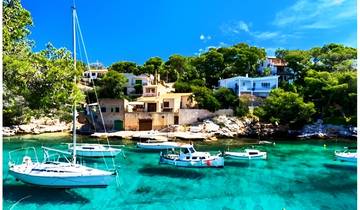
Beaches range from long sandy stretches with full facilities to hidden coves requiring hiking access. Es Trenc offers 2 kilometers of white sand and turquoise water resembling Caribbean beaches, while Cala Deià provides intimate rocky swimming beneath mountain cliffs. Water sports centers cluster around major bays, offering sailing, windsurfing, kayaking, and diving.
Cultural attractions extend beyond Palma to include Valldemossa’s famous monastery where Chopin spent winter, traditional markets in Inca and Sineu, and numerous fortified towers dotting the coastline. Wine tourism flourishes in the interior, with over 70 wineries offering tastings and tours of indigenous grape varieties. Mallorca requires 4-7 days for comprehensive exploration or serves as comfortable single-island base for entire vacation.
Menorca: Tranquil Beaches and Prehistoric Heritage
Menorca distinguishes itself as the quietest major Balearic island, with UNESCO Biosphere Reserve status protecting 70% of its territory from development. The island attracts families, nature lovers, and travelers seeking authentic Mediterranean atmosphere away from mass tourism. Development concentrates in the two main towns of Mahón (the capital) and Ciutadella, with small resort villages providing beach access while preserving environmental integrity.
The coastline features over 80 beaches and coves, many accessible only by walking trails or unpaved roads, ensuring peaceful experiences even during summer. Southern beaches offer white sand and sheltered turquoise water ideal for families, while northern beaches present dramatic cliffs, pebbly shores, and stronger winds favored by windsurfers. Cala Macarella and Cala Mitjana rank among the Mediterranean’s most beautiful beaches, with pine forests framing white sand crescents.
Prehistoric heritage distinguishes Menorca through over 1,500 archaeological sites, including talayotic settlements, navetas (boat-shaped burial chambers), and taulas (T-shaped stone monuments) dating to 2000-123 BC. The Talayotic Culture earned UNESCO World Heritage designation in 2023, with several sites open for exploration providing insight into Bronze Age Mediterranean civilizations.
Traditional festivals maintain authentic local culture, with horse-centered Festes de Sant Joan in Ciutadella (June 23-24) showcasing skilled riders in medieval-origin ceremonies. Gin production reflects British colonial heritage (1708-1802), with Xoriguer distillery in Mahón offering tours and tastings of the island’s signature spirit. Menorca suits 3-5 day visits, often combined with other islands or enjoyed as peaceful retreat.
Ibiza: Electronic Music Culture and Hidden Tranquility
Ibiza maintains dual identity as world clubbing capital and UNESCO World Heritage site, with historic Dalt Vila (Old Town) and Phoenician ruins coexisting alongside legendary superclubs. The island attracts over 3 million annual visitors, split between party-focused travelers aged 20-35 seeking electronic music experiences and diverse demographics discovering hidden beaches, yoga retreats, hippie markets, and upscale dining.
The clubbing scene operates May through October, with opening parties late May and closing parties late September/early October marking the season’s boundaries. Superclubs including Pacha, Amnesia, Ushuaïa, and Hï Ibiza host world-renowned DJs performing to crowds of 3,000-10,000 nightly. Cover charges range €40-80, with VIP table reservations requiring €500-2,000 minimum spend. Pre-parties at beach clubs and sunset bars provide more affordable entry to Ibiza’s music culture.
Beyond nightlife, Ibiza reveals traditional villages like Sant Carles and Santa Gertrudis maintaining agricultural rhythms, with local markets selling organic produce and artisan crafts. The north coast offers dramatic cliffs, secret coves, and family-friendly beaches far removed from party atmosphere. Formentera, accessible by 30-minute ferry, provides day-trip escape to pristine beaches and laid-back pace.
UNESCO designation recognizes both Dalt Vila’s renaissance fortifications and the Posidonia oceanica seagrass meadows surrounding the island, which support exceptional marine biodiversity. Snorkeling and diving reveal crystal-clear waters with rocky reefs, sea caves, and abundant fish life. Ibiza requires 3-7 days depending on interests, with party-focused visitors often staying entire week while cultural explorers find 3-4 days sufficient.
Formentera: Caribbean-Style Beaches and Bohemian Spirit
Formentera, the smallest major Balearic island, offers 69 square kilometers of white sand beaches, turquoise water, and relaxed Mediterranean lifestyle. Accessible only by ferry from Ibiza (30-60 minutes), the island attracts day-trippers from Ibiza and independent travelers seeking tranquil beach-focused vacations. Development remains deliberately limited, with low-rise accommodations, protected dune systems, and environmental regulations preserving natural character.
Ses Illetes beach consistently ranks among Europe’s best, with powder-white sand and shallow turquoise water stretching along a narrow peninsula. The beach faces both north and south, allowing sun seekers to find sheltered swimming regardless of wind direction. Es Pujols serves as the main resort area with hotels, restaurants, and nightlife, while La Savina functions as the ferry port and commercial center.
Cycling and scootering provide ideal transportation, with flat terrain, dedicated bike paths, and distances manageable for all fitness levels. The entire island spans just 20 kilometers end-to-end, making it easy to explore multiple beaches in one day. Car rentals prove unnecessary for most visitors, reducing costs and environmental impact.
Bohemian atmosphere persists through hippie markets, beach bars, and laid-back lifestyle that attracts artists, musicians, and independent spirits. Sunsets at Ses Illetes beach bars create legendary social gatherings, with DJs spinning chill-out music as crowds toast the day’s end. Formentera suits 2-4 day visits or serves as peaceful retreat combined with Ibiza’s energy in multi-island itineraries.
Getting Around the Balearic Islands in 2026
Inter-Island Ferry Services 2026
Ferry companies Baleària, Trasmediterránea, and Aquabus operate comprehensive inter-island services connecting Mallorca, Menorca, Ibiza, and Formentera. Standard passenger ferries run year-round between major islands, with expanded summer schedules adding high-speed services and increased frequency. Palma-Ibiza routes operate 2-4 times daily (2.5 hours standard ferry, 2 hours fast ferry), while Ibiza-Formentera services run every 30-60 minutes during summer (30 minutes).
Passenger tickets cost €30-45 for standard ferries, €45-70 for fast ferries, with vehicle transport adding €80-120 for cars and €30-50 for motorcycles. Advance online bookings secure 10-20% discounts compared to walk-up purchases, with summer weekends requiring reservations 1-2 weeks ahead for vehicle spaces. Passenger-only tickets remain available same-day except during peak August weeks.
Mallorca-Menorca connections operate daily year-round (Palma-Mahón in 5-6 hours, Alcúdia-Ciutadella in 2 hours), with multiple summer departures. The Alcúdia-Ciutadella route proves most convenient for travelers based in northern Mallorca or planning extended Menorca stays. All ferries offer cafeterias, outdoor decks, and comfortable seating, with premium lounges available on longer routes.
Ferry terminals provide parking (€8-15 daily), though many travelers choose bus or taxi access to avoid parking fees. Arriving 45-60 minutes before departure allows time for check-in, vehicle loading (if applicable), and boarding. Online tickets require print or smartphone display, with ticket offices handling any booking issues.
Island Public Transportation
Mallorca operates the most extensive public transport network, with buses connecting Palma to all major towns and resort areas. TIB (Transport de les Illes Balears) buses run regularly between Palma and destinations like Sóller, Valldemossa, Alcúdia, and Porto Cristo, with fares €3-10 depending on distance. The historic wooden train from Palma to Sóller provides scenic mountain journey (€18 return), connecting to vintage tram down to Port de Sóller (€7 each way).
Menorca’s bus system links Mahón and Ciutadella with resort areas and beaches during summer, with reduced winter schedules. Fares run €2-6, with day passes (€8-12) offering value for multiple journeys. Service frequency varies from hourly on main routes to 3-4 daily buses for smaller destinations, requiring schedule coordination for day trips.
Ibiza maintains regular bus connections between Ibiza Town, airport, and major resort areas including Sant Antoni, Santa Eulària, and Playa d’en Bossa. Night buses operate summer weekends connecting clubs to accommodation areas, providing essential service for non-driving clubbers. Fares cost €2-4 for most routes, with 10-trip cards offering savings.
Formentera operates limited bus service connecting La Savina port with Es Pujols and major beaches, with hourly summer frequency reducing to 3-4 daily off-season. Most visitors choose cycling or scooter rental for superior flexibility and access to remote beaches.
Car and Scooter Rental Options 2026
Car rental provides maximum flexibility for exploring, particularly in Mallorca and Menorca where public transport proves limited for reaching remote beaches and mountain villages. International companies (Hertz, Avis, Europcar) operate at all airports alongside local agencies offering competitive rates. Economy cars cost €25-35 daily in shoulder season, rising to €40-55 during summer peak. Booking 2-3 months ahead secures best rates and vehicle selection.
Rental requirements include driver’s license held for minimum one year (some agencies require two years), passport or national ID, and credit card for deposit (€500-1,000). International driving permits prove unnecessary for EU, UK, US, Canadian, and Australian license holders. Minimum age varies by company and vehicle type (typically 21-25 years, with young driver surcharges applying under 25).
Insurance coverage requires careful attention, with basic liability included but collision damage waiver (CDW) and theft protection often optional extras adding €15-25 daily. Personal auto insurance and credit card coverage may apply, warranting verification before purchasing redundant protection. Full tank fuel policies prove standard, requiring return with equivalent level.
Scooter and motorcycle rentals flourish in Ibiza and Formentera, where parking proves easier and fuel efficiency matters. 50cc scooters requiring no motorcycle license cost €20-30 daily, while 125cc+ motorcycles needing proper licensing run €35-60 daily. Helmets come included, with locks provided for parking security. Traffic police actively enforce helmet laws and license requirements, issuing immediate fines for violations.
Airport Connections and Flight Options
Palma Airport (PMI) serves as primary gateway, receiving direct flights from 180+ European cities through airlines including Ryanair, easyJet, Vueling, Lufthansa, and British Airways. Flight times from London run 2-2.5 hours, from Germany 2-3 hours, and from Scandinavia 3-4 hours. Summer schedules expand dramatically with charter services and increased frequency, while winter maintains reduced but steady connections.
Ibiza Airport (IBZ) operates extensive summer schedules May-October with reduced winter service. Direct flights connect major European cities, with party-season weeks seeing special late-night arrivals accommodating clubbers’ schedules. The airport sits 7 kilometers from Ibiza Town, with buses (€3.50, 20 minutes), taxis (€18-25, 15 minutes), and pre-booked transfers providing connections.
Menorca Airport (MAH) maintains year-round domestic connections to Barcelona and Madrid plus seasonal European routes. Smaller scale creates efficient processing, with arrival to exit often completing within 20 minutes. Buses connect to Mahón (€2.75, 15 minutes) with less frequent service to Ciutadella (€9, 60 minutes), while taxis charge €15-20 to Mahón, €50-60 to Ciutadella.
Inter-island flights operate between Mallorca, Menorca, and Ibiza through Air Europa and Air Nostrum, taking 30-45 minutes with fares €50-120. Flights prove convenient for time-limited travelers but cost significantly more than ferries, with limited schedules and potential delays making ferries more reliable for most itineraries.
Where to Stay in the Balearic Islands 2026
Budget Accommodation Options
Hostels provide the most economical accommodation, with dorm beds costing €20-40 nightly during summer, €15-25 in shoulder season. Palma, Ibiza Town, and Mahón host quality hostels offering private rooms (€50-80) alongside dorms, with shared kitchens enabling self-catering savings. Social atmosphere suits solo travelers and groups seeking nightlife access, though noise levels may disrupt light sleepers.
Budget hotels and guesthouses scattered throughout resort areas offer private rooms with en-suite bathrooms for €40-70 nightly (double occupancy) during shoulder season, rising to €60-100 in summer. Simple breakfast inclusion adds value, while locations slightly inland from beaches reduce costs compared to beachfront properties. Family-run establishments often provide local knowledge and authentic atmosphere lacking in larger hotels.
Apartment rentals through Airbnb and Booking.com deliver excellent value for groups and extended stays, with one-bedroom units costing €50-90 nightly, two-bedroom apartments €80-140 nightly during shoulder season. Kitchen facilities enable supermarket shopping and home cooking, reducing daily food expenses from €50-70 per person to €20-30. Minimum stay requirements (3-7 nights) apply to many properties, particularly during summer.
Camping exists legally only at designated campgrounds, with options in Mallorca (several sites) and limited facilities in other islands. Costs run €10-20 per person plus €10-15 for tent/caravan pitch. Sites provide basic amenities including bathrooms, hot showers, and electrical hookups, with some offering swimming pools and beach access. Advance reservations prove essential for July-August.
Mid-Range Hotel Selection
Three-star and boutique hotels dominating mid-range sector charge €100-160 nightly for doubles during shoulder season, €140-220 in summer. Properties typically include breakfast, swimming pool, air conditioning, and WiFi, with locations ranging from town centers to beach-adjacent positions. Design-forward boutique hotels in converted historic buildings cluster in Palma’s Old Town, Ibiza’s Dalt Vila, and Ciutadella’s historic center.
All-inclusive resorts concentrated in Mallorca’s beach areas and parts of Ibiza offer €120-200 per person daily including meals, drinks, and activities. This option suits families and travelers preferring predictable costs without daily meal planning, though it limits exposure to local restaurants and authentic experiences. Quality varies significantly, warranting careful research of dining options and facility conditions.
Rural hotels and agritourism properties throughout Mallorca’s interior and Menorca’s countryside provide peaceful retreats in converted farmhouses and manor estates. Rooms cost €100-180 nightly including breakfast, often featuring locally-sourced ingredients and wine from estate vineyards. These properties suit travelers with cars seeking countryside experiences, wine tourism, and hiking access rather than beach focus.
Location strategy significantly impacts value and experience. Staying in main towns (Palma, Mahón, Ibiza Town) provides restaurant variety, cultural attractions, and public transport access while reducing accommodation costs compared to exclusive beach resorts. Beach resort properties offer immediate sand access and resort atmosphere but increase costs and may limit exposure to local life.
Luxury and Boutique Properties
Five-star hotels and luxury resorts charge €300-600 nightly for standard rooms, €600-1,500+ for suites, with ultra-luxury properties exceeding €1,000 nightly. Mallorca leads luxury development with properties like Belmond La Residencia in Deià, Cap Rocat near Palma, and Son Bunyola in the mountains, offering infinity pools, Michelin-starred dining, and comprehensive spa facilities.
Ibiza’s luxury scene centers on beach clubs and boutique hotels combining cutting-edge design with electronic music culture. Six Senses Ibiza and Nobu Hotel Ibiza Bay represent recent openings targeting wellness-focused luxury travelers, while traditional favorites maintain sophisticated service. Many properties include beach club access, private yacht charters, and connections to island’s top restaurants and nightlife.
Menorca offers boutique luxury in restored historic properties, with hotels like Torralbenc and rural estates providing intimate upscale experiences emphasizing local culture, gastronomy, and natural beauty over party atmosphere. These properties suit couples and mature travelers seeking sophisticated relaxation with minimal nightlife distraction.
Private villa rentals serve groups and families wanting space, privacy, and luxury amenities, with properties renting €2,000-10,000+ weekly depending on size, location, and season. Villas often include private pools, full kitchens, outdoor terraces, and sometimes staff services. Advance booking (6-12 months) proves essential for premium properties during summer months.
Budget Optimization for 2026 Visits
Advance Booking Benefits
Accommodation bookings made 3-6 months ahead secure 20-40% savings compared to last-minute reservations, with the greatest discounts applying to summer peak periods. Airlines release tickets 10-12 months in advance, with prices lowest at initial release and gradually increasing as departure approaches. Booking flights 2-4 months ahead for summer travel typically captures optimal pricing before significant increases.
Ferry tickets purchased online 1-4 weeks ahead discount 10-20% versus port purchases, with early morning and late evening departures often priced lower than midday services. Package deals combining accommodation and flights sometimes offer superior value to separate bookings, particularly for all-inclusive resorts, warranting comparison across booking platforms and direct supplier websites.
Restaurant reservations at high-end establishments often include no booking fees while securing guaranteed seating at desired times, preventing disappointment at popular venues. Beach club reservations for Ibiza’s famous venues sometimes offer discounted bed rentals compared to walk-up rates, particularly for weekday visits or early-season bookings.
Seasonal Timing Strategies
Shoulder season visits (April-May, September-October) deliver 30-50% accommodation savings compared to July-August peaks while maintaining excellent weather and full service availability. September particularly offers summer conditions with reduced crowds and prices returning to reasonable levels after August’s premium rates.
Mid-week visits cost less than weekends year-round, with this pattern intensifying during summer when weekend rates sometimes double mid-week prices at popular beach clubs and resorts. Planning arrivals for Sundays or Mondays and departures for Thursdays or Fridays captures lower accommodation rates while avoiding weekend premiums.
Low season (November-March) slashes accommodation costs 50-70% but requires acceptance of cooler weather, shorter days, and reduced services. This period suits budget-conscious travelers interested in hiking, cycling, cultural exploration, and authentic local experiences rather than beach focus. Cities maintain year-round vitality while resort areas quiet significantly.
Daily Spending Reduction Techniques
Self-catering accommodation with kitchen facilities enables supermarket shopping for breakfast and some meals, reducing daily food costs from €50-70 per person in restaurants to €20-30 combining home-cooked and restaurant meals. Local markets offer fresh produce, cheese, bread, and prepared foods at lower prices than supermarkets while supporting local producers.
Menu del día (daily menu) at local restaurants provides three-course lunches with wine or soft drink for €12-18, offering excellent value compared to à la carte ordering. These traditional midday specials operate Monday-Friday at neighborhood restaurants catering to local workers rather than tourist-focused establishments, delivering authentic cuisine at budget prices.
Free beach access exists at all public beaches (most beaches are public), eliminating beach club fees (€30-150 daily) while providing identical swimming and sunbathing experiences. Bringing beach equipment from home or purchasing inexpensive items locally (€10-20 for umbrella, €5-10 for beach mat) creates comfortable beach setup without rental fees.
Walking and cycling replace paid transportation for many journeys, with compact town centers easily navigable on foot and dedicated bike paths connecting beaches and attractions. Bike rentals cost €10-15 daily, providing economical transport while adding fitness benefit and allowing spontaneous stops at scenic viewpoints.
Sample Balearic Islands Itineraries 2026
One-Week Multi-Island Discovery
Day 1 – Arrival Palma, Mallorca: Fly into Palma Airport, transfer to Old Town accommodation (€100-150 hotel). Explore Gothic Quarter, visit La Seu Cathedral (€9), walk Passeig del Born. Dinner in Santa Catalina neighborhood (€25-35). Cathedral €9, lunch €15-20, dinner €25-35, local transport €5. Total day cost: €54-69 per person (excluding accommodation).
Day 2 – Serra de Tramuntana Mountain Villages: Rent car (€35) or join bus tour, visit Valldemossa (€10 monastery entry), Deià viewpoints, Sóller (€18 train option), Port de Sóller. Mountain lunch €20-28, dinner Palma €25-35. Car rental €35 (split among passengers), monastery €10, meals €45-63, fuel €10. Total day cost: €100-118 per person with car rental split 2 ways (excluding accommodation).
Day 3 – Ferry to Ibiza: Morning ferry Palma-Ibiza (€45 fast ferry, 2 hours). Check into Ibiza Town accommodation (€80-140). Afternoon Dalt Vila UNESCO site exploration (free). Sunset at Café del Mar Sant Antoni (€15-25 drinks). Dinner Ibiza Town €25-40. Ferry €45, lunch €15-20, sunset drinks €20, dinner €30. Total day cost: €110-135 per person (excluding accommodation €80-140).
Day 4 – Formentera Day Trip: Early ferry to Formentera (€35 return). Rent bicycle (€12) or scooter (€25), explore Ses Illetes beach, Es Pujols village. Beach lunch €18-28, return evening ferry. Dinner Ibiza €25-35. Ferry €35, bike/scooter €12-25, lunch €18-28, snacks €8, dinner €30. Total day cost: €103-126 per person (excluding accommodation).
Day 5 – Ibiza Beach and Culture: Cala Comte beach morning (free access), Las Dalias hippie market afternoon (free entry, optional purchases). Beach club late afternoon (€30-80 day bed optional). Dinner €30-45. Beach transport €8, lunch €18-25, market purchases €20-40, dinner €35. Total day cost: €81-118 per person without beach club bed (excluding accommodation).
Day 6 – Ferry to Menorca: Ferry Ibiza-Ciutadella (€50, 3 hours) or return Palma then ferry to Menorca. Accommodation Ciutadella or Mahón (€80-120). Explore Ciutadella old town (free), harbor dinner (€25-40). Ferry €50, lunch €15-22, dinner €30, transport €6. Total day cost: €101-118 per person (excluding accommodation €80-120).
Day 7 – Menorca Beaches and Departure: Morning beach visit (Cala Macarella or Cala Turqueta, free access, €10 parking). Lunch beach area €18-25. Return Mahón for evening flight. Beach parking €10, lunch €20, snacks €8, airport transport €20. Total day cost: €58-73 per person.
Week Total (excluding accommodation and flights): €607-757 per person for one-week multi-island itinerary covering Mallorca, Ibiza, Formentera, and Menorca with comprehensive experiences including ferries, local transport, meals, and activities.
Four-Day Mallorca Cultural and Nature Focus
Day 1 – Palma Culture: Cathedral €9, Royal Palace of La Almudaina €7, Es Baluard contemporary art museum €8, Old Town exploration. Lunch tapas €15-20, dinner €25-35. Admissions €24, meals €40-55, transport €5. Total: €69-84 per person (excluding accommodation).
Day 2 – Sóller and Northwest Coast: Historic train Palma-Sóller €18, vintage tram to Port de Sóller €7, Port Sóller beach time. Lunch port area €20-28, return train €18, Palma dinner €25-35. Train/tram €43, meals €45-63. Total: €88-106 per person (excluding accommodation).
Day 3 – East Coast Exploration: Rental car (€35 shared), visit Caves of Drach €17, beach time Cala Romántica or Cala Millor (free), Porto Cristo lunch €18-25. Dinner Palma €25-35. Car rental share €18, cave entry €17, meals €43-60, fuel €8. Total: €86-103 per person (excluding accommodation).
Day 4 – Es Trenc Beach and Departure: Bus or taxi to Es Trenc beach (€15-25 transport), morning swimming, beach lunch €15-22. Return Palma afternoon. Transport €20, lunch €18, snacks €10. Total: €48-58 per person.
Four-Day Total: €291-351 per person excluding accommodation and flights.
Three-Day Ibiza Party and Beach Experience
Day 1 – Arrival and Beach Clubs: Airport to accommodation €20 taxi. Playa d’en Bossa beach club (€40-80 day bed), lunch included with bed purchase or €20-30 separate. Pre-party sunset bar €15-25 drinks. Club entry €50-70 plus drinks €40-60. Transport €20, beach club €60, pre-party €20, club entry €60, club drinks €50. Total: €210-260 per person (excluding accommodation).
Day 2 – Formentera Day Trip: Ferry return €35, scooter rental €25, Ses Illetes beach (free), beach lunch €20-30, sunset beach bar €15-20 drinks. Return Ibiza evening. Ferry €35, scooter €25, lunch €25, drinks €18, dinner Ibiza €25. Total: €128-143 per person (excluding accommodation).
Day 3 – Recovery and Culture: Late start, Dalt Vila UNESCO site (free), lunch old town €18-25, sunset at Café Mambo Sant Antoni (€20-30 drinks). Final dinner €30-40, evening club optional or early night. Transport €10, lunch €22, sunset drinks €25, dinner €35. Total: €92-117 per person (excluding accommodation and optional clubbing).
Three-Day Total: €430-520 per person excluding accommodation and flights.
Booking Strategies for 2026 Visits
Official Booking Channels
Accommodation booking platforms including Booking.com, Airbnb, Expedia, and Hotels.com provide comprehensive options with user reviews, flexible cancellation policies, and competitive pricing. Direct hotel websites sometimes match or beat platform rates while offering loyalty benefits, room upgrades, or complimentary services. Comparing prices across multiple platforms before booking captures best available rates.
Ferry tickets purchase through company websites (Baleària, Trasmediterránea, Aquabus) avoids third-party fees while providing direct customer service for any schedule changes. Mobile apps enable ticket storage and real-time schedule updates, with push notifications warning of delays or cancellations.
Car rental comparison sites like Kayak, Rentalcars.com, and Auto Europe aggregate offerings from multiple companies, enabling price comparison and feature analysis. Reading terms carefully regarding insurance coverage, fuel policies, and mileage limits prevents unexpected costs at pickup. Booking direct with major companies sometimes provides superior flexibility for changes despite marginally higher initial costs.
Tour Operator Recommendations
Boat tours to hidden coves, sea caves, and snorkeling spots operate from all major ports, with half-day excursions costing €40-70 and full-day trips including lunch running €70-120. Advance online booking secures spots on popular tours that sell out during summer, with morning departures often less crowded than afternoon options.
Walking and hiking tours throughout Serra de Tramuntana in Mallorca and Menorca’s Camí de Cavalls coastal trail range €30-60 for guided half-day experiences, providing expert knowledge of flora, fauna, history, and safe route navigation. Self-guided options using downloaded maps and GPS tracks offer free alternatives for experienced hikers.
Food tours in Palma, Mahón, and Ibiza Town introduce local cuisine, traditional markets, and artisan producers through 3-4 hour experiences costing €60-90 including tastings. Wine tours in Mallorca’s interior visit 2-3 wineries with tastings and cellar tours for €80-120 including transportation and lunch, revealing indigenous grape varieties and modern winemaking techniques.
Ibiza club tours and party packages organized by multiple companies provide transportation between venues, sometimes including club entry and drinks for €50-90. These prove particularly useful for first-time visitors unfamiliar with island geography and optimal party progression from sunset bars through clubs until closing.
Essential Balearic Islands Travel Tips 2026
Language and Communication
Spanish and Catalan serve as official languages throughout the Balearic Islands, with Catalan variants Mallorquí, Menorquí, and Eivissenc spoken locally. Tourism workers speak English widely in resorts, hotels, and major attractions, while local restaurants, shops, and rural areas may require basic Spanish. Learning essential phrases (hello, please, thank you, check please) demonstrates respect and facilitates interactions.
Menus in tourist areas typically offer English translations, though authentic local establishments may present Spanish/Catalan-only options. Translation apps prove invaluable for understanding ingredients and preparation methods. Asking for recommendations using basic Spanish often yields excellent suggestions for regional specialties worth trying.
Currency and Payment Methods
The euro serves as official currency, with ATMs widely available in towns and tourist areas offering competitive exchange rates. Credit and debit cards receive acceptance at most restaurants, hotels, shops, and attractions, though small beach bars, local markets, and some traditional restaurants operate cash-only. Carrying €50-100 cash covers unexpected cash-only situations without requiring frequent ATM visits.
Tipping practices follow Spanish norms: restaurants appreciate 5-10% for good service (not mandatory), taxi rounding up to nearest euro proves standard, and hotel porters receive €1-2 per bag. Beach clubs and upscale establishments sometimes include service charges, warranting bill review before adding tips.
Technology and Connectivity
WiFi availability reaches near-universal levels in accommodation, restaurants, cafes, and public spaces in tourist areas. EU visitors benefit from roaming agreements eliminating additional charges, while non-EU travelers should verify roaming costs before arrival or purchase local SIM cards (€10-20 for 1-4 week data packages) at phone shops and airport kiosks.
Mobile apps enhance trip experiences: ferry company apps for ticket storage and schedule updates, Google Maps for navigation (download offline maps before areas with limited connectivity), translation apps for menu reading and communication, and booking platform apps for reservation management. Restaurant reservation apps like TheFork offer discounts at participating establishments.
Cultural Etiquette and Local Customs
Siesta tradition continues in smaller towns and traditional businesses, with many shops closing 2 PM-5 PM during summer. Planning shopping and errands for morning or late afternoon respects local rhythms while ensuring establishments remain open. Tourist areas increasingly maintain all-day operation.
Dress codes remain casual for most situations, though entering churches and religious sites requires covered shoulders and knees. Beachwear stays appropriate only at beaches and pools, not in towns, shops, or restaurants. Evening dining culture begins later than northern European norms, with 9 PM-10 PM standard dinner times in restaurants (tourist areas accommodate earlier dining).
Beach regulations vary by location: topless sunbathing enjoys general acceptance on most beaches, nudist beaches exist in designated areas (marked clearly), and smoking restrictions apply on increasing numbers of beaches. Respecting these local rules and following posted signage maintains positive relationships with local communities and authorities.
Frequently Asked Questions
Is 7 days enough for the Balearic Islands?
Seven days provides sufficient time for 2-3 island visits with representative experiences of each island’s character. Focusing on one island delivers comprehensive exploration with time for both major attractions and relaxed beach enjoyment. Multi-island itineraries covering Mallorca, Ibiza, and Formentera (or Menorca) create diverse experience highlighting archipelago variety, though requiring 2-3 days per island limits depth of exploration. Ten days to two weeks allows more comprehensive multi-island coverage or single-island deep exploration.
Which Balearic island has the best beaches?
Formentera claims the finest beaches for those prioritizing white sand and Caribbean-turquoise water, with Ses Illetes, Platja de Llevant, and Cala Saona offering exceptional beauty. Menorca provides the greatest beach variety and quantity with over 80 beaches and coves ranging from easily accessible to remote hike-in locations, many remaining peaceful even during summer. Mallorca offers everything from long sandy resort beaches to intimate rocky coves, while Ibiza balances beautiful beaches with party atmosphere at selected locations. Personal preference for crowding levels, facility development, and access difficulty determines individual “best” assessment.
Do I need a car in the Balearic Islands?
Cars provide maximum flexibility in Mallorca and Menorca for accessing remote beaches, mountain villages, and hidden attractions beyond public transport routes. Ibiza and Formentera function well without cars through combination of bicycles, scooters, taxis, and buses for most visitors. Single-island stays based in well-connected towns (Palma, Mahón, Ibiza Town) allow car-free experiences using public transport and occasional taxis. Multi-island itineraries benefit from cars on Mallorca and Menorca while skipping vehicles on Ibiza and Formentera. Cost considerations favor car rentals when traveling as couples or groups who split costs, while solo travelers may find public transport and occasional taxis more economical.
What food specialties should I try in the Balearic Islands?
Ensaïmada, Mallorca’s signature spiral pastry dusted with powdered sugar, proves essential breakfast or snack item. Sobrasada, spreadable cured sausage with paprika and spices, appears throughout Balearic cuisine on bread, in stews, or baked dishes. Caldereta de langosta (lobster stew) represents Menorca’s culinary treasure, prepared traditionally for summer festivals and available in waterfront restaurants. Tumbet, layered vegetable dish similar to ratatouille featuring eggplant, potatoes, and peppers with tomato sauce, showcases Mediterranean vegetable preparations. Fresh seafood including grilled fish, arroz caldoso (soupy rice with seafood), and fried calamari appear on every coastal menu. Mahón cheese from Menorca earned Protected Designation of Origin status for its distinctive cow’s milk cheese aged in natural caves. Hierbas Ibicencas, anise-flavored herbal liqueur, serves as traditional digestif throughout the islands.
Is Ibiza suitable for families with children?
Ibiza offers excellent family experiences beyond its party reputation, with northern and eastern coasts providing quiet beaches, family-friendly resorts, and traditional villages. Santa Eulària and Portinatx areas feature calm swimming conditions, playgrounds, and resort facilities catering to families. Beaches like Cala Llonga and Aigües Blanques offer gentle entry and shallow water ideal for children. Formentera day trips provide adventure and exceptional beaches accessible from Ibiza. Accommodations range from all-inclusive family resorts to apartment rentals with kitchen facilities. Avoiding party areas (San Antonio West End, Playa d’en Bossa club strips) and staying in family-oriented zones ensures appropriate environment. Shoulder season visits (May-June, September-October) reduce crowds while maintaining excellent weather for family beach holidays.
What’s the legal drinking age in the Balearic Islands?
The legal drinking age stands at 18 years throughout Spain including the Balearic Islands. Enforcement occurs rigorously at clubs, bars, and alcohol retailers, with ID checks common at club entries and some bars. Purchasing alcohol from supermarkets and shops requires ID presentation for anyone appearing under 25-30 years. Spanish drinking culture emphasizes social consumption with meals rather than binge drinking, with public intoxication and rowdy behavior drawing police attention and potential fines.
Can I island hop easily between all Balearic Islands?
Ferry connections link all major islands, with Ibiza-Formentera proving most frequent (departures every 30-60 minutes summer, 30-minute crossing). Palma-Ibiza operates 2-4 times daily (2-2.5 hours), Mallorca-Menorca runs daily (2-6 hours depending on port), and less frequent connections link Ibiza-Menorca. Summer schedules expand significantly with multiple daily options, while winter reduces to 1-2 daily sailings on most routes. Advance booking proves essential for summer weekends and August when ferries fill capacity. Same-day connections between multiple islands prove impractical due to limited schedules, requiring overnight stays when island hopping.
What are the best day trips from each major island?
From Mallorca: Serra de Tramuntana mountain villages (Valldemossa, Deià, Sóller), Caves of Drach, Es Trenc beach, traditional markets in Inca or Sineu, Cabrera Island National Park boat excursions. From Ibiza: Formentera (30-minute ferry), Es Vedrà sunset viewpoint, northern beaches, Santa Gertrudis village, coastal hiking trails. From Menorca: Ciutadella-Mahón cultural exchange, Cala Macarella and Cala Mitjana beaches, Talayotic archaeological sites, Cova d’en Xoroi cave bar, Camí de Cavalls coastal hiking segments. From Formentera: Return trips to Ibiza for dining and cultural exploration, lighthouse at La Mola, salt flats of Ses Salines.
When do the Ibiza clubs open and close for the season?
Ibiza’s club season runs late May through early October, with opening parties typically scheduled for last week of May or first week of June. Closing parties occur late September or first week of October, marking emotional end to summer season with special marathon events and legendary DJ performances. Peak season July-August sees all clubs operating at full capacity 7 nights weekly, while shoulder months May-June and September feature 4-6 night weekly schedules. Most clubs close entirely October-April, though Pacha maintains limited winter operation with reduced schedule. Specific dates vary by club and DJ residency schedules, warranting verification on club websites when planning party-focused visits.
Are the Balearic Islands expensive compared to mainland Spain?
The Balearic Islands cost approximately 20-40% more than comparable mainland Spanish destinations, with island economics driving premium pricing for accommodation, dining, and activities. Ibiza commands highest prices, particularly during summer season, while Menorca offers relatively better value. Budget travelers manage €60-100 daily compared to €40-80 on mainland, while mid-range visitors spend €150-250 versus €100-180 in mainland cities. Transportation costs remain similar to mainland, and supermarket prices show minimal variation. Summer accommodation premiums create the most significant cost differential, with shoulder season visits substantially reducing overall expenses while maintaining excellent experiences.