Balearic Islands Budget Guide 2026: Complete Cost Breakdown
Key Takeaways
- Budget Range 2026: Daily costs range €60-100 for budget travelers, €120-200 for mid-range visitors, and €250-500+ for luxury experiences across the Balearic Islands
- Seasonal Pricing Impact: Accommodation costs fluctuate 40-70% between low season (November-March) and peak summer (July-August), with shoulder seasons offering optimal value
- Island Cost Variations: Ibiza commands 30-50% premium pricing compared to Menorca, with Mallorca and Formentera falling between these extremes depending on specific location
- Transportation Economics: Inter-island ferries cost €30-70 per person per crossing, while budget flights from European cities start at €80-150 return with 2-4 month advance booking
- Dining Cost Management: Menu del día lunch specials (€12-18) and supermarket self-catering reduce food budgets from €50-70 daily restaurant dining to €25-40 combined approach
- Advance Booking Savings: Accommodation booked 3-6 months ahead saves 20-40%, while early flight purchases secure 30-50% discounts compared to last-minute rates
Understanding Balearic Islands Costs in 2026
The Balearic Islands archipelago spanning Mallorca, Menorca, Ibiza, and Formentera presents diverse budget scenarios ranging from backpacker-friendly hostels and beach camping to ultra-luxury resorts and exclusive beach clubs. Understanding detailed cost structures across accommodation, dining, transportation, activities, and incidentals enables accurate budget planning and strategic spending optimization for 2026 visits.
Seasonal pricing fluctuations create dramatic cost variations, with summer peak months (July-August) commanding 50-100% premiums over shoulder seasons (April-June, September-October) and low season (November-March) offering the most aggressive discounts. Island selection significantly impacts budgets, as Ibiza’s global party reputation drives premium pricing year-round, while Menorca maintains more consistent moderate pricing reflecting its quieter character. Mallorca offers the widest price range from budget to luxury depending on specific location, while Formentera’s limited accommodation supply creates elevated baseline costs despite casual island atmosphere.
This comprehensive budget guide breaks down every expense category travelers encounter in the Balearic Islands during 2026, from initial flight bookings through daily meal costs, activity pricing, and hidden expenses often overlooked in trip planning. Strategic approaches to seasonal timing, advance booking, and daily spending management create opportunities for substantial savings without sacrificing experience quality or limiting destination access.
Whether planning budget backpacking adventures, comfortable mid-range vacations, or luxury Mediterranean escapes, understanding real costs and implementing appropriate strategies ensures financial preparedness and eliminates budget surprises that can undermine travel enjoyment. The following sections provide detailed pricing across all major expense categories with practical optimization techniques for each budget tier.
People Also Ask About Balearic Islands Budget 2026
How much money do I need for one week in the Balearic Islands in 2026?
One week in the Balearic Islands requires €700-1,000 for budget travelers, €1,400-2,100 for mid-range visitors, and €2,500-5,000+ for luxury experiences in 2026. Budget travelers allocating €80-120 daily manage hostel accommodation (€25-40 per night dorms), self-catering with occasional restaurant meals (€25-35 daily food), public transportation (€10-15 daily), and selective activities. Mid-range visitors spending €150-250 daily enjoy private hotel rooms (€100-160 nightly for doubles), full restaurant dining (€50-70 daily), car rental flexibility, and comprehensive activity participation. Check booking platforms for current accommodation rates and flight prices as these estimates exclude international flights.
These totals include accommodation, meals, local transportation, activities, and inter-island ferries if visiting multiple islands. Budget-conscious travelers reduce costs through shoulder season visits (April-May, September-October) saving 30-50% on accommodation compared to July-August peaks, self-catering for breakfasts and some dinners, and utilizing free beach access rather than paid beach clubs.
Which Balearic island is cheapest to visit in 2026?
Menorca offers the most affordable overall Balearic Islands experience in 2026, with accommodation averaging 20-30% less than Mallorca and 30-50% below Ibiza rates during comparable seasons. Budget accommodation in Menorca costs €40-70 nightly for basic hotels and guesthouses, versus €60-100 in Mallorca and €80-120 in Ibiza. Restaurant pricing remains moderate, beach access stays free at all locations, and limited nightlife development eliminates expensive club cover charges that drive Ibiza costs upward.
Mallorca provides excellent budget value in specific areas: staying in Palma rather than exclusive resort areas, utilizing public transportation, and focusing on free cultural attractions and beaches reduces costs to competitive levels. Ibiza and Formentera command premium pricing year-round, with Ibiza’s party infrastructure and Formentera’s limited accommodation supply creating elevated baseline costs even for budget travelers.
Is self-catering accommodation worth it in the Balearic Islands in 2026?
Self-catering accommodation delivers significant savings for groups, families, and extended stays in 2026, reducing daily food costs from €50-70 per person in restaurants to €20-35 combining supermarket meals with selective restaurant dining. One-bedroom apartments cost €50-90 nightly in shoulder season, €80-140 in summer, comparable to mid-range hotel doubles while providing kitchen facilities, living space, and often laundry access.
Supermarket shopping for breakfast staples (bread, cheese, fruit, coffee) costs €15-25 for 3-4 days, while preparing 2-3 dinners weekly at €10-15 per person creates €20-30 daily savings compared to full restaurant dining. Local markets offer fresh produce, seafood, and prepared foods at competitive prices while delivering authentic culinary experiences. Self-catering proves particularly valuable for families with children requiring flexible meal timing and familiar foods, plus extended stays (7+ days) where cooking fatigue diminishes over time.
How much should I budget for activities and attractions in 2026?
Activity budgets range €15-40 daily for budget travelers selecting free beaches and occasional paid attractions, €40-80 daily for mid-range visitors enjoying regular tours and cultural sites, and €100-300+ daily for luxury travelers including premium beach clubs, private tours, and exclusive experiences. Museum entries cost €5-12, cave tours €15-20, boat excursions €40-120 depending on duration, and guided tours €30-90 for half-day experiences.
Many exceptional experiences cost nothing: hiking Serra de Tramuntana trails in Mallorca, exploring Menorca’s Camí de Cavalls coastal path, wandering historic quarters in Palma, Mahón, and Ciutadella, and swimming at hundreds of pristine beaches. Strategic planning balancing free activities with selective paid experiences creates rewarding itineraries without exhausting budgets. Advance online booking for popular attractions and tours secures 10-20% savings compared to walk-up purchases.
Extended multi-day tours – 5+ days
Featured Balearic Islands Multi-Day Tour Packages
3 days
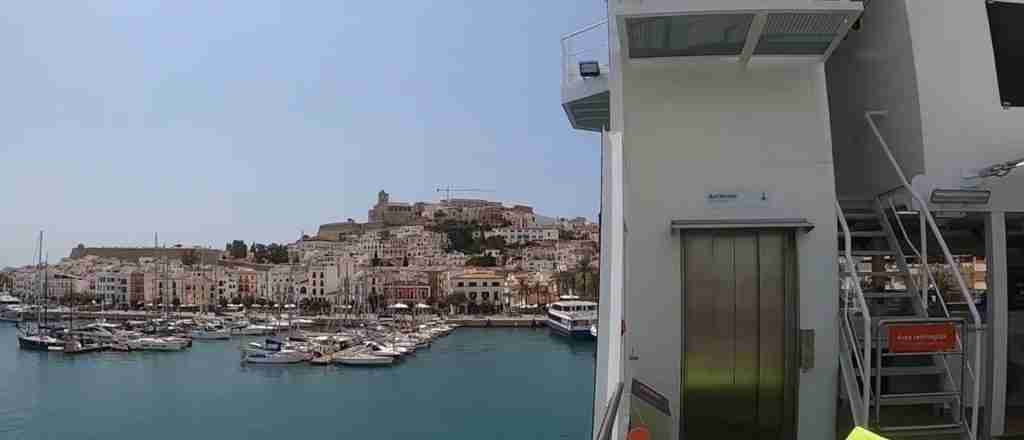
Balearic Islands 3-Day Discovery Tour
- ✓ Comprehensive Balearic Islands experience
- ✓ Expert local guides included
- ✓ All accommodation included
- ✓ Transportation provided
5 days
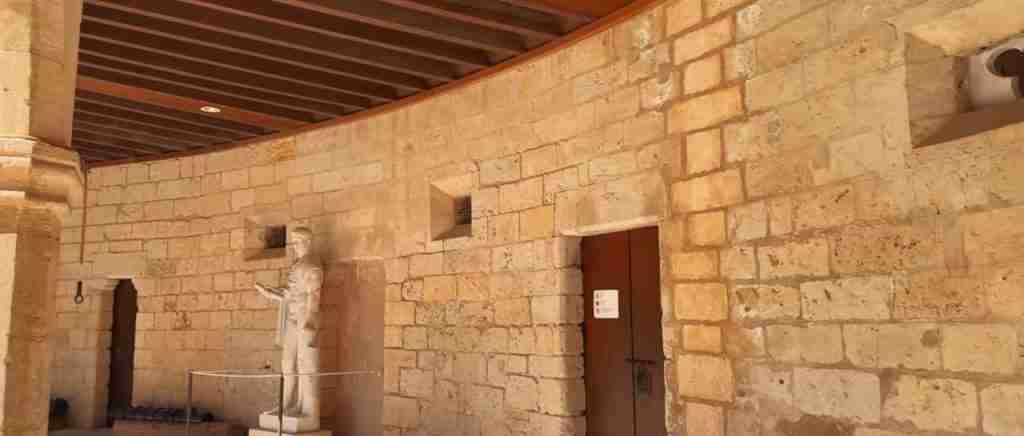
Balearic Islands 5-Day Highlights Experience
- ✓ Comprehensive Balearic Islands experience
- ✓ Expert local guides included
- ✓ All accommodation included
- ✓ Transportation provided
7 days
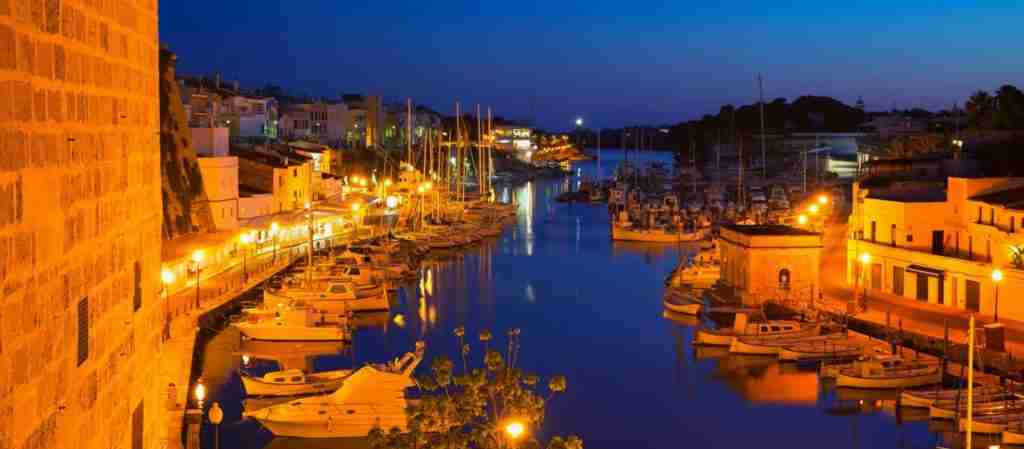
Balearic Islands 7-Day Cultural Journey
- ✓ Comprehensive Balearic Islands experience
- ✓ Expert local guides included
- ✓ All accommodation included
- ✓ Transportation provided
10 days
Balearic Islands 10-Day Complete Adventure
- ✓ Comprehensive Balearic Islands experience
- ✓ Expert local guides included
- ✓ All accommodation included
- ✓ Transportation provided
Multi-day tour packages powered by TourRadar. Prices and availability subject to change.
Essential Budget Planning Information 2026
Understanding Seasonal Price Variations
Accommodation costs fluctuate most dramatically across seasons, with mid-range hotels charging €60-90 nightly in low season (November-March), €100-140 in shoulder seasons (April-June, September-October), and €140-220 during peak summer (July-August). Budget hostels follow similar patterns with dorm beds ranging €15-25 low season, €25-35 shoulder season, and €35-50 peak summer.
Restaurant and activity pricing remains relatively stable year-round, though some establishments raise prices 10-20% during July-August when demand peaks. Beach club day beds cost €30-80 May-June and September-October, increasing to €60-150 during July-August at popular venues. Ferry prices maintain consistent rates across seasons, with only frequency and schedule varying rather than per-ticket costs.
Flight pricing follows typical airline patterns: lowest rates appear 3-6 months before departure, gradually increasing as departure approaches, with final 2-4 weeks seeing dramatic spikes. Summer flights from major European cities cost €150-350 return with 2-3 month advance booking, compared to €80-180 for shoulder season equivalents. Budget carriers including Ryanair, easyJet, and Vueling serve all major Balearic airports with competitive base fares.
Currency Exchange and Payment Methods
The euro serves as official currency throughout Spain including the Balearic Islands, eliminating exchange costs for eurozone travelers. Non-euro visitors obtain best exchange rates through ATM withdrawals using debit cards, with rates typically 2-4% better than airport currency exchanges or hotel services. Notify banks before travel to avoid card blocks from suspicious foreign transactions.
Credit cards receive wide acceptance at hotels, restaurants, rental agencies, and major shops, with Visa and Mastercard universal while American Express and Discover see limited acceptance. Contactless payments function ubiquitously for purchases under €50, speeding transactions while reducing cash handling. Small establishments, local markets, beach vendors, and some traditional restaurants operate cash-only, warranting €50-100 cash reserves for contingencies.
ATM fees vary by bank and network, with local Spanish banks charging €2-5 per withdrawal while home bank foreign transaction fees add 1-3% of withdrawal amount. Making larger withdrawals (€200-300) reduces per-transaction costs, though carrying excessive cash creates security concerns. Credit cards offering no foreign transaction fees (many travel-focused cards) provide superior value for major purchases.
Budget Planning by Travel Style
Budget travelers minimizing costs allocate €60-100 daily including accommodation (€25-40 hostel dorms or budget hotels shared), meals (€25-35 combining self-catering and budget restaurants), local transport (€8-15 buses and walking), and activities (€12-25 selective paid attractions). This approach requires accepting hostel social dynamics, utilizing supermarkets extensively, avoiding expensive nightlife, and relying on free beaches and hiking rather than paid tours.
Mid-range travelers balancing comfort and value spend €120-200 daily including accommodation (€100-160 hotel doubles per couple or €50-80 per person), full restaurant dining (€50-70 daily), car rental or regular taxi use (€20-35 daily transportation), and comprehensive activities (€30-60 daily entrance fees and tours). This tier enables private rooms, dining flexibility, transportation independence, and participation in most desired experiences without constant budget calculations.
Luxury travelers prioritizing comfort and exclusive experiences allocate €250-500+ daily including boutique/luxury accommodation (€200-400+ per night doubles or €100-200+ per person), fine dining and beach clubs (€100-200+ daily meals and club access), private transportation (€50-100+ daily including car service or rental luxury vehicles), and premium activities (€80-300+ private tours, yacht charters, spa treatments). This approach delivers stress-free experiences with immediate access to desired services and activities.
Accommodation Budget Breakdown 2026
Budget Accommodation Options and Costs
Hostel dorm beds provide the most economical accommodation across the Balearic Islands, costing €20-40 nightly during summer peak, €15-30 in shoulder seasons, and €12-25 in low season. Check hostel booking sites for current rates as pricing varies by location and facility quality. Palma, Ibiza Town, and Mahón host the archipelago’s best hostels, featuring modern facilities, social atmospheres, organized activities, and strategic locations near public transport and attractions.
Private hostel rooms cost €45-80 nightly for doubles during summer, offering affordable alternative to budget hotels while maintaining hostel social benefits and facilities. Shared bathrooms reduce costs compared to en-suite options, though privacy-conscious travelers may prefer spending €10-20 extra for private facilities. Kitchen access proves valuable for budget management through self-catering breakfast and occasional dinners.
Budget hotels and guesthouses scattered throughout islands range €40-70 nightly for basic doubles during shoulder season, rising to €60-100 in summer. These family-run establishments typically include private bathrooms, basic breakfast, WiFi, and air conditioning, providing comfort without luxury amenities. Locations slightly inland from beach reduce costs €10-20 nightly compared to beachfront equivalents, with 5-15 minute walks reaching shore.
Camping represents the absolute budget minimum, with official campgrounds charging €10-20 per person plus €10-15 for tent/caravan pitch. Mallorca hosts several campgrounds including facilities near popular beaches and mountain areas, while other islands offer limited camping infrastructure. Wild camping faces legal restrictions and active enforcement, making official campgrounds the only viable option for tent-based accommodation.
Mid-Range Hotel Pricing and Value
Three-star hotels dominate mid-range accommodation, charging €100-140 nightly for doubles during shoulder seasons (April-June, September-October), increasing to €140-200 in July-August. Properties include breakfast buffets, swimming pools, air conditioning, WiFi, and often beach proximity or shuttle services. Location significantly impacts pricing, with Palma city center, Ibiza Town, and Ciutadella commanding premiums over suburban or rural positions.
Boutique hotels concentrated in historic quarters and renovated rural estates cost €120-180 nightly shoulder season, €160-240 summer peak. These design-focused properties offer personalized service, character-filled rooms in historic buildings, and often superior breakfast quality using local ingredients. Limited room inventory (8-15 rooms typical) creates intimate atmosphere but requires 3-6 month advance booking for summer dates.
All-inclusive resorts primarily in Mallorca and Ibiza range €120-200 per person daily including meals, drinks, and activities. This option suits families and travelers preferring predictable costs without daily meal planning decisions, though it limits exposure to local restaurants and authentic culinary experiences. Quality varies dramatically from basic buffet offerings to genuinely excellent dining programs, warranting careful research of recent guest reviews.
Vacation rental apartments through Airbnb, Vrbo, and Booking.com provide excellent value for groups and extended stays. One-bedroom units cost €50-90 nightly shoulder season, €80-140 summer, while two-bedroom apartments run €80-140 shoulder, €120-220 summer. Kitchen facilities enable substantial food savings, while living space accommodates families and groups more comfortably than hotel rooms. Cleaning fees (€50-120) and minimum stays (3-7 nights) impact short-visit economics but benefit week+ stays.
Luxury and Premium Accommodation Costs
Four and five-star hotels charge €200-400 nightly for standard rooms during shoulder seasons, €300-600 in summer, with suites reaching €600-1,500+. Mallorca leads luxury development with properties throughout Palma, along northwest coast, and in mountain villages, offering infinity pools, Michelin-starred dining, spa facilities, and concierge services. Ibiza’s luxury sector emphasizes beach club integration, electronic music culture, and cutting-edge design.
Boutique luxury properties in converted palaces, monasteries, and historic estates charge €250-500 nightly for rooms, delivering intimate upscale experiences emphasizing local culture, gastronomy, and personalized service. These hotels suit mature travelers and couples seeking sophisticated relaxation with cultural depth rather than party atmosphere or family activities.
Private villa rentals serve groups wanting space, privacy, and luxury amenities, with properties ranging €2,000-5,000 weekly shoulder season, €3,000-10,000+ weekly during July-August. Villas typically include private pools, full kitchens, outdoor terraces, and often staff services (cleaning, chef, concierge). Properties sleeping 6-12 people create per-person costs competitive with luxury hotels when fully occupied, while delivering superior space and privacy.
Ultra-luxury resorts and branded properties (Six Senses, Nobu, Belmond) exceed €500-1,000 nightly for standard rooms, targeting travelers prioritizing absolute quality, service, and amenities over cost considerations. These properties deliver comprehensive resort experiences with multiple restaurants, extensive spa facilities, water sports centers, and kids clubs, functioning as destinations themselves rather than simply accommodation bases.
Food Budget Planning for 2026
Restaurant Meal Pricing Across Categories
Casual lunch at local restaurants costs €12-18 for menu del día (daily menu) including starter, main course, dessert, and drink (wine or soft drink). These traditional midday specials operate Monday-Friday at neighborhood establishments, delivering excellent value and authentic cuisine. À la carte lunch ordering at the same restaurants runs €18-28 per person for main course, drink, and coffee.
Mid-range dinner at tourist-friendly restaurants costs €25-40 per person for appetizer or salad, main course, drink, and occasional dessert. Seafood restaurants along harbors and beaches command slight premiums, with fresh fish charged by weight (€35-55 per kilogram) creating €30-50 per person costs for typical portions. Wine by glass runs €4-7, bottles €18-35 for house selections, €35-80 for quality regional wines.
Fine dining experiences at acclaimed restaurants range €50-100 per person for three courses with wine, extending to €100-200+ at Michelin-starred establishments. Mallorca hosts multiple starred restaurants including Marc Fosh in Palma and Es Fum at St. Regis Mardavall, while Ibiza features several upscale venues blending international cuisine with Mediterranean ingredients. Reservations require 1-4 weeks advance booking for popular restaurants during summer.
Beachside chiringuitos (casual beach bars) serve simple grilled fish, paella, salads, and sandwiches for €15-25 per person with drinks. These informal venues provide convenient beach access without requiring formal dining arrangements, though food quality varies from excellent fresh preparations to tourist-focused mediocrity. Observing local patronage indicates quality levels more reliably than tourist reviews.
Self-Catering and Supermarket Costs
Supermarket shopping for basic provisions costs €40-70 weekly for one person cooking most meals, including bread (€1-2 loaf), local cheese (€8-15 per kilogram), fresh produce (€10-20 weekly), pasta and rice (€1-3 per kilogram), olive oil (€5-10 bottle), wine (€4-10 decent bottles), coffee (€4-8), and basic proteins (chicken €6-8 per kilogram, pork €8-12, local fish €15-25 per kilogram).
Major supermarket chains Mercadona, Eroski, and Carrefour operate throughout islands, offering competitive pricing and comprehensive selection. Local food markets in Palma (Mercat de l’Olivar), Mahón, and various towns provide fresh produce, fish, cheese, and prepared foods often at superior quality and comparable prices to supermarkets while supporting local producers.
Breakfast provisions for self-catering cost €15-25 for 3-4 days including fresh bread or pastries (€1-3 daily), Spanish tortilla sections (€2-4), fruit (€5-10), yogurt (€3-6), coffee or tea supplies (€4-8). This approach reduces breakfast costs from €8-15 per person in cafes to €3-5 per person preparing at accommodation.
Prepared meals from supermarket deli sections offer budget dinner alternatives when cooking proves impractical, with roasted chicken (€5-8), paella portions (€4-7), salads (€3-6), and cheese selections (€6-12) creating complete meals for €12-20 per person. Combining these with fresh bread, wine, and fruit creates satisfying dinners without restaurant expenses or extensive cooking.
Budget Dining Strategies and Tips
Lunch as main meal strategy capitalizes on menu del día specials (€12-18) providing substantial midday sustenance, allowing lighter evening meals through supermarket purchases (cheese, bread, salads) for €8-15 per person. This approach delivers one excellent restaurant experience daily while maintaining budget discipline and matching Spanish dining rhythms where lunch traditionally serves as primary meal.
Happy hour promotions at beach bars and urban establishments offer 2-for-1 drinks or discounted tapas 6 PM-8 PM, creating opportunities for affordable early evening dining. Combining happy hour tapas (€3-6 per portion) with later supermarket dinner or cooking provides variety and social atmosphere without full restaurant costs.
Picnic lunches assembled from markets and bakeries cost €8-15 per person for quality bread, cheese, cured meats, fruit, and wine, while delivering flexibility to explore remote beaches and hiking trails without relying on restaurant availability. Markets throughout islands offer exceptional cheese, sobrasada (local spreadable sausage), fresh tomatoes, and artisan bread creating memorable meals.
Avoiding tourist-trap restaurants near major attractions, ports, and beach promenades saves 30-50% compared to establishments 2-3 blocks inland where local workers lunch. Restaurants with multilingual menus displayed prominently often charge premiums, while Spanish/Catalan-only menus at neighborhood spots indicate authentic offerings at fair prices.
Getting Around: Transportation Budget 2026
Inter-Island Ferry Costs and Booking
Standard passenger ferry tickets between major islands cost €30-45 for Palma-Ibiza (2.5 hours), €35-50 for Mallorca-Menorca routes (2-6 hours depending on port), and €25-35 for Ibiza-Formentera (30-60 minutes). Fast ferry services charge €45-70 for reduced crossing times, with the speed advantage significant only on longer routes like Palma-Ibiza. Check ferry company websites (Baleària, Trasmediterránea, Aquabus) for current rates as pricing may vary by season and booking timing.
Vehicle transport adds €80-120 for cars, €30-50 for motorcycles depending on vehicle size and route. Fuel costs and parking fees often make leaving cars at origin islands more economical when planning 3-5 day inter-island visits, relying instead on rental vehicles at destination. Calculate total costs including rental, fuel, and ferry transport versus single vehicle ferry transport before committing to either approach.
Advance online booking saves 10-20% compared to port purchases, with early morning and late evening departures sometimes discounted further to fill capacity. Summer weekend bookings require 1-2 weeks advance purchase for vehicle reservations, while passenger-only tickets remain available same-day except during peak August weeks. Ferry passes for multiple crossings don’t exist, requiring individual journey bookings.
Cabin accommodations on overnight ferries cost €40-80 per person for shared cabins, €80-150 for private two-berth cabins, providing sleeping facilities on longer crossings though most inter-island routes complete during daytime hours eliminating cabin necessity. Cafeteria meals onboard run €8-15 for sandwiches, €12-20 for hot meals, with bringing personal food permitted on most ferries.
Local Public Transportation Expenses
Mallorca’s bus network (TIB) charges €3-10 for routes connecting Palma with major destinations, with single journeys from Palma to Alcúdia costing €8, to Sóller €5, to eastern beaches €4-7. No multi-day passes exist for island-wide travel, though 10-trip cards on specific routes offer minor savings. The Palma-Sóller historic train costs €18 return, with vintage tram to Port de Sóller adding €7 each way.
Menorca buses between Mahón and Ciutadella cost €6-8, with routes to beaches ranging €2-5 from main towns. Day passes (€8-12) prove worthwhile when making 3+ journeys, though limited service frequency on many beach routes reduces practical value. Summer schedules expand significantly while winter reduces to skeleton service making public transport impractical for many destinations.
Ibiza maintains regular bus connections between major points, with Ibiza Town to Sant Antoni costing €3, to Santa Eulària €3, and airport connections €3.50. Night buses operating summer weekends between clubs and accommodation areas charge €3-4, providing essential service for non-driving clubbers. Ten-trip cards offer 20-30% savings for regular public transport users.
Formentera buses connecting La Savina port with Es Pujols and major beaches cost €2-3, with limited frequency (hourly summer, 3-4 daily off-season) reducing utility compared to bicycle or scooter rental providing superior flexibility. Bus-bicycle combinations work well, with buses equipped to carry bikes on front racks for €2-3 surcharge.
Car and Scooter Rental Economics
Economy car rentals cost €25-35 daily in shoulder season, €35-50 during summer peak, with weekly rates (€150-280 shoulder, €220-350 summer) offering 15-25% savings over daily calculations. Mid-size vehicles run €35-50 daily shoulder, €50-75 summer, while SUVs and premium cars reach €70-120+ daily. Booking 2-3 months ahead secures best rates and vehicle selection, with last-minute rentals facing limited availability and 30-50% price premiums during July-August.
Fuel costs average €1.50-1.70 per liter for unleaded gasoline (€60-85 to fill typical compact car tank), with diesel slightly cheaper at €1.40-1.60 per liter. Daily fuel consumption depends on usage patterns: exploring remote beaches and mountain villages consumes €15-25 daily, while limited local driving uses €5-10 daily. Full-to-full fuel policies require returning vehicles with equivalent tank levels to avoid expensive refueling charges (€2.50-3.00 per liter).
Insurance adds significantly to rental costs, with basic liability included but collision damage waiver (CDW) and theft protection often optional at €15-25 daily. Personal auto insurance policies and credit card coverage may apply, warranting verification before purchasing redundant protection. Full coverage eliminating all deductibles costs €20-35 daily, providing peace of mind for risk-averse travelers though dramatically increasing total rental costs.
Scooter and motorcycle rentals provide economical alternatives in Ibiza and Formentera, with 50cc scooters costing €20-30 daily, 125cc motorcycles €30-45 daily. Fuel efficiency (€3-6 daily fuel) and easy parking create significant savings compared to cars, though limited cargo capacity and weather exposure prove constraining for some travelers. Valid motorcycle licenses prove mandatory for bikes over 50cc, with enforcement strict and fines substantial.
Taxi and Ride-Share Services
Taxi rates operate on metered systems with base fares €3-5, then €1.20-1.50 per kilometer. Typical journeys cost €8-15 within town centers, €15-25 for 10-15 kilometer trips to beaches or suburbs, and €25-40 for longer transfers like Palma to northern resorts. Airport transfers charge flat rates: Palma airport to city center €20-25, Ibiza airport to Ibiza Town €18-25, Mahón airport to town €15-20.
Ride-share services operate limited availability in the Balearics, with Uber functioning only in Palma and select Mallorca areas at rates comparable to official taxis. Most islands rely exclusively on traditional taxi services, with apps like Free Now and Pidetaxi enabling smartphone booking and payment while maintaining standard taxi pricing.
Evening and weekend surcharges add 20-30% to base rates, with holiday surcharges reaching 50% increases during major festivals and celebrations. Luggage handling may incur €1-2 per large bag charges, though this proves inconsistently applied. Tipping remains optional, with rounding up to nearest €5 or adding 5-10% appreciated though not expected.
Shared taxi vans at airports offer €5-8 per person service to major resort areas, departing when filling 6-8 passenger capacity. These prove economical for solo travelers and couples though wait times (15-45 minutes) and multiple stops extend journey duration significantly compared to private taxis completing direct transfers.
Activities Budget Planning for 2026
Cultural Attractions and Museum Entry Fees
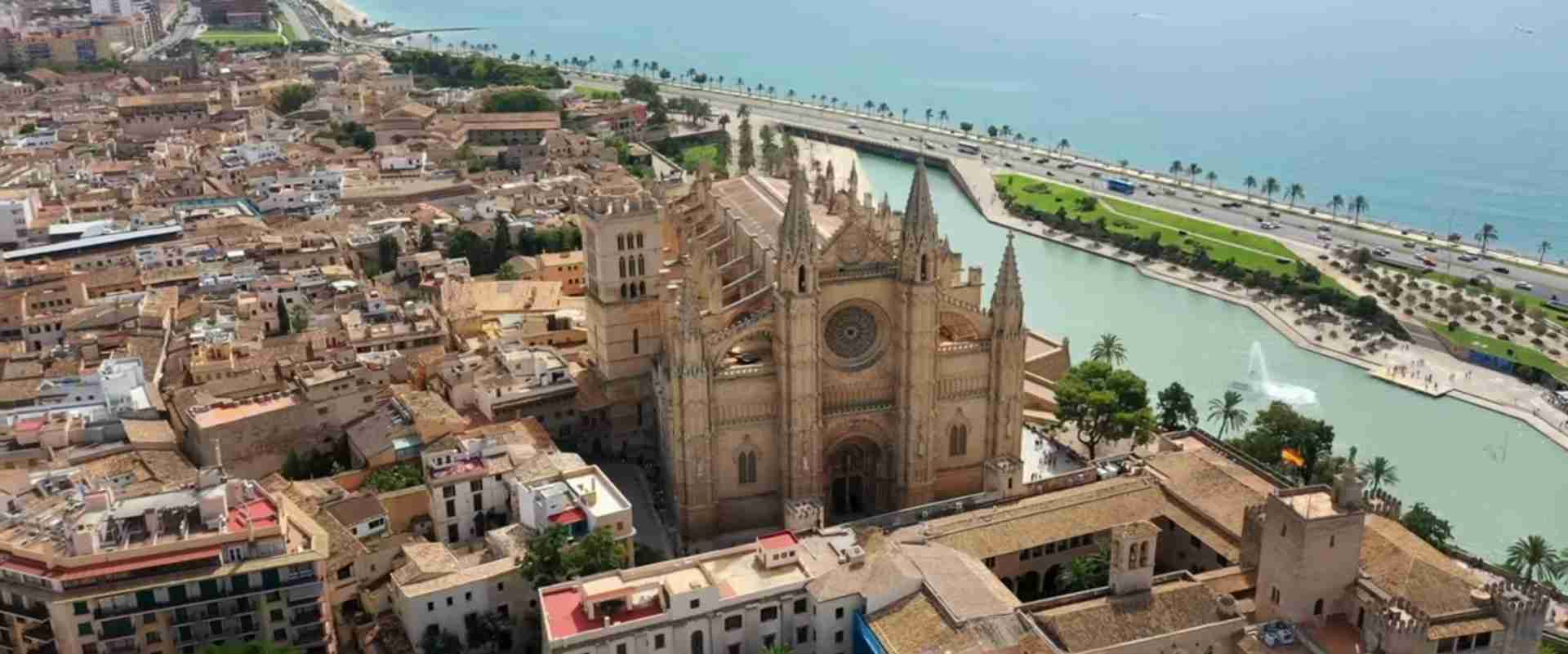
Cathedral La Seu in Palma charges €9 general admission, €7 students/seniors, providing access to Gothic masterpiece and terrace views. Royal Palace of La Almudaina next door costs €7 general, €4 reduced, with combination tickets (€14) offering minor savings. Most churches and small religious sites maintain free entry while requesting voluntary donations (€1-3 appreciated).
Museums throughout islands range €5-12 entrance fees, with Es Baluard contemporary art museum in Palma costing €8, Menorca’s archaeological museums €3-6, and historic site access generally €3-8. Many museums offer free admission one day monthly (typically first Sunday) or reduced evening rates, warranting schedule checks before visits. Student IDs and senior cards (65+) typically discount 30-50%.
Historic site entries include Caves of Drach in Mallorca (€17 including underground lake concert), Bellver Castle in Palma (€4), and various fortifications and archaeological remains (€3-8). UNESCO sites like Ibiza’s Dalt Vila old town and Menorca’s Talayotic Culture archaeological sites maintain free exterior access with small fees (€3-6) for specific structures or museums.
Cultural passes or attraction cards don’t exist for the Balearic Islands, requiring individual site payment. Planning 1-2 cultural attractions daily creates €10-25 daily costs for museum enthusiasts, while many exceptional experiences (historic quarter walking, beach exploration, mountain hiking) cost nothing beyond transportation to access points.
Beach Clubs and Water Activities
Beach club day beds range €30-80 at moderate venues, €80-150 at famous Ibiza establishments like Nikki Beach, Blue Marlin, and Ushuaïa Beach Club during July-August. Prices include bed and umbrella for day use, sometimes with minimum drink/food spend (€30-60) instead of upfront fees. Shoulder season (May-June, September-October) sees reduced rates (€30-100) with easier walk-up availability versus summer’s reservation requirements.
Water sports rentals at beaches cost €15-25 per hour for kayaks, €25-35 for stand-up paddleboards, €40-60 for windsurfing equipment, and €60-120 for jet skis (30-60 minutes). Lessons add €30-60 for individual instruction, €20-40 per person for small group sessions. Equipment quality and instruction standards vary significantly, warranting careful provider selection particularly for activities like kitesurfing and scuba diving with inherent risks.
Boat tours to hidden coves and snorkeling sites range €40-70 for half-day group excursions, €80-150 for full-day trips including lunch and drinks. Private boat charters serve groups at €400-1,200 for half-day, €800-2,500 full-day depending on vessel size and amenities. Split among 6-8 participants, private charters cost €50-150 per person creating memorable exclusive experiences.
Scuba diving costs €50-80 for single dives including equipment for certified divers, €80-120 for guided dives, and €350-500 for complete Open Water certification courses over 3-4 days. Menorca and Ibiza offer excellent diving with caves, wrecks, and rich marine life, while Mallorca provides multiple dive centers throughout coastal areas catering to all experience levels.
Tours and Guided Experiences
Walking tours in major cities (Palma, Mahón, Ibiza Town) operate on free tip-based models, with guides earning through voluntary contributions (€10-20 per person typical). These 2-3 hour introductions cover historic quarters, major monuments, and local culture, providing excellent orientation to destinations. Quality varies by guide, with multiple companies operating allowing flexibility to join alternative tours if first experience disappoints.
Hiking tours in Serra de Tramuntana (Mallorca) and along Menorca’s Camí de Cavalls coastal trail cost €30-60 for guided half-day experiences, providing expert knowledge of flora, fauna, geology, and history while ensuring safe navigation. Self-guided hiking using downloaded GPS tracks and maps offers free alternatives, though guided experiences deliver educational depth and social interaction enhancing enjoyment for many travelers.
Food and wine tours range €60-90 for 3-4 hour walking food tours including tastings at 4-6 venues, €80-120 for wine tours visiting 2-3 wineries with transportation, tastings, and often lunch. Mallorca’s interior wine regions produce quality indigenous varieties, while Menorca’s cheese and gin heritage creates unique tasting opportunities. These experiences provide cultural insight and local connections beyond simple sightseeing.
Ibiza boat parties and club tours cost €50-90 including transportation between venues, sometimes covering club entry and drinks. These packages prove particularly valuable for first-time visitors unfamiliar with island geography and optimal party progression. Sunset boat parties (€40-80) offer alternatives to expensive beach clubs while delivering similar social atmosphere with Mediterranean views.
Special Events and Nightlife Budgets
Ibiza superclub entry fees range €40-80 depending on night, headlining DJ, and season timing. Opening and closing parties command premium pricing (€80-120), while mid-season weeknights offer discounted entry (€30-50). Advance online tickets save €10-20 compared to door pricing while guaranteeing entry when clubs sell out for major events. VIP table reservations require €500-2,000 minimum spend depending on table location and night, serving groups of 6-12 sharing costs.
Drinks inside clubs cost €12-20 for basic spirits and mixers, €15-25 for premium brands. Water bottles run €8-12, with clubs prohibiting outside drinks. Pre-drinking at accommodation or sunset bars reduces club drink expenses significantly, as entry fees allow all-night presence without mandatory consumption minimums.
Traditional festivals throughout islands offer free spectacular experiences: Mahón’s Festes de Sant Joan (June 23-24) features skilled horse riders in centuries-old ceremonies, Palma’s Sant Sebastià (January 20) includes concerts and fireworks, and numerous village fiestas animate summers with processions, music, and celebrations. These authentic cultural events cost nothing beyond transportation to attending.
Live music at beach bars and urban venues ranges free to €10-20 cover charges depending on performer profile. Jazz clubs, flamenco venues, and concert halls in major cities charge €15-40 for performances. Classical concerts at La Seu Cathedral in Palma (€25-50) and various historic venues throughout islands deliver memorable experiences in stunning settings.
Complete Budget Examples for 2026
Budget Traveler: One Week Mallorca
Accommodation: Palma hostel dorm bed €30 x 7 nights = €210. Flights: €120 return from London (shoulder season, 2 months advance). Food: Supermarket breakfast €4 daily, menu del día lunch €15, supermarket/simple dinner €12, snacks €5 = €36 x 7 = €252. Transportation: Airport bus €5 each way, city buses and occasional day trips €12 daily = €10 + €84 = €94. Activities: Cathedral €9, museum €8, free beaches/hiking, occasional paid attraction €8 = €25 total. Miscellaneous: Water, coffee, sundries €8 daily = €56.
Total One Week Budget: €757 (€108 daily average excluding flights, €125 daily including flights).
Mid-Range Traveler: One Week Multi-Island
Accommodation: Hotels average €120 per night double occupancy = €60 per person x 7 = €420. Flights: €180 return from Germany (summer season, 3 months advance). Food: Café breakfast €10, lunch €22, dinner €35, drinks/snacks €15 = €82 daily x 7 = €574. Transportation: Airport transfers €40, car rental 4 days €35 daily = €140, fuel €40, ferries Mallorca-Ibiza-Menorca €130, local transport €30 = €380. Activities: Boat tour €65, cave entry €17, museums €20, beach club day €60, wine tour €85 = €247. Miscellaneous: Souvenirs, sundries €15 daily = €105.
Total One Week Budget: €1,906 (€246 daily average excluding flights, €272 daily including flights).
Luxury Traveler: Five-Day Ibiza Retreat
Accommodation: Boutique luxury hotel €350 per night = €1,750. Flights: €280 business class return from UK. Food: Upscale breakfast €25, lunch at beach clubs €60, fine dining €100, premium drinks €40 = €225 daily x 5 = €1,125. Transportation: Private airport transfers €80 return, luxury car rental €90 daily x 5 = €450, fuel €50 = €580. Activities: Private boat charter half-day €600 (split with partner = €300 each), spa treatment €180, VIP club experience €400 including table, premium beach club €120 = €1,000. Miscellaneous: Shopping, premium amenities €100 daily = €500.
Total Five-Day Budget: €5,235 (€991 daily average excluding flights, €1,047 daily including flights).
Family of Four: One-Week Mallorca
Accommodation: Two-bedroom apartment €140 per night x 7 = €980 (€245 per person). Flights: €150 per person x 4 = €600 return from France. Food: Supermarket provisions €150 for week, restaurant dinners 4x €120 = €600 (€150 per person). Transportation: Airport transfers €60, car rental week €280, fuel €80, parking €40 = €460 (€115 per person). Activities: Caves tour €68 (4 adults, family tickets), beach activities €80, water park day €120, misc attractions €80 = €348 (€87 per person). Miscellaneous: Ice cream, beach equipment purchases, sundries €200 = €200 (€50 per person).
Total One-Week Family Budget: €3,188 total, €797 per person (€114 daily per person excluding flights, €135 daily including flights).
Advanced Budget Optimization for 2026
Booking Timeline Strategies
Accommodation booked 3-6 months ahead captures 20-40% savings compared to last-minute rates, with early booking particularly crucial for July-August when popular properties sell out 4-5 months before arrival. Flexible date searches on booking platforms reveal price variations of 30-50% between peak and shoulder days even within same month, enabling significant savings through strategic timing shifts of 1-2 weeks.
Flight monitoring services and price alerts track fare changes, with optimal purchasing windows generally 2-4 months before summer departure, 1-2 months for shoulder seasons. Budget carriers release sales periodically throughout year, with advance booking during sales securing €50-150 per person savings on European routes. Consider alternative airports: flying into Mallorca then ferrying to other islands sometimes costs less than direct flights to Ibiza or Menorca.
Last-minute accommodation deals emerge 1-7 days before arrival when properties reduce unsold inventory, particularly during shoulder seasons and unexpected weather. This strategy suits flexible travelers without firm plans, though summer peak rarely sees significant discounting and availability becomes severely limited.
Multi-Island Routing Economics
Open-jaw flight tickets (arriving one island, departing another) eliminate backtracking ferry costs while enabling linear island progression. Flying into Palma and out of Ibiza costs marginally more (€10-40) than returns to single airport while saving €30-70 in ferry expenses and 4-5 hours transit time. Compare open-jaw versus return ticket costs plus ferry expenses before booking.
Basing in one island and taking day trips to neighbors sometimes proves more economical than moving accommodation between islands, particularly for short multi-island experiences (1-2 days each island). Staying Palma and day-tripping to Menorca, or basing Ibiza and visiting Formentera daily eliminates packing, checkout logistics, and accommodation waste on travel days.
Rental car economics favor single-island use due to ferry vehicle transport costs (€80-150). Returning rental car at origin island and renting new vehicle at destination proves cheaper for 3+ day island stays, though inconvenient for shorter visits. Passenger-only ferry travel with public transport or rental vehicles at each destination optimizes costs for multi-island itineraries.
Free and Low-Cost Experiences
Beaches provide unlimited free enjoyment: swimming, sunbathing, snorkeling with personal equipment, beach volleyball, and sunset watching cost nothing. Less famous beaches offer identical natural beauty without crowds or development, rewarding exploration beyond Instagram-famous locations requiring early arrival for space.
Hiking Serra de Tramuntana in Mallorca, Camí de Cavalls in Menorca, and coastal trails throughout islands deliver spectacular landscapes, exercise, and solitude without entrance fees. Downloaded GPS tracks and offline maps enable safe independent hiking, though proper footwear, sun protection, and water supplies prove essential for enjoyment and safety.
Historic quarter exploration in Palma, Mahón, Ciutadella, and Ibiza’s Dalt Vila costs nothing beyond transportation to access. Wandering medieval streets, viewing architecture, watching local life, and discovering hidden squares creates authentic cultural experiences without museum admission fees. Free walking tours (tip-based) provide historical context and orientation.
Local markets operate throughout islands, offering free entertainment through vibrant atmosphere, local interactions, and cultural observation even without purchases. Palma’s Mercat de l’Olivar, Inca’s Thursday market, and various village markets create sensory experiences showcasing local produce, crafts, and social traditions.
Frequently Asked Questions About Balearic Islands Budget
Can I visit the Balearic Islands on €50 per day in 2026?
Visiting on €50 daily proves extremely challenging and requires camping or absolute budget hostel dorms (€12-20), strict self-catering for all meals (€15-20 daily), walking or cycling exclusively (€5 bike rental), and avoiding nearly all paid attractions and nightlife. This approach limits experiences significantly and suits only extremely budget-conscious backpackers willing to accept substantial comfort compromises. More realistic budget floor sits at €60-80 daily including basic hostel beds, mixed self-catering and budget restaurant meals, occasional public transport, and selective free/low-cost activities.
Which costs €30-50 more than expected in 2026?
Ibiza beach clubs cost more than anticipated, with day bed rentals (€80-150 peak season) plus minimum drink/food spends (€30-60) creating €110-210 daily beach costs versus free public beach access. Summer accommodation across all islands exceeds expectations, with mid-range hotels charging €140-220 nightly versus €100-140 anticipated. Restaurant wine markups reach 200-300% over retail prices, with bottles costing €35-80 in restaurants available for €12-25 in supermarkets. Taxi short trips add up quickly at €8-15 for journeys seeming walkable on maps but requiring 20-30 minutes on foot in summer heat.
Do credit cards offering travel rewards offset Balearic Islands costs in 2026?
Travel rewards credit cards offering 2-5% cashback or points on dining, travel purchases, and general spending create €60-200 savings on week-long trips through points redemption or cashback. Cards eliminating foreign transaction fees save 2-3% on all European purchases, creating €40-100 savings on €2,000-3,000 total trip spending. Premium travel cards offering airport lounge access, travel insurance, and rental car coverage provide €100-300 value through services that would otherwise require direct payment. Maximizing rewards requires planning purchases through bonus categories and redeeming points optimally, though annual fees (€0-450) must be factored against benefits.
How much should I budget for souvenirs and shopping in 2026?
Souvenir budgets vary dramatically by personal shopping habits: minimal shoppers allocate €30-60 for small items (magnets, postcards, local food specialties), moderate shoppers budget €100-200 for clothing, crafts, and gifts, while serious shoppers reserve €300-800+ for quality leather goods, jewelry, artwork, and fashion. Local specialties like Menorca’s Avarca sandals (€40-80), Mallorca’s pearls (€50-500+), Ibiza’s hippie market crafts (€20-100), and local foods (olive oil, wine, cheese) ranging €30-100 create authentic memento options. Duty-free shops at airports offer limited savings (5-15%) on alcohol, perfume, and luxury goods versus mainland European pricing.
Are all-inclusive resorts worth the cost in 2026?
All-inclusive resorts prove economical for families and travelers consuming substantial alcohol, participating in resort activities, and preferring predictable costs at €120-200 per person daily. Compare against independent travel costs: accommodation €50-80 per person, meals €50-70, drinks €20-40, activities €20-40 totaling €140-230 daily. Resorts delivering quality dining, premium drinks, and diverse activities create value, while mediocre food and limited drink selections prove disappointing. Trade-offs include reduced local culture exposure, limited restaurant variety, and resort-bound experiences versus exploring islands independently. Research specific resort reviews carefully, as quality varies dramatically within all-inclusive category affecting value calculation.
What hidden costs catch travelers by surprise in 2026?
Tourist taxes (€1-4 per person per night) add €7-28 to week-long stays, collected at accommodation checkout. Beach parking fees (€5-15 daily) at popular beaches accumulate quickly, particularly for car-based exploration. Resort fees at some hotels (€10-25 daily) cover WiFi, pool access, and facilities creating €70-175 weekly unexpected charges. Restaurant cover charges (€2-4 per person) appearing on bills at some establishments add €4-8 to couple dining. Ibiza club coat check fees (€5-10) and mandatory drink tokens or minimum spends create additional nightlife costs beyond entry fees.
Can I negotiate prices in the Balearic Islands in 2026?
Negotiation proves generally ineffective for established prices at hotels, restaurants, attractions, and transportation, with fixed pricing standard across tourism sector. Markets and artisan craft sellers sometimes negotiate on higher-value purchases (€50+), particularly when buying multiple items or during slow periods. Long-term accommodation rentals (monthly or seasonal) open negotiation possibilities, with landlords sometimes offering 10-20% discounts for extended commitments made outside peak booking periods. Hotel direct booking occasionally yields room upgrades or added services when politely requesting considerations, though rate negotiation rarely succeeds at established properties.
How do Balearic Islands costs compare to other Mediterranean destinations in 2026?
The Balearic Islands cost 10-30% more than Greek islands, 20-40% more than Croatian coast, but 10-20% less than French Riviera and Italian Amalfi Coast. Turkish Mediterranean costs significantly less (40-60% savings) though requiring longer flights for European visitors. Cyprus and Malta offer similar pricing to Balearics with some categories cheaper (Cyprus accommodation) and others more expensive (Malta dining). Spanish mainland costs run 20-30% below Balearics for comparable quality, with Balearic island economics driving premium pricing through limited land, import costs, and strong international demand especially during summer peak.
What’s the best value season for budget travelers in 2026?
September delivers optimal budget value combining excellent weather (24-28°C), warm sea temperatures (24-26°C), reduced crowds versus July-August, and accommodation costs 30-50% below peak summer while maintaining full service availability. May ranks second for value with spring flowers, comfortable temperatures (22-26°C), and moderate pricing, though sea temperatures prove cooler (18-20°C). October offers deep discounts (40-60% off summer peaks) with diminishing services as seasonal establishments close, suiting flexible travelers accepting reduced restaurant and activity options. April provides shoulder season value for cultural travelers less focused on beach activities, with accommodation bargains and pleasant exploration weather despite cool swimming conditions.
Should I bring cash or rely on cards in 2026?
Carry €100-200 cash for small vendors, markets, beach bars, and traditional restaurants operating cash-only, while using cards for hotels, car rentals, major restaurants, and significant purchases. Credit cards eliminate currency exchange costs for eurozone travelers and often provide superior rates for non-euro visitors versus currency exchange services. ATM withdrawals provide best exchange rates for obtaining euros, with withdrawing €200-300 at once minimizing per-transaction fees. Notify banks before travel preventing card blocks from suspicious foreign transactions. Contactless payment functions ubiquitously for purchases under €50, speeding transactions while reducing cash handling needs.