
Azores Budget Guide 2026: Ultimate Travel Cost Breakdown
Portugal’s volcanic archipelago in the mid-Atlantic delivers otherworldly landscapes, whale-rich waters, and geothermal hot springs at costs substantially below mainland Europe and other Atlantic island destinations. Budget travelers navigate the nine islands spending €95-121 ($105-135) per person daily for two sharing budget accommodation with car rental, mid-range visitors invest €183-250 ($200-275) for comfortable hotels and whale watching tours, while luxury seekers enjoy five-star resorts and private experiences for €328-498 ($360-550) daily.
Key Takeaways: Azores Travel Costs 2026
- Budget Daily Costs 2026: €95-121 ($105-135) per person daily for two sharing budget hotel accommodation, self-catered breakfasts, local restaurants, shared car rental, and free hiking activities across São Miguel, Terceira, or Pico islands
- Mid-Range Comfort 2026: €183-250 ($200-275) per person daily for two sharing three-star hotels, restaurant meals, rental car, whale watching tours, and paid attractions including thermal pools and viewpoint access fees
- Weekly Budget Range 2026: Seven-day island-hopping itineraries cost €665-847 ($735-935) per person for budget travelers, €1,281-1,750 ($1,410-1,930) for mid-range comfort, or €2,296-3,486 ($2,530-3,840) for luxury experiences with five-star hotels
- Flight Costs to Azores 2026: Roundtrip flights from Boston or New York average $459-812, European departures from Lisbon or Porto cost €100-200 ($110-220), with October through March offering cheapest fares at $290-590 roundtrip
- Car Rental Economics 2026: Essential transportation for accessing remote crater lakes, coastal viewpoints, and trailheads costs €40-90 ($45-105) daily depending on season and vehicle size, with fuel at €1.67 ($1.99) per liter adding €15-25 ($17-29) daily
- Inter-Island Transportation 2026: SATA inter-island flights cost €60-120 ($66-132) one-way between major islands, while seasonal ferries in the Central Group (Faial-Pico-São Jorge) operate May through October for €12-46 ($14-54) per crossing
People Also Ask About Azores Budget 2026
How much does a trip to the Azores cost per day in 2026?
Daily costs range from €95-121 ($105-135) per person for budget travelers to €328-498 ($360-550) for luxury visitors, assuming two people sharing accommodation. Budget travelers staying in budget hotels with shared car rental, eating at local restaurants, and focusing on free hiking spend €95-121 daily. Mid-range travelers enjoying three-star hotels, all restaurant meals, whale watching tours, and paid attractions invest €183-250 ($200-275) per person daily. Luxury visitors with five-star hotels, upscale dining, and private tours spend €328-498 ($360-550) daily. All figures include accommodation divided by two occupants, meals, transportation, and activities.
Is the Azores expensive compared to mainland Portugal in 2026?
The Azores cost 15-25% more than mainland Portugal for accommodation and transportation due to island logistics, but restaurant prices remain comparable and many top attractions are free. Budget hotels in Ponta Delgada cost €60-70 ($66-77) per night versus €45-55 in Lisbon, while mid-range hotels run €120-180 ($132-198) versus €90-140 on the mainland. Car rentals cost €40-90 daily in the Azores versus €25-60 in continental Portugal. However, restaurant meals maintain similar pricing at €10-15 for inexpensive options and €20-25 for mid-range dinners. The archipelago’s competitive advantage lies in free access to volcanic crater lakes, coastal hiking trails, hot springs, and viewpoints that would require paid entry elsewhere in Europe.
What’s the cheapest month to visit the Azores in 2026?
October through March offers the lowest costs for flights and accommodation in the Azores, with roundtrip flights from North America averaging $290-590 versus $630-950 during May through August peak season. Shoulder months of April, May, September, and October deliver optimal value with pleasant weather, operational whale watching tours, and accommodation costs 30-40% below summer peaks. Budget hotels drop from €70 per night in July to €45-50 in November, while car rentals fall from €90 daily in August to €40-50 in January. Weather remains mild year-round with temperatures ranging from 14-17°C (57-63°F) in winter to 22-25°C (72-77°F) in summer, though winter brings increased rainfall and rougher seas affecting ferry schedules.
How much should I budget for a week in the Azores in 2026?
A seven-day Azores trip costs €665-847 ($735-935) per person for budget travelers, €1,281-1,750 ($1,410-1,930) for mid-range comfort, or €2,296-3,486 ($2,530-3,840) for luxury experiences, all assuming two sharing accommodation. Budget weekly totals include six nights budget hotel accommodation at €30-35 per person nightly, meals €32-43 daily, shared car rental €28-33 per person daily, and minimal attraction fees. Mid-range weekly budgets cover three-star hotels €60-90 per person nightly, restaurant meals €58-77 daily, shared car rental €40-48 per person daily, plus whale watching and thermal pool entry. Luxury weekly costs encompass five-star hotels €120-200 per person nightly, upscale dining €90-120 daily, premium car rental €58-78 per person daily, and private tour experiences. Add international flights separately at $459-950 roundtrip depending on origin and season.
Extended multi-day tours – 5+ days
Featured Azores Archipelago Multi-Day Tour Packages

14 days
Walking in the Azores
- ✓ Comprehensive Azores Archipelago tour
- ✓ Expert local guides included
- ✓ All accommodation arranged
- ✓ Transportation provided
7 days
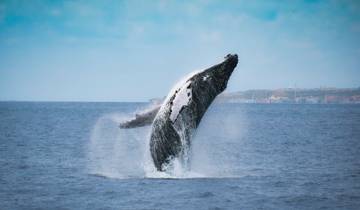
Azores Whale Watching Adventure: Discover the Giants of the Atlantic
- ✓ Comprehensive Azores Archipelago tour
- ✓ Expert local guides included
- ✓ All accommodation arranged
- ✓ Transportation provided

9 days
Azores – Dolphins and the Island of São Miguel
- ✓ Booking needs min. 2 travelers

7 days
São Miguel Soft Hiking
- ✓ Comprehensive Azores Archipelago tour
- ✓ Expert local guides included
- ✓ All accommodation arranged
- ✓ Transportation provided
Multi-day tour packages powered by TourRadar. Prices and availability subject to change.
Understanding Azores Travel Costs in 2026
The Azores archipelago presents a unique cost structure shaped by Atlantic island logistics, limited tourism infrastructure on smaller islands, and European Union pricing standards tempered by Portugal’s lower cost base. Unlike Caribbean or Polynesian destinations where imported goods inflate costs dramatically, the Azores benefit from European supply chains while maintaining prices below continental hotspots like Iceland or the Canary Islands.
The nine-island chain divides into three groups with distinct cost profiles. São Miguel, the largest and most developed island, offers the widest accommodation range from €25 hostel beds to €400 luxury suites, extensive restaurant options spanning €10 local tascas to €60 fine dining, and competitive car rental rates due to market volume. Terceira and Faial follow similar pricing with slightly elevated costs for mid-range options. Smaller islands including Pico, São Jorge, Flores, and Graciosa present limited accommodation inventory driving higher minimum prices, fewer restaurant choices concentrating visitors in available options, and car rental premiums reflecting smaller fleets.
Seasonality creates dramatic price swings across accommodation and transportation. Peak summer months from June through August see hotel rates climb 40-60% above shoulder season pricing, car rental costs double from €40 daily to €80-90, and inter-island flights fill weeks in advance at premium fares. The shoulder seasons of April-May and September-October deliver optimal value with functional weather for outdoor activities, operational whale watching tours departing daily, and costs tracking 25-35% below summer peaks. Winter months from November through March offer rock-bottom prices on flights and hotels but bring increased rainfall, rough seas limiting ferry service, and reduced tour operator schedules.
Transportation represents the largest variable cost component in any Azores budget. Car rental stands essential for accessing remote viewpoints, trailheads, and coastal roads, with costs ranging from €40 daily in winter to €90 in August before factoring fuel at €1.67 per liter. Inter-island movement via SATA flights adds €60-120 per hop, while seasonal ferries offer budget alternatives at €12-46 for Central Group crossings. Visitors attempting public bus transportation on larger islands face severely limited schedules restricting daily itinerary flexibility.
Accommodation pricing clusters distinctly by tier. Budget options include hostel dormitories at €25-35 per bed and basic guesthouses at €50-70 per room, mid-range three-star hotels run €120-180 per night, while luxury five-star properties and boutique estates command €240-400 nightly. Unlike mainland Portugal where negotiation proves common, Azores hotels maintain firm published rates due to limited competition.
Dining costs remain the most controllable expense category. Local restaurants serving Azorean specialties like cozido das Furnas and fresh seafood charge €10-15 for substantial meals, supermarkets stock imported and local products at mainland-comparable prices enabling self-catering, and upscale dining rarely exceeds €25-35 per person before wine. The archipelago’s robust dairy and beef production ensures high-quality local ingredients at reasonable costs.
Activity expenses split between free natural attractions and paid tours. The Azores’ primary draws including volcanic crater lakes, coastal hiking trails, hot spring pools, and viewpoint roads remain free to access, while organized experiences like whale watching tours cost €60-100 per person for three-hour excursions, canyoning adventures run €80-160 depending on difficulty, and full-day jeep tours charge €60-90 per person.
Flights to the Azores: 2026 Costs and Booking Strategies
Air access to the Azores centers on two international gateways: João Paulo II Airport in Ponta Delgada on São Miguel receives the majority of transatlantic and European flights, while Lajes Airport on Terceira handles secondary international routes plus military traffic. Both airports offer modern facilities, efficient immigration processing, and direct car rental desks from major agencies.
North American travelers benefit from direct seasonal flights on Azores Airlines, TAP Portugal, and United Airlines. Boston Logan International provides the most frequent service with daily departures during peak season and 4-5 weekly flights in winter, offering the shortest flight time at 4 hours 55 minutes to Ponta Delgada. New York JFK and Newark Liberty follow with 3-4 weekly direct flights requiring 5 hours 35 minutes, while Toronto Pearson connects via Azores Airlines and WestJet with 5 hour 40 minute flights. Roundtrip fares from these gateways range from $459 during October-March off-season sales to $950 for July-August peak travel, with April-May and September-October shoulder periods averaging $630-780.
European connections span budget carriers and legacy airlines. Lisbon and Porto maintain multiple daily flights on TAP Portugal and Azores Airlines with 2 hour 15 minute flight times and fares from €100 roundtrip in winter to €200 in summer. Frankfurt operates via Lufthansa and Azores Airlines for €250-400 roundtrip, Amsterdam connects through Transavia at €180-320, and London Gatwick links via Ryanair and TAP from £140-280 roundtrip. Seasonal summer routes include Paris Charles de Gaulle, Zurich, Barcelona, and Düsseldorf with frequencies reducing dramatically outside June-September.
Booking strategies significantly impact flight costs. Advance purchase proves critical with optimal booking windows falling 90-120 days pre-departure for summer travel and 45-60 days for shoulder seasons. Last-minute bookings within 14 days rarely yield deals due to limited seat inventory and inelastic demand from visiting diaspora families. Flexible date searches reveal substantial savings with mid-week Tuesday and Wednesday departures averaging 15-25% cheaper than Friday-Sunday travel. Indirect routings via Lisbon can reduce costs €50-100 per person but add 4-6 hours total travel time including layovers.
Fare class selection balances cost against baggage allowances and flexibility. Basic economy tickets from North America start at lowest published fares but restrict carry-on to personal items only, prohibit seat selection, and charge $60-80 per checked bag. Standard economy adds one free checked bag, advance seat assignment, and change fees around $200. Premium economy on TAP’s A321neo aircraft provides 38-inch seat pitch and priority boarding for $150-250 supplements. Business class on widebody aircraft offers lie-flat seats but commands $2,800-4,500 roundtrip premiums justifiable only for points redemptions or ultra-long-haul connections.
Alternative routing through Lisbon merits consideration for budget-conscious travelers. Low-cost carriers including Ryanair, easyJet, and Vueling connect major European cities to Lisbon for €30-80 each way, then TAP or Azores Airlines complete the Lisbon-Ponta Delgada segment for €50-100 one-way. This split-ticketing approach requires minimum 3-hour layovers to clear immigration and recheck bags, plus overnight stays if departure cities lack same-day connections. Total journey costs often match or exceed direct flight pricing once hotels and meals factor in, but can save €100-200 for travelers with schedule flexibility.
Hidden costs and fees require attention during booking. Checked baggage typically includes one free 23kg bag on transatlantic flights but European budget carriers charge €15-40 per bag each way. Seat selection fees range from €8-35 for standard seats to €25-60 for extra legroom, though couples receive adjacent seats without charge during check-in on most carriers. In-flight meals on shorter European flights cost €8-12 for sandwiches and €5-8 for drinks, while transatlantic services include complimentary meals and beverages.
Accommodation Costs Across the Azores 2026
Azores accommodation spans from €25 hostel dormitories to €400 luxury suites with pricing concentrated in three distinct tiers reflecting facility quality, location centrality, and seasonal demand fluctuations. Geographic distribution heavily favors São Miguel and Terceira with hundreds of properties, while smaller islands offer limited choices requiring advance booking during summer months.
Budget Accommodation Options (€25-70 Per Night)
Budget lodging in the Azores centers on hostel dormitories, basic guesthouses, and rural homestays delivering clean facilities without premium amenities. Hostel dormitories in Ponta Delgada including Ponta Delgada Hostel and Azores Youth Hostel charge €25-35 per bed in 6-8 person rooms with shared bathrooms, communal kitchens, and common areas. Private rooms in these same hostels run €50-60 nightly with shared bathrooms. Similar options in Angra do Heroísmo on Terceira and Horta on Faial maintain comparable pricing with slightly elevated costs reflecting smaller inventory.
Budget hotels and guesthouses scattered across larger islands provide private rooms with en-suite bathrooms for €50-70 nightly. Properties like Hotel Acores and Casa Hintze in Ponta Delgada deliver basic double rooms with air conditioning, WiFi, and breakfast included, though furnishings date from 1990s-2000s and locations sit 10-15 minute walks from city centers. Rural guesthouses on São Miguel’s north coast and Pico’s vineyard regions offer similar rates with pastoral settings trading urban convenience for agricultural surroundings.
Seasonal pricing variance affects budget properties minimally with summer premiums of 15-25% above winter baseline. A €55 guesthouse in March rises to €65-70 in August, far smaller swings than mid-range and luxury tiers. Advance booking proves unnecessary outside July-August when weekend availability tightens. Budget properties rarely include breakfast in quoted rates, adding €5-8 per person at hotel restaurants or €3-5 at nearby cafes.
Geographic availability concentrates heavily on São Miguel where Ponta Delgada, Ribeira Grande, and Furnas offer multiple budget options, Terceira provides choices in Angra do Heroísmo and Praia da Vitória, while Faial limits budget beds to Horta hostels. Smaller islands including Pico, São Jorge, Flores, and Graciosa lack true budget accommodation with minimum prices starting €70-90 for basic rooms.
Mid-Range Hotels and Apartments (€120-180 Per Night)
Mid-range accommodation dominates Azores inventory with three-star hotels, boutique properties, and vacation apartments delivering comfortable facilities, central locations, and reliable service standards. São Miguel properties like Hotel Marina Atlântico, Hotel Ponta Delgada, and Azor Hotel charge €120-150 nightly for standard double rooms with modern furnishings, LCD televisions, air conditioning, and included buffet breakfasts. Waterfront locations command €150-180 premiums while inland properties 1-2 kilometers from Ponta Delgada marina save €20-30 nightly.
Terceira’s Angra do Heroísmo offers similar options including Angra Garden Hotel and Hotel do Caracol at €110-140 nightly, benefiting from UNESCO World Heritage city positioning. Faial’s Horta features Hotel do Canal and Azoris Faial Garden at €130-160 with marina views and sailing community atmosphere. Pico properties cluster in Madalena town at €120-150 while São Jorge guesthouses in Velas charge €100-130.
Vacation apartments through Airbnb and Booking.com provide self-catering alternatives at €90-140 nightly for one-bedroom units sleeping 2-3 people. Coastal apartments in Ribeira Grande and Lagoa on São Miguel deliver ocean views, full kitchens, and living spaces at prices 20-30% below equivalent hotel rooms. Weekly rentals yield 15-20% discounts on nightly rates with seven-night minimums common during summer.
Seasonal pricing creates 40-60% differentials between winter lows and summer peaks. A €120 hotel in April climbs to €180-200 in July, while shoulder months of May and September track €140-160. Christmas and New Year weeks match July pricing despite winter weather due to diaspora family visits. Booking 60-90 days advance secures lowest rates with last-minute availability often limited to premium-priced rooms.
Breakfast inclusion varies by property with most mid-range hotels bundling buffet spreads featuring fresh fruit, breads, cheeses, and hot dishes worth €10-12 per person. Apartment rentals require self-catering with supermarket breakfast supplies costing €5-8 daily per person. Properties increasingly charge resort fees of €2-5 per person nightly covering tourism taxes and WiFi access.
Luxury Hotels and Boutique Estates (€240-400 Per Night)
Luxury accommodation in the Azores centers on five-star hotels, converted manor estates, and boutique properties delivering premium service, upscale amenities, and distinctive architectural character. São Miguel’s Grand Hotel Açores Atlântico and Terra Nostra Garden Hotel in Furnas command €240-320 nightly for superior rooms with spa access, thermal pool entry, and fine dining restaurants. Ponta Delgada’s Octant Hotel and Azor Hotel offer contemporary design at €260-340 with rooftop bars, infinity pools, and marina views.
Historic manor conversions including Quinta da Terca in Ponta Delgada and rural estates across São Miguel charge €280-400 nightly for suites in renovated 18th-19th century properties featuring antique furnishings, manicured gardens, and personalized service. These properties typically accommodate 6-12 rooms maximum ensuring intimate atmospheres and high staff ratios.
Terceira luxury focuses on Angra Garden Hotel’s premium wings at €220-280 and converted estates in rural interior at €250-350. Faial lacks true luxury inventory with top properties topping out at €180-220. Smaller islands including Flores and Corvo offer no luxury accommodation with best available options classified mid-range at €140-180.
Luxury pricing demonstrates extreme seasonal elasticity with July-August rates reaching 80-100% above November-March baseline. A €280 suite in February surges to €480-520 in peak summer weeks with minimum 3-night stays often required. Shoulder months of April-May and September-October track €320-400, still 30-50% above winter lows.
Amenity packages at luxury properties include gourmet breakfast buffets worth €18-25 per person, spa facilities with thermal pools and treatment rooms, concierge services arranging private tours and restaurant reservations, and often complementary afternoon tea or wine service. Resort fees of €5-10 per person nightly cover premium WiFi, pool towels, and fitness center access.
Food and Dining Expenses Azores 2026
Azorean dining costs remain moderate by European island standards with fresh local ingredients, Atlantic seafood, and grass-fed beef enabling quality meals at mainland-comparable prices. Restaurant pricing splits between casual local tascas serving traditional dishes, mid-range establishments offering refined preparations, and upscale venues featuring chef-driven menus and imported wines.
Budget Dining Strategies (€32-43 Daily Per Person)
Budget travelers minimize dining costs through strategic self-catering supplemented by carefully selected restaurant meals. Supermarket breakfast supplies including fresh bread from local bakeries at €1-2 per loaf, regional cheese €3-5 per portion, fruit €2-3 per kilo, and coffee €3-4 per package enable €5-8 daily breakfasts prepared in hostel kitchens or apartment accommodations.
Lunch options at local tascas serving prato do dia (dish of the day) specials deliver substantial meals for €10-15 including soup, main course with rice and vegetables, dessert, and drink. Establishments like Tasca in Ponta Delgada, O Pescador in Angra do Heroísmo, and casual spots in Furnas serve grilled fish, beef steaks, and traditional stews at these prices. Supermarket-prepared sandwiches and salads from Continente and Pingo Doce chains cost €3-5, while bakery pastries like queijadas and bolos lêvedos run €1-2 each.
Dinner strategies balance occasional restaurant splurges at €15-20 per person for grilled fish or meat dishes against self-prepared meals using supermarket ingredients. Local markets including Mercado da Graça in Ponta Delgada sell fresh fish at €8-12 per kilo, grass-fed beef at €10-15 per kilo, and abundant vegetables at €1-3 per kilo. A self-catered dinner incorporating these ingredients costs €8-12 per person including wine or beer.
Beverage costs significantly impact daily budgets with restaurant beer priced €2-3 for 0.5 liter draft, wine €3-5 per glass or €12-18 per bottle, and coffee €1-2 for espresso or €2-3 for cappuccino. Supermarket beer costs €0.80-1.50 per bottle with regional brands like Especial and Melo Abreu offering best value, while wine bottles start €3-5 for table wines and €8-15 for quality regional selections.
Couvert charges at restaurants add €2-5 per person for bread, butter, olives, and cheese brought automatically to tables. Budget diners decline these offerings or confirm prices before consumption to avoid unexpected bills. Tipping remains discretionary in Portugal with 5-10% appropriate for good service though not obligatory.
Mid-Range Restaurant Dining (€58-77 Daily Per Person)
Mid-range dining embraces regular restaurant meals featuring fresh seafood, Azorean beef, and regional specialties without budget constraints. Breakfast at hotel buffets or quality cafes costs €10-12 per person with fresh fruit, pastries, cheeses, hot dishes, and coffee. Properties including buffet breakfasts in nightly rates deliver better value than paying separately.
Lunch at sit-down restaurants serving fresh grilled fish, seafood rice, or beef dishes runs €18-25 per person including appetizer, main course, dessert, and beverage. Establishments like Anfiteatro in Ponta Delgada, Boca Negra in Angra do Heroísmo, and coastal restaurants across islands deliver quality preparations using local ingredients. Three-course menus often include soup or salad starters, substantial mains with sides, and traditional desserts like arroz doce or regional puddings.
Dinner elevates to €30-40 per person at restaurants featuring refined preparations, waterfront locations, or specialty dishes like cozido das Furnas slow-cooked in volcanic steam vents. Wine pairings add €15-25 per person with bottles from €20-35 for regional selections or €40-60 for mainland Portuguese imports. Specialty restaurants focusing on seafood like Casa do Bacalhau or steakhouses serving Azorean beef command upper pricing tiers.
Snacks and coffee throughout day add €10-15 with mid-morning pastries and espresso costing €3-5, afternoon ice cream or drinks €4-6, and evening cocktails or wine €6-10. Azorean hospitality often includes complimentary digestifs or small sweets at dinner’s end.
Geographic pricing remains remarkably consistent across islands with Ponta Delgada, Angra do Heroísmo, and Horta maintaining similar rates for equivalent quality. Smaller islands occasionally charge 10-15% premiums reflecting limited competition and higher supply costs.
Upscale and Fine Dining (€90-120 Daily Per Person)
Luxury dining in the Azores focuses on hotel restaurants at five-star properties, chef-driven establishments showcasing local ingredients, and wine-centric venues featuring extensive cellars. Breakfast at luxury hotels delivers elaborate buffets worth €18-25 per person with made-to-order omelets, smoked salmon, fresh juices, and premium coffee preparations.
Lunch at upscale venues costs €35-50 per person for multi-course menus featuring innovative preparations of local seafood and beef. Restaurants at Terra Nostra Garden Hotel, Azor Hotel’s Ebano Terrace, and standalone establishments like Cais 20 in Ponta Delgada deliver refined cuisine with wine pairings adding €25-40 per person.
Dinner represents the pinnacle dining experience with €45-70 per person for tasting menus or à la carte selections at top restaurants. Wine pairings or premium bottles raise totals to €70-100 per person. Private dining experiences, in-room service, or chef’s table reservations command additional premiums.
Specialty experiences including wine tastings at vineyard estates, private cooking classes, and guided food tours cost €60-120 per person for 2-4 hour experiences. These immersive activities replace standard meals while providing cultural context and skill development.
Transportation Costs and Strategies 2026
Transportation represents the Azores’ most significant variable cost with car rental essential for accessing remote natural attractions, inter-island flights or ferries required for multi-island itineraries, and local taxis available but expensive for point-to-point transfers. Public transportation exists on larger islands but operates on severely limited schedules incompatible with efficient touring.
Car Rental Costs and Considerations
Car rental proves essential for Azores travel with costs ranging from €40 daily in winter to €90 in August before factoring fuel and insurance. Small economy cars from companies like Ilha Verde, Autatlantis, and Wayzor cost €40-50 daily during shoulder seasons of April-May and September-October, €50-65 in June and early September, and €70-90 during July-August peak weeks. Automatic transmissions add €10-15 daily premiums over manual gearboxes.
Mid-size vehicles and small SUVs run €55-70 daily in shoulder seasons and €80-110 in summer, offering additional passenger and luggage space beneficial for groups or multi-week trips. Seven and nine-seat vans cost €100-150 daily with extremely limited availability requiring bookings 6-12 months advance for summer travel. Scooters provide budget alternatives at €30-50 daily but suit only fair weather and short distances.
Insurance considerations significantly impact total costs. Basic coverage included in rental rates leaves €1,000-1,500 deductibles for damage with credit cards required for holds. Full coverage insurance costs €11-17 daily eliminating deductibles and simplifying returns, advisable given narrow rural roads and tight village streets. Some rental companies accept debit cards with smaller deposits while others mandate credit cards.
Fuel costs add €15-25 daily depending on driving distances with gasoline priced €1.67 per liter across the archipelago. São Miguel circumnavigation requires full tanks at €60-70, while smaller islands like Faial consume €20-30 for typical daily touring. Diesel vehicles offer 20-25% better fuel economy but attract €5-10 daily rental premiums.
Multi-day and weekly rental discounts reduce daily rates 15-25% with seven-day bookings yielding best per-day pricing. Combined with early booking discounts of 10-15% for reservations made 90+ days advance, total savings reach 25-35% versus last-minute walk-up rates. Picking up and dropping off at airports avoids €40-60 delivery fees charged for hotel deliveries.
Ferry restrictions prohibit transporting rental cars between most islands except the Central Group triangle of Pico, Faial, and São Jorge. Multi-island itineraries require booking separate rentals on each island, returning vehicles before flights, and collecting new cars upon arrival. This process adds 2-3 hours total time across transitions plus potential one-way drop-off fees of €50-80 if returning vehicles to different offices.
Inter-Island Flights with SATA Airlines
SATA Air Açores operates monopoly inter-island flight services connecting all nine islands with frequencies ranging from multiple daily flights between São Miguel and Terceira to 2-3 weekly flights to smaller islands like Corvo and Graciosa. Flight durations span 30-50 minutes for adjacent island pairs and up to 90 minutes for opposite ends of the archipelago.
Pricing ranges from €60-120 one-way depending on route, advance booking, and season with average fares around €85. Popular routes including São Miguel to Terceira or Pico cost €70-90 when booked 30+ days advance, rising to €100-120 within two weeks of departure. Less-traveled connections to Flores or Corvo often run €90-110 regardless of booking timing due to limited weekly frequency.
Baggage allowances include one free checked bag up to 23kg per person plus cabin bag, generous compared to European budget carriers. Sports equipment including surfboards and diving gear travels free within weight limits. Online check-in opens 24 hours before departure with boarding passes printable or downloadable to mobile devices.
Weather delays and cancellations occur regularly due to Atlantic wind and fog conditions particularly during winter months. SATA typically rebooks passengers on next available flights at no charge, but tight connections to international departures risk missed flights. Travelers departing the Azores should schedule inter-island flights minimum one day before international connections allowing buffer for weather disruptions.
Advance booking requirements vary by season and route with summer months selling out weeks ahead while winter flights often show availability days before departure. Popular weekend routes during July-August require booking at initial schedule release 3-4 months advance. Multi-island itineraries benefit from booking all internal flights simultaneously ensuring seat availability and schedule coordination.
Ferry Services in the Central Group
Atlânticoline operates passenger and vehicle ferries connecting Pico, Faial, São Jorge, Terceira, and Graciosa with seasonal service from May through October plus limited winter schedules on core routes. Ferry travel offers scenic journeys at substantial savings versus flights while enabling rental car transport between islands in the Central Group.
The Horta (Faial) to Madalena (Pico) route operates year-round with 8-12 daily crossings during summer and 4-6 in winter, requiring 30 minutes and costing €12 per person or €24 with vehicle. This crossing proves essential for combining Pico volcano hiking with Faial’s marina culture. Madalena to Velas (São Jorge) runs 2-4 times daily in summer for €46 per person with 90-minute crossing times, while summer-only routes connect Terceira to the Central Group islands twice weekly.
Vehicle transport allows multi-island road trips within the Central Group with cars costing €35-50 one-way plus driver and passenger fees. Two travelers with rental car pay €70-85 total for Faial-Pico crossing versus €140-180 for two one-way flights. However, ferry schedules restrict daily itinerary flexibility and rough seas occasionally cancel sailings requiring backup flight options.
Advance booking proves unnecessary except summer weekends when capacity fills on vehicle decks. Walk-on passengers almost always find space with tickets purchased at port offices 30-60 minutes before departure. Ferry terminals provide basic waiting areas with restrooms and occasionally small cafeterias, though English-language service varies widely.
Public Transportation and Taxis
Public bus networks exist on São Miguel, Terceira, and Pico but operate on limited schedules incompatible with efficient touring. São Miguel’s Empresa de Viação Micaelense runs routes from Ponta Delgada to Furnas, Sete Cidades, and Ribeira Grande with 2-4 departures daily costing €2-4 per journey. These schedules allow day trips to major sites but restrict departure times and mandate 4-6 hour site visits before return buses.
Terceira buses connect Angra do Heroísmo with Praia da Vitória and other towns for €2-3 per ride with similar limited frequency. Smaller islands lack public bus service entirely. Taxis provide point-to-point transfers at €1-2 per kilometer base rates plus €8-12 flag drops, making airport transfers from Ponta Delgada Airport to city center cost €10-15 and full-day touring prohibitively expensive at €150-250.
Ride-sharing services including Uber operate only in Ponta Delgada and Angra do Heroísmo with limited vehicle availability and pricing comparable to licensed taxis. These services prove useful for evening returns from restaurants to hotels but cannot replace rental cars for daily touring.
Activities and Attractions Budget Breakdown 2026
The Azores deliver exceptional value for outdoor enthusiasts with free access to volcanic crater lakes, coastal hiking trails, and viewpoint roads while organized tours and specialized activities command moderate fees reflecting small-group sizes and qualified guide requirements.
Free Natural Attractions and Hiking
The archipelago’s primary draws remain free to access including São Miguel’s Sete Cidades twin lakes viewable from Vista do Rei miradouro, Lagoa do Fogo crater lake reached via scenic mountain roads, and Furnas Valley’s bubbling fumaroles and thermal pools. These marquee attractions require only parking fees of €0-2 at viewpoints with unlimited visit duration.
Hiking trail networks span all islands with hundreds of kilometers of maintained paths traversing coastal cliffs, volcanic calderas, and dense laurel forests. Terceira’s 15-kilometer caldera rim walk, Pico’s vineyard landscape trails, and São Jorge’s fajã coastal descents require no permits or entry fees. Trail conditions vary from paved coastal paths to technical mountain scrambles with signage quality declining on smaller islands.
Hot springs and thermal pools split between free natural pools and paid facilities. São Miguel’s Caldeira Velha charges €8 entrance for changing rooms and maintained pools heated by volcanic activity, while Ponta da Ferraria’s ocean-fed thermal zone remains free with parking €2. Furnas’ Terra Nostra Garden thermal pool costs €8 for pool-only access or €12 combined with garden entry. Free alternative thermal sites exist but lack facilities.
Coastal viewpoints and miradouros dot all islands with paved parking areas providing dramatic Atlantic vistas, whale-watching potential from shore, and photo opportunities. Sunset viewing at Mosteiros on São Miguel, Capelinhos volcano on Faial, and Pico mountain from Faial costs nothing beyond driving time.
Whale Watching Tours and Marine Activities
Whale watching ranks among the Azores’ signature experiences with tours departing from Ponta Delgada, Vila Franca do Campo, Lajes do Pico, and other ports charging €60-100 per person for 3-4 hour excursions. Operators including Futurismo, Terra Azul, and regional companies maintain 95-98% cetacean sighting rates year-round with sperm whales resident and migratory species passing seasonally.
Standard zodiac boat tours in 12-person inflatable rigid-hulls cost €60-75 per person with morning and afternoon departures daily March through October and reduced winter frequency. Semi-rigid boats and catamarans offering more stable platforms charge €80-100 premiums. Tours include marine biologist guides, safety equipment, and often complimentary photos. Swimming with dolphins adds €20-30 to base prices with wetsuits provided.
Private boat charters for 4-8 people run €400-600 total for half-day trips, economical for groups seeking flexible schedules or special occasions. These charters customize routes, duration, and activities beyond standard tour parameters.
Alternative marine activities include kayaking around Vila Franca do Campo islet at €35-50 per person for 2-3 hours, stand-up paddleboard rentals at €15-25 per hour, and diving excursions costing €65-90 per two-tank dive. The protected Vila Franca crater islet requires summer-only ferry access at €6 roundtrip with daily visitor caps enforced June through September.
Adventure Tours and Specialized Activities
Canyoning emerges as the Azores’ premier adventure activity with half-day trips costing €65-90 per person and full-day technical descents running €120-160. São Jorge and Flores offer the most dramatic canyoning with waterfall rappels, natural slides, and swimming through volcanic gorges. Tours include all technical equipment, wetsuits, guides, and transportation from meeting points. Family-friendly beginner routes cost €50-70 while advanced technical canyoning commands premium pricing.
Jeep and van tours provide access to remote interior areas and viewpoints unreachable by standard vehicles. Full-day tours covering Sete Cidades, Lagoa do Fogo, and Furnas on São Miguel cost €60-80 per person including lunch, while half-day tours run €45-60. Similar tours on Terceira exploring volcanic caves and caldera roads charge €55-75 for full days. Small-group sizes of 6-8 participants ensure personalized attention and flexible schedules.
Specialty tours including photography workshops, birdwatching excursions, and geological interpretation cost €80-120 per person for full-day experiences with expert guides. These tours cater to specific interests with customized itineraries and small group maximums ensuring quality interactions.
ATV and quad bike rentals operate on São Miguel and Terceira for €50-80 per person on guided group tours or €80-120 for 4-hour self-drive rentals. Guided tours access private lands and off-road trails while self-drive options restrict riders to public roads limiting adventure appeal.
Cultural Attractions and Museums
Museum and cultural site entry fees remain modest with most charging €3-8 per adult. Angra do Heroísmo’s Museum of Angra costs €4, while Ponta Delgada’s Carlos Machado Museum charges €3. Combined tickets covering multiple municipal museums offer 20-30% discounts. Churches and cathedrals typically allow free entry with optional €1-2 donations requested.
Guided walking tours of historic centers run €15-25 per person for 2-3 hour explorations covering architectural highlights, historical narratives, and local culture. Private guides cost €100-150 for half-day tours accommodating 1-6 people.
Wine tastings at Pico’s vineyard estates charge €10-20 per person for samples of regional whites and licor wines with cellar tours, while cheese factory visits on São Jorge include tastings for €5-8. These agricultural experiences provide cultural immersion beyond natural attractions.
Sample Daily Budget Breakdowns 2026
Real-world daily budgets demonstrate how different spending strategies achieve distinct travel experiences across the Azores while maintaining consistent total costs.
Budget Traveler Daily Breakdown: €95-121 ($105-135)
Budget travelers sharing budget hotel accommodation with car rental allocate expenses as follows. Accommodation costs €60-70 per night for budget hotel rooms divided by two occupants equals €30-35 per person nightly. Breakfast prepared with supermarket supplies including bread, cheese, fruit, and coffee costs €5-8 per person. Lunch at local tascas serving prato do dia specials with soup, main course, and drink runs €10-15 per person. Dinner alternates between self-prepared supermarket meals at €8-12 per person and occasional restaurant meals at €15-20.
Daily meal totals range €32-43 per person with €23-28 on self-catering days and €38-48 when dining out for both lunch and dinner. Car rental at €55-65 daily including insurance divided by two travelers equals €28-33 per person for vehicle access. Fuel costs €15-25 daily divided by two adds €8-13 per person depending on driving distances.
Activity expenses focus on free hiking trails, coastal viewpoints, and natural hot springs with occasional paid entries to Caldeira Velha at €8 or Terra Nostra pools at €8. Total activity costs average €5-10 daily per person. Combined daily totals reach €95-121 per person including accommodation share, meals, transportation share, and activities. Seven-day totals span €665-847 per person before international flights.
Mid-Range Traveler Daily Breakdown: €183-250 ($200-275)
Mid-range travelers sharing three-star hotel accommodation with car rental and regular activities structure budgets differently. Accommodation in three-star hotels costs €120-180 per night divided by two equals €60-90 per person nightly. Hotel buffet breakfast or cafe breakfast costs €10-12 per person. Lunch at sit-down restaurants serving fresh seafood or grilled meat dishes with appetizer and dessert runs €18-25 per person. Dinner at quality restaurants featuring local specialties and wine costs €30-40 per person.
Daily meal totals reach €58-77 per person. Car rental at €80-95 daily including full coverage insurance divided by two travelers equals €40-48 per person. Fuel costs €20-30 daily divided by two adds €10-15 per person.
Activities include whale watching tours at €65-80 per person for three-hour excursions, thermal pool entries at €8-12, and jeep tours at €60-75 per person. Daily activity budgets average €25-35 per person when amortizing multi-day itinerary tours. Combined daily totals reach €183-250 per person including accommodation share, meals, transportation share, and activities. Seven-day totals span €1,281-1,750 per person before international flights.
Luxury Traveler Daily Breakdown: €328-498 ($360-550)
Luxury travelers sharing five-star hotel accommodation with premium car rental and private experiences budget comprehensively. Accommodation at five-star hotels and boutique estates costs €240-400 per night divided by two equals €120-200 per person nightly. Gourmet hotel breakfast buffet or room service costs €18-25 per person. Lunch at upscale restaurants with wine pairings runs €35-50 per person. Dinner featuring tasting menus or premium seafood with fine wine costs €45-70 per person.
Daily meal totals reach €90-120 per person. Premium car rental at €115-155 daily including luxury vehicle and full coverage divided by two equals €58-78 per person. Fuel costs €25-35 daily divided by two adds €13-18 per person.
Activities emphasize private tours, specialty experiences, and exclusive access. Private boat charters at €500 for half-day divided by two equals €250 per person, private jeep tours cost €150 per person, and spa treatments add €80-120 per person. Daily activity budgets average €60-100 per person when spacing premium experiences across multi-day itineraries. Combined daily totals reach €328-498 per person including accommodation share, meals, transportation share, and activities. Seven-day totals span €2,296-3,486 per person before international flights.
Sample 7-Day Azores Itineraries with Costs 2026
Week-long itineraries demonstrate practical budget allocations across different travel styles while showcasing the archipelago’s geographic and experiential diversity.
Budget 7-Day São Miguel Focus: €665-847 Total
Day 1 arrival costs include Ponta Delgada budget hotel €60 divided by two equals €30 per person, supermarket dinner supplies €10 per person, car rental pickup €55 divided by two equals €28 per person. Day 1 total €68 per person. Days 2-3 explore Sete Cidades and western coast with hotel €30 per person nightly, self-prepared breakfast €6, tasca lunch €12, restaurant dinner €18, car costs €28, fuel €10, free hiking and viewpoints €0. Daily total €104 per person.
Days 4-5 cover Furnas and eastern São Miguel with hotel €30, meals €35, car €28, fuel €10, Caldeira Velha entry €8. Daily total €111 per person. Day 6 features Lagoa do Fogo and north coast with hotel €30, meals €38, car €28, fuel €12, free activities €0. Daily total €108 per person. Day 7 departure includes hotel €30, breakfast €8, car return, airport drop-off. Day 7 total €38 per person. Seven-day sum equals €665-847 per person depending on daily meal choices and fuel consumption.
Mid-Range 7-Day Two-Island Circuit: €1,281-1,750 Total
Day 1 arrival features Ponta Delgada three-star hotel €120 divided by two equals €60 per person, restaurant dinner €35, car rental €80 divided by two equals €40. Day 1 total €135 per person. Days 2-3 explore São Miguel with hotel €70 per person, hotel breakfast €12, restaurant lunch €22, restaurant dinner €38, car €43, fuel €12, whale watching €75 on Day 2, free hiking Day 3. Day 2 total €272, Day 3 total €197 per person.
Day 4 involves inter-island flight São Miguel to Terceira €85, Angra do Heroísmo hotel €65 per person, meals €72, car rental €40, fuel €10. Day 4 total €272 per person. Days 5-6 tour Terceira with hotel €65, meals €68, car €43, fuel €12, jeep tour €70 Day 5, free activities Day 6. Day 5 total €258, Day 6 total €188 per person. Day 7 departure includes hotel €65, breakfast €12, car return. Day 7 total €77 per person. Seven-day sum equals €1,281-1,750 per person including flights between islands.
Luxury 7-Day Three-Island Discovery: €2,296-3,486 Total
Day 1 arrival features Ponta Delgada five-star hotel €240 divided by two equals €120 per person, fine dining dinner €65, premium car €115 divided by two equals €58. Day 1 total €243 per person. Days 2-3 explore São Miguel with hotel €150 per person, gourmet meals €110, car €68, private whale watching €250 Day 2, spa treatment €100 Day 3. Day 2 total €678, Day 3 total €528 per person.
Day 4 involves business class inter-island flight €150, Terceira boutique hotel €140, upscale meals €105, premium car €58. Day 4 total €453 per person. Days 5-6 tour Terceira and Pico with hotel €160, meals €115, car €68, private jeep tour €150 Day 5, ferry to Pico and Pico mountain guide €120 Day 6. Day 5 total €643, Day 6 total €613 per person. Day 7 departure includes hotel €140, breakfast €25, car return. Day 7 total €165 per person. Seven-day sum equals €2,296-3,486 per person including premium inter-island travel.
Seasonal Price Variations Throughout 2026
Understanding seasonal pricing patterns enables strategic booking for maximum value while balancing weather conditions and activity availability across the calendar year.
Peak Season: June-August Premium Pricing
Summer months command highest prices across all expense categories with accommodation rates 50-80% above winter baseline. Budget hotels rise from €50 off-season to €70-85 in July-August, mid-range properties climb from €120 to €180-220, and luxury hotels surge from €240 to €380-480. Car rental costs double from €40 winter pricing to €80-90 summer rates with automatic transmissions and larger vehicles selling out weeks in advance.
Inter-island flight prices increase 20-30% with €70 off-season routes reaching €95-120 in summer while ferry schedules expand to maximum frequency though weekend sailings fill rapidly. Whale watching tours maintain year-round pricing but require advance booking versus walk-up availability other months.
Weather delivers reliable sunshine with 22-25°C (72-77°F) temperatures and minimal rainfall, calm seas enabling consistent ferry service, and long daylight hours extending to 9:00 PM in June-July. However, tourist crowds concentrate at major viewpoints, restaurants require reservations, and popular hiking trails see hundreds of daily visitors.
Shoulder Season: April-May and September-October Optimal Value
Shoulder months provide ideal pricing-weather-availability balance with accommodation costs 15-30% below summer peaks. Budget hotels run €55-65, mid-range properties €140-160, and luxury hotels €280-340. Car rentals track €50-65 daily with good availability for all vehicle types even one week before pickup.
Flight prices from North America average $630-780 roundtrip versus $900-950 in summer, while European connections cost €140-180 versus €200 peak season. Inter-island flights remain at baseline €70-85 with seat availability through departure week. Ferry schedules operate near-full summer frequency May-June and September while October sees gradual reduction.
Weather conditions prove excellent in April-May with 17-20°C (63-68°F) temperatures, flowering hydrangeas, and whale migration peaks. September-October delivers 20-23°C (68-73°F) warmth, harvest season agricultural activities, and diminishing crowds. Rainfall increases slightly versus summer but remains moderate at 60-80mm monthly.
Off-Season: November-March Lowest Costs
Winter months deliver rock-bottom pricing with accommodation discounts of 40-60% below summer. Budget hotels fall to €45-50, mid-range properties €90-120, and luxury hotels €200-280. Car rentals drop to €35-50 daily with surplus inventory and frequent promotional rates.
Flights from North America reach annual lows at $290-590 roundtrip though service frequencies reduce to 2-4 weekly on most routes. European flights cost €100-140 with year-round daily service from Lisbon. Inter-island flights maintain baseline pricing but reduce frequencies particularly to smaller islands with some routes operating only 2-3 times weekly.
Ferry service contracts dramatically with winter schedules limited to Horta-Madalena core route operating 4-6 daily and other connections suspended until May. Rough Atlantic seas cause frequent cancellations requiring flight backup plans. Whale watching continues year-round with sperm whales resident though tour departures reduce to 1-2 daily versus 4-6 in summer.
Weather challenges include 14-17°C (57-63°F) temperatures, 100-150mm monthly rainfall concentrated in November-January, and strong winds affecting outdoor activities. However, volcanic crater lakes emit dramatic steam in cool air, hot springs prove more appealing in winter chill, and complete tourist absence enables private experiences at major sites.
Money-Saving Strategies for Azores Travel 2026
Strategic planning and tactical choices reduce Azores costs significantly without sacrificing experience quality or limiting itinerary ambitions.
Advance Booking and Timing Optimization
Early booking delivers the single largest cost savings across flights, accommodation, and car rentals. International flights booked 90-120 days advance cost 25-40% less than purchases within 30 days of departure. Accommodation reservations made 60-90 days ahead secure lowest rates before demand-based pricing algorithms increase costs. Car rentals booked immediately upon confirming travel dates ensure vehicle availability and access promotional rates 15-25% below standard pricing.
Shoulder season travel in April-May or September-October reduces total trip costs 30-45% versus July-August while delivering superior weather-crowd balance. Mid-week Tuesday-Wednesday-Thursday travel saves 10-20% on flights versus Friday-Sunday-Monday departures popular with weekend breakers. Off-season November-March travel cuts costs 50-65% for travelers accepting weather uncertainties and reduced service frequencies.
Self-Catering and Grocery Shopping
Apartment or guesthouse accommodation with kitchen facilities enables breakfast and occasional dinner preparation reducing daily meal costs from €58-77 restaurant-based budgets to €32-43 with strategic self-catering. Supermarket chains including Continente, Pingo Doce, and Jumbo offer mainland-comparable pricing for produce, dairy, meats, and packaged goods.
Morning market visits to Mercado da Graça in Ponta Delgada and similar facilities across islands provide fresh fish, vegetables, fruits, and regional cheeses at prices 20-30% below supermarkets. Portable coolers in rental cars enable day-trip picnic lunches saving €10-15 per person daily versus restaurant stops.
Free Activity Maximization
The Azores’ natural attractions including crater lakes, coastal trails, viewpoints, and beaches remain free to access with parking costs rarely exceeding €2. Comprehensive free hiking networks deliver world-class experiences without guide fees. Natural hot springs like Ponta da Ferraria ocean thermal zone provide geothermal bathing without paid facility charges.
Sunset viewing, star gazing, and wildlife observation from coastal cliffs cost nothing while delivering memorable experiences. Shore-based whale watching from elevated viewpoints occasionally spots cetaceans without tour boat expenses, though success rates remain far below organized excursions.
Strategic Tour Selection
Group tours cost 40-60% less per person than private equivalents while delivering identical route coverage and guide expertise. Half-day tours priced €45-60 provide concentrated experiences versus full-day options at €75-90 when combining with independent afternoon exploration. Free walking tours in Ponta Delgada and Angra do Heroísmo operate on tip-only basis with €5-10 suggested donations replacing €15-25 paid tours.
Transportation Optimization
Single-island focus eliminates inter-island flight or ferry costs averaging €140-240 per person for two-island itineraries. São Miguel alone provides sufficient attractions for week-long visits without incurring €170-240 inter-island transportation expenses. Ferry travel in Central Group costs €24-92 roundtrip versus €120-240 for equivalent flights when schedules align with itineraries.
Manual transmission car rentals save €10-15 daily compared to automatics for drivers comfortable with stick shifts on hilly terrain. Fuel-efficient small cars consume 30-40% less fuel than SUVs reducing daily costs €8-12 on high-mileage touring days. Sharing rental cars among three or four travelers reduces per-person vehicle costs from €28-48 for couples to €19-32 for larger groups.
Hidden Costs and Budget Surprises 2026
Anticipating often-overlooked expenses prevents budget overruns and financial stress during Azores travel.
Resort Fees and Tourism Taxes
Many hotels charge resort fees or tourism taxes of €2-5 per person nightly not included in quoted room rates. These fees appear on checkout bills covering WiFi access, pool maintenance, and municipal tourism taxes. Mid-range hotels typically bundle these in advertised rates while budget and luxury properties often separate them. Clarifying all-inclusive pricing during booking prevents checkout surprises.
Restaurant Couvert Charges
Portuguese restaurants bring bread, butter, olives, and cheese to tables automatically as couvert with charges ranging €2-5 per person. These items appear as separate line items on bills rather than complimentary offerings. Diners decline couvert immediately upon seating or accept charges knowingly. Budget travelers avoiding couvert save €4-10 daily for two people.
Parking Fees at Attractions
While most viewpoints and trailheads offer free parking, popular sites including Sete Cidades Vista do Rei, Lagoa do Fogo access roads, and Furnas village charge €2-5 for parking lots or roadside spaces. Daily touring accumulates €6-12 in parking fees across multiple stops. Remote sites and off-peak season often see unenforced payment with machines out of service.
Car Rental Excess Insurance and Deposits
Standard car rental rates include basic insurance with €1,000-1,500 excess deductibles requiring credit card holds. Full coverage costing €11-17 daily eliminates deductibles but adds €77-119 weekly to rental costs. Travelers without credit cards face limited rental company options or higher cash deposits of €300-500.
Fuel Policies and Refill Charges
Rental cars typically deliver with full tanks requiring full return to avoid refueling fees of €2-3 per liter above pump prices. Finding gas stations near airport returns during early morning drop-offs proves challenging with limited 24-hour locations. Pre-purchasing fuel at rental counter saves time but costs 20-30% premiums.
Inter-Island Flight Baggage
While SATA includes one free checked bag on inter-island flights, sports equipment including surfboards, bikes, and diving gear may incur fees despite included weight allowances. Confirming equipment policies before travel prevents €30-50 unexpected charges at island airports lacking staff to negotiate alternatives.
Gratuities and Service Charges
Portuguese restaurants do not include service charges in bills with tipping remaining optional though appreciated. Budget 5-10% for good restaurant service adds €3-8 daily for two people dining out twice. Taxi drivers expect rounding up to nearest euro while tour guides appreciate €5-10 per person for exceptional service. Hotel housekeeping tips of €2-3 daily remain optional but acknowledged.
Budget Tips for Different Traveler Types
Tailoring strategies to specific traveler profiles optimizes budget allocation and experience quality.
Solo Travelers
Solo travelers face accommodation cost disadvantages paying full room rates without splitting. Hostel dormitories at €25-35 per bed eliminate single supplements while providing social opportunities. Private hostel rooms at €50-60 cost less than budget hotels and include kitchen access for meal preparation. Joining group tours spreads guide costs across participants while facilitating connections with fellow travelers.
Car rental presents decisions between €40-65 daily solo costs versus €15-25 per person bus tour participation. Multi-day rentals of 4-7 days yield discounts reducing effective daily rates €8-12. Solo travelers maximizing free hiking and self-catering minimize disadvantages of unshared accommodation costs.
Couples and Pairs
Couples achieve optimal cost efficiency through accommodation sharing, vehicle splitting, and coordinated meal strategies. Budget hotel rooms at €60-70 divided by two equal €30-35 per person nightly, competitive with hostel private rooms. Mid-range three-star hotels at €120-180 divided by two provide €60-90 per person costs delivering comfort without luxury premiums.
Rental car costs of €55-95 daily divided by two create €28-48 per person transportation enabling unlimited geographic flexibility. Alternating restaurant dinners with apartment-prepared meals balances experience quality against budget constraints. Two-person occupancy eliminates solo supplements while maintaining privacy and schedule control.
Families with Children
Families benefit from apartment rentals with multiple bedrooms and full kitchens at €120-200 nightly versus two hotel rooms at €240-320. Self-catering breakfast and lunch for children reduces daily meal costs €15-25 per child below full restaurant dining. Free hiking activities, beach time, and natural pools engage children without admission fees or tour costs.
Car rental for families requires larger vehicles with seven-seat vans costing €100-150 daily providing essential space for luggage and child seats. Early booking ensures van availability in summer when limited fleet sizes create shortages. Many hotels offer family room configurations or allow children under 12 to stay free in parents’ room.
Groups of Friends
Groups of 4-6 travelers achieve lowest per-person costs through shared accommodation, vehicles, and tour expenses. Villa rentals at €200-350 nightly divided by four equal €50-88 per person with full facilities. Seven-seat van rentals at €100-150 daily split among six reduce vehicle costs to €17-25 per person.
Private tours costing €400-600 for groups prove competitive with per-person group tour rates when divided among six participants. Supermarket shopping and group meal preparation deliver restaurant-quality food at 40-60% cost savings. Advanced coordination ensures deposit collection and booking responsibilities distribute fairly.
Neighborhood and Island Cost Comparisons 2026
Costs vary significantly between islands and neighborhoods within larger islands based on development levels, tourist traffic, and accommodation inventory.
São Miguel Island Pricing
Ponta Delgada, the regional capital, features the widest pricing range with budget options from €25 hostel beds to €400 luxury suites. Downtown waterfront hotels command €20-40 premiums over properties 1-2 kilometers inland. Furnas village offers mid-range hotels at €100-140 focusing on thermal resort experiences with limited budget options.
Ribeira Grande on the north coast provides €10-20 lower accommodation costs than Ponta Delgada with similar restaurant pricing. Vila Franca do Campo attracts fewer tourists yielding €15-25 accommodation savings while maintaining south coast beach access. Rural areas including Sete Cidades village and Nordeste offer guesthouses at €60-90 with pastoral settings.
Terceira Island Pricing
Angra do Heroísmo, the UNESCO World Heritage capital, matches São Miguel pricing for mid-range and luxury properties at €120-160 and €220-300 respectively while offering fewer budget options. Praia da Vitória beach resort area charges €10-15 premiums for oceanfront locations. Rural inland areas provide limited accommodation primarily in guesthouses at €70-100.
Faial and Pico Pricing
Horta marina district on Faial presents mid-range hotel costs of €130-170 with sailing community atmosphere. Limited budget options concentrate in pensions at €70-90. Pico’s Madalena town offers €120-150 mid-range hotels while vineyard landscape rural properties charge €140-180. Neither island provides true budget accommodation below €70 nightly.
Flores and São Jorge Pricing
Flores and São Jorge represent the archipelago’s highest accommodation costs due to limited inventory and remote locations. Santa Cruz das Flores mid-range hotels run €140-180 with no budget options available. São Jorge’s Velas provides guesthouses from €100-140 with occasional shortages during summer weeks. Both islands see restaurant prices matching larger islands despite limited competition.
Frequently Asked Questions About Azores Costs 2026
Is it cheaper to visit the Azores or Canary Islands in 2026?
The Azores and Canary Islands present comparable costs with slight Canary Islands advantages in accommodation and flights offset by Azores superiority in free attractions and authentic experiences. Canary Islands budget hotels cost €50-60 versus Azores €60-70, mid-range hotels €100-140 versus €120-180, while Azores free volcanic landscapes and hiking provide natural activity access versus Canary Islands’ beach-resort commercialization requiring paid attractions. Overall weekly budgets differ minimally at €700-900 budget tier and €1,400-1,900 mid-range for both destinations.
Do I need cash or are credit cards widely accepted in the Azores?
Credit cards function at all hotels, car rental agencies, larger restaurants, and supermarkets across the Azores while smaller family restaurants, village bakeries, parking meters, and market vendors require cash. Carrying €100-200 cash covers several days’ incidental expenses including parking fees, couvert charges, and small purchases. ATMs proliferate in all town centers dispensing euros at standard international withdrawal fees. Visa and Mastercard acceptance proves universal while American Express sees limited acceptance outside major hotels.
How much should I budget for groceries in the Azores?
Self-catering grocery budgets range €25-40 per person daily for three meals providing substantial savings versus €58-77 restaurant dining. Breakfast supplies including bread €2, cheese €4, fruit €3, coffee €1, and yogurt €2 cost €12 for two people. Lunch ingredients for sandwiches or salads run €8-12 for two. Dinner components including fresh fish €12, vegetables €5, rice or pasta €3, wine €8 total €28 for two. Weekly grocery spending of €180-280 for two people replaces €400-540 restaurant costs.
Are there budget airlines flying to the Azores in 2026?
Ryanair operates the only budget carrier service to the Azores with routes from Lisbon, Porto, London Stansted, and Brussels to Ponta Delgada. Fares start €30-60 one-way during sales but typically run €60-100 with baggage fees adding €15-40 per checked bag. TAP Portugal maintains competitive pricing on Lisbon-Ponta Delgada route at €50-100 one-way often matching Ryanair after baggage fees factor in. No budget carriers serve transatlantic routes with Azores Airlines and TAP Portugal monopolizing North American connections at $290-950 roundtrip.
What’s the average cost of whale watching in the Azores?
Whale watching tours cost €60-100 per person for standard 3-4 hour excursions depending on vessel type and operator with zodiac rigid-inflatable boats priced €60-75, semi-rigid boats €70-85, and catamarans €85-100. Premium experiences including swimming with dolphins add €20-30 to base rates. Private charters for 4-8 people run €400-600 total, economical for groups seeking flexible schedules. Tour rates remain consistent year-round without seasonal pricing though winter sees reduced departure frequency.
How much does gas cost in the Azores in 2026?
Gasoline prices in the Azores track mainland Portugal rates at €1.67 per liter ($1.99 per liter or $7.50 per gallon) across the archipelago with minimal station-to-station variation. Diesel costs €1.52 per liter offering 20-25% fuel economy advantages over gasoline. Daily touring covering 100-150 kilometers consumes 8-12 liters costing €13-20 for small economy cars and €18-28 for larger vehicles. Weekly fuel expenses average €90-140 depending on vehicle size and daily mileage.
Do hotels in the Azores include breakfast in 2026?
Breakfast inclusion varies by property category with most mid-range and luxury hotels bundling buffet breakfasts in nightly rates while budget hotels and guesthouses typically charge separately or exclude breakfast entirely. Three-star hotels advertise “with breakfast” in €120-180 rates covering spreads worth €10-12 per person. Budget properties list room-only rates at €50-70 with optional breakfast additions of €5-8 per person. Luxury hotels include elaborate buffets worth €18-25 in €240-400 rates. Confirming breakfast inclusion during booking prevents €35-50 weekly unexpected costs for couples.
Are there all-inclusive resorts in the Azores?
The Azores lack traditional all-inclusive resorts common in Caribbean and Mediterranean destinations with no properties offering unlimited food and beverage packages. Several hotels including Terra Nostra Garden Hotel and Octant Ponta Delgada offer half-board packages bundling breakfast and dinner for €35-50 per person daily supplements. These packages suit travelers preferring predictable costs though dining variety suffers versus exploring diverse restaurant options. Most visitors book room-only or bed-and-breakfast rates retaining meal flexibility.
How much should I tip in the Azores?
Tipping remains discretionary in the Azores with Portuguese custom suggesting 5-10% for exceptional restaurant service though no obligation exists for satisfactory meals. Budget €3-5 per person for good dinner service at mid-range restaurants, €5-10 at upscale establishments. Taxi drivers appreciate rounding fares up to nearest whole euro. Tour guides merit €5-10 per person for excellent full-day experiences. Hotel housekeeping receives €2-3 daily though not universally expected. Weekly tipping budget of €30-50 for couples dining out regularly and taking multiple tours covers anticipated gratuities.
Can I use US dollars in the Azores?
Euros serve as exclusive legal tender in the Azores as part of the European Union with US dollars rejected at all businesses, hotels, and restaurants. ATMs dispense only euros though accept international bank cards. Exchanging dollars to euros before departure or upon arrival at Ponta Delgada Airport ensures immediate purchasing capability. Credit cards process transactions in euros with issuing banks converting to home currency at prevailing exchange rates plus 1-3% foreign transaction fees unless cards waive such charges.