
Azores Travel Guide 2026: Portugal’s Atlantic Paradise
Nine volcanic islands scattered across the mid-Atlantic Ocean, the Azores archipelago presents one of Europe’s most dramatic natural destinations where emerald crater lakes meet steaming geothermal vents and 20-plus whale species migrate through waters once traveled by Portuguese explorers. Planning your 2026 Azores adventure demands understanding seasonal weather patterns, inter-island logistics, and accommodation availability that transforms dramatically between peak summer months and quieter shoulder seasons, with daily costs ranging from $110-160 per person for budget travelers to $360-550 for luxury experiences.
Key Takeaways for Azores Travel 2026
- Budget Planning Reality: Expect $110-160 per person daily for budget travel, $190-280 for mid-range comfort, or $360-550 for luxury experiences, all assuming two travelers sharing accommodation on São Miguel or Terceira islands.
- Peak Season Premium: June through August brings perfect weather for beaches and whale watching but accommodation costs increase 40-50 percent above shoulder season rates, with car rentals frequently sold out unless booked four to six months advance.
- Island Hopping Complexity: Inter-island flights operate on limited schedules through small propeller planes frequently delayed by Atlantic weather systems, while ferries connect only the Central Group islands of Faial, Pico, and São Jorge reliably during summer months.
- Car Rental Essential: Public transportation serves local populations rather than tourists, making rental cars mandatory for accessing crater lakes, thermal springs, and coastal viewpoints that define the Azores experience, with advance booking critical during April through September.
- Weather Unpredictability Factor: Atlantic location produces microclimates where sunshine and rain alternate hourly even during summer, requiring layered clothing and flexible daily plans regardless of season chosen for visit.
- Marine Wildlife Calendar: Blue whales and fin whales migrate through Azorean waters April through May, while summer months June through September offer highest success rates for spotting resident sperm whales, common dolphins, and bottlenose dolphins on dedicated watching tours.
People Also Ask About Azores Travel 2026
How much does a week in the Azores cost in 2026?
A week in the Azores costs $770-1,120 per person for budget travelers, $1,330-1,960 for mid-range comfort, or $2,520-3,850 for luxury experiences, all assuming two people sharing hotel accommodation. Budget travelers stay in guesthouses or budget hotels at $38-45 per person nightly, eat at inexpensive local restaurants for $28-44 daily, share compact car rental costs of $30-40 per person including fuel, and mix free hiking with occasional paid attractions costing $15-30 daily. Mid-range travelers upgrade to comfortable hotels at $55-75 per person, dine at better restaurants spending $49-78 daily on meals, share reliable car rental and fuel costs of $35-50 per person, and budget $50-75 daily for whale watching tours and thermal bath entries. Luxury visitors book oceanfront resorts at $120-175 per person, enjoy upscale dining spending $105-160 daily, share SUV rental and fuel costs of $60-90 per person, and allocate $75-125 daily for premium private tours and exclusive activities.
What is the cheapest month to visit the Azores in 2026?
November through February represents the cheapest period for visiting the Azores in 2026, with hotel rates dropping 30-50 percent below summer peaks and rental car availability improving dramatically despite limited inter-island ferry schedules. Accommodation that costs $150-200 per night during July and August drops to $75-120 during winter months, while compact car rentals priced at $80-90 daily in summer fall to $40-50 in winter. However, winter brings substantially higher rainfall, rougher Atlantic conditions limiting whale watching tours, and temperatures ranging 57-63°F rather than summer’s comfortable 68-77°F. Shoulder months April-May and September-October offer superior value-for-experience balance, with moderate weather still suitable for hiking and outdoor activities, accommodation costs 20-30 percent below peak summer, and car rental availability better than peak but requiring advance booking.
Is flying between Azores islands expensive in 2026?
Inter-island flights within the Azores cost €80-150 one-way through SATA Air Açores and Azores Airlines, translating to roughly $90-170 per flight depending on route and booking timing. The shortest hops between São Miguel and Terceira or within the Central Group islands typically cost €80-100 one-way, while reaching outlying islands like Flores or Corvo from São Miguel runs €120-150 one-way. These regional flights operate on small propeller aircraft with strict luggage limits of 20kg checked plus 6kg carry-on, and schedules concentrate during morning and late afternoon hours with minimal midday options. Weather delays and cancellations occur frequently given the Atlantic’s unpredictable conditions, particularly affecting flights to western islands Flores and Corvo where fog can ground planes for entire days. Ferry service offers cheaper alternatives exclusively between Faial, Pico, and São Jorge during April through October, with typical crossing costs of €8-15 per person and €40-60 per vehicle, but ferries connect no other island pairs.
Do I need to rent a car on every Azores island in 2026?
Rental cars prove essential on São Miguel, Terceira, Pico, Faial, São Jorge, and Flores where public buses serve local commuter routes rather than tourist attractions, operating limited morning and evening schedules that reach towns but not trailheads, viewpoints, or coastal access points. Only Graciosa and Santa Maria offer marginally viable alternatives through organized tours or taxi arrangements given their smaller size, while tiny Corvo has no rental car infrastructure at all with most visitors walking or arranging pickups through guesthouse owners. The Azores’ dramatic volcanic landscapes concentrate attractions along narrow coastal roads and mountain routes inaccessible without private transportation: Sete Cidades crater rim, Furnas geothermal valley, Pico Mountain trailhead, Caldeira volcanic caldera, and Fajã Grande coastal villages all require cars for independent access. Car rental costs on São Miguel and Terceira range $40-90 daily depending on vehicle size and season, while smaller islands like Flores charge $50-100 daily given limited fleet availability.
Extended multi-day tours – 5+ days
Featured Azores Archipelago Multi-Day Tour Packages

14 days
Walking in the Azores
- ✓ Comprehensive Azores Archipelago tour
- ✓ Expert local guides included
- ✓ All accommodation arranged
- ✓ Transportation provided
7 days
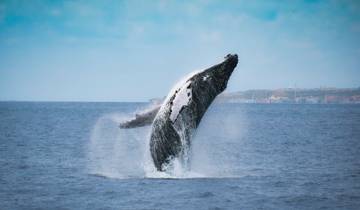
Azores Whale Watching Adventure: Discover the Giants of the Atlantic
- ✓ Comprehensive Azores Archipelago tour
- ✓ Expert local guides included
- ✓ All accommodation arranged
- ✓ Transportation provided

9 days
Azores – Dolphins and the Island of São Miguel
- ✓ Booking needs min. 2 travelers
7 days
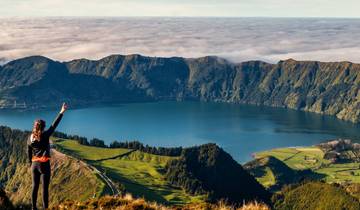
São Miguel Soft Hiking
- ✓ Comprehensive Azores Archipelago tour
- ✓ Expert local guides included
- ✓ All accommodation arranged
- ✓ Transportation provided
Multi-day tour packages powered by TourRadar. Prices and availability subject to change.
Introduction: Why the Azores Deserve Your 2026 Travel Plans
The Azores archipelago occupies a unique geographic position in the mid-Atlantic Ocean, situated roughly 850 miles west of mainland Portugal and one-third of the distance between Europe and North America. This remote location creates an isolated volcanic ecosystem where endemic species evolved in complete separation from continental influences, producing landscapes and wildlife encounters found nowhere else on Earth. Nine major islands spread across 370 miles of ocean, each offering distinct geological features, cultural traditions, and outdoor experiences that reward multi-island exploration over single-destination stays.
Unlike Mediterranean or Caribbean islands marketed toward beach resort vacations, the Azores attract nature-focused travelers seeking active outdoor experiences in dramatic volcanic settings. The archipelago’s tourism infrastructure remains deliberately understated, with accommodations concentrated in small guesthouses and mid-range hotels rather than large resorts, restaurants emphasizing local Azorean cuisine over international menus, and activities centered on hiking volcanic craters, swimming in geothermal pools, whale watching in one of the world’s largest cetacean sanctuaries, and exploring lava tube caves rather than nightlife or shopping. This orientation toward natural experiences rather than conventional tourism amenities produces visitor demographics skewed toward outdoor enthusiasts, wildlife photographers, and travelers seeking authentic cultural encounters.
The archipelago divides into three geographic groups based on proximity and inter-island connectivity. The Eastern Group comprises São Miguel, the largest and most developed island hosting the regional capital Ponta Delgada and international airport, plus tiny Santa Maria known for golden sand beaches unusual in the volcanic Azores. The Central Group clusters five islands within ferry range: Terceira hosting UNESCO-listed Angra do Heroísmo and an international airport, Graciosa featuring a massive volcanic caldera accessible by tunnel, São Jorge renowned for dramatic coastal cliffs and artisanal cheese, Pico dominated by Portugal’s highest mountain at 7,713 feet, and Faial known for its maritime history and hydrangea-covered landscape. The Western Group consists of remote Flores with its waterfall-draped cliffs and endemic vegetation, plus uninhabited Corvo with its spectacular crater lake viewpoint.
Azorean climate remains moderate year-round given the Gulf Stream’s warming influence, with winter temperatures rarely dropping below 57°F and summer peaks reaching only 77°F, creating comfortable conditions for outdoor activities across all seasons. However, the archipelago’s mid-Atlantic position produces highly variable weather patterns where morning sunshine gives way to afternoon rain showers before clearing again by evening, and microclimates shift dramatically across single islands where coastal areas bask in sun while interior volcanic peaks disappear into persistent fog. This weather unpredictability requires flexible daily planning and layered clothing regardless of season, with waterproof shells and sturdy footwear essential even during July and August peak summer months.
Understanding the Azores’ seasonal patterns proves critical for 2026 planning decisions. Summer months June through August deliver the most reliable weather for beach activities, swimming in volcanic pools, and whale watching tours, but accommodation costs increase 40-50 percent above shoulder season rates and car rental availability requires booking four to six months in advance. Shoulder seasons April-May and September-October offer optimal value balancing pleasant weather still suitable for hiking and outdoor exploration with substantially lower accommodation costs and better availability across all services. Winter months November through February present the cheapest travel period with hotel rates dropping 30-50 percent, but Atlantic storms bring frequent rain, rough seas limiting whale watching, and cooler temperatures that make thermal springs more appealing than coastal beaches.
Understanding Azores Islands Geography and Characteristics 2026
São Miguel dominates Azorean tourism as the archipelago’s largest island at 293 square miles, hosting approximately 140,000 residents concentrated in the capital city Ponta Delgada and surrounding municipalities. The island’s volcanic landscape features twin crater lakes at Sete Cidades colored remarkably blue and green, Furnas geothermal valley where volcanic vents cook the traditional Cozido das Furnas stew underground for six hours, Lagoa do Fogo crater lake accessible via mountain road offering panoramic views, and Europe’s only tea plantations producing Gorreana and Porto Formoso teas since the 19th century. São Miguel’s tourism infrastructure proves most developed among all islands, with hotel options ranging from budget guesthouses to luxury oceanfront resorts, numerous restaurants serving both traditional Azorean cuisine and international options, and organized tour operators offering everything from whale watching to canyoning adventures. The island requires minimum three to four days for adequate exploration given distances between major attractions and unpredictable weather requiring flexible schedules.
Terceira ranks second in population with 56,000 residents and serves as the Azores’ cultural heart, hosting the UNESCO World Heritage city of Angra do Heroísmo with its Renaissance architecture, historic fortifications, and annual bullfighting festivals unique in Portugal. The island’s central volcanic caldera Caldeira de Guilherme Moniz stretches seven miles across, while Algar do Carvão offers rare access inside an empty volcanic chimney descending 300 feet to an underground lake surrounded by silica stalactites. Terceira’s airport maintains international connections to North America and mainland Europe, making the island a viable alternative entry point to São Miguel for travelers planning Central Group exploration. The island’s tourism development balances traditional Azorean culture with modern amenities, offering comfortable accommodation options and authentic dining experiences without São Miguel’s occasional tourist saturation during peak summer months.
Pico commands attention through its eponymous mountain dominating the mid-Atlantic at 7,713 feet elevation, Portugal’s highest peak and a challenging full-day climb requiring permits and early starts to reach the summit crater before afternoon clouds obscure views. The island’s lowlands host UNESCO-protected vineyards where basalt stone corrals protect grapevines from Atlantic winds, producing distinctive volcanic wines including Verdelho and Terrantez varieties. Pico’s 42-mile length and narrow width create distinct north and south coastal personalities, with the sheltered south hosting most settlements including Madalena town opposite Faial island, while the rugged north coast features dramatic cliffs and sparse population. Whale watching operations concentrate around Lajes do Pico, historically the Azores’ whaling center now transformed into cetacean conservation hub offering some of the archipelago’s highest success rates for blue whale sightings during April and May migration.
Faial presents compact dimensions at just 14 miles across, dominated by the Caldeira volcanic crater stretching 1.2 miles in diameter and reaching depths of 1,300 feet, rimmed by walking trails offering spectacular interior and ocean views. The island’s western peninsula showcases Capelinhos volcano, which erupted 1957-1958 creating a lunar landscape of ash dunes and lava formations now protected within an interpretation center explaining volcanic processes. Faial’s capital Horta maintains legendary status among transatlantic sailors as a mid-ocean refuge, with the marina’s painted walls covered in thousands of yacht crew artwork following maritime tradition dating to the 19th century. The island serves as the Central Group’s transportation hub with ferry connections to Pico departing hourly during summer months and São Jorge accessible via longer crossing, plus year-round flights to São Miguel, Terceira, and seasonal connections to mainland Portugal.
São Jorge stretches 35 miles long but only 5 miles wide, creating a mountainous spine rising 3,300 feet above sea level with dramatic coastal cliffs dropping vertically to the ocean. The island’s unique fajãs—flat coastal platforms created by cliff collapses or lava flows—host isolated villages accessible only via steep zigzag trails descending 1,000-2,000 feet from the mountain ridge, including famous Fajã dos Cubres and Fajã da Caldeira de Santo Cristo where freshwater lagoons support rare clam populations. São Jorge cheese production dominates local economy, with cooperative dairies producing spicy Queijo São Jorge exported throughout Portugal and earning protected designation of origin status. The island attracts serious hikers willing to tackle challenging coastal trails and mountain ridge walks, offering accommodations primarily through rural guesthouses and small hotels concentrated in Velas and Calheta towns.
Flores earns its name from the abundant wildflowers covering its landscape, with the westernmost Azorean island receiving the Atlantic’s full force creating lush vegetation, dozens of waterfalls cascading down vertical cliffs, and seven volcanic crater lakes dotting the interior highlands. The island’s remote location 150 miles west of the Central Group limits visitor numbers despite spectacular scenery rivaling anything in the archipelago, with difficult flight connections via small propeller planes subject to frequent weather delays and minimal accommodation infrastructure outside the main towns Santa Cruz das Flores and Lajes das Flores. Flores rewards adventurous travelers willing to accept logistical uncertainty, offering pristine hiking trails around Lagoa Funda and Lagoa Rasa lakes, coastal viewpoints overlooking Rocha dos Bordões basalt columns, and Fajã Grande village positioned beneath Europe’s westernmost point at 31°W longitude.
Graciosa distinguishes itself as the Azores’ flattest island, nicknamed the White Island for its whitewashed buildings and light-colored volcanic rock, featuring the massive Furna do Enxofre sulfur cave accessible via spiral staircase descending into a volcanic chamber housing an underground lake where visitors once descended by basket. The island’s compact 24-square-mile area makes day-trip exploration feasible, with attractions including Caldeira caldera viewpoint reached via tunnel through the crater wall, traditional windmills dotting the landscape, and Carapacho thermal baths on the southern coast. Graciosa receives fewer visitors than major islands given its subdued topography lacking dramatic peaks or crater lakes, but offers authentic Azorean culture, excellent cheese and wine production, and tranquil rural landscapes ideal for cycling and easy hiking.
Santa Maria differs geologically from other Azorean islands through its marine sedimentary formations containing fossils of ancient seashells and coral, plus golden sand beaches unusual in the volcanic archipelago where black volcanic sand dominates coastal areas. The island’s 40 square miles host fewer than 6,000 residents concentrated in Vila do Porto town and scattered rural settlements, with tourism infrastructure limited to several small hotels and guesthouses. Santa Maria attracts beach-oriented visitors during summer months when Praia Formosa and São Lourenço bay offer protected swimming conditions and golden sand unique in the Azores, plus hosts an annual Blues Festival each July drawing international musicians to perform in the volcanic crater amphitheater.
Corvo represents the Azores’ smallest inhabited island at just 6.5 square miles supporting approximately 400 residents in the single village Vila do Corvo, accessible only by small propeller plane from Flores or Faial subject to frequent weather cancellations. The island’s primary attraction consists of Caldeirão caldera, a massive volcanic crater spanning 1.2 miles across and 1,000 feet deep, hosting two lakes surrounded by hydrangea-covered slopes and offering spectacular views on clear days. Corvo lacks car rental infrastructure, hotels, or restaurants beyond simple village establishments, attracting only the most dedicated island collectors willing to accept uncertainty regarding departure dates when Atlantic weather grounds flights for days at a time.
Best Time to Visit the Azores in 2026
June through August constitutes peak season across the Azores archipelago, delivering the most reliable weather patterns with daily temperatures reaching 72-77°F, minimal rainfall compared to other months averaging 1.5-2 inches monthly, and ocean temperatures warming to 72°F making swimming comfortable in coastal areas and volcanic pools. Summer months provide optimal conditions for whale watching with highest success rates for spotting resident sperm whales, common dolphins, bottlenose dolphins, and Risso’s dolphins present year-round, plus seasonal visitors including pilot whales and striped dolphins. Beach activities concentrate during this period when Azorean families vacation, particularly August when domestic tourism peaks and accommodation availability tightens considerably on São Miguel and Terceira.
However, peak season brings substantial disadvantages beyond higher costs. São Miguel’s most famous attractions including Sete Cidades viewpoint and Furnas thermal baths experience genuine crowding during July and August, with parking lots full by mid-morning and organized tour buses arriving in continuous succession. Car rental availability becomes critical challenge requiring bookings four to six months ahead, with popular vehicle categories including automatic transmission cars and minivans for families selling out entirely on smaller islands like Flores and São Jorge. Accommodation costs increase 40-50 percent above shoulder season rates, with mid-range hotels charging $150-200 nightly in summer versus $100-130 during spring or fall, and budget options similarly inflated.
April through May represents the Azores’ spring season, characterized by wildflowers blooming across hillsides including the famous hydrangeas beginning to flower in late May, whale watching entering prime season as migratory blue whales, fin whales, and sei whales pass through Azorean waters on routes between Arctic feeding grounds and tropical breeding areas, and weather patterns transitioning from winter’s frequent rain to summer’s more stable conditions. April brings unpredictable mix of sunny days and rainy periods requiring flexible planning, while May offers superior weather reliability approaching summer conditions without peak season crowds or prices. Spring shoulder season delivers excellent value for outdoor-focused travelers comfortable accepting occasional weather disruptions, with accommodation costs 25-35 percent below summer peaks and car rental availability substantially better though advance booking remains advisable for May visits.
September through October extends favorable weather conditions beyond summer’s peak crowds, with ocean temperatures maintaining summer warmth through September before cooling gradually in October, hydrangeas still blooming through September creating Instagram-worthy roadside scenery particularly on Faial island, and whale watching continuing strong with resident species present and occasional late-season migratory visitors. September specifically offers the archipelago’s best overall value proposition, combining summer-quality weather with accommodation costs dropping 20-30 percent from August peaks, improved car rental availability, and substantially reduced crowds at major attractions once Portuguese domestic tourists return to work and school. October introduces more weather variability with increasing rainfall and occasional Atlantic storms, but temperatures remain mild at 64-68°F and many days deliver perfect conditions for hiking volcanic craters and exploring coastal areas.
November through February constitutes the Azores’ winter season, bringing cooler temperatures averaging 57-63°F, substantially increased rainfall particularly December and January receiving 4-5 inches monthly, and rough Atlantic conditions limiting whale watching tour operations and ferry schedules. Winter advantages center entirely on cost savings, with accommodation rates dropping 30-50 percent below summer peaks making luxury hotels accessible at mid-range budgets, and rental car availability improving dramatically though vehicle selection remains limited on smaller islands. Winter weather proves highly variable with some weeks delivering surprisingly pleasant conditions suitable for outdoor activities, while others bring persistent rain and strong winds limiting practical options to visiting museums, thermal baths, and indoor attractions. Winter whale watching opportunities focus on resident sperm whales and dolphins when seas permit boat operations, with blue whale sightings occasionally occurring during mild periods.
Specific festival and event timing influences optimal visit periods for culture-focused travelers. The Senhor Santo Cristo dos Milagres religious festival occurs on the fifth Sunday after Easter in Ponta Delgada, São Miguel, drawing tens of thousands of participants to watch the ornate procession through the capital’s historic streets, an event deeply meaningful to Azorean culture dating to 1700. Terceira’s Sanjoaninas festival celebrates June 24 with week-long festivities in Angra do Heroísmo including bullfighting, parades, concerts, and traditional food, representing the Azores’ largest annual cultural celebration. Santa Maria Blues Festival brings international musicians to perform early July in the volcanic crater amphitheater, while Faial’s Semana do Mar maritime festival celebrates the island’s sailing heritage with regattas, concerts, and exhibitions during early August.
Hydrangea bloom timing attracts photographers and Instagram enthusiasts specifically to witness the blue and pink flowers lining virtually every Azorean road, with peak bloom occurring June through August and extending into September on some islands. Faial earns particular fame for hydrangea density creating continuous floral walls along roads, while São Miguel and Flores also offer spectacular displays. The flowers bloom earlier at lower elevations and later at mountain altitudes, creating extended viewing period across different microclimates within single islands.
Getting to the Azores: Flights and Transportation Access 2026
International flights to the Azores arrive primarily through Ponta Delgada’s João Paulo II Airport on São Miguel island, served by direct routes from Boston, Toronto, and major European cities including Lisbon, Porto, London, Frankfurt, and seasonal connections from additional North American and European origins. Boston Logan International Airport maintains year-round direct service through Azores Airlines and TAP Air Portugal, with flight times averaging 5 hours eastbound and typical roundtrip fares ranging $460-700 during shoulder seasons April-May and September-October, increasing to $600-900 during peak summer months June-August. These Boston flights represent the shortest North American route to the Azores, making São Miguel accessible for long-weekend visits from the US East Coast though most travelers allocate minimum one full week given time zone adjustment and island exploration requirements.
Toronto Pearson International Airport offers seasonal direct flights to Ponta Delgada through Azores Airlines operating May through October, with 5.5-hour flight times and roundtrip fares typically ranging $500-800 depending on booking timing and travel dates. Canadian travelers visiting during November through April must connect through Lisbon or other European hubs, adding 4-6 hours to total journey time and increasing costs substantially given separate transatlantic and intra-European flight segments.
European travelers access the Azores most affordably through TAP Air Portugal’s extensive network from Lisbon Portela Airport, with 2.5-hour flights operating multiple times daily year-round and roundtrip fares often available $200-400 when booked advance. Porto Francisco Sá Carneiro Airport maintains similar service levels with slightly higher fares given smaller market, while London, Frankfurt, Paris, and other major European cities offer seasonal direct summer service plus year-round connections through Portuguese mainland hubs. Ryanair historically served several European routes to Ponta Delgada and Terceira with significantly lower fares than legacy carriers, but announced complete withdrawal from Azores operations effective March 2026 citing high airport fees and increased Portuguese government charges, eliminating budget airline access and likely increasing overall flight costs for European visitors.
Terceira’s Lajes Airport provides alternative international entry point particularly valuable for travelers prioritizing Central Group islands of Pico, Faial, and São Jorge over São Miguel. Direct transatlantic flights connect Terceira with Boston seasonally through Azores Airlines, while TAP Air Portugal maintains year-round service from Lisbon and Porto. Terceira’s less-congested airport and proximity to ferry connections linking Faial and Pico make this entry point strategically superior for visitors skipping São Miguel entirely, though accommodation and tour operator selection proves more limited than on the larger island.
Inter-island flights within the Azores operate through SATA Air Açores using ATR turboprop aircraft on routes connecting all inhabited islands except Corvo, which receives service only from neighboring Flores. These regional flights cost €80-150 one-way depending on route, with São Miguel to Terceira or Terceira to Faial typically priced €80-100, while reaching remote Flores from São Miguel runs €120-150. Flight schedules concentrate during morning hours 7-10 AM and late afternoon 4-7 PM, with minimal midday service and no evening options. Small aircraft size limits checked luggage to 20kg per passenger plus 6kg carry-on, creating challenges for travelers with extensive photography equipment or sporting gear.
Weather-related flight delays and cancellations occur frequently on inter-island routes given the Atlantic’s unpredictable conditions, particularly affecting service to western islands Flores and Corvo where persistent fog grounds planes for entire days. Travelers planning tight connections should build minimum 24-hour buffers between inter-island flights and international departures, with 48 hours advisable for connections involving Flores or Corvo given their weather vulnerability. Airlines typically rebook passengers on next available flights at no additional cost when weather cancellations occur, but no compensation covers extended hotel stays or missed onward connections resulting from these delays.
Ferry service connects Central Group islands Faial, Pico, and São Jorge through Atlânticoline operating April through October with reduced winter schedules November through March. The flagship route links Horta on Faial with Madalena on Pico crossing the 4-mile channel in just 30 minutes, with departures operating hourly 7 AM to 8 PM during summer months and costs of €5 per passenger, €35 per car. This frequent service makes day trips between islands practical and enables travelers to base in Horta while exploring Pico Mountain or vineyards without overnight stays. The longer Horta to Velas route on São Jorge operates 2-3 times daily during summer with 90-minute crossing times and fares around €12 per passenger, €55 per vehicle.
No ferry service connects São Miguel with any other island, nor does service link the Central Group with remote Flores and Corvo, requiring air travel for these routes. Similarly, Santa Maria lacks ferry connections despite proximity to São Miguel, with flights providing the only inter-island access. This fragmented transportation network forces travelers to choose between concentrating visits on single islands like São Miguel or Terceira versus accepting flight costs and weather delays inherent to multi-island exploration.
Accommodation Costs and Options in the Azores 2026
Budget accommodation in the Azores centers on guesthouses, small family-run hotels, and occasional hostel dormitories concentrated primarily on São Miguel and Terceira with limited options on smaller islands. Ponta Delgada offers the archipelago’s broadest budget selection including VIP Executive Azores Hotel providing clean modern rooms with breakfast from $75-90 per night during shoulder seasons, increasing to $100-120 during peak summer months. Budget properties typically occupy converted traditional buildings in town centers rather than purpose-built hotels, offering basic private rooms with en-suite bathrooms, minimal amenities beyond WiFi and breakfast, and convenient access to restaurants and tour operator pickup points. Hostel dormitory beds prove rare outside São Miguel, where Ponta Delgada maintains 2-3 hostels charging $25-35 per bed during summer, but true budget travelers often find better value in cheap guesthouses providing privacy for $40-50 per person when sharing double rooms.
Mid-range hotels dominate Azorean accommodation inventory, offering comfortable modern rooms with amenities including pools, breakfast buffets, and sometimes spa facilities at prices ranging $110-150 per night during shoulder seasons April-May and September-October, increasing to $150-200 during peak summer months June-August. Properties in this category include Pedras do Mar Resort & Spa on São Miguel’s south coast combining ocean views with thermal pool access from $130-180 nightly, Caloura Hotel Resort offering clifftop position and marina access from $150-200, and Hotel Marina Atlântico in Ponta Delgada providing central location from $110-150. Terceira’s mid-range options concentrate around Angra do Heroísmo and Praia da Vitória, while smaller islands offer 1-3 comparable properties each with advance booking essential during summer given limited inventory.
Luxury accommodations remain surprisingly limited across the Azores given the archipelago’s deliberate positioning away from conventional beach resort tourism, with top-tier properties concentrating on boutique scale rather than large resort complexes. Terra Nostra Garden Hotel in Furnas, São Miguel ranks among the archipelago’s finest, set within historic botanical gardens and offering direct access to the thermal pool plus elegant period rooms from $240-320 per night year-round with minimal seasonal variation. Octant Furnas represents newer luxury entry combining contemporary design with thermal spa facilities from $320-450 nightly, while Pedras do Mar Resort & Spa’s premium rooms and suites reach $200-300 depending on ocean view and season. Terceira offers Angra Marina Hotel as primary luxury option from $180-250, while smaller islands like Pico and Faial lack true luxury properties with best available options topping out around $150-200 nightly.
Vacation rental apartments and houses provide alternative accommodation particularly valuable for families, groups, or longer stays enabling cost savings through self-catering. Ponta Delgada offers hundreds of apartments ranging from basic studios at $60-80 nightly to spacious three-bedroom oceanfront properties at $200-300, with weekly rates often discounted 15-20 percent below nightly calculations. Smaller islands maintain more limited vacation rental inventory concentrated in main towns, with quality and amenities varying dramatically requiring careful review of property descriptions and guest reviews. Vacation rentals eliminate daily breakfast costs and allow grocery shopping for lunch preparation, potentially reducing daily food expenses from $50-75 per person in restaurants to $30-40 combining home-cooked meals with occasional dining out.
Rural tourism properties called Turismo Rural or Casas Açorianas operate across all islands, converting traditional Azorean houses into small guesthouses offering 3-8 rooms with authentic period décor, home-cooked breakfasts featuring local products, and rural settings often outside main towns. These properties occupy the mid-range price spectrum at $90-140 per night while delivering superior character and cultural authenticity compared to conventional hotels. Examples include Quinta das Buganvílias on São Miguel’s north coast offering gardens and traditional architecture from $100-130, and Casa das Hortênsias on Faial providing hydrangea-surrounded setting from $90-120. Rural properties require rental cars given locations outside public transport networks, but reward with tranquility and genuine Azorean hospitality unavailable in town-center hotels.
Accommodation booking timing proves critical given the Azores’ limited inventory relative to peak season demand. Summer months June through August require reservations minimum 3-4 months advance for mid-range and luxury properties, with popular locations like Ponta Delgada, Angra do Heroísmo, and Horta selling out entirely during August when Portuguese domestic tourists vacation. Budget properties maintain better availability given higher turnover, but selection narrows to less desirable options when booking within 4-6 weeks of arrival. Shoulder months April-May and September-October allow booking 6-8 weeks ahead with good selection remaining, while winter November-March offers abundant last-minute availability at discounted rates.
Smaller islands present unique booking challenges given extremely limited accommodation inventory. Flores maintains perhaps 15 total hotels, guesthouses, and vacation rental properties across the entire island, with summer advance bookings essential 4-6 months ahead and last-minute arrivals occasionally finding zero availability. São Jorge offers similarly constrained options concentrated in Velas and Calheta, while Graciosa and Santa Maria each maintain fewer than 10 bookable properties total. Travelers planning multi-island itineraries must secure smaller island accommodations before finalizing larger island stays, as Flores or São Jorge availability often determines entire trip timing rather than São Miguel hotel dates.
Food and Dining Costs in the Azores 2026
Inexpensive local restaurants serving traditional Azorean cuisine charge €10-14 per person for complete meals including appetizer, main course, and drink, translating to roughly $11-16 per person before tipping. These establishments concentrate in residential neighborhoods away from tourist zones, serving daily specials called “Prato do Dia” that change based on available fresh ingredients and typically feature grilled fish, beef alcatra stew, or octopus prepared traditional styles. Ponta Delgada’s Mercado da Graça area maintains several such restaurants popular with local workers, while Terceira’s Angra do Heroísmo offers similar options around the market hall and residential streets leading inland from the marina.
Mid-range restaurants targeting both locals and tourists price three-course meals at €20-40 per person, approximately $22-45, offering broader menus showcasing regional specialties including limpets harvested from coastal rocks, fresh Atlantic fish like grouper and amberjack, Azorean beef raised on volcanic pastures, and Queijo São Jorge cheese produced on the island of same name. Notable establishments include A Tasca in Ponta Delgada specializing in fresh seafood from $25-40 per person, Beira Mar in Horta offering harbor views and grilled fish from $20-35, and O Pescador in Angra do Heroísmo serving traditional preparations from $22-38. Mid-range dining delivers superior ingredient quality and preparation compared to budget options while maintaining reasonable prices well below mainland Portuguese or international standards.
Upscale dining remains limited across the Azores outside hotel restaurants, with few standalone establishments targeting fine-dining clientele. Cais 20 in Ponta Delgada operates as the archipelago’s most acclaimed independent restaurant, serving creative preparations of local ingredients in refined presentations with tasting menus priced €60-80 per person, roughly $65-90, plus wine pairings adding €30-45. Hotel restaurants at Terra Nostra Garden Hotel and Octant Furnas offer comparable quality at similar pricing €50-75 per person for three courses, while most other islands lack true fine-dining options with best available choices topping out around €35-45 per person.
Breakfast costs vary dramatically based on accommodation choice, with most hotels including buffet breakfast in room rates while vacation rentals and some budget guesthouses charge separately. Hotel breakfast buffets typically offer hot and cold options including eggs, meats, cheeses, breads, pastries, fresh fruit, and local specialties like Queijadas sweet pastries and São Miguel pineapple, providing substantial meal adequate for active morning activities. Budget travelers skipping hotel breakfast spend €8-12 per person at cafés serving coffee, pastries, and simple egg dishes, while grocery store purchases of bread, cheese, fruit, and yogurt cost €5-8 per person for equivalent home-prepared breakfast.
Lunch prices parallel dinner at similar establishment levels, though many restaurants offer €8-12 daily specials during lunch service that rise to €15-20 for same dishes at dinner. Picnic lunches assembled from grocery stores and local markets provide most economical option at €6-10 per person for substantial spreads including fresh bread, regional cheeses, cured meats, fruits, and drinks. This approach proves particularly practical for hiking days when trails lack restaurant access and carrying food becomes necessity rather than cost-saving choice.
Regional Azorean specialties merit trying despite varying price points. Cozido das Furnas requires advance restaurant reservation given the traditional preparation method burying pots of meat, vegetables, and blood sausage in volcanic vents for six-hour underground cooking, with complete meals costing €18-25 per person at restaurants near Furnas geothermal area. Lapas grelhadas, grilled limpets harvested from coastal rocks, appear on many menus at €8-15 per portion serving 6-8 pieces. Alcatra, traditional Azorean beef stew slow-cooked in clay pots with wine and spices, costs €12-18 per portion at local restaurants. Fresh tuna, swordfish, and other Atlantic fish prepared simply grilled or stewed range €14-22 per main course depending on species and preparation, while imported seafood like salmon or cod costs substantially more given transportation from distant sources.
Grocery shopping in the Azores provides significant cost savings for travelers preparing some meals in vacation rental accommodations. Large supermarket chains Continente and Pingo Doce operate on São Miguel, Terceira, Faial, and Pico, offering standard European grocery selection at prices comparable to mainland Portugal. Fresh local products including milk, cheese, beef, and seasonal produce cost less than imported items, with liter of milk €1.00, kilogram of regional cheese €8-12, and seasonal vegetables €1.50-3.00 per kilogram. Imported specialty items like breakfast cereals, international snacks, and prepared foods cost 20-40 percent more than mainland Portuguese equivalents given shipping costs to islands. Wine and beer prices remain reasonable with local Azorean wines €4-8 per bottle and domestic beer 6-packs €3-5, while imported spirits and international wines carry substantial premiums.
Tipping practices in the Azores follow Portuguese conventions rather than American-style mandatory gratuities, with 5-10 percent considered generous for good service at sit-down restaurants. Many locals round up bills or leave small change rather than calculating percentages, and tipping proves entirely optional at casual establishments. High-end restaurants and tourist-focused establishments increasingly expect 10 percent tips from foreign visitors, though this remains voluntary rather than compulsory. Café bills for coffee and pastries typically receive rounding up to nearest euro rather than percentage-based tips.
Restaurant couvert charges appear automatically on bills at most establishments, covering bread, butter, olives, and cheese brought to tables at meal start. These charges range €2-4.50 per person regardless of whether diners consume the items, and refusing the bread basket does not eliminate charges at most restaurants. Budget-conscious diners should clarify couvert policies when seated, as some establishments remove charges if bread remains untouched while others apply them universally.
Dietary restrictions receive mixed accommodation across Azorean restaurants, with traditional cuisine centering heavily on meat, fish, and dairy making vegetarian and vegan options challenging outside Ponta Delgada and Angra do Heroísmo. Larger islands like São Miguel maintain 2-3 dedicated vegetarian restaurants, while smaller islands offer virtually no plant-based specific menus with vegetarians often limited to vegetable soups, salads, and omelets at conventional restaurants. Gluten-free awareness remains minimal outside tourist-focused establishments, though fresh grilled fish and meat dishes naturally avoid gluten with careful specification to servers regarding sauces and preparation methods.
Transportation and Car Rental Costs 2026
Rental car costs in the Azores vary dramatically by island, season, vehicle type, and booking timing, with summer months June through August commanding premiums of 50-80 percent above winter rates and advance booking proving essential to secure any vehicle during peak periods. São Miguel and Terceira maintain the archipelago’s most competitive rental markets given higher fleet quantities and multiple competing agencies, with compact manual transmission vehicles ranging $40-60 per day during April-May and September-October shoulder seasons, increasing to $70-90 daily during July-August peak. Automatic transmission vehicles cost $15-25 more daily than manual equivalents across all categories, creating substantial weekly cost differences of $105-175 when multiplied across typical rental durations.
Smaller islands command significant premiums given limited fleet availability and near-monopoly conditions on some destinations. Flores rental costs reach $50-80 daily for compact cars during shoulder months, increasing to $90-130 during summer when early booking proves absolutely critical as total island fleet comprises perhaps 100 vehicles total versus thousands seeking rentals. Pico and Faial maintain intermediate pricing at $45-65 daily shoulder season and $70-100 summer, while São Jorge’s minimal rental infrastructure charges $55-75 shoulder and $85-110 summer. Graciosa and Santa Maria offer extremely limited rental options with prices similar to Flores given scarcity rather than fleet size.
Vehicle categories available span from economy compacts like Fiat Panda and Citroën C3 adequate for two passengers with minimal luggage, through mid-size sedans like Peugeot 208 and Seat Ibiza suitable for couples with full luggage or three passengers traveling light, to larger vehicles including Nissan Qashqai SUVs accommodating four adults with luggage comfortably. Seven and nine-passenger minivans serve families and groups but require booking 6-12 months advance for summer availability, costing $150-250 daily during peak season on São Miguel and Terceira, often completely unavailable on smaller islands regardless of price.
Insurance coverage options create the rental process’s most confusing aspect for many travelers, with basic collision damage waiver included in most quoted rates but requiring substantial security deposits of €1,000-1,500 held on credit cards and exposing renters to deductibles of €600-1,200 for any damage. Full coverage eliminating deductibles costs additional $15-25 daily, worthwhile investment given the Azores’ narrow roads, tight town centers, and prevalence of minor scrapes and mirror damage. Some local rental companies offer full coverage with reduced deposits of €200-400 as competitive differentiator, while major international chains maintain higher deposit requirements but provide more standardized service and vehicle condition.
Fuel costs in the Azores approximate mainland Portuguese prices at €1.67 per liter as of early 2026, translating to roughly $7.50 per gallon using current exchange rates. Island driving distances remain modest given compact geography, with São Miguel requiring 1.5-2 tanks weekly for comprehensive exploration including driving the full island circuit, Terceira typically consuming one tank for complete coverage, and smaller islands using half-tank or less for multi-day stays. Weekly fuel costs for typical São Miguel exploration total $60-90 depending on vehicle efficiency and driving intensity, with smaller islands reducing this to $30-50 weekly given shorter total distances.
Parking proves free throughout most of the Azores outside Ponta Delgada and Angra do Heroísmo city centers, where metered street parking costs €0.50-1.00 per hour during business hours Monday through Friday with free parking weekends and evenings. Major attractions including Sete Cidades, Furnas, and Lagoa do Fogo maintain free parking lots, though summer crowds occasionally fill lots at popular viewpoints requiring roadside parking. Some newer natural attractions including Caldeira Velha thermal baths on São Miguel charge small parking fees of €0.80-2.00 per vehicle as visitor management measure, while most sites impose no parking costs.
Road conditions across the Azores range from excellent modern highways to narrow single-lane rural routes requiring careful navigation, with variation both between and within islands. Major routes on São Miguel, Terceira, Faial, and Pico feature smooth two-lane pavement adequate for posted speed limits of 50-90 km/h depending on area, while interior mountain roads and coastal routes shrink to barely one-lane width with occasional pullouts forcing one vehicle to reverse when meeting oncoming traffic. Most challenging driving occurs on São Jorge where roads to coastal fajãs descend dramatic grades via switchback turns barely wider than vehicle width, and on Flores where mountain roads wind through fog-shrouded passes requiring constant attention.
Traffic density remains minimal by international standards even during peak summer months, with congestion limited to Ponta Delgada and Angra do Heroísmo city centers during morning and evening commute hours plus occasional backups at popular tourist sites when organized tour buses arrive simultaneously. Rural driving frequently encounters cattle being moved between pastures, requiring patience as herds slowly occupy full road width at walking pace. Azorean drivers generally exhibit courtesy toward tourists navigating unfamiliar roads, though aggressive passing occurs on main highways when slower traffic impedes progress.
Public transportation exists across major islands but serves local commuter needs rather than tourist exploration, with bus routes connecting towns during morning and evening hours while avoiding most natural attractions, viewpoints, and hiking trailheads. São Miguel maintains most extensive network through multiple operators including Varela, Bensaúde, and others, but schedules concentrate on 7-9 AM outbound from Ponta Delgada and 4-6 PM return trips serving students and workers rather than leisure travelers. Single bus fares cost €2-5 depending on distance, with day passes unavailable. Terceira offers similar limited service, while smaller islands maintain minimal bus routes inadequate for practical tourist use.
Taxi services operate in main towns across all islands but charge meter rates making point-to-point transportation to distant attractions extremely expensive, with typical costs of €40-80 for one-way trips from Ponta Delgada to Sete Cidades or Furnas. Rideshare services do not operate in the Azores as of 2026, leaving taxis as only on-demand transportation option for non-drivers. Some taxi drivers offer full-day touring services at €150-250 daily, competitive alternative to car rental when accounting for insurance, fuel, and stress-free navigation, though limiting flexibility to stop spontaneously at viewpoints or adjust timing based on weather conditions.
Inter-island vehicle transportation proves possible only between Faial, Pico, and São Jorge via Atlânticoline ferries, with car passage costing €35-55 one-way plus driver and passenger fares depending on route. Most rental agreements prohibit taking vehicles on ferries given insurance complications, requiring travelers to rent separate vehicles on each island despite ferry connections. Specific rental companies including some local Pico and Faial operators explicitly allow ferry transport between these three islands either at no additional cost or for nominal €10-20 supplemental fee, making such arrangements worth investigating for travelers island-hopping the Central Group.
Whale Watching and Marine Activities 2026
Whale watching represents the Azores’ signature visitor experience, leveraging the archipelago’s position within one of the world’s richest cetacean habitats where over 24 species of whales and dolphins either reside year-round or migrate through Atlantic waters. Resident species present throughout the year include sperm whales, common dolphins, bottlenose dolphins, and Risso’s dolphins, while seasonal migratory visitors bring blue whales, fin whales, and sei whales during spring months April-May, pilot whales and striped dolphins during summer June-September, and occasional orcas year-round though sightings remain unpredictable.
Commercial whale watching operations concentrate on São Miguel, Pico, and Faial, employing former whalers as spotters who scan from coastal clifftops using binoculars to locate whale blows and dolphin pods before radioing locations to boats at sea. This land-based spotting system produces success rates exceeding 95 percent during favorable weather, as operators deploy boats only when sightings already confirm whale presence rather than hoping to encounter cetaceans through random searching. Tours typically last 2.5-3.5 hours operating from rigid inflatable boats carrying 12-16 passengers in open seating, with departure times scheduled twice daily at 9 AM and 2 PM during peak season with additional departures added when demand warrants.
Pricing for standard whale watching tours ranges €50-65 per person on São Miguel, €55-70 on Pico, and €60-75 on Faial, with higher rates reflecting smaller island operating costs rather than superior experiences. These prices include waterproof gear rental, basic safety briefing, marine biologist narration explaining observed species and behaviors, and implicit rebooking or partial refund if no cetaceans spotted despite best efforts. Many operators also offer wetsuit rental for additional €10-15 enabling swimming with dolphins when conditions permit and pod behavior suggests receptivity, though this proves unpredictable depending on species and circumstances encountered.
Blue whale focused tours operate primarily from Pico during April and May when these largest animals on Earth migrate past the Azores, with specialized operators timing departures to coincide with recent sightings and charging premium rates of €80-110 per person reflecting the experience’s rarity and demand. Blue whale success rates vary significantly year to year depending on migration timing and Atlantic weather patterns, with some seasons producing daily sightings for weeks while others see whales passing far offshore or earlier/later than typical windows. Operators offering blue whale guarantees typically provide rebooking on alternative dates if sightings fail, though this proves impractical for travelers with fixed itineraries unable to extend stays.
Responsible whale watching practices enforced through Azorean regulations require boats maintaining minimum 50-meter distances from whales except when animals approach voluntarily, limiting engine speeds and maneuvering to avoid startling cetaceans, and restricting swim-with-dolphin attempts to calm conditions when pods demonstrate curiosity rather than avoidance. These regulations combined with operator experience produce sustainable tourism minimizing wildlife disturbance while maximizing visitor satisfaction through patient observation rather than aggressive pursuit. Operators violating standards face license suspension, creating strong incentive for ethical practices across the industry.
Beyond commercial whale watching tours, several activities enable marine interaction through different approaches. Snorkeling and diving operations on São Miguel, Pico, and Terceira offer reef exploration and occasional dolphin encounters, with half-day trips costing €65-85 per person including equipment. Visibility varies seasonally with clearest conditions June through October reaching 20-30 meters, while winter months see reduced clarity from Atlantic storm effects. Dive sites include volcanic rock formations hosting colorful Atlantic fish species, though the Azores lack tropical reef ecosystems limiting species diversity compared to warmer destinations.
Kayaking tours operate from São Miguel’s coastal areas particularly around Vila Franca do Campo Islet, a partially submerged volcanic crater forming protected lagoon accessed via short boat transfer then explored by kayak. Half-day kayaking trips cost €45-65 per person with equipment and guide included, suitable for beginners given protected conditions and short paddling distances. Similar kayaking opportunities exist around Pico and Faial coastal areas, typically combined with swimming stops at secluded beaches or volcanic rock formations inaccessible from land.
Canyoning adventures in São Miguel’s interior valleys combine hiking, rappelling down waterfalls, natural water slide descents, and swimming through river gorges, rated intermediate difficulty requiring reasonable fitness but no prior technical experience. Full-day canyoning expeditions cost €65-85 per person including specialized equipment, trained guides, and transfers from Ponta Delgada to remote canyon locations. These activities operate May through October when water levels and temperatures make canyon environments accessible, while winter flow proves too high for safe descent.
Surfing opportunities exist across the Azores though conditions prove inconsistent given mid-Atlantic swell patterns, with best surf typically arriving October through March when North Atlantic storms generate large swells reaching Azorean coasts. São Miguel’s north shore around Ribeira Grande maintains surf schools offering lessons €45-60 per person including board and wetsuit rental for 2-hour sessions, while Santa Maria develops consistent beach breaks making it the archipelago’s most surf-focused destination hosting an annual international competition. Equipment rental without instruction costs €20-30 daily for board and wetsuit, available in Ponta Delgada, Ribeira Grande, and Praia Formosa on Santa Maria.
Hiking and Nature Activities 2026
Hiking represents the Azores’ most accessible and cost-effective activity, with hundreds of marked trails spanning all nine islands providing free access to volcanic craters, coastal cliffs, waterfall valleys, and mountain ridges showcasing the archipelago’s diverse landscapes. Trail difficulty ranges from easy lakeside walks suitable for families and elderly visitors to demanding full-day mountain ascents requiring fitness and proper equipment, with most popular routes falling into moderate category requiring 2-4 hours and manageable by reasonably active adults.
São Miguel’s most famous hike traces the Sete Cidades crater rim connecting viewpoints overlooking twin lakes colored remarkably blue and green, covering 7.5 miles with 1,200 feet elevation gain requiring 3-4 hours at moderate pace. The trail begins at Vista do Rei viewpoint accessible by car, follows mostly dirt paths along the crater rim edge offering continuous spectacular views, and descends to lakeside village enabling return via taxi or pre-arranged pickup given the point-to-point route. This hike requires no special equipment beyond sturdy footwear and weatherproof layers, with trail markers painted red-yellow maintaining clear route indication though some sections traverse exposed ridges unsuitable during high winds.
Lagoa do Fogo crater lake hike from northern approach challenges visitors with steep sustained ascent gaining 1,600 feet over 2.5 miles to reach the crater rim, then descending 800 feet to pristine lakeside beach requiring 4-5 hours roundtrip. This route demands good fitness given relentless climbing through switchbacks, but rewards with isolation as most visitors access Lagoa do Fogo via southern paved road rather than hiking northern trails. The beach provides swimming opportunities when weather permits, though water temperatures remain cool even summer months averaging 64-68°F.
Furnas area hiking concentrates around Lagoa das Furnas lake circuit, an easy 7-mile loop requiring 2-3 hours on flat terrain passing fumaroles venting volcanic steam, botanical gardens displaying regional flora, and traditional cozido cooking vents where restaurants bury pots for the famous six-hour underground stew preparation. This trail suits families and less active visitors seeking gentle introduction to Azorean landscapes, though geothermal areas require caution given hot ground temperatures and steam scalding risks.
Nordeste coastal trails follow São Miguel’s rugged northeastern coastline where 600-foot cliffs drop to Atlantic surf, with multiple routes including Ponta do Sossego to Ponta da Madrugada covering 5 miles of spectacular coastal scenery requiring 3-4 hours. These eastern trails see substantially fewer visitors than Sete Cidades and Furnas areas despite equal scenic quality, offering solitude for hikers willing to drive 90 minutes from Ponta Delgada to access trailheads.
Pico Island hiking divides between mountain summit ascents and coastal/vineyard trails at sea level. Pico Mountain summit requires 7-9 hours roundtrip covering 2,350 meters vertical gain to reach 2,351-meter peak, Portugal’s highest point offering views across the Central Group islands on clear days though summit frequently obscures in clouds. This challenging climb demands alpine experience, headlamp for predawn starts required to summit before afternoon clouds form, and paid permits costing €15 per person plus mandatory €12.50 mountain insurance. Less demanding Pico options include Mistérios de Prainha coastal trail through 1562-1564 lava flows creating lunar landscape in 3-mile easy walk, and vineyard trails through UNESCO-protected wine region exploring basalt stone corrals protecting vines from Atlantic winds.
Faial’s signature hike circles Caldeira crater rim spanning 4.3 miles with 600 feet elevation change, requiring 3-4 hours at moderate pace while offering views into the 1,300-foot-deep crater basin filled with endemic vegetation plus panoramas across neighboring Pico and São Jorge islands. This well-maintained trail features mostly compact dirt surface suitable for trail running, with exposure to wind requiring warm layers even summer days. Faial’s Capelinhos volcano area offers shorter walks through 1957-1958 eruption landscape, with easy trails exploring ash dunes and lava formations accessible after paying €10 interpretation center entry fee.
São Jorge’s coastal fajã descents represent the archipelago’s most dramatic coastal hiking, with steep trails dropping 1,000-2,000 vertical feet from the island’s mountain spine to isolated coastal settlements accessible only by foot or sea. Fajã dos Cubres trail descends 1,200 feet over 2.5 miles one-way requiring 1.5 hours down and 2-2.5 hours climbing return, reaching coastal lagoon village where small café serves refreshments and traditional goat cheese. Fajã da Caldeira de Santo Cristo trail follows similar vertical profile reaching freshwater lagoon famous for rare clam populations, requiring 2 hours descent and 3 hours return climb with overnight guesthouse option enabling split ascent over two days. These challenging hikes demand excellent fitness for the relentless climbing return journey, though descent proves manageable for most active visitors.
Flores hiking concentrates around seven volcanic crater lakes in the island’s interior highlands, with trails connecting Lagoa Funda, Lagoa Comprida, Lagoa Rasa, and others through dramatic landscapes rivaling São Miguel’s famous Sete Cidades. The complete lakes circuit spans 9 miles requiring 5-6 hours with multiple shorter options available, all beginning from high-elevation road access minimizing climbing compared to coastal routes. Flores also offers coastal waterfall hikes including Poço da Alagoinha reaching 80-foot cascade via 1-mile easy trail, and Poço do Bacalhau where 300-foot falls tumble directly into ocean accessed via steep descent requiring rope sections for safety.
Organized hiking tours operate across all major islands, offering guided experiences with transportation from hotels, naturalist commentary explaining volcanic geology and endemic flora, and logistical support eliminating navigation concerns. Full-day guided hikes cost €45-75 per person depending on island and route difficulty, valuable investment for visitors uncomfortable navigating independently or seeking deeper understanding of Azorean natural history beyond self-guided exploration. Multi-day hiking packages combining different islands and routes cost €800-1,400 per person for 7-8 day programs including accommodation, most meals, and daily guided hikes across São Miguel, Pico, Flores, and other destinations.
Geothermal Attractions and Natural Pools 2026
Furnas valley on São Miguel concentrates the Azores’ most accessible geothermal features, with Parque Terra Nostra offering the archipelago’s premier thermal bathing experience in a massive pool fed by iron-rich volcanic springs maintaining 95-104°F temperatures year-round. The 4-acre botanical garden surrounding the pool justifies the €8 entry fee even before bathing, displaying endemic Azorean species plus exotic plants introduced during the estate’s 200-year history. The thermal pool measures 200 feet long with varying depths from 3-6 feet, warning swimmers the highly mineralized water stains light-colored swimwear brown requiring dark suits for thermal pool visits throughout the Azores. Terra Nostra operates daily 9 AM-7 PM with crowds peaking midday when tour buses arrive, suggesting early morning or late afternoon visits for more peaceful soaking.
Poça da Dona Beija thermal complex in Furnas town offers alternative bathing experience through five progressively hotter pools ranging 82-102°F fed by volcanic springs, with €6 entry fee and more compact setting than Terra Nostra creating different atmosphere. The smaller pools facilitate conversation among bathers from various countries, creating social bathing culture absent at larger Terra Nostra, though limited changing facilities and compact grounds prove less comfortable for extended visits. Dona Beija operates until 11 PM daily enabling evening bathing under stars, popular option for visitors combining thermal soaking with dinner at nearby Furnas restaurants.
Caldeira Velha in São Miguel’s interior offers forest-setting thermal bathing where 100°F waterfall feeds pools surrounded by endemic vegetation including massive tree ferns creating primordial atmosphere. The €3 entry fee includes access to main pool plus warmer upper cascade where bathers position under falling thermal water for natural massage. This site attracts substantial crowds given its convenience along the main road between Ponta Delgada and Furnas, with parking lot often full by 11 AM during summer requiring arrival before 10 AM or after 4 PM to avoid crowds. The cooler forest microclimate makes Caldeira Velha less appealing during winter months when outdoor bathing proves less comfortable despite warm water temperatures.
Ferraria natural thermal pool on São Miguel’s western coast uniquely combines volcanic springs with Atlantic tidal action, where hot water emerges through lava rocks at sea level mixing with cool ocean water to create temperature zones ranging 75-102°F depending on tide stage and proximity to hot water source. Access requires timing visits during low to mid-tide when mixing produces comfortable bathing temperatures without excessive ocean surge, with free public access making this the archipelago’s only no-cost thermal bathing option. Local swimmers demonstrate optimal positioning to find warmest water areas, while tourists often struggle identifying hot zones and avoiding uncomfortable cold ocean sections. Ferraria proves most magical during winter months when cool air temperatures create dramatic steam rising from hot pools contrasting with frigid ocean just feet away.
Carapacho thermal baths on Graciosa island offer simple indoor and outdoor pools fed by mineral-rich springs, charging €5 entry for access to warm saltwater pools averaging 95°F plus basic changing facilities. This facility serves primarily local population rather than tourists, creating authentic Azorean bathing culture without commercial atmosphere but also lacking English signage or tourist amenities. The outdoor pool provides ocean views during daylight hours while the enclosed indoor pool operates year-round regardless of weather, making Carapacho viable even during winter storms when outdoor bathing proves uncomfortable elsewhere.
Ponta da Ferraria Spa on São Miguel transforms the natural ocean pool experience into upscale wellness facility, offering treatments including seaweed wraps, thermal water massages, and hydrotherapy circuits priced €35-85 per service. The spa maintains two thermal pools with controlled temperatures plus treatment rooms, saunas, and relaxation areas catering to visitors seeking comfort and amenities beyond natural outdoor bathing. Day passes without treatments cost €15 providing access to thermal pools and facilities, positioning between free natural Ferraria access and premium treatment packages.
Beyond designated thermal facilities, numerous fumaroles and hot springs appear throughout Furnas valley and other São Miguel geothermal areas, including public fumaroles along Lagoa das Furnas where locals cook cozido stew and visitors witness active volcanic venting producing sulfur steam and boiling mud pools. These features require no entry fees as public natural phenomena, though approaching hot ground and steam vents demands caution given scalding temperatures and unstable surfaces around some features. Fumarole areas operate unrestricted hours providing photographic opportunities and geological education without commercial infrastructure or safety restrictions beyond common sense.
Thermal bathing etiquette in the Azores follows European conventions of modesty without American prudishness, where bathing suits cover essentials but minimal coverage proves acceptable. Families with children frequent all facilities, creating generally wholesome atmosphere though some late-evening visits to adult-oriented Dona Beija can feature more social bathing culture. Dark-colored swimwear proves essential given iron oxide mineral content staining light fabrics brown-orange, with most hotels and rental properties warning guests about this effect. Showering before entering pools eliminates sunscreen and oils preserving water quality, though enforcement varies by facility with Terra Nostra maintaining stricter standards than smaller operations.
Budget Breakdown by Traveler Tier 2026
Budget travelers spending $110-160 per person daily achieve comfortable Azores experiences through strategic choices prioritizing value without extreme sacrifice. Accommodation centers on budget hotels and guesthouses charging $75-90 per room nightly with breakfast included, translating to $38-45 per person when two share double rooms, properties like VIP Executive Azores Hotel or family-run guesthouses providing clean modern facilities near town centers enabling walking access to restaurants and tour pickups. Food costs target $28-44 daily per person through mix of included hotel breakfasts, inexpensive lunch options at local restaurants or picnic supplies from supermarkets costing $10-16, and simple dinner at neighborhood tascas serving traditional Azorean cuisine for $10-16 per person. Transportation expenses reach $30-40 per person daily sharing compact manual transmission car rental costing $40-50 during shoulder seasons split between two travelers, plus fuel averaging $10-15 per person for typical daily driving distances. Activity budgets allocate $15-30 daily combining free hiking on marked trails with occasional paid attractions like thermal baths costing €3-8 entry, reserving one or two splurge activities like whale watching tours for entire week rather than daily activity expenses.
Budget tier weekly costs total $770-1,120 per person for seven-day São Miguel or Terceira stays, calculated as accommodation $265-315 plus meals $195-310 plus transport $210-280 plus activities $105-210. This budget delivers authentic Azorean experiences accessing the same natural wonders as luxury travelers, differing primarily in accommodation comfort, dining venue sophistication, and frequency of paid tour participation rather than destination access or experience quality. Budget travelers maximize value through advance booking securing lowest rental car rates and accommodation costs, grocery shopping for picnic lunches reducing restaurant expenses by half, and prioritizing abundant free hiking and natural attractions over commercial tours except signature experiences like whale watching justifying premium cost.
Mid-range travelers allocating $190-280 per person daily achieve comfortable experiences balancing quality and value through selective upgrading from budget baseline. Accommodation upgrades to mid-range hotels with pools, ocean views, and superior breakfast buffets costing $110-150 per room nightly, translating to $55-75 per person when sharing, properties like Pedras do Mar Resort or Caloura Hotel Resort offering resort amenities and attractive settings justifying 50 percent premium over budget options. Dining budgets expand to $49-78 daily per person enabling three restaurant meals daily at mid-range establishments, breakfast potentially included in hotel rates offset by lunch costs of $15-25 and dinners at better restaurants spending $22-35 per person for fresh fish and regional specialties rather than basic daily specials. Transportation costs increase moderately to $35-50 per person daily through larger vehicle rental or automatic transmission selection improving comfort for $50-70 daily split between two travelers, plus similar fuel costs as budget tier. Activity budgets rise substantially to $50-75 daily person supporting whale watching tours, thermal bath entries, paid viewpoints, and organized excursions rather than limiting paid activities to one or two weekly splurges.
Mid-range weekly totals reach $1,330-1,960 per person for seven-day visits, calculated as accommodation $385-525 plus meals $345-545 plus transport $245-350 plus activities $350-525. This tier delivers superior comfort, flexibility, and experience breadth compared to budget travel, enabling spontaneous tour bookings, better restaurants showcasing regional cuisine, and comfortable hotels providing relaxation base after active days without requiring extreme financial sacrifice. Mid-range represents optimal value tier for most visitors balancing experience quality and reasonable costs, avoiding both budget tier’s necessary compromises and luxury tier’s premium pricing for marginal comfort gains.
Luxury travelers spending $360-550 per person daily access the Azores’ finest accommodations, dining, and experiences through systematic upgrading across all categories. Accommodation selections focus on boutique properties like Terra Nostra Garden Hotel and Octant Furnas charging $240-350 per room nightly, translating to $120-175 per person sharing, delivering historic gardens, oceanfront settings, spa facilities, and distinctive character unavailable at conventional mid-range hotels. Dining budgets expand to $105-160 per person daily supporting upscale breakfasts at hotel restaurants when not included, lunch at better establishments with ocean views and creative preparations costing $35-50, and refined dinners at top restaurants featuring tasting menus and wine pairings spending $50-80 per person. Transportation costs increase through SUV or premium vehicle rental improving comfort on mountain roads and enabling remote trailhead access at $90-130 daily split between two travelers, translating to $60-90 per person including fuel. Activity budgets reach $75-125 daily per person supporting private tours, premium whale watching experiences, exclusive activities like helicopter scenic flights, and unrestricted participation in any attraction without cost consideration limiting choices.
Luxury weekly totals span $2,520-3,850 per person for seven-day visits, calculated as accommodation $840-1,225 plus meals $735-1,120 plus transport $420-630 plus activities $525-875. This tier delivers maximum comfort, exclusive experiences, and complete flexibility eliminating cost-based compromises, though honestly provides diminishing returns given the Azores’ orientation toward natural attractions accessible to all visitors regardless of budget tier. Luxury accommodations prove genuinely superior to mid-range options, but hiking Sete Cidades crater or watching whales offshore delivers identical experiences for budget versus luxury travelers, with premium spending purchasing comfort and convenience rather than access to fundamentally different destinations or wildlife.
Sample Itineraries by Duration 2026
Three-day São Miguel intensive itinerary maximizes the largest island’s highlights within minimal timeframe suitable for long-weekend visits from North American East Coast via direct Boston flights. Day 1 focuses western attractions including Sete Cidades twin lakes driving the crater rim road, Vista do Rei viewpoint offering postcard panoramas, Mosteiros coastal village with black sand beach and natural rock pools, and sunset at Ponta da Ferraria thermal pools where volcanic springs mix with Atlantic tides. Accommodation in Ponta Delgada central location enables evening exploration of the capital’s restaurants and marina area, with dinner at mid-range seafood restaurant costing $25-35 per person. Daily costs total approximately $200-280 per person including mid-range hotel $55-75, meals $50-75, rental car share $30-40, fuel $10-15, and minimal activity fees given free natural attractions.
Day 2 concentrates eastern São Miguel starting with sunrise hike at Pico do Ferro viewpoint overlooking Furnas valley’s fumaroles and lake, followed by Furnas village exploration including fumarole fields where cozido stew cooks underground, lunch featuring the traditional volcanic-cooked meal at restaurant costing $18-25 per person, afternoon bathing at Terra Nostra thermal garden entry $8, and evening return to Ponta Delgada via Nordeste coastal scenic route with waterfall stops. This full day’s activities showcase São Miguel’s geothermal features, traditional cuisine, and coastal beauty within single route minimizing backtracking, with total daily costs similar to Day 1 except higher meal expenses from cozido lunch and restaurant dinner approximately $60-85 combined per person.
Day 3 dedicates to Lagoa do Fogo crater lake via southern paved access road enabling swimming at the pristine beach, return through pineapple plantations and tea factories at Gorreana and Porto Formoso offering free tours and tastings, afternoon whale watching tour from Vila Franca departing 2 PM costing $55-65 per person, and final evening in Ponta Delgada for celebratory dinner and sunset stroll along marina. This concluding day balances natural beauty, cultural education through plantation visits, and signature Azorean experience of cetacean watching, with costs increasing to $230-300 per person including whale watching tour premium and farewell dinner at upscale restaurant $35-50 per person. Three-day total costs approximately $630-860 per person excluding flights, delivering concentrated São Miguel highlights suitable for first-time visitors or those with limited vacation time.
Five-day São Miguel comprehensive itinerary expands coverage adding Ribeira Grande north coast area on Day 4 featuring Caldeira Velha thermal waterfall bathing entry $3, Salto do Cabrito waterfall hike, and coastal viewpoints around Porto Formoso, plus Day 5 exploring southeastern coastline including Povoação valley where São Miguel’s first settlement occurred 1444, coastal scenic drives, and traditional village atmosphere contrasting with Ponta Delgada’s urban development. This extended duration enables more relaxed pacing allowing weather flexibility to reschedule outdoor activities if rain occurs, plus integration of rest afternoon at hotel pool rather than constant activity intensity. Daily costs maintain similar $200-280 per person range as three-day itinerary, with five-day total reaching $1,000-1,400 per person providing comprehensive São Miguel experience without rushing between attractions.
Seven-day multi-island itinerary combines São Miguel’s diversity with Central Group ferry access, allocating Days 1-3 on São Miguel following intensive three-day program, Day 4 morning flight to Terceira $90-110 per person one-way followed by afternoon Angra do Heroísmo UNESCO city exploration and Monte Brasil coastal fortress hike, Day 5 touring Terceira’s interior including Algar do Carvão volcanic cave entry $8 and Serra do Cume panoramic viewpoint, Day 6 morning flight to Pico $85-105 per person followed by afternoon Pico Mountain base hike or vineyard exploration depending on fitness level and interests, and Day 7 ferry to Faial $12 per person exploring Horta marina and Caldeira crater before evening return flight to São Miguel. This ambitious program requires accepting higher inter-island flight costs totaling $175-215 per person plus accommodation in three different islands rather than extended single-island stay, with weekly total costs reaching $1,500-2,100 per person providing breadth across archipelago’s diverse islands and landscapes.
Ten-day ultimate Azores exploration extends multi-island concept adding western Flores island, following seven-day program Days 1-7 then continuing Day 8 with flight to Flores $120-150 per person, Days 9-10 exploring Flores’ seven lakes, waterfall valleys, and western coastal cliffs before returning via Pico or Terceira connection. This duration enables incorporating the archipelago’s most remote and pristine island while maintaining reasonable daily pacing rather than rushed transit between islands, with total costs approximately $2,100-3,000 per person including additional Flores flight premium, three nights accommodation on challenging-to-book Flores hotels, and comprehensive coverage of five different islands representing Eastern, Central, and Western groups. Ten days proves optimal for serious Azores enthusiasts seeking depth across multiple islands while accepting higher transportation costs and logistical complexity inherent to comprehensive archipelago exploration.
Practical Planning Tips for Azores Travel 2026
Advance booking requirements vary dramatically by season and service type, with summer months June-August demanding maximum advance planning while shoulder and winter seasons allow substantial spontaneity. Car rentals require booking 4-6 months ahead for July-August travel particularly on smaller islands like Flores, Pico, and São Jorge where fleet availability proves extremely limited, while April-May and September-October need 6-8 weeks advance booking and winter November-March often provides last-minute availability. Accommodation follows similar patterns with São Miguel and Terceira mid-range hotels selling out 2-3 months before peak summer weekends, smaller island properties booking solid 3-4 months ahead given minimal inventory, and shoulder season maintaining good selection 4-6 weeks out. Whale watching tours and popular activities rarely require advance booking except during August peak when some operators sell out days ahead, though securing preferred departure times benefits from 2-3 day advance reservation during busy periods.
Packing essentials for the Azores emphasize weather adaptability given the archipelago’s unpredictable mid-Atlantic climate producing rapid transitions between sunshine and rain regardless of season. Waterproof shell jacket proves absolutely essential even during summer months when afternoon rain showers occur frequently, while layering system including light fleece or insulating mid-layer enables temperature regulation as conditions shift from coastal warmth to mountain fog. Sturdy waterproof hiking boots or shoes surpass lightweight trail runners given frequently muddy conditions particularly on mountain trails and during wet months October-May, though dry summer periods July-September sometimes permit lighter footwear. Dark-colored swimwear for thermal bathing avoids iron oxide staining from mineral-rich volcanic springs, with most visitors purchasing inexpensive dark suits locally rather than risking staining favorites. Sun protection including hat, sunglasses, and sunscreen remains important despite frequent clouds, as high UV levels reflect off ocean surfaces and volcanic rocks even during overcast conditions.
Currency and payment practicalities center on euro usage throughout the Azores as Portuguese territory and European Union member, with ATM machines providing easiest euro access at standard international withdrawal fees plus local bank charges typically €2-5 per transaction. Credit cards work at most hotels, larger restaurants, car rental agencies, and tour operators, though smaller establishments, rural guesthouses, and some activities require cash payment. Tipping expectations follow Portuguese rather than American conventions at 5-10 percent for good restaurant service considered generous, with rounding up bills or leaving small change common among locals. Some restaurants apply service charges automatically, eliminating tipping obligation, though tourists often fail noticing this line item and double-tip unnecessarily.
Language considerations prove minor obstacles for English-speaking visitors given widespread English proficiency in tourism sector, though Portuguese language basics enhance interactions particularly in rural areas and with older residents. Tourism workers including hotel staff, tour operators, rental car agents, and restaurant servers in tourist areas generally speak functional English, while taxi drivers, grocery store workers, and rural guesthouse operators may require Portuguese phrases or translation apps for effective communication. Learning basic Portuguese courtesies including “Bom dia” morning greeting, “Obrigado/Obrigada” thank you, and “Por favor” please demonstrates respect and typically elicits warmer interactions even when conversations continue in English.
Mobile connectivity and data access operates through European Union roaming regulations eliminating roaming charges for EU visitors using home country plans, while international travelers require either Portuguese SIM cards purchased at airport kiosks from MEO, NOS, or Vodafone providers costing €15-25 for tourist data packages, or international roaming plans through home carriers. WiFi availability proves excellent at hotels, restaurants, and cafés across all islands enabling communication without relying on mobile data, though hiking trails and remote coastal areas lack coverage requiring downloaded offline maps for navigation. Google Maps covers the Azores adequately for road navigation though trail routes require specialized hiking apps or GPS devices given limited digital trail mapping.
Medical facilities and health considerations center on understanding available services across island chain’s dispersed geography. São Miguel and Terceira maintain modern hospitals in Ponta Delgada and Angra do Heroísmo providing emergency and specialized care comparable to mainland Portuguese standards, while smaller islands offer basic health centers staffed by general practitioners adequate for minor injuries and illnesses but lacking capacity for serious medical emergencies requiring helicopter evacuation to major island facilities. Travel insurance covering medical evacuation proves prudent investment particularly for visitors with preexisting conditions or engaging high-risk activities like Pico Mountain summit attempts where injuries could require helicopter rescue costing thousands of euros. Pharmacies operate in all island towns dispensing common medications though specific brands may differ from home country equivalents, with some prescription drugs available over-counter in Portugal requiring prescriptions elsewhere.
Environmental responsibility and sustainable tourism practices deserve consideration given the Azores’ fragile volcanic ecosystems and limited infrastructure supporting tourism growth. Visitors should remain on marked trails avoiding trampling endemic vegetation, carry out all waste from hiking excursions as bins rarely exist at remote trailheads, respect private property boundaries particularly around agricultural areas where crossing stone walls damages farmer livelihoods, and choose tour operators displaying environmental certifications rather than cheapest prices alone. The archipelago’s small scale means individual visitor behavior significantly impacts overall sustainability, with conscientious choices regarding waste, water usage, energy consumption, and resource extraction directly affecting local communities and natural systems supporting both residents and future tourism.
Photography equipment and opportunities span from smartphone casual shooting to serious landscape and wildlife work requiring specialized gear. The Azores’ dramatic volcanic landscapes, colorful crater lakes, and Atlantic coastal scenes reward wide-angle lenses capturing expansive vistas, while whale watching and distant wildlife viewing benefit from telephoto capabilities 300mm or longer. Weather protection for camera equipment proves essential given frequent rain and ocean spray particularly during boat-based activities, with waterproof camera covers or weather-sealed bodies preventing damage. Drone photography faces restrictions around airports, populated areas, and some protected natural areas, requiring advance research of current regulations through Portuguese aviation authority ANAC before traveling with UAV equipment. Golden hour lighting occurs early morning and late evening during summer months with sunset reaching 9 PM in June-July, while winter shortens daylight substantially limiting photography hours but offering dramatic storm lighting conditions.
Hidden Costs and Money-Saving Strategies 2026
Municipal tourist tax applies across most Azorean municipalities at €2 per person per night charged in addition to quoted accommodation rates, typically capped at seven consecutive nights meaning stays of two weeks pay tax only on first week. This €14 weekly tax per person remains minor compared to total trip costs but surprises visitors when settling hotel bills expecting only quoted room rates. Some properties include tourist tax in advertised prices while others add during checkout, requiring careful reading of booking confirmations understanding whether rates include or exclude this charge.
Restaurant couvert charges automatically added to bills for bread, butter, olives, and cheese brought to tables at meal start range €2-4.50 per person regardless of consumption, with many visitors unaware they may refuse bread basket avoiding charges. Some establishments remove couvert when bread remains untouched while others apply charges universally as table-setting cost, creating inconsistency requiring polite clarification when seated whether refusing bread eliminates charges. Budget-conscious diners explicitly decline couvert items immediately when seated preventing waiters from placing items that trigger automatic charges.
Parking fees at some newer attractions including Caldeira Velha thermal baths and select Lagoa do Fogo access points cost €0.80-2.00 per vehicle, implemented as visitor management measure rather than revenue generation given free parking remaining standard at most Azorean attractions. These small charges prove more annoying than financially significant, particularly when exact change machines malfunction or credit card readers fail requiring scrounging coins from cup holders to satisfy parking requirements.
Car rental insurance excess deductibles of €600-1,200 appear in standard agreements requiring substantial credit card deposits €1,000-1,500, exposing renters to significant costs for minor damage common given narrow roads and tight parking. Supplemental full coverage eliminating deductibles costs additional $15-25 daily, adding $105-175 to weekly rental costs but providing peace of mind worth consideration particularly for nervous drivers unfamiliar with European road conditions. Some credit cards offer rental car coverage as benefit potentially replacing expensive rental agency insurance, though confirming coverage extends to Portugal and Azores specifically proves essential as many cards exclude specific regions.
Money-saving strategies begin with shoulder season travel April-May and September-October when accommodation costs drop 25-35 percent below summer peaks, car rental availability improves dramatically reducing urgency booking expensive categories, and weather remains suitable for most outdoor activities. This single decision saving €40-80 nightly on mid-range hotels adds up to €280-560 weekly for couples, equivalent to entire week’s food costs or multiple activity splurges. October specifically delivers maximum value as late-shoulder season with summer-quality weather persisting through September into early October before deteriorating substantially by November.
Advance booking car rentals and accommodation locks lowest rates particularly important for summer travel when last-minute prices increase 30-50 percent above advance rates, while shoulder and winter seasons see minimal rate variation enabling spontaneous booking. Rental car booking 3-4 months ahead for summer travel consistently delivers rates $10-20 daily lower than 2-4 week advance booking for identical vehicles, saving $70-140 weekly multiplied across typical two-car requirement for couples or families traveling together.
Grocery shopping for breakfast and lunch supplies reduces daily food costs from $50-75 per person eating three restaurant meals to $30-40 combining supermarket purchases with one restaurant dinner, weekly savings of $140-245 per person totaling $280-490 for couples. Continental supermarket chain offers best selection and prices on São Miguel with multiple Ponta Delgada locations plus stores in major towns, while smaller islands rely on Pingo Doce or independent markets with higher prices given limited competition. Breakfast assemblies of fresh bread, regional cheese, fruit, and yogurt cost €5-8 per person providing equivalent nutrition to €12-18 hotel buffets when breakfast not included in room rates, while picnic lunches using same bread, cheese, cured meats, and produce cost €6-10 per person versus €15-25 restaurant lunch expenses.
Free activities emphasis maximizes value given the Azores’ abundant no-cost natural attractions rivaling paid alternatives in quality. Hiking marked trails provides world-class volcanic landscapes, crater lakes, and coastal scenery without entry fees, while swimming at coastal natural pools and free thermal springs like Ferraria eliminates paid thermal bath costs. Sunset viewing from coastal viewpoints, town walking tours, market browsing at Ponta Delgada’s Mercado da Graça, and beach time at São Miguel’s limited sand beaches all deliver memorable experiences costing nothing beyond transportation fuel reaching locations. Visitors prioritizing these abundant free options save €15-30 daily compared to paid attraction emphasis, weekly total €105-210 per person enabling splurge on signature paid experiences like whale watching tours without exceeding overall budget.
Shared accommodation costs dramatically reduce per-person expenses when traveling in groups of four or more enabling rental of vacation apartments rather than multiple hotel rooms. Two couples sharing three-bedroom apartment costing €150-200 nightly pay €37-50 per person versus €55-75 each in separate hotel double rooms, saving €18-25 per person nightly totaling €126-175 per person weekly. These savings fund entire whale watching tours or multiple paid attractions, while apartment kitchen facilities enable group meal preparation further reducing costs below restaurant dining for all meals.
Whale watching tour timing influences success rates and costs, with morning departures typically offering better conditions given calmer seas before afternoon winds increase, while afternoon tours sometimes discount slightly given lower demand. Some operators offer last-minute discounts when boats sail partially empty, though gambling on availability risks missing experience entirely during busy periods. Booking directly with operators rather than through hotel concierges or tour resellers eliminates middleman commissions sometimes adding €10-15 per person to standard rates without providing additional value.
Seasonal Weather Patterns and Clothing Strategies 2026
Summer months June through August deliver the Azores’ most reliable weather with average high temperatures reaching 72-77°F, overnight lows 63-66°F, and monthly rainfall averaging 1.5-2 inches concentrated in brief afternoon showers rather than all-day storms. However, even summer weather proves highly variable with individual days ranging from cloudless sunshine enabling beach activities to persistent rain limiting options to indoor attractions and thermal baths. Microclimates across single islands produce simultaneous conditions where coastal areas bask in sun while interior volcanic peaks disappear into fog, requiring flexible daily planning accepting weather may shift plans from intended mountain hike to coastal exploration when clouds obscure highland views.
Clothing strategies for summer emphasize versatile layers rather than assuming consistently warm conditions, with lightweight long pants and long-sleeve shirts supplementing shorts and t-shirts providing coverage when mountain elevations or evening temperatures cool below shorts comfort levels. Waterproof shell jacket remains essential even July and August given frequent afternoon rain showers, while packable rain pants prove worthwhile for serious hikers planning full-day mountain excursions where exposed ridges offer no shelter from passing storms. Footwear choices balance between lightweight comfort and weather resistance, with waterproof hiking boots providing security during wet conditions while breathable trail runners suffice during dry periods July-August when trails dry between rain events.
Spring shoulder season April-May brings transitional weather characterized by increasing daylight hours, warming temperatures averaging 61-68°F, and declining but still substantial rainfall at 2.5-3.5 inches monthly. April proves most unpredictable with winter storm remnants still affecting the archipelago occasionally while summer patterns gradually establish, creating week-to-week variability where one April visit encounters mostly rain while another enjoys predominantly sunny conditions. May offers improved weather reliability approaching summer conditions while maintaining spring’s advantages including wildflower blooms, blue whale migration peak, and lower costs than summer months.
Spring clothing requirements emphasize full rain protection given higher precipitation likelihood than summer, with quality waterproof jacket and pants essential rather than optional, waterproof hiking boots preferred over trail runners except during confirmed dry spells, and warm insulating layers necessary for cool mornings and evenings where temperatures dip to 55-59°F. Thermal bathing proves particularly appealing during spring when cool air temperatures create dramatic steam rising from hot pools, requiring warm robe or towel for transitions between changing facilities and water avoiding post-bath chill.
Fall shoulder season September-October extends summer weather patterns gradually transitioning toward winter conditions, with September often delivering the year’s best weather combining summer warmth with reduced crowds and persistent hydrangea blooms creating photogenic roadside scenery. Ocean temperatures maintain summer warmth through September at 72°F before cooling to 68°F by October, while air temperatures decline from 72°F September to 66°F October still comfortable for outdoor activities. Rainfall increases moderately from 2 inches September to 3.5 inches October signaling transition toward winter’s wetter regime, though many October days deliver perfect conditions rivaling summer’s best.
Fall clothing strategies initially mirror summer requirements during September with lightweight options and shell jacket adequate, transitioning toward spring’s fuller rain protection and warmer layers by October when temperature drops and rainfall increases make waterproof boots and insulating fleece or jacket necessary for comfort during extended outdoor activities. Sunrise photography during fall benefits from earlier timing than summer’s 6 AM sunrise, with October sunrise occurring 7 AM providing more civilized waking hours for golden light pursuits.
Winter months November through February bring cooler temperatures averaging 57-63°F with overnight lows reaching 52-55°F, substantially increased rainfall at 4-5 inches monthly particularly December and January, and strong Atlantic storm systems producing persistent multi-day rain events interrupting occasional sunny periods. Winter proves least predictable season with some weeks delivering surprisingly pleasant conditions suitable for hiking and outdoor activities while others bring relentless rain and wind limiting practical options to museums, thermal baths, and indoor attractions. Ocean temperatures cool to 63-66°F eliminating comfortable swimming at beaches though thermal pools maintain appeal given contrast between cool air and hot volcanic water.
Winter clothing demands full protection against rain and cool temperatures through quality waterproof jacket and pants, warm insulating layers including fleece and possibly lightweight down jacket for evening comfort, waterproof hiking boots as essential rather than optional, and warm hat plus gloves for exposed coastal areas where Atlantic winds create significant wind chill. Thermal bathing during winter requires particular attention to post-bath warmth given substantial temperature differential between 100°F pools and 55°F air creating shock when exiting water, making bathrobes, warm towels, and nearby changing facilities more important than summer’s relaxed transitions.
Inter-Island Transportation Logistics 2026
SATA Air Açores operates the archipelago’s inter-island air network using ATR 42 and ATR 72 turboprop aircraft on routes connecting all inhabited islands except Corvo, which receives service only from neighboring Flores via smaller aircraft. Flight schedules concentrate during morning hours 7-10 AM and late afternoon 4-7 PM facilitating same-day round trips between islands for business travelers, while midday and evening service remains minimal or nonexistent on most routes. São Miguel maintains most frequent service as the hub connecting to all other islands multiple times daily, while inter-island routes bypassing São Miguel operate less frequently requiring connections through the main hub for some journeys.
Typical inter-island routes and frequencies during summer peak season include São Miguel-Terceira operating 4-6 daily flights in each direction with 40-minute flight time and fares €80-100 one-way, São Miguel-Pico offering 2-3 daily flights covering 45 minutes at €85-110, São Miguel-Faial with 2-3 daily departures requiring 50 minutes at €90-115, and São Miguel-Flores providing 1-2 daily flights spanning 75 minutes at €120-150. Direct connections between Central Group islands Terceira-Pico-Faial operate 1-2 times daily during peak season with 20-25 minute flights costing €70-90, while off-season November-March sees reduced frequencies with some routes operating only 3-4 times weekly rather than daily.
Weather-related flight delays and cancellations prove routine rather than exceptional on inter-island routes given small aircraft sensitivity to wind and visibility conditions, particularly affecting western islands Flores and Corvo where persistent fog grounds planes for entire days. Passengers should expect announcement-less delays where scheduled departure times pass without boarding calls, eventual gate changes without notification, and flight cancellations occurring with minimal advance warning requiring flexibility and patience. Airlines typically rebook passengers on next available flights at no additional charge when weather cancellations occur, but crowded summer schedules mean next availability may be following day or even 2-3 days later particularly for Flores and Corvo where limited daily frequencies fill quickly with displaced passengers from previous cancellations.
Flight booking strategies should prioritize morning departures over afternoon options given deteriorating weather patterns through the day as Atlantic winds increase, plus morning cancellations often enable rebooking on afternoon backup flights while afternoon cancellations require waiting until next day. Travelers planning tight connections between inter-island flights and international departures should build minimum 24-hour buffers, with 48 hours advisable for Flores or Corvo connections given their weather vulnerability. Trip insurance covering weather-related delays proves worthwhile for visitors with inflexible return dates unable to extend stays if island-hopping flights cancel, though policies rarely cover frustration and stress inherent to uncertain travel timing.
Luggage restrictions on inter-island flights limit checked bags to 20kg per passenger plus 6kg carry-on, substantially less than international flight allowances of 23-32kg creating challenges for travelers with extensive photography equipment, sporting gear, or generous packing habits. Excess baggage charges apply at €10-15 per kilogram over limits, quickly adding up for heavy camera bags or diving equipment. Some inter-island routes using smaller aircraft impose even stricter limits of 15kg checked plus 5kg carry-on, announced only upon check-in creating potential for unexpected charges or forced luggage consolidation. Minimalist packing strategies prove essential for travelers planning extensive island-hopping, with laundry facilities at accommodations enabling clothing reuse rather than packing full week’s outfits.
Ferry service between Central Group islands Faial, Pico, and São Jorge operates April through October via Atlânticoline with reduced winter schedules November through March subject to Atlantic weather cancellations. The primary Horta-Madalena route connecting Faial and Pico operates hourly 7 AM-8 PM during summer months with 30-minute crossing time, passenger fares €5 each way, and vehicle transport €35 one-way. This frequent reliable service enables day trips between islands or basing on one island while visiting the other without overnight stays, substantially more convenient than flying particularly given Pico and Faial airports’ limited schedules.
Longer ferry routes connect Horta with Velas on São Jorge operating 2-3 times daily during summer with 90-minute crossing time, passenger fares €12, and vehicle transport €55. Additional seasonal summer service links São Jorge’s northern port Calheta with both Horta and Terceira’s Praia da Vitória, though schedules remain limited to 1-2 weekly departures rather than daily service. Ferry schedules prioritize local resident commuter patterns rather than tourist convenience, with early morning and late afternoon departures accommodating workers and students while limiting midday options. Complete timetables appear on Atlânticoline website requiring careful planning to coordinate ferry timing with accommodation check-in/out and activity schedules.
Ferry weather cancellations occur frequently during winter months and occasionally even summer when Atlantic swells exceed safe operating limits for passenger vessels, with decisions often made morning-of rather than advance notice enabling planning alternatives. Travelers basing on Faial while planning Pico day trips should maintain flexible schedules accepting ferry cancellations may prevent intended visits, while those needing guaranteed Pico access for activities like mountain summit attempts should overnight on Pico itself rather than gambling on ferry reliability. No compensation covers canceled ferry crossings beyond refunding unused tickets, meaning lost accommodation deposits or rescheduled tour costs fall entirely to passengers when weather prevents sailing.
Cultural Experiences and Local Traditions 2026
Azorean cuisine reflects the archipelago’s agricultural heritage and Atlantic position, emphasizing locally-raised beef from cattle grazing volcanic pastures, fresh fish and seafood caught in surrounding waters, and dairy products particularly cheeses produced on São Jorge, Terceira, and Pico. Traditional preparations showcase simple techniques highlighting ingredient quality rather than complex sauces or elaborate presentations, with grilled fish, alcatra beef stew, and cozido das Furnas volcanic-cooked meal representing signature dishes encountered across the islands.
Alcatra originates from Terceira island though versions appear throughout the archipelago, slow-cooking beef chunks in clay pots with wine, garlic, onions, and spices for 3-4 hours until meat achieves fall-apart tenderness and rich savory sauce develops. Traditional alcatra uses specific clay pots called panela de barro maintaining importance despite modern alternatives, with restaurants proudly displaying their clay pot collections and many families owning heirloom pots passed through generations. The dish costs €12-18 per portion at local restaurants, often served with regional bread for soaking the flavorful cooking liquid.
Cozido das Furnas represents the Azores’ most unique culinary tradition, preparing stew of various meats, blood sausage, vegetables, and sometimes eggs in large pots lowered into volcanic fumaroles for six hours of geothermal cooking reaching 200°F from Earth’s internal heat. Restaurants near Furnas geothermal fields operate dedicated cooking vents where visitors watch pots being retrieved from ground during lunch service, creating theater surrounding the meal. Complete cozido costs €18-25 per person at Furnas restaurants, with advance reservation essential given limited daily production constrained by fumarole cooking capacity.
Fresh fish preparations emphasize Atlantic species unfamiliar to most international visitors including chicharro (horse mackerel), gaiado (blue jack mackerel), and bodião (wrasse) alongside more recognizable tuna, swordfish, and grouper. Simple grilling over charcoal remains preferred cooking method allowing fish quality to shine through seasoning of only salt, garlic, and olive oil, served with boiled potatoes and seasonal vegetables. Fish main courses cost €14-22 depending on species and market prices, with restaurants displaying daily catches for customer selection before preparation.
Queijo São Jorge achieves protected designation of origin status as the archipelago’s most renowned cheese, produced exclusively on São Jorge island from raw cow’s milk following traditional methods creating hard texture, spicy flavor, and characteristic yellow-orange color. The cheese ages minimum three months for semi-cured versions sold at €8-12 per kilogram, extending to 9-12 months for fully cured wheels priced €12-16 per kilogram developing sharper flavor and crumblier texture. Visitors purchasing whole or half wheels for export must package carefully given fragility, with vacuum-sealed portions available at Ponta Delgada airport departures for travelers avoiding transport complications.
Pineapple cultivation on São Miguel represents unique agricultural achievement given the Azores’ temperate climate unsuitable for tropical fruit, with greenhouses creating artificial tropical environments enabling pineapple production since the 19th century. Gorreana and Arruda pineapple plantations offer free tours explaining the 18-24 month growing process, with farm shop sales of whole pineapples €8-15 depending on size plus processed products including jams, liqueurs, and candied fruit. The fresh pineapple’s intense sweetness and low acidity surpass commercial tropical varieties, creating sought-after specialty among Azoreans though limited production prevents significant export.
Tea production at Gorreana and Porto Formoso plantations on São Miguel maintains Europe’s only commercial tea growing, with subtropical microclimates supporting Camellia sinensis cultivation since 1883. Free factory tours demonstrate withering, rolling, oxidation, and drying processes creating black and green tea varieties sold in plantation shops €4-8 for 100-gram packages. The teas exhibit mild character compared to Asian equivalents given volcanic soil mineral content and Atlantic climate influence, appealing to visitors seeking unique Azorean products unavailable elsewhere.
Religious festivals dominate Azorean cultural calendar reflecting the archipelago’s deeply Catholic heritage, with elaborate processions, traditional music, and communal meals marking important dates throughout the year. Senhor Santo Cristo dos Milagres festival occurring fifth Sunday after Easter brings tens of thousands to Ponta Delgada for overnight vigil and morning procession carrying ornate image of Jesus through decorated streets, creating the year’s most significant cultural event attended by emigrant Azoreans returning from North America and mainland Portugal specifically for the celebration. Participating in this or smaller village festivals provides authentic cultural immersion unavailable through conventional tourist activities, requiring respectful observation of religious traditions and crowd tolerance during packed procession viewing.
Bullfighting festivals on Terceira follow unique Azorean style called tourada à corda where bulls remain roped and villagers dodge charges rather than mounted fighters using lances, creating participatory tradition where local men demonstrate courage dodging bulls while rope handlers prevent uncontrolled charging. These events occur primarily Terceira island during summer festivals particularly the Sanjoaninas celebration late June, providing cultural spectacle contrasting with mainland Portuguese or Spanish bullfighting traditions. Animal welfare concerns apply though bulls survive these events unlike Spanish corridas, with participants accepting injury risk voluntarily rather than animals bearing sole suffering.
Traditional music and dance preserve Azorean folk heritage through chamarrita and pézinho styles performed at festivals and cultural events, featuring accordion, viola da terra (small guitar), and percussion accompanying circle dances and couples formations. Visitors encounter these traditions primarily at village festivals and cultural centers rather than commercial venues catering to tourists, requiring some effort seeking authentic experiences versus folkloric performances staged for visitor entertainment. São Miguel’s Casa do Povo cultural centers occasionally host public events featuring traditional music and dance, while Terceira maintains stronger tradition given its cultural preservation emphasis.
Photography and Wildlife Watching Opportunities 2026
Landscape photography in the Azores peaks during golden hour periods occurring early morning and late evening when low-angle sunlight illuminates volcanic peaks, crater lakes, and coastal cliffs with warm tones absent during harsh midday overhead sun. Summer months June-July see sunrise occurring 6 AM and sunset reaching 9 PM, creating extended golden hour opportunities though requiring early waking for morning sessions. Wide-angle lenses in 16-35mm range prove essential for capturing crater lake panoramas and coastal vistas, while standard zoom 24-70mm or 24-105mm provides versatility for varied compositions without constant lens changes.
Sete Cidades crater rim offers the archipelago’s most photographed landscape with twin blue and green lakes viewed from Vista do Rei and other rim viewpoints, best captured during early morning when soft light illuminates the scene before tour buses arrive mid-morning creating crowds. The location suits both sunrise photography when lakes reflect pink dawn skies and late afternoon when western sun backlights the crater rim creating dramatic silhouettes, with midday harsh overhead light proving least flattering for this already-photogenic location.
Lagoa do Fogo provides alternative crater lake photography from elevated viewpoint accessible via paved road on São Miguel’s interior mountains, offering vertical composition opportunities showing crater walls dropping to pristine lake surrounded by protected vegetation. Morning photography captures best light given western sun position creating backlit haze during afternoon visits, while occasional fog rolling over crater rim produces atmospheric conditions enhancing rather than obscuring landscape interest.
Coastal photography concentrates on dramatic cliffs and volcanic rock formations found throughout the archipelago, with Mosteiros on São Miguel offering distinctive islet formations offshore creating foreground interest for sunset compositions. Long exposure techniques using neutral density filters smooth Atlantic surf around volcanic rocks producing ethereal effects, though strong winds prevalent at coastal viewpoints challenge tripod stability requiring sandbags or weighted bags anchoring equipment. Flores island delivers the Azores’ most dramatic coastal photography given 600-foot vertical cliffs and numerous waterfalls cascading directly to ocean, though accessing optimal viewpoints requires substantial hiking commitment on challenging trails.
Macro photography opportunities feature endemic Azorean plants including distinctive hydrangea cultivars, native ferns in forest understories, and volcanic rock lichens creating abstract colorful patterns. The archipelago’s frequent rain produces ideal conditions for macro work given water droplets enhancing compositions and eliminating dust from flowers and leaves, though protecting camera equipment from moisture requires weather-sealed bodies or protective covers preventing damage. Close-up photography of geothermal features including fumarole steam vents and bubbling mud pools requires caution given unstable ground and scalding temperatures, with telephoto lenses enabling safer working distances than wide-angles forcing proximity to dangerous features.
Wildlife photography centers on marine mammals during whale watching tours, requiring long telephoto lenses 300-600mm to fill frame with distant whales and dolphins from boat positions maintaining required 50-meter minimum distances. Image stabilization proves essential given boat motion and long focal lengths creating blur from camera shake, while fast shutter speeds freezing whale breaches demand ISO settings 800-1,600 even during daylight given relative subject dimness on overcast days common in Atlantic environment. Whale watching boats’ open rigid inflatable design provides unobstructed shooting angles without cabin windows reducing image quality, though ocean spray threatens camera equipment requiring waterproof housings or rain covers protecting gear from salt water damage.
Bird photography opportunities remain limited compared to specialized birding destinations given the Azores’ relatively sparse endemic avifauna, though species like Azorean Bullfinch found only on São Miguel and Monteiro’s Storm Petrel breeding on isolated islets attract dedicated birders. Common Buzzard, Rock Dove, and various waterfowl provide more accessible subjects around crater lakes and agricultural areas, requiring telephoto lenses 400mm or longer for frame-filling images given birds’ natural wariness. Migration periods spring and fall occasionally bring vagrant species blown off-course during Atlantic crossings, creating excitement among local birders though photographic opportunities remain limited given birds’ exhausted condition and brief stays before continuing migrations.
Astrophotography faces challenges from Atlantic weather patterns producing frequent cloud cover obscuring night skies, though clear nights deliver exceptional dark sky conditions given the Azores’ minimal light pollution away from Ponta Delgada and Angra do Heroísmo. Interior mountain areas on São Miguel, Pico’s high elevations above cloud layer, and remote western islands provide darkest conditions for Milky Way photography during summer months June-September when galactic core appears southern horizon. Winter astrophotography proves more challenging given reduced clear night frequency and colder temperatures shortening comfortable shooting durations, though occasional crystal-clear winter nights deliver remarkable transparency and minimal atmospheric disturbance.
Drone photography regulations require registration with Portuguese aviation authority ANAC plus adherence to no-fly zones around airports, populated areas, and some protected natural areas, with fines for violations reaching €5,000-25,000 creating strong enforcement incentive. Maximum altitude restrictions of 120 meters above ground level limit vertical compositions though remain adequate for most landscape perspectives, while line-of-sight requirements prevent extended-range missions flying drones beyond visual contact. Weather conditions frequently ground drone operations given Atlantic winds exceeding safe flying speeds for consumer quadcopters, making successful aerial photography sessions depend on identifying rare calm periods rather than flying anytime desired.
Frequently Asked Questions About Azores Travel 2026
Do I need a car to visit the Azores or can I rely on public transportation?
Rental cars prove essential for visiting the Azores except on tiny Corvo island and partially on compact Graciosa, as public bus systems serve local commuter populations rather than tourist attractions operating limited morning and evening schedules connecting towns while avoiding natural sites, viewpoints, hiking trailheads, and coastal access points that define the Azores experience. São Miguel maintains the archipelago’s most extensive bus network through multiple competing operators, yet routes concentrate on transporting students and workers between residential areas and Ponta Delgada during commute hours 7-9 AM and 4-6 PM rather than facilitating visitor access to Sete Cidades crater, Furnas thermal valley, or Lagoa do Fogo throughout the day. Terceira, Pico, Faial, São Jorge, and Flores all maintain even more limited bus service adequate only for town-to-town transit rather than attraction access, with some routes operating only 2-3 times weekly rather than daily. Taxi services exist but charge meter rates making point-to-point trips to distant attractions prohibitively expensive at €40-80 one-way from main towns to popular sites, while organized tours provide vehicle-free alternative though limiting flexibility to fixed itineraries and group schedules.
How much does a week in the Azores cost for mid-range travelers in 2026?
Mid-range travelers spending $190-280 per person daily for comfortable hotel accommodation, three restaurant meals, rental car sharing, and regular activity participation total $1,330-1,960 per person for seven-day Azores visits excluding international flights. This budget allocates $55-75 per person nightly for mid-range hotels with pools and ocean views assuming two sharing double rooms, $49-78 daily for breakfast possibly included in hotel rates plus lunch at casual restaurants spending $15-25 and dinners at better establishments serving fresh fish and regional specialties costing $22-35 per person. Transportation costs reach $35-50 per person daily through compact or mid-size car rental at $50-70 split between two travelers plus fuel averaging $10-15 per person, while activity budgets of $50-75 daily support whale watching tours at $55-65, thermal bath entries at €3-8, paid viewpoints, and organized excursions rather than limiting paid activities to one or two weekly experiences. This mid-range tier delivers superior comfort and experience breadth compared to budget travel’s necessary compromises without luxury tier’s premium costs for marginal gains, representing optimal value for most visitors balancing quality and reasonable expense.
What are the best islands to visit for first-time Azores travelers in 2026?
São Miguel serves as optimal first-time Azores destination combining the archipelago’s most diverse attractions, best tourism infrastructure, direct international flight access, and comprehensive introduction to volcanic landscapes, geothermal features, crater lakes, and Atlantic coastal scenery characteristic of the entire island chain. The island’s manageable 293 square mile area enables exploring major highlights including Sete Cidades twin lakes, Furnas geothermal valley with cozido underground cooking and thermal bathing, Lagoa do Fogo pristine crater lake, pineapple plantations, tea factories, and coastal viewpoints within single week visit without constant rushing between distant locations. Accommodation options span budget guesthouses to luxury resorts concentrated primarily around capital Ponta Delgada, restaurants range from authentic local tascas to upscale seafood establishments, and tour operators offer every activity from whale watching to canyoning enabling visitors selecting preferred experience intensity. First-timers planning only single-island visits should select São Miguel given its combination of natural diversity, practical convenience, and representative Azorean experiences, while those with 10-14 days available benefit from adding Terceira or Pico exploring Central Group island-hopping via ferries.
When is the best month to visit the Azores for whale watching in 2026?
April and May deliver optimal whale watching during spring migration when massive blue whales, fin whales, and sei whales pass through Azorean waters traveling between Arctic feeding grounds and tropical breeding areas, supplementing resident sperm whales, common dolphins, bottlenose dolphins, and Risso’s dolphins present year-round. Blue whale sightings peak late April through mid-May though exact timing varies annually depending on Atlantic conditions and prey availability, with tour operators on Pico island specifically marketing blue whale focused expeditions during this narrow window charging premium rates €80-110 per person reflecting the experience’s rarity and demand. Success rates for blue whale encounters remain unpredictable ranging from daily sightings during exceptional years to whales passing far offshore other seasons, making April-May visits gambling on favorable conditions versus guaranteed resident species viewable throughout summer. June through September maximizes overall cetacean diversity and sighting reliability given warm weather, calm seas permitting boat operations, and seasonal visitors including pilot whales and striped dolphins joining year-round residents, creating highest probability of successful whale watching tours though excluding the spectacular blue whale encounters possible during spring migration.
Are the Azores expensive compared to mainland Portugal in 2026?
The Azores maintain costs 10-20 percent higher than mainland Portugal for most goods and services given island geography requiring imported products and limited competition, though remain substantially cheaper than most Western European and North American destinations enabling comfortable travel at moderate budgets. Accommodation costs in Ponta Delgada and other major Azorean towns approximate Lisbon and Porto prices during equivalent seasons, with mid-range hotels charging $110-150 nightly versus similar properties in mainland cities at $100-140, while budget options show minimal price differential and luxury properties prove scarcer in the Azores limiting direct comparison. Restaurant meals cost marginally more than mainland equivalents given import costs for non-local ingredients, though fresh fish, Azorean beef, and regional produce maintain reasonable prices comparable to or below Lisbon restaurants, with inexpensive local tascas serving complete meals €10-14 per person matching mainland standards. Rental car costs substantially exceed mainland rates particularly during summer peak season when Azores demand outstrips limited fleet availability, with São Miguel compact cars costing $40-60 daily versus mainland rates of $25-40 for equivalent vehicles, while smaller islands charge even higher premiums given near-monopoly conditions. Groceries show 15-25 percent premiums over mainland prices for imported items though local dairy, produce, and meats remain competitively priced, while activities like whale watching prove island-specific making mainland comparison irrelevant.
How many days should I spend in the Azores in 2026?
Seven to ten days provides optimal duration for first-time Azores visits balancing sufficient time exploring major islands with practical vacation length constraints, enabling either comprehensive single-island coverage of São Miguel at relaxed pace with weather flexibility, or multi-island introduction combining São Miguel with Central Group ferry-accessible destinations Pico and Faial. Three-day minimum visits permit concentrated São Miguel highlights covering Sete Cidades, Furnas, Lagoa do Fogo, and whale watching though requiring accepting rushed schedule without weather backup days, suitable for long-weekend getaways from North American East Coast via direct Boston flights but limiting full archipelago appreciation. Five-day stays improve significantly over three days enabling comprehensive São Miguel exploration at comfortable pace including rest days if rain affects outdoor plans, though still limiting options to single island rather than broader geographic sampling. Ten to fourteen days accommodates ambitious multi-island itineraries visiting four to five islands across Eastern, Central, and Western groups, though requires accepting higher inter-island flight costs totaling $300-500 per person plus logistical complexity coordinating accommodations and activities across dispersed locations subject to weather-dependent flight schedules.
Is it safe to swim in the Azores’ ocean and lakes in 2026?
Ocean swimming in the Azores presents challenges given Atlantic exposure producing rough surf, strong currents, and cool water temperatures averaging 63-66°F in winter and 68-72°F in summer, with designated swimming beaches maintaining lifeguard supervision during summer months though many coastal areas lack protection from open ocean swells creating dangerous conditions unsuitable for swimming. Protected beaches including Praia Formosa on Santa Maria, Praia da Vitória on Terceira, and several north São Miguel locations offer relatively safe swimming during calm summer conditions though Atlantic nature means waves arrive unexpectedly even during apparently calm periods, requiring constant attention to changing conditions and respect for ocean power. Natural volcanic rock pools called piscinas naturais appear along many coastlines providing sheltered swimming areas protected from direct ocean surge while receiving tidal water exchange, popular alternatives to open beach swimming particularly during marginal weather when waves prevent comfortable beach access. Crater lakes including Sete Cidades, Lagoa do Fogo, and various Flores lakes allow freshwater swimming during summer months though water temperatures remain cool at 64-68°F even July-August given high elevation and limited sun exposure, with pristine water quality surpassing polluted Mediterranean beaches but requiring tolerance for chilly conditions. Thermal pools at Furnas and Ferraria offer warmest swimming at 95-104°F year-round, though highly mineralized volcanic water creates different sensation than conventional swimming and stains light-colored swimwear requiring dark suits.
What language is spoken in the Azores and do I need to speak Portuguese in 2026?
Portuguese serves as the Azores’ official language spoken by all residents, though English proficiency remains widespread within tourism sector including hotel staff, tour operators, rental car agents, and restaurants in tourist areas enabling comfortable travel for English-only visitors without requiring Portuguese language skills. Tourism workers in Ponta Delgada, Angra do Heroísmo, and other major towns generally speak functional English adequate for handling reservations, providing directions, explaining menu items, and discussing tour logistics, while rural areas and smaller islands see reduced English proficiency particularly among older residents and workers in non-tourism sectors like grocery stores and gas stations. Learning basic Portuguese courtesies including “Bom dia” morning greeting, “Obrigado/Obrigada” thank you gender-specific forms, “Por favor” please, and “Desculpe” excuse me demonstrates respect and typically elicits warmer interactions even when subsequent conversations continue in English, as Azoreans appreciate visitors attempting their language rather than assuming English understanding. Translation apps provide backup for situations where language barriers emerge, particularly useful for reading Portuguese-only signs, menus at local restaurants, and grocery store product labels, though relying entirely on technology without attempting basic Portuguese phrases misses opportunities for cultural connection with friendly Azorean residents.
Can I visit multiple Azores islands in one week in 2026?
Visiting three islands proves feasible within one-week timeframe though requires accepting higher transportation costs, reduced time per destination, and weather-dependent flight reliability potentially disrupting carefully planned itineraries, with optimal three-island combinations focusing on ferry-connected Central Group destinations Faial, Pico, and São Jorge avoiding multiple inter-island flights. A practical seven-day multi-island itinerary allocates three days São Miguel covering Sete Cidades, Furnas, and whale watching before flying to Terceira for two days exploring Angra do Heroísmo and Algar do Carvão cave, then flying to Pico for final two days attempting mountain summit or vineyard exploration before returning via São Miguel. This schedule costs approximately $175-215 per person for inter-island flights plus requires accommodations at three different islands and rental cars at each destination given ferry restrictions prohibiting taking vehicles except between Pico-Faial-São Jorge, substantially complicating logistics versus single-island stays. Alternative ferry-based itineraries spend initial three days São Miguel then fly to Horta establishing base for day trips to Pico via frequent 30-minute ferry and longer São Jorge crossing, eliminating multiple hotel changes and car rental complications while still experiencing three distinct islands. Weather delays affecting inter-island flights create significant disruption risk for tight weekly schedules, with travelers requiring flexible mindset accepting possible plan changes when fog grounds Flores flights or Atlantic storms prevent Pico departures.
What are the must-do activities in the Azores in 2026?
Whale watching represents the Azores’ signature must-do experience leveraging the archipelago’s position within one of the world’s richest cetacean habitats where 24-plus whale and dolphin species either reside year-round or migrate through Atlantic waters, with success rates exceeding 95 percent during favorable weather given land-based spotting systems directing boats to confirmed whale locations. Hiking Sete Cidades crater rim delivers the archipelago’s most photographed landscape combining dramatic volcanic topography with vibrant blue and green twin lakes, accessible via moderate 7.5-mile trail requiring 3-4 hours at comfortable pace plus easier options for less active visitors accessing viewpoints by car. Bathing in volcanic thermal pools at Furnas’ Terra Nostra or Poça da Dona Beija provides unique geothermal experience combining 95-104°F naturally heated mineral water with botanical garden or intimate pool settings, quintessentially Azorean activity unavailable in most destinations. Eating cozido das Furnas stew cooked underground in volcanic fumaroles for six hours delivers the islands’ most distinctive culinary tradition, requiring advance restaurant reservation near Furnas geothermal area and combining meal with fumarole field exploration witnessing active volcanic venting. Exploring volcanic caves including Algar do Carvão on Terceira descending inside ancient lava chimney to underground lake, or Gruta do Carvão on São Miguel walking through lava tube, reveals the archipelago’s volcanic formation processes through accessible underground environments. These five activities collectively showcase the Azores’ defining characteristics of volcanic landscapes, geothermal features, Atlantic marine life, and unique cultural traditions impossible to replicate elsewhere.