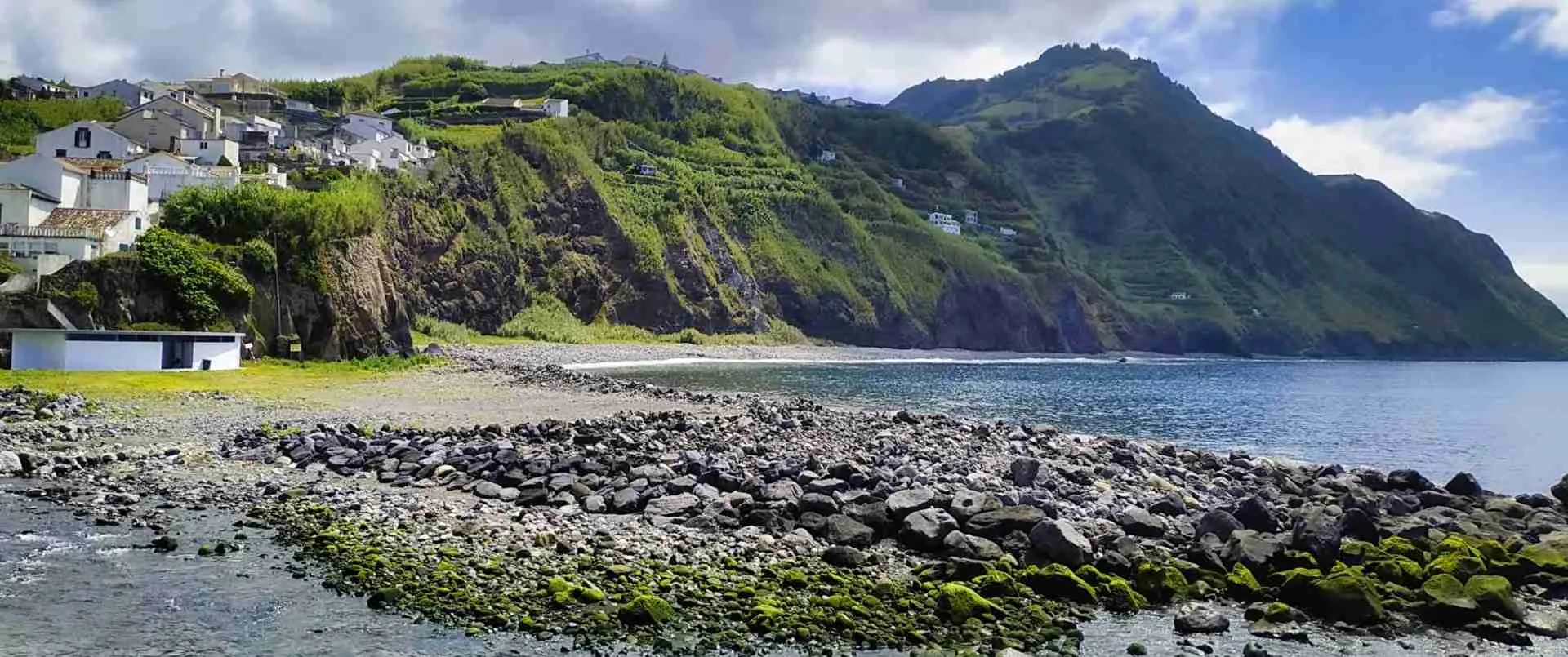
Azores Best Tours & Walking Routes 2026: Whale Watching, Hot Springs & Crater Lakes
The Azores archipelago stands as one of Europe’s premier outdoor adventure destinations in 2026, where volcanic landscapes meet Atlantic waters to create extraordinary opportunities for whale watching, thermal bathing, and crater lake exploration. This Portuguese island group delivers experiences found nowhere else on the continent, from swimming with dolphins to soaking in iron-rich geothermal pools surrounded by botanical gardens, all accessible through well-organized tours and established walking routes that showcase the islands’ dramatic geological heritage.
Key Takeaways: Azores Tours & Walking Routes 2026
- Whale Watching Excellence 2026: The Azores offers year-round cetacean encounters with 98% success rates, featuring 20+ whale and dolphin species. Three-hour tours cost €50-80 per person with marine biologist guides, operating from São Miguel, Pico, Terceira, and Faial islands.
- Thermal Bath Experiences: Natural hot springs range from free ocean pools at Ferraria to premium botanical garden settings at Terra Nostra Park (€16). Poça da Dona Beija thermal baths (€12 daytime, €16 evening) offer six pools at varying temperatures, open until 11 PM for magical night soaks under volcanic steam.
- Crater Lake Walking Routes 2026: Sete Cidades’ twin blue and green lakes anchor a 20-kilometer crater rim loop requiring six hours for experienced hikers, while shorter trails from Vista do Rei viewpoint deliver iconic vistas in two hours. Lagoa do Fogo provides pristine lakeside walks through laurel forests accessible via maintained paths.
- Guided Full-Day Tours 2026: Comprehensive day tours covering Furnas volcanic valley cost €60-90 including lunch, thermal bath access, and geothermal cooking demonstrations. Sete Cidades tours run €45-70 with hotel pickup, professional guides, and multiple viewpoint stops throughout the caldera.
- Best Islands for These Activities 2026: São Miguel island concentrates the majority of accessible tours and trails, hosting Sete Cidades, Furnas, Lagoa do Fogo, and the archipelago’s main departure port for whale watching. Pico island offers UNESCO vineyard trails and Mount Pico ascents, while Terceira provides less crowded coastal routes and whale watching from Angra do Heroísmo.
- Optimal Visit Timing 2026: June through September brings hydrangea blooms lining trails, calmer seas for whale watching, and warmest weather for thermal bathing. Blue whales appear March-June, spotted dolphins dominate summer months, and humpback whales pass through October, allowing species-specific planning for cetacean encounters.
People Also Ask About Azores Tours & Walking Routes 2026
How much do whale watching tours cost in the Azores in 2026?
Whale watching tours in the Azores cost €50-80 per person for standard three-hour excursions departing from São Miguel, Pico, Terceira, and Faial islands in 2026. Tours with marine biologist guides typically run €73-83, while basic zodiac boat trips start around €50. Combination packages including whale watching plus islet boat tours or thermal bath visits cost €85-120. All major operators guarantee whale or dolphin sightings with refund policies, as the Azores maintains a 98% success rate for cetacean encounters year-round. Tours include waterproof jackets, life vests, and often binoculars, with most operators offering hotel pickup in Ponta Delgada for an additional €5-10 per person.
What are the best walking trails in Sete Cidades in 2026?
The Sete Cidades crater rim loop stands as the best overall trail in 2026, covering 20 kilometers with 770 meters of elevation gain over approximately six hours for experienced hikers. This circular route passes Vista do Rei viewpoint, Lomba do Vasco overlook, and Miradouro das Cumeeiras before descending to Sete Cidades village. For moderate hikers, the PR03 SMI trail from Vista do Rei to Sete Cidades village covers 12 kilometers in four hours, following the western ridge with constant twin-lake views. Beginners should choose the Lagoa do Canário to Boca do Inferno trail, a five-kilometer out-and-back route taking 90 minutes through forest to a spectacular viewpoint. The complete lake circuit road trail offers 12 kilometers of mostly paved walking suitable for families, completed in three hours with numerous photo stops overlooking both Lagoa Azul and Lagoa Verde.
How much does a full-day Furnas tour cost in 2026?
Full-day Furnas tours cost €60-90 per person in 2026 depending on inclusions and group size. Standard group tours at €60-70 include transportation from Ponta Delgada, visits to Furnas Lake and geothermal springs, admission to one thermal bath facility, and lunch featuring Cozido das Furnas (stew cooked underground in volcanic steam). Premium tours at €80-90 add Terra Nostra Park botanical garden access with extended thermal bathing time, stops at Gorreana tea plantation, and smaller group sizes of 8-12 participants. Private tours for couples or families run €150-250 total depending on vehicle size and customization. Evening Furnas tours focusing on night thermal bathing at Poça da Dona Beija cost €55-75 including dinner and thermal bath admission. Most tours operate 8-10 hours with hotel pickup starting around 9 AM.
Can you see blue whales in the Azores in 2026?
Blue whales migrate through Azorean waters from late February through June in 2026, with peak sightings occurring in March, April, and May. These encounters represent some of the most accessible blue whale viewing opportunities in the Northern Hemisphere, as the animals pass close to São Miguel, Pico, and Faial islands during their spring migration. Tour operators cannot guarantee specific species sightings, but boats actively communicate with land-based spotters who track whale movements in real time, significantly increasing encounter probability during the March-June window. The Azores hosts one of the world’s 29 recognized whale sanctuaries, with more than 20 cetacean species either resident or migratory through the archipelago. While blue whales remain the largest draw during spring months, sperm whales (resident year-round), common dolphins, and bottlenose dolphins provide consistent sightings across all seasons.
Extended multi-day tours – 5+ days
Featured Azores Archipelago Multi-Day Tour Packages
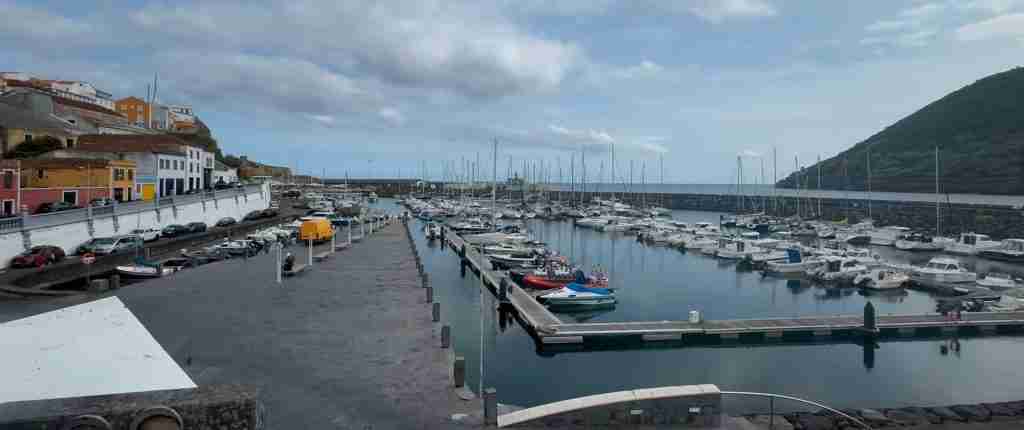
3 days
Azores Archipelago 3-Day Discovery Tour
- ✓ Comprehensive Azores Archipelago experience
- ✓ Expert local guides included
- ✓ All accommodation included
- ✓ Transportation provided

5 days
Azores Archipelago 5-Day Highlights Experience
- ✓ Comprehensive Azores Archipelago experience
- ✓ Expert local guides included
- ✓ All accommodation included
- ✓ Transportation provided
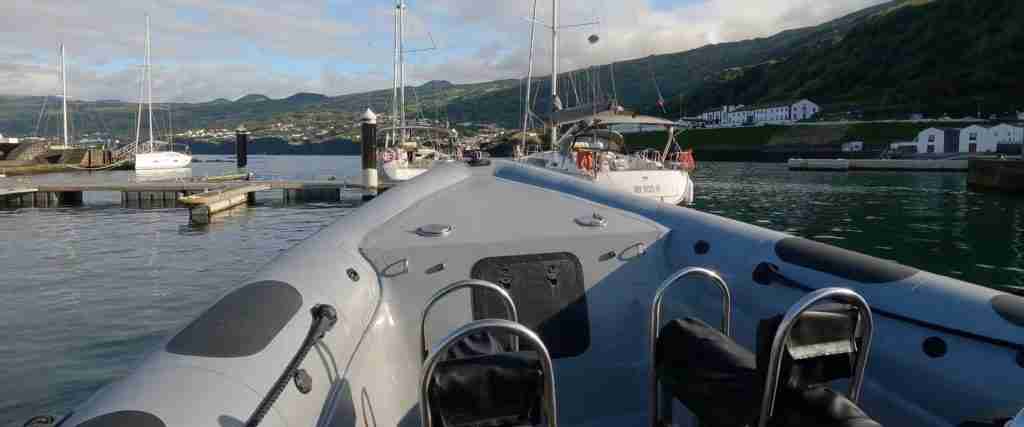
7 days
Azores Archipelago 7-Day Cultural Journey
- ✓ Comprehensive Azores Archipelago experience
- ✓ Expert local guides included
- ✓ All accommodation included
- ✓ Transportation provided

10 days
Azores Archipelago 10-Day Complete Adventure
- ✓ Comprehensive Azores Archipelago experience
- ✓ Expert local guides included
- ✓ All accommodation included
- ✓ Transportation provided
Multi-day tour packages powered by TourRadar. Prices and availability subject to change.
Introduction: Why the Azores Delivers Europe’s Best Outdoor Adventure in 2026
The Azores archipelago occupies a unique position in global adventure travel, sitting 1,500 kilometers west of mainland Portugal in the North Atlantic Ocean. This isolation created an ecosystem where volcanic geology meets marine biodiversity at scales found in few other accessible destinations. The islands’ nine volcanic landmasses rise from the Mid-Atlantic Ridge, the underwater mountain range where tectonic plates diverge, creating the ongoing seismic and geothermal activity that produces thermal springs, crater lakes, and dramatic topography defining Azorean landscapes today.
São Miguel island, the archipelago’s largest and most visited landmass, concentrates the majority of tour infrastructure and walking routes attracting travelers in 2026. The island measures 65 kilometers long by 16 kilometers wide, hosting three active volcanic systems—Sete Cidades, Fogo, and Furnas—each maintaining distinct geological characteristics and visitor experiences. Sete Cidades’ massive caldera contains twin lakes colored different shades by varying depths and mineral content, while Furnas valley showcases active fumaroles, boiling springs, and thermal waters used for bathing and geothermal cooking. Lagoa do Fogo sits at 575 meters elevation within a protected nature reserve, its pristine shores accessible only by maintained walking trails preserving the ecosystem.
The marine environment surrounding the islands supports one of Earth’s highest concentrations of cetacean species in a compact geographic area. Twenty-eight different whale and dolphin species either reside permanently in Azorean waters or pass through on migration routes, representing roughly one-third of all known cetacean species globally. This concentration results from the meeting of warm Gulf Stream currents and cold North Atlantic waters, creating nutrient-rich zones supporting the food chains that sustain large marine mammals. Sperm whales, common dolphins, bottlenose dolphins, and Risso’s dolphins live in the area year-round, while seasonal migrations bring blue whales, fin whales, sei whales, humpback whales, and multiple dolphin species at different times throughout the year.
Tour infrastructure evolved significantly from the islands’ whaling heritage. Until 1984, Azorean communities hunted sperm whales using traditional methods involving land-based spotters (vigias) who watched for whale blows from stone towers positioned on coastal cliffs. When whales were sighted, teams launched small boats to pursue and harpoon them. This knowledge system now serves whale watching tourism, with many former whalers and their descendants working as tour guides, boat captains, and spotters who locate whales for observation rather than hunting. Several vigia towers remain intact and accessible to visitors, providing historical context for the cultural transformation from extraction to conservation.
Walking route development benefited from centuries of agricultural and trading paths connecting isolated villages across mountainous terrain. The Azores maintains an official network of PR (Pequena Rota or Small Route) trails, each marked with standard signage, trail difficulty ratings, and distance information. These paths follow ancient routes while adding safety infrastructure like railings at cliff edges, boardwalks through sensitive wetlands, and viewpoint platforms at scenic overlooks. The trails range from easy coastal walks suitable for families to challenging mountain ridge routes requiring navigation skills and physical fitness.
The 2026 tourism season brings several enhancements to visitor infrastructure while maintaining the islands’ authentic character. Thermal bath facilities upgraded changing rooms, showers, and accessibility features at major sites including Terra Nostra Park and Poça da Dona Beija. Tour operators expanded electric and hybrid vehicle fleets for guided excursions, reducing emissions while navigating narrow mountain roads. Trail maintenance programs improved drainage systems preventing erosion on heavily-used routes, particularly around Sete Cidades crater rim and the Lagoa do Fogo descent. New interpretive signage in Portuguese, English, Spanish, French, and German provides geological and cultural context at key viewpoints and trailheads.
Weather patterns significantly influence activity planning throughout the year. The Azores experiences a maritime climate with mild temperatures year-round, ranging from 14-17°C in winter months to 21-25°C during summer. Rainfall occurs frequently but typically in short bursts rather than prolonged storms, with the wettest period running October through February. Microclimates vary dramatically across short distances—Sete Cidades often sits shrouded in fog while Ponta Delgada enjoys clear skies just 25 kilometers away, and Furnas maintains its own weather system influenced by geothermal activity. Successful trip planning requires flexibility, using the Spot Azores app providing live webcam feeds from major viewpoints to check visibility before driving to distant locations.
Transportation logistics prove simpler than many expect for an island destination. João Paulo II Airport in Ponta Delgada receives direct flights from Lisbon (2 hours), Porto (2 hours), North American gateways including Boston and Toronto (5 hours), and multiple European cities during summer months. Inter-island flights connect São Miguel with the other eight islands in 30-45 minutes. Rental cars provide the most practical way to access trails and tour departure points, with rates starting around €25-35 daily for compact vehicles. Roads are well-maintained and signposted, though mountain routes feature tight curves and steep grades requiring cautious driving. Public buses serve major towns but operate limited schedules unsuitable for reaching remote trailheads or making morning whale watching departures.
Accommodation options span from budget guesthouses in Ponta Delgada starting around €40-60 per night to luxury properties like Octant Furnas and Terra Nostra Garden Hotel at €200-400 per night. Mid-range hotels and Airbnb apartments dominate the market at €80-150 per night, with the best value found in properties slightly outside Ponta Delgada in neighborhoods like Lagoa, Ribeira Grande, or Vila Franca do Campo. Staying near Furnas provides immediate thermal bath access but limits proximity to Ponta Delgada’s restaurants, nightlife, and whale watching departures. Most visitors choose Ponta Delgada as a base for day trips across the island, accepting the 45-60 minute drives to Sete Cidades and Furnas.
Whale Watching Tours in the Azores 2026: Operators, Prices & Species
Whale watching represents the single most popular tour activity in the Azores, with approximately 85% of visitors participating in at least one cetacean observation trip during their stay. The archipelago’s position along major whale migration routes combined with resident dolphin populations creates conditions where tour operators maintain a 98% success rate for sightings year-round. This exceptional reliability stems from the traditional spotter network inherited from whaling days, where trained observers stationed at elevated coastal positions scan the ocean using binoculars and high-powered optics, communicating whale locations to boats via radio.
Tours operate primarily from four islands. São Miguel offers the highest number of departures, with boats leaving from Ponta Delgada marina and Vila Franca do Campo harbor multiple times daily. Pico island whale watching departs from Madalena and Lajes do Pico, with the latter hosting the Azores’ whaling museum providing historical context. Terceira island tours leave from Angra do Heroísmo, while Faial island operators work from Horta harbor. São Miguel dominates the market due to its tourism infrastructure, but Pico arguably provides the most authentic experience with smaller groups and guides descended from whaling families.
Standard Tour Structure and What to Expect 2026
Standard whale watching tours follow a consistent format across operators. Participants meet at the marina 30 minutes before departure for a safety briefing covering life jacket use, boat movement protocols, and behavioral guidelines for approaching marine mammals. The briefing includes species identification information with photos and descriptions of common cetaceans, along with explanation of the spotter system enabling boats to locate whales efficiently. Most operators provide waterproof jackets and pants in various sizes, essential for zodiac boat trips where sea spray is inevitable even on calm days.
Tours depart for three to 3.5 hours on the water, though actual departure timing remains flexible based on spotter reports. If whales are distant, boats may delay departure by 15-30 minutes rather than spending excessive time in transit. Once on the water, captains maintain radio contact with land-based spotters who provide coordinates and movement patterns for any cetaceans in the area. This system allows boats to position themselves along probable whale paths rather than searching randomly, dramatically improving encounter rates and reducing fuel consumption.
When whales or dolphins are located, boats approach slowly following strict guidelines protecting the animals. Portuguese law requires vessels maintain 50 meters distance from adult cetaceans and 100 meters when calves are present, with maximum three boats allowed at one sighting location simultaneously. Engines reduce to idle speed or shut off entirely when near whales, allowing close approaches driven by the animals’ curiosity rather than boat movement. Marine biologist guides provide species identification, behavioral explanation, and answers to questions while monitoring animal reactions to ensure encounters remain non-disruptive.
Zodiac rigid-hull inflatable boats accommodate 10-14 passengers and provide the most intimate experience, sitting low to the water with unobstructed 360-degree viewing. These vessels maneuver quickly and can access areas too shallow for larger craft, but deliver rougher rides in choppy conditions. Catamarans carry 30-50 passengers with covered areas, bathrooms, and more stable platforms for photography, trading intimacy for comfort. Some operators offer both options at different price points, with zodiacs typically costing €5-10 more than catamaran trips.
Tour Operators and Price Comparison 2026
Terra Azul operates from Vila Franca do Campo on São Miguel, running three to four daily departures in summer and two daily in winter. Their three-hour whale watching tours cost €73 per adult including waterproof gear, marine biologist guide, and complimentary drinks onboard. Terra Azul differentiates itself through conservation partnerships with the University of the Azores, with guides collecting photo-identification data during tours contributing to research databases tracking individual whales over time. The company offers a unique guarantee: if no cetaceans are sighted, passengers receive a voucher for a free return trip valid for two years.
Futurismo Azores Adventures operates from Ponta Delgada marina with multiple zodiac and catamaran options. Their standard three-hour whale watching experience costs €65 for zodiac boats or €60 for catamaran trips, both including guide services and equipment. Futurismo’s combination tour pairing whale watching with a visit to Vila Franca do Campo islet nature reserve costs €83, adding two hours and including islet landing permits. This operator emphasizes family-friendly experiences with specific child-oriented explanations during sightings and patience accommodating younger passengers’ needs.
OceanEmotion works from Terceira island, offering three-hour tours at €70 per person departing from Angra do Heroísmo harbor. Their smaller operation accommodates maximum 12 passengers per trip, ensuring personalized attention from guides. OceanEmotion specializes in underwater hydrophone listening, lowering a microphone into the water during whale encounters allowing passengers to hear sperm whale clicks and dolphin vocalizations. This audio element adds significant educational value, helping visitors understand cetacean communication and echolocation behaviors.
Picos de Aventura operates from Pico island, running tours from Madalena at €50 per person for three hours. The lower pricing reflects Pico’s less developed tourism market while maintaining quality standards with experienced guides and modern boats. This operator offers the best value for budget-conscious travelers willing to base themselves on Pico rather than São Miguel. Their guides include former whalers who provide unmatched historical perspective on the archipelago’s relationship with cetaceans.
Private charter options exist for groups wanting exclusive experiences. Terra Azul’s private zodiac charters accommodate up to 12 people for €780 total (€65 per person for full boat), while Futurismo’s private trips run €850 for groups up to 14 passengers. Private charters allow flexible scheduling, longer time on the water if whales are cooperative, and route customization to specific sighting interests. Families with young children or photographers seeking optimal shooting conditions benefit most from private arrangements.
Species Encountered by Season 2026
Resident species visible year-round include sperm whales, common dolphins, bottlenose dolphins, and Risso’s dolphins. Sperm whales, the largest toothed whales reaching 20 meters length, live permanently in Azorean waters with mature males diving to 2,000 meters depth hunting giant squid. Surface intervals between dives last 8-15 minutes, during which the whales breathe and rest, providing excellent observation opportunities. Sperm whale blows produce distinctive bushy spouts angled forward from the left side of the head, making them identifiable from several kilometers distance.
Common dolphins travel in pods ranging from a dozen individuals to super-pods of several hundred animals. These highly social cetaceans frequently bowride, swimming directly in front of boat bows surfing the pressure wave. Common dolphins perform aerial acrobatics including full breaches, spins, and side-slaps, providing dynamic viewing experiences. Their yellow-tan patches along their sides distinguish them from other dolphin species in Azorean waters.
Bottlenose dolphins, the species most familiar from aquarium settings, inhabit coastal areas around all islands. These larger dolphins reach 3-4 meters length, displaying more sedate behavior than common dolphins but showing significant curiosity toward boats. Bottlenose groups typically number 10-30 individuals including mothers with calves, offering opportunities to observe nurturing behaviors and social interactions. Underwater visibility in the Azores sometimes allows seeing these dolphins swimming beneath the surface when water clarity is excellent.
Spring migration from March through June brings the year’s most spectacular sightings. Blue whales, Earth’s largest animals reaching 30 meters and 200 tons, pass through the Azores during April and May with peak numbers in early May. These giants feed on krill in cold northern waters during summer, migrating south through the archipelago in spring and north again in autumn. Blue whale encounters remain relatively rare even during peak season—perhaps one sighting per ten tours—but when they occur, the experience proves unforgettable as the animals surface to breathe every 10-20 minutes during shallow dives.
Fin whales and sei whales also migrate through during the March-June window. Fin whales, the second-largest whale species at 20-27 meters, travel in small groups of 2-7 individuals, often visible from their distinctive asymmetric coloration with white on the right lower jaw. Sei whales prove more difficult to observe as they surface briefly and tend to avoid boats, but their 15-20 meter size still impresses when encountered. Both species feed on small fish and plankton, often visible feeding at the surface during spring months.
Summer months from June through September feature spotted dolphins and pilot whales. Atlantic spotted dolphins develop characteristic spots as they mature, with juveniles appearing relatively plain while adults display heavy spotting across their bodies. These dolphins inhabit offshore waters, requiring longer boat trips to reach but delivering energetic encounters with large groups engaging in social play. Short-finned pilot whales, actually large dolphins despite their name, travel in tight family groups of 20-40 individuals, often logging motionless at the surface for extended periods allowing close observation of their distinctive bulbous heads.
Autumn migration in October brings humpback whales through the region. These 15-meter acrobats migrate between Caribbean breeding grounds and North Atlantic feeding areas, with small numbers passing the Azores in both spring and fall. Humpbacks perform spectacular surface behaviors including breaches, pec slaps, and tail lobs, often visible from shore during peak passage. Their complex songs, audible on hydrophones during tours, represent some of the ocean’s most elaborate animal communications.
Rare sightings occasionally occur. Orcas pass through unpredictably, typically pursuing tuna schools. Beaked whales, deep-diving species normally inhabiting abyssal plains far offshore, sometimes appear in Azorean waters, with Cuvier’s beaked whale being the most frequently encountered of this cryptic group. False killer whales, large dolphins reaching 6 meters, travel in groups hunting fish and occasionally approaching boats with interest.
Booking Strategy and Weather Considerations 2026
Advance booking secures preferred departure times and operators but isn’t strictly necessary outside peak summer months. July and August see high demand with some departures selling out days ahead, particularly morning trips avoiding afternoon winds. Shoulder season months of May-June and September-October offer excellent wildlife viewing with smaller crowds and last-minute booking availability. Winter months November through March provide the quietest tours with near-guaranteed space even booking the night before, though rougher seas cancel or postpone more trips.
Weather significantly impacts tour operations. Wind speed exceeding 20 knots typically results in trip cancellations for safety reasons, as zodiac boats become difficult to control and passenger comfort deteriorates in choppy conditions. Catamarans operate in slightly rougher conditions but still cancel when swells exceed safe operating limits. Operators make cancellation decisions based on marine forecasts and real-time observations, usually communicating with passengers 2-3 hours before scheduled departure. Cancelled tours receive full refunds or free rescheduling to another day.
Morning departures generally encounter calmer seas than afternoon trips, as winds increase throughout the day. The first departure around 8-9 AM provides the smoothest ride, with 1-2 PM trips experiencing more motion. Evening departures occasionally run in summer, catching golden hour light but accepting rougher conditions. Motion sickness affects some passengers—those prone to seasickness should take medication 30 minutes before departure, sit in middle boat sections where motion is minimized, and keep eyes on the horizon rather than looking down at phones or cameras.
Photography considerations influence boat choice. Zodiac positioning close to the water enables eye-level whale shots with dramatic perspectives, but the vessels’ motion makes sharp images challenging for inexperienced photographers. Catamarans provide stable platforms for telephoto lenses, though higher vantage points create downward angles less flattering for whale subjects. Professional wildlife photographers generally prefer zodiacs accepting the challenge of shooting from moving platforms, while casual photographers find catamarans more forgiving. Waterproof camera protection remains essential on any vessel type, as salt spray coats equipment even on calm days.
Furnas Thermal Bath Experiences 2026: From Free Springs to Luxury Spas
Furnas valley on São Miguel’s eastern side represents the archipelago’s most concentrated geothermal zone, where volcanic activity creates dozens of hot springs, steaming fumaroles, and mineral-rich waters used for therapeutic bathing. The valley sits within an ancient caldera that last erupted in 1630, with ongoing subterranean magma heating groundwater circulating through fractured rock. This water emerges at temperatures ranging from 40°C to over 95°C, requiring mixing with cooler water for safe bathing. The distinctive iron and sulfur content gives thermal waters their characteristic orange color and slight egg-smell, properties associated with various health benefits including improved circulation and skin condition.
Multiple thermal bathing venues serve different preferences and budgets, from free natural pools to premium hotel spas. Each facility offers distinct experiences, with varying water temperatures, pool designs, surrounding environments, and amenities. Choosing appropriate venues depends on priorities regarding crowd levels, facilities, accessibility, and desired atmosphere.
Poça da Dona Beija: The Most Popular Evening Thermal Bath 2026
Poça da Dona Beija occupies a lush valley setting within Furnas village, offering five separate thermal pools at different temperatures ranging from 25°C to 39°C. The facility earns particular popularity for evening visits when the pools are illuminated, steam rises dramatically in cooler night air, and a mystical atmosphere envelops the site. The pools are relatively shallow—averaging 1.2 meters depth—making them accessible for non-swimmers and families with children. Natural clay deposits along pool walls allow visitors to apply iron-rich mud as a facial mask, a traditional beauty treatment used by locals for generations.
Admission costs €12 per adult for daytime entry (8:30 AM to 5 PM) and €16 per adult for evening entry (5 PM to 11 PM). Children ages 7-12 pay €6 daytime or €14 evening, while children under 7 enter free. Each ticket provides a 90-minute bathing window, though staff rarely enforce this strictly during quiet periods. Last entry occurs at 9:30 PM with pools closing at 10 PM for final session guests. The facility provides changing rooms with lockers, free cold water showers, and paid hot water showers at €1.
The venue’s layout creates intimate bathing spaces connected by stone pathways and tropical vegetation including papyrus, bamboo, and banana trees. A thermal river runs through the property at approximately 28°C, offering a cooler alternative to the main pools. The warmest pool reaches 39°C, comfortable for 10-15 minute soaks before needing to cool down in the stream or cooler pools. The variety allows temperature customization throughout a visit, progressively warming or cooling as comfort dictates.
Poça da Dona Beija gets extremely crowded during peak summer months, particularly during the 6-9 PM window when day-trippers arrive after sightseeing. Visit early morning (8:30-10 AM) or late evening (9-11 PM) for the most relaxed experience with pool space. Tuesday and Wednesday evenings see lower attendance than weekends. The facility books out occasionally during July and August—tickets can be purchased online in advance though same-day purchases at the entrance usually remain available except on the busiest days.
Terra Nostra Park: Botanical Gardens Meet Thermal Bathing 2026
Terra Nostra Park combines Furnas’ most extensive thermal bathing facility with 12.5 hectares of internationally-recognized botanical gardens. The main thermal pool measures 40 meters by 25 meters, far larger than any other facility in the Azores, with consistent temperatures between 36°C and 40°C maintained by multiple underground springs feeding the pool. The water’s heavy iron content creates the distinctive orange-brown color that temporarily stains swimwear and skin—the staining fades from skin within hours but remains on light-colored swimwear, making dark swim clothes advisable.
Admission costs €16 per adult including full access to both the thermal pool and botanical gardens. Children ages 7-12 pay €8, while those under 7 enter free. The ticket includes changing rooms with showers (hot water included), secure lockers, and all-day access allowing extended stays exploring the gardens between bathing sessions. The facility opens daily from 10 AM to 6 PM with last entry at 5 PM. Guests of Terra Nostra Garden Hotel enjoy complimentary access and extended hours until 10 PM, a significant benefit for hotel guests.
The botanical collection represents one of Europe’s finest assemblages of subtropical and temperate plants, featuring over 3,000 species from every continent. Distinct garden sections showcase Australian tree ferns, New Zealand conifers, Japanese camellias, South African proteas, and North American sequoias, all thriving in the Azores’ mild climate and volcanic soil. Walking paths meander through the gardens past small lakes, over stone bridges, and through tunnel-like tree canopies creating cathedral-like spaces. The camellia collection blooms from December through March, while hydrangeas dominate in summer months.
Beyond the main pool, Terra Nostra provides two smaller thermal pools at slightly different temperatures (37°C and 42°C) and several cold-water fountains for contrast bathing. The contrast between hot pool soaking and cold water plunges enhances circulation benefits and refreshes the body between thermal sessions. A small café sells drinks and light snacks, though the adjacent Terra Nostra Garden Hotel restaurant offers full meals for those wanting to spend most of a day at the facility.
Terra Nostra attracts significant crowds during the 11 AM to 4 PM window when tour groups arrive. Early morning (10-11 AM) or late afternoon (4-6 PM) provides more space in both the pool and gardens. The facility rarely reaches capacity even during peak season due to the large pool size accommodating many swimmers comfortably. Photography opportunities abound throughout the gardens with dramatic light at morning and late afternoon enhancing the lush vegetation.
Caldeira Velha: Natural Monument Thermal Bathing 2026
Caldeira Velha sits halfway between Furnas and Lagoa do Fogo, classified as an official natural monument protecting its unique geothermal features and endemic vegetation. The facility offers three thermal pools at different temperatures—a warm waterfall pool at 25-28°C perfect for summer months, a mid-temperature pool at 35°C, and a hot pool maintaining 38-40°C year-round. Dense tropical vegetation including giant tree ferns surrounds the pools, creating a Jurassic atmosphere where mist from thermal vents mingles with the forest canopy.
Admission costs €8 per adult with discounts for children, students, and seniors. The ticket includes access to all three pools plus the surrounding trails through the nature reserve. Hours run daily from 10 AM to 7 PM with last entry at 6 PM. The facility provides basic changing rooms and free showers, though amenities are more rustic than Terra Nostra or Dona Beija. The smaller scale and lower capacity mean advance booking is advisable during summer months—the venue accepts online reservations limiting daily visitor numbers to protect the sensitive environment.
The waterfall pool provides the most distinctive experience, where hot thermal water cascades from overhead creating a natural shower massage. Positioning directly under the falls delivers surprisingly strong water pressure massaging neck and shoulders. The waterfall pool’s cooler temperature makes it comfortable for extended soaking even in warm weather. The hottest pool requires acclimation, with most visitors spending 10-15 minutes before needing a cooldown period.
Short walking trails loop through the surrounding nature reserve, passing additional fumaroles, steaming vents, and examples of native Azorean vegetation. These trails add 30-45 minutes to a visit, providing context for the geothermal phenomena creating the thermal waters. Interpretive signs explain volcanic processes, water mineralization, and the unique ecosystems adapting to constant thermal activity.
Ferraria: Free Ocean Thermal Pool Experience 2026
Ferraria on São Miguel’s western coast offers a completely different thermal bathing experience where hot springs mix with Atlantic Ocean water in a natural rock pool. The location requires precise tide timing—the pool only exists during the two hours before and after low tide when ocean swells don’t inundate the bathing area. During high tide or rough seas, waves crash over the rocks making bathing dangerous and impossible.
The experience costs nothing as this remains a natural phenomenon without developed facilities. A ladder provides access down to the bathing area where hot water seeping from underwater vents mixes with cooler ocean water, creating constantly varying temperatures as waves pulse through the pool. The water’s temperature ranges from 25°C to 35°C depending on exact positioning and tide phase. The sulfurous thermal water meets salty ocean water creating a unique sensation as visitors discover warm spots and move around seeking comfortable temperatures.
Basic infrastructure includes a parking area, a small changing building with lockers (€1 fee), and a restaurant above the thermal area. The adjacent Termas da Ferraria spa offers indoor thermal pools and treatments for those wanting a more controlled experience, though at significantly higher prices around €20-30 for pool access. Most visitors prefer the free natural pool accepting the rustic conditions and tide-dependent accessibility.
Safety considerations are paramount at Ferraria. Check tide times before visiting using online tide charts for São Miguel island—arrival should be timed for 2 hours before low tide, allowing time to experience the pool as water recedes and temperatures adjust. Never enter the pool area when waves are large or during incoming tide when swells can wash over the rocks. The iron in the water can stain swimwear permanently, and the rocks are extremely slippery requiring careful movement. Local lifeguards occasionally patrol the area during summer warning visitors when conditions deteriorate.
Thermal Bath Health Benefits and Practical Considerations 2026
Azorean thermal waters contain dissolved minerals including iron, sulfur, sodium, calcium, and magnesium absorbed during underground circulation through volcanic rocks. These minerals enter the body through skin absorption during bathing, with proponents claiming benefits including improved circulation, reduced arthritis pain, enhanced skin health, and muscle relaxation. Scientific evidence supports some circulatory benefits from thermotherapy, though specific mineral absorption effects remain debated in medical literature.
The high iron content creates the distinctive orange-brown water color and causes temporary skin staining, particularly visible on feet, hands, and lighter skin areas. This staining fades within 4-8 hours after bathing and washes off more quickly with soap. Light-colored swimwear may stain permanently—locals recommend wearing old dark swimwear to thermal baths, especially at Terra Nostra Park where iron concentration is highest. The staining doesn’t indicate harm and represents normal mineral interaction with skin and fabric.
Thermal bathing at 37-40°C elevates core body temperature and heart rate similar to moderate exercise. Medical advice recommends limiting initial soaking sessions to 15-20 minutes followed by cooldown periods before returning to hot water. Stay hydrated by drinking water before, during, and after thermal bathing as the heat causes fluid loss through sweating even while immersed in water. Alcohol consumption before or during thermal bathing is strongly discouraged as it increases dehydration risks and impairs judgment about safe bathing duration.
People with cardiovascular conditions, high blood pressure, pregnancy, or other health concerns should consult physicians before thermal bathing. The heat stress and mineral content can affect certain medical conditions. Most thermal facilities post warning signs listing contraindications, though staff rarely enforce these except for obvious safety risks. When in doubt, opt for shorter soaking sessions at lower temperatures progressing to hotter pools only after acclimating.
Hair and skin considerations include potential color changes from iron exposure. Blonde or lightened hair may develop slight discoloration from thermal water contact—wearing a swim cap prevents this at Terra Nostra Park. Recently dyed hair should avoid thermal baths for 48 hours as the minerals can react with hair dye causing unexpected color changes. Nail polish may also discolor in thermal waters due to iron interaction with polish compounds.
Sete Cidades Crater Lakes & Walking Routes 2026
Sete Cidades massive caldera dominates São Miguel’s western region, formed by a cataclysmic eruption approximately 22,000 years ago that emptied an underground magma chamber causing the overlying land to collapse. The resulting crater measures 5 kilometers across, containing two prominent lakes—Lagoa Azul (Blue Lake) and Lagoa Verde (Green Lake)—along with several smaller bodies of water including Lagoa de Santiago and Lagoa Rasa. The lakes’ distinctive colors result from varying depths and light refraction rather than different mineral content as popular legend claims, though the romantic story of separated lovers whose tears formed the lakes persists in local folklore.
The caldera rim rises 260 meters above the lake surfaces, creating dramatic viewpoints overlooking the twin lakes and surrounding landscape. Multiple walking routes explore different sections of the crater, from easy lakeside paths to challenging ridge walks requiring several hours. Trail infrastructure includes marked paths, safety railings at cliff edges, and regular maintenance addressing erosion and weather damage. Signage provides distance information, trail difficulty ratings, and points of interest, though downloading offline maps remains advisable as some remote trail sections lack detailed markers.
Vista do Rei Viewpoint: The Iconic Vantage Point 2026
Vista do Rei (King’s View) stands as the Azores’ most photographed location, positioned on the eastern crater rim 550 meters above sea level. The viewpoint overlooks both Lagoa Azul and Lagoa Verde from an elevated perspective showing the distinct color contrast and the village of Sete Cidades between them. Stone platforms with safety railings provide secure viewing positions, with interpretive panels explaining the caldera’s geological formation and the observation tower visible on the opposite rim at Miradouro das Cumeeiras.
The viewpoint serves as the primary trailhead for multiple walking routes, with parking accommodating approximately 40 vehicles. Arrival before 9 AM secures parking during summer months when tour buses begin arriving around 10 AM. The adjacent abandoned Monte Palace Hotel, a partially-constructed luxury resort project abandoned in the 1990s, draws urban exploration enthusiasts though entry is officially prohibited due to structural hazards. The building’s skeletal frame creates an interesting foreground for photos but exploring inside risks injury from unstable floors and exposed rebar.
Weather significantly impacts the Vista do Rei experience. The viewpoint sits above the clouds during many mornings, particularly in winter and spring, with the lakes invisible beneath fog until midday when solar heating burns off the cloud layer. Check the Spot Azores app’s Vista do Rei webcam before making the 45-minute drive from Ponta Delgada—a clear view justifies the trip while fog makes the journey pointless. Late afternoon often provides the clearest conditions with dramatic lighting as the sun moves westward, though morning remains popular for photography despite cloud risk.
PR03 SMI Trail: Vista do Rei to Sete Cidades Village 2026
The PR03 SMI trail represents the most direct route from the crater rim to the village below, covering 12 kilometers over approximately four hours for moderately fit hikers. The trail begins at Vista do Rei, following the western rim southward with continuous lake views before descending steeply into the caldera. Total elevation loss reaches 500 meters, with the descent concentrated in the final three kilometers creating sustained knee strain requiring good footwear and trekking poles for many hikers.
The route passes through multiple vegetation zones starting with exposed grassland along the rim, transitioning to hydrangea-lined paths mid-slope, and finishing through cryptomeria forest approaching the village. June through September brings peak hydrangea blooms transforming the trail into a corridor of blue flowers, the Azores’ signature plant originally introduced from Asia and now naturalized across the islands. Photography opportunities abound with hydrangea foregrounds framing lake views.
The trail maintains good condition with regular maintenance, though mud accumulates during wet periods particularly in forested sections. Early morning starts provide the best light for photographs and avoid afternoon heat during summer months. Winter hiking proves challenging with rain making the steep descent slippery and potentially dangerous—check weather forecasts and avoid the trail during or immediately after significant rainfall.
Upon reaching Sete Cidades village, return transportation requires planning. Taxis wait near the village church during summer months with rides back to Vista do Rei parking costing approximately €15-20. Advance taxi booking through local numbers ensures vehicle availability. Some hikers arrange drop-off at Vista do Rei with a companion driving the car to Sete Cidades for pickup. Public buses serve the village with limited frequency—the afternoon bus to Ponta Delgada accommodates hikers finishing around 2-3 PM.
Lagoa do Canário to Boca do Inferno Trail 2026
Lagoa do Canário, a small lake 3 kilometers north of Vista do Rei, provides the starting point for an easier yet equally scenic walk to Boca do Inferno (Mouth of Hell) viewpoint. The five-kilometer out-and-back route takes 90 minutes to two hours, mostly flat with gentle climbs making it suitable for families with older children and less experienced hikers. The trail passes through dense cryptomeria forest and native laurel woodland before emerging at a spectacular cliff-edge viewpoint overlooking Lagoa de Santiago.
The Lagoa do Canário parking area accommodates 30-40 vehicles with a picnic area featuring tables and basic toilet facilities. The lake itself offers pleasant walking around its shores adding 20 minutes to the hike. The main trail to Boca do Inferno follows a well-maintained dirt path through forest, with wooden boardwalks crossing marshy sections. The forested approach creates anticipation as the view remains hidden until the final 50 meters when the trees open to reveal the dramatic cliff and lake panorama.
Boca do Inferno viewpoint sits at the northern rim of the caldera with safety railings protecting visitors from the 300-meter drop to Lagoa de Santiago below. The vantage point faces south showing the Santiago lake in the foreground with the twin Sete Cidades lakes visible in the distance. The perspective differs completely from Vista do Rei, with the northern approach providing unique compositional opportunities. The viewpoint platform accommodates 10-15 people comfortably, rarely reaching capacity except when tour groups arrive, which happens infrequently as this location requires hiking inaccessible to buses.
Complete Crater Rim Loop: The Ultimate Sete Cidades Hike 2026
The complete Sete Cidades crater rim loop ranks among the Azores’ most challenging and rewarding hikes, circling the entire caldera at high elevation with 360-degree panoramas. The 20-kilometer route requires six to seven hours for completion with 770 meters of cumulative elevation gain, demanding good fitness, navigation skills, and favorable weather. The trail is best attempted counterclockwise starting from Vista do Rei, progressing through Lomba do Vasco, Miradouro das Cumeeiras, Pico da Cruz, and returning via Lagoa do Canário.
The first section to Lomba do Vasco follows exposed ridgeline with constant wind exposure and no shade, covering 4.5 kilometers in 90 minutes. Lomba do Vasco viewpoint overlooks the western coast including Mosteiros village and its offshore islets, a complete change from the interior lake views. The trail continues northeast along the rim to Miradouro das Cumeeiras, the high point at 650 meters elevation marked by an observation tower providing 360-degree views encompassing both the caldera and the ocean.
From Cumeeiras, the route turns southeast toward Pico da Cruz (584 meters), the most remote section seeing fewer hikers. This area features old aqueduct ruins, the Muro das Nove Janelas (Wall of Nine Windows), built in the 19th century to transport water from crater springs to Ponta Delgada. The partially-collapsed aqueduct creates interesting photography subjects combining historical infrastructure with volcanic landscape. The trail passes small crater lakes including Lagoa do Pau Pique, virtually untouched by tourism.
The final section from Pico da Cruz back to Lagoa do Canário descends through forest on dirt roads, providing relief after hours of exposed ridge walking. The full loop requires carrying sufficient water (2-3 liters per person), snacks, sun protection, rain gear, and navigation equipment. Mobile phone coverage is spotty along remote rim sections, making offline maps essential. The trail is exposed to weather with no emergency shelters—turn back if conditions deteriorate as sections traverse steep terrain where fog creates disorientation risks.
Attempting the full rim loop requires early starts, ideally beginning at 7-8 AM to finish by mid-afternoon avoiding the latest storms that frequently develop over the mountains. July and August provide the most reliable weather though heat becomes a factor during midday hours on exposed sections. Spring and fall offer cooler temperatures with increased rain risk requiring weather monitoring before committing to the long route.
Lakeside Walking Routes: Easy Access Options 2026
For visitors wanting crater lake experience without demanding hikes, the lakeside road provides gentle walking along Lagoa Azul and Lagoa Verde’s shores. The complete circuit measures 12 kilometers, mostly paved or hard-packed dirt suitable for casual shoes. The route can be shortened by focusing on specific sections—the Lagoa Azul eastern shore and village area offer 4 kilometers of pleasant walking completed in 90 minutes.
The village of Sete Cidades sits between the two main lakes with several cafés, restaurants, and the distinctive Igreja de São Nicolau church featuring its white-and-azure facade. The area provides swimming access during summer months, though the lakes remain quite cold (15-17°C) even in August due to depth and mountain watershed feeding them. Pedal boats rent for €10-15 per hour from lakeside businesses, offering different lake perspectives without the physical demands of hiking.
The lakeside route attracts families, elderly visitors, and those seeking easy nature exposure without elevation gain. Cafés along the route provide rest stops and local specialties including bolo lêvedo (sweet muffins) and queijadas (cheese tarts). The area sees significant tourism traffic during summer with roadside parking becoming scarce mid-morning through late afternoon. Weekday visits or arriving before 10 AM secures parking spaces close to desired walking segments.
Lagoa do Fogo Nature Reserve & Hiking Routes 2026
Lagoa do Fogo (Fire Lake) occupies a pristine volcanic crater at 575 meters elevation in São Miguel’s central highlands, surrounded by a protected nature reserve since 1974. The crater formed approximately 15,000 years ago, significantly younger than Sete Cidades, through explosive volcanic activity that scattered pumice and ash across the island. The lake measures 1.5 kilometers across and reaches depths of 30 meters, fed entirely by rainfall and mountain streams with no surface outflow creating exceptionally clear water.
The nature reserve protection limits development around the lake, resulting in undeveloped shores with no buildings, roads, or facilities beyond basic trails and viewpoints. This preservation maintains the area’s wild character but requires self-sufficiency during visits—bring water, food, sun protection, and be prepared for changing mountain weather. The remote setting and access challenges keep crowds lighter than Sete Cidades, particularly on weekdays.
North Shore Road Viewpoint: Classic Vista 2026
The main Lagoa do Fogo viewpoint sits along EN5-2A road connecting Ponta Delgada with the island’s north coast. The roadside miradouro provides the classic elevated perspective showing the entire lake within its crater with blue waters contrasting against surrounding vegetation. Stone walls and railings create safe viewing platforms accommodating 30-40 people, with interpretive panels explaining the crater’s formation and the nature reserve’s ecological significance.
The viewpoint parking area holds approximately 25 vehicles, filling completely during summer mid-mornings when tour buses arrive. Parking along the roadside is technically prohibited but commonly practiced, with police occasionally issuing tickets during peak season. Arrival before 9:30 AM or after 4 PM typically finds available parking. The viewpoint sits at 540 meters elevation where weather changes rapidly—clear mornings can transition to dense fog within 30 minutes as moisture-laden winds push over the mountain ridges.
Several short walking trails extend from the viewpoint area. A 10-minute walk southwest leads to a higher elevation vantage point at 580 meters providing different perspectives. A 15-minute northeast walk reaches a second viewpoint focusing on the crater’s northern cliffs and the distant ocean. These short walks enhance the roadside visit without requiring significant time or physical commitment.
Lake Shore Descent Trail 2026
The descent trail from the north viewpoint to the lakeshore covers 1.5 kilometers with 275 meters of elevation loss, taking 25-35 minutes downhill. The path begins at the eastern end of the viewpoint parking area, initially paved before transitioning to natural trail surface. The descent is sustained and moderately steep, requiring attention to foot placement particularly on the return climb which takes 45-60 minutes uphill with several rest stops for most hikers.
The trail passes through multiple vegetation zones descending from scrubland into laurel forest, a remnant ecosystem type once widespread across Atlantic islands. The laurel forest contains endemic species including Azorean laurel, holly, and blueberry along with numerous ferns and mosses creating lush understory. The forest provides shade during the climb, a welcome relief after sun exposure on the exposed upper sections and lakeshore.
The lakeshore features a small beach of volcanic sand mixed with pumice fragments. Swimming is permitted though the water remains quite cold (14-16°C even in summer) due to elevation and inflow from cold mountain streams. The beach area accommodates 50-75 people comfortably, rarely reaching capacity except during peak August weekends. The clear water and surrounding mountain walls create a spectacular natural amphitheater setting for picnics and relaxation.
The shore trail continues westward for 2 kilometers along the lake’s southern edge, mostly flat and easily walked. This extension passes fumaroles releasing volcanic gases from fissures in the lakebed—approach cautiously as the gas can cause breathing difficulties. The sulfur smell intensifies near active vents. The far western lakeshore remains largely unvisited, providing solitude for those walking the extra distance.
Return to the viewpoint requires the steep 45-60 minute climb. Trekking poles assist many hikers, and carrying adequate water proves essential as no sources exist along the trail. The climb becomes quite challenging in hot weather—morning descents provide cooler temperatures for the uphill return. Winter months bring increased mud and slippery conditions making the steep trail potentially hazardous.
Pico da Barrosa Approach 2026
An alternative route to Lagoa do Fogo begins at Pico da Barrosa on the crater’s western rim, accessed via a poorly-marked dirt road branching from EN5-2A. This approach provides different perspectives while avoiding the crowds at the main viewpoint. The trailhead parking accommodates 8-10 vehicles at a small pullout—arrival often finds space as few visitors discover this less-obvious access point.
The Pico da Barrosa trail descends 2.5 kilometers to the lakeshore with 320 meters elevation loss, taking 40-50 minutes downhill and 70-90 minutes for the return climb. The route initially traverses open moorland with 360-degree views before entering forest zones approaching the lake. The trail is less maintained than the north shore route, requiring more careful navigation and accepting muddy sections after rain.
This approach reaches the lakeshore at its western end, the most remote section accessible by trail. The solitude contrasts dramatically with the north shore beach which can see hundreds of visitors daily during peak season. The western shore offers pristine nature with virtually no human impact, though swimming proves less appealing due to submerged rocks and colder water from the deep lake’s western basin.
Guided Full-Day Tours 2026: Comprehensive Island Experiences
Guided tours provide efficient ways to experience multiple major attractions in single days, particularly valuable for visitors without rental cars or those preferring expert commentary over independent exploration. Full-day tours typically operate 8-10 hours with hotel pickup included, removing navigation and driving challenges while accessing insider knowledge about sites visited. The trade-off involves fixed schedules with limited flexibility regarding time at each location and mandatory group coordination.
Furnas Valley Full-Day Tours 2026
Comprehensive Furnas day tours cost €60-90 per person depending on inclusions, operating from Ponta Delgada with pickup at hotels and guesthouses. Standard tours begin around 9 AM, driving 45 minutes to Furnas valley through the island’s interior. The route typically includes stops at viewpoints overlooking Furnas Lake and the valley’s geothermal features visible from above before descending into the caldera.
Tours dedicate 60-90 minutes to exploring Furnas village and its thermal phenomena. Guides lead groups to actively boiling fumaroles, explaining volcanic processes and the geothermal energy utilization. The village’s public geothermal cooking area shows dozens of pots buried in volcanic vents where restaurants prepare Cozido das Furnas, a traditional stew of beef, pork, chicken, vegetables, and blood sausage cooked 6-8 hours underground. Many tours include this dish for lunch, offering authentic cultural experience alongside unique cooking methodology.
Thermal bath time spans 90 minutes to two hours, usually at either Terra Nostra Park or Poça da Dona Beija with admission included in tour prices. Participants bring swimwear and towels (or rent towels at facilities for €3-5). The bathing break provides free time for individual relaxation without group coordination. Guides advise on thermal bathing best practices including safe soaking durations and managing the iron-stained water.
Additional stops vary by operator but commonly include:
- Caldeiras das Furnas observation platform showing bubbling mud pots and steam vents
- Chapel of Nossa Senhora das Vitórias, a neo-Gothic chapel on the lakeshore
- Gorreana or Porto Formoso tea plantations with factory tours and tastings
- Furnas Lake circuit drive with strategic photo stops
- Santa Iria viewpoint overlooking the north coast
Premium tours at the higher price range include lunch featuring Cozido das Furnas at quality restaurants, often with wine included. Budget tours provide lunch breaks with meals purchased separately, adding €15-25 to participant costs. Small-group tours limited to 8-12 people charge premium rates but deliver more personalized experiences with guide attention and flexibility adjusting timing at stops based on group interests.
Return to Ponta Delgada typically occurs around 6-7 PM. Evening Furnas tours operate different schedules, departing 3-4 PM and focusing specifically on thermal bathing at night, dinner, and geothermal site visits with dramatic night lighting and steam effects. These evening tours cost €55-75 and last 5-6 hours.
Sete Cidades Exploration Tours 2026
Sete Cidades full-day tours range €45-70 per person with 7-8 hour itineraries exploring the western caldera and coast. Tours follow the main highway west from Ponta Delgada, making initial stops at Miradouro do Pico do Carvão overlooking agricultural valleys before reaching the crater region. The Vista do Rei viewpoint receives 30-45 minute stops allowing photography and orientation to the massive caldera.
Descent into the crater follows, with village stops at Sete Cidades for walking along the lakeshore and visiting the São Nicolau church. Some tours provide free time for optional pedal boat rentals or swimming during summer months. The village stop typically lasts 60-90 minutes including lunch breaks at local restaurants (meals extra unless specified as included).
The western rim drive continues to Lomba do Vasco viewpoint showing the Atlantic coast and Mosteiros village. The descent to Mosteiros allows exploring the black sand beach and natural rock pools formed by lava flows meeting the ocean. The tide-dependent pools fill with seawater creating natural swimming areas, though the water remains quite cold year-round. Mosteiros offers local restaurants serving grilled limpets and other seafood specialties.
Return routes often include pineapple plantation visits. The Azores produces Europe’s only pineapple crops, growing the fruit in greenhouses heated by volcanic steam and covered with glass to maintain tropical conditions. Plantation tours explain the two-year growing cycle, show plants at various growth stages, and include tastings of fresh pineapple plus liqueurs and jams produced from the fruit. These visits add 30-45 minutes to tour duration.
Adventure tour variants replace standard van transportation with alternative vehicles:
- Jeep tours navigate unpaved tracks along the crater rim accessing viewpoints unreachable by standard vehicles
- UTV/side-by-side tours provide open-air experiences with participant driving under guide supervision
- E-bike tours combine guided cycling with occasional van support for steep sections
- Kayak tours paddle on Sete Cidades lakes providing water-level perspectives
These adventure variants cost €75-120 per person, operating smaller groups and requiring moderate physical fitness. The alternate formats appeal to active travelers wanting more engaged experiences than passive sightseeing from van windows.
Combined Tours: Multiple Destinations in Single Days 2026
Ambitious full-day tours attempt covering multiple major sites including Sete Cidades, Lagoa do Fogo, and Furnas or tea plantations. These comprehensive itineraries span 10-12 hours with prices around €75-95 per person including lunch. The packed schedules provide efficient overviews but allow limited time at each location—typically 30-45 minutes at viewpoints and 60 minutes in Furnas village or at Sete Cidades.
The routes sacrifice depth for breadth, suiting first-time visitors wanting island overviews or cruise ship passengers with single-day shore excursions. Long-stay visitors generally prefer dedicated single-destination tours allowing more immersive experiences. The combined tours involve substantial driving time—4-5 hours of the 10-12 hour duration spent in transit between distant sites.
Two-day tour packages break combined itineraries into more relaxed schedules, typically pairing Sete Cidades with western sites on day one and Furnas with northeastern attractions on day two. These packages cost €120-150 per person including both days with lunch included, providing better value than booking separate single-day tours while maintaining reasonable pacing.
Private Tours: Customized Experiences 2026
Private tours accommodate individuals, couples, or small groups wanting flexible scheduling and personalized content. Pricing structures charge per vehicle rather than per person—a private van for up to seven passengers costs €250-400 for full-day tours, while luxury vehicles for couples run €180-280. The per-person cost remains reasonable for groups of 4-6 but becomes expensive for solo travelers or couples unless choosing standard luxury options.
Private arrangements allow complete itinerary customization. Request specific viewpoints, extended time at preferred locations, restaurant choices, and activity additions like short hikes or additional stops. Guides adapt pacing to group energy and interests, spending more time where participants show enthusiasm and abbreviating less interesting segments. Photography-focused private tours prioritize optimal lighting at key locations, timing visits for golden hour and accommodating tripod setups.
Booking private tours requires direct contact with operators via email or phone, ideally 2-4 weeks before desired dates though last-minute arrangements sometimes succeed during off-season. Specify all preferences clearly including mobility considerations, dietary restrictions, photography interests, or specific sites wanting inclusion. Reputable operators provide detailed proposals confirming route, timing, and inclusions before commitment.
Practical Planning for Tours & Trails 2026
Optimal Months for Each Activity Type
Whale watching success rates remain high year-round but species variety and sea conditions vary seasonally. March through June delivers the most diverse cetacean encounters including blue whales, fin whales, and sei whales supplementing year-round residents. Sea conditions are generally moderate though April occasionally brings rougher waters. July through September provides the calmest seas with spotted dolphins and pilot whales augmenting common species. October features humpback whale migration with increasing storm frequency. November through February sees fewer species but maintains resident populations with lowest tourist crowds and frequent tour cancellations due to weather.
Thermal bathing operates year-round with different seasonal appeals. Summer months bring warmer air temperatures making post-bath cooldown more comfortable but creating peak crowding at facilities. Winter thermal bathing proves magical as steam rises dramatically in cold air, though rain can dampen the experience. Spring and fall balance pleasant weather with moderate crowds. Night bathing at Poça da Dona Beija reaches peak atmospheric effect during cooler months when temperature contrasts create more visible steam.
Walking routes are accessible year-round but conditions vary significantly. June through September offers the most reliable weather with long daylight hours and minimal rainfall, though summer heat makes strenuous hikes challenging during midday. Hydrangea blooms peak in June-July lining many trails. October through December brings increased rainfall making trails muddy and potentially hazardous on steep sections. January-March sees the wettest conditions with strong winds making exposed rim walks dangerous. April-May provides shoulder season advantages with good weather, spring flowers, and fewer crowds.
Daily Activity Scheduling Strategies
Morning activities should prioritize weather-dependent experiences. Whale watching tours typically depart 8:30-9 AM and 1-2 PM, with morning trips encountering calmer seas. Viewpoints like Vista do Rei and Lagoa do Fogo often have clearer visibility 7-10 AM before clouds form over mountains. Thermal baths are least crowded at opening times—Terra Nostra at 10 AM, Poça da Dona Beija at 8:30 AM. Strenuous hikes start early to complete before afternoon heat and potential storms.
Afternoon schedules work for less weather-dependent activities. Furnas village exploration, pineapple plantation tours, and tea factory visits operate successfully during any daylight hours. Museum visits fill rainy afternoon gaps. Shorter walking routes like Lagoa do Canário to Boca do Inferno accommodate afternoon starts finishing before dark. Restaurant meals and cultural activities provide weather-proof options.
Evening timing suits thermal bathing particularly at Poça da Dona Beija which operates until 11 PM. The mystical atmosphere of night bathing with illuminated pools and rising steam creates memorable experiences. Sunset timing varies by season—July-August sunsets occur around 9 PM while December-January sunsets happen near 5:30 PM. Coastal areas like Mosteiros offer good sunset viewing, though western exposure means clouds often obscure the horizon.
Equipment and Clothing Essentials
Hiking on Azorean trails requires waterproof hiking boots with ankle support and aggressive tread. Volcanic rock surfaces become extremely slippery when wet, and many trails cross muddy sections even days after rain. Trail running shoes work for easy paths but inadequately support ankles on uneven terrain. Trekking poles benefit most hikers on steep descents like the Lagoa do Fogo shore trail.
Layered clothing adapts to rapidly changing conditions. Base layers of moisture-wicking synthetic or merino wool fabrics manage sweat during climbs. Mid-layers of fleece or light insulation provide warmth at high elevations or during breaks. Waterproof rain jackets and pants are essential year-round as sudden showers occur even during generally sunny days. Pack everything in waterproof bags or pack covers protecting cameras, phones, and extra clothing.
Sun protection includes broad-spectrum sunscreen (SPF 30+), sunglasses, and wide-brimmed hats particularly important on exposed ridge walks where tree shade is absent. The Azores’ mid-Atlantic position creates strong sun exposure despite generally mild temperatures. Windproof outer layers prove valuable on ridge hikes where constant wind creates wind-chill effects.
Thermal bathing requires dark-colored swimwear accepting permanent staining from iron-rich waters. Bring towels or rent at facilities for €3-5. Waterproof bags protect phones and valuables during thermal bathing. Flip-flops or water shoes ease walking on pool decks and protect feet from hot surfaces. Some facilities prohibit glass containers—use plastic or metal water bottles.
Photography gear benefits from weather protection. Rain covers for camera bodies and lenses prevent water damage during unexpected showers. Lens cleaning cloths remove salt spray from whale watching trips. Tripods and remote releases enable long-exposure shots of waterfalls and low-light crater views. Polarizing filters reduce glare on lake surfaces and enhance sky contrast.
Mobile Apps and Digital Resources
Spot Azores provides live webcam feeds from viewpoints including Vista do Rei, Lagoa do Fogo, Nordeste, and Ponta Delgada. Check visibility before driving to distant viewpoints, saving wasted trips during foggy conditions. The app updates every few minutes showing current conditions more accurately than weather forecasts predicting mountain fog.
AllTrails and Wikiloc host user-contributed trail maps and GPS tracks for Azorean hiking routes. Download offline maps before starting hikes as cellular coverage is spotty in remote areas. The apps show real-time position on trails aiding navigation when signage is unclear. User reviews provide recent trail condition reports noting hazards, closures, or seasonal changes.
Weather apps including Windy and Meteoblue offer detailed forecasts with wind speed, precipitation, and cloud cover predictions. Mountain weather changes rapidly, but these services provide reasonable short-term (6-24 hour) forecasts for planning daily activities. Check marine forecasts specifically for whale watching, as coastal conditions differ from inland weather.
Google Maps covers the Azores adequately for driving navigation with generally accurate road information. Download offline map areas before visiting as mobile data coverage isn’t universal. The app includes user reviews and photos for many attractions, restaurants, and thermal facilities. GPS coordinates prove more reliable than street addresses for rural locations and trailheads.
Safety Considerations and Emergency Contacts
Medical facilities on São Miguel include Ponta Delgada’s Hospital Divino Espírito Santo providing 24-hour emergency services, with pharmacies throughout the island selling medications and first aid supplies. European health insurance cards (EHIC) cover EU citizens for emergency treatment, while travel insurance is essential for non-EU visitors as medical evacuation from islands proves extremely expensive without coverage.
Mountain rescue services operate through emergency number 112 (equivalent to 911), the universal European emergency line. The service connects to police, fire, and medical services who coordinate mountain rescue when needed. However, search and rescue operations can take hours to reach remote trail locations—prevention through proper planning and conservative decision-making prevents most emergencies.
Trail hazards include slippery surfaces, steep drops near cliff edges, sudden weather changes, and disorientation in fog. Stay on marked trails avoiding shortcuts that accelerate erosion and create getting-lost risks. Turn back when weather deteriorates or physical fatigue sets in before reaching dangerous threshold. Cell phone coverage exists along most popular trails but disappears in remote valleys and crater basins.
Ocean hazards during whale watching trips or coastal exploration include rough seas, sudden swells, and cold water temperatures. Follow crew instructions during whale watching, remain seated when directed, and use handrails during boat movement. Ocean swimming at beaches like Mosteiros or Ferraria requires assessing wave conditions—strong swells make rocky shore areas extremely dangerous with waves sweeping unwary visitors off rocks.
Sustainable Tourism Practices
The Azores emphasizes sustainable tourism protecting fragile ecosystems and volcanic landscapes. Visitors contribute through responsible behaviors including staying on marked trails preventing erosion, packing out all trash, and avoiding disturbing wildlife. The Leave No Trace principles apply fully—take nothing but photographs, leave nothing but footprints.
Whale watching regulations protect cetaceans from harassment. Operators follow strict approach distances and time limits near animals, engines reduce to idle near whales, and boats leave if animals show avoidance behaviors. Passengers should never reach toward whales, make loud noises attempting to attract attention, or throw objects in the water. The guidelines ensure sustainable viewing allowing multiple generations to experience these marine mammals.
Thermal facilities face pressure from overuse. Respect capacity limits at sites like Caldeira Velha where reservations control daily visitors. Use cold showers before entering thermal pools to minimize introducing lotions, oils, and contaminants. Avoid bringing glass containers that could break and create hazards. Support conservation by choosing operators and facilities demonstrating environmental commitment through waste management and energy efficiency.
Local businesses benefit most from tourism spending. Choose Azorean-owned hotels, restaurants, and tour operators rather than international chains. Purchase local products including tea, cheese, pineapple, and handicrafts supporting island agriculture and artisans. Small-scale operations typically maintain closer community ties and invest tourism revenue directly in island economy.
Frequently Asked Questions About Azores Tours & Walking Routes
Do you need a car to visit the Azores in 2026?
A rental car dramatically increases access to trails, viewpoints, and thermal baths while providing schedule flexibility guided tours cannot match. Public buses serve major towns but run infrequently with routes unsuitable for reaching trailheads or making morning whale watching departures. Taxis exist but accumulate expensive costs for multiple daily trips—a week of taxis exceeds rental car costs. Guided tours reach major attractions but follow fixed schedules limiting time at each location. Adventurous travelers prioritizing independence should rent cars, while those preferring organized experiences can manage with tours and occasional taxis. Rental rates start €25-35 daily for compact vehicles from companies at Ponta Delgada airport. Book ahead during July-August peak season as availability tightens.
Can you hike to Lagoa do Fogo without a guide in 2026?
Yes, the Lagoa do Fogo descent trail is well-marked and maintained, accessible independently without guide services. The trail begins at the north viewpoint parking area along EN5-2A road, clearly marked with standard PR trail signage. Download offline maps from AllTrails or Wikiloc before starting as cellular coverage is intermittent. The descent takes 25-35 minutes down with 45-60 minutes for the return climb. Bring adequate water as no sources exist along the trail, and expect mud after recent rain making the steep sections slippery. The trail sees dozens of independent hikers daily during summer months—you won’t be alone. Turn back if weather deteriorates as fog creates disorientation risks and rain makes the trail hazardous. The lakeside area has no facilities, so pack out all trash and use Leave No Trace principles.
What is the best whale watching island in the Azores in 2026?
São Miguel offers the most whale watching departures, widest operator selection, and best tourism infrastructure including hotels, restaurants, and other attractions combining easily with cetacean tours. Pico island delivers arguably more authentic experiences with smaller groups, guides descended from whaling families, and the whaling museum providing cultural context. Terceira and Faial provide good whale watching with less tourist development and lower prices. All four islands access the same whale populations with similar success rates. First-time visitors should choose São Miguel for convenience and variety. Return visitors seeking less-crowded experiences should explore Pico or Terceira. Operators on all islands follow identical regulations protecting whales and maintain high safety standards.
How cold is the water at Azores thermal baths in 2026?
Azorean thermal baths maintain warm temperatures between 37°C and 40°C (99-104°F) depending on the facility, well above normal body temperature of 37°C. The question usually means to ask about ocean water at beaches or free thermal sites. Atlantic Ocean temperatures around the Azores range from 17°C (63°F) in winter to 22-24°C (72-75°F) in late summer, cold enough that many visitors avoid swimming. The lakes in volcanic craters including Sete Cidades and Lagoa do Fogo remain colder at 14-17°C (57-63°F) year-round due to elevation and cold stream inflow. Ferraria’s natural ocean thermal pool varies from 25°C to 35°C (77-95°F) depending on tide phase and exact positioning within the pool. Poça da Dona Beija’s six pools range from 25°C to 39°C (77-102°F). Terra Nostra Park’s main pool stays at 36-40°C (97-104°F). Caldeira Velha’s three pools range from 25°C to 40°C (77-104°F).
Are Sete Cidades trails difficult for beginners in 2026?
Sete Cidades offers trails spanning all difficulty levels. The lakeside road circuit is completely beginner-friendly with 12 kilometers of mostly flat, paved walking requiring no special fitness or equipment. The Lagoa do Canário to Boca do Inferno trail suits beginners comfortable with 90-minute nature walks, mostly flat with one moderate climb to the viewpoint. The PR03 SMI trail from Vista do Rei to Sete Cidades village challenges beginners due to 12-kilometer length and steep 500-meter descent straining knees and ankles. The complete 20-kilometer crater rim loop is inappropriate for beginners, requiring significant fitness, navigation skills, and 6-7 hours hiking time. Beginners should start with lakeside walks or the Boca do Inferno route, progressing to more challenging options after gaining confidence. Fitness level matters more than hiking experience—someone who regularly walks 5-8 kilometers can manage the easier Sete Cidades trails. Choose trails matching your fitness honestly to avoid uncomfortable or dangerous situations.
What happens if a whale watching tour gets cancelled in 2026?
Tour cancellations due to rough seas or high winds result in full refunds or free rescheduling to another day of your choice. Operators typically make cancellation decisions 2-3 hours before scheduled departure, contacting passengers via phone or email provided during booking. If the first departure cancels but seas calm by afternoon, operators may offer switching to the later trip if space exists. Cancellations occur most frequently November through March when Atlantic storms bring strong winds and large swells making zodiac boat operations unsafe. Summer cancellations are relatively rare, perhaps affecting 5-10% of scheduled trips. When booking during stormy seasons, allow flexibility with extra days on the island enabling rescheduling if your first tour cancels. Most operators show understanding about tourist schedule constraints and make genuine efforts to accommodate rescheduling needs. No-shows or passenger-initiated cancellations less than 24 hours before departure typically forfeit payment, while cancellations with 24+ hours notice receive full refunds from most operators.
Can you visit Furnas hot springs without a tour in 2026?
Yes, all Furnas thermal facilities welcome independent visitors without tour bookings. Drive from Ponta Delgada to Furnas village (45 minutes), park in municipal parking areas (free), and purchase admission directly at facility entrances. Terra Nostra Park charges €16 at the gate, Poça da Dona Beija charges €12-16 depending on time, and smaller facilities have clearly posted rates. Independent visits allow unlimited time at thermal baths rather than the 90-120 minute windows provided by tours. Combine thermal bathing with independent exploration of Furnas Lake, geothermal caldeiras, and village restaurants serving Cozido das Furnas. The only downside of independent visits is missing guide commentary explaining volcanic phenomena and local culture. Rent a car for the 45-minute drive as public buses serve Furnas infrequently with schedules unsuited to day trips. Taxi roundtrips from Ponta Delgada cost €60-80, approaching the cost of guided tours that include transportation, commentary, and sometimes lunch.
How long should you spend at Vista do Rei viewpoint in 2026?
Allow 20-30 minutes at Vista do Rei for photography, orientation, and absorbing the view over Sete Cidades’ twin lakes. The viewpoint has limited attractions beyond the vista itself—no trails, facilities, or exhibits beyond basic interpretive panels. Most visitors arrive, photograph the scene from multiple angles, read the information panels, and depart within 30 minutes. Photographers seeking optimal lighting might wait for clouds to clear or shadows to shift, extending visits to 45-60 minutes. The adjacent abandoned Monte Palace Hotel adds 10-15 minutes for exterior viewing, though interior access is prohibited due to structural hazards. Tour groups typically allocate 30-45 minutes at Vista do Rei before continuing to other sites. Independent travelers can stay as long as desired, though once you’ve seen the view and taken photographs, little keeps you there. The lack of facilities including bathrooms encourages moving on to Sete Cidades village 20 minutes down the road with cafés, restaurants, and services.
What is the wettest month in the Azores in 2026?
December and January receive the most rainfall in the Azores, averaging 120-140 millimeters monthly with rain occurring on approximately 20-22 days per month. However, Azorean rainfall patterns differ from continental climates—rain typically falls in short bursts rather than all-day storms. A day counted as “rainy” might have just 20 minutes of showers with sun before and after. November and February also see significant rainfall at 100-120 millimeters monthly. The wettest period extends October through March with February occasionally matching December for precipitation. July and August are driest at 25-40 millimeters monthly with rain occurring 8-10 days per month. The islands experience microclimates with localized variation—Furnas valley might have rain while Ponta Delgada stays dry 25 kilometers away. The mountains create their own weather systems where fog and rain develop even when coasts remain clear. Weather forecasts provide general guidance but conditions change rapidly, requiring flexibility in daily planning regardless of season.
Are there dangerous animals on Azores hiking trails in 2026?
No dangerous wildlife exists on Azorean trails. The islands host no venomous snakes, large predators, or aggressive mammals posing threats to hikers. The most significant wildlife encounter risk involves cattle freely grazing in some mountain areas—give them wide berth but they rarely show aggression toward hikers. Wild rabbits, various bird species including buzzards and endemic pigeons, and occasional hedgehogs represent the extent of land animals. Ocean environments host Portuguese man-o-war jellyfish occasionally washing onto beaches with painful stings—avoid any transparent blue bladders found on sand. The primary trail hazards remain environmental rather than biological: slippery surfaces causing falls, cliff edges near viewpoints, sudden weather changes, and occasional trail erosion creating unstable footing. Volcanic cliffs can have unstable rock that breaks away when climbed. Follow marked trails, respect safety railings at viewpoints, check weather forecasts, and use conservative judgment about trail conditions. These precautions prevent virtually all hiking accidents.