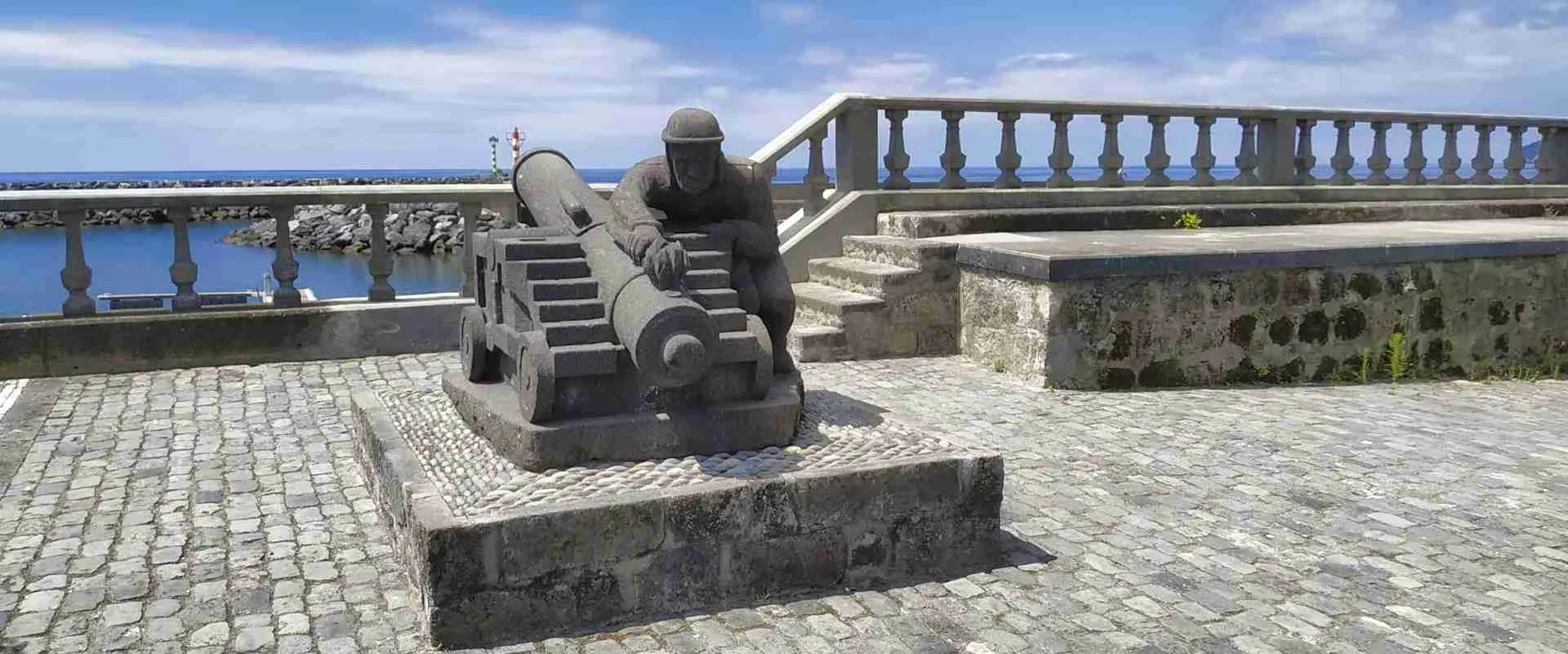
Azores 5-Day Itinerary 2026: São Miguel & Beyond
São Miguel, the largest island in the Azores archipelago, offers dramatic volcanic landscapes, thermal hot springs, crater lakes, and lush green valleys that justify its nickname “the Green Island.” This optimized 5-day itinerary balances São Miguel’s iconic attractions with practical logistics, realistic timing, and budget-conscious planning for travelers seeking an immersive Atlantic island experience in 2026.
Key Takeaways: Planning Your 5-Day Azores Adventure 2026
- Budget Range: Budget travelers spend €90-135 per person daily (two sharing budget accommodation), mid-range travelers €165-230, and luxury visitors €315-460, making a 5-day trip cost approximately €450-675 for budget, €825-1,150 for mid-range, or €1,575-2,300 for luxury experiences per person.
- Car Rental Essential: Public transport serves local residents rather than tourists, making car rental mandatory for accessing volcanic craters, remote viewpoints, and thermal springs — expect €45-90 daily depending on vehicle size and season, with manual transmissions €15-20 cheaper than automatics.
- Geographic Strategy: Stay in Ponta Delgada for 3 nights (central base for west and central attractions) and Furnas for 2 nights (eastern region access and thermal immersion), minimizing driving distances while maximizing regional exploration.
- Seasonal Timing Impact: Car rental prices spike 40-50% from June through September compared to April-May or October, accommodation doubles in peak summer, and crater lake visibility improves dramatically in morning hours before afternoon cloud cover.
- Activity Priorities: The 5-day window allows comprehensive coverage of São Miguel’s big three (Sete Cidades crater lakes, Lagoa do Fogo, Furnas geothermal valley) plus tea plantations, coastal viewpoints, whale watching, and thermal bathing without rushed transitions.
- Beyond São Miguel: Day trips to neighboring islands (Pico’s volcanic summit, Terceira’s lava caves, Faial’s Capelinhos volcano) require early-morning flights and full-day commitments, making them viable only with 6+ day itineraries or as dedicated multi-island trips.
People Also Ask About Azores 5-Day Itinerary 2026
Is 5 Days Enough for the Azores in 2026?
Five days provides comprehensive coverage of São Miguel’s essential attractions without feeling rushed, though visitors seeking multi-island experiences need 8-10 days minimum. A well-structured 5-day itinerary covers Sete Cidades’ twin lakes, Lagoa do Fogo’s pristine crater, Furnas’ geothermal valley including underground-cooked cozido stew, Gorreana tea plantations, Ponta da Ferraria thermal ocean pools, and coastal viewpoints like Ponta do Arnel lighthouse. This timeline allows 2-3 major activities daily with driving transitions, meal breaks, and spontaneous stops for viewpoint photography. The rhythm suits first-time visitors prioritizing depth over breadth — experiencing each location properly rather than checking boxes. Travelers attempting multiple islands in 5 days face significant time loss to inter-island flights, airport transfers, and vehicle rental logistics on each island, reducing actual exploration time to 2-3 days per island.
How Much Does a 5-Day Azores Trip Cost in 2026?
A 5-day Azores trip costs €450-675 per person for budget travel, €825-1,150 for mid-range comfort, and €1,575-2,300 for luxury experiences, based on two people sharing accommodation. Budget travelers stay in guesthouses or budget hotels at €50-70 nightly per room, eat at local tascas serving prato do dia lunch specials for €10-15, rent compact manual cars at €45-55 daily, and participate in self-guided activities with minimal paid entry fees. Mid-range visitors book 3-4 star hotels at €100-140 nightly, dine at established restaurants spending €25-35 per dinner, rent automatic vehicles at €60-70 daily, and join organized group tours for whale watching or jeep excursions at €50-80 per activity. Luxury travelers select boutique hotels or quinta estates at €200-300+ nightly, enjoy fine dining at €40-60 per person, rent SUVs or premium vehicles at €90-120 daily, and book private guided tours at €170-240 for full-day experiences. These ranges assume two sharing car and accommodation costs — solo travelers face 40-60% higher daily expenses due to single occupancy premiums and unshared transportation.
What’s the Best Base Location for 5 Days in São Miguel 2026?
Ponta Delgada serves as the optimal base for 3-4 nights, offering central positioning, restaurant variety, supermarket access, and reasonable driving distances to western attractions (Sete Cidades 30 minutes, Ferraria 35 minutes) and central sights (Lagoa do Fogo 45 minutes), while Furnas makes an excellent 1-2 night addition for eastern region immersion and thermal bathing experiences. Ponta Delgada’s infrastructure supports all traveler budgets with accommodation ranging from €45 budget guesthouses to €200+ luxury properties, evening dining options beyond hotel restaurants, and practical services like pharmacies, ATMs, and grocery stores for self-catering breakfasts or packed lunches. The city’s marina-front promenade provides evening strolls, while morning departures avoid urban traffic within 10 minutes. Staying exclusively in Ponta Delgada throughout 5 days remains viable but involves 60-75 minute drives to reach Furnas or Nordeste’s eastern viewpoints, creating longer daily driving than split-base strategies. Moving to Furnas for nights 4-5 positions travelers near geothermal attractions, Terra Nostra botanical gardens with its thermal pool, and Nordeste’s dramatic coastal cliffs, reducing eastern-route driving while immersing in São Miguel’s wellness tourism culture.
Do I Need to Book Azores Activities in Advance for 2026?
Whale watching tours, canyoning adventures, and summer-season (June-September) car rentals require advance booking 2-4 weeks ahead, while most land-based attractions, viewpoints, and thermal pools operate on walk-up availability without reservations. Whale watching tours from Ponta Delgada or Vila Franca do Campo typically run €55-80 for 3-hour excursions with marine biologist guides, departing twice daily in peak season but only once in shoulder months — booking 1-2 weeks ahead ensures preferred departure times and prevents sold-out disappointment, especially for multi-language tour requirements. Canyoning in Ribeira dos Caldeirões or coasteering experiences need advance coordination with outfitters for equipment sizing and weather contingency planning. Car rentals face severe summer inventory constraints across São Miguel, with automatic transmissions and 7-9 passenger vans selling out 2-3 months early — travelers booking April-May or October benefit from both lower pricing (€40-60 versus €70-90 daily) and better vehicle selection. Terra Nostra Garden’s thermal pool, Caldeira Velha’s waterfall baths, and Poça da Dona Beija’s hot spring complex all accept walk-up visitors throughout the day, though arriving before 10 AM or after 4 PM avoids peak-hour crowds at popular facilities.
Extended multi-day tours – 5+ days
Featured Azores Archipelago Multi-Day Tour Packages

14 days
Walking in the Azores
- ✓ Comprehensive Azores Archipelago tour
- ✓ Expert local guides included
- ✓ All accommodation arranged
- ✓ Transportation provided
7 days
Azores Whale Watching Adventure: Discover the Giants of the Atlantic
- ✓ Comprehensive Azores Archipelago tour
- ✓ Expert local guides included
- ✓ All accommodation arranged
- ✓ Transportation provided

9 days
Azores – Dolphins and the Island of São Miguel
- ✓ Booking needs min. 2 travelers
7 days
São Miguel Soft Hiking
- ✓ Comprehensive Azores Archipelago tour
- ✓ Expert local guides included
- ✓ All accommodation arranged
- ✓ Transportation provided
Multi-day tour packages powered by TourRadar. Prices and availability subject to change.
Introduction: Why This 5-Day Azores Itinerary Works for 2026
The Azores archipelago comprises nine volcanic islands scattered across the North Atlantic 1,500 kilometers west of mainland Portugal, with São Miguel serving as both the entry gateway and the most comprehensively developed for tourism infrastructure. While adventurous travelers eventually explore all nine islands, first-time visitors benefit from focusing their limited 5-day window entirely on São Miguel’s dramatic landscapes rather than fragmenting time across inter-island flights and logistics.
São Miguel’s 65-kilometer length concentrates extraordinary geological diversity — twin crater lakes at Sete Cidades where blue and green waters meet, the pristine Lagoa do Fogo surrounded by protected nature reserves, Furnas valley bubbling with fumaroles and hot springs, Europe’s only tea plantations clinging to coastal hillsides, and black sand beaches formed from ancient lava flows. This concentration means travelers experience multiple distinct ecosystems daily without marathon driving sessions, though the island’s winding mountain roads and frequent viewpoint stops make distances deceptive — what maps show as 30 kilometers often requires 45-50 minutes of careful navigation.
The 2026 travel landscape in the Azores reflects post-pandemic tourism normalization with some structural changes. Car rental fleets remain 20-30% smaller than pre-2020 levels while demand increased substantially, creating summer inventory shortages that force earlier booking windows. Accommodation prices stabilized after 2022-2023 spikes but haven’t returned to historical lows, particularly in Ponta Delgada where new boutique hotels target higher-spending visitors. Restaurant scenes expanded significantly, with Michelin recognition bringing international attention to Azorean cuisine based on grass-fed beef, fresh Atlantic seafood, and volcanic-soil produce.
This itinerary emphasizes morning activity starts to maximize clear-weather windows before afternoon clouds obscure crater lakes and mountain viewpoints, incorporates strategic accommodation splits to minimize repetitive driving, and builds realistic timing around São Miguel’s road conditions rather than optimistic GPS estimates. The structure allows flexibility for weather adaptations — if rain obscures Sete Cidades on Day 2, the itinerary shifts that visit to the backup window built into Day 4, substituting indoor tea plantation tours or Ponta Delgada’s museums instead.
Budget considerations receive explicit attention throughout, with each day’s description including cost-saving alternatives (free natural pools versus paid thermal facilities, prato do dia lunch specials versus à la carte dining, self-guided hiking versus paid jeep tours) that maintain experience quality while reducing daily expenses by €30-50 per person. The itinerary acknowledges that most North American and European visitors already invested €800-1,500 in transatlantic flights before arrival, making economical on-island choices crucial for overall trip affordability.
Pre-Trip Planning Essentials for Azores 2026
Booking Your Flight to São Miguel 2026
Ponta Delgada’s João Paulo II Airport (PDL) receives direct flights from Lisbon (2 hours), Porto (2 hours), Boston (5 hours seasonal), and Toronto (5.5 hours seasonal), with most European travelers connecting through Lisbon for onward service. TAP Air Portugal operates the dominant route network with 3-5 daily Lisbon-Ponta Delgada frequencies year-round, supplemented by Azores Airlines (SATA) and occasional Ryanair service. Transatlantic direct flights from Boston (United/Azores Airlines codeshare) and Toronto (Air Transat seasonal) run June-September only, forcing spring and fall travelers through European connections.
Flight pricing follows pronounced seasonal patterns. Lisbon-Ponta Delgada round-trips cost €180-280 in April-May and October, rising to €320-450 in July-August when European vacation demand peaks. Booking 2-3 months advance typically secures prices 20-30% below last-minute fares, though TAP’s frequent sales offer competitive pricing even 3-4 weeks out during shoulder months. Boston-Ponta Delgada directs range $800-1,200 round-trip depending on advance purchase, with multi-stop routings through Lisbon sometimes offering lower fares at the cost of 6-8 additional travel hours.
Inter-island flights between São Miguel and neighboring islands (Terceira 35 minutes, Pico 55 minutes, Flores 90 minutes) operate on regional turboprops with weight restrictions affecting luggage allowances — confirm checked bag policies when booking since some inter-island tickets include only cabin baggage, charging €15-25 per checked item. These flights cost €60-110 one-way depending on route and booking timing, making day-trip economics challenging — a Pico day trip from São Miguel requires €150-180 in airfare alone before rental car, activities, or meals.
Car Rental Strategy and Requirements 2026
Renting a car remains non-negotiable for meaningful São Miguel exploration, as public buses serve commuter routes between major towns rather than tourist attractions, running limited schedules that prevent visiting multiple sites daily. The island’s rental market comprises major international chains (Europcar, Hertz, Avis) operating from airport locations and smaller local companies (Ilha Verde, Autatlantis, Wayzor) offering competitive pricing with more flexible policies.
Compact manual transmission cars represent the optimal balance of affordability, fuel efficiency, and parking maneuverability for São Miguel’s narrow village streets and limited parking at popular viewpoints. Expect €45-60 daily for small cars like Fiat Panda, Renault Clio, or Opel Corsa during April-May and October, rising to €70-90 in peak July-August. Automatic transmissions add €15-20 daily premium, while SUVs cost €90-120 even in shoulder season. Insurance presents confusing choices — basic coverage included in rental rates leaves high deductibles (€1,000-1,500) for any damage, while full coverage add-ons cost €11-17 daily but eliminate financial exposure, recommended given narrow roads and aggressive local driving.
Booking directly with local companies often allows debit card payment and lower deposits (€200-300 versus €1,000-1,500 credit card holds required by international chains), though comparison platforms like DiscoverCars or AutoEurope aggregate both types and offer competitive rates with free cancellation up to 24 hours before pickup. Reserve 2-3 months ahead for peak season travel to secure automatic transmissions or larger vehicles, which sell out first. April-May or September-October visitors booking 2-4 weeks advance still find good availability at lower pricing.
International driving permits remain technically required for non-EU license holders, though rental companies rarely check for North American or Australian drivers with standard licenses in English. EU residents need only their home country license. Drivers must be minimum 21 years old, with under-25 surcharges adding €15-25 daily at some companies. Fuel costs approximately €1.70 per liter, with most compact cars averaging 5-6 liters per 100 kilometers — budget €10-15 daily for typical sightseeing distances.
Accommodation Booking Strategy 2026
São Miguel’s accommodation spectrum ranges from €45-70 budget guesthouses and rural tourism properties to €100-140 mid-range hotels with breakfast included, up to €200-300+ boutique hotels and quinta estates offering pools, spa facilities, and elevated dining. Ponta Delgada concentrates the island’s hotel inventory with 30+ properties across all budget tiers, while Furnas offers 10-15 options weighted toward thermal-oriented wellness hotels and guesthouses near hot spring complexes.
Budget travelers find best value in traditional guesthouses (residenciais) or Airbnb apartments with kitchen facilities enabling self-catered breakfasts and packed lunches, reducing daily food costs by €15-20 per person. Properties like Atlantic Home Azores or Casa do Jardim offer private rooms with shared facilities at €50-70 nightly. Mid-range hotels such as Hotel Marina Atlântico in Ponta Delgada (€100-130 with breakfast) or Terra Nostra Garden Hotel in Furnas (€120-160 with thermal pool access) provide comfort, included breakfast, and central locations that minimize evening driving after dinner.
Booking 3-4 months ahead ensures selection across budget tiers, particularly important for Furnas where limited inventory means last-minute arrivals often find only expensive options remaining. Spring and fall shoulder seasons offer better rates than summer peaks, with June and September representing optimal balance of favorable weather and moderate pricing. Most properties require credit card guarantees but charge on arrival, with free cancellation policies standard up to 3-7 days before check-in.
Day 1: Arrival and Western Exploration 2026
Morning: Airport Arrival and Ponta Delgada Orientation
International flights from Lisbon typically arrive mid-morning to early afternoon, with Boston directs landing early morning during seasonal operation. Car rental pickup at Ponta Delgada Airport takes 30-45 minutes including paperwork, vehicle inspection photographs, and navigation setup — photograph all existing scratches and dents thoroughly before accepting the vehicle to avoid return disputes.
Drive 5 kilometers into Ponta Delgada’s historic center for lunch orientation, parking near Portas da Cidade (City Gates) or along the marina promenade. The city’s compact center allows 45-minute walking exploration of São Brás Church, Municipal Market’s local produce stalls, and marina-front cafes before heading to afternoon destinations. Lunch at local tascas like Tasca or Rei dos Queijos costs €12-18 per person for hearty plates of grilled limpets, octopus rice, or beef espetada with sides, introducing Azorean cuisine affordably.
Afternoon: Sete Cidades Crater Lakes
Sete Cidades sits 25 kilometers west of Ponta Delgada, requiring 35-40 minutes via EN9-1A coastal route through pineapple greenhouses and pastoral farmland. The twin crater lakes — Lagoa Azul (blue lake) and Lagoa Verde (green lake) — formed when the massive volcano’s caldera collapsed 15,000 years ago, creating a 5-kilometer-wide basin now holding two lakes separated by a narrow bridge despite appearing as different colors from elevated viewpoints.
Visit Vista do Rei viewpoint first (free access, parking €2), positioned on the crater rim 259 meters above lake level with panoramic views across both lakes and the Atlantic beyond. Weather clarity matters enormously — morning visits before 11 AM offer best visibility before afternoon clouds obscure the rim, though sunset lighting (8-9 PM June-August) creates dramatic reflections when skies clear. Descend to lakeside via the winding EN9-3A road, parking in Sete Cidades village (free) for walking access to both lake shores.
Active travelers hike the crater rim trail (12 kilometers, 4 hours moderate difficulty) connecting Vista do Rei to Cerrado das Freiras viewpoint with continuous lake vistas, while casual visitors drive the rim road stopping at multiple overlooks. Kayaking on Lagoa Azul costs €25-35 for 2-hour rentals through local operators, offering unique perspectives of the crater walls from water level.
Return to Ponta Delgada by 6:30-7 PM for dinner, navigating the same route in daylight — many first-time visitors underestimate how dark rural roads become after sunset without streetlights. Evening dining in Ponta Delgada ranges from €15-20 prato do dia specials at Anfiteatro restaurant to €25-40 à la carte meals at A Tasca for creative Azorean cuisine with local wines.
Day 1 Cost Summary
Daily costs for Day 1: car rental €45-90 (first day prorated if airport pickup after noon), fuel €8-12, lunch €12-18, afternoon snacks/drinks €5-8, dinner €15-40, Sete Cidades parking €2, accommodation €25-150 per person (two sharing). Total approximately €110-320 per person depending on choices across budget, mid-range, or luxury tiers.
Day 2: Central Volcanic Landscapes 2026
Morning: Lagoa do Fogo
Depart Ponta Delgada by 8:30 AM for Lagoa do Fogo (Lake of Fire), São Miguel’s most pristine crater lake situated at 575 meters elevation in a protected nature reserve. The 45-minute drive via EN1-1A and EN5-2A climbs steadily through eucalyptus forests and hydrangea-lined roads, reaching the Miradouro da Lagoa do Fogo viewpoint with sweeping crater and Atlantic vistas.
Unlike Sete Cidades’ developed lakeside village, Lagoa do Fogo maintains wilderness character with restricted vehicle access and minimal facilities. The main viewpoint (free access, roadside parking) provides photography perspectives from 300 meters above the lake, with early morning light (8-10 AM) offering clearest views before clouds form around the crater rim. Hiking to lakeside requires 40 minutes descent on steep, loose-rock trails not suitable for mobility limitations or young children — the reward is a volcanic sand beach and turquoise waters far from crowds, though the return climb demands moderate fitness.
Most visitors spend 1-1.5 hours at the viewpoint photographing, reading interpretive signs about the 1563 eruption that formed the lake, and walking short rim-edge paths before continuing to Caldeira Velha. Adventurous hikers allocating 3 hours complete the beach descent-ascent, bringing swimwear for lake swimming (water temperature 14-16°C even in summer, refreshing rather than comfortable).
Late Morning: Caldeira Velha Natural Monument
Caldeira Velha sits 10 minutes downhill from Lagoa do Fogo on the EN5-2A, offering iron-rich thermal waterfalls and pools in a botanical garden setting. Entry costs €8 per adult in 2026, with facilities including changing rooms, lockers (€1 coin deposit), and boardwalk access to three bathing areas at temperatures ranging from 25°C to 38°C. The 28-meter waterfall cascading over orange-stained volcanic rocks creates the most photographed scene, though the 38°C soaking pool provides superior bathing comfort.
Visit mid-morning (10:30-11:30 AM) to avoid afternoon tour bus crowds, allowing 60-90 minutes for bathing, photography, and botanical trail exploration. The thermal waters’ iron content stains swimsuits permanently orange-brown — bring old suits or purchase inexpensive replacements afterward. Towels rent for €3 or bring your own to save the fee.
Afternoon: Ribeira Grande and Coastal Tea Plantations
Drive 15 minutes north to Ribeira Grande, São Miguel’s second-largest town with historic center architecture, seafood restaurants along the river mouth, and the Santa Bárbara beach popular with local surfers. Lunch at seaside restaurants costs €14-22 per person for grilled fish with sides, showcasing Atlantic-fresh seafood at prices below tourist-focused Ponta Delgada establishments.
After lunch, visit Gorreana Tea Plantation 15 minutes east on the EN1-1A coastal road. As Europe’s oldest active tea estate (operational since 1883), Gorreana produces organic green and black teas on hillside terraces overlooking the Atlantic. Factory tours are free and self-guided, with tasting room sampling five tea varieties before shopping for packaged products at €4-8 per 100-gram bag, far below retail pricing on mainland Portugal or export markets.
Walk the 40-minute Caminho da Água da Gorreana trail through tea terraces with coastal panoramas, or extend to the 90-minute Chá Gorreana Trail circular route offering more comprehensive plantation exploration. Both paths are free, well-marked, and accessible for families with older children, though steep sections require reasonable fitness.
Return to Ponta Delgada by 6 PM via coastal EN1-1A (35 minutes), stopping at viewpoints like Ponta do Cintrão or Santa Iria for sunset photography if weather cooperates. Dinner in Ponta Delgada repeats previous night’s options or explores different restaurants within the historic quarter’s concentrated dining scene.
Day 2 Cost Summary
Daily costs: car fuel €12-15, breakfast €8-12, Caldeira Velha entry €8, lunch in Ribeira Grande €14-22, tea plantation purchases €5-10 optional, dinner €15-40, accommodation €25-150 per person (two sharing). Total approximately €85-265 per person depending on dining and lodging choices.
Day 3: Eastern Geothermal Wonders and Furnas 2026
Morning: Transfer to Furnas with Stops
Check out from Ponta Delgada accommodation, loading luggage for the transfer to Furnas (45 kilometers, 60 minutes direct). However, allocate 3 hours for scenic stops transforming the transfer into exploration rather than mere transit.
First stop at Miradouro de Santa Iria, a clifftop viewpoint 15 minutes east of Ponta Delgada with dramatic coastal perspectives and hydrangea-framed vistas. Continue to Vila Franca do Campo, the island’s former capital, for mid-morning coffee at waterfront cafes while viewing Vila Franca Islet — the circular volcanic crater 400 meters offshore that serves as a protected marine reserve and summer swimming destination (ferry access €14 round-trip, seasonal June-September only).
The road to Furnas climbs inland through pastoral valleys, passing Nossa Senhora da Paz chapel with its baroque staircase ascending the hillside. Stop at Miradouro do Salto do Cavalo (5 minutes off EN5-1A) for elevated views across Furnas valley before descending into the caldeira itself.
Late Morning/Afternoon: Furnas Geothermal Park and Cozido Lunch
Arrive Furnas village by 11:30 AM-noon, checking into accommodation before exploring the geothermal valley. Park near Lagoa das Furnas (Furnas Lake) to witness the cozido das furnas cooking ritual — restaurateurs burying iron pots filled with meats, vegetables, and sausages in volcanic soil where 90-100°C subsurface heat slow-cooks the stew for 5-6 hours.
Several restaurants offer cozido lunches 1-2:30 PM daily, with reservations essential in summer as local tour groups fill dining rooms. Expect €18-25 per person for traditional cozido including soup, the multi-meat stew, dessert, and bread, served in generous family-style portions. Tony’s Restaurant and Caldeiras & Vulcões both offer authentic experiences near the lake’s cooking pits.
After lunch, walk the Lagoa das Furnas shoreline circuit (3 kilometers, 45 minutes easy) passing bubbling fumaroles, steaming caldeiras, and mineral-deposit-stained rocks in vibrant yellows and oranges. The lake itself is unsuitable for swimming due to extreme pH levels, but boardwalk approaches provide close views of geothermal activity.
Evening: Terra Nostra Garden and Thermal Pool
Terra Nostra Garden Hotel’s botanical gardens and thermal pool represent Furnas’ premium attraction, covering 12 hectares with over 2,000 tree species collected from former Portuguese colonies worldwide, meandering paths through azalea groves, and a massive thermal pool (entry €8 for non-hotel guests in 2026, €6 for hotel residents, check official rates as pricing varies). The pool maintains 35-40°C year-round from natural geothermal heating, measuring 50 meters by 25 meters with mineral-rich orange-tinted water that permanently stains swimsuits.
Visit late afternoon 4-6 PM after tour groups depart, allowing 90 minutes minimum for garden exploration and thermal soaking. The thermal water’s iron and mineral content offers purported therapeutic benefits for skin conditions, respiratory issues, and muscle tension, though the orange staining is inevitable — bring old swimwear or purchase inexpensive replacements before swimming.
Dinner in Furnas village offers fewer options than Ponta Delgada but maintains Azorean cuisine quality at €15-30 per person, with several restaurants within walking distance of most accommodations eliminating evening driving concerns. The village’s small scale encourages evening strolls to Poça da Dona Beija thermal complex (€6 entry, open until 10 PM) for post-dinner soaking in multiple pools at varying temperatures.
Day 3 Cost Summary
Daily costs: car fuel €10-15, breakfast €8-12, cozido lunch €18-25, Terra Nostra garden entry €8, dinner €15-30, Poça da Dona Beija optional €6, accommodation in Furnas €25-150 per person (two sharing). Total approximately €90-246 per person depending on thermal activities and accommodation tier.
Day 4: Nordeste Coastline and Eastern Exploration 2026
Morning: Nordeste Coastal Drive
Furnas positions perfectly for exploring São Miguel’s dramatic eastern coastline, often skipped by visitors based exclusively in Ponta Delgada due to 60-75 minute driving distances. Depart by 9 AM for Nordeste, the island’s northeastern town reached via the stunning EN1-1A coastal road hugging clifftops with Atlantic views.
Stop at Miradouro da Ponta do Sossego, a clifftop garden viewpoint 20 minutes from Furnas offering panoramic perspectives across terraced farmland cascading to the ocean. Continue to Miradouro da Ponta da Madrugada, built on a rocky promontory with 180-degree ocean vistas — both viewpoints are free with roadside parking.
Nordeste town itself (45 minutes from Furnas) provides mid-morning coffee stops and access to several dramatic viewpoints. Visit Miradouro do Salto do Farinha, where a waterfall plunges directly into the ocean, and Ponta do Arnel lighthouse reached via a steep access road descending to sea level. The lighthouse road requires careful driving on single-lane pavement with hairpin turns, but the red-striped lighthouse perched on volcanic rocks creates iconic photography.
Afternoon: Tea Plantations and Waterfall Hikes
Return toward Furnas via inland roads, stopping at Porto Formoso Tea Factory for comparison with Gorreana’s operation — both offer free tours and tastings, though Porto Formoso’s smaller scale provides more intimate factory observation. Purchase tea selections as gifts or personal supplies at €4-8 per package.
Hike to Salto do Prego waterfall (7 kilometers round-trip, 2 hours moderate difficulty) via the trailhead near Faial da Terra village. The path follows Ribeira do Faial through lush laurel forest, reaching a 20-meter waterfall with pool suitable for swimming (14-16°C water temperature). The trail can be muddy after rain, requiring proper hiking footwear rather than sandals.
Alternative activity for non-hikers: visit Caldeira Velha again (included in Day 2 but worth second visit if weather was poor) or explore Ribeira dos Caldeirões Natural Park with its multiple waterfalls and working water mill (free entry, 30 minutes from Furnas).
Evening: Second Night in Furnas
Return to Furnas accommodation by 6 PM, repeating thermal pool visits at Terra Nostra or Poça da Dona Beija for second soaking sessions — many travelers find the thermal experience improves on second visit after understanding optimal pool temperatures and timing. Dinner explores different Furnas restaurants, with options ranging from simple pizzerias at €10-15 to upscale dining at Terra Nostra Hotel’s restaurant (€30-45 per person).
Day 4 Cost Summary
Daily costs: car fuel €15-20, breakfast €8-12, coffee/snacks €5-8, lunch €12-18, dinner €15-45, optional second thermal entry €6-8, accommodation €25-150 per person (two sharing). Total approximately €85-265 per person depending on activity choices and accommodation tier.
Day 5: Southern Coast and Departure Preparation 2026
Morning: Return to Ponta Delgada via Southern Scenic Route
Check out from Furnas accommodation, taking the southern coastal EN1-1A route back to Ponta Delgada (50 kilometers, 70 minutes direct, 2-3 hours with stops). This alternate return route provides different landscapes than the incoming northern route, showcasing São Miguel’s diverse geography.
Stop at Faial da Terra, a small coastal village with black sand beach and dramatic cliffs encircling the bay. Continue to Miradouro da Nossa Senhora da Paz, where the baroque chapel staircase climbs the hillside — hiking to the chapel summit (15 minutes moderate climb) rewards with elevated views across Vila Franca do Campo and the Atlantic.
Visit Lagoa das Empadadas, a pair of small crater lakes near Sete Cidades offering serene alternatives to the crowded main lakes, with short walking trails connecting both lakes (30 minutes easy loop). This makes an excellent final nature stop before returning to urban Ponta Delgada.
Afternoon Options: Ponta Delgada Museums or Beach Time
Arrive Ponta Delgada by early afternoon, returning to the same hotel from Days 1-2 if booked as a split-stay strategy, or checking into new accommodation for the final night. Afternoon activities depend on departure flight timing and weather conditions.
Cultural options include Carlos Machado Museum (€2 entry), showcasing Azorean natural history and ethnography in a former convent building, or Gruta do Carvão, an 1,650-meter lava tube system offering guided tours exploring São Miguel’s volcanic formations (€6 entry, advance booking recommended).
Beach alternatives include Pópulo Beach in Ponta Delgada’s eastern suburbs, a black sand beach popular with local families, or Mosteiros Beach on the western coast (35 minutes drive) where volcanic rock formations create dramatic coastal scenery against black sand shores.
Evening: Farewell Dinner and Final Preparations
Ponta Delgada’s restaurant scene shines for farewell dinners, with elevated options like A Tasca (€35-50 per person) showcasing modern Azorean cuisine, or Cais 20 (€30-45) overlooking the marina with seafood specialties. Budget-conscious travelers find excellent value at Casa do Bacalhau (€15-25) for traditional cod preparations or Mesa Açoriana (€18-28) for comprehensive Azorean tapas sampling.
Evening walks along the marina promenade provide fitting final São Miguel experiences, watching fishing boats return with daily catches while Ponta Delgada’s historic buildings illuminate against twilight skies. Most restaurants accept reservations and credit cards, though carrying €40-60 cash per person covers potential card-machine issues at smaller establishments.
Day 5 Cost Summary
Daily costs: car fuel €10-15, breakfast €8-12, lunch €12-18, museum entries €4-8 optional, dinner €15-50, accommodation €25-150 per person (two sharing). Total approximately €75-255 per person depending on activity choices and farewell dinner splurge level.
Beyond São Miguel: Extending to Other Azores Islands 2026
Terceira Island Day Trip or Extension
Terceira, the archipelago’s second-most-visited island, sits 35 minutes from São Miguel by air (€60-110 one-way), offering UNESCO World Heritage Angra do Heroísmo’s historic center, Algar do Carvão’s volcanic chimney descent, and coastal swimming pools at Biscoitos. Day trips from São Miguel prove logistically challenging — the earliest Ponta Delgada-Terceira flight departs 6:30-7 AM, requiring 5 AM hotel departure and airport parking (€8 daily), arriving Terceira 8 AM with return flights 7-8 PM meaning 10-hour island-side commitment before returning to São Miguel near midnight.
A dedicated 2-3 night Terceira extension makes more sense, flying from São Miguel mid-trip or at conclusion for separate multi-island experiences. Terceira’s attractions cluster around Angra do Heroísmo (UNESCO World Heritage status since 1983 for its preserved Renaissance urban planning) and inland volcanic formations, with car rental essential beyond the city center. Accommodation ranges from €60-90 budget hotels to €120-180 upscale properties, with dining costs comparable to São Miguel.
Pico Island: Volcanic Summit and Whale Heritage
Pico Island’s namesake stratovolcano rises 2,351 meters as Portugal’s highest peak and a challenging summit hike requiring 6-8 hours round-trip with proper equipment and weather timing. The island lies 55 minutes from São Miguel by air (€70-120 one-way) or accessible via 2.5-hour ferry from Faial Island. Pico’s attractions beyond mountain climbing include UNESCO World Heritage vineyards growing wine grapes in lava rock enclosures, whale watching from Lajes do Pico (historical whaling capital now focused on cetacean observation), and tidal pools at São Roque.
Day trips from São Miguel to Pico face similar logistical challenges as Terceira visits — morning flights arrive mid-morning, evening returns depart late afternoon, leaving 6-7 hours island-side after rental car pickup. Summit attempts require overnight stays for dawn starts when weather stability peaks. Budget 2-3 nights on Pico for meaningful exploration combining summit, vineyards, and coastal attractions.
Flores and Corvo: Remote Western Outposts
Flores and Corvo represent the Azores’ western extreme, 90-120 minutes by air from São Miguel (€100-160 one-way), appealing to adventurous travelers seeking isolation and dramatic landscapes. Flores features numerous waterfalls, crater lakes, and the Fajã Grande coastal village cascading to sea level, while Corvo’s entire population (430 residents) concentrates in a single village overlooking a massive volcanic caldera.
These islands require dedicated 3-4 night commitments rather than day trips, with limited accommodation options (5-6 properties on Flores, 2-3 guesthouses on Corvo) demanding advance booking. Car rental on Flores costs €50-70 daily from limited local operators, while Corvo’s 6-kilometer-wide size allows walking or taxi navigation. Weather delays affecting inter-island flights are more common on western routes, requiring schedule flexibility.
Budget Breakdown by Traveler Type 2026
Budget Traveler Daily Costs São Miguel 2026
Budget-conscious travelers exploring São Miguel spend €90-135 per person daily (two sharing accommodation) through strategic choices prioritizing value over luxury while maintaining authentic Azorean experiences. Accommodation in budget hotels, guesthouses, or Airbnb apartments with kitchen facilities costs €50-70 per room nightly, translating to €25-35 per person when shared. Breakfast self-catering using supermarket supplies (bread, cheese, fruit, yogurt, coffee) runs €5-8 daily versus €10-15 at hotel breakfast buffets.
Lunch at local tascas ordering prato do dia specials provides hearty portions of traditional Azorean cuisine for €10-15 including soup, main course, dessert, and beverage. Dinner at similar establishments ranges €15-20, focusing on grilled fish, octopus stews, or beef dishes with sides. Avoiding tourist-oriented restaurants in Ponta Delgada’s marina front (where equivalent meals cost €25-35) saves €10-15 per person per meal without compromising food quality.
Transportation via compact manual car rental at €45-55 daily, split between two people, adds €22-28 per person. Fuel consumption averaging 5-6 liters per 100 kilometers costs €8-12 daily for typical 120-150 kilometer sightseeing routes. Most natural attractions charge no admission — Sete Cidades, Lagoa do Fogo, and coastal viewpoints are free — with paid sites like Caldeira Velha (€8) and Terra Nostra (€8) representing occasional additions rather than daily requirements.
Budget travelers minimize paid tours by self-guiding with downloaded maps and trail information, hiking freely accessible paths like Sete Cidades rim trail or Salto do Prego waterfall, and using free thermal pools at Ferraria instead of paid facilities. Total 5-day budget trip costs approximately €450-675 per person, proving that authentic Azorean experiences don’t require luxury spending.
Mid-Range Traveler Daily Costs São Miguel 2026
Mid-range travelers spend €165-230 per person daily (two sharing accommodation), selecting comfortable 3-4 star hotels with included breakfast, dining at established restaurants, and incorporating organized activities while maintaining reasonable budgets. Accommodation in properties like Hotel Marina Atlântico in Ponta Delgada or Terra Nostra Garden Hotel in Furnas costs €100-140 per room nightly, providing €50-70 per person rates with breakfast buffets included — eliminating morning food costs and simplifying schedules.
Lunch at mid-range restaurants ordering à la carte menus costs €15-20 per person, upgrading from prato do dia basic offerings to more varied selections with appetizers or desserts. Dinner at well-regarded establishments runs €25-35 per person, exploring restaurants like A Tasca, Anfiteatro, or regional specialists serving elevated Azorean cuisine with local wine pairings adding €12-18 per bottle.
Car rental upgrades to automatic transmission and larger vehicles (compact SUVs for luggage capacity and comfort) cost €60-70 daily split between two travelers, adding €30-35 per person. Fuel consumption remains similar at €12-15 daily with slightly higher consumption from larger engines. Mid-range budgets accommodate paid thermal facilities (€8-16 daily for combined entries), organized group tours for whale watching or jeep excursions (€50-80 per activity), and guidebooks or audio guides at museums.
The mid-range tier balances comfort with cost awareness, avoiding luxury premiums while ensuring reliable accommodation, quality dining, and stress-free transportation. Total 5-day mid-range trip costs approximately €825-1,150 per person, delivering satisfying experiences without budget anxiety or excessive frugality.
Luxury Traveler Daily Costs São Miguel 2026
Luxury travelers invest €315-460+ per person daily (two sharing accommodation), prioritizing exceptional properties, fine dining, private tours, and premium vehicle rentals for elevated Azorean experiences. Accommodation in boutique hotels like Furnas Boutique Hotel, quinta estates with ocean views, or luxury properties with spa facilities costs €200-300+ per room nightly, translating to €100-150+ per person sharing.
Breakfast included at luxury properties typically features extensive buffets with regional specialties, fresh pastries, and made-to-order eggs. Lunch at upscale restaurants or hotel dining rooms costs €25-35 per person, while dinner at fine-dining establishments runs €40-60+ with wine pairings adding €25-40. Properties like Terra Nostra Garden Hotel’s restaurant or Cais 20’s elevated seafood service exemplify this tier.
Premium SUV or luxury car rentals cost €90-120 daily split between two people, providing €45-60 per person in transportation with enhanced comfort, navigation systems, and prestige. Private guided tours command €170-240 for full-day experiences with hotel pickup, customized itineraries, and expert guides eliminating navigation stress while maximizing insider knowledge.
Luxury tier includes helicopter tours over volcanic craters (€280-400 per person for 30-minute flights), exclusive whale watching on private sailboats (€300-500 for couples), and spa treatments at thermal wellness hotels (€80-120 per treatment). Total 5-day luxury trip costs approximately €1,575-2,300+ per person, delivering exceptional experiences with no compromises on comfort or convenience.
Practical Planning Tips and Money-Saving Strategies 2026
Seasonal Timing Optimization
April-May and September-October represent optimal windows balancing favorable weather with lower costs across accommodation and car rental categories. Spring brings wildflowers blooming across hillsides, mild temperatures (15-20°C), and 40-50% lower accommodation rates than July-August peaks. September extends summer conditions into early fall with sea temperatures (21-23°C) warmer than spring, while October transitions to cooler, wetter conditions but continues moderate pricing.
Peak summer (June-August) features longest daylight hours (sunset 8:30-9 PM), warmest temperatures (22-26°C), and lowest rainfall probability, justifying premium pricing for travelers with inflexible vacation scheduling. However, popular sites like Sete Cidades and Terra Nostra experience tour bus crowds, parking challenges, and advance booking requirements for accommodation that April-May visitors avoid entirely.
Winter (November-March) offers lowest costs but highest rainfall, with frequent storms creating spectacular wave action at coastal sites but obscuring crater lakes and mountain viewpoints with persistent cloud cover. Budget travelers willing to accept weather unpredictability find excellent value with €35-50 accommodation rates and €40-50 car rentals, though shorter daylight (sunset 5:30-6 PM) constrains daily activity windows.
Grocery Shopping and Self-Catering
Pingo Doce and Continente supermarkets in Ponta Delgada stock comprehensive selections enabling self-catered breakfasts and packed lunches at 60-70% below restaurant equivalents. Breakfast supplies (bread, cheese, ham, fruit, yogurt, coffee) cost €15-20 for 2-3 day supplies, yielding €2-3 per person per breakfast versus €10-15 at cafes. Packed lunches assembled from supermarket ingredients (sandwiches, fruit, chips, drinks) run €4-6 per person versus €12-18 restaurant lunches.
Accommodations with kitchen facilities or refrigerators maximize self-catering flexibility, though note that many São Miguel guesthouses provide shared kitchens rather than in-room cooking facilities. Local cheese varieties, regional bread, and fresh produce from morning markets create authentic Azorean picnic meals at minimal cost. Budget €30-40 per day for two people covering breakfast, snacks, and occasional lunch components.
Free and Low-Cost Attractions
São Miguel’s most spectacular attractions charge no admission — Sete Cidades viewpoints, Lagoa do Fogo crater rim, coastal miradouros, tea plantation trails, and public beach access all operate on free public access with only minimal parking fees (€2-5) at some locations. Thermal bathing at Ponta da Ferraria’s natural ocean pools costs nothing, though facilities are basic compared to paid complexes like Terra Nostra.
Hiking trails throughout the island provide free activities ranging from easy lakeside walks to challenging mountain routes, with trail maps downloadable from tourism websites eliminating guidebook expenses. Village churches open for free visits during daytime hours, showcasing baroque architecture and azulejo tilework without admission charges.
Paid attractions that justify their costs include Caldeira Velha (€8 for well-maintained facilities, changing rooms, and boardwalk access), Terra Nostra Garden (€8 for 12-hectare botanical collection plus thermal pool), and organized whale watching tours (€55-80 providing marine biologist expertise and specialized vessels impossible to replicate independently). Prioritize paid experiences offering unique access or expertise unavailable through self-guided exploration.
Accommodation Guide by Location and Budget 2026
Ponta Delgada Budget Accommodation €50-80 Per Night
Atlantic Home Azores provides private rooms with shared facilities in a converted residential property 15 minutes walk from downtown, priced €50-60 nightly with kitchen access enabling self-catered breakfasts. Casa do Jardim offers similar budget-conscious options at €55-70, while Residencial Mocidade maintains vintage charm near Carlos Machado Museum at €60-75 including basic breakfast. These properties suit independent travelers prioritizing savings over luxury amenities, with reliable Wi-Fi, hot water, and local host knowledge compensating for dated decor or shared bathroom configurations.
Airbnb apartments in residential neighborhoods offer €60-80 entire-apartment options sleeping 2-4 guests with full kitchen facilities, particularly valuable for longer stays amortizing cleaning fees across multiple nights. Search neighborhoods like São José or Santa Clara for authentic local living experiences 10-15 minutes walking from tourist zones.
Ponta Delgada Mid-Range Accommodation €100-140 Per Night
Hotel Marina Atlântico anchors the mid-range sector at €100-130 with marina-front location, breakfast buffet, parking, and 3-star comfort meeting North American/European standards. Grand Hotel Açores Atlântico offers similar quality at €110-140 with larger rooms and elevated position overlooking Ponta Delgada. Both properties provide reliable bases with English-speaking staff, elevator access, and modern bathrooms.
Boutique options like Antillia Hotel (€120-150) occupy historic buildings with character-filled rooms, rooftop terraces, and design-forward aesthetics appealing to travelers seeking atmosphere beyond chain hotel standardization. These properties often include locally-sourced breakfast specialties showcasing Azorean dairy products and pastries versus generic international buffets.
Furnas Accommodation Across Budgets
Furnas’ smaller accommodation inventory creates price premiums versus Ponta Delgada, with budget options starting €60-80 at guesthouses like Residencial Furnas or Casa das Escaleiras providing basic comfort near thermal complexes. Terra Nostra Garden Hotel dominates the upper tier at €120-180, including thermal pool access (€8 value), extensive botanical gardens, and central positioning for Furnas valley exploration — the premium pricing proves justified for travelers prioritizing wellness-oriented stays with immediate thermal access from rooms.
Furnas Boutique Hotel offers modern luxury at €150-200 with spa treatments, upscale dining, and contemporary design contrasting Terra Nostra’s historic character. Budget-conscious travelers weighing Furnas accommodation costs should calculate whether 2-night stays justify premiums over day-tripping from Ponta Delgada — the immersive thermal experience and reduced eastern-route driving typically validate the investment.
Dining Guide: Where and What to Eat 2026
Budget Dining Strategy €10-20 Per Meal
Prato do dia (dish of the day) lunch specials represent São Miguel’s best value proposition, offering multi-course meals including soup, main course, dessert, and beverage for €10-15 at neighborhood tascas patronized by local workers. Restaurants like Tasca in Ponta Delgada, Miroma in Ribeira Grande, or Caldeiras & Vulcões in Furnas serve traditional preparations of octopus stew, beef alcatra, or grilled fish without tourist markup.
Avoid couvert charges (bread, butter, olives, cheese automatically placed at tables and billed €2-5 if consumed) by immediately requesting removal if unwanted — this practice catches unprepared visitors who assume items are complimentary. Evening dining at the same budget-tier establishments costs €15-20 for main courses, with portions generous enough that appetizers rarely justify their expense.
Self-service restaurants like Rei dos Queijos in Ponta Delgada offer cafeteria-style pricing with hot dishes, salads, and desserts charged by weight or item, allowing visual selection before commitment and typically running €12-18 for complete meals. Portuguese-language menus at budget establishments require translation apps or pointing at other diners’ plates — Google Translate’s camera function proves invaluable.
Mid-Range Dining €20-35 Per Person
Restaurants like A Tasca (Ponta Delgada), Associação Agrícola (Ponta Delgada), or Tony’s (Furnas) balance authentic Azorean cuisine with English menus, knowledgeable service, and atmospheric settings justifying €20-30 main course pricing. Expect modern interpretations of traditional dishes — beef alcatra elevated with wine reduction, fresh tuna with Azorean pineapple chutney, or grilled limpets presented on volcanic stones.
Three-course meals including appetizers, mains, and desserts run €30-40 before drinks, with Azorean wines adding €12-20 per bottle for regional varieties from Pico Island or mainland selections. Reservations prove advisable for summer dinners as limited seating fills quickly, though walk-ins typically accommodate outside peak 7:30-9 PM dining hours.
Upscale Dining €35-60+ Per Person
Fine dining options like Cais 20 (Ponta Delgada marina), Furnas Boutique Hotel Restaurant, or A Tasca’s tasting menu format command €35-50 for mains with wine pairings adding €25-40. These establishments showcase Azorean ingredients through refined technique — local fish preparations with microgreens and reduction sauces, grass-fed beef with potato variations, or volcanic soil-grown vegetables treated as featured courses.
Tasting menus at €60-80 per person provide comprehensive regional explorations across 5-7 courses, though verify whether wine pairings are included as separate beverage costs can match food pricing. Service follows European formal standards with multi-hour dining expectations — Americans accustomed to rapid turnover should adjust timing expectations accordingly.
Weather Patterns and Clothing Recommendations 2026
Seasonal Weather Expectations
The Azores’ mid-Atlantic position creates unpredictable microclimates where weather changes rapidly throughout the day, with morning sunshine giving way to afternoon rain squalls that clear by evening. This variability persists year-round but intensifies during transition seasons (March-April, October-November) when Atlantic depressions track directly across the archipelago.
Summer (June-August) features the most stable patterns with temperatures 22-26°C, minimal rainfall probability (though not zero), and longer daylight supporting evening activities until 8:30-9 PM sunset. However, even summer sees occasional rainy days and persistent cloud cover affecting crater lake visibility. Spring (April-May) and fall (September-October) offer mild temperatures 15-22°C with increased rainfall frequency but dramatic lighting when clouds break over volcanic landscapes.
Winter (November-March) brings frequent storms with powerful swells creating spectacular coastal wave action but consistent rainfall obscuring mountain viewpoints. Temperatures rarely drop below 12°C even in January, with snow limited to rare Pico summit occurrences. Winter visits prove viable for travelers prioritizing solitude and budget savings over optimal weather guarantees.
Layered Clothing Strategy
Successful Azores packing emphasizes layers adapting to rapid weather changes throughout daily activities. Base layers of moisture-wicking t-shirts, mid-layers of fleece or light sweaters, and outer windproof/waterproof jackets enable adjustments as conditions shift from sunny hilltops to foggy craters to rainy coastal zones within single afternoons.
Rain gear proves essential regardless of season — lightweight waterproof jackets and packable rain pants prevent curtailing activities when brief showers pass through. Thermal bathing requires old swimsuits accepting permanent orange/brown staining from iron-rich waters, with sarongs or coverups easing transitions between pools and changing facilities.
Footwear requires hiking boots with ankle support and waterproof membranes for trail activities, supplemented by sandals for urban exploration and neoprene water shoes for thermal pools where volcanic rocks present slipping hazards. Running shoes prove inadequate for muddy mountain trails where traction matters.
Health, Safety, and Practical Considerations 2026
Medical Facilities and Travel Insurance
Hospital Divino Espírito Santo in Ponta Delgada provides emergency and urgent care with English-speaking staff familiar with treating international visitors, while health centers (centros de saúde) in major towns handle minor issues. European Health Insurance Card (EHIC) holders access Portuguese public health system, though out-of-pocket costs for non-EU visitors range €80-150 for emergency room consultations plus additional fees for procedures, medications, or specialized care.
Travel insurance covering medical emergencies, trip cancellation, and evacuation proves essential given the islands’ remoteness — air ambulance transfer to mainland Portugal costs €15,000-25,000 for serious conditions requiring specialized treatment unavailable locally. Policies cost €40-80 for week-long trips with standard coverage limits adequate for most situations.
Pharmacies (farmácias) display green crosses and sell over-the-counter medications for common ailments, with many medications available without prescription that require prescriptions in North America. Pharmacists speak English and provide knowledgeable guidance for self-treatment of minor issues like allergies, digestive problems, or muscle strains from hiking.
Ocean Safety and Volcanic Hazards
Atlantic waters surrounding São Miguel present swimming challenges beyond typical beach destinations — strong currents, cold temperatures (17-23°C even in summer), and powerful waves demand respect and local knowledge. Designated swimming areas at monitored beaches maintain lifeguard surveillance, while remote coves lack any safety oversight requiring swimmers to assess conditions independently.
Volcanic activity remains minimal risk for visitors, with continuous monitoring by Azorean volcanological observatory tracking seismic activity and gas emissions. Thermal areas post clear warning signs about scalding water temperatures, acidic pH levels, and unstable ground around fumaroles — follow marked paths and respect barriers preventing access to dangerous zones.
Trail hazards include loose volcanic rock on steep sections, slippery conditions after rain creating fall risks, and rapid weather changes causing disorientation in fog. Carry mobile phones with downloaded offline maps, inform accommodation hosts of hiking plans, and abort attempts when conditions deteriorate beyond comfortable safety margins.
Communication and Connectivity
Mobile coverage spans most of São Miguel via MEO, Vodafone, and NOS networks, though mountain valleys and remote trails experience dead zones. European Union residents benefit from EU roaming regulations allowing domestic plan usage without surcharges, while North American visitors should verify international roaming costs (often €10-15 per day) or purchase local SIM cards at €15-25 for week-long data packages.
Wi-Fi availability extends throughout hotels, restaurants, and cafes in urban areas, with more limited connectivity in rural guesthouses. Download offline map data, trail information, and restaurant details before departing hotel morning Wi-Fi, avoiding reliance on constant connectivity during remote exploration.
Environmental Responsibility and Sustainable Tourism 2026
Leave No Trace Principles
São Miguel’s fragile volcanic ecosystems require visitor commitment to Leave No Trace ethics preserving natural beauty for future generations. Pack out all trash including organic waste like fruit peels or food scraps that attract non-native species disrupting local ecology. Designated trash receptacles are sparse at remote viewpoints — carrying litter until proper disposal prevents accumulation that mars scenic beauty and harms wildlife.
Stay on marked trails avoiding shortcut temptations that create erosion channels and vegetation damage requiring years to recover in the Azores’ slow-growing endemic plant communities. Volcanic soil compaction from off-trail hiking prevents regrowth and accelerates degradation in protected nature reserve areas surrounding Lagoa do Fogo and coastal preserves.
Minimize disturbance to wildlife during whale watching tours by selecting operators following marine conservation guidelines — maintain minimum distances from cetaceans, limit time near pods, and avoid chasing or encircling groups. Bird nesting sites near coastal cliffs deserve wide berths during spring breeding season when human proximity causes abandonment.
Supporting Local Economy
Prioritize locally-owned accommodations, restaurants, and tour operators over international chains, directly supporting Azorean families and communities benefiting from tourism growth. Family-run guesthouses, traditional tascas, and independent tour guides provide authentic experiences while retaining larger percentages of tourism spending within the local economy compared to externally-owned hotel groups.
Purchase Azorean products at source — tea from Gorreana or Porto Formoso plantations, cheese from São Jorge Island producers, pineapples from São Miguel greenhouses — rather than waiting for airport souvenir shops where markups fund retail overhead instead of producer margins. Local markets in Ponta Delgada and Ribeira Grande feature direct-from-farm vendors selling vegetables, fish, and handicrafts at prices benefiting growers rather than middlemen.
Photography Tips for São Miguel’s Landscapes 2026
Optimal Timing for Crater Lake Photography
Morning hours before 11 AM offer clearest crater lake conditions as thermal dynamics cause afternoon cloud formation obscuring views from rim-level vantage points. Sete Cidades’ Vista do Rei viewpoint captures both lakes in single frame compositions with dramatic elevation differential, while early arrival secures parking spaces that fill completely by noon in summer.
Lagoa do Fogo presents greater weather unpredictability given its 575-meter elevation where clouds form earlier and persist longer. Plan 2-3 potential visits during multi-day stays allowing flexibility to return when conditions improve — the spectacular crater visibility justifies multiple attempts versus settling for fog-obscured photographs from single visits.
Golden hour lighting (7-8 AM and 7:30-8:30 PM in summer, 8-9 AM and 5:30-6:30 PM in winter) creates warm tones across green hillsides and blue waters, though afternoon positioning relative to sun angle favors westward-facing viewpoints while mornings favor east-facing perspectives. Scout locations during midday visits for optimal golden hour return timing.
Essential Photography Equipment
Wide-angle lenses (16-35mm full-frame equivalent) capture crater rim vistas and coastal panoramas where expansive scenes demand broad perspective. Telephoto zooms (70-200mm) compress volcanic rock formations, isolate architectural details in villages, and photograph marine life during whale watching excursions from distance maintaining protective regulations.
Circular polarizing filters reduce atmospheric haze common in marine environments, deepen blue sky saturation, and manage water surface reflections on lakes — invest in quality multi-coated filters matching wide-angle lens diameter. Neutral density filters enable long exposures smoothing ocean waves at Mosteiros Beach or Ferraria tidal pools, creating ethereal water motion contrasting solid volcanic rocks.
Weather-resistant camera bodies and lens protection prove essential in the Azores’ unpredictable climate where sudden rain squalls threaten unprotected equipment. Rain covers, lens hoods, and microfiber cloths maintain gear functionality when conditions deteriorate, preventing curtailed photography sessions during fleeting dramatic weather creating compelling imagery.
Frequently Asked Questions About Azores 5-Day Itinerary 2026
Can I visit multiple Azores islands in 5 days?
Visiting multiple islands in 5 days proves logistically possible but experientially compromised, requiring inter-island flights consuming half-days for airport transfers and vehicle rentals while reducing actual exploration time to 1-2 days per island. A well-structured 5-day itinerary covering São Miguel comprehensively delivers superior depth over fragmenting time across 2-3 islands. Travelers seeking multi-island experiences should allocate minimum 8-10 days enabling 3 days per island with travel days absorbed as dedicated transition periods. The exception involves Faial-Pico combinations where short ferry connections (30 minutes, €7 one-way) allow integrated exploration treating both islands as unified destination, though São Miguel’s distance from this central group prevents efficient combination within 5-day windows.
Do I need a 4×4 vehicle for São Miguel?
Standard compact cars suffice for all major São Miguel attractions and viewpoints, with paved roads reaching Sete Cidades, Lagoa do Fogo, Furnas, Nordeste, and coastal points without requiring 4WD capability. The island’s comprehensive paved road network means 4×4 vehicles prove unnecessary unless planning extreme backcountry exploration beyond typical tourist circuits — even adventurous travelers accessing remote trailheads manage with 2WD vehicles exercising caution on unpaved farm tracks. Small cars offer advantages in São Miguel’s narrow village streets and limited parking areas at popular viewpoints where maneuverability matters more than off-road capability. Save €20-40 daily by selecting compact 2WD models, allocating savings toward activities, dining, or accommodation upgrades delivering greater value than unnecessary vehicle capability.
What’s included in whale watching tour prices?
Whale watching tour prices €55-80 include boat transportation, marine biologist guide commentary, waterproof jackets for spray protection, and typically 2.5-3 hour excursion duration with guaranteed marine mammal sightings or return trips offered. Tours departing from Ponta Delgada or Vila Franca do Campo operate rigid inflatable boats holding 12-20 passengers providing closer approaches to whale pods compared to larger vessels, though resulting in rougher rides in moderate sea states — dramamine recommended for motion-sensitive passengers. The Azores host 28 cetacean species year-round including sperm whales (year-round residents), fin whales (spring migration), and multiple dolphin species creating 95%+ sighting success rates. Prices exclude hotel pickup (self-drive to marina meeting points), underwater photography (professional photographers on some boats offer purchase options), and gratuities for crew (€5-10 per person standard for excellent service).
Are São Miguel’s thermal pools safe for children?
Thermal pools like Terra Nostra, Caldeira Velha, and Poça da Dona Beija welcome families with children, maintaining temperatures 35-40°C comfortable for extended soaking without overheating risks affecting adults or children differently. Facilities provide shallow entry areas and varying temperature zones allowing families to select appropriate conditions — avoid hottest pools approaching 40°C+ for young children while cooler 28-35°C options suit all ages. The iron-rich orange-brown water staining is harmless but permanent on swimwear, requiring old suits or inexpensive replacements parents won’t regret discarding afterward. Volcanic rocks surrounding pools present slipping hazards requiring supervision of children and water shoes for safe footing. Terra Nostra’s massive pool size (50m × 25m) enables families to spread out avoiding crowding, while changing facilities include family rooms accommodating group needs.
How much time should I allocate for Furnas cozido lunch?
Reserve 2-2.5 hours for complete Furnas cozido lunch experience including restaurant service, multiple courses, and leisurely Azorean dining pace reflecting island culture prioritizing meal enjoyment over rushed eating. Reservations are essential for summer visits as limited restaurants preparing authentic underground-cooked cozido fill completely with tour groups and independent travelers, with walk-ins frequently turned away at 1-2 PM when cooking pots are retrieved from caldeiras and service begins. Lunch service typically runs 1-2:30 PM daily, with restaurants closing afterward until dinner service — arriving 12:45-1 PM ensures timely seating before peak crowds. The meal comprises multiple courses starting with caldo verde soup, followed by the cozido stew itself served family-style with all ingredients (pork, beef, chicken, blood sausage, cabbage, potatoes, sweet potato, taro root) presented together, concluding with dessert and coffee. Budget €18-25 per person for traditional cozido at establishments near Lagoa das Furnas like Tony’s Restaurant or Caldeiras & Vulcões.
Can I swim in Lagoa do Fogo or Sete Cidades lakes?
Swimming is permitted in Lagoa do Fogo’s designated beach area reached via 40-minute steep descent from the crater rim viewpoint, offering pristine turquoise waters at 14-16°C temperature suitable for refreshing dips rather than extended swimming — the beach’s volcanic sand and isolation create wild swimming experiences far from crowds. However, access restrictions and trail conditions limit feasibility for mobility-limited visitors or families with young children. Sete Cidades’ twin lakes technically allow swimming though lack of designated beach areas, changing facilities, and cold water temperatures mean few visitors attempt it beyond occasional local swimmers during peak summer heat. Both lakes’ cold temperatures reflect high-altitude positioning and limited sun exposure during much of the year, creating conditions suitable for hardy swimmers comfortable with 14-18°C waters but potentially uncomfortable for casual bathers expecting typical beach warmth. Alternative swimming options include ocean pools at Ferraria (warm thermal mix with Atlantic surf), paid thermal complexes (35-40°C year-round), or coastal beaches at Pópulo or Água d’Alto with seasonal lifeguard supervision.
How far in advance should I book São Miguel car rental for summer 2026?
Book car rentals 2-3 months advance for June-September travel to ensure automatic transmission availability and vehicle category selection before inventory sells out, with compact cars sometimes available 4-6 weeks ahead but automatics and larger vehicles (SUVs, 7-passenger vans) typically fully booked by 60 days before peak season dates. São Miguel’s limited rental fleet relative to summer visitor demand creates genuine shortages rather than marketing-driven scarcity, with last-minute arrivals frequently facing only manual transmission options, premium luxury vehicles, or complete unavailability forcing expensive taxi dependence. Shoulder season travelers (April-May, September-October) enjoy greater flexibility with 3-4 week advance bookings sufficient for vehicle selection, though pricing advantages emerge at 2+ month booking windows. Comparison platforms like DiscoverCars, AutoEurope, or Kayak enable free cancellation up to 24-48 hours before pickup, removing risk from early booking strategy — reserve optimistically then cancel or modify if plans change, avoiding gamble of waiting for better deals while inventory disappears.
What are the best free activities on São Miguel?
São Miguel’s most spectacular natural attractions charge no admission fees, with Sete Cidades crater rim viewpoints, Lagoa do Fogo rim overlooks, and dozens of coastal miradouros offering world-class scenery without costs beyond minimal parking fees (€2-5 at some locations). Hiking trails throughout the island provide free activities ranging from easy 30-minute lakeside walks to challenging 4-hour mountain ridge routes, with trail maps downloadable from official tourism websites eliminating guidebook purchases. Gorreana and Porto Formoso tea plantations offer free factory tours, tastings, and walking trails through terraced tea gardens with ocean views — only purchased tea products cost money. Natural thermal pools at Ponta da Ferraria provide free ocean thermal bathing where volcanic springs mix with Atlantic surf, creating warm swimming spots without entrance fees though facilities are basic compared to paid complexes. Beach access at Pópulo, Água d’Alto, Mosteiros, and smaller coves never charges fees, while village church visits showcase baroque architecture and azulejo tilework during open hours. Budget-conscious travelers easily spend 4-5 days enjoying São Miguel’s premier attractions without paid admission exceeding Caldeira Velha (€8) and Terra Nostra (€8) entries.
Is tap water safe to drink in the Azores?
Tap water throughout São Miguel meets European Union drinking water standards and is completely safe for consumption, cooking, and ice preparation without any health risks for international visitors. The water originates from volcanic aquifer springs and receives minimal treatment due to source purity, tasting clean without chlorine flavors common in mainland Portuguese cities. Restaurants serve tap water in jugs or glasses without hesitation when requested, though note Portuguese dining culture assumes bottled water service unless specifically requesting “água da torneira” (tap water). Carrying reusable water bottles for refilling at accommodations, restaurants, and public fountains reduces plastic waste while saving €1-2 per bottled purchase at tourist sites. The only exceptions involve extremely remote mountain trail areas where stream water should be filtered or treated before drinking despite pristine appearance, and thermal spring water never suitable for drinking due to mineral content and temperature regardless of potability confusion some visitors have about hot springs.
Can I use US dollars or British pounds in the Azores?
The euro remains the exclusive currency accepted throughout the Azores as an integral region of Portugal and the European Union, with US dollars, British pounds, or other foreign currencies not accepted at any restaurants, shops, hotels, or service providers. ATMs throughout Ponta Delgada, Ribeira Grande, Furnas, and other towns dispense euros at competitive exchange rates (typically 1-2% above interbank rates) from international debit/credit cards, with Multibanco network accepting all major card networks. Notify banks before travel preventing fraud blocks on overseas transactions that cause declined card attempts at critical moments. Credit cards (Visa and Mastercard primarily, with American Express having more limited acceptance) work at most hotels, established restaurants, car rental agencies, and organized tour operators, though small family tascas, rural guesthouses, and market vendors often operate cash-only requiring euro notes for transactions. Exchange currency before arrival at European airports or utilize ATMs immediately upon São Miguel arrival rather than seeking currency exchange offices which are rare on the island, or bring euros from home country banks offering competitive rates versus airport exchange counters.