
Ávila Day Trip from Madrid 2026: Complete UNESCO Heritage Guide
Key Takeaways
- UNESCO World Heritage City: Ávila’s Old Town and extra-muros churches represent Spain’s best-preserved medieval fortifications, with complete 11th-century walls stretching 2.5 kilometers around the historic center
- Optimal Transportation 2026: High-speed trains depart Madrid Chamartín every 1-2 hours, reaching Ávila in 90 minutes for €12-25 each way, with morning departures starting 7:30 AM ideal for full-day exploration
- Budget Planning 2026: Complete day trips cost €75-110 per person including round-trip train, wall admission, cathedral entry, meals, and local transport, making Ávila one of Madrid’s most affordable UNESCO heritage excursions
- Strategic Timing: Visit Tuesday-Friday during spring (April-May) or fall (September-October) for optimal weather, fewer crowds, and €3-5 lower admission prices compared to peak summer weekends
- Essential Experiences: Walking the medieval walls (€5), exploring the fortress-cathedral (€6), visiting Santa Teresa’s birthplace convent (€2), and savoring traditional Chuletón de Ávila create comprehensive cultural immersion in 6-8 hours
- Advance Planning Benefits: Book train tickets 15-30 days ahead for €12-15 savings versus same-day purchases, reserve wall walking slots online to avoid 30-60 minute queues, and arrive before 10 AM for optimal lighting and crowd conditions
Planning Your Ávila Day Trip in 2026
Ávila stands as Spain’s most completely preserved medieval city, where 2.5 kilometers of 11th-century defensive walls encircle a UNESCO World Heritage Old Town frozen in Romanesque and Gothic splendor. Located just 115 kilometers northwest of Madrid in the Castilian highlands at 1,131 meters elevation, this fortress city offers one of Europe’s most dramatic medieval experiences within easy day-trip distance from the Spanish capital. The city’s extraordinary preservation—88 semicircular towers and 9 monumental gates remain virtually intact since construction completed in 1099—creates an immersive journey into Spain’s Reconquista period unmatched anywhere in the Iberian Peninsula.
Planning your 2026 Ávila excursion requires understanding the city’s dual significance as both military fortress and spiritual center. The same defensive walls that protected Christian kingdoms from Moorish incursions also sheltered Santa Teresa de Ávila, the 16th-century mystic and reformer whose spiritual legacy permeates the city’s convents, churches, and cultural identity. Modern visitors walk these same ramparts, explore the fortress-cathedral built directly into the eastern wall, and trace Teresa’s footsteps through austere Carmelite convents—all while enjoying contemporary amenities, excellent Castilian cuisine, and well-organized tourism infrastructure designed for international heritage travelers.
The 2026 season brings enhanced visitor services including expanded English-language guided tours, improved digital audio guides with augmented reality features showing medieval life along the walls, and extended summer opening hours making evening wall walks possible during Spain’s long June-August daylight. Transportation improvements including increased high-speed train frequency and new express bus services from Madrid Airport make Ávila more accessible than ever, while the city’s compact size—everything within 10-15 minutes walking from the train station—eliminates local transportation complexity and maximizes exploration time during your day visit.
This comprehensive guide provides all planning information needed for a successful 2026 Ávila day trip: detailed transportation options with current schedules and booking strategies, complete cost breakdowns for various budget levels, seasonal timing recommendations based on weather and crowd patterns, sample itineraries optimized for different interests, and insider strategies for maximizing your UNESCO World Heritage experience. Whether you’re drawn by medieval military architecture, Santa Teresa’s mystical legacy, traditional Castilian gastronomy, or simply the dramatic contrast between Ávila’s ancient stones and Madrid’s modern energy, you’ll find actionable planning advice for creating your ideal medieval Spanish excursion.
People Also Ask About Ávila Day Trips from Madrid 2026
How much does an Ávila day trip from Madrid cost in 2026?
A complete Ávila day trip from Madrid costs €75-110 per person depending on transportation choices, meal selections, and admission preferences. Round-trip high-speed train tickets cost €24-50 (€12-25 each way), with advance bookings 15-30 days ahead securing €12-15 lower fares. Essential admissions include medieval wall walking (€5), cathedral fortress entry (€6), and Santa Teresa’s Convent (€2), totaling €13 for core UNESCO heritage sites. Budget lunch options range €12-18 for traditional menú del día, while dinner reservations for authentic Chuletón de Ávila cost €25-40 per person. Adding optional guided walking tours (€15-25), local bus transport (€1.40 per ride), and afternoon snacks or museum entries brings comprehensive day costs to the €75-110 range, making Ávila significantly more affordable than comparable UNESCO day trips to Toledo or Segovia from Madrid.
What is the best time to visit Ávila from Madrid in 2026?
The optimal period for Ávila day trips runs April through early June and mid-September through October, when temperatures range 15-25°C, rainfall remains minimal, and tourist crowds stay moderate compared to July-August peaks. Spring visits (April-May) offer blooming wildflowers across the Castilian countryside, comfortable wall-walking conditions without summer heat, and €3-5 lower hotel rates if extending to overnight stays. Fall season (September-October) provides crystal-clear visibility for photography, harvest season gastronomy including new wine releases, and pleasant weather averaging 18-22°C—ideal for the 90-minute outdoor wall circuit. Winter months (November-March) bring dramatic snow-covered landscapes and authentic local atmosphere but require warm layers for 0-10°C temperatures and 1,131-meter altitude winds. Summer (July-August) offers extended hours with wall walks possible until 9 PM during long Spanish daylight, but expect 28-35°C afternoon heat, significantly larger crowds, and €8-12 higher accommodation costs if staying overnight.
Do you need advance bookings for Ávila wall walks in 2026?
While walk-up tickets remain available at the wall entrance ticket office, advance online reservations through the official Ávila Tourism website prevent 30-60 minute queues during peak visiting hours (10 AM-2 PM) and guarantee entry during sold-out periods on summer weekends and Spanish holidays. The medieval walls accommodate maximum 200 visitors simultaneously across the 2.5-kilometer circuit, with capacity limits enforced during high season (June-September) when daily visitors reach 2,000-3,000. Online bookings open 90 days ahead, cost the same €5 as walk-up tickets, and allow you to select specific entry time slots in 30-minute windows—choose 9-10 AM for optimal morning light and minimal crowds, or 5-6 PM for golden hour photography during summer’s extended daylight. Pre-booking becomes essential during Easter week, Spanish Constitution Day weekend (December 6-8), and Santa Teresa festival days (October 15), when visitor numbers triple and same-day tickets sell out by mid-morning.
Can you visit Ávila and Segovia in one day from Madrid in 2026?
Combining Ávila and Segovia in a single day trip from Madrid remains logistically challenging despite both cities’ proximity to the capital, requiring either rushed 3-4 hour visits at each location or organized tour services. Direct Ávila-Segovia transportation involves either returning to Madrid (total 3.5 hours transit) or taking the regional bus route (2 hours each way, limited frequency), making independent two-city visits require 13-15 total hours including minimal exploration time. Organized day tours combining both UNESCO cities depart Madrid 8-9 AM, allocate 2.5-3 hours per destination, and return 7-8 PM, costing €85-120 per person including transportation and sometimes basic lunch but excluding monument admissions. For meaningful UNESCO heritage experiences, dedicate full days to each city separately—Ávila merits 6-8 hours for complete wall circuit, cathedral exploration, Santa Teresa sites, and traditional meal, while Segovia requires similar time for its Roman aqueduct, Alcázar castle, and Gothic cathedral. Consider overnight stays if attempting both destinations, with Ávila’s compact medieval center offering excellent 2-star hotels from €45-65 nightly during 2026 shoulder seasons.
Extended multi-day tours – 5+ days
Featured Avila Multi-Day Tour Packages
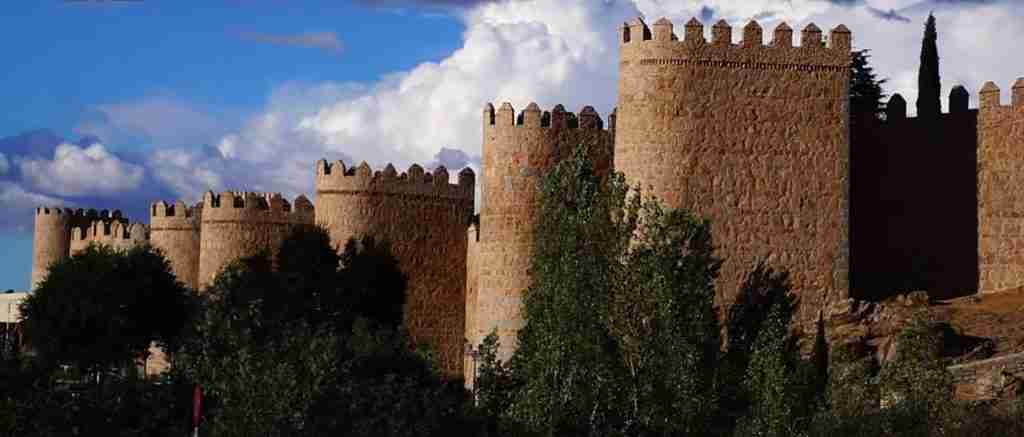
3 days
Avila 3-Day Discovery Tour
- ✓ Comprehensive Avila experience
- ✓ Expert local guides included
- ✓ All accommodation included
- ✓ Transportation provided
5 days
Avila 5-Day Highlights Experience
- ✓ Comprehensive Avila experience
- ✓ Expert local guides included
- ✓ All accommodation included
- ✓ Transportation provided
7 days
Avila 7-Day Cultural Journey
- ✓ Comprehensive Avila experience
- ✓ Expert local guides included
- ✓ All accommodation included
- ✓ Transportation provided
10 days
Avila 10-Day Complete Adventure
- ✓ Comprehensive Avila experience
- ✓ Expert local guides included
- ✓ All accommodation included
- ✓ Transportation provided
Multi-day tour packages powered by TourRadar. Prices and availability subject to change.
Essential Planning Information for Your 2026 Ávila Visit
Understanding Ávila’s UNESCO World Heritage Status
UNESCO designated Ávila’s Old Town and the four extra-muros Romanesque churches as World Heritage Sites in 1985, recognizing the city as “an outstanding example of a fortified medieval city which has preserved all of its original defenses.” The inscription encompasses 33 hectares within the walls plus the four exterior basilicas—San Vicente, San Pedro, San Andrés, and San Segundo—representing complete 11th-13th century urban defensive architecture unique in Europe. The walls themselves constitute the recognition’s core, constructed 1090-1099 under orders of King Alfonso VI following Toledo’s 1085 Reconquest, using granite blocks quarried from nearby Castilian hills and employing estimated 1,900 workers over nine years to create what remains the world’s best-preserved medieval military enclosure.
The UNESCO designation protects not just physical structures but the complete medieval urban fabric within the walls: narrow cobblestone streets following original 11th-century patterns, Gothic and Romanesque palaces maintaining historical facades, and the fortress-cathedral integrated directly into the eastern wall section demonstrating medieval dual-purpose architecture. Conservation regulations require all restoration work use traditional materials and techniques, maintaining granite and sandstone original construction methods, while modern additions like lighting systems and visitor platforms employ reversible installation allowing future removal without damaging historical fabric. This preservation commitment means your 2026 visit experiences Ávila essentially as 15th-century pilgrims encountered it—narrow streets, towering walls, and austere Romanesque churches creating authentic medieval atmosphere impossible to replicate elsewhere in modern Spain.
Current 2026 Admission Costs and Ticketing
Primary monument admissions for Ávila’s UNESCO heritage sites cost €5-8 per location, with combination tickets offering €3-5 savings for multiple venues. The medieval wall circuit entrance costs €5 for adults in 2026, including access to the complete 2.5-kilometer walkable section from Puerta del Alcázar to Puerta del Puente, with children under 12 entering free when accompanied by adults (check the official Ávila Tourism website for current rates as pricing may vary). The fortress-cathedral combination ticket costs €6, covering both the cathedral interior with its Romanesque apse and Gothic nave, plus the integrated Museo Catedralicio displaying medieval religious art and liturgical objects. Santa Teresa’s Convent and Museum entrance costs €2, providing access to the saint’s birthplace chapel, small museum of Teresian relics, and the austere Carmelite church where she took vows.
Combination tickets available at the Tourist Information Office or online provide better value for comprehensive visits: the “Ávila Card” costs €15 and includes wall circuit, cathedral, Santa Teresa sites, plus the Museo de Ávila displaying archaeological finds and medieval artifacts—representing €6 savings versus individual admissions. Senior visitors over 65 receive €1-2 discounts at most monuments, while students with valid international cards save €1 per entry. Free admission days include February 15 (Ávila Day), May 18 (International Museum Day), and October 15 (Santa Teresa’s feast day), though these dates attract triple normal visitor numbers and require arriving before 9 AM to avoid multi-hour queues. Audio guides rent for €3 at major monuments, available in English, Spanish, French, German, and Italian, with new 2026 augmented reality features showing medieval life scenes when pointing smartphones at specific wall sections and cathedral areas.
Transportation from Madrid: Complete 2026 Options
High-speed AVE trains operated by Renfe provide the fastest and most comfortable Ávila access, departing Madrid Chamartín station every 1-2 hours throughout the day with journey times of 85-95 minutes. Morning departures begin 7:30 AM, ideal for arriving Ávila before 9:30 AM and maximizing exploration time, while return services run until 10:30 PM allowing full-day visits including evening meals. Tickets cost €12-25 each way depending on booking timing and fare class—Básico tickets purchased 15-30 days advance cost €12-15, while same-day Flexible fares reach €22-25 but allow unlimited changes. The AVE stops directly at Ávila station located 1 kilometer east of the medieval walls, requiring either 12-minute walk along Avenida de Madrid or €1.40 local bus #1 connecting station to Plaza de Santa Teresa every 15-20 minutes.
Regional trains (Avant service) offer slightly longer journey times of 100-110 minutes but cost €8-12 each way with more frequent departures every 60-90 minutes throughout the day. These services share the same Madrid Chamartín origin and Ávila station arrival, making them excellent budget alternatives saving €8-20 on round-trip fares compared to AVE options. Bus services operated by Avanza depart Madrid’s Estación Sur (Méndez Álvaro) every 1-2 hours, taking 90-120 minutes depending on route and stops, with fares of €8-13 each way. Buses arrive at Ávila’s station adjacent to the train terminal, offering similar access to the old town but with less comfortable seating and no onboard amenities compared to trains. Private car rental allows flexible timing and potential Segovia combinations, covering the 115-kilometer Madrid-Ávila distance in 75-90 minutes via A-6 and AP-6/AP-51 highways, but parking within the old town requires paid lots at €2-3 hourly with limited spaces—the Parking del Mercado Grande outside Puerta del Alcázar offers best access and availability.
Optimal Timing for Your 2026 Ávila Day Trip
Seasonal Analysis for 2026 Planning
Spring season (April-June) represents Ávila’s prime visiting period, combining comfortable temperatures averaging 15-24°C with blooming Castilian wildflowers, moderate tourist crowds, and maximum daylight for extended exploration. April brings occasional spring showers requiring light rain jacket but creates dramatic cloud formations photographed beautifully against granite walls, while May offers peak wildflower displays across surrounding countryside and perfect 18-22°C walking conditions. June extends daylight to 9:30 PM sunset allowing evening wall walks in golden light, though temperatures begin reaching 26-30°C by month’s end and tourist numbers increase 40-60% compared to April-May baseline. Spring hotel rates for overnight extensions remain moderate at €55-85 for quality 3-star properties, restaurants operate normal hours without summer-season crowding, and monument queues stay manageable with 15-30 minute maximum waits even during midday peaks.
Summer months (July-August) bring intense Castilian heat with afternoon temperatures reaching 30-35°C at Ávila’s 1,131-meter altitude, requiring early morning starts before 9 AM and late afternoon resumption after 5 PM to avoid peak heat during wall walks. The extended daylight—sunset reaches 10 PM in late July—allows scheduling around temperature extremes, with morning monument visits 8-11 AM and evening wall walks 6-9 PM providing comfortable conditions. Tourist crowds increase significantly with daily visitors reaching 3,000-4,000 versus 1,500-2,000 spring averages, creating 45-60 minute queues at wall entrances during peak 11 AM-2 PM hours and requiring advance online reservations for guaranteed entry. Positive summer aspects include extended monument hours (walls open until 9 PM versus 7 PM other seasons), vibrant evening atmosphere with outdoor dining until midnight, and coinciding with Madrid’s peak tourist season making day-trip planning convenient for international visitors already based in the capital.
Weather Patterns and Clothing Recommendations 2026
Ávila’s high-altitude continental climate creates distinct seasonal variations requiring appropriate clothing planning for comfortable day visits. Winter temperatures (December-February) range 0-10°C with frequent morning frost and occasional snow covering the medieval walls in dramatic white blankets—pack insulated jacket, warm layers, gloves, and winter hat for the exposed wall circuit where wind chill at 1,131 meters altitude drops perceived temperatures 5-8°C below actual readings. Spring transitions (March-May) bring variable conditions from 8°C mornings to 24°C afternoons, requiring layered approach with light jacket, long pants, and comfortable walking shoes for the 2.5-kilometer wall circuit plus old town cobblestone navigation.
Summer heat (June-August) demands sun protection including wide-brimmed hat, sunglasses, and SPF 50+ sunscreen for the fully exposed wall walks with zero shade across 90-minute circuits. Lightweight breathable clothing in light colors reflects heat, while portable water bottle proves essential as limited fountain access exists along wall sections—bring minimum 1 liter per person for summer visits. Fall season (September-October) offers ideal conditions with 15-23°C temperatures, minimal rainfall, and comfortable walking weather requiring only light jacket for morning starts and evening returns. The Castilian plateau experiences low humidity year-round making even summer heat more tolerable than coastal regions, while crystal-clear visibility except during rare rainstorms provides exceptional photography conditions and dramatic horizon views extending 40-60 kilometers across the surrounding countryside from wall tower vantage points.
Crowd Management and Strategic Visit Timing
Tuesday through Friday visits between April-May and September-October represent optimal crowd-avoidance strategy, with weekday visitor numbers 40-50% lower than Saturday-Sunday levels and spring/fall seasons attracting half the summer peak crowds. Arriving on the first morning train (7:30 AM departure from Madrid, 9:15 AM Ávila arrival) positions you at monument entrances before 9:30 AM when queues remain under 10 minutes and wall circuits accommodate just 30-50 other visitors versus 150-200 during midday peaks. This early timing also captures optimal photography light with morning sun illuminating the walls’ northern facades and long shadows emphasizing granite texture and tower details impossible to achieve during flat midday overhead lighting.
Spanish holiday periods require special consideration for crowd planning: Semana Santa (Easter week), Constitution Day weekend (December 6-8), and October 15 (Santa Teresa feast day) bring triple normal visitor numbers with wall tickets selling out by 10-11 AM and restaurants requiring advance dinner reservations. Conversely, mid-January through mid-March represents lowest visitor season with daily numbers dropping to 400-600 versus 2,000+ peak season averages, creating authentic local atmosphere and immediate monument access but requiring tolerance for 5-12°C temperatures and occasional winter storms. Summer weekdays (Tuesday-Thursday) in July-August offer compromise between good weather and manageable crowds—visitor numbers reach 60-70% of weekend peaks but remain significantly below Saturday-Sunday crush, while extended hours allow distributing visitors across longer daily windows reducing concentration at any single time.
Complete Transportation Guide for 2026 Ávila Day Trips
High-Speed Train Service: Detailed 2026 Information
Renfe’s AVE and Avant high-speed services provide the most efficient Madrid-Ávila connection, with trains departing Madrid Chamartín station (accessible via Metro Lines 1 and 10) at regular intervals throughout the day. Morning departures begin 7:30 AM, continuing 9:00 AM, 10:30 AM, and 12:00 PM, while afternoon services run 2:30 PM, 4:00 PM, 5:30 PM, and 7:00 PM with additional trains during peak summer weekends. Return services from Ávila to Madrid operate similar frequency from 8:45 AM through 10:30 PM, allowing flexible timing for half-day (4-5 hours) or full-day (8-10 hours) visit durations. The AVE journey takes exactly 90 minutes covering 115 kilometers at speeds reaching 250 km/h across the Castilian plateau, with comfortable reclining seats, climate control, power outlets at all seats, and onboard café service selling snacks and beverages.
Ticket pricing follows Renfe’s dynamic fare system with three booking windows affecting costs: advance purchase 15-30 days ahead yields Básico fares of €12-15 each way, intermediate booking 7-14 days out costs €17-20, while same-day or next-day tickets reach peak Flexible pricing of €22-25 each way. The Básico tickets include assigned seating but charge €5-10 fees for changes or cancellations, while Flexible fares cost €8-12 more but allow unlimited modifications and full refunds until departure time—worthwhile if weather or schedule uncertainties exist. Booking through Renfe’s official website (renfe.com) or mobile app provides lowest rates and allows seat selection, while third-party platforms like Trainline or Omio add €1-3 service fees but offer better English interfaces for international travelers. Purchase round-trip tickets simultaneously to guarantee return seats during busy periods, as popular late-afternoon return services (5:30-7:00 PM) sometimes sell out on summer weekends and Spanish holidays.
Bus Service Options and Comparison
Avanza bus company operates Madrid-Ávila services departing Estación Sur (Méndez Álvaro, Metro Line 6) with 12-14 daily departures beginning 7:00 AM and continuing through 9:30 PM. The journey takes 90-120 minutes depending on route—express services covering the distance in 90 minutes cost €13 each way, while standard stopping services requiring 110-120 minutes cost €9-11. Buses arrive at Ávila’s combined bus-train station 1 kilometer from the old town walls, requiring the same local bus connection or 12-minute walk as train arrivals. Modern coaches feature reclining seats, air conditioning, and onboard restrooms but lack the space, comfort, and speed of AVE trains, making bus services best suited for budget-focused travelers willing to sacrifice convenience for €8-12 daily savings versus premium train options.
Advance bus booking opens 30 days ahead through Avanza’s website, with early purchases sometimes yielding €1-2 discounts versus walk-up fares. Weekend and holiday services fill quickly during high season, requiring 5-10 day advance reservations to guarantee preferred departure times, while weekday off-season travel allows same-day ticket purchase without capacity issues. The bus station’s adjacent location to train terminal means arriving by bus versus train creates identical local transportation requirements—either walk the flat 1-kilometer route along Avenida de Madrid (12-15 minutes) or take local bus #1 connecting station to old town Plaza de Santa Teresa in 8 minutes for €1.40 per ride. Consider bus services if Madrid departure from Estación Sur proves more convenient than Chamartín access, or if €18-24 round-trip savings versus train justify the longer journey time and reduced comfort level.
Local Transportation Within Ávila
Ávila’s compact medieval center measures just 800 meters diameter within the walls, making walking the primary and most practical transportation method for monument-to-monument navigation. The entire UNESCO heritage area lies within 10-15 minute walking radius from any point, with flat terrain inside the walls creating easy pedestrian access for all fitness levels. The train/bus station to old town route covers 1 kilometer along Avenida de Madrid, gaining 20 meters elevation over 12-15 minute walks on wide paved sidewalks passing modern shops and services before reaching the medieval walls at Puerta del Alcázar—a pleasant orientation walk providing transition from contemporary Spain into medieval heritage environment.
Local bus service operates for visitors preferring minimal walking, with line #1 connecting station to Plaza de Santa Teresa (heart of old town) every 15-20 minutes Monday-Saturday from 7 AM to 10 PM. Single tickets cost €1.40 purchased from driver, while 10-ride cards cost €12 (€1.20 per journey) available at tobacco shops and newsstands—worthwhile only for multiple-day stays. Taxis queue outside the station charging €4-6 for old town destinations, convenient for luggage or mobility limitations but unnecessary for standard day visits given the easy walk. Inside the walls, all streets remain pedestrian-accessible with vehicle restrictions, requiring walking between cathedral, wall circuit entry points, and Santa Teresa sites—the furthest points (cathedral to San Vicente Basilica) require just 8-10 minutes walking at leisurely pace, making Ávila ideal for car-free exploration and minimizing local transportation logistics and costs.
Sample 2026 Itineraries for Ávila Day Trips
Classic Full-Day UNESCO Heritage Circuit
7:30 AM: Depart Madrid Chamartín on AVE train (ticket €15 advance purchase). Enjoy onboard coffee while crossing the Castilian plateau as morning light illuminates the Sierra de Gredos mountains visible from train windows. The 90-minute journey provides comfortable introduction to your medieval adventure.
9:15 AM: Arrive Ávila station and walk 12 minutes along Avenida de Madrid to Puerta del Alcázar. Stop at the Tourist Information Office just inside the gate to collect city map, confirm monument hours, and purchase Ávila Card combination ticket (€15) covering wall circuit, cathedral, and museums.
9:45 AM: Begin medieval wall circuit (€5, included in Ávila Card) entering at Puerta del Alcázar. The 90-minute clockwise walk along the 2.5-kilometer rampart circuit provides spectacular views over red-tiled roofs inside the walls and Castilian countryside beyond. Morning light creates ideal photography conditions with the sun illuminating northern wall sections and distant mountains. Take time exploring the eight accessible towers, reading information panels about medieval defensive architecture, and capturing panoramic photos from the highest points.
11:30 AM: Exit wall circuit at Puerta del Puente and walk 5 minutes to the fortress-cathedral. Explore the Romanesque apse integrated directly into the city walls—a unique architectural feature making this cathedral part of the defensive system. The cathedral interior reveals austere Romanesque austerity in the apse contrasting with later Gothic nave additions, alabaster altarpiece, and museum displays of medieval religious art and illuminated manuscripts (€6, included in card).
1:00 PM: Lunch at traditional Castilian restaurant in Plaza del Mercado Chico. Order menú del día (€15-18) featuring Ávila specialties: caldo castellano (Castilian soup), judías del Barco (white beans), and sampling of local cheeses. The fixed-price menu includes bread, wine or water, and dessert—excellent value and authentic regional cuisine experience.
2:30 PM: Visit Basílica de San Vicente just outside the northern walls (€2). This Romanesque masterpiece from 1130 features exceptional stone carvings depicting the martyrdom of San Vicente and his sisters, representing some of Spain’s finest 12th-century sculpture. The tomb of the martyrs beneath the altar shows remarkable preservation, while the western portal’s carved tympanum demonstrates advanced medieval artistic techniques.
3:30 PM: Explore Convento de Santa Teresa (€2) built on the saint’s 1515 birthplace. The small museum displays Teresian relics including her finger bone, original manuscripts, and personal items, while the baroque church contains ornate gilded altarpiece contrasting with the austere Carmelite spiritual tradition Teresa established. Take time reading about her mystical writings and reform movement that transformed Catholic spirituality.
4:45 PM: Coffee and traditional Yemas de Santa Teresa (candied egg yolk sweets, €8-10 per box) at historic pastry shop near Plaza de Santa Teresa. These local specialties make excellent Madrid gifts while providing afternoon energy for remaining exploration.
5:15 PM: Free exploration of Plaza del Mercado Chico and surrounding medieval streets. Browse local ceramics, leather goods, and religious artifacts in small shops, or relax in plaza café watching local life. Photography enthusiasts can capture late afternoon light on the cathedral’s eastern facade and wall towers.
6:45 PM: Walk back to station (12 minutes) for return train departure. Alternative: extend visit for early dinner (7:30-8:30 PM) at traditional asador for authentic Chuletón de Ávila (T-bone steak, €25-35), then catch 9:30 or 10:30 PM return service.
8:30 PM: Arrive Madrid Chamartín completing comprehensive Ávila day trip.
Day Cost Summary: Round-trip train €30, wall circuit €5, cathedral €6, San Vicente €2, Santa Teresa €2, lunch menú €16, coffee & pastries €12, local bus €2.80. Total day cost: €75.80 per person.
Photographer’s Specialized Itinerary
7:30 AM: Early Madrid departure (train €15) targeting optimal morning light conditions. Bring wide-angle lens (16-35mm) for walls architecture, telephoto (70-200mm) for distant landscape details, and tripod if planning long exposures or interior cathedral shots.
9:15-9:45 AM: Quick walk to walls while scouting composition opportunities. Morning side-lighting creates dramatic shadows emphasizing granite texture and tower cylindrical forms impossible to capture during midday flat light.
9:45-11:45 AM: Wall circuit focusing on photography rather than walking pace. The 90-minute circuit extends to 2-3 hours when stopping frequently for compositions—northern section offers best morning light, while eastern towers provide dramatic cathedral-integrated-into-walls shots. Capture both wide establishing shots showing complete wall sweep and detail images of granite construction, arrow slits, and medieval masonry techniques.
12:00-1:00 PM: Cathedral interior photography during midday when exterior light becomes less interesting. High ISO (1600-3200) and wide aperture (f/2.8-4.0) necessary for dark Romanesque interior—tripod ideal but often restricted, requiring steady hand-holding technique. The alabaster altarpiece illuminated by indirect light creates soft glow excellent for detail shots.
1:00-2:00 PM: Quick lunch allowing maximum afternoon shooting time (sandwich and coffee €8-10).
2:00-4:00 PM: San Vicente Basilica exteriors and Romanesque sculpture details. Afternoon light illuminates the western facade perfectly for capturing the intricate carved portal. Then explore narrow medieval streets photographing architectural details, doorways, coat-of-arms plaques, and streetscape compositions showing walls rising above rooflines.
4:00-6:00 PM: Return to specific wall sections for late afternoon light. The western walls receive beautiful warm light 4:30-6:00 PM creating golden-hour conditions ideal for wall texture and tower silhouettes. Sunset timing varies by season—check specific dates for planning golden hour and blue hour sequences.
6:00-7:00 PM: Final shots from exterior vantage points. The Cuatro Postes viewpoint 1.5 kilometers west offers classic wall panorama framed by surrounding countryside—short taxi ride (€6-8 round-trip) or 20-minute walk each way. Evening light creates dramatic three-dimensional modeling of walls and towers impossible from other angles.
7:30 PM: Return train to Madrid with memory cards full of exceptional medieval architecture portfolio.
Photographer’s Day Cost: Round-trip train €30, wall circuit €5, cathedral €6, San Vicente €2, quick meals €12, taxi to Cuatro Postes €8. Total: €63 per person.
Teresa de Ávila Spiritual Heritage Focus
9:00 AM: Later Madrid departure (train €15) for relaxed spiritual exploration rather than comprehensive monument circuit.
10:45 AM: Begin at Convento de Santa Teresa (€2) spending extended time in the museum reading about her mystical experiences, reform of the Carmelite order, and spiritual writings that earned her Doctor of the Church designation. The humble birthplace room and simple baroque church reflect the austere spirituality she advocated, contrasting sharply with elaborate Baroque excess elsewhere in Catholic Spain.
12:00 PM: Walk to nearby Monasterio de la Encarnación (€2) where Teresa lived 27 years and experienced her most profound mystical visions. The small museum displays her cell, preserved with original simplicity, plus exhibits on Carmelite contemplative tradition. This less-visited monastery offers quiet reflection atmosphere absent from more touristed Teresa sites.
1:15 PM: Lunch at convent-adjacent restaurant offering traditional Castilian cuisine in peaceful setting (menú €16-20).
2:30 PM: Cathedral visit focusing on spiritual rather than architectural aspects. The fortress-cathedral’s austere Romanesque apse reflects 11th-century religious severity predating Teresa’s birth, providing context for understanding the Counter-Reformation spiritual renewal she championed. Spend time in the peaceful cloister garden designed for contemplative meditation.
3:45 PM: Visit Convento de San José (€2), the first monastery reformed under Teresa’s stricter Carmelite rule in 1562. The museum explains her reform movement’s radical return to contemplative poverty, prayer, and simplicity that transformed Catholic spiritual life and earned her later sainthood.
5:00 PM: Quiet reflection time in Plaza de Santa Teresa. Browse the excellent religious bookshop selling Spanish and English translations of Teresa’s writings—Interior Castle, Way of Perfection, and autobiography—plus contemporary commentary on her mystical theology.
6:30 PM: Early dinner at traditional restaurant (€20-25) before evening return train, discussing Teresa’s relevance to contemporary spiritual seeking and contemplative practice.
8:00 PM: Return to Madrid with deeper understanding of one of Christianity’s greatest mystics and reformers.
Spiritual Heritage Day Cost: Round-trip train €30, Teresa sites €8, Encarnación €2, San José €2, lunch €18, dinner €23, books/souvenirs €15. Total: €98 per person.
Comprehensive Budget Planning for 2026 Ávila Day Trips
Budget-Conscious Strategy (€60-75 per person)
Minimizing Ávila day-trip costs while maintaining quality heritage experience requires strategic choices across transportation, admission, and dining categories. Book high-speed train tickets 20-30 days advance for Básico €12 fares each way, bringing round-trip costs to €24 versus €44-50 for same-day flexible tickets—this single decision saves €20-26 immediately. Consider regional Avant trains rather than premium AVE if departures align with your schedule, reducing transport to €16-20 round-trip. Walk the 1-kilometer station-to-old-town route rather than taking local bus (saves €2.80), treating it as pleasant urban-to-medieval transition providing first impressions of the city.
Purchase individual monument admissions rather than Ávila Card combination ticket, selecting 2-3 priorities aligned with personal interests rather than attempting comprehensive coverage. Wall circuit alone (€5) provides exceptional value with 90-120 minutes of dramatic medieval architecture, while adding either cathedral (€6) or Santa Teresa sites (€2) creates satisfying half-day experience totaling €7-11 in admissions. Free exterior views of San Vicente Basilica and other churches provide architectural appreciation without entry fees. Pack water bottle and snacks from Madrid rather than purchasing in Ávila where tourist-area prices run €2-3 for bottled water versus €1 in Madrid supermarkets.
Dining represents largest variable expense category with strategic choices dramatically affecting total costs. Skip sit-down lunch entirely by packing bocadillo sandwiches from Madrid (€3-4 each at Chamartín station shops), eating at scenic wall viewpoints or old town plazas while enjoying free people-watching and ambiance. Alternatively, purchase takeaway empanadas or sandwiches from Ávila bakeries (€3-5) rather than restaurant menú del día (€15-18). Budget one sit-down coffee stop (€2-3) for authentic local atmosphere and rest break, strategically timed mid-afternoon when energy flags during extensive walking. Evening return before dinner hour eliminates restaurant meal costs entirely, allowing Madrid dining at familiar budget-friendly options.
Budget Day Cost Breakdown: Round-trip Avant train €20, wall circuit €5, one additional monument €2, packed lunch from Madrid €5, bakery snack €4, coffee €2.50. Total: €38.50 per person. Adding menú del día lunch brings total to €53.50, while three monument entries (wall, cathedral, Teresa) reaches €61.50—all significantly below €75 budget ceiling while providing authentic medieval heritage experience.
Mid-Range Comfort Approach (€85-110 per person)
Balancing cost-consciousness with comfort and comprehensive experience defines mid-range Ávila strategy popular among most visitors. Book AVE train tickets 10-15 days advance for €15-18 fares each way, providing speed and comfort at moderate cost—round-trip totals €30-36 versus budget Avant option but saves 15-20 minutes per journey and offers superior seating. Purchase Ávila Card combination ticket (€15) covering wall circuit, cathedral, and multiple museums, simplifying admissions while saving €5-8 versus individual entries. The card eliminates ticket-line queuing at each monument and allows flexible spontaneous visits to additional sites without cost considerations.
Enjoy full sit-down menú del día lunch (€15-18) at traditional Castilian restaurant, providing authentic regional cuisine, rest period with table service, and cultural dining experience integral to Spanish heritage tourism. The three-course fixed-price menu with wine or water represents excellent value compared to a la carte pricing (€25-35) while sampling local specialties like Judías del Barco and Castilian cheeses. Budget afternoon coffee and traditional pastries (€8-10) for Yemas de Santa Teresa specialty sweets making excellent gifts—purchasing one box to share costs less than individual consumption while still experiencing local culinary tradition.
Add one optional paid activity enhancing standard monument visits: guided walking tour (€15-20) providing historical context and access to areas missed during independent exploration, or taxi excursion to Cuatro Postes viewpoint (€8-10 round-trip) for exceptional wall panorama photographs impossible from ground level. Evening dining extension allows experiencing authentic Chuletón de Ávila (€25-35 per person) at traditional asador, requiring later return train (9:30-10:30 PM, verify schedule availability) but creating complete culinary immersion justifying the extended day.
Mid-Range Day Cost Breakdown: Round-trip AVE train €34, Ávila Card €15, lunch menú €17, coffee and pastries €9, guided tour €18, local bus rides €2.80, dinner upgrade €30. Total: €125.80 per person including dinner, or €95.80 without evening meal extension.
Premium Experience Without Overnight Stay (€140-180 per person)
Maximizing day-trip quality through premium services, private options, and culinary focus creates luxury Ávila experience without accommodation costs. Book first-class AVE tickets (€25-30 each way) providing extra legroom, complimentary beverage service, and premium lounge access at Madrid Chamartín—worthwhile for 6:30-7:00 AM departures when lounge breakfast (included) eliminates separate meal costs. Arrange private licensed guide (€120-150 for 3-hour tour, shared among 2-4 people) providing personalized historical narrative, access to normally closed areas like cathedral treasury, and flexible pacing around individual interests.
Premium dining strategy emphasizes Ávila’s exceptional beef reputation through multi-course lunch at renowned asador (€35-50 per person) featuring Chuletón de Ávila as centerpiece with traditional accompaniments, local wines, and regional desserts. This transforms simple sustenance into central cultural experience, as Castilian cattle ranching and beef preparation represent intangible heritage elements complementing stone walls and churches. Book restaurants ahead through hotel concierge services or Ávila Tourism office to guarantee seating during busy periods, requesting outdoor terrace tables offering wall views when available.
Add luxury transport elements: private taxi from Ávila station to old town and return (€12-15 total) eliminates walking with luggage or schedule constraints, while hiring car and driver for full day (€180-220, splits among 3-4 people) allows extended Cuatro Postes viewpoint time, wine region excursions to nearby Cebreros, or Segovia combination within single day—premium flexibility impossible with public transportation schedules.
Premium Day Cost Breakdown: First-class AVE round-trip €56, Ávila Card €15, private guide portion (€40 per person for 4 people) €40, premium lunch €45, afternoon wine tasting €25, pastry shop purchases €15, taxis €15. Total: €211 per person, or €167 without private guide upgrade.
Smart Booking Strategies for Your 2026 Ávila Visit
Train Ticket Booking Timeline and Tactics
Renfe releases AVE and Avant tickets 60 days before travel dates, with optimal booking window opening 25-35 days ahead when promotional fares appear most frequently. Set price alerts through Renfe app or third-party platforms like Omio tracking Madrid-Ávila routes for your preferred dates—fares fluctuate based on seat availability, day of week, and special promotions, occasionally dropping to €10-12 during flash sales or promotional periods. Tuesday-Thursday midday trains (10:30 AM-2:30 PM departures) maintain lowest prices year-round due to reduced demand compared to early morning and evening peak services favored by commuters and business travelers.
Purchase round-trip tickets simultaneously rather than separate bookings, as Renfe’s system sometimes offers €2-4 combinatory discounts and guarantees seat availability for return journey during busy periods when popular afternoon services sell out. Flexible fares costing €8-12 more prove worthwhile if weather uncertainty exists—Spanish high-plateau weather changes rapidly, with summer thunderstorms or winter snow occasionally disrupting plans, and flexible tickets allow free cancellation or rebooking up to departure time. Consider +Renfe loyalty program providing points toward free tickets after 400-500 points accumulation (approximately 8-10 Madrid-Ávila round-trips)—free registration and automatic points for all ticket purchases make this worthwhile even for occasional travelers.
Monument Admission Reservations
Wall circuit online reservations open 90 days ahead through Ávila Tourism’s official website, essential for summer weekends, Spanish holidays, and October Teresa festival dates when daily capacity limits (200 simultaneous visitors) create sell-outs by mid-morning. Pre-booking guarantees specific entry time slots (30-minute windows) allowing precise itinerary planning and eliminating potential 30-90 minute queues during peak visitation hours. Select 9:00-9:30 AM time slot for optimal morning light, minimal crowds (typically 20-40 people versus 150+ at midday), and comfortable temperatures before summer heat begins building after 11 AM.
Cathedral and other monuments maintain walk-up availability year-round without reservation systems, though purchasing Ávila Card online ahead of visit saves ticket-office queuing time and locks in current pricing against potential mid-season increases. Most visitors purchase combination cards at Tourist Information Office immediately upon arrival, creating minor bottleneck during busy morning hours—buying online allows skipping this queue entirely, printing voucher or showing smartphone confirmation for direct monument access. Free admission days (February 15, May 18, October 15) require arriving before 8:30 AM to avoid multi-hour queues, with visitor numbers tripling normal levels and creating crowded conditions reducing experience quality despite zero admission cost.
Restaurant Reservations and Dining Planning
Traditional Castilian restaurants near Plaza del Mercado Chico and cathedral area accommodate walk-in lunch customers 1:30-3:30 PM most days, though popular establishments serving authentic Chuletón de Ávila fill quickly during peak summer weekends and Spanish holiday periods. Reserve tables 2-3 days ahead through restaurant websites or hotel concierge for guaranteed seating, especially if requesting specific preferences like outdoor terrace tables offering wall views or quiet interior corners away from tourist group noise. Specify dietary requirements at booking time rather than upon arrival, as traditional Castilian cuisine heavily emphasizes meat and regional products with limited vegetarian or vegan options without advance notice allowing kitchen preparation.
Evening dining reservations become essential if extending visit beyond standard day-trip hours, as restaurant capacity fills 8:30-10:00 PM during traditional Spanish dinner service. Request 7:30-8:00 PM seating if catching later return trains (9:30-10:30 PM) to ensure sufficient meal time without rushing—Spanish dining pacing emphasizes relaxation and conversation, with servers expecting 90-120 minute table occupancy for multi-course meals. Premium restaurants showcasing Ávila beef reputation require 5-7 day advance booking during high season, as limited daily Chuletón portions (typically 8-12 steaks depending on availability) sell out to earlier reservations, leaving late bookers with alternative menu selections.
Essential 2026 Travel Tips for Ávila Day Trips
What to Bring and Pack
Comfortable broken-in walking shoes with good ankle support prove essential for Ávila’s cobblestone streets and medieval wall circuit—new shoes create blisters during extensive walking, while inappropriate footwear like sandals becomes dangerous on uneven granite rampart surfaces with limited railings. The wall walk involves climbing narrow stone staircases between rampart and tower levels plus navigating irregular surfaces where medieval stonework creates trip hazards for inattentive walkers. Pack small daypack rather than large backpack or shoulder bag for hands-free movement during wall walking and stair climbing, with capacity for water bottle (1 liter minimum), light jacket layer, camera equipment, and purchases.
Weather-appropriate clothing varies dramatically by season: summer requires sun hat, sunglasses, sunscreen SPF 50+, and light breathable layers in pale colors reflecting rather than absorbing heat during exposed wall walks. Winter demands warm jacket, gloves, scarf, and possibly thermal layers for 0-10°C temperatures at 1,131-meter altitude where wind chill significantly drops perceived temperature. All seasons benefit from layering approach allowing addition or removal of clothing as conditions change—medieval walls experience full sun exposure creating 5-8°C temperature differences between sunny ramparts and shaded old-town streets. Rain jacket or compact umbrella proves useful April-May when spring showers occur unpredictably despite generally dry climate.
Photography Equipment and Techniques
Wide-angle lens (16-35mm equivalent) captures complete wall sections and cathedral-integrated-into-fortifications compositions impossible with standard focal lengths, while versatile mid-range zoom (24-105mm) handles most situations from architectural details to landscape contexts. Bring polarizing filter reducing sky brightness and enhancing cloud definition during Spain’s intensely bright midday conditions, plus neutral density filter if attempting long-exposure water features or cloud movement effects. Smartphone cameras produce excellent results for social media sharing and casual documentation, though dedicated camera systems provide superior dynamic range handling harsh lighting contrasts between bright exteriors and dark cathedral interiors.
Optimal photography timing concentrates morning sessions 9:00-11:00 AM when low-angle light creates dramatic shadows emphasizing wall texture and tower cylindrical forms, then late afternoon 4:30-6:30 PM when warm golden light bathes western walls and long shadows add three-dimensional depth. Midday overhead lighting 12:00-3:00 PM creates flat illumination reducing visual interest for wall exteriors but works well for shaded cathedral interiors and narrow street scenes where indirect light provides even exposure. Tripod proves useful for cathedral interior low-light situations and long-exposure creative effects, though many monuments restrict tripod use during busy periods—check policies before assuming access.
Language and Communication
English proficiency in Ávila remains limited compared to major Spanish cities like Madrid or Barcelona, with tourist information staff, major hotel personnel, and tour guides offering reliable English while general population, restaurant servers, and shop owners communicate primarily Spanish. Download Google Translate app with offline Spanish package before departure allowing text translation and camera-based menu translation when internet connection proves unreliable. Learn basic Spanish courtesies—”buenos días” (good morning), “gracias” (thank you), “por favor” (please), “la cuenta” (the bill)—as Spanish culture values polite greetings and respectful interaction over presumed English language accommodation.
Restaurant menus increasingly include English translations at tourist-frequented establishments, though traditional family-run restaurants maintain Spanish-only menus requiring translation assistance or pointing-and-gesturing ordering approach. Major monuments provide English audio guides and information panels, while cathedral and wall interpretive materials include English, French, and German options acknowledging international heritage tourism importance. Tourist Information Office staff speak functional English assisting with maps, recommendations, and booking assistance, making this excellent first stop for orientation and question resolution before independent exploration begins.
Safety and Security Considerations
Ávila maintains excellent safety reputation with minimal crime affecting tourists—violent crime remains virtually nonexistent, while petty theft like pickpocketing occurs occasionally in crowded areas during peak summer season but at rates far below Barcelona or Madrid levels. Exercise standard precautions: secure valuables in front pockets or interior jacket compartments rather than easily-accessible exterior backpack pockets, maintain awareness in crowded areas like Plaza del Mercado Chico during busy lunch hours, and avoid displaying expensive cameras or jewelry unnecessarily. The compact old town and constant foot traffic create natural security through numerous witnesses and limited escape routes for potential thieves.
Medieval wall circuit requires reasonable fitness and comfort with heights, as rampart walkways lack continuous railings and some tower sections involve steep narrow staircases with limited handholds. Parents with young children should maintain close supervision during wall walks, while visitors with mobility limitations or height anxiety may prefer ground-level monument visits over elevated rampart circuits. Summer heat presents the primary health risk, with 30-35°C temperatures and intense sun exposure during exposed wall walks potentially causing dehydration or heat exhaustion—bring adequate water, take breaks in shaded areas, and consider morning or late afternoon timing avoiding midday peak heat. Emergency services respond quickly throughout Ávila with hospital facilities located 1 kilometer from old town, though serious incidents remain rare among tourists following reasonable health and safety practices.
Frequently Asked Questions About Ávila Day Trips
Is one day enough to see Ávila from Madrid?
Yes, Ávila’s compact size and proximity to Madrid make full-day trips highly feasible for comprehensive UNESCO heritage experiences. The complete medieval wall circuit takes 90-120 minutes, cathedral exploration requires 60-90 minutes, and Santa Teresa sites need 45-60 minutes each, creating 4-5 hours of primary monument visits easily accomplished during day trips departing Madrid 7:30-9:00 AM and returning 6:30-8:30 PM. The 90-minute train journey each way adds 3 hours transit time, leaving 6-8 hours for exploration, meals, and relaxation—sufficient for meaningful engagement with the city’s medieval heritage without rushing. Overnight stays allow deeper immersion, evening atmosphere, and second-day countryside excursions, but day visitors experience all essential UNESCO elements within single visit.
Can you walk on Ávila’s medieval walls?
Yes, approximately 1.7 kilometers of Ávila’s 2.5-kilometer complete wall circuit opens for public walking, accessed at multiple entry points around the perimeter with primary entrance at Puerta del Alcázar near the Tourist Information Office. The walkable section runs continuously from Alcázar gate to Carmen gate on the southern wall, providing elevated rampart-level views overlooking both the old town interior and surrounding Castilian countryside. The circuit takes 90-120 minutes at comfortable walking pace with stops for photographs and tower exploration, though faster visitors complete it in 60 minutes. Entry costs €5 for adults, with children under 12 entering free when accompanied by adults. The remaining 800 meters of walls remain structurally accessible only for preservation reasons or integrate with private properties, but exterior ground-level views provide complete circuit appreciation even without continuous elevated access.
What is Ávila famous for?
Ávila claims fame for three exceptional characteristics making it unique among Spanish heritage cities. First, its complete medieval defensive walls represent Europe’s best-preserved 11th-century military fortifications, with 88 towers and 9 gates surviving essentially intact since 1099 construction completion—no other European city maintains such comprehensive medieval defensive architecture. Second, Ávila’s status as birthplace of Santa Teresa de Ávila (1515-1582), the great Catholic mystic, reformer, and Doctor of the Church, creates significant pilgrimage tourism complementing architectural heritage. Third, the city’s dramatic location at 1,131 meters altitude on the Castilian plateau surrounded by Sierra de Gredos mountains creates exceptional scenic beauty and distinctive microclimate. Additionally, Ávila produces renowned Chuletón beef from local Avileña-Negra Ibérica cattle breed, making the city a gastronomic destination alongside its historical and spiritual significance.
How far is Ávila from Madrid?
Ávila lies 115 kilometers (71 miles) northwest of Madrid following the most direct highway route via A-6 and AP-51, requiring 75-90 minutes driving time under normal traffic conditions. High-speed AVE trains cover the distance in exactly 90 minutes, while regional Avant trains take 100-110 minutes depending on specific service. Bus services operate the route in 90-120 minutes depending on express versus stopping service. The journey crosses the Castilian high plateau climbing from Madrid’s 650-meter elevation to Ávila’s 1,131-meter altitude, passing through increasingly rural countryside where wheat fields and cattle ranches replace Madrid’s suburban sprawl. Distance and transport options make Ávila ideal day-trip distance—close enough for convenient same-day access but far enough to create distinctive rural medieval atmosphere contrasting with capital’s contemporary urban character.
Is Ávila worth visiting in winter?
Winter visits to Ávila offer authentic local atmosphere, dramatic snow-covered medieval scenery, and virtually zero tourist crowds, though requiring tolerance for 0-10°C temperatures and potential weather disruptions. December through February brings occasional snowfall creating spectacular visual contrast between white-covered granite walls and deep blue Castilian skies—exceptional photography opportunities for dramatic winter heritage landscapes. Visitor numbers drop to 20-30% of summer levels, eliminating queues at monuments and providing intimate exploration experiences impossible during busy seasons. Winter hotel rates decrease 40-50% compared to peak summer, making overnight stays affordable for budget-conscious travelers seeking extended immersion. However, shorter daylight hours (sunset 6:00-6:30 PM) reduce exploration time, outdoor cafés close or reduce hours, and some secondary monuments maintain limited winter schedules. Winter visits suit hardy travelers prioritizing authentic atmosphere and dramatic scenery over comfortable temperatures and comprehensive service access.
What should I eat in Ávila?
Ávila’s traditional Castilian cuisine emphasizes local beef, regional beans, and conventual sweets reflecting the city’s medieval agricultural heritage and religious traditions. The signature dish, Chuletón de Ávila, features massive T-bone steaks from Avileña-Negra Ibérica cattle raised on surrounding plateau grasslands—expect 800-1200 gram portions grilled over oak charcoal and served simply with coarse salt, designed for sharing between 2-3 people at specialized asador restaurants (€25-35 per person). Judías del Barco, white beans from the nearby Barco de Ávila valley, appear in hearty stews combining butter beans with chorizo, morcilla blood sausage, and pork, representing Castilian comfort food at its finest (€12-16 for generous portions).
Regional specialties include caldo castellano, a simple garlic soup with bread and paprika providing warming sustenance in highland winters, and patatas revolconas, mashed potatoes with paprika and fried pork. For dessert, Yemas de Santa Teresa represent Ávila’s most famous sweet—candied egg yolk confections originally created in Teresian convents, sold at traditional pastry shops throughout the old town (€8-12 per decorated box, excellent gifts). Pair meals with local wines from nearby Cebreros denomination or Ribera del Duero from surrounding Castilian wine country. Menú del día lunch offerings (€15-18) provide excellent value three-course meals featuring these regional specialties at prices far below a la carte selections while delivering authentic Castilian dining experiences integral to complete Ávila heritage tourism.
Can you combine Ávila and Segovia in one day?
While logistically possible, combining Ávila and Segovia in a single day from Madrid creates rushed surface-level visits rather than meaningful UNESCO heritage experiences. The two cities lie 67 kilometers apart with no direct public transportation—travelers must return to Madrid (90 minutes) then continue to Segovia (30 minutes), or take infrequent regional buses requiring 2+ hours. Independent attempts at two-city days involve 5-6 hours total transportation time leaving minimal exploration at each destination. Organized tour companies offer combined Ávila-Segovia day tours (€85-120 per person) allocating approximately 2.5-3 hours per city, sufficient for basic monument visits but inadequate for wall circuit walking, cathedral exploration, and traditional meal experiences that make each city distinctive. Both UNESCO World Heritage sites merit dedicated full-day visits—Ávila for its complete wall circuit and Teresian heritage, Segovia for its Roman aqueduct and Alcázar castle. Consider separate day trips on different dates, or book overnight accommodation in one city allowing next-day visit to the other before Madrid return, creating more satisfying experiences honoring each location’s exceptional heritage significance.
Do you need a guide for Ávila?
Ávila’s well-marked monuments, excellent English signage, and compact walkable layout make independent visits entirely feasible without guides, though hiring professional historians enhances understanding of medieval architecture and religious heritage. Self-guided exploration works well for visitors primarily interested in visual experiences, wall walking, and general medieval atmosphere, with audio guides (€3 rental) providing comprehensive historical narratives and architectural explanations in multiple languages. However, licensed guides (€15-25 per person for 2-hour group tours, €120-150 for private 3-hour tours) access normally closed areas like cathedral treasury and wall tower interiors, explain subtle architectural details invisible to untrained eyes, and provide historical context connecting Ávila’s development to broader Spanish Reconquista and Counter-Reformation movements. Guides prove especially valuable for visitors interested in Santa Teresa’s mystical theology and reform movement, as her spiritual writings and Carmelite tradition require expert interpretation beyond simple biographical information. Consider joining free morning walking tours (tip-based compensation €10-15) testing whether guided approach suits your learning style before booking paid specialized tours.
What is the best viewpoint for photographing Ávila’s walls?
The Cuatro Postes (Four Posts) monument located 1.5 kilometers west of the old town along the Salamanca road provides the classic panoramic viewpoint featured in countless Ávila photographs and promotional materials. This simple 16th-century granite cross marks the spot where young Teresa de Ávila was stopped by her uncle while attempting to run away seeking martyrdom among the Moors—today it offers elevated platform viewing the complete medieval walls framed by surrounding Castilian countryside and distant Sierra de Gredos mountains. Early morning light (8:00-10:00 AM) illuminates the eastern walls beautifully while late afternoon and sunset (5:30-7:30 PM varying by season) create dramatic warm light emphasizing granite texture and casting long shadows across the landscape. Reach Cuatro Postes via short taxi ride (€6-8 round-trip including wait time), 25-minute walk from old town, or local bus during summer months. Alternative viewpoints include the southern wall exterior offering ground-level perspectives emphasizing tower height and mass, and elevated rampart sections providing aerial views over the red-tiled old town roofscape impossible from ground level.
Is Ávila accessible for visitors with mobility limitations?
Ávila’s medieval character creates accessibility challenges for visitors using wheelchairs or experiencing significant mobility limitations, though ground-level monument visits remain possible with planning. The old town’s cobblestone streets feature uneven surfaces and occasional steep grades presenting obstacles for wheelchair users, while the medieval wall circuit’s elevated ramparts involve stairs and lack elevator access—making the signature wall walk impossible for visitors unable to climb steps. However, the cathedral’s main floor provides wheelchair access through side entrance, major old-town streets offer reasonably flat routes avoiding steepest sections, and modern accessibility regulations require tourist facilities like information offices and many restaurants to accommodate mobility-limited visitors.
Ground-level wall views from Plaza del Mercado Grande and other exterior vantage points allow appreciation of the fortifications’ scale and preservation without climbing ramparts, while interior monuments like Santa Teresa sites and San Vicente Basilica offer ground-level accessibility to primary spaces. Taxis provide door-to-door transport between station and old-town monuments (€4-6), eliminating the challenging 1-kilometer uphill walk from arrival point. Contact Ávila Tourism Office ahead of visits for specific accessibility information, monument-by-monument access details, and assistance arranging adapted visits maximizing heritage experience within individual mobility capabilities. While Ávila cannot match modern cities’ complete accessibility, thoughtful planning allows mobility-limited visitors to experience significant portions of the UNESCO heritage despite medieval infrastructure limitations.