Avignon Travel Guide 2026: Palace of the Popes UNESCO
This comprehensive guide addresses every aspect of Avignon planning for 2026, from Palace admission strategies and optimal visit timing to accommodation selection, regional transportation networks, and day trip opportunities extending UNESCO heritage exploration across Provence. Whether you’re planning a focused Palace exploration, a multi-day medieval city immersion, or using Avignon as a strategic Provence base for Roman sites and lavender regions, understanding current costs, booking approaches, and seasonal patterns ensures your 2026 visit captures both the city’s UNESCO significance and its contemporary Provençal culture.
Key Takeaways:
- Palace of the Popes admission costs €12 for adults with audio guide included in 2026, representing Europe’s largest Gothic palace with 25 exhibition rooms covering 15,000 square meters of medieval papal history
- Avignon TGV station connects to Paris in 2 hours 40 minutes at €45-95 with advance booking, making the UNESCO city accessible for weekend breaks and comprehensive Provence exploration bases
- Medieval city center within ramparts offers compact walkable exploration in 2-3 hours, with the Palace, Pont d’Avignon bridge, and historic streets concentrated in the 1-square-kilometer intra-muros district
- Accommodation ranges €80-150 per night for mid-range hotels during regular season, increasing 20-30% during July’s renowned theater festival when cultural programming transforms the Palace into France’s largest performance venue
- Budget €100-140 per person daily for comprehensive Avignon experiences including Palace admission, dining at traditional restaurants, wine tasting in nearby Châteauneuf-du-Pape, and day trips to surrounding Provence destinations
- Combine Avignon base with Provence day trips to Pont du Gard aqueduct (30 kilometers), Orange Roman Theatre (30 kilometers), and Luberon lavender villages (35-50 kilometers) for diverse UNESCO heritage exploration
Introduction to Avignon Planning 2026
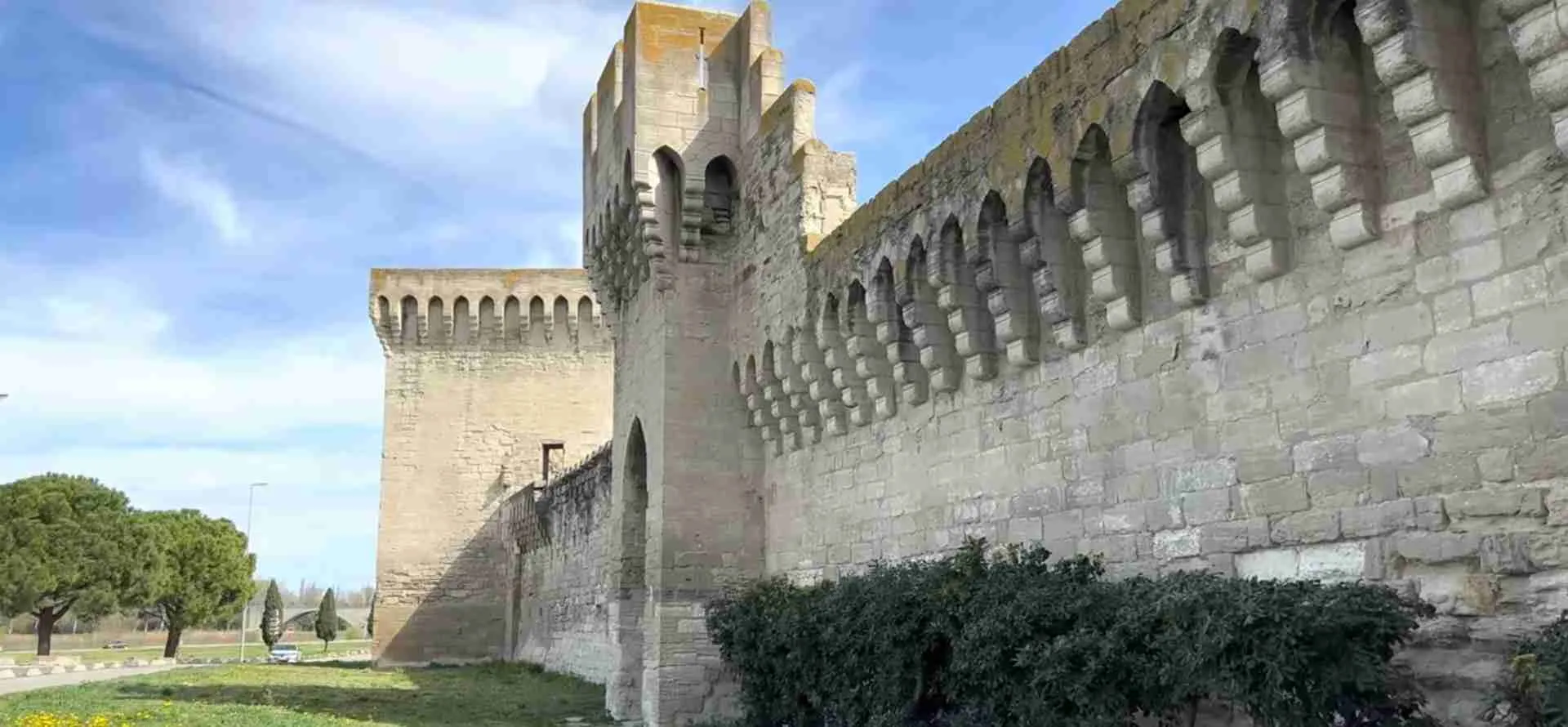
Avignon commands the Rhône River from behind medieval ramparts, its skyline dominated by the Palace of the Popes—a 14th-century Gothic fortress-palace representing papal power during the Catholic Church’s Avignon exile. This UNESCO World Heritage site anchors a compact medieval city where narrow cobbled streets wind between historic residences, churches, and squares preserved from seven centuries of continuous habitation. Planning your 2026 Avignon visit requires understanding the Palace’s central significance, the city’s role as Provence’s northern cultural capital, and its strategic value as a base for regional exploration spanning Roman heritage sites, lavender fields, and wine regions.
The Palace of the Popes attracts 650,000 annual visitors drawn to its architectural grandeur and historical importance as Christianity’s second Vatican during the 14th-century papal residency. Your 2026 planning must account for Palace visit timing to avoid peak season crowds while maximizing the experience through audio guides, temporary exhibitions, and strategic exploration of the fortress-palace’s chapel, papal apartments, and medieval tower system. Beyond the Palace, Avignon’s medieval ramparts enclose a living historic center where markets, restaurants, and cultural venues create authentic Provençal urban life distinct from countryside village atmospheres.
People Also Ask About Avignon Travel 2026
How long do you need to visit Avignon in 2026?
Avignon requires 1-2 full days for comprehensive city exploration including the Palace of the Popes (2-3 hours), medieval rampart walk (1 hour), Pont d’Avignon bridge visit (30 minutes), and historic center wandering through markets, churches, and residential streets. A single focused day covers the Palace thoroughly with additional time for one major secondary attraction like Rocher des Doms gardens or Petit Palais museum. Two days allow relaxed Palace exploration, complete rampart circuit, evening dining experiences, and a half-day trip to nearby Châteauneuf-du-Pape wine region.
Extended 3-4 day Avignon stays position the city as a Provence exploration base, using mornings and evenings for city immersion while dedicating daytime hours to day trips reaching Pont du Gard UNESCO aqueduct (30 kilometers), Orange Roman Theatre (30 kilometers), Luberon villages (35-50 kilometers), and Arles Roman amphitheater (40 kilometers). This approach maximizes accommodation efficiency by maintaining a single base while accessing diverse Provence attractions within 30-60 minute drives. Weekend breaks work well for Palace-focused visits, while week-long Provence itineraries benefit from 2-3 Avignon nights balancing medieval heritage with regional diversity.
What does Palace of the Popes admission cost in 2026?
Palace of the Popes admission costs €12 for adults, €10 for students and seniors, and free for visitors under 18 in 2026. Check palais-des-papes.com for current official rates as pricing may vary. The admission includes comprehensive multilingual audio guide devices covering palace history, papal apartments, chapel frescoes, and architectural significance through 90-minute narrated circuits. Combination tickets pairing the Palace with Pont d’Avignon bridge cost €15.50, saving €2 versus separate admissions for both sites.
Special guided tours exploring restricted palace areas including roof terraces and secret passages cost €18-22 beyond standard admission, offered 2-3 times daily during summer season. These enhanced experiences provide access to spaces unavailable through self-guided visits, including 360-degree views from palace towers and detailed explanations of papal residence political dynamics. Temporary exhibitions occupying palace halls may require separate €8-12 admission beyond base tickets depending on exhibition scope and duration, with combination tickets available for comprehensive palace experiences in 2026.
When is the best time to visit Avignon in 2026?
Avignon visits optimize during spring (April-May) and autumn (September-October) when weather remains pleasant at 18-24°C, Palace crowds moderate compared to summer peaks, and accommodation costs stay 25-35% below July-August rates. April features spring blooms in Rocher des Doms gardens and comfortable temperatures for rampart walks without summer heat intensity. September delivers excellent weather continuation after peak season concludes, with harvest season cultural events and wine experiences at nearby Châteauneuf-du-Pape vineyards.
July presents dual considerations for 2026 planning: the renowned Avignon Festival (Festival d’Avignon, July 4-24, 2026) transforms the Palace and surrounding venues into France’s largest theater festival, creating exceptional cultural programming but increasing accommodation costs 20-30% and tightening hotel availability requiring 3-4 month advance booking. Summer heat reaches 32-36°C, making midday outdoor exploration challenging though evening temperatures moderate for pleasant dining and performance attendance. Winter (November-March) offers lowest costs and minimal crowds but faces shorter palace hours (9 AM – 5 PM versus 9 AM – 8 PM summer) and occasional closures for maintenance or events.
Is Avignon a good base for exploring Provence in 2026?
Avignon serves as an excellent Provence exploration base for 2026, offering TGV rail access from Paris, extensive accommodation options across budget levels, and central positioning for day trips spanning Roman heritage sites, lavender regions, and wine areas. The city sits 30 kilometers from Pont du Gard UNESCO aqueduct, 30 kilometers from Orange Roman Theatre, 35-50 kilometers from Luberon villages, and 100 kilometers from Valensole Plateau lavender fields—all accessible via rental car or organized tours departing from Avignon’s city center.
Compared to alternative Provence bases, Avignon provides superior public transportation connections (TGV station, regional bus networks), larger restaurant and accommodation selection, and walkable city center eliminating car dependency for evening activities. Aix-en-Provence offers similar base functionality with more upscale atmosphere and closer Mediterranean beach access, while small Luberon villages provide countryside immersion but limited services and dining variety. For visitors balancing UNESCO heritage exploration, Provençal culture, and practical logistics including train access and accommodation diversity, Avignon’s combination of medieval significance and modern amenities creates optimal 2026 Provence base positioning.
Extended multi-day tours – 5+ days
Featured Avignon Multi-Day Tour Packages

7 days
Discover Provence
- ✓ Comprehensive Avignon tour
- ✓ Expert local guides included
- ✓ All accommodation arranged
- ✓ Transportation provided
5 days
Cote d Azur, Burgundy and Alsace (from Marseille to Paris)
- ✓ Comprehensive Avignon tour
- ✓ Expert local guides included
- ✓ All accommodation arranged
- ✓ Transportation provided

5 days
Santons and Christmas traditions along the canals of Provence In the footsteps of fortresses and authentic villages
- ✓ Comprehensive Avignon tour
- ✓ Expert local guides included
- ✓ All accommodation arranged
- ✓ Transportation provided
7 days
Cote d Azur, Burgundy, Alsace and Black Forest (including Gengenbach)
- ✓ Comprehensive Avignon tour
- ✓ Expert local guides included
- ✓ All accommodation arranged
- ✓ Transportation provided
Multi-day tour packages powered by TourRadar. Prices and availability subject to change.
Essential Planning Information 2026
Understanding Palace of the Popes Significance
The Palace of the Popes stands as Europe’s largest Gothic palace, constructed 1335-1352 during the Catholic papacy’s 70-year Avignon residence when political turmoil forced papal relocation from Rome. Seven successive popes expanded the fortress-palace complex into a 15,000-square-meter architectural achievement combining defensive military design with ecclesiastical grandeur appropriate for Christianity’s supreme authority. The Palace’s UNESCO World Heritage designation recognizes both its exceptional Gothic architecture and its unique historical role as the Catholic Church’s temporary seat of power during the 14th-century Avignon Papacy.
Architectural significance derives from the Palace’s dual nature as fortress and papal residence, with 3-meter-thick walls, defensive towers, and military fortifications protecting lavish papal apartments decorated with frescoes by Italian master Matteo Giovannetti. The Grand Chapel accommodates 700 worshippers under 20-meter vaulted ceilings, while papal private apartments feature elaborate frescoes depicting hunting scenes, vineyard landscapes, and religious themes. This combination of defensive strength and artistic refinement represents medieval Catholicism’s temporal power and spiritual authority concentrated in a single architectural complex.
Contemporary Palace visits navigate 25 exhibition rooms spanning multiple architectural periods, from Benedict XII’s austere Old Palace (1335-1342) to Clement VI’s ornate New Palace (1342-1352). Audio guide commentary connects architectural elements to historical events including papal elections, medieval councils, and the palace’s transformation into military barracks during post-revolutionary France. Understanding this historical layering enhances Palace exploration beyond architectural appreciation into comprehension of Catholic Church political dynamics and Avignon’s unique position in European religious history during the 14th century.
Avignon City Layout and Navigation
Avignon’s medieval center occupies the intra-muros (within walls) district, a compact 1-square-kilometer area enclosed by 4.3-kilometer preserved ramparts dating from the 14th century. The Palace of the Popes dominates the northern sector, with Place du Palais forming the city’s ceremonial heart surrounded by the Palace, Notre-Dame-des-Doms cathedral, and Petit Palais museum. Rue de la République—the main commercial street—bisects the center north-south, connecting the Palace area to the train station outside southern walls.
Navigation within ramparts proceeds entirely on foot, as the medieval street network precludes vehicle access to most areas and parking exists only at periphery lots. Walk from Palace to Pont d’Avignon in 5 minutes, Palace to central restaurants and markets in 3-5 minutes, and Palace to southern train station gate in 12-15 minutes. The compact scale eliminates transportation needs within the historic center, though luggage transfer to hotels via taxi proves practical given cobblestone challenges and pedestrian-only streets preventing direct vehicle access to many accommodations.
Orientation centers on Place de l’Horloge, the central square hosting cafés, restaurants, and the town hall, positioned halfway between Palace (north) and train station (south). Markets occupy various locations throughout the week: Les Halles covered market operates daily except Monday at Place Pie, providing Provençal produce and specialty foods. Saturday morning sees extensive outdoor markets filling streets throughout the center with regional products, crafts, and antiques. Use Place de l’Horloge as navigational reference point, with Palace always north and station always south from this central gathering space.
Seasonal Considerations and Climate Patterns
Avignon experiences typical Provence Mediterranean climate with hot dry summers, mild winters, and distinct mistral wind patterns affecting comfort and activity planning year-round. Summer (June-August) brings temperatures of 28-35°C with minimal rainfall, creating excellent evening conditions for outdoor dining and performance attendance but challenging midday heat for Palace exploration requiring 2-3 hours of indoor concentration. The mistral—a strong northerly wind—blows 100-150 days annually, most frequently in winter and spring, creating uncomfortable conditions for rampart walks but clearing atmospheric haze for exceptional photography clarity.
Spring (March-May) delivers ideal Palace visit conditions with temperatures of 15-24°C, blooming gardens, and moderate crowds compared to summer peaks. Rainfall occurs more frequently than summer (8-10 days monthly versus 3-4), requiring flexible scheduling for outdoor activities like rampart walks and garden exploration. Autumn (September-November) extends comfortable temperatures through October with harvest season cultural events and reduced tourist density after summer festival conclusion. November initiates winter shoulder season with Palace visitor numbers dropping 60-70% despite continued mild weather averaging 12-18°C.
Winter (December-February) represents lowest-cost, lowest-crowd Avignon season with occasional cold snaps reaching 2-5°C and rare snowfall (1-2 days annually). Palace maintains winter hours 9 AM – 5 PM (versus 9 AM – 8 PM summer), reducing afternoon visit time but creating intimate experiences in papal apartments without summer’s dense crowds. Christmas markets operate late November through December in Place de l’Horloge, adding seasonal atmosphere without requiring specific Palace visit planning. For visitors prioritizing Palace exploration over weather perfection, winter delivers exceptional access and costs 40-50% below peak season despite reduced daylight and occasional cold weather.
Best Time to Visit Avignon 2026
Festival Season Planning and Cultural Events
The Avignon Festival (Festival d’Avignon) represents France’s largest theater festival, transforming the Palace of the Popes into a primary performance venue alongside 40+ additional locations throughout the city from July 4-24, 2026. The festival presents 40-50 theater productions from international companies, street performances filling medieval squares, and cultural programming creating extraordinary atmosphere for visitors combining Palace heritage with contemporary performing arts. Tickets for palace courtyard performances cost €20-50 depending on production, with popular shows selling out 2-3 weeks ahead requiring advance planning through festival-avignon.com.
Festival season creates dual implications for 2026 planning: exceptional cultural programming and vibrant city atmosphere enhance visits for theater enthusiasts and cultural travelers, while accommodation costs increase 20-30% and hotel availability tightens requiring 3-4 month advance booking. July heat compounds festival crowding with temperatures of 30-36°C making midday activities challenging, though evening performances and late restaurant dining (9-11 PM) capitalize on moderate evening temperatures for comfortable outdoor cultural experiences. Visitors uninterested in theater programming should avoid July, while festival participants should plan comprehensive advance bookings for both accommodations and desired performances.
Alternative cultural events spread throughout 2026 including contemporary art exhibitions at Collection Lambert (year-round), classical music concerts at Palace courtyards (June-August), and Christmas markets in medieval squares (November-December). These events enhance Avignon’s cultural atmosphere without festival season’s extreme accommodation pressure and crowd intensity. September hosts smaller-scale cultural programming including wine harvest festivals and culinary events, providing cultural enhancement without July’s logistical complications for accommodation and site access planning.
Optimal Palace Visit Timing and Crowd Management
Palace of the Popes experiences peak crowding July-August when summer vacations and festival attendance combine to create 3,000-4,000 daily visitors during peak weeks. Arrive at 9 AM opening to access papal apartments and chapel before tour group arrivals intensify around 10:30 AM, or visit after 5 PM during extended summer hours (until 8 PM) when day-trippers depart and lighting creates dramatic atmosphere in palace courtyards. Mid-morning through mid-afternoon (10 AM – 4 PM) sees densest crowds requiring patience for audio guide listening and photograph composition without visitor interference.
Shoulder seasons (April-May, September-October) reduce palace visitation by 40-50% while maintaining comfortable weather for 2-3 hour interior exploration. These periods allow relaxed audio guide consumption without crowd pressure, better photography opportunities in papal apartments, and more intimate atmosphere for appreciating architectural details and historical significance. Tuesday-Thursday midweek visits during shoulder seasons create optimal conditions combining minimal crowds with full palace access and extended exploration time without the urgency imposed by peak season visitor density.
Winter months (November-March) deliver the quietest palace experiences with visitor numbers dropping 60-70% despite reduced hours (9 AM – 5 PM). These conditions suit serious architecture enthusiasts and photography-focused visitors who prioritize unobstructed access over perfect weather conditions. The palace’s massive stone construction maintains cool interior temperatures year-round, requiring layers even in summer heat but creating comfortable winter interior environments when exterior temperatures drop. Plan winter visits midday (11 AM – 3 PM) for optimal natural light penetration through palace windows illuminating frescoes and architectural details in papal apartments.
Day Trip Seasonality and Regional Coordination
Avignon-based day trips to surrounding Provence destinations face different seasonal optimizations than the Palace itself, requiring coordination for comprehensive regional planning in 2026. Lavender fields peak late June through mid-July (June 25 – July 15 optimal window), creating conflicting timing with Avignon Festival but aligning with peak accommodation costs and summer heat. Visitors prioritizing lavender photography should accept festival period challenges or split itineraries between early July Avignon base (pre-festival) and late June lavender field access.
Roman heritage sites including Pont du Gard, Orange Theatre, and Arles amphitheater remain accessible year-round with reduced crowds during shoulder and winter seasons providing enhanced experiences without summer heat affecting outdoor archaeological exploration. Spring (April-May) delivers ideal conditions for these day trips with blooming landscapes, moderate temperatures of 18-24°C, and 30-40% fewer visitors compared to summer peaks. September continues excellent Roman site conditions with harvest season atmosphere adding cultural richness to architectural exploration.
Wine region visits to Châteauneuf-du-Pape optimize during September-October harvest season when vineyard activity peaks, tasting rooms welcome visitors with new vintage previews, and autumn colors enhance countryside drives. These experiences complement Avignon base visits during shoulder season when Palace crowds moderate and accommodation costs decrease after summer festival conclusion. Coordinate your 2026 planning around primary interests—lavender requires July acceptance, Roman sites favor spring/autumn, wine experiences optimize September-October—then structure Avignon base timing accordingly for maximum regional experience quality.
Transportation Guide 2026
Reaching Avignon in 2026
TGV high-speed trains connect Paris Gare de Lyon to Avignon TGV station in 2 hours 40 minutes with hourly departures throughout the day at €45-95 depending on booking timing and travel class in 2026. Book tickets 3-4 months ahead through sncf-connect.com for lowest fares in the €45-65 range, particularly for Friday afternoon and Sunday evening services when demand peaks for weekend breaks. Last-minute purchases within 2 weeks of travel approach €85-95 even for midweek departures, emphasizing advance booking value for predictable Avignon travel dates.
Avignon TGV station sits 5 kilometers south of medieval center, connected via shuttle buses (Navette TGV) running every 15 minutes to Avignon Centre station adjacent to city ramparts (€1.60, 10-minute journey). Taxis cost €15-22 for direct hotel transfers avoiding bus connections with luggage, while rental car pickup at TGV station facilities provides immediate Provence access without city center navigation. The historic Avignon Centre station serves regional trains from Marseille (1 hour, €18-32), Lyon (2 hours, €30-55), and Nîmes (30 minutes, €12-18), offering alternative access points for multi-city Provence itineraries.
Air travelers use Marseille Provence Airport (MRS), 70 kilometers southeast of Avignon, receiving direct flights from Paris, European capitals, and seasonal North American services. Airport shuttle buses reach Avignon in 60 minutes (€25, departures every 1-2 hours), or connect to Marseille Saint-Charles station for TGV service to Avignon (combined 90 minutes, €35-45 total). Car rental at Marseille airport provides flexibility for Provence touring but adds highway tolls (€8-12) and parking costs (€15-25 daily in Avignon) compared to train-based city access with walking exploration.
Avignon City Transportation and Parking
Avignon’s compact medieval center eliminates transportation needs within ramparts, with all major sites, restaurants, and accommodations accessible via 5-15 minute walks from central Place de l’Horloge. The pedestrian-only historic core prohibits vehicle access to most streets, making walking the primary and most efficient transportation mode for intra-muros exploration. City buses (TCRA network) serve peripheral neighborhoods and attractions beyond walls, costing €1.60 per ride or €5 for day passes, though tourists rarely require bus services given the concentrated medieval center layout.
Parking for visitors arriving by car concentrates in several lots around rampart perimeter: Parking Palais des Papes (directly below palace, €2.50/hour, €20/day maximum, 280 spaces filling early during peak season), Parking des Italiens (southeast ramparts, €1.50/hour, €12/day), and Parking de l’Ile Piot (free parking on Rhône island, 800 meters from Palace, 10-minute walk to center). Book hotels offering parking facilities (€12-18 per night) to avoid daily lot searches during July-August when visitor vehicle volumes exceed capacity creating afternoon parking frustration.
For day trips using Avignon as a base, retrieve rental cars from TGV station facilities (avoiding city center navigation) or use organized tour departures from central meeting points eliminating parking concerns entirely. Morning departures for Provence destinations (8-9 AM) encounter less parking pressure than midday returns (4-6 PM) when spaces fill with dinner and evening activity arrivals. Alternative parking exists at Avignon TGV station (€8/day, unlimited spaces, shuttle bus to center) for visitors willing to exchange convenience for guaranteed availability and lower costs.
Regional Day Trip Transportation Options
Rental cars provide optimal flexibility for Avignon-based Provence day trips, allowing self-paced exploration of Pont du Gard (30 kilometers, 35 minutes), Orange (30 kilometers, 30 minutes), Luberon villages (35-50 kilometers, 45-60 minutes), and Châteauneuf-du-Pape vineyards (15 kilometers, 20 minutes). Pick up vehicles at Avignon TGV station (€40-60 per day for compact cars) avoiding city center driving and parking challenges. Reserve 2-3 months ahead for July rentals when festival attendance creates vehicle shortage and premium pricing, particularly for automatic transmissions adding €10-15 daily to base rates.
Organized day tours from Avignon offer car-free alternatives at €80-120 per person for full-day experiences combining 2-3 destinations like Pont du Gard + Orange + Châteauneuf-du-Pape, or Luberon villages + lavender fields circuits. These depart from central Avignon meeting points at 8:30-9 AM, returning 6-7 PM after comprehensive guided experiences. Tours include admission fees, transportation, and sometimes lunch or wine tastings, delivering good value for solo travelers or visitors uncomfortable with French driving conventions. Book tours 2-4 weeks ahead through Avignon tourism office or specialized providers for summer season guaranteed availability.
Public buses serve some regional destinations though limited frequency restricts practical utility: Avignon to Pont du Gard runs twice daily weekdays only (€1.60, 45 minutes), Avignon to Orange operates hourly (€1.60, 45 minutes), while Luberon villages require multiple transfers consuming 2-3 hours each direction. These options work for budget travelers visiting single destinations daily without time constraints but prove impractical for multi-site day trips or comprehensive regional exploration. Combine public transport to major destinations (Orange, Arles) with rental car days for scattered sites (Luberon villages, lavender fields) to balance costs and access flexibility.
Accommodation Strategies 2026
Intra-Muros Medieval Center Hotels
Accommodations within Avignon’s medieval ramparts provide optimal convenience for Palace exploration and evening restaurant access, eliminating vehicle dependency and enabling spontaneous medieval street wandering. Three-star hotels within walls range €100-150 nightly during regular season (April-June, September-October), increasing to €130-180 during July festival period. These properties occupy converted historic buildings with original stone walls, vaulted ceilings, and Provençal architectural character, though room sizes tend compact (15-20 square meters) given medieval building constraints.
Location within ramparts divides between northern Palace area accommodations (premium pricing, immediate Palace access, quieter evening atmosphere) and southern properties near train station (€10-20 lower rates, more restaurant variety, livelier but noisier street ambiance). Palace area hotels suit visitors prioritizing UNESCO site focus and intimate historic quarters, while southern sector locations benefit travelers emphasizing dining variety, evening entertainment, and walking accessibility to both Palace and transportation. Evaluate specific property locations using online maps to confirm proximity to priority interests before booking.
Intra-muros hotels rarely provide parking given medieval street networks prohibiting vehicle access, instead directing guests to public lots charging €12-20 daily. Factor these costs into accommodation budgets when comparing rampart-interior properties versus peripheral hotels including parking. Superior category hotels (€180-280 nightly) offer roof terraces, swimming pools, and enhanced rooms at 25-35 square meters, providing comfort upgrades worth consideration for visitors spending multiple consecutive nights in Avignon rather than brief overnight stays between regional day trips.
Extra-Muros Peripheral and Budget Options
Hotels outside medieval ramparts reduce costs 25-35% while requiring 10-15 minute walks to Palace and historic center, acceptable compromises for budget-focused travelers. Properties surrounding the train station south of walls cost €70-100 nightly for mid-range quality, offering free parking, larger rooms, and easier vehicle access for day trip departures. These locations work well for visitors using Avignon primarily as a Provence base rather than extended medieval city immersion, prioritizing practical logistics over atmospheric accommodation within rampart walls.
Budget chains (Ibis, B&B Hotels) in peripheral locations offer €60-80 nightly rates with parking included, though sacrifice Provençal character for standardized international hotel product. These prove practical for cost-conscious travelers or those requiring specific amenities like family rooms, accessible facilities, or consistent chain loyalty program benefits. Locations 2-3 kilometers from center require vehicle access or taxi usage (€10-15) for evening restaurant returns, limiting spontaneous dining flexibility compared to walkable intra-muros properties.
Vacation rentals via Airbnb or Booking.com provide alternative accommodation in both medieval center and peripheral areas at €80-180 nightly depending on size, location, and season. Apartments within ramparts offer kitchen facilities for breakfast and picnic lunch preparation, delivering food cost savings offsetting higher accommodation rates. Larger rentals (2-bedroom, 60+ square meters) suit families or small groups where per-person costs compete with hotel doubles while providing more space and self-catering flexibility. Book rentals 3-4 months ahead for July festival period when inventory tightens significantly under combined tourist and festival performer demand.
Strategic Booking Approaches for 2026
Book Avignon accommodations 3-4 months ahead for July festival visits (July 4-24, 2026) when hotel availability tightens and rates increase 20-30% above shoulder season pricing. Properties within medieval walls sell out 4-6 months ahead for peak festival weeks (mid-July), requiring early commitment or acceptance of extra-muros alternatives. Start searching in March for July stays, using major booking platforms (Booking.com, Hotels.com) for inventory assessment then contacting properties directly for potential rate negotiation or package deals including breakfast and parking.
Consider split-accommodation strategies for extended Provence stays using Avignon, spending 2 nights for Palace exploration and medieval city immersion, then relocating to Luberon villages (for lavender field proximity) or Aix-en-Provence (for southern Provence access). This approach optimizes nightly costs by limiting expensive Avignon festival-period nights while maintaining base diversity for varied Provence experiences. Book both locations simultaneously to secure preferred dates as sequential booking risks losing desired properties to other travelers during high-demand periods.
Refundable booking options provide flexibility for summer 2026 reservations made far in advance, accepting 10-15% premium for cancellation capability until 2-7 days before arrival. This proves valuable given weather uncertainties, personal schedule changes, or travel plan evolution during months between booking and arrival. Most Avignon hotels offer free cancellation options during booking process, while vacation rentals enforce stricter 30-60 day policies requiring earlier commitment for refundable reservations. Select refundable rates for advance bookings, converting to non-refundable options 1-2 weeks before arrival if plans confirm firmly for slight rate reductions.
Budget Planning for 2026 Avignon Travel
Daily Cost Breakdowns by Travel Style
Budget Avignon travel achieves €70-90 per person daily through peripheral accommodation (€70-90 nightly, €35-45 per person double occupancy), picnic lunches from Les Halles market (€10-15), casual dinners at simple restaurants (€15-25), Palace admission (€12), and walking-based exploration avoiding transportation costs. This approach emphasizes independent exploration with audio guides over organized tours, self-catered breakfast and lunch over restaurant meals, and evening picnics on Rhône riverbanks over sit-down dining, delivering comprehensive Avignon experiences through budget optimization rather than quality compromise.
Mid-range travelers budget €100-140 per person daily for balanced comfort and comprehensive access. Accommodation within medieval walls at €100-150 nightly (€50-75 per person), restaurant lunches at €18-25, quality dinners at traditional Provençal establishments at €30-40, Palace admission with combination Pont d’Avignon ticket (€15.50), organized half-day wine tours to Châteauneuf-du-Pape (€50-65), and incidental costs for coffee, snacks, and small purchases create complete Avignon experiences without budget restrictions limiting site access or dining quality.
Luxury Avignon experiences cost €200-300 per person daily through boutique hotels within ramparts at €180-280 nightly (€90-140 per person), upscale dining at chef-driven restaurants at €60-100 per meal, private Palace guided tours (€18-22 beyond admission), theater festival performances in palace courtyard (€30-50), premium wine experiences at top Châteauneuf-du-Pape domains (€40-80 per person), and curated cultural programming. These budgets emphasize exclusive access, culinary excellence, and intimate cultural experiences over mass tourism approaches, delivering sophisticated Avignon immersion through expert guidance and distinctive accommodation properties.
Sample Budget for 3-Day Avignon Visit
Day 1 – Arrival and Palace Exploration: TGV arrival from Paris mid-morning (€45-95), shuttle bus to center (€1.60), hotel check-in within ramparts (€100-150 per night). Afternoon Palace of the Popes visit (€12 admission, 2-3 hours exploration). Light lunch at café near palace (€12-18). Evening rampart walk followed by dinner at traditional restaurant on Place de l’Horloge (€30-40). TGV €70 midpoint, shuttle €1.60, lunch €15, dinner €35, Palace €12. Total day cost: €133.60 per person excluding accommodation.
Day 2 – Medieval City and Pont d’Avignon: Morning visit to Pont d’Avignon bridge (€5, or included in €15.50 combination ticket). Explore Rocher des Doms gardens (free) with Rhône River views. Lunch at market-sourced picnic (€12-18). Afternoon walking tour of medieval streets, Petit Palais museum (€7), and shopping at Provençal specialty boutiques. Evening wine bar experience sampling Côtes du Rhône wines (€20-30 for wine plus small plates). Pont bridge €5 (or covered by Day 1 combo ticket), picnic €15, museum €7, wine bar €25. Total day cost: €52 per person excluding accommodation (or €47 if using combination ticket from Day 1).
Day 3 – Châteauneuf-du-Pape Day Trip and Departure: Morning organized half-day wine tour to Châteauneuf-du-Pape vineyards (€50-65 including transportation, tastings at 2-3 domains, and village visit). Return to Avignon early afternoon for lunch at Les Halles market (€15-22). Final hours browsing antique shops and purchasing lavender products, olive oil, and regional specialties. Late afternoon hotel checkout and shuttle to TGV station for Paris return. Tour €58 midpoint, lunch €18, shuttle €1.60. Total day cost: €77.60 per person excluding accommodation.
3-Day Total Budget: Accommodation €300-450 (€100-150 × 3 nights for two people, €150-225 per person), daily costs €263.20 per person, TGV round-trip €140 midpoint. Complete 3-day trip cost: €553.20-628.20 per person including all expenses for mid-range comfortable Avignon experience.
Money-Saving Strategies for 2026
Advance booking provides the most substantial Avignon savings across transportation, accommodation, and cultural programming. Purchase TGV tickets 3-4 months early for €45-65 Paris-Avignon fares versus €85-95 for last-minute bookings. Reserve hotels 3-4 months ahead for 20-30% lower rates compared to festival period pricing, particularly for properties within medieval walls where limited inventory creates premium last-minute rates. Book theater festival tickets 4-6 weeks ahead for popular productions avoiding sellouts requiring alternative performances or dates.
Free and low-cost experiences deliver authentic Avignon immersion without admission charges: rampart walk circuit (free, 4.3 kilometers, 90 minutes), Rocher des Doms gardens (free, Rhône River panoramas and palace views), Les Halles market browsing (free, exceptional Provençal product observation), and historic street wandering throughout medieval center (free, architectural photography and cultural observation). Plan itineraries balancing paid admissions to Palace and museums with complimentary exploration maximizing daily experience variety without excessive per-day costs.
Meal cost optimization through Les Halles market provisions and picnic assembly reduces dining expenses 40-50% while delivering quality Provençal food experiences. Purchase breakfast supplies (bread, cheese, jam, yogurt, €8-12 for two people) and lunch provisions (charcuterie, olives, tomatoes, bread, €15-22) for half restaurant meal costs. Invest dinner budgets in single quality restaurant experience daily rather than three restaurant meals, balancing authentic culinary immersion with budget consciousness. Market provisions work particularly well for breakfast and lunch, reserving evening restaurant budgets for atmospheric dining when Avignon’s medieval streets and squares create memorable settings enhancing food quality through environmental context.
Shoulder season visits during April-May or September-October reduce accommodation costs 25-35% while maintaining excellent weather for Palace exploration and medieval city discovery. These periods offer additional savings through reduced restaurant pricing (15-20% lower menus after peak season), easier hotel negotiation for multi-night stays, and lower rental car costs for Provence day trips. April and September deliver comparable weather quality to summer months at 20-24°C average temperatures with moderate rainfall, compensating for summer festival absence through cost savings enabling extended stays or enhanced dining and wine experiences within equivalent total budgets.
Sample 2026 Avignon Itineraries
Weekend Palace Focus (2 Days)
Day 1 – Arrival and Palace Immersion: Friday TGV arrival from Paris 11 AM (€45-95), shuttle to center, check into hotel within ramparts. Early afternoon Palace of the Popes visit (€12 admission) allocating 2.5-3 hours for comprehensive audio guide tour covering all 25 rooms, papal apartments, chapel frescoes, and tower viewpoints. Late afternoon break at hotel followed by evening rampart walk capturing sunset views over Rhône River and surrounding Provence countryside (free, 1 hour partial circuit). Dinner at traditional Provençal restaurant featuring regional specialties like daube provençale or bouillabaisse (€35-50). TGV €70 midpoint, shuttle €1.60, Palace €12, dinner €42. Total day cost: €125.60 per person excluding accommodation €100-150.
Day 2 – Medieval Exploration and Departure: Morning visit to Pont d’Avignon bridge (€5 or €15.50 combination with Palace if not purchased Day 1) experiencing the famous partial bridge and river views. Walk to Rocher des Doms gardens for Rhône panoramas and palace exterior photography from elevated viewpoint (free, 45 minutes). Return through medieval streets to Les Halles market for lunch provisions and Provençal product shopping (€15-20 for lunch, €30-50 for lavender, olive oil, wine purchases). Early afternoon Petit Palais museum visit featuring medieval and Renaissance Italian paintings (€7, 1 hour). Final hour browsing antique shops and boutiques before hotel checkout and return TGV to Paris. Bridge €5, lunch €17, museum €7, purchases €40, shuttle €1.60. Total day cost: €70.60 per person excluding accommodation.
Weekend Total Budget: Accommodation €200-300 (€100-150 × 2 nights for two people, €100-150 per person), daily costs €196.20, TGV round-trip €140. Complete weekend: €436.20-486.20 per person for comprehensive Palace-focused Avignon experience including quality dining and shopping.
4-Day Avignon Base with Provence Day Trips
Day 1: Follow Weekend Day 1 itinerary for arrival and Palace exploration.
Day 2 – Pont du Gard and Orange UNESCO Sites: Morning departure 9 AM via rental car (€40-60 daily, picked up previous evening at TGV station) for Pont du Gard aqueduct UNESCO site 30 kilometers north (€10 admission including museum). Spend 2.5 hours exploring three-tiered arches, riverside trails, and interpretive exhibits. Afternoon continue to Orange (30 kilometers from Pont du Gard) for Roman Theatre UNESCO World Heritage visit (€11.50 admission with audio guide). Return to Avignon evening via D road through vineyards. Lunch picnic at Pont du Gard €12-18, snacks €8-12. Pont du Gard €10, Orange €11.50, lunch €15, snacks €10, fuel €15. Total day cost: €61.50 per person excluding accommodation and car rental €50.
Day 3 – Châteauneuf-du-Pape Wine Region: Morning drive to Châteauneuf-du-Pape village 20 minutes north for wine tasting circuit at village caves and prestigious domains. Visit 2-3 cellars for tastings (€10-20 per domain for standard sessions), with lunch at village restaurant featuring wine pairings (€30-45). Afternoon exploration of surrounding vineyard landscapes and medieval papal castle ruins (free). Evening return to Avignon for dinner at wine bar specializing in Côtes du Rhône varieties (€25-35). Wine tastings €30 total, lunch €37, dinner €30, fuel €10. Total day cost: €107 per person excluding accommodation and car rental.
Day 4 – Luberon Villages and Departure: Morning drive to Gordes hilltop village 35 kilometers east (free village exploration), stopping at roadside lavender fields if visiting late June-early July for photography. Continue circuit through Roussillon with ochre cliffs (€3.50 Ochre Trail admission) and Bonnieux for countryside panoramas. Lunch at Luberon village restaurant (€22-32). Afternoon return to Avignon via scenic D roads, drop rental car at TGV station, evening Paris departure. Ochre Trail €3.50, lunch €27, fuel €20. Total day cost: €50.50 per person excluding accommodation and car rental.
4-Day Total Budget: Accommodation €400-600 (€100-150 × 4 nights for two people, €200-300 per person), daily costs €345.60, transportation (TGV + 3-day car rental €140-180) €210-270. Complete 4-day Avignon and Provence: €755.60-915.60 per person.
Booking and Reservations for 2026 Avignon
Palace of the Popes Booking Procedures
Palace of the Popes admission doesn’t require advance booking for general visits, allowing flexible arrival timing based on weather, energy levels, and daily schedule adjustments. Purchase tickets at the palace entrance (Rue Pente Rapide near Place du Palais) or online through palais-des-papes.com for slight time savings avoiding entrance queue, though online booking provides minimal advantage given efficient on-site ticket procedures. Audio guides include with admission, distributed immediately after ticket purchase in multiple languages (English, French, Spanish, Italian, German, Japanese, Chinese).
Guided tours exploring restricted palace areas including roof terraces and secret passages require advance booking through the palace website, offered 2-3 times daily during summer season at 10 AM, 2 PM, and sometimes 4 PM. These €18-22 enhanced experiences limit group sizes to 15-20 participants, selling out 1-2 weeks ahead for July-August dates when general palace visitation peaks. Book guided tours 3-4 weeks ahead once Avignon arrival dates confirm to secure preferred times, particularly for morning 10 AM sessions avoiding afternoon summer heat affecting roof terrace portions of enhanced tours.
Theater festival performances in palace courtyards during July require separate ticket purchases through festival-avignon.com, with reservations opening in May for July 4-24, 2026 festival dates. Popular productions sell out 3-4 weeks before performances, while less prominent shows maintain availability through festival week. Purchase festival tickets simultaneously with accommodation booking once July Avignon plans finalize, as performances influence optimal stay dates and evening activity planning around specific shows of interest within festival programming.
Accommodation and Transportation Reservations
Book Avignon hotels 3-4 months ahead for July festival visits when intra-muros properties sell out 4-6 months in advance for peak festival weeks (July 10-20). Start searching in March for July stays using Booking.com, Hotels.com, and Airbnb for comprehensive inventory assessment, then contact preferred properties directly for potential rate negotiations or added-value packages including breakfast, parking, or festival ticket assistance. Properties within medieval walls require earliest booking given limited inventory and highest demand from festival attendees seeking walkable access to performance venues.
Reserve TGV tickets at sncf-connect.com when they become available 4 months before travel dates, securing €45-65 lowest fares for Paris-Avignon service that escalates to €85-95 as departure approaches. Book round-trip tickets simultaneously for slight savings versus separate one-way purchases, and select specific trains rather than flexible tickets as popular Friday evening outbound and Sunday evening return services sell out during peak summer season. Confirm tickets immediately after purchase as occasional technical issues can disrupt booking completion, requiring re-purchase at potentially higher fares if not verified promptly.
Rental car reservations should be made 2-3 months ahead for July pickups at Avignon TGV station, comparing rates across Europcar, Hertz, Avis, and Sixt for competitive pricing. Book directly through rental company websites rather than third-party aggregators for guaranteed reservations and easier modification if dates change. Add full insurance coverage (CDW plus theft protection, €15-25 daily) to eliminate liability concerns on Provence’s narrow village roads and parking challenges in medieval towns. Automatic transmissions require explicit reservation as manual gearboxes remain standard in France, with automatic options adding €10-15 daily premium and sometimes facing limited availability during peak rental season.
Day Trip and Experience Reservations
Organized day tours from Avignon to Provence destinations fill 2-4 weeks ahead during July-August, requiring advance booking through tourism office referrals or specialized tour operators. Popular circuits combining Pont du Gard + Orange + Châteauneuf-du-Pape or Luberon villages + lavender fields (when in season) see earliest capacity exhaustion given small group tour sizes of 8-15 participants. Contact tour providers 1-2 months before Avignon arrival to secure preferred dates and confirm exact itinerary details, departure points, and included elements before payment commitment.
Wine tasting experiences at prestigious Châteauneuf-du-Pape domains sometimes require advance appointments, particularly for premium guided visits to top estates like Château de Beaucastel, Château Rayas, or Domaine du Vieux Télégraphe. Email domain contact addresses 3-4 weeks ahead requesting tasting appointments, specifying group size and preferred dates for optimal scheduling accommodation. Village caves in Châteauneuf-du-Pape center accept walk-in visitors without reservation, providing fallback options if preferred domains prove fully booked or unavailable for spontaneous visits.
Restaurant reservations become necessary for upscale Avignon dining during festival period when performing artists, attendees, and regular tourists create peak demand for quality establishments. Book dinner tables 1-2 weeks ahead for highly-regarded restaurants, or rely on hotel concierge assistance for last-minute reservations using professional networks. Casual restaurants and bistros accommodate walk-in diners even during peak season, though popular locations require arrival by 7:30 PM before prime 8-9 PM dining hour crowds fill available seating. Consider early (7 PM) or late (9:30 PM) dinner timing for enhanced table availability at desired restaurants without advance reservations.
2026 Avignon Updates and Current Information
Digital Infrastructure and Visitor Services
Palace of the Popes enhanced its digital visitor services in 2026 through improved mobile application offering augmented reality historical reconstructions of papal apartments, interactive architectural explanations, and multilingual content beyond standard audio guide narration. Download the free Palace app before arrival using WiFi to avoid mobile data costs during visit, enabling 3D visualizations of medieval papal ceremonies, furniture arrangements in historical state rooms, and architectural evolution across construction periods. The app complements physical audio guides through visual enhancement rather than replacement, creating layered interpretation suitable for different learning preferences.
Avignon tourism office (41 Cours Jean Jaurès) expanded multilingual information services and booking assistance for accommodations, tours, and cultural programming. The office operates Monday-Saturday 9 AM – 6 PM (extended to 7 PM during summer), providing same-day hotel booking support when advance reservations fall through, regional transportation guidance, and current event calendars. Free WiFi throughout the office enables immediate online booking completion and digital map downloading for self-guided exploration planning.
City WiFi coverage expanded across major public spaces including Place du Palais, Place de l’Horloge, and rampart gardens, though network reliability varies with user density during peak festival attendance. Purchase local SIM cards at tabac shops (€15-25 for 2-week data plans) for consistent internet access supporting navigation apps, restaurant research, and photography uploads during Avignon stays. EU visitors benefit from roaming agreements eliminating additional charges for mobile data usage throughout France.
Sustainability and Responsible Tourism
Avignon implemented pedestrian priority zones throughout medieval center reducing vehicle access and enhancing walking comfort for tourism exploration. These traffic restrictions create occasional challenges for luggage transport to hotels, though taxi exemptions allow direct accommodation access for check-in and checkout transfers. The pedestrianization improves overall visitor experience through reduced noise, enhanced safety for street wandering, and better atmosphere for outdoor dining throughout historic quarters.
Sustainable tourism initiatives encourage visitors to explore Avignon via walking and cycling rather than vehicle dependency, with bike rental stations positioned at major points around ramparts. Vélopop bike sharing costs €1 for 30-minute rides, €5 for day passes, providing economical transportation for peripheral accommodation to center commutes or rampart circuit exploration. The flat terrain within and immediately surrounding medieval walls creates ideal cycling conditions for visitors comfortable with bicycle navigation in urban environments.
Overtourism management during festival period focuses on temporal dispersion through promotion of morning palace visits (9-11 AM) and late afternoon access (5-8 PM during extended summer hours) when tour group concentrations moderate. Visit the Palace outside peak midday hours (11 AM – 4 PM) for better audio guide listening conditions, photography opportunities, and more contemplative atmosphere for appreciating architectural details and historical significance. The palace’s large scale (15,000 square meters across multiple buildings) distributes even peak-hour crowds sufficiently for acceptable visit quality, unlike smaller monuments where crowding fundamentally compromises experiences.
Safety and Health Considerations
Avignon maintains low crime rates typical of French provincial cities, with standard urban precautions sufficient for safe exploration: awareness of pickpockets in crowded areas like Place de l’Horloge during market days, avoiding isolated locations late evening, and securing valuables in hotel safes. The compact medieval center creates natural surveillance through concentrated pedestrian activity, enhancing safety through visibility and community presence. Solo travelers, including women traveling independently, report comfortable experiences throughout Avignon with normal situational awareness.
Medical facilities include Centre Hospitalier d’Avignon Henri Duffaut (305 Rue Raoul Follereau) providing emergency and standard care with English-speaking staff available for international patient communication. Pharmacies operate throughout the medieval center (identified by green cross signs), offering over-the-counter medications and basic first aid supplies without prescription requirements for most common ailments. European Health Insurance Card holders receive reciprocal care in France, while visitors from outside EU should verify international health insurance provisions or purchase travel medical coverage before departure.
Summer heat in Avignon reaches 30-36°C during July-August, requiring sun protection, substantial water supplies (2-3 liters daily per person), and midday activity moderation during peak heat hours (12-4 PM). The palace’s massive stone construction maintains cooler interior temperatures (22-26°C) even during summer heat peaks, creating comfortable refuge during afternoon exploration when outdoor temperatures exceed comfortable levels for extended walking. Plan intensive outdoor activities like rampart walks and garden visits for morning (before 11 AM) or late afternoon (after 5 PM) when temperatures moderate to 24-28°C during July-August peak season.
Frequently Asked Questions
How long does a Palace of the Popes visit take?
A comprehensive Palace of the Popes visit requires 2-3 hours for thorough audio guide tour covering all 25 accessible rooms, papal apartments, chapel examination, and tower viewpoint access. The audio guide offers 90-minute standard narration, though visitors typically spend additional time photographing architectural details, reading supplementary exhibit information, and absorbing the fortress-palace atmosphere beyond structured commentary. Rushed visits complete in 90 minutes covering only highlights, while architecture enthusiasts and photography-focused visitors can justify 3-4 hours for detailed exploration and optimal lighting conditions in various palace sections throughout visit progression.
Can you climb to the top of Palace of the Popes?
Standard palace admission includes access to several tower levels providing elevated views over Avignon and surrounding Provence countryside, though the absolute highest points require participation in special guided tours exploring restricted areas. The Tour de la Garde-robe and Tour de la Glacière within regular access routes offer substantial elevation for city panoramas without requiring guided tour booking. Enhanced roof terrace tours (€18-22 beyond standard admission) provide supreme viewpoints and access to structural elements unavailable during self-guided visits, worthwhile for visitors seeking ultimate architectural understanding and photographic perspectives of palace construction and defensive design.
Is the Palace of the Popes worth visiting?
The Palace of the Popes absolutely merits visitation as Europe’s largest Gothic palace and the most significant architectural achievement of the Avignon Papacy period representing a unique historical moment when Catholic Church authority operated from southern France rather than Rome. The architectural scale, historical importance, and preserved medieval structure create exceptional cultural value beyond typical castle or palace tourism. Visitors interested in medieval history, Gothic architecture, Catholic Church development, or UNESCO World Heritage significance find the palace deeply rewarding. Those seeking elaborate furnishings or complete interior decoration may experience disappointment as the palace’s military barracks conversion period (post-French Revolution) removed most original papal appointments, leaving impressive architectural shell with limited furniture or decorative arts.
What is the Pont d’Avignon and should you visit it?
The Pont d’Avignon (Pont Saint-Bénézet) represents a 12th-century bridge construction famously immortalized in the French children’s song “Sur le Pont d’Avignon.” Originally spanning the complete Rhône River with 22 arches, the bridge suffered repeated flood damage during medieval and early modern periods, leaving only four arches remaining today. The partial bridge extends into the Rhône providing river views and photographic interest, though its cultural significance derives more from song recognition and engineering history than current physical impression. Visit the bridge if interested in medieval engineering, French cultural references, or comprehensive Avignon exploration, but prioritize the Palace if time limits force choosing between attractions. The €15.50 combination ticket pairing Palace and bridge offers good value for visitors planning both sites within single Avignon stay.
Where should you stay in Avignon – inside or outside the ramparts?
Stay inside Avignon’s medieval ramparts for optimal convenience, evening atmosphere, and walking access to Palace, restaurants, and cultural venues, accepting €20-40 premium per night versus extra-muros alternatives. Intra-muros locations eliminate vehicle dependency, enable spontaneous medieval street exploration, and provide authentic historic quarter immersion worth the cost differential for visitors prioritizing Avignon experience over pure budget optimization. Outside rampart accommodations suit travelers using Avignon primarily as Provence day trip base rather than destination itself, where parking convenience and larger rooms justify 10-15 minute walks to historic center. The compact intra-muros scale means even peripheral inside-wall properties maintain 8-12 minute walks to Palace, creating minimal inconvenience for slight cost savings versus prime palace-area locations.
Can you take photos inside the Palace of the Popes?
Photography inside the Palace of the Popes is permitted throughout most areas without flash or tripod usage, allowing comprehensive documentation of architecture, frescoes, and interior spaces. The chapel’s Matteo Giovannetti frescoes prove particularly photogenic along with grand reception halls, papal apartments, and tower viewpoints over Avignon. Temporary exhibitions occupying palace spaces may prohibit photography depending on loaned artwork restrictions and curator requirements, with signage indicating photo-restricted areas where applicable. Bring wide-angle lens (16-35mm) for architectural compositions in confined palace rooms, and consider higher ISO capability (3200+) for low-light photography in interior spaces without flash supplementation.
What are the best Avignon restaurants for traditional Provençal food?
Traditional Provençal cuisine in Avignon concentrates around Place de l’Horloge and surrounding medieval streets, with mid-range establishments featuring regional specialties at €15-25 per main course. Look for restaurants emphasizing daube provençale (slow-braised beef), ratatouille (summer vegetable stew), tapenade appetizers, and fish dishes prepared with herbes de Provence seasoning. Christian Etienne (10 Rue de Mons) offers upscale Provençal interpretations at €60-90 per person with terrace views toward Palace. La Fourchette (7 Rue Racine) delivers quality traditional dishes at more accessible €35-50 per person pricing. Les Halles covered market provides lunch alternatives with prepared foods, rotisserie chickens, and regional products for picnic assembly at fraction of restaurant costs while delivering authentic Provençal food experiences.
Is Avignon safe for solo travelers?
Avignon ranks among France’s safer cities for solo travelers with low violent crime rates and welcoming tourism infrastructure. Standard urban precautions suffice: awareness of pickpockets in crowded areas during market days and festival periods, avoiding isolated rampart sections late evening, and securing valuables in hotel safes. The medieval center’s concentrated layout creates natural surveillance through pedestrian density, enhancing safety through visibility and community presence. Solo travelers, particularly women traveling independently, report comfortable experiences throughout Avignon using normal situational awareness. Evening dining and cultural attendance proceeds safely through 10-11 PM when restaurants and performance venues create active street presence throughout medieval quarters.
What day trips from Avignon are possible without a car?
Public transportation enables limited day trips from Avignon without rental car dependency: regional trains reach Orange in 20 minutes (€5, hourly service) for Roman Theatre access, Arles in 20 minutes (€8, frequent service) for amphitheater exploration, and Nîmes in 30 minutes (€12, regular connections) for additional Roman monuments. Bus service to Pont du Gard operates twice daily on weekdays only (€1.60, 45 minutes each direction), creating tight timing for 3-4 hour site visits before return connections. Organized tours provide better car-free alternatives at €80-120 per person for full-day experiences combining multiple destinations unreachable via public transport, particularly Luberon villages, Châteauneuf-du-Pape vineyards, and lavender fields when in late June-early July season. Book tours through Avignon tourism office or specialized providers for comprehensive Provence access without vehicle rental requirements.
When does the Avignon Festival take place in 2026?
The Avignon Festival (Festival d’Avignon) runs July 4-24, 2026, transforming the Palace of the Popes and 40+ additional venues into France’s largest theater festival featuring 40-50 productions from international companies. The festival presents contemporary theater, dance, and performance art in palace courtyards, medieval churches, and converted industrial spaces throughout the city. Accommodation costs increase 20-30% during festival period with hotel availability tightening significantly requiring 3-4 month advance booking. Theater tickets cost €20-50 depending on production, with popular shows selling out 2-3 weeks ahead. Festival programming and ticket sales open in May at festival-avignon.com, allowing comprehensive planning once full schedule releases. Visitors interested in theater and performing arts find festival period exceptional despite higher costs and crowds, while those prioritizing pure heritage tourism and budget optimization should avoid July entirely for superior value and access during April-June or September-October shoulder seasons.